
Design Apothecary: Pioneering Biophilic Design in Architecture by ecoLogicStudio
This article explores ecoLogicStudio’s Design Apothecary in Turin, showcasing its biophilic design principles and sustainable architectural innovations.

Introduction to Biophilic Design in Architecture
The Design Apothecary, located in the heart of Turin, Italy, represents an innovative leap forward in biophilic design. Created by ecoLogicStudio, the project marries cutting-edge biotechnology with architectural aesthetics, transforming an industrial heritage site into a living, breathing laboratory for sustainable, healthy living. This biophilic concept aims to enhance well-being by integrating nature directly into the urban environment, demonstrating the profound potential of eco-friendly, nature-inspired design in contemporary architecture.
Revitalizing Industrial Heritage with a Biophilic Twist
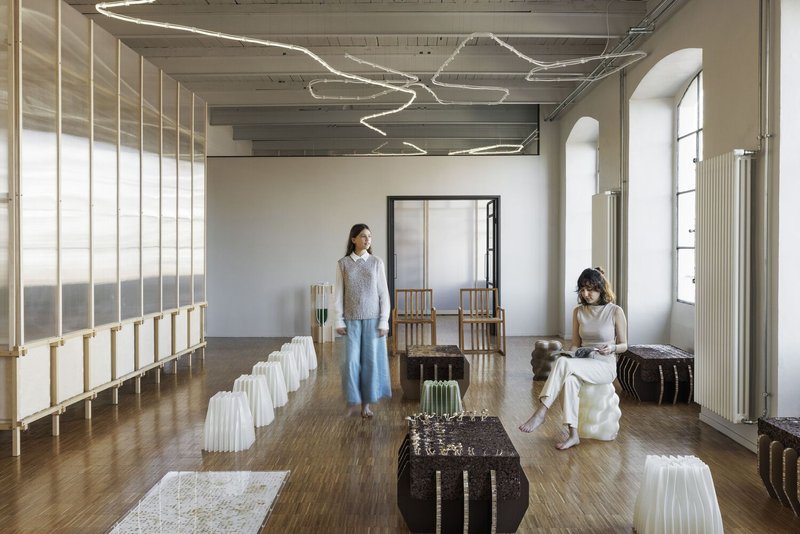
Housed within the historic Ex Mulini Feyles, a 19th-century industrial complex, the Design Apothecary preserves the building’s historical essence while embedding modern, biophilic principles. The space, which spans 250 sqm, is a perfect example of how architects can rejuvenate old industrial buildings to meet the ecological needs of modern life. The building’s adaptation into a biophilic design hub highlights the intersection of architecture, nature, and technology, creating a space that fosters both creative and sustainable living.
The Air Purifying Algae Garden: Central to Biophilic Functionality
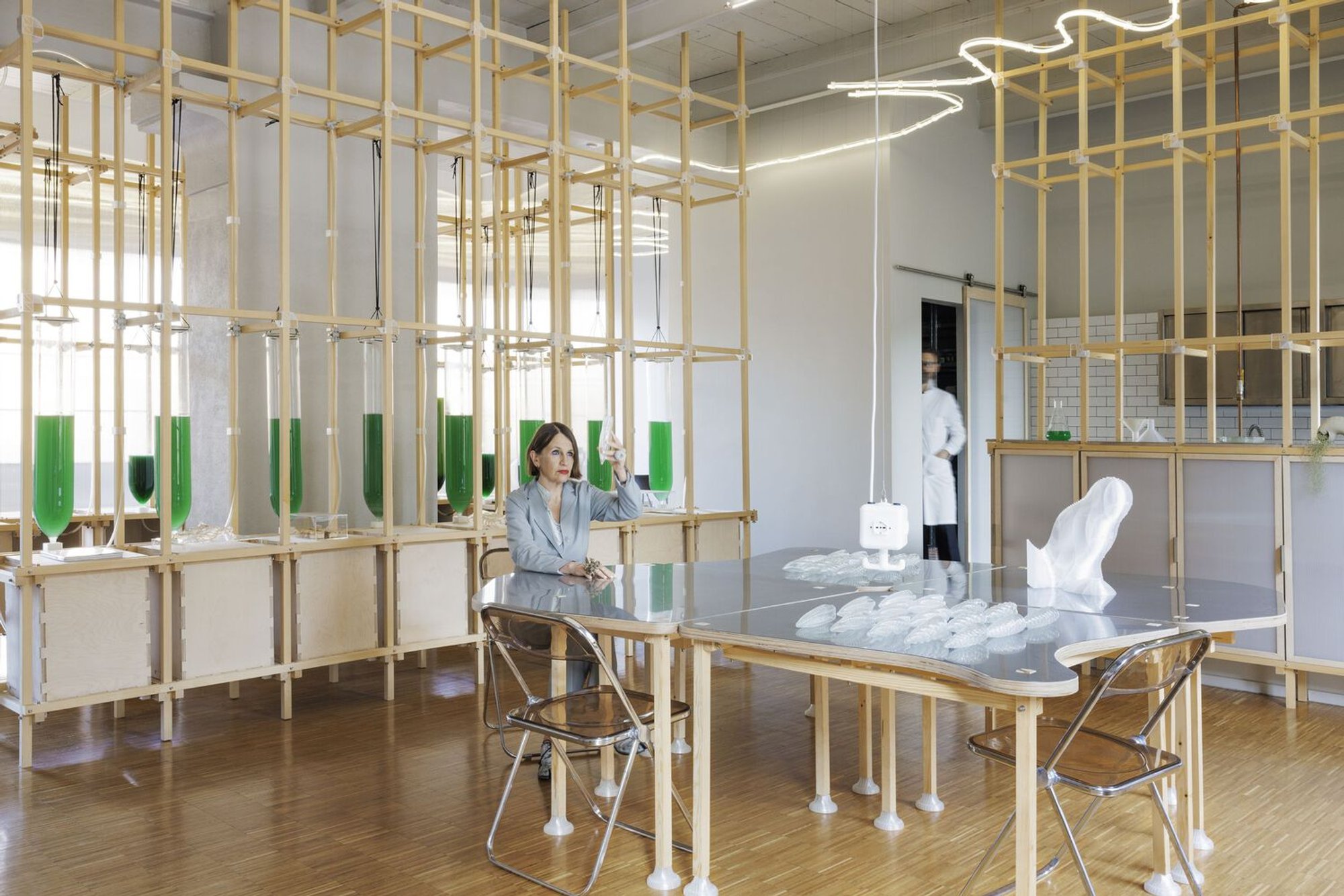
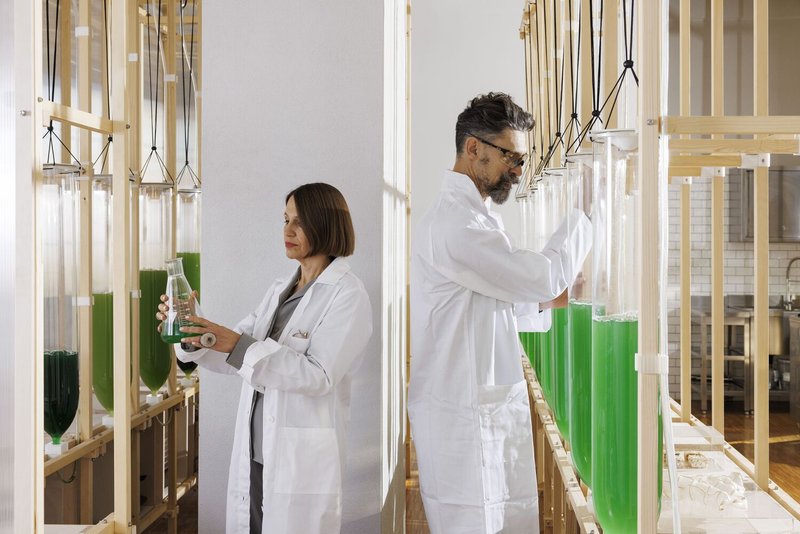
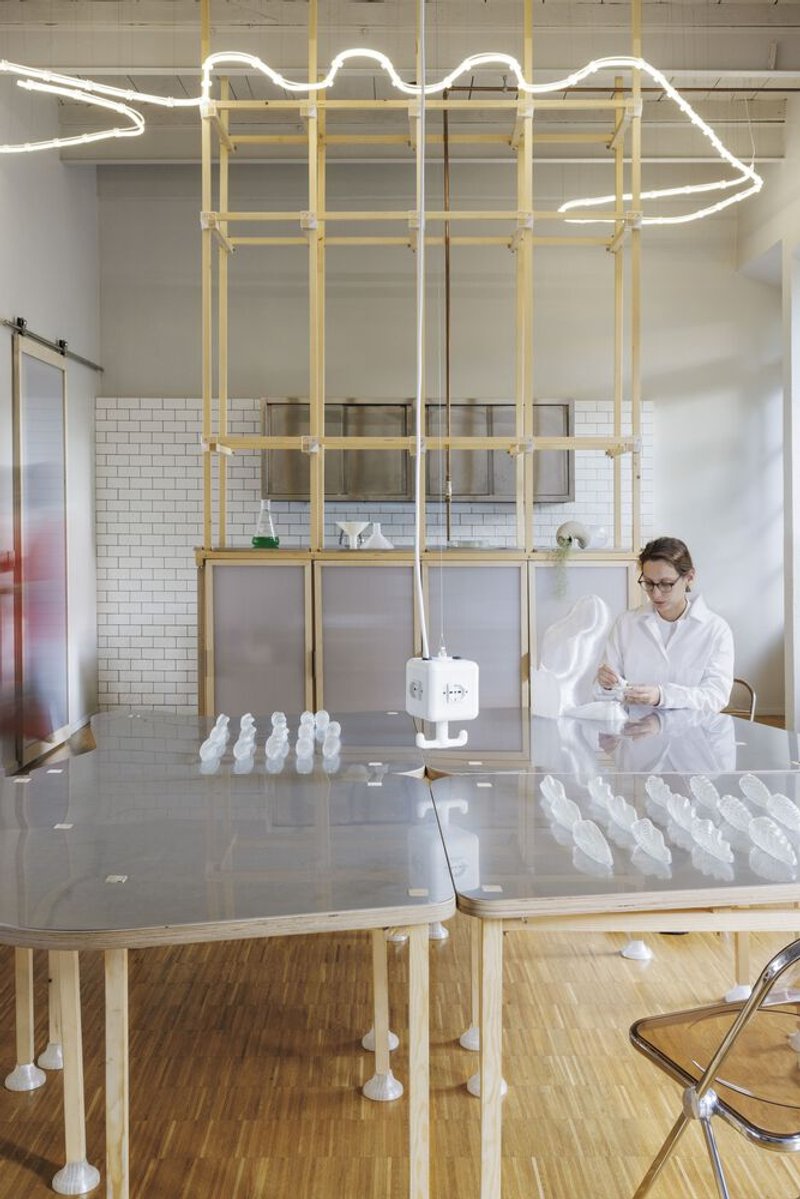
At the core of the Design Apothecary lies a fully functional air-purifying algae garden, a key feature of the space’s biophilic design. This innovative system houses 17 photosynthetic reactors that operate as living organisms, using algae to purify the air. The algae garden not only absorbs CO2 at a rate equivalent to four large trees per day but also generates fresh oxygen and produces algae biomass that can be used for various purposes such as food, fertilizer, and even 3D printing interior design components. This living lab embodies the potential of integrating natural processes into domestic environments.
Modular Design: Flexible and Sustainable Architecture
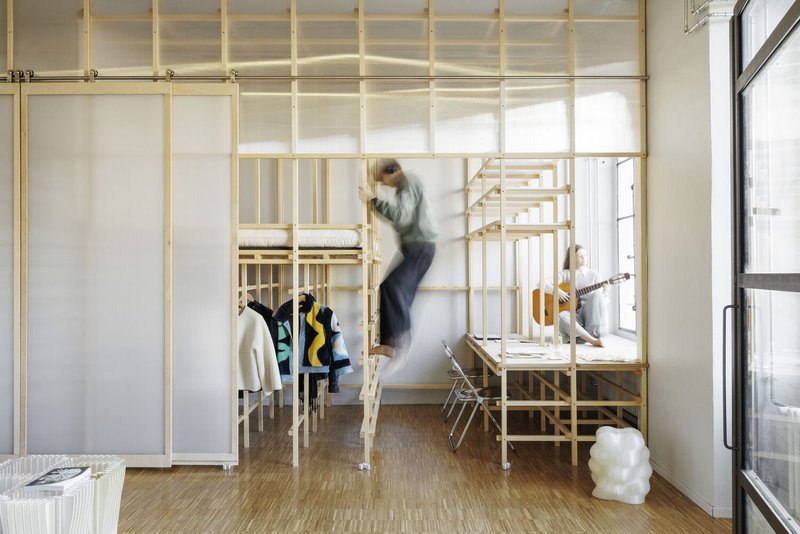
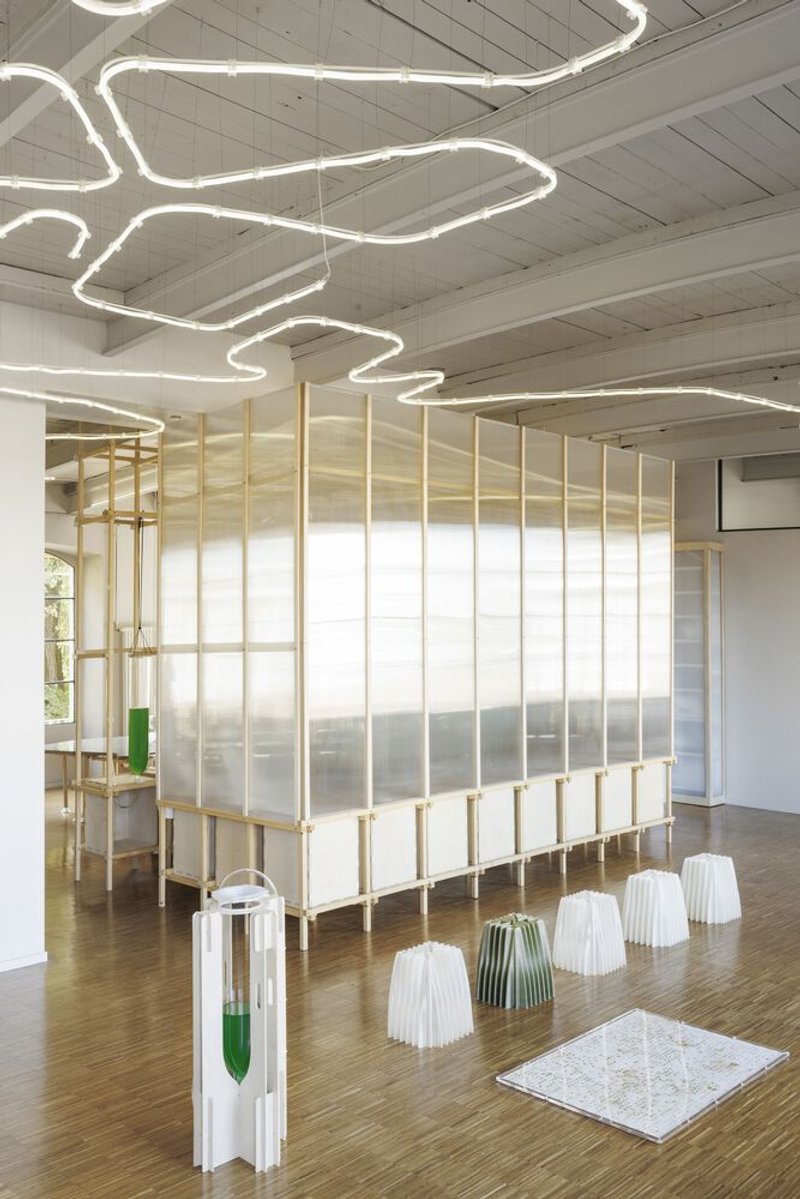
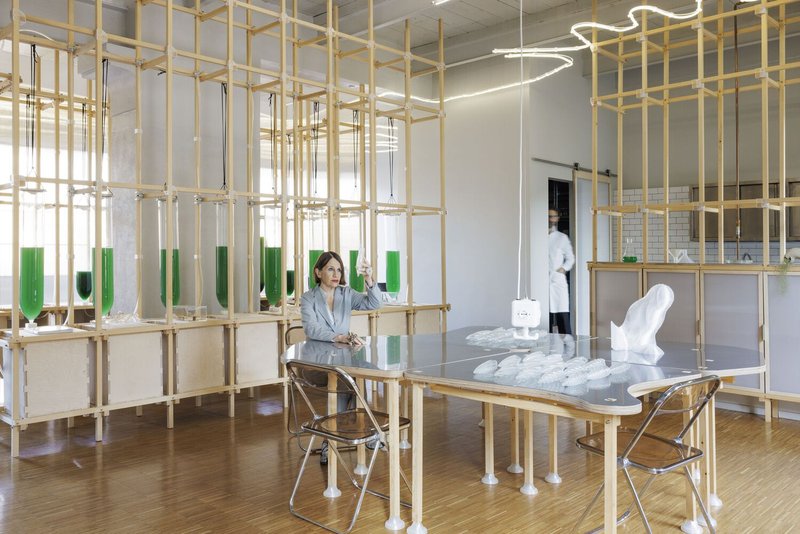
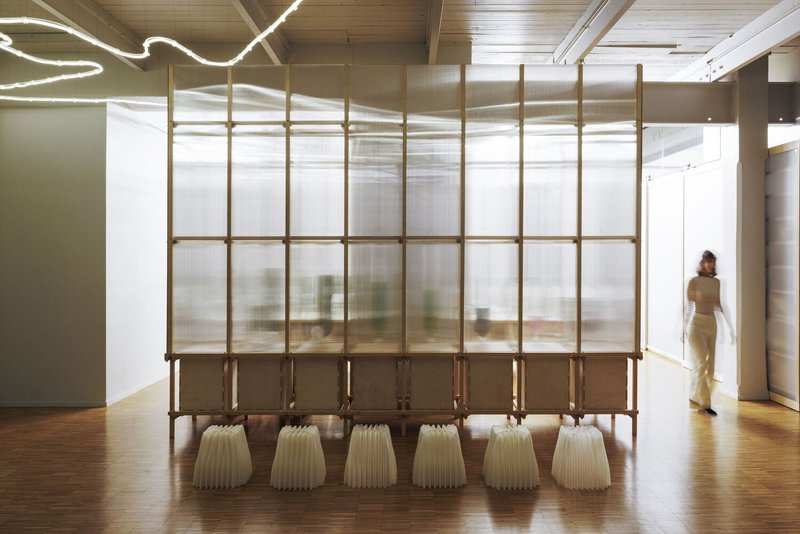
The modular design of the algae garden is built from a fir wood lattice structure, showcasing eco-conscious construction practices. The system is fully reversible and expandable, emphasizing the circular nature of its design. The integration of biodegradable 3D-printed components highlights the importance of sustainable materials in biophilic architecture. The flexible system allows for future expansion, creating a dynamic and adaptable space that reflects the evolving needs of both the inhabitants and the environment.
The Medicinal Plant Garden and Mycelium Capsules: Nature as Design
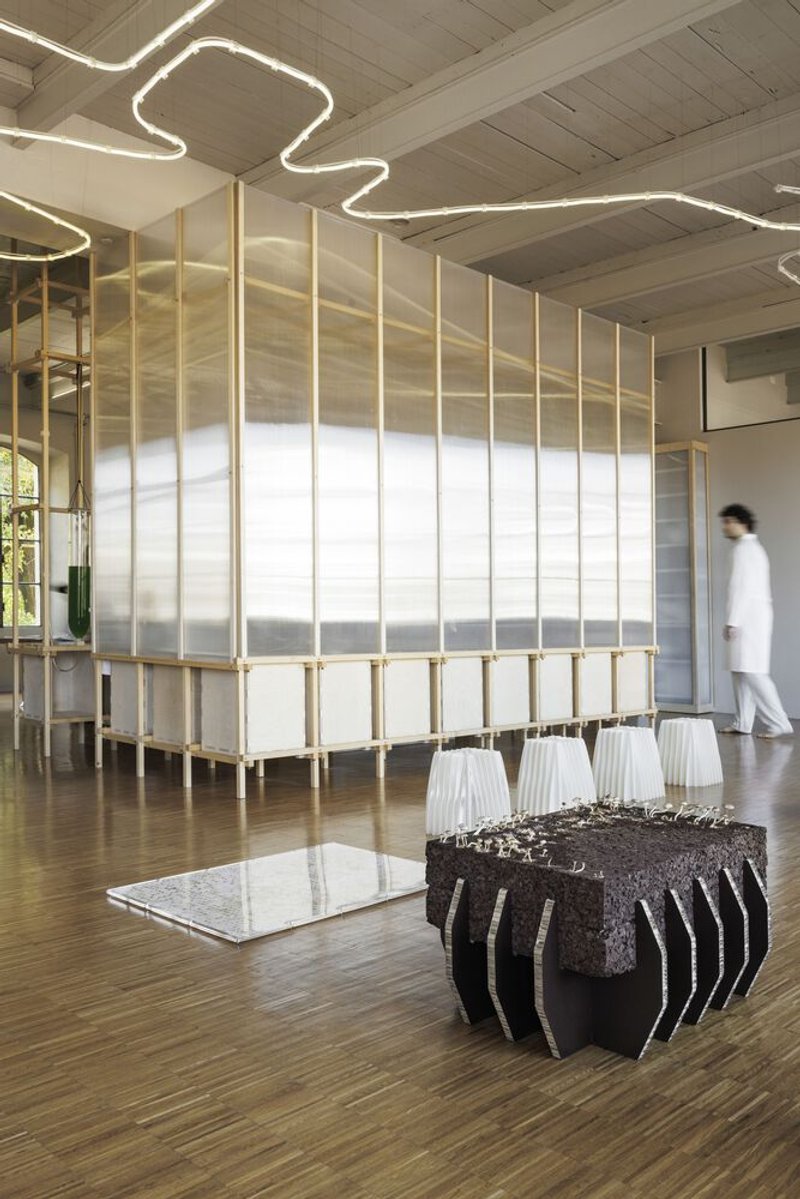
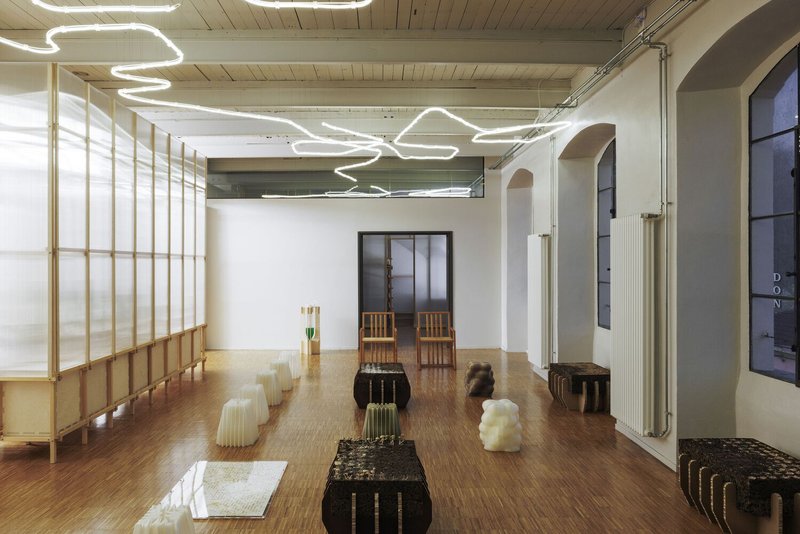
Alongside the algae garden, the medicinal plant garden and mycelium capsules serve as vital components of the biophilic system. These elements highlight the role of nature in promoting health and well-being. The plants, housed in a modular system along the space’s balcony, serve as both functional elements for air purification and aesthetic features that enhance the building’s overall environment. The mycelium capsules, which are biodegraded and reused within the design, further emphasize the project’s commitment to sustainability.
Creating a Living Lab for Circular Design and Healthy Living
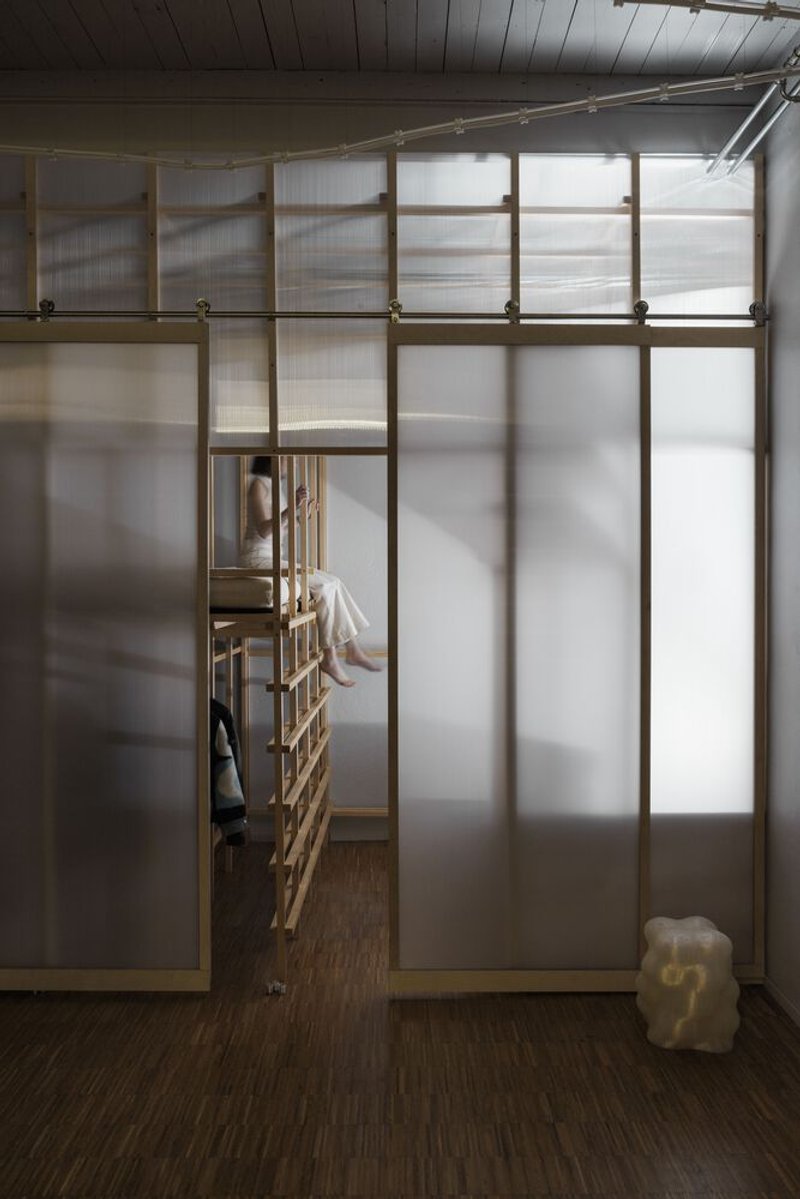
The Design Apothecary is more than just a living space; it is a living lab that serves as a testing ground for circular design principles. The integration of the algae garden, medicinal plant garden, and mycelium system within the open-plan space provides a real-time experiment in ecological architecture. Each component serves a dual purpose, offering both aesthetic value and practical benefits, while promoting a sustainable, low-impact lifestyle.
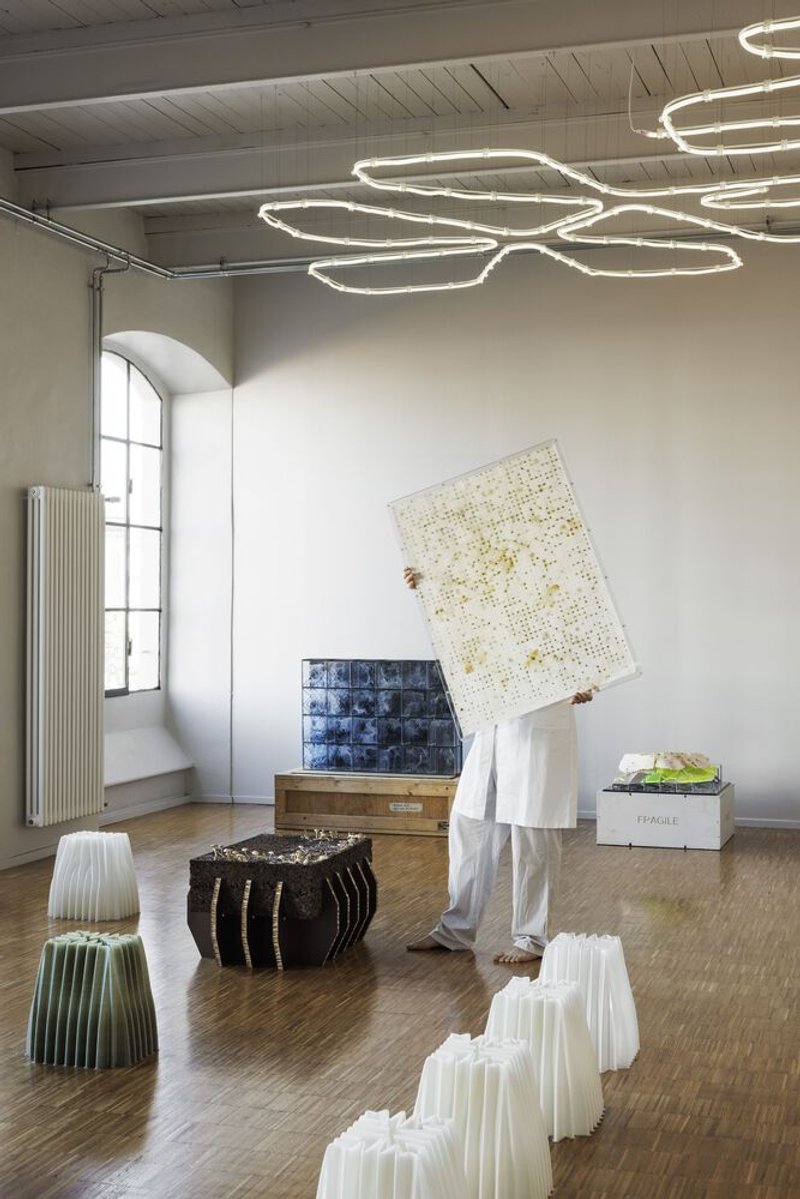
Innovative Interior Features and Sustainable Materials
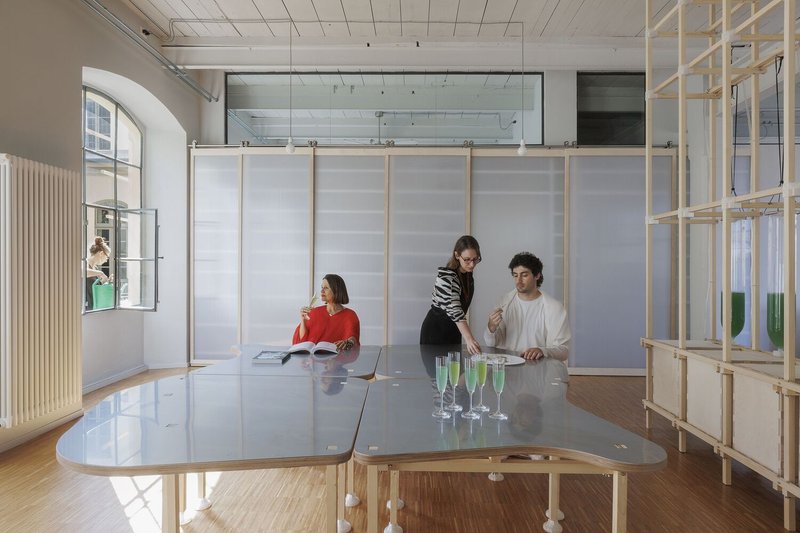
EcoLogicStudio’s biophilic design extends beyond the algae garden to encompass every aspect of the space. The living lab room, equipped with flexible furniture and a central 2x2 meter table, demonstrates how design can adapt to various modes of use. From formal bio-lab activities to informal gatherings, the space transforms effortlessly, reflecting the multifunctional needs of modern life. Sustainable materials such as cork, timber, and polycarbonate panels have been incorporated throughout the design to ensure environmental responsibility while maintaining aesthetic appeal.
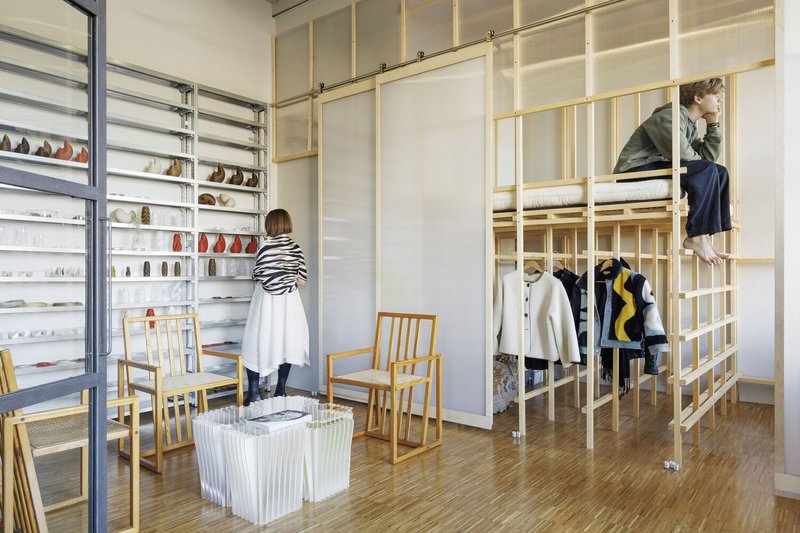
Biophilic Lighting Design: Inspired by Nature
A unique feature of the Design Apothecary is its biophilic lighting system, which draws inspiration from natural organisms like the Physarum Polycephalum. This lighting system branches out across the drawing room, providing not only illumination but also a visual connection to the organic processes occurring within the space. By mimicking natural forms, the lighting design creates a harmonious environment that reinforces the building’s biophilic ethos.
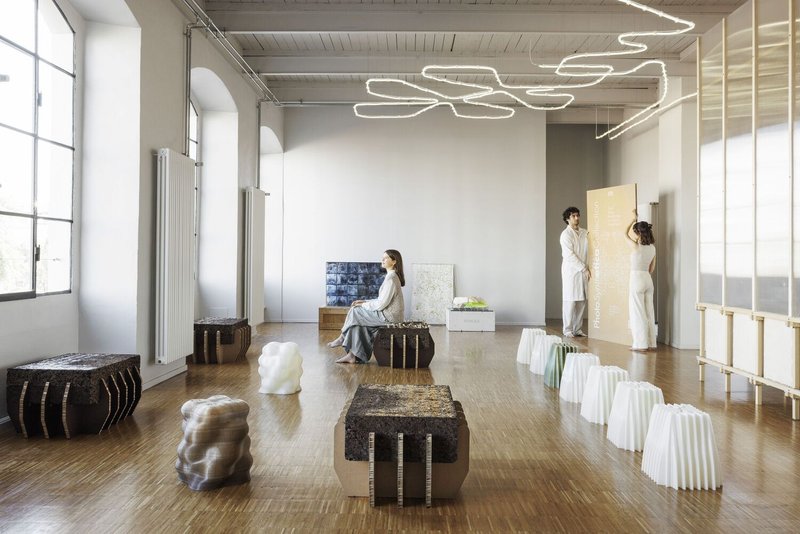
Biophilic Design as the Future of Architecture
The Design Apothecary by ecoLogicStudio represents the future of architecture, where biophilic principles are seamlessly integrated into every aspect of the design. Through the use of biotechnology, sustainable materials, and circular design systems, this project demonstrates how architecture can address environmental concerns while enhancing the well-being of its inhabitants. As cities continue to face challenges such as pollution and climate change, biophilic design offers a hopeful vision for the future of urban living.
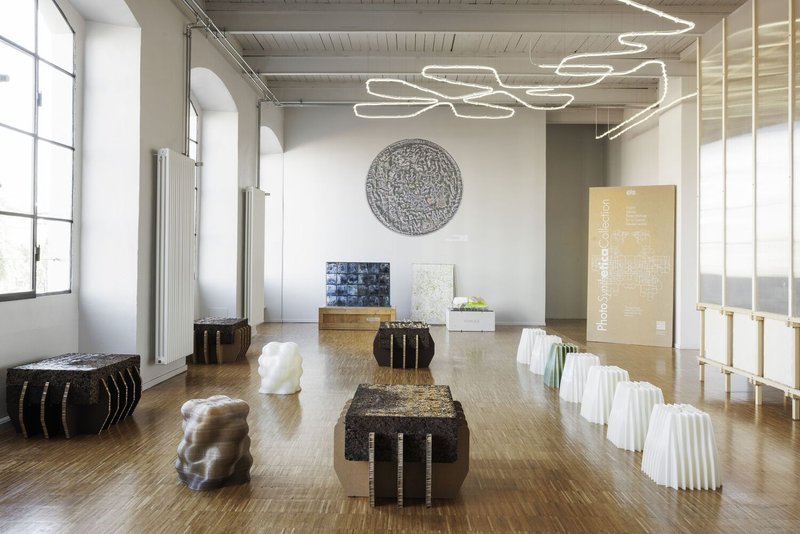
All Photographs are works of Pepe Fotografia




Popular Articles
Popular articles from the community

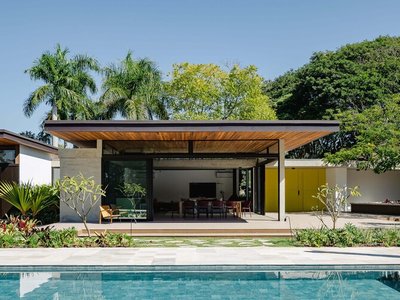
Flamboyant House by Juliana Camargo + Prumo Projetos
Modern Brazilian house integrating existing tree, pool, and volumes with glass, wood, and transitional spaces blending interior, exterior, and landscape seamlessly.
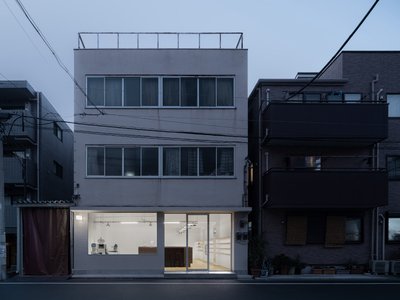
Atelier Macri Concept Store Interior Design by CASE-REAL
Atelier Macri store features a "ko" counter, walnut wood details, cork displays, blending retail, gallery, and seamless customer experiences.


The Ken Roberts Memorial Delineation Competition (Krob)
As the most senior architectural drawing competition currently in operation anywhere in the world, it draws hundreds of entries each year, awarding the very best submissions in a series of medium-based categories.
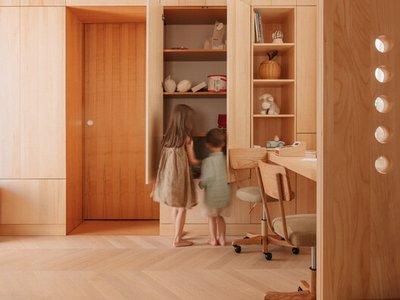
Treehouse Apartment: A Warm Timber Interior Blending Craft, Play, and Contemporary Living
Warm timber apartment with integrated treehouse, combining natural materials, craftsmanship, and playful design to create a flexible, family-oriented living environment.


Similar Reads
You might also enjoy these articles
The Ken Roberts Memorial Delineation Competition (Krob)
As the most senior architectural drawing competition currently in operation anywhere in the world, it draws hundreds of entries each year, awarding the very best submissions in a series of medium-based categories.


Waterfront Redevelopment and Urban Revitalization in Mumbai: Forging a New Dawn for Darukhana
A transformative waterfront redevelopment project reimagining Darukhana’s shipbreaking heritage into an inclusive urban future.

OUT-OF-MAP: A Call for Postcards on Feminist Narratives of Public Space
Rhizoma Design and Research Lab invites artists, designers, architects, researchers, and students to reflect on how feminist perspectives can reshape public space. Selected works will be exhibited in Barcelona, October 2026. Submissions open until 15 April 2026.


Documentation Work on Buddhist Wooden Temple
Architectural syncretism and cultural hybridity: A comparative study of the Buddhist temples in Chattogram Hill tracks


Explore Architecture Competitions
Discover active competitions in this discipline




The International Standard for Design Portfolios


The Global Benchmark for Architecture Dissertation Awards


The Global Benchmark for Graduation Excellence


Challenge to reimagine the Iron Throne
Comments (0)
Please login or sign up to add comments
No comments yet. Be the first to comment!