
Eco-Luxury Hotel Design: Unveiling the Floating Hotel by MORE Architecture
Explore the Floating Hotel by MORE Architecture, a stunning example of eco-luxury hotel design nestled in China's bamboo forests.


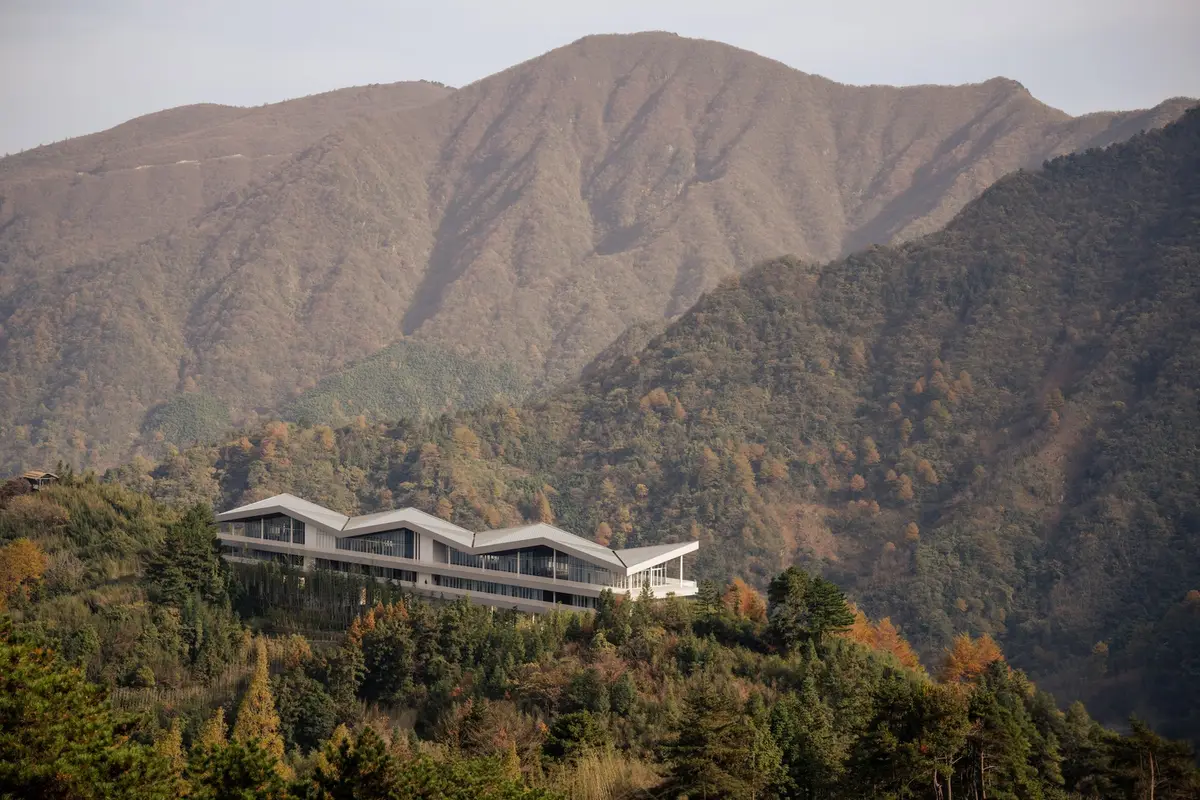
Nestled in the mountainous bamboo forests of Anji, three hours from Shanghai, the Floating Hotel by MORE Architecture redefines the concept of eco-luxury hotel design. This boutique hotel harmonizes luxury with environmental sensitivity, set in one of the most urbanized areas in the world.
The Principles of Eco-Luxury Hotel Design
Defining Eco-Luxury Architecture
Eco-luxury architecture combines sustainable building practices with high-end design to create spaces that are both environmentally responsible and luxurious. This approach often involves using renewable materials, enhancing energy efficiency, and integrating the building into its natural surroundings without compromising on comfort or aesthetic appeal.
Benefits of Eco-Luxury Hotels
Such hotels offer guests a unique experience that emphasizes wellness, comfort, and minimal environmental impact. They cater to a growing demographic that values sustainability as part of their lifestyle choice, especially in regions like China where domestic tourism is on the rise due to increasing urbanization.
Architectural Overview of the Floating Hotel
Innovative Structural Design
Integration with Nature
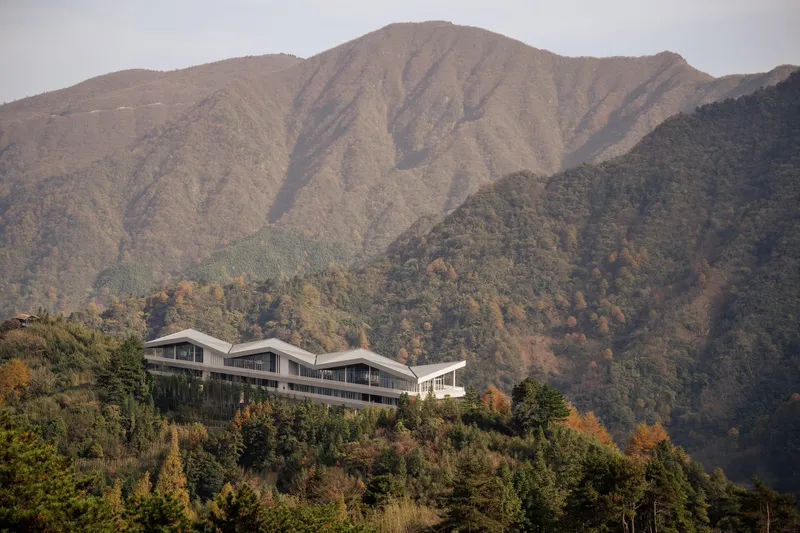
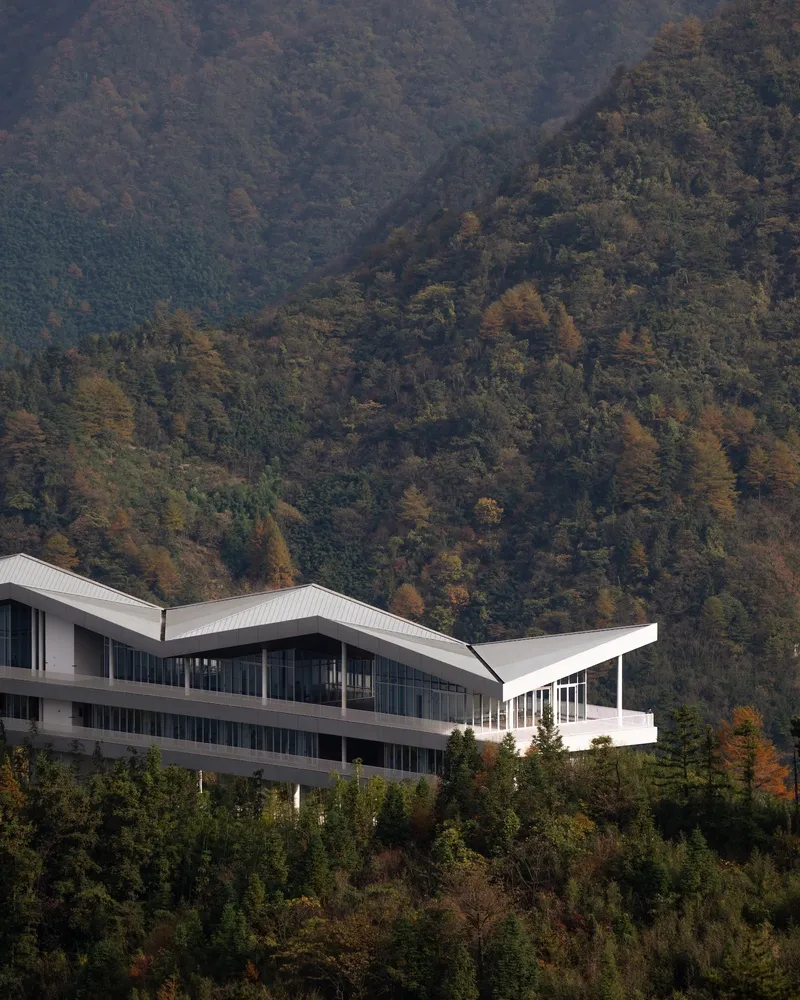
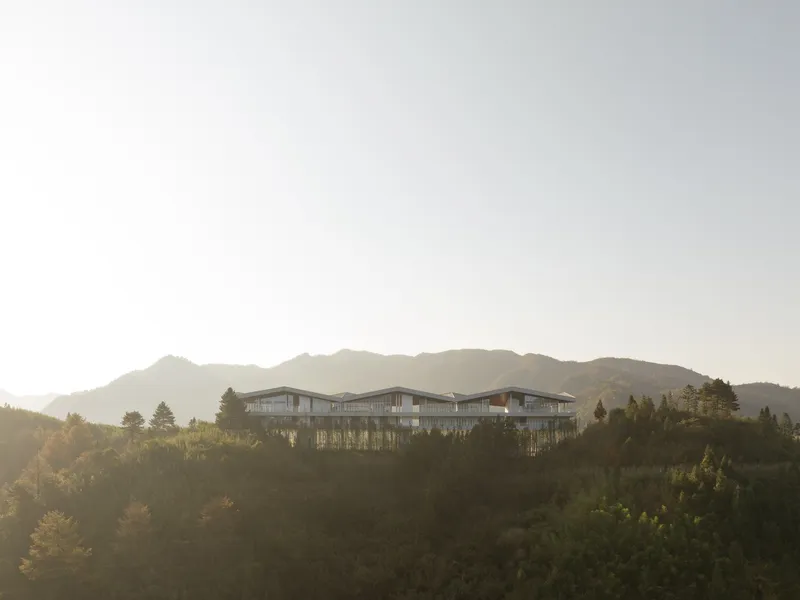
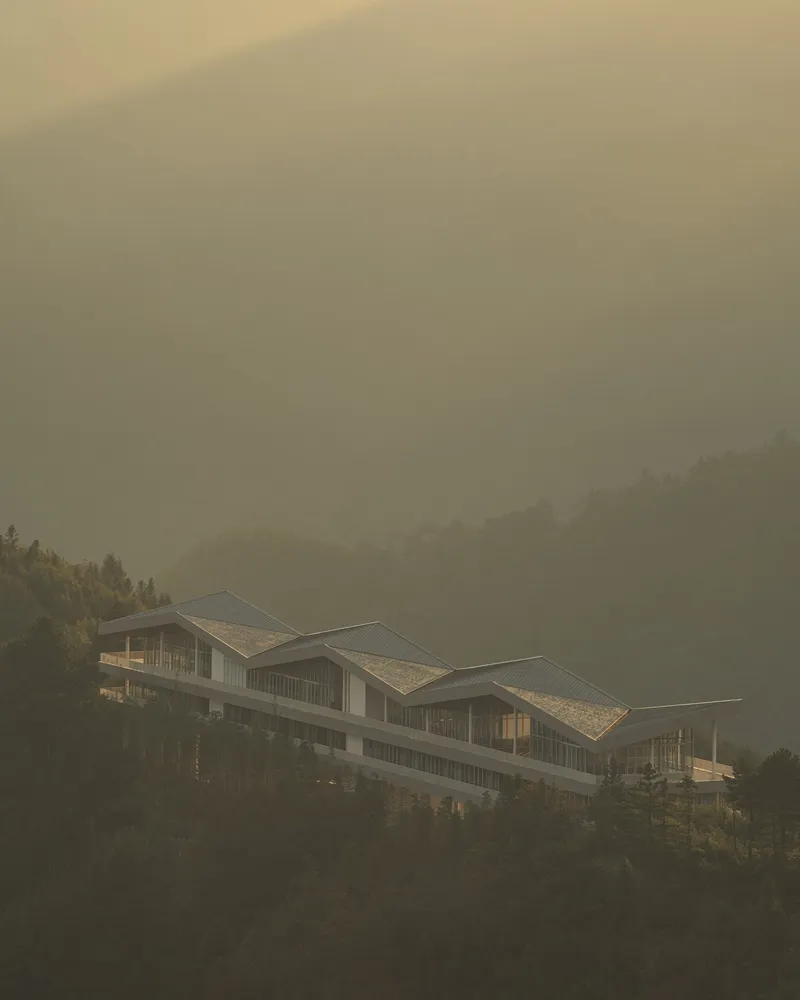
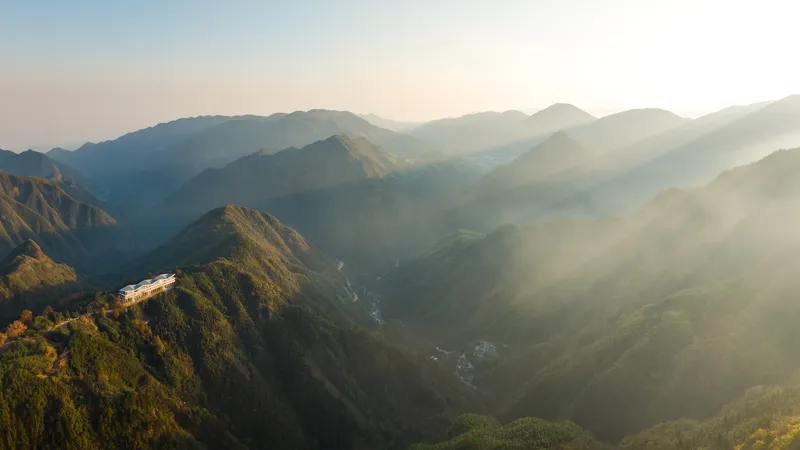
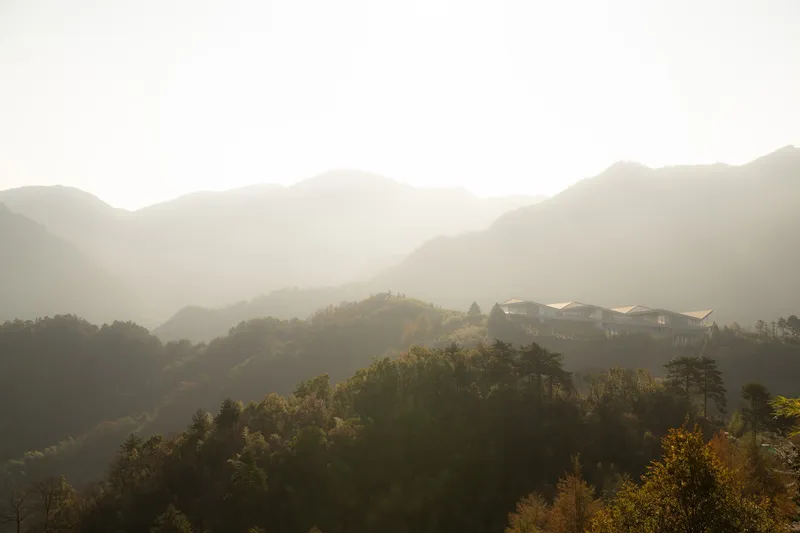
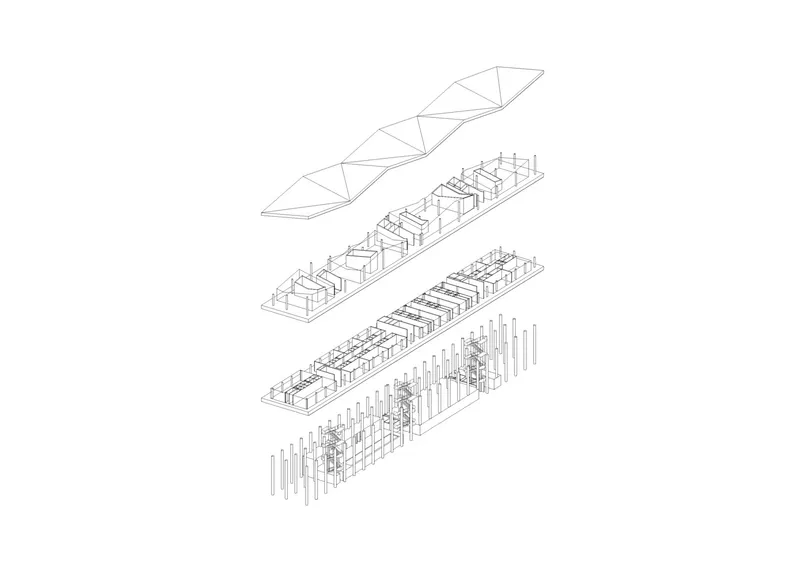
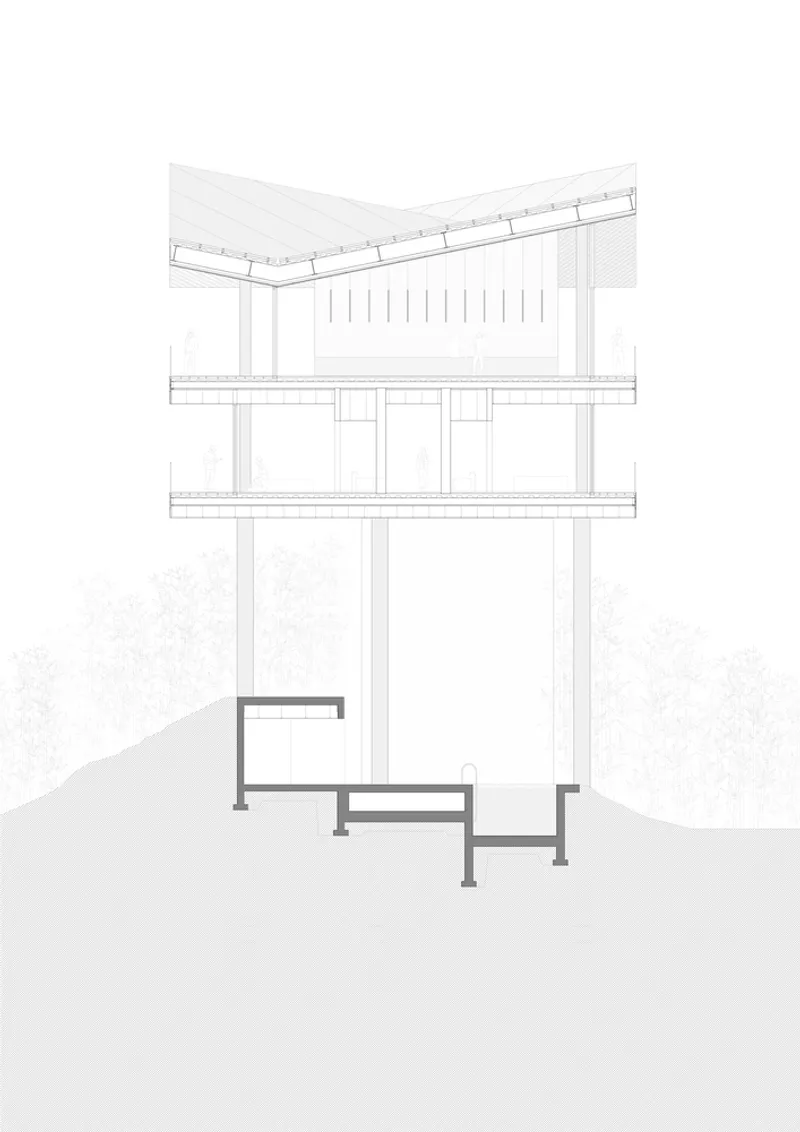
The Floating Hotel is designed to float above the hills, integrating seamlessly into the mountainous landscape. Its structure is supported by steel columns that elevate it eight meters above the ground, allowing nature to flow uninterrupted beneath the building. This elevation provides dramatic views and emphasizes the hotel’s commitment to preserving its natural environment.
Roof and Public Spaces
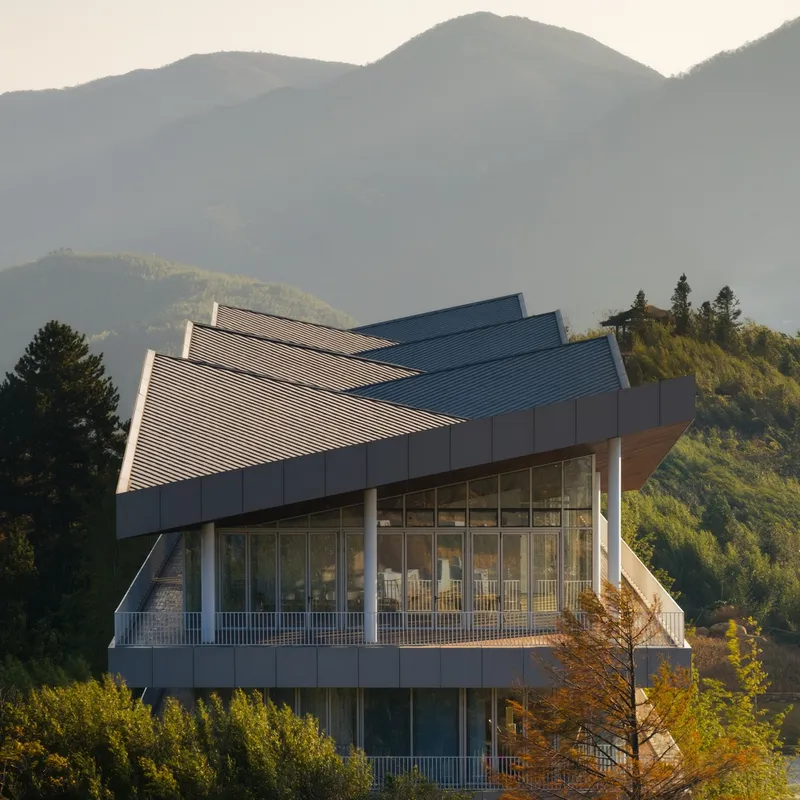
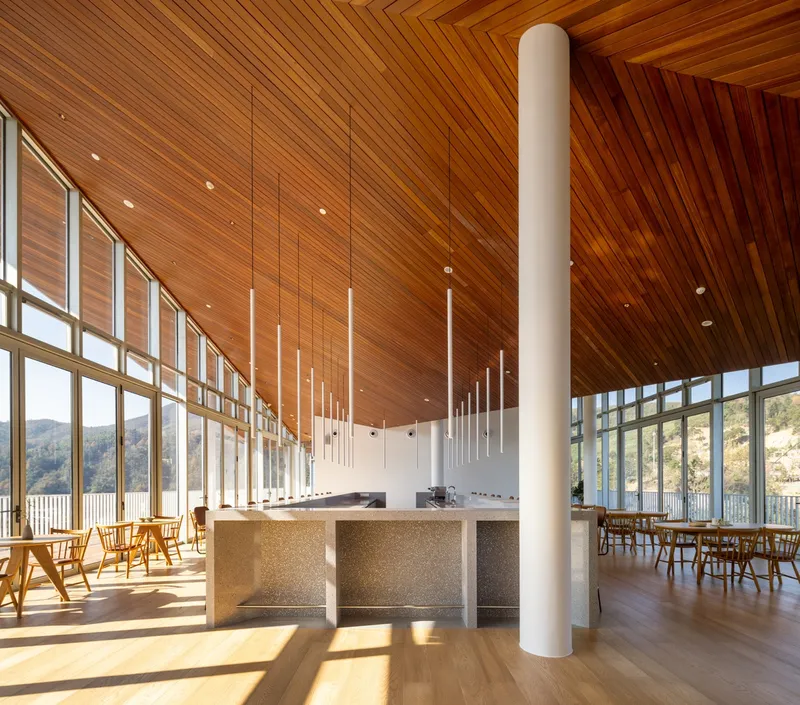
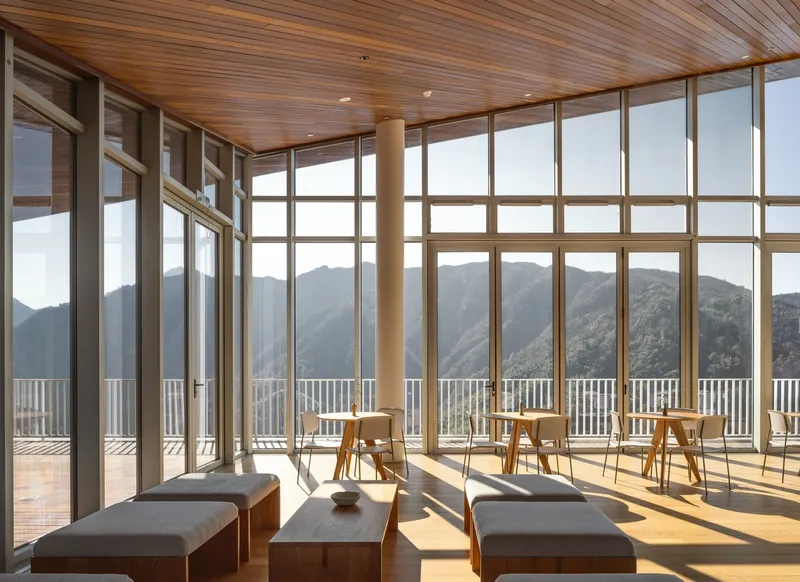
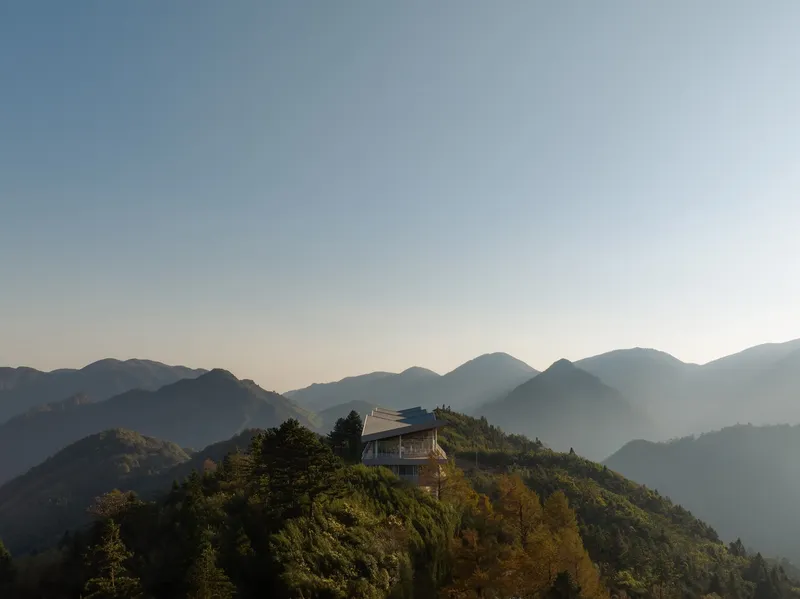
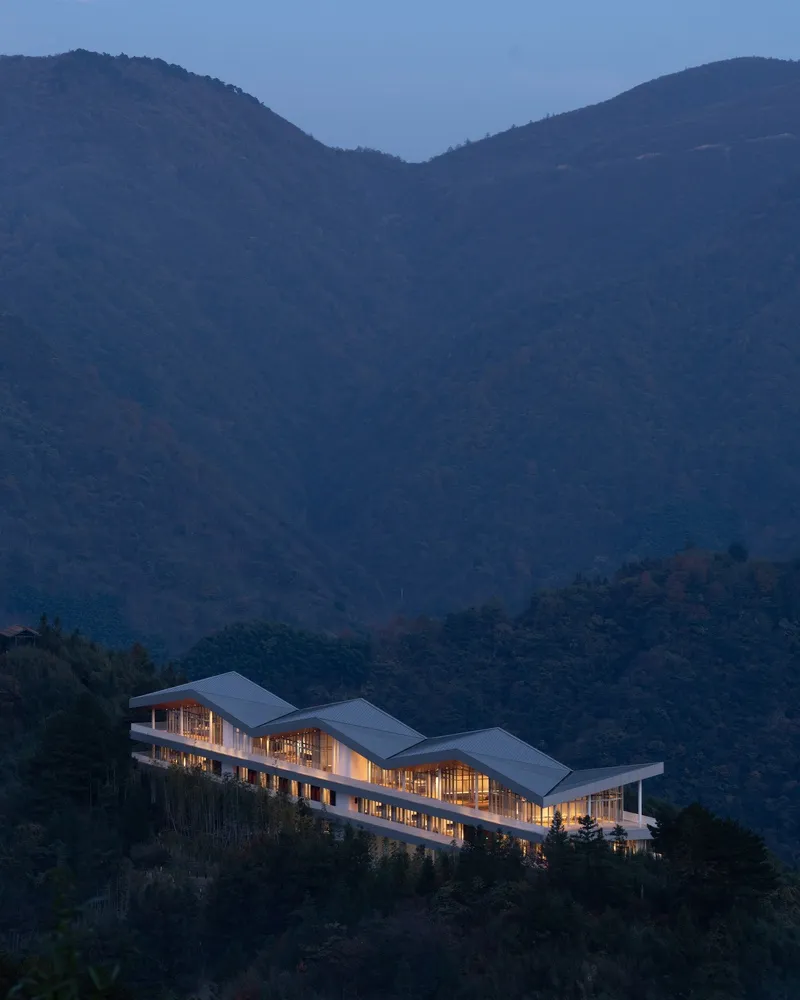
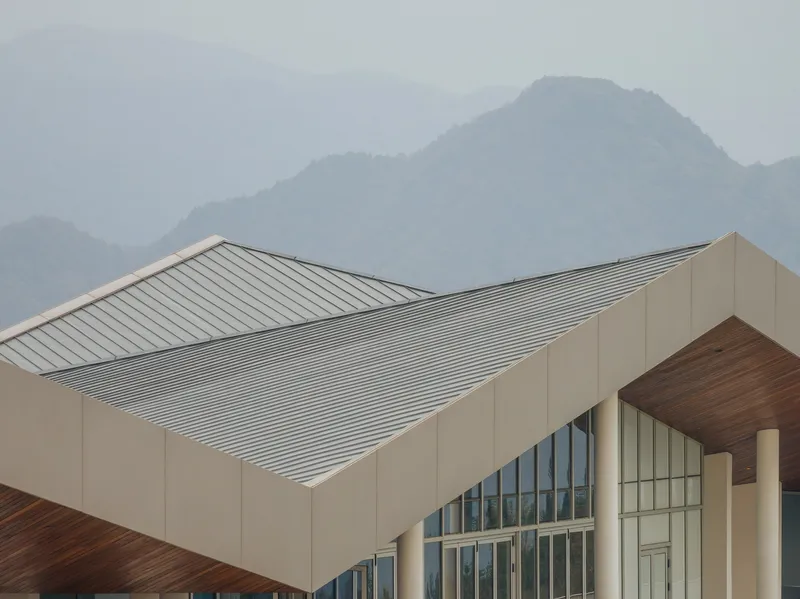
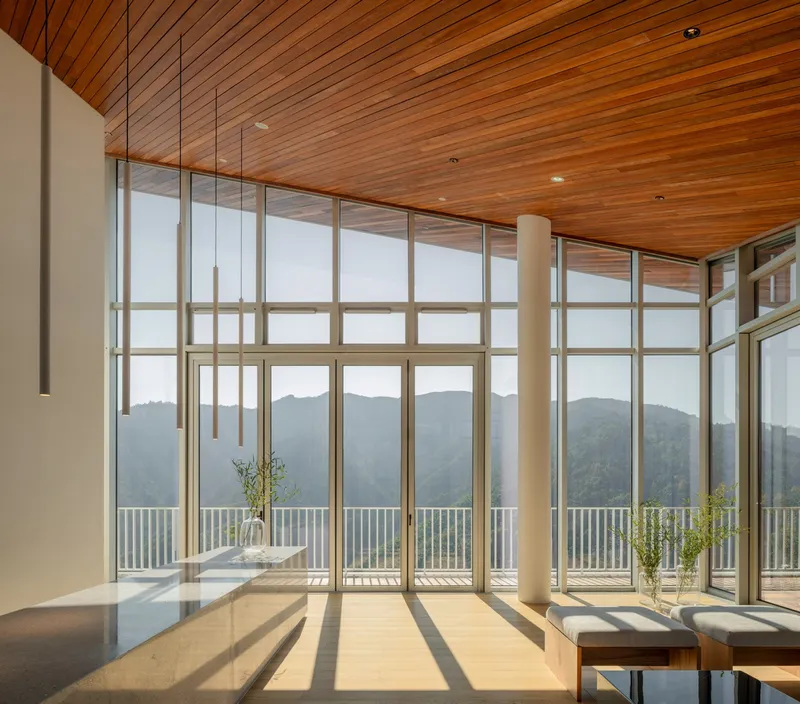
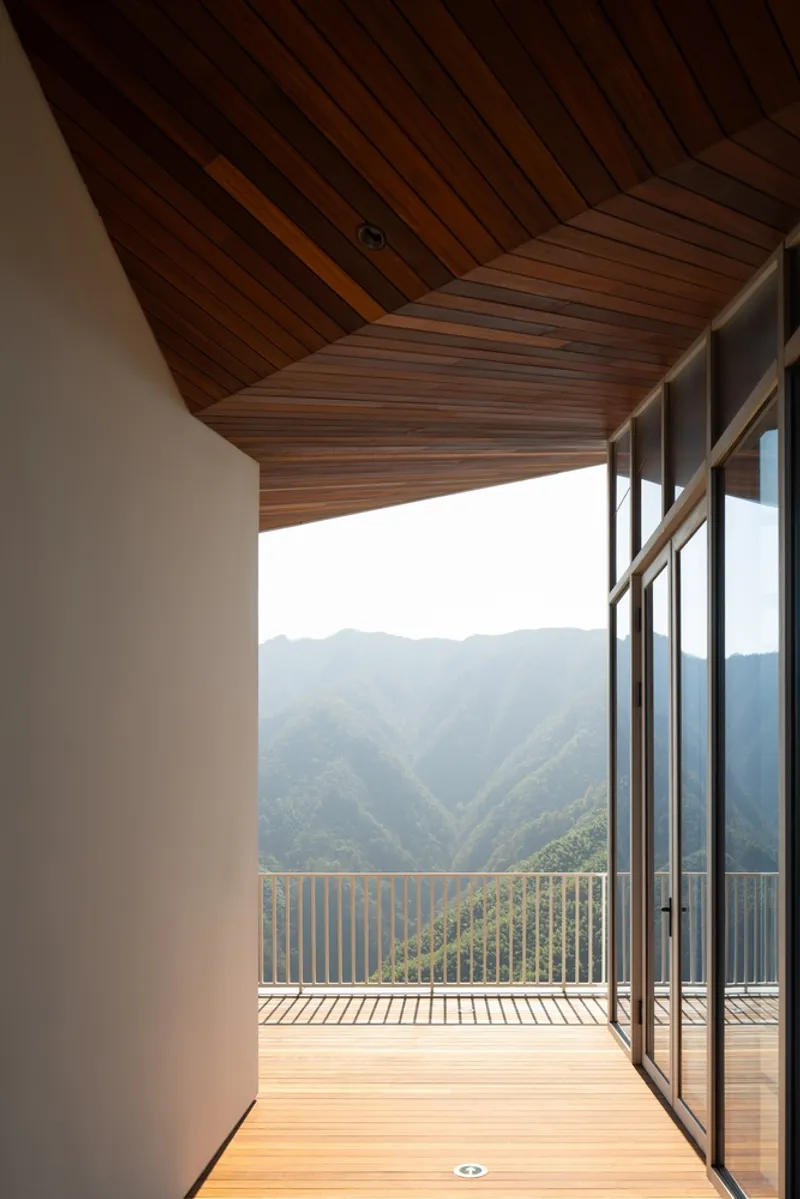
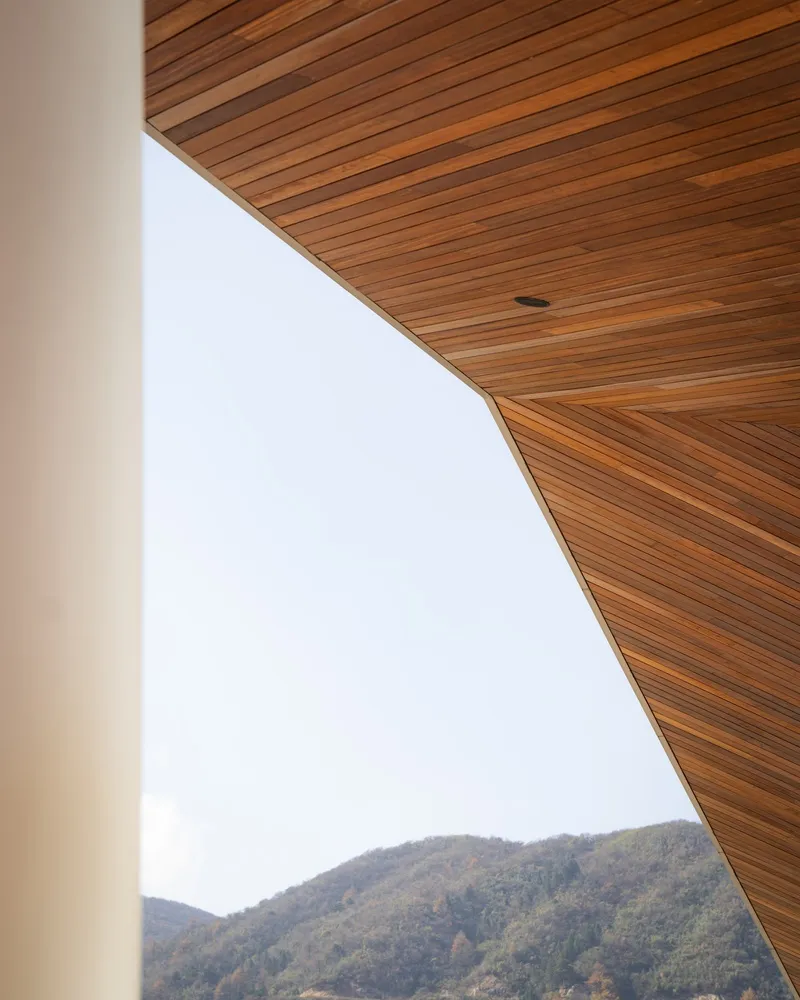
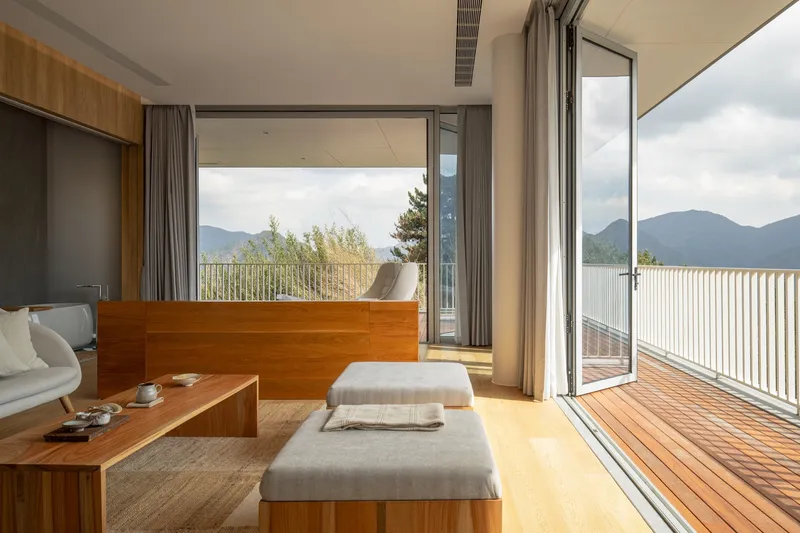
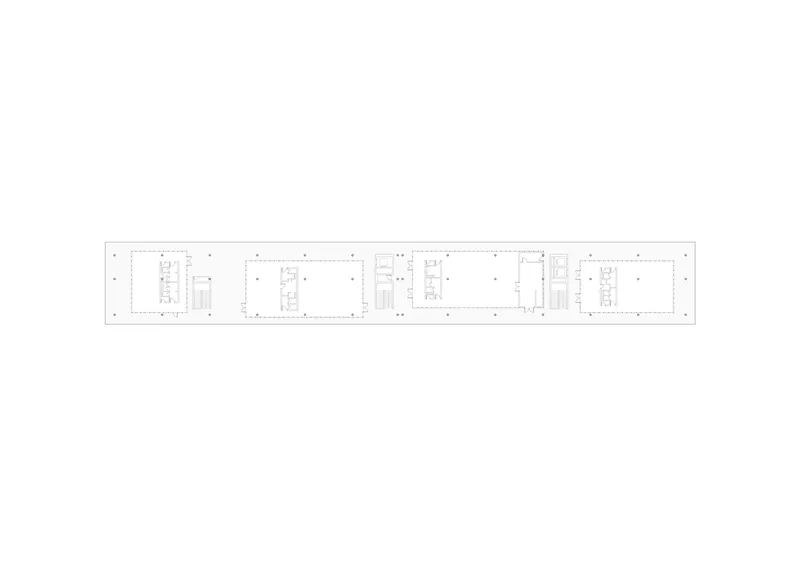
The hotel features a distinctive folded zinc roof that covers a series of transparent public spaces including a lobby, yoga room, restaurant, and an event space. These areas are designed to provide expansive views of the valley, blurring the boundaries between inside and outside and enhancing the guest experience with the beauty of the natural surroundings.
Sustainability Features
Material Use and Environmental Impact
The use of zinc for the roof and steel for the structure not only adheres to modern architectural design principles but also ensures longevity and durability. The choice of materials reflects a commitment to sustainability, as both zinc and steel can be recycled.
Natural Light and Ventilation
The architectural layout promotes the use of natural light and enhances ventilation, which reduces the reliance on artificial lighting and air conditioning. This design choice significantly lowers the building’s energy consumption and contributes to a more sustainable operation.
Interior Design and Guest Experience
Rooms and Accommodation
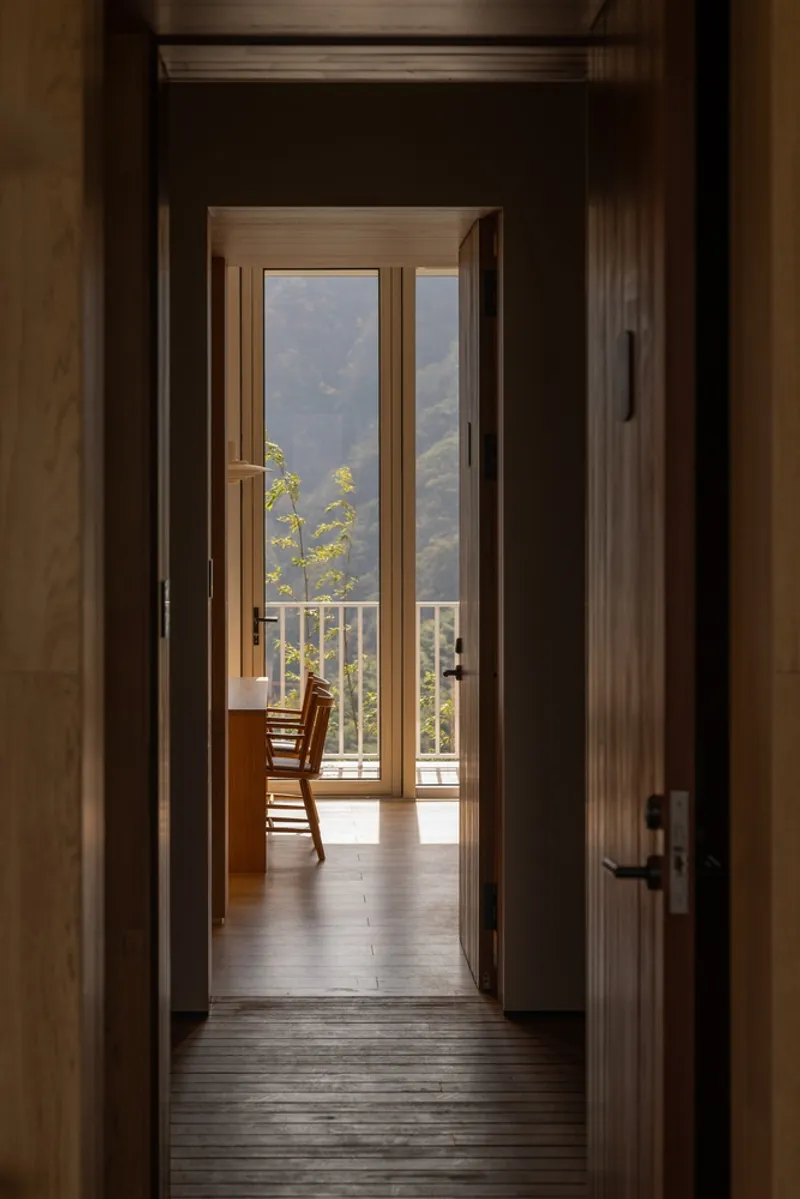
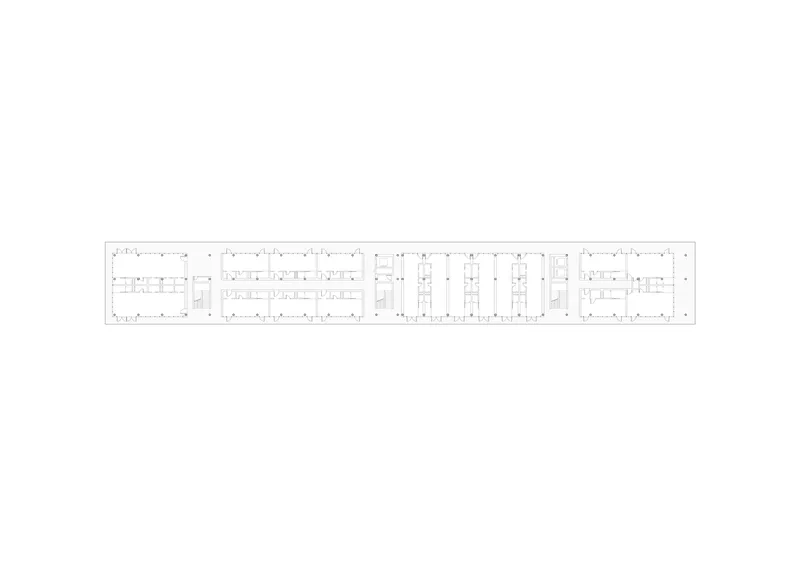
The hotel’s eighteen rooms are located beneath the public amenities, accessible via outdoor staircases that reinforce the connection with the environment. The room layout varies, with single-loaded rooms offering narrow, dual-aspect views, double-loaded rooms providing wide vistas, and suites located on corners with multiple views. This unconventional arrangement ensures that all guests enjoy privacy and unparalleled views of the surrounding landscape.
Common Areas
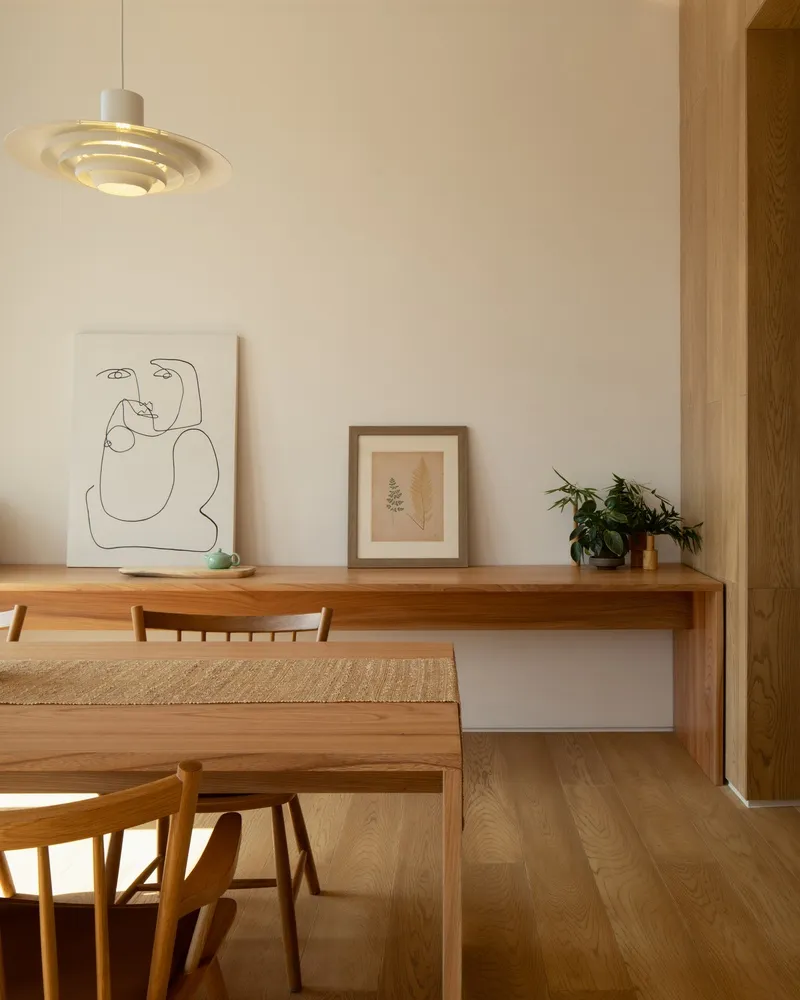
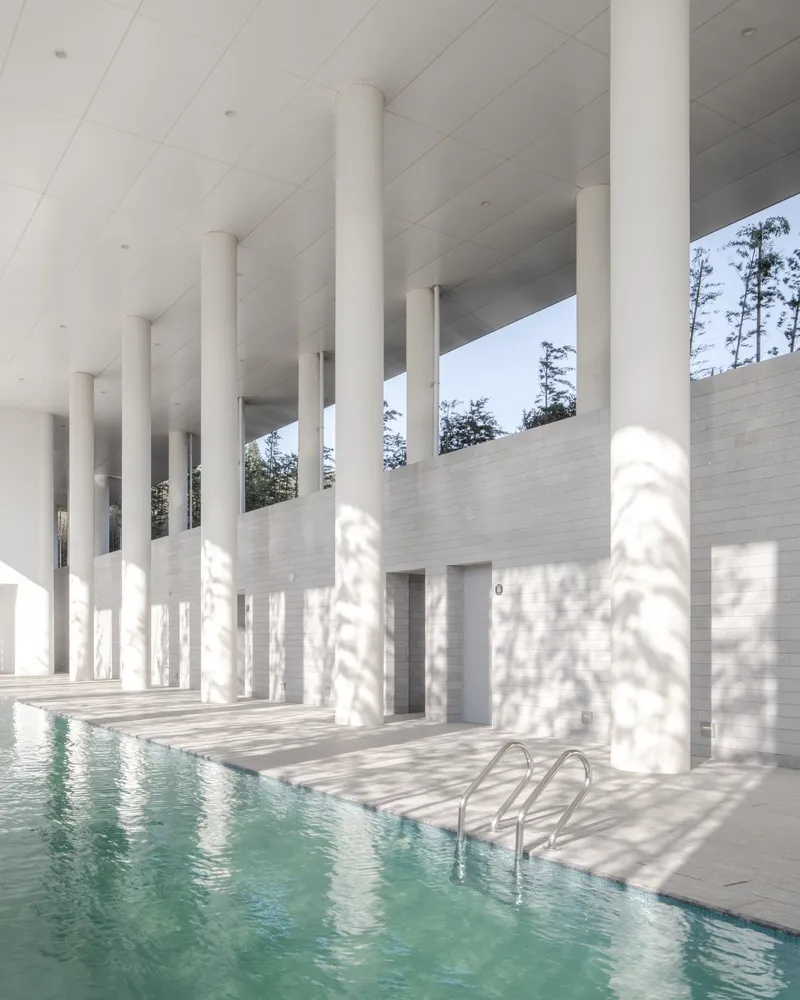
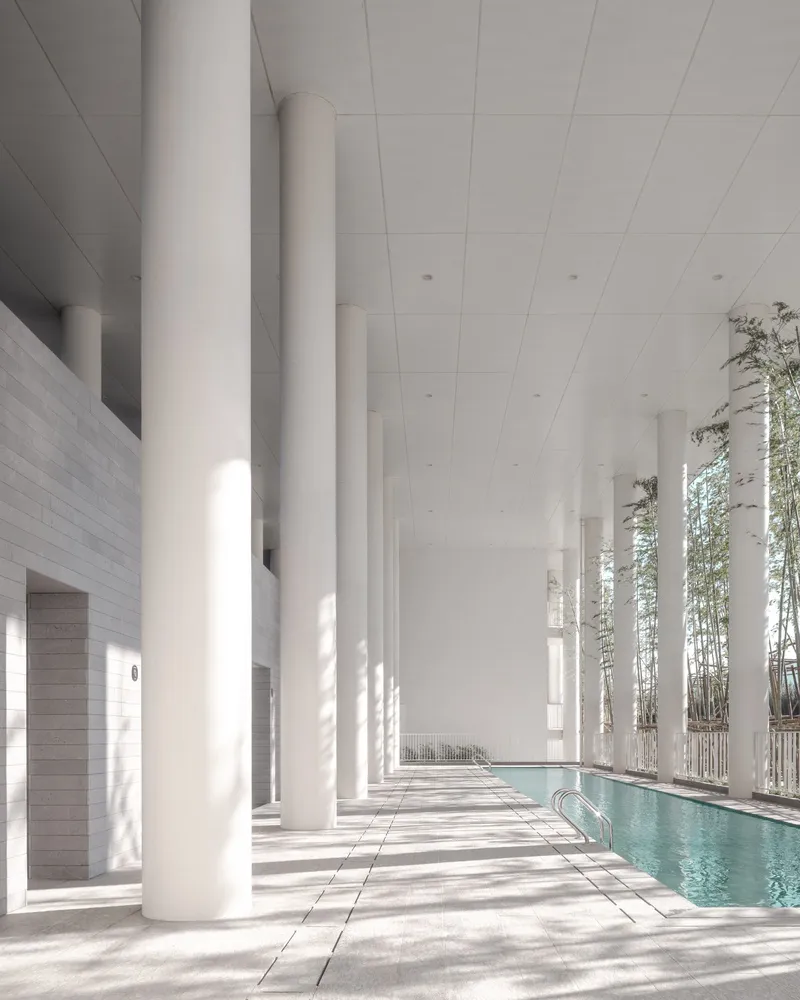
The ground beneath the elevated structure houses a swimming pool and changing rooms, creating a luxurious recreational area that remains connected to the outdoors. The use of wood for interior finishes and custom-designed furniture adds warmth and a tactile quality to the spaces, enhancing the eco-luxury feel.
The Floating Hotel by MORE Architecture stands as a stellar example of eco-luxury hotel design. It successfully merges the realms of luxury and sustainability, providing an immersive experience that respects and celebrates its environment. As eco-consciousness continues to grow among global travelers, projects like the Floating Hotel pave the way for a new era of sustainable luxury in the hospitality industry.
All photographs are work of Kris Provoost


Popular Articles
Popular articles from the community


Co-life: Sustainable Architecture for Age-Friendly Community Living
Co-life reimagines sustainable architecture for seniors through courtyards, rammed earth, shared gardens, and spaces designed for belonging.

Little Red Riding Hood: Architectural Design as a Journey Through Fear, Light, and Storytelling
Little Red Riding Hood reimagines the fairy tale through architectural design shaped by fear, light, scale, memory, uncertainty, and choice.

Conexión: Biophilic Design Reimagines High-Rise Living in Hong Kong
Conexión reimagines high-rise living in Hong Kong through biophilic design, green facades, shared spaces, daylight, water and nature within.

Lunar Spiral: Space Architecture Shaped by the Mathematics of the Universe
Lunar Spiral reimagines space architecture through Fibonacci geometry, lunar regolith, levitating habitats, and self-sustaining Moon living.

Similar Reads
You might also enjoy these articles


Hodi-Mandai Geram
Project Function: Preservation and revitalization of the Intangible heritage and socio-spatial identity of the Hodi by Housing, Cultural Memory Center, Sacred Grove, landscape, local tourism economy


Olio Towers: A Mid-Rise for Performers That Fuses Housing, Rehearsal, and Stage
Located blocks from Houston's Theater District, this modular tower stacks living units around a central performance atrium.

Oasis: Modular Green Housing Carved into Dhaka's Urban Fabric
A shortlisted Plugin Housing entry reclaims unauthorized settlements in Dhaka with stepped concrete volumes, green roofs, and ventilation-driven design.

Black Hole: A Floating Megastructure for the Post-Physical Era
Emiliano Mazzarotto envisions a spherical, self-scaling arena where e-sports, digital hotels, and holographic stadiums replace traditional public space.

Explore Hospitality Building Competitions
Discover active competitions in this discipline

Challenge to reimagine the Iron Throne

Photograph architecture without architects

Illustrate the lost glory of Angkor Wat - Render Challenge

Design challenge to reuse E-waste
Comments (0)
Please login or sign up to add comments
No comments yet. Be the first to comment!