
Energy Ring Library Architecture Design: A Symbiosis of Innovation and Nature
Exploring the Energy Ring Library, a sustainable architectural marvel that blends electric power symbolism with ecological innovation in design.

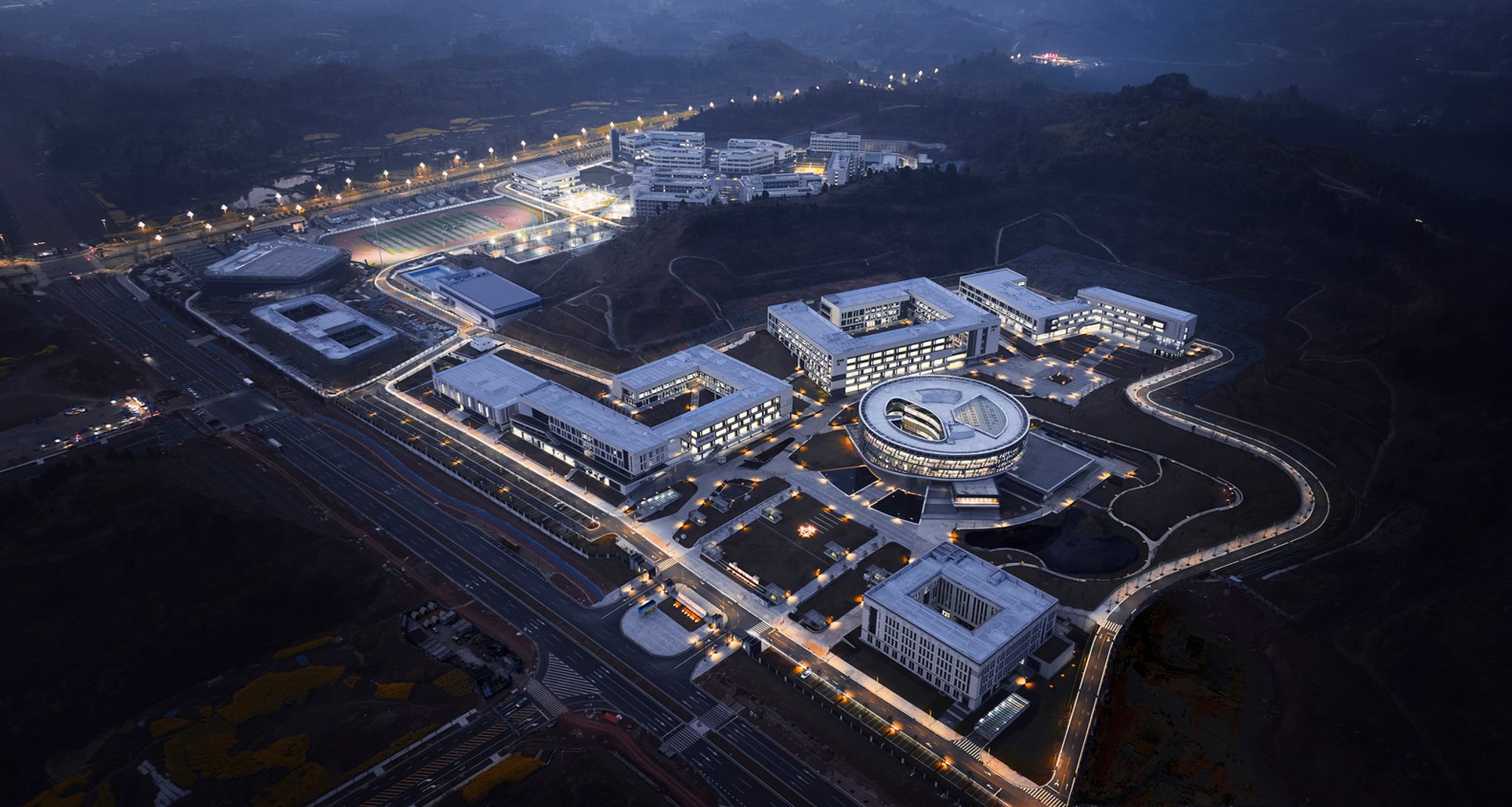
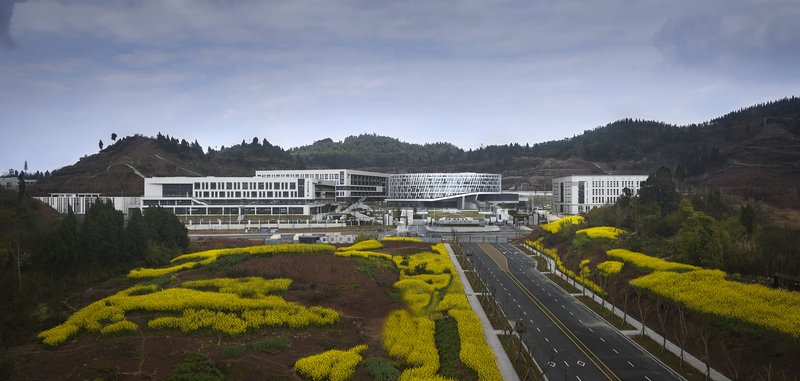
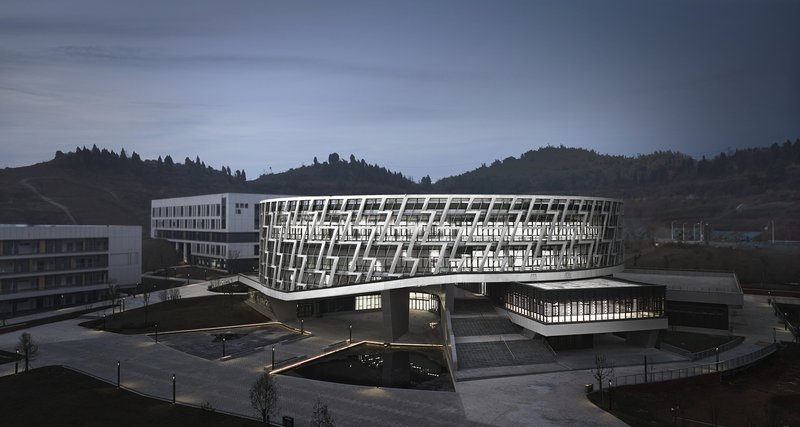
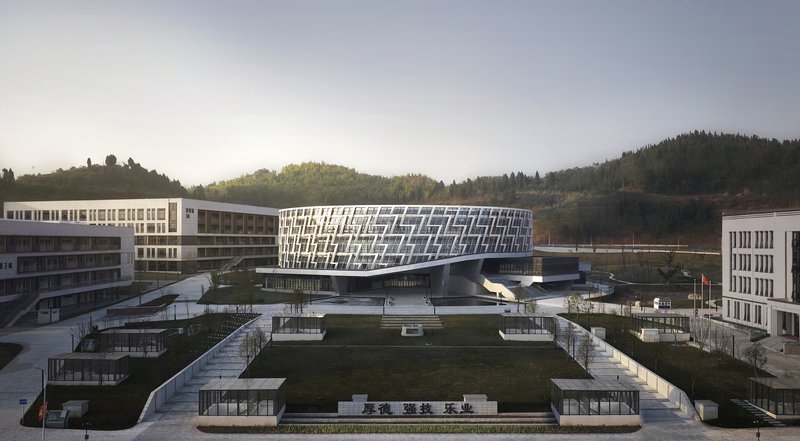
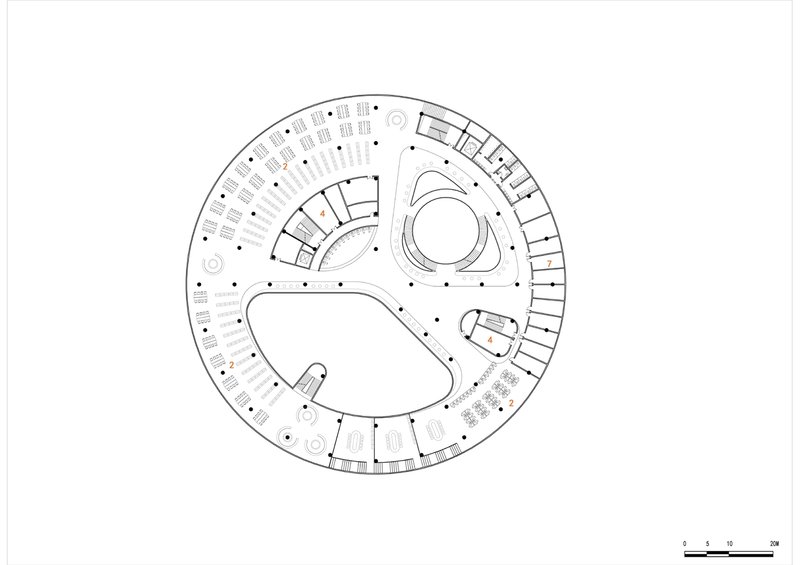
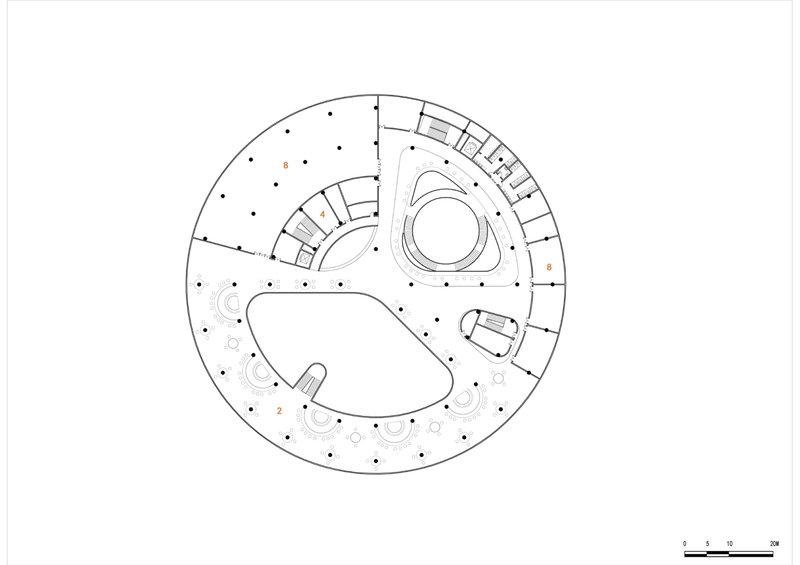
The Library of Chongqing Electric Power College, designed by Gu Zhihong Studio (AATU), stands as a groundbreaking architectural marvel in Tongnan District, Chongqing. Nestled in a high-density, mountainous campus spanning 370,000 square meters, the library merges ecological sustainability, cultural symbolism, and innovative design. It forms the spatial and cultural core of the campus, embodying the interplay between man, nature, and science.
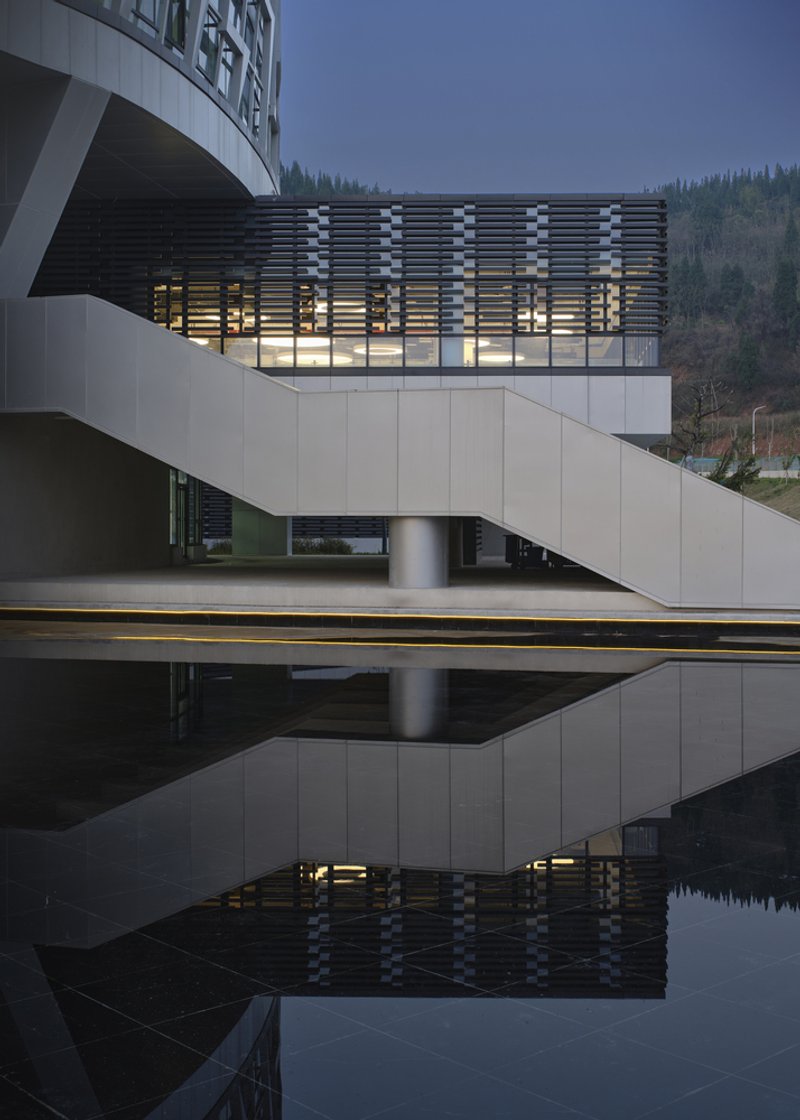
An Ecological Vision in a Valley Setting
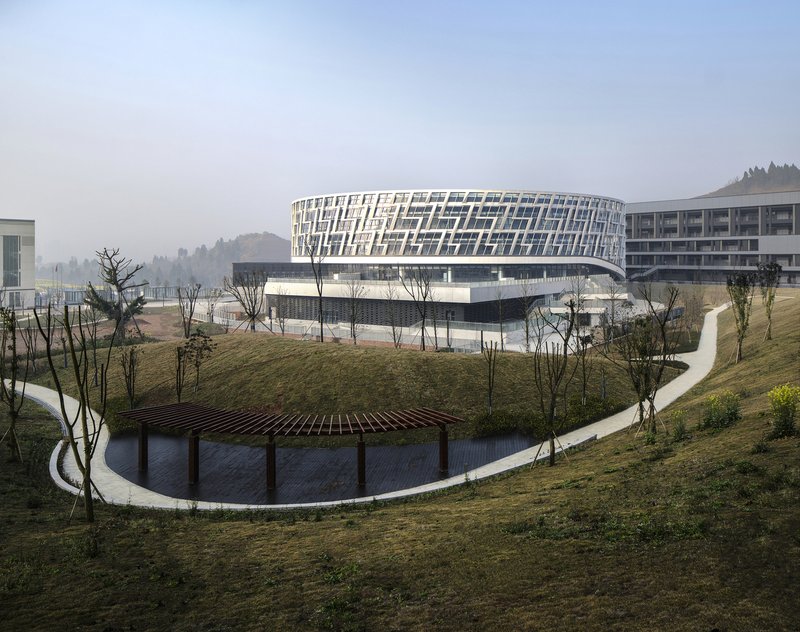
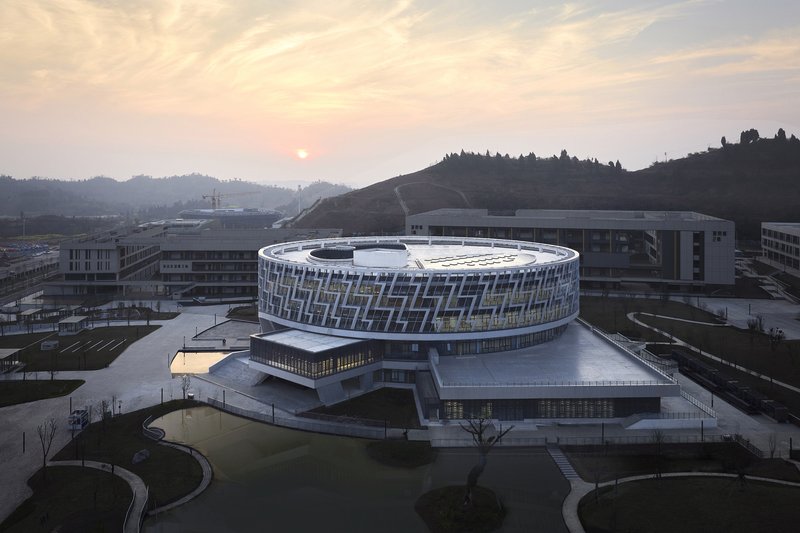
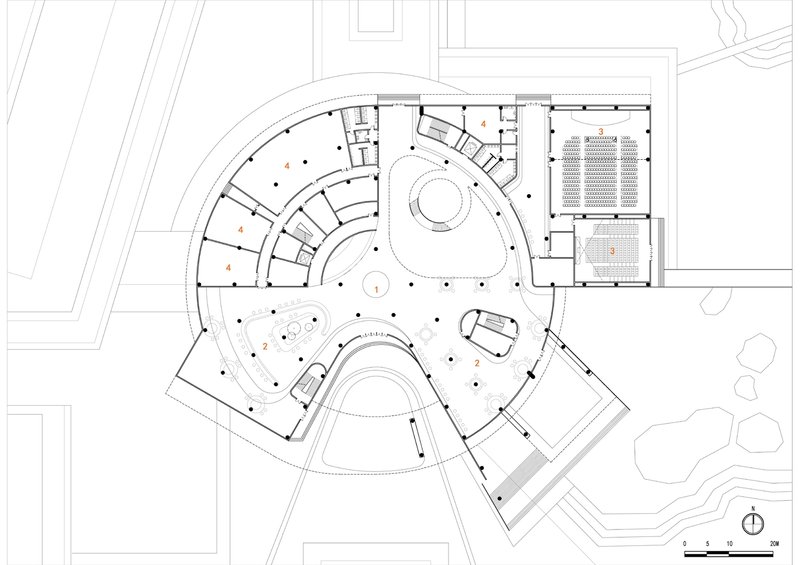
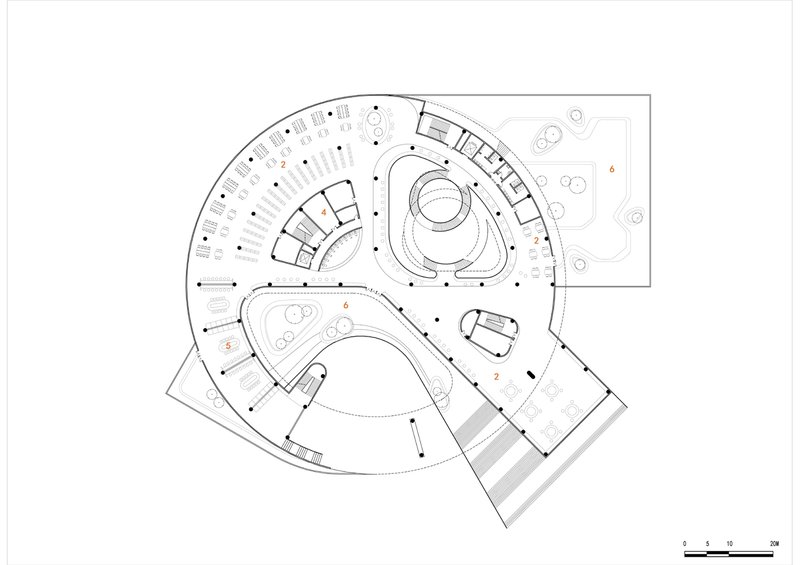
Located within the undulating terrain of Chongqing, the library's site experiences a nearly 100-meter variation in elevation. This challenging landscape inspired the creation of a circular, ribbon-like building that integrates seamlessly into the valley environment. Its ecological considerations take precedence, with the design emphasizing minimal interference in the natural growth patterns of the surroundings.
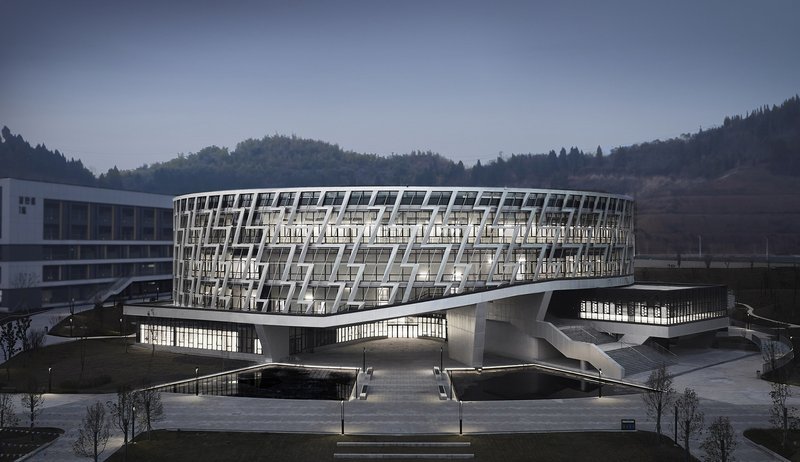
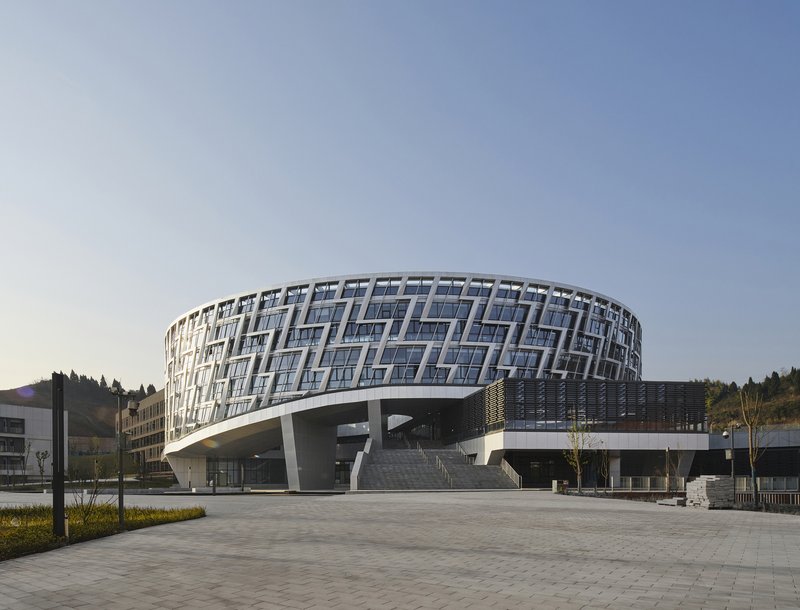
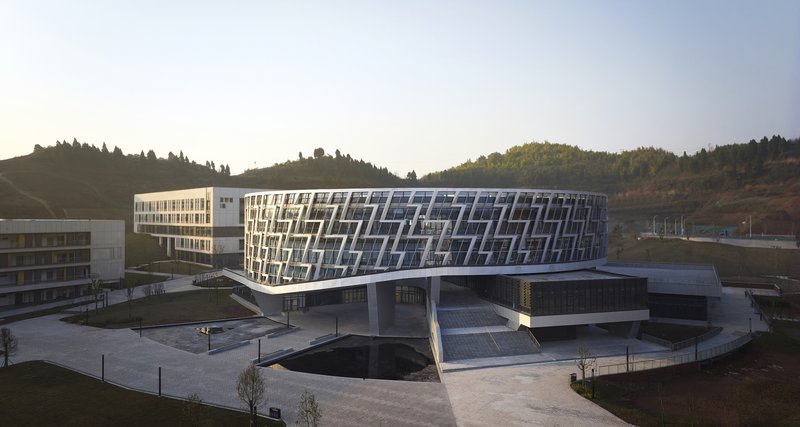
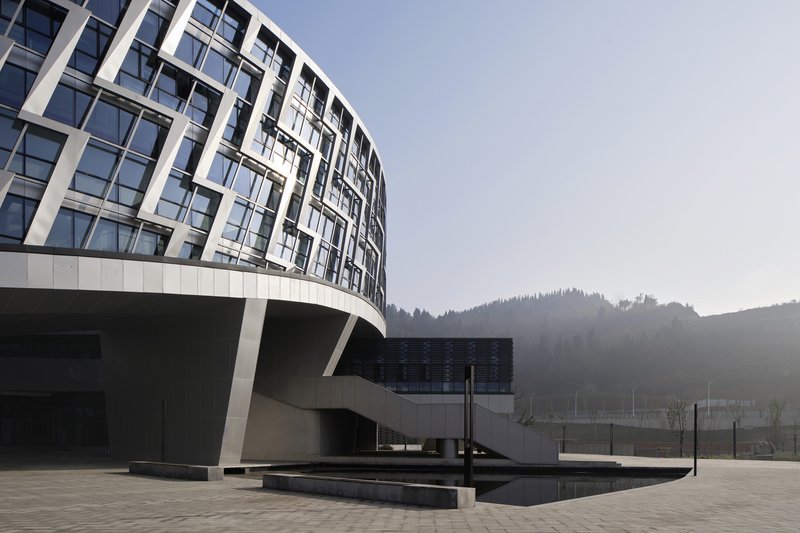
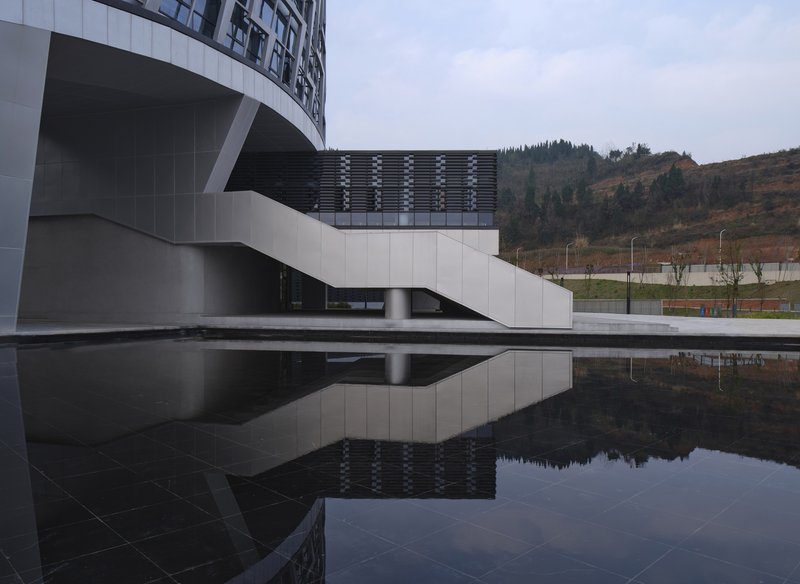
The library’s circular shape, combined with a partially elevated ground floor, creates a three-dimensional wind corridor. This innovative feature draws cool air into the building, utilizing the natural temperature regulation provided by the surrounding water catchment landscapes. Such measures not only enhance interior comfort but also reduce energy consumption, making the library an exemplar of low-carbon, sustainable architecture.
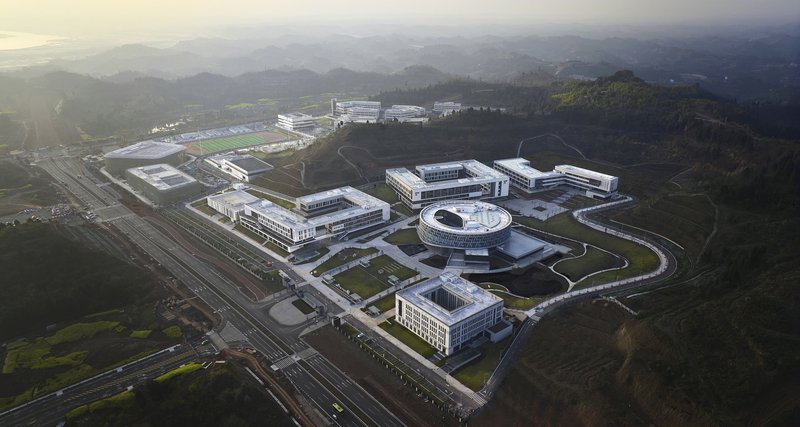
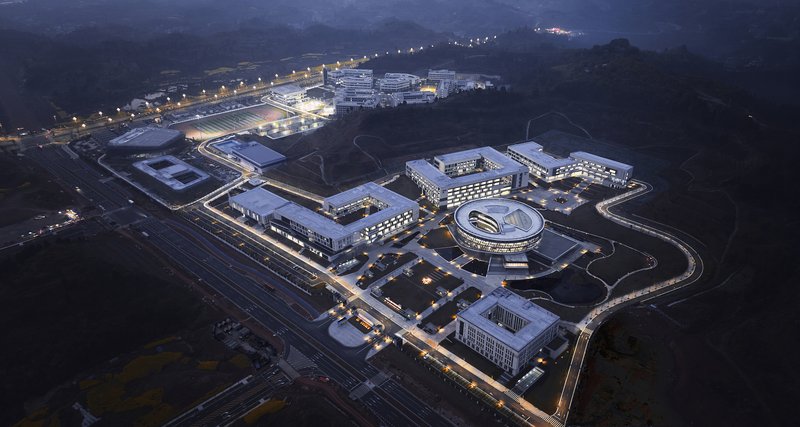
A Cultural Symbol: The Energy Ring
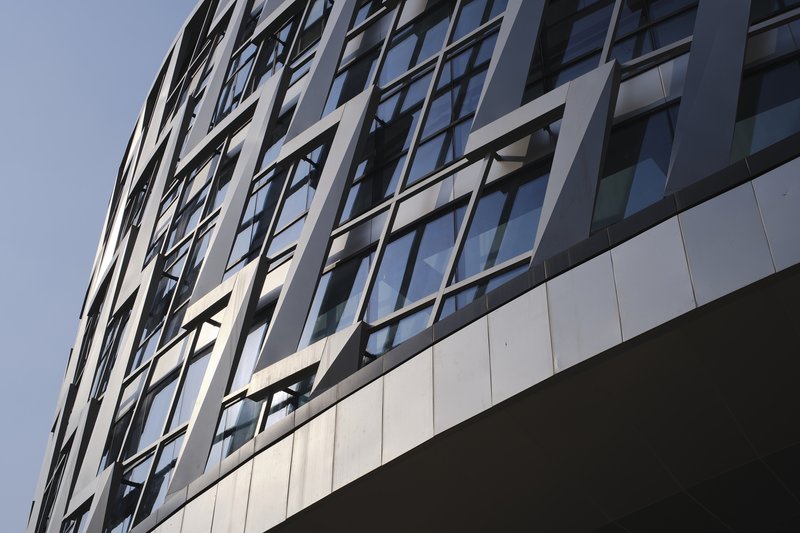
The library’s circular design serves more than ecological functions—it represents the "energy ring," a cultural symbol tied to the college's focus on electrical power. This architectural metaphor celebrates humanity's journey of understanding and harnessing electricity. The facade captures this narrative through dynamic sunshade rods, mimicking the jagged path of lightning, Franklin’s famed "sky electricity."
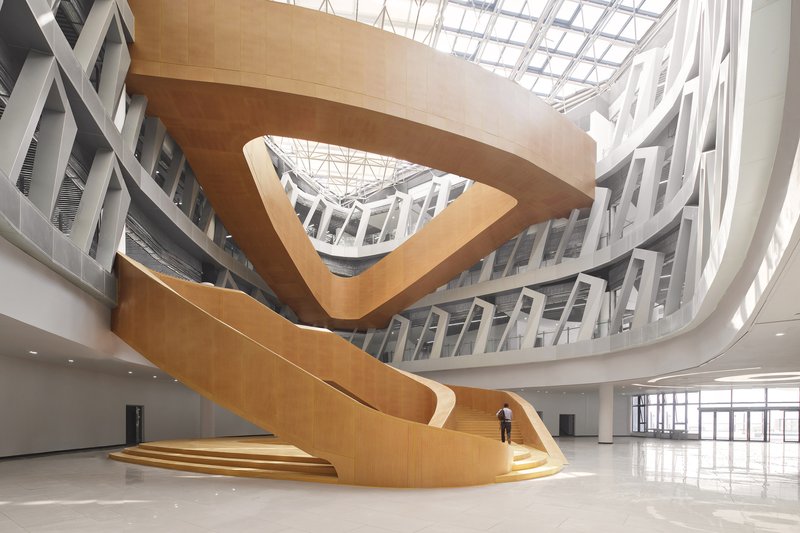
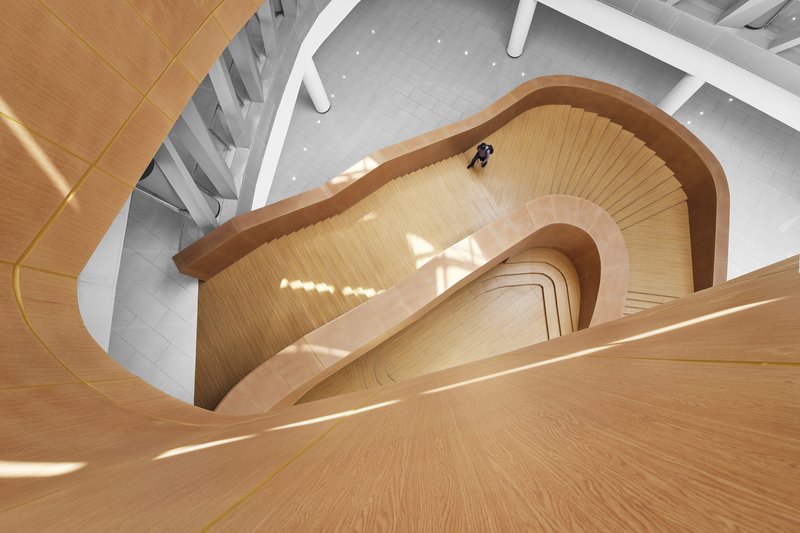
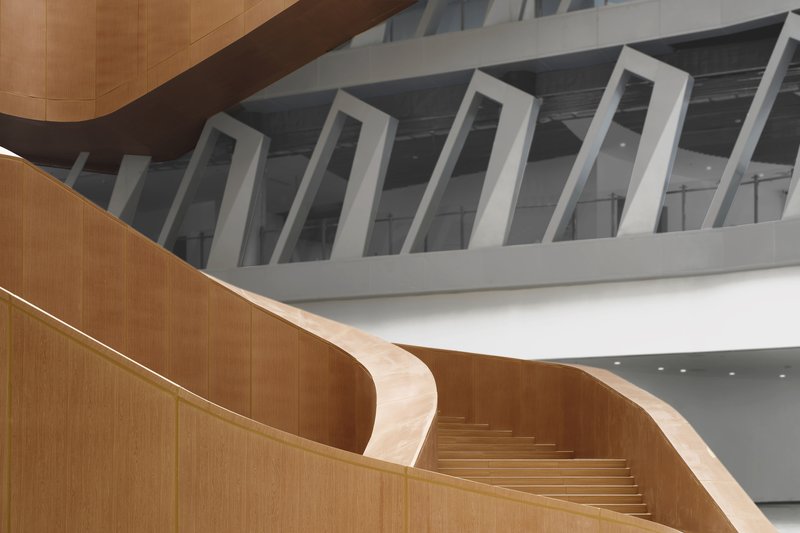
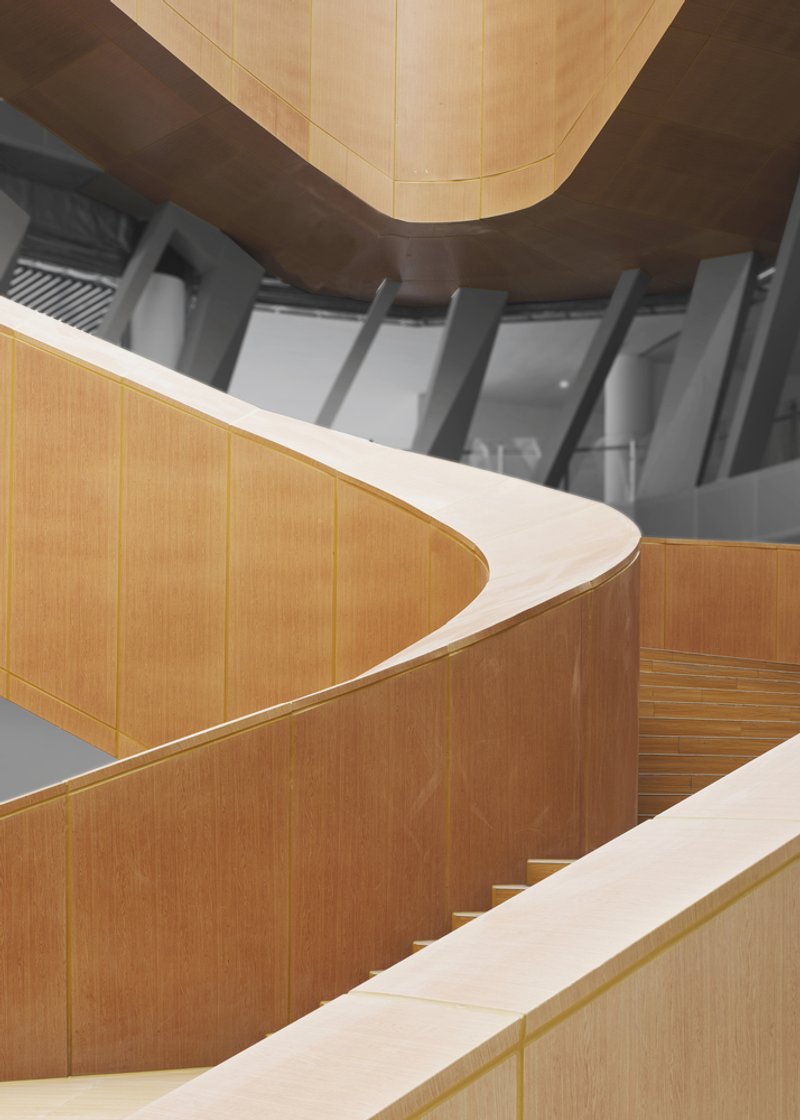
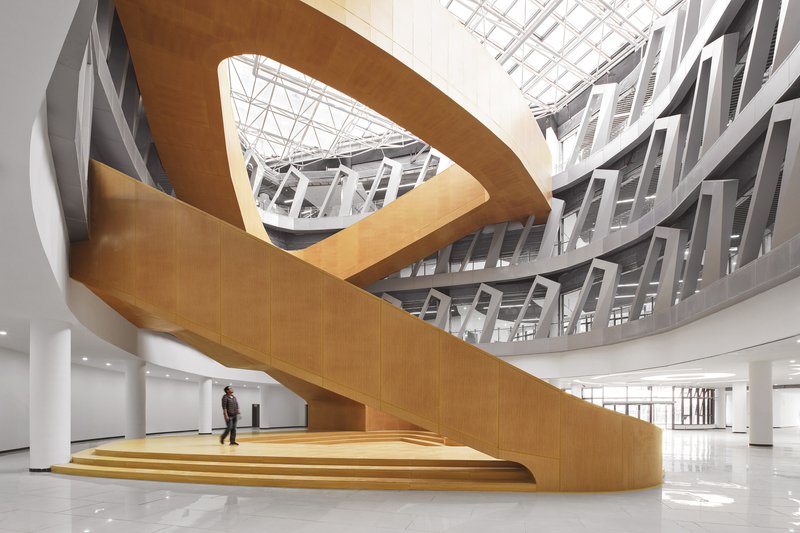
Internally, the library’s central atrium houses a spiraling wooden staircase, further reinforcing the energy ring motif. This hovering staircase visually connects earth and sky, symbolizing the cyclical exchange of energy between man and nature. It is an artistic nod to the infinite interplay of scientific discovery and natural harmony.
Multifunctional Spaces Rooted in Philosophy
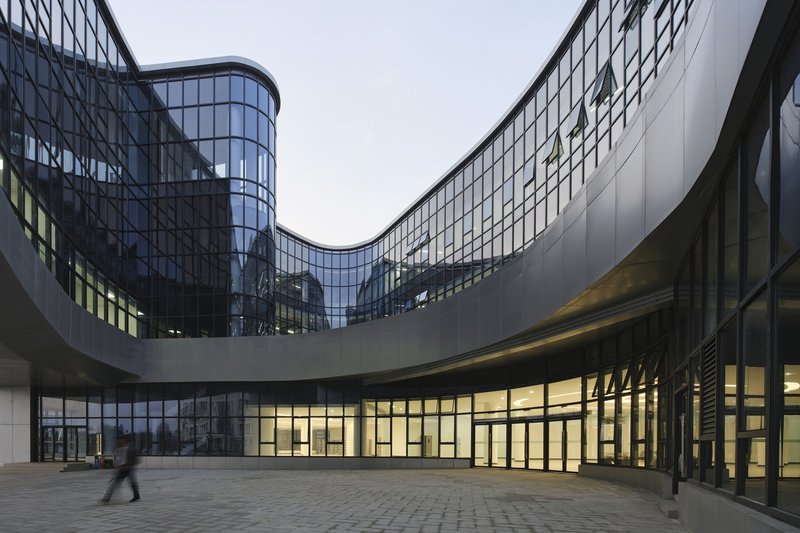
The library is more than a repository of knowledge; it is a hub for interaction and reflection. The arc-shaped sharing hall serves as a central space for movement and communication, embodying the library's dual role as a functional space and an educational tool.
The library's architectural elements are carefully curated to educate and inspire. From its energy-efficient design to the philosophical underpinnings of its form, the structure represents a harmonious relationship between humans and the environment. This interaction emphasizes that humanity's progress—while revolutionary—must remain symbiotic with nature.
Nature and Science in Dialogue
The Energy Ring Library underscores the importance of nature in scientific progress. By referencing the origins of electricity in natural phenomena, the design highlights the mutual dependence of human innovation and environmental stewardship.
The building’s symbiotic relationship with its surroundings transforms it into a living entity within the campus. It engages in a dynamic dialogue with the mountainous terrain, blending its cultural significance with the natural environment. This approach not only enhances the library's functional relevance but also positions it as an architectural and philosophical landmark.
Towards a Future of Innovative Campus Design
The Energy Ring Library sets a benchmark for educational architecture by seamlessly integrating ecological considerations, cultural identity, and subject-specific symbolism. Its design breaks away from conventional campus buildings, offering a visionary path for creating spaces that are both functional and meaningful.
In redefining the relationship between man, nature, and science, the library serves as a beacon for innovative educational environments. Through its unique spatial translation of electric power’s essence, it paves the way for a more sustainable and inspired future in campus architecture.
All Photographs are work of Gang Wei



Popular Articles
Popular articles from the community

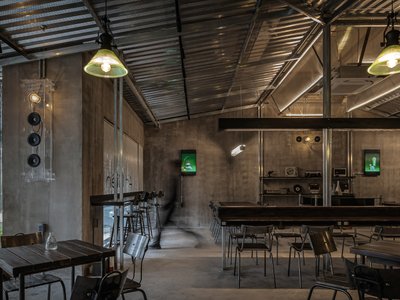
An Miên Lumière Cafe by xưởng xép, Ho Chi Minh City, Vietnam
An industrial-inspired café where layered steel and warm light create a dynamic, immersive environment shaped by reflection, depth, and perception.
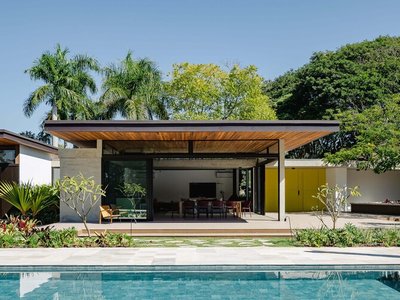
Flamboyant House by Juliana Camargo + Prumo Projetos
Modern Brazilian house integrating existing tree, pool, and volumes with glass, wood, and transitional spaces blending interior, exterior, and landscape seamlessly.


The Ken Roberts Memorial Delineation Competition (Krob)
As the most senior architectural drawing competition currently in operation anywhere in the world, it draws hundreds of entries each year, awarding the very best submissions in a series of medium-based categories.
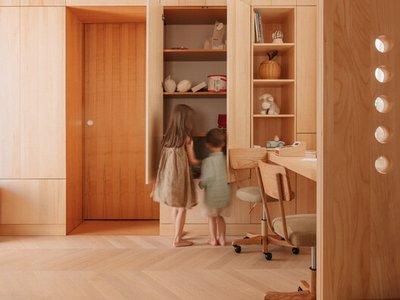
Treehouse Apartment: A Warm Timber Interior Blending Craft, Play, and Contemporary Living
Warm timber apartment with integrated treehouse, combining natural materials, craftsmanship, and playful design to create a flexible, family-oriented living environment.


Similar Reads
You might also enjoy these articles
The Ken Roberts Memorial Delineation Competition (Krob)
As the most senior architectural drawing competition currently in operation anywhere in the world, it draws hundreds of entries each year, awarding the very best submissions in a series of medium-based categories.


Waterfront Redevelopment and Urban Revitalization in Mumbai: Forging a New Dawn for Darukhana
A transformative waterfront redevelopment project reimagining Darukhana’s shipbreaking heritage into an inclusive urban future.

OUT-OF-MAP: A Call for Postcards on Feminist Narratives of Public Space
Rhizoma Design and Research Lab invites artists, designers, architects, researchers, and students to reflect on how feminist perspectives can reshape public space. Selected works will be exhibited in Barcelona, October 2026. Submissions open until 15 April 2026.


Documentation Work on Buddhist Wooden Temple
Architectural syncretism and cultural hybridity: A comparative study of the Buddhist temples in Chattogram Hill tracks


Explore Architecture Competitions
Discover active competitions in this discipline




The International Standard for Design Portfolios


The Global Benchmark for Architecture Dissertation Awards


The Global Benchmark for Graduation Excellence


Challenge to reimagine the Iron Throne
Comments (0)
Please login or sign up to add comments
No comments yet. Be the first to comment!