
Exploring Adaptive Architecture Design: The Case of Modus Operandi Merewether Brewery
Exploring how adaptive architecture design, exemplified by Modus Operandi Brewery, blends flexibility, sustainability, and community engagement in modern spaces.

Adaptive Architecture Design
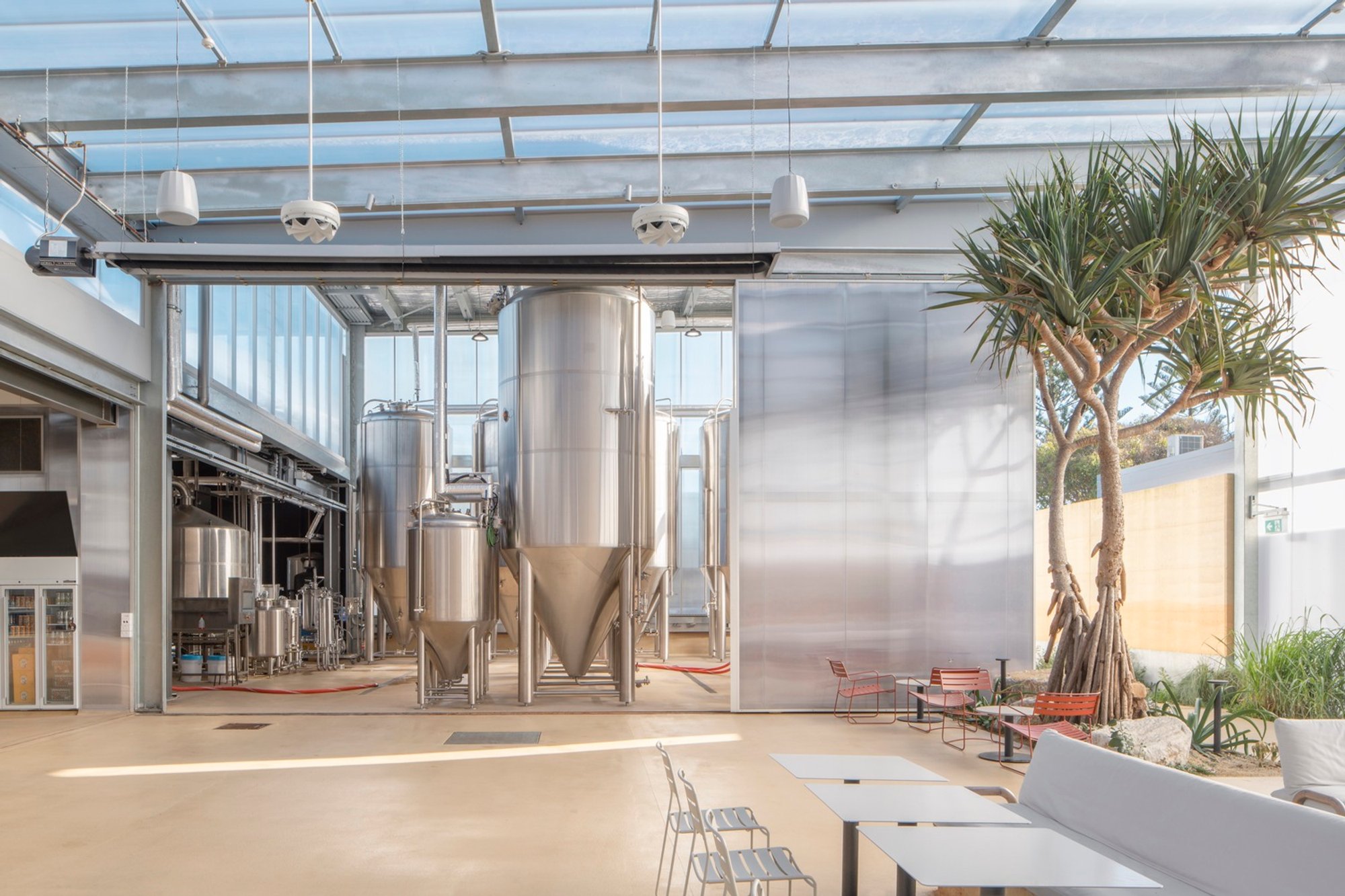
In a world increasingly marked by environmental and social unpredictability, the principles of adaptive architecture design have taken center stage. Adaptive architecture prioritizes flexibility, user-driven spaces, and integration with natural surroundings. One standout example of this innovative approach is the Modus Operandi Merewether Brewery, a project that reimagines the traditional Australian shed to create a sustainable, versatile, and community-focused space.
The Vision Behind Modus Operandi Merewether Brewery
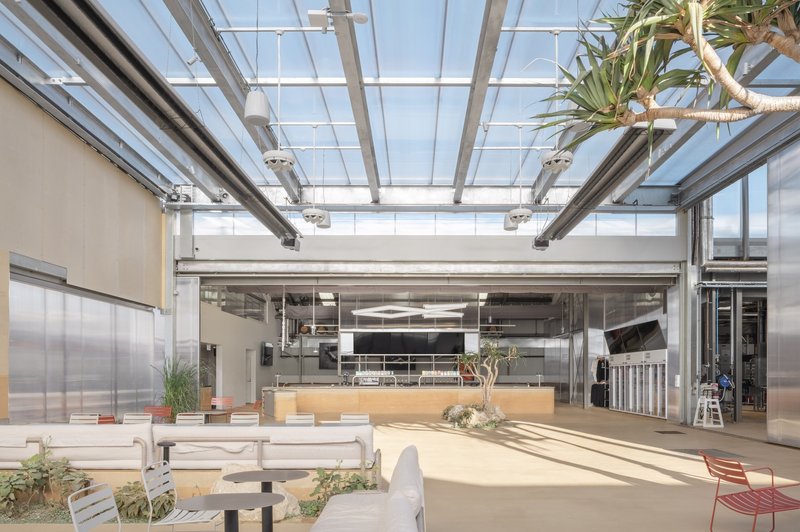
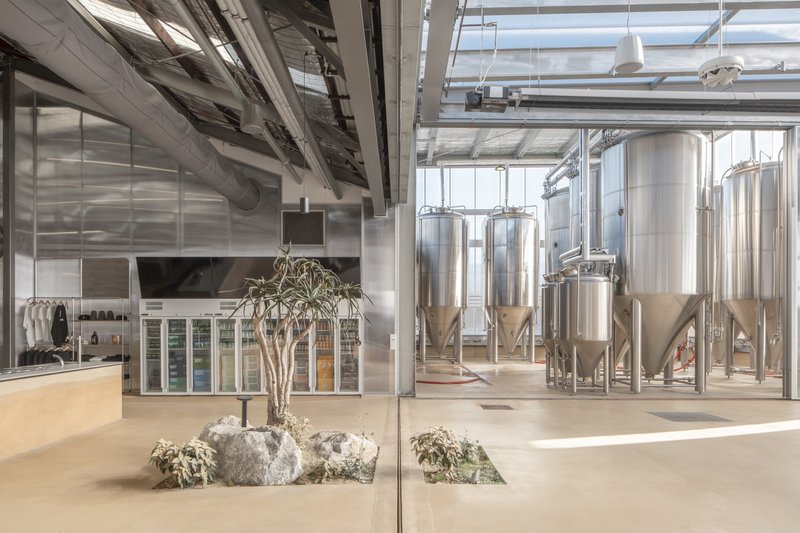
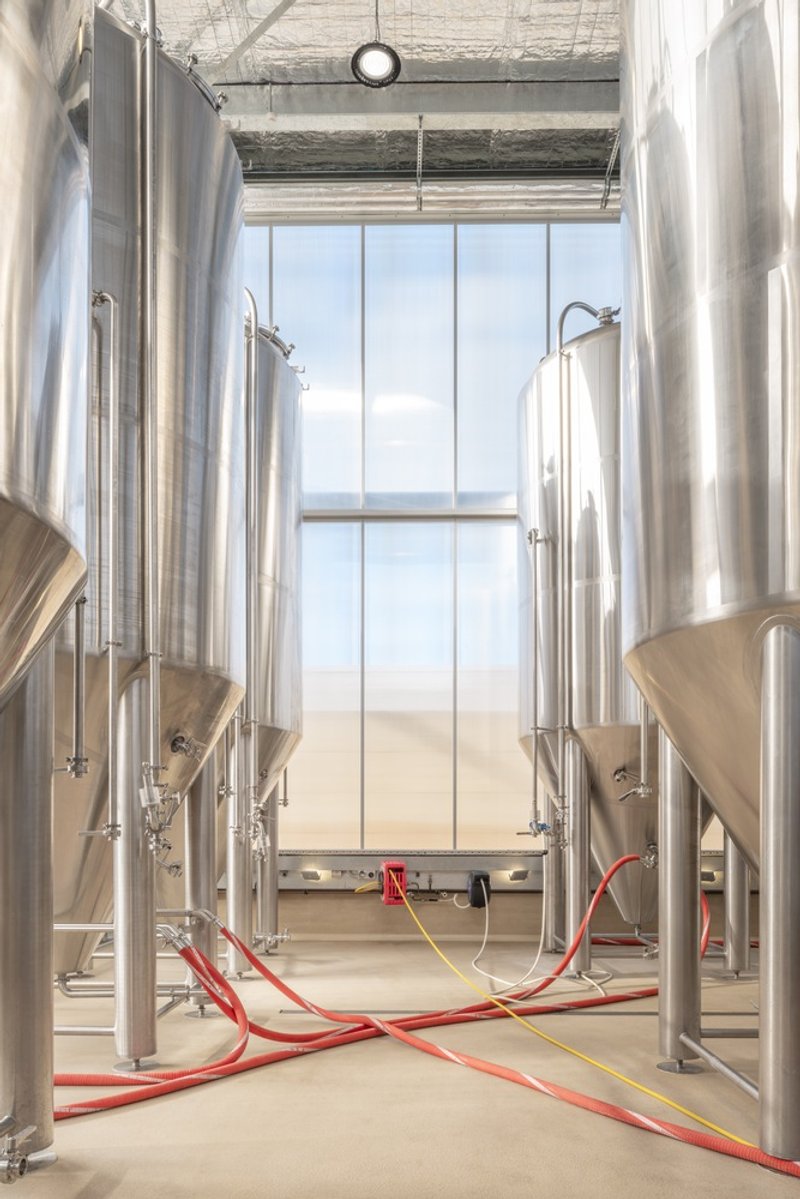
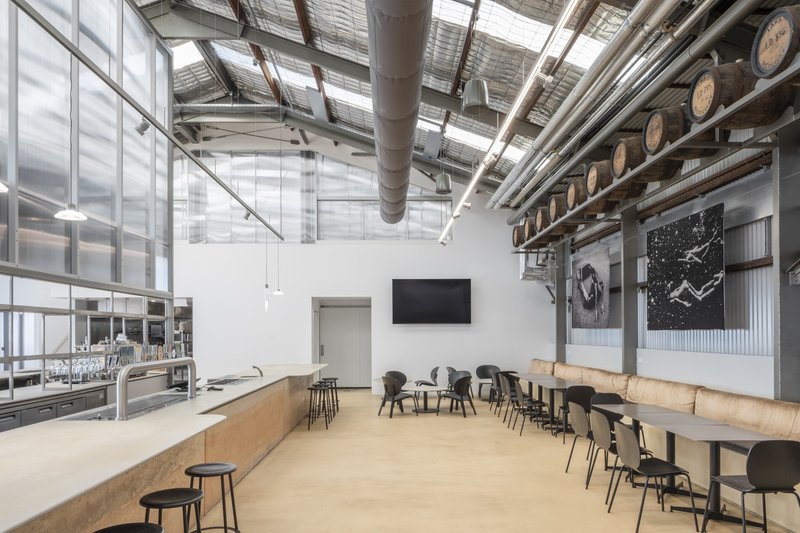
Designed by the architectural firm Prevalent, this 1,200 m² brewery, located in Merewether, Australia, is a beacon of adaptive architecture. Completed in 2021, the project transforms a post-war portal frame shed into a multi-functional space that fluidly transitions between indoor and outdoor environments.
The brewery emphasizes:
- Dynamic functionality: Sliding partitions redefine spatial boundaries in real time.
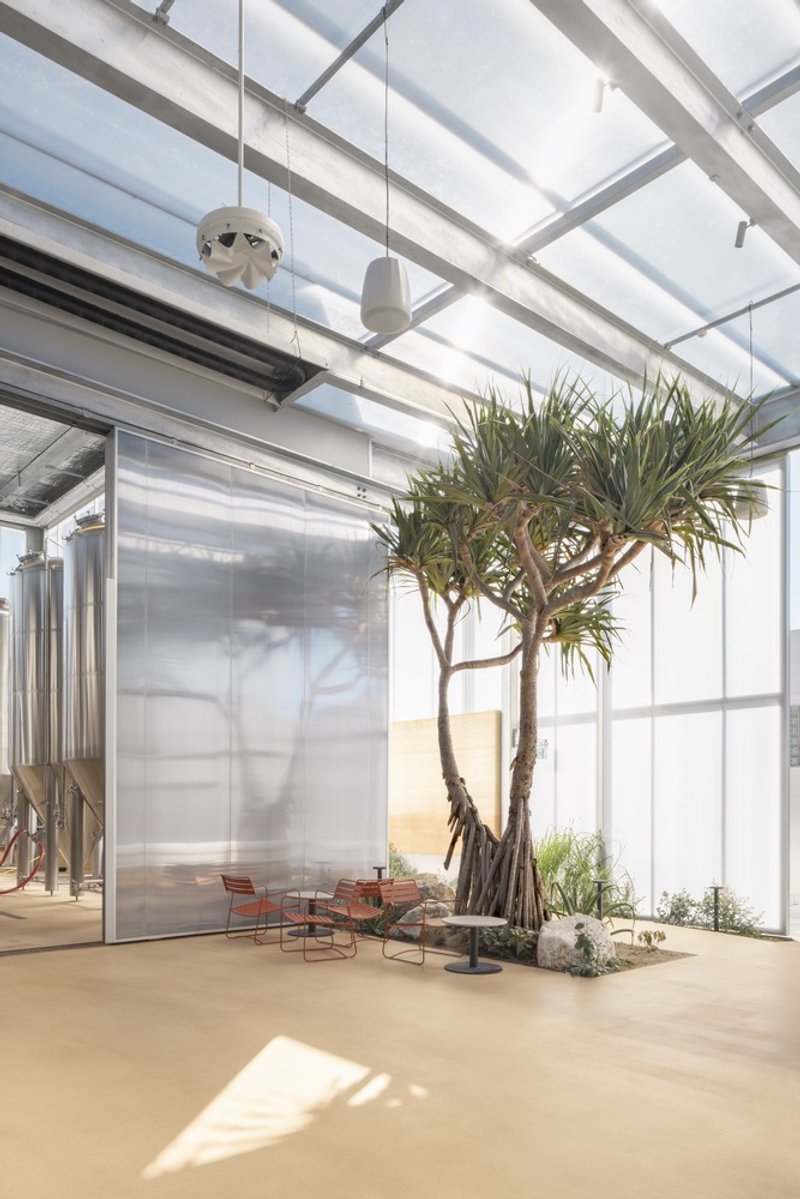
- Environmental harmony: Materials and design elements respond to the site's coastal environment.
- Community engagement: Visitors actively shape the space, creating a unique and participatory experience.
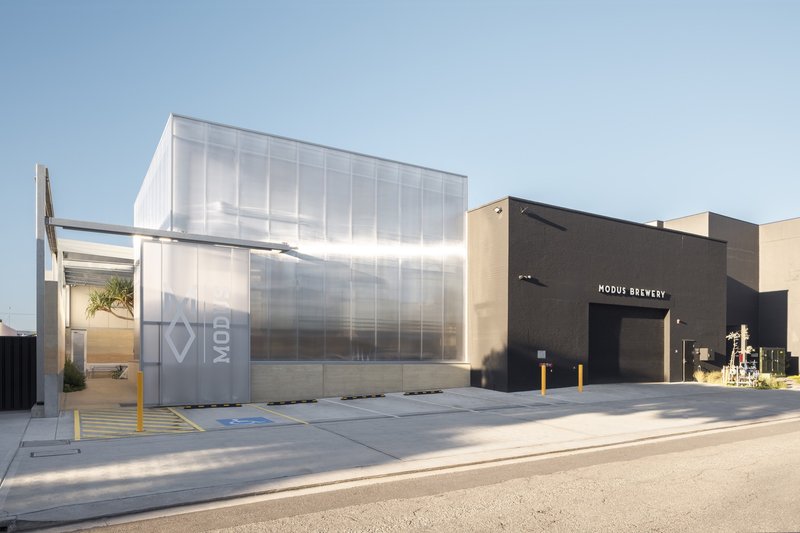
Features of Adaptive Architecture in Modus Operandi Brewery
1. Flexible Interior and Exterior Spaces
A core principle of adaptive architecture is the seamless blending of interiors and exteriors. At Modus Operandi Brewery:
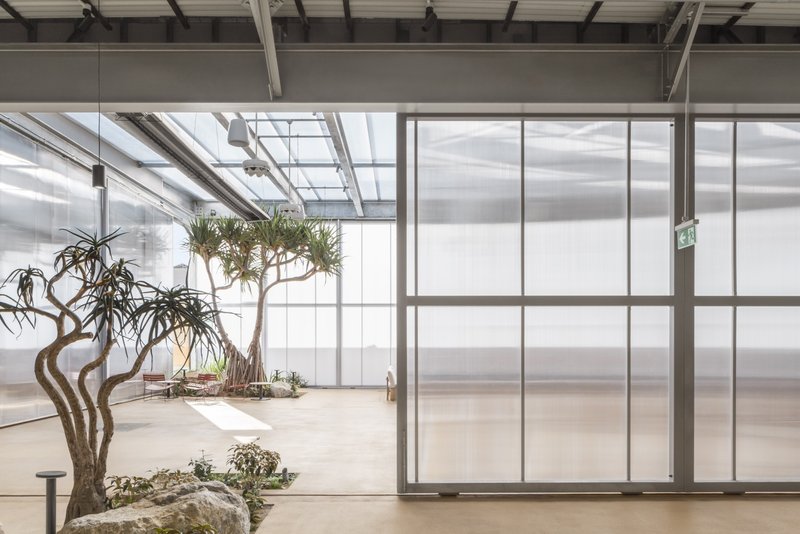
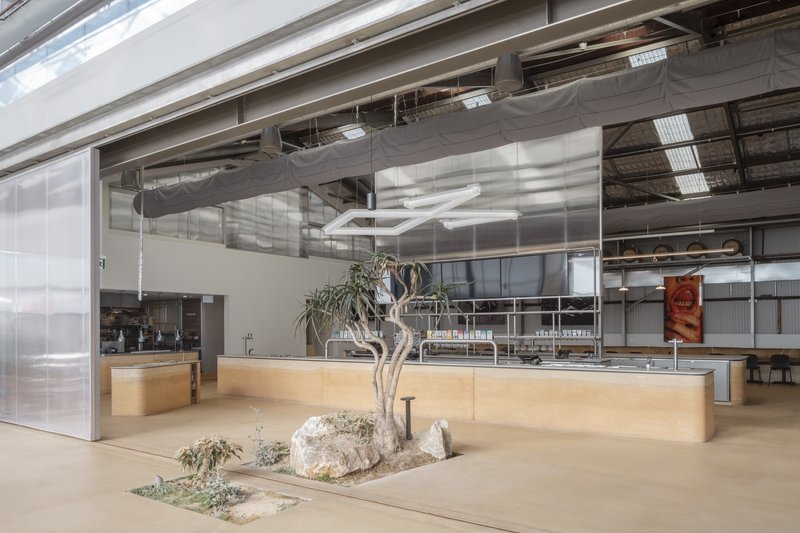
- Sliding planes spanning 250 m² transform private spaces into public areas and vice versa.
- These movable elements adapt based on user needs, weather, or event requirements, making the space highly versatile.
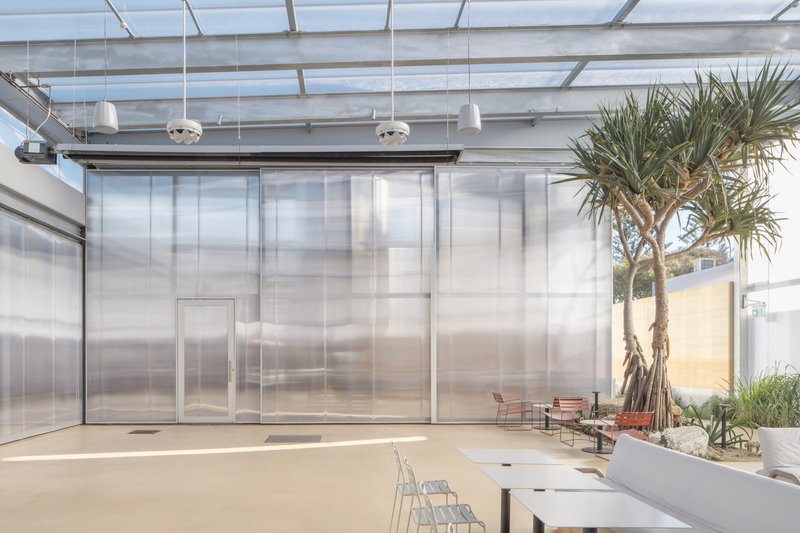
2. Sustainable and Transparent Materials
The brewery incorporates a thoughtfully curated material palette, demonstrating how adaptive architecture can align with sustainability:
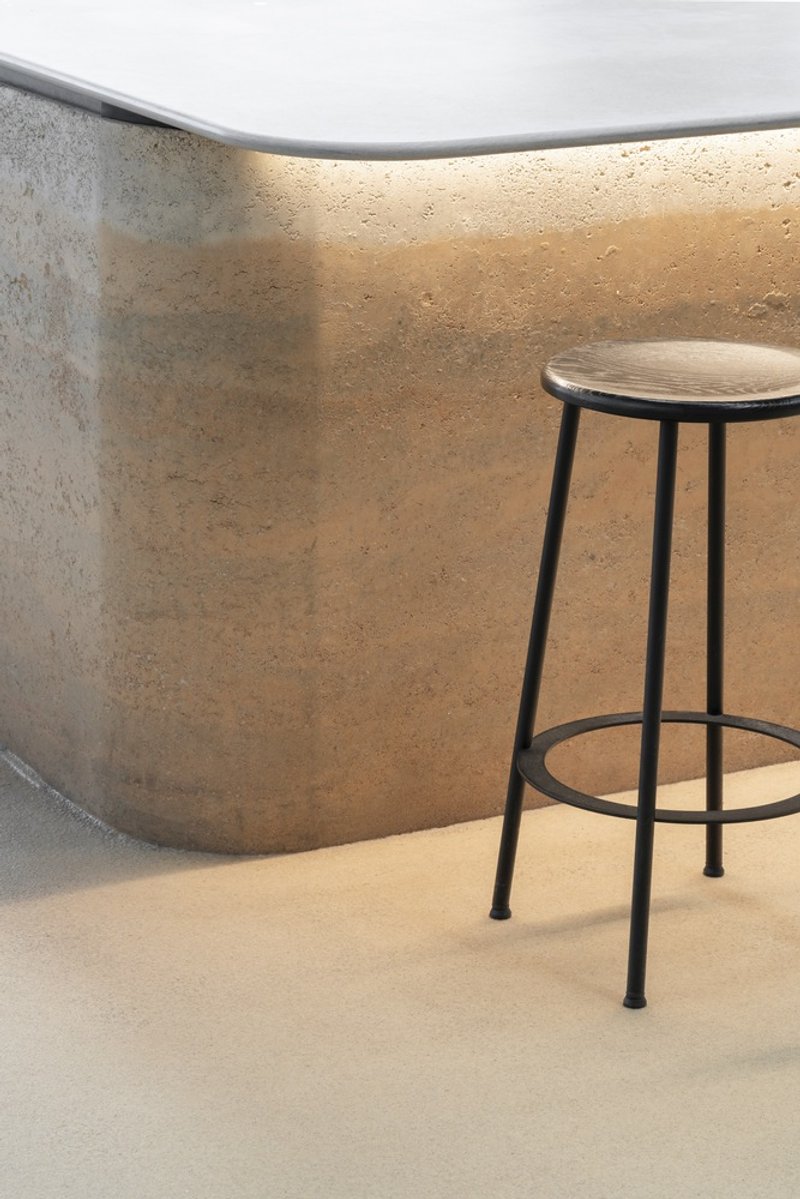
- Rammed earth walls: Locally sourced clay ensures environmental sustainability while offering natural insulation.
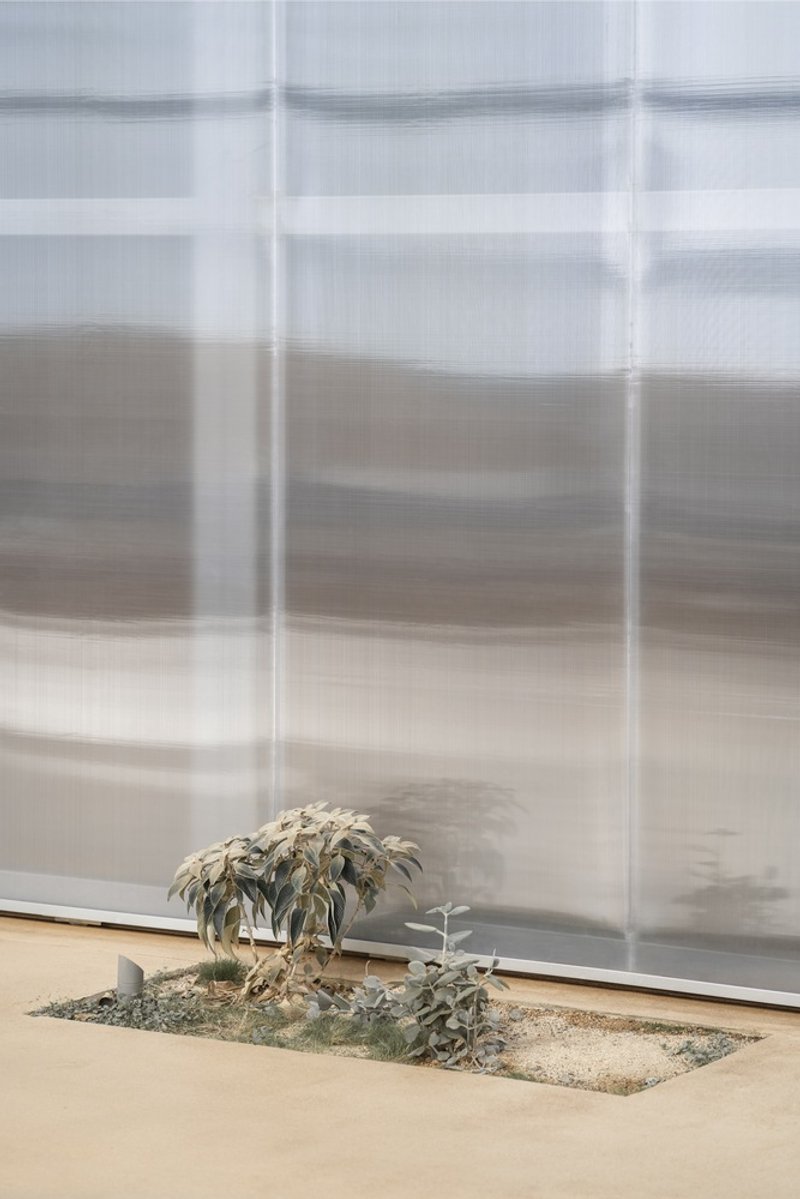
- Recycled polycarbonate panels: These panels provide transparency, reflecting the surrounding landscape and refracting light for energy efficiency.
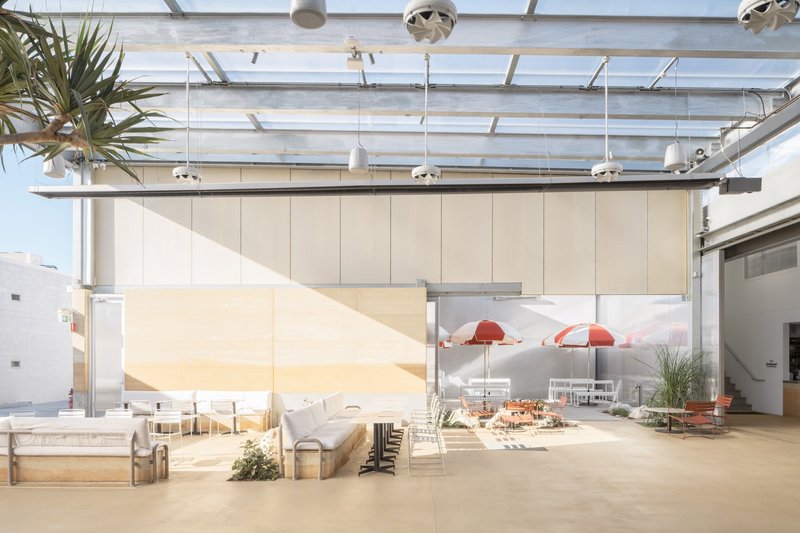
3. User-Centric Design
The design invites active participation:
- Smaller partitions: Guests can operate these to tailor their environment.
- Larger partitions: These are staff-operated to manage broader spatial changes.This interaction fosters a connection between the space and its users, making it a true embodiment of adaptive architecture.
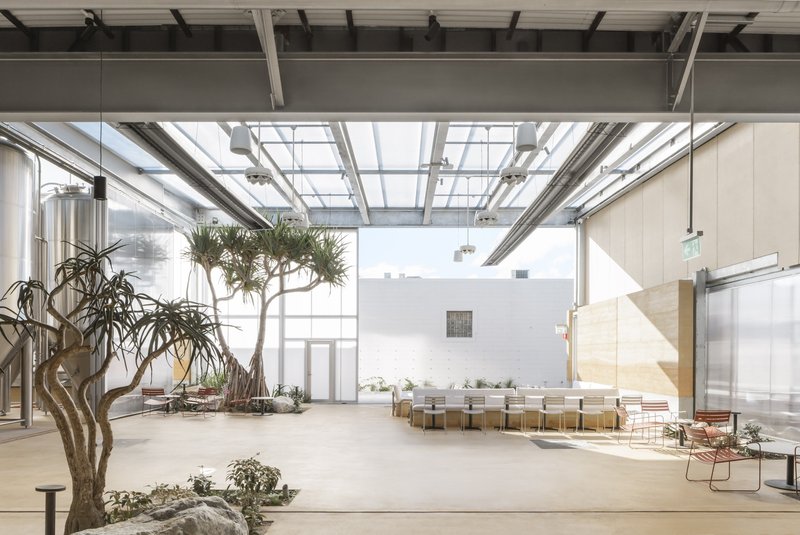
Environmental and Social Benefits of Adaptive Design
1. Responding to Environmental Challenges
With seasonal patterns becoming increasingly erratic, adaptive architecture offers solutions that balance comfort with environmental considerations:
- The sliding planes facilitate natural ventilation and light diffusion, reducing reliance on artificial cooling and lighting systems.
- The flexible building envelope can open or close depending on external conditions, offering thermal comfort year-round.
2. Encouraging Community and Collaboration
Adaptive spaces, like Modus Operandi Brewery, serve as more than just physical structures. They become:
- Community hubs: The flexibility of the design allows for diverse activities, from casual gatherings to large events.
- Catalysts for interaction: The brewery fosters a shared sense of ownership among staff and visitors.
Innovations in Adaptive Architecture: A Closer Look at Modus Operandi
Reimagining the Australian Shed
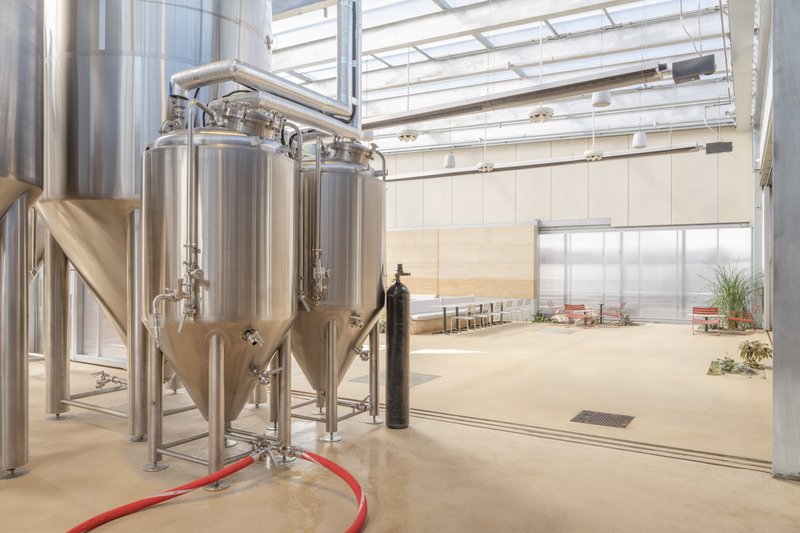
Historically, sheds have been synonymous with functional simplicity and openness. Prevalent's reinterpretation of this typology integrates modern adaptive strategies:
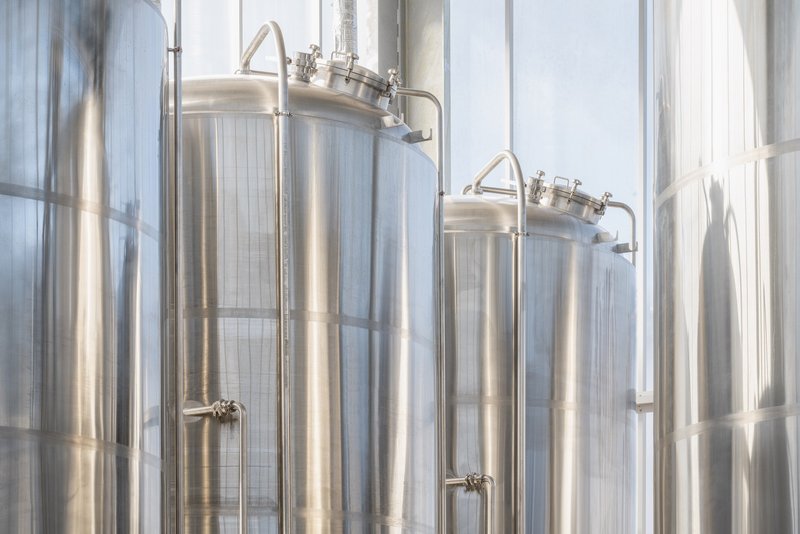
- The existing shed structure was reinforced and integrated into a sleeve-like addition, marrying traditional elements with cutting-edge design.
Dynamic Light and Airflow Management
The use of sliding polycarbonate planes not only transforms space but also:
- Channels airflow, creating natural cross-ventilation.
- Reflects and refracts light, enhancing the interplay between the structure and its environment.
Why Adaptive Architecture Design is the Future
Adaptive architecture isn't just a trend; it's a necessity in an era of rapid change. Projects like the Modus Operandi Merewether Brewery highlight the profound impact of this approach by demonstrating:
- How spaces can be responsive to environmental challenges.
- The potential for architecture to foster deeper connections between people and places.
- The economic and environmental benefits of multi-functional, sustainable spaces.
A Model for the Future
The Modus Operandi Merewether Brewery exemplifies the principles of adaptive architecture design, setting a benchmark for future projects worldwide. By prioritizing flexibility, sustainability, and user engagement, this innovative brewery demonstrates how architecture can thrive in an ever-changing world.
Whether you're an architect, designer, or simply someone passionate about sustainable spaces, the lessons from Modus Operandi Brewery offer inspiration for creating buildings that respond to both human needs and environmental realities.
All Photographs are work of Jan Vranovský



Popular Articles
Popular articles from the community

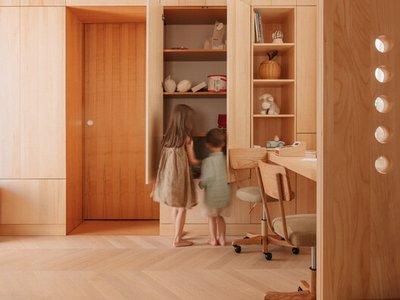
Treehouse Apartment: A Warm Timber Interior Blending Craft, Play, and Contemporary Living
Warm timber apartment with integrated treehouse, combining natural materials, craftsmanship, and playful design to create a flexible, family-oriented living environment.


The Ken Roberts Memorial Delineation Competition (Krob)
As the most senior architectural drawing competition currently in operation anywhere in the world, it draws hundreds of entries each year, awarding the very best submissions in a series of medium-based categories.
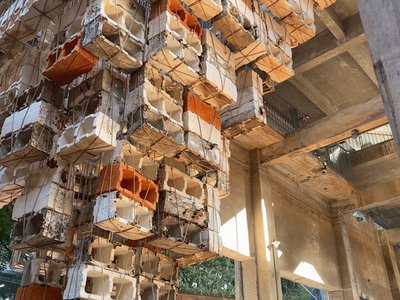
Inverted Architecture Installation by Studio Link-Arc: Exploring the Intersection of Architecture and Living Organisms
Inverted Architecture Installation by Studio Link-Arc blends mycelium, sustainability, inverted design, ecological cycles, and urban adaptive architecture in Shenzhen.
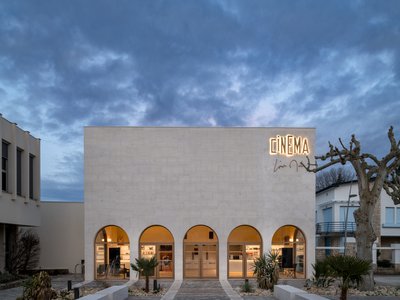
Louis Malle Cinema: A Limestone Cultural Landmark Revitalizing Community Life in Prayssac
Limestone cinema extension with public forecourt, blending heritage and modern design to create flexible cultural spaces and strengthen community interaction.


Similar Reads
You might also enjoy these articles
The Ken Roberts Memorial Delineation Competition (Krob)
As the most senior architectural drawing competition currently in operation anywhere in the world, it draws hundreds of entries each year, awarding the very best submissions in a series of medium-based categories.


Waterfront Redevelopment and Urban Revitalization in Mumbai: Forging a New Dawn for Darukhana
A transformative waterfront redevelopment project reimagining Darukhana’s shipbreaking heritage into an inclusive urban future.

OUT-OF-MAP: A Call for Postcards on Feminist Narratives of Public Space
Rhizoma Design and Research Lab invites artists, designers, architects, researchers, and students to reflect on how feminist perspectives can reshape public space. Selected works will be exhibited in Barcelona, October 2026. Submissions open until 15 April 2026.


Documentation Work on Buddhist Wooden Temple
Architectural syncretism and cultural hybridity: A comparative study of the Buddhist temples in Chattogram Hill tracks

Explore Architecture Competitions
Discover active competitions in this discipline




The International Standard for Design Portfolios


The Global Benchmark for Architecture Dissertation Awards


The Global Benchmark for Graduation Excellence


Challenge to reimagine the Iron Throne
Comments (0)
Please login or sign up to add comments
No comments yet. Be the first to comment!