
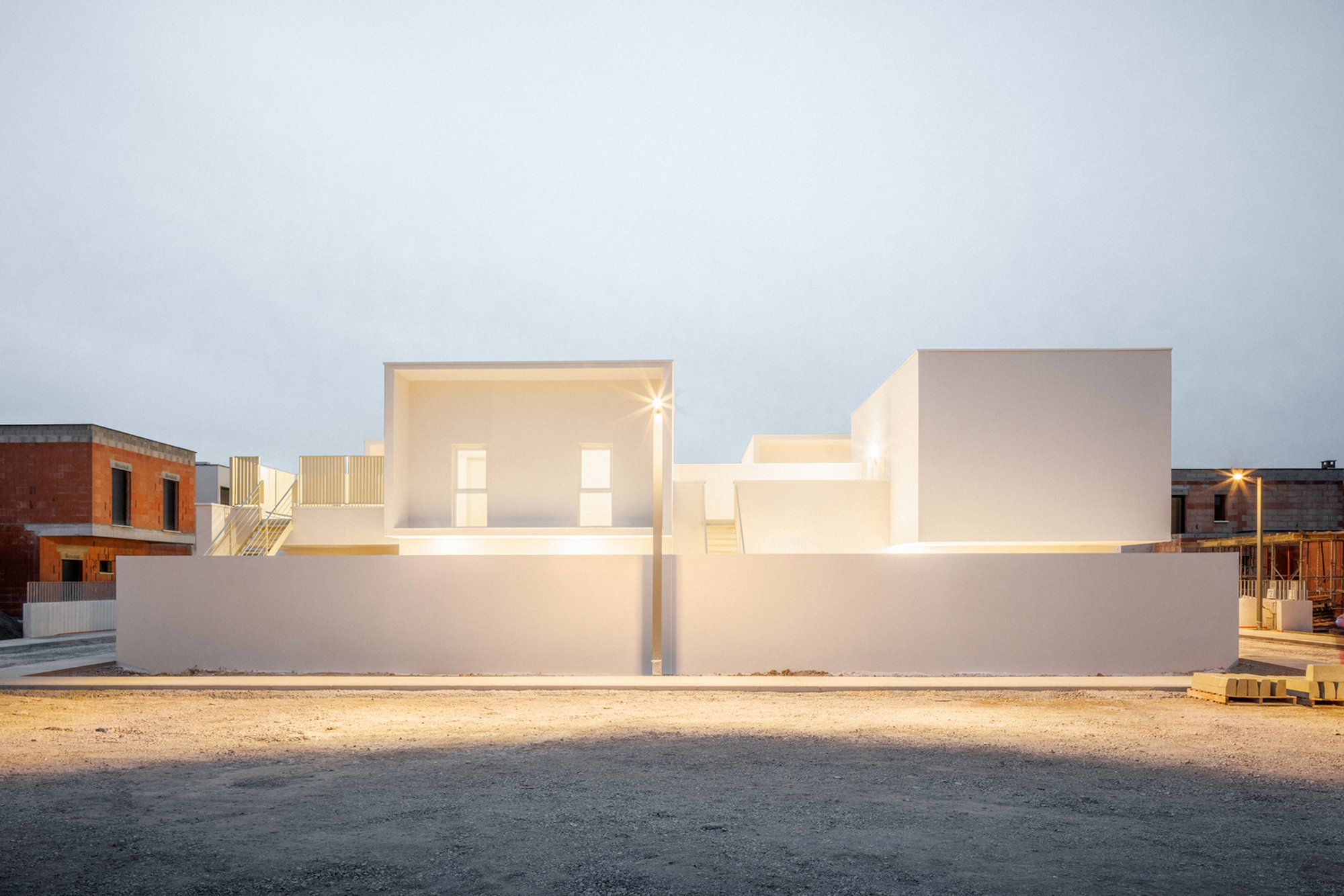
Exploring Patio Villa Architecture in Social Housing: 10 Patios Villa by Maignial Architectes & Associés
This article explores 10 Patios Villa's unique patio villa architecture, creating community-oriented, sustainable social housing in Montpellier, France.

Patio Villa Architecture in Social Housing
The 10 Patios Villa project by Maignial Architectes & Associés represents a thoughtful approach to social housing, integrating patio villa architecture to provide functional and private outdoor spaces. This article delves into the architectural design, layout, and sustainability features of these villas, located within the "Le Castelet" urban development zone in Montpellier, France.
Project Overview and Location
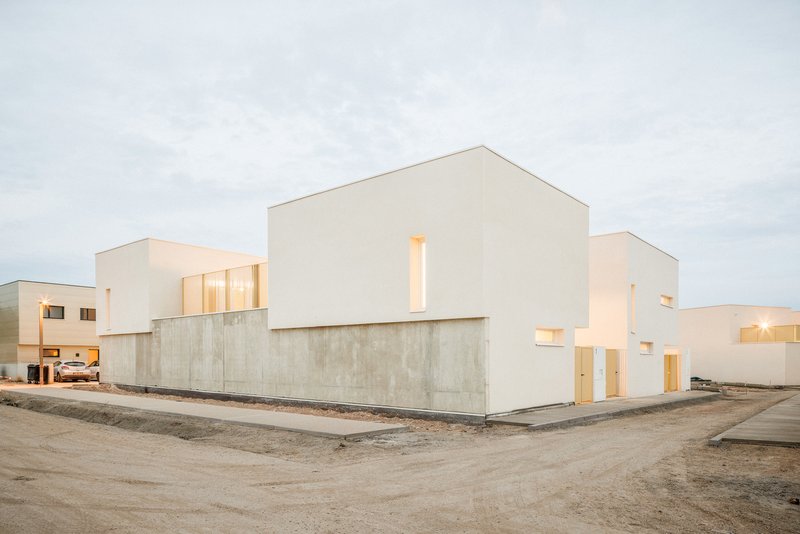
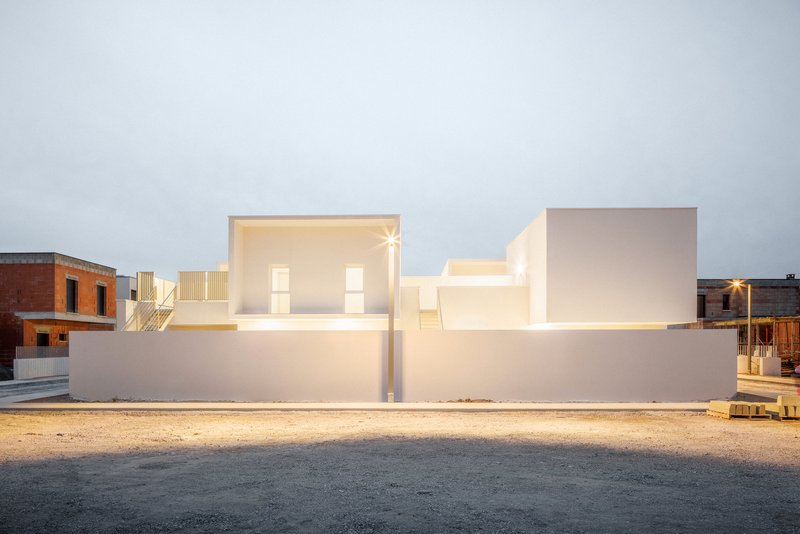
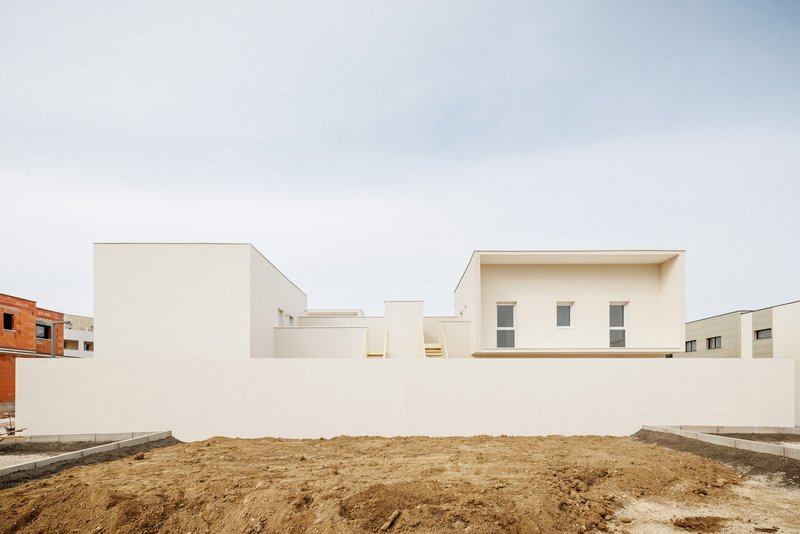
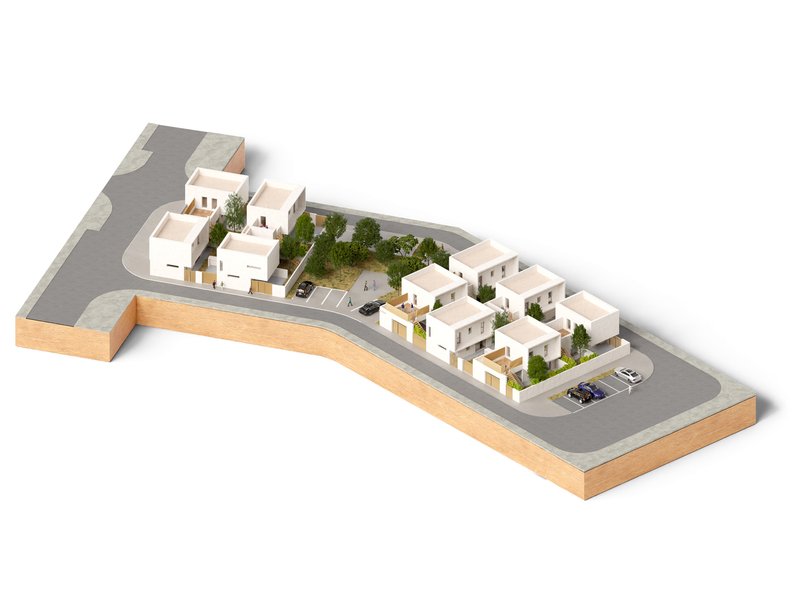
Situated in Clapiers, Montpellier, within the Le Castelet urban development zone (ZAC), the 10 Patios Villa is designed as part of a broader commitment to sustainable and accessible housing. The project spans a 1040 m² area, containing 10 patio-style villas spread across two clusters. Each cluster consists of four to six villas, organized around a central landscaped area with integrated parking, fostering community and privacy.
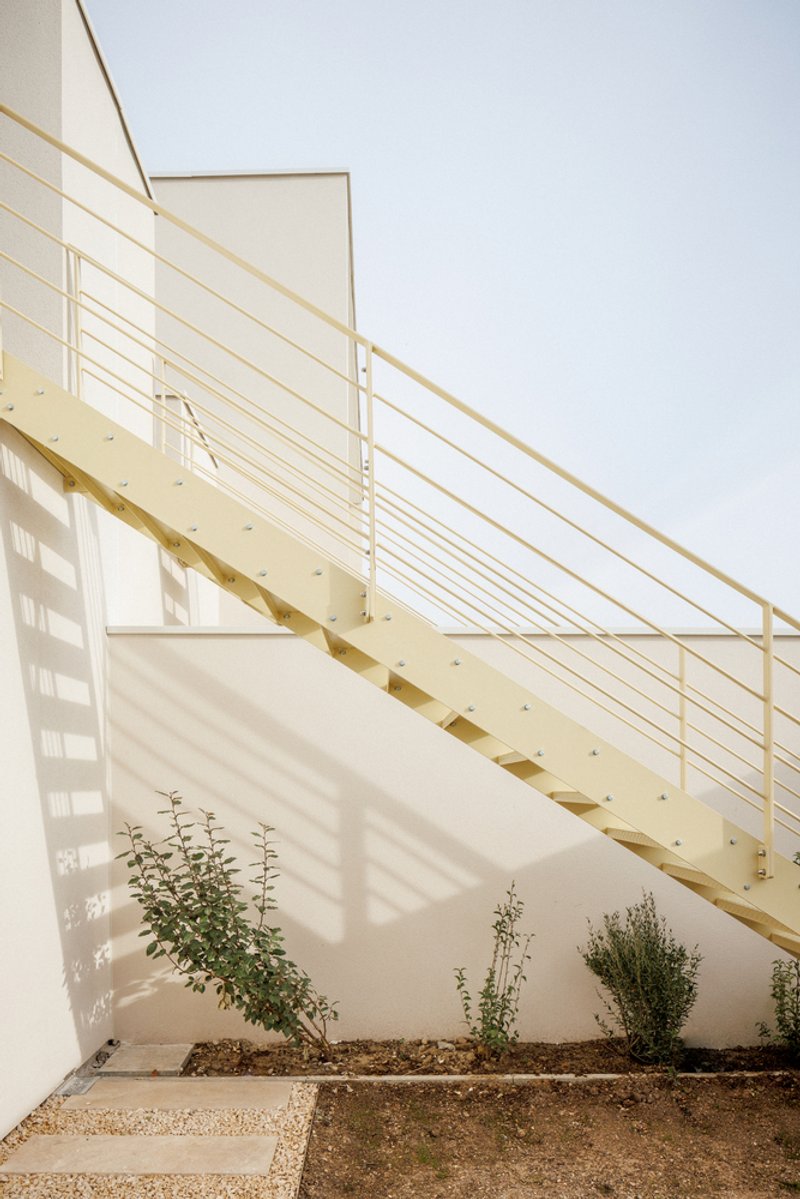
Design Concept and Outdoor-Indoor Interaction
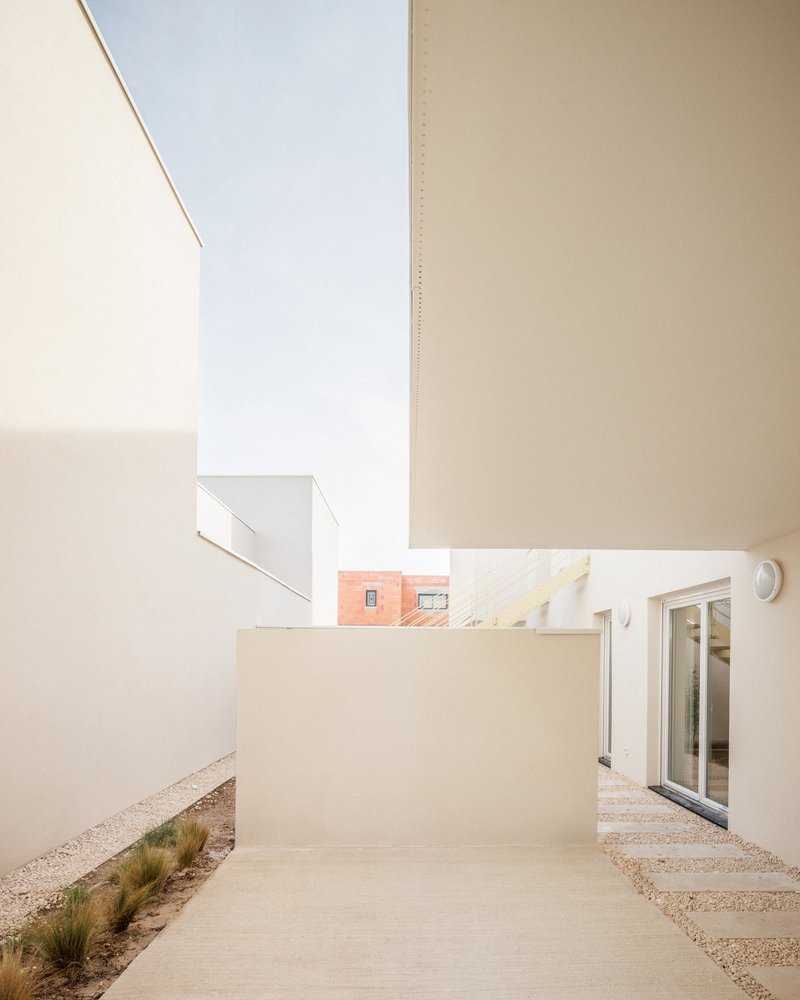
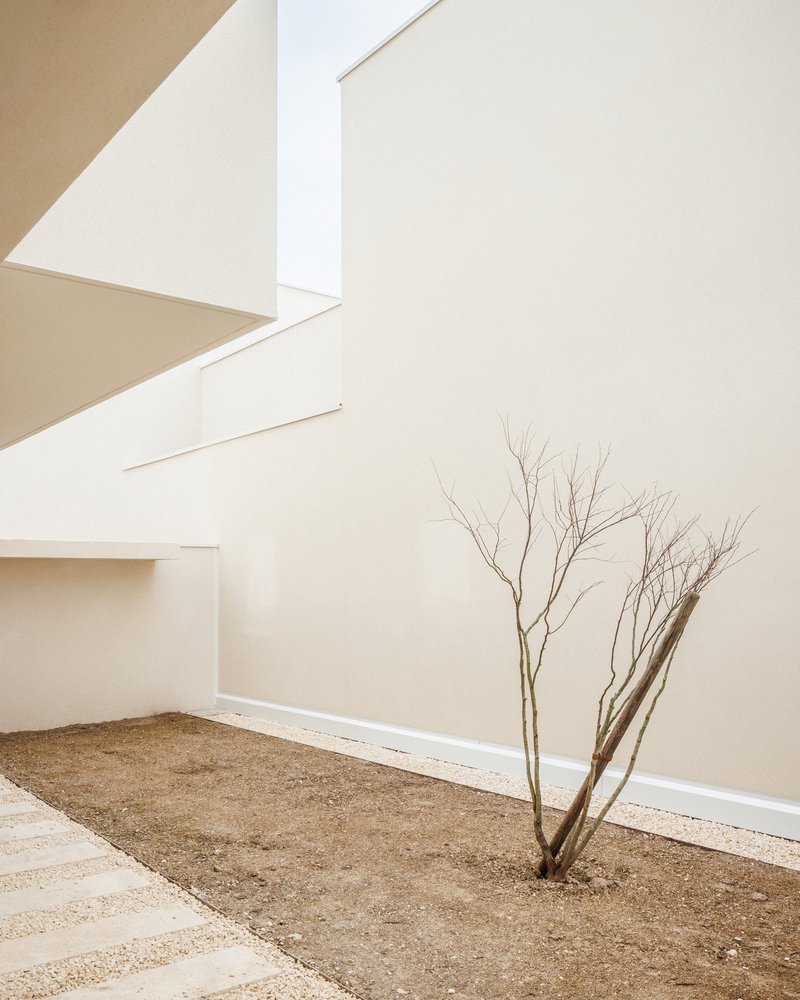
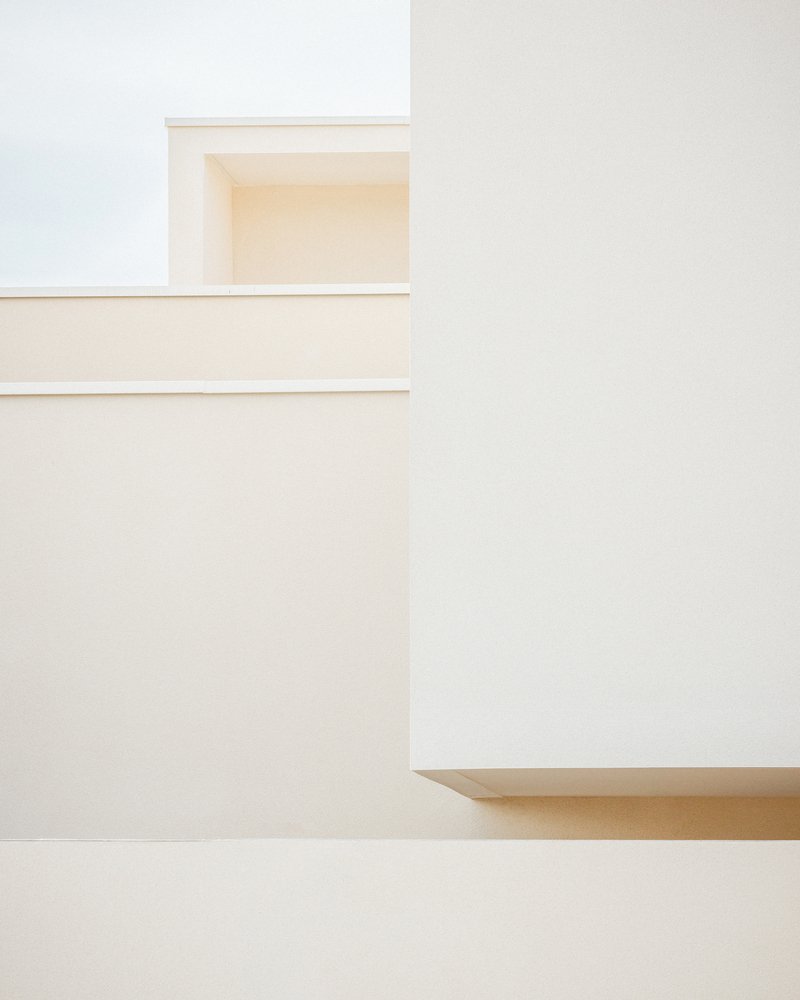
Aiming for optimal south/southwest orientation of each housing unit, the design leverages simple, yet carefully crafted volumes. The villa layout alternates between solid and void spaces, fostering a seamless interaction between indoor and outdoor environments, creating intimate patios that maximize sunlight while ensuring privacy.
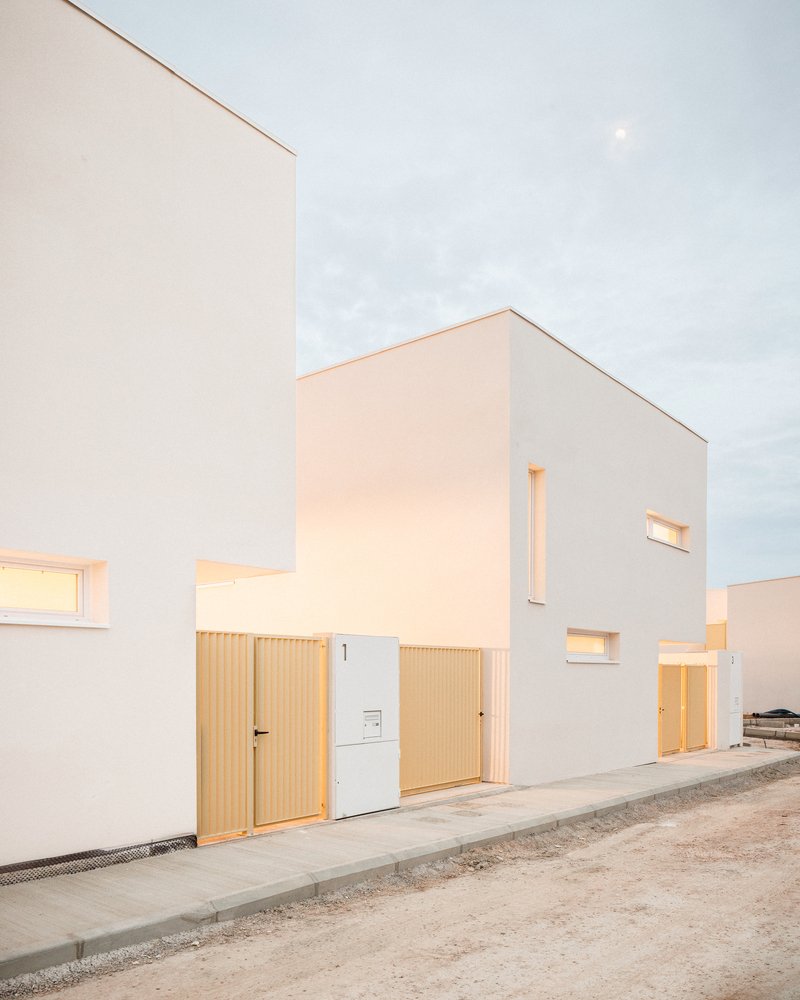
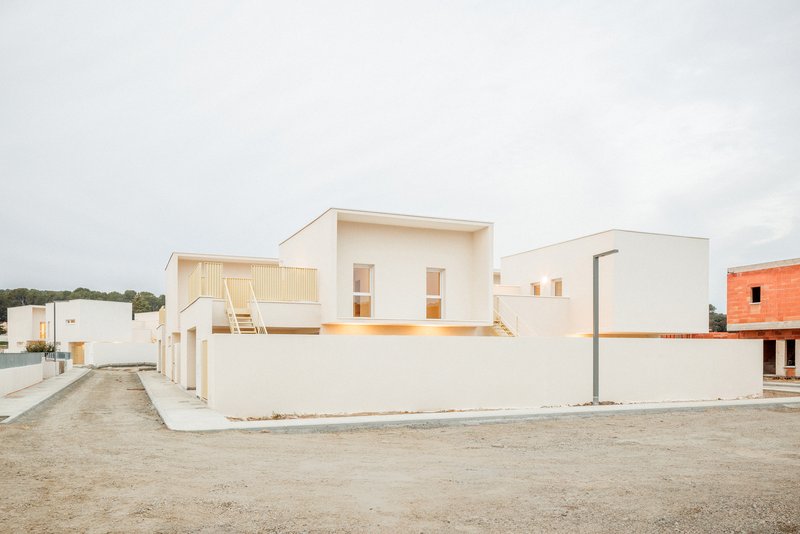
Typologies and Layout
The 10 Patios Villa project employs three different villa typologies, allowing for varied spatial configurations and fostering an irregular rhythm in volume. The villa types include:
- 2 x T3 Units: Compact, functional units with ample outdoor space.
- 5 x T4a Units: Mid-sized units offering slightly expanded outdoor areas.
- 3 x T4b Units: Larger units with additional space and patio features.
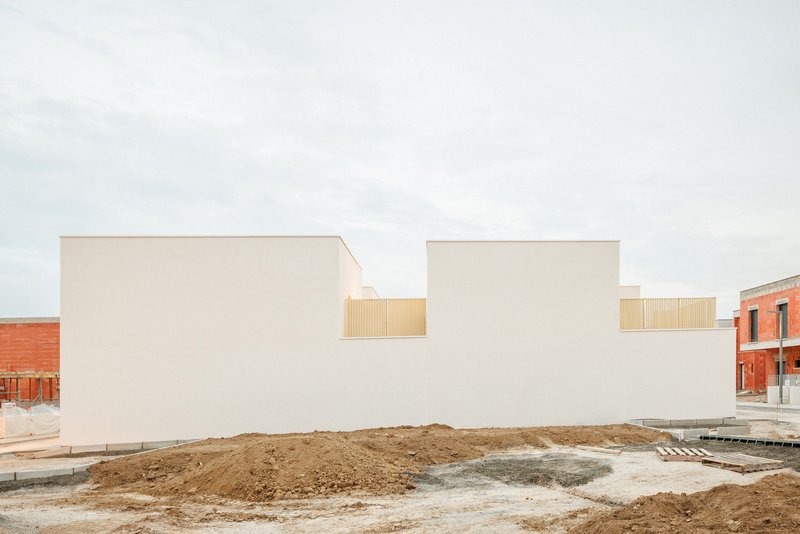
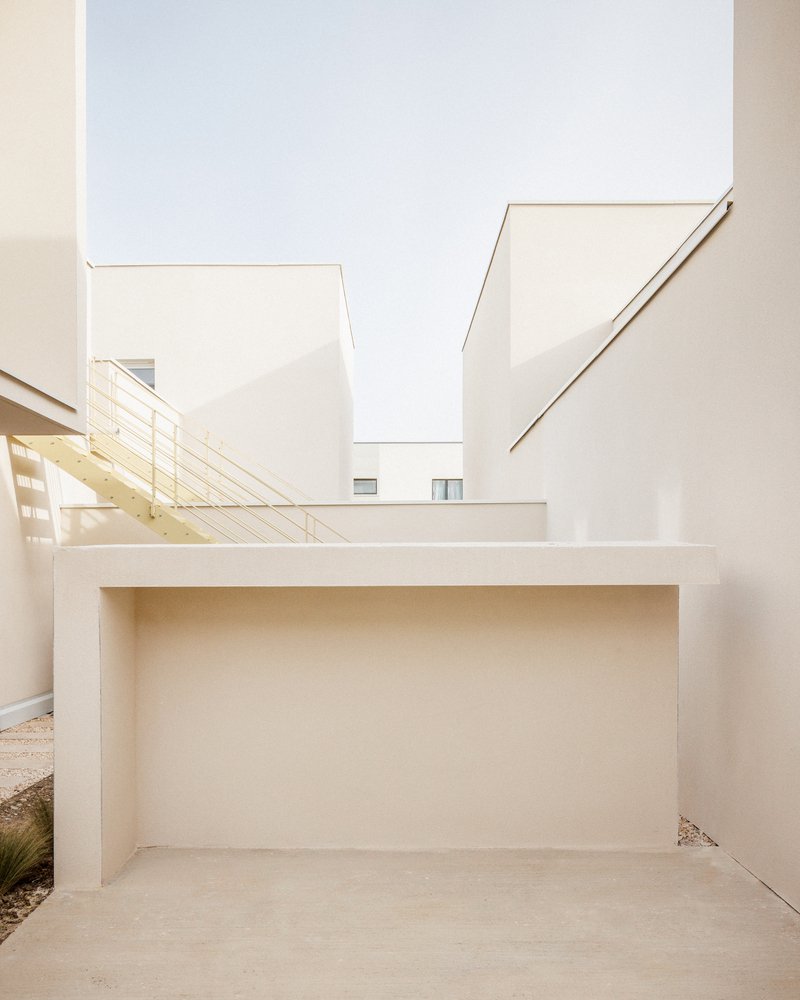
These types are designed to balance built and open spaces, with half of the ground area dedicated to outdoor spaces, while the upper floor terrace roofs are set back, ensuring optimal sunlight exposure for adjacent properties.
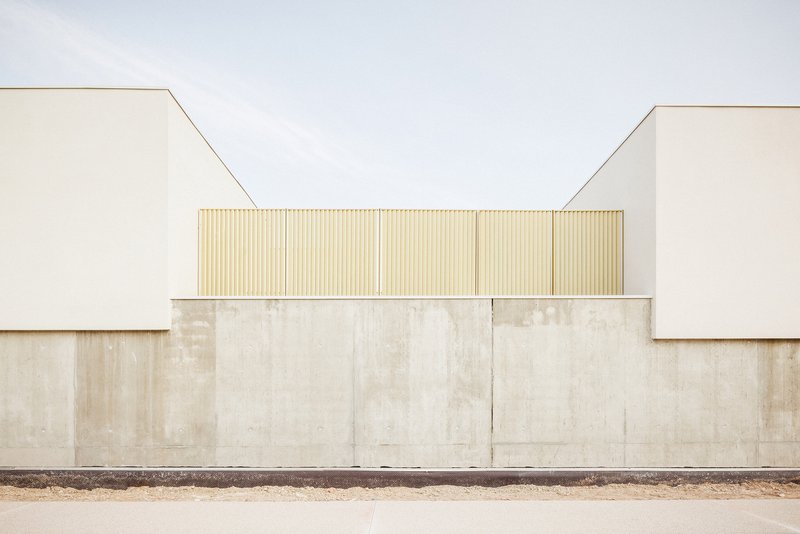
Sustainable Features and Energy Efficiency
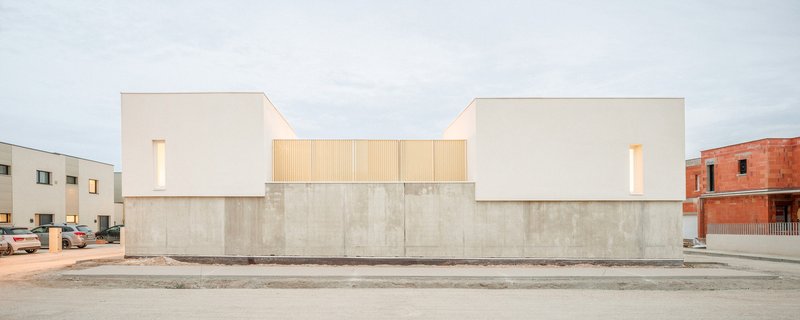
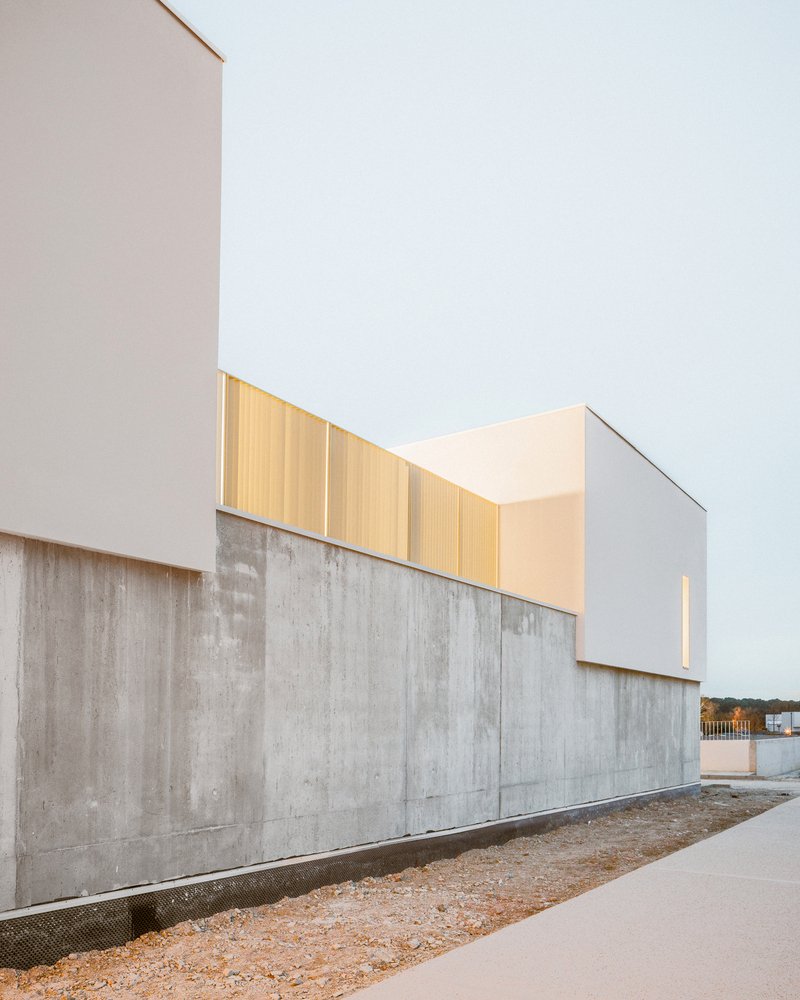
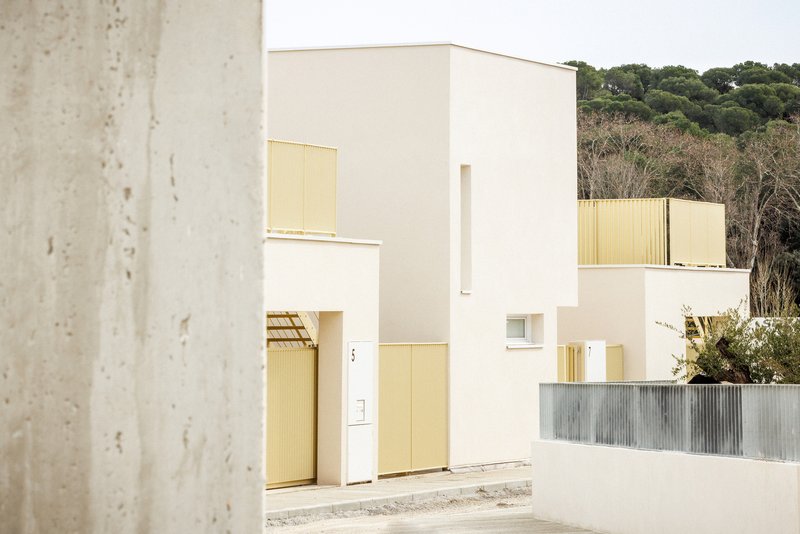
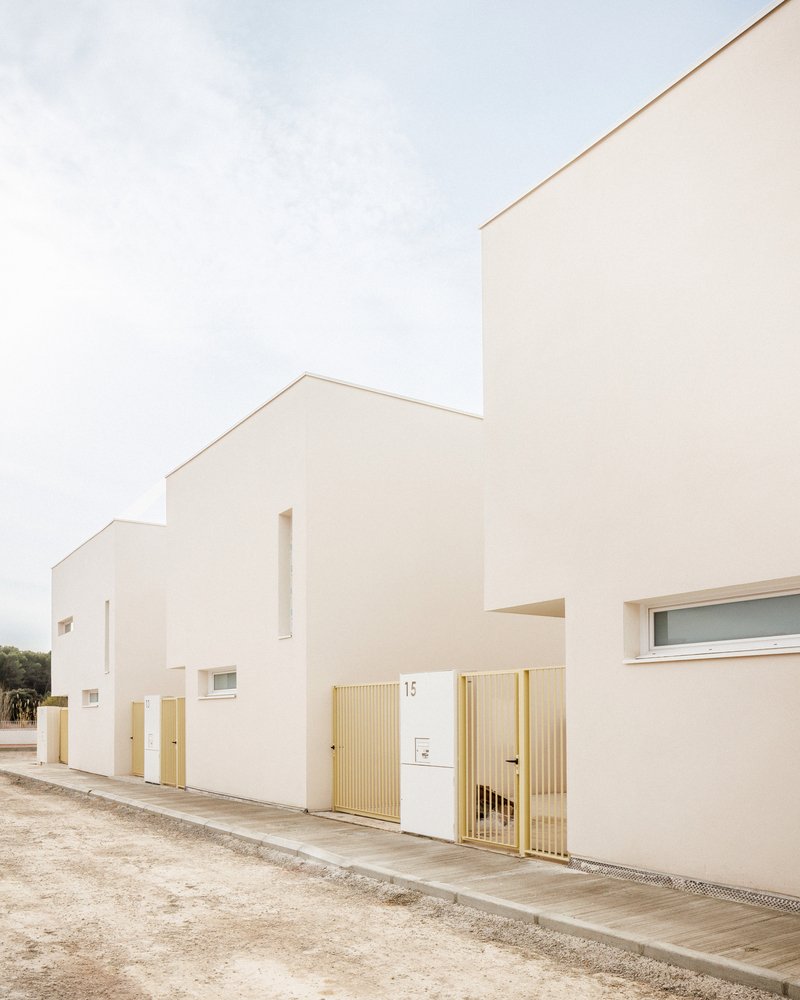
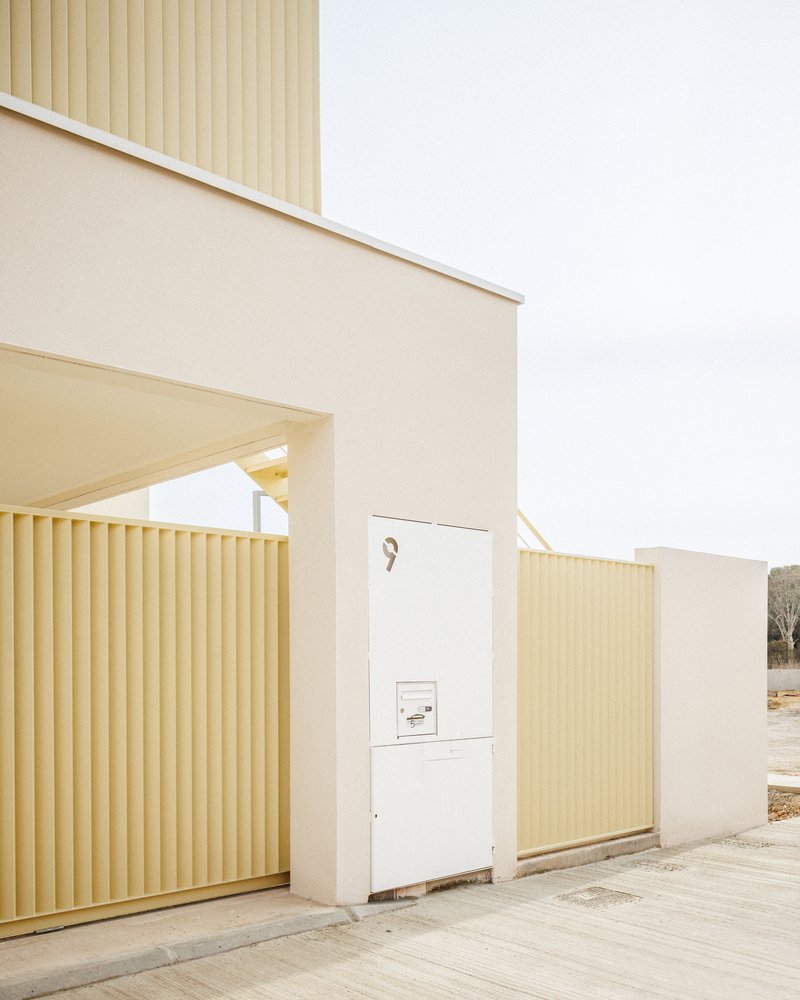
Incorporating high parapets on terrace roofs, the design discreetly houses photovoltaic panels and future technical equipment. White rendered walls with patterned concrete facades maintain a minimalistic, light aesthetic that reduces heat absorption. Metal fences and guardrails in light shades complement the render, creating a cohesive design while emphasizing privacy and sustainability.
Privacy, Landscaping, and Shared Spaces
Privacy and communal interactions are central to the villa design. Each home has a dedicated outdoor area with fruit trees, while parking is screened by masonry benches that also provide storage for bicycles and other items. Outdoor stairs connect patios with first-floor terraces, allowing residents ease of access and maximizing outdoor functionality.
Landscaping and Greenery
The project preserves earth bands along fences to facilitate future greenery, promoting a natural landscape and privacy. A central pedestrian square links the villa clusters, enabling communal interaction and green space enjoyment. Featuring concrete paths and fruit trees, the square is versatile, meeting the municipality’s vision for community spaces.
Materials and Aesthetic Choices
Maignial Architectes & Associés utilize a simple material palette that emphasizes clarity and cohesion. Key materials include:
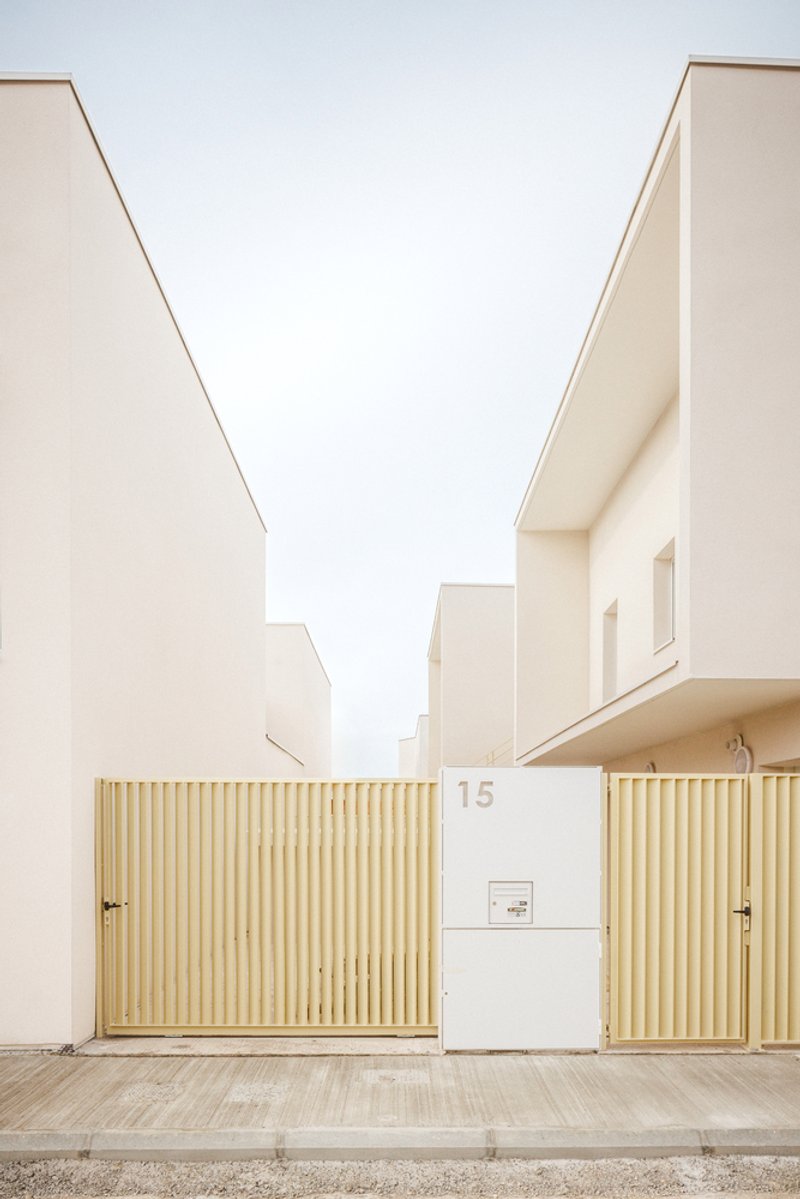
- Fine scraped white render: Employed on both villa facades and masonry fences for visual continuity.
- Patterned concrete walls on the west facades: Adding texture and aesthetic depth.
- Light-colored metalwork for fences and guardrails: Ensuring durability with a minimal visual impact.
- Invisible roller shutter boxes: Seamlessly blending into the design for an uninterrupted facade appearance.
Redefining Social Housing with Patio Villa Design
The 10 Patios Villa project in Montpellier redefines social housing with a focus on patio villa architecture, integrating privacy, sustainability, and community. By balancing natural light, green spaces, and energy-efficient features, this project by Maignial Architectes & Associés offers a vision of accessible, appealing social housing that meets both ecological and social demands.
All photographs are work of 11h45




Popular Articles
Popular articles from the community

Atelier Macri Concept Store Interior Design by CASE-REAL
Atelier Macri store features a "ko" counter, walnut wood details, cork displays, blending retail, gallery, and seamless customer experiences.
Flamboyant House by Juliana Camargo + Prumo Projetos
Modern Brazilian house integrating existing tree, pool, and volumes with glass, wood, and transitional spaces blending interior, exterior, and landscape seamlessly.
Louis Malle Cinema: A Limestone Cultural Landmark Revitalizing Community Life in Prayssac
Limestone cinema extension with public forecourt, blending heritage and modern design to create flexible cultural spaces and strengthen community interaction.
On the Brooks House by Monsoon Collective – A Contemporary Kerala Home Rooted in Tradition
Kerala home blending tradition and modernity with water-inspired design, brick architecture, courtyard planning, and sustainable rainwater harvesting strategies.


Similar Reads
You might also enjoy these articles


The Ken Roberts Memorial Delineation Competition (Krob)
As the most senior architectural drawing competition currently in operation anywhere in the world, it draws hundreds of entries each year, awarding the very best submissions in a series of medium-based categories.


Waterfront Redevelopment and Urban Revitalization in Mumbai: Forging a New Dawn for Darukhana
A transformative waterfront redevelopment project reimagining Darukhana’s shipbreaking heritage into an inclusive urban future.

OUT-OF-MAP: A Call for Postcards on Feminist Narratives of Public Space
Rhizoma Design and Research Lab invites artists, designers, architects, researchers, and students to reflect on how feminist perspectives can reshape public space. Selected works will be exhibited in Barcelona, October 2026. Submissions open until 15 April 2026.


Documentation Work on Buddhist Wooden Temple
Architectural syncretism and cultural hybridity: A comparative study of the Buddhist temples in Chattogram Hill tracks


Explore Architecture Competitions
Discover active competitions in this discipline




The International Standard for Design Portfolios


The Global Benchmark for Architecture Dissertation Awards


The Global Benchmark for Graduation Excellence


Challenge to reimagine the Iron Throne
Comments (0)
Please login or sign up to add comments
No comments yet. Be the first to comment!