
Factory Renovation Architecture: Mian R&D Renovation by Idee Architects in Vietnam
This article explores Mian R&D Renovation by Idee Architects, a groundbreaking factory renovation architecture project in Vietnam transforming an old factory into a modern industrial workspace.

Redefining Industrial Spaces Through Factory Renovation Architecture
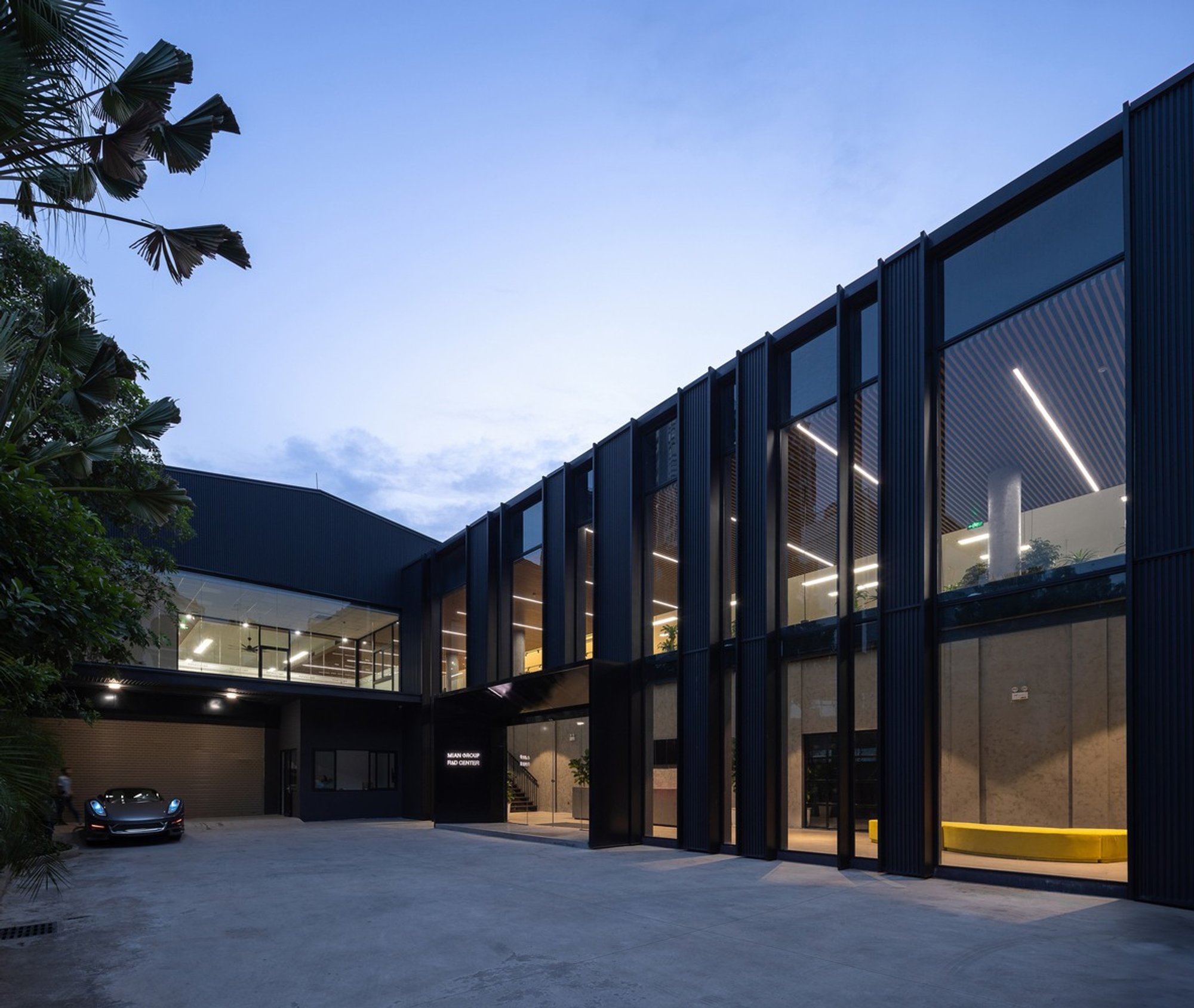
Mian R&D Renovation by Idee Architects stands as a transformative example of factory renovation architecture in Vietnam. Located within an aging industrial complex, this innovative project breathes new life into an old factory, reimagining it as a multifunctional research and development hub. The design exemplifies how industrial spaces can evolve to meet the demands of modern work environments, bridging the past and future through adaptive reuse.
Context and Vision for the Factory Transformation
Vietnam’s industrial landscape is evolving rapidly, with shifts in manufacturing processes and the rise of digital commerce reshaping traditional production lines. The Mian R&D Renovation project emerges as a response to this changing context, addressing the growing need for flexible, innovation-driven spaces. Idee Architects envisioned a facility that not only supports research and production but also fosters creativity and collaboration within a revitalized industrial setting.
The project challenges conventional notions of factory design by reconfiguring an outdated structure into a cutting-edge workspace. This transformation demonstrates the potential of factory renovation architecture to redefine industrial buildings as hubs of innovation and progress.
Architectural Concept and Adaptive Reuse
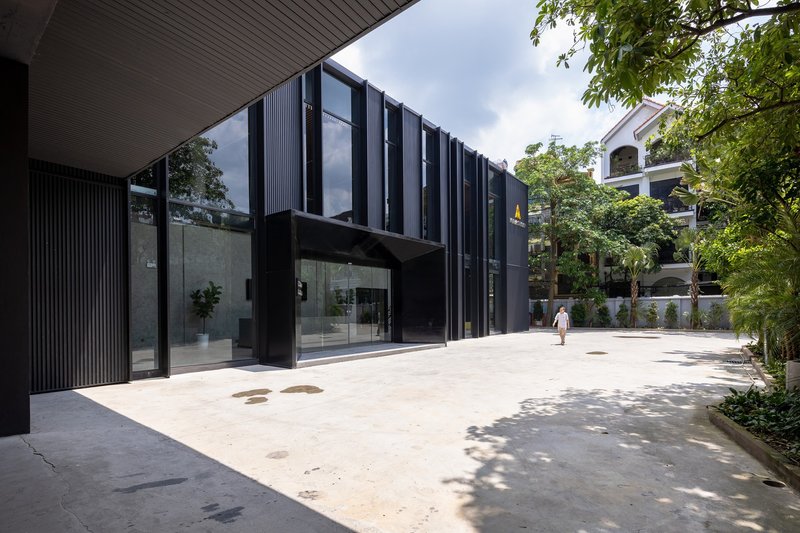
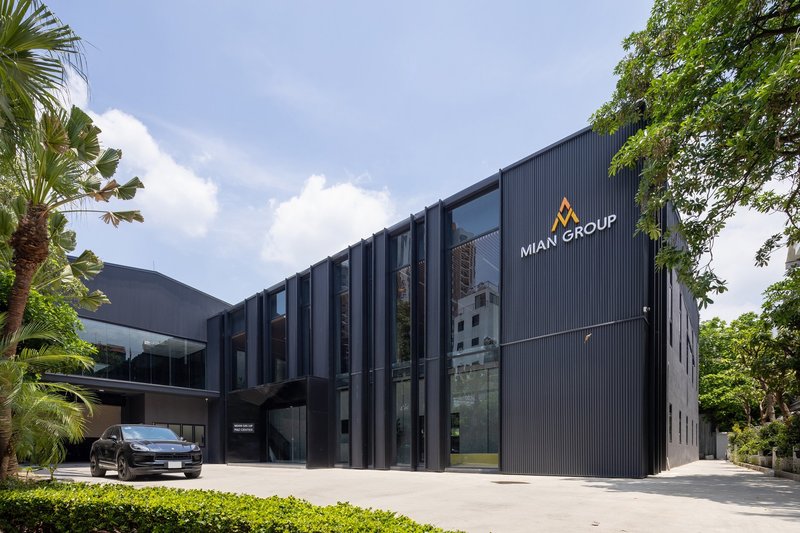
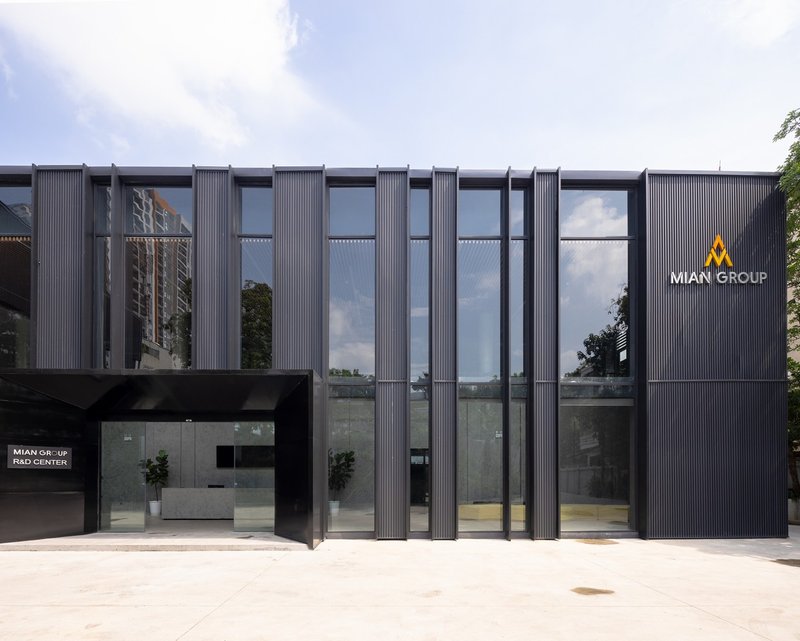
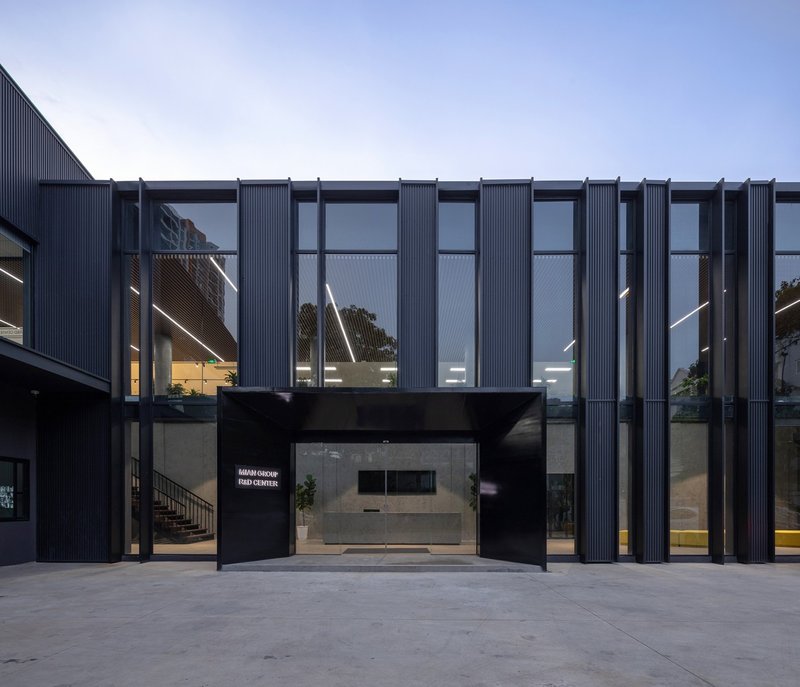
At the core of Mian R&D Renovation is the concept of adaptive reuse. Idee Architects sought to retain the structural integrity of the original factory while introducing modern design elements that enhance functionality and aesthetics. The design celebrates the industrial character of the building, using materials such as exposed concrete, black steel panels, and expansive glass facades.
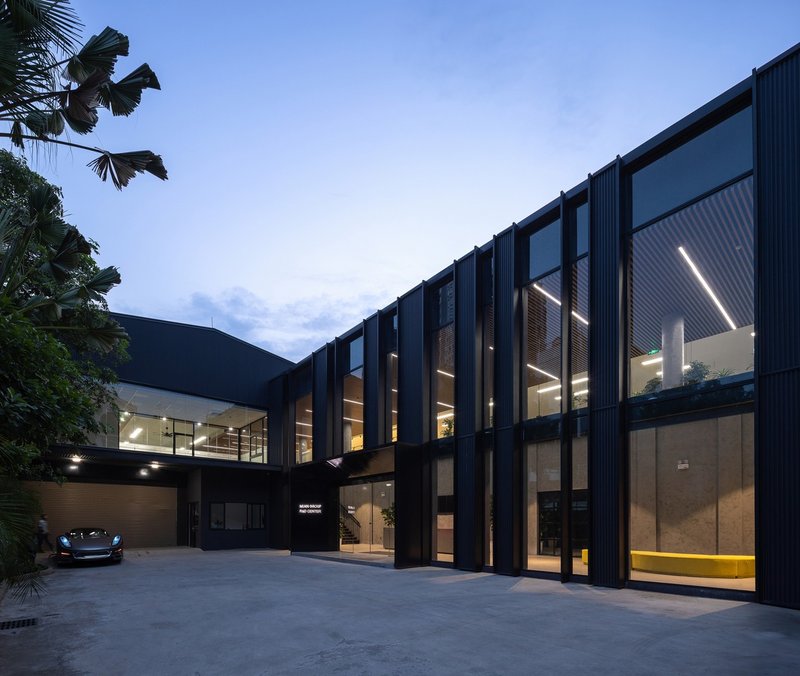
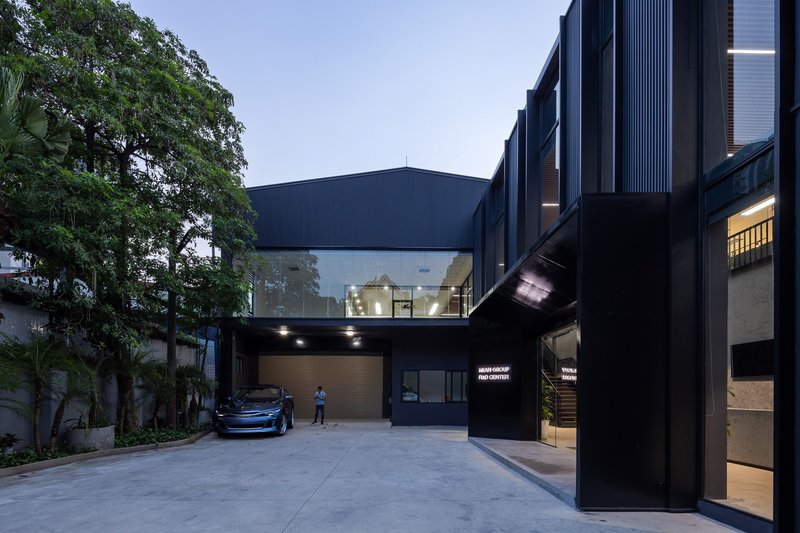
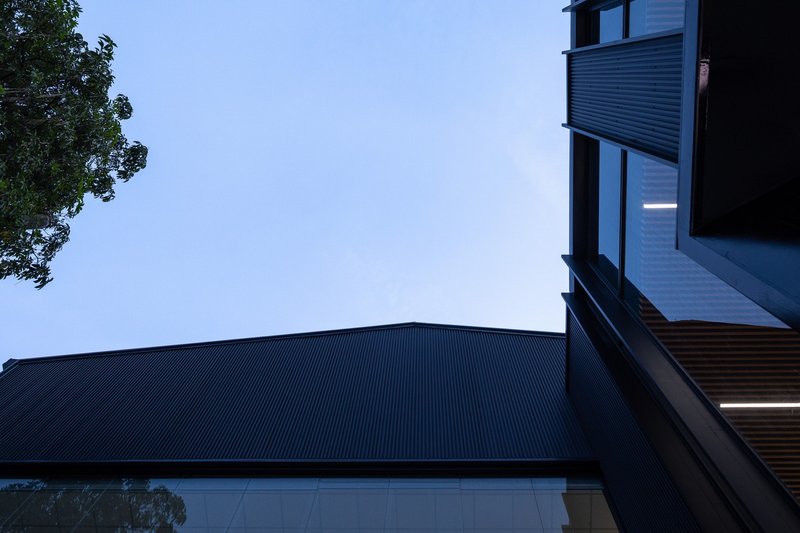
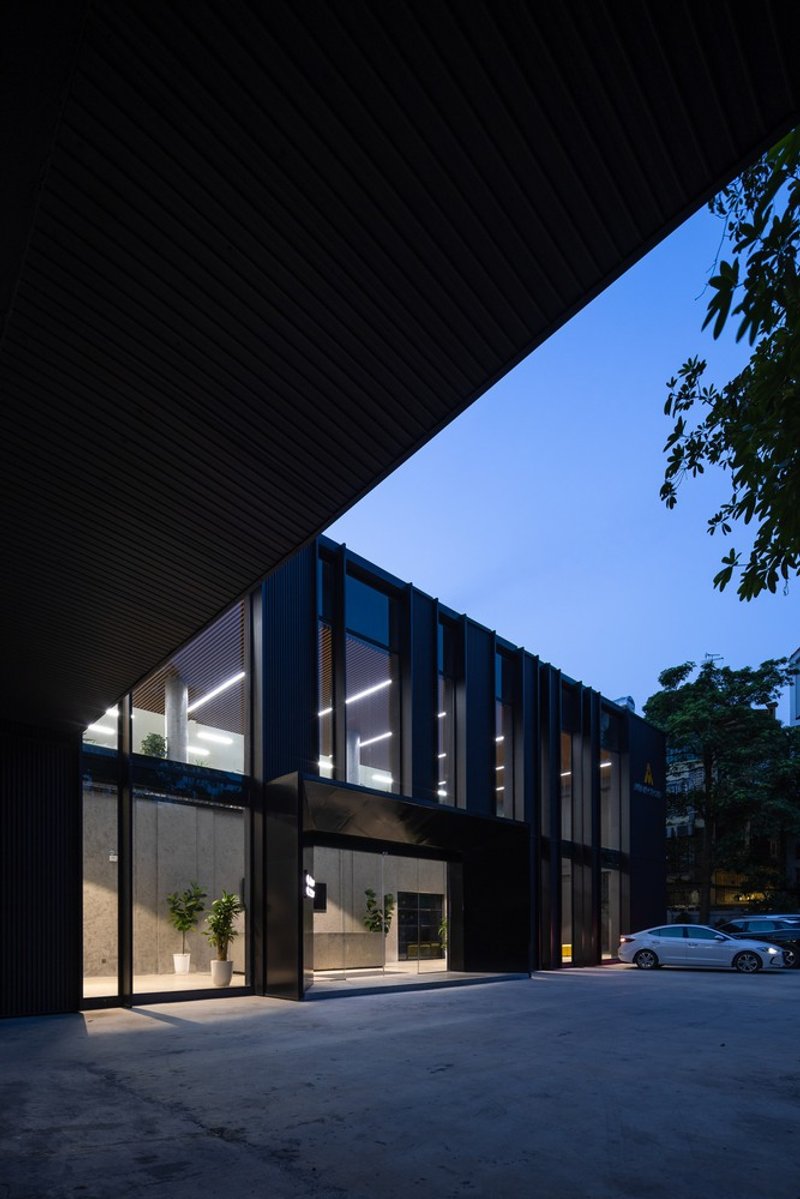
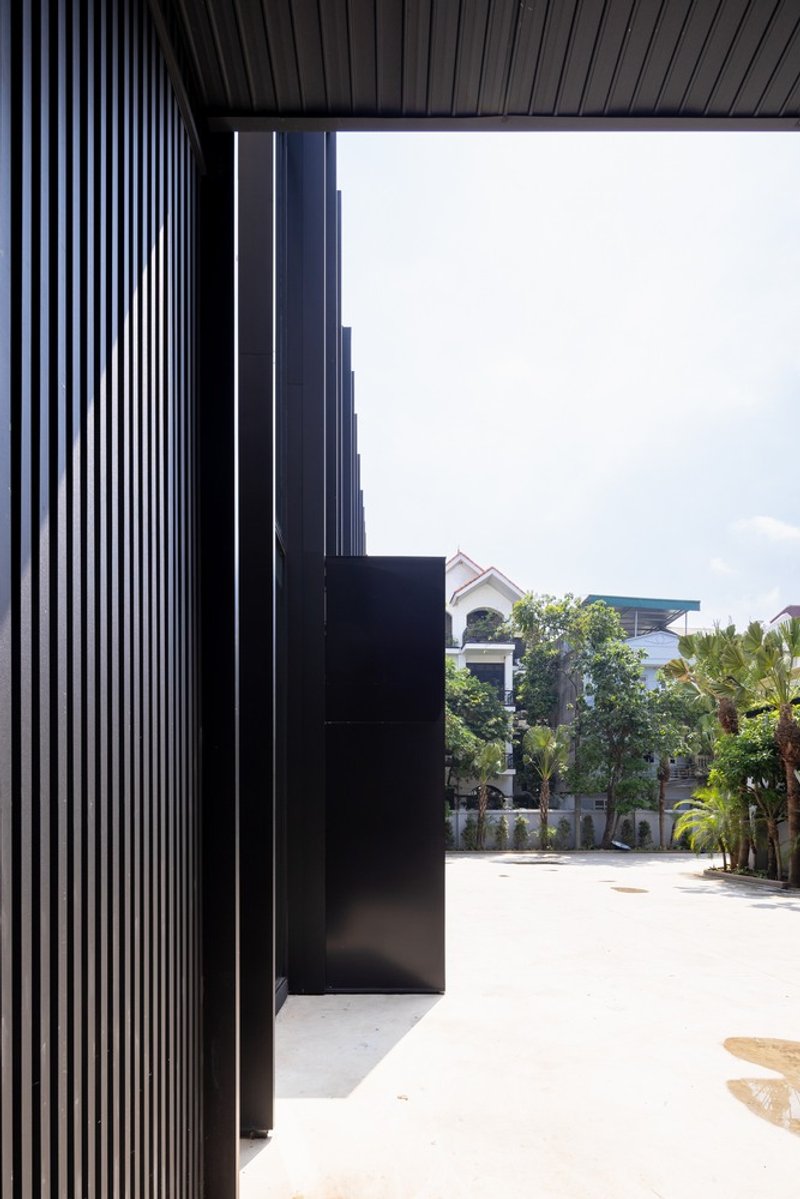
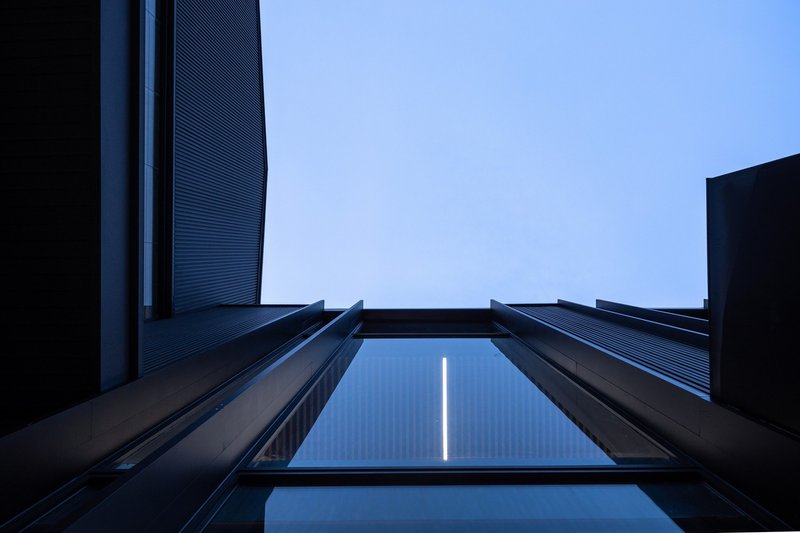
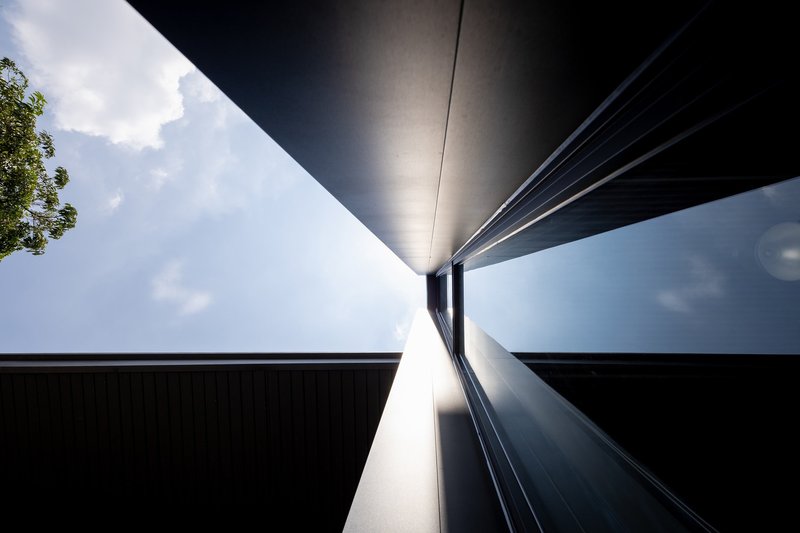
The exterior retains its robust industrial identity, with black steel cladding giving the building a sleek, contemporary appearance. Large glass panels punctuate the façade, maximizing natural light and creating visual transparency between interior workspaces and the surrounding environment.
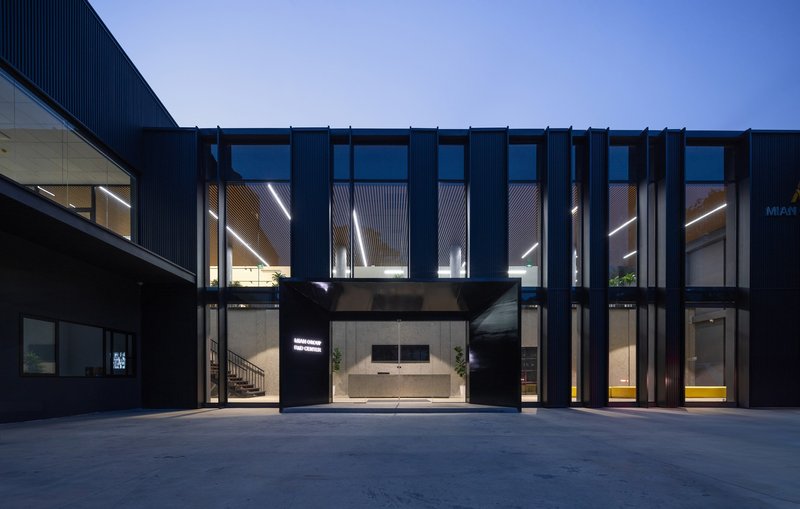
Spatial Organization and Open Workspace Design
The renovation emphasizes spatial fluidity, aligning with contemporary approaches to industrial workspace design. Traditional factory layouts, often rigid and compartmentalized, give way to open, flexible work environments that encourage interaction and idea exchange.
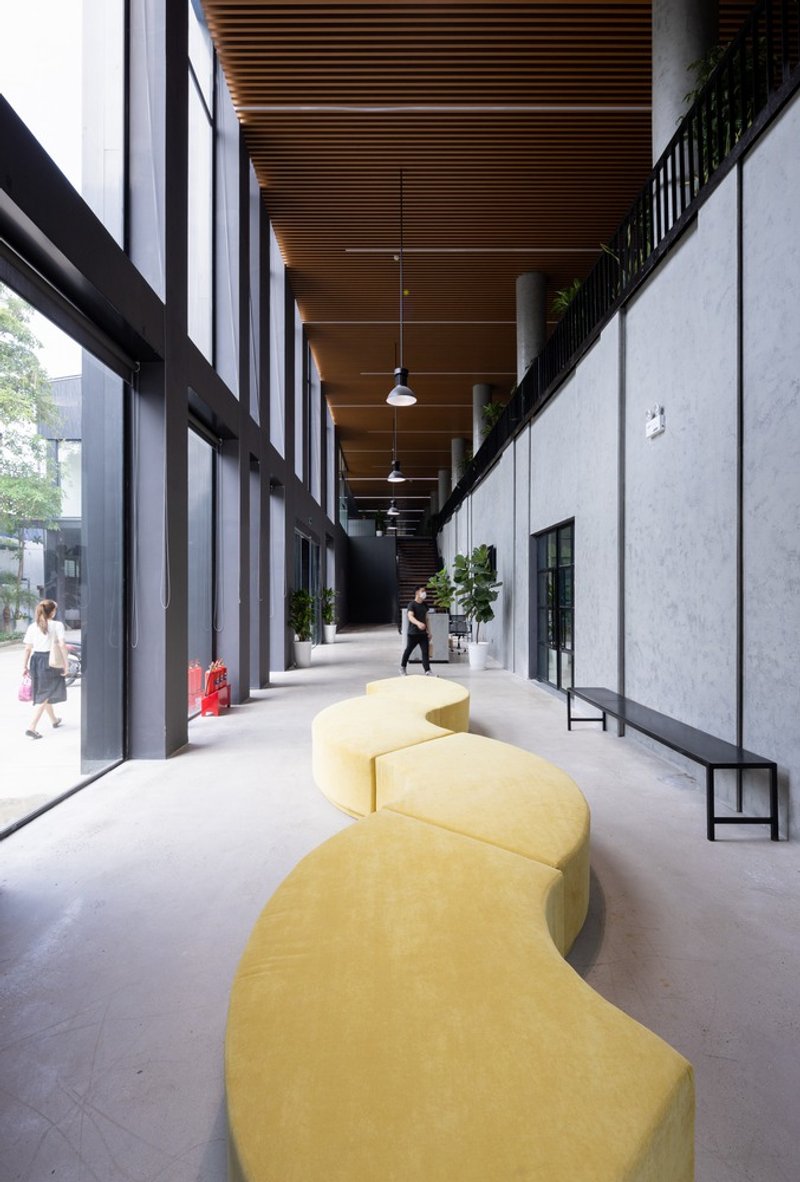
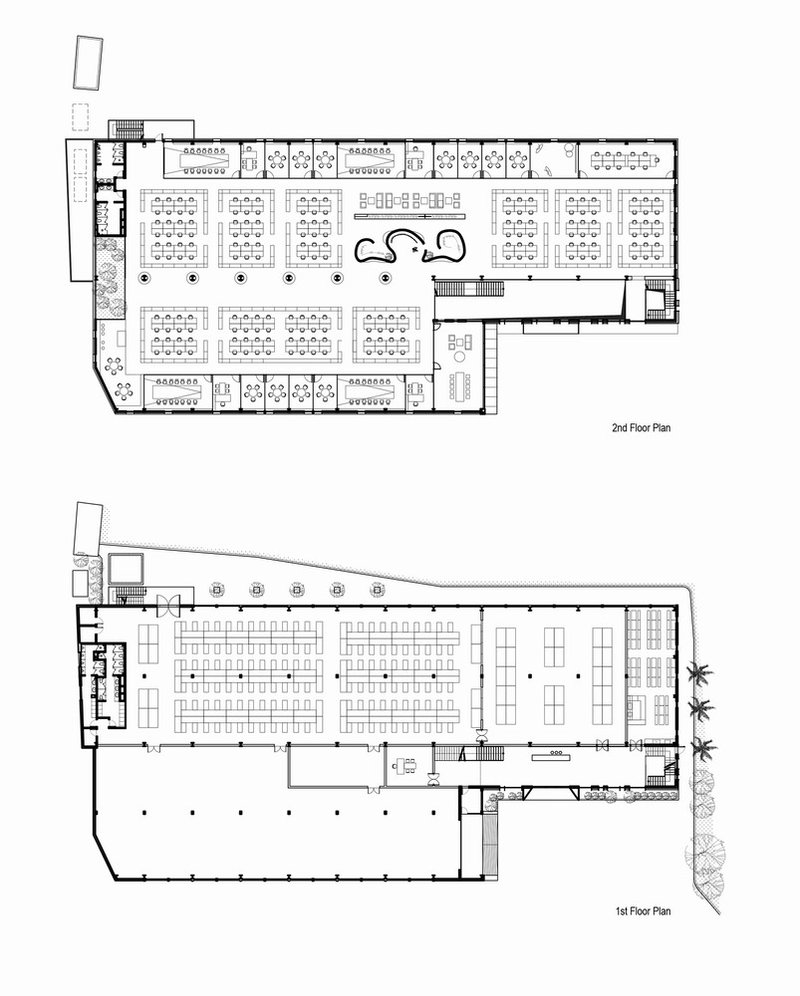
The central sample exhibition area serves as the heart of the facility, acting as both a functional display zone and a creative nucleus. This space is seamlessly integrated into the flow of the building, allowing employees and visitors to engage with product samples as part of their daily experience. The exhibition zone blurs the boundaries between production, research, and presentation, reflecting the project's overarching goal of efficiency and connectivity.
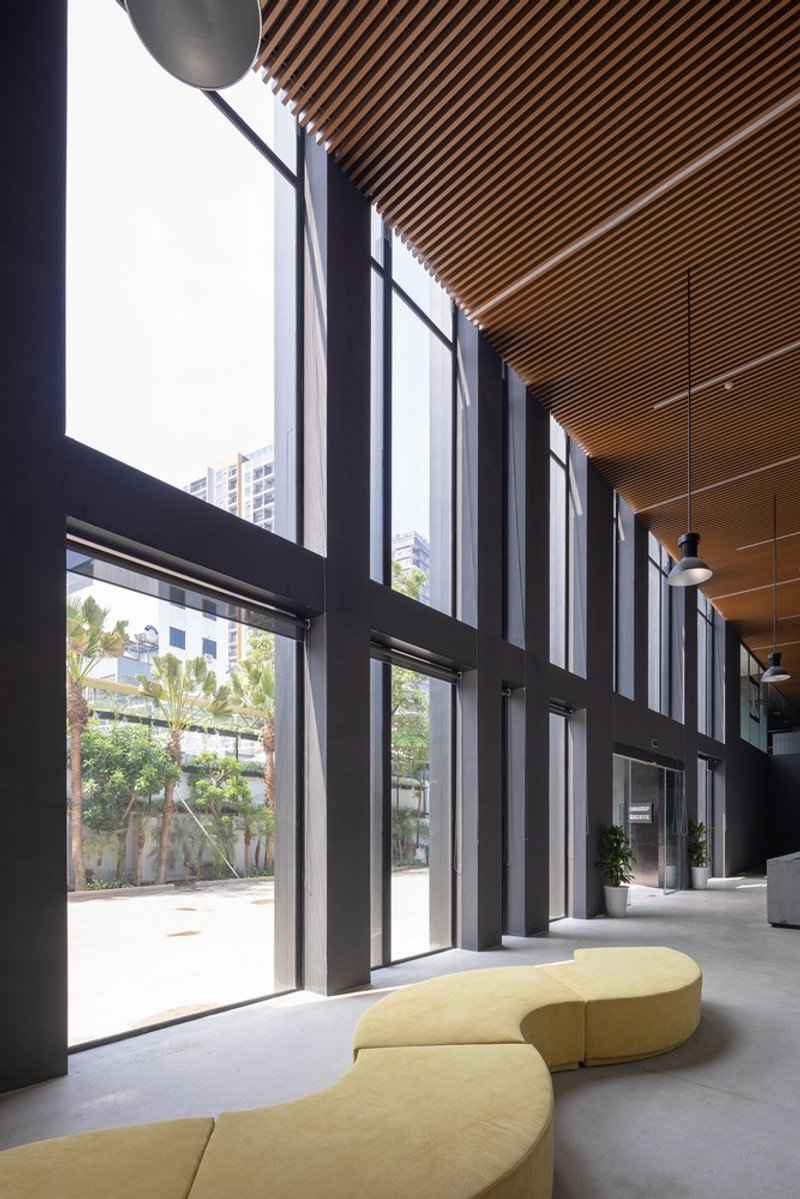
Open-plan workstations extend around this core, fostering collaboration while ensuring adaptability to evolving research and production needs. The spatial arrangement eliminates physical barriers, creating an environment that supports both focused work and collective innovation.
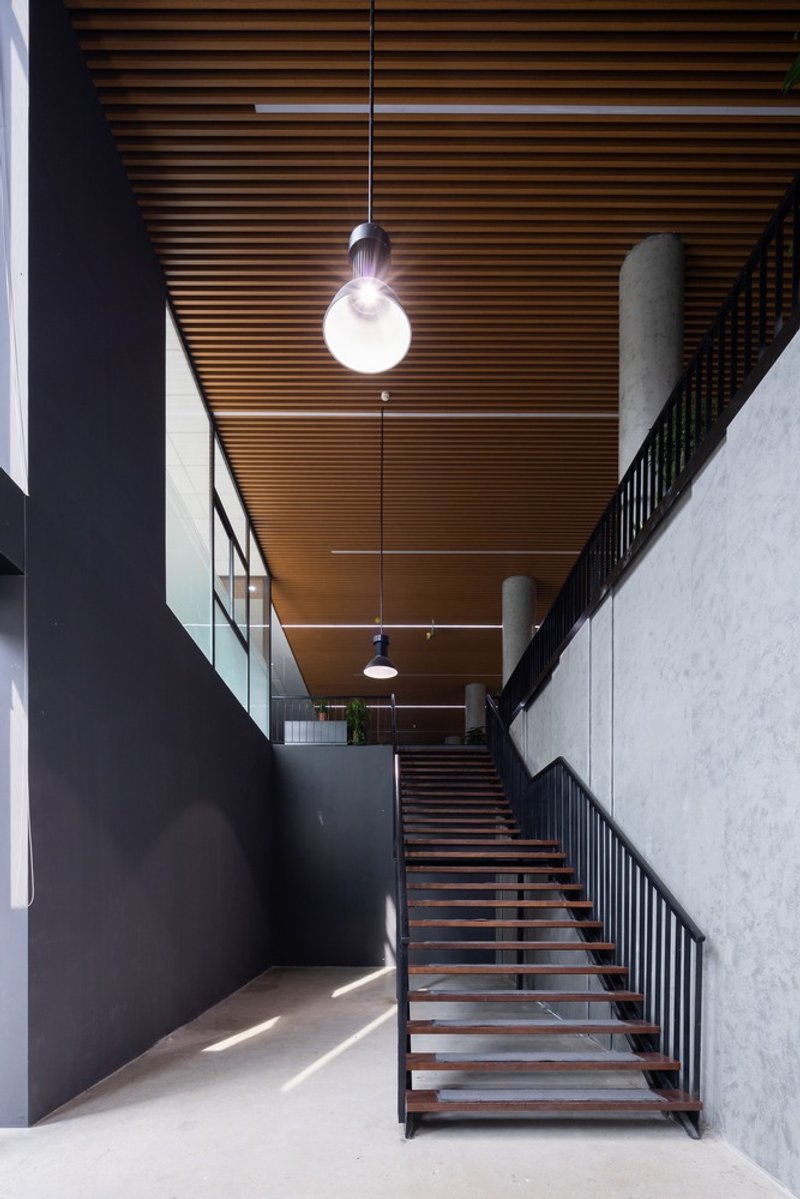
Integration of Natural Light and Industrial Aesthetics
Natural light plays a pivotal role in the success of Mian R&D Renovation’s design. The expansive glass facade not only modernizes the exterior but also floods the interior with daylight, enhancing the well-being and productivity of occupants. This design choice exemplifies the principles of factory renovation architecture, which prioritize the transformation of dark, enclosed industrial buildings into bright, inviting workspaces.
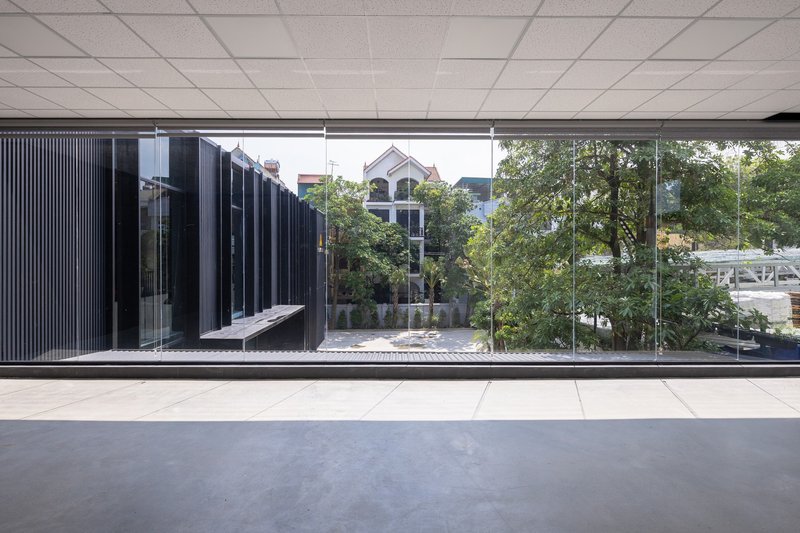
The interplay between raw concrete surfaces, black steel framing, and glass creates a balanced aesthetic that respects the building’s industrial heritage while embracing modern design language. This synthesis of materials reinforces the project's narrative of transformation and renewal.
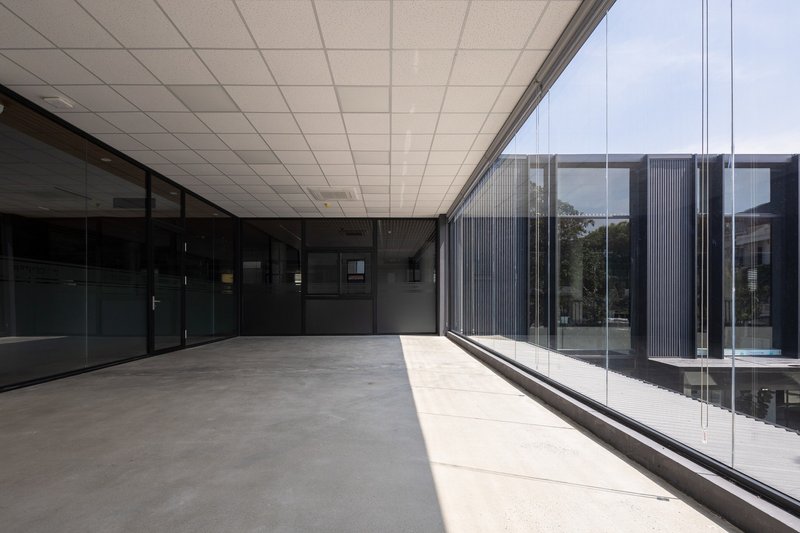
Addressing Modern Production and Distribution Trends
The renovation aligns with the shifting dynamics of production and distribution in the digital age. Traditional factory processes, characterized by extended production lines and large storage areas, have given way to streamlined workflows driven by online commerce and rapid prototyping.
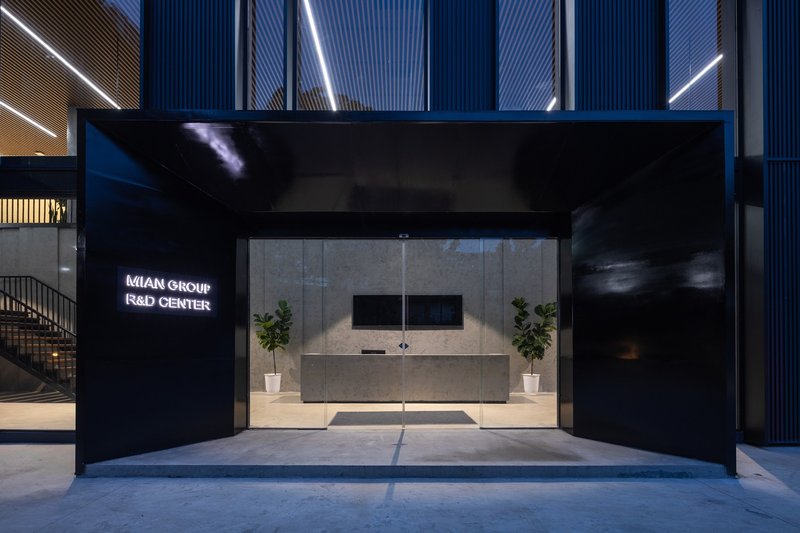
Mian R&D Renovation reflects this evolution by integrating research, production, and exhibition functions within a single, interconnected environment. The design reduces spatial separation between stages, facilitating a more agile and responsive production process. This layout enables swift transitions from sample development to market distribution, catering to the fast-paced demands of contemporary manufacturing.
Flexibility and Future-Proofing Industrial Spaces
Flexibility is a defining characteristic of factory renovation architecture, and Mian R&D Renovation exemplifies this principle. The modular design allows for future adaptations, ensuring that the facility can evolve alongside technological advancements and shifting business requirements.
The open-plan workspaces, movable partitions, and multi-purpose areas offer the versatility needed to accommodate changing research methodologies and production techniques. This adaptability future-proofs the building, safeguarding its relevance in an era of rapid industrial transformation.
Employee Well-being and Collaborative Culture
The renovation prioritizes the well-being of employees, recognizing that industrial workspaces must nurture creativity and productivity. Natural ventilation, abundant daylight, and visually connected spaces contribute to a positive work atmosphere. The central exhibition area not only functions as a display zone but also serves as an informal gathering point, promoting spontaneous collaboration and knowledge sharing.
The integration of greenery within the interior further enhances the work environment, softening the industrial aesthetic and introducing elements of biophilic design. This holistic approach underscores the potential of factory renovation architecture to create spaces that inspire both innovation and human connection.
Mian R&D Renovation as a Benchmark in Factory Renovation Architecture
Mian R&D Renovation by Idee Architects stands as a benchmark in factory renovation architecture, demonstrating the transformative potential of adaptive reuse in industrial settings. The project redefines the relationship between production, research, and design, creating a dynamic workspace that aligns with contemporary industrial practices.
Through its emphasis on openness, natural light, and spatial flexibility, the renovation showcases how aging factories can be revitalized into vibrant hubs of creativity and efficiency. Mian R&D Renovation exemplifies how architecture can drive industrial innovation, setting a new standard for the future of factory design.
All Photographs are works of Trieu Chien




Popular Articles
Popular articles from the community

On the Brooks House by Monsoon Collective – A Contemporary Kerala Home Rooted in Tradition
Kerala home blending tradition and modernity with water-inspired design, brick architecture, courtyard planning, and sustainable rainwater harvesting strategies.
Louis Malle Cinema: A Limestone Cultural Landmark Revitalizing Community Life in Prayssac
Limestone cinema extension with public forecourt, blending heritage and modern design to create flexible cultural spaces and strengthen community interaction.
Gads Hill Early Learning Center by JGMA: Adaptive Reuse Shaping Community-Focused Educational Architecture
Adaptive reuse transforms fragmented structure into vibrant early learning center with playful façade, natural light, and community-focused sustainable design.
Inverted Architecture Installation by Studio Link-Arc: Exploring the Intersection of Architecture and Living Organisms
Inverted Architecture Installation by Studio Link-Arc blends mycelium, sustainability, inverted design, ecological cycles, and urban adaptive architecture in Shenzhen.


Similar Reads
You might also enjoy these articles


The Ken Roberts Memorial Delineation Competition (Krob)
As the most senior architectural drawing competition currently in operation anywhere in the world, it draws hundreds of entries each year, awarding the very best submissions in a series of medium-based categories.

Waterfront Redevelopment and Urban Revitalization in Mumbai: Forging a New Dawn for Darukhana
A transformative waterfront redevelopment project reimagining Darukhana’s shipbreaking heritage into an inclusive urban future.

OUT-OF-MAP: A Call for Postcards on Feminist Narratives of Public Space
Rhizoma Design and Research Lab invites artists, designers, architects, researchers, and students to reflect on how feminist perspectives can reshape public space. Selected works will be exhibited in Barcelona, October 2026. Submissions open until 15 April 2026.


Documentation Work on Buddhist Wooden Temple
Architectural syncretism and cultural hybridity: A comparative study of the Buddhist temples in Chattogram Hill tracks


Explore Architecture Competitions
Discover active competitions in this discipline




The International Standard for Design Portfolios


The Global Benchmark for Architecture Dissertation Awards


The Global Benchmark for Graduation Excellence


Challenge to reimagine the Iron Throne
Comments (0)
Please login or sign up to add comments
No comments yet. Be the first to comment!