
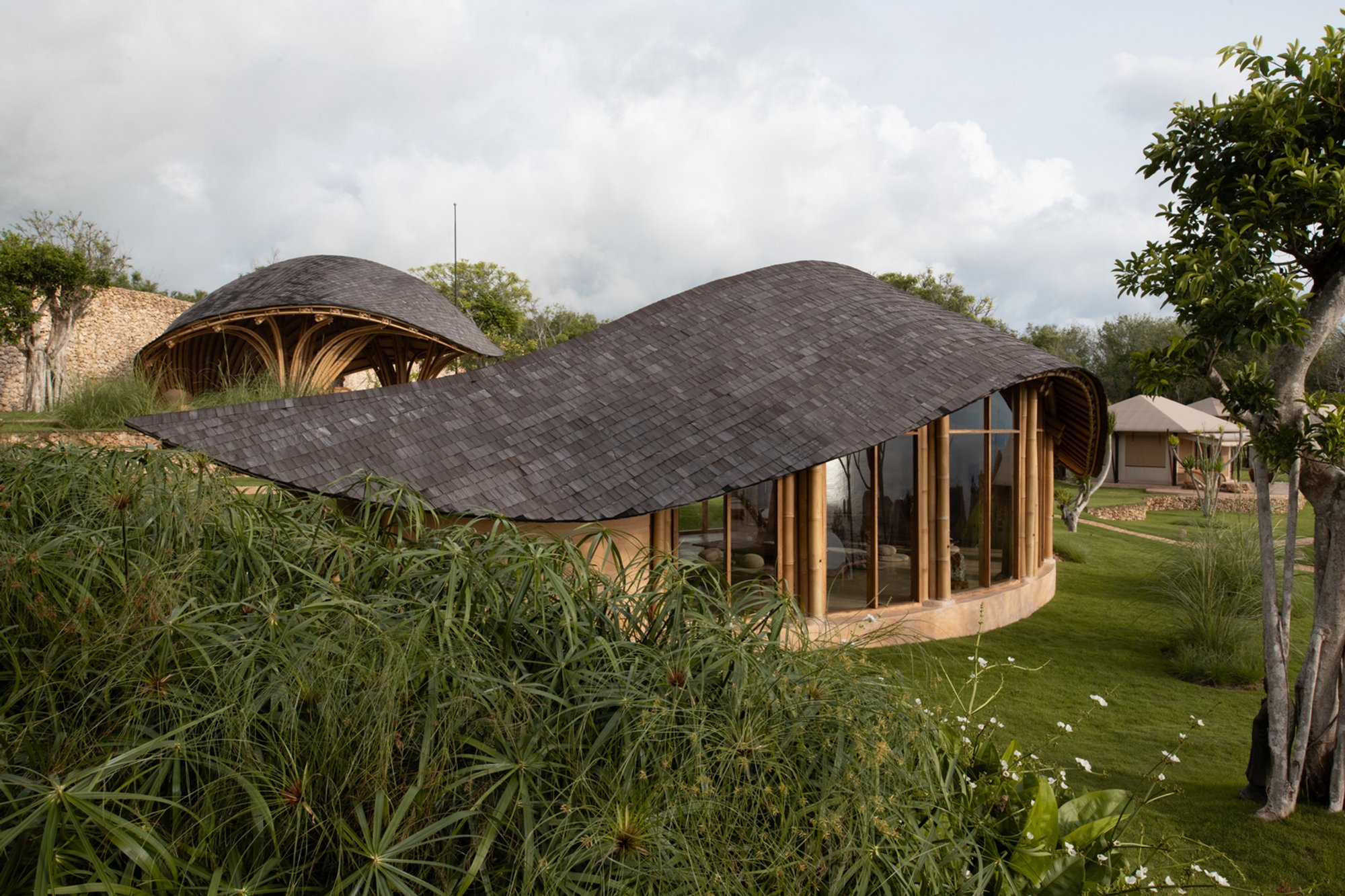
Fish Tail Tea Room by Pablo Luna Studio: A Sustainable Architectural Masterpiece in Bali
Fish Tail Tea Room by Pablo Luna Studio blends sustainable bamboo architecture, passive cooling, and handcrafted design, creating a serene, eco-friendly retreat.

A Harmonious Blend of Nature and Architecture
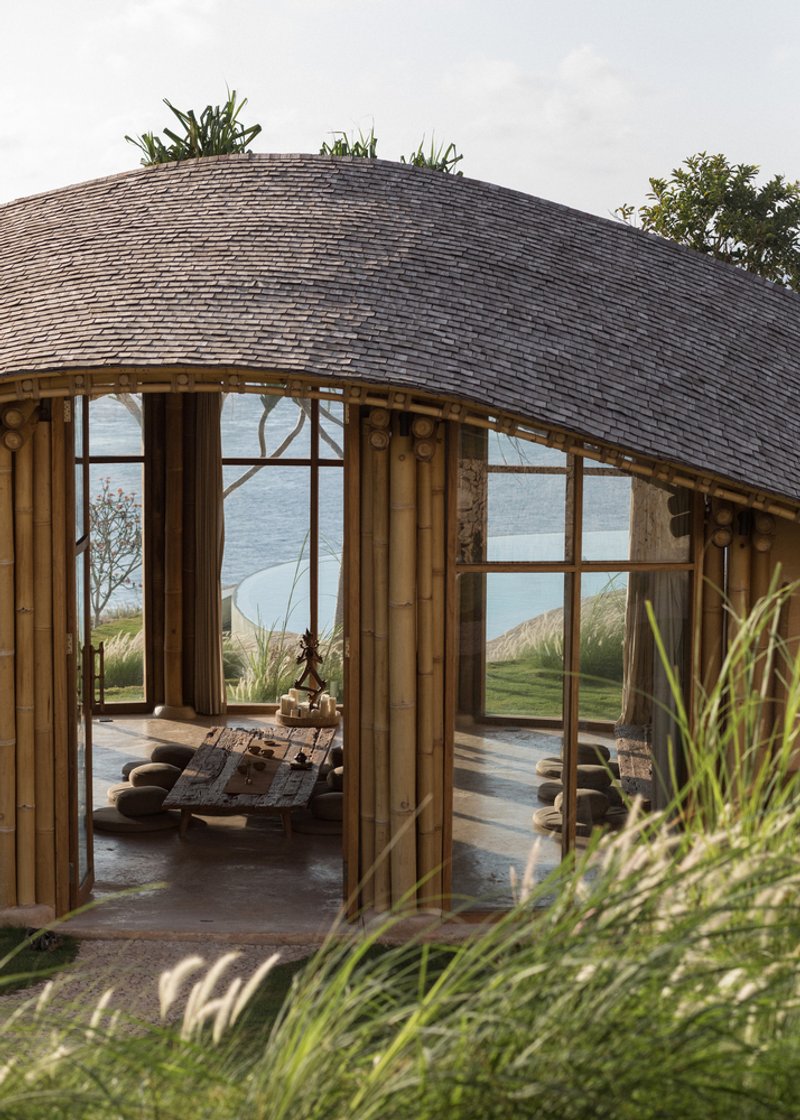
The Fish Tail Tea Room, designed by Pablo Luna Studio, is a serene sanctuary nestled within Intaaya Retreat on the cliffs of Nusa Penida, Bali. This project seamlessly integrates architecture with its surroundings, embracing sustainable construction and eco-friendly materials to minimize environmental impact.
Sustainable Design and Locally Sourced Materials
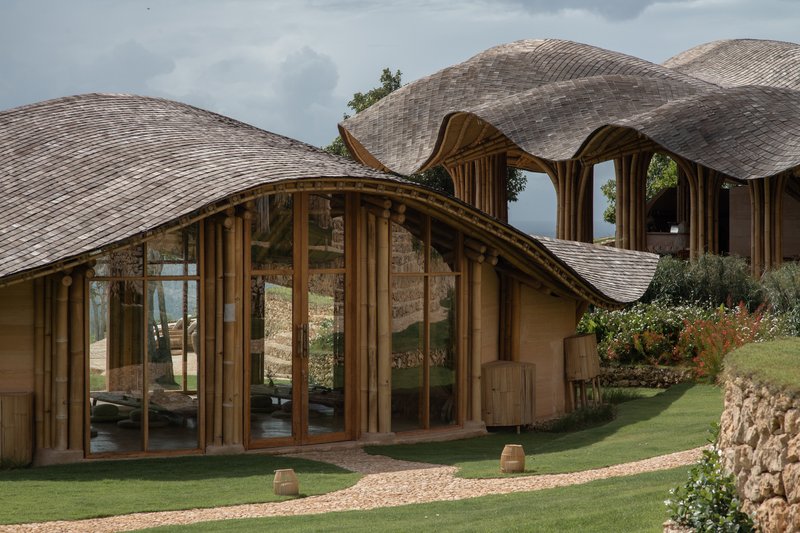
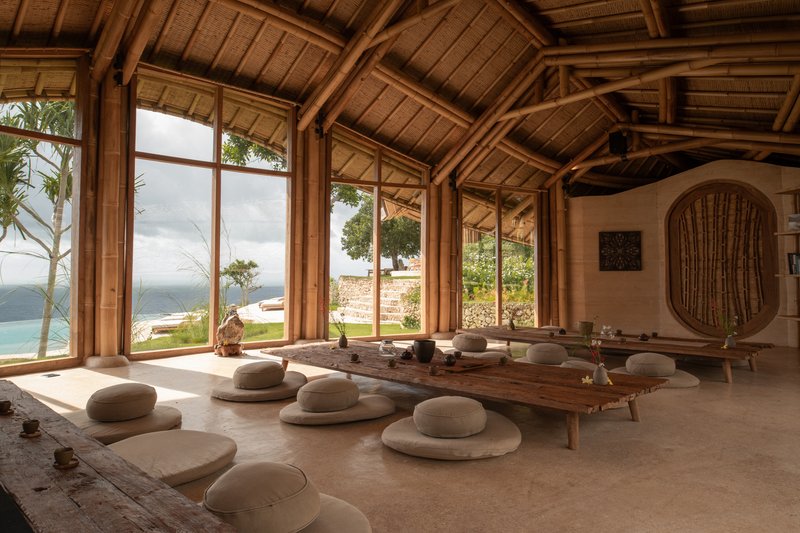
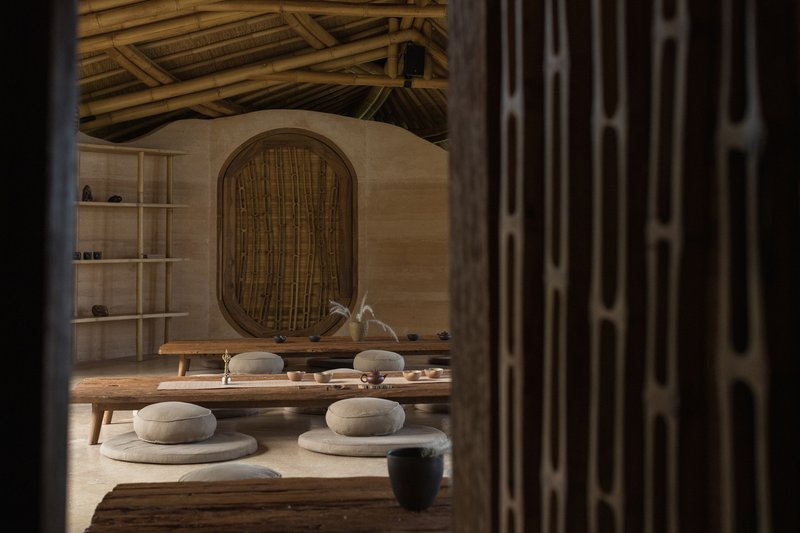
Every element of the Fish Tail Tea Room reflects a commitment to green architecture. The structure is built entirely with Dendrocalamus asper bamboo, a durable and fast-growing species, treated and handcrafted in Bali. The rammed earth walls incorporate limestone from the site, while the lime-finished floors maintain a natural aesthetic. A stunning handwoven bamboo ceiling enhances the tactile and visual experience, celebrating traditional craftsmanship.
Self-Sufficient and Eco-Friendly Systems
As part of Intaaya Retreat, the Fish Tail Tea Room operates with sustainable water management. It sources water from a deep well, integrates rainwater harvesting, and uses low-irrigation landscaping. A Waste Water Garden, developed in collaboration with the Biosphere Foundation, treats wastewater for irrigation. Additionally, solar panels generate a significant portion of the project’s electricity, reducing reliance on external energy sources.
Architectural Layout: A Space for Reflection
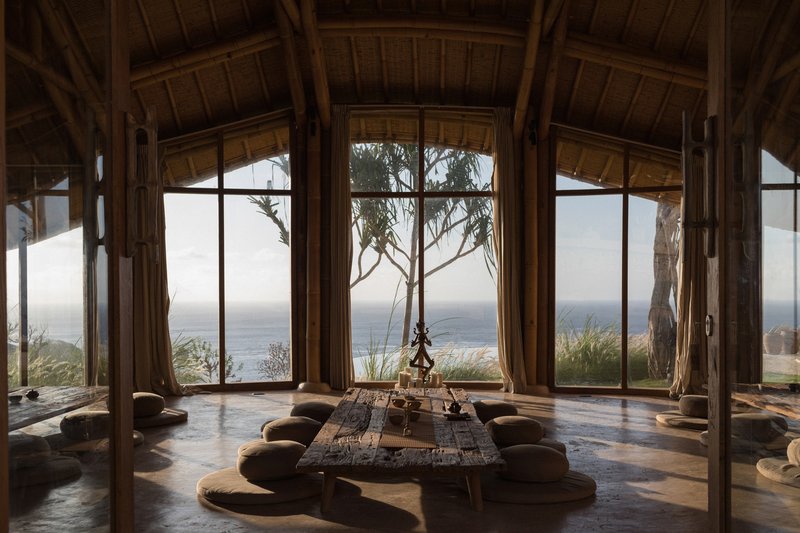
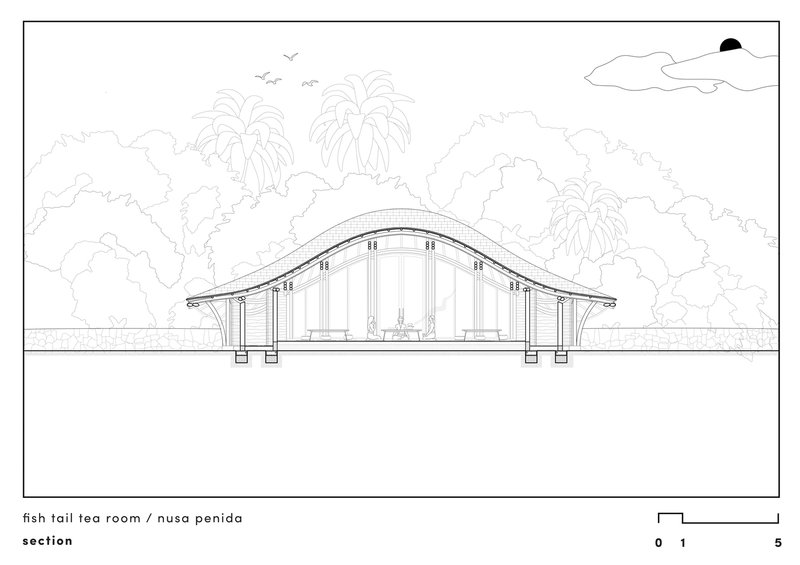
Designed as a meditative retreat, the Fish Tail Tea Room fosters mindfulness and community engagement. Its oval-shaped floor plan consists of a central space for tea ceremonies, meditation, and gatherings, flanked by two semicircles that house bathrooms.
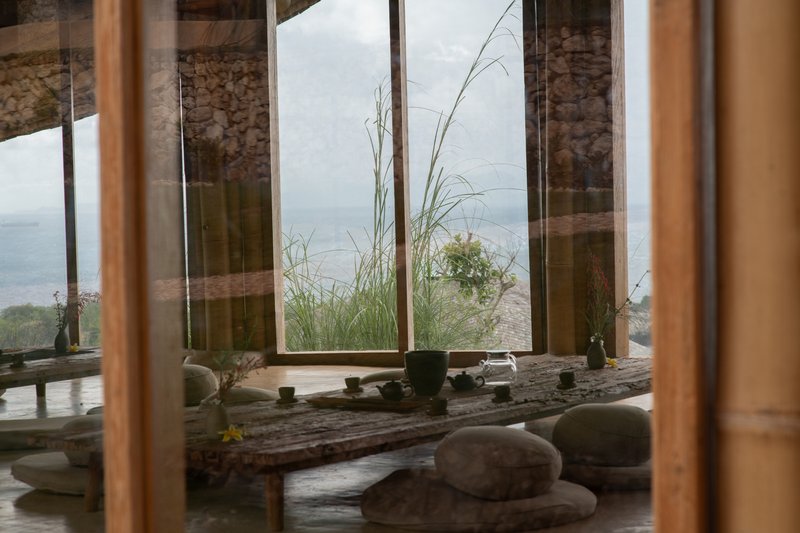
Large reclaimed wood windows—sourced from traditional Indonesian joglos—open to breathtaking ocean views, enhancing the connection between interior and exterior spaces. The bamboo King Post trusses and curved purlins reinforce the structure’s organic flow, echoing the natural landscape.
Passive Design for Thermal Comfort
Unlike other structures at Intaaya Retreat, the Fish Tail Tea Room incorporates passive cooling strategies to maintain a comfortable indoor climate. The building is strategically positioned facing south with a slight eastward tilt, optimizing natural ventilation and solar orientation.
Key features include:
- Pivoting windows for adjustable airflow
- Rammed earth walls for thermal insulation
- An insulated bamboo roof to regulate indoor temperatures
Craftsmanship and Connection to Nature
More than just a tea house, the Fish Tail Tea Room is a testament to handcrafted architecture and sustainable design. Every detail, from the laminated bamboo doors to the intricately woven ceiling, reflects a deep respect for local materials and artisanal techniques.
As a core element of Intaaya Retreat, this project exemplifies how architecture can bridge human presence with the natural world, offering a place of tranquility, introspection, and environmental harmony.
All Photographs are works of Tommaso Riva




Popular Articles
Popular articles from the community

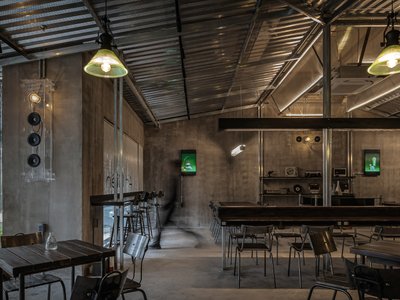
An Miên Lumière Cafe by xưởng xép, Ho Chi Minh City, Vietnam
An industrial-inspired café where layered steel and warm light create a dynamic, immersive environment shaped by reflection, depth, and perception.
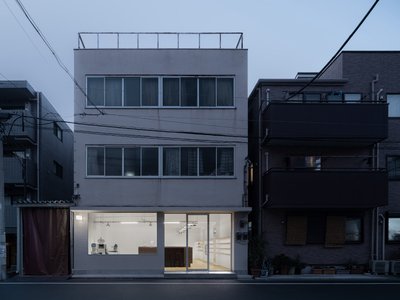
Atelier Macri Concept Store Interior Design by CASE-REAL
Atelier Macri store features a "ko" counter, walnut wood details, cork displays, blending retail, gallery, and seamless customer experiences.
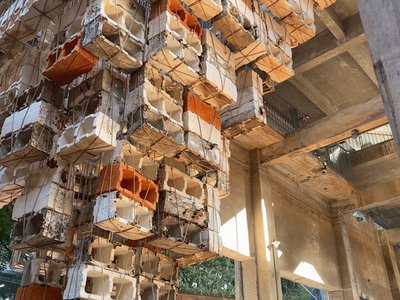
Inverted Architecture Installation by Studio Link-Arc: Exploring the Intersection of Architecture and Living Organisms
Inverted Architecture Installation by Studio Link-Arc blends mycelium, sustainability, inverted design, ecological cycles, and urban adaptive architecture in Shenzhen.
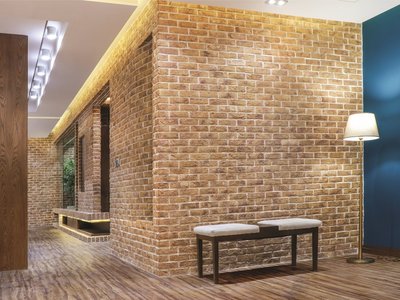
A Contemporary Take on Iranian Residential Architecture
A modern interior design in Mashhad that reinterprets brick, light, and spatial flow to create a warm, contemporary residential architecture.


Similar Reads
You might also enjoy these articles


The Ken Roberts Memorial Delineation Competition (Krob)
As the most senior architectural drawing competition currently in operation anywhere in the world, it draws hundreds of entries each year, awarding the very best submissions in a series of medium-based categories.


Waterfront Redevelopment and Urban Revitalization in Mumbai: Forging a New Dawn for Darukhana
A transformative waterfront redevelopment project reimagining Darukhana’s shipbreaking heritage into an inclusive urban future.

OUT-OF-MAP: A Call for Postcards on Feminist Narratives of Public Space
Rhizoma Design and Research Lab invites artists, designers, architects, researchers, and students to reflect on how feminist perspectives can reshape public space. Selected works will be exhibited in Barcelona, October 2026. Submissions open until 15 April 2026.


Documentation Work on Buddhist Wooden Temple
Architectural syncretism and cultural hybridity: A comparative study of the Buddhist temples in Chattogram Hill tracks


Explore Architecture Competitions
Discover active competitions in this discipline




The International Standard for Design Portfolios


The Global Benchmark for Architecture Dissertation Awards


The Global Benchmark for Graduation Excellence


Challenge to reimagine the Iron Throne
Comments (0)
Please login or sign up to add comments
No comments yet. Be the first to comment!