
Fora Collective Housing by Jeff Svitak: Redefining Urban Infill Living in San Diego
Fora Collective Housing by Jeff Svitak redefines urban infill living in San Diego with intelligent density, courtyards, and sustainable community design.

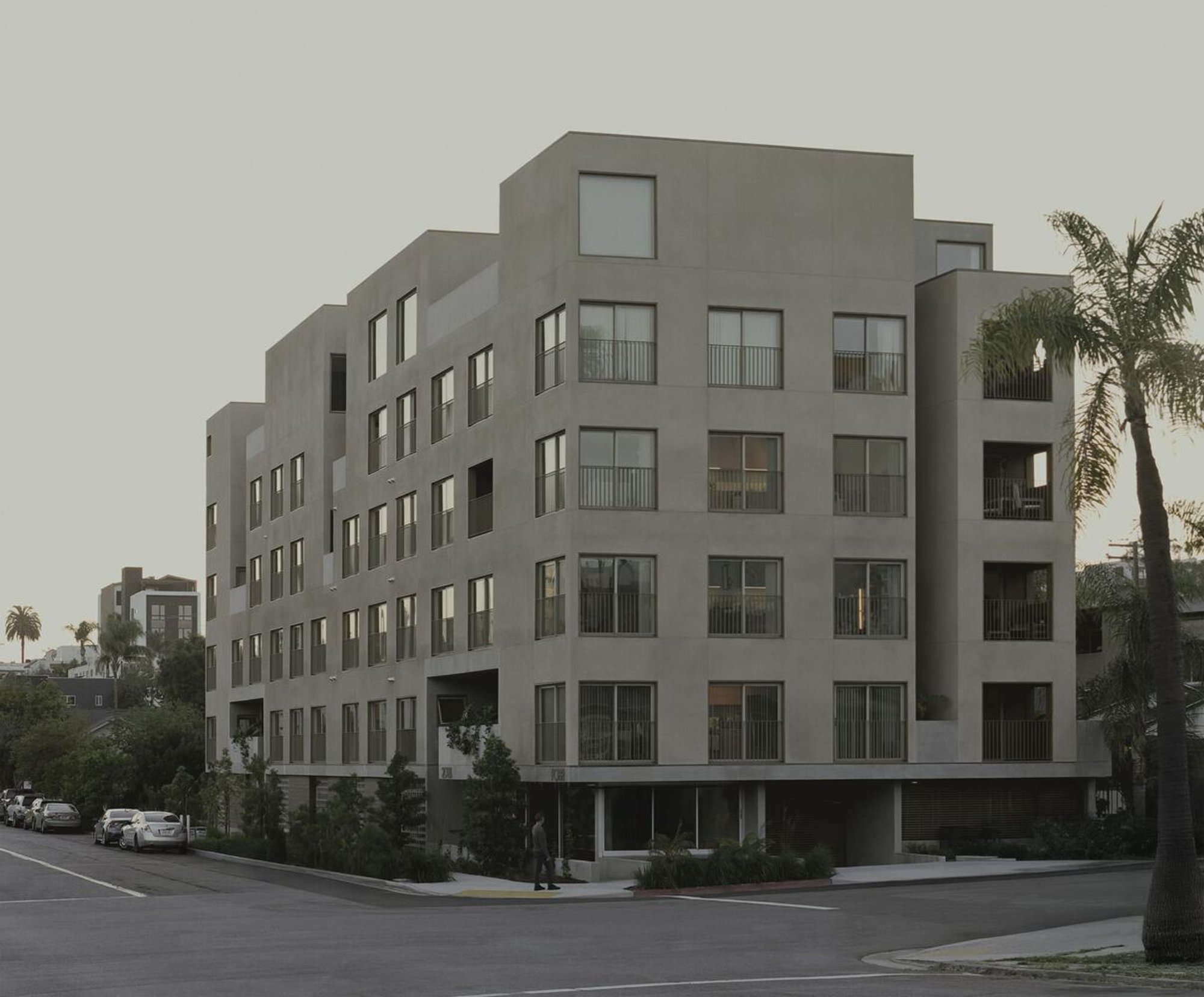
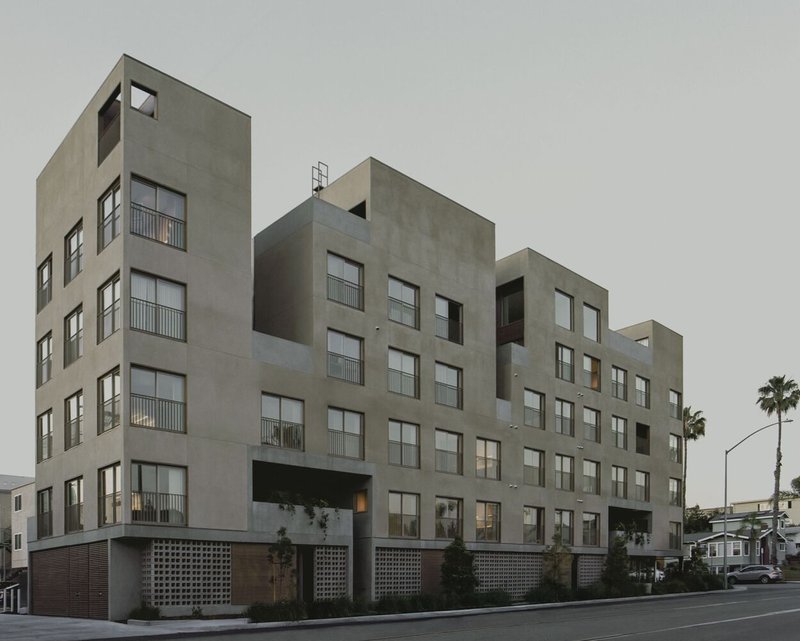
Nestled on a narrow 7,000-square-foot lot in San Diego’s vibrant North Park neighborhood, Fora Collective Housing by Jeff Svitak is a pioneering exploration of intelligent urban density and collective living. This innovative multifamily housing project demonstrates how even modest urban plots in Southern California can become models for high-quality, dignified housing, addressing urgent issues such as the housing crisis and homelessness. Operating within strict local regulations, FORA proves that small-scale urban infill can be both socially responsible and architecturally transformative.
Intelligent Density and Urban Transformation
On a compact 7,000-square-foot lot in San Diego’s North Park neighborhood, Fora Collective Housing by Jeff Svitak demonstrates how small sites can foster big urban change. This forward-thinking residential project is a model of intelligent density, offering a new vision for multifamily urban housing in California—one that prioritizes spatial quality, environmental balance, and social interaction over mere density.
Set against the backdrop of California’s ongoing housing crisis and homelessness challenge, Fora emerges as a prototype for sustainable urban infill. By transforming an underused urban plot into a vibrant, high-quality housing complex, the project exemplifies how architecture can address critical social needs while enhancing community well-being.
Architecture That Breathes: The Power of Subtraction
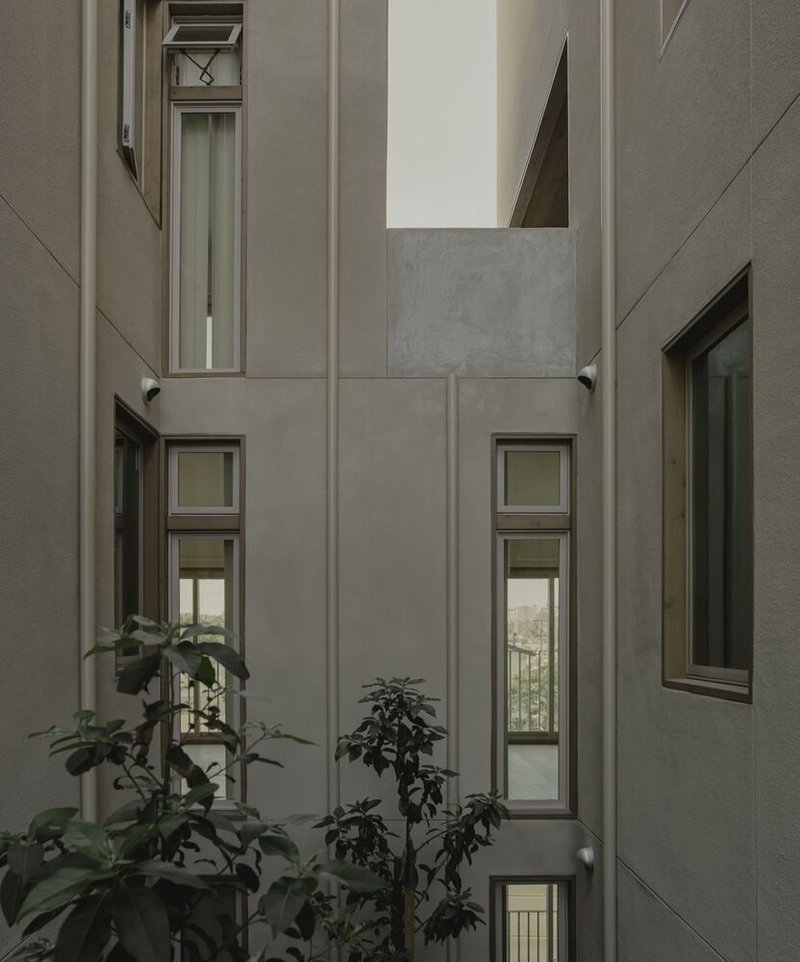
Unlike conventional developments that fill every possible cubic inch of space, Fora’s architecture is based on subtraction rather than addition. The design introduces voids—three internal courtyards—that serve as the building’s lungs, allowing natural light and ventilation to permeate every unit.
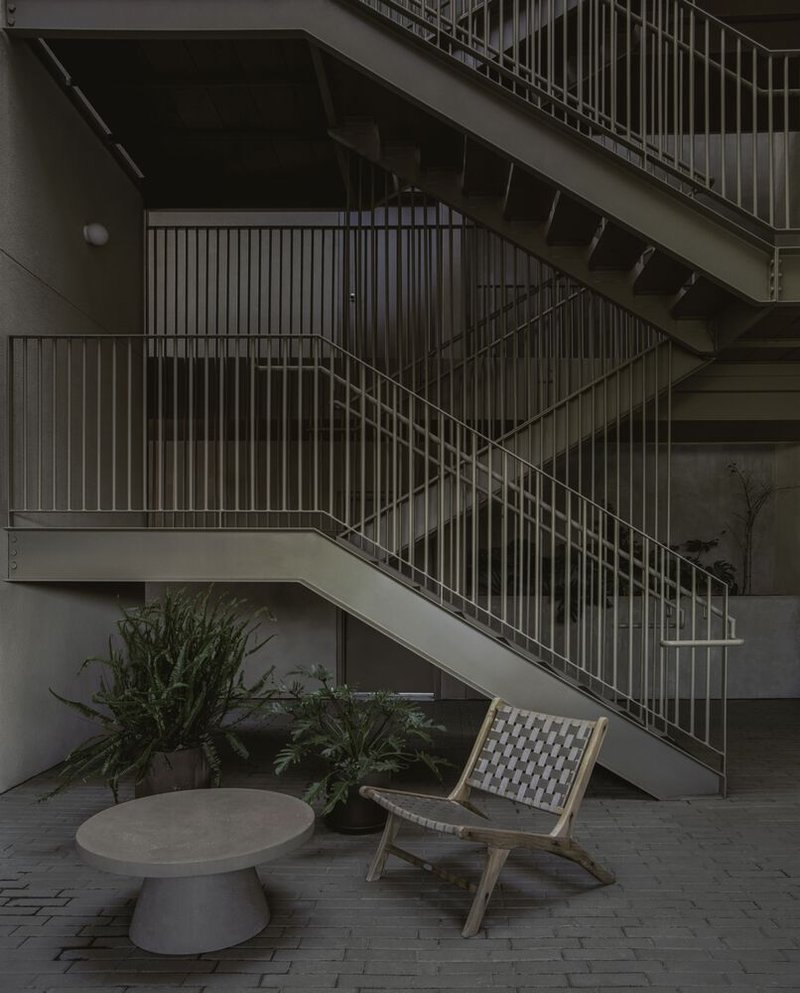
Two of these courtyards are directly connected to vertical circulation, while a third functions as a green garden courtyard, softening the urban experience. These voids are active, not residual—they organize movement, connect neighbors, and cultivate microclimates that respond naturally to San Diego’s mild coastal weather. The result is a climate-responsive architecture where form, function, and environment operate in seamless harmony.
Fluid Circulation and Collective Connection
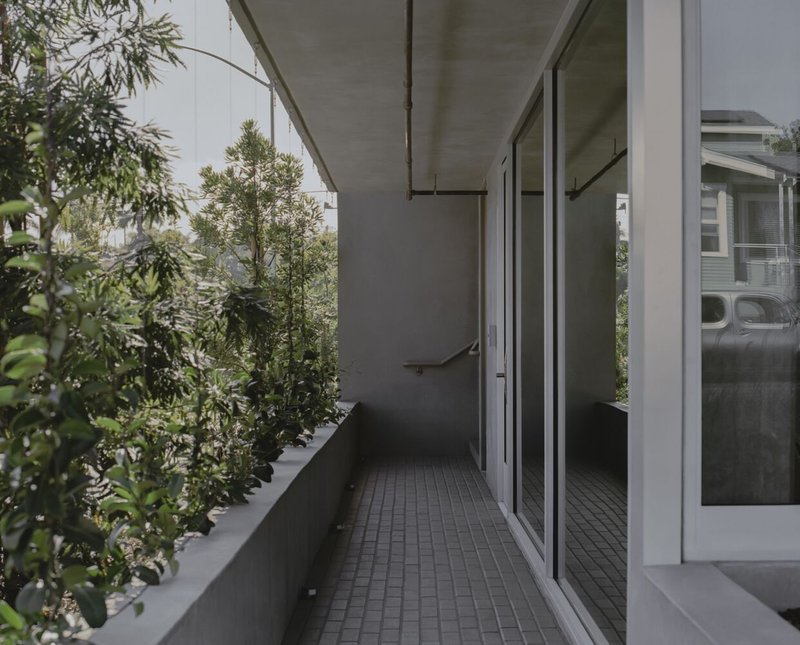
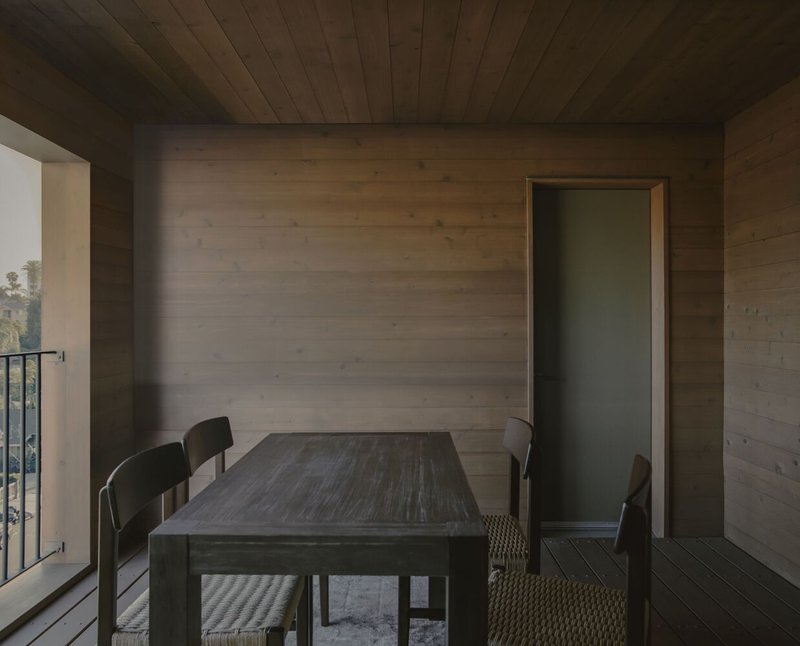
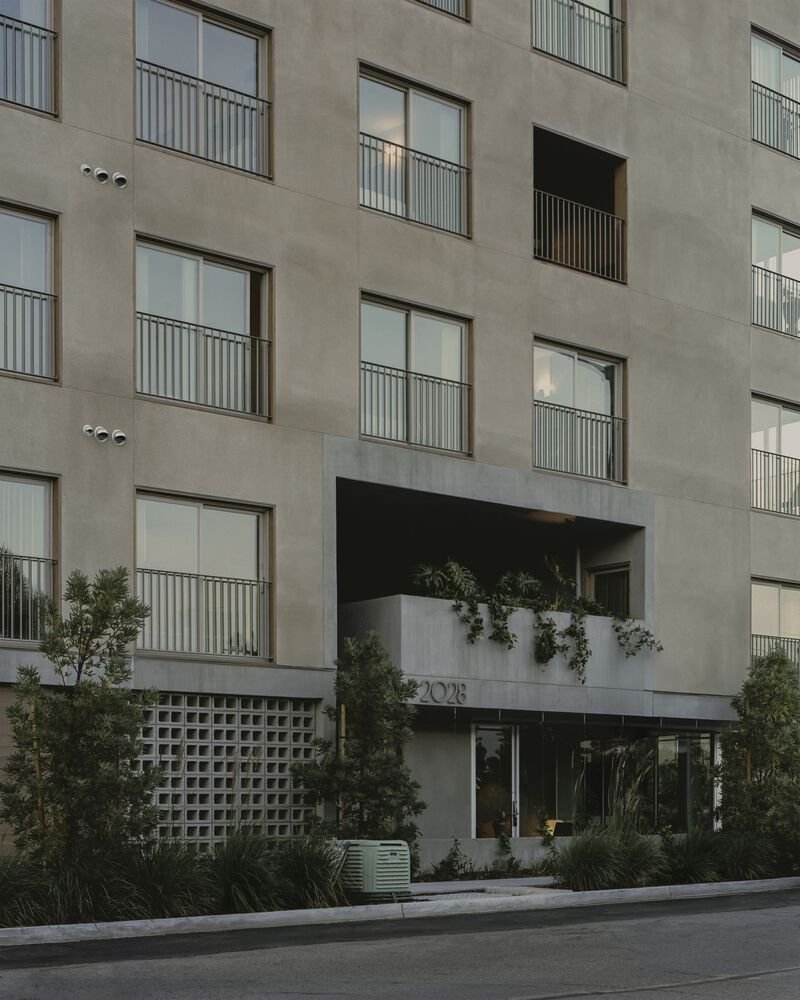
Drawing on Southern California’s outdoor lifestyle, the project transforms circulation spaces into social interfaces. Semi-open passageways, terraces, and balconies form a network of in-between spaces that blur the boundaries between private and communal zones.
This porous architectural language allows residents to experience both introspection and connection—looking inward to the quiet courtyards and outward to the lively neighborhood streets. By prioritizing shared experience and spatial fluidity, Fora reimagines collective housing as an ecosystem of interaction, privacy, and belonging.
A Poetic Balance of Order and Spontaneity
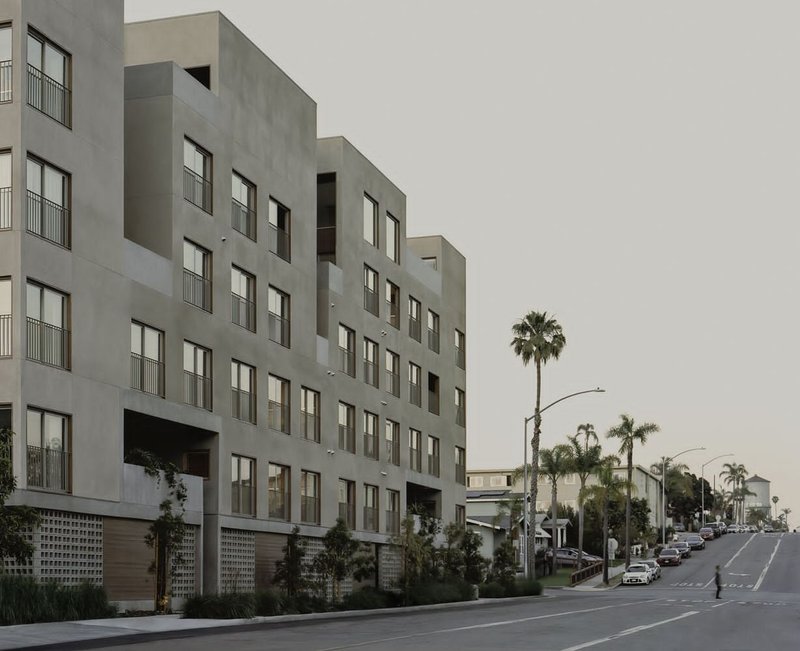
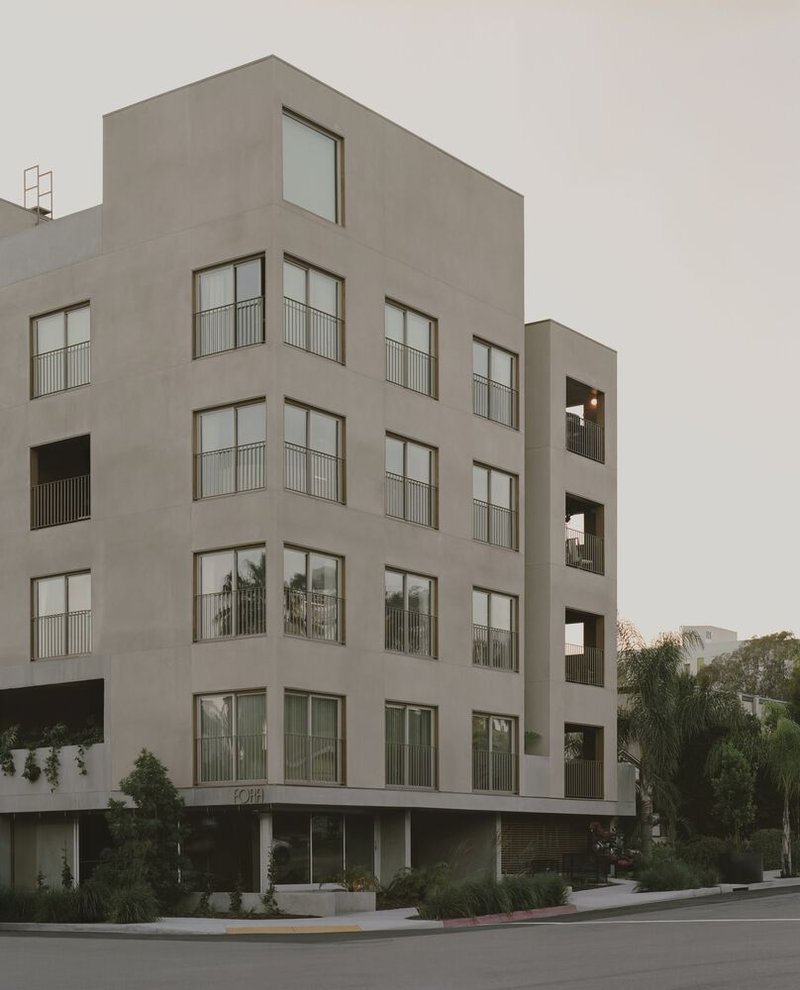
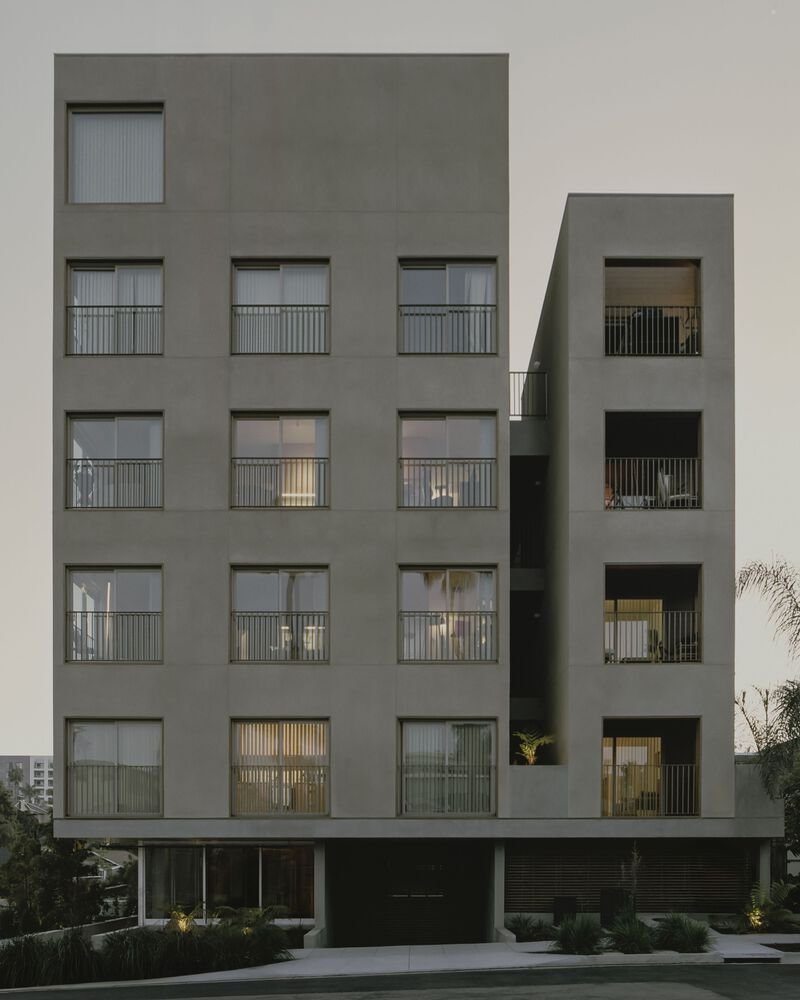
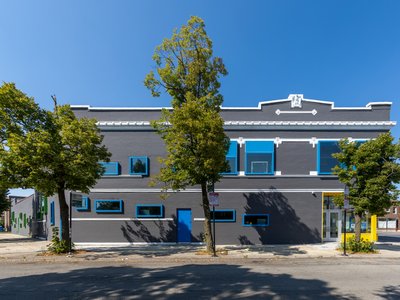
Fora’s visual composition is one of measured contrast. A strict grid of openings on the façade coexists with irregular recesses and setbacks, producing rhythm, depth, and visual intrigue. The balance between geometric order and organic dispersion reflects San Diego’s urban character—structured yet dynamic, cohesive yet evolving.
This textured façade design integrates seamlessly into the city’s existing urban fabric without overpowering it, proving that modern housing can be both contextual and contemporary.
Interiors Rooted in Warm Minimalism
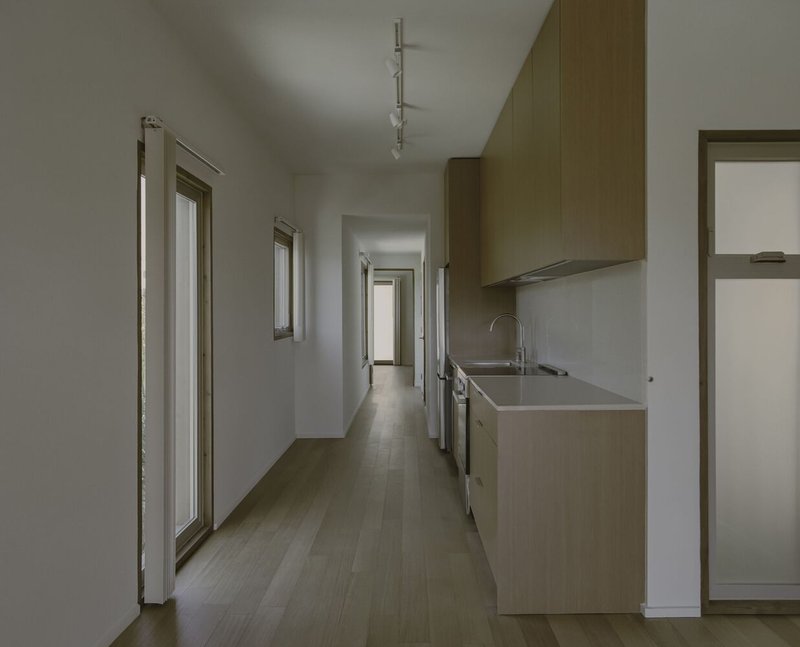
Inside, the apartments follow a rational, light-oriented plan. Kitchens align along natural light sources, ensuring ventilation and brightness throughout the day. Each unit—whether double-height or linear—maximizes efficiency, comfort, and adaptability within limited space.
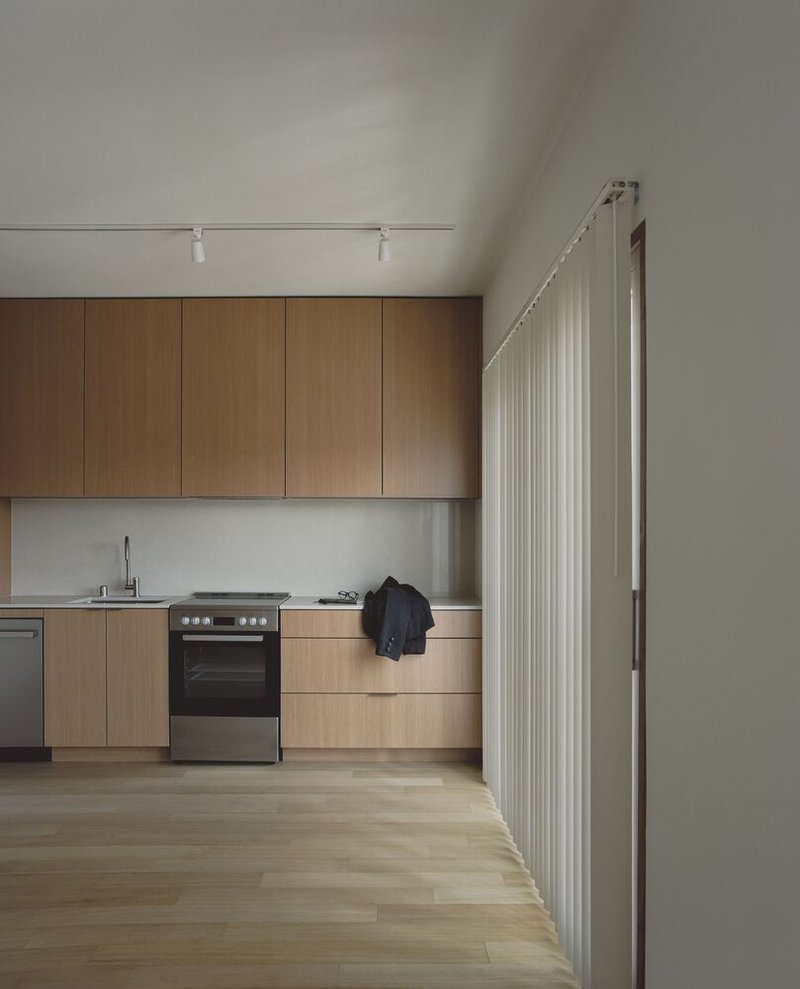
Materially, the interiors combine wood, concrete, and stucco, forming a palette of restraint and warmth. Every surface and junction reflects careful craftsmanship, where nothing feels excessive. The result is minimalist living with human warmth, embodying the ethos of sustainable urban design.
Small Scale, Big Impact
In a city dominated by repetitive housing blocks and suburban sprawl, Fora Collective Housing represents a meaningful alternative. It is both a precise architectural statement and an urban precedent—a project that challenges scale-driven development by proving that compact, community-centered housing can deliver beauty, sustainability, and social value.
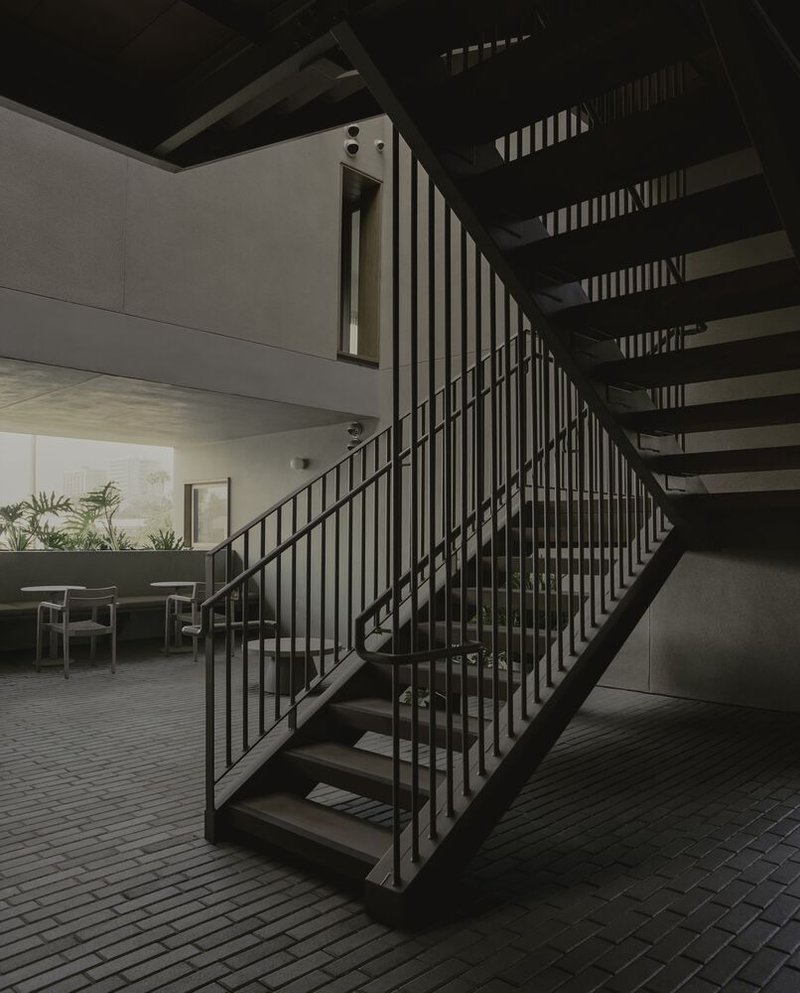
All photographs are works of Zaickz Moz




Popular Articles
Popular articles from the community

Split House: A Compact Urban Home Blending Privacy, Light, and Flexible Living in Japan
Compact Japanese home featuring DOMA space, flexible café potential, passive lighting, privacy zoning, and sustainable urban living design.
Atelier Macri Concept Store Interior Design by CASE-REAL
Atelier Macri store features a "ko" counter, walnut wood details, cork displays, blending retail, gallery, and seamless customer experiences.

Gads Hill Early Learning Center by JGMA: Adaptive Reuse Shaping Community-Focused Educational Architecture
Adaptive reuse transforms fragmented structure into vibrant early learning center with playful façade, natural light, and community-focused sustainable design.


Similar Reads
You might also enjoy these articles


The Ken Roberts Memorial Delineation Competition (Krob)
As the most senior architectural drawing competition currently in operation anywhere in the world, it draws hundreds of entries each year, awarding the very best submissions in a series of medium-based categories.


Waterfront Redevelopment and Urban Revitalization in Mumbai: Forging a New Dawn for Darukhana
A transformative waterfront redevelopment project reimagining Darukhana’s shipbreaking heritage into an inclusive urban future.

OUT-OF-MAP: A Call for Postcards on Feminist Narratives of Public Space
Rhizoma Design and Research Lab invites artists, designers, architects, researchers, and students to reflect on how feminist perspectives can reshape public space. Selected works will be exhibited in Barcelona, October 2026. Submissions open until 15 April 2026.


Documentation Work on Buddhist Wooden Temple
Architectural syncretism and cultural hybridity: A comparative study of the Buddhist temples in Chattogram Hill tracks


Explore Architecture Competitions
Discover active competitions in this discipline




The International Standard for Design Portfolios


The Global Benchmark for Architecture Dissertation Awards


The Global Benchmark for Graduation Excellence


Challenge to reimagine the Iron Throne
Comments (0)
Please login or sign up to add comments
No comments yet. Be the first to comment!