
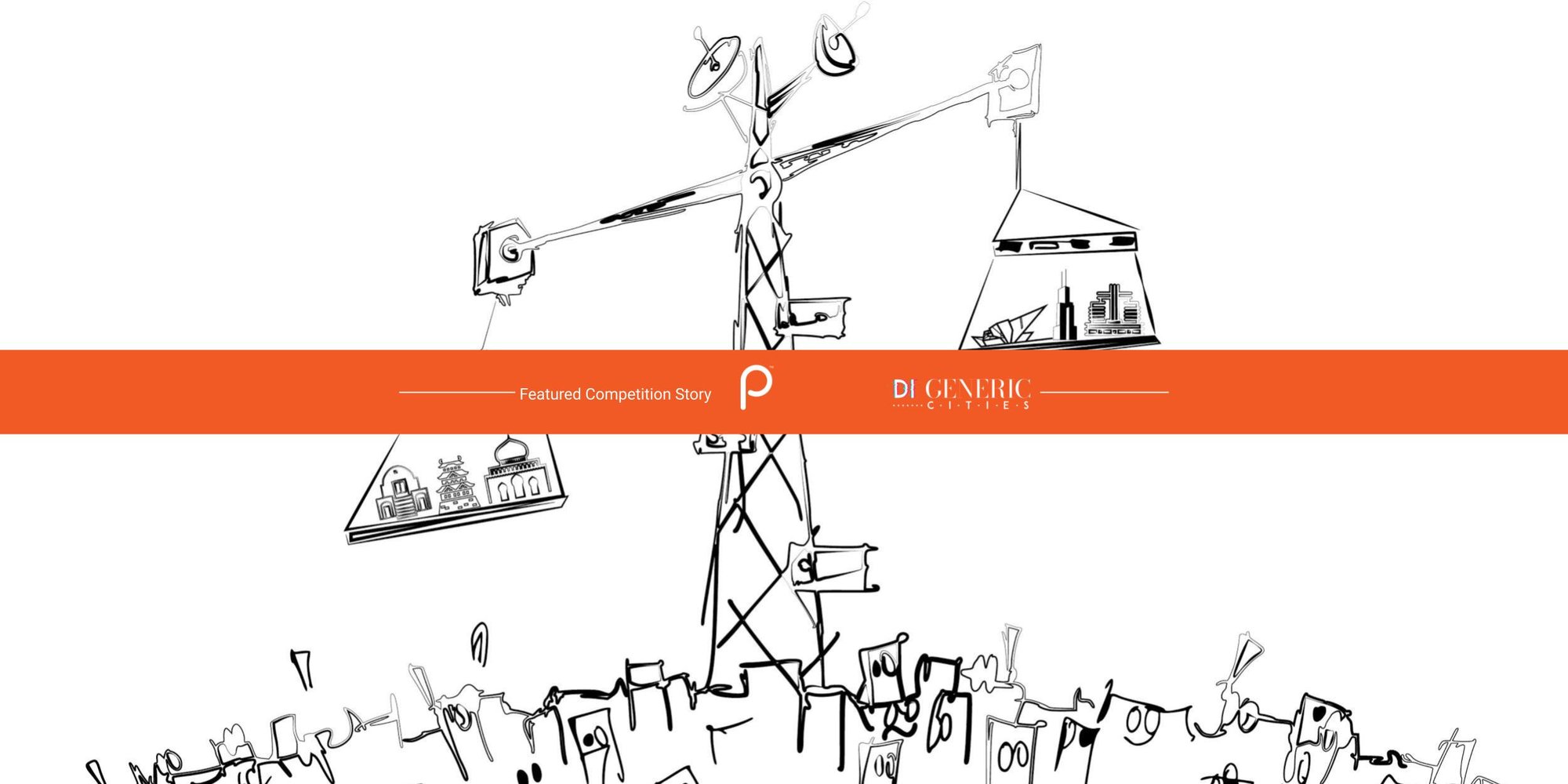
Futuristic vs Traditional Architecture.
Who should prevail and why?

The Backstory
In a time when we are moving ahead with technology, our world is reshaping itself from time to time. This innovation is visible in almost everything we come across and architecture is no different. The evolution of architecture and settlements dates back from the point in time where humans put two stones together to build something. In this expansive timeline in perspective, the debate of traditional vs contemporary or revival vs futuristic many ideologies are pitted against each other. More are the styles, even more, are the opinions; which work well and why. Are these styles under any control? How did these take shape in the first place?
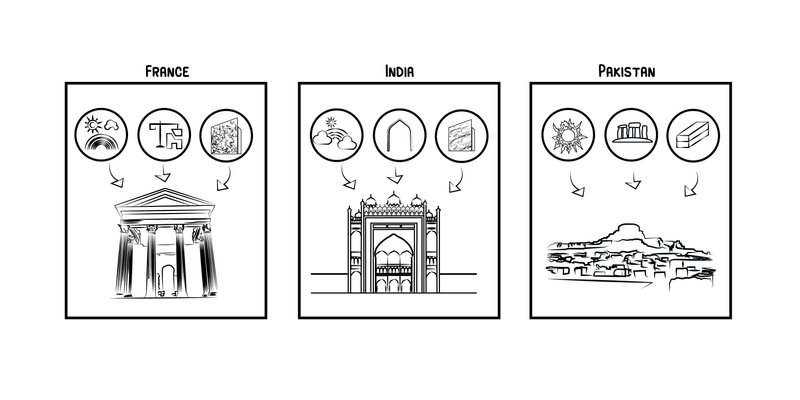 How traditional architecture took form?
Traditional architecture as we reminiscence today is a resultant of many factors that fused to shape our civilization of the past. The driving factors spanned many things including material availability, scientific resources, social structures as well as the physical ecosystems they belonged to. The strategies that emerged were the best possible use cases developed for a population of their time.
Be it traditional housing of Plattenbau, Berlin or temples of Dilwara, India. Hence, the characteristics reflected by these settlements in perspective are extremely unique, as these shaping factors cannot be recreated elsewhere. However, despite these variations, the architecture of the past faced similar issues around the globe. Issues like rising pressures of expansive urbanization, limitations placed by the laws of nature and an insatiable need for infrastructure.
The narrative today
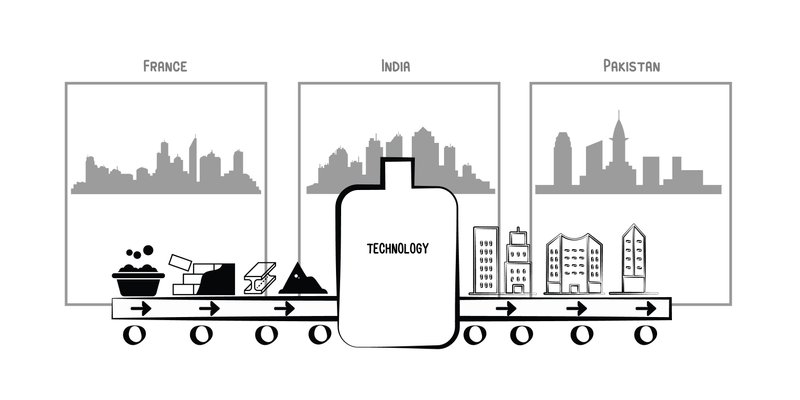
Technology as a problem solver.
Our innovation in construction technologies and building innovations removed anchors which held us back. Construction that is quick, more durable, efficient and replicable easily - every characteristic that made our older settlements differently are now being solved universally. Being a commercial success construction techniques of RCC, Steel and Timber took the world by storm and became the fundamental of how our cities are built today from the ground up.
It went down to specific features like the need for courtyards or questioning the purpose of specialized windows to keep our homes ventilated. Instead, we have dense settlements of 20 storeys with almost no natural ventilation and running entirely on air conditioning.
The perception of old techniques as an efficiency problem shifted almost every challenge (or shaping factor) that old architecture faced to solutions that are available worldwide.
 New imageries are real.
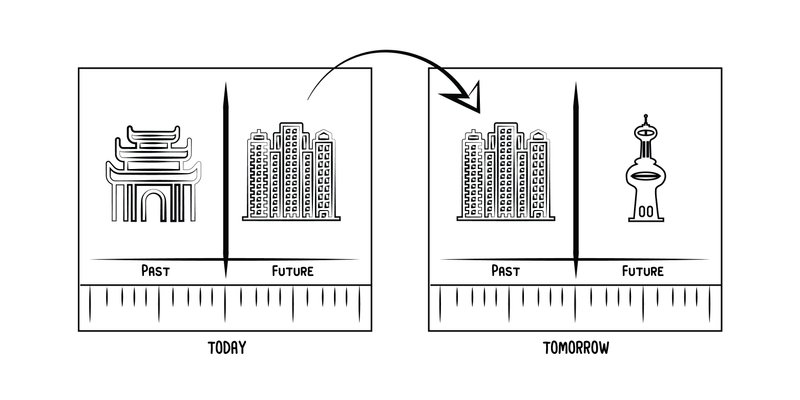
The moment architecture was liberated from these limitations, that’s where a new era had begun. The late 20th century saw the advent of extreme experiments that led to an entirely different scape in the architectural scene of the world. With construction technologies being made accessible to creators at such rampant speed; futuristic architecture at times doesn’t seem futuristic anymore. The factors that made buildings unique at one time - were now being seen as an opportunity to be an ‘expression’; of people, the buildings belonged to.
This is where the sprint to create ‘unique architecture disassociated from almost everything around it took a global acceptance.
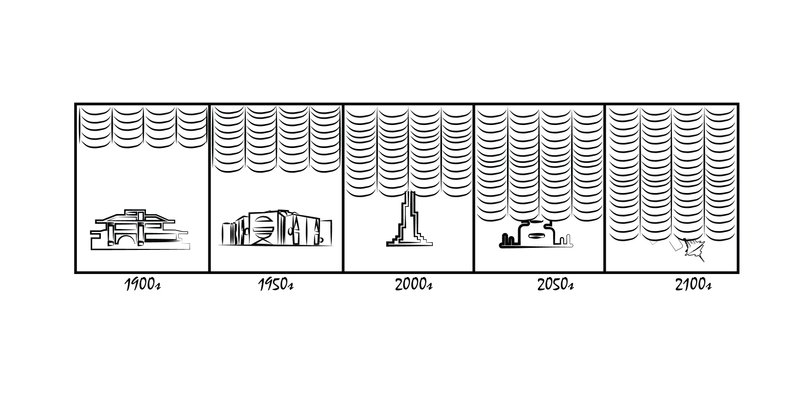
Traditional architecture: Not prejudiced but replaced by this new freedom.
Traditional architecture and futuristic architecture are not binary; they are the same thing at a different point in time. The traditional architecture we refer to is futuristic for a time when there was no architecture at all. These are layers that find meaning when placed on top of each other and hence are essential while defining one another. With every passing year, our speed to experiment more in the same amount of time is the biggest reason why architecture seems so different from its past.
And with this rising unpredictability, no one can conclude how futuristic architecture will look like. But looking at the speed of human innovation, it will certainly be something worth looking forward to.
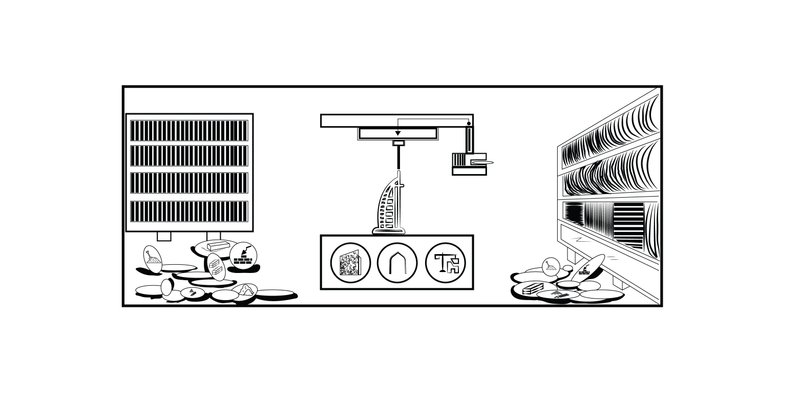
Conclusion
What happens when everyone is unique?
In the past identity were the moulds made by factors that shaped our dwellings yesterday. This identity was formed by our collective stance on our civilization. Today those factors are changing almost every day, designers are writing the future with unprecedented freedom. In this battle of being unique, is almost every architecture that exists today being generic?
Di-Generic city is a challenge aimed at finding identities in a time when architecture is liberated from every obstacle that we perceive today. Be it gravity, climate, physiology, and society. When everything is globalized what will shape it?
Who will prevail?
The future demands a highly efficient outcome that stands up to the rising demands which will open new gateways for various architectural types in the coming centuries. However, the element of continuity is what binds all of these so well to each other. There will be innumerable layers that will form on top of one another like the ones in the discussion before. Maybe the futuristic architecture as we see today become the conventional/traditional architecture of some other era. No matter which style comes and goes, what will sustain is the pursuit of good architecture.
To know more visit https://uni.xyz/competitions/shanghai
Resources:
-
Manifesto of Futuristic Architecture by Antonio Sant'Elia :
https://www.readingdesign.org/manifesto-futurist
-
Design vision of futuristic buildings :
https://newatlas.com/science-fiction-cities-future-urban-visions-architecture/55569/
-
Emerging technologies in architecture :
https://medium.com/studiotmd/emerging-trends-that-will-shape-the-future-of-architecture-356ba3e7f910
-
Impact of globalization on Identity of cities :
https://www.ierek.com/news/index.php/2016/10/27/globalization-effect-city-identity/




Popular Articles
Popular articles from the community


The Ken Roberts Memorial Delineation Competition (Krob)
As the most senior architectural drawing competition currently in operation anywhere in the world, it draws hundreds of entries each year, awarding the very best submissions in a series of medium-based categories.

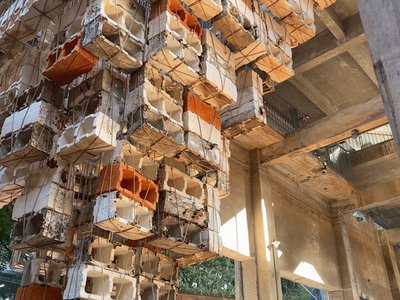
Inverted Architecture Installation by Studio Link-Arc: Exploring the Intersection of Architecture and Living Organisms
Inverted Architecture Installation by Studio Link-Arc blends mycelium, sustainability, inverted design, ecological cycles, and urban adaptive architecture in Shenzhen.
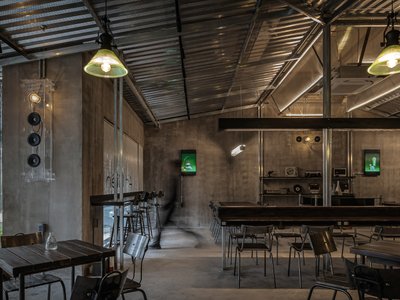
An Miên Lumière Cafe by xưởng xép, Ho Chi Minh City, Vietnam
An industrial-inspired café where layered steel and warm light create a dynamic, immersive environment shaped by reflection, depth, and perception.
On the Brooks House by Monsoon Collective – A Contemporary Kerala Home Rooted in Tradition
Kerala home blending tradition and modernity with water-inspired design, brick architecture, courtyard planning, and sustainable rainwater harvesting strategies.


Similar Reads
You might also enjoy these articles
Inverted Architecture Installation by Studio Link-Arc: Exploring the Intersection of Architecture and Living Organisms
Inverted Architecture Installation by Studio Link-Arc blends mycelium, sustainability, inverted design, ecological cycles, and urban adaptive architecture in Shenzhen.
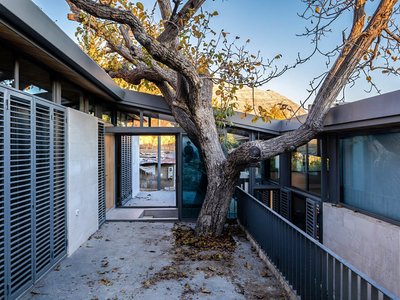
Walnut House in Ehden: A Contextual Architecture Extension Rooted in Landscape and Heritage
Walnut House integrates hillside architecture, terraces, and passive design, blending heritage, landscape, and contemporary living through contextual, sustainable design strategies.
On the Brooks House by Monsoon Collective – A Contemporary Kerala Home Rooted in Tradition
Kerala home blending tradition and modernity with water-inspired design, brick architecture, courtyard planning, and sustainable rainwater harvesting strategies.
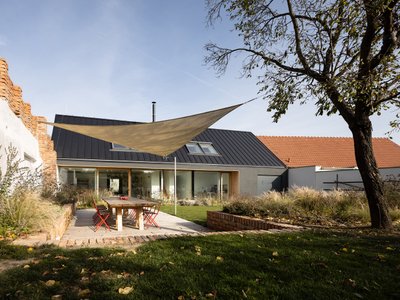
Family House Polánka by CL3 Studio: A Bold Minimalist Residence Rooted in Context
Minimalist black house in Czechia reinterprets traditional form with sustainable design, passive systems, and strong indoor-outdoor connection through bold architecture.




Comments (0)
Please login or sign up to add comments
No comments yet. Be the first to comment!