
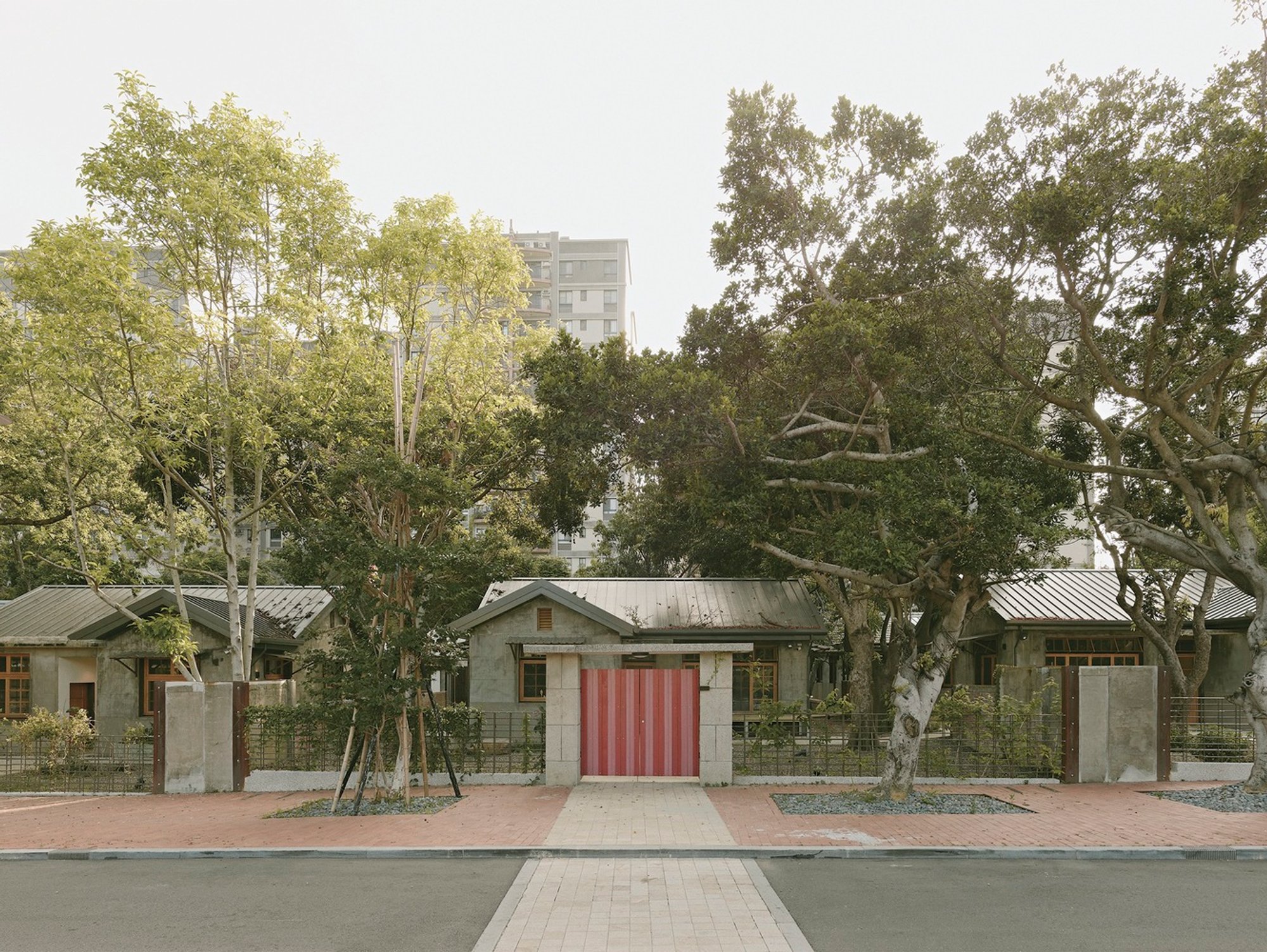
General’s Village Phase II by PUMT Architects: A Cultural Revival Through Adaptive Reuse in Hsinchu, Taiwan
Adaptive reuse project in Hsinchu transforming historic military homes into a vibrant, open cultural village blending past and present architecture.

Located in the heart of Hsinchu, Taiwan, General’s Village Phase II by PUMT Architects is a compelling example of adaptive reuse, cultural restoration, and architectural storytelling. The 2023 phase builds upon the legacy of a once-secluded military settlement, transforming 12 historic buildings into a vibrant cultural and public space that harmoniously bridges the old and the new.
Reweaving Urban Fabric Through Heritage Architecture
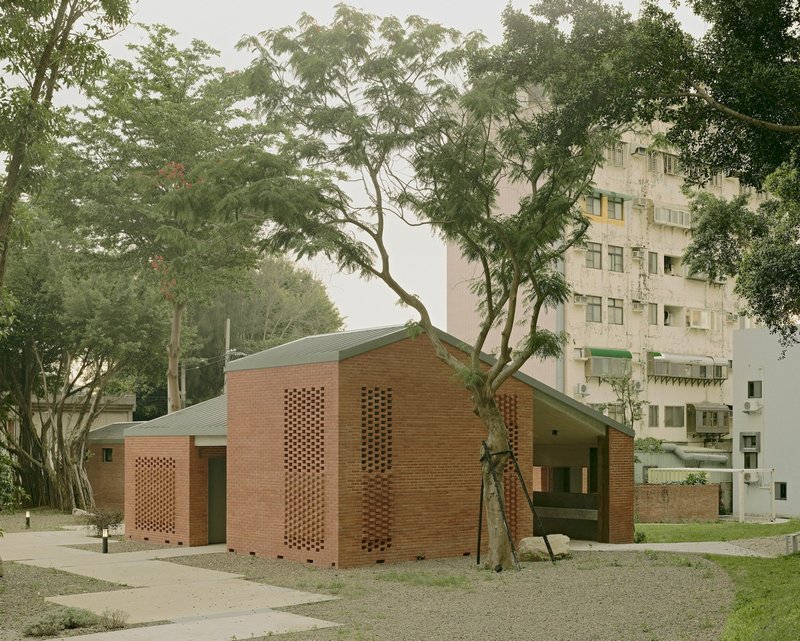
Known as “Urban Stitching,” this second phase revives the remaining historical structures to complete the vision of a military cultural village. The design embraces the restoration of urban green corridors and the repair of fragmented cityscapes, contributing to a wider public realm in Hsinchu. The project reclaims these buildings not just as relics, but as active participants in the city's contemporary identity, reconnecting disjointed spatial narratives and restoring a sense of urban continuity.
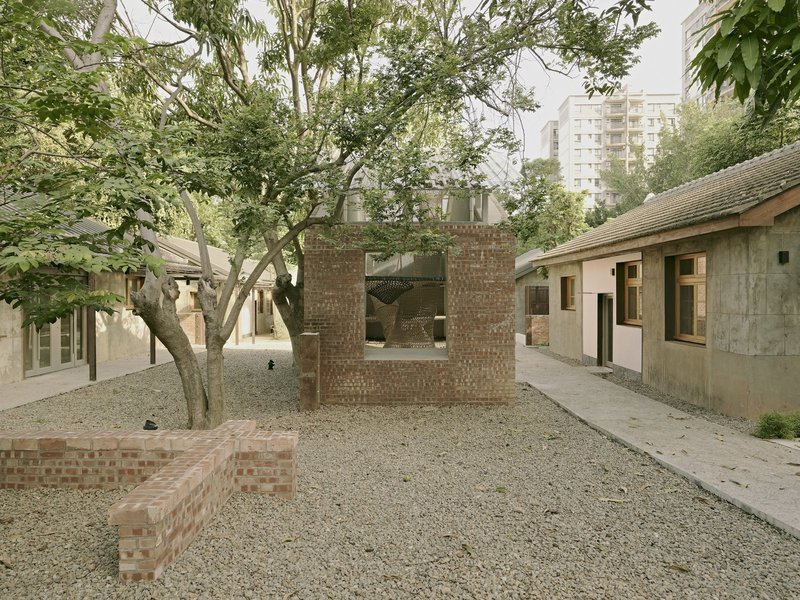
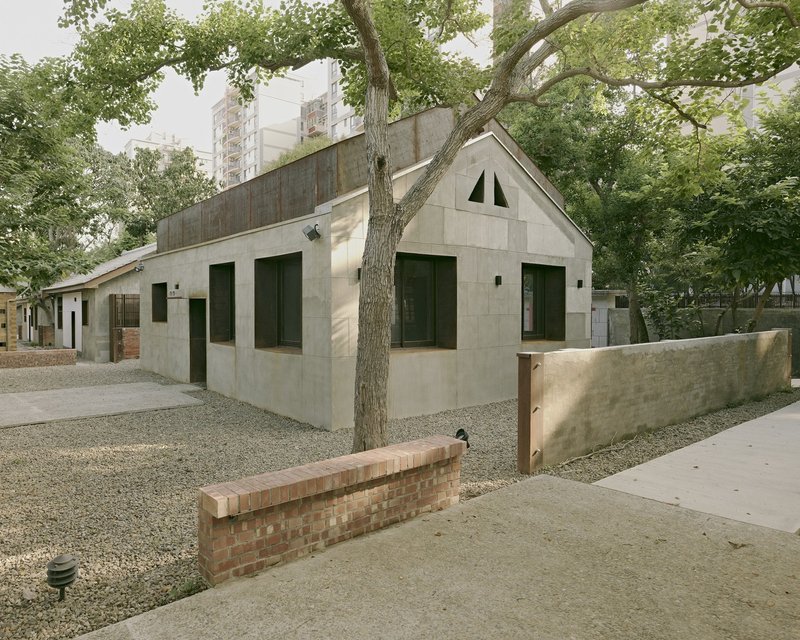
Architectural Duality: The Dialogue Between Old and New
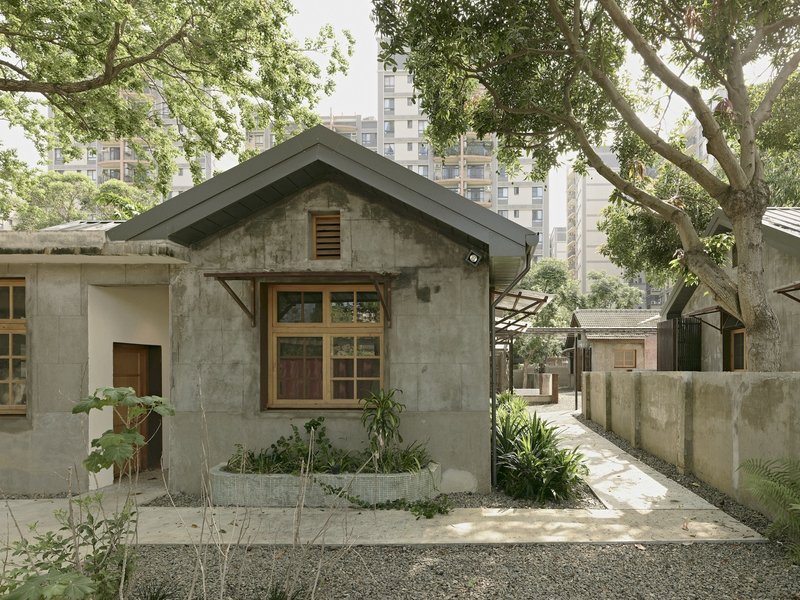
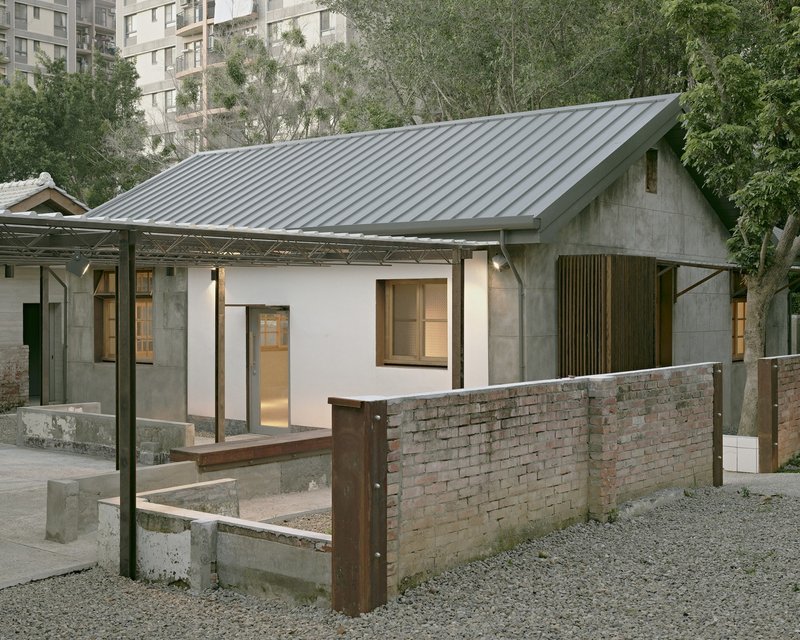
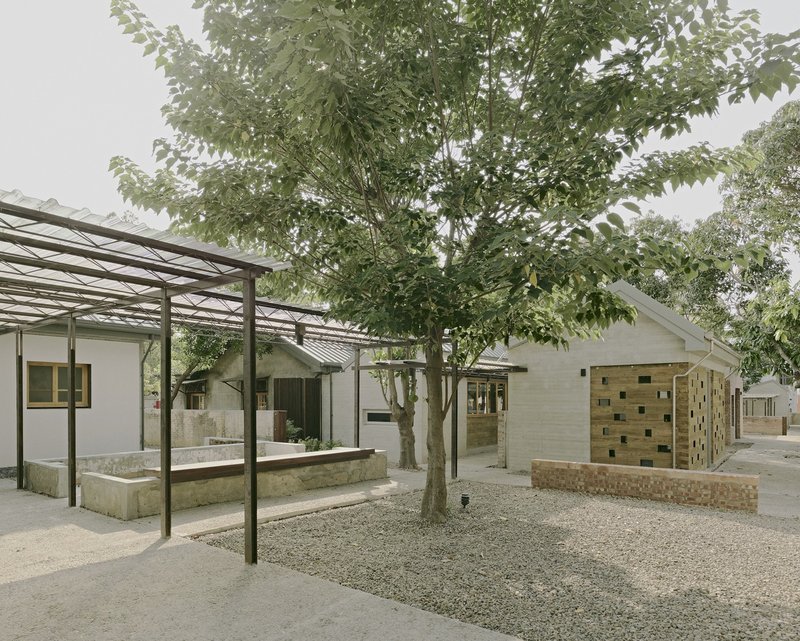
One of the core design philosophies of General’s Village Phase II is “Cultural Duality.” PUMT Architects carefully preserved the external architectural identity of the village while introducing reversible, contemporary interventions within its courtyards. These interventions, such as modular corridors and information pathways, create an inner flow of spatial experience while respecting the historic periphery.
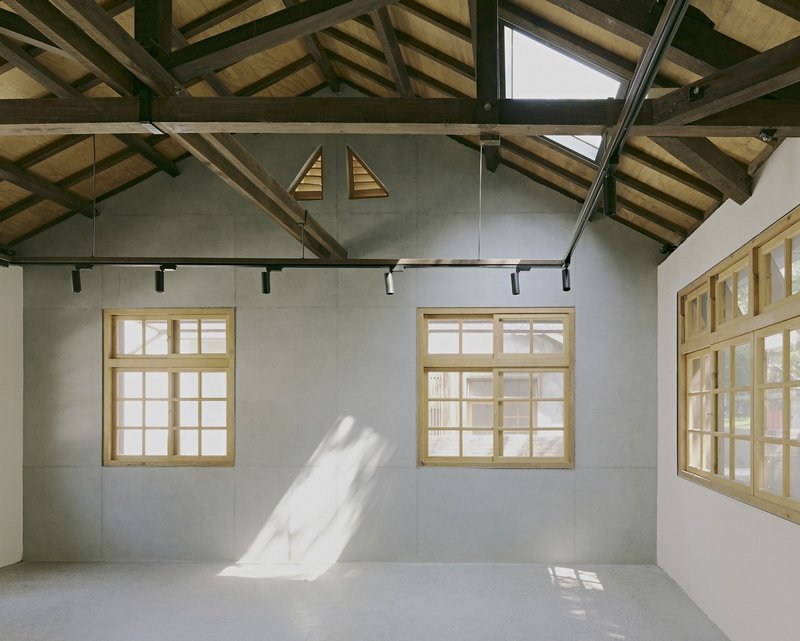
Externally, the facades retain their military vernacular, while internally, the layout introduces zones for education, storytelling, and communal gathering. This dual approach highlights the coexistence of historical preservation and modern adaptation, presenting a layered architectural narrative that resonates with Taiwan’s broader cultural history.
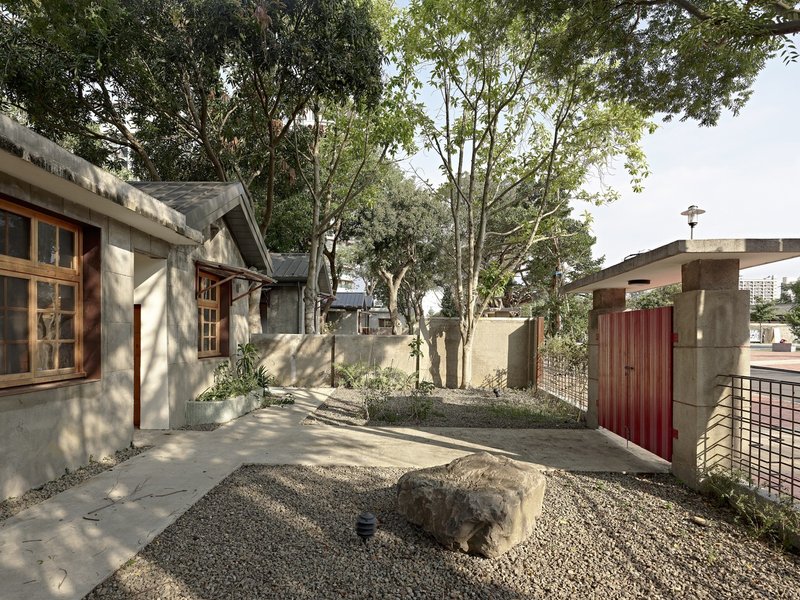
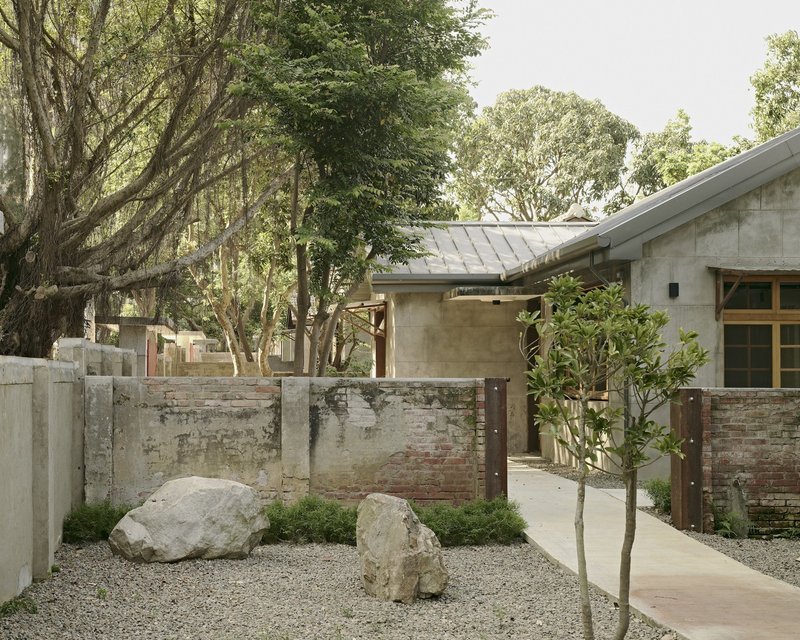
An Open Information Park: Democratizing Space
Originally built as military housing, only 15 buildings from the original General’s Village remain. With this revitalization, PUMT Architects reimagine the complex as an Open Information Park—a space that dissolves physical barriers and encourages the free flow of knowledge, culture, and community interaction. The formerly enclosed courtyards have been opened, their partitions removed to create fluid, interconnected pathways.
The redesign promotes community engagement and inclusivity, with flexible spaces that cater to diverse user groups. Visitors can now explore newly carved sub-paths that reference military village life, offering immersive insights into Taiwan's postwar architectural and social landscape.
Materiality and Memory: Architecture of Time Recognition
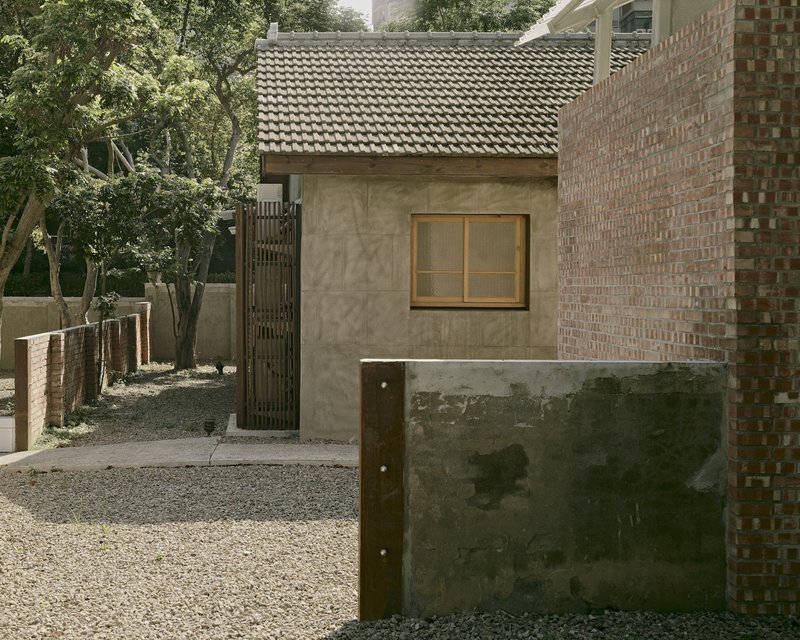
The intervention strikes a delicate balance between traditional craftsmanship and contemporary construction. PUMT Architects employed a rich material palette to reflect this “Time Recognition” philosophy. The use of fair-faced concrete, clear water bricks, weathering steel, and natural wood contrasts with traditional elements like whitewashed walls and exposed brickwork, embodying a temporal dialogue across eras.
Modern techniques were used not to overshadow the original structures, but to correct historical construction flaws and extend the longevity of the homes. The result is a compelling aesthetic that honors the past while embedding the architecture firmly in the present.
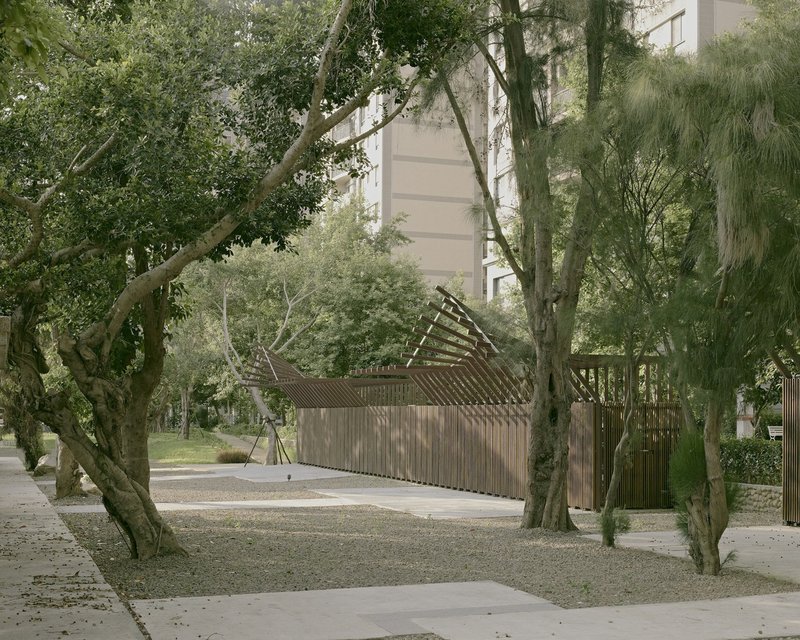
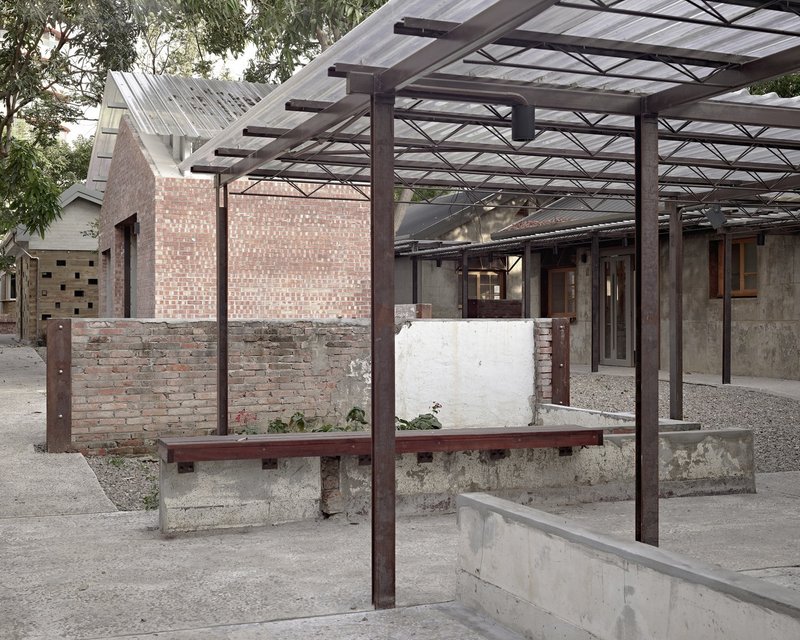
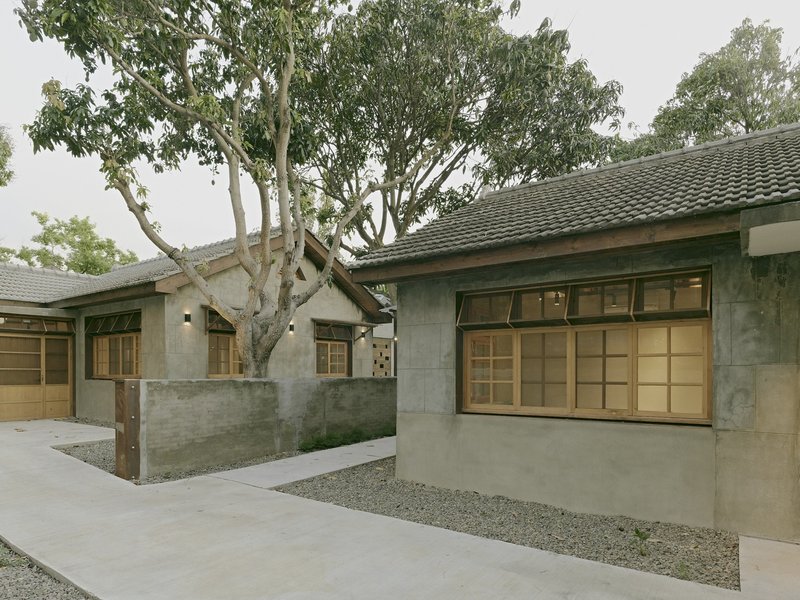
All Photographs are works of Studio Millspace




Popular Articles
Popular articles from the community

Solar Steam: A Climate-Responsive Architecture That Redefines the Monument
A climate-responsive memorial architecture that transforms heat, decay, and time into a living system reflecting humanity’s ecological impact.
Treehouse Apartment: A Warm Timber Interior Blending Craft, Play, and Contemporary Living
Warm timber apartment with integrated treehouse, combining natural materials, craftsmanship, and playful design to create a flexible, family-oriented living environment.


The Ken Roberts Memorial Delineation Competition (Krob)
As the most senior architectural drawing competition currently in operation anywhere in the world, it draws hundreds of entries each year, awarding the very best submissions in a series of medium-based categories.
On the Brooks House by Monsoon Collective – A Contemporary Kerala Home Rooted in Tradition
Kerala home blending tradition and modernity with water-inspired design, brick architecture, courtyard planning, and sustainable rainwater harvesting strategies.

Similar Reads
You might also enjoy these articles
The Ken Roberts Memorial Delineation Competition (Krob)
As the most senior architectural drawing competition currently in operation anywhere in the world, it draws hundreds of entries each year, awarding the very best submissions in a series of medium-based categories.

Waterfront Redevelopment and Urban Revitalization in Mumbai: Forging a New Dawn for Darukhana
A transformative waterfront redevelopment project reimagining Darukhana’s shipbreaking heritage into an inclusive urban future.
OUT-OF-MAP: A Call for Postcards on Feminist Narratives of Public Space
Rhizoma Design and Research Lab invites artists, designers, architects, researchers, and students to reflect on how feminist perspectives can reshape public space. Selected works will be exhibited in Barcelona, October 2026. Submissions open until 15 April 2026.

Documentation Work on Buddhist Wooden Temple
Architectural syncretism and cultural hybridity: A comparative study of the Buddhist temples in Chattogram Hill tracks

Explore Architecture Competitions
Discover active competitions in this discipline




The International Standard for Design Portfolios


The Global Benchmark for Architecture Dissertation Awards


The Global Benchmark for Graduation Excellence

Challenge to design an urban locus of culture and heritage
Comments (0)
Please login or sign up to add comments
No comments yet. Be the first to comment!