
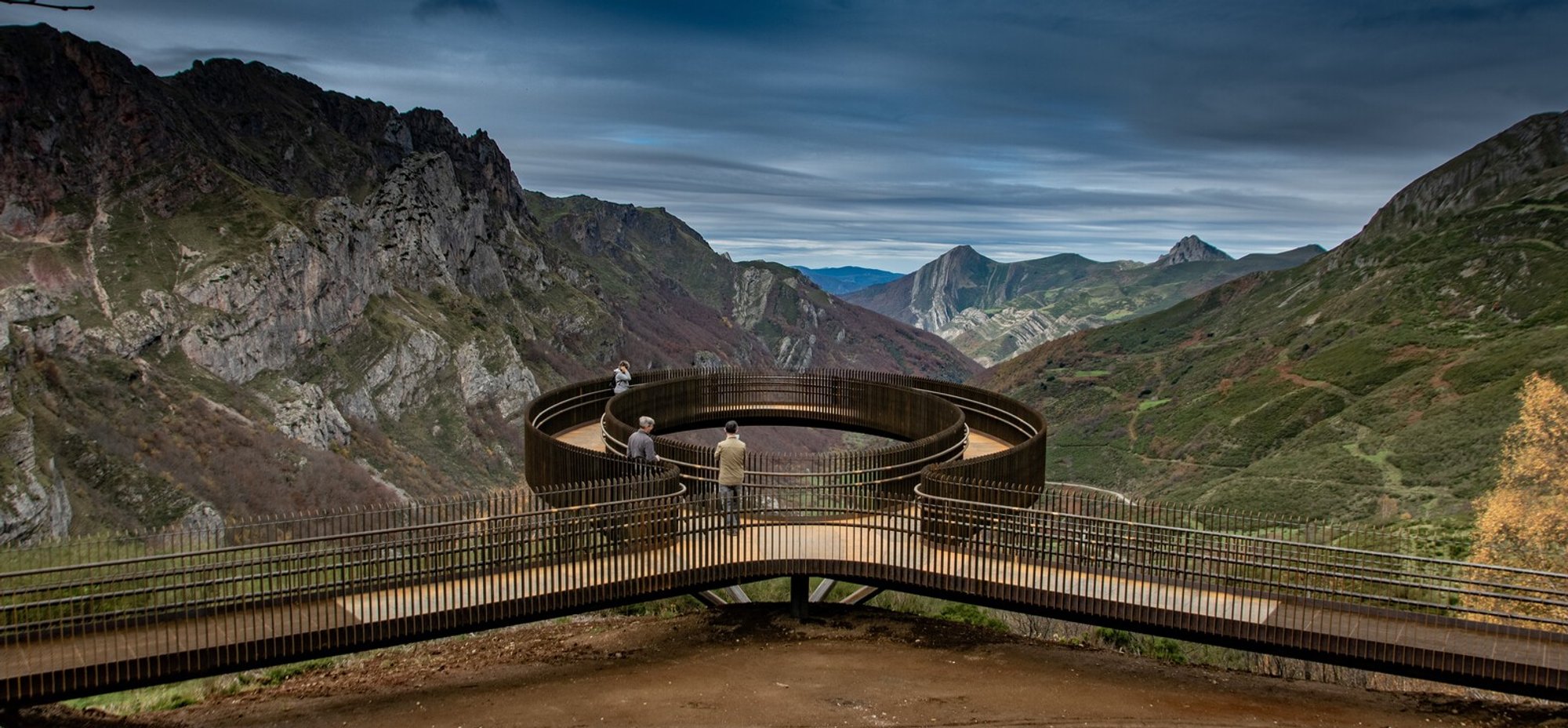
Geological Viewpoint Architecture: The Saliencia or Farrapona Valley by PUERTO & SÁNCHEZ ARQUITECTOS
This article explores the design and significance of the Geological Viewpoint in Asturias, blending architecture, landscape, and history.

Introduction to Geological Viewpoint Architecture in Asturias
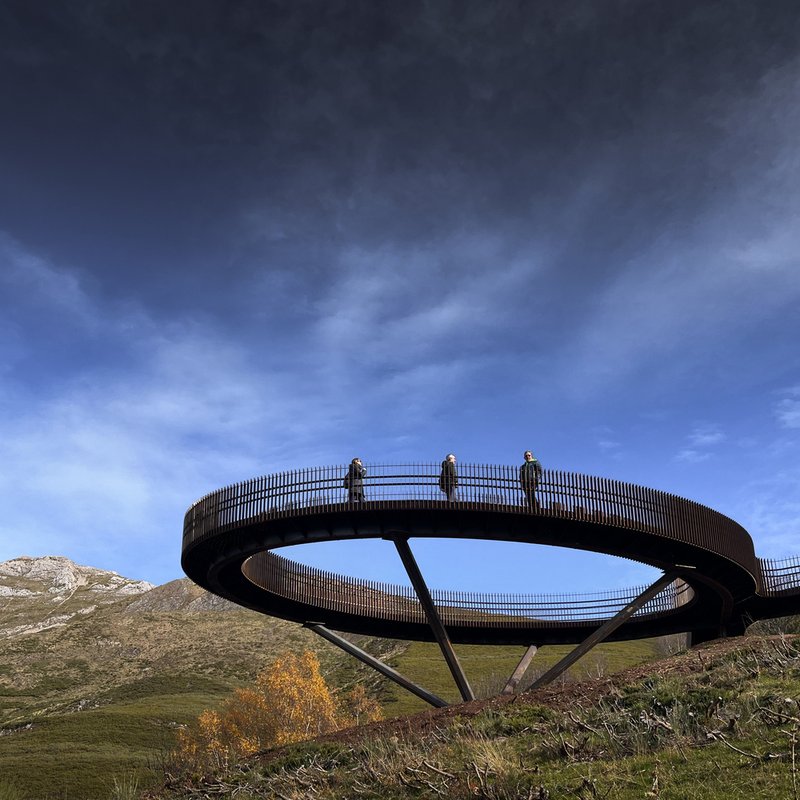
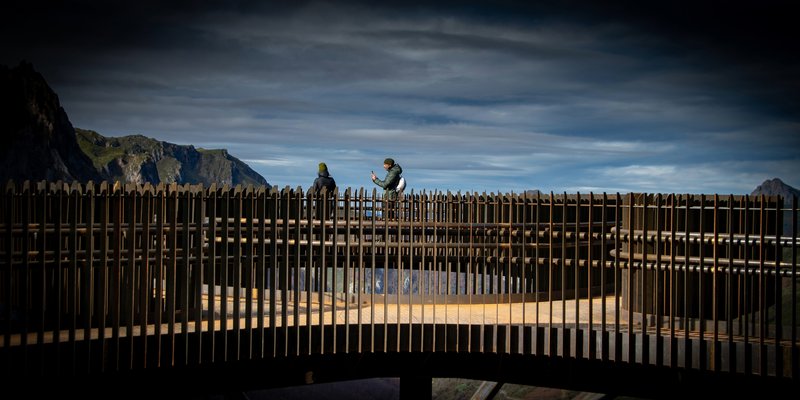
Perched at the summit of the Saliencia Valley in Somiedo, Asturias, the Geological Viewpoint of the Saliencia or Farrapona Valley is a masterstroke of architectural expression and environmental sensitivity. Designed by PUERTO & SÁNCHEZ ARQUITECTOS, this architectural installation offers more than a scenic overlook — it represents an inspiring fusion of landscape, materiality, and innovative form. Positioned within the Cantabrian Mountain Range, the viewpoint transforms the natural site into a destination where visitors can immerse themselves in the geological wonders of the region.
An Architectural Gesture Inspired by Nature
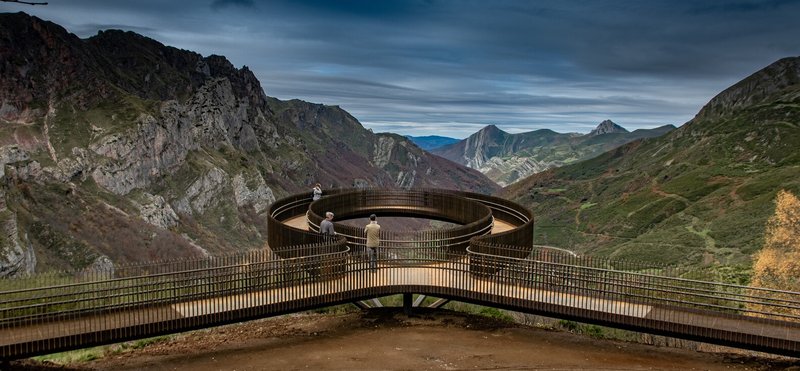
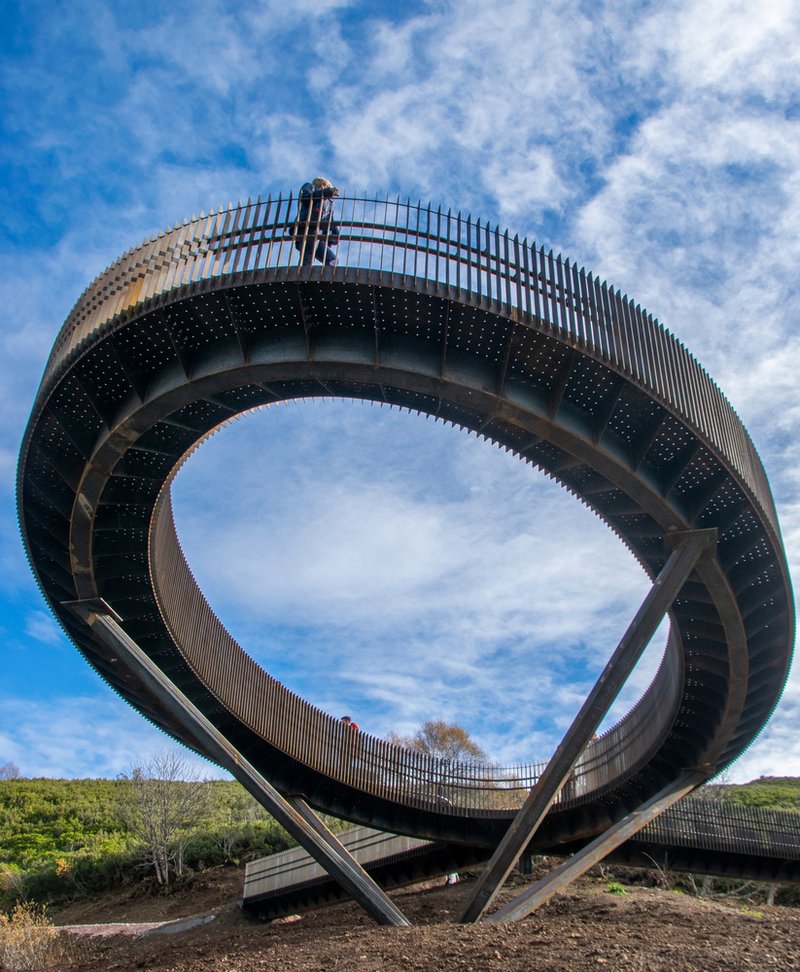
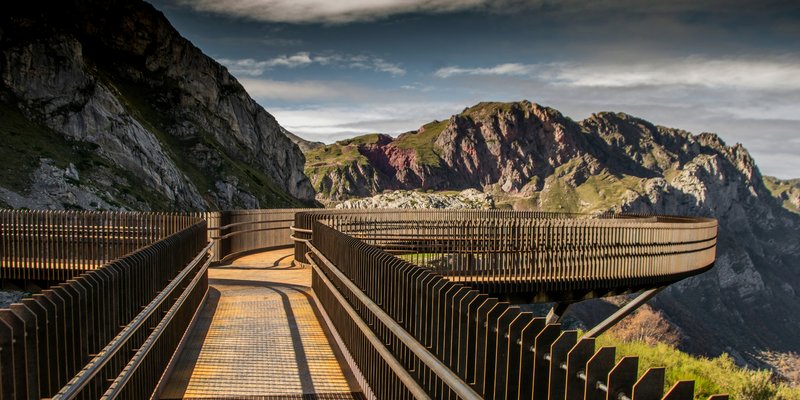
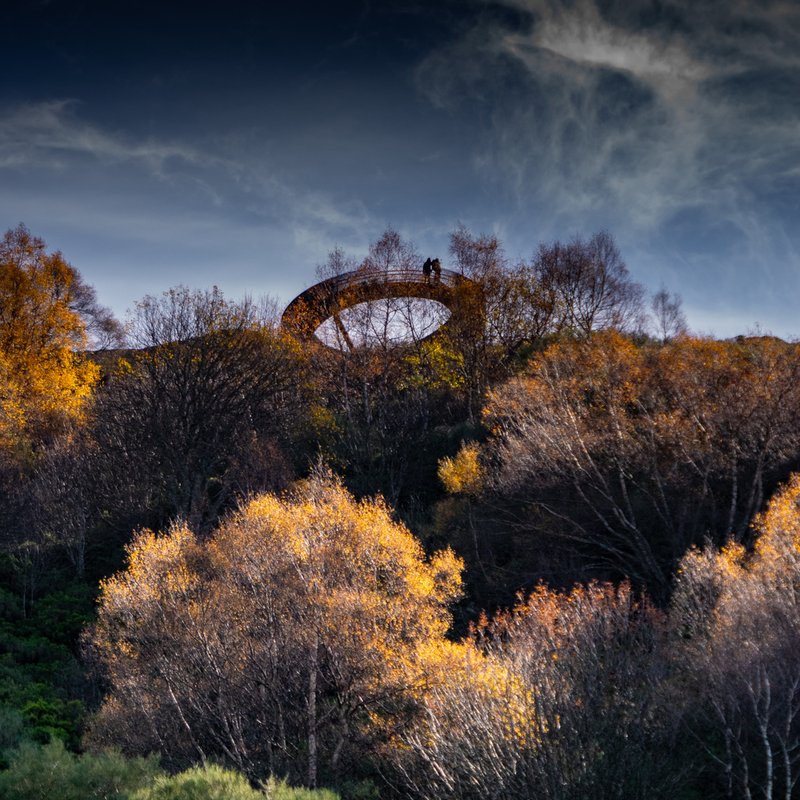
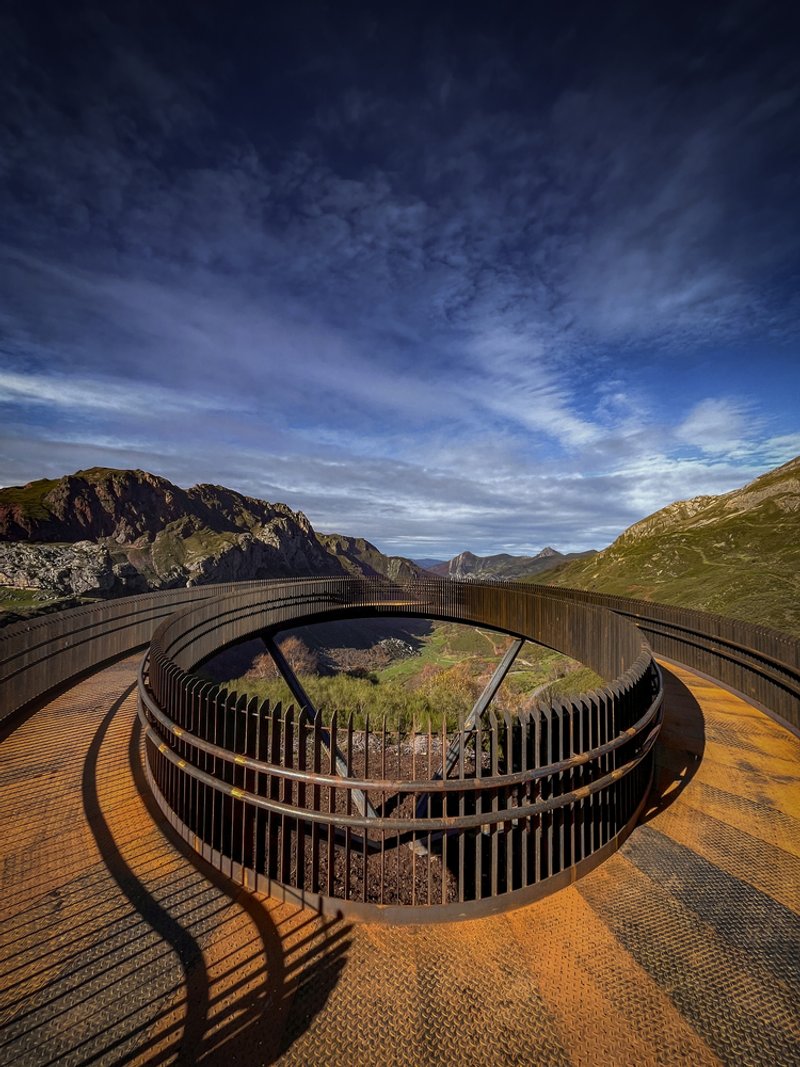
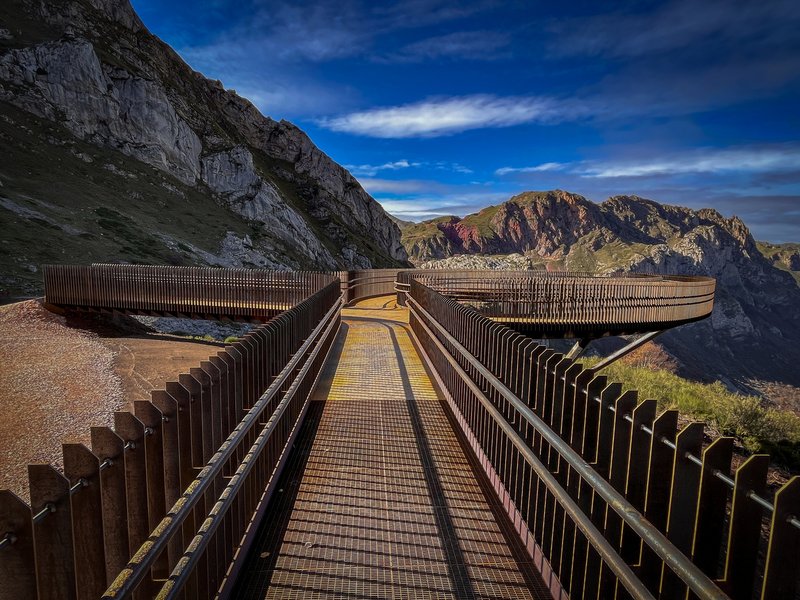
The design emerged from an architectural competition organized by the Somiedo Town Council through the Sustainable Tourism Plan, seeking an installation that would be more than utilitarian — something capable of inspiring and captivating visitors at first glance. After extensive conceptual explorations, the architects settled on an expressive, sweeping gesture: a bow-like structure that frames a 360º panoramic view of the Saliencia Valley. This approach not only responds to the site's physical contours but also creates a sense of movement and flow, guiding visitors naturally from the path, through the viewpoint, and back again.
The Power of Materiality in Geological Viewpoint Architecture
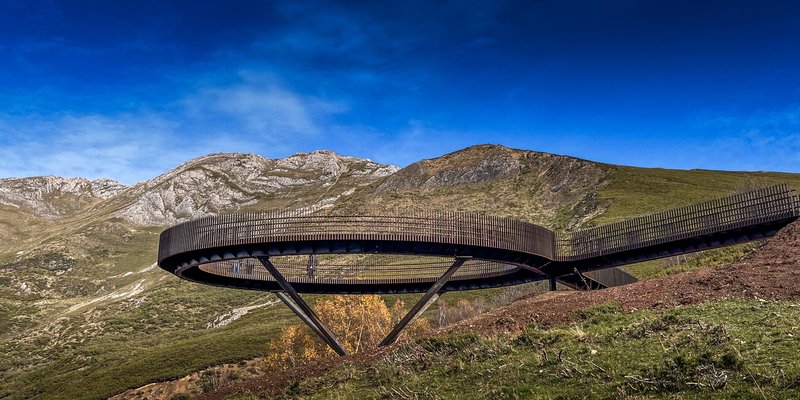
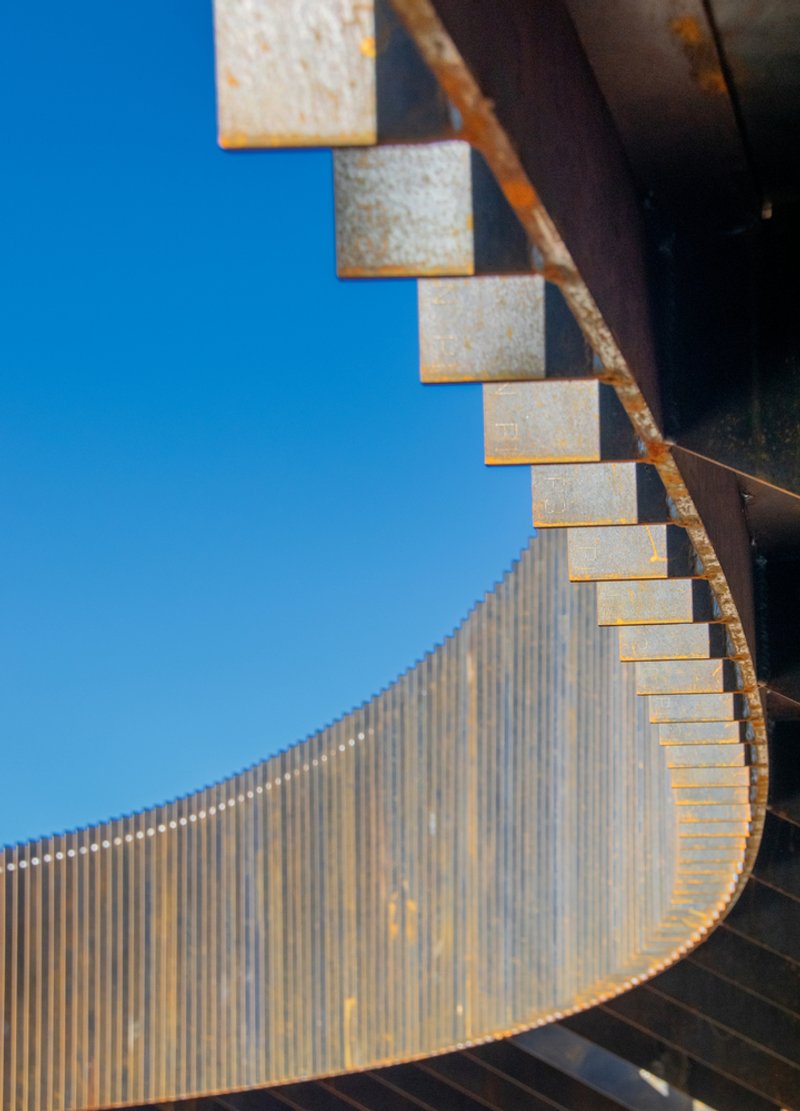
From the outset, corten steel was chosen as the defining material for the viewpoint. Known for its ability to develop a self-protecting oxide layer, corten steel eliminates the need for ongoing maintenance — a vital consideration given the harsh environmental conditions where winter temperatures plunge to minus 20 degrees Celsius, and snow can pile up over a meter deep. Beyond its practical advantages, the material choice nods to the region’s industrial past, specifically the nearby Santa Rita iron mine that operated between 1805 and 1978. This material connection anchors the structure within the historical and geological narrative of the landscape.
Accessibility and Minimal Environmental Impact
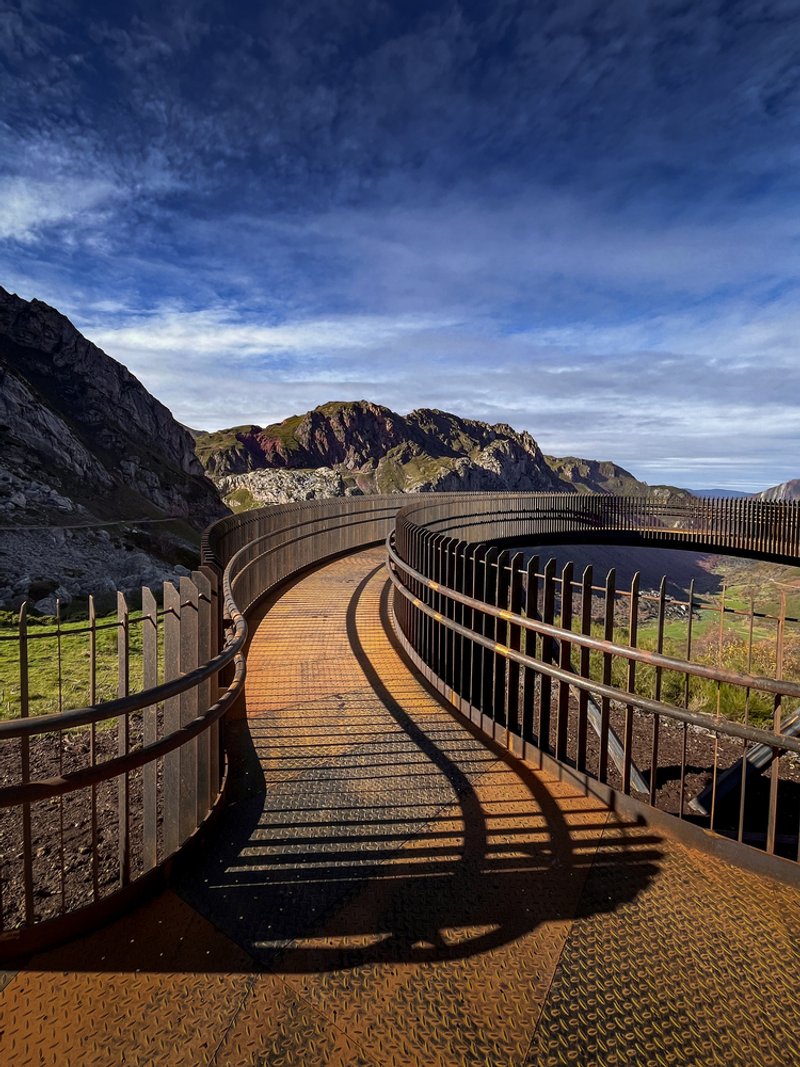
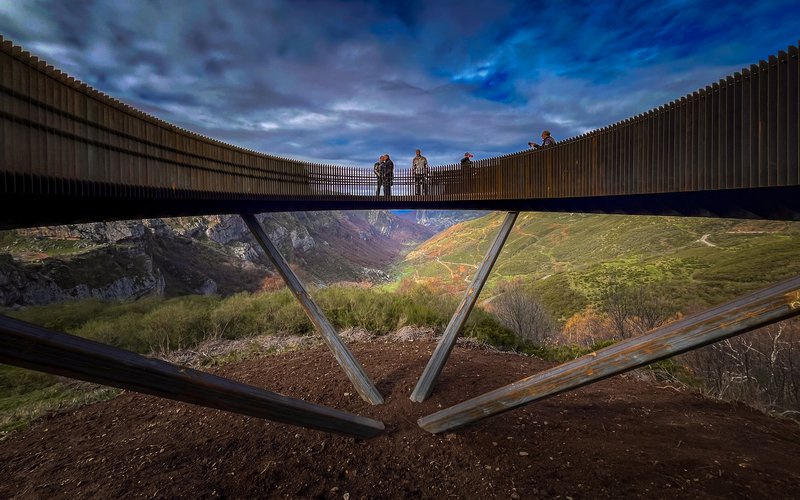
A key achievement of this architectural intervention lies in its universal accessibility. Designed to be fully accessible from the existing pathway, the viewpoint allows individuals with reduced mobility to experience the sweeping grandeur of the valley — an inclusive design strategy that ensures no one is left out of the natural spectacle.
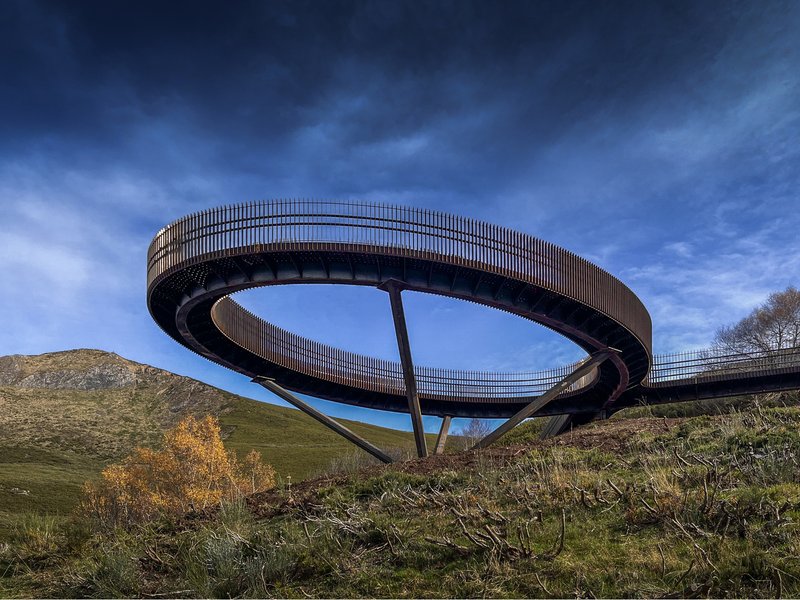
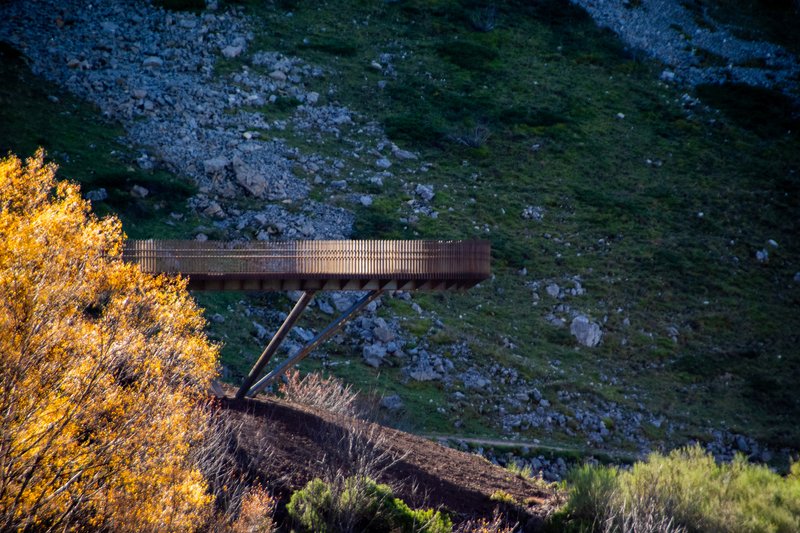
Minimizing environmental impact was another fundamental design driver. The structure rests delicately on the landscape, using an inverted pyramid supported by four pillars and an elliptical framework that touches the ground at a single point. Small retaining walls stabilize the straight sections, while a central pillar at the crossing secures the viewpoint’s balance. This light touch preserves the natural terrain, maintaining the integrity of the surrounding ecosystem.
Precision Craftsmanship and Installation
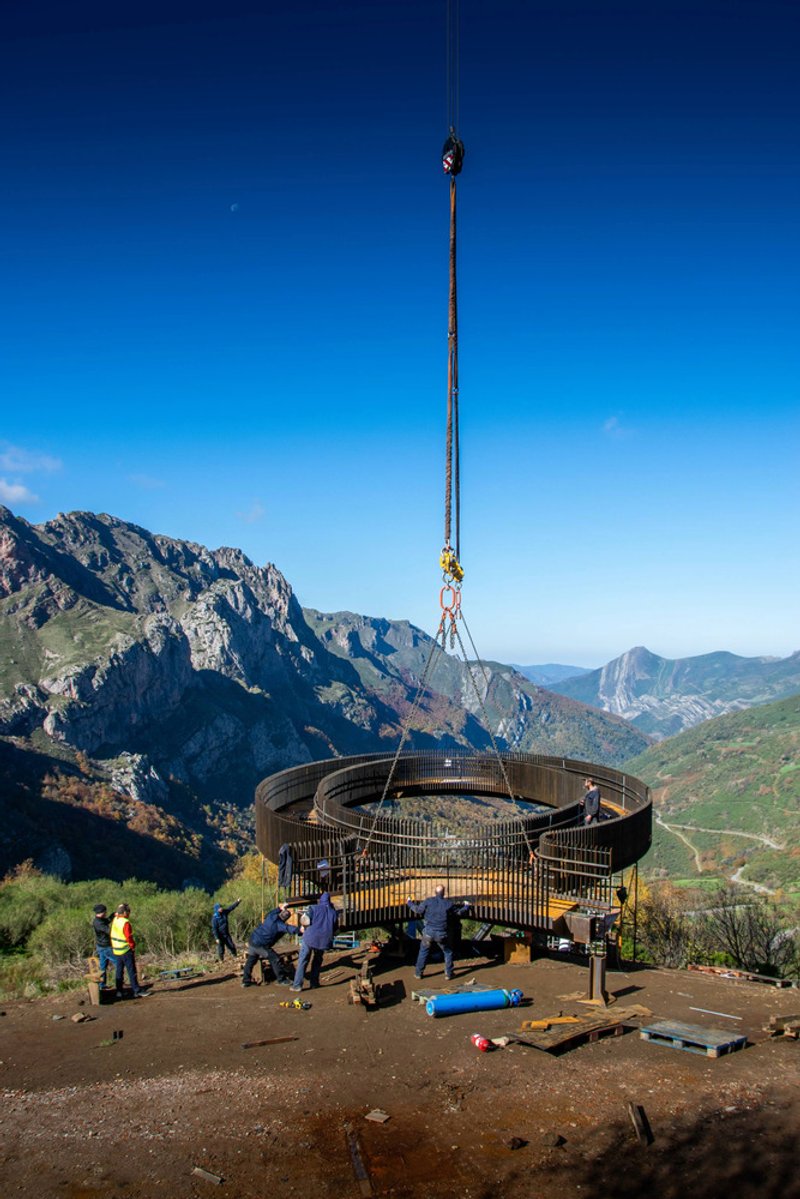
To ensure impeccable craftsmanship, the majority of the viewpoint’s components were fabricated off-site in a specialized metal workshop capable of handling the complexity of the design. Once completed, these prefabricated pieces were transported to the site and assembled using a high-capacity crane truck, completing the installation within just a few hours. This approach not only guaranteed a high-quality finish but also minimized the disruption to the sensitive mountain environment during construction.
A Landmark of Geological and Architectural Significance
The Geological Viewpoint of the Saliencia or Farrapona Valley is more than an architectural installation; it is a landmark that enhances the cultural, geological, and environmental narrative of Asturias. By blending expressive design, material resilience, and ecological mindfulness, PUERTO & SÁNCHEZ ARQUITECTOS have created a destination that invites both reflection and exploration — a place where visitors can connect deeply with the layered history and breathtaking beauty of the Cantabrian Mountain Range.
Redefining Landscape Experience Through Geological Viewpoint Architecture
The project exemplifies how geological viewpoint architecture can serve as a bridge between human curiosity and natural wonder. It stands as a symbol of how design, when thoughtfully executed, can elevate a site’s significance, turning it into an inspiring, accessible, and enduring part of the cultural landscape. The Geological Viewpoint of the Saliencia or Farrapona Valley offers not just a view, but an experience — one that celebrates the profound relationship between place, history, and architectural expression.
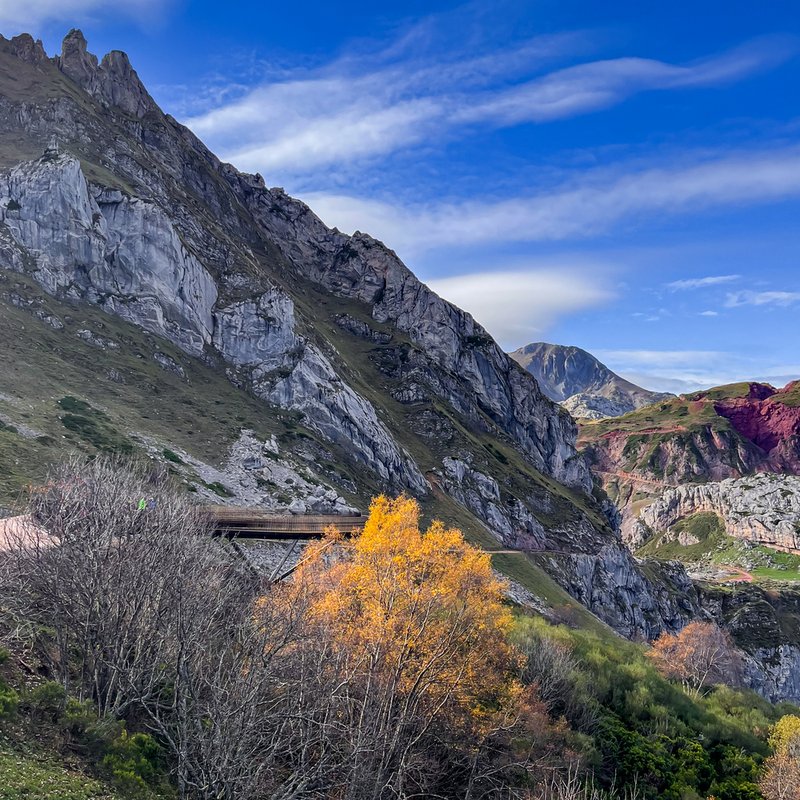
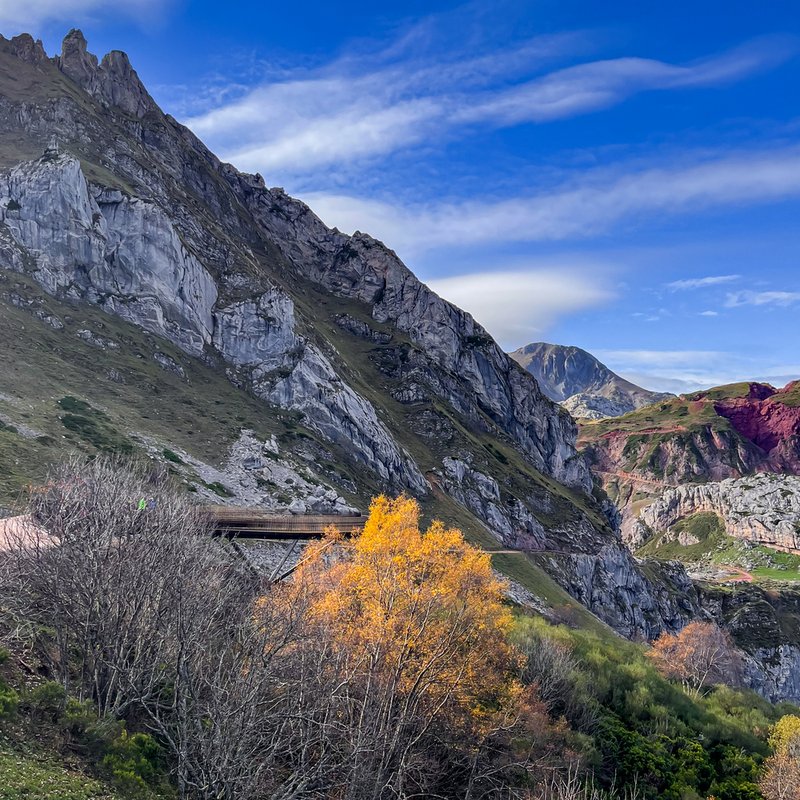
All Photographs are works of Jose Ramón Puerto Álvarez




Popular Articles
Popular articles from the community

Inverted Architecture Installation by Studio Link-Arc: Exploring the Intersection of Architecture and Living Organisms
Inverted Architecture Installation by Studio Link-Arc blends mycelium, sustainability, inverted design, ecological cycles, and urban adaptive architecture in Shenzhen.
Louis Malle Cinema: A Limestone Cultural Landmark Revitalizing Community Life in Prayssac
Limestone cinema extension with public forecourt, blending heritage and modern design to create flexible cultural spaces and strengthen community interaction.

Solar Steam: A Climate-Responsive Architecture That Redefines the Monument
A climate-responsive memorial architecture that transforms heat, decay, and time into a living system reflecting humanity’s ecological impact.
A Contemporary Take on Iranian Residential Architecture
A modern interior design in Mashhad that reinterprets brick, light, and spatial flow to create a warm, contemporary residential architecture.
Similar Reads
You might also enjoy these articles

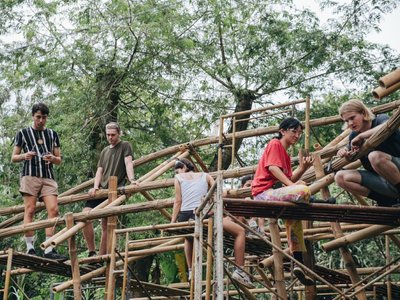
Bamboo Housing Challenge 2026: Design Affordable, Sustainable Homes Using Bamboo
An international design competition by Bamboo U and IBUKU inviting architects and designers to reimagine affordable housing using bamboo — with the winning design built full-scale in Bali.

Computational Design & Education: Beegraphy Design Awards Introduces 7th Category (Featuring Jiyun's Innovative Approach)
Dive into Beegraphy’s 7th Design Awards category, where computational design meets education to create immersive, interactive learning tools, inspired by Jiyun’s work.
From Parametric Lighting to Urban Furniture: Join the 2nd Workshop in Beegraphy’s Computational Design Series
Dive into Cutting-Edge Design Techniques and Practical Applications with Industry Experts

Introducing Sphere by UNI: Pioneering a New Era in AEC Industry
Unlocking Global Potential with BIM and Agile Management


Explore Architecture Competitions
Discover active competitions in this discipline




The International Standard for Design Portfolios


The Global Benchmark for Architecture Dissertation Awards


The Global Benchmark for Graduation Excellence


Challenge to reimagine the Iron Throne
Comments (0)
Please login or sign up to add comments
No comments yet. Be the first to comment!