
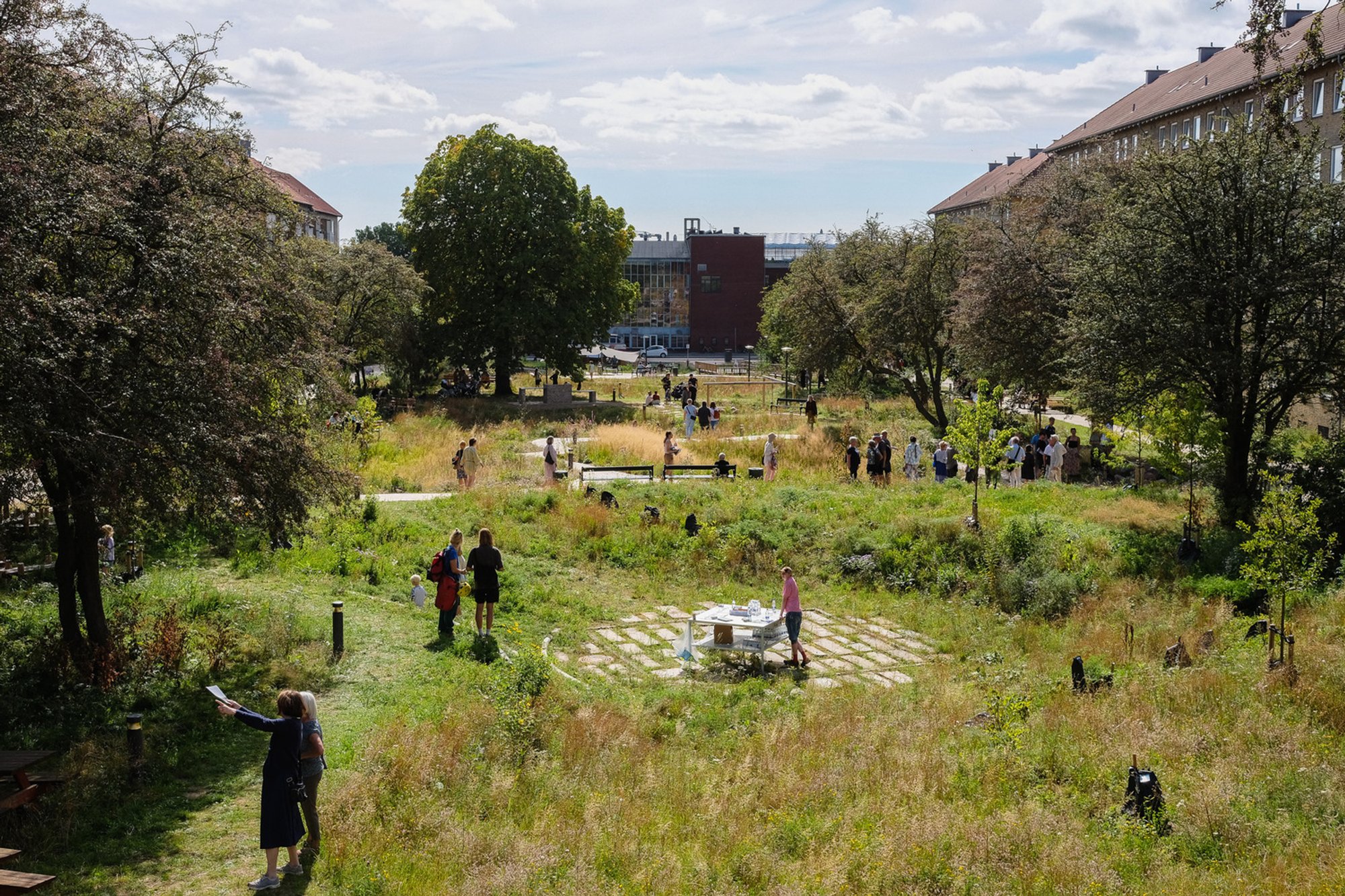
Grønningen-Bispeparken: A Groundbreaking Nature-Based Climate Park by SLA
Grønningen-Bispeparken by SLA is a transformative nature-based climate park that addresses urban flooding while enhancing community and biodiversity.

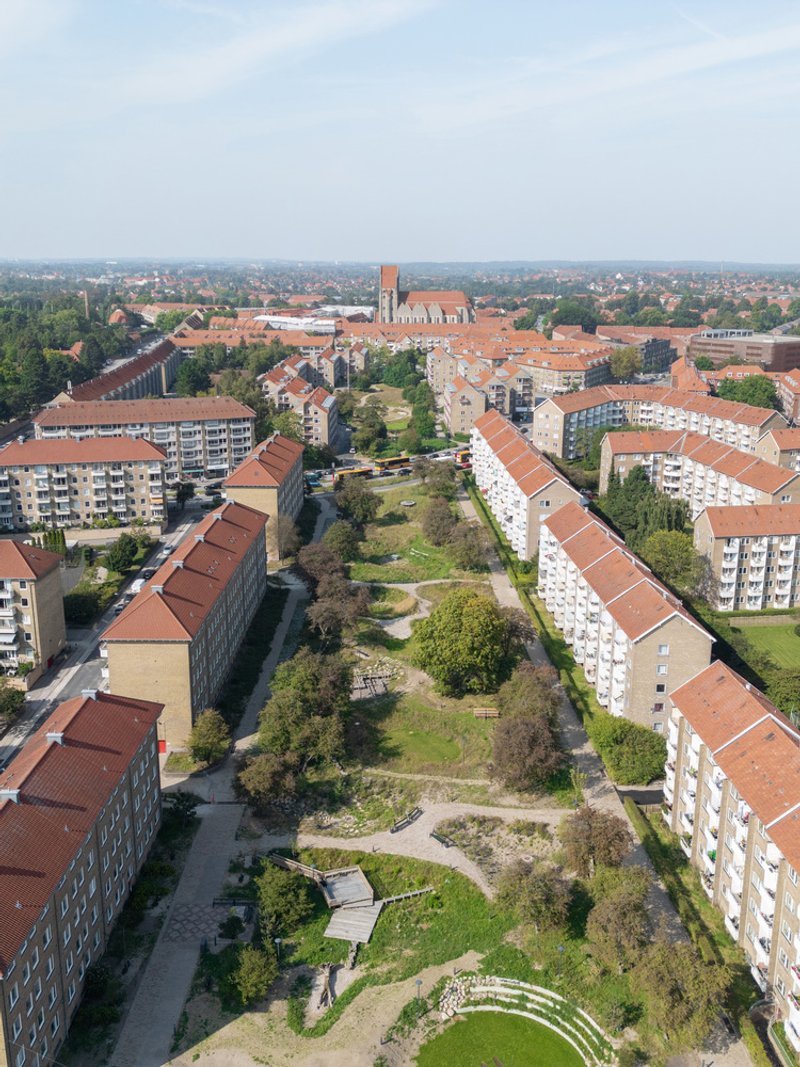
The Grønningen-Bispeparken Climate Park, designed by the Danish nature-based design studio SLA, is a revolutionary transformation of a 1950s social housing estate in Copenhagen. Spanning 20,000 m², this park represents Copenhagen’s most ambitious nature-based climate adaptation project to date. The park is not just a green space; it’s a solution to the challenges posed by urban flooding, severe weather, and the need for sustainable urban design. This transformative project aims to address the local climate vulnerabilities while simultaneously enhancing the social, biological, and cultural fabric of the community.
From Dereliction to Innovation: The Park's Origins
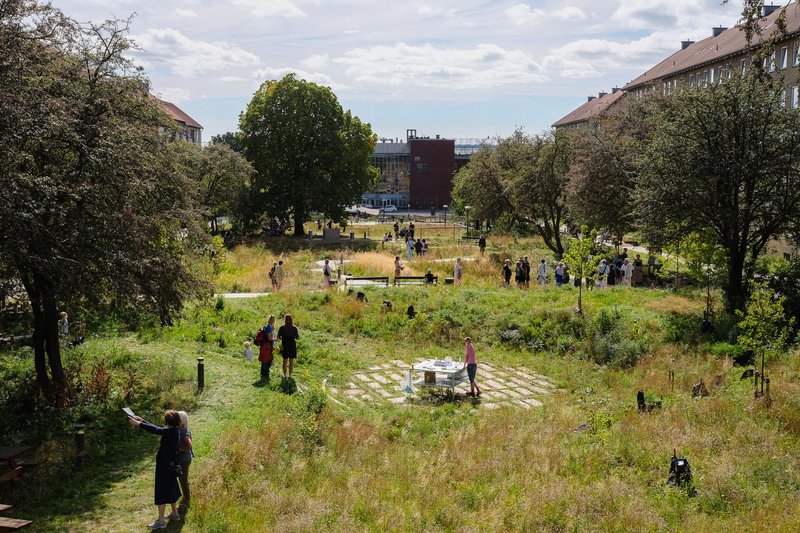
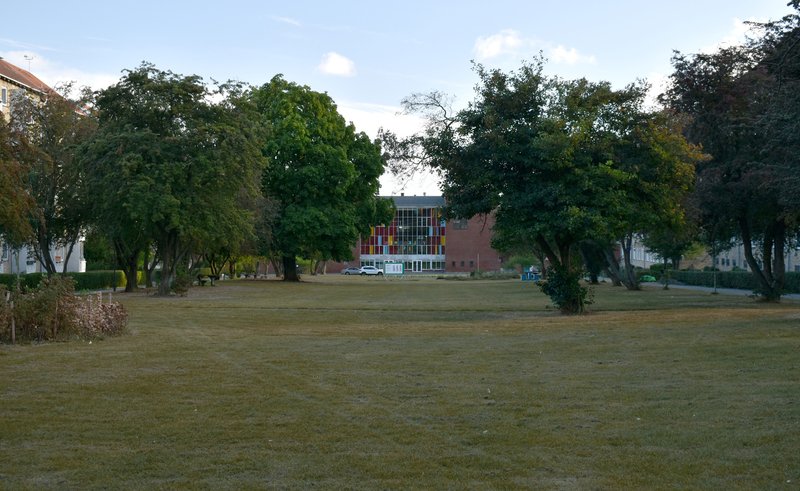
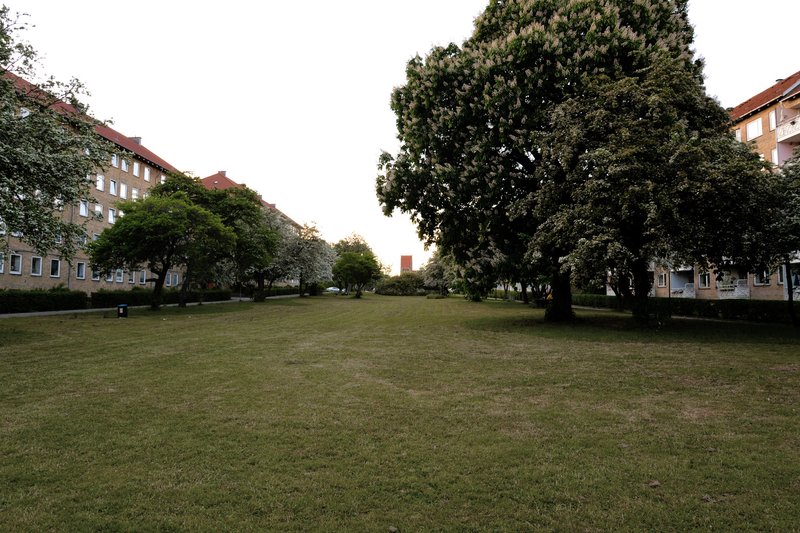
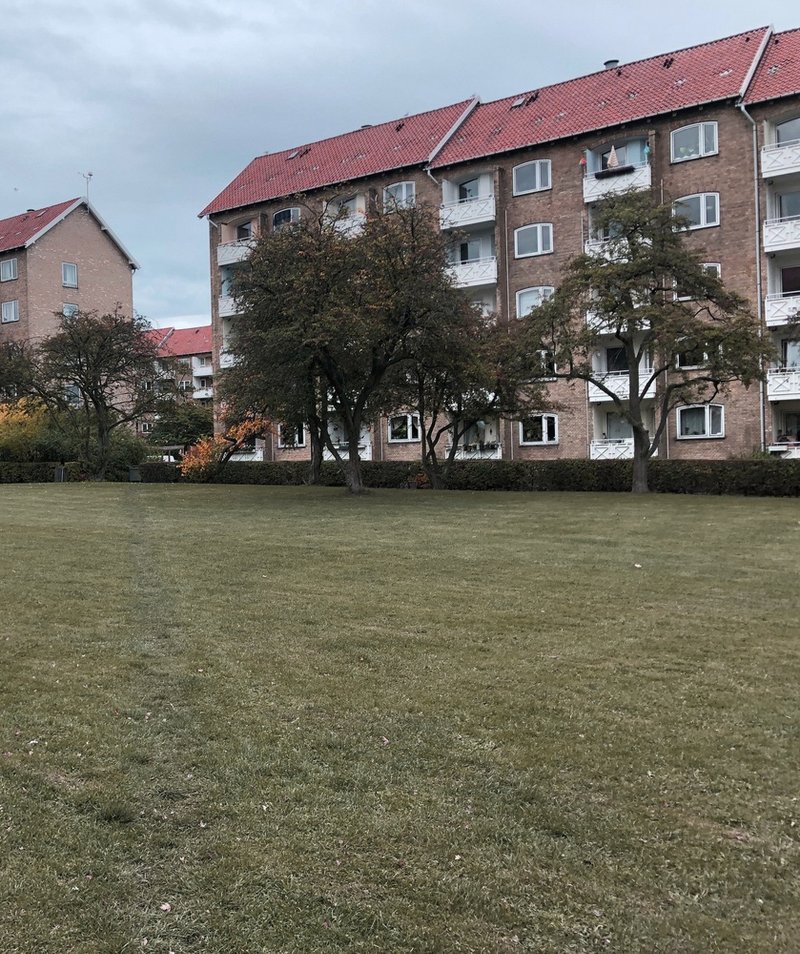
Before its transformation, the outdoor spaces of Grønningen-Bispeparken were underutilized and in poor condition. The vast grass lawns were barren, unsafe, and unwelcoming. The task for SLA was clear: to reimagine these spaces as a climate park that would serve not only as a buffer against storms and floods but also as a community gathering point that could provide long-lasting environmental, social, and cultural benefits.
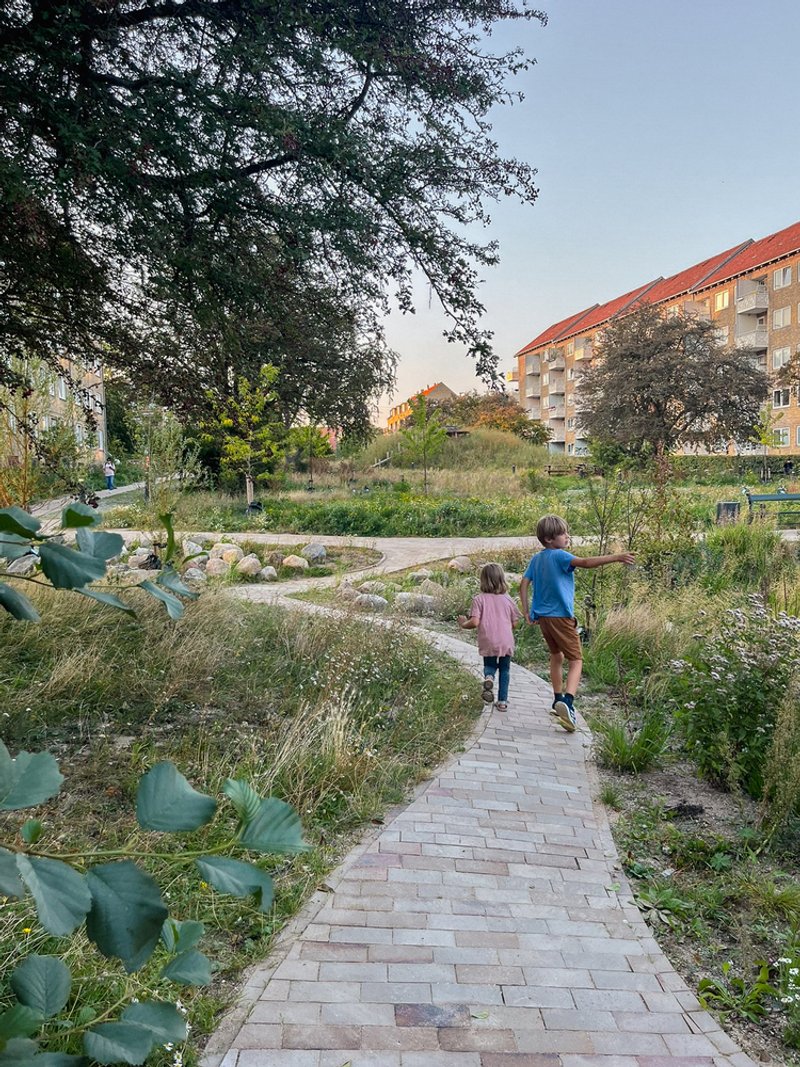
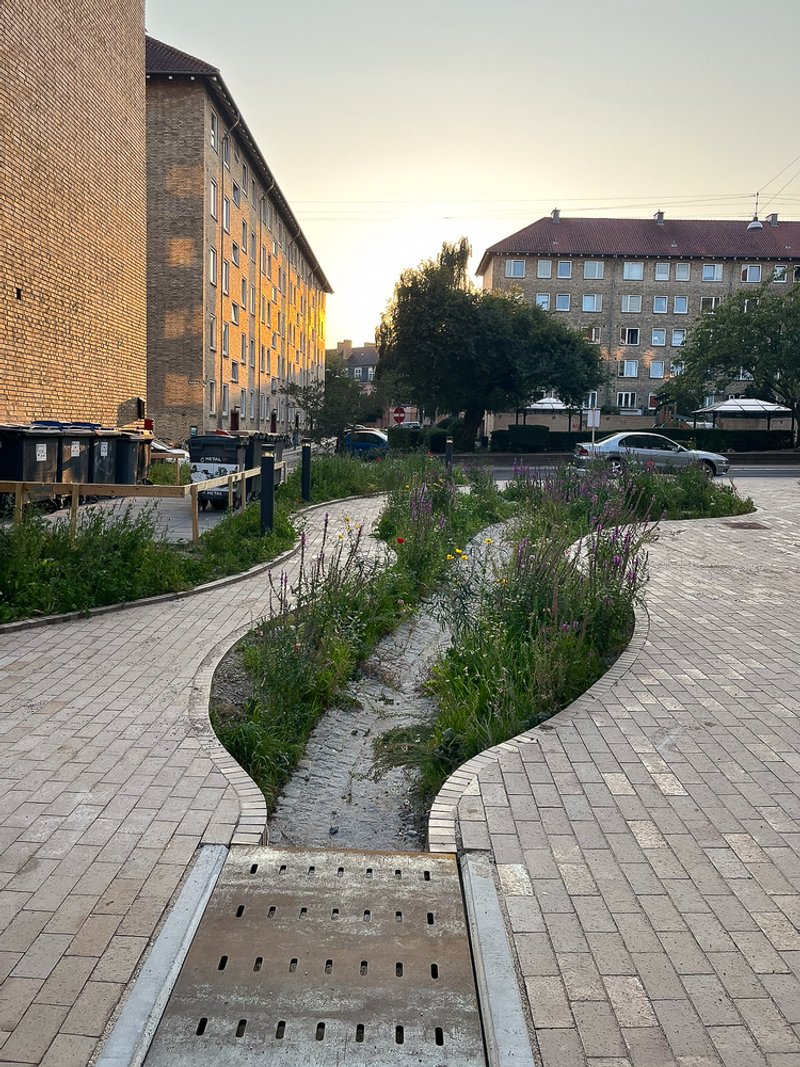
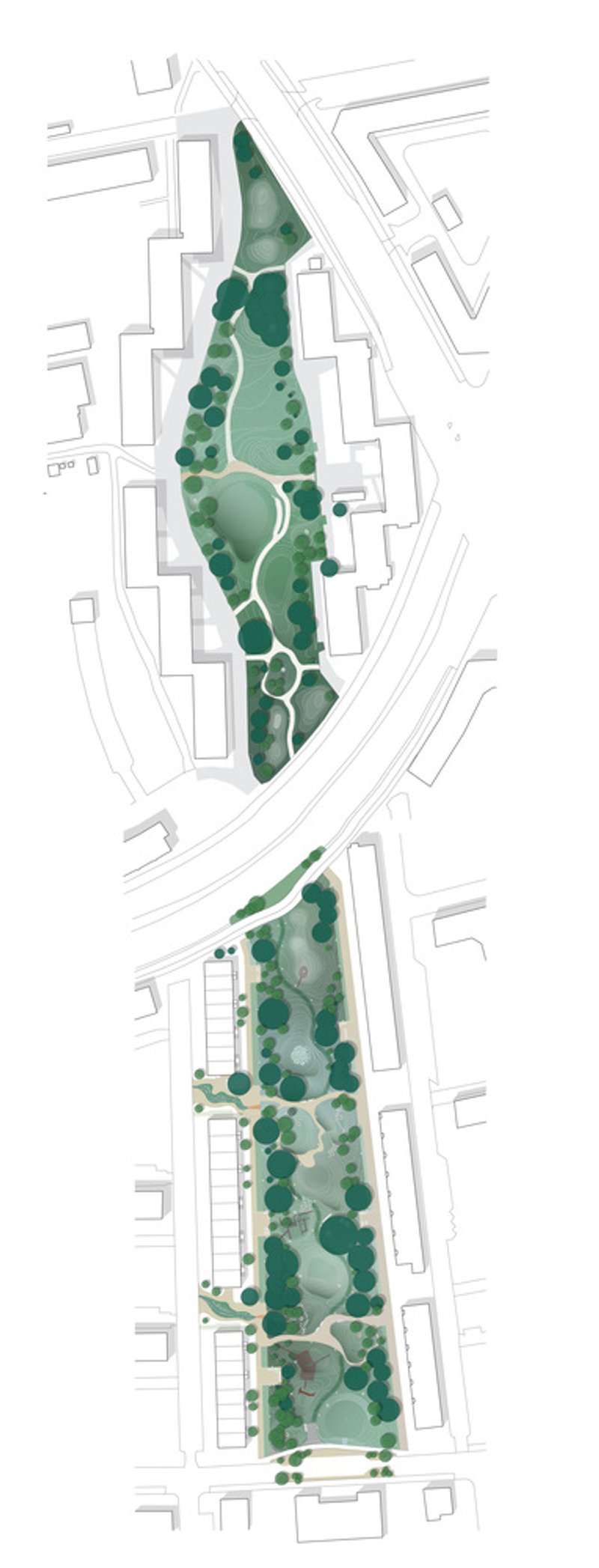
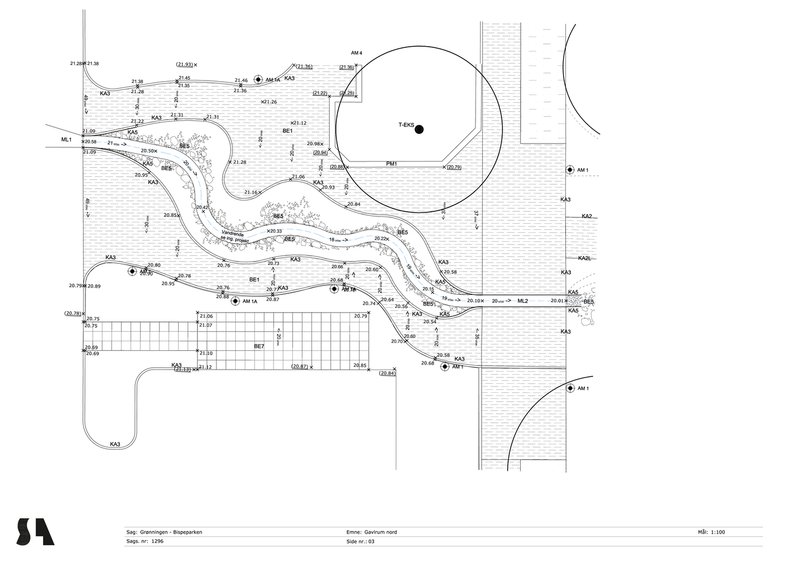
SLA’s solution was to design a park that follows the contours of nature. By integrating 18 bioswales into the landscape, the park is capable of collecting, containing, and infiltrating over 3,000 m³ of rainwater. This innovative approach allows the park to manage stormwater effectively while offering a functional and aesthetic outdoor space for the local community.
The Five Key Nature Typologies of Grønningen-Bispeparken
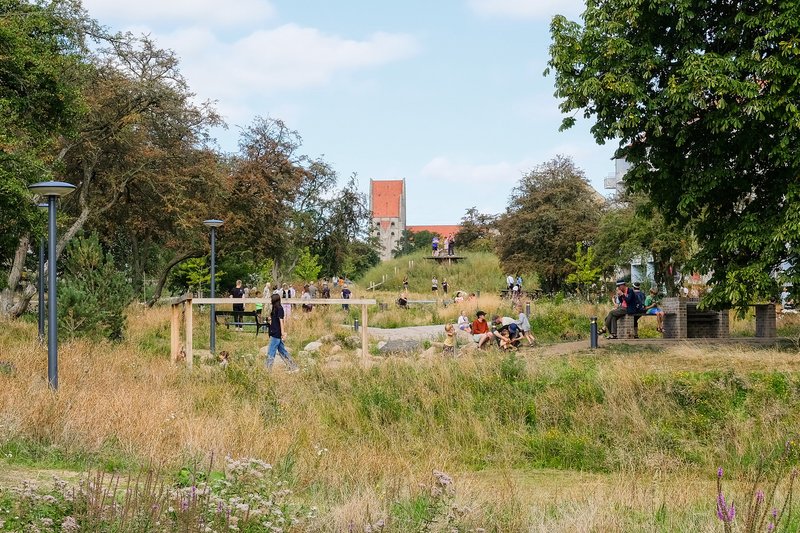
The park is divided into five distinct nature typologies, each designed to fulfill different climate and social functions. These typologies were developed to cater to both the environmental needs of the area and the desires of the local community. The design integrates water management with spaces that encourage social interaction and community engagement.
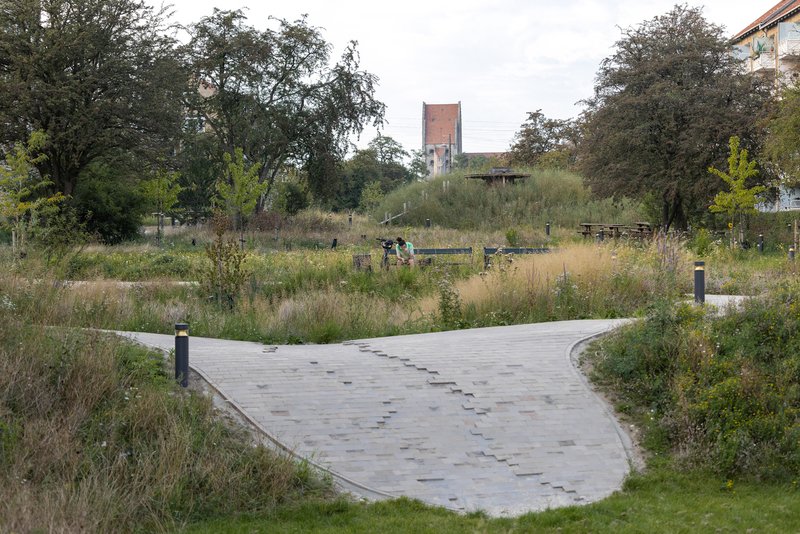
Wet Bio Oases
The Wet Bio Oases are dedicated to nature and wildlife, creating habitats where plants and animals thrive. These areas are strategically placed to manage water runoff and create natural ecosystems that improve biodiversity in the park.
Between the Trunks
In contrast to the wet bio oases, the small dry biotopes Between the Trunks provide intimate spaces for relaxation and play. These areas encourage community members to pause, reflect, and connect with each other in a peaceful environment.
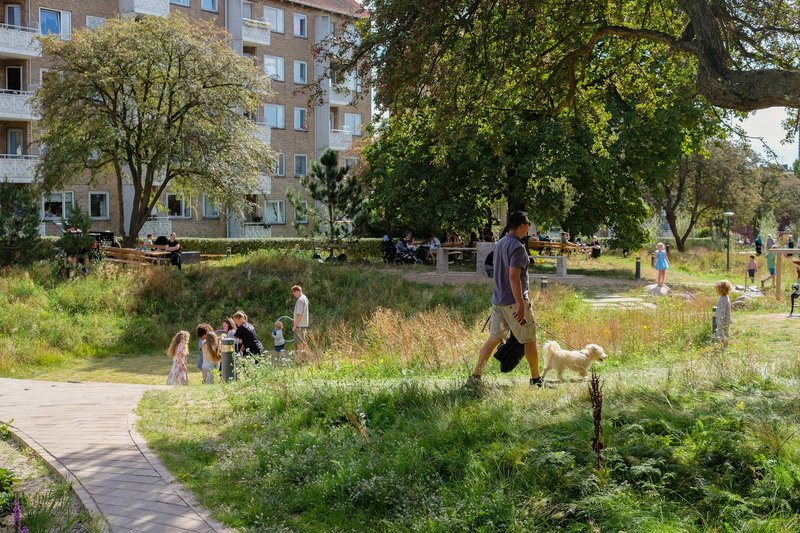
Common Lawns
The larger, dry Common Lawns are designed for a variety of activities, including sports, farmer’s markets, community dinners, and social events. These open spaces promote interaction and serve as multipurpose areas for the public.
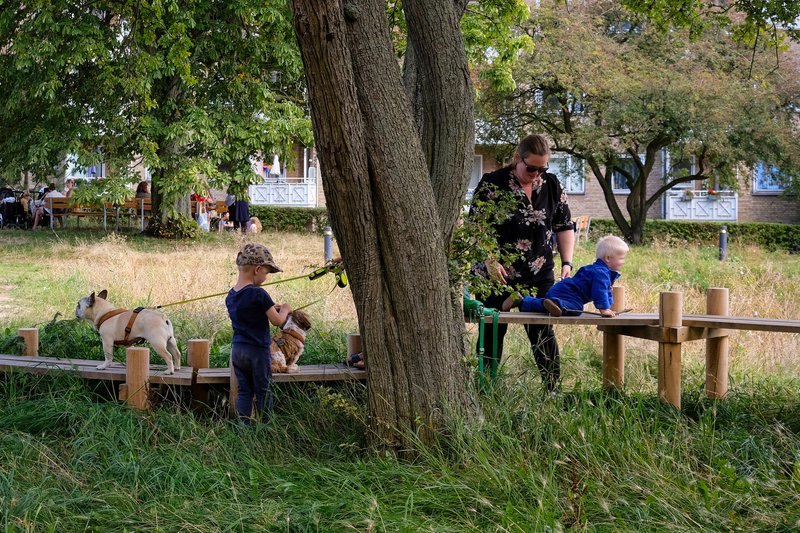
Pocket Squares
Small urban Pocket Squares are scattered throughout the park, providing informal spaces for socializing and connecting with neighbors. These intimate pockets offer a quieter, more secluded place for visitors to enjoy.
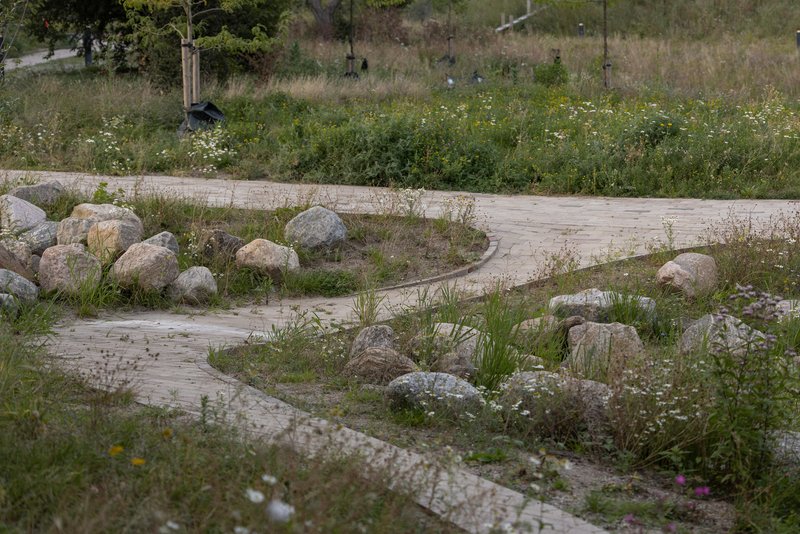
The Bunker Hills
The park also incorporates the historic Cold War underground bunkers, transforming them into flexible social spaces. In the summer, they are perfect for catching the evening sun, and in the winter, they serve as sledding and skiing hills, creating year-round opportunities for leisure and community engagement.
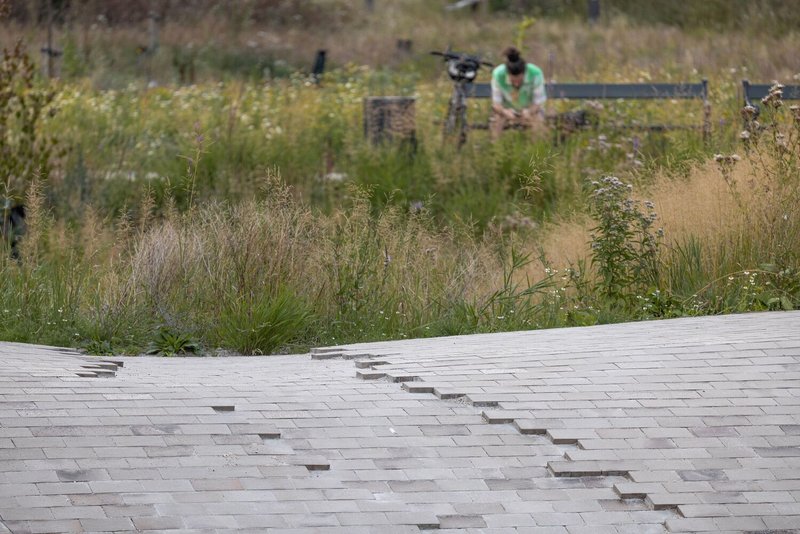
The Role of Art in Grønningen-Bispeparken
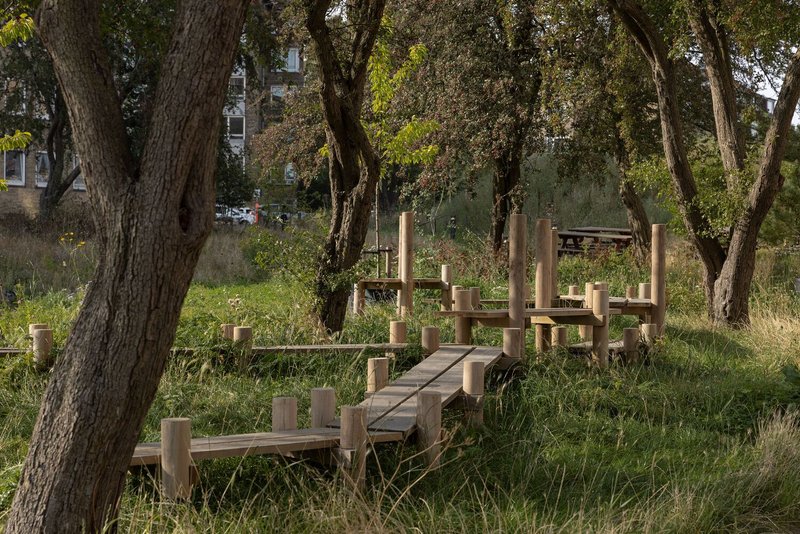
As part of the park's transformation, the National Arts Council of Denmark commissioned artist Kerstin Bergendal to create an experimental art intervention over four years. Her project, "Concerning A Meadow," explores the intersection of public space, spatial planning, and community engagement. The project aims to foster a connection between citizens and the park’s design while offering a creative space for unplanned interactions.
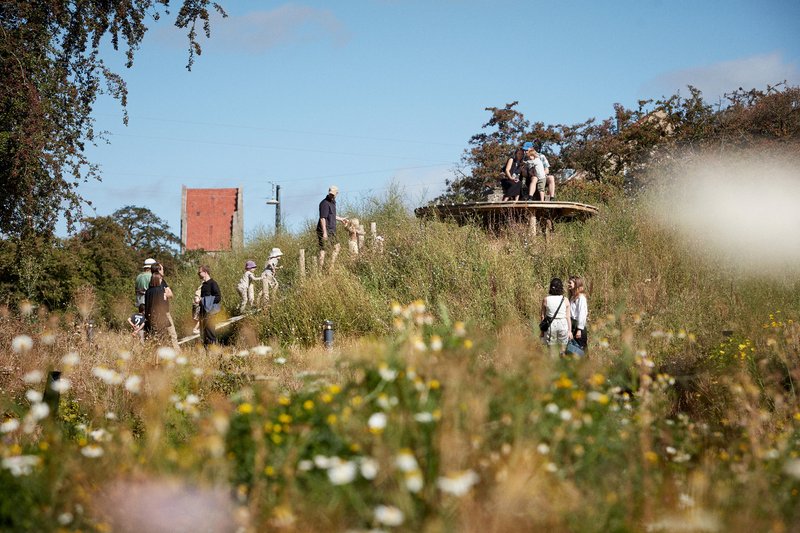
The result is a series of wooden art structures integrated into the park's landscape. These structures serve as interactive play elements for both children and adults, encouraging physical activity, socializing, and exploration in a natural environment.
The Park's Resilience in Action
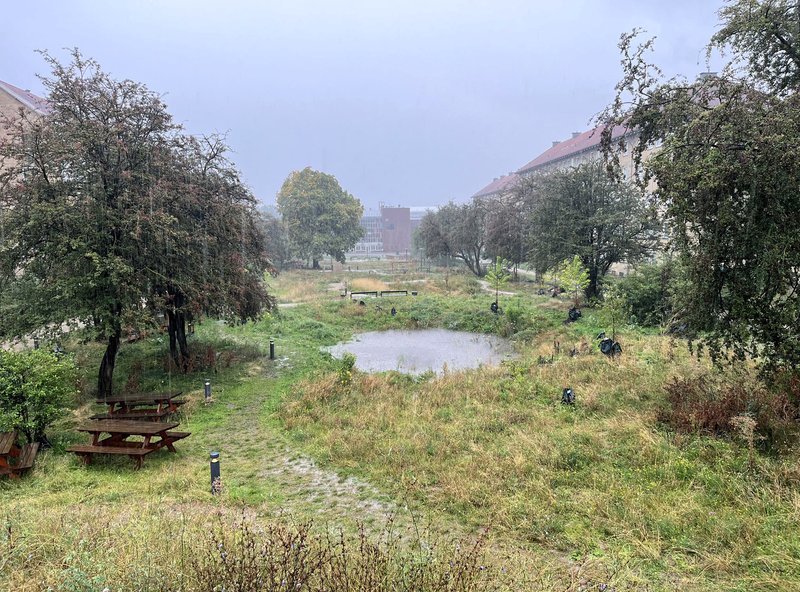
The true test of Grønningen-Bispeparken’s design came just days after its inauguration on August 31, 2024, when a major thunderstorm hit Copenhagen. While other areas experienced significant flooding, Grønningen-Bispeparken proved its resilience. The park’s bioswales and rainwater management systems absorbed the heavy rainfall, leaving the park lush and vibrant while protecting the surrounding infrastructure from flooding. This success illustrates how nature-based climate park design can turn potential environmental threats into valuable resources.
Grønningen-Bispeparken as a Model for Future Climate Parks
Grønningen-Bispeparken is a pioneering example of how nature-based climate park design can address urban challenges such as flooding and climate change while creating spaces that enhance community life. The park not only manages stormwater effectively but also offers social and recreational opportunities for residents. With its careful integration of nature, art, and community spaces, the park is a model for sustainable urban design and climate resilience, providing a green, multifunctional space for future generations to enjoy.
All Photographs are works of SLA, Mikkel Eye, Marie Damsgaard, Københavns Kommune



Popular Articles
Popular articles from the community


The Ken Roberts Memorial Delineation Competition (Krob)
As the most senior architectural drawing competition currently in operation anywhere in the world, it draws hundreds of entries each year, awarding the very best submissions in a series of medium-based categories.

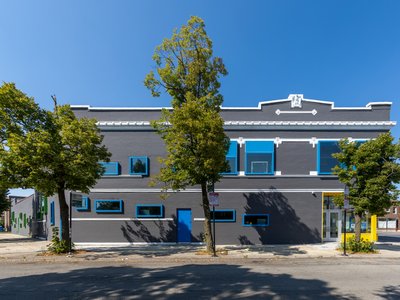
Gads Hill Early Learning Center by JGMA: Adaptive Reuse Shaping Community-Focused Educational Architecture
Adaptive reuse transforms fragmented structure into vibrant early learning center with playful façade, natural light, and community-focused sustainable design.
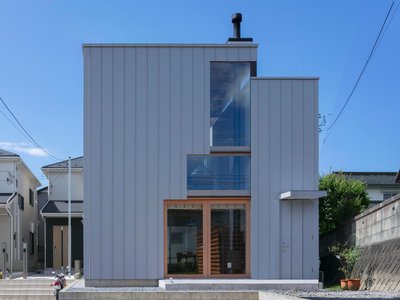
Split House: A Compact Urban Home Blending Privacy, Light, and Flexible Living in Japan
Compact Japanese home featuring DOMA space, flexible café potential, passive lighting, privacy zoning, and sustainable urban living design.
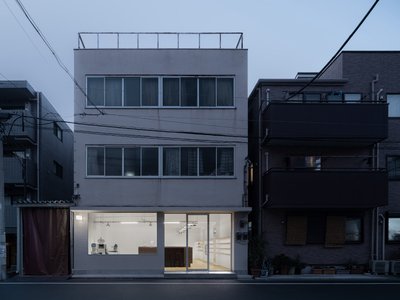
Atelier Macri Concept Store Interior Design by CASE-REAL
Atelier Macri store features a "ko" counter, walnut wood details, cork displays, blending retail, gallery, and seamless customer experiences.


Similar Reads
You might also enjoy these articles
The Ken Roberts Memorial Delineation Competition (Krob)
As the most senior architectural drawing competition currently in operation anywhere in the world, it draws hundreds of entries each year, awarding the very best submissions in a series of medium-based categories.


Waterfront Redevelopment and Urban Revitalization in Mumbai: Forging a New Dawn for Darukhana
A transformative waterfront redevelopment project reimagining Darukhana’s shipbreaking heritage into an inclusive urban future.

OUT-OF-MAP: A Call for Postcards on Feminist Narratives of Public Space
Rhizoma Design and Research Lab invites artists, designers, architects, researchers, and students to reflect on how feminist perspectives can reshape public space. Selected works will be exhibited in Barcelona, October 2026. Submissions open until 15 April 2026.


Documentation Work on Buddhist Wooden Temple
Architectural syncretism and cultural hybridity: A comparative study of the Buddhist temples in Chattogram Hill tracks


Explore Architecture Competitions
Discover active competitions in this discipline




The International Standard for Design Portfolios


The Global Benchmark for Architecture Dissertation Awards


The Global Benchmark for Graduation Excellence


Challenge to reimagine the Iron Throne
Comments (0)
Please login or sign up to add comments
No comments yet. Be the first to comment!