
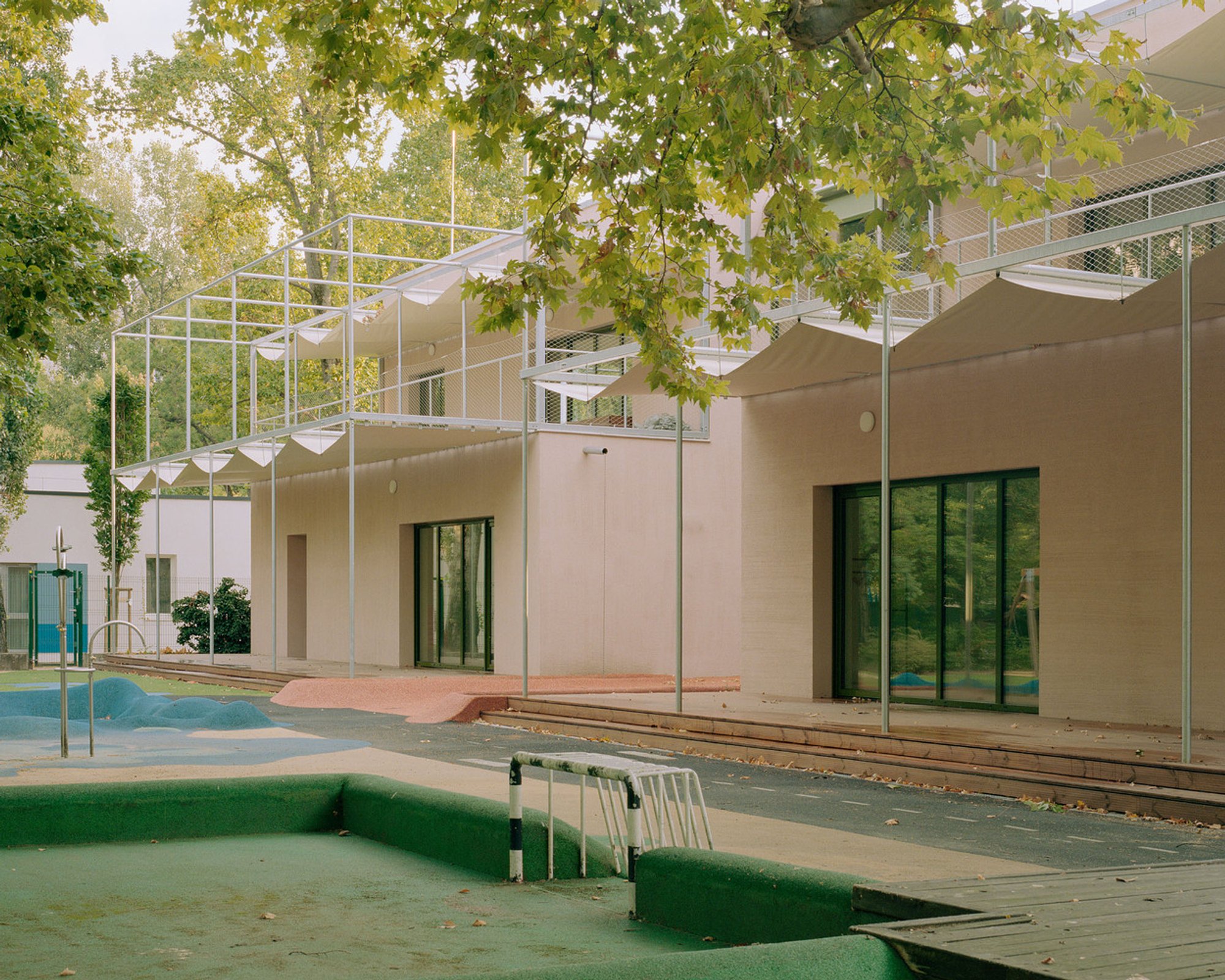
Gyöngyszem Kindergarten: Hungary’s First Smart and Sustainable Kindergarten by Archikon Architects
Gyöngyszem Kindergarten in Budapest transforms a 1970s prefab building into a sustainable, playful, and smart educational space with modern design.

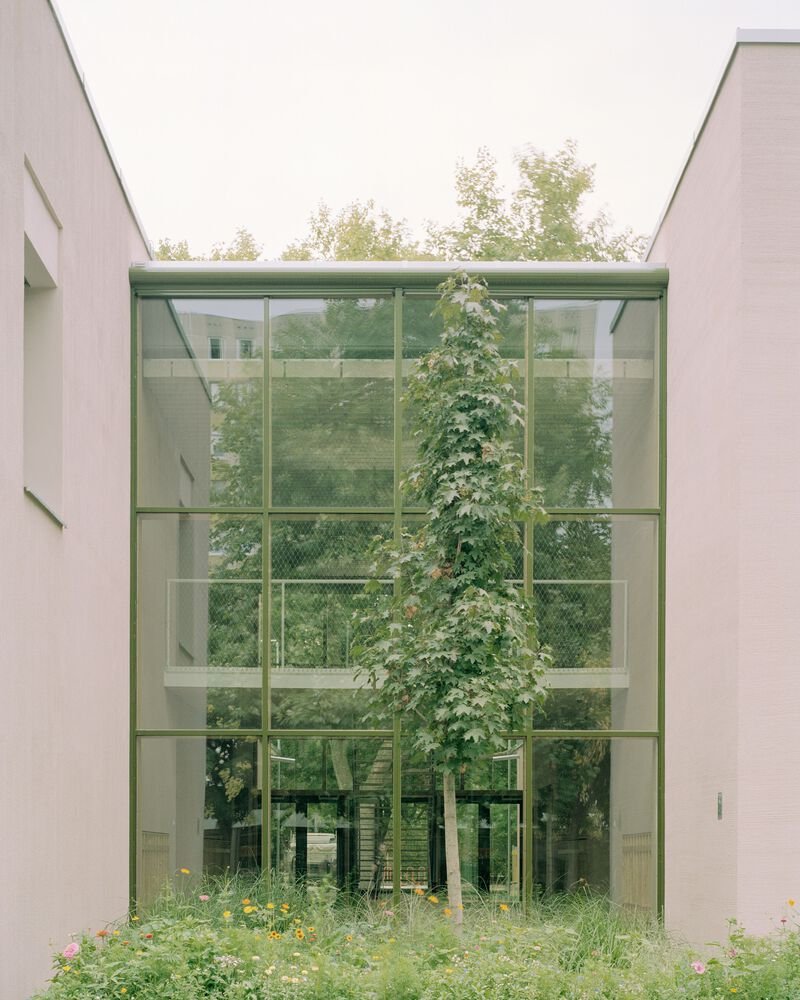
Located in Budapest, Hungary, Gyöngyszem Kindergarten is a pioneering example of how a prefabricated 1970s structure can be transformed into a modern, sustainable, and digitally advanced educational space. Designed by Archikon Architects, this 2,860 m² facility embodies the principles of smart architecture, energy efficiency, and child-centered design, setting a new benchmark for early childhood education environments in Hungary.
Transforming a Prefabricated Structure into a Smart Kindergarten
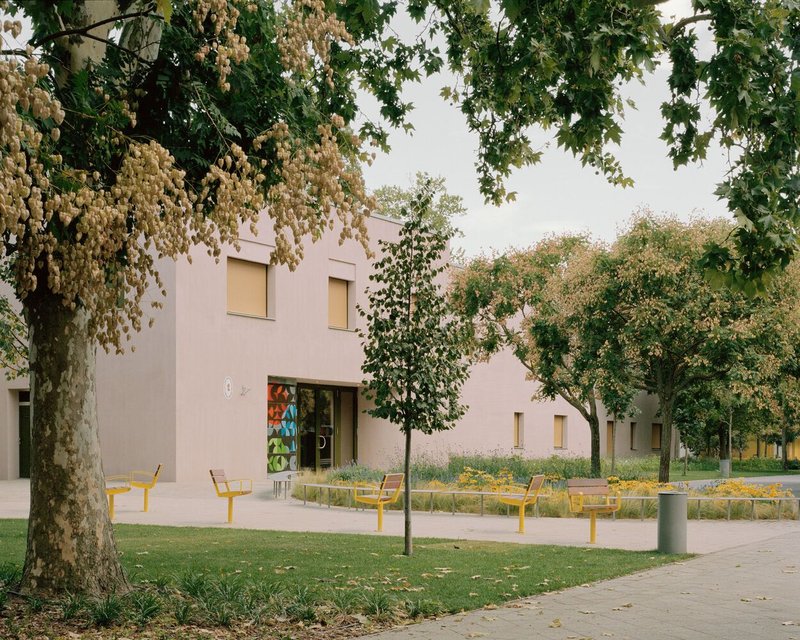
Originally built as a single-story, flat-roofed prefabricated panel building, the kindergarten faced several challenges, including limited interior space, poor circulation, and a lack of communal areas. Located among 10-story apartment blocks along Gyöngyösi Street, the building was part of a tree-lined residential and retail promenade that also includes a nursery and school. The District XIII Municipality recognized the need to renovate and extend the structure to create a functional, sustainable, and digitally forward-looking learning environment.
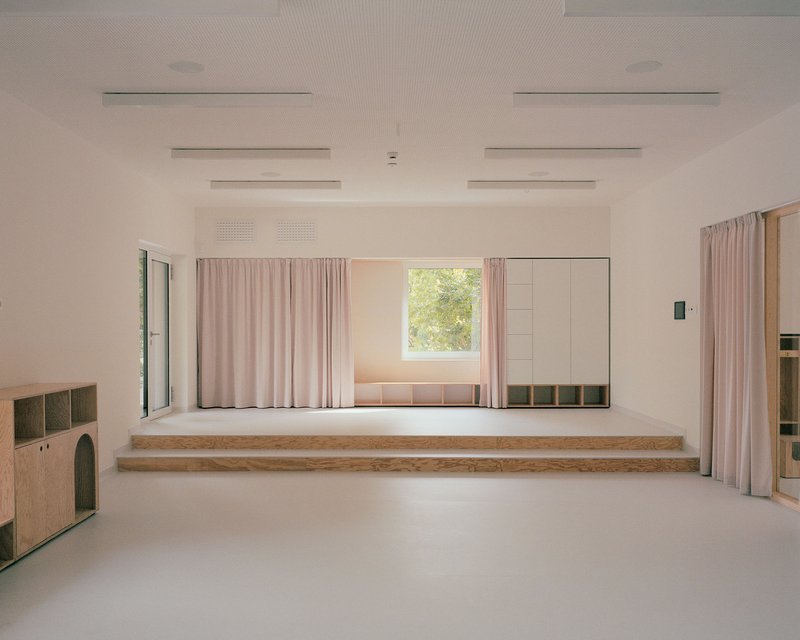
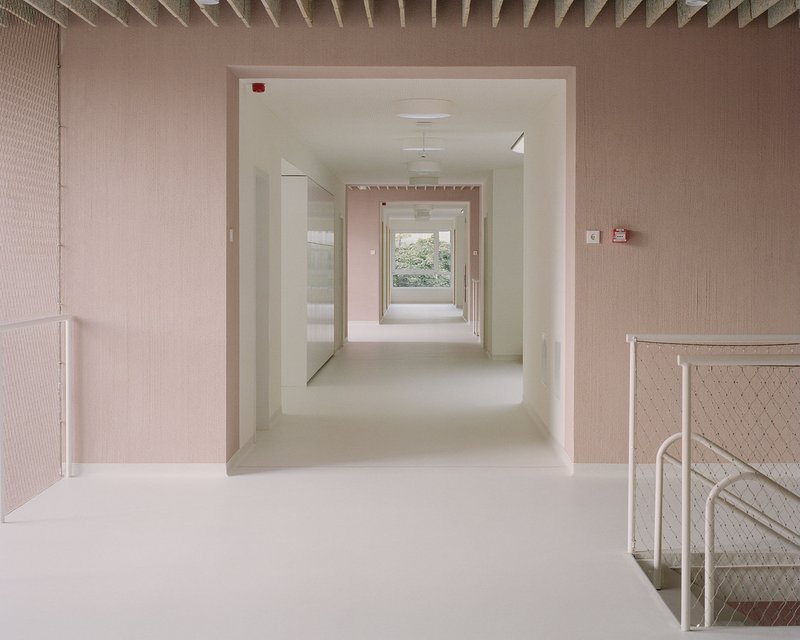
The renovation retained the existing building while adding a new floor, resulting in two-story sections with mezzanines and interconnected community spaces. This design promotes interaction across levels, enhancing social and educational engagement. The expansion includes 10 classrooms, as well as specialized development and activity rooms for movement, creative play, cooking, and interpersonal skill development—key components of healthy lifestyle education.
Playful, Sustainable, and Smart Design
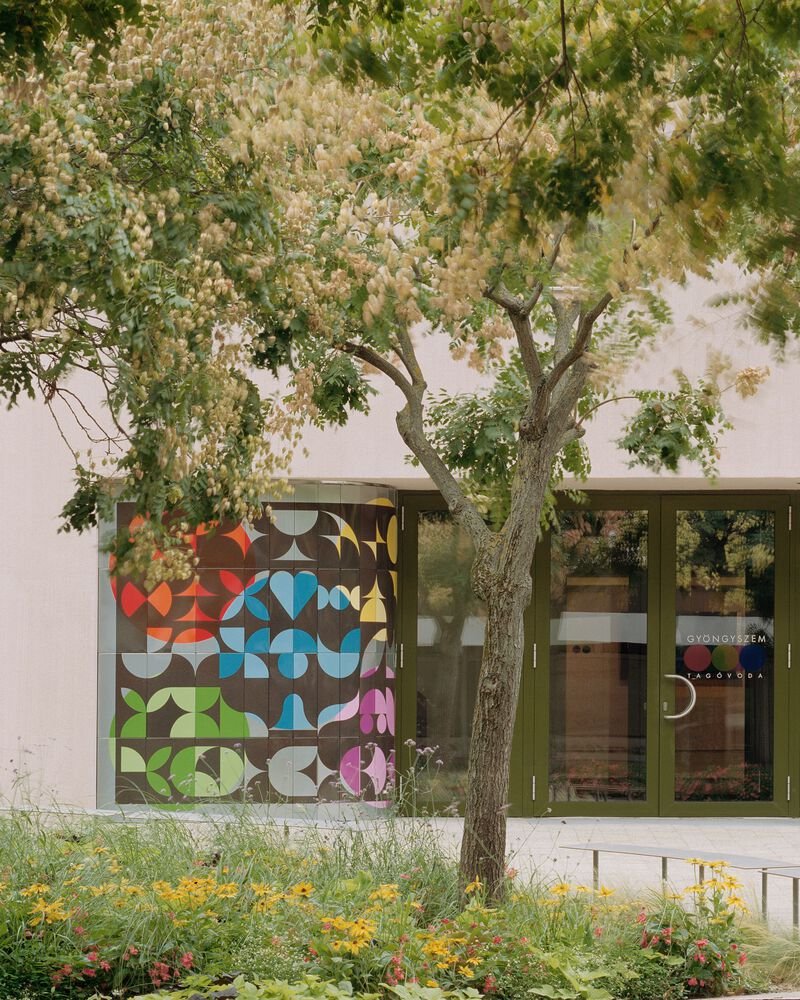
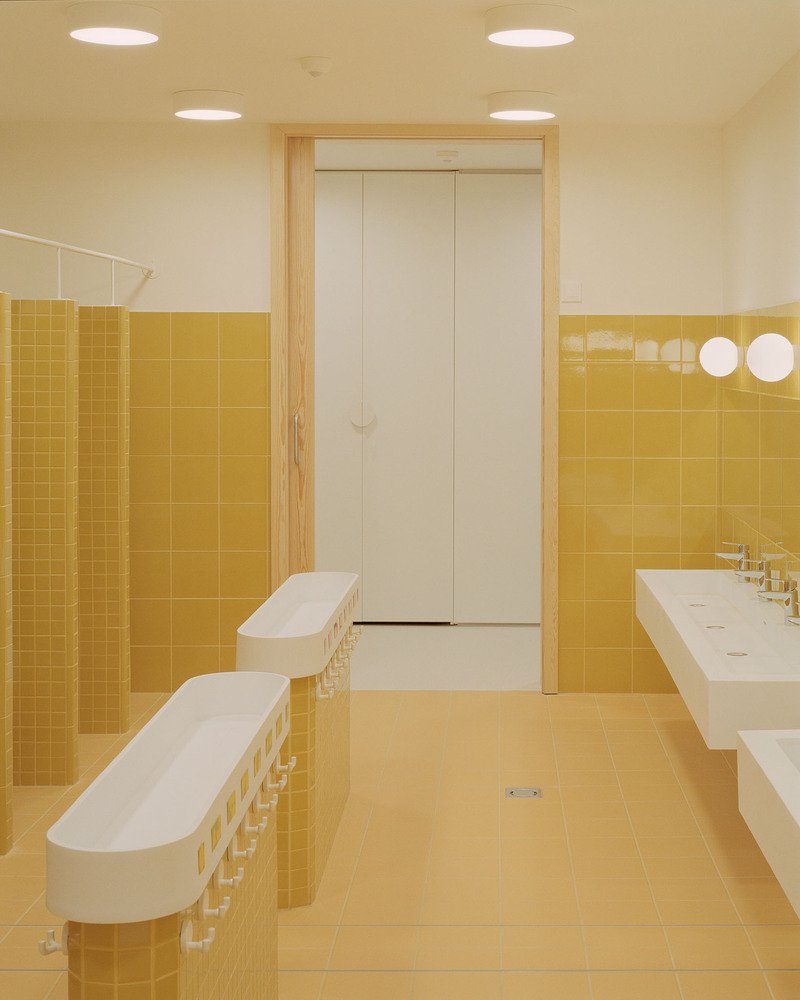
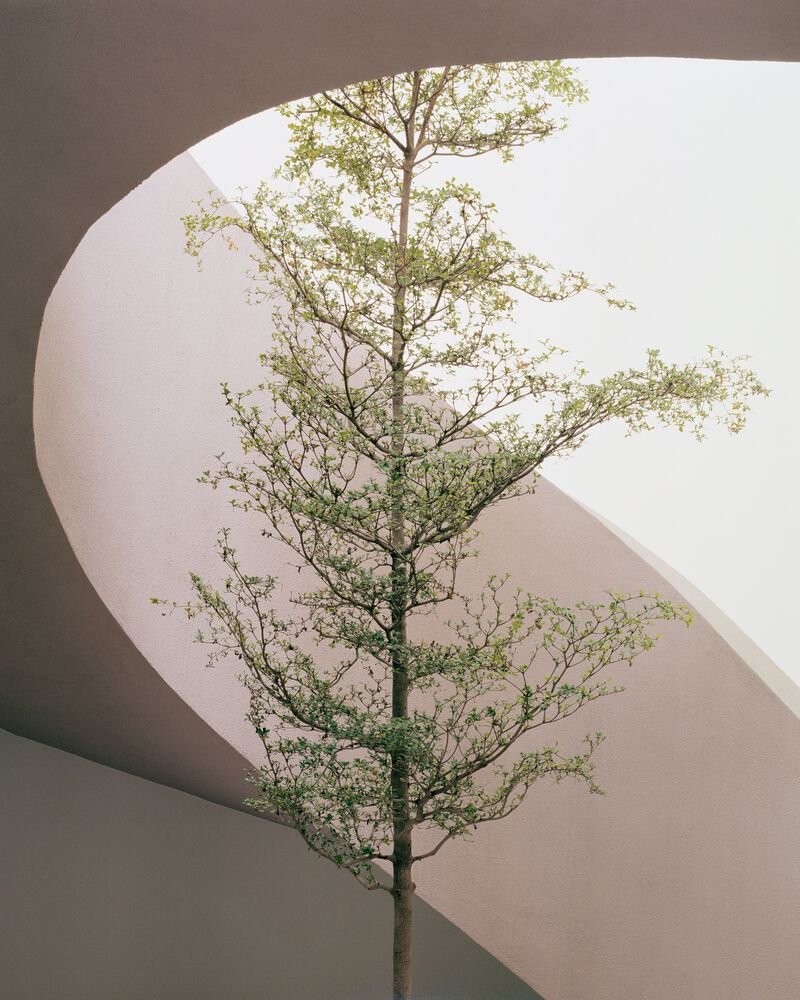
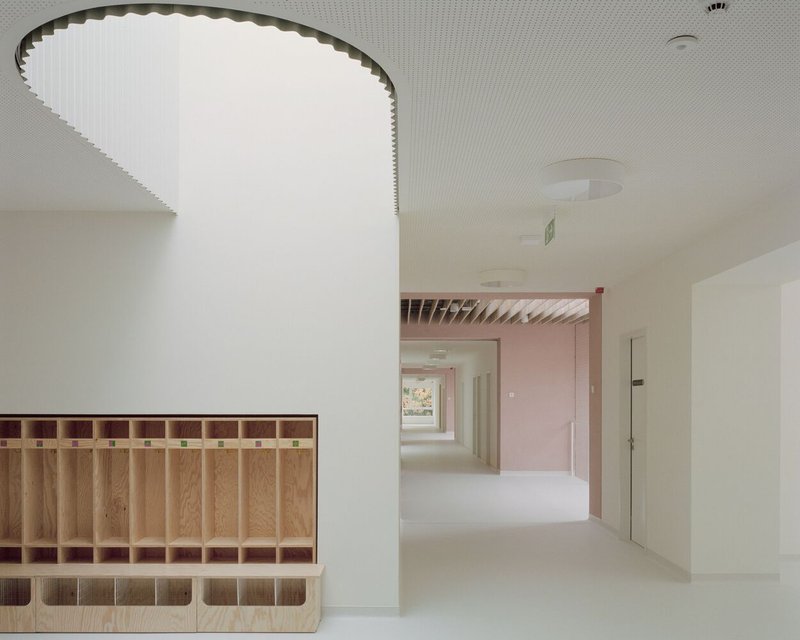
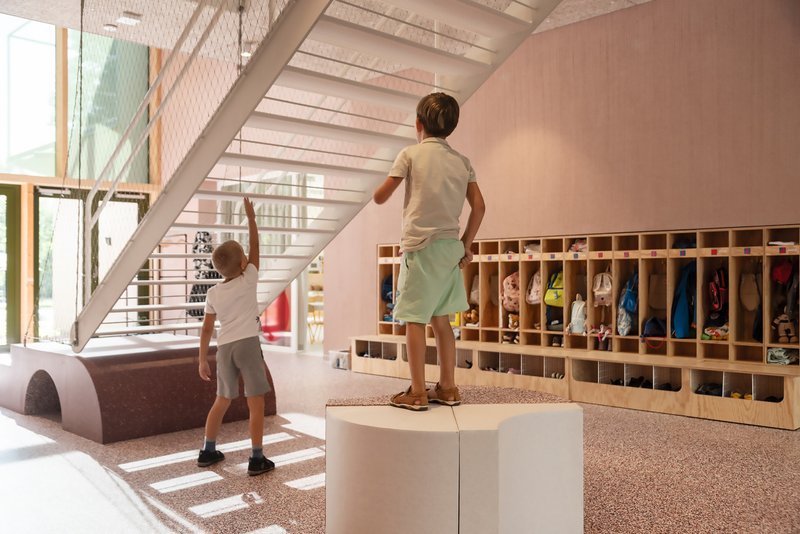
The interior design of Gyöngyszem Kindergarten emphasizes playfulness, with staircases and galleries leading to a central courtyard featuring play furniture inspired by building blocks and children’s games. Natural light has been carefully orchestrated to highlight entrance areas and communal spaces, while a fire-enamel art installation on the facade connects architecture with fine arts, signaling the entrance in a vibrant, welcoming way.
Sustainability is central to the project. The renovation incorporates energy-efficient solutions, environmentally conscious materials, and smart building technologies to create a green, safe, and comfortable environment for children. Archikon Architects envisioned a space where prefabricated buildings could be reimagined as modern, livable, and playful spaces that support both education and environmental responsibility.
A Smart Kindergarten for the Future
Gyöngyszem Kindergarten is Hungary’s first smart kindergarten, integrating digital tools, sustainable building systems, and energy-conscious design to support both educators and students. The combination of modern construction techniques, thoughtful spatial planning, and digital innovation demonstrates how older structures can be adaptively reused to meet contemporary educational and environmental standards.
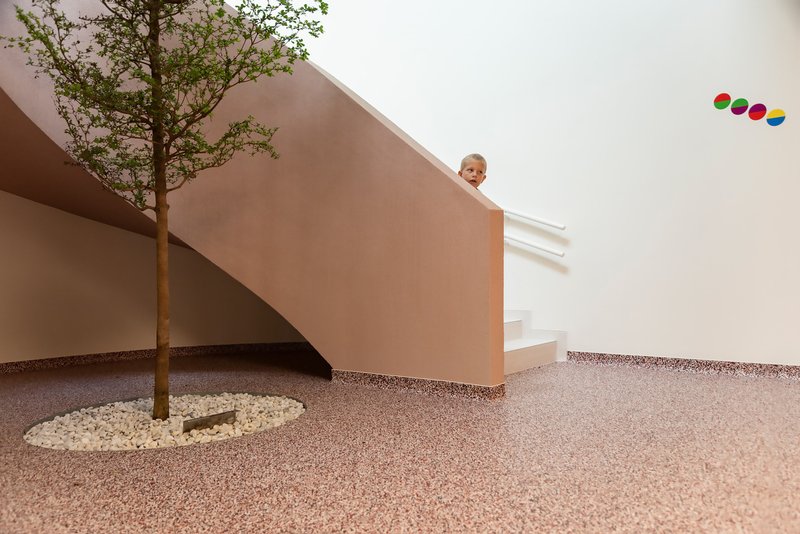
Through this transformation, Gyöngyszem Kindergarten not only revitalizes a once-dilapidated building but also showcases a holistic approach to sustainable architecture, smart education, and child-centered design—creating a vibrant, interactive, and eco-friendly learning hub for the next generation.
Project Details:
- Architects: Archikon Architects
- Location: Budapest, Hungary
- Area: 2,860 m²
- Completion Year: 2024
- Photography: Balázs Danyi, Balázs Koch
- Manufacturers: Baumit, Schüco, Tarkett
- Lead Architects: Csaba Nagy, Károly Pólus
- Structural & MEP: PHQ Kft., ÉKI Terv Mérnökiroda Kft., AP-Lightworks Kft., Miskolczy Energiaterv Kft.
- Contractor: BUILD IT Mérnökiroda Zrt.
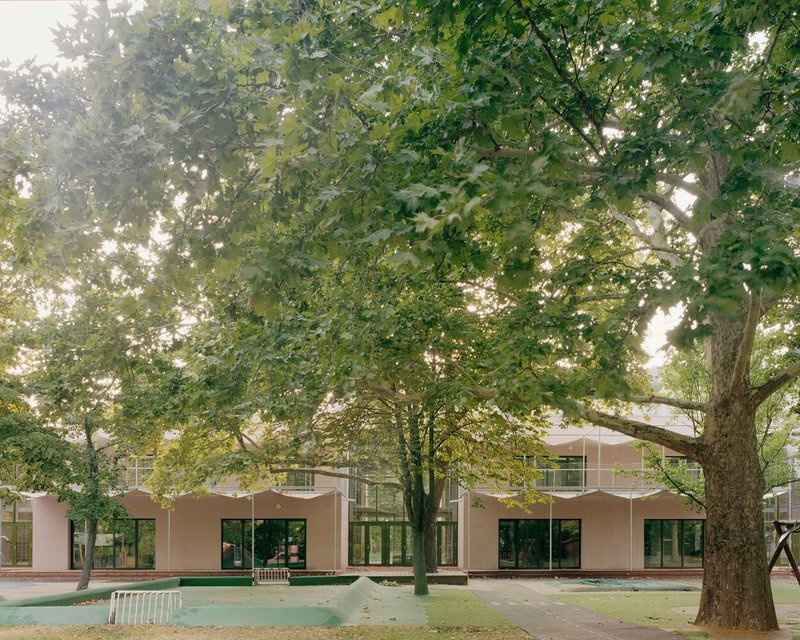
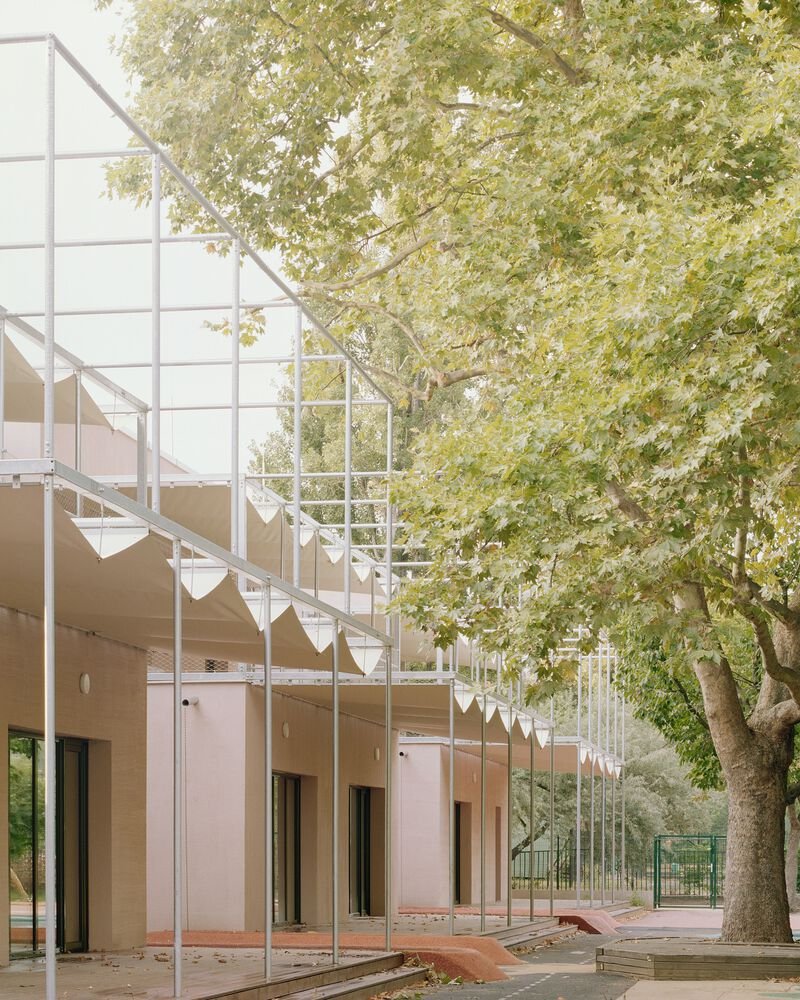
All photographs are works of Balázs Danyi, Balázs Koch



Popular Articles
Popular articles from the community

Split House: A Compact Urban Home Blending Privacy, Light, and Flexible Living in Japan
Compact Japanese home featuring DOMA space, flexible café potential, passive lighting, privacy zoning, and sustainable urban living design.
Fifth NRE Jazz Club – De Bever Architecten: Eindhoven’s Revitalized Cultural Hub
Historic gas factory transformed into Fifth NRE Jazz Club blending modern sustainability, jazz culture, dining, and heritage architecture seamlessly.
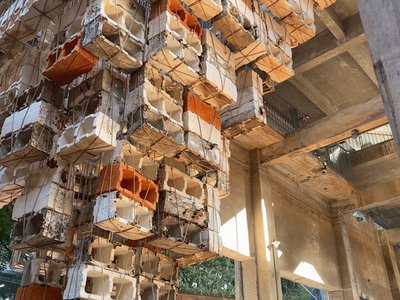
Inverted Architecture Installation by Studio Link-Arc: Exploring the Intersection of Architecture and Living Organisms
Inverted Architecture Installation by Studio Link-Arc blends mycelium, sustainability, inverted design, ecological cycles, and urban adaptive architecture in Shenzhen.
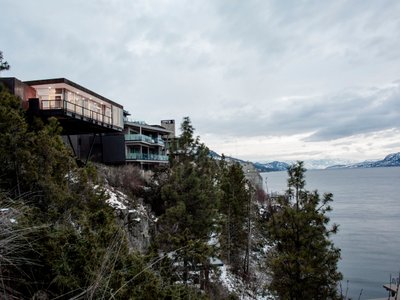
Alton Cliff House: A Harmonious Retreat by f2a Architecture in Lake Country, Canada
Alton Cliff House blends corten steel, prefabrication, and sustainable design, creating a luxurious, energy-efficient retreat perched on Canadian cliffs.


Similar Reads
You might also enjoy these articles


The Ken Roberts Memorial Delineation Competition (Krob)
As the most senior architectural drawing competition currently in operation anywhere in the world, it draws hundreds of entries each year, awarding the very best submissions in a series of medium-based categories.


Waterfront Redevelopment and Urban Revitalization in Mumbai: Forging a New Dawn for Darukhana
A transformative waterfront redevelopment project reimagining Darukhana’s shipbreaking heritage into an inclusive urban future.

OUT-OF-MAP: A Call for Postcards on Feminist Narratives of Public Space
Rhizoma Design and Research Lab invites artists, designers, architects, researchers, and students to reflect on how feminist perspectives can reshape public space. Selected works will be exhibited in Barcelona, October 2026. Submissions open until 15 April 2026.


Documentation Work on Buddhist Wooden Temple
Architectural syncretism and cultural hybridity: A comparative study of the Buddhist temples in Chattogram Hill tracks

Explore Architecture Competitions
Discover active competitions in this discipline




The International Standard for Design Portfolios


The Global Benchmark for Architecture Dissertation Awards


The Global Benchmark for Graduation Excellence


Challenge to design public laboratory
Comments (0)
Please login or sign up to add comments
No comments yet. Be the first to comment!