
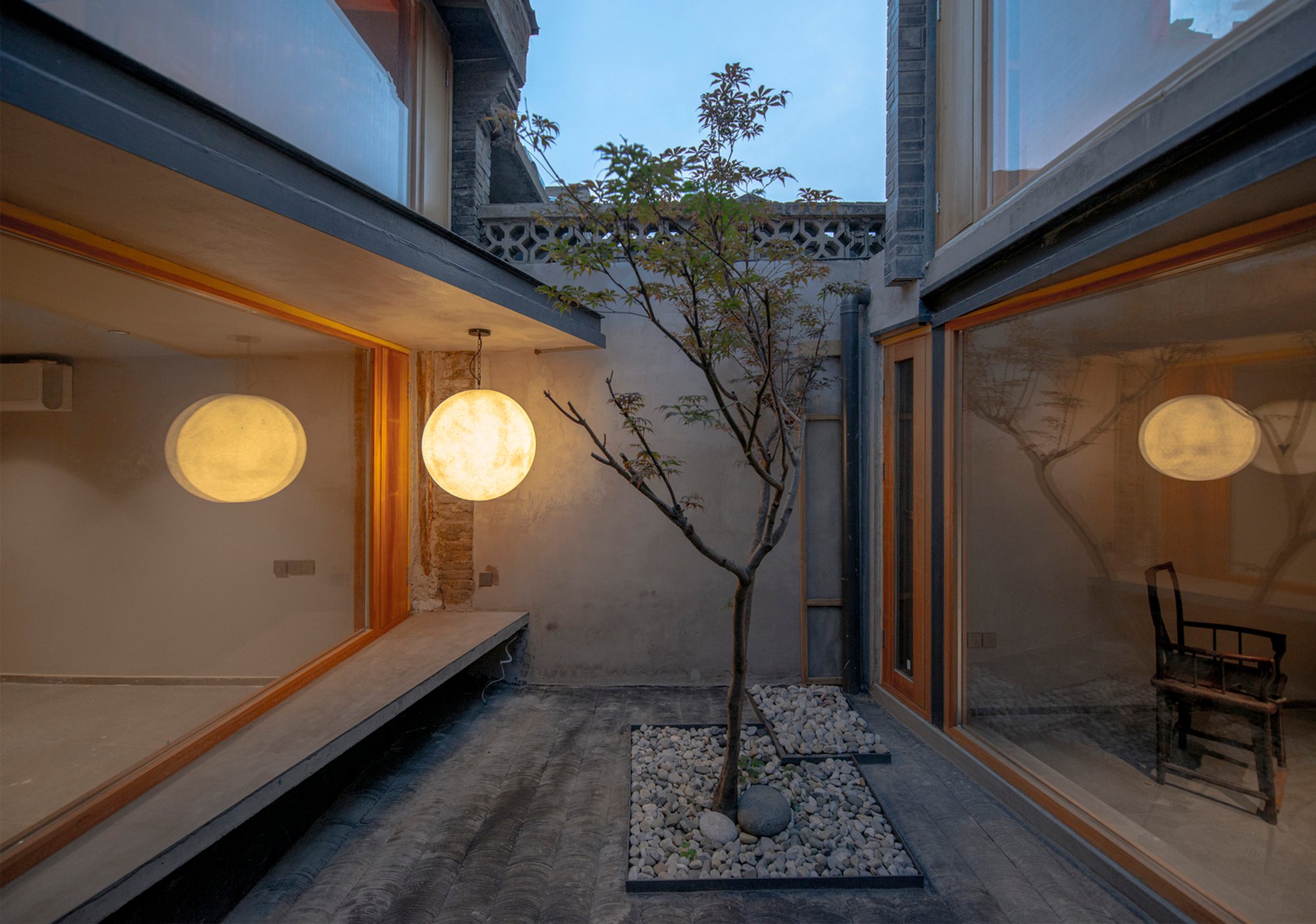
Hutong House Renovation in Beijing: Longhouse by Jin Lei
A compact courtyard home in a Beijing hutong is reimagined for multigenerational living through thoughtful renovation and cultural sensitivity.

Adapting Tradition to Contemporary Urban Life
In the historic heart of South Beijing, the Longhouse by Jin Lei exemplifies a compelling Hutong house renovation in Beijing that blends architectural ingenuity with cultural sensitivity. Set within a traditional hutong neighborhood known for its dense residential fabric and active community life, this 120 m² project redefines the spatial potential of limited urban plots.
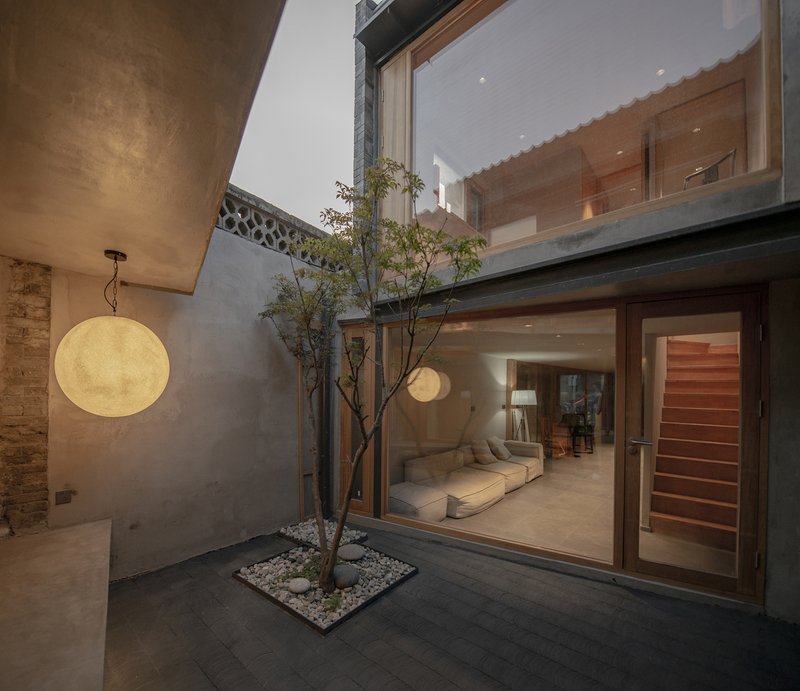
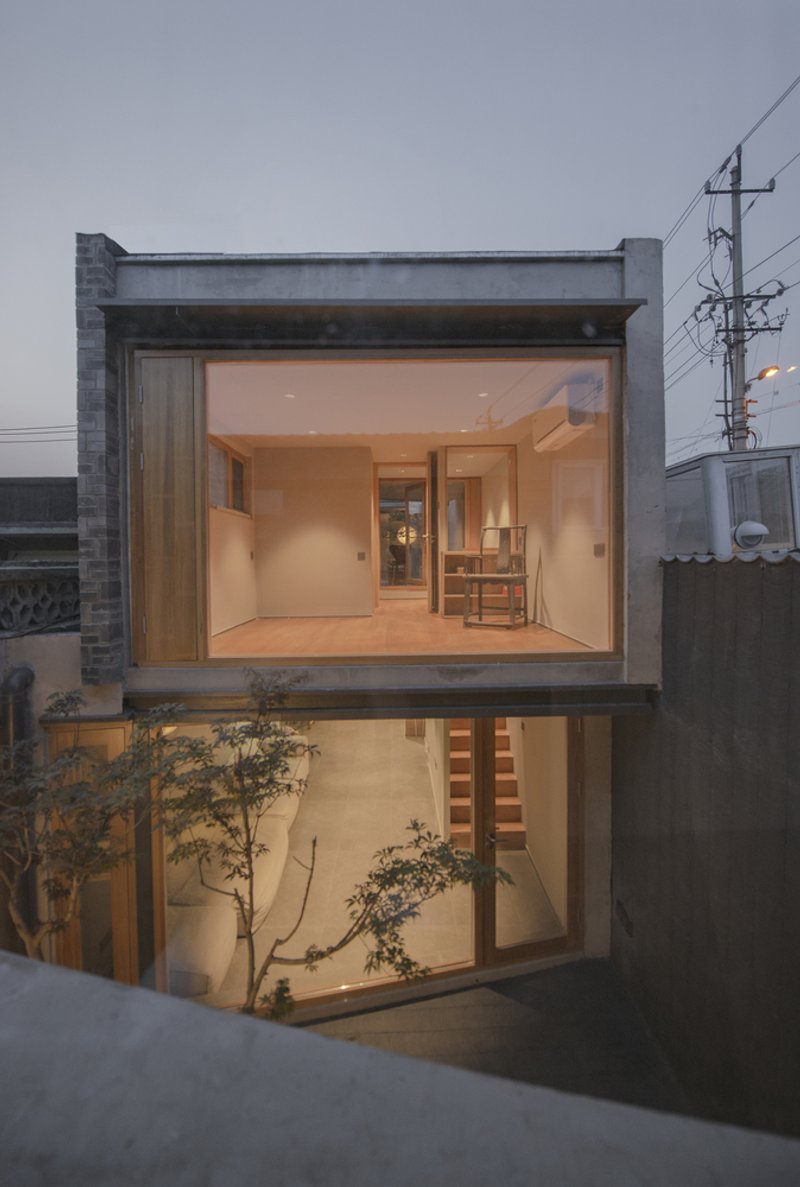
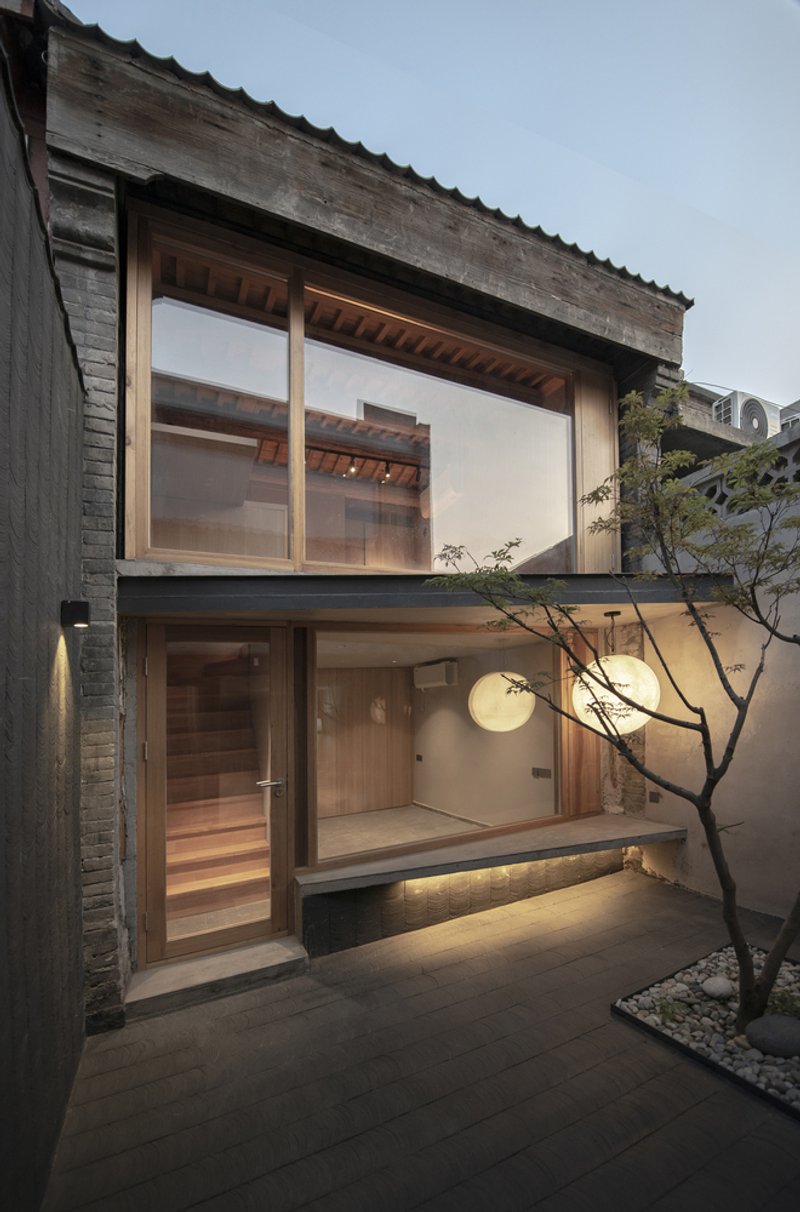
Despite significant constraints—legal restrictions, shared boundaries, and the need to preserve existing structures—the architect orchestrates a transformation that respects both heritage and modern living. The result is a refined, multi-generational home that delicately balances privacy, openness, and architectural memory.
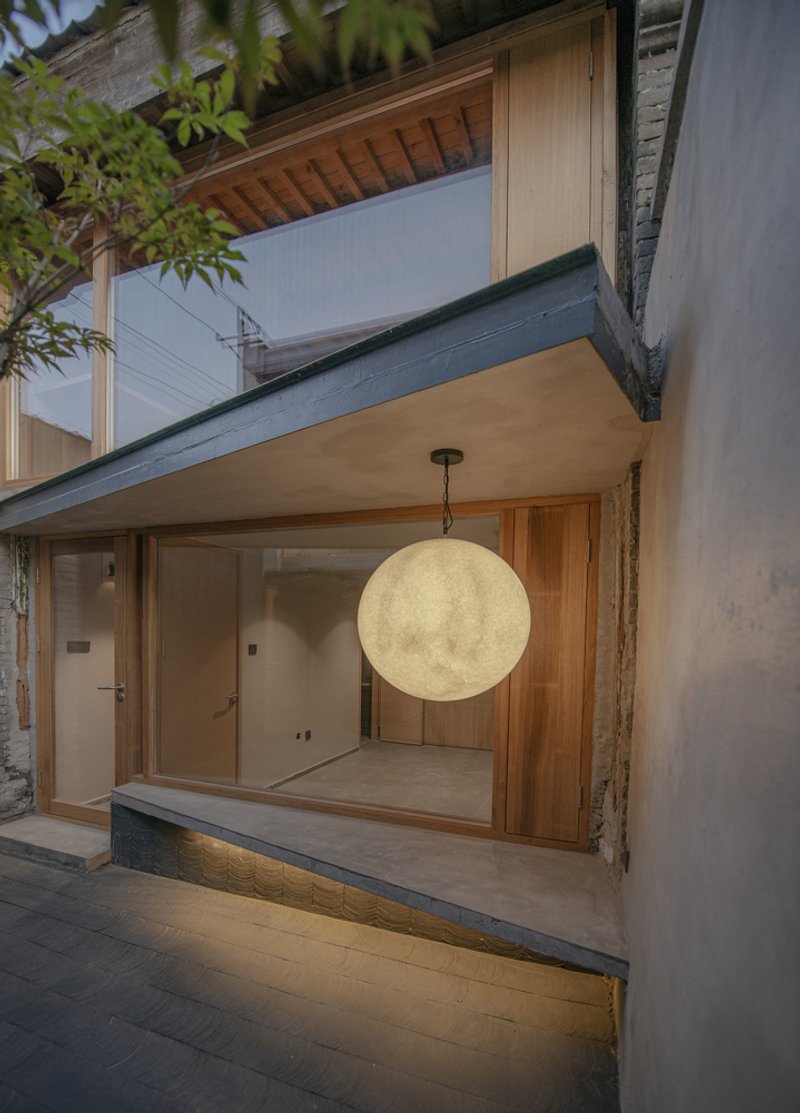
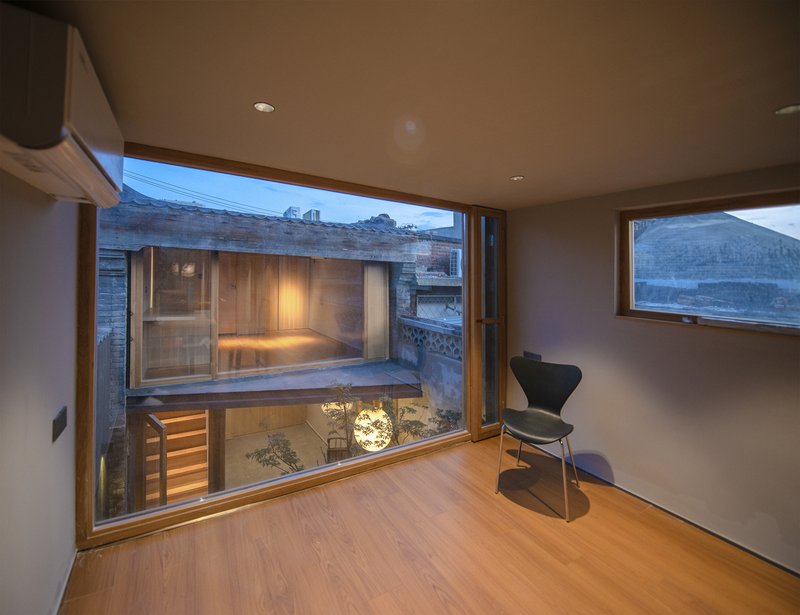
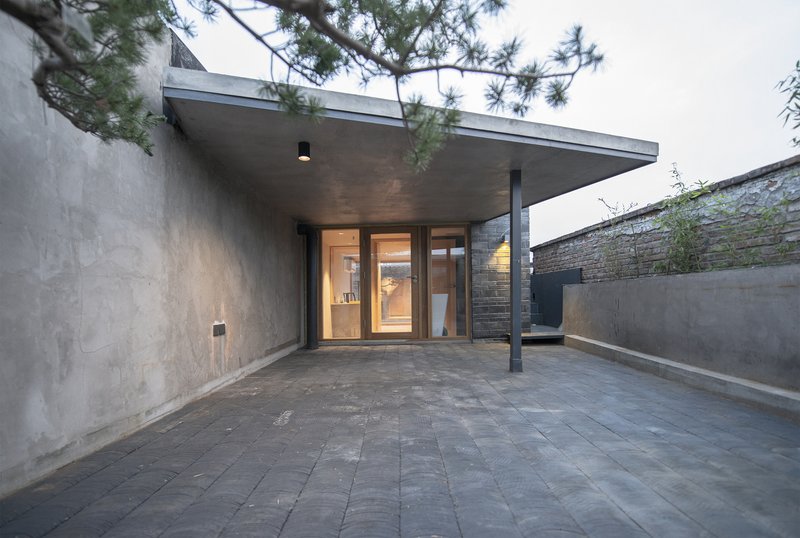
Navigating Constraints of a Dense Urban Site
The original lot spans under 100 square meters, with a narrow façade width of only 4 meters. Compounded by encroaching built forms and city regulations mandating the preservation of structural typologies, the renovation required surgical precision. Unauthorized additions were removed, structural heights respected, and original materials preserved, anchoring the new vision within historic parameters.
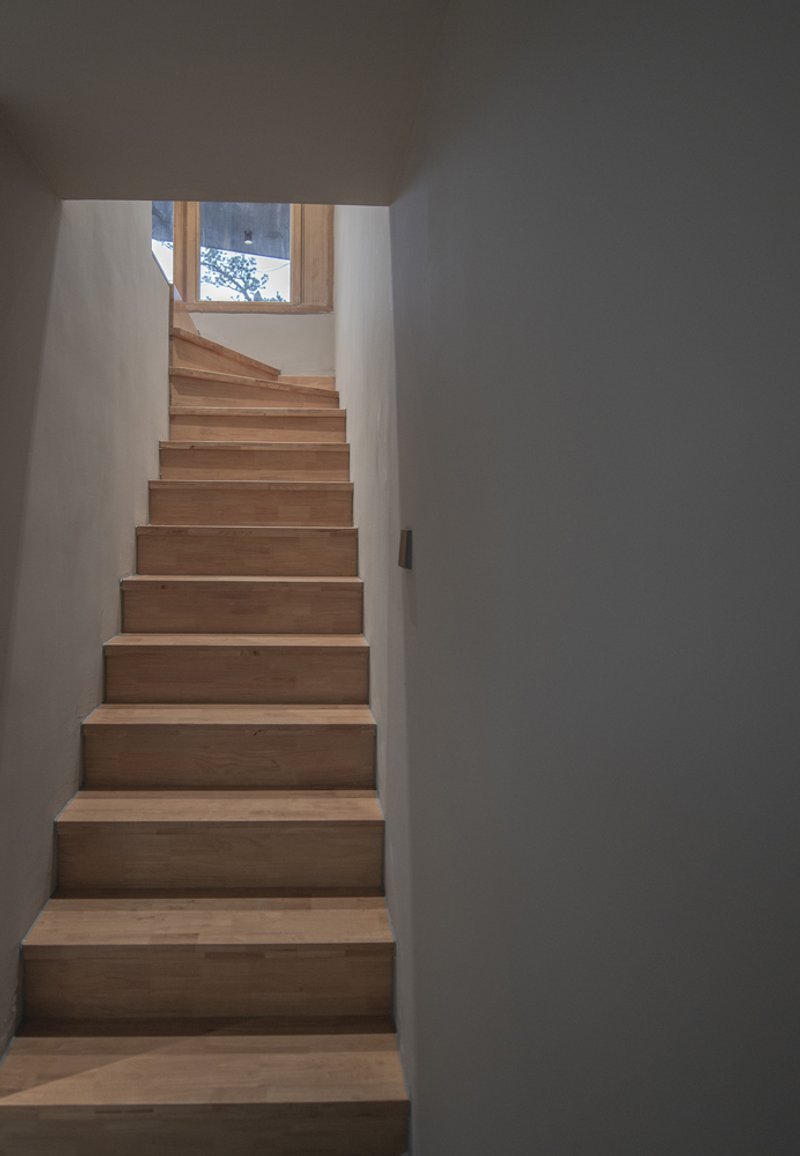
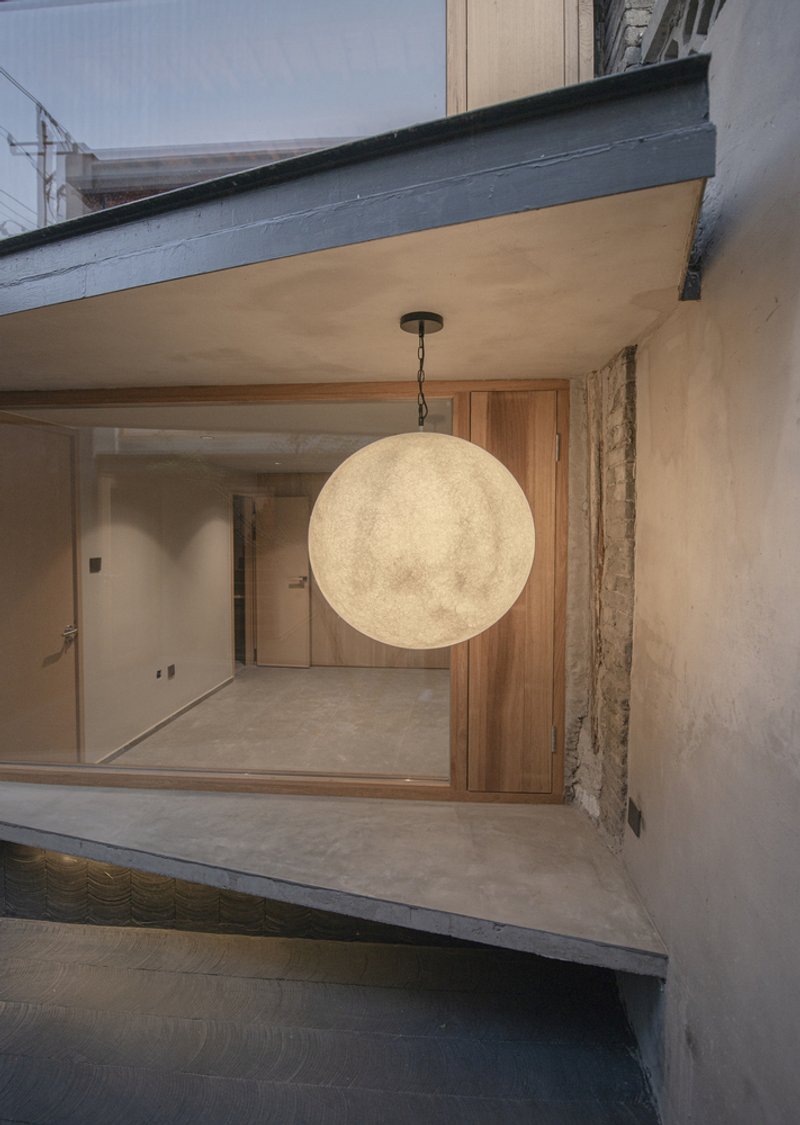
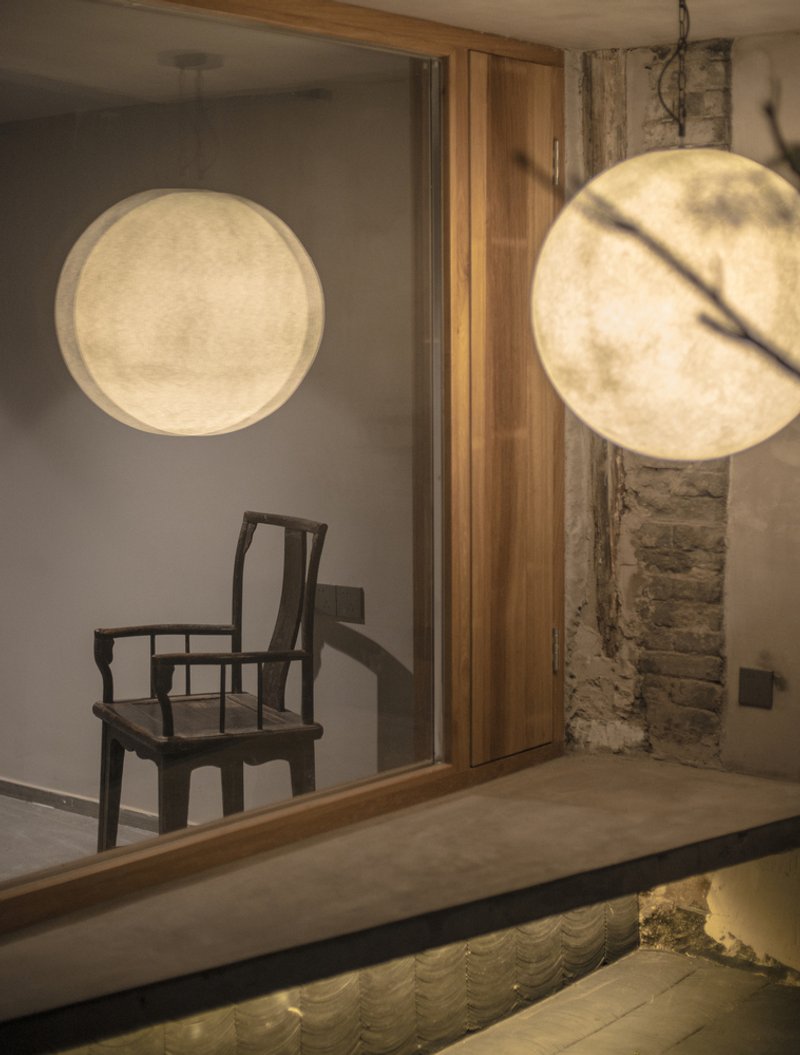
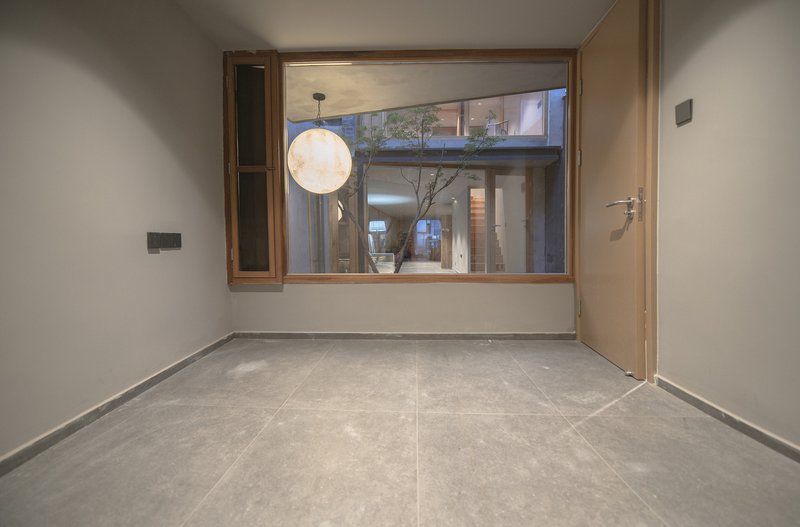
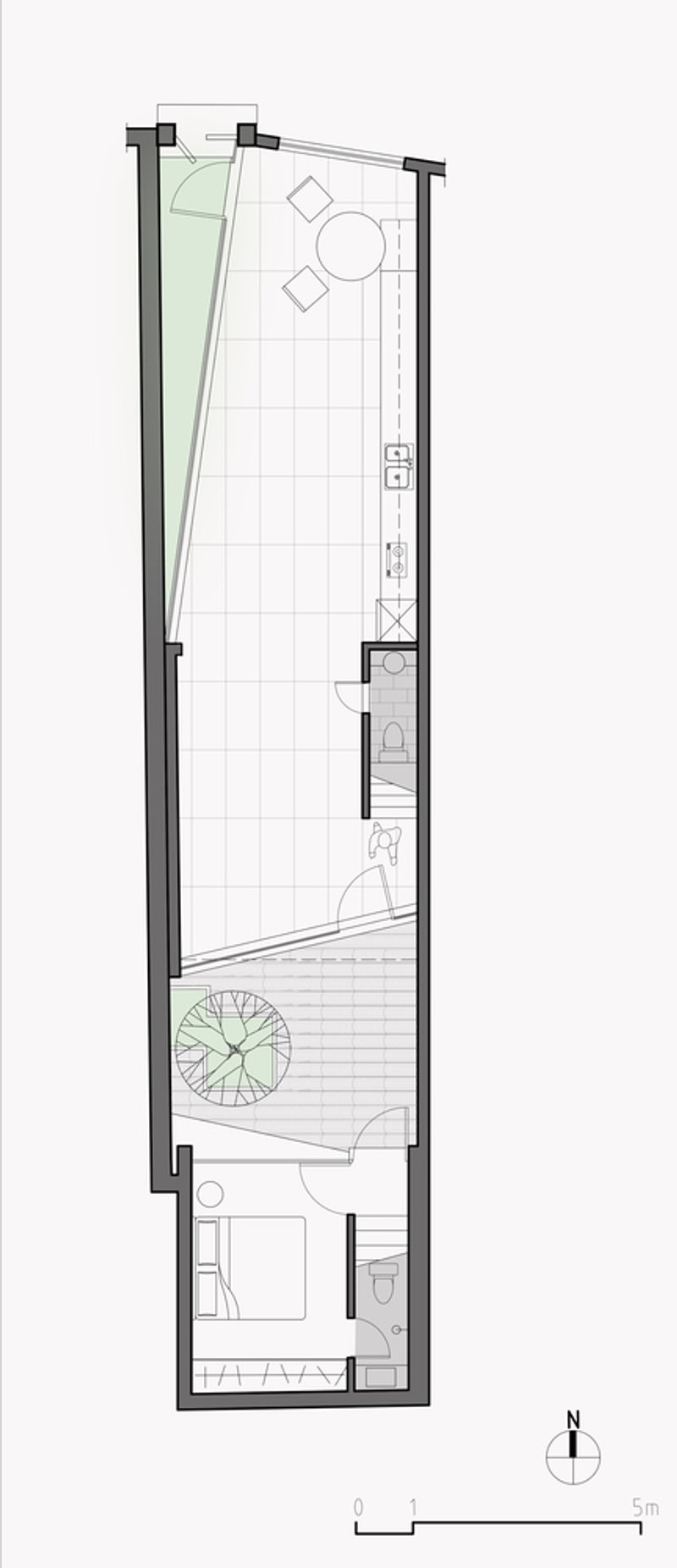
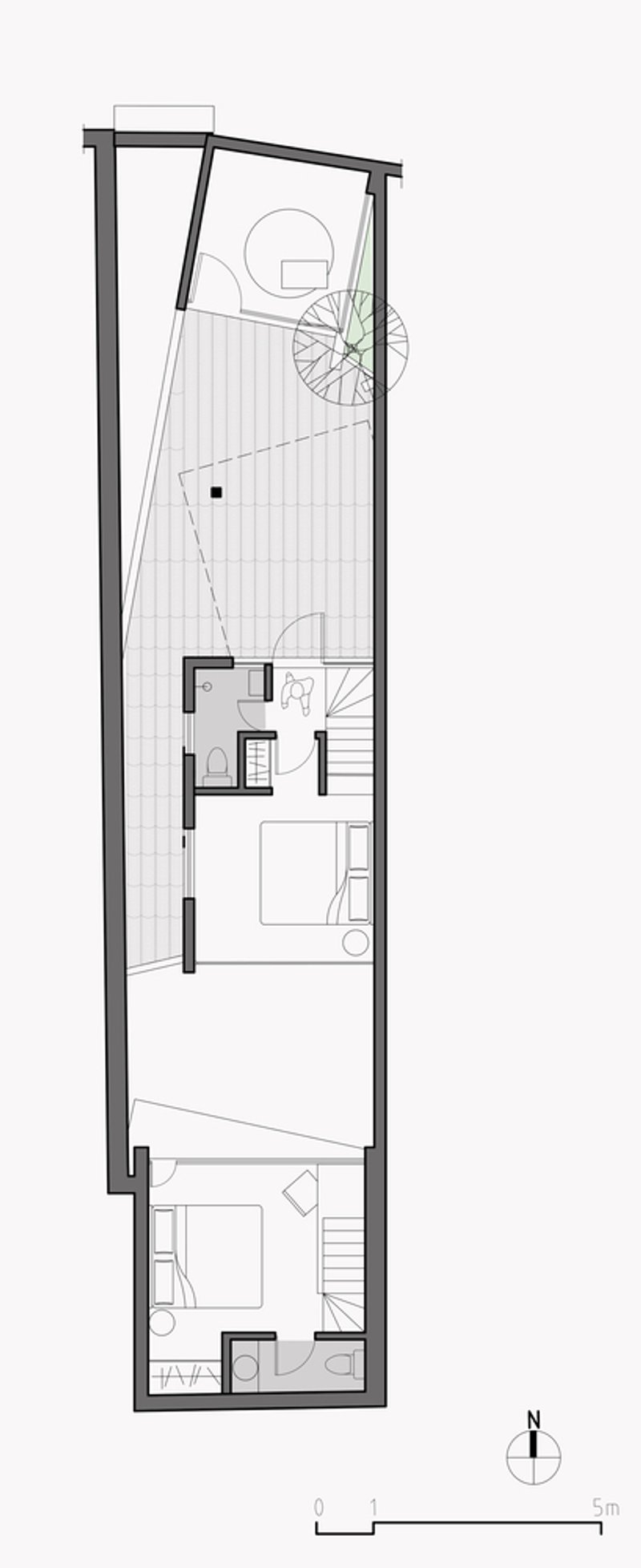
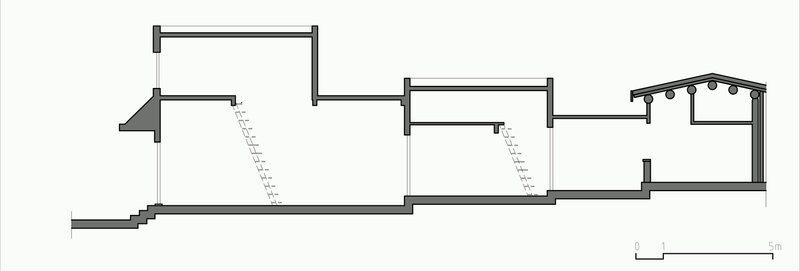
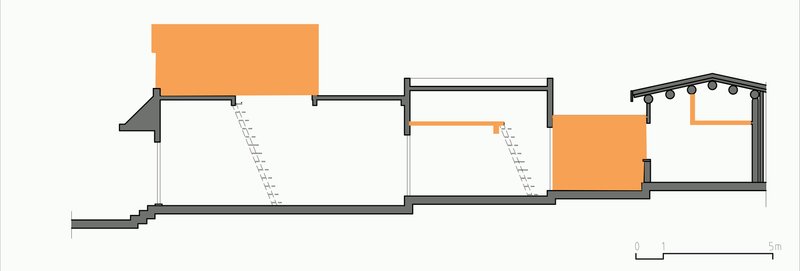
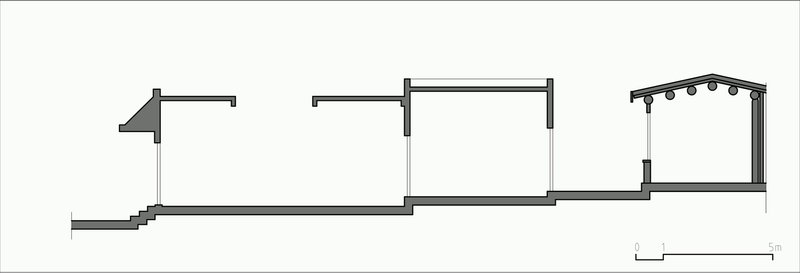
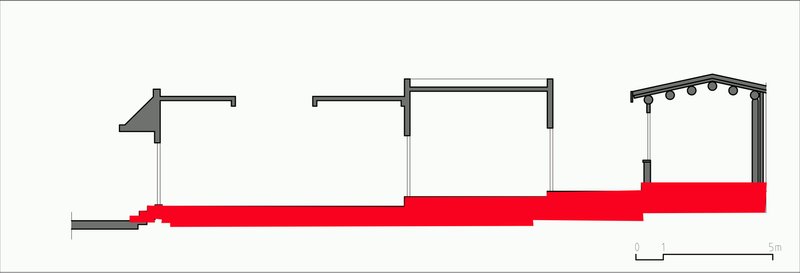
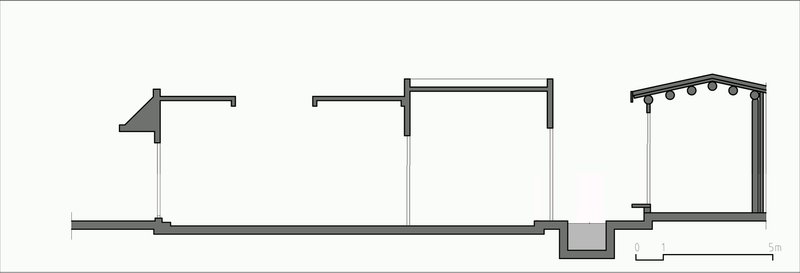
To create adequate space for a program that includes four bedrooms and bathrooms, and two shared courtyards for different generations, the architect deployed a bold excavation strategy—lowering the interior level by 0.85 meters to carve out a functional mezzanine while maintaining headroom. In parallel, the roof was partially removed to accommodate a new rooftop patio, introducing vertical openness in an otherwise compressed footprint.
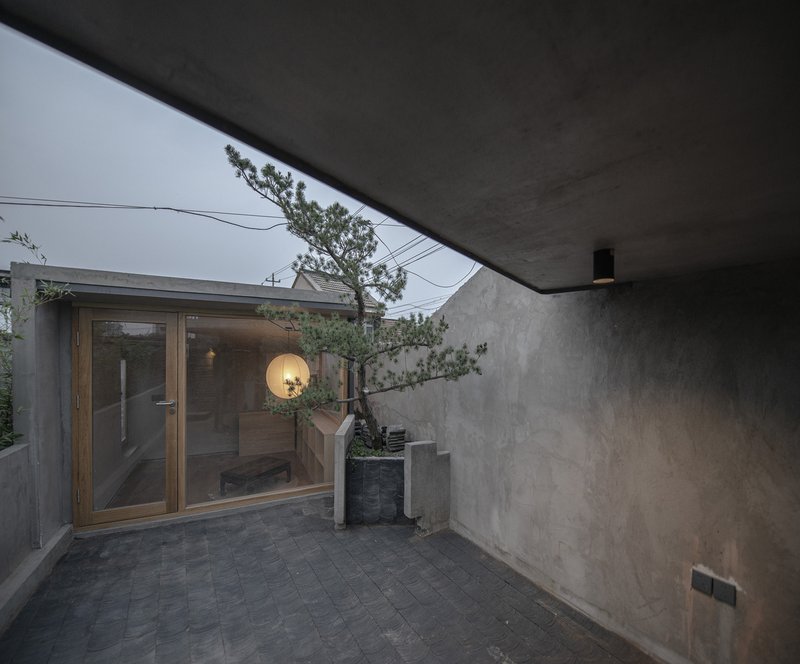
Intergenerational Living in a Shared Courtyard Culture
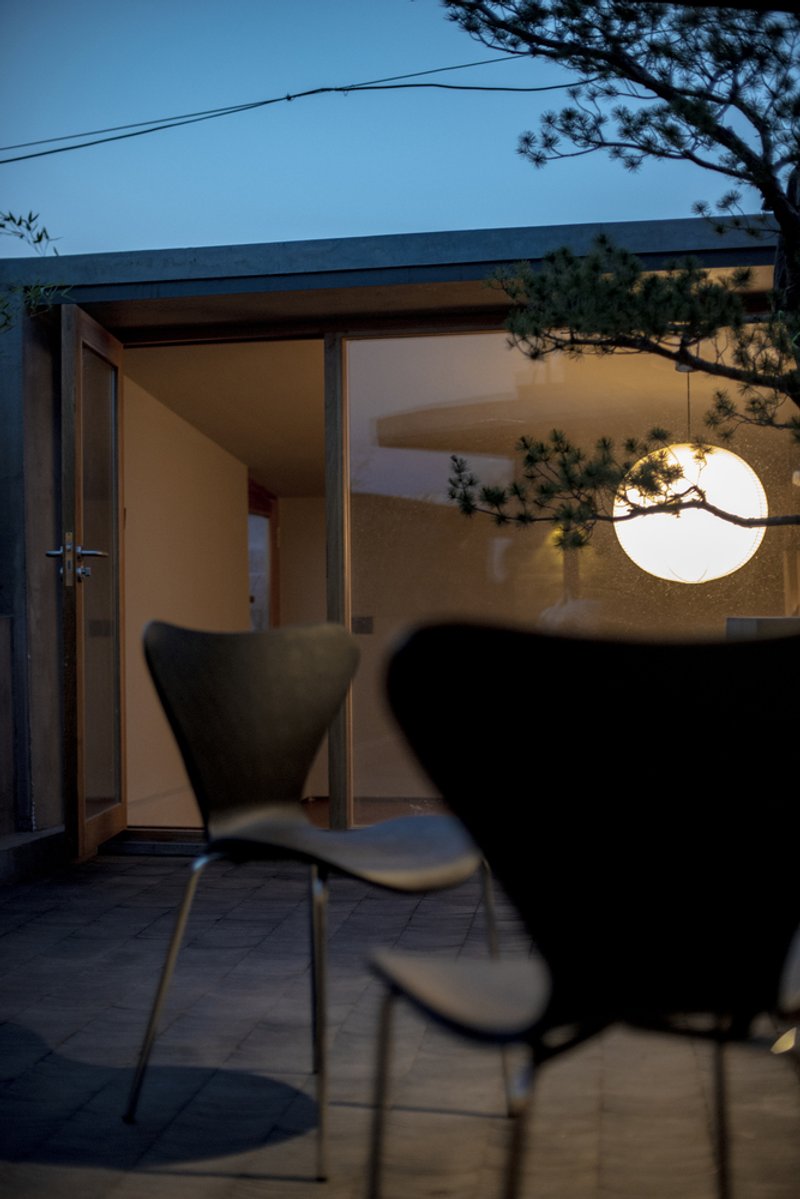
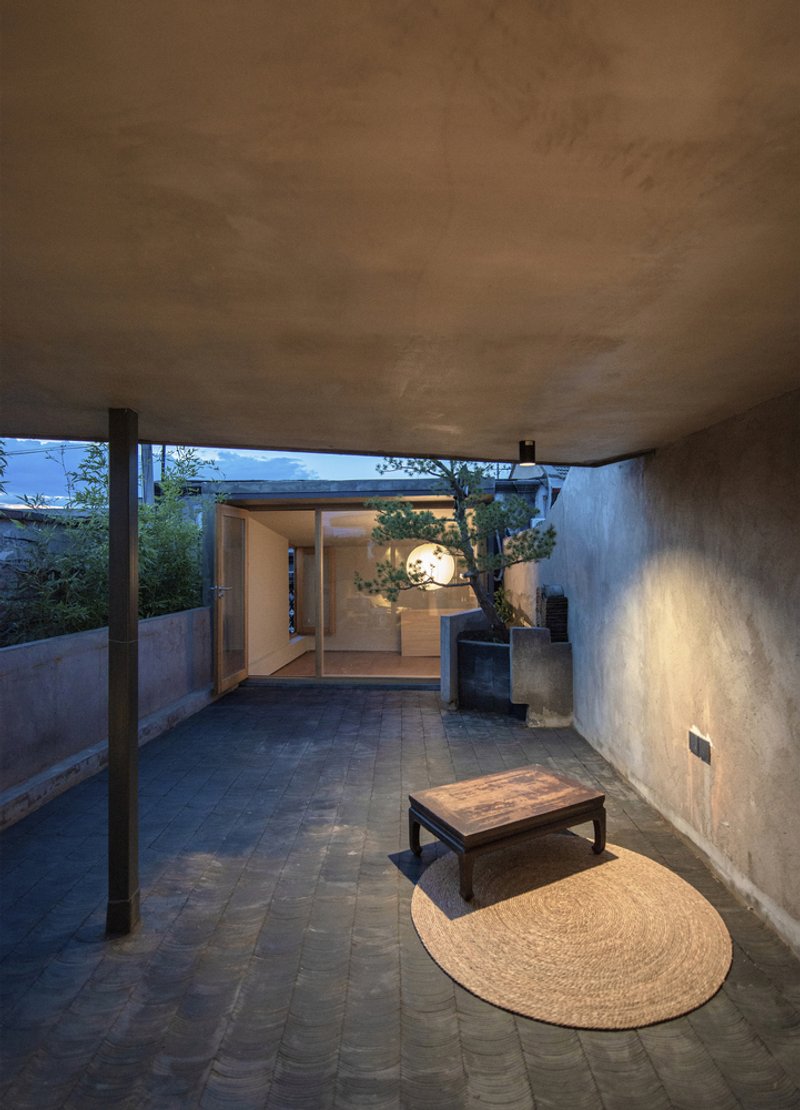
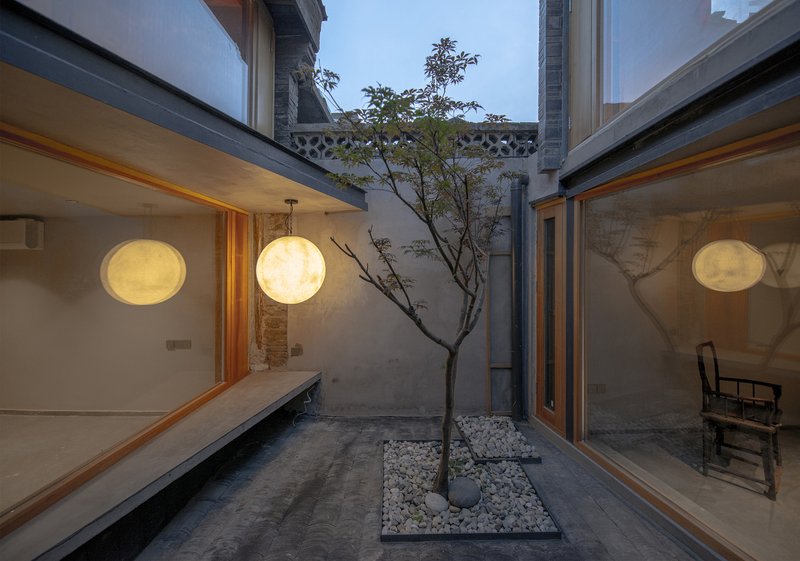
Hutong living traditionally involves communal spaces and blurred property lines. The Longhouse addresses these realities by designing two semi-independent living zones that maintain visual and functional connection through open courtyards. These re-established courtyards replace previous utility structures, returning light and greenery to the center of the home.
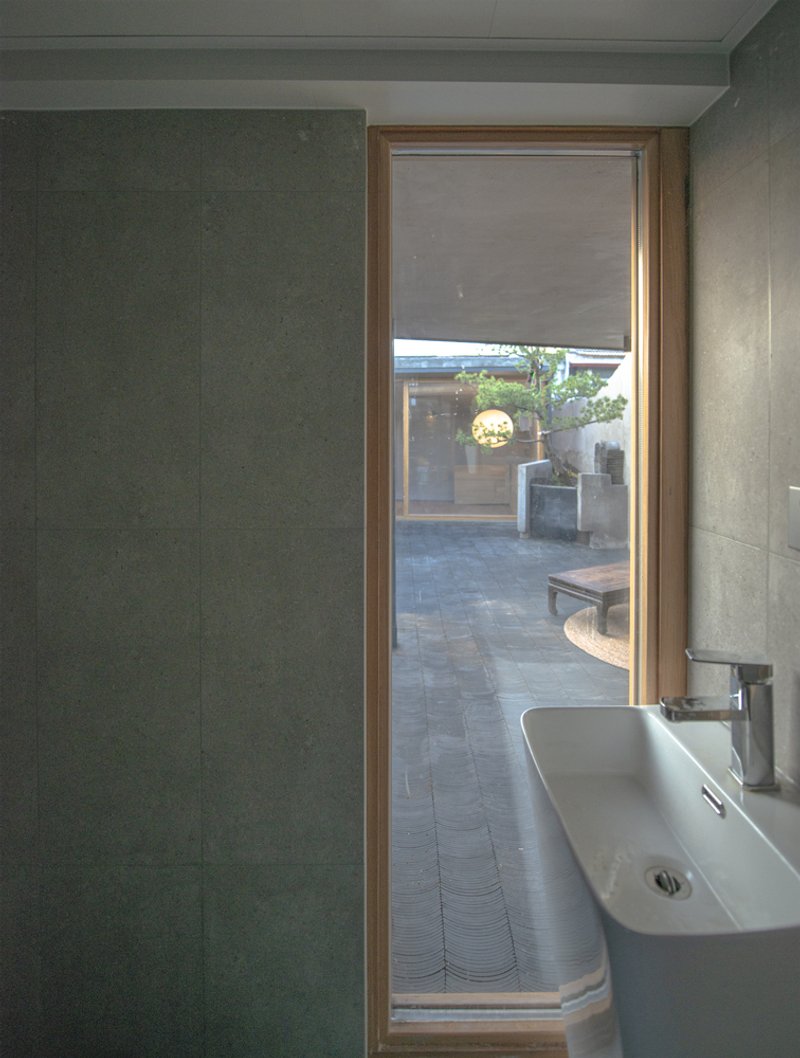
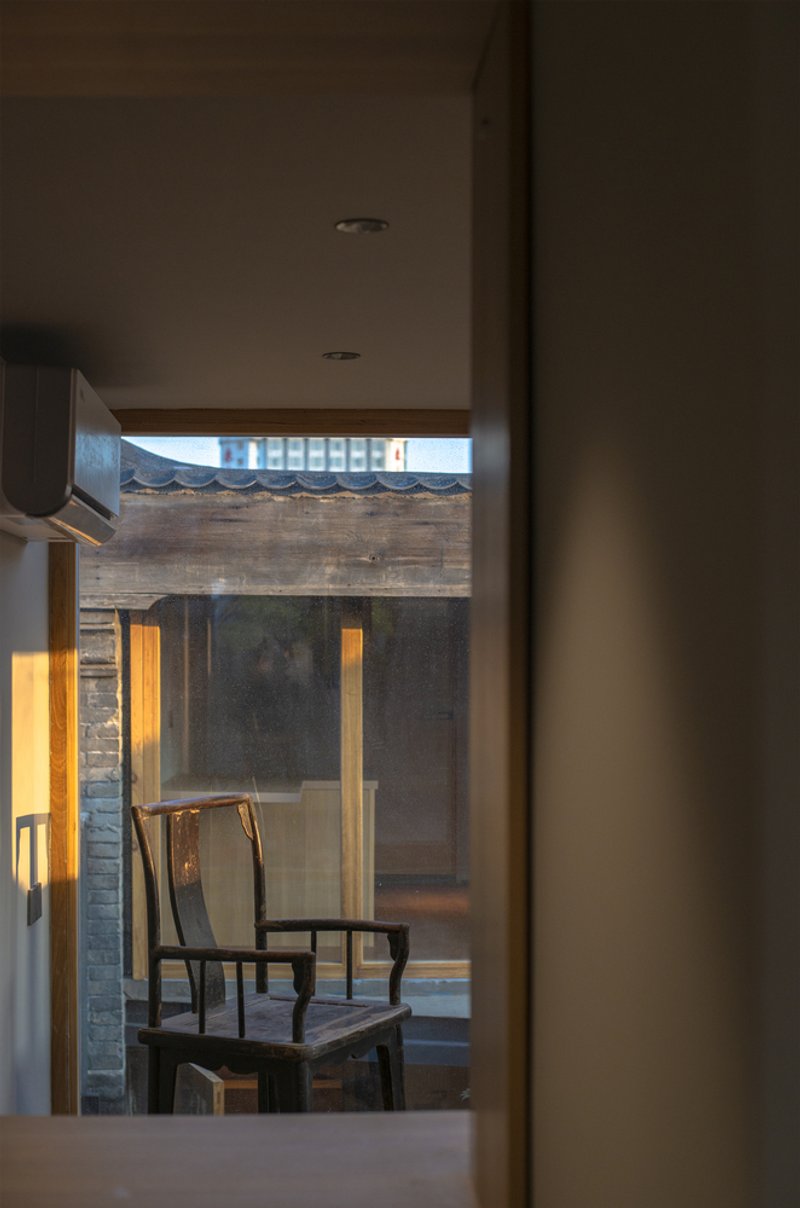
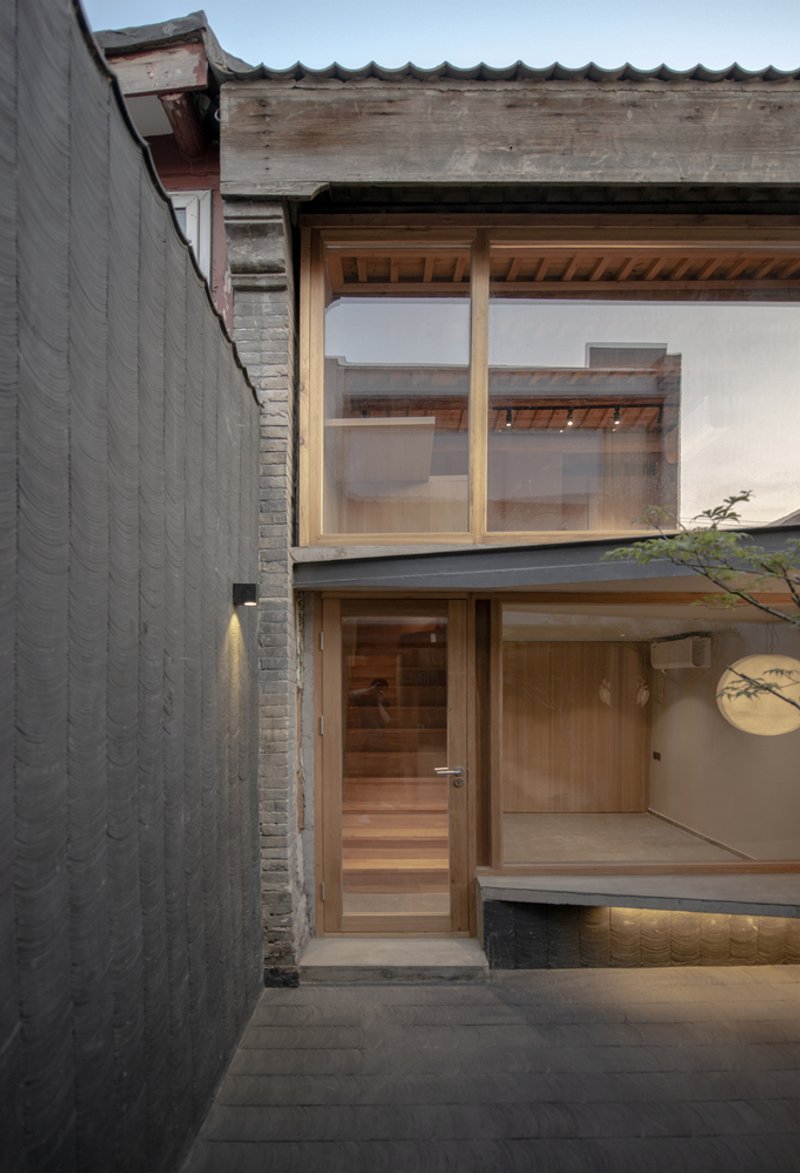
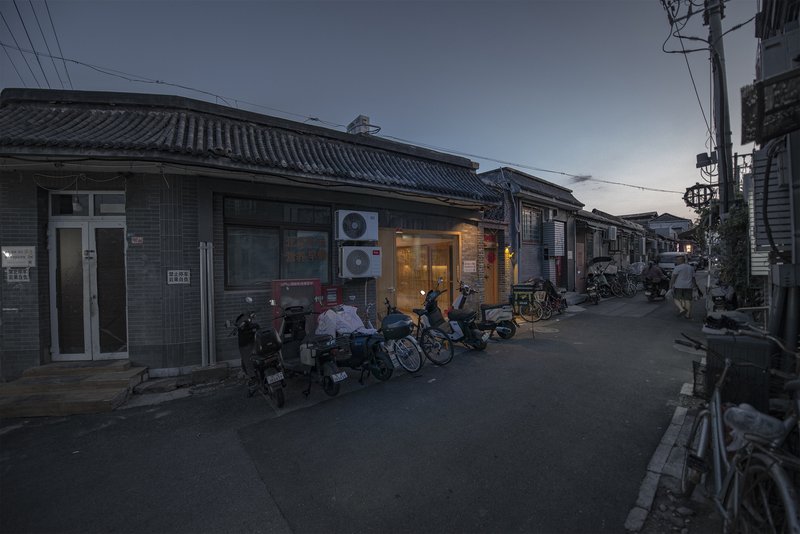
The relationship with neighboring homes, often sharing walls and even yards, required diplomatic architectural gestures. By reinstating the traditional gray brick façade and entry sequence, and carefully controlling views and openings, the design ensures continuity with the social rhythm of the neighborhood while enhancing privacy within.
Material Honesty and Structural Continuity
A key aspect of this Hutong house renovation in Beijing is the preservation of original structural identities. Rather than replace or disguise, the renovation honors each building segment’s history: wooden structures were reinforced and reused as wood, steel structures retained their skeletal clarity. This continuity anchors the transformation in authenticity.
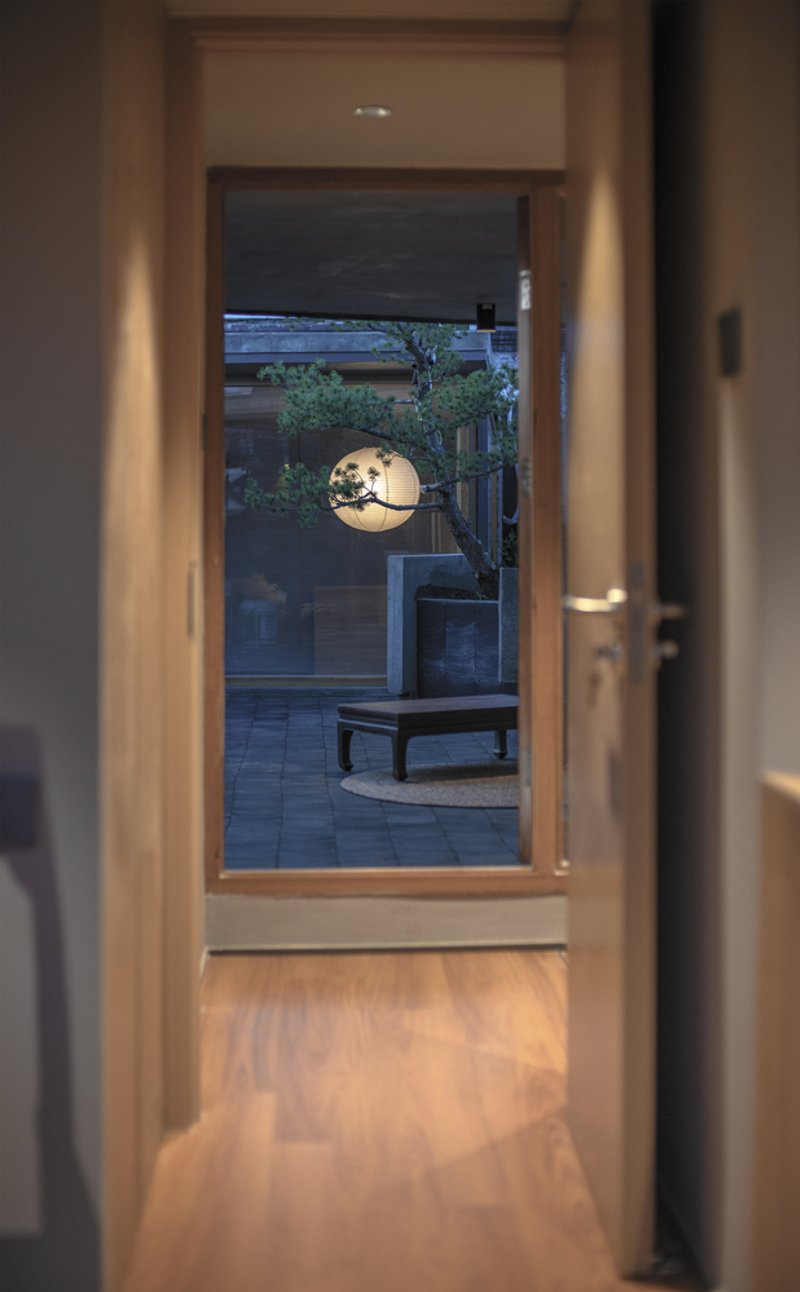
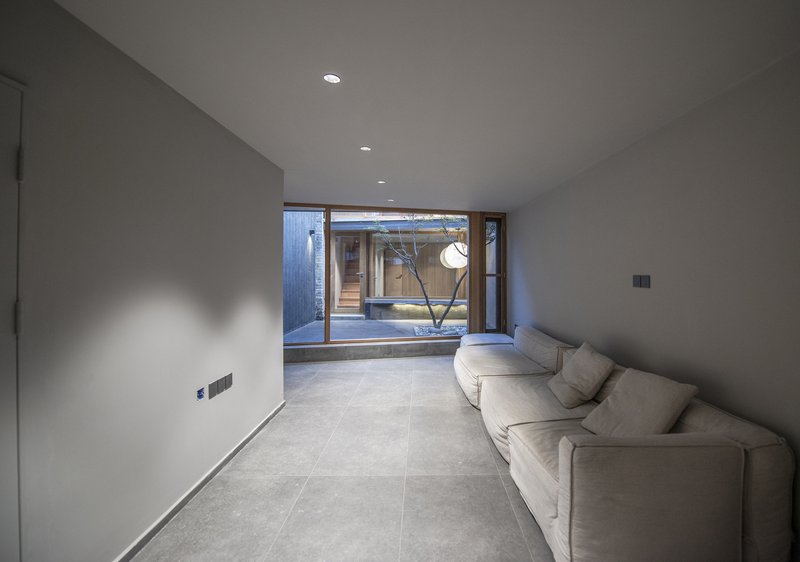
Materials serve both heritage and contemporary demands. Glass windows maximize light within the narrow lot, while gray brickwork along the exterior façade reinforces the visual language of traditional Beijing architecture. The reimagined entrance draws from historic hutong elements, offering a familiar yet refreshed welcome to both residents and passersby.
A Model for Modernization Without Erasure
This project demonstrates how thoughtful renovation can elevate constrained urban living. Jin Lei’s design succeeds not by imposing modernity over heritage, but by working within the limitations to create spatial ingenuity, maintain community cohesion, and reflect evolving lifestyles.
In an era where many traditional neighborhoods are under pressure from aggressive redevelopment, this project offers a sustainable, culturally aware alternative. The Longhouse is more than a dwelling—it’s an architectural negotiation, proving that modernization need not come at the cost of memory.
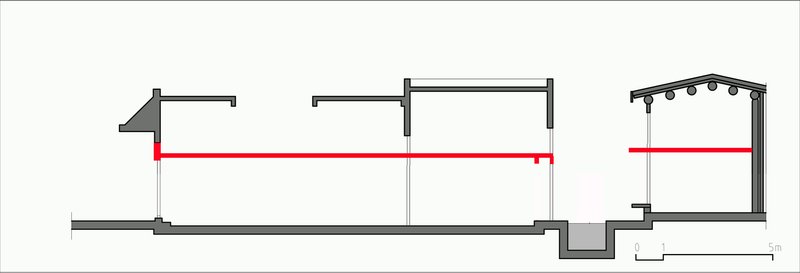
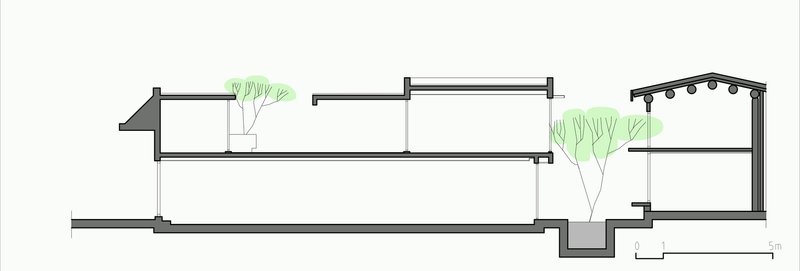
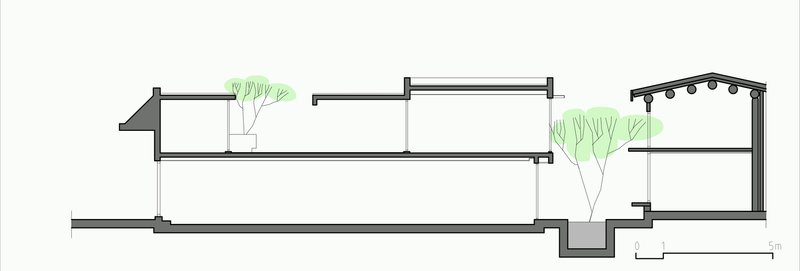
All the photographs are works of Jin Lei



Popular Articles
Popular articles from the community

Free Architecture Competitions You Can Enter Right Now
No entry fees, real prizes. Here are the best free architecture competitions open for submissions in 2026.

Atelier Macri Concept Store Interior Design by CASE-REAL
Atelier Macri store features a "ko" counter, walnut wood details, cork displays, blending retail, gallery, and seamless customer experiences.
Fifth NRE Jazz Club – De Bever Architecten: Eindhoven’s Revitalized Cultural Hub
Historic gas factory transformed into Fifth NRE Jazz Club blending modern sustainability, jazz culture, dining, and heritage architecture seamlessly.

Solar Steam: A Climate-Responsive Architecture That Redefines the Monument
A climate-responsive memorial architecture that transforms heat, decay, and time into a living system reflecting humanity’s ecological impact.

Similar Reads
You might also enjoy these articles


Bamboo Housing Challenge 2026: Design Affordable, Sustainable Homes Using Bamboo
An international design competition by Bamboo U and IBUKU inviting architects and designers to reimagine affordable housing using bamboo — with the winning design built full-scale in Bali.

Computational Design & Education: Beegraphy Design Awards Introduces 7th Category (Featuring Jiyun's Innovative Approach)
Dive into Beegraphy’s 7th Design Awards category, where computational design meets education to create immersive, interactive learning tools, inspired by Jiyun’s work.

From Parametric Lighting to Urban Furniture: Join the 2nd Workshop in Beegraphy’s Computational Design Series
Dive into Cutting-Edge Design Techniques and Practical Applications with Industry Experts


Explore Architecture Competitions
Discover active competitions in this discipline




The International Standard for Design Portfolios


The Global Benchmark for Architecture Dissertation Awards


The Global Benchmark for Graduation Excellence


Challenge to reimagine the Iron Throne
Comments (0)
Please login or sign up to add comments
No comments yet. Be the first to comment!