
iLive Frankfurt Co-Living Campus Design by HWKN Architecture: A Modern Youth Oasis
This article highlights HWKN Architecture’s iLive Frankfurt Co-Living Campus, combining innovative design, youth-oriented housing, and social spaces.

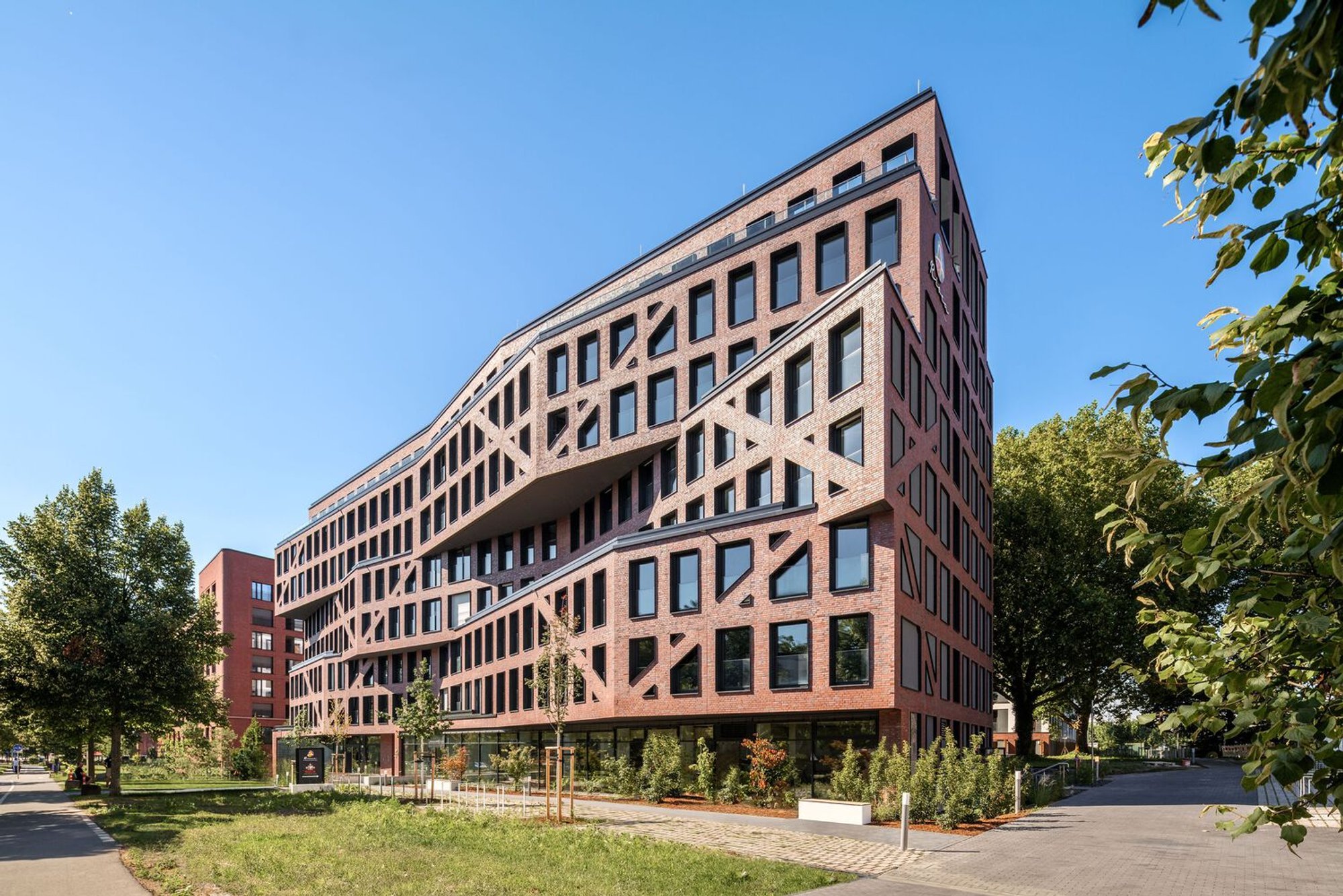
The iLive Frankfurt Co-Living Campus, designed by HWKN Architecture in collaboration with AI+P, redefines the concept of youth-oriented living spaces. Located on a prominent corner site adjacent to the Frankfurt School of Management and Finance, this ambitious 39,000-square-meter project combines high-design apartment units, a youth-focused hotel, and vibrant social amenities into a dynamic architectural experience.
An Architectural Response to Youthful Flexibility
The iLive Campus stands out as Germany’s largest planned student and serviced apartment complex, featuring 1,000 thoughtfully designed units. Catering to the dynamic lifestyle of younger generations, HWKN's design integrates flexible living solutions that accommodate various needs, from extended stays to spontaneous, short-term options. In addition to residential units, the campus includes a youth-oriented hotel operated by the Rioca Hotel group, offering a distinct, energetic atmosphere.
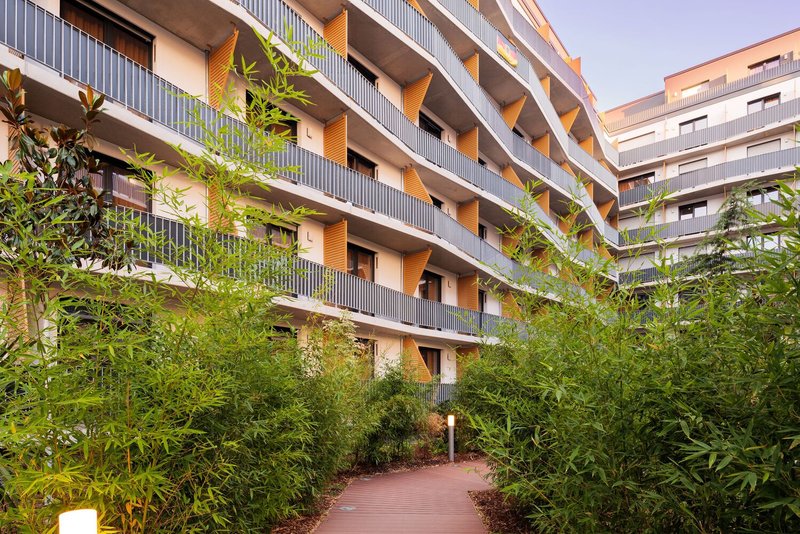
A Façade in Motion
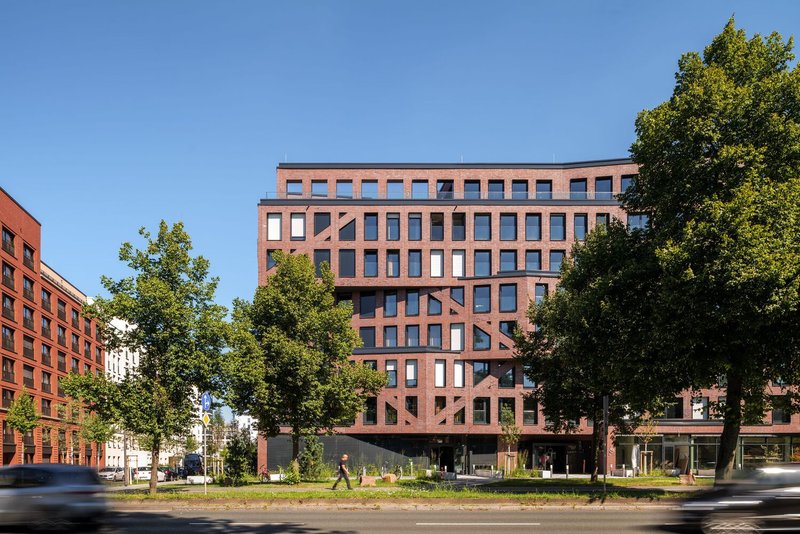
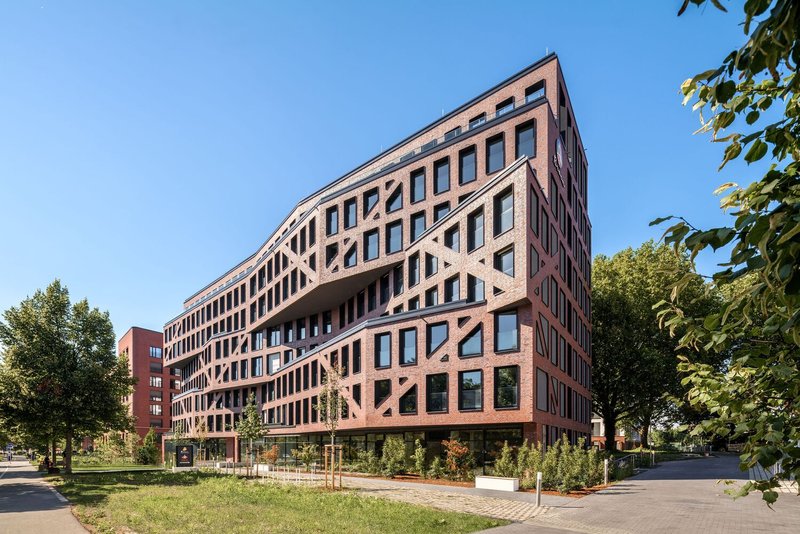
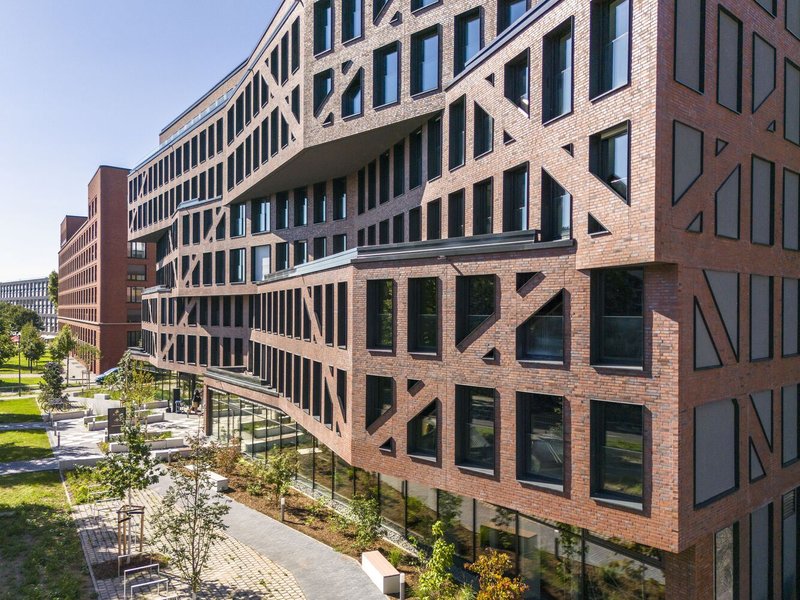
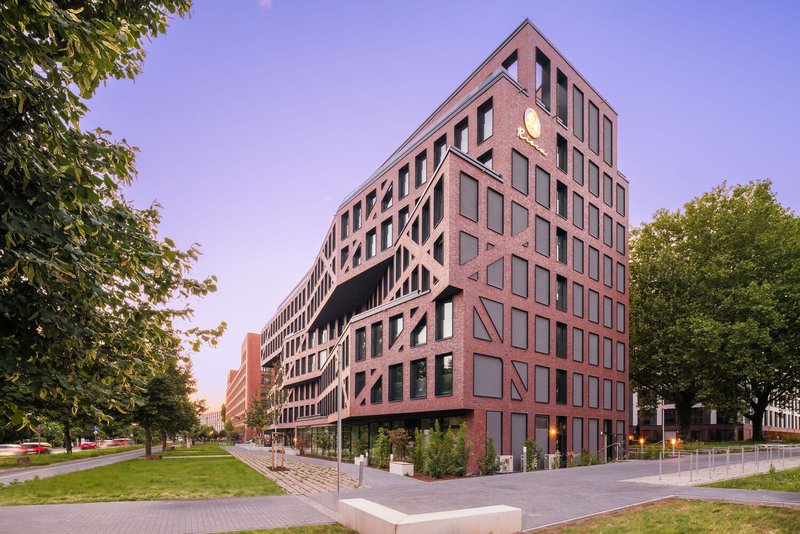
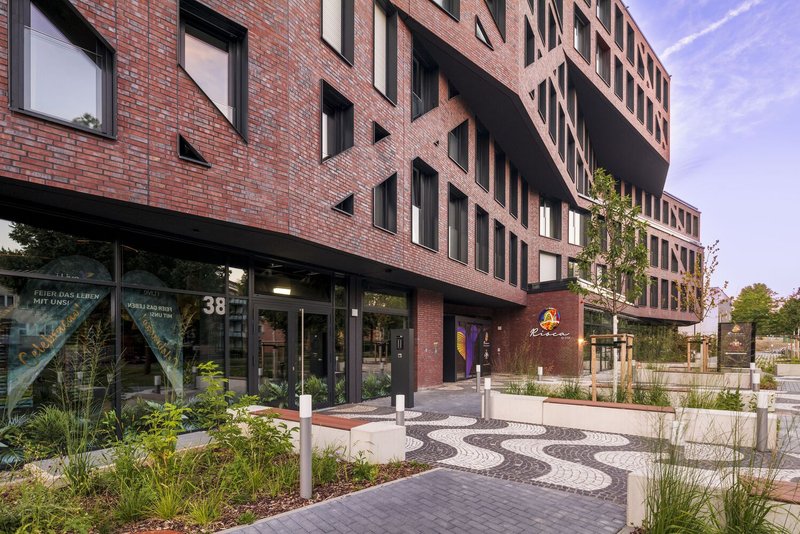
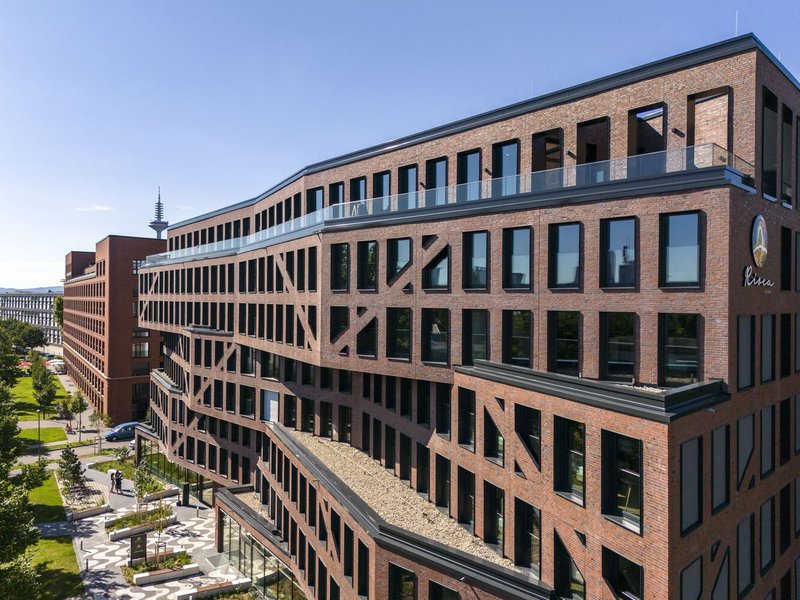
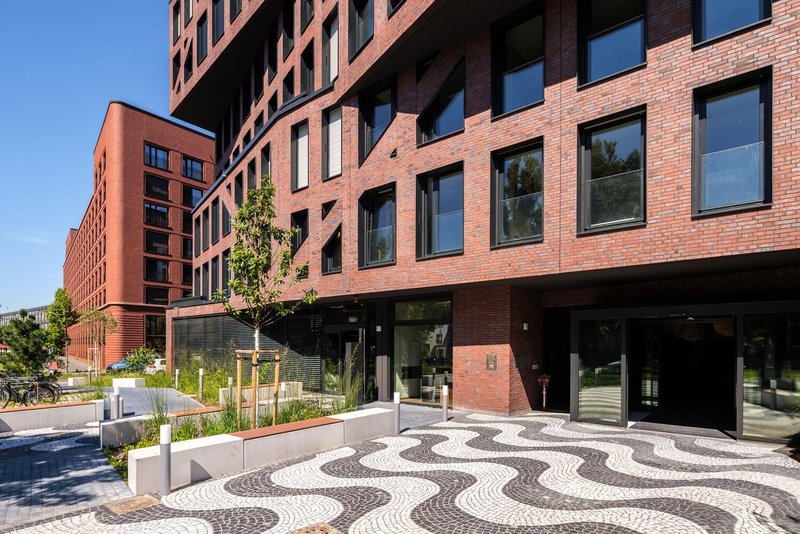
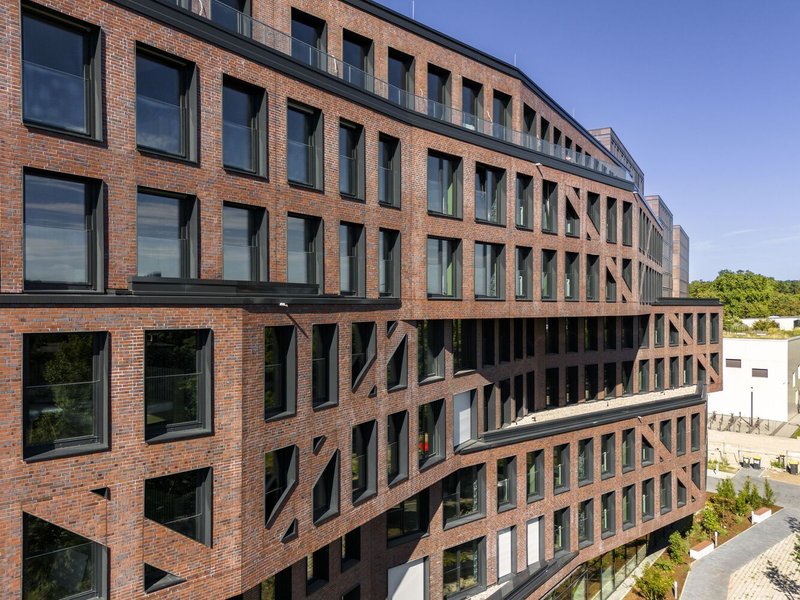
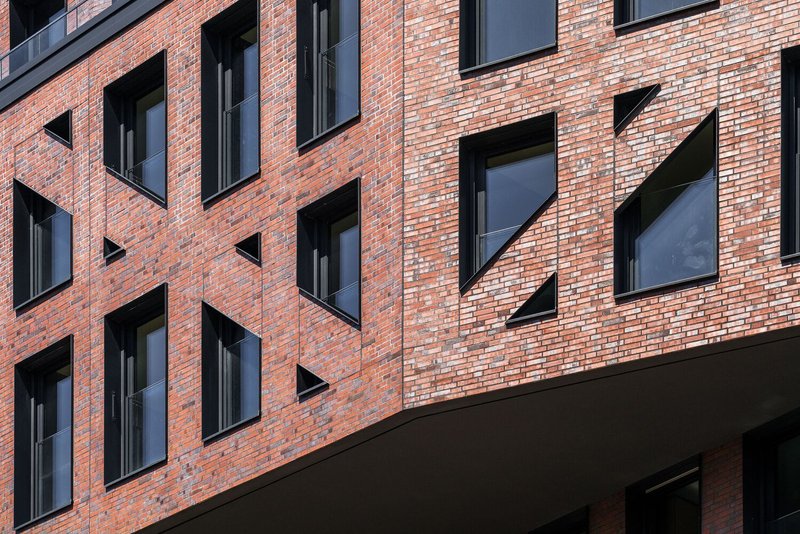
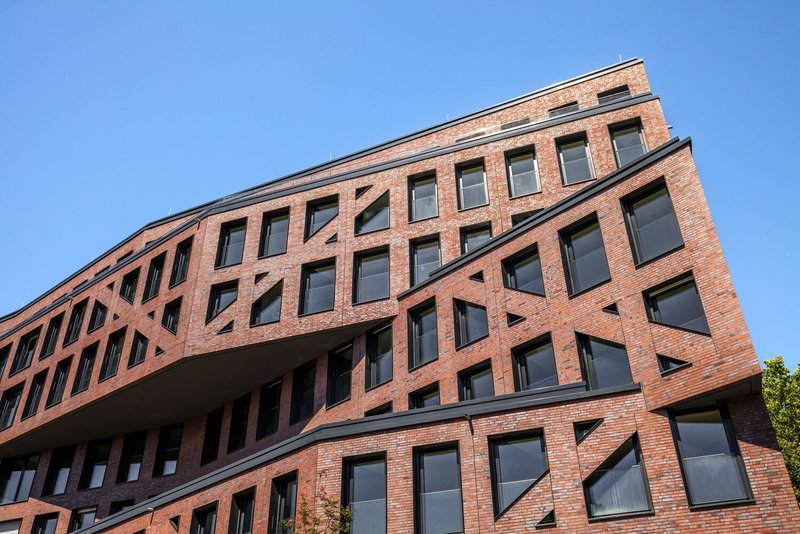
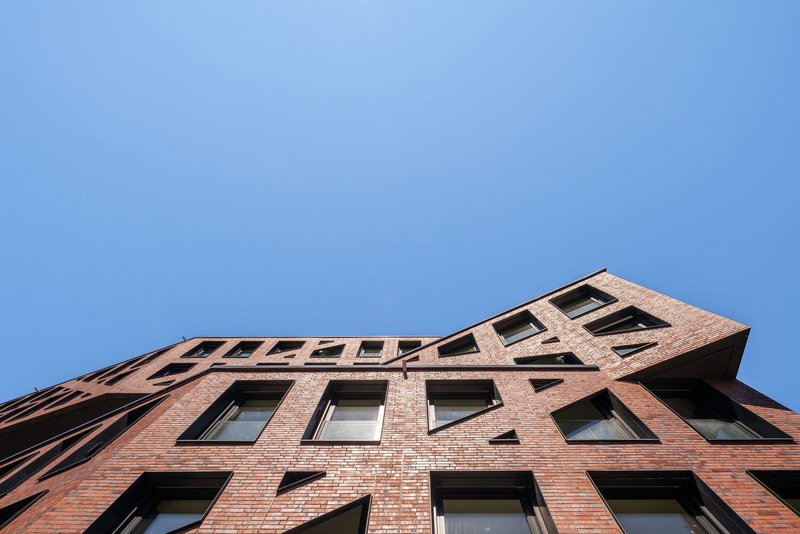
The campus’s striking façade along Adickesallee Strasse combines rational structure with emotional appeal. HWKN employed a brick cross-hatching design with large windows and terraces that ripple across the building's face. This undulating effect creates an impression of movement, enhanced by green terraces that add a natural element to the urban environment. These "moments of local difference," such as transitioning from brick to stucco on the western side, ensure the building complements its surroundings without overwhelming them.
Social and Communal Hubs
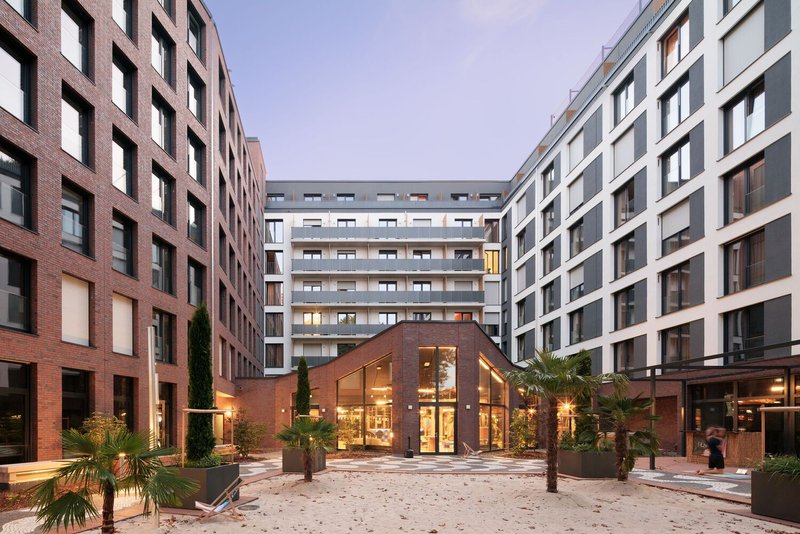
A key feature of the iLive Campus is its extensive array of shared spaces designed to foster community and support modern hybrid lifestyles. The ground floor includes interactive hubs such as a welcome bar, a gaming corridor, and co-working spaces that extend into a penthouse restaurant. These areas align with HWKN's vision of redefining extended stays, offering students and young professionals the flexibility to socialize, work, or relax as needed.
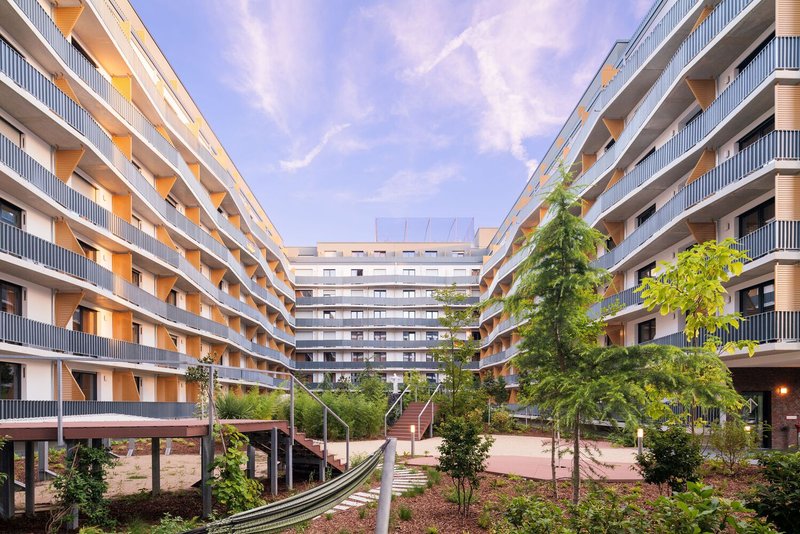
Outdoor spaces, created in partnership with landscape firm Future Green, add another layer of communal interaction. These include rooftop terraces with panoramic city views, a volleyball court, multi-sport facilities, and a home theater for movie nights. A community kitchen, complete with grilling stations, encourages shared experiences and connections among residents.
Balancing Functionality with Emotional Resonance
The design merges practicality with emotional resonance, ensuring the campus feels both functional and inspiring. The midsection of the buildings features a setback terrace with columned facades that echo the lower levels, creating continuity in design. Metal-accented handrails add subtle luminosity, further enhancing the structure’s visual appeal.
The project’s interiors, managed by iLive’s in-house team, complement HWKN’s architectural vision with spaces that balance youthful energy with comfort. From co-working areas to social lounges, every corner of the campus is designed to reflect the vibrant lifestyle of its young residents.
HWKN Architecture’s iLive Frankfurt Co-Living Campus is a landmark project that embodies the aspirations of today’s youth. By combining innovative design, flexible living options, and thoughtfully curated social spaces, the campus sets a new standard for urban living in Frankfurt. The project not only addresses the practical needs of students and young professionals but also fosters a sense of community and belonging, making it a true oasis in the heart of the city.
All Photographs are work of Klemens Renner




Popular Articles
Popular articles from the community


Solar Steam: A Climate-Responsive Architecture That Redefines the Monument
A climate-responsive memorial architecture that transforms heat, decay, and time into a living system reflecting humanity’s ecological impact.
Split House: A Compact Urban Home Blending Privacy, Light, and Flexible Living in Japan
Compact Japanese home featuring DOMA space, flexible café potential, passive lighting, privacy zoning, and sustainable urban living design.


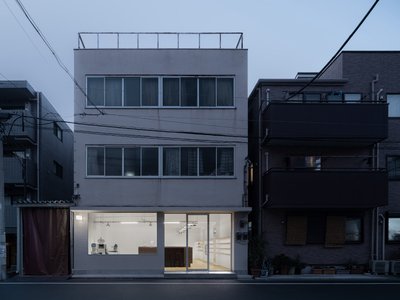
Atelier Macri Concept Store Interior Design by CASE-REAL
Atelier Macri store features a "ko" counter, walnut wood details, cork displays, blending retail, gallery, and seamless customer experiences.


Similar Reads
You might also enjoy these articles


The Ken Roberts Memorial Delineation Competition (Krob)
As the most senior architectural drawing competition currently in operation anywhere in the world, it draws hundreds of entries each year, awarding the very best submissions in a series of medium-based categories.


Waterfront Redevelopment and Urban Revitalization in Mumbai: Forging a New Dawn for Darukhana
A transformative waterfront redevelopment project reimagining Darukhana’s shipbreaking heritage into an inclusive urban future.

OUT-OF-MAP: A Call for Postcards on Feminist Narratives of Public Space
Rhizoma Design and Research Lab invites artists, designers, architects, researchers, and students to reflect on how feminist perspectives can reshape public space. Selected works will be exhibited in Barcelona, October 2026. Submissions open until 15 April 2026.


Documentation Work on Buddhist Wooden Temple
Architectural syncretism and cultural hybridity: A comparative study of the Buddhist temples in Chattogram Hill tracks

Explore Architecture Competitions
Discover active competitions in this discipline




The International Standard for Design Portfolios


The Global Benchmark for Architecture Dissertation Awards


The Global Benchmark for Graduation Excellence


Challenge to reimagine the Iron Throne
Comments (0)
Please login or sign up to add comments
No comments yet. Be the first to comment!