
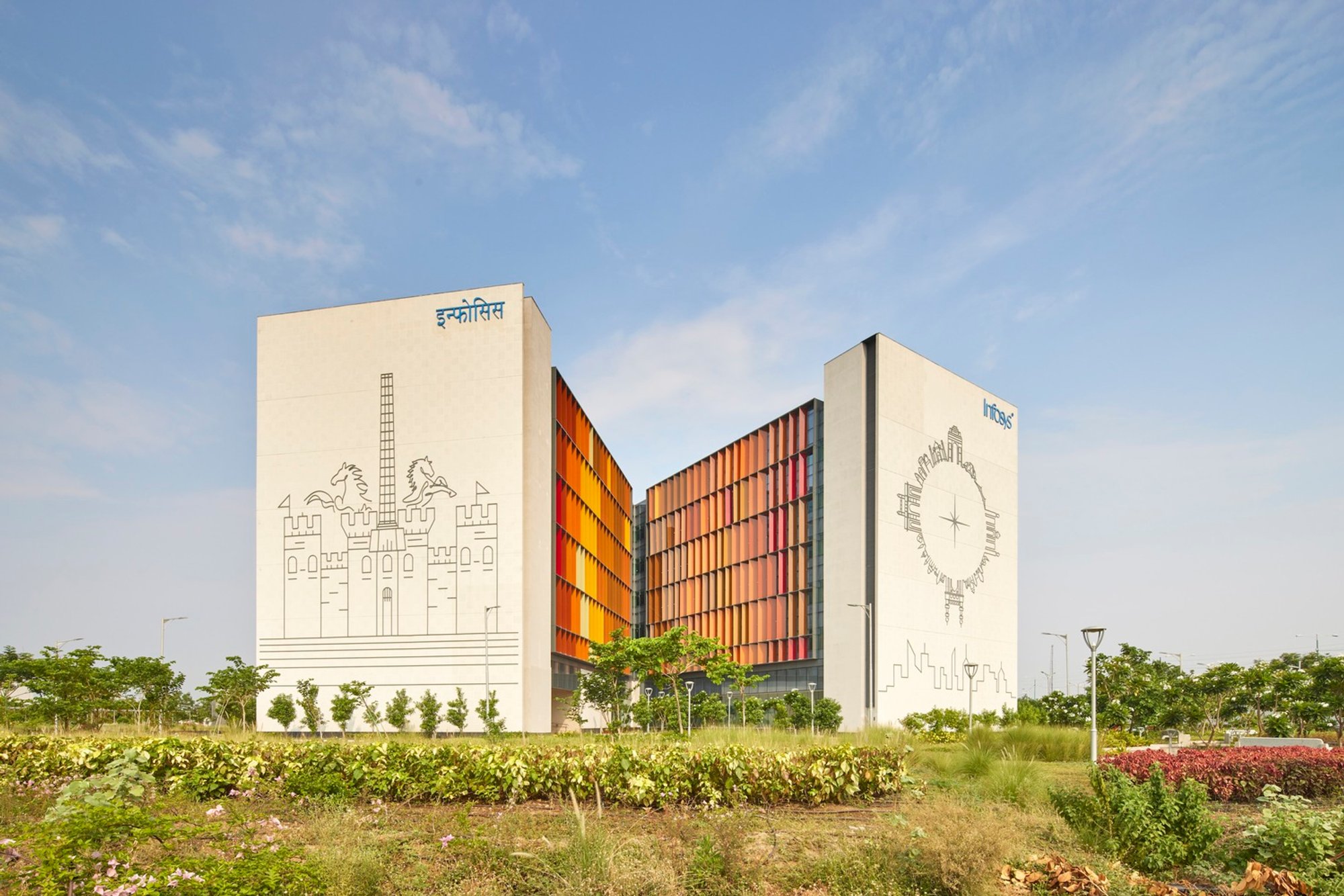
Infosys Campus: A Benchmark in Sustainable Architecture by Morphogenesis
The Infosys Campus by Morphogenesis redefines sustainable workspace architecture, combining innovative energy-efficient design with cultural identity.

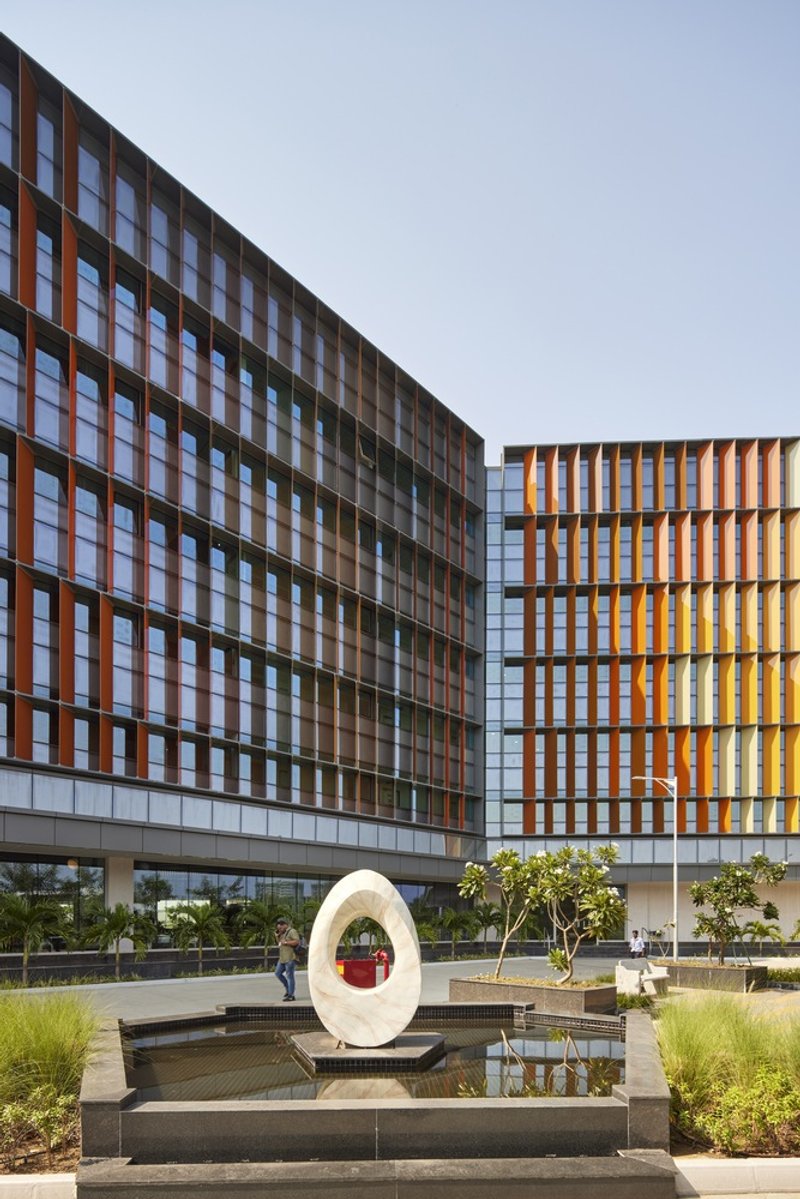
The Infosys Campus in Nagpur, India, designed by Morphogenesis, redefines sustainability and innovation in contemporary workspace architecture. This sprawling 29,500-square-meter facility, completed in 2023, is a beacon of energy efficiency, passive design strategies, and cultural integration. Situated within the Special Economic Zone near the MIHAN commercial hub, the campus is tailored to accommodate over 2,000 employees, embodying the cutting-edge S.O.U.L. (Sustainable, Optimized, Unique, and Liveable) design philosophy.
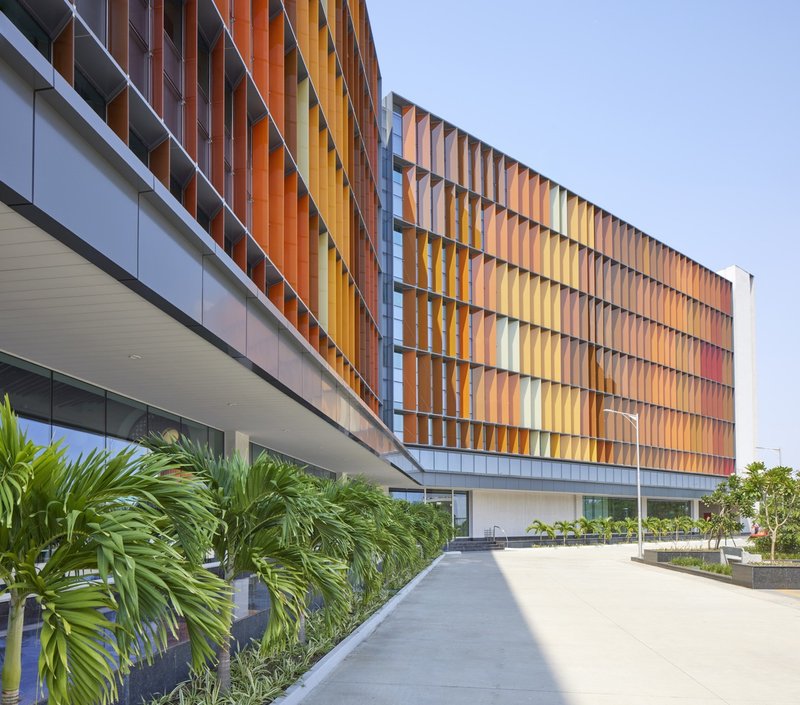
Architectural Design Inspired by Climate and Context
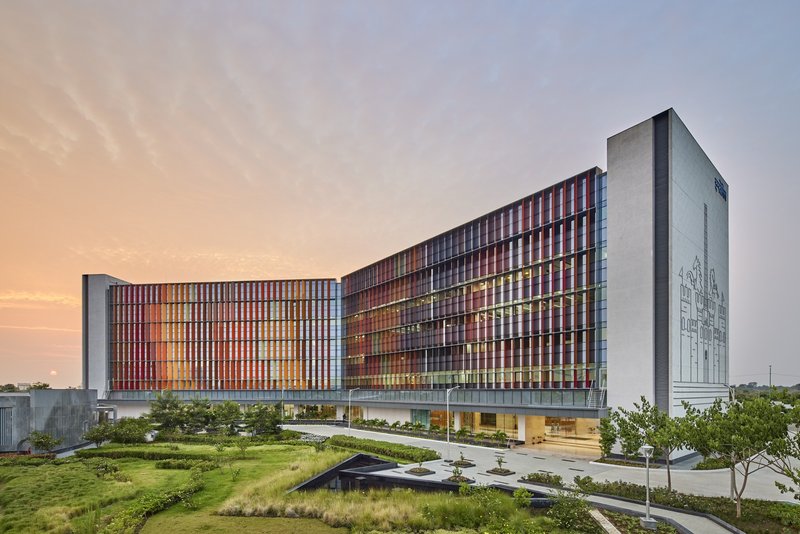
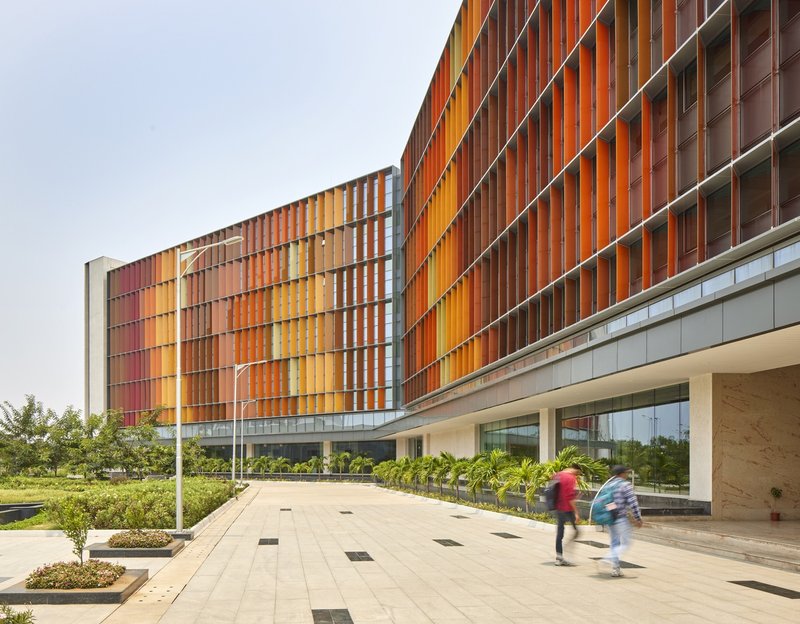
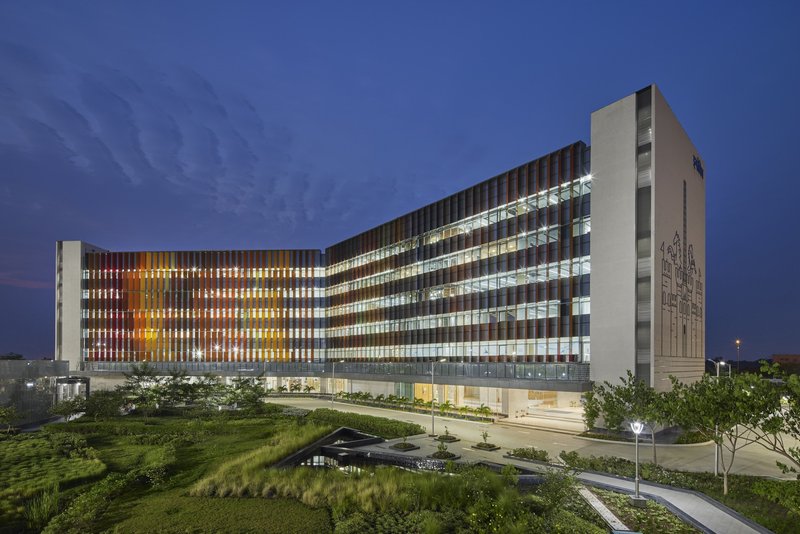
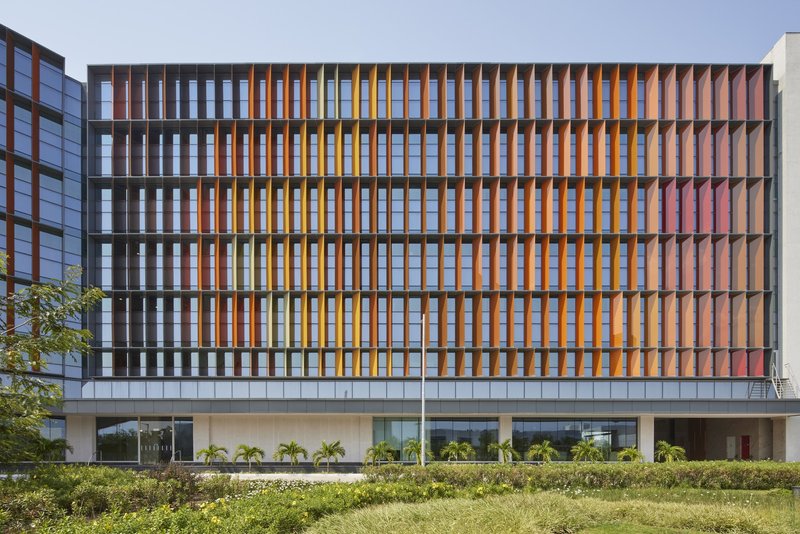
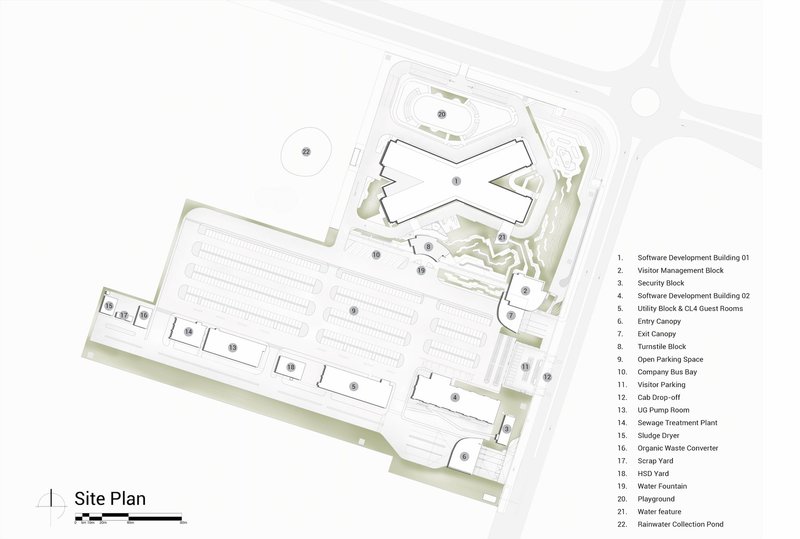
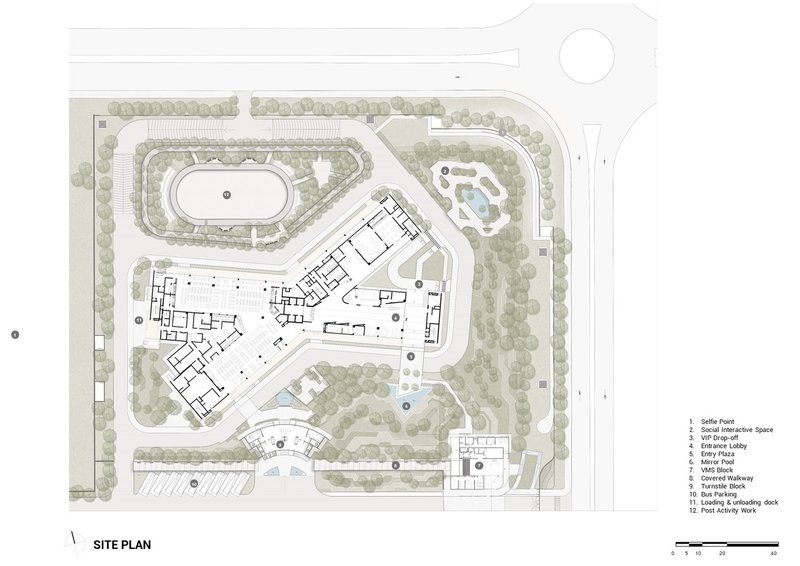
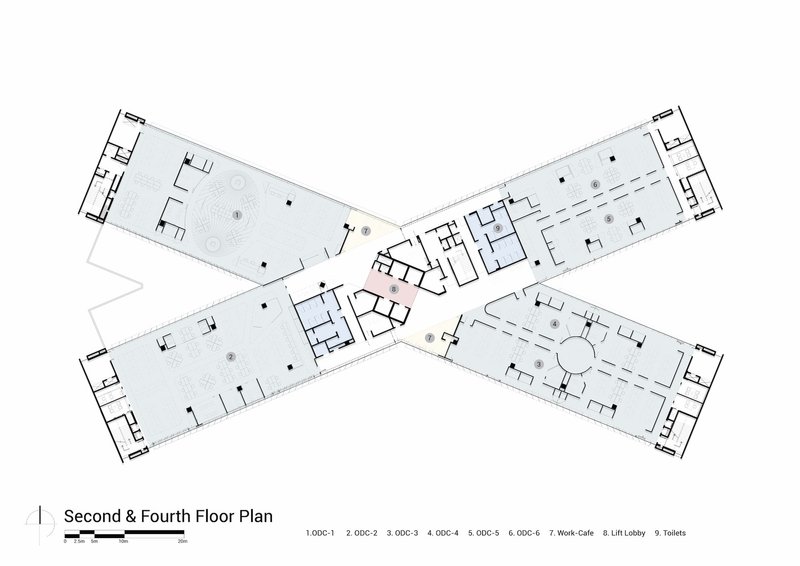
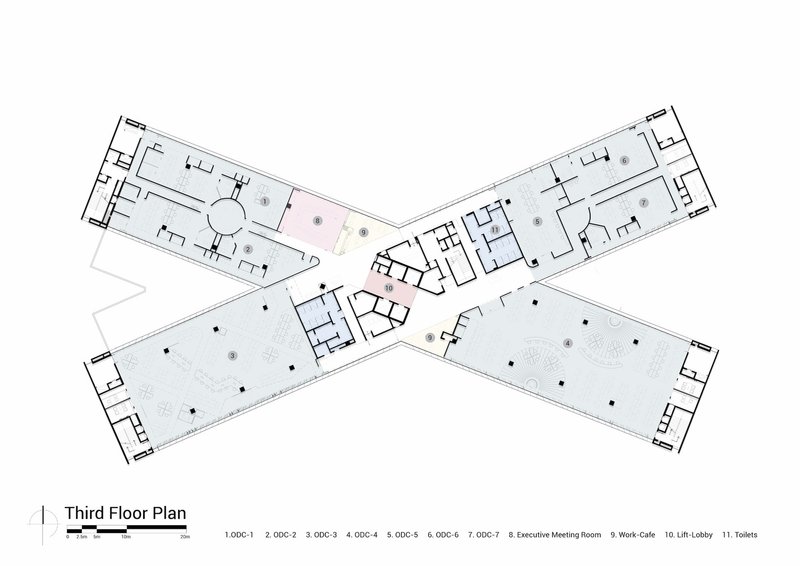
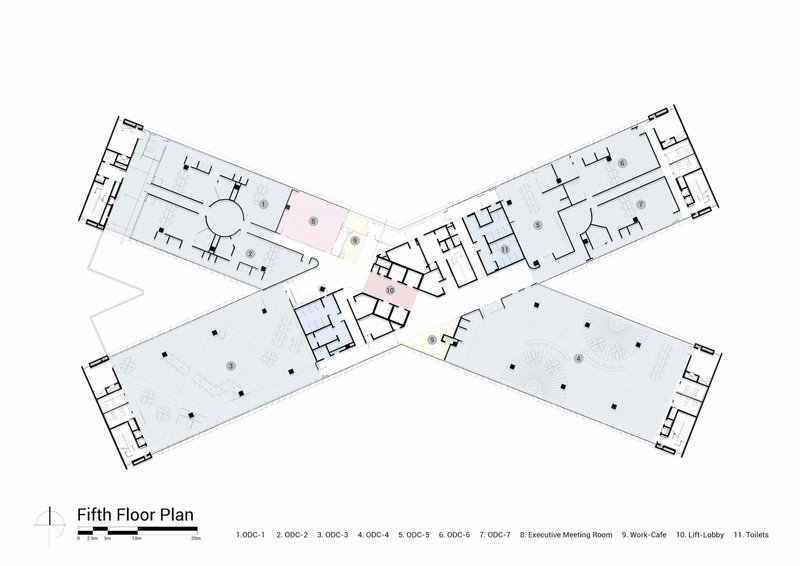
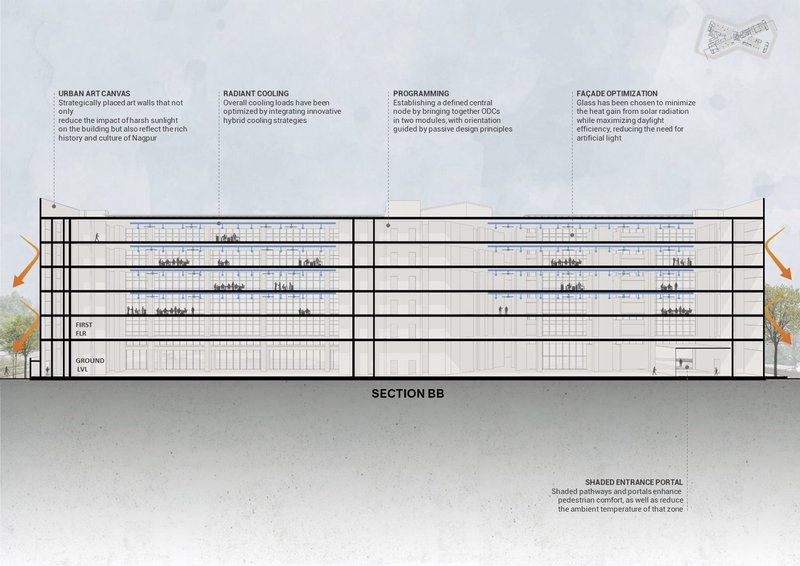
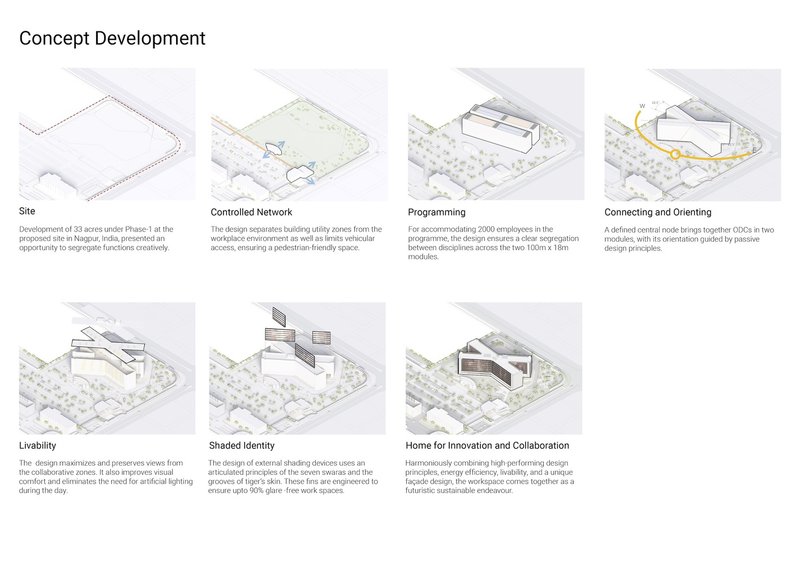
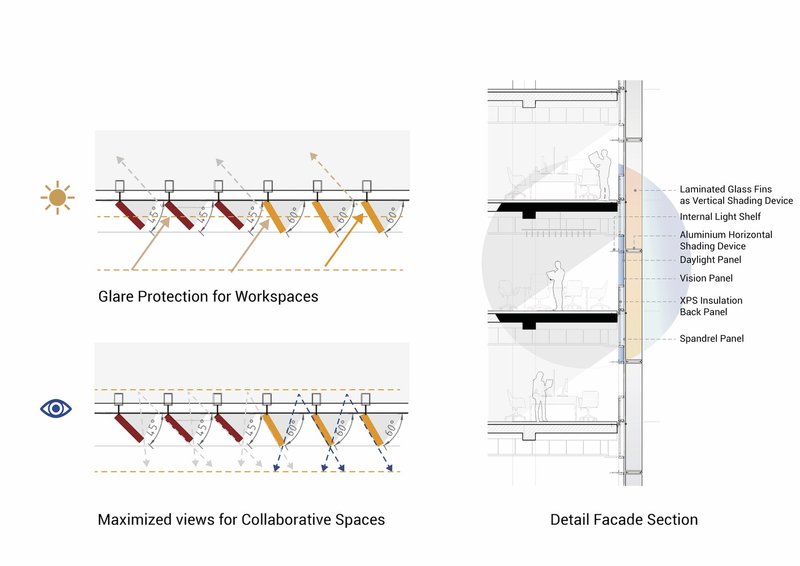
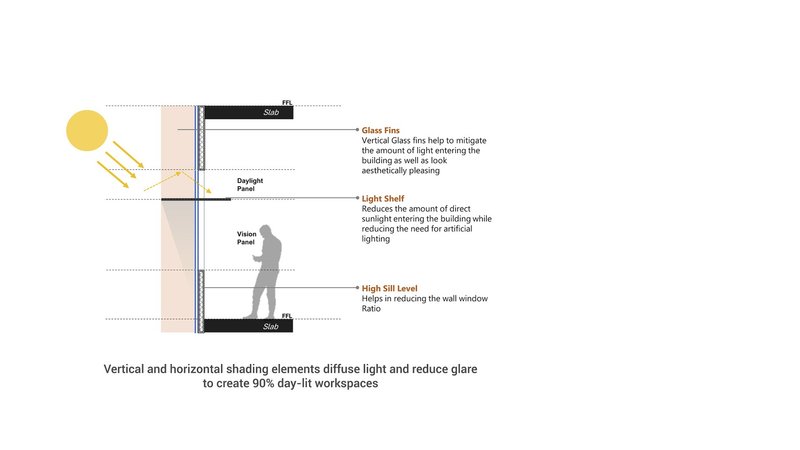
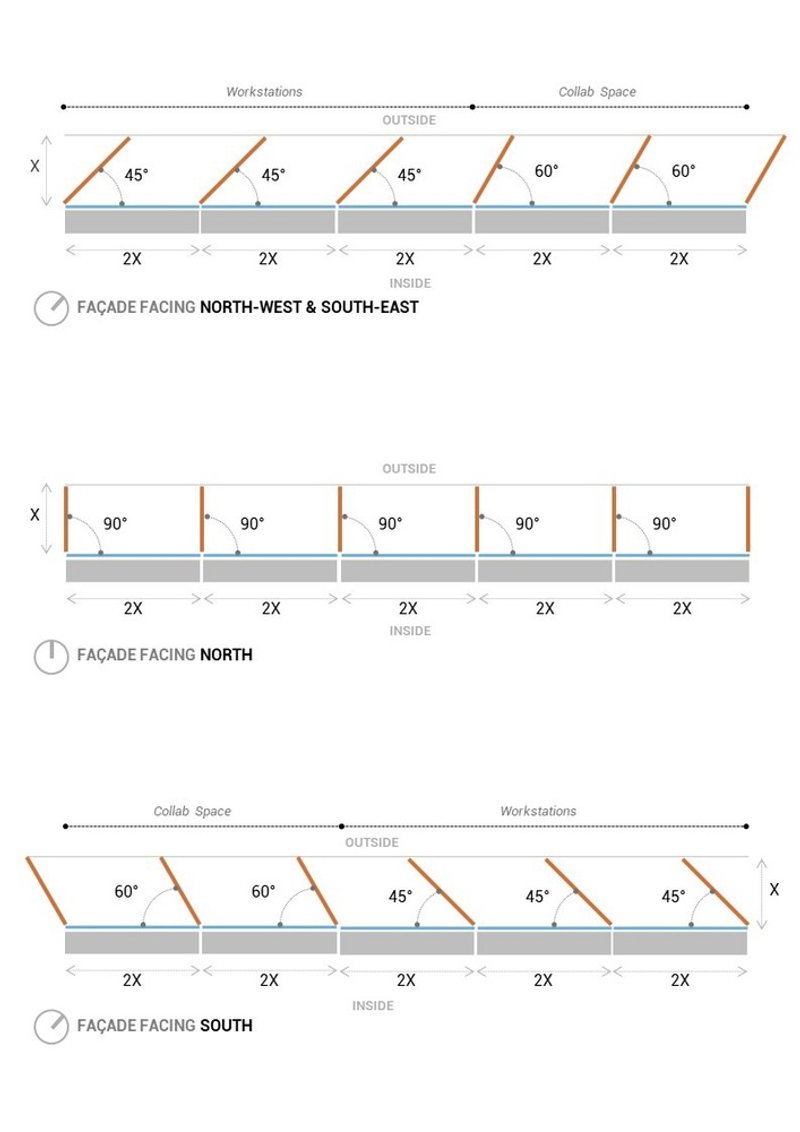
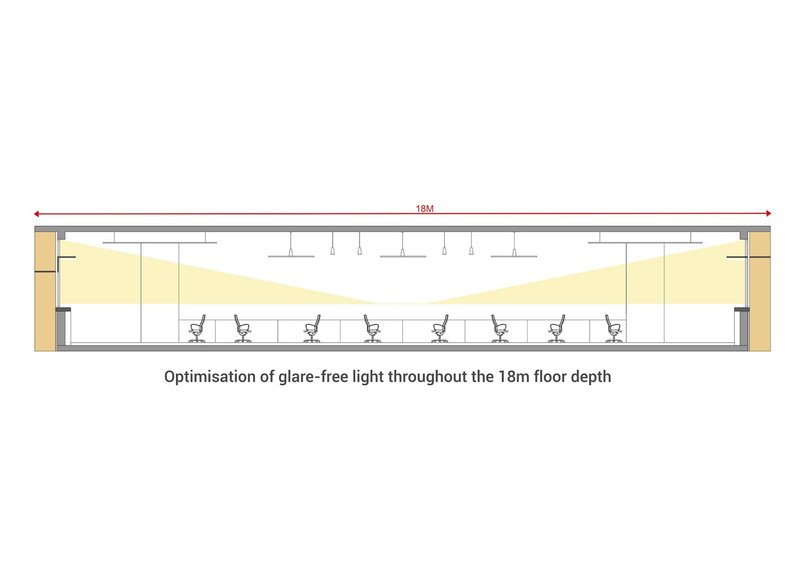
The architectural concept of the Infosys Campus is deeply rooted in Nagpur's composite climate and geographical significance. Morphogenesis adopted an X-shaped building plan oriented 22.5 degrees to the tropic of Cancer. This strategic orientation ensures that 90% of workspaces are bathed in natural light, reducing energy demands and enhancing user comfort. The shallow floor plates, limited to a depth of 18 meters, further optimize natural illumination and ventilation.
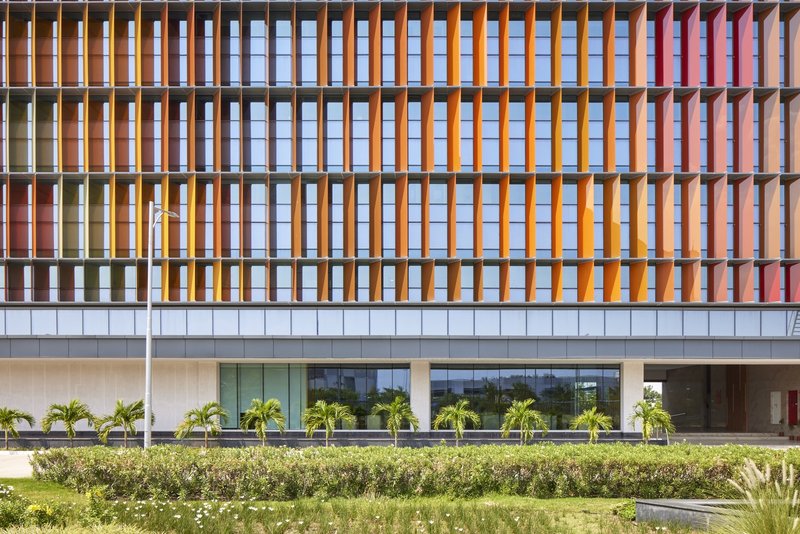
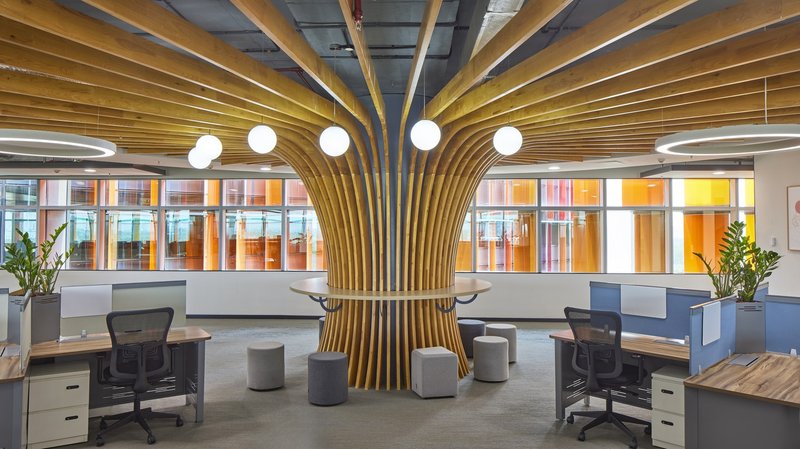
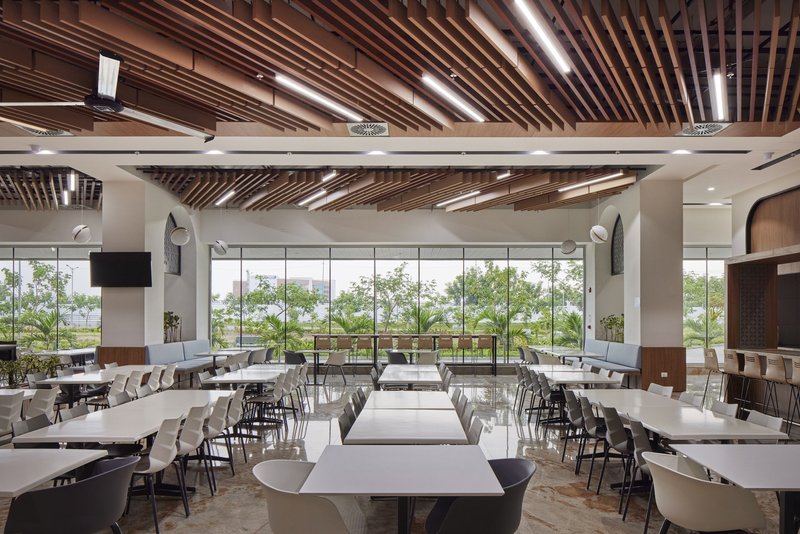
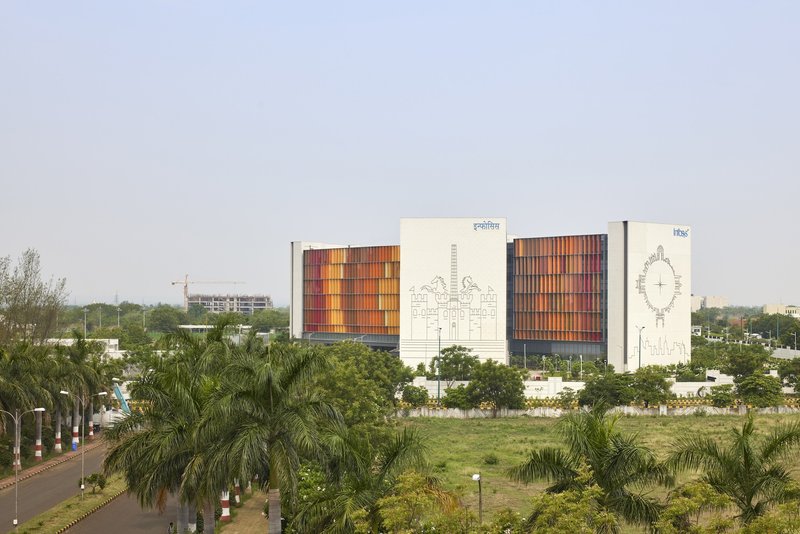
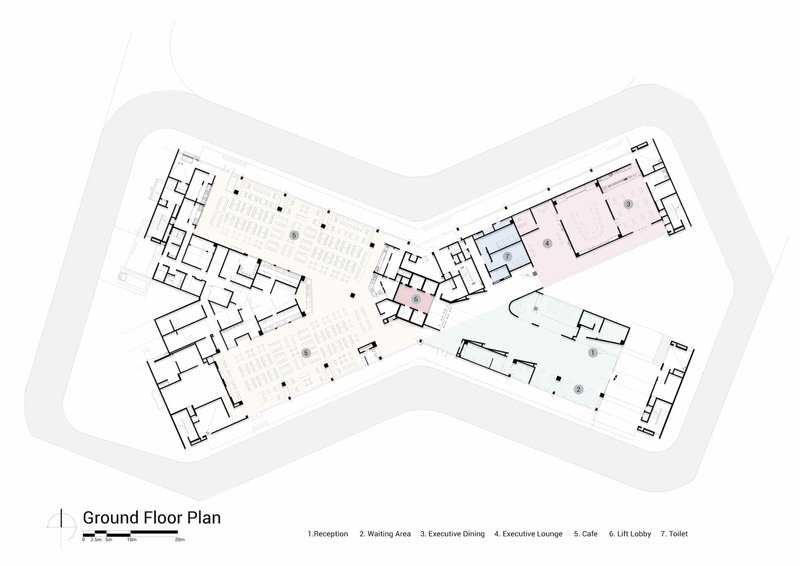
The distinctive design also features a central circulation hub connecting the wings, fostering interaction and collaboration among employees. By harmonizing the building's morphology with programmatic requirements, the campus achieves a seamless blend of functionality and environmental responsiveness.
Efficiency in Space Planning and Functionality
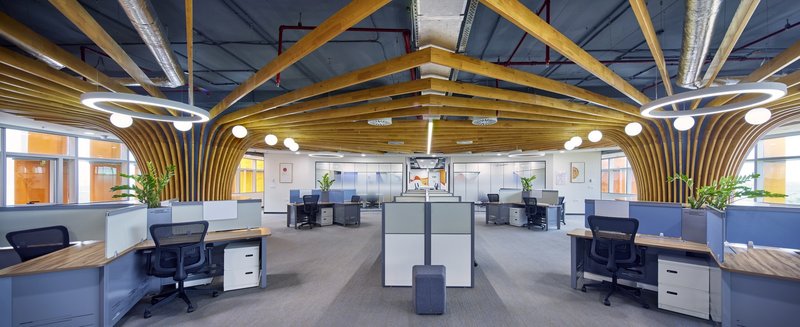
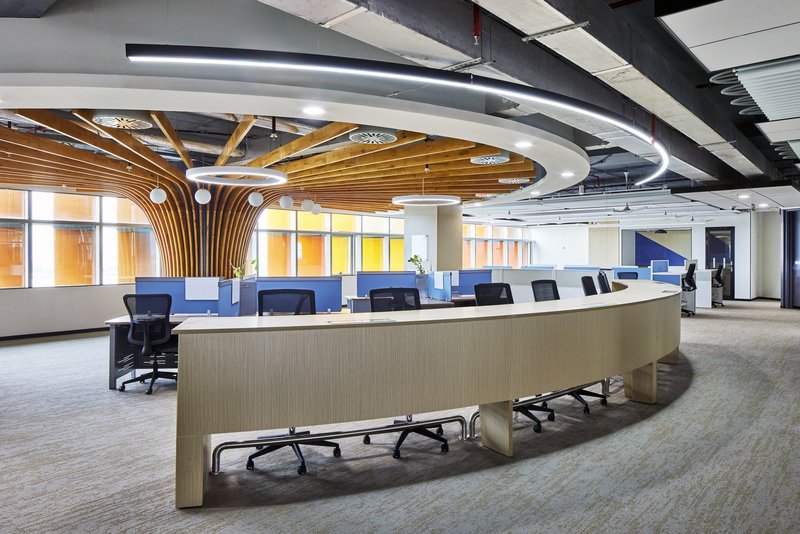
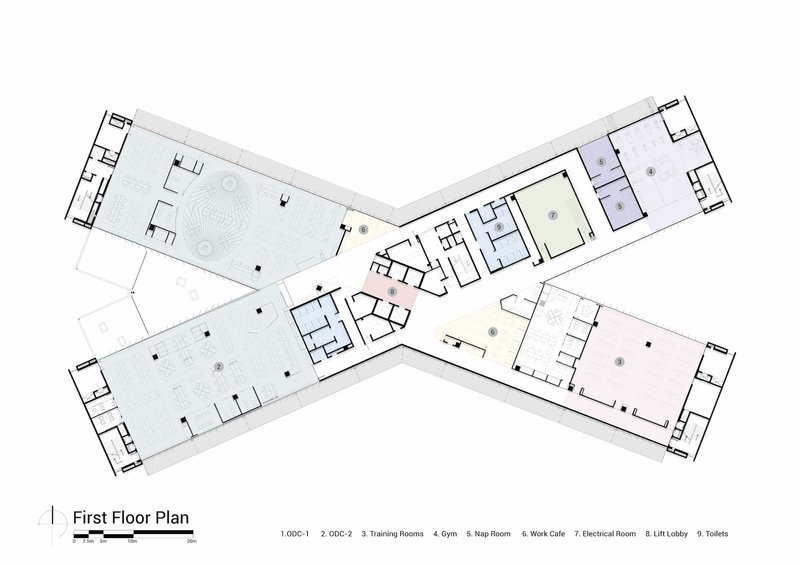
The layout of the Infosys Campus prioritizes efficiency and adaptability. The Offshore Development Centres (ODCs) are designed to optimize space utilization, with 80% allocated to workspaces and 20% to circulation. These spaces are tailored to diverse needs, including collaborative workstations, conference rooms, break-out areas, and office pods.
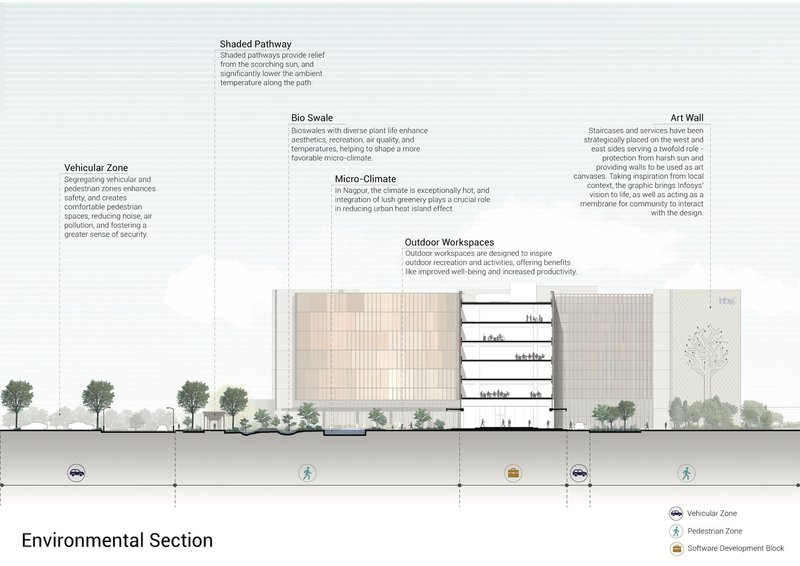
Adaptable furniture, vibrant color schemes, and distinct flooring patterns create dynamic and user-friendly environments. Amenities such as gyms and relaxation zones promote employee well-being, while pedestrian-friendly pathways and strategically placed utility zones ensure smooth circulation and operational efficiency.
Passive and Sustainable Design Strategies
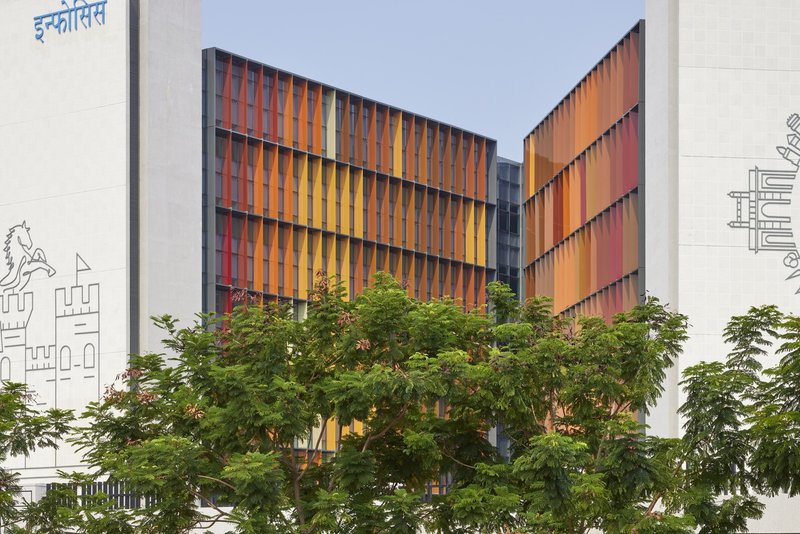
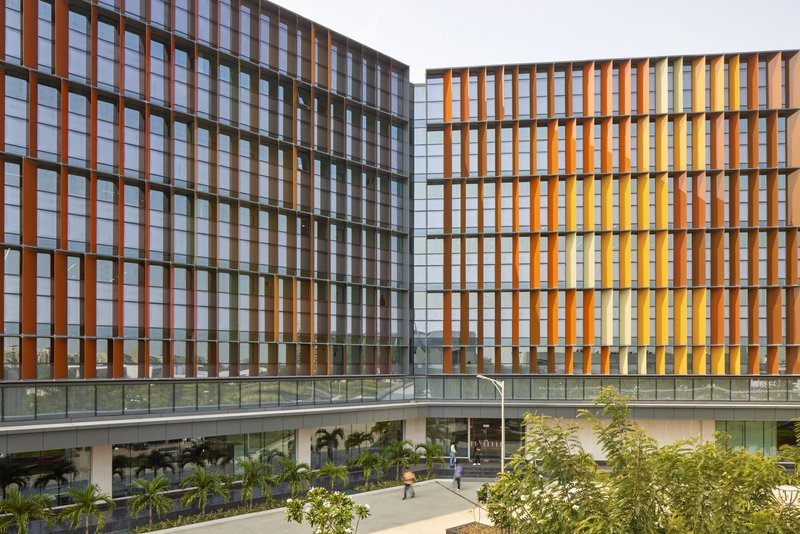
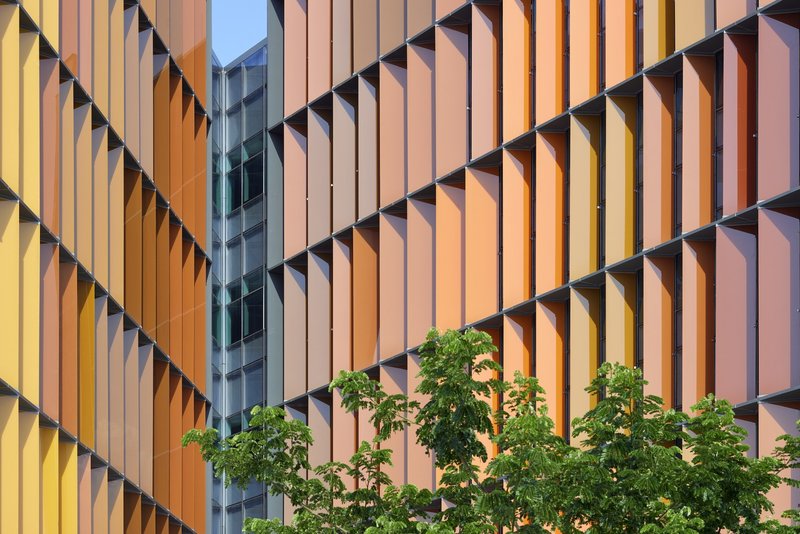
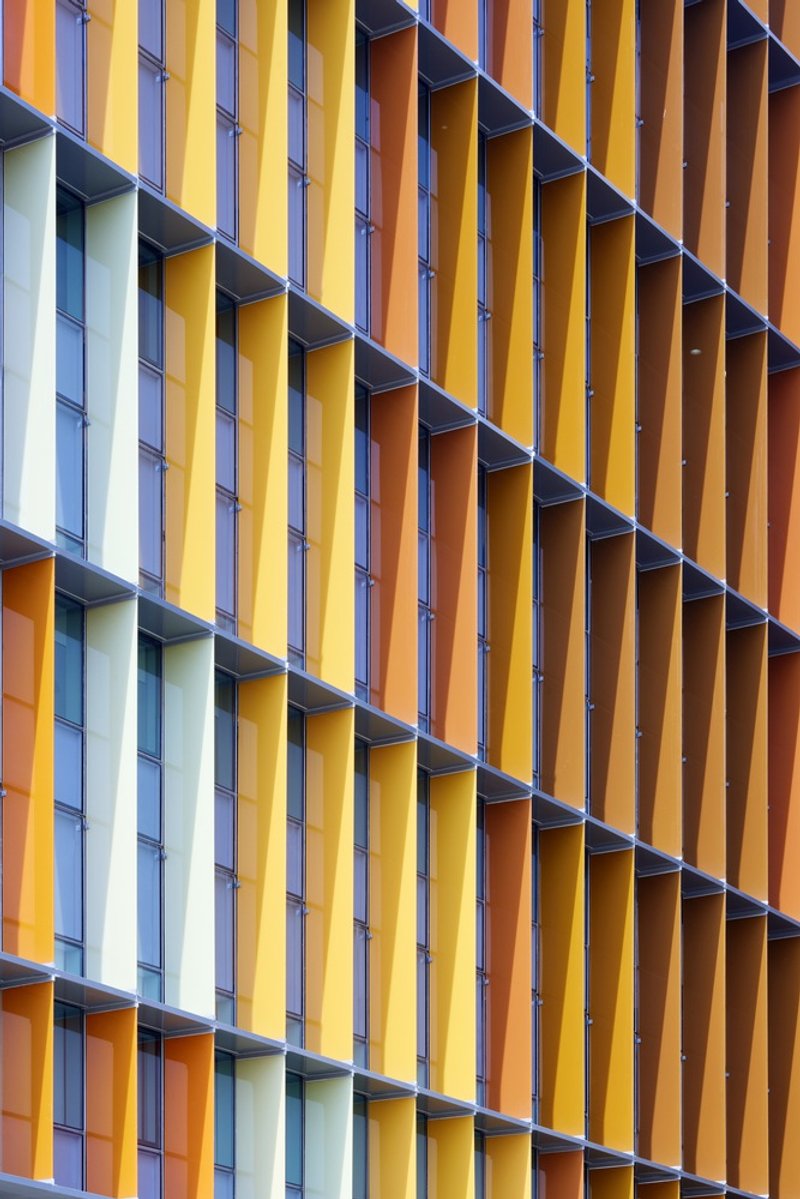
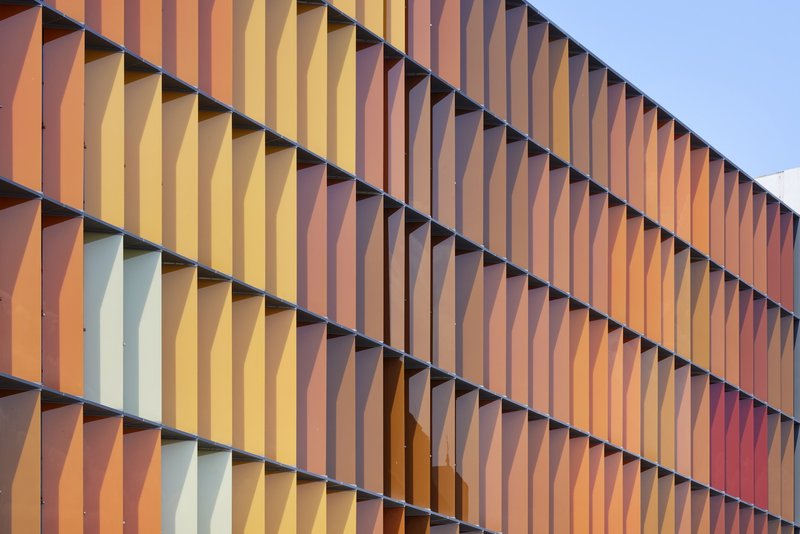
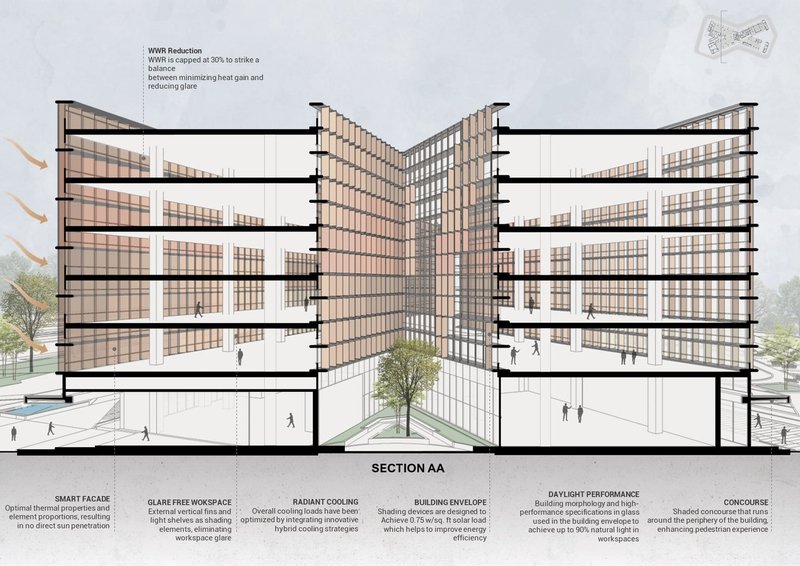
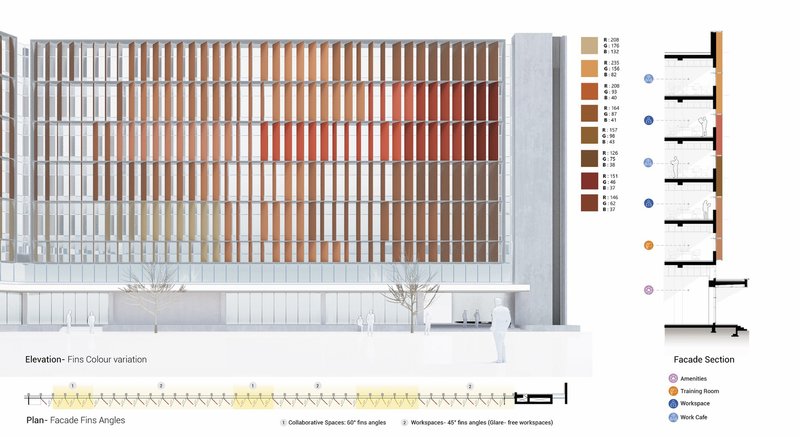
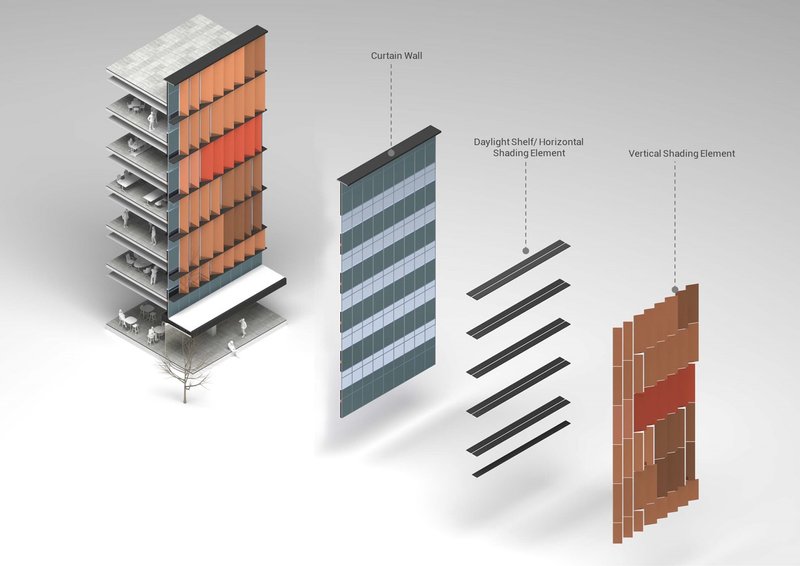
The Infosys Campus is a testament to the integration of traditional architectural principles with modern sustainable practices. Passive cooling techniques, inspired by regional heritage, regulate indoor temperatures through natural ventilation and thermal mass. Vertical fins along the facades are strategically angled to control light ingress, reducing glare and enhancing energy efficiency.
The design incorporates radiant waffle cooling systems, which leverage the thermal mass of concrete slabs to maintain indoor comfort with minimal energy usage. Coupled with smart building controls for real-time environmental monitoring, these strategies achieve a 52% reduction in the Energy Performance Index (EPI) compared to national benchmarks, consuming only one-fifth of the energy used by typical office buildings.
Cultural Heritage Meets Contemporary Design
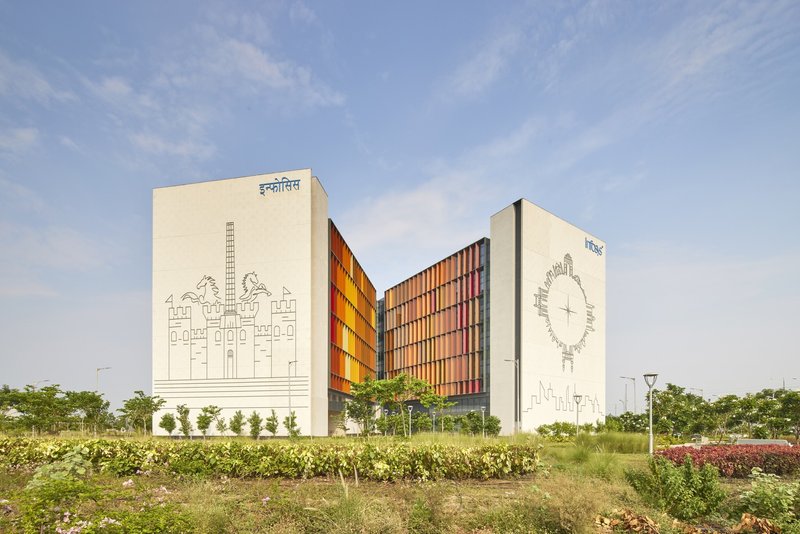
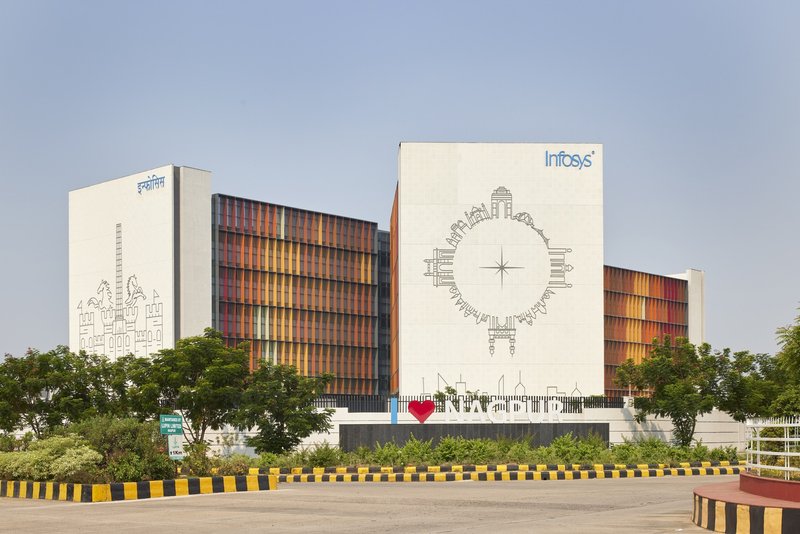
Morphogenesis has seamlessly woven elements of Nagpur's cultural and historical identity into the architectural narrative of the Infosys Campus. The design celebrates regional craftsmanship and symbolism, with 30-meter-high monolithic concrete walls serving as canvases for contemporary art. These walls depict local landmarks, including a representation of Nagpur Fort and a symbolic "mind tree" reflecting Infosys' work culture.
Thematic artwork and installations throughout the interiors further enhance the campus's connection to its cultural roots, creating an environment that resonates with users on a deeper, more personal level.
A Model for Sustainable Urban Development
As India faces the challenge of urbanization and rapid construction, the Infosys Campus sets a precedent for sustainable architectural practices. By integrating energy-efficient technologies, passive design principles, and cultural sensitivity, the campus exemplifies how modern workspaces can address environmental and societal needs.
Morphogenesis has not only delivered an office campus that meets the demands of the present but has also established a model for the future of sustainable urban development.
All Photographs are work of Paul Raftery




Popular Articles
Popular articles from the community

An Miên Lumière Cafe by xưởng xép, Ho Chi Minh City, Vietnam
An industrial-inspired café where layered steel and warm light create a dynamic, immersive environment shaped by reflection, depth, and perception.
Louis Malle Cinema: A Limestone Cultural Landmark Revitalizing Community Life in Prayssac
Limestone cinema extension with public forecourt, blending heritage and modern design to create flexible cultural spaces and strengthen community interaction.


The Ken Roberts Memorial Delineation Competition (Krob)
As the most senior architectural drawing competition currently in operation anywhere in the world, it draws hundreds of entries each year, awarding the very best submissions in a series of medium-based categories.
On the Brooks House by Monsoon Collective – A Contemporary Kerala Home Rooted in Tradition
Kerala home blending tradition and modernity with water-inspired design, brick architecture, courtyard planning, and sustainable rainwater harvesting strategies.

Similar Reads
You might also enjoy these articles
The Ken Roberts Memorial Delineation Competition (Krob)
As the most senior architectural drawing competition currently in operation anywhere in the world, it draws hundreds of entries each year, awarding the very best submissions in a series of medium-based categories.


Waterfront Redevelopment and Urban Revitalization in Mumbai: Forging a New Dawn for Darukhana
A transformative waterfront redevelopment project reimagining Darukhana’s shipbreaking heritage into an inclusive urban future.

OUT-OF-MAP: A Call for Postcards on Feminist Narratives of Public Space
Rhizoma Design and Research Lab invites artists, designers, architects, researchers, and students to reflect on how feminist perspectives can reshape public space. Selected works will be exhibited in Barcelona, October 2026. Submissions open until 15 April 2026.


Documentation Work on Buddhist Wooden Temple
Architectural syncretism and cultural hybridity: A comparative study of the Buddhist temples in Chattogram Hill tracks


Explore Architecture Competitions
Discover active competitions in this discipline




The International Standard for Design Portfolios


The Global Benchmark for Architecture Dissertation Awards


The Global Benchmark for Graduation Excellence


Challenge to reimagine the Iron Throne
Comments (0)
Please login or sign up to add comments
No comments yet. Be the first to comment!