
Innovative High-Density School Campus Design: Wuxi Xinfang Experimental Middle School by c+d Design Center
A pioneering exploration of high-density school design, blending functionality, creativity, and sustainability to elevate the educational experience.

Rethinking School Design Amid Spatial Constraints
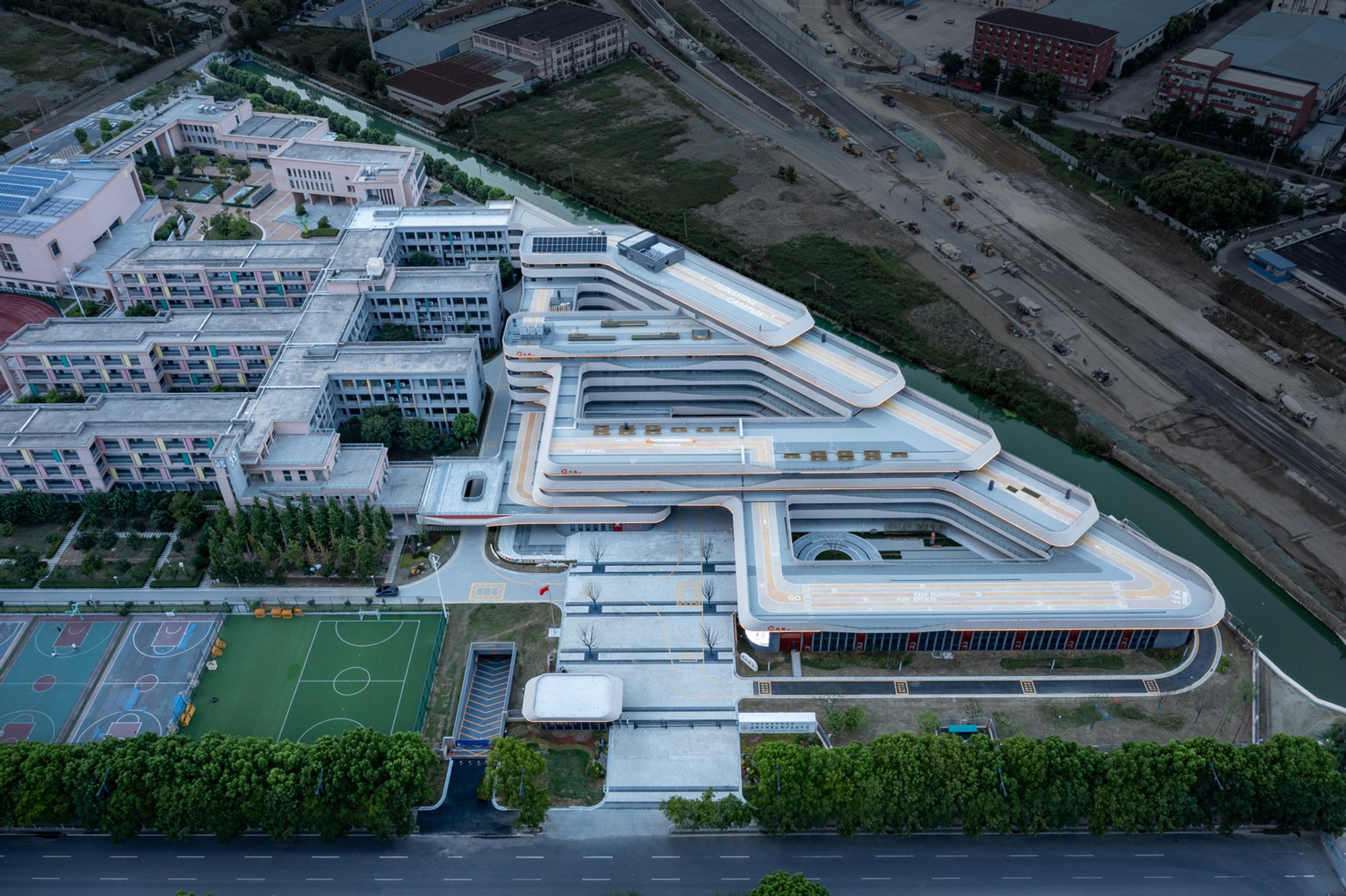
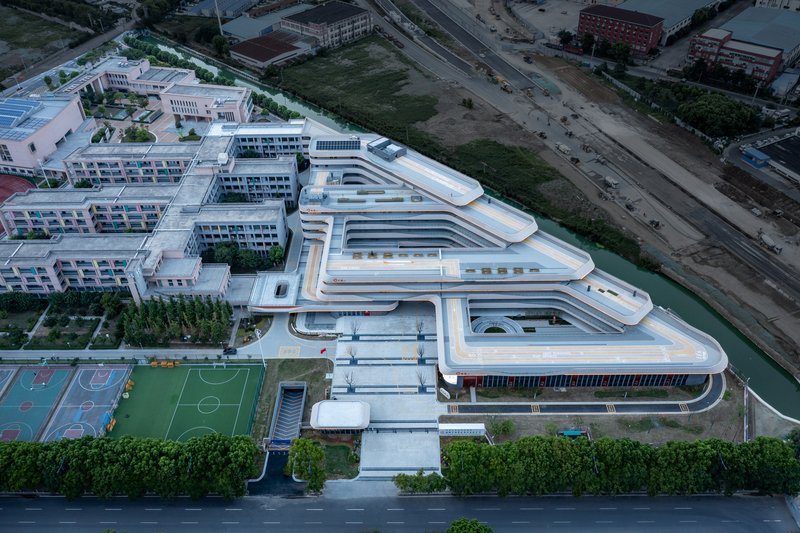
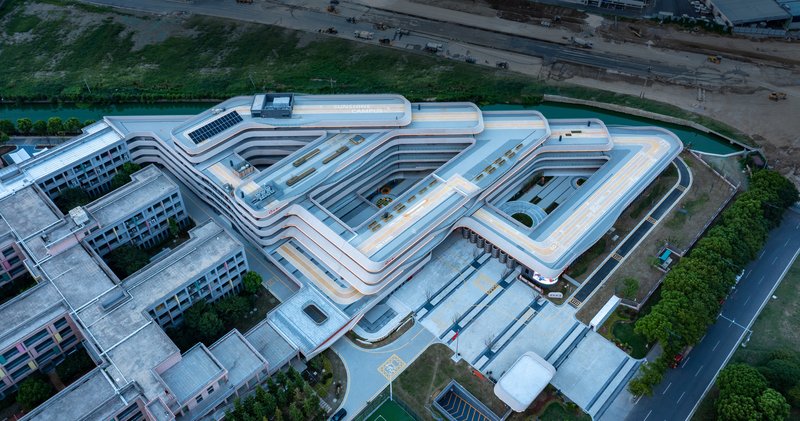
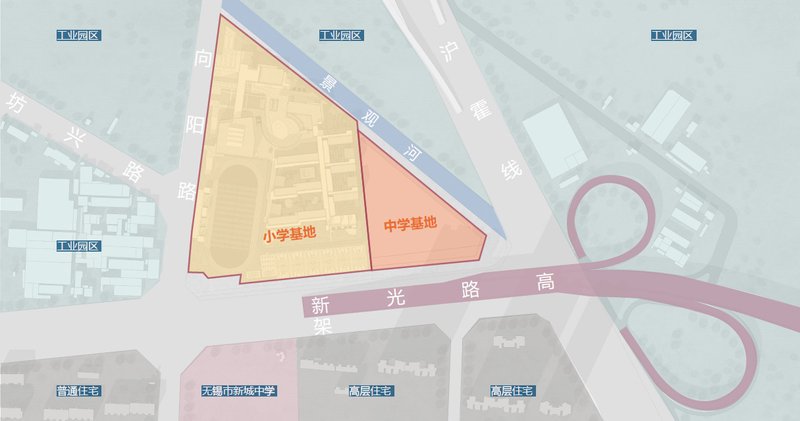
Wuxi Xinfang Experimental Middle School, designed by c+d Design Center, stands as a benchmark for high-density campus architecture. Located in the Xinwu District of Wuxi, China, the school occupies a triangular 15,000 m² site. Despite its spatial limitations and challenging density, the project exemplifies how innovative design strategies can transform constraints into opportunities, creating an educational environment that is functional, inspiring, and sustainable.
A Masterful Integration of New and Old
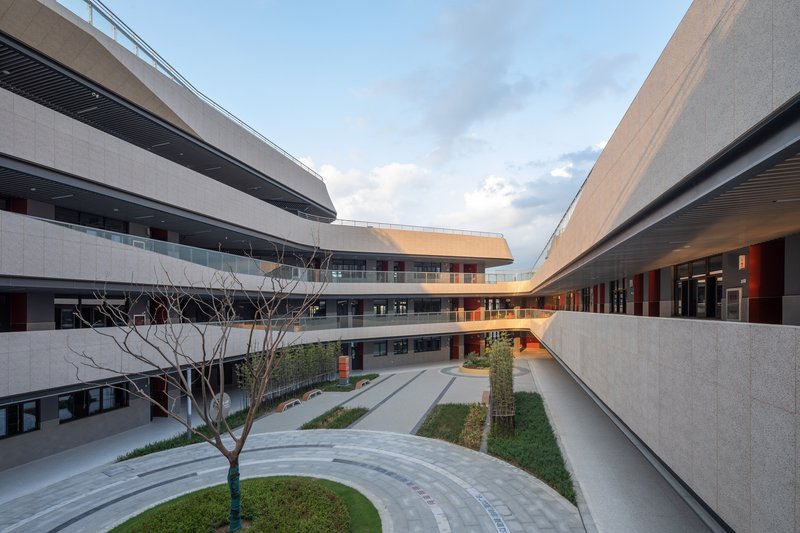
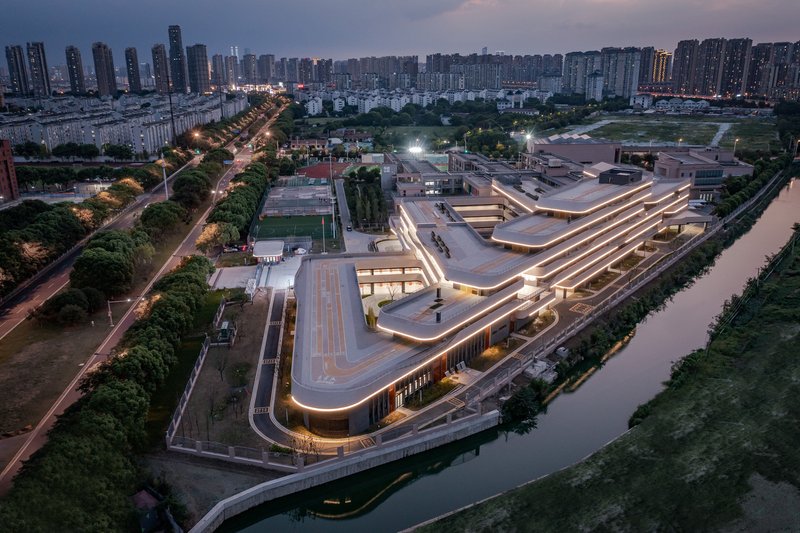
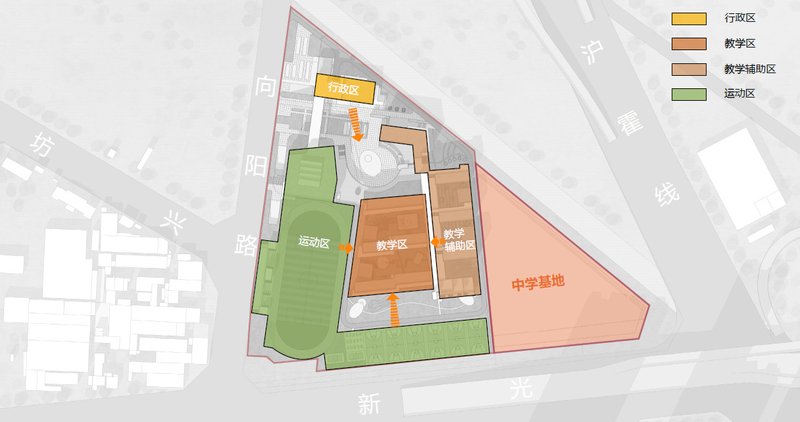
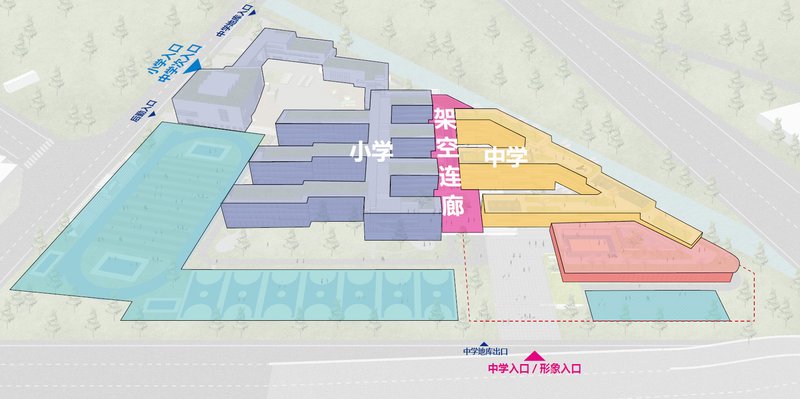
Originally conceptualized as an extension of Chunyang Experimental Primary School, the middle school transitioned into an independent institution upon completion. The architectural design balances this shift by seamlessly integrating the new structure with the existing primary school buildings. The layout uses a "fishbone" configuration, expanding the primary school’s semi-open courtyards into three distinct landscaped courtyards. These courtyards vary in size and atmosphere, creating dynamic spaces that blend the old and the new into a cohesive whole.
Stepping Back: A Transformative Design Strategy
A key feature of the school’s architecture is the "stepping back" design, which resolves several challenges posed by the high-density site:
Enhancing Sunlight and Ventilation
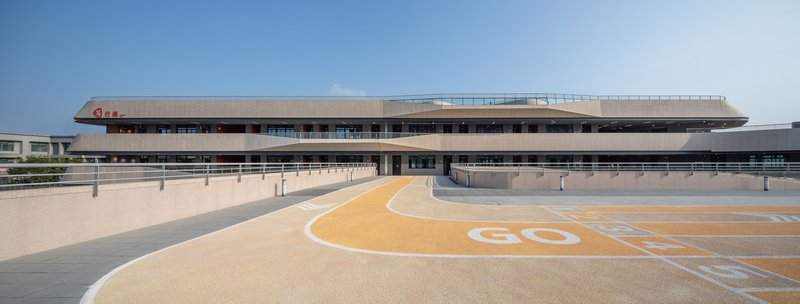
The building’s height transitions from two stories in the south to six stories in the north, optimizing sunlight exposure for classrooms. Additionally, hollowed-out sections between courtyards facilitate natural ventilation, improving air quality and creating a healthier learning environment.
Creating Outdoor Spaces
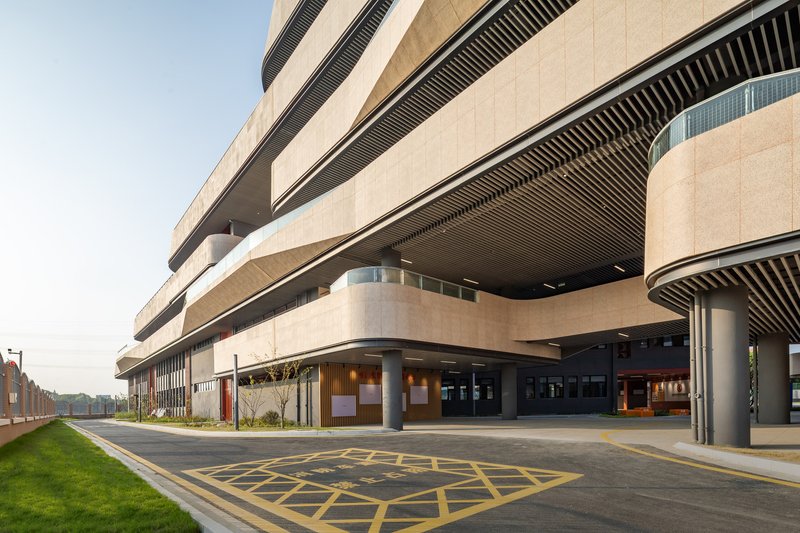
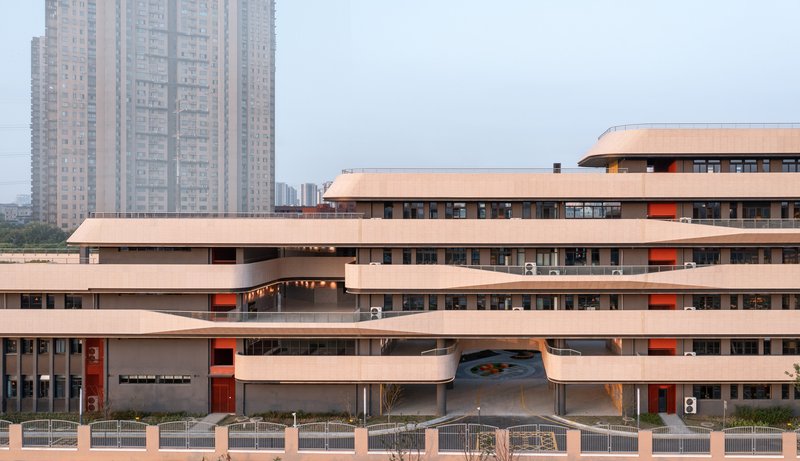
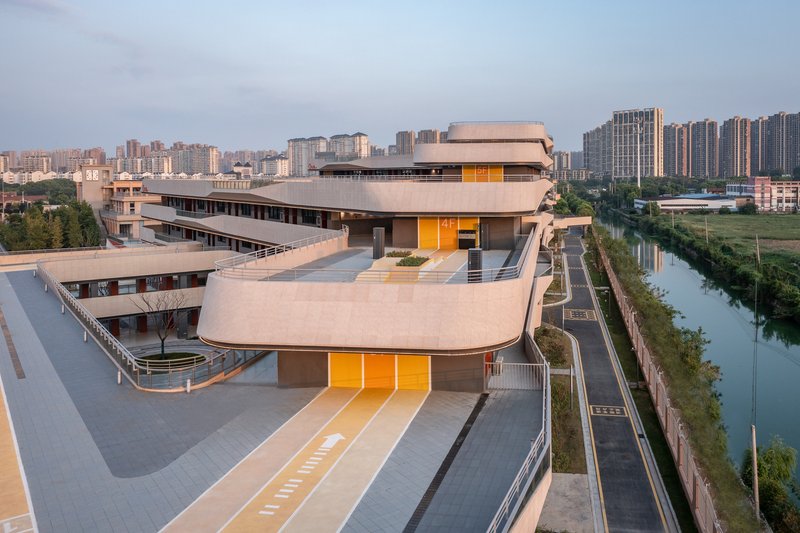
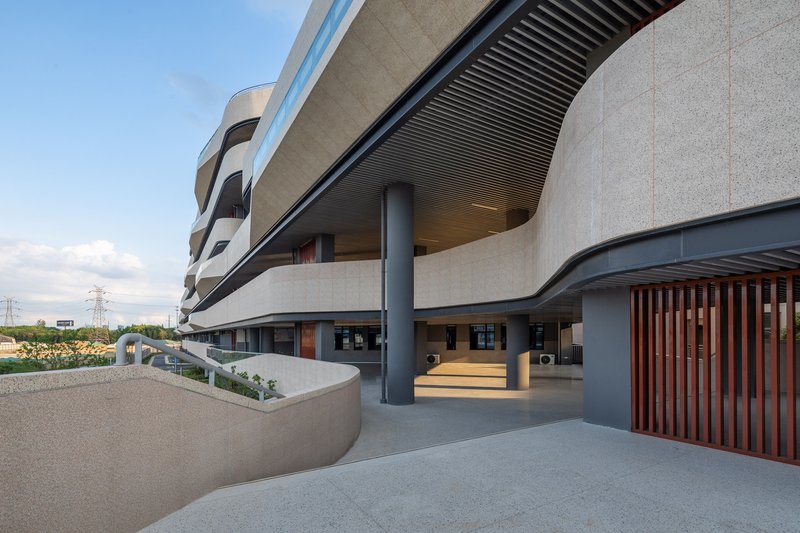
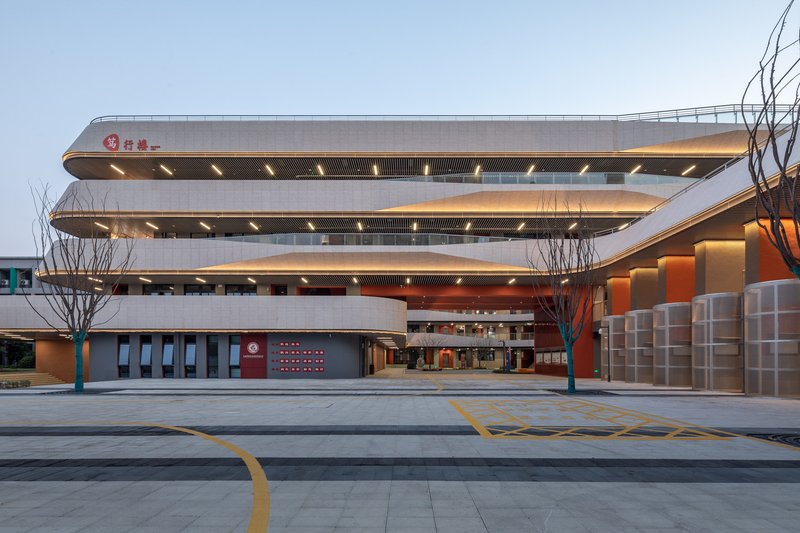
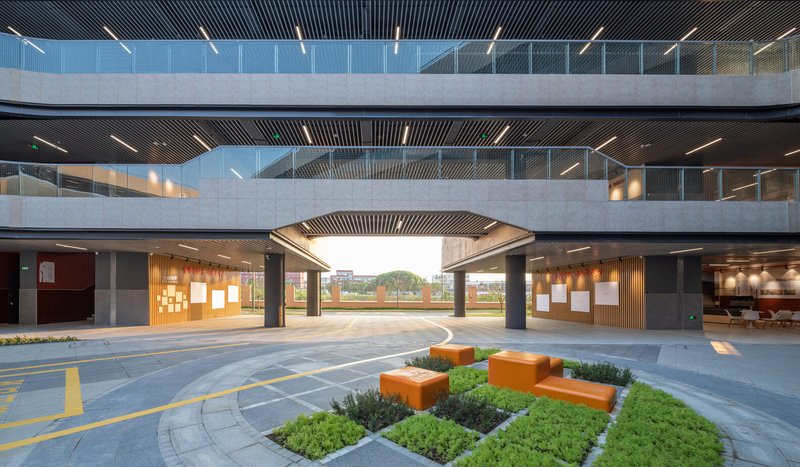
Outdoor spaces are a critical component of the school’s design, especially given the limited land area. The stepping-back design creates terraces on each level, offering outdoor activity areas that are easily accessible to students. These terraces provide much-needed spaces for relaxation and interaction, ensuring that even in a dense campus, outdoor experiences remain integral to daily school life.
Reducing Architectural Scale
The terraces also help reduce the visual and physical scale of the building. This thoughtful design avoids the overwhelming bulkiness often associated with multi-story structures, replacing it with a sense of openness and human-centric proportions.
Multifunctional Spaces for Enriched Experiences
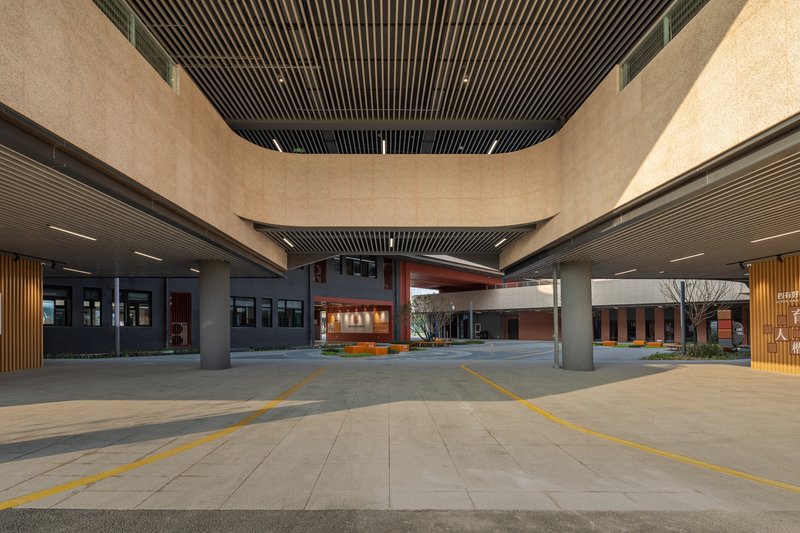
Despite spatial limitations, the school incorporates varied and dynamic spaces. Along the east-facing riverfront, two-story public areas serve as hubs for leisure, interaction, and scenic views. The southwest corner features a sunken plaza near the multi-functional hall, ideal for quiet reading or group activities. At the heart of the campus, a performance space and open atrium with skylights add layers of functionality and engagement, offering students diverse experiences within a compact footprint.
A Dynamic and Expressive Façade
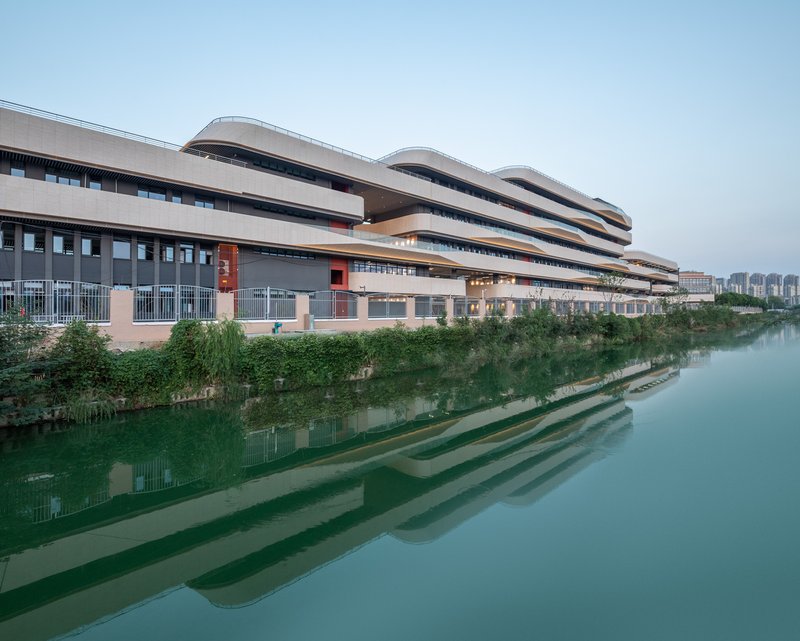
The building’s façade, inspired by the ripples of water, embodies the essence of its riverside location. Horizontal railings and three-dimensional design elements create an aesthetic that is both modern and symbolic. At night, the illuminated façade reflects on the water, evoking the image of a ship navigating the sea—a metaphor for the journey of education and discovery.
A Model for High-Density School Campus Design
Wuxi Xinfang Experimental Middle School demonstrates how architecture can address the challenges of high-density urban contexts while maintaining functionality, aesthetics, and a connection to nature. Through innovative strategies such as stepping back, dynamic spatial organization, and sustainable design principles, the school offers a compelling vision for future educational spaces.
This project showcases the potential of thoughtful design to redefine the boundaries of high-density school campuses. By integrating functionality with creativity, c+d Design Center has not only addressed spatial challenges but also enriched the educational experience for students. Wuxi Xinfang Experimental Middle School is a testament to the power of architecture to inspire and transform.
All Photographs are work of DC Alliance


Popular Articles
Popular articles from the community

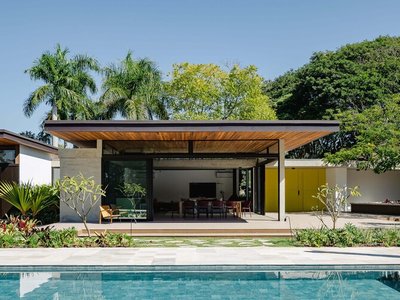
Flamboyant House by Juliana Camargo + Prumo Projetos
Modern Brazilian house integrating existing tree, pool, and volumes with glass, wood, and transitional spaces blending interior, exterior, and landscape seamlessly.
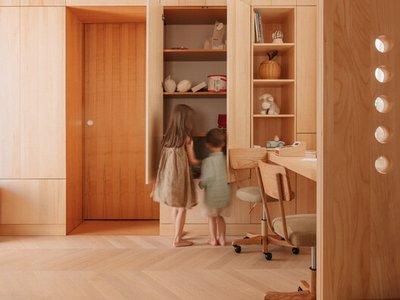
Treehouse Apartment: A Warm Timber Interior Blending Craft, Play, and Contemporary Living
Warm timber apartment with integrated treehouse, combining natural materials, craftsmanship, and playful design to create a flexible, family-oriented living environment.
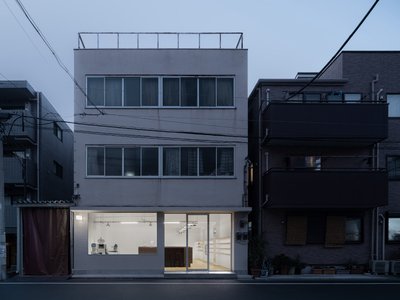
Atelier Macri Concept Store Interior Design by CASE-REAL
Atelier Macri store features a "ko" counter, walnut wood details, cork displays, blending retail, gallery, and seamless customer experiences.
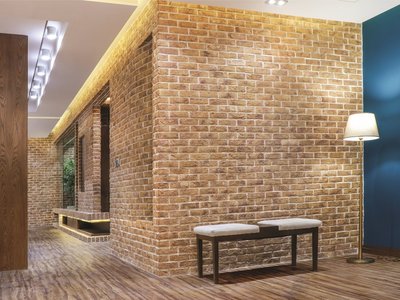
A Contemporary Take on Iranian Residential Architecture
A modern interior design in Mashhad that reinterprets brick, light, and spatial flow to create a warm, contemporary residential architecture.

Similar Reads
You might also enjoy these articles


The Ken Roberts Memorial Delineation Competition (Krob)
As the most senior architectural drawing competition currently in operation anywhere in the world, it draws hundreds of entries each year, awarding the very best submissions in a series of medium-based categories.


Waterfront Redevelopment and Urban Revitalization in Mumbai: Forging a New Dawn for Darukhana
A transformative waterfront redevelopment project reimagining Darukhana’s shipbreaking heritage into an inclusive urban future.

OUT-OF-MAP: A Call for Postcards on Feminist Narratives of Public Space
Rhizoma Design and Research Lab invites artists, designers, architects, researchers, and students to reflect on how feminist perspectives can reshape public space. Selected works will be exhibited in Barcelona, October 2026. Submissions open until 15 April 2026.


Documentation Work on Buddhist Wooden Temple
Architectural syncretism and cultural hybridity: A comparative study of the Buddhist temples in Chattogram Hill tracks

Explore Architecture Competitions
Discover active competitions in this discipline




The International Standard for Design Portfolios


The Global Benchmark for Architecture Dissertation Awards


The Global Benchmark for Graduation Excellence


Challenge to reimagine the Iron Throne
Comments (0)
Please login or sign up to add comments
No comments yet. Be the first to comment!