
Jinshang OCC Restaurant: A Masterpiece of Modern Restaurant Architecture in Nanjing
Jinshang OCC Restaurant in Nanjing is a landmark of modern restaurant architecture, blending history, nature, and contemporary design into a seamless dining experience.

Redefining Dining Spaces Through Architectural Innovation
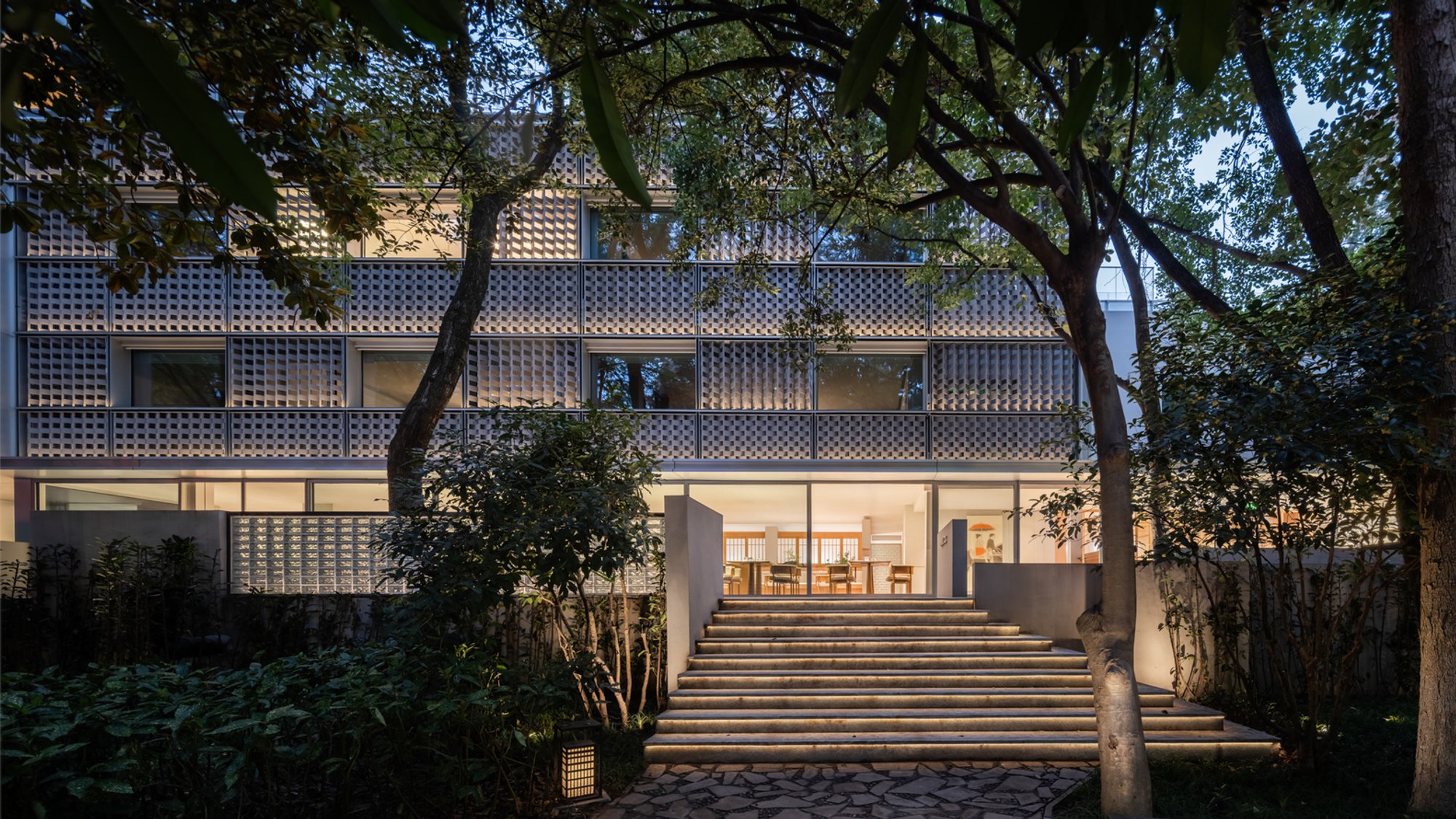
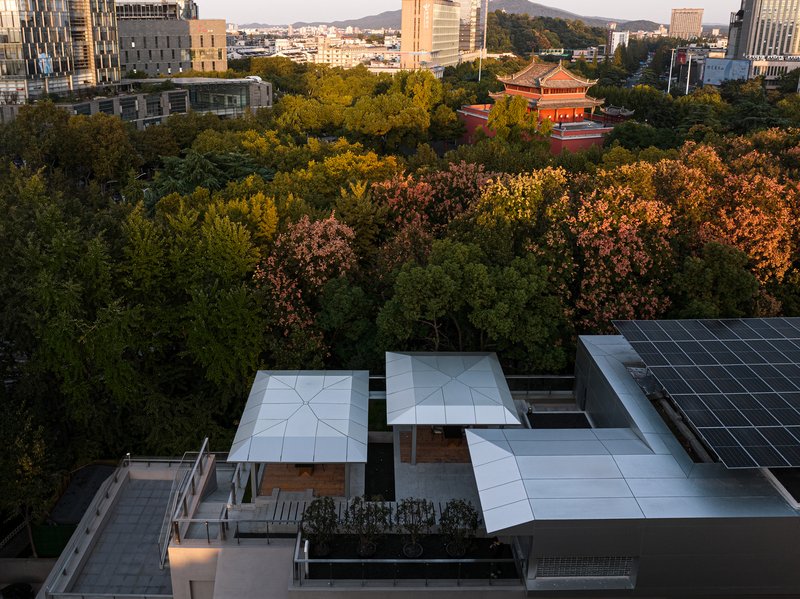
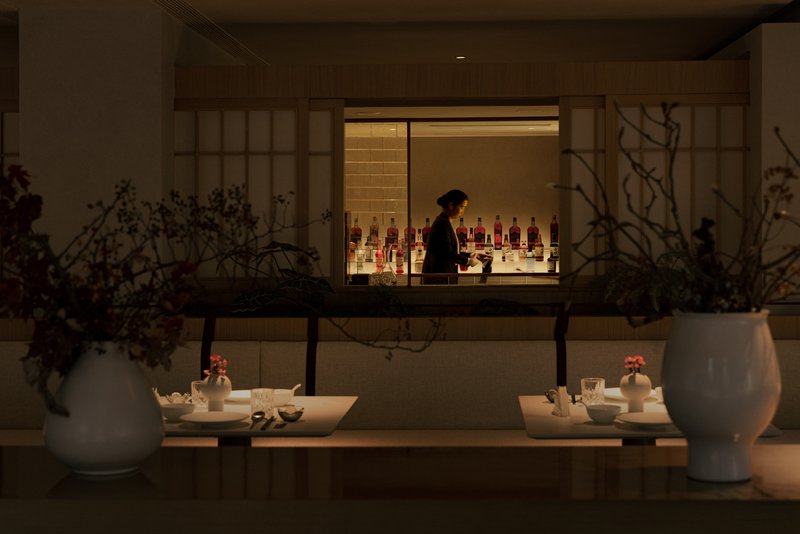
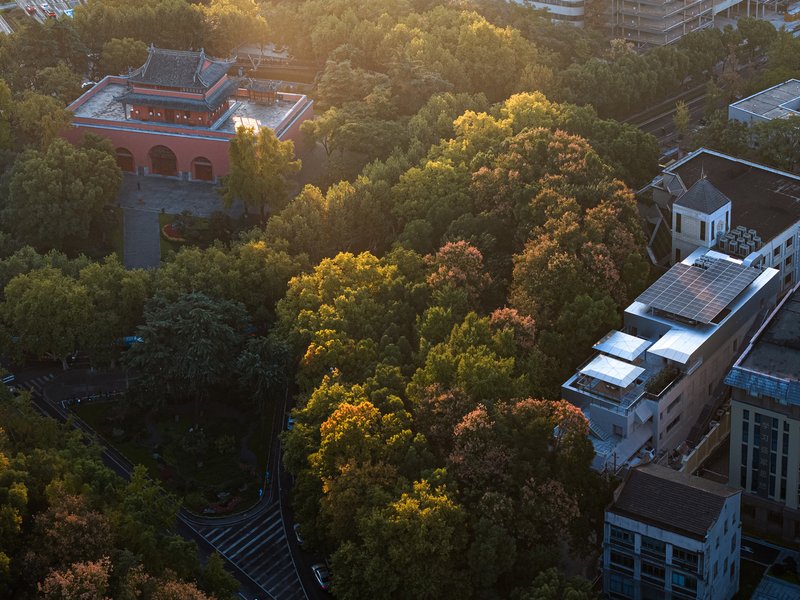
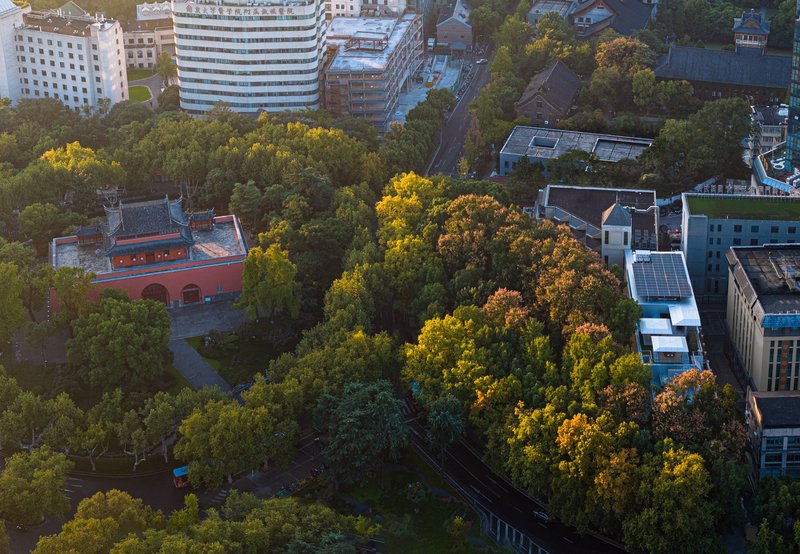
Jinshang OCC Restaurant, located next to the historic Nanjing Drum Tower, is an exceptional example of modern restaurant architecture that harmonizes cultural heritage with contemporary design. Created by BUZZ/ Büro Ziyu Zhuang, the project is more than a dining space—it is a multi-layered architectural experience that embraces the natural landscape, historic surroundings, and evolving urban life of Nanjing.
Merging History with Contemporary Design
Architectural Concept and Site Integration
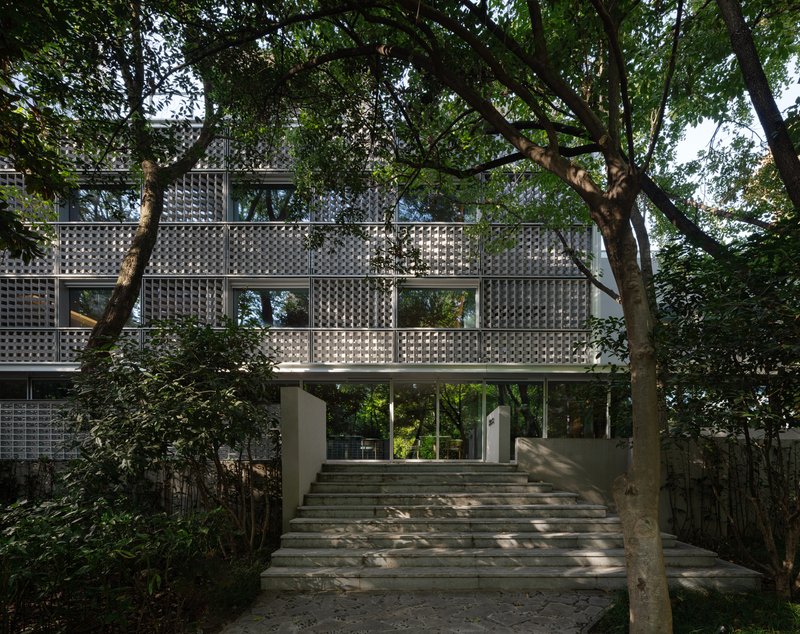
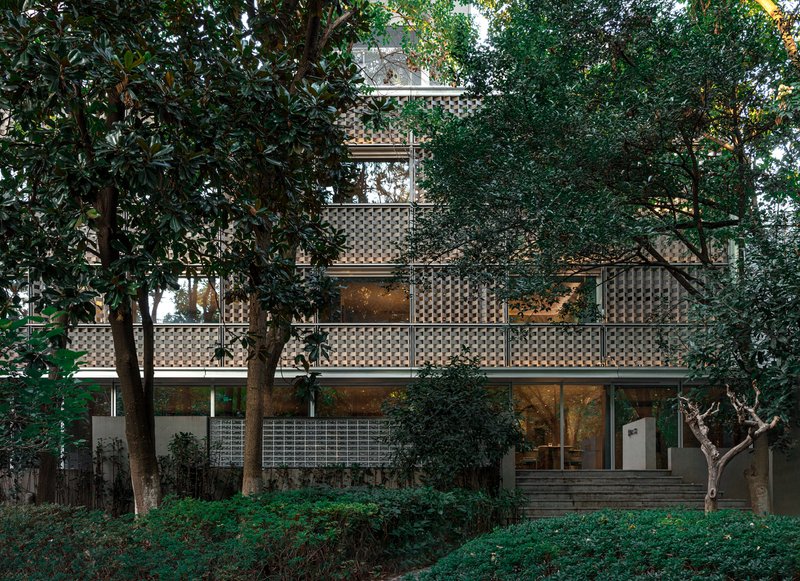
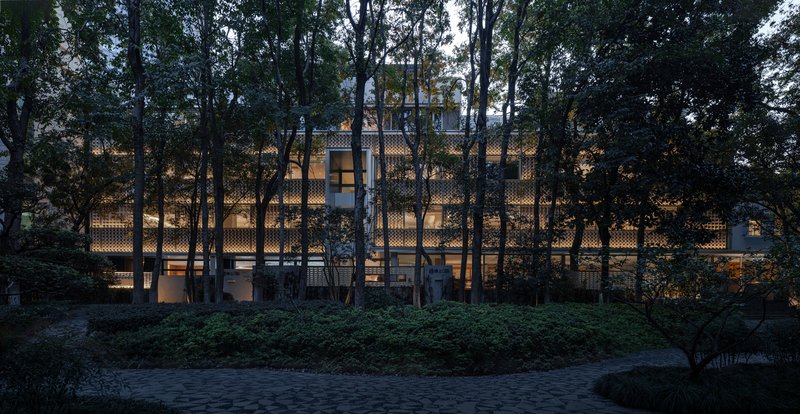
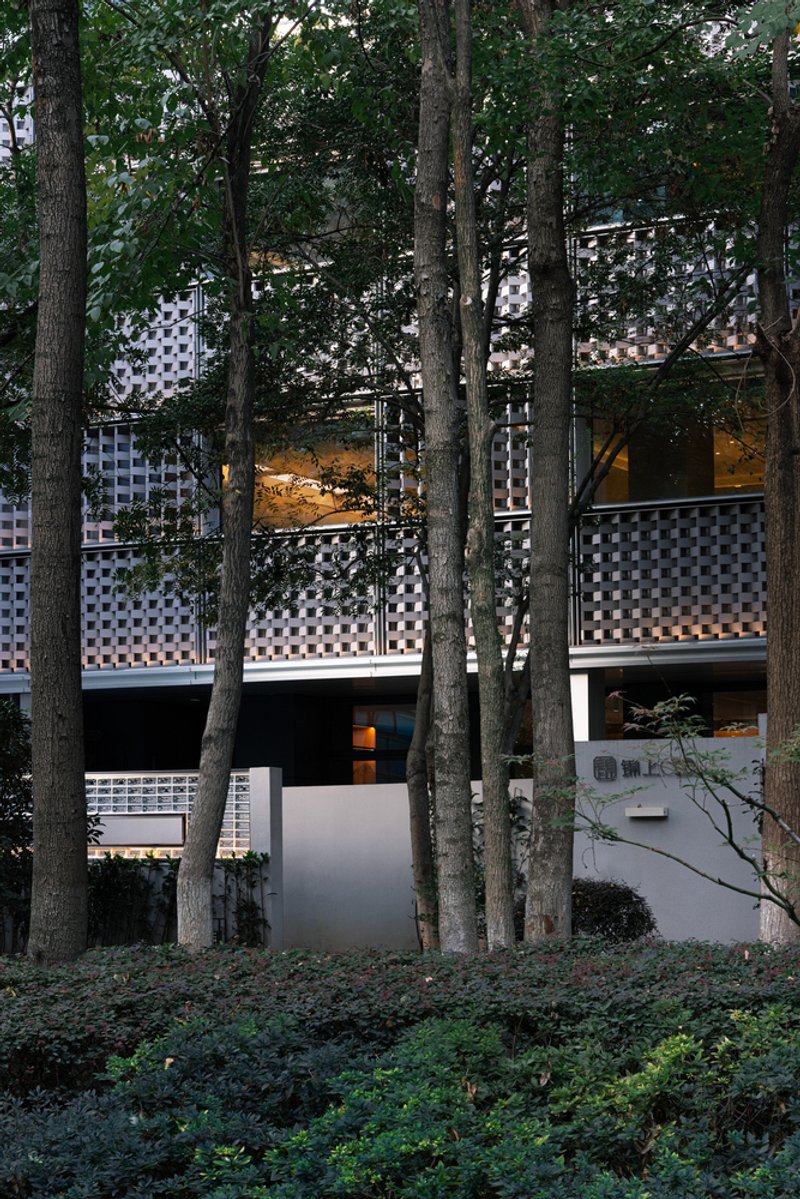
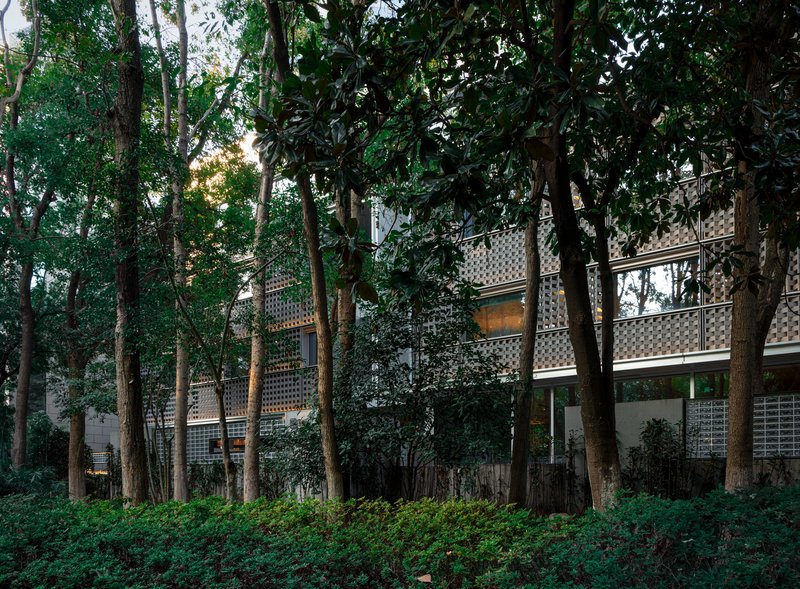
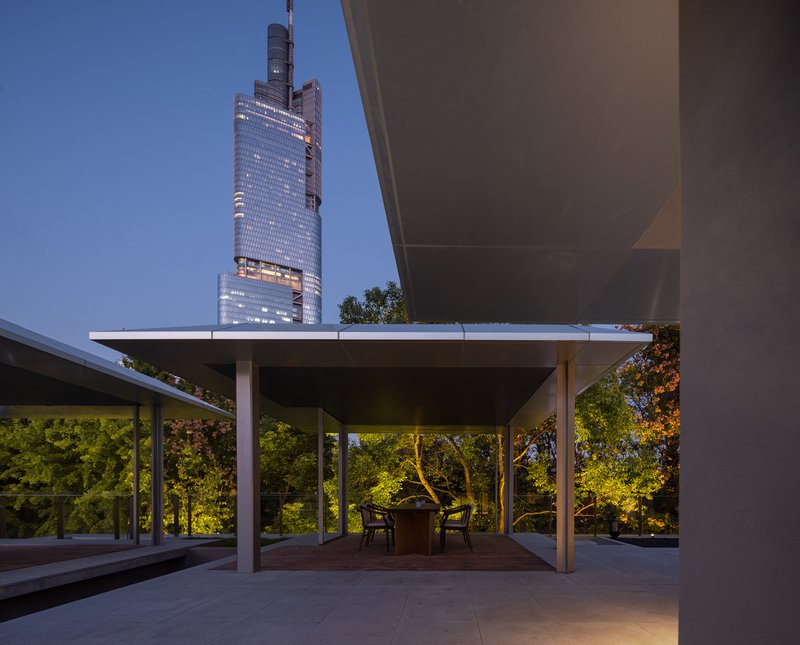
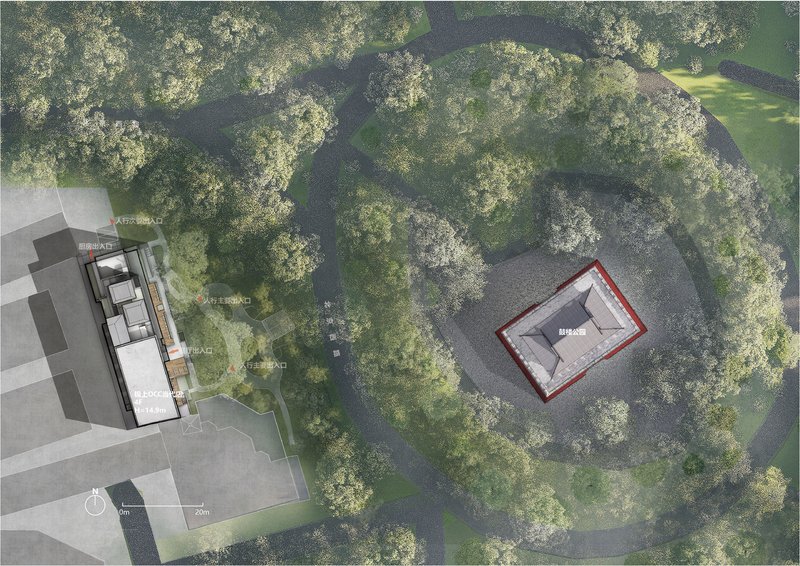
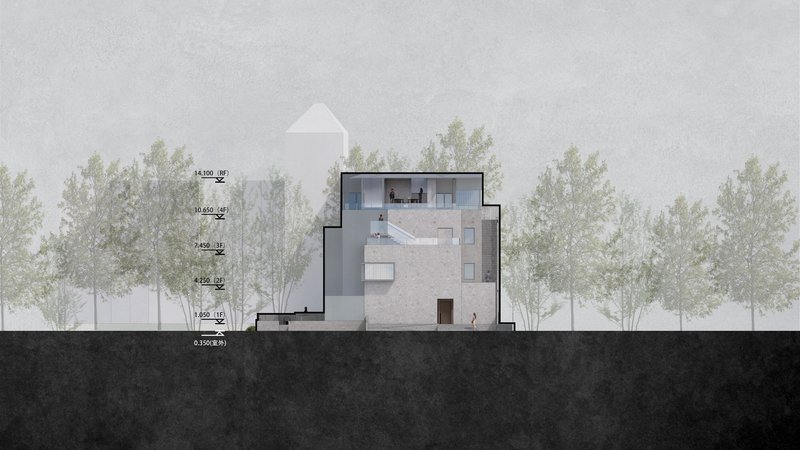
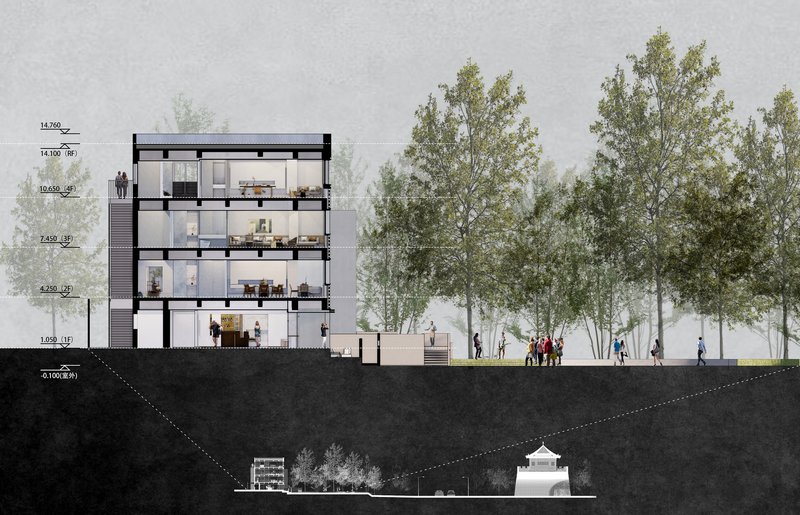
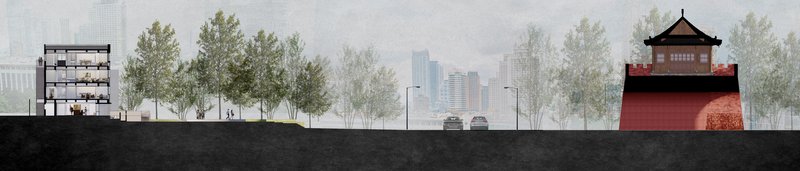
The restaurant's location is deeply rooted in Nanjing’s cultural history, with the iconic Drum Tower and nearby universities contributing to its rich urban narrative. The design team sought to create a space that responds to the past while catering to modern lifestyles. Through a strategy of "dissolving architecture," the building becomes an extension of the surrounding environment, allowing nature and history to merge effortlessly into the spatial experience.
Blurring the Boundaries of Interior and Exterior
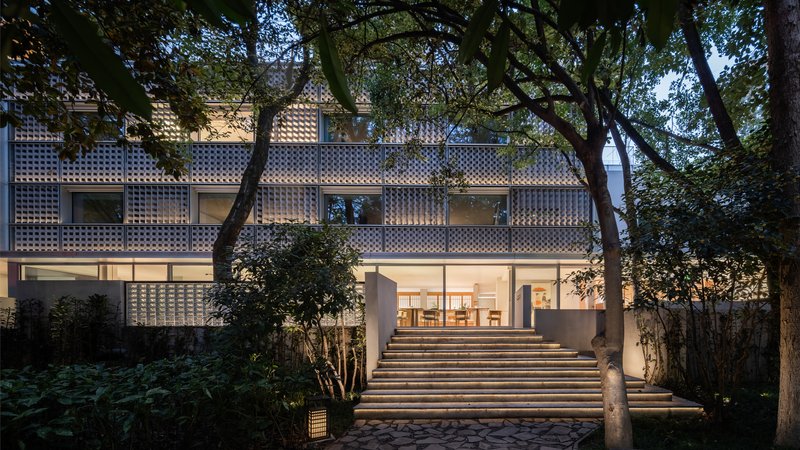
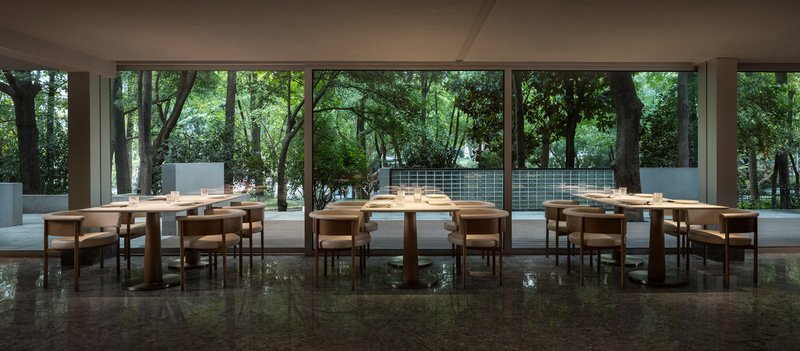
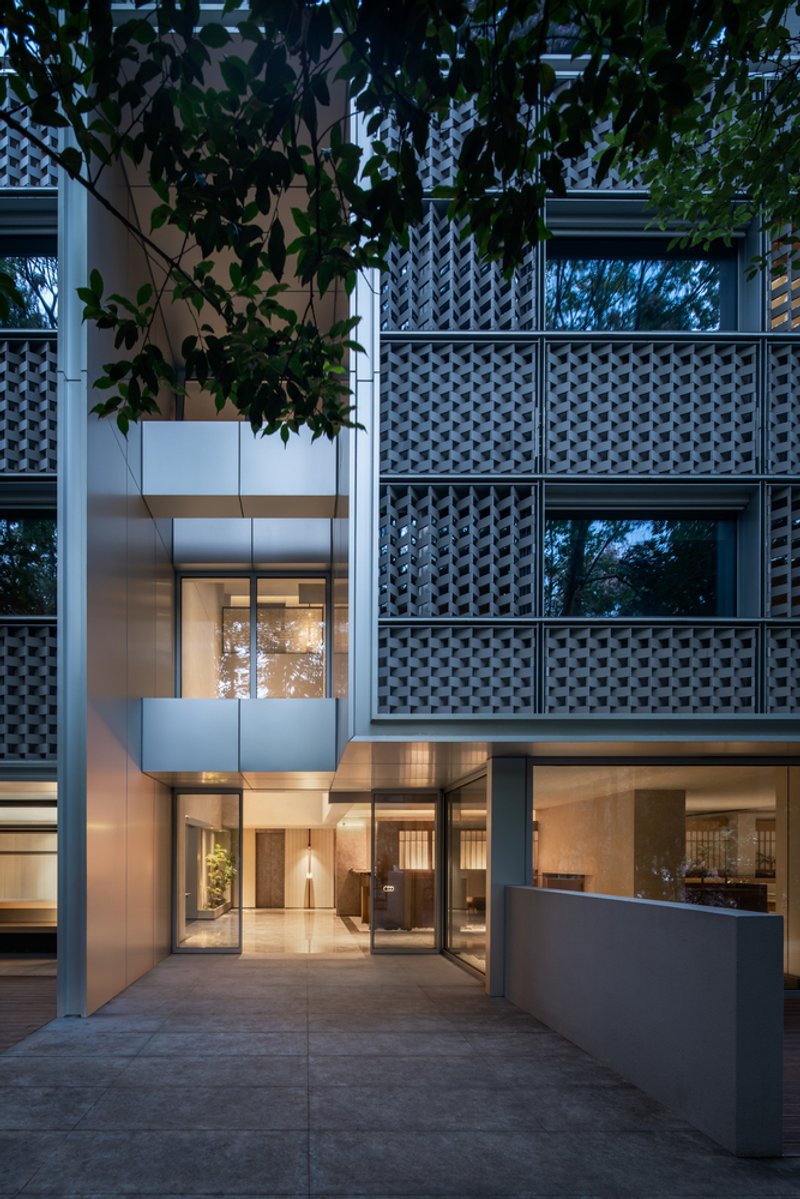
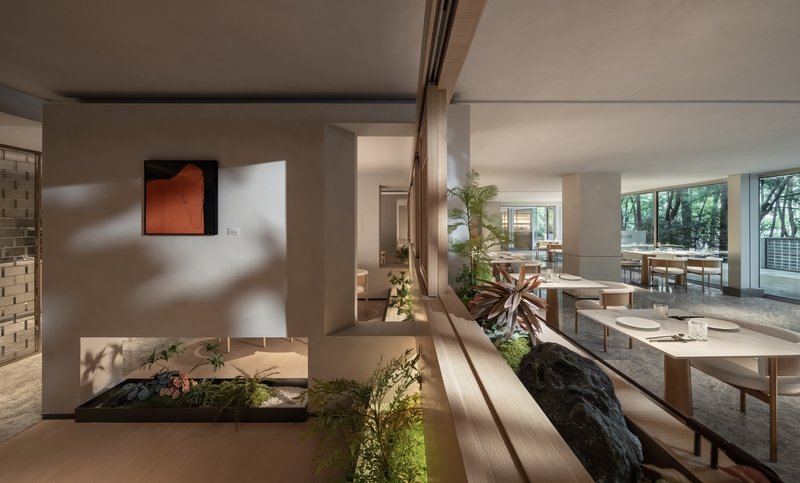
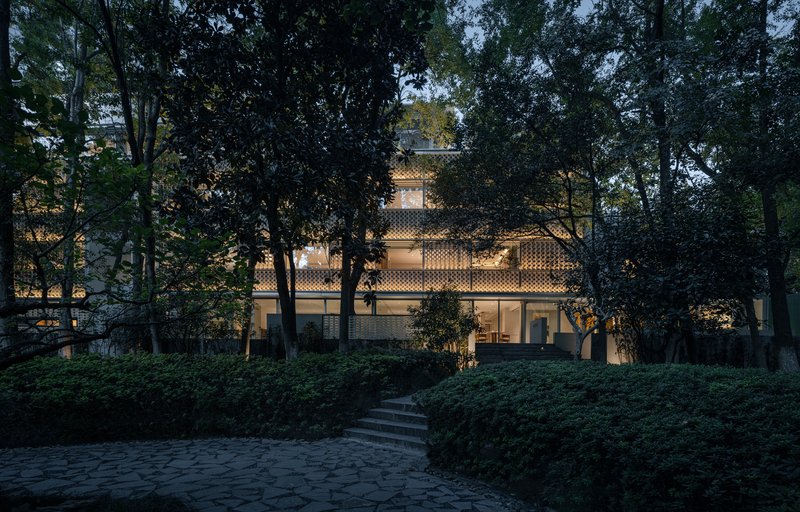
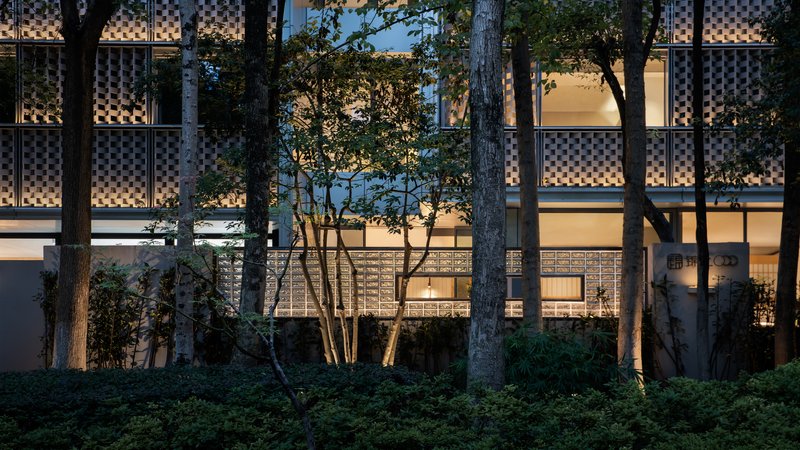
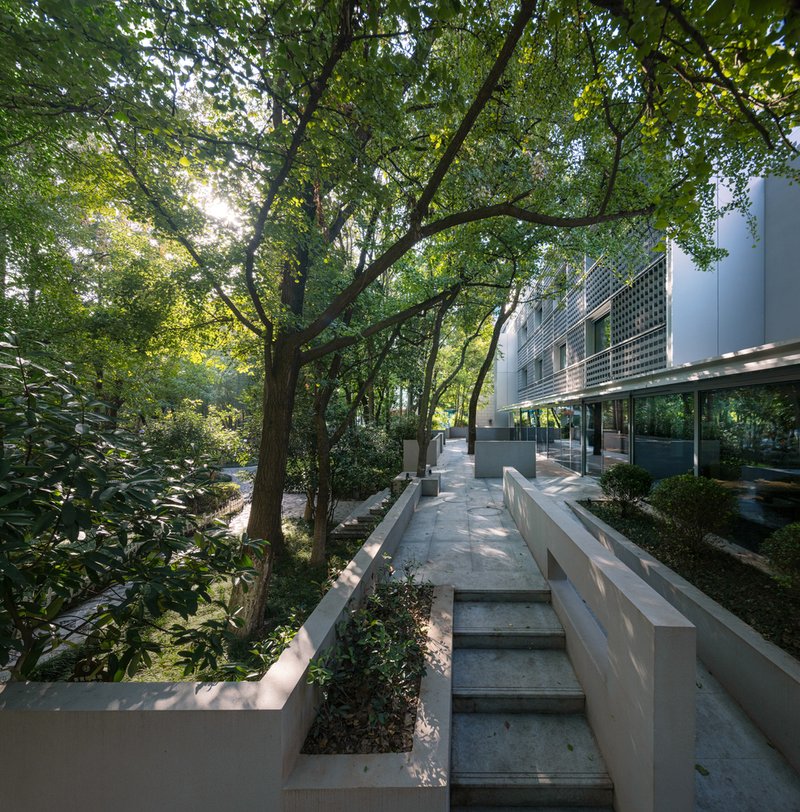
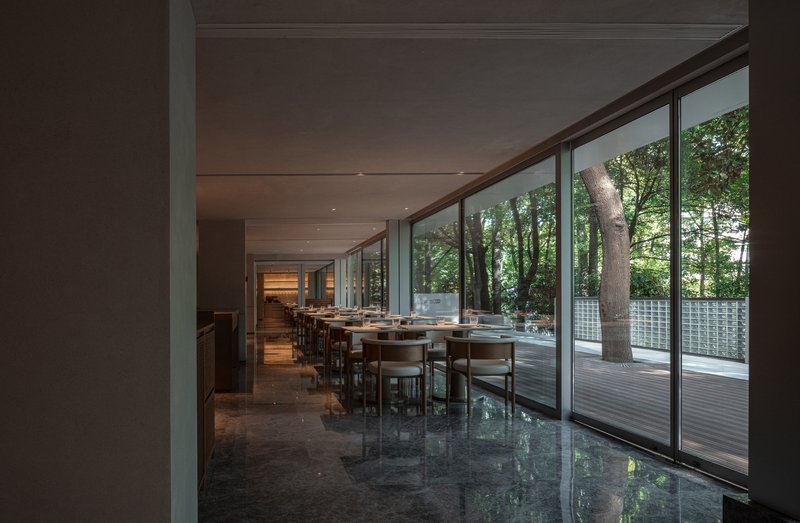
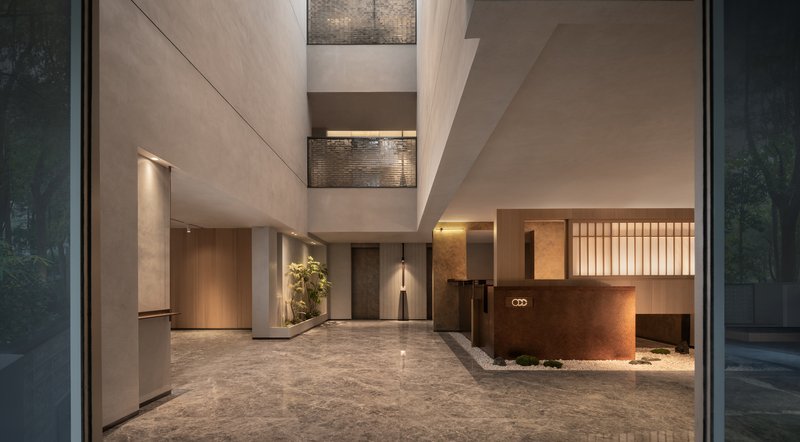
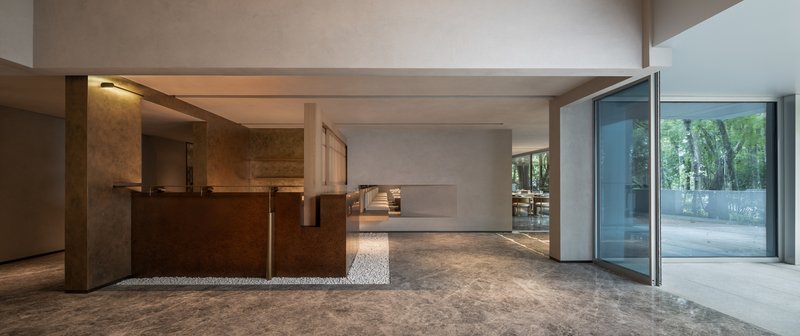
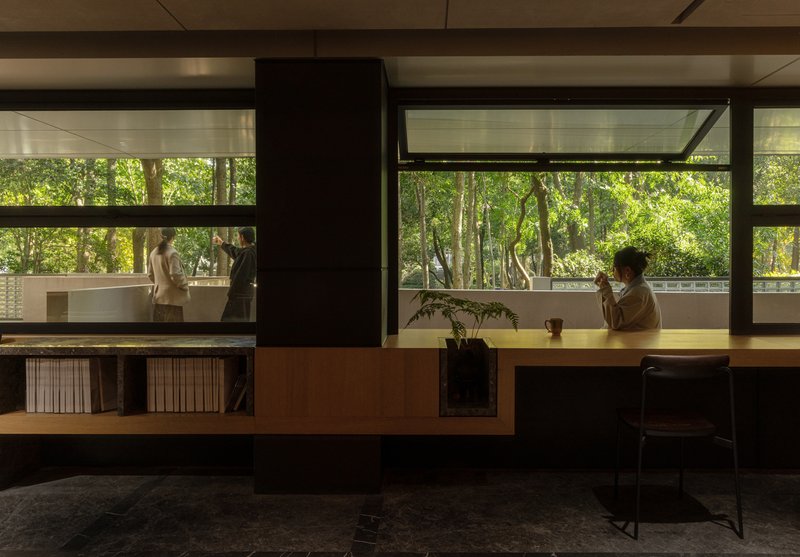
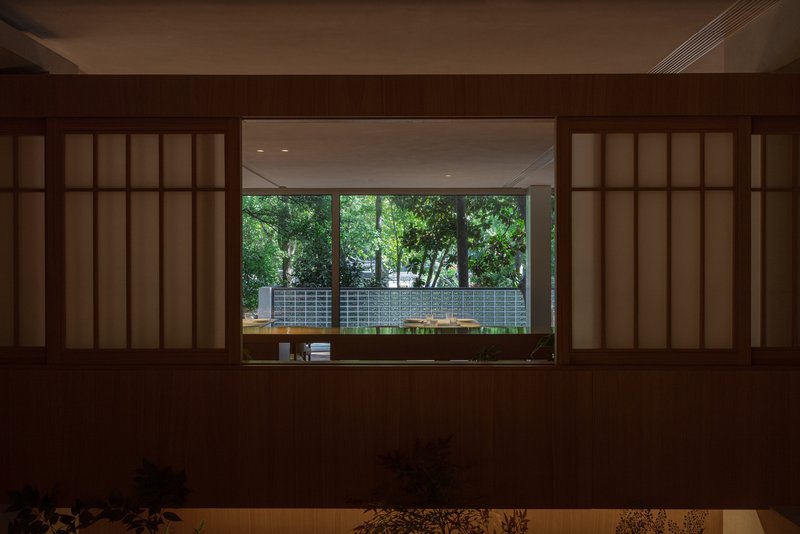
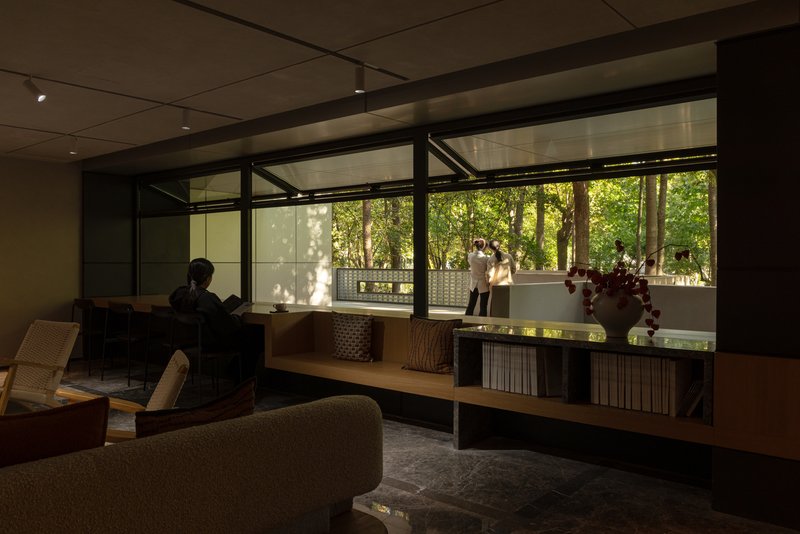
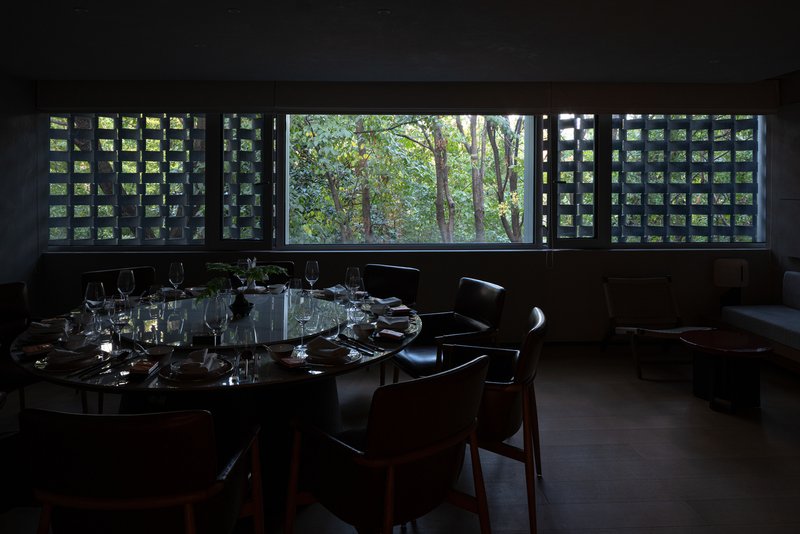
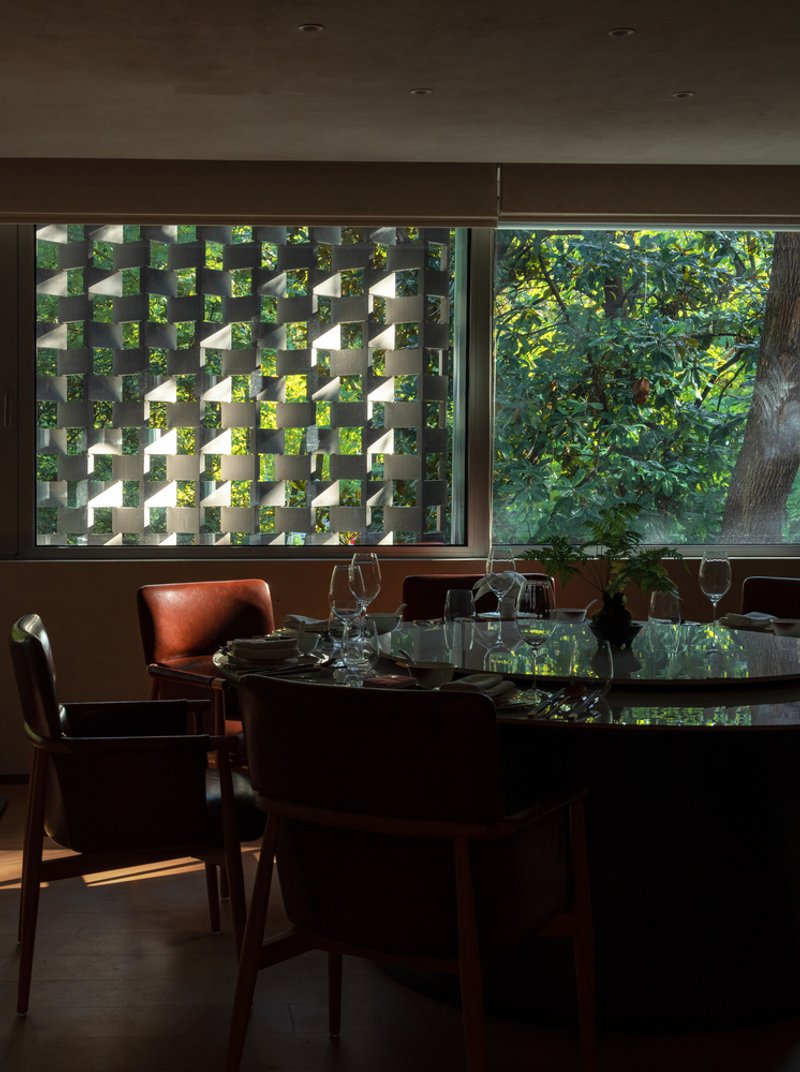
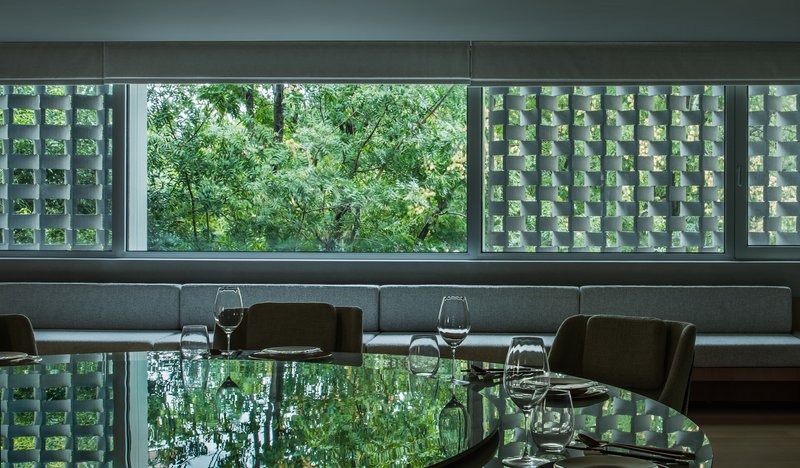
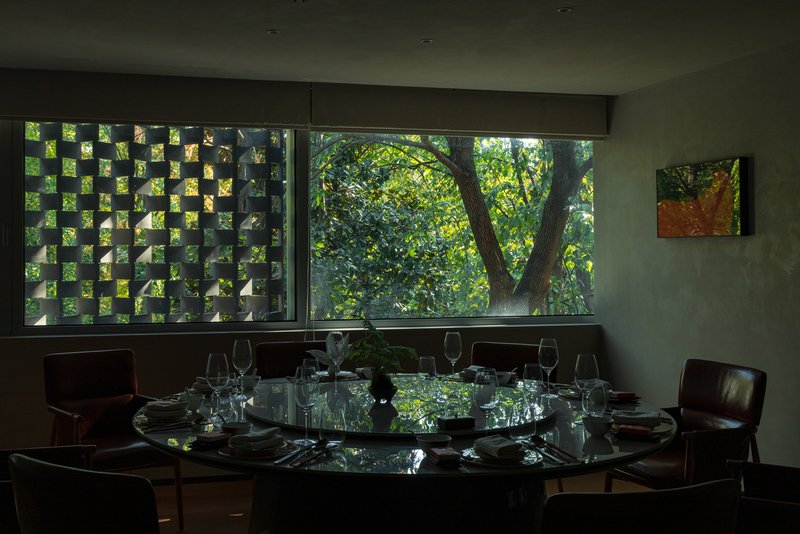
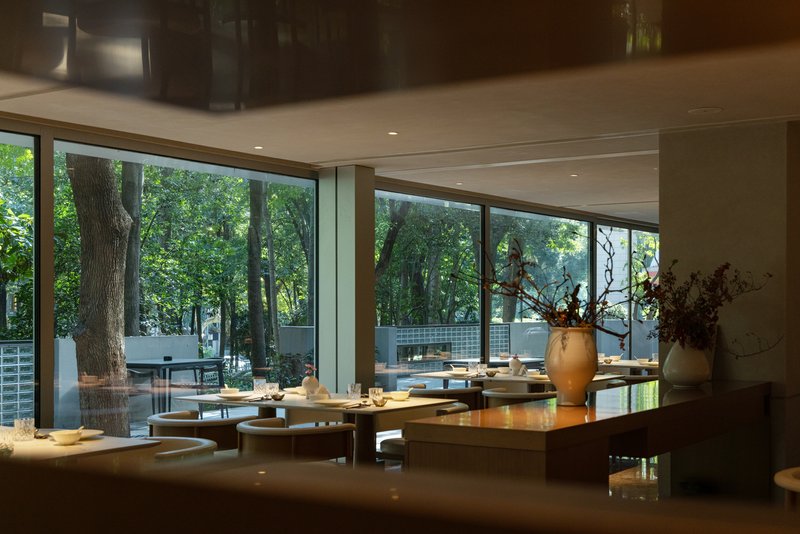
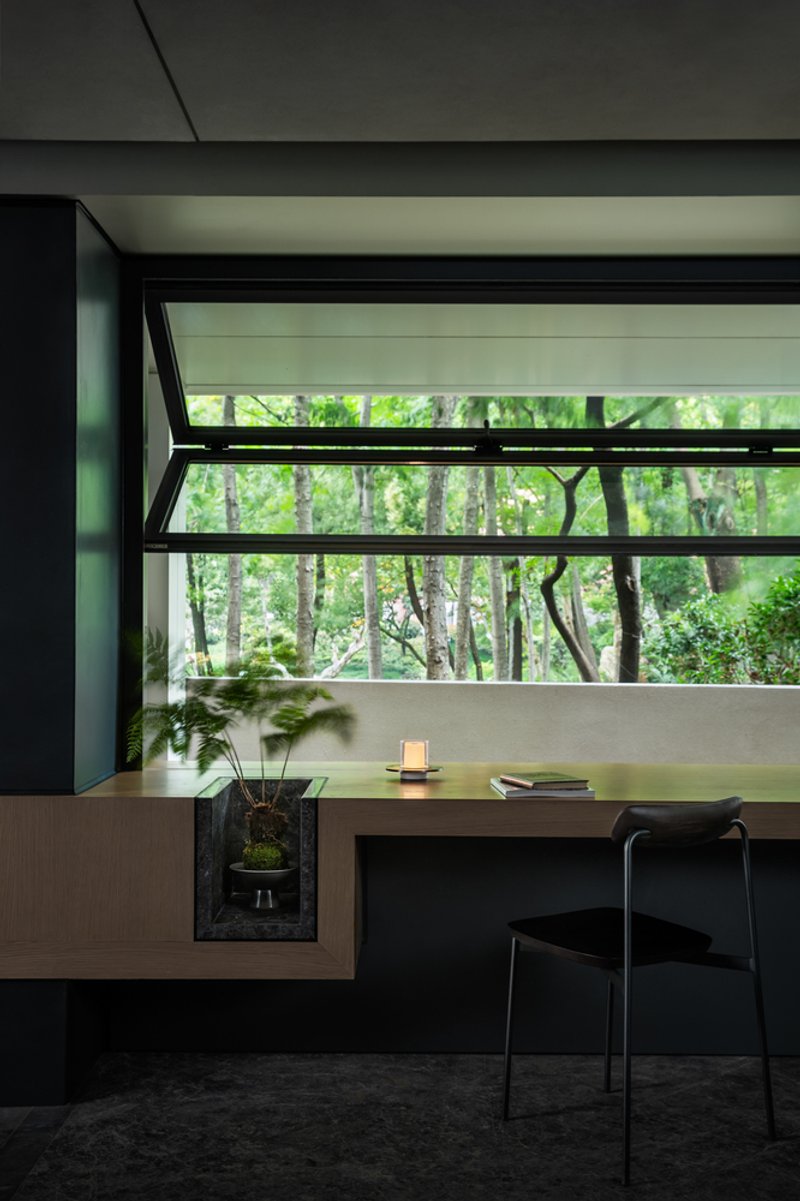
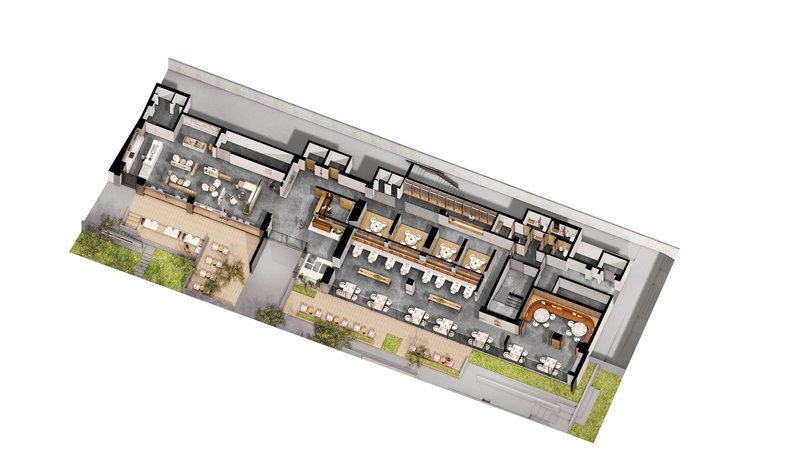
Jinshang OCC challenges the conventional restaurant layout by embracing an open architectural approach. The first floor connects directly to the urban landscape, dissolving the boundary between inside and outside. Large windows, partition walls, and transparent facades allow light, shadow, and greenery to permeate the space, creating a fluid dialogue between architecture and nature.
The Influence of Traditional Chinese Garden Design
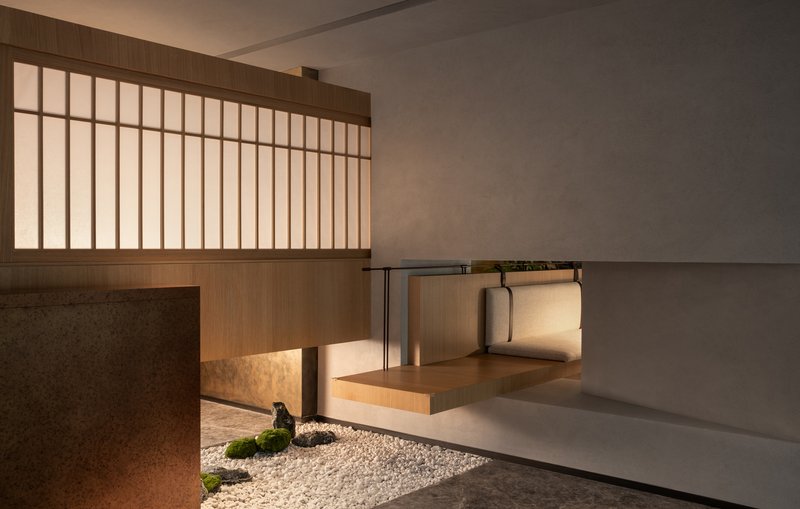
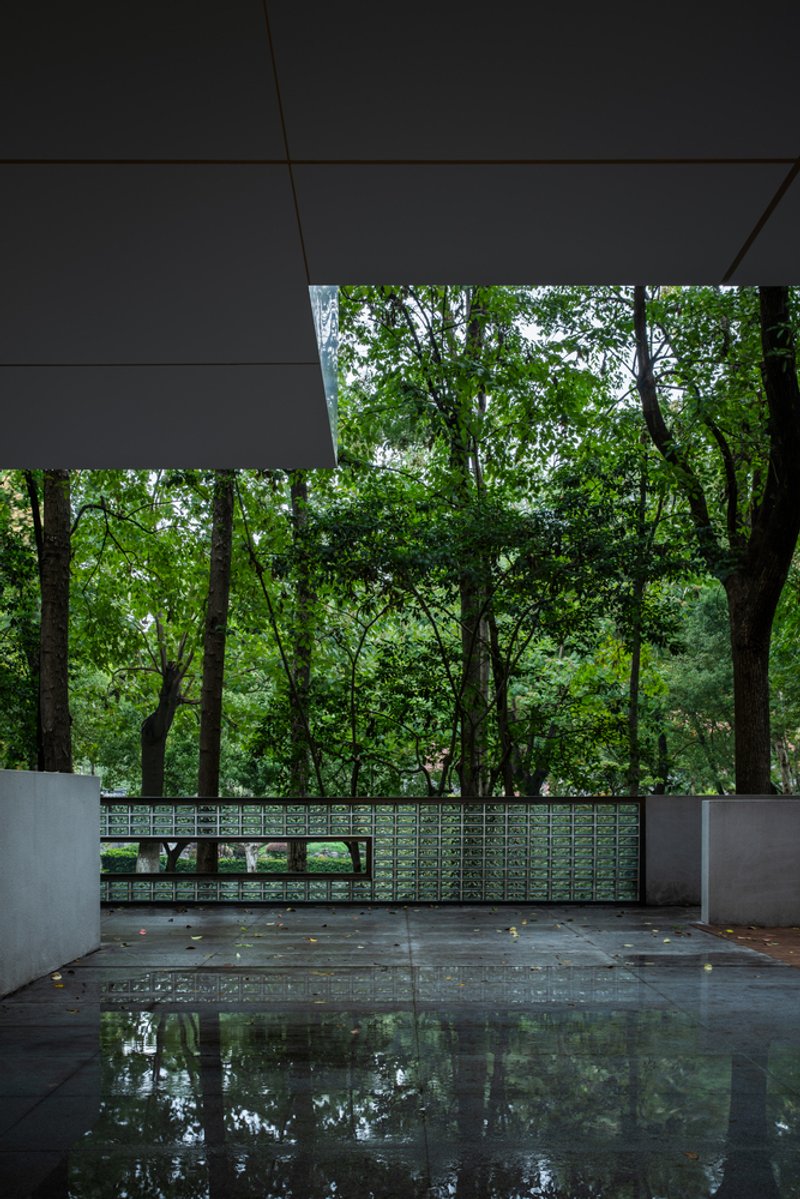
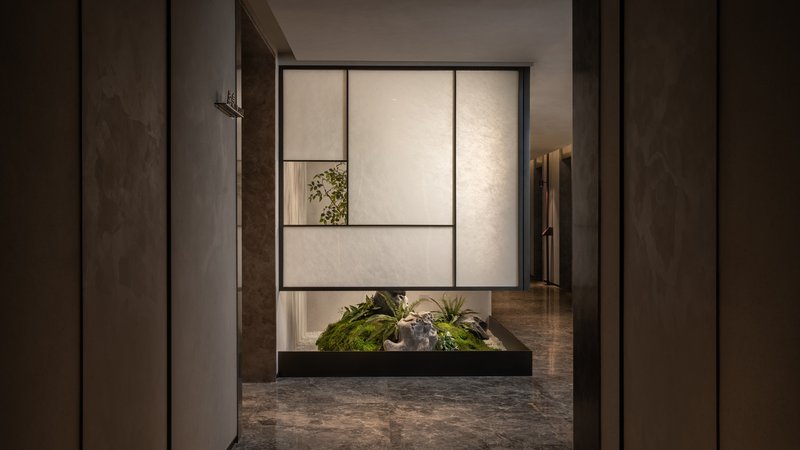
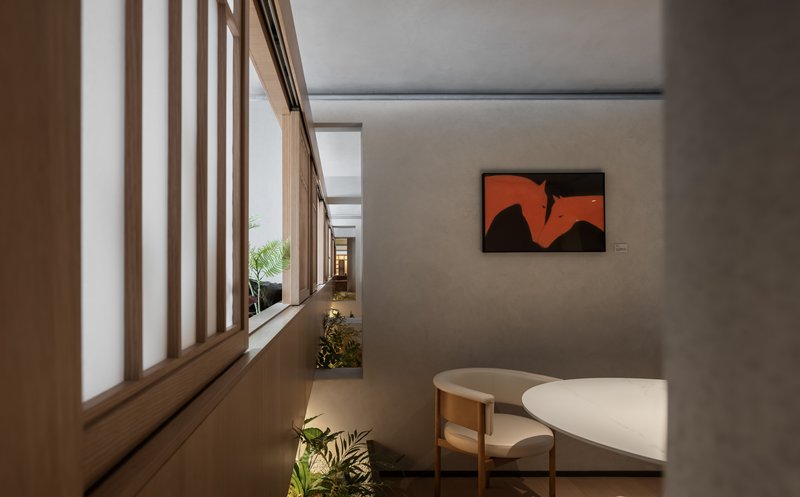
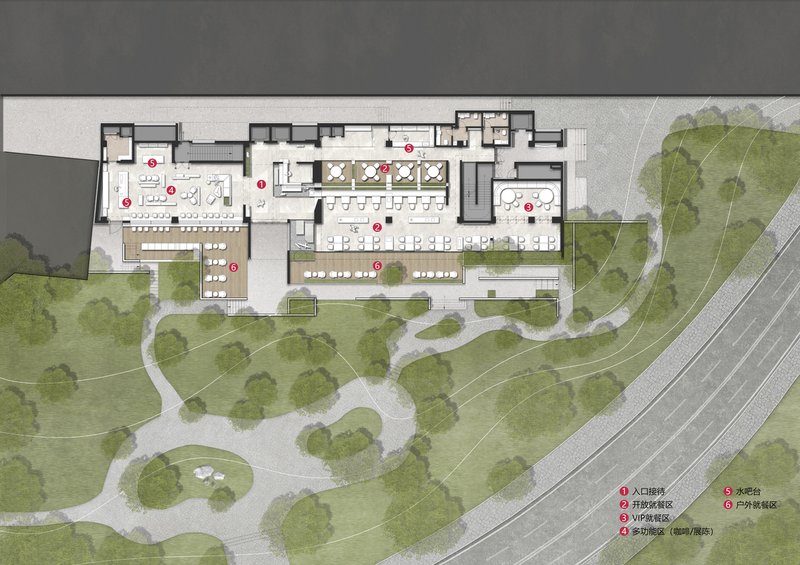
A key inspiration for the project is the classical "garden within a garden" concept, where layered spaces create a sense of transition and discovery. The restaurant moves from an open public space to a semi-private courtyard, finally leading into enclosed dining areas. This gradual progression not only enhances spatial depth but also embodies a modern interpretation of traditional Chinese architecture.
Spatial Experience and Functional Design
A Multi-Layered Dining Experience
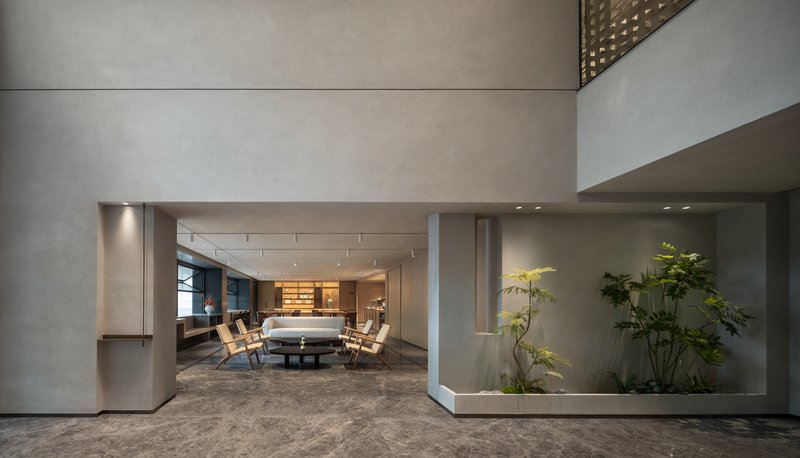
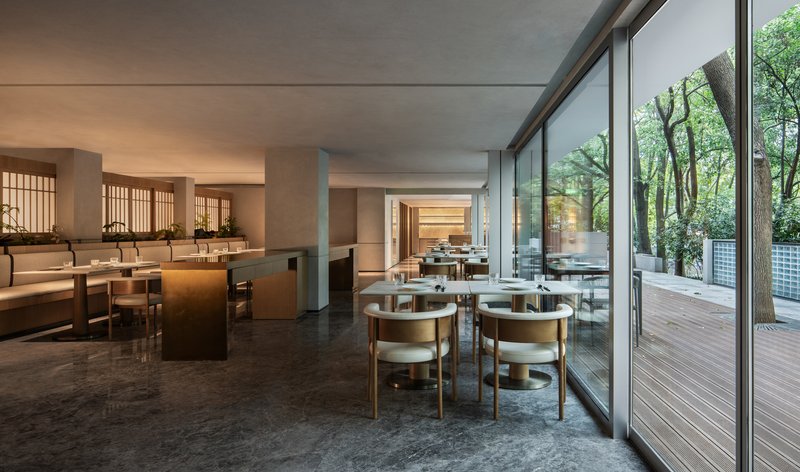
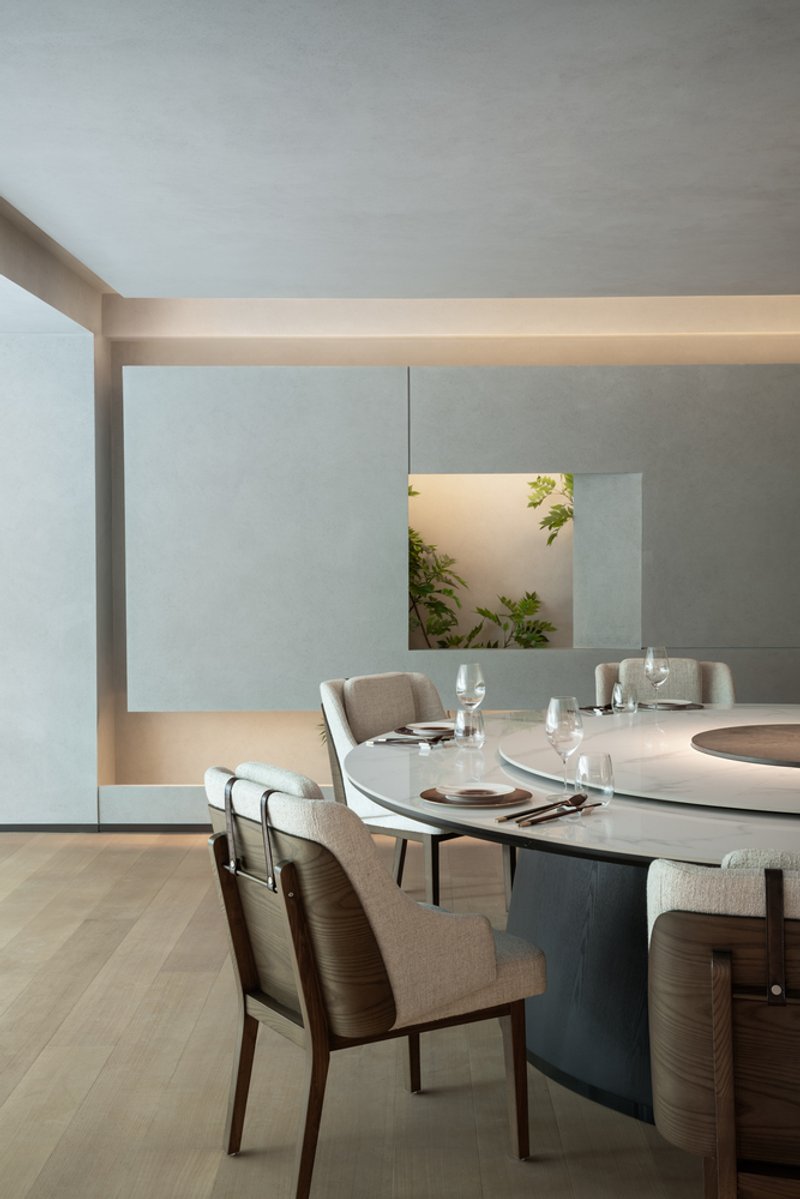
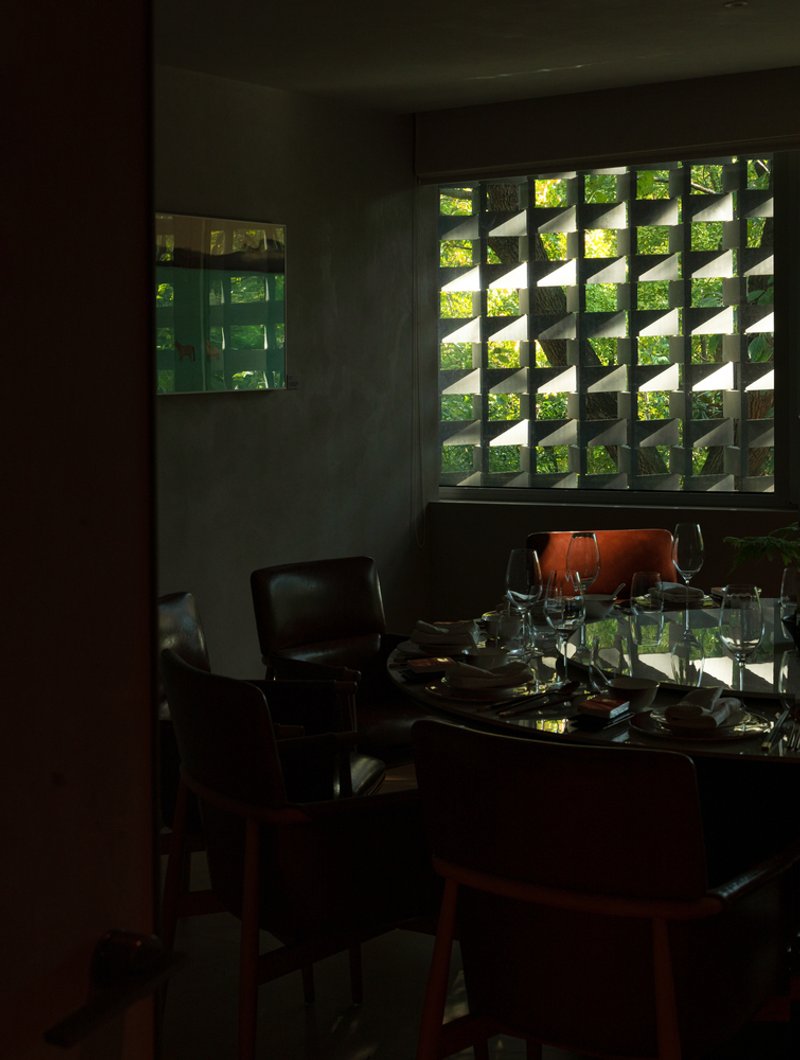
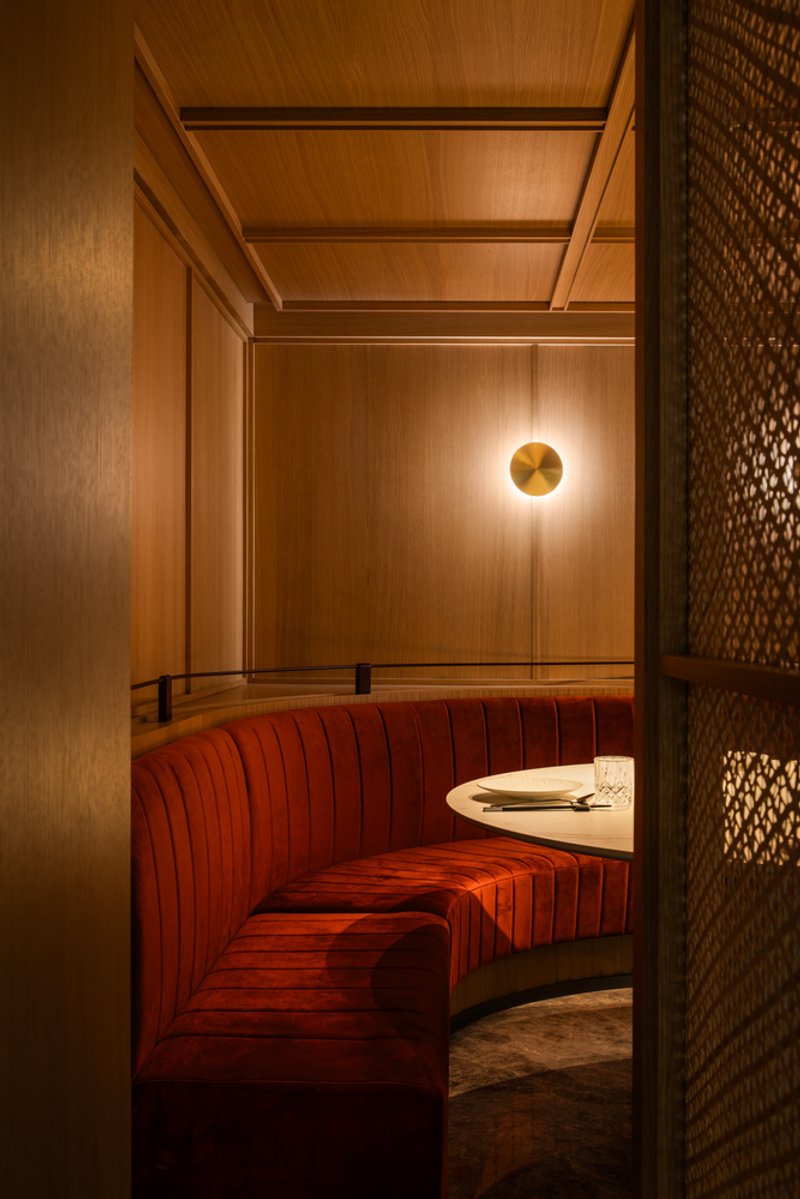
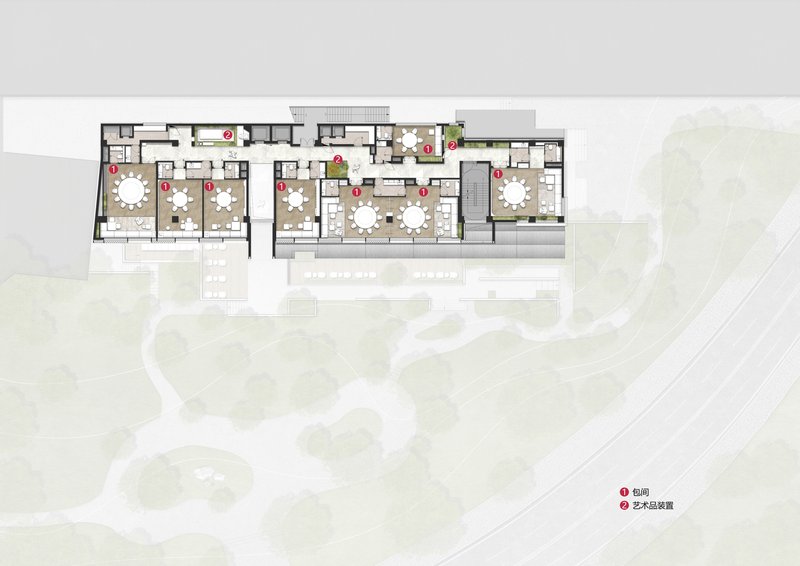
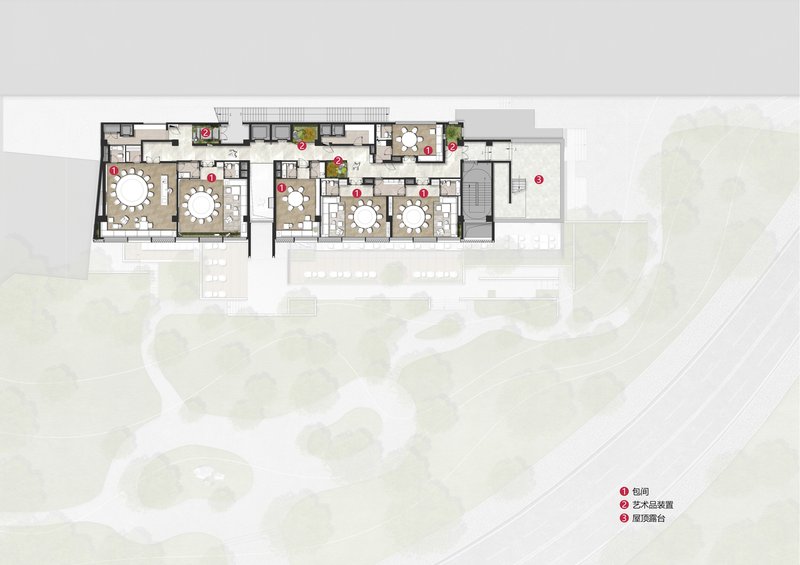
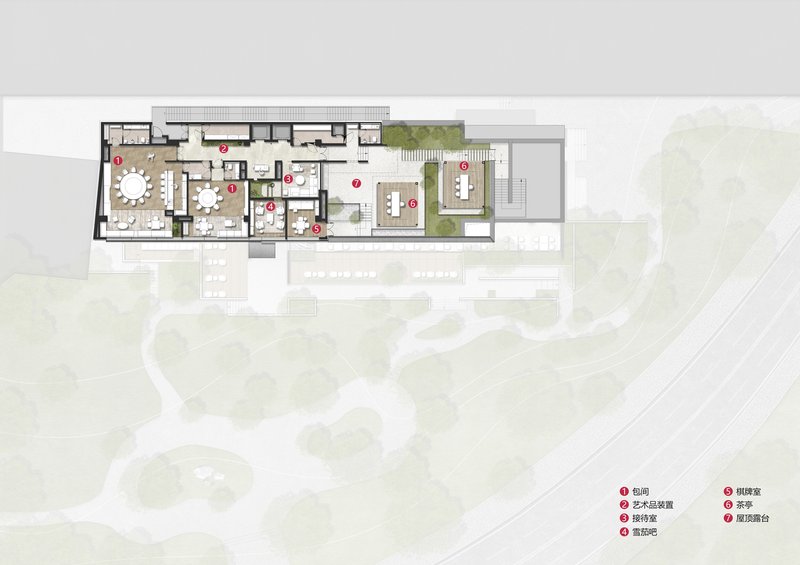
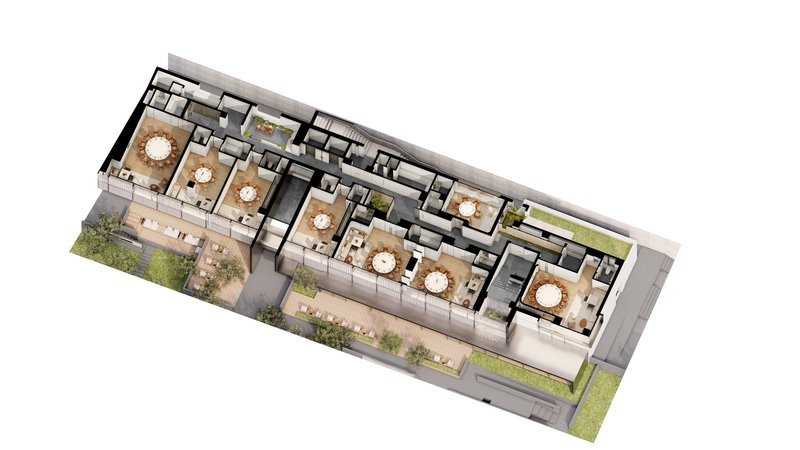
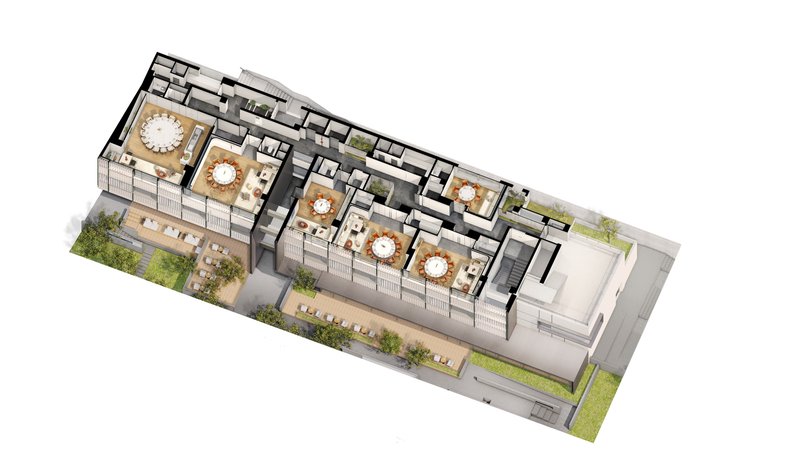
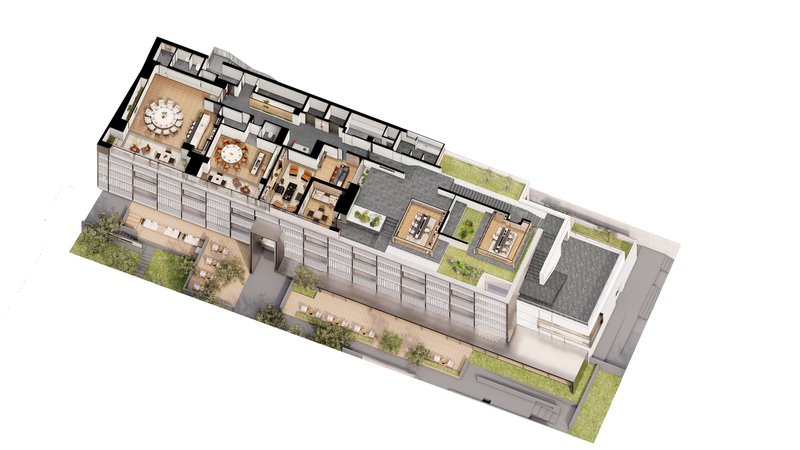
The ground floor is designed as an open market-like dining area, blending seamlessly with city life. It features a café and casual dining space where guests can interact with their surroundings. The upper floors house private dining rooms, offering an exclusive and intimate setting with large windows that frame seasonal views of the Drum Tower’s historic red walls.
Materiality and Aesthetic Balance
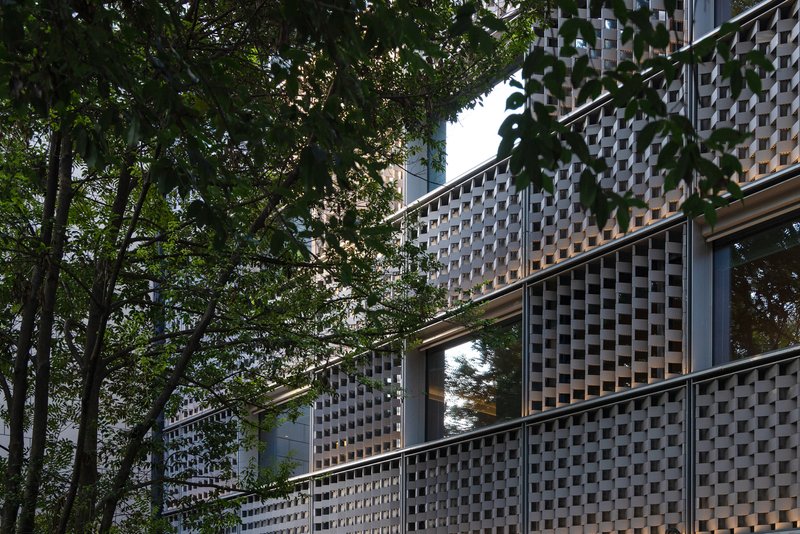
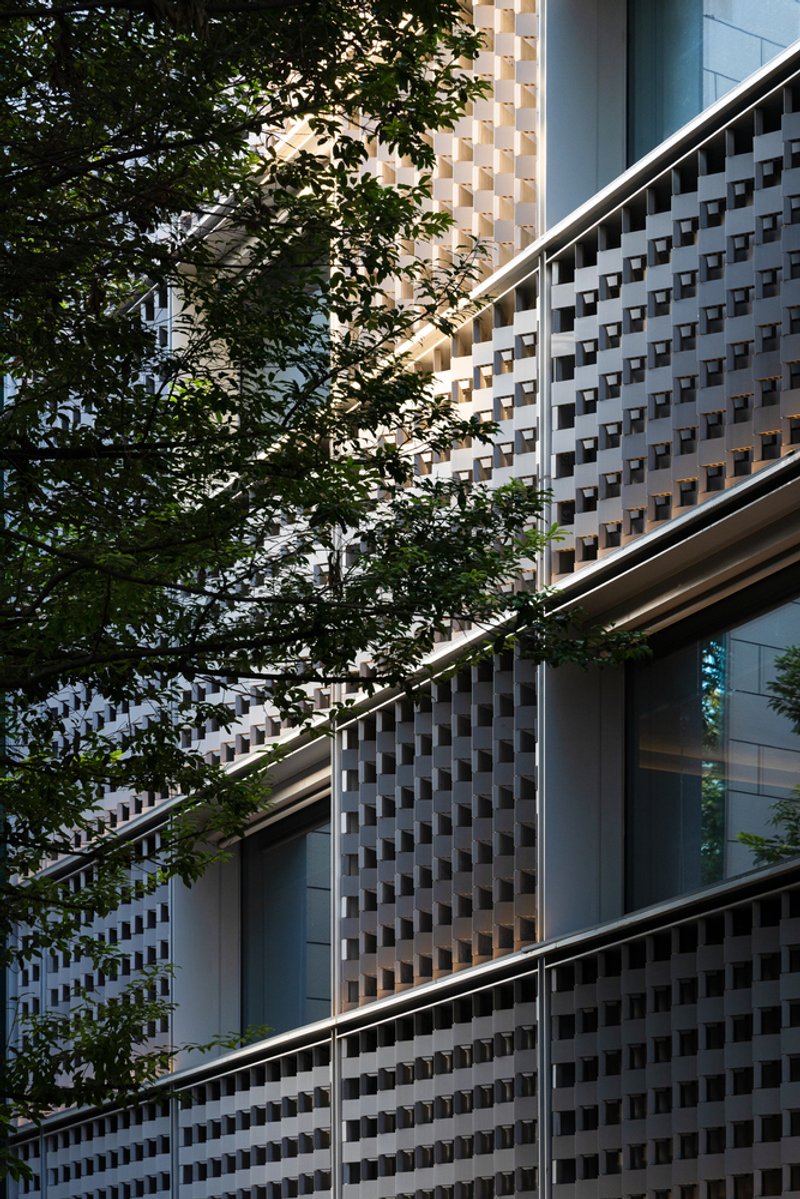
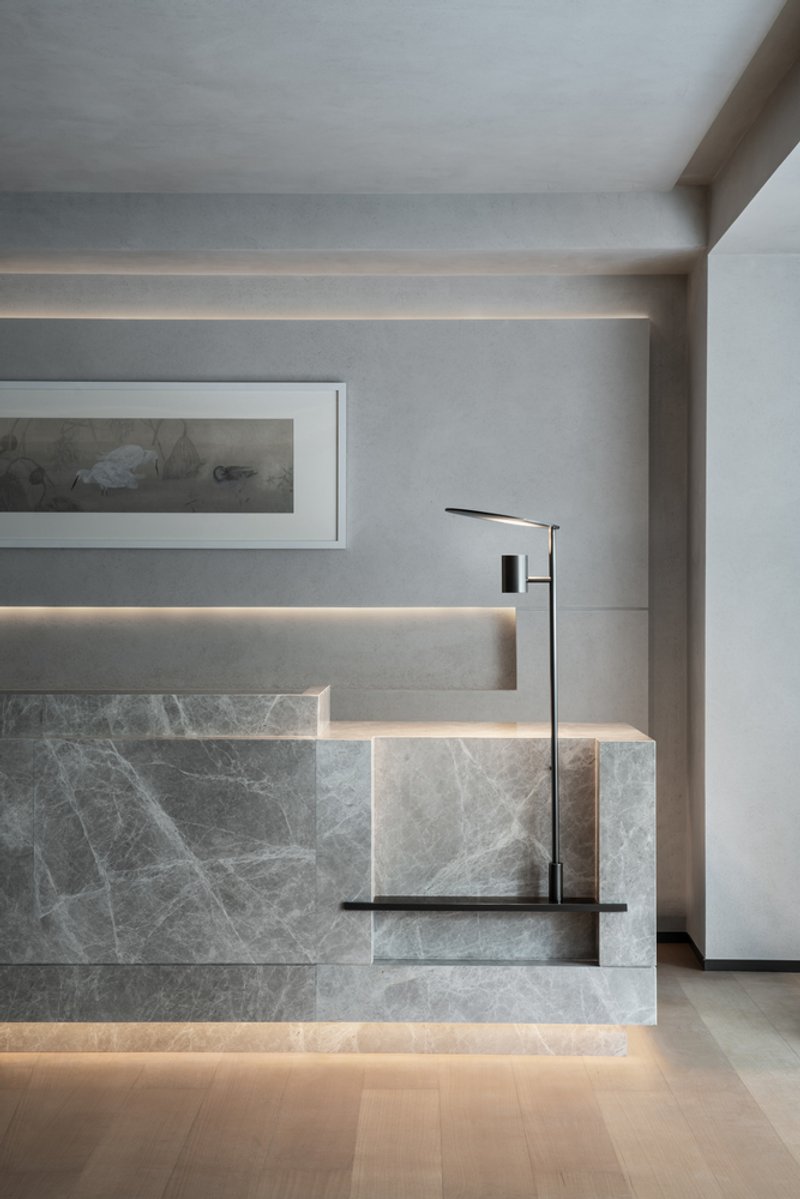
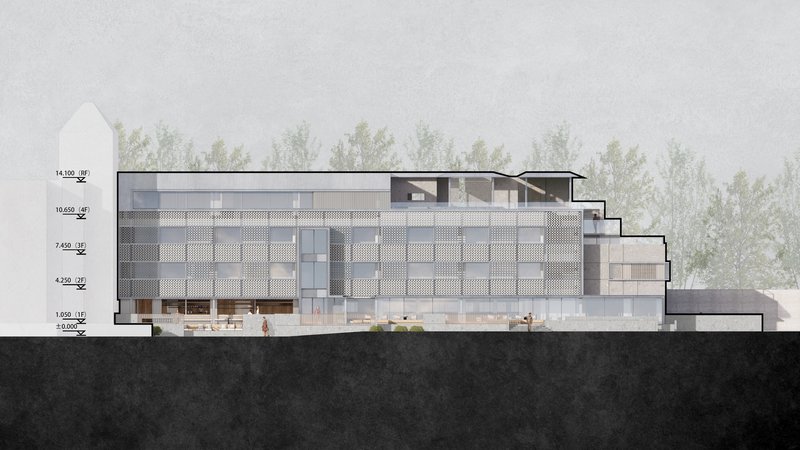
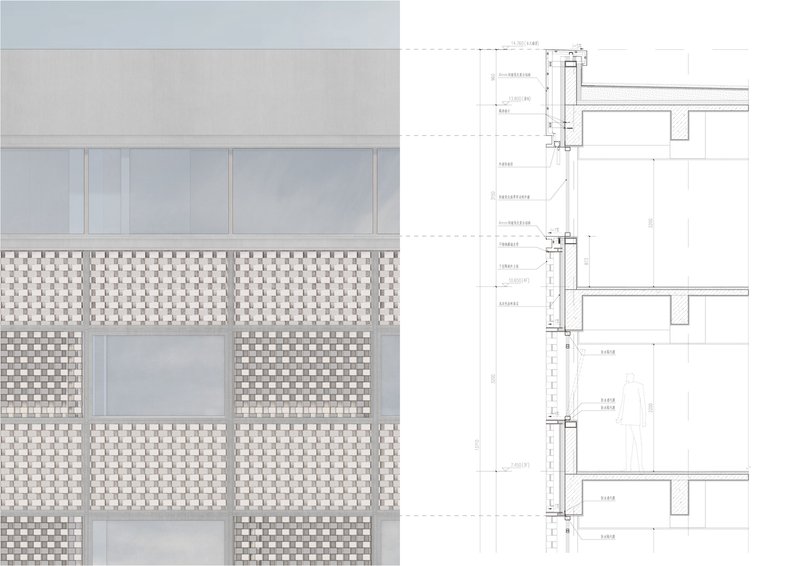
The material palette is carefully curated to reflect both historical authenticity and modern sophistication. Folding terracotta panels mimic the intricate details of traditional lattice windows, while contemporary furniture and lighting create a refined yet inviting atmosphere. The use of natural materials such as wood and stone reinforces the organic connection between the restaurant and its environment.
The Evolution of Modern Restaurant Architecture
Creating a Cultural and Social Landmark
Jinshang OCC is not just a place for dining—it is a cultural hub that fosters social engagement and artistic expression. The layered design allows for multiple experiences within a single space, from vibrant communal gatherings to quiet, intimate moments. This approach represents the evolving role of restaurant architecture as an extension of cultural and social life.
Bridging Tradition and Modernity
BUZZ/ Büro Ziyu Zhuang’s design philosophy for Jinshang OCC showcases how modern restaurant architecture can honor tradition while embracing contemporary needs. By integrating historical context, natural elements, and modern spatial strategies, the project sets a new benchmark for future dining spaces in China and beyond.
A New Chapter in Restaurant Architecture
Jinshang OCC Restaurant is a testament to the power of modern restaurant architecture, where history, nature, and contemporary design converge to create a unique and immersive dining experience. Through a masterful blend of architectural storytelling, spatial fluidity, and material harmony, the project redefines how dining environments can shape cultural identity and urban life.
All Photographs are works of Ting Wang, Shengliang Su




Popular Articles
Popular articles from the community

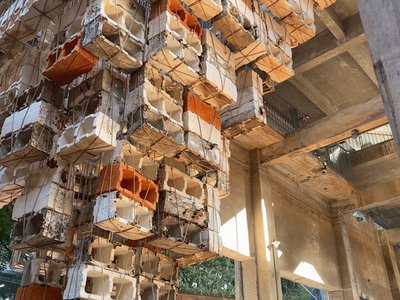
Inverted Architecture Installation by Studio Link-Arc: Exploring the Intersection of Architecture and Living Organisms
Inverted Architecture Installation by Studio Link-Arc blends mycelium, sustainability, inverted design, ecological cycles, and urban adaptive architecture in Shenzhen.
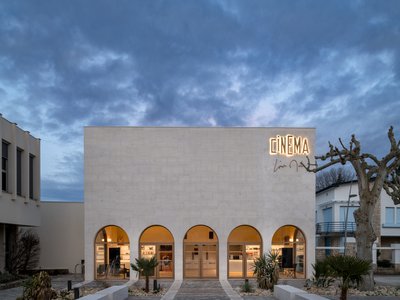
Louis Malle Cinema: A Limestone Cultural Landmark Revitalizing Community Life in Prayssac
Limestone cinema extension with public forecourt, blending heritage and modern design to create flexible cultural spaces and strengthen community interaction.
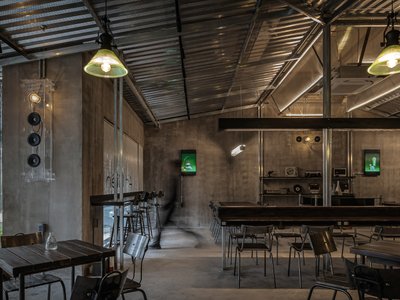
An Miên Lumière Cafe by xưởng xép, Ho Chi Minh City, Vietnam
An industrial-inspired café where layered steel and warm light create a dynamic, immersive environment shaped by reflection, depth, and perception.
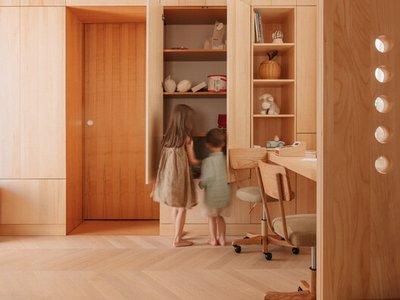
Treehouse Apartment: A Warm Timber Interior Blending Craft, Play, and Contemporary Living
Warm timber apartment with integrated treehouse, combining natural materials, craftsmanship, and playful design to create a flexible, family-oriented living environment.


Similar Reads
You might also enjoy these articles


The Ken Roberts Memorial Delineation Competition (Krob)
As the most senior architectural drawing competition currently in operation anywhere in the world, it draws hundreds of entries each year, awarding the very best submissions in a series of medium-based categories.

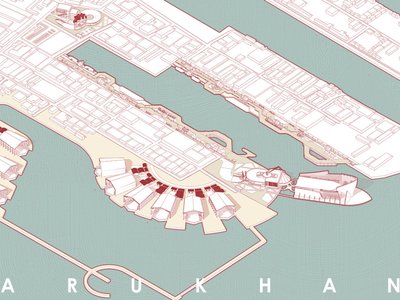
Waterfront Redevelopment and Urban Revitalization in Mumbai: Forging a New Dawn for Darukhana
A transformative waterfront redevelopment project reimagining Darukhana’s shipbreaking heritage into an inclusive urban future.
OUT-OF-MAP: A Call for Postcards on Feminist Narratives of Public Space
Rhizoma Design and Research Lab invites artists, designers, architects, researchers, and students to reflect on how feminist perspectives can reshape public space. Selected works will be exhibited in Barcelona, October 2026. Submissions open until 15 April 2026.

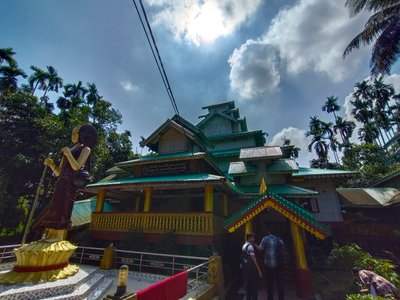
Documentation Work on Buddhist Wooden Temple
Architectural syncretism and cultural hybridity: A comparative study of the Buddhist temples in Chattogram Hill tracks

Explore Architecture Competitions
Discover active competitions in this discipline




The International Standard for Design Portfolios


The Global Benchmark for Architecture Dissertation Awards


The Global Benchmark for Graduation Excellence


Challenge to reimagine the Iron Throne
Comments (0)
Please login or sign up to add comments
No comments yet. Be the first to comment!