
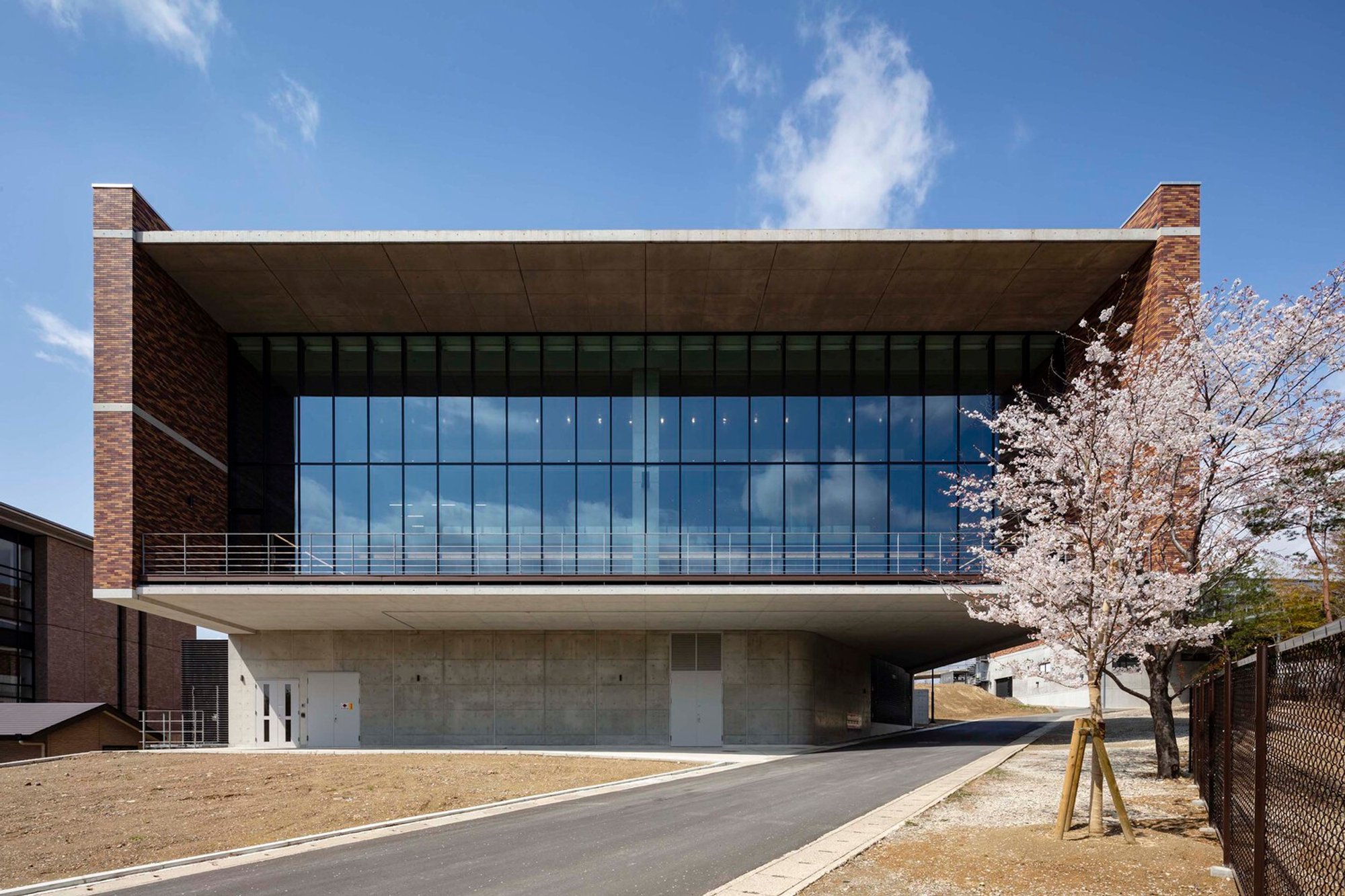
Katsura Library at Kyoto University by Waro Kishi + K.ASSOCIATES/Architects
Katsura Library by Waro Kishi blends harmoniously into Kyoto University’s campus, offering serene study spaces, brick-clad design, and bamboo forest views.

The Katsura Library at Kyoto University, designed by Waro Kishi + K.ASSOCIATES/Architects, stands as a refined example of contemporary Japanese library architecture that prioritizes harmony with its academic surroundings. Completed in 2019, the 4,556 m² project was envisioned as part of the Faculty of Engineering’s gradual relocation from the Hyakumanben main campus to the new Katsura campus, situated in western Kyoto.
A Campus in Transition
Kyoto University’s Katsura campus was conceived with a strict architectural and aesthetic vision: a cohesive identity across all its buildings. Within this framework, the new library had to balance functionality, academic purpose, and a unified campus image. From the very first proposal in 2015, the architects worked within guidelines provided by the Faculty of Engineering, while also preparing a design submission for the Ministry of Culture and Science.
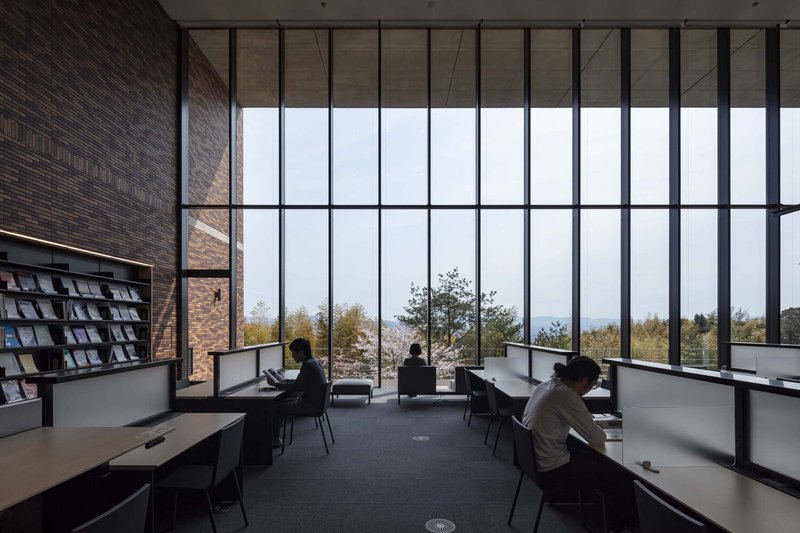
The designated site faced the office wing of the faculty and offered long views across a bamboo forest toward Kyoto City. Respecting this natural and cultural context was crucial in shaping the design.
Design Approach: Low and Linear
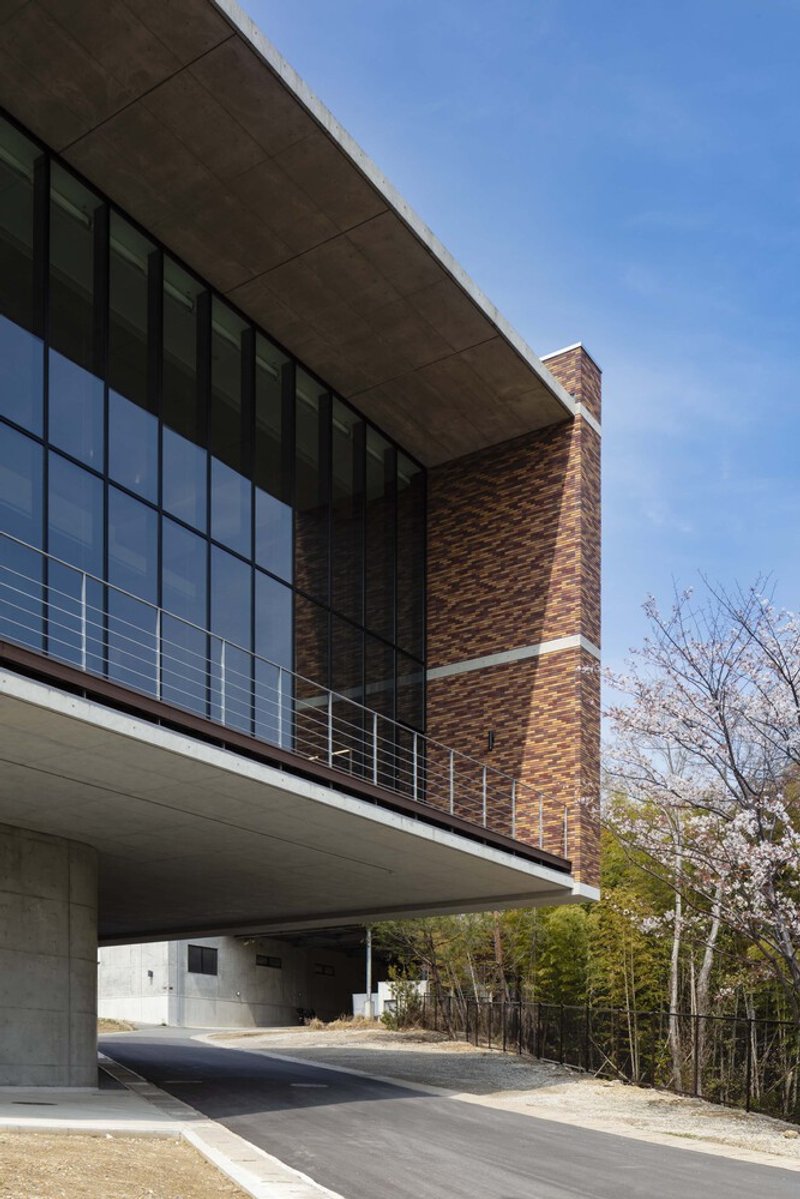
To avoid obstructing eastward views from the office wing, the architects proposed a low-profile structure, rising only one story above the plaza level. The majority of the library’s facilities were placed below this height, ensuring the building acted as a linear extension of the faculty wing rather than an intrusive element on the landscape.
Budget reductions led to a significant downsizing—less than half of the original proposal. Despite this, the architects maintained essential functions for both students and neighboring communities while leaving room for future expansion.
Harmony over Iconicity
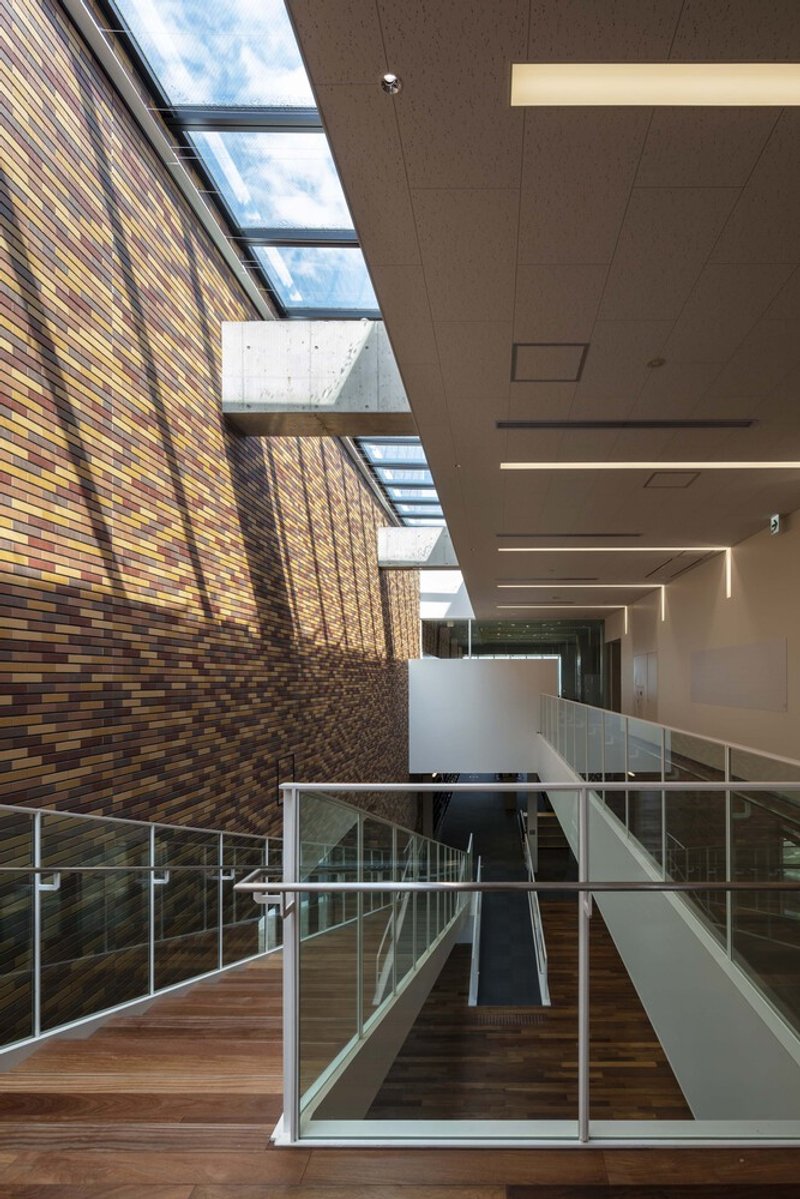
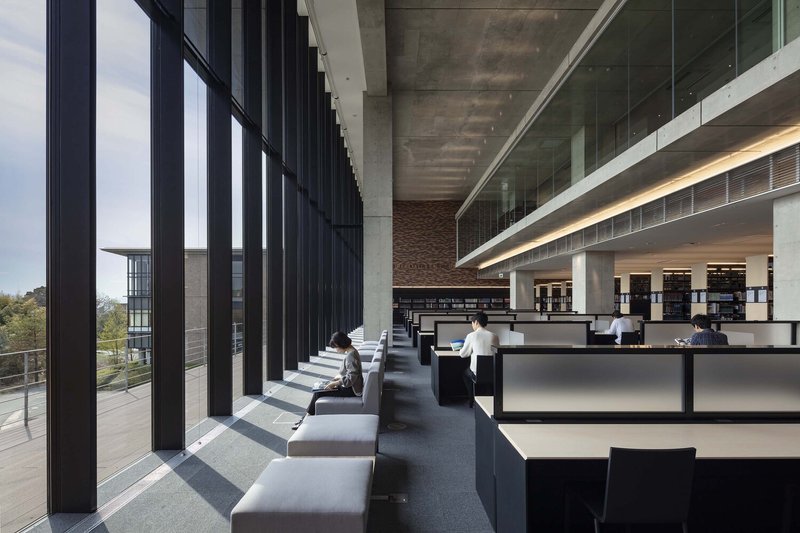
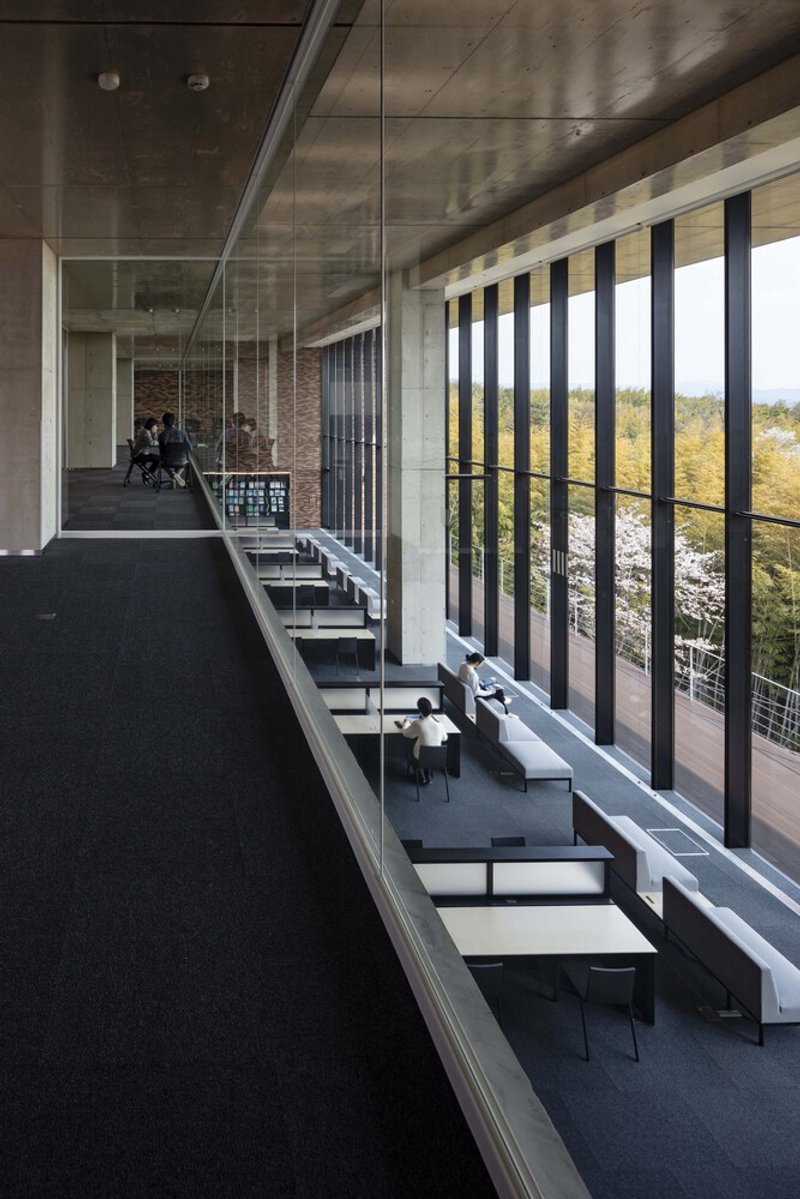
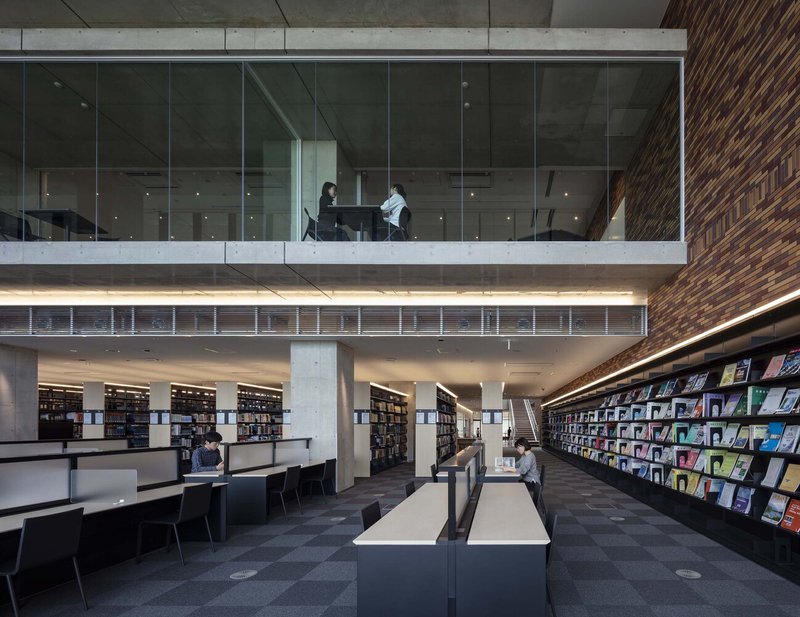
The design philosophy was rooted in blending with the campus, not in standing out. The reading rooms were oriented to preserve distant views of Kyoto over the bamboo forest, reinforcing the connection between study, nature, and cityscape. Externally, the building employed brick tile cladding, a mandatory requirement within the Katsura campus masterplan. This finish echoes a long-standing tradition seen in other academic institutions like the Kyoto Institute of Technology and Kyoto University of the Arts.
The architects deliberately avoided creating an iconic building. Instead, the library serves as a discreet architectural stage, where the campus’s collective identity is emphasized. The design extends beyond the building itself, incorporating plazas, walkways, and public passages, enhancing the campus as a cultural and social landscape.
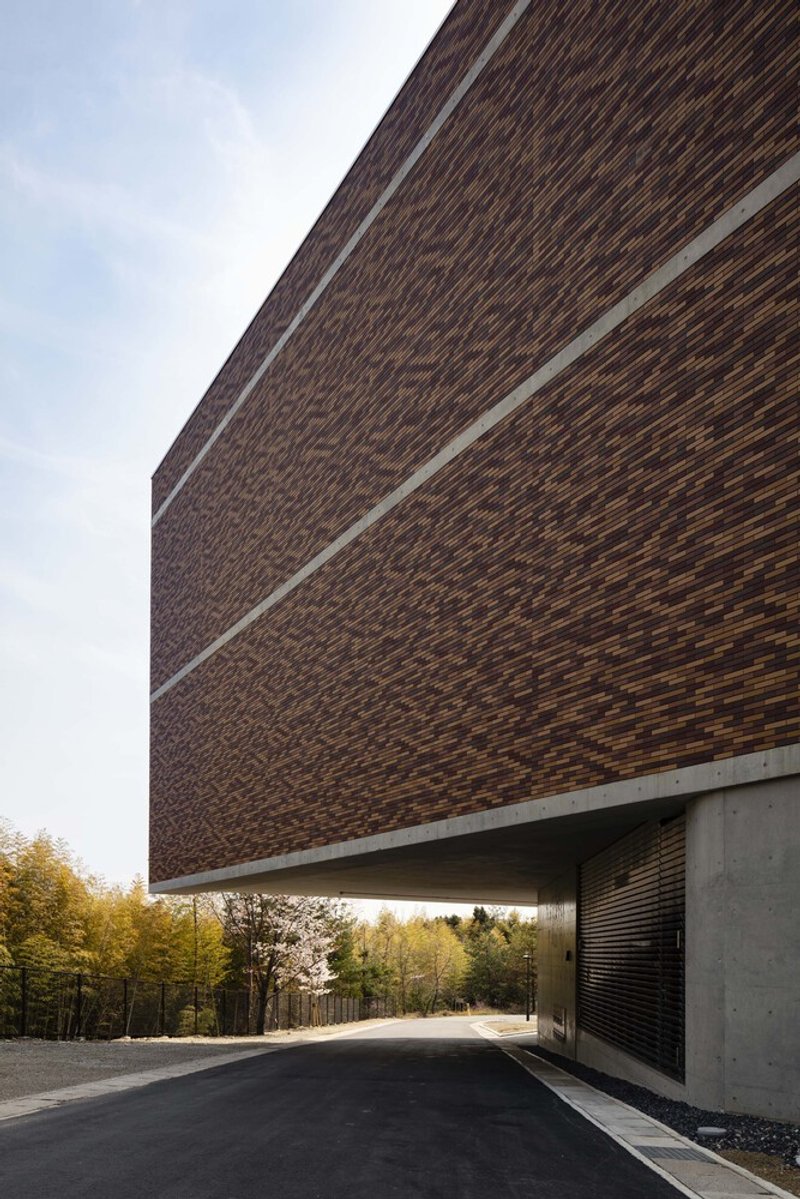
Architecture as Campus Memory
For the architects, the Katsura Library represents an act of architectural restraint and respect. Unlike projects that intentionally contrast their settings, this library nurtures the new campus’s history through continuity, harmony, and understated presence. As Kyoto University’s expansion continues, the library remains a pivotal part of its evolving academic environment—quietly supporting the pursuit of knowledge while enriching the campus with timeless architectural dignity.
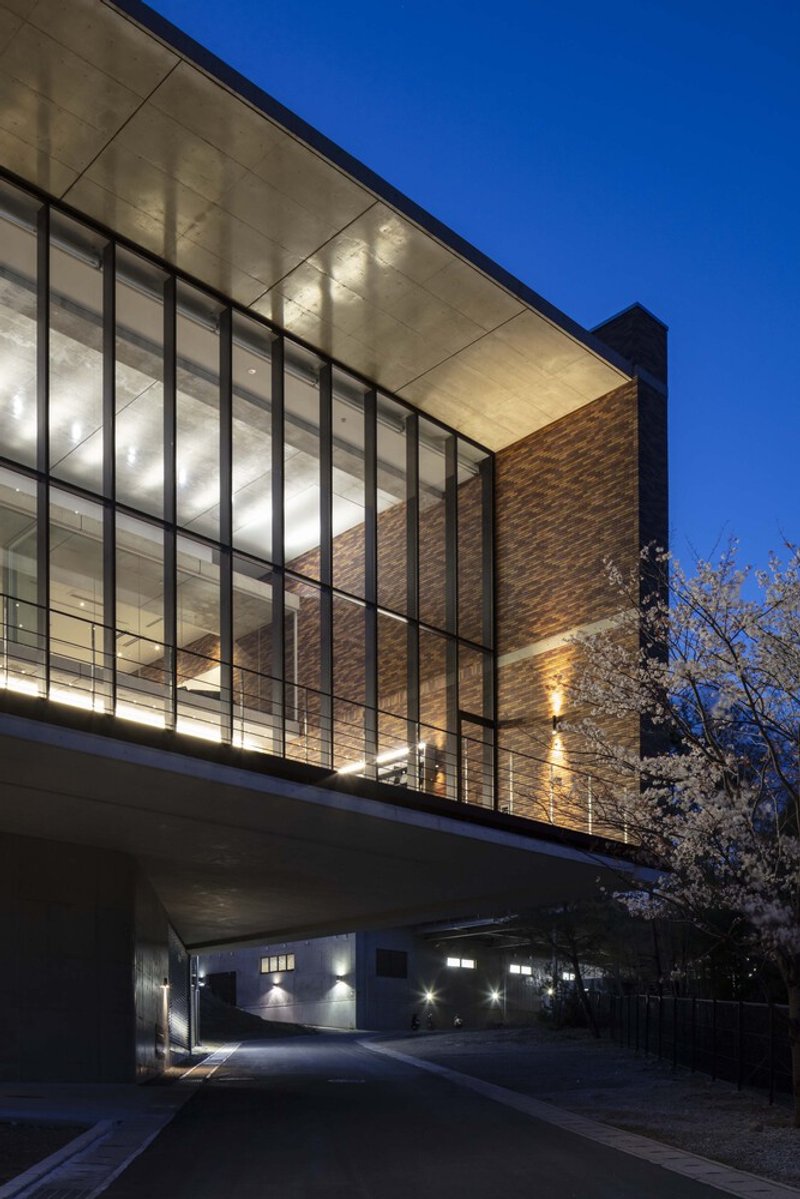
All Photographs are works of Shigeo Ogawa




Popular Articles
Popular articles from the community

Split House: A Compact Urban Home Blending Privacy, Light, and Flexible Living in Japan
Compact Japanese home featuring DOMA space, flexible café potential, passive lighting, privacy zoning, and sustainable urban living design.
Atelier Macri Concept Store Interior Design by CASE-REAL
Atelier Macri store features a "ko" counter, walnut wood details, cork displays, blending retail, gallery, and seamless customer experiences.


The Ken Roberts Memorial Delineation Competition (Krob)
As the most senior architectural drawing competition currently in operation anywhere in the world, it draws hundreds of entries each year, awarding the very best submissions in a series of medium-based categories.



Similar Reads
You might also enjoy these articles
The Ken Roberts Memorial Delineation Competition (Krob)
As the most senior architectural drawing competition currently in operation anywhere in the world, it draws hundreds of entries each year, awarding the very best submissions in a series of medium-based categories.


Waterfront Redevelopment and Urban Revitalization in Mumbai: Forging a New Dawn for Darukhana
A transformative waterfront redevelopment project reimagining Darukhana’s shipbreaking heritage into an inclusive urban future.

OUT-OF-MAP: A Call for Postcards on Feminist Narratives of Public Space
Rhizoma Design and Research Lab invites artists, designers, architects, researchers, and students to reflect on how feminist perspectives can reshape public space. Selected works will be exhibited in Barcelona, October 2026. Submissions open until 15 April 2026.


Documentation Work on Buddhist Wooden Temple
Architectural syncretism and cultural hybridity: A comparative study of the Buddhist temples in Chattogram Hill tracks


Explore Architecture Competitions
Discover active competitions in this discipline




The International Standard for Design Portfolios


The Global Benchmark for Architecture Dissertation Awards


The Global Benchmark for Graduation Excellence


Challenge to design public laboratory
Comments (0)
Please login or sign up to add comments
No comments yet. Be the first to comment!