
Maayer Anchol Residence: A Modern Interpretation of Traditional Village Home Design
The article describes Maayer Anchol Residence, blending traditional village concepts with modern design in a sustainable family home in Dhaka, Bangladesh.

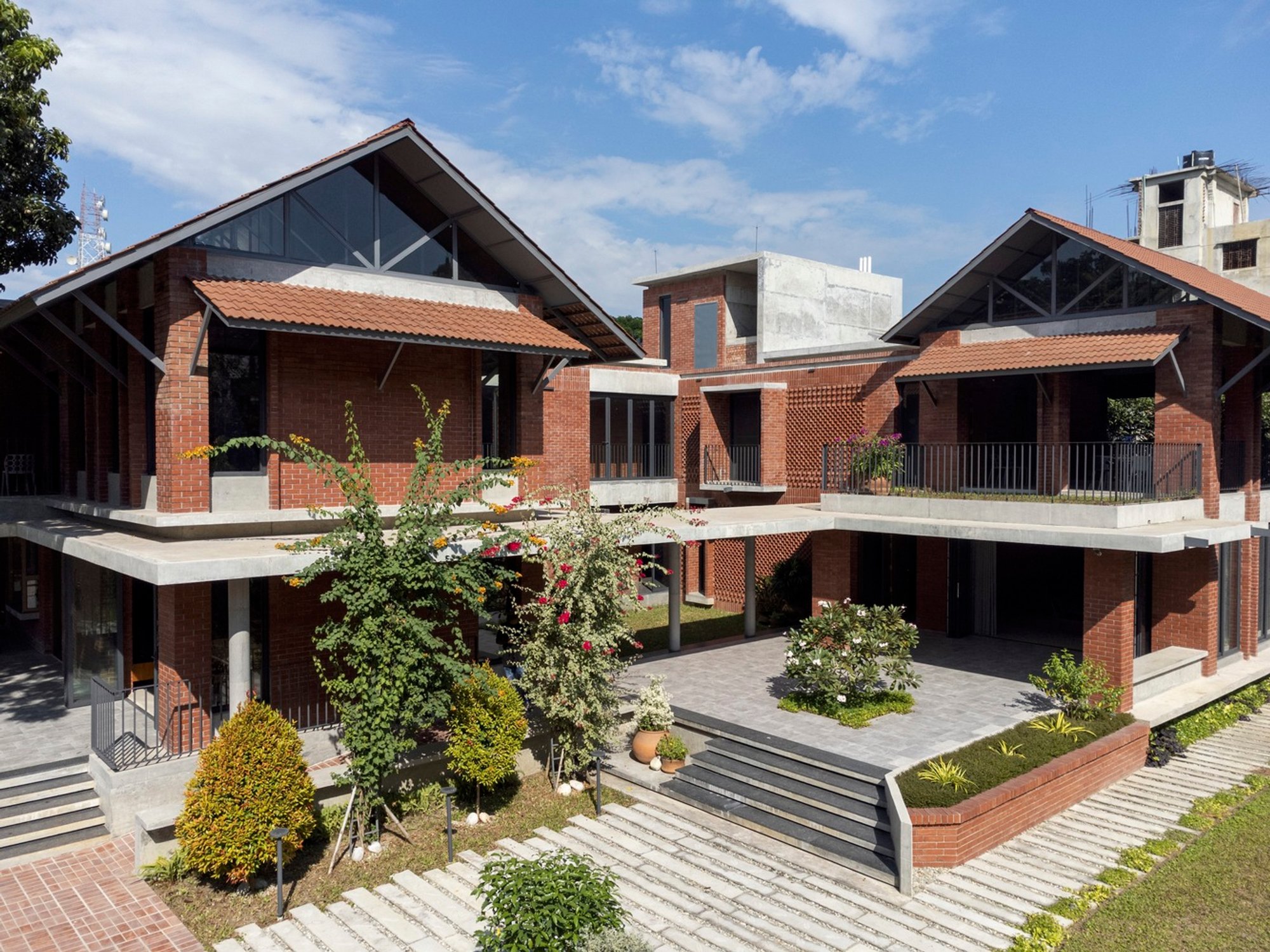
Nestled in the verdant outskirts of Dhaka, Bangladesh, the Maayer Anchol Residence stands as a beacon of innovative architecture that beautifully bridges the gap between tradition and modernity. Designed by INDESOL architects + Neoformation architects, this home serves as an extension of a family's legacy, deeply rooted in the village's cultural fabric.
Embracing Traditional Concepts
A Seamless Blend with Nature
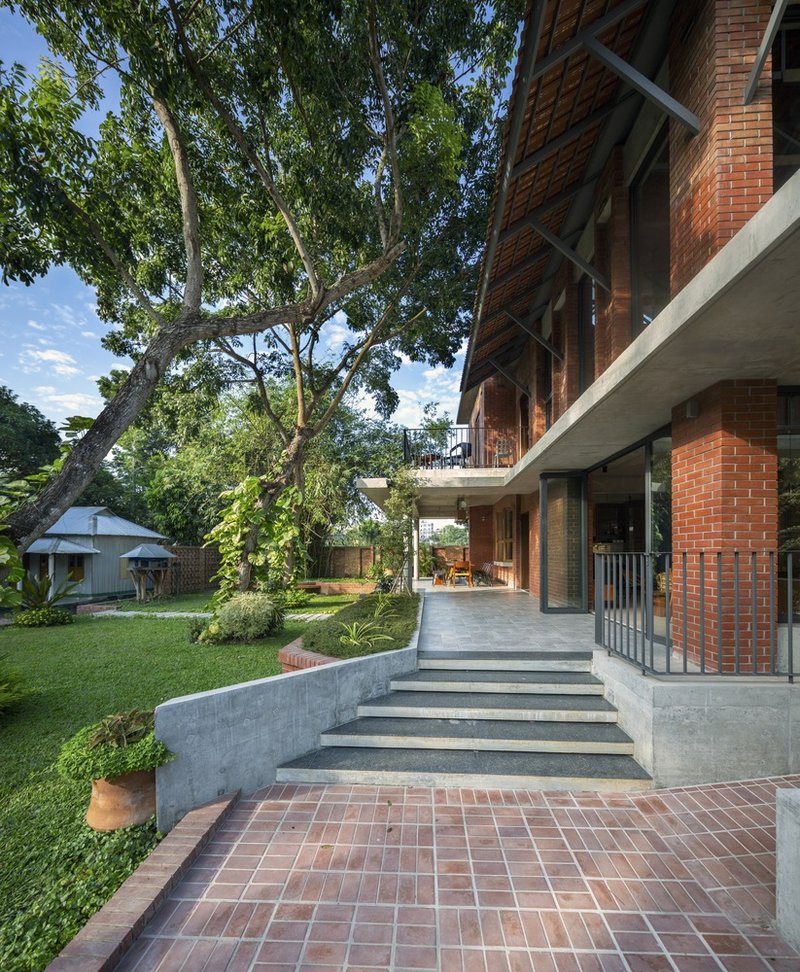
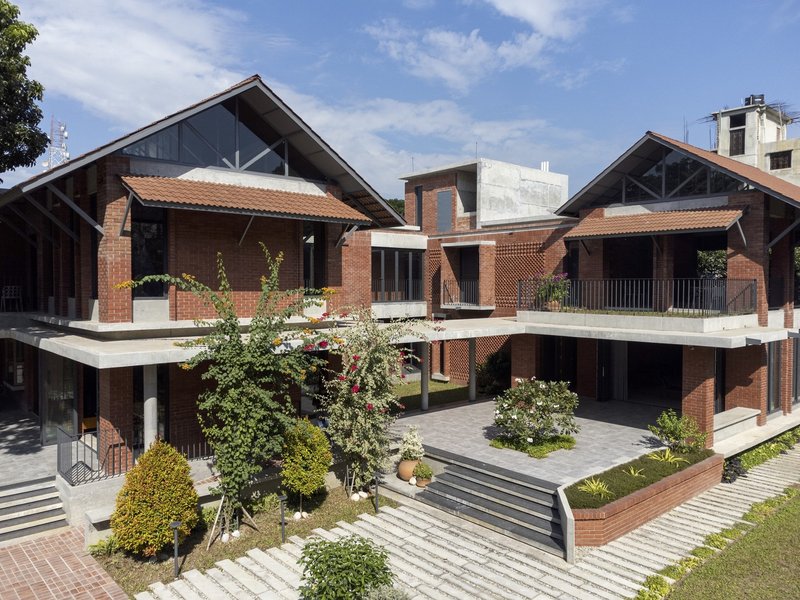
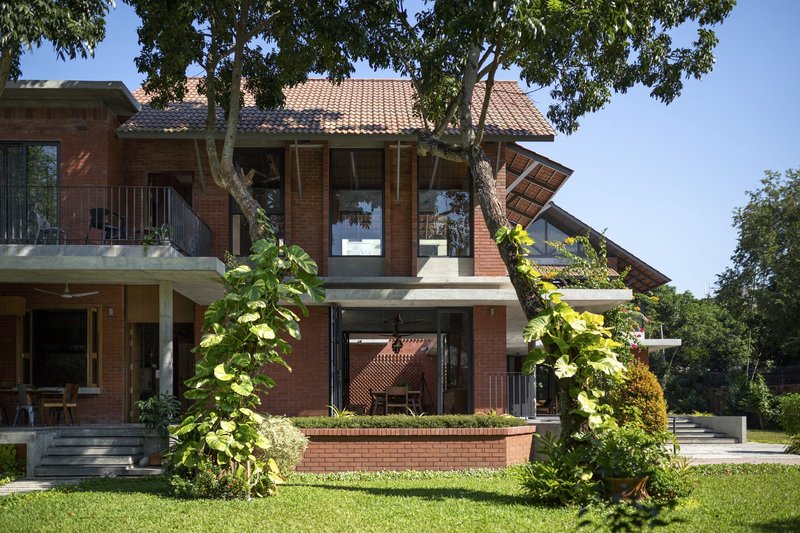
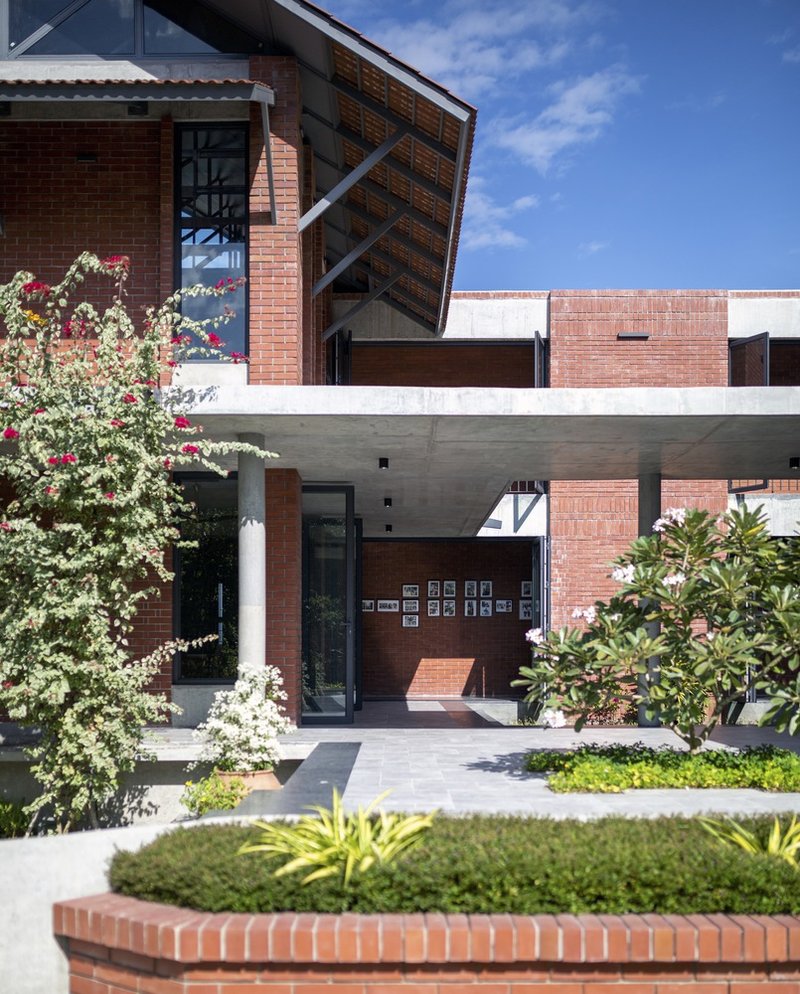
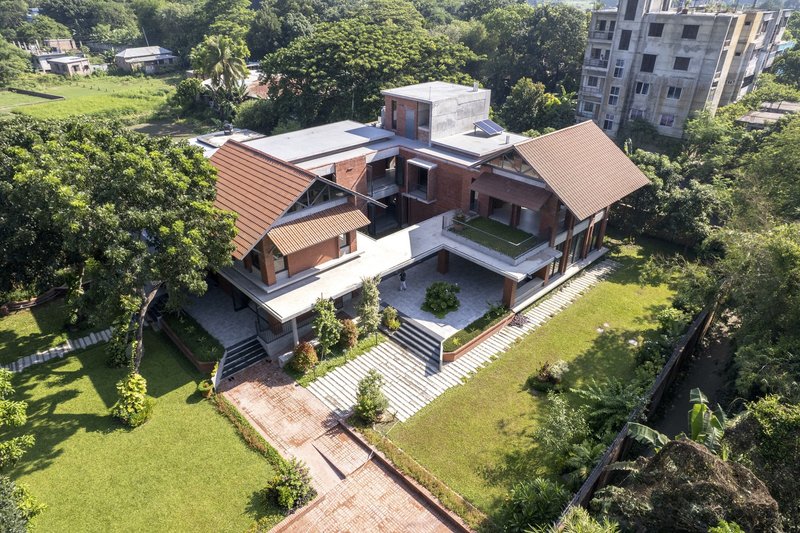
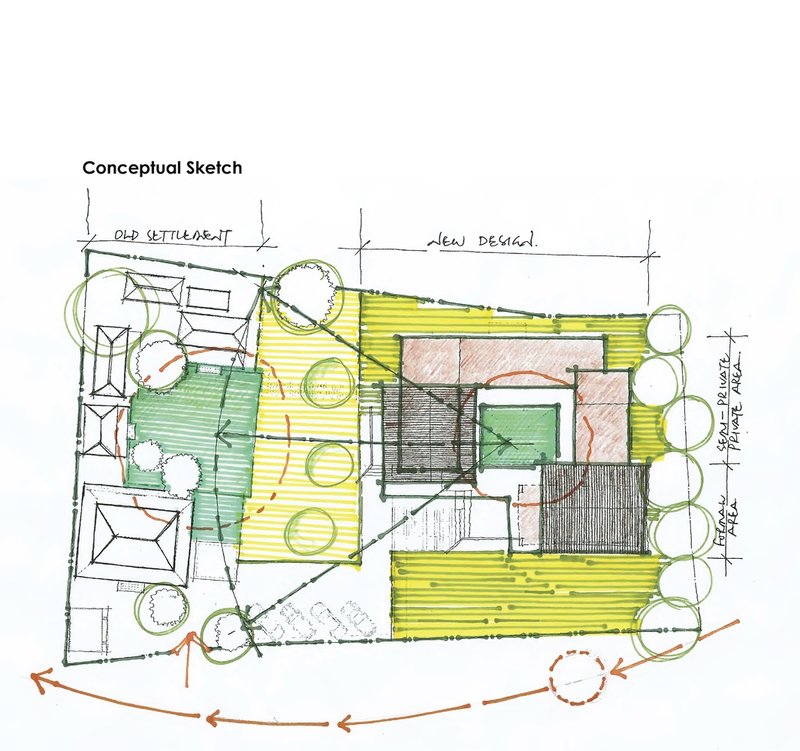
The design of Maayer Anchol Residence is an homage to the traditional village home, reimagined for a contemporary lifestyle. By situating the new structure within the lush landscape and orienting spaces around a central courtyard, the architects have created a dwelling that not only complements its rural setting but also fosters a deep connection with the natural environment.
Courtyard-Centric Living
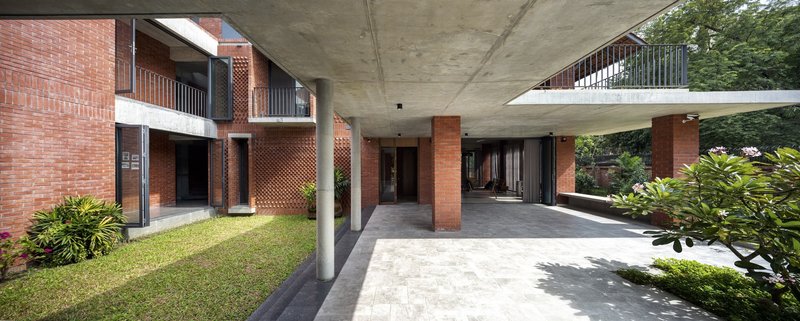
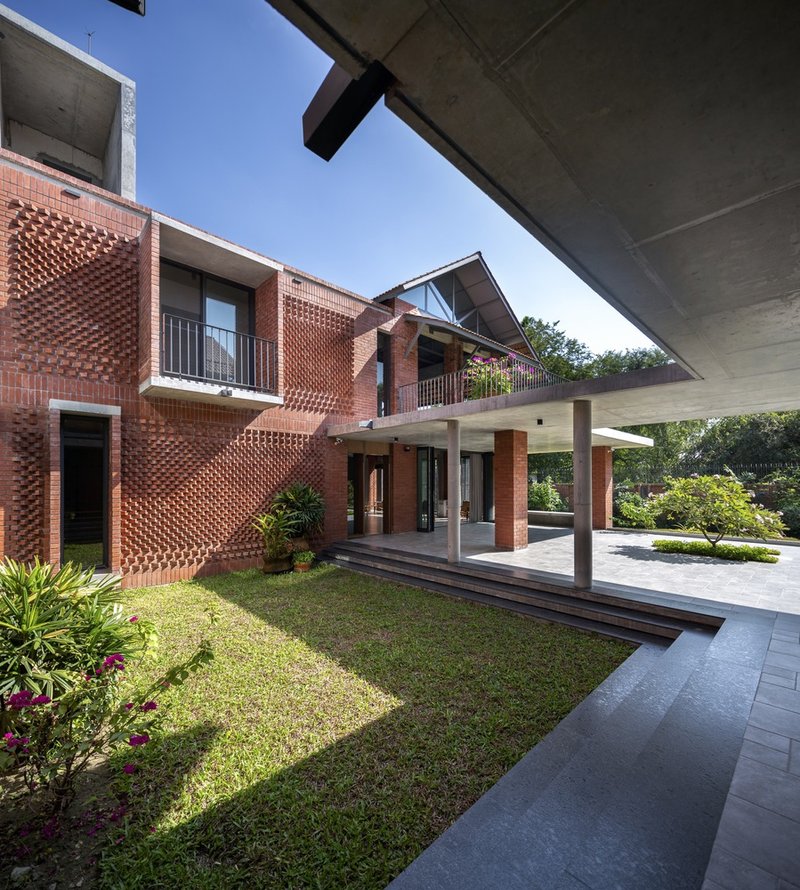
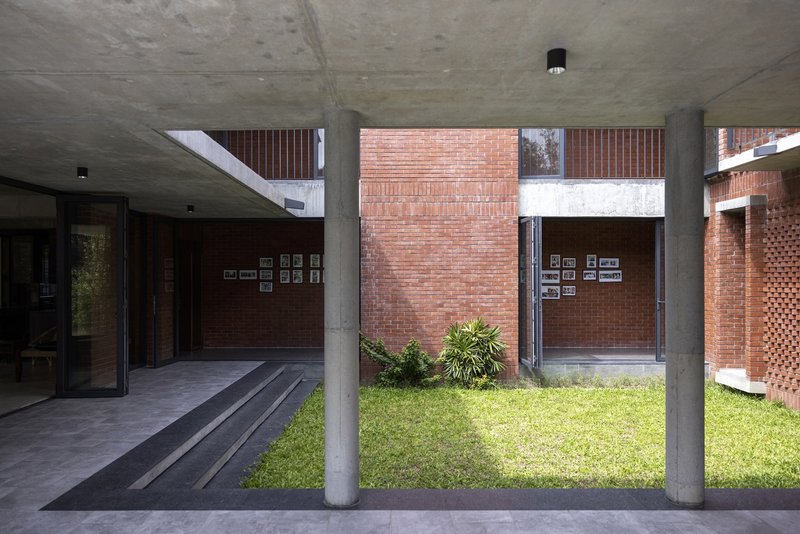
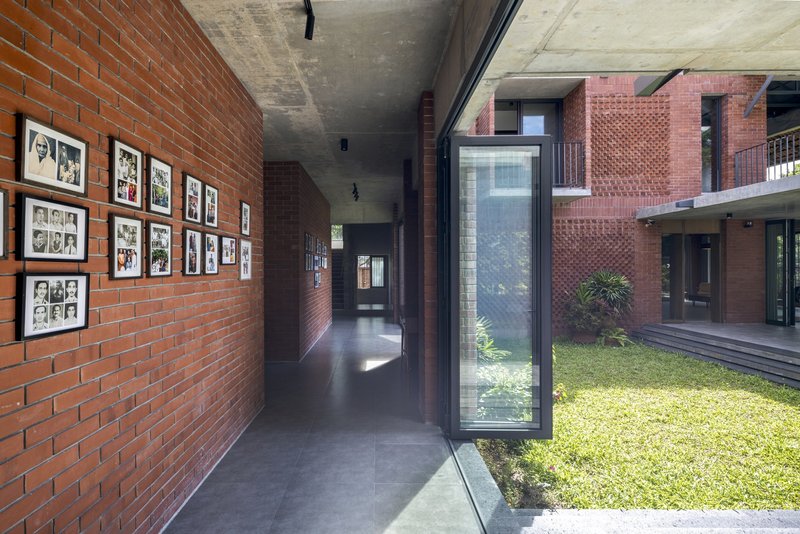
At the heart of this residence is the courtyard, a quintessential element of Traditional Village Home Design. This open space serves as the nucleus of the home, around which formal, semi-formal, and private spaces are strategically positioned. This layout ensures fluid connectivity, allowing the inhabitants to move seamlessly between indoor and outdoor spaces while maintaining privacy.
Architectural Features and Sustainability
Natural Light and Ventilation
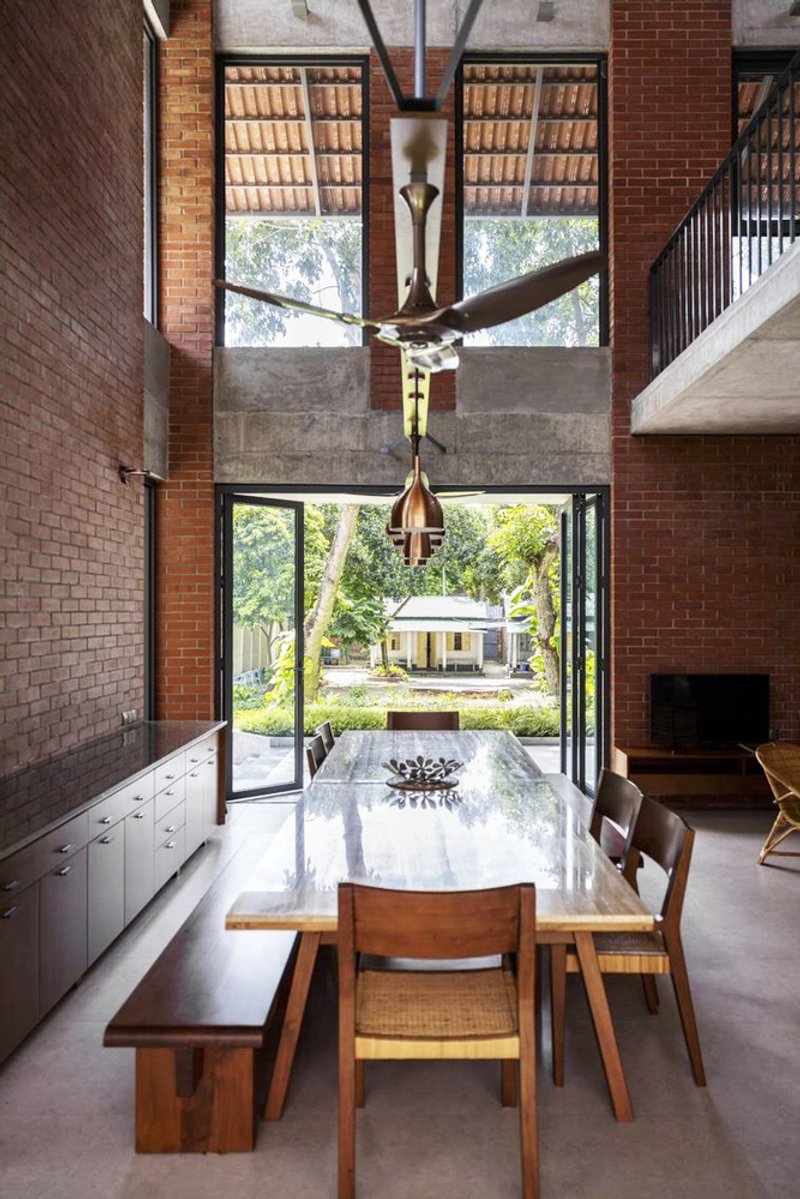
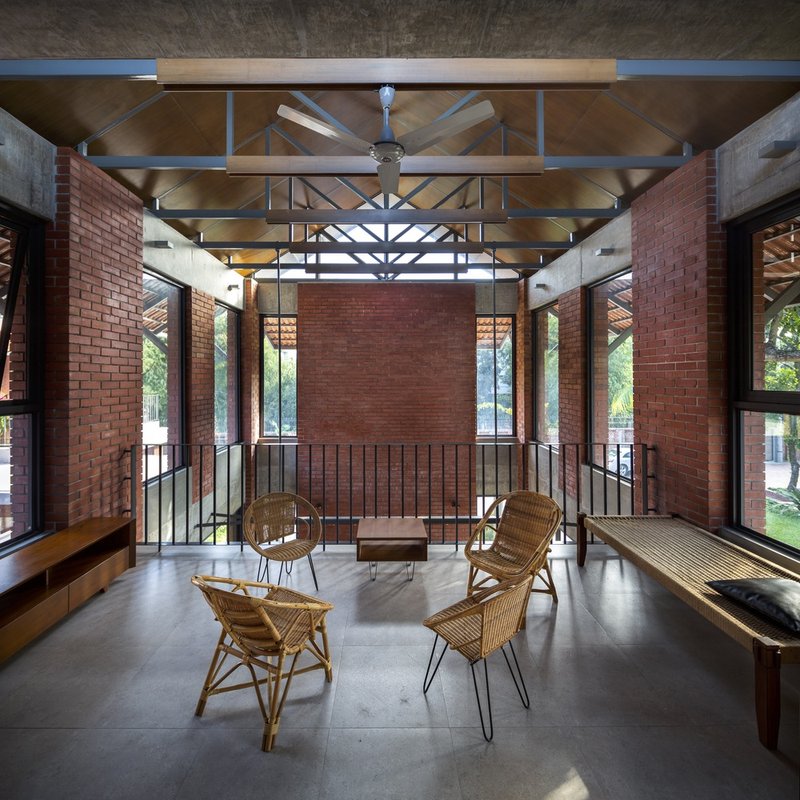
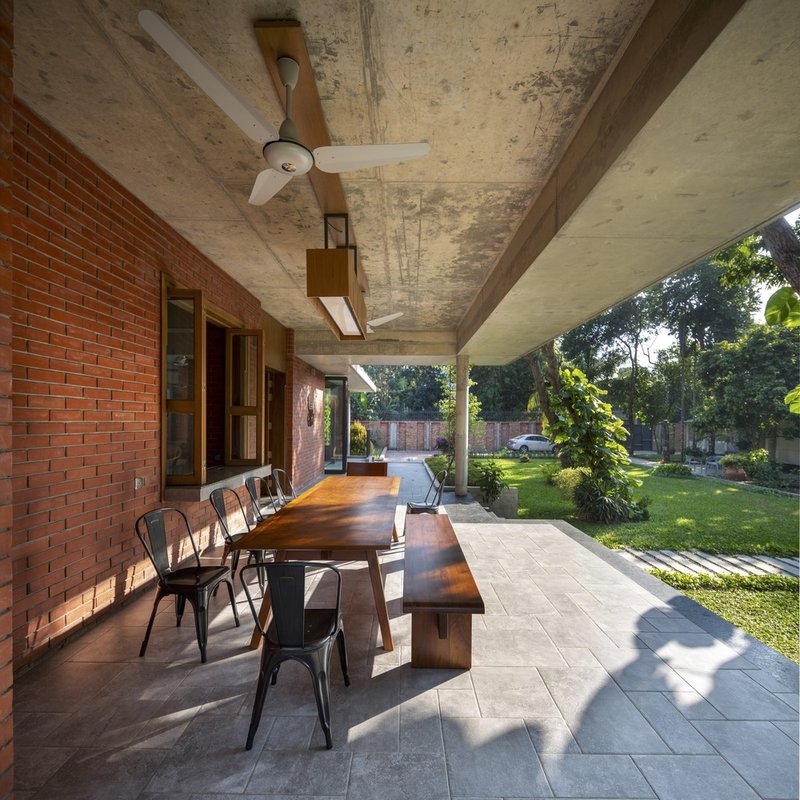
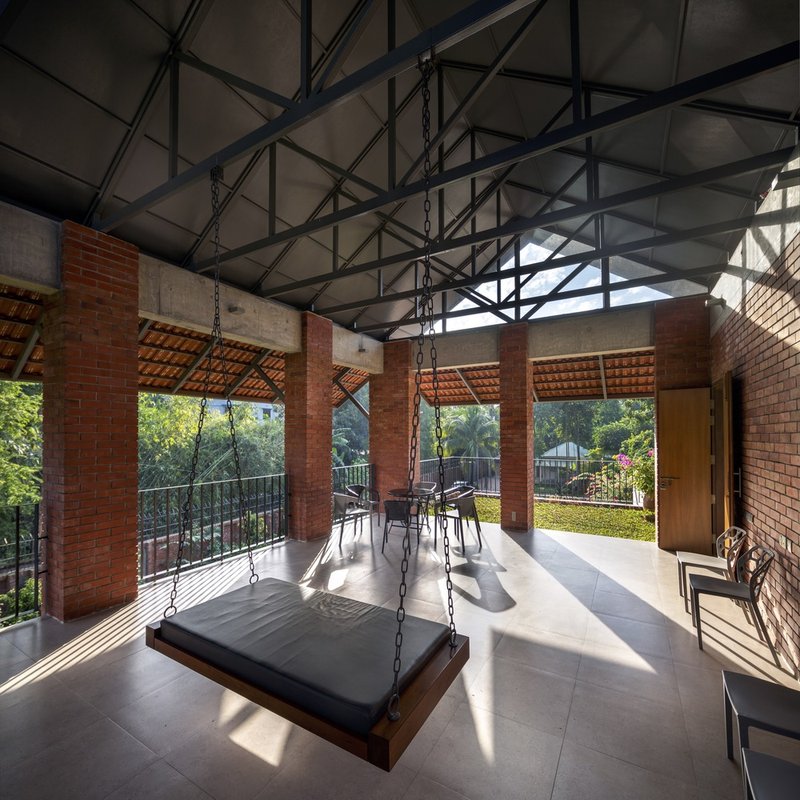
A priority in the design was to maximize natural light and ensure adequate ventilation throughout the home. Overhanging roofs and strategically placed openings shield the interiors from harsh sunlight and heavy rainfall, a necessary adaptation to Bangladesh's tropical climate. This thoughtful design not only enhances the living experience but also underscores the home's sustainability credentials.
Material Palette
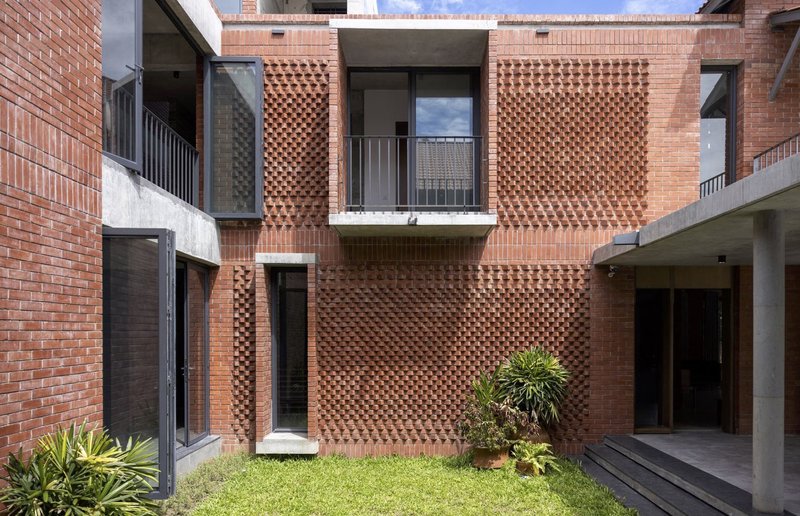
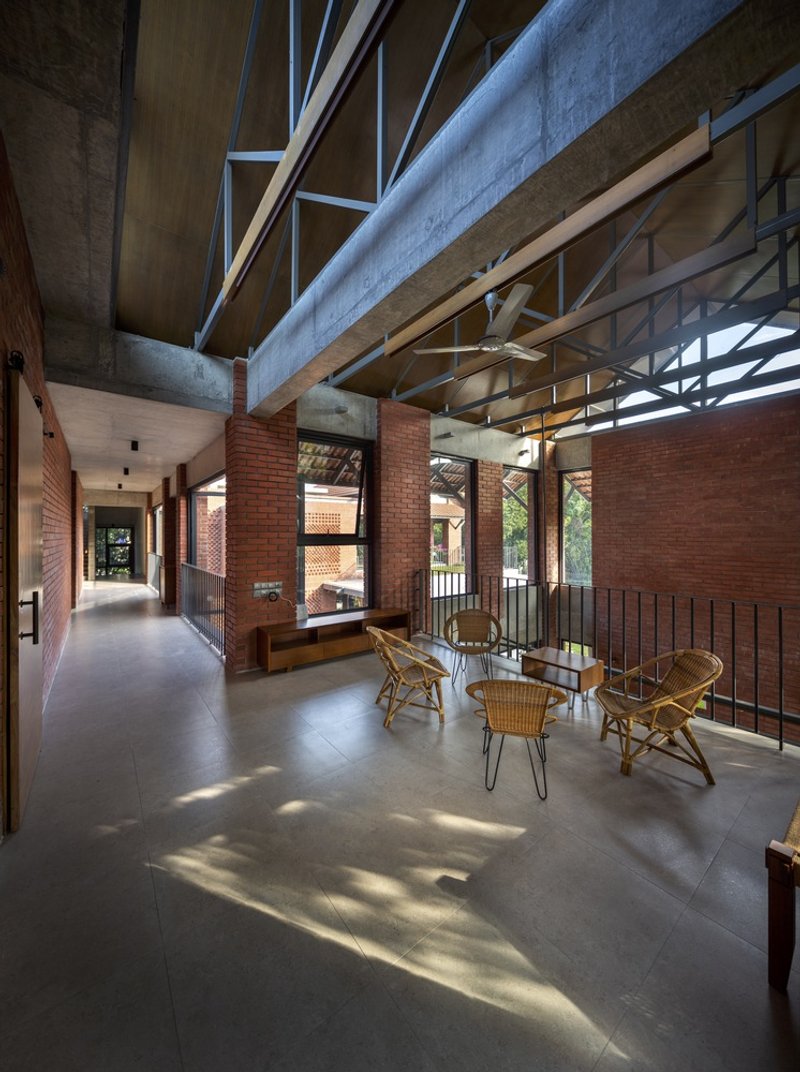
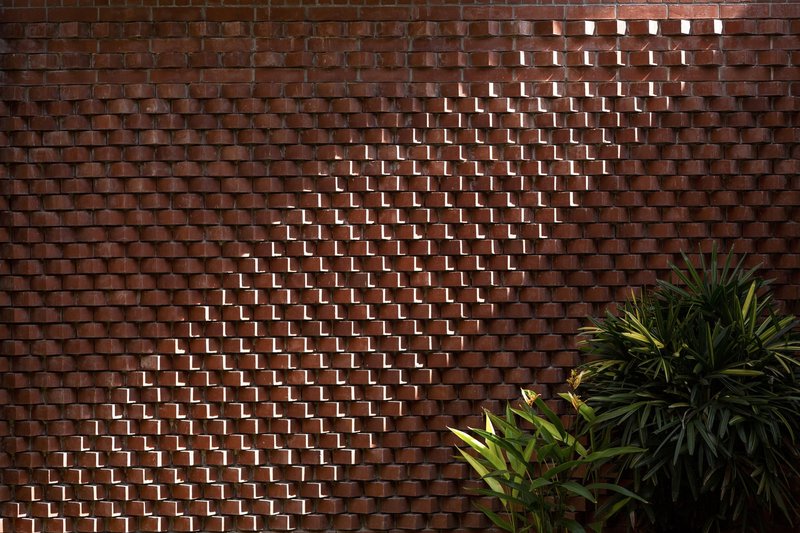
The construction employs a blend of modern and traditional materials, including exposed brick masonry and concrete, to achieve a look that is both contemporary and reminiscent of local architectural traditions. The choice of materials further emphasizes the home's connection to its cultural roots while providing durability and ease of maintenance.
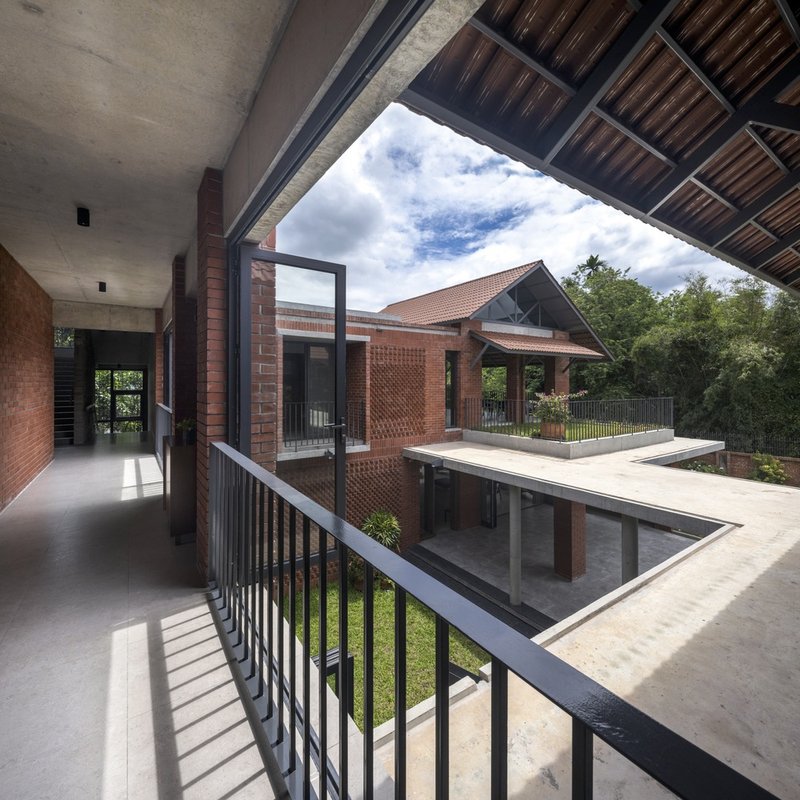
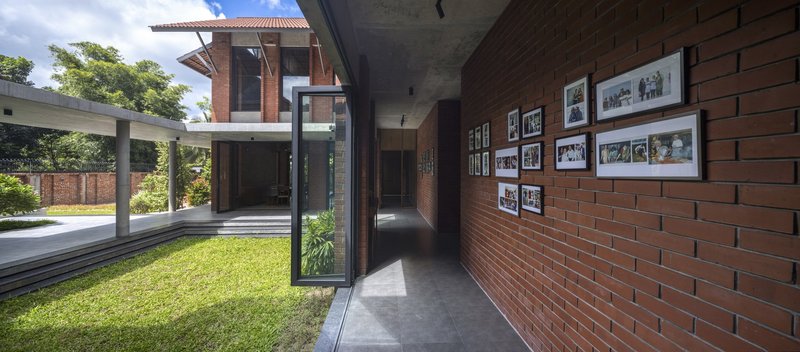
The Maayer Anchol Residence by INDESOL architects + Neoformation architects is a masterful example of Traditional Village Home Design adapted for modern living. It stands as a testament to the enduring relevance of traditional architectural principles in today's world, offering a space that is both innovative and deeply respectful of its heritage. This project not only provides a functional and aesthetic living environment for its inhabitants but also contributes to the rich tapestry of architectural innovation in Bangladesh.
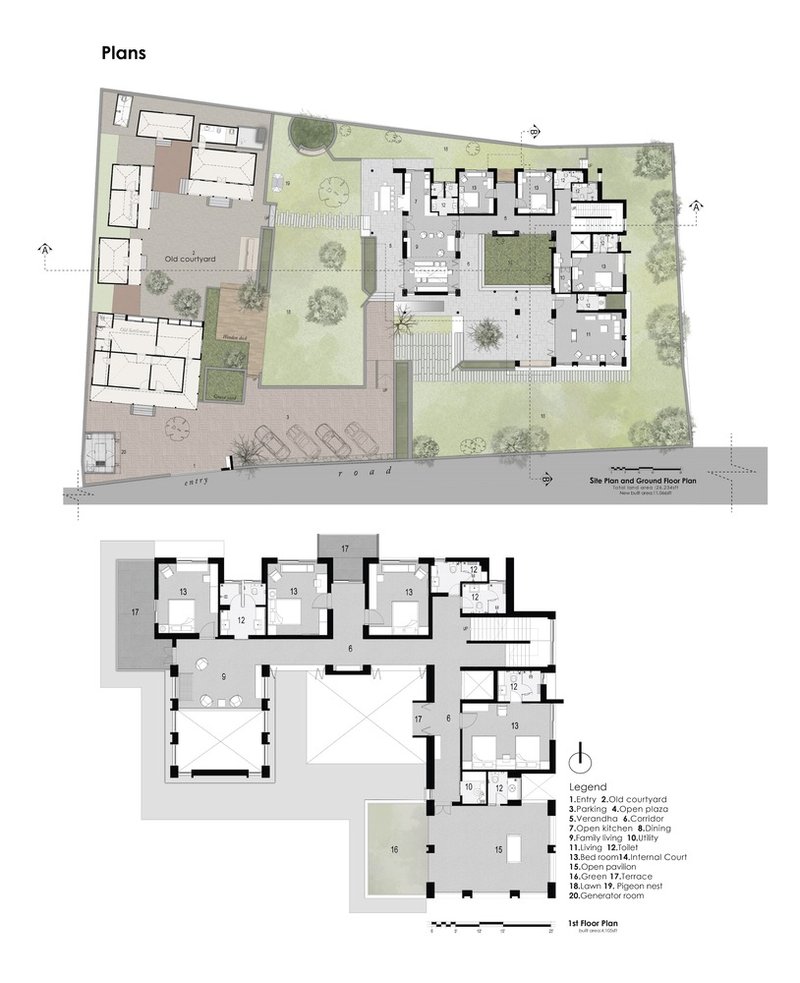
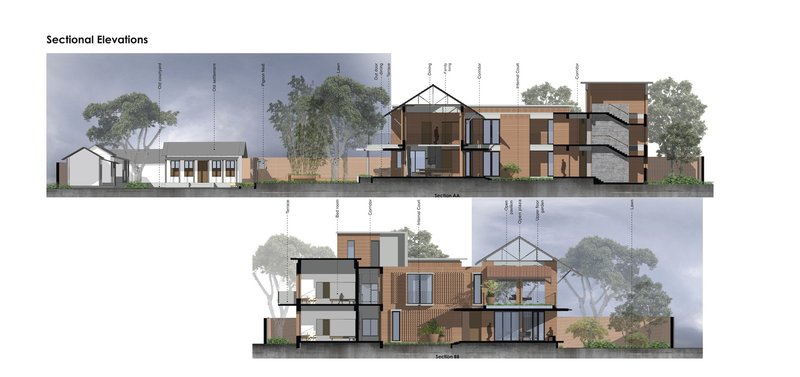
All photographs are work of Asif Salman




Popular Articles
Popular articles from the community

Treehouse Apartment: A Warm Timber Interior Blending Craft, Play, and Contemporary Living
Warm timber apartment with integrated treehouse, combining natural materials, craftsmanship, and playful design to create a flexible, family-oriented living environment.
Inverted Architecture Installation by Studio Link-Arc: Exploring the Intersection of Architecture and Living Organisms
Inverted Architecture Installation by Studio Link-Arc blends mycelium, sustainability, inverted design, ecological cycles, and urban adaptive architecture in Shenzhen.
On the Brooks House by Monsoon Collective – A Contemporary Kerala Home Rooted in Tradition
Kerala home blending tradition and modernity with water-inspired design, brick architecture, courtyard planning, and sustainable rainwater harvesting strategies.
A Contemporary Take on Iranian Residential Architecture
A modern interior design in Mashhad that reinterprets brick, light, and spatial flow to create a warm, contemporary residential architecture.


Similar Reads
You might also enjoy these articles


The Ken Roberts Memorial Delineation Competition (Krob)
As the most senior architectural drawing competition currently in operation anywhere in the world, it draws hundreds of entries each year, awarding the very best submissions in a series of medium-based categories.


Waterfront Redevelopment and Urban Revitalization in Mumbai: Forging a New Dawn for Darukhana
A transformative waterfront redevelopment project reimagining Darukhana’s shipbreaking heritage into an inclusive urban future.

OUT-OF-MAP: A Call for Postcards on Feminist Narratives of Public Space
Rhizoma Design and Research Lab invites artists, designers, architects, researchers, and students to reflect on how feminist perspectives can reshape public space. Selected works will be exhibited in Barcelona, October 2026. Submissions open until 15 April 2026.


Documentation Work on Buddhist Wooden Temple
Architectural syncretism and cultural hybridity: A comparative study of the Buddhist temples in Chattogram Hill tracks


Explore Architecture Competitions
Discover active competitions in this discipline




The International Standard for Design Portfolios


The Global Benchmark for Architecture Dissertation Awards


The Global Benchmark for Graduation Excellence


Challenge to reimagine the Iron Throne
Comments (0)
Please login or sign up to add comments
No comments yet. Be the first to comment!