
Maiji Mountain Visitor Center: A Landmark of Cultural Architecture in China
This article explores how the Maiji Mountain Visitor Center exemplifies cultural architecture in China through symbolic design, landscape harmony, and Buddhist philosophy.

A Contemporary Homage to Buddhist Philosophy and Chinese Heritage
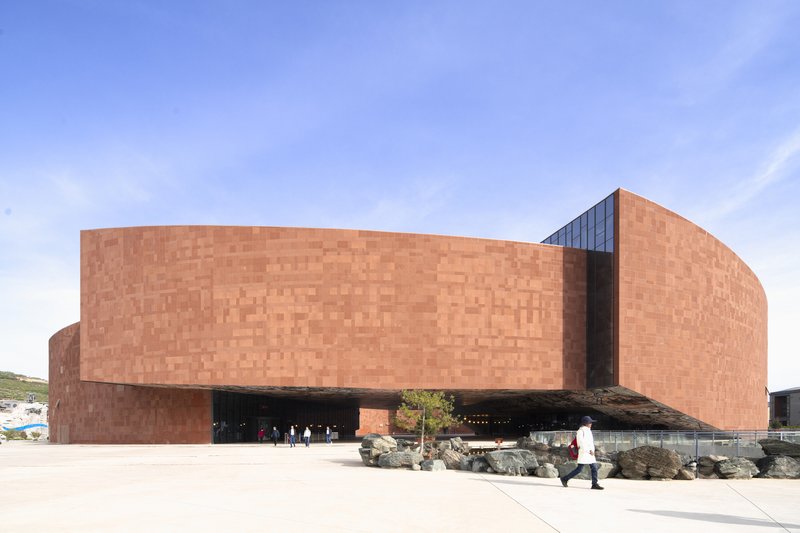
The Maiji Mountain Visitor Center, designed by ZXD ARCHITECTS in collaboration with BIAD, is an architectural homage to the profound cultural and spiritual legacy of Maiji Mountain in Tianshui, China. Completed in 2024 and spanning over 16,000 square meters, the project reinterprets Buddhist spatial concepts through a modern lens, blending tradition, topography, and symbolism into a seamless architectural experience. Set against the dramatic backdrop of Maiji’s sacred grottoes, the center embodies the essence of cultural architecture in China, celebrating centuries of religious integration and philosophical contemplation.
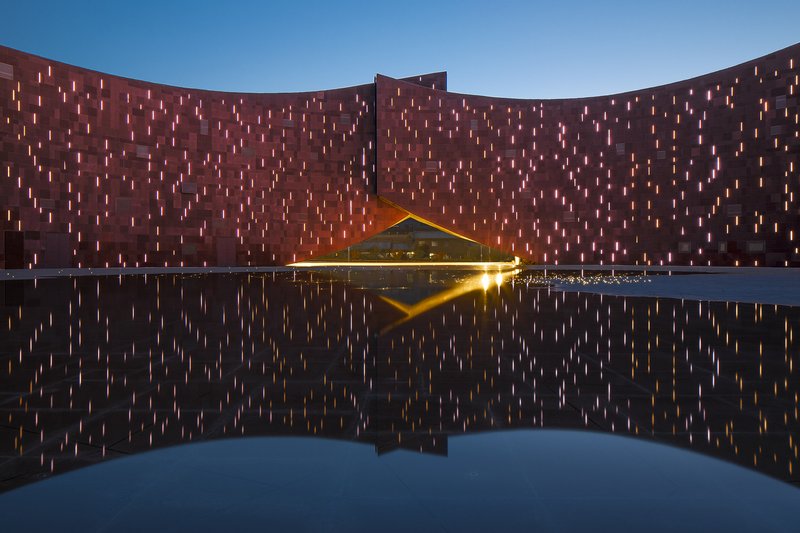
Architectural Form Rooted in Symbolic Geometry
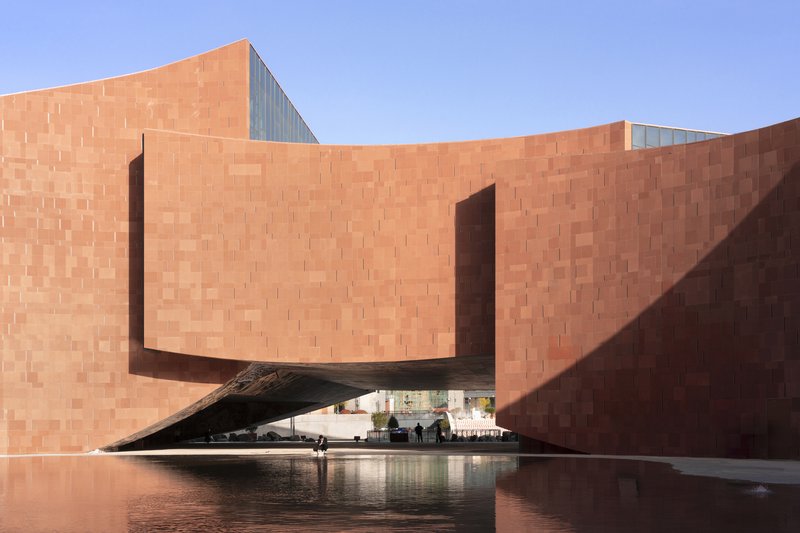
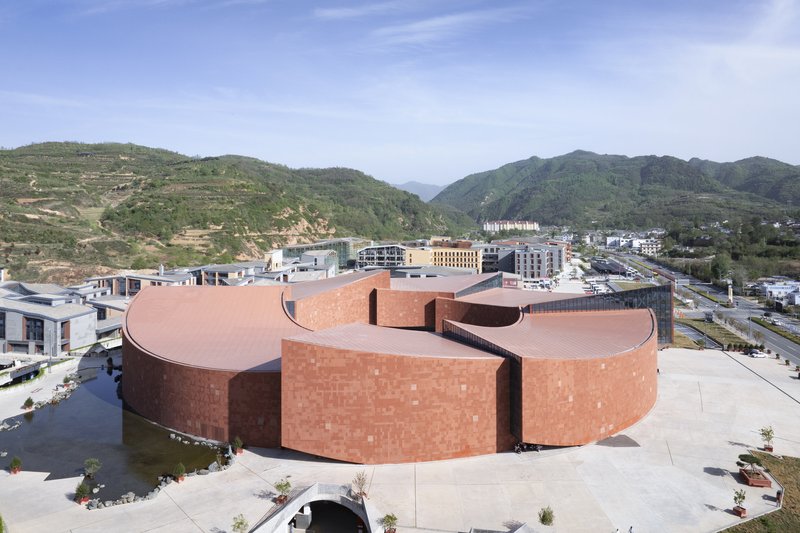
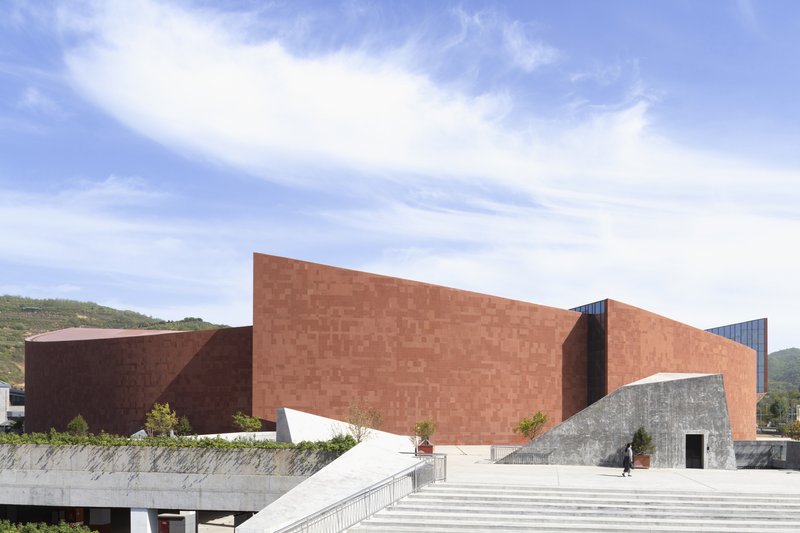
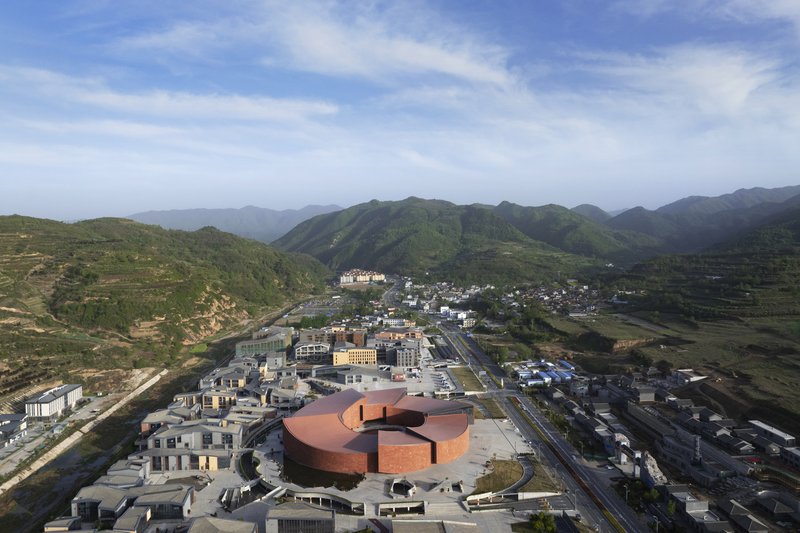
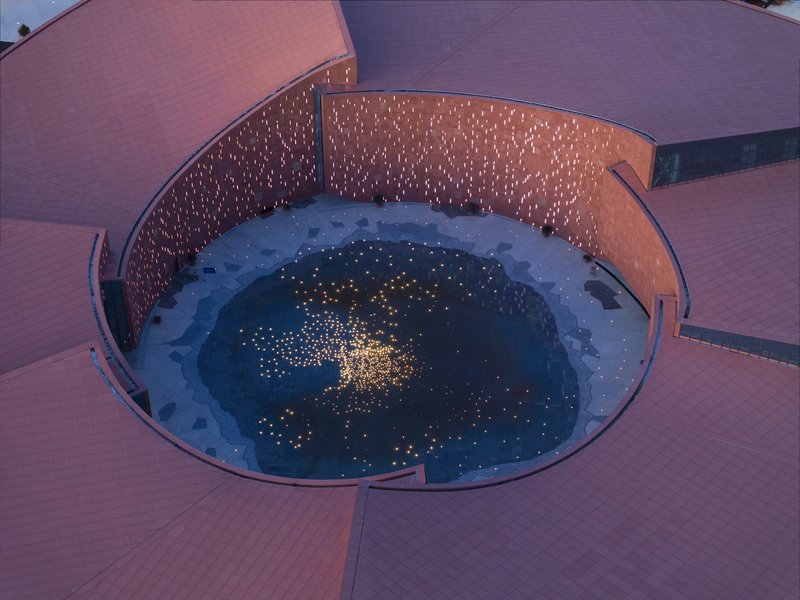
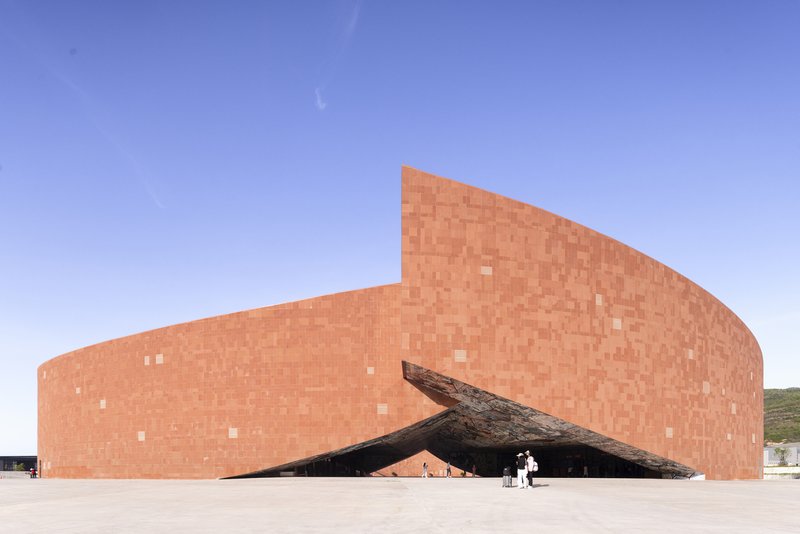
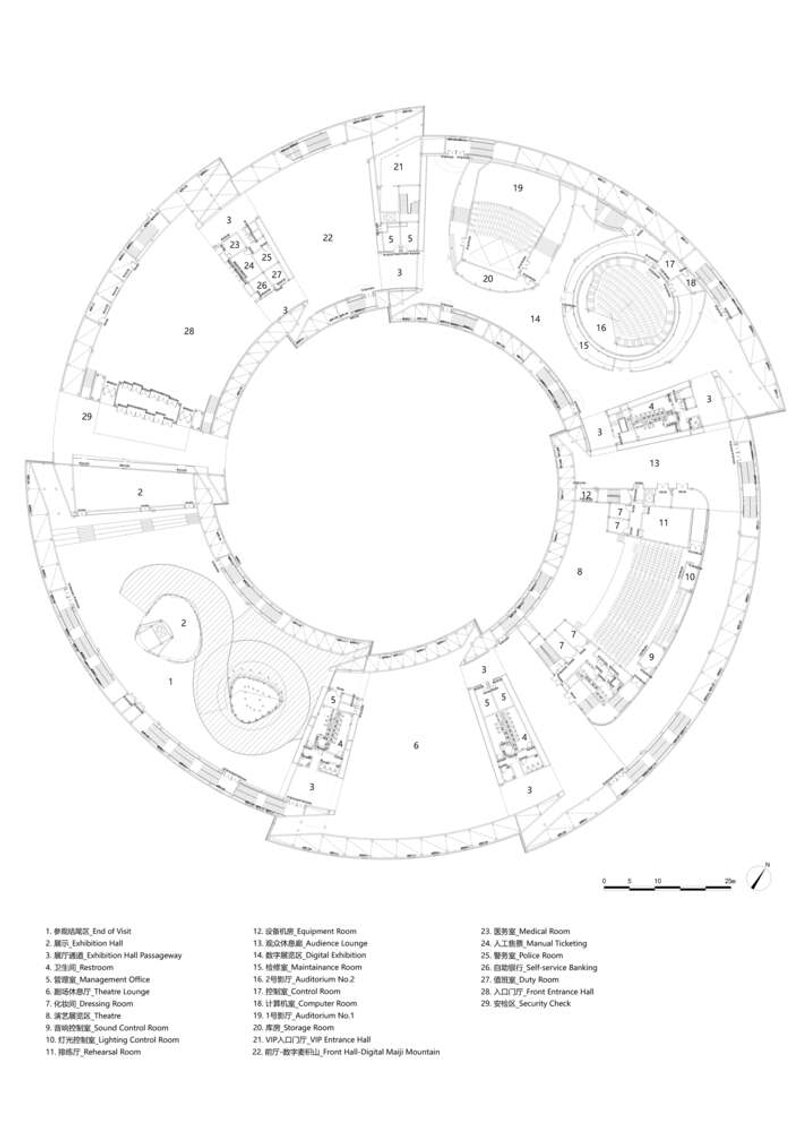
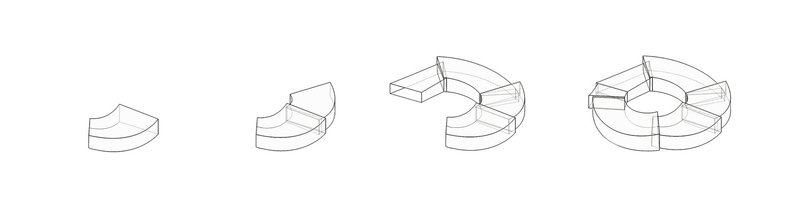
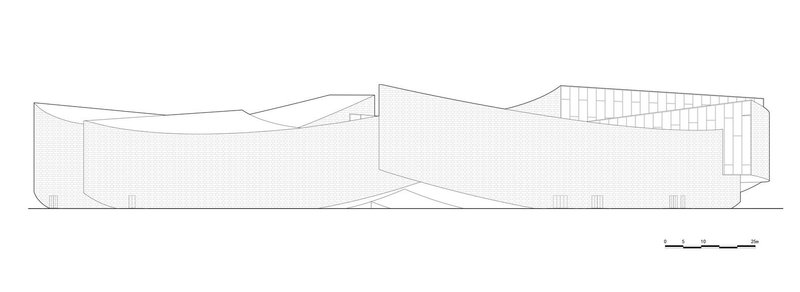
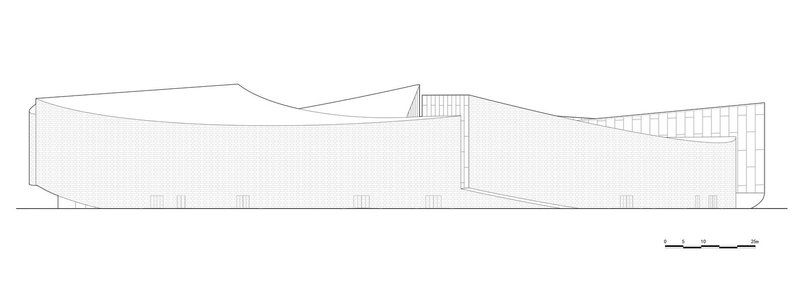
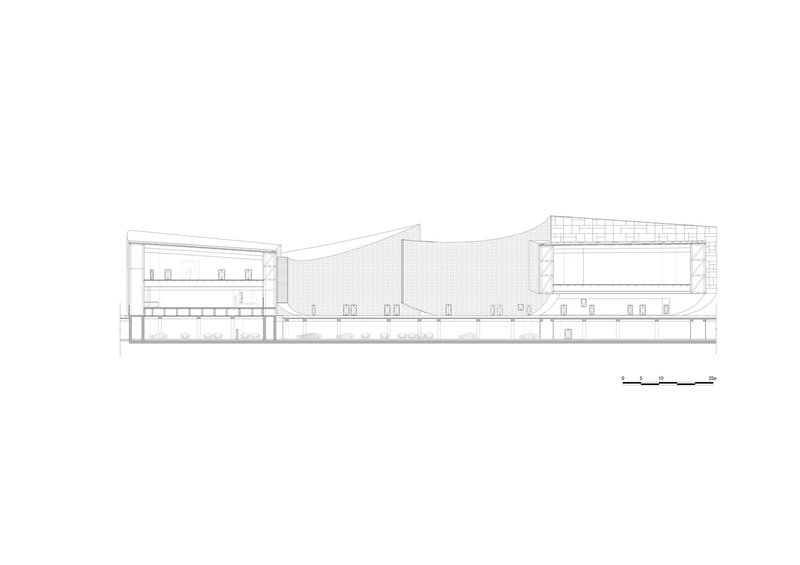
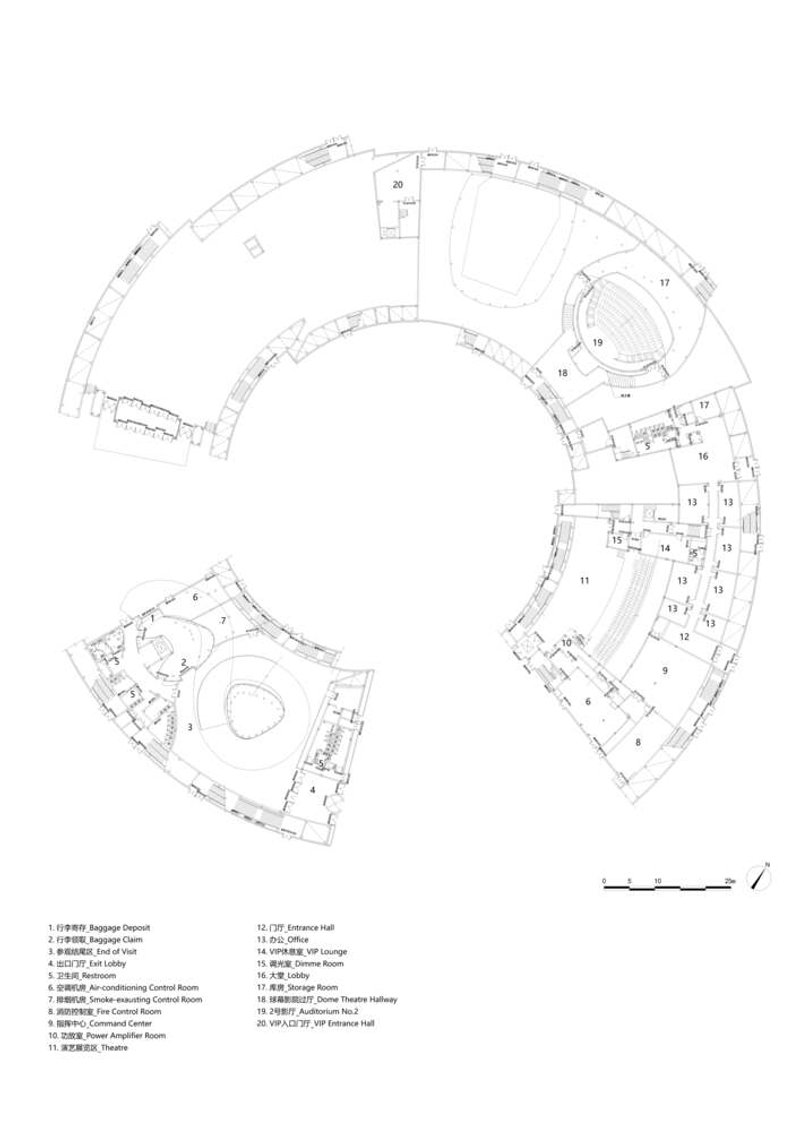
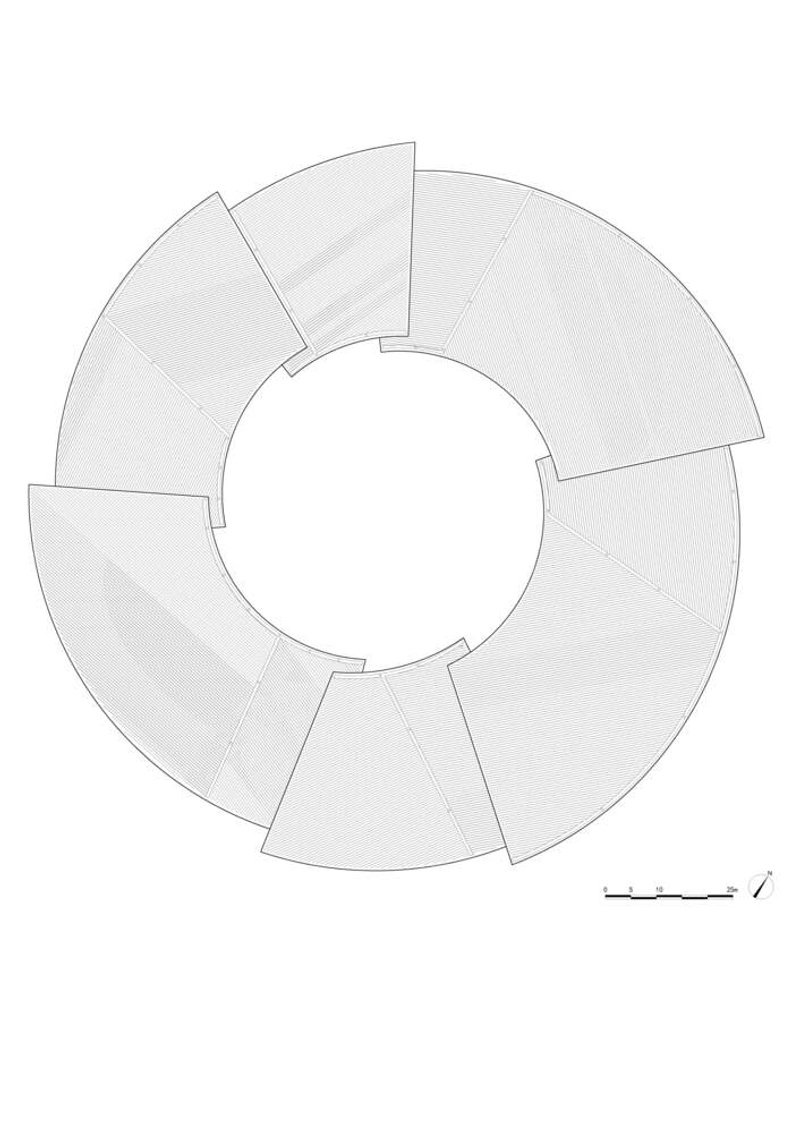
The building’s distinctive annular form is not merely an aesthetic choice but a deliberate reference to Buddhist cosmology. The architecture draws inspiration from the circumambulatory paths common in religious structures, symbolizing the cycle of life, death, and rebirth. This spatial loop guides visitors through six interconnected trapezoidal volumes, each one forming part of a continuous, clockwise journey through the center. At their intersections, gaps allow natural light to pierce the structure, creating moments of pause and reflection that reinforce the ceremonial rhythm of the space.
Merging Landscape and Architecture
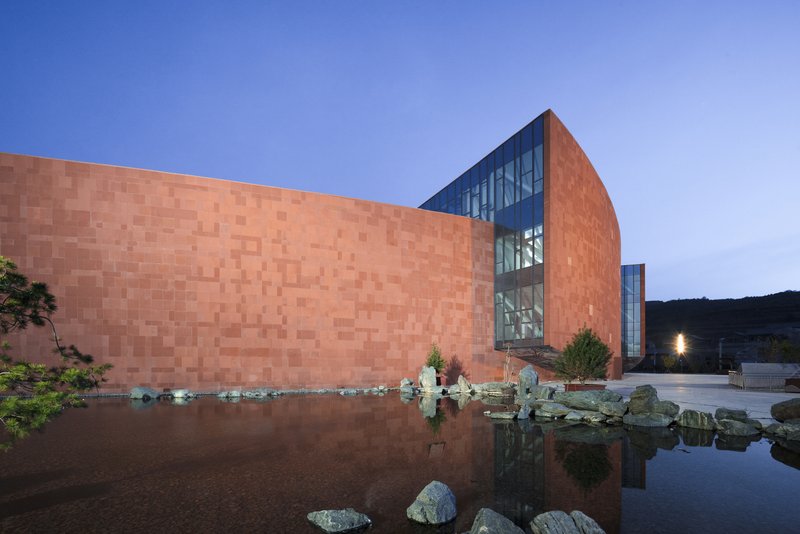
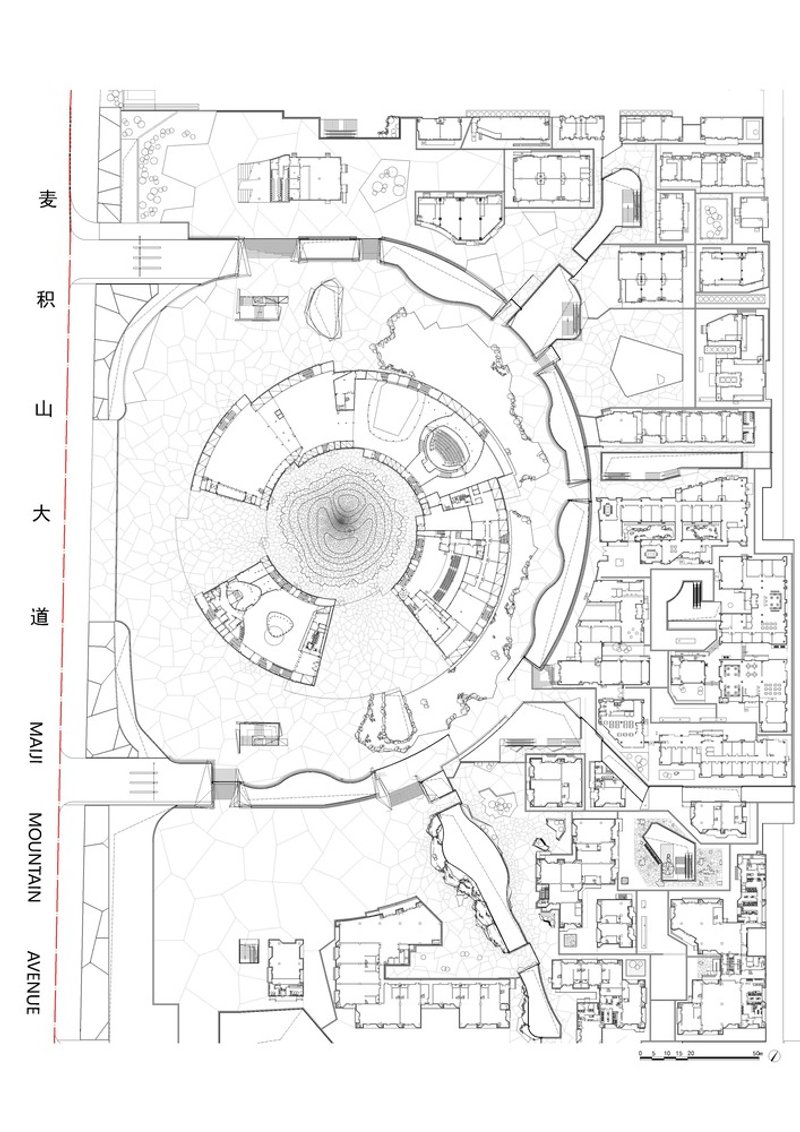
The undulating terrain of the Maiji Mountains serves as both context and collaborator in the architectural narrative. Rather than opposing the land, the visitor center flows with it—embracing slopes and elevations that mirror the spiritual ascents of pilgrims visiting the mountain's grottoes. This topographic sensitivity fosters a unique energy field where built form and natural environment resonate together. The structure becomes part of the landscape, extending its influence across the site and immersing visitors in a shared spatial and cultural experience.
Spiritual Symbolism Through Light and Volume
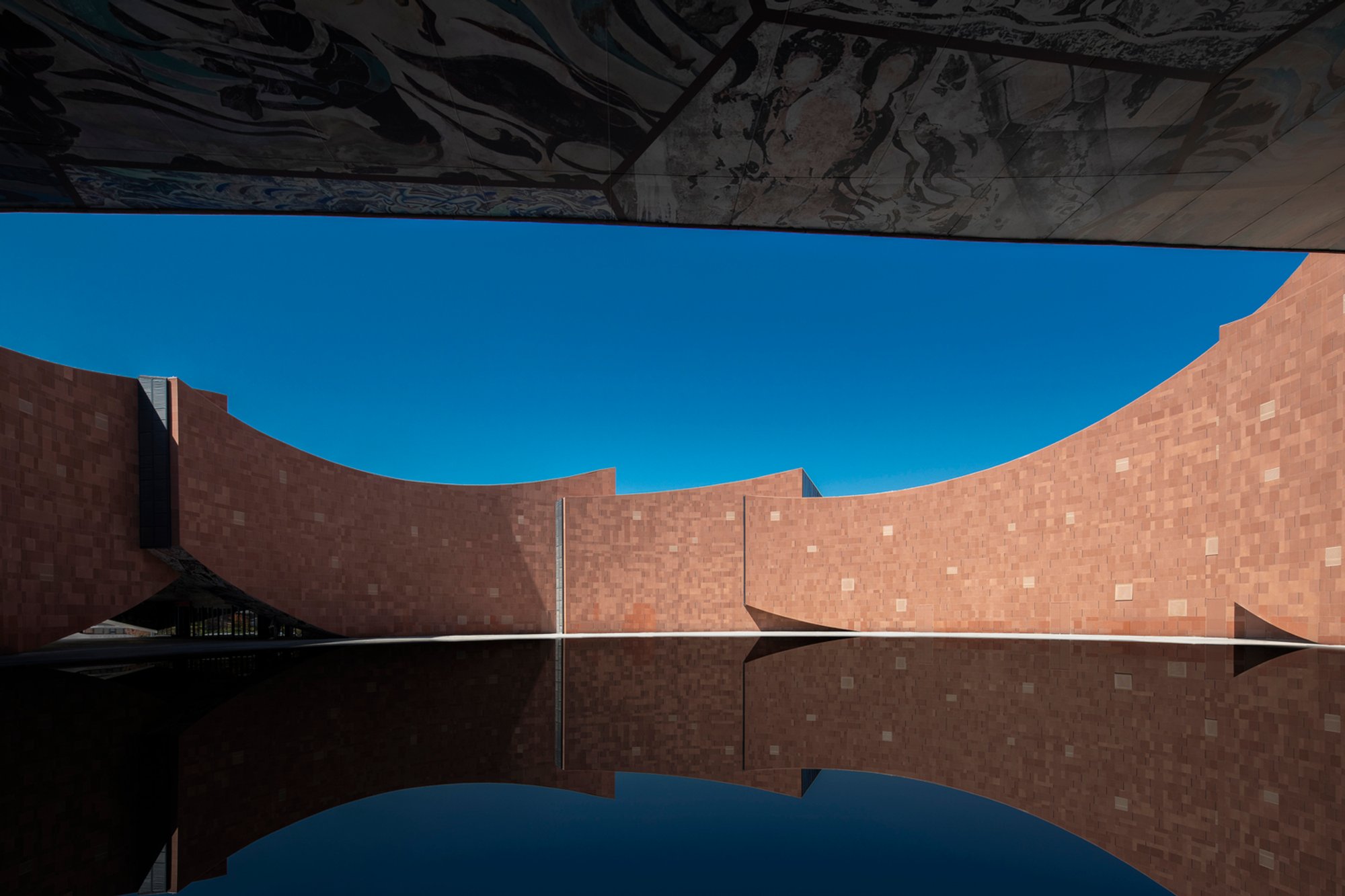
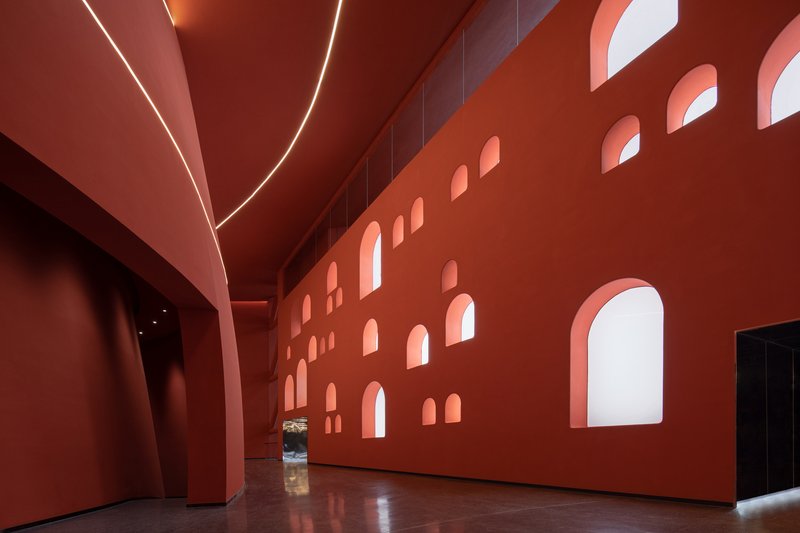
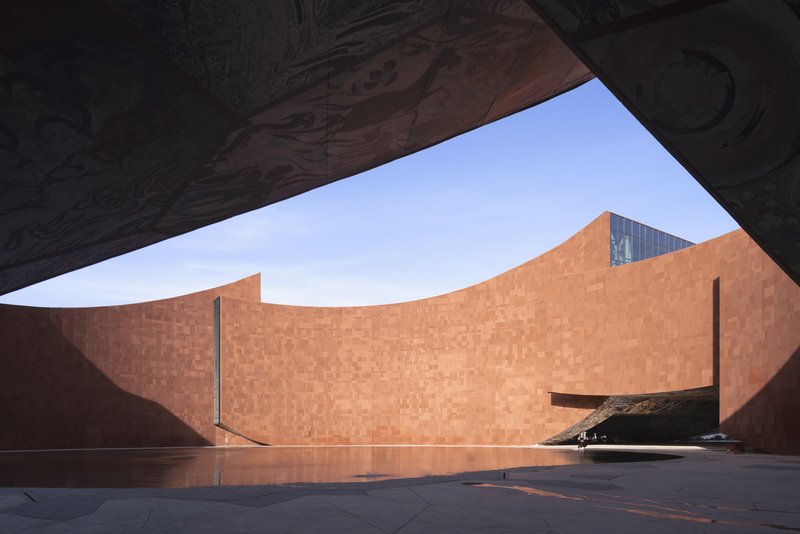
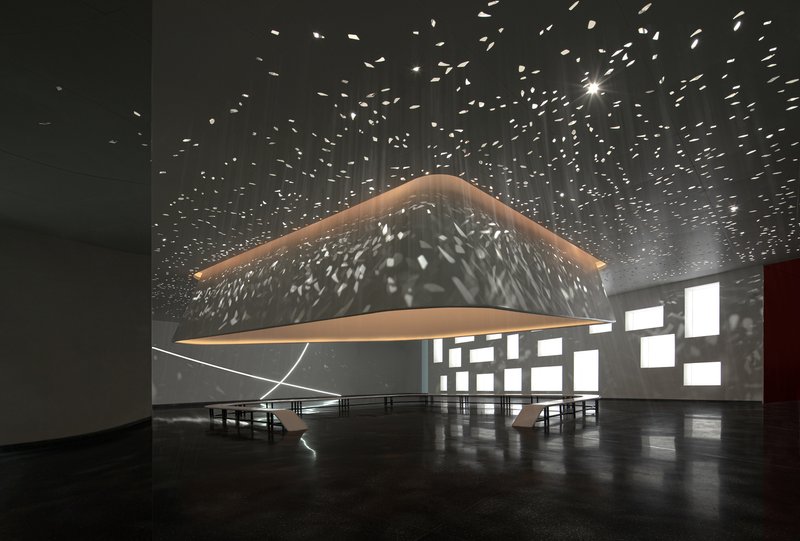
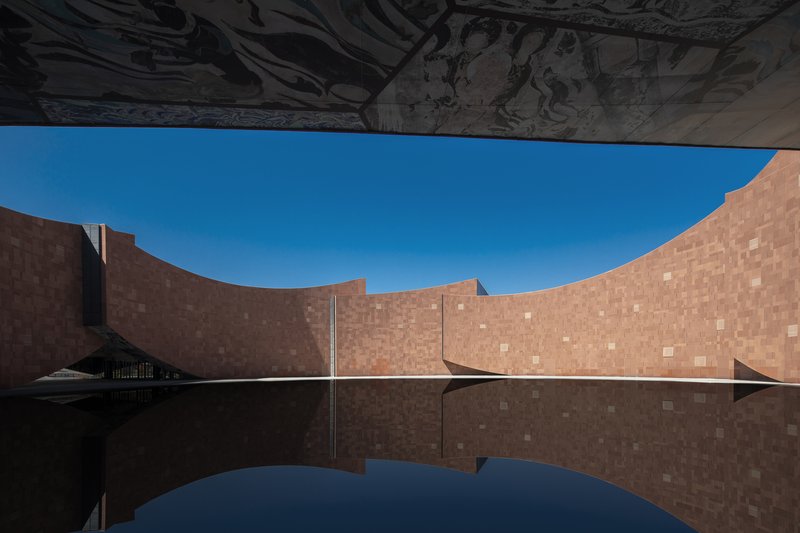
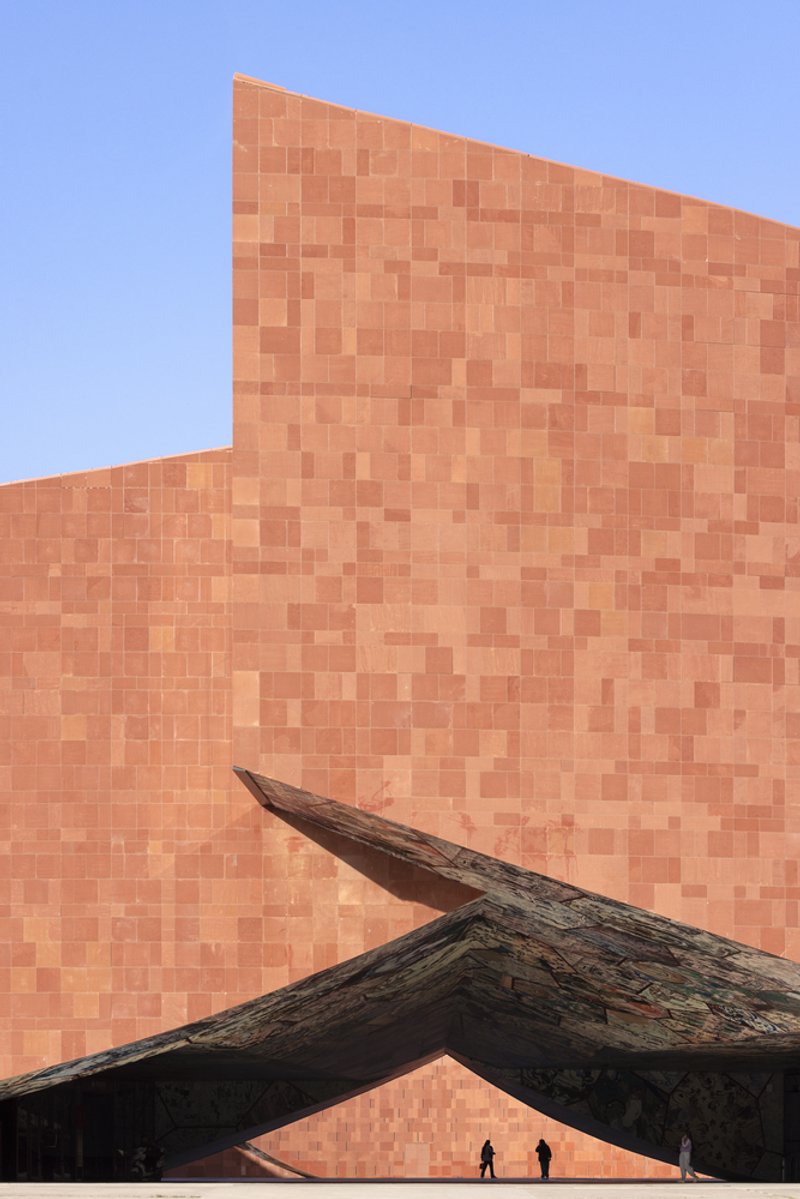
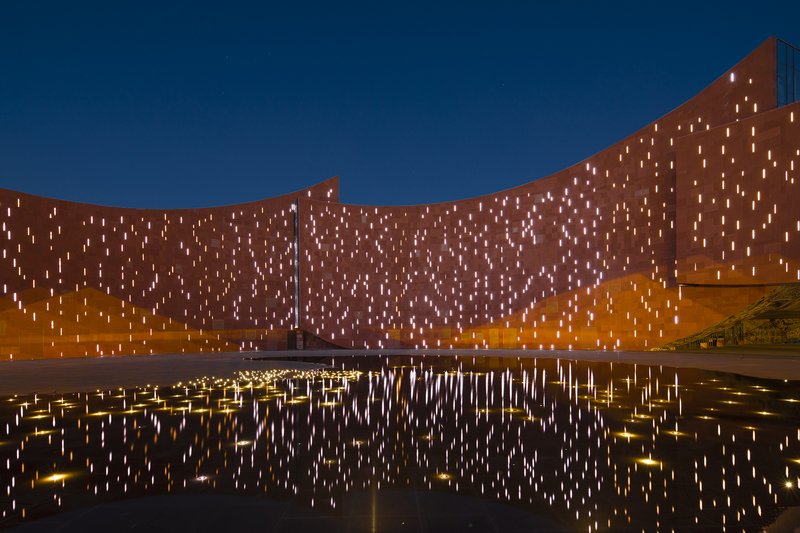
Light is a powerful agent throughout the visitor center’s interiors. Filtered through narrow openings between volumes, it creates ethereal shafts that punctuate the enclosed spaces with mystic intensity. This interplay between shadow and glow evokes the spiritual ambiance of sacred Buddhist spaces. At the western entrance, two intersecting volumes form a shaded transitional area that opens up to a central courtyard. Above, a mural-lined ceiling evokes the artistry of the Maiji Grottoes, infusing the space with historical gravitas and sacred storytelling.
Sequential Spatial Experience and Cultural Programming
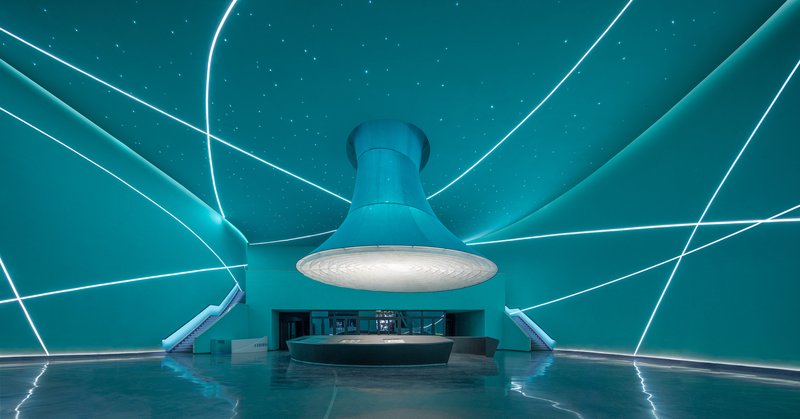
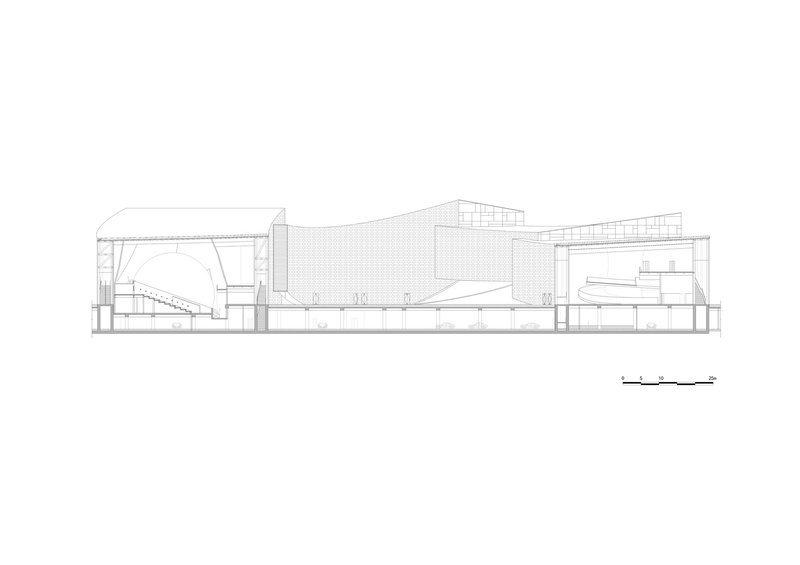
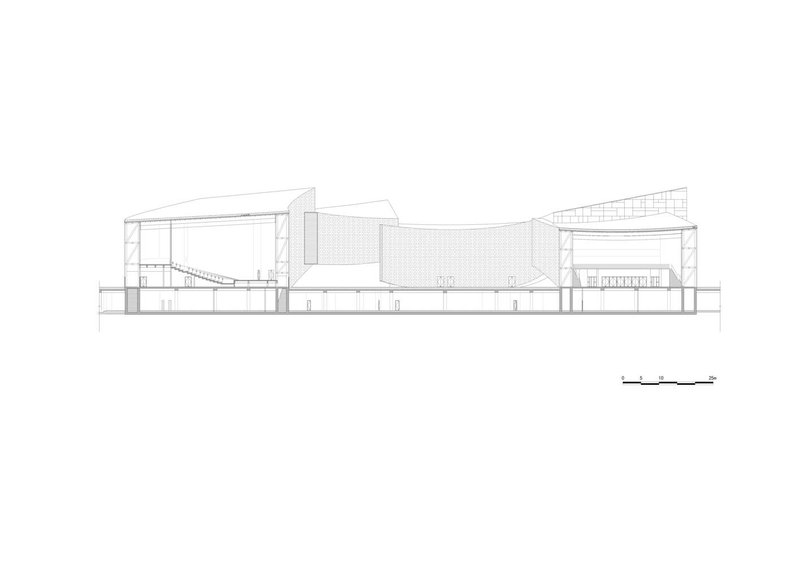
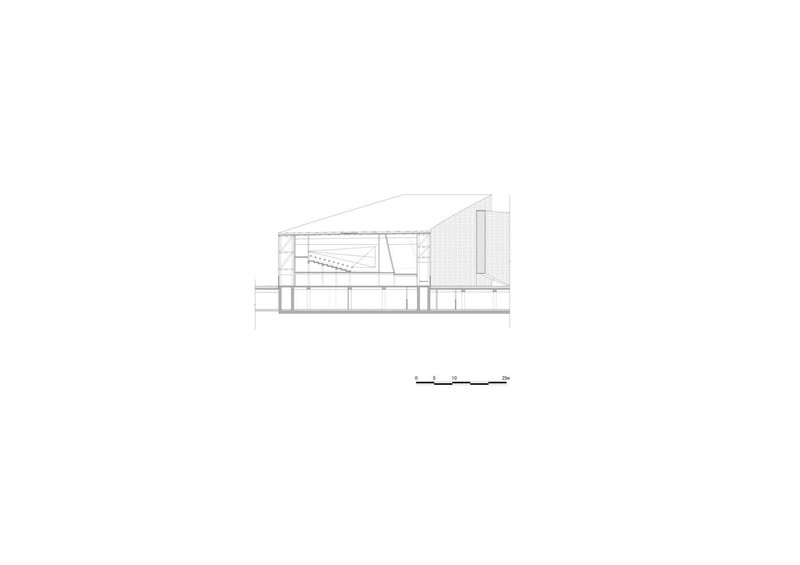
The visitor’s journey unfolds as a spiritual and cultural progression, with each of the six thematic zones offering a distinct atmosphere. Starting with a reception space, the path leads to a digital exhibition hall, a 5D cinema, a performance theater, and an exhibition zone before arriving at a cultural and creative center. This narrative sequence mirrors the philosophical passage from the external world to inner enlightenment. Each zone is enveloped within its own trapezoidal core, enabling fluid movement while maintaining a coherent architectural identity.
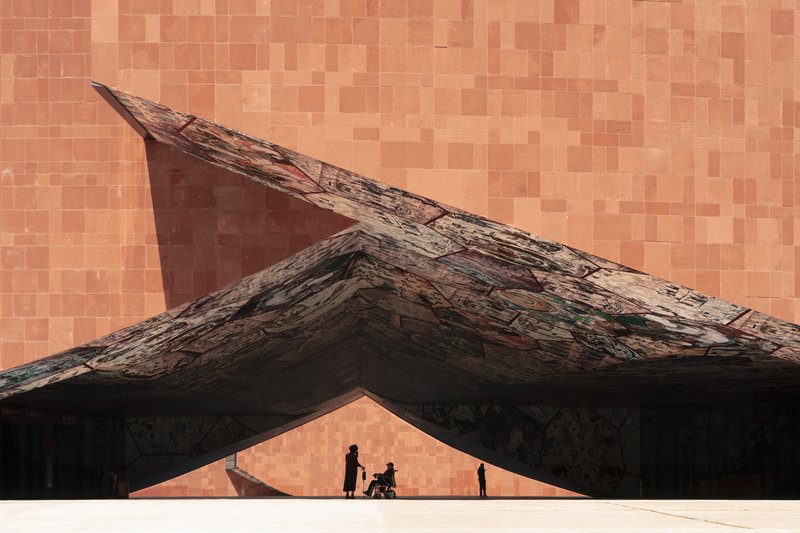
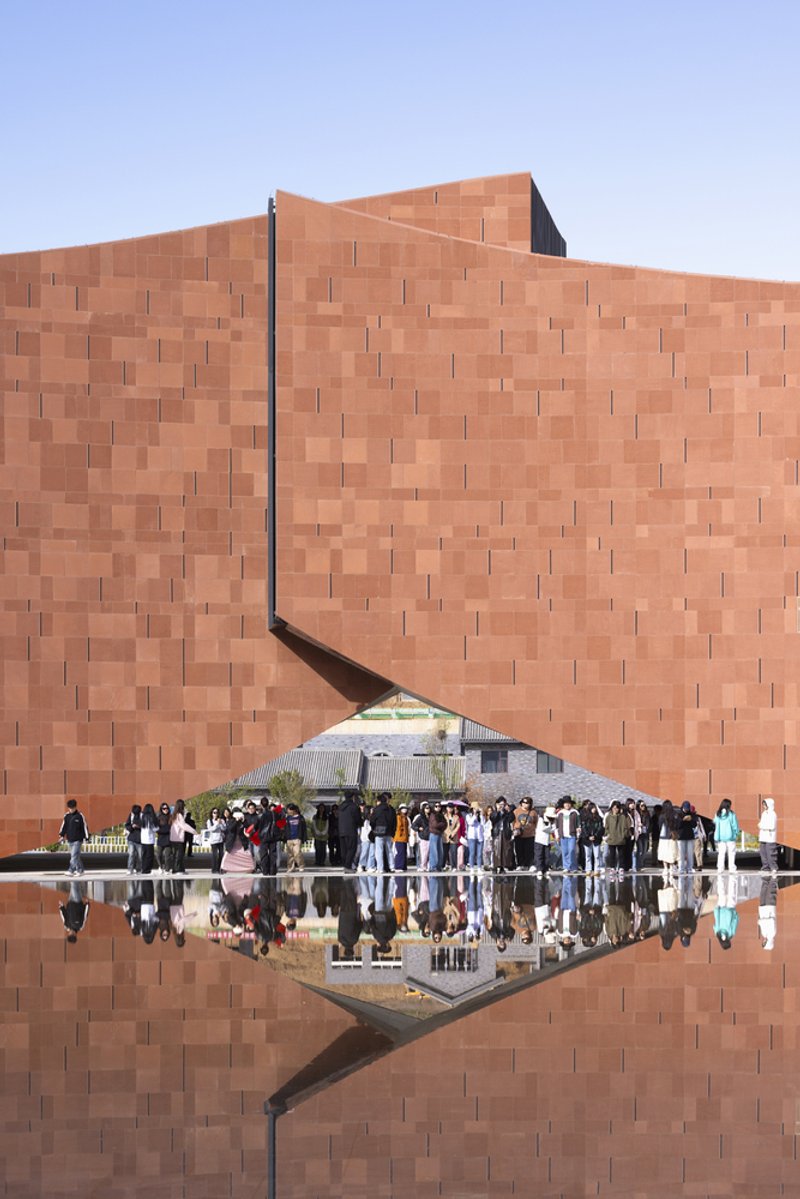
Structural Innovation with Cultural Meaning
The building’s six massive trapezoidal volumes serve not only as spatial dividers but also as seismic cores and structural supports. Their strategic placement eliminates the need for internal columns, creating expansive, uninterrupted exhibition spaces. This structural clarity reinforces the building’s symbolic openness, reflecting Buddhism’s inclusive ethos. Inspired by the merger of Han Chinese traditions and Buddhist values, the materials and colors chosen for the interior echo regional motifs, forming a dialogue between ancient wisdom and contemporary expression.
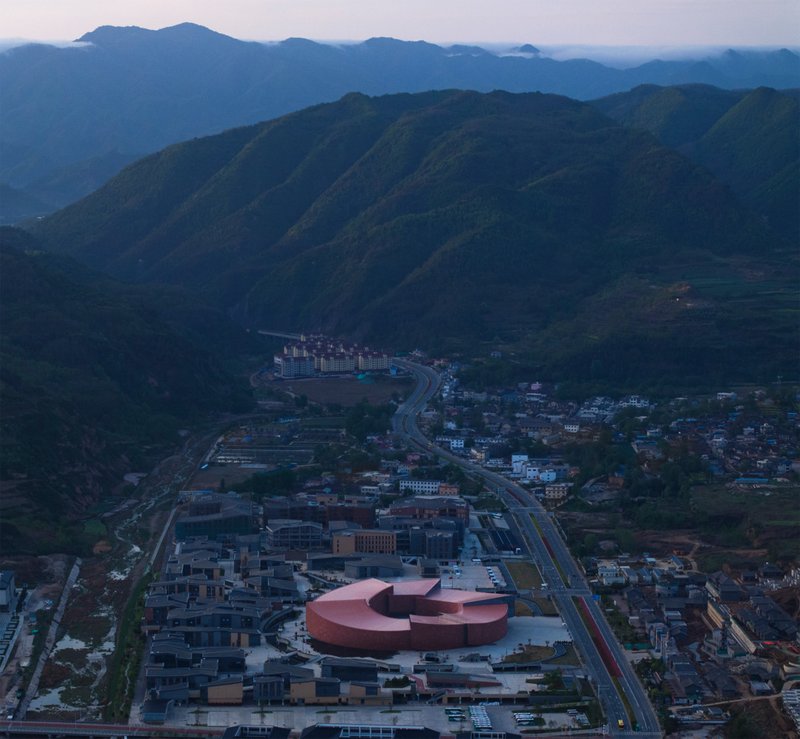
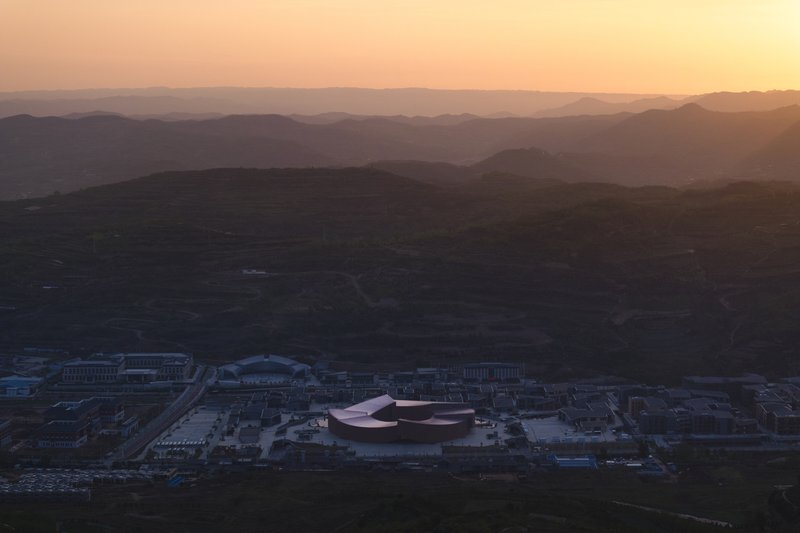
A Space of Peace, Inclusion, and Reflection
More than just a visitor center, the project stands as a space of serenity, fostering introspection and intercultural exchange. Its ring-shaped layout and gentle flow evoke the tranquility of meditation, while its openness invites people of all backgrounds to engage with the cultural richness of Maiji Mountain. This design philosophy aligns with the Buddhist ideal of universal acceptance, offering a place of calm retreat from the chaos of modern life. The architecture thus becomes a vessel of spiritual and cultural convergence.
Cultural Architecture as a Modern Landmark
The Maiji Mountain Visitor Center redefines what cultural architecture in China can achieve. By harmonizing ancient philosophies with modern functionality, the building becomes a living monument to continuity and transformation. Its ability to elevate the visitor experience through architecture, narrative, and landscape integration positions it not only as a gateway to Maiji’s historical treasures but as a destination in its own right. This synthesis of design and meaning ensures its legacy as a benchmark for future architectural projects in culturally sensitive contexts.
All Photographs are works of Arch-Exist, Xiangdong Wang, Hanmo Vision



Popular Articles
Popular articles from the community

On the Brooks House by Monsoon Collective – A Contemporary Kerala Home Rooted in Tradition
Kerala home blending tradition and modernity with water-inspired design, brick architecture, courtyard planning, and sustainable rainwater harvesting strategies.

Solar Steam: A Climate-Responsive Architecture That Redefines the Monument
A climate-responsive memorial architecture that transforms heat, decay, and time into a living system reflecting humanity’s ecological impact.
Inverted Architecture Installation by Studio Link-Arc: Exploring the Intersection of Architecture and Living Organisms
Inverted Architecture Installation by Studio Link-Arc blends mycelium, sustainability, inverted design, ecological cycles, and urban adaptive architecture in Shenzhen.
Louis Malle Cinema: A Limestone Cultural Landmark Revitalizing Community Life in Prayssac
Limestone cinema extension with public forecourt, blending heritage and modern design to create flexible cultural spaces and strengthen community interaction.

Similar Reads
You might also enjoy these articles

Bamboo Housing Challenge 2026: Design Affordable, Sustainable Homes Using Bamboo
An international design competition by Bamboo U and IBUKU inviting architects and designers to reimagine affordable housing using bamboo — with the winning design built full-scale in Bali.

Computational Design & Education: Beegraphy Design Awards Introduces 7th Category (Featuring Jiyun's Innovative Approach)
Dive into Beegraphy’s 7th Design Awards category, where computational design meets education to create immersive, interactive learning tools, inspired by Jiyun’s work.
From Parametric Lighting to Urban Furniture: Join the 2nd Workshop in Beegraphy’s Computational Design Series
Dive into Cutting-Edge Design Techniques and Practical Applications with Industry Experts

Introducing Sphere by UNI: Pioneering a New Era in AEC Industry
Unlocking Global Potential with BIM and Agile Management

Explore Architecture Competitions
Discover active competitions in this discipline




The International Standard for Design Portfolios


The Global Benchmark for Architecture Dissertation Awards


The Global Benchmark for Graduation Excellence


Challenge to reimagine the Iron Throne
Comments (0)
Please login or sign up to add comments
No comments yet. Be the first to comment!