
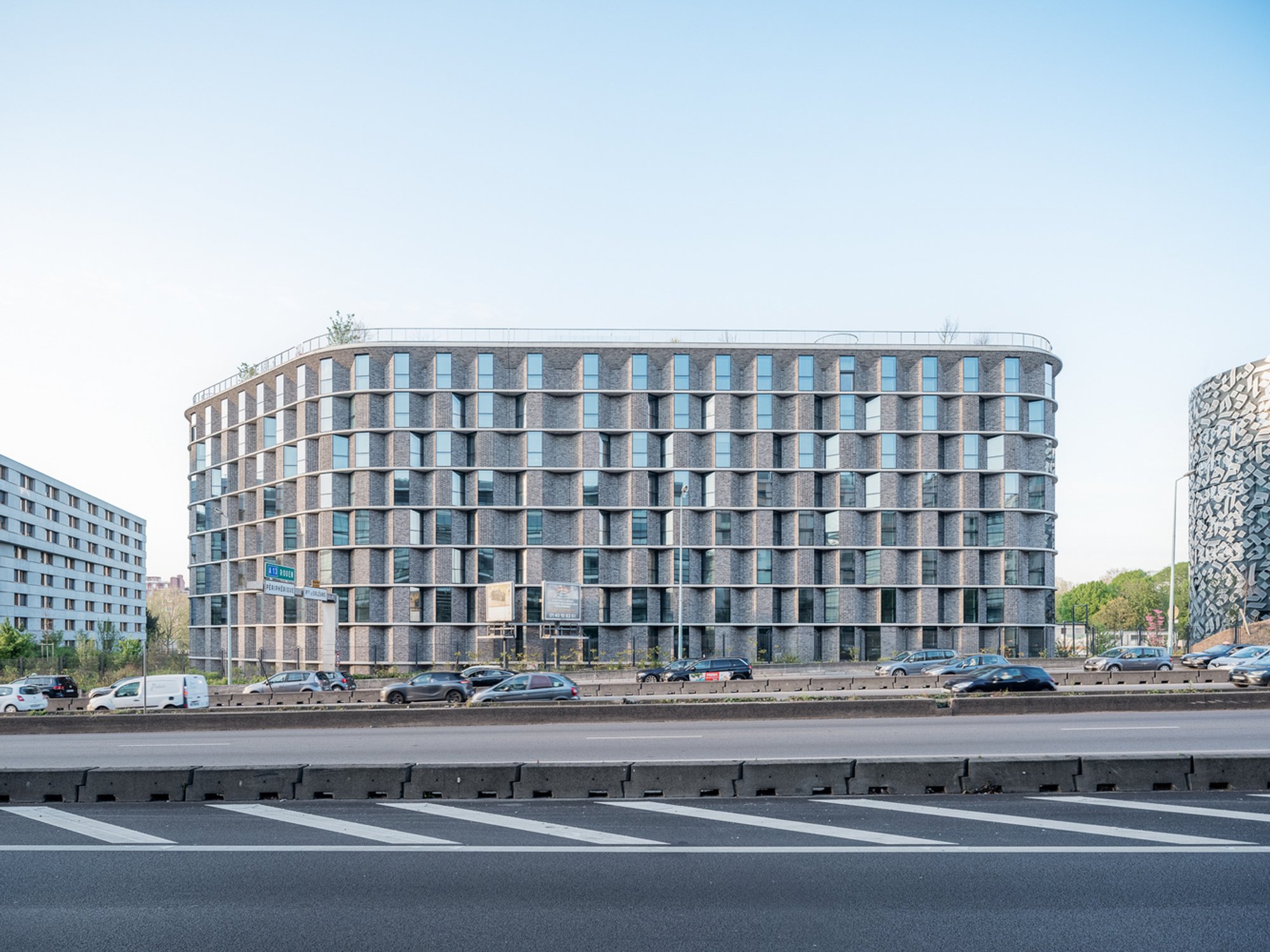
Maison de la Chine Dorms byAtelier FCJZ + Coldefy
Maison de la Chine Dorms blends Chinese heritage and modern design, creating sustainable student housing in Paris with communal courtyards and gardens.

Located within the historic Cité Internationale Universitaire de Paris (CIUP), the Maison de la Chine Dorms by Atelier FCJZ and Coldefy is a striking architectural landmark that blends cultural heritage, sustainable design, and contemporary student living. Completed in 2023, the 8,287 m² residence finally fulfills a long-awaited dream of creating a dedicated Chinese House in Paris, more than ninety years after it was first envisioned.
A Legacy Realized
The CIUP, founded in 1925, is home to over 40 pavilions representing different nations, each with distinctive architecture—from Le Corbusier’s Pavillon Suisse to Lucio Costa’s Maison du Brésil. In 1930, Chinese student Yu Ping-Lih first proposed a Maison Chinoise as his thesis project, but financial challenges halted its construction. Nearly a century later, a Sino-French design competition revived the vision, and the winning proposal by Atelier FCJZ and Coldefy gave birth to the Fondation de Chine, known poetically as He Yuan (“Garden of Harmony”).
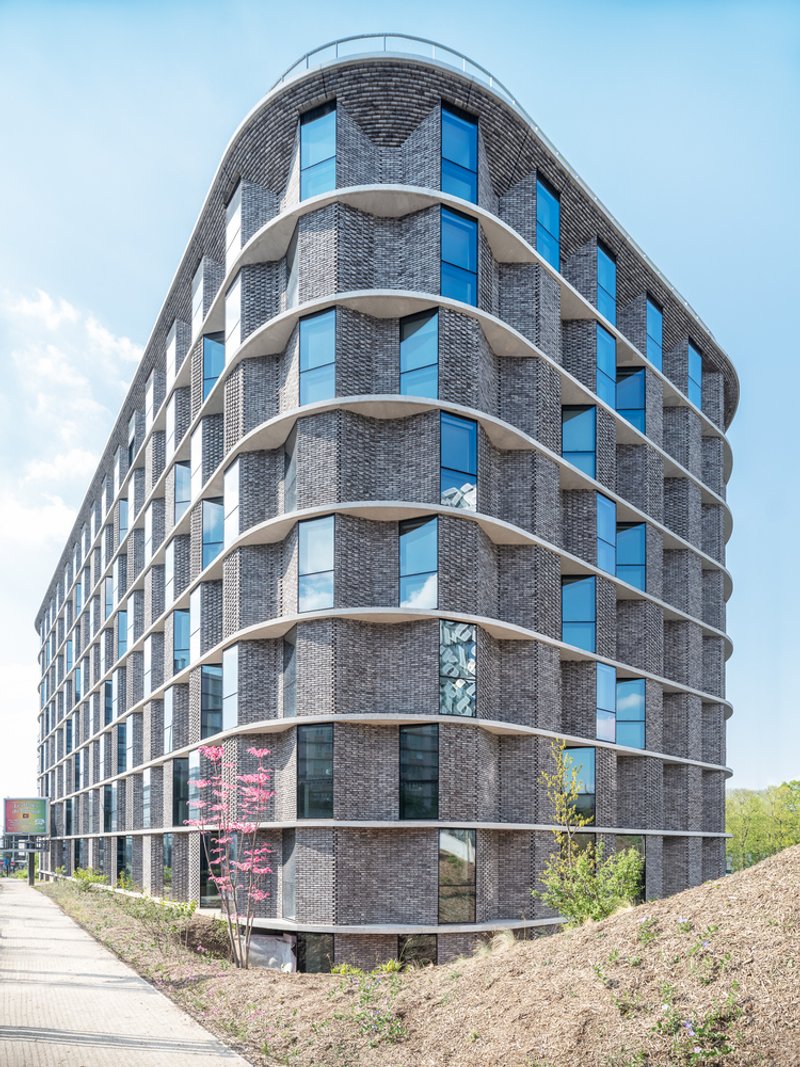
Concept: A Modern Tu Lou
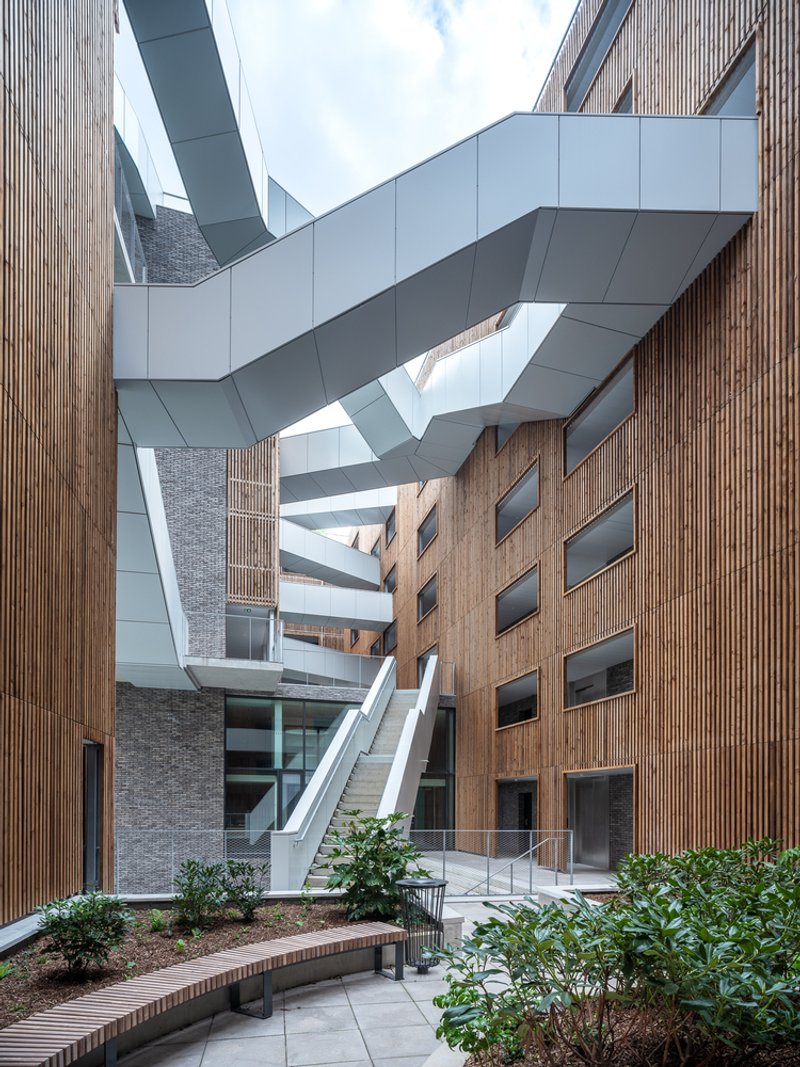
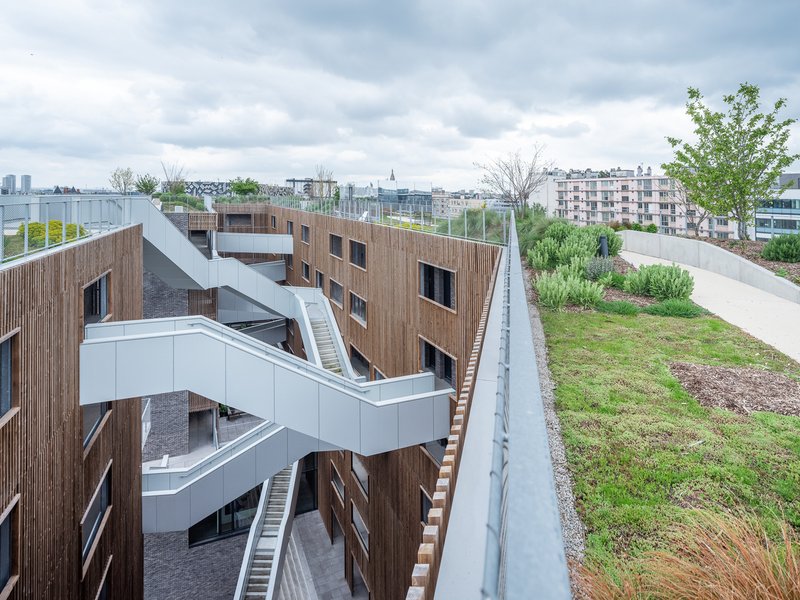
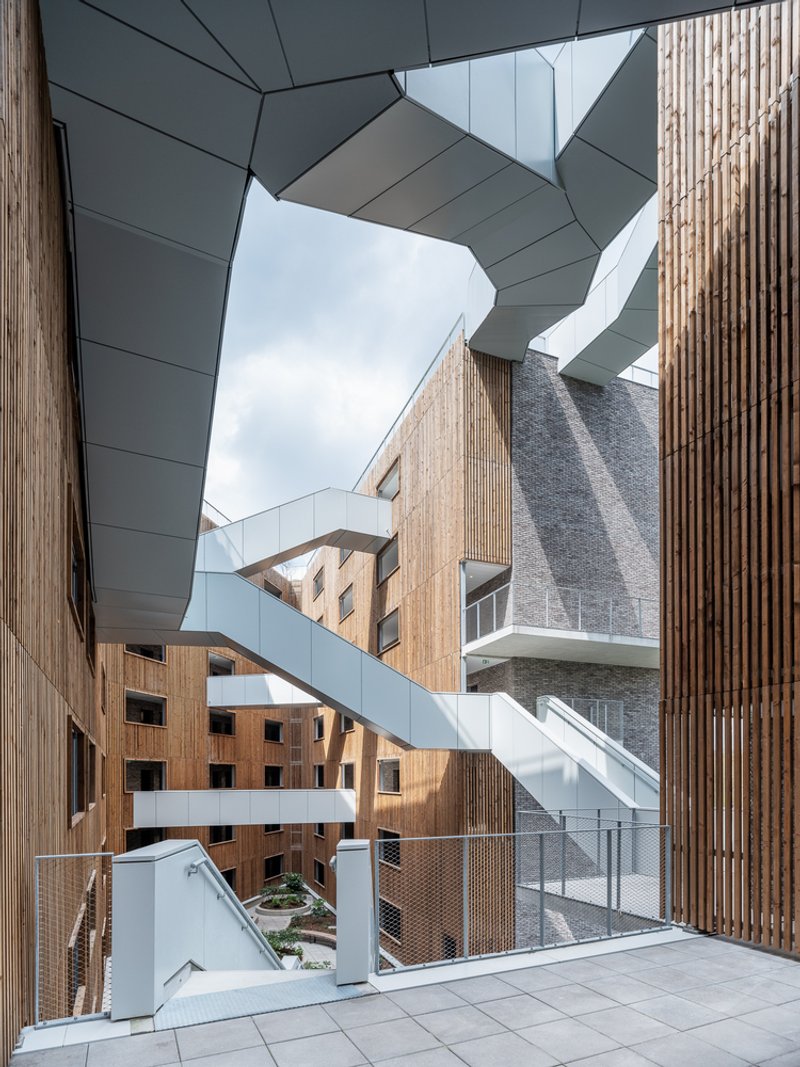
Inspired by the Tu Lou—traditional communal earthen dwellings in Southern China—the architects created a design that integrates 300 single dormitories with a 500-seat cultural hall in a continuous ring-shaped formation. This open loop structure surrounds a central courtyard, where terraces, staircases, and green platforms create a vertical landscape that fosters community interaction and cultural exchange.
The building is designed not only as housing but as a conceptual village, echoing both traditional Chinese living patterns and modern student lifestyles.
Living with Landscape
Positioned at the southern edge of CIUP, the Maison de la Chine carefully negotiates its setting between a sports field and the bustling Boulevard Périphérique. The project maximizes green space, with gardens integrated across the rooftop, terraces, and courtyards. This ensures students experience a healthy, nature-connected environment—an idea inspired by Le Corbusier’s emphasis on well-being in design.
Materiality and Cultural DNA
Rather than relying on ornamental references, the architects embedded Chinese identity through construction techniques and materials.
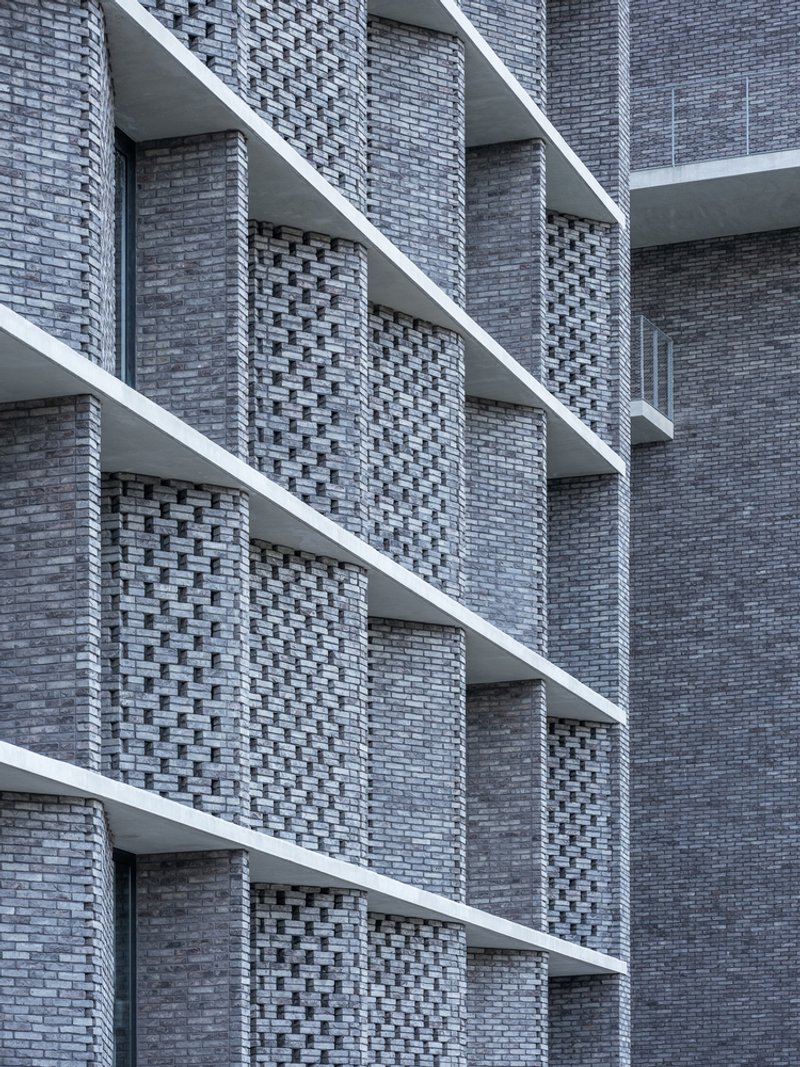
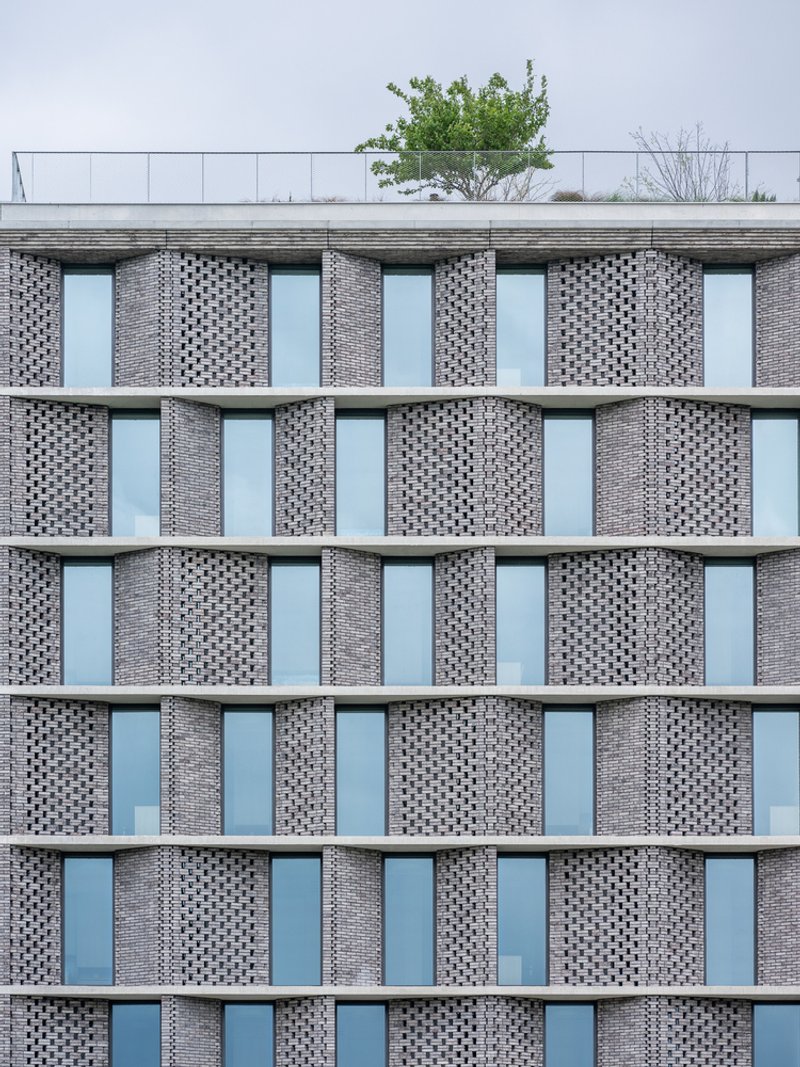
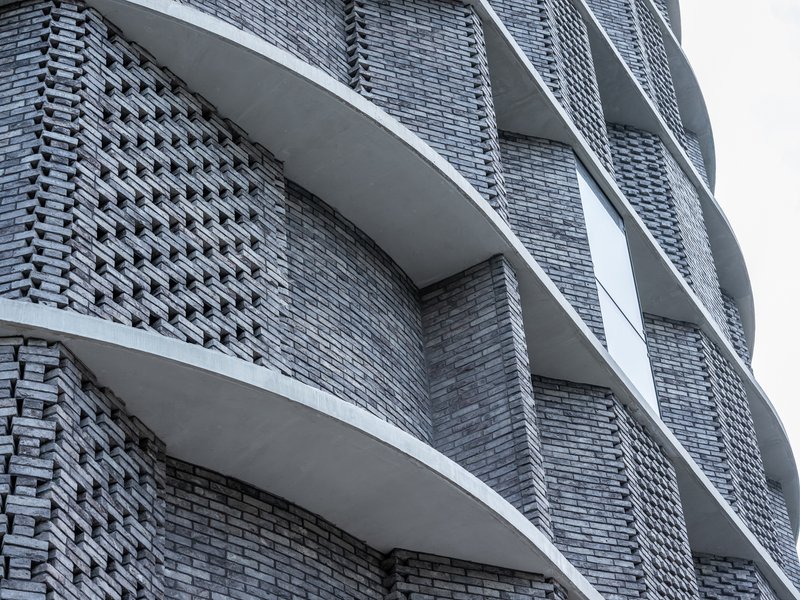
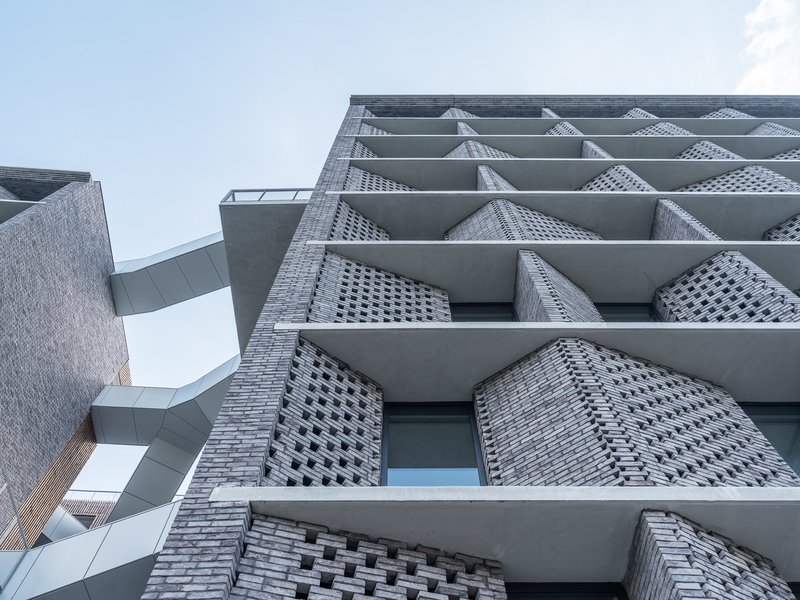
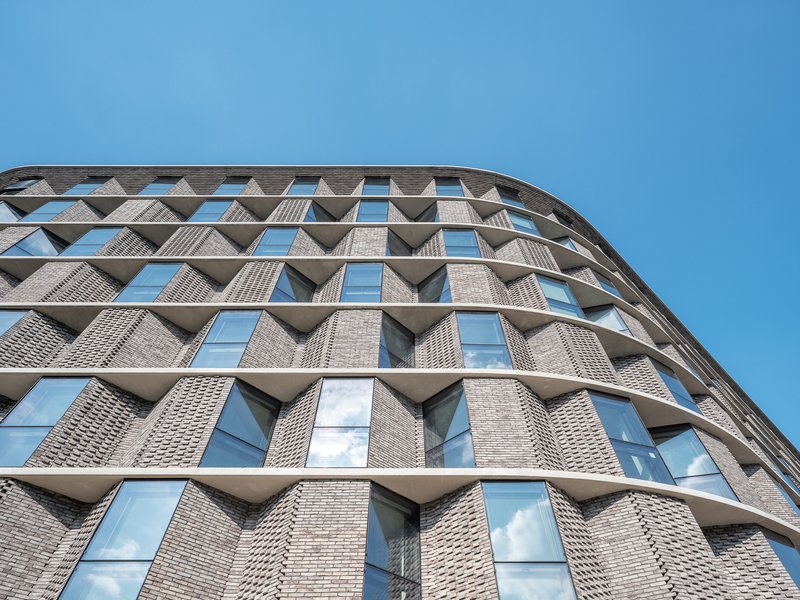
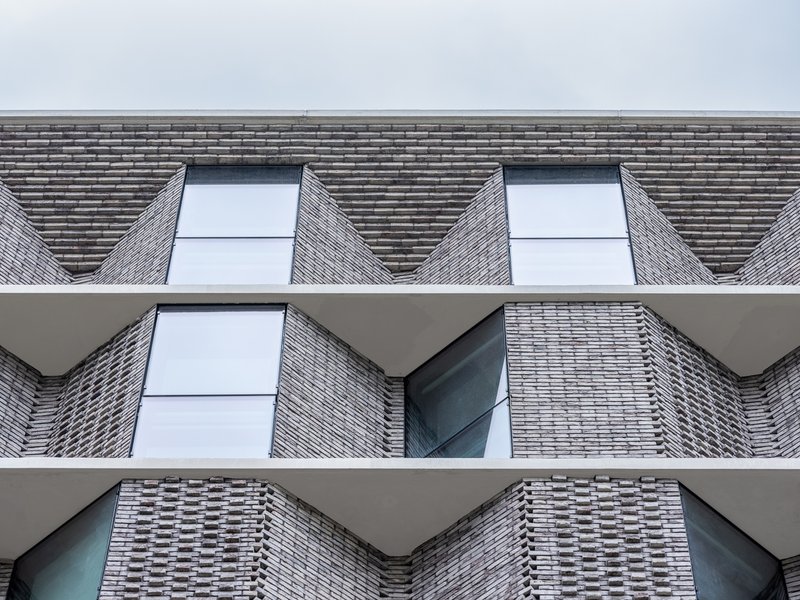
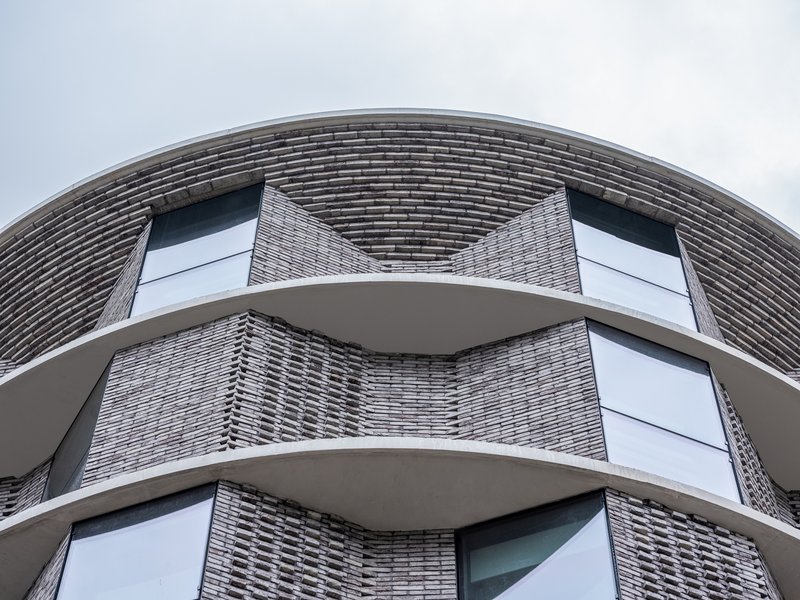
- The outer façade is clad in grey clay bricks, handcrafted in Europe, referencing traditional Chinese masonry.
- Innovative brick-laying patterns—such as Die Se (brick cantilevering)—create textured walls, projecting eaves, and rhythmic reliefs.
- The inner courtyard façade is lined with warm timber grilles, symbolizing balance between earth and wood, two key elements in Chinese architectural tradition.
This material composition also addresses acoustics, mitigating noise from the adjacent highway while preserving a calm, harmonious atmosphere for residents.
A Garden of Harmony
The final design embodies the name He Yuan, not just as a residence, but as a cultural landmark, a bridge between China and France, and a celebration of collective living rooted in history yet adapted for the future.




Popular Articles
Popular articles from the community

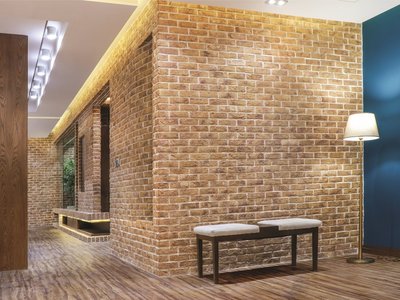
A Contemporary Take on Iranian Residential Architecture
A modern interior design in Mashhad that reinterprets brick, light, and spatial flow to create a warm, contemporary residential architecture.


The Ken Roberts Memorial Delineation Competition (Krob)
As the most senior architectural drawing competition currently in operation anywhere in the world, it draws hundreds of entries each year, awarding the very best submissions in a series of medium-based categories.
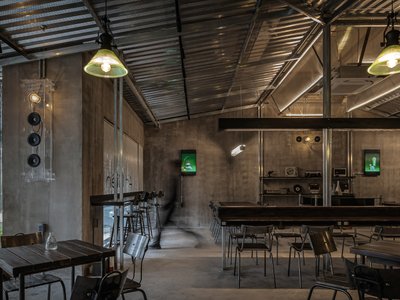
An Miên Lumière Cafe by xưởng xép, Ho Chi Minh City, Vietnam
An industrial-inspired café where layered steel and warm light create a dynamic, immersive environment shaped by reflection, depth, and perception.

Solar Steam: A Climate-Responsive Architecture That Redefines the Monument
A climate-responsive memorial architecture that transforms heat, decay, and time into a living system reflecting humanity’s ecological impact.

Similar Reads
You might also enjoy these articles
The Ken Roberts Memorial Delineation Competition (Krob)
As the most senior architectural drawing competition currently in operation anywhere in the world, it draws hundreds of entries each year, awarding the very best submissions in a series of medium-based categories.


Waterfront Redevelopment and Urban Revitalization in Mumbai: Forging a New Dawn for Darukhana
A transformative waterfront redevelopment project reimagining Darukhana’s shipbreaking heritage into an inclusive urban future.

OUT-OF-MAP: A Call for Postcards on Feminist Narratives of Public Space
Rhizoma Design and Research Lab invites artists, designers, architects, researchers, and students to reflect on how feminist perspectives can reshape public space. Selected works will be exhibited in Barcelona, October 2026. Submissions open until 15 April 2026.


Documentation Work on Buddhist Wooden Temple
Architectural syncretism and cultural hybridity: A comparative study of the Buddhist temples in Chattogram Hill tracks


Explore Architecture Competitions
Discover active competitions in this discipline




The International Standard for Design Portfolios


The Global Benchmark for Architecture Dissertation Awards


The Global Benchmark for Graduation Excellence


Challenge to design an urban locus of culture and heritage
Comments (0)
Please login or sign up to add comments
No comments yet. Be the first to comment!