
Modern Gallery Renovation: A Closer Look at Arario Gallery Seoul by Schemata Architects
This article explores the modern renovation of Arario Gallery Seoul by Schemata Architects, blending historical architecture with contemporary design elements.


Arario Gallery Seoul, a remarkable blend of historical essence and modern design, stands as a prime example of thoughtful architectural renovation. Located in Jongno-gu, South Korea, this project was meticulously undertaken by Schemata Architects, led by Jo Nagasaka. The renovation not only preserves the rich architectural history of the site but also introduces contemporary elements that redefine its space.
Historical Context and Architectural Evolution
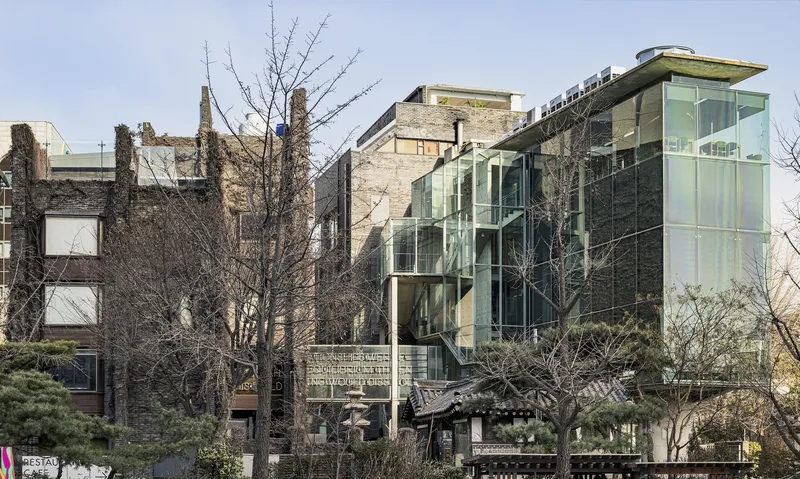
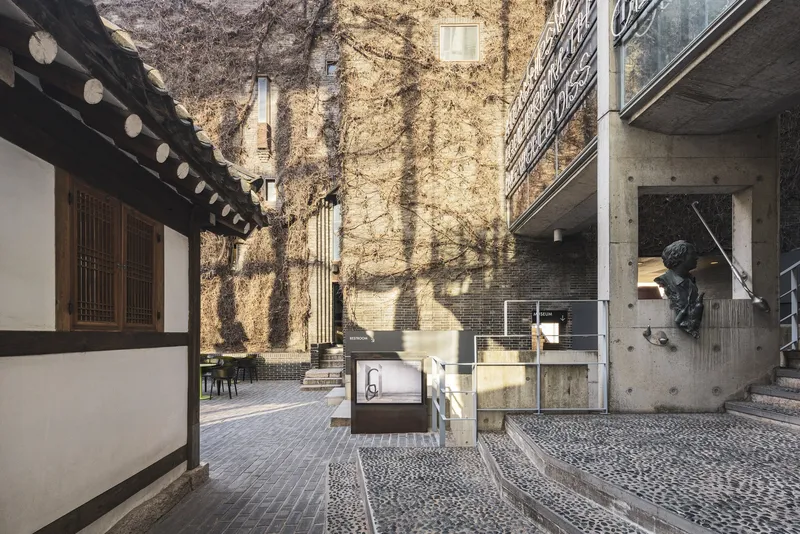
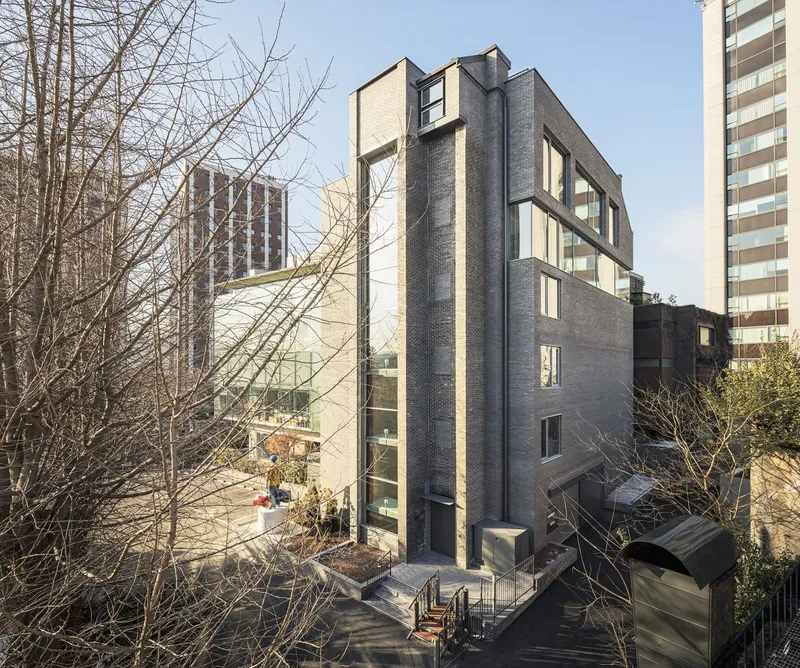
The site's architectural journey began with Kim Swoo-geun’s masterpiece “Space,” constructed between 1971 and 1977, a period marked by South Korea's military dictatorship. This building utilized bricks extensively, a common local material, to capture the identity of Korean architecture. Subsequently, in 1997, Jang Se-yang, a disciple of Kim Swoo-geun, added a modern touch with an open-plan glazed building, creating a striking contrast to the brick structure.
In 2014, a traditional Korean hanok was relocated to the premises, further enriching the site’s historical narrative. The brick building underwent conversion to a museum, and the glass structure became a restaurant, marking significant milestones in the site’s evolution.
Schemata Architects' Approach to Modern Gallery Renovation
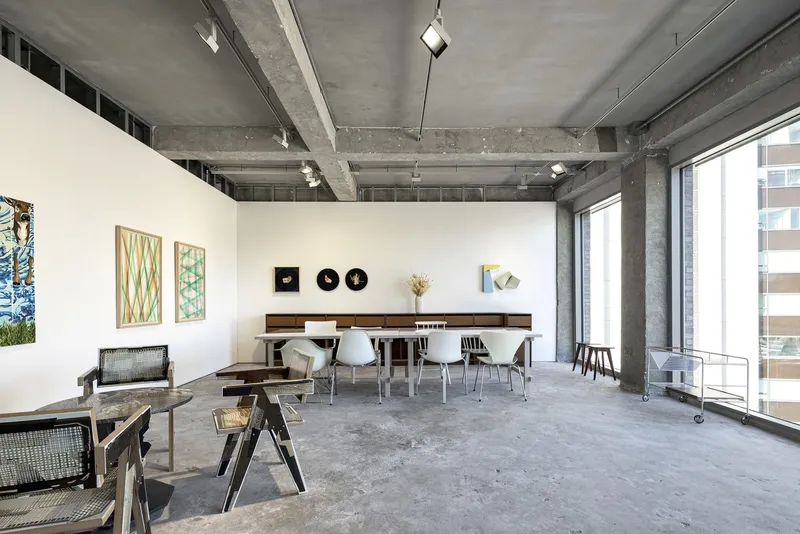
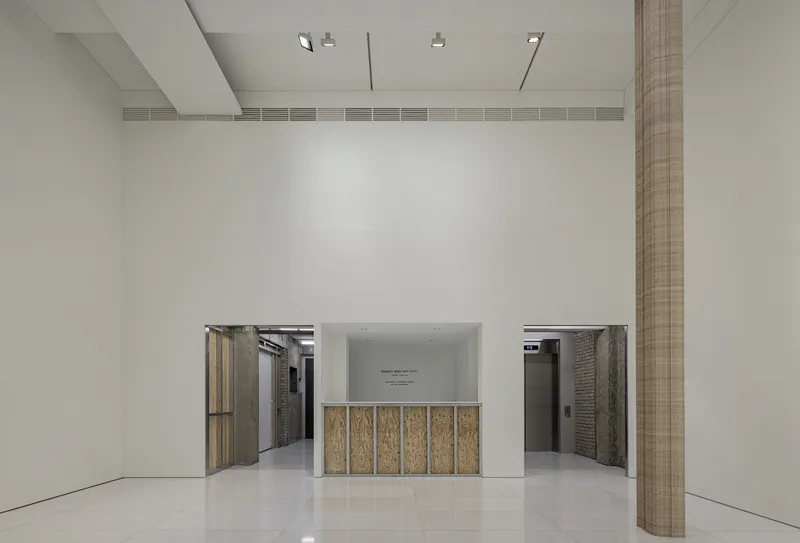
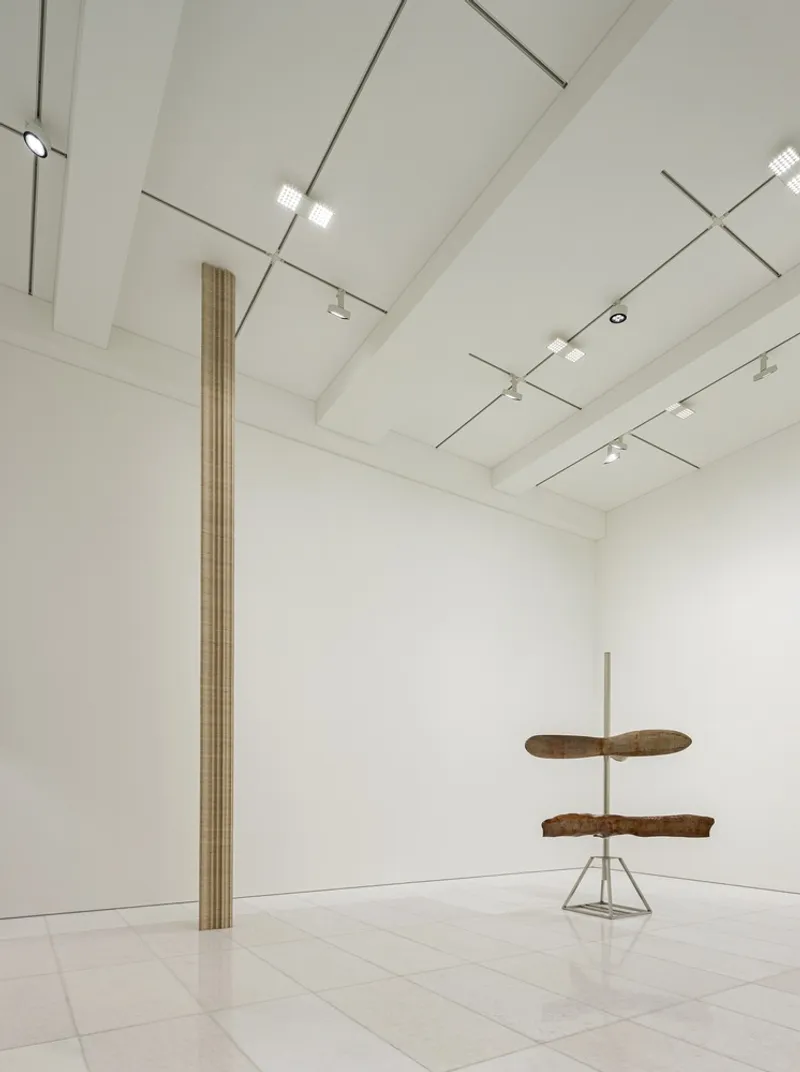
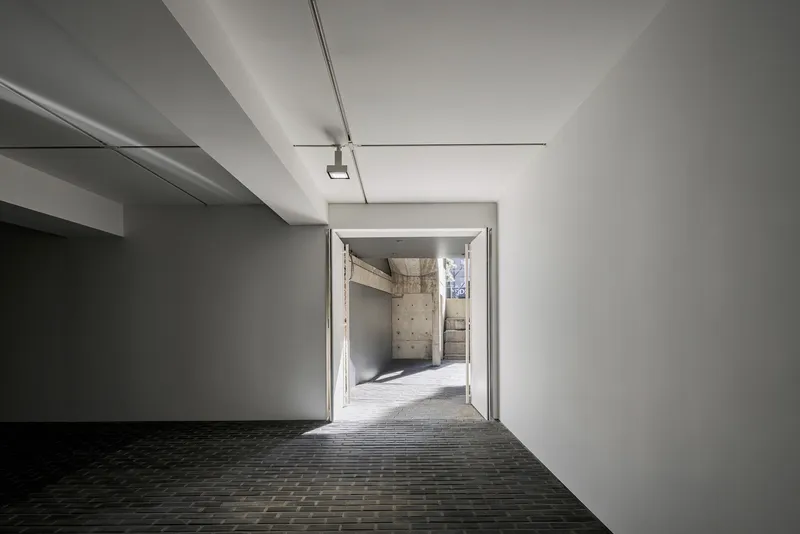
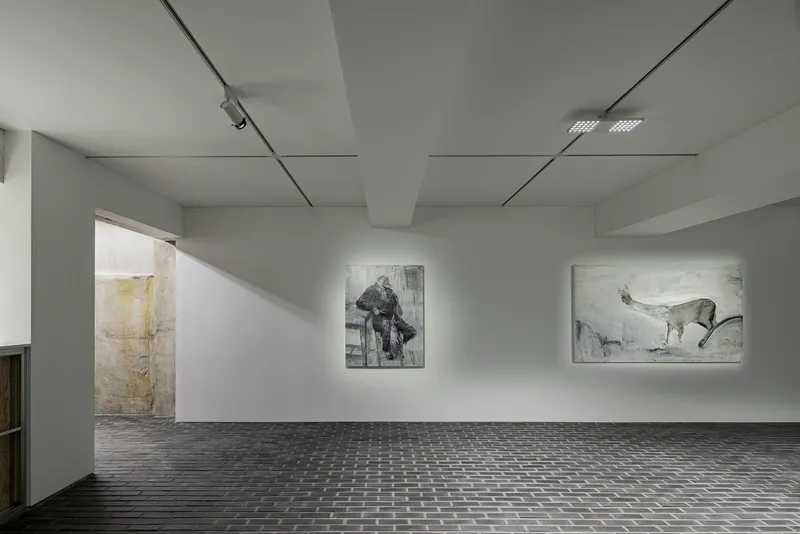
In 2023, Schemata Architects were commissioned to transform an existing concrete and brick structure on the site into the new Arario Gallery. The architects envisioned a renovation that would respect the existing architectural dialogue while introducing a modern "white cube" concept. The redesign aimed to offer a fresh perspective within the traditional context, using white as a primary element to contrast with the historical brick and concrete.
Design Strategy and Implementation
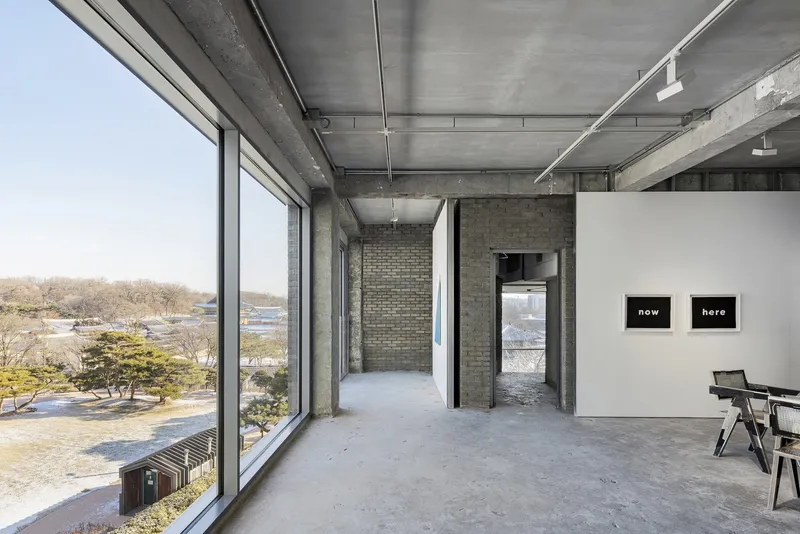
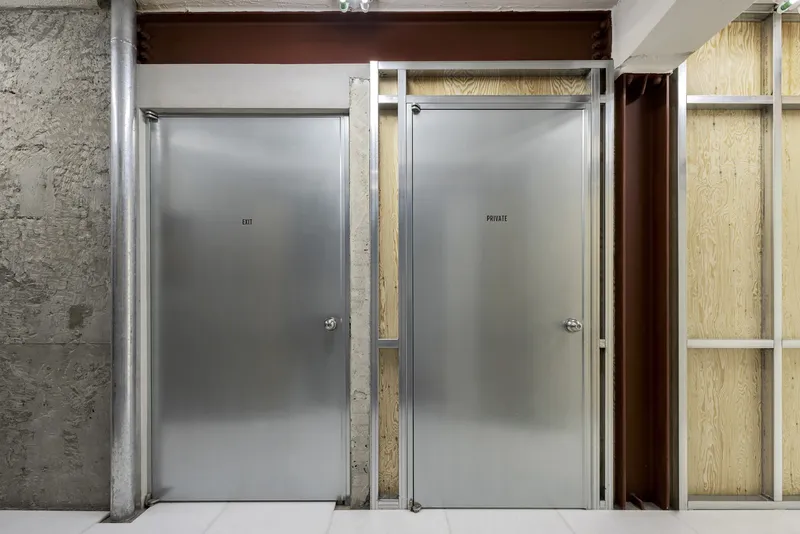
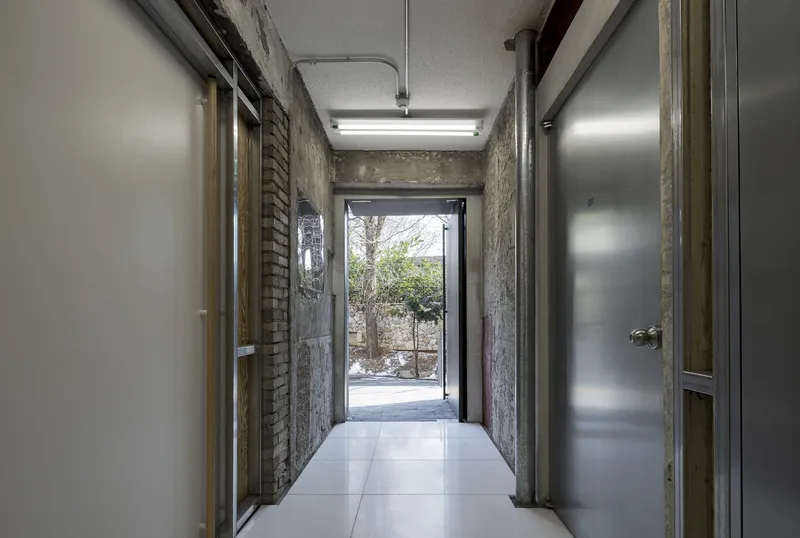
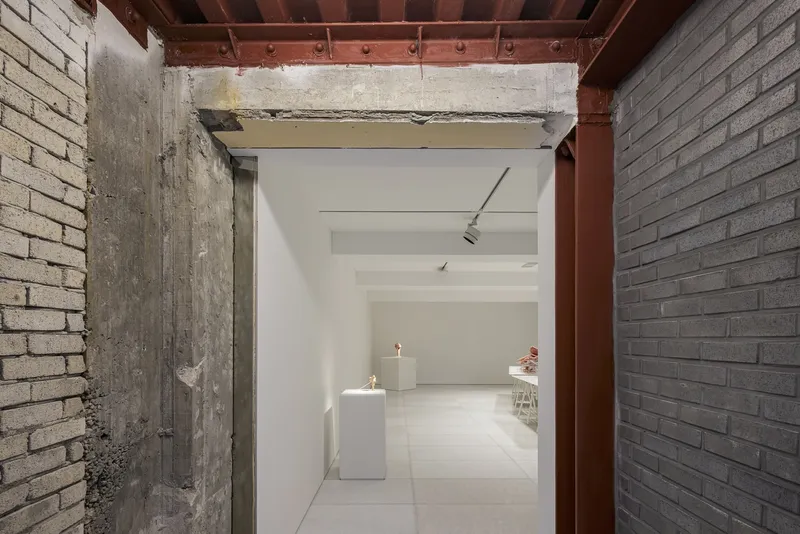
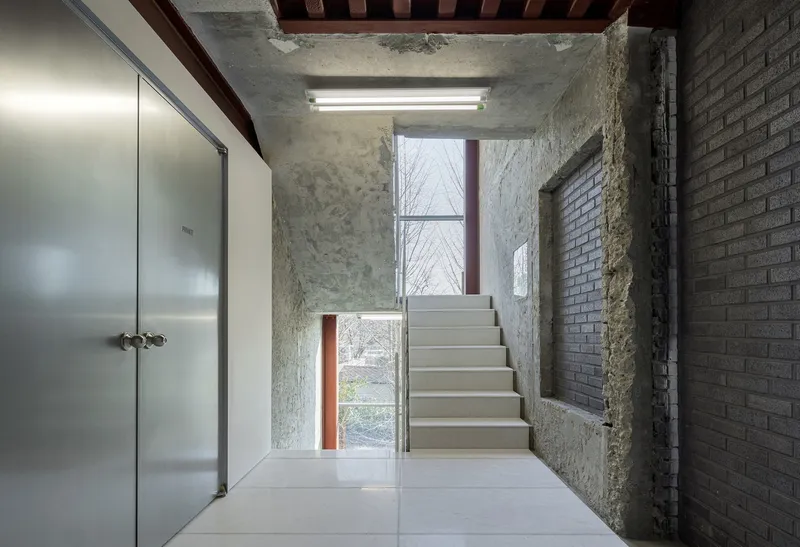
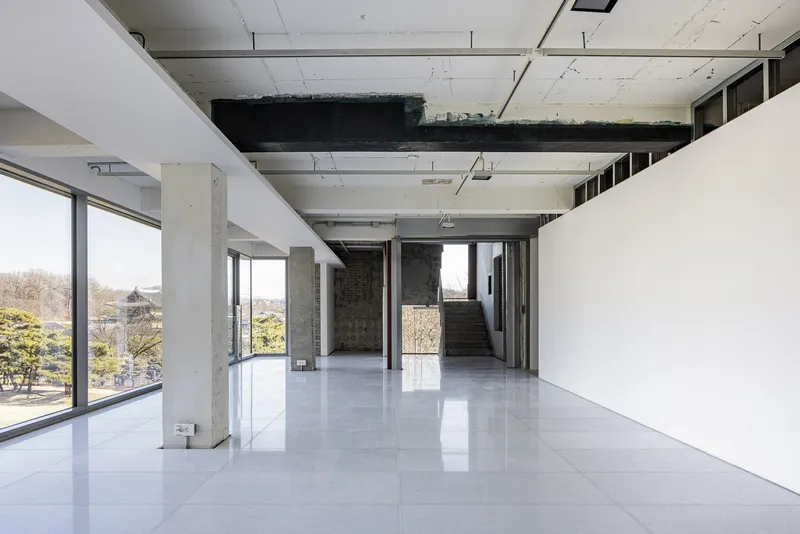
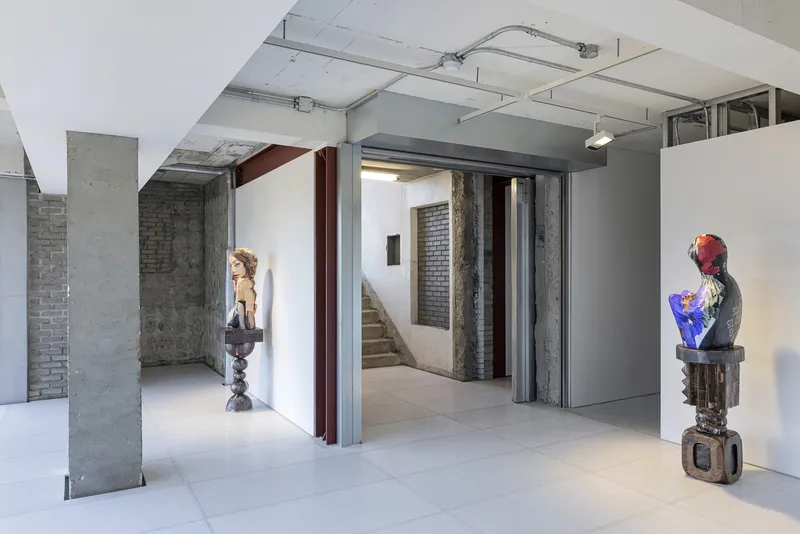
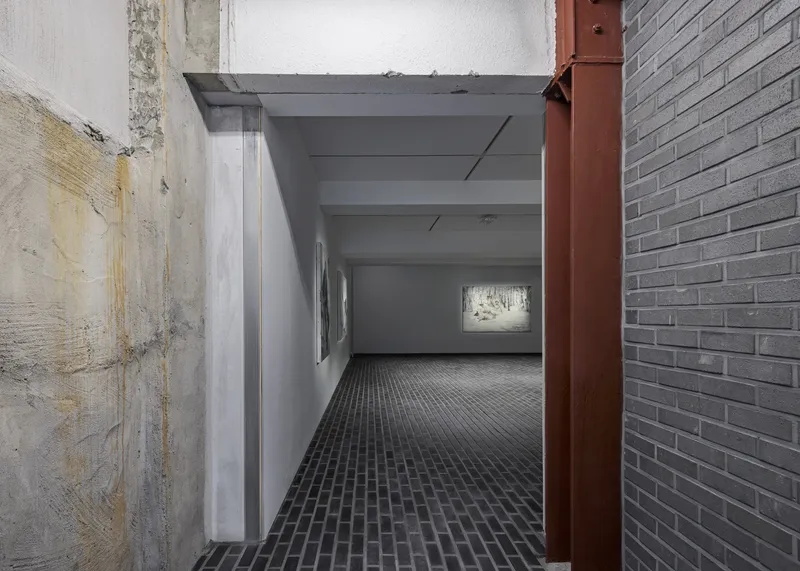
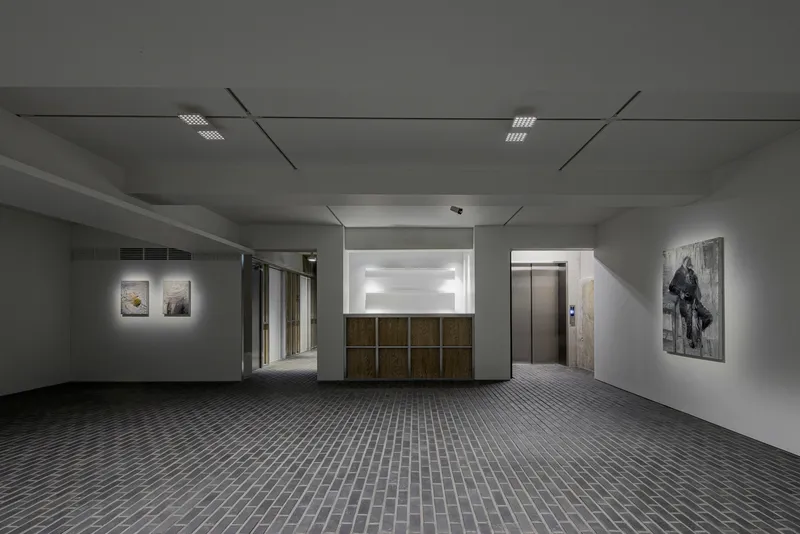
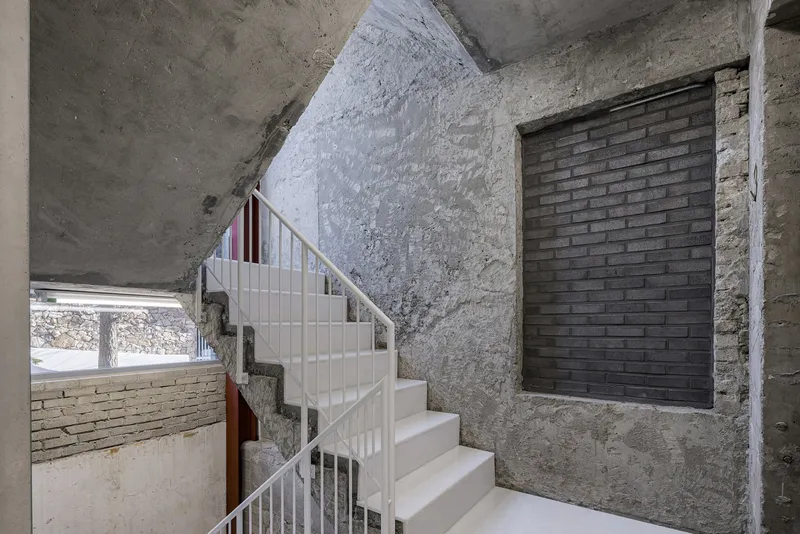
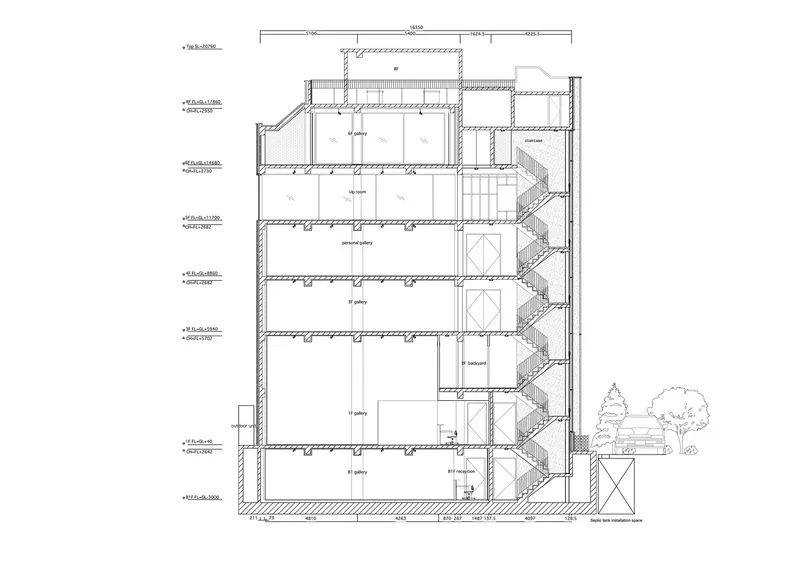
The design process began with a commitment to maintaining the integrity of the site's historical context. Schemata Architects chose to enhance the unorganized exterior with bricks, preserving the aesthetic established by Kim Swoo-geun. Inside, the architects introduced a series of white spaces that progressively revealed the underlying materials of concrete and brick, creating a dynamic interplay of old and new.
Challenges and Innovations
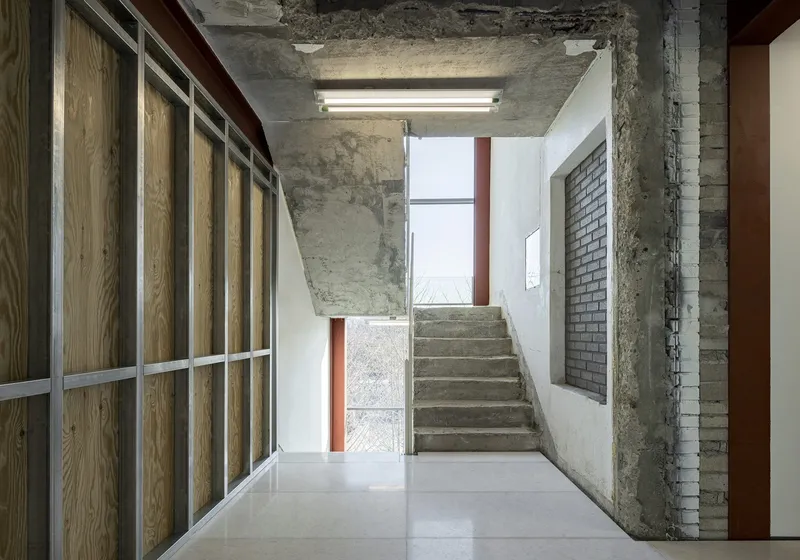
The project faced significant challenges, particularly when structural issues threatened to compromise the neighboring buildings. This required a thoughtful redesign mid-project, which ultimately reinforced the integration of the white cube concept while respecting the structural and historical limits of the site.
Visitor Experience and Architectural Features
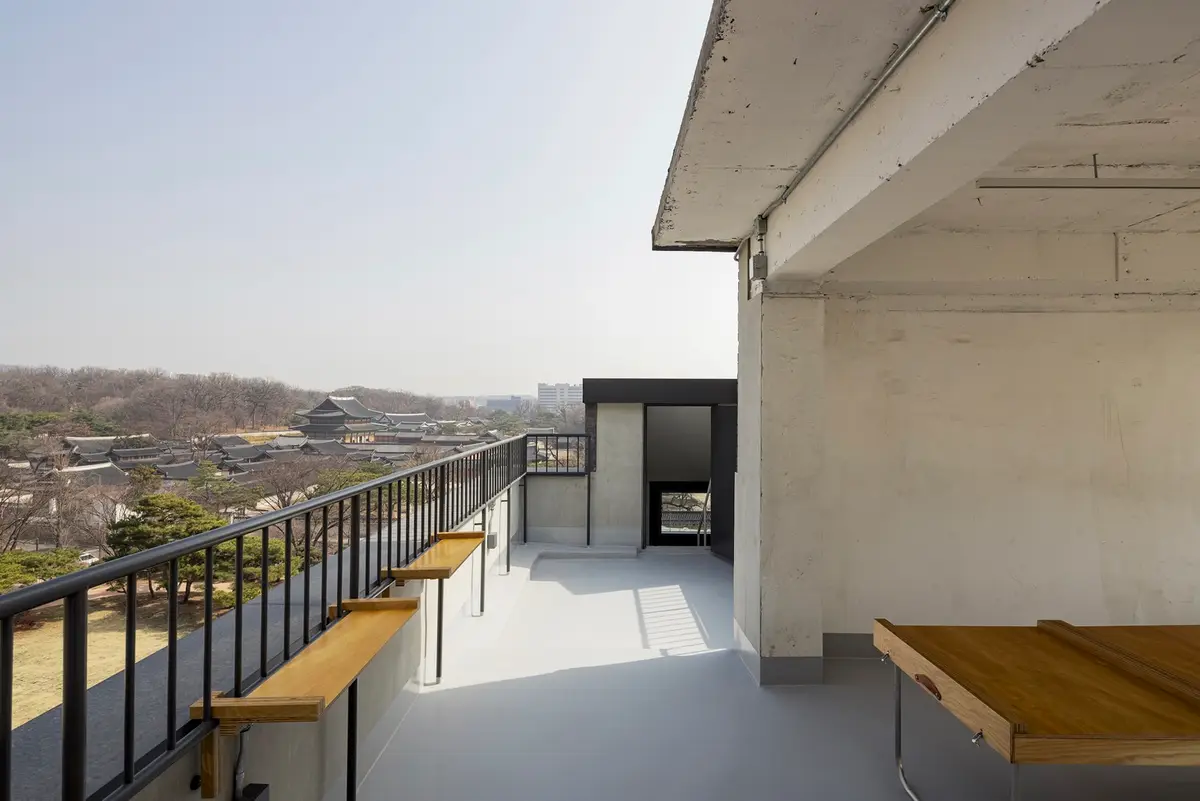
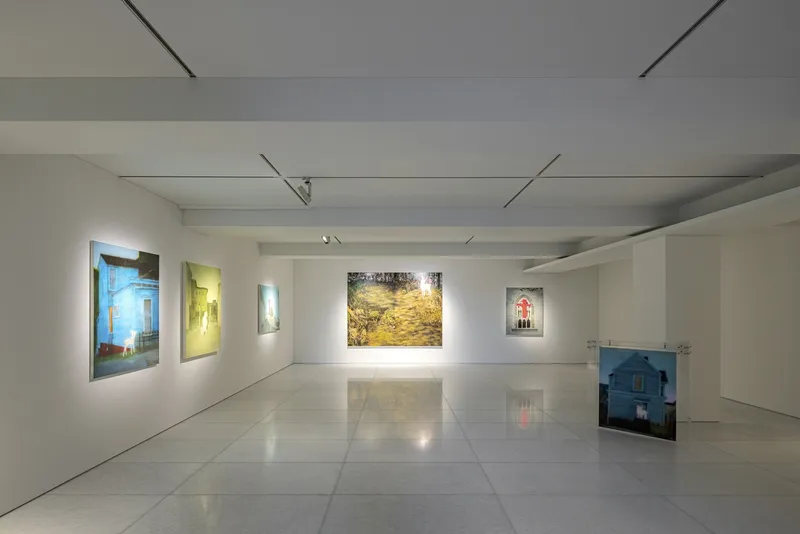
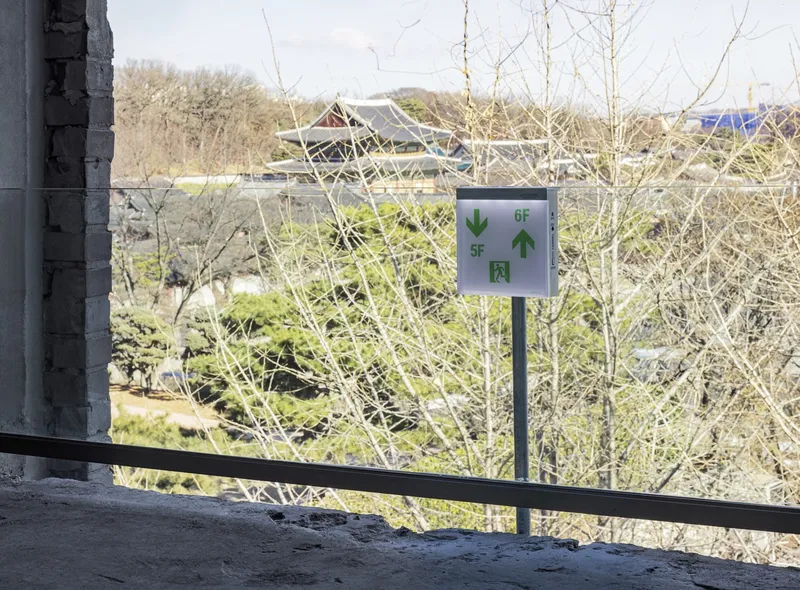
The gallery space is characterized by its minimalist white interiors that contrast with the exposed concrete and brick, providing a unique aesthetic experience. The sequence of spaces is carefully curated to transition from white-dominated areas to those where raw materials dominate, culminating in panoramic views of the Palace from the upper floors and rooftop.
Integrating Modern Elements with Traditional Architecture
The integration of modern design elements within a traditional architectural framework has been achieved with sensitivity and innovation at Arario Gallery. The use of contrasting materials and colors, strategic structural adaptations, and a focus on visitor experience make this project a standout example of modern gallery renovation.
A Benchmark for Gallery Renovations
Arario Gallery Seoul by Schemata Architects sets a benchmark in modern gallery renovations, demonstrating how contemporary design can coexist with and enhance historical architecture. This project serves as a testament to the power of thoughtful architectural renovation in preserving and redefining spaces for future generations.
All photographs are work of Yongjoon Choi


Popular Articles
Popular articles from the community


Hill & Cross Opera: Sculptural Opera House Architecture Shaped by Tallinn’s Landscape and Identity
Hill & Cross Opera reimagines opera house architecture in Tallinn through its sculptural hill, civic plaza, glass wave and a luminous cross.

Co-Life: Senior Housing Design That Reconnects Older Adults With the City
Co-Life reimagines senior housing design through healing gardens, shared streets, workshops, and a sustainable community across generations.

The Ocean Hive: Sustainable Architecture for a Self-Sufficient Civilization at Sea
The Ocean Hive imagines sustainable architecture at sea, where modular habitats, algae, wave power and ocean waste sustain a growing colony.

Lunar Spiral: Space Architecture Shaped by the Mathematics of the Universe
Lunar Spiral reimagines space architecture through Fibonacci geometry, lunar regolith, levitating habitats, and self-sustaining Moon living.

Similar Reads
You might also enjoy these articles


Maya Harvest: A Cacao Resort Village Rooted in Mayan Tradition and Local Craft
Situated within a Tabasco cacao plantation, this shortlisted resort proposal merges vernacular materials with hands-on cultural immersion.
Harmonia: A River-Shaped Community That Grows Over Decades in Boa Vista
Curved pathways and modular grid structures along the Branco River create a phased settlement designed to evolve from 2030 to 2050.

The Architecture of Bathing: A Mughal Hammam Reimagined Across the Yamuna
Charlotte May's honorable mention entry for The Black Taj reinterprets Agra's bathing rituals through red sandstone, water, and framed views of the Taj Mah
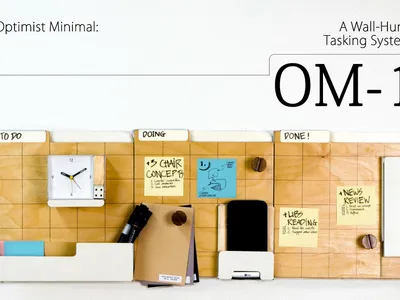
Om-1: A Wall-Hung System That Moves Your Workspace Off the Desk
Modular plywood boards, magnetic pegs, and utility elements migrate clutter from the horizontal surface to the vertical plane.

Explore Art Gallery Competitions
Discover active competitions in this discipline

Challenge to reimagine the Iron Throne

Photograph architecture without architects

Illustrate the lost glory of Angkor Wat - Render Challenge

Design challenge to reuse E-waste
Comments (0)
Please login or sign up to add comments
No comments yet. Be the first to comment!