
Moonchild:A visionary project by Boonyawee Thongchaisri | Shortlisted entry of Moontrip 2019
Moonchild blends space architecture with illusion and learning, inspiring young minds to dream beyond the far side of the Moon.

In an era where boundaries of exploration are constantly being challenged, the "Moonchild" project by boonyawee thongchaisri redefines how we engage with architecture—not just as a structure, but as a simulation of space, curiosity, and cosmic wonder. This innovative concept, shortlisted in the Moontrip 2019 competition, transcends earthly limitations and introduces a new typology within space architecture—a realm where design simulates the unknown, where illusion becomes function, and where the spirit of exploration is embedded into every curve of the building.
Architecture as a Tribute to the Moon
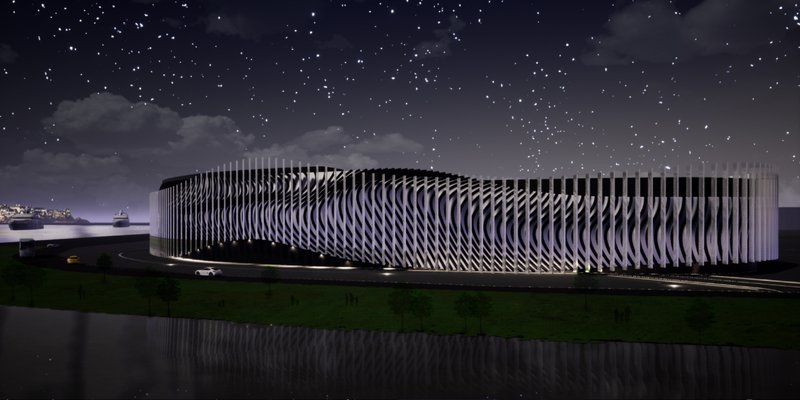
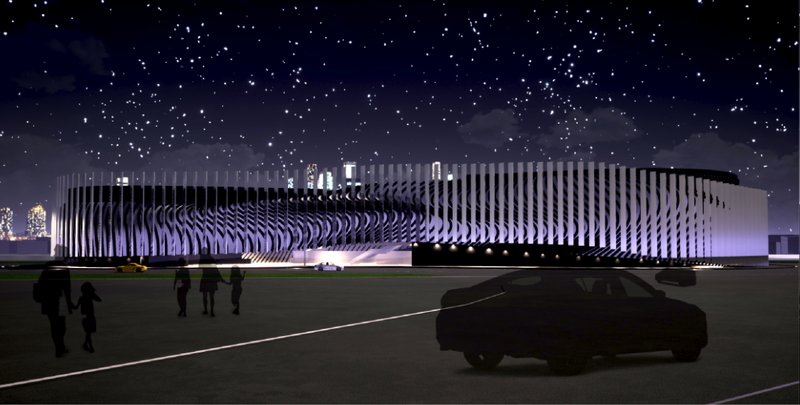
50 years after Neil Armstrong's monumental first steps on the Moon, Moonchild pays tribute to this cosmic milestone through architecture that mirrors mystery. The central theme is the "Dark Side of the Moon," a term that sparks imagination and wonder. Just like the Moon’s hidden hemisphere, which never faces Earth, the building’s façade uses mirror systems and illusionary curves to provoke the question: “What lies on the other side?”
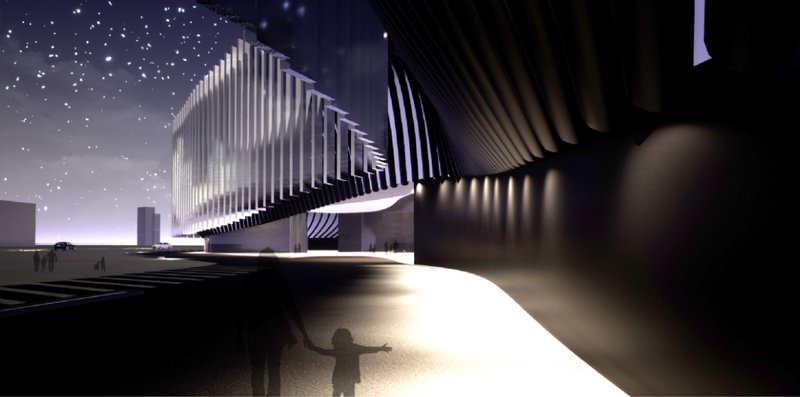
Architecture here becomes both storyteller and simulator, translating lunar phenomena into physical space. Using curved forms and mirrored surfaces angled at 15 degrees, the design creates a visual deception—an ever-shifting appearance depending on the viewer’s location. The result is a structure that appears to be in constant motion, mimicking the Moon’s orbit and synchrony with Earth.
Learning Through Exploration
Moonchild is more than an architectural marvel. It’s a pedagogical space built to inspire children and young minds to dream beyond the skies. The spatial planning supports a child-centric experience, with zones dedicated to learning about space, lunar missions, and astronaut training. The architecture serves not only as a building but as a participatory learning environment.
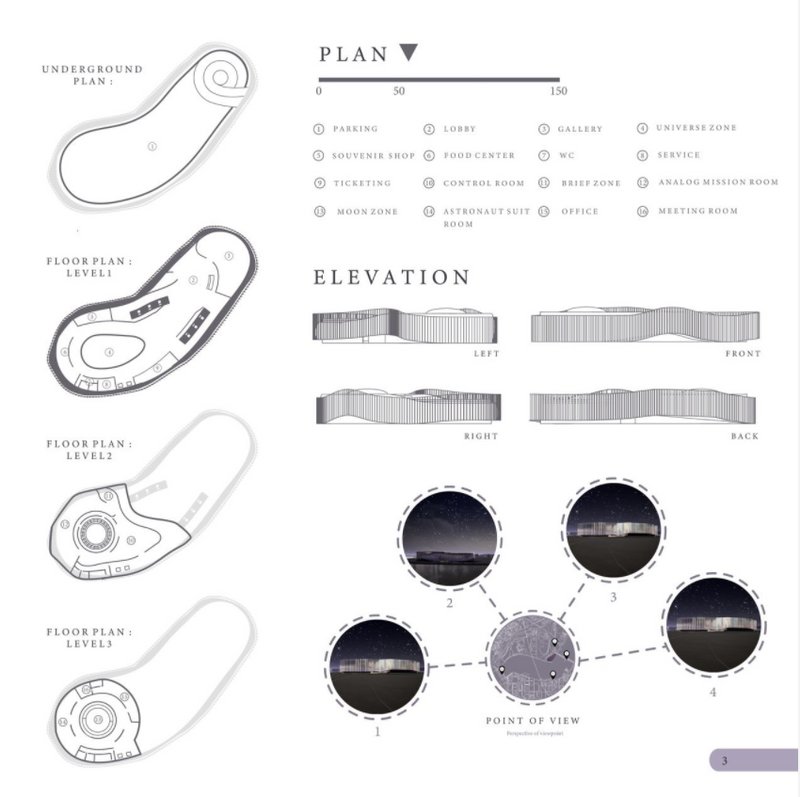
Each space—whether the Moon Zone, Analog Mission Room, or Astronaut Suit Chamber—offers immersive activities where learning becomes physical. Children simulate walking on the Moon, dressing as astronauts, and navigating through environments designed to replicate lunar missions. These activities spark curiosity and foster early engagement with science, exploration, and technology.
Design Principles: Orbiting Illusion
The Moonchild concept follows a strong symbolic and experiential logic:
- Symbolic Layer: Celebrating the 50th anniversary of the Moon landing.
- Child-Friendly Design: Focused on young generations with educational intent.
- Illusion and Movement: Architectural forms shaped by curved lines and mirrors create dynamic facades.
- Perspective-Oriented: View-dependent facades change appearance based on the observer’s position—just like the Moon's far side remains a mystery to Earth.
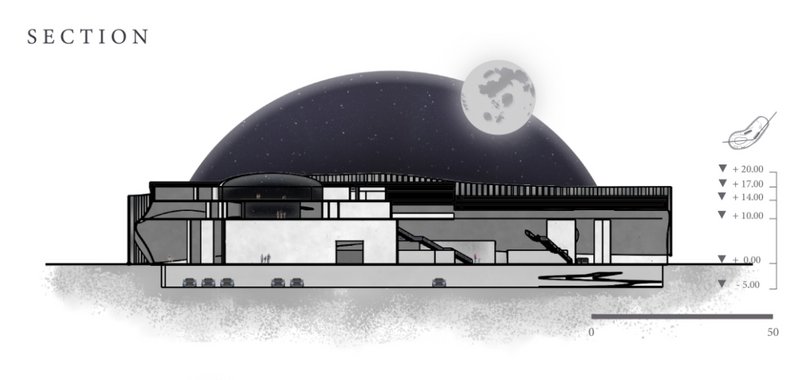
Site Plan and Movement
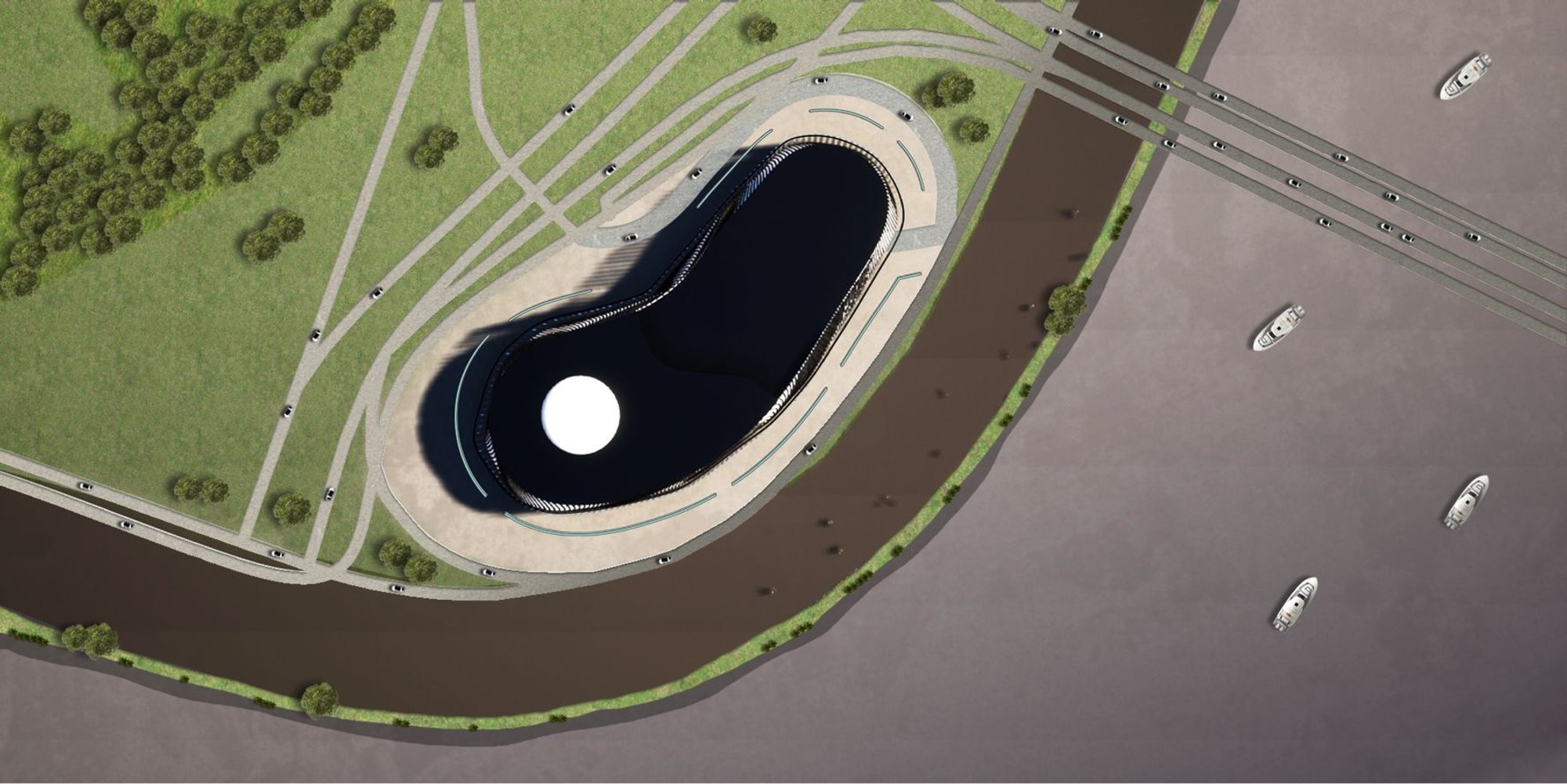
Located adjacent to a river and connected by urban infrastructure, the building is shaped from five key viewpoints, each contributing to the form’s contour. The interior circulation is seamless, with an underground lobby leading to exhibition zones, astronaut activity centers, and observation points. These spaces are wrapped within a mirrored facade that blurs boundaries between real and imagined space.
The site and form are deliberately configured to evoke celestial movement. Users feel as if they’re walking in orbit, with the architecture simulating lunar flow both inside and out. This sensory distortion encourages users to wonder—what’s beyond what they see?
A Space for the Future
At its core, Moonchild is a beacon of hope and imagination. It uses space architecture as a medium to excite the next generation about science and exploration. The building itself becomes an illusion—always in flux, never static, just like space itself. From inside, the rooms simulate cosmic missions; from outside, the envelope mystifies with its shifting appearance.
Ultimately, Moonchild transforms a scientific milestone into a cultural and educational experience. It blends architecture, astronomy, and childhood wonder into a singular immersive environment that captures the spirit of exploration. Through it, Boonyawee Thongchaisri offers not just a building, but a launchpad for future astronauts, dreamers, and designers who dare to look at the sky and ask, "What lies on the other side?"
Juror Comments
Kevin ScholtesStage Responsible Engineer, Firefly Aerospace"The presentation would have benefited from a few more choice cross-sections or renderings of pedestrian views. Considering the exciting interplay of curve and line along the exterior shell and circulation of the building, it was not obvious enough the first time I scanned over the design. The dedicated section on the design process added meaningful context but could have been greatly abbreviated to make space for more visuals dedicated to the product of that process. Despite the planform, I'm left strongly wanting to know what the interior of the building looks like and whether it harmonizes with the exterior."
Mark KerrArchitect, U.S. Army Corps of Engineers (USACE), USA"The design concept connection to child behavior is extremely thoughtful, however it feels unresolved in the final presentation."


Popular Articles
Popular articles from the community

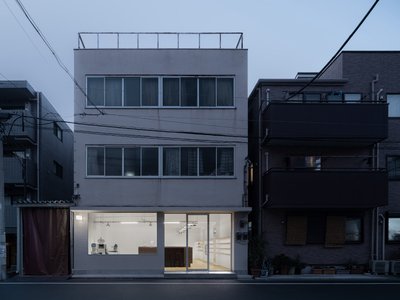
Atelier Macri Concept Store Interior Design by CASE-REAL
Atelier Macri store features a "ko" counter, walnut wood details, cork displays, blending retail, gallery, and seamless customer experiences.
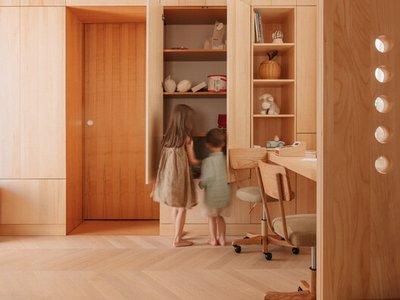
Treehouse Apartment: A Warm Timber Interior Blending Craft, Play, and Contemporary Living
Warm timber apartment with integrated treehouse, combining natural materials, craftsmanship, and playful design to create a flexible, family-oriented living environment.
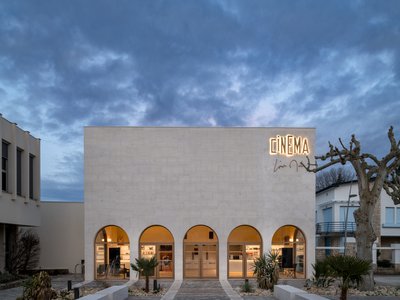
Louis Malle Cinema: A Limestone Cultural Landmark Revitalizing Community Life in Prayssac
Limestone cinema extension with public forecourt, blending heritage and modern design to create flexible cultural spaces and strengthen community interaction.
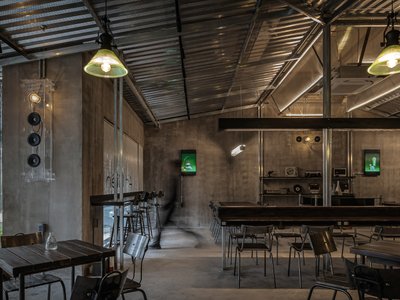
An Miên Lumière Cafe by xưởng xép, Ho Chi Minh City, Vietnam
An industrial-inspired café where layered steel and warm light create a dynamic, immersive environment shaped by reflection, depth, and perception.

Similar Reads
You might also enjoy these articles

Top 15 Architecture Competitions to Enter in 2026
From student-friendly idea competitions to prestigious international awards, here are the best architecture competitions open for entries in 2026. Updated regularly.

DIY & Engineering in Computational Design : Enter the BeeGraphy Design Awards
Showcase Your Creativity with Computational Design and Open Source Projects
Innovative Design Solutions: Award-Winning Projects from Recent Architecture Competitions
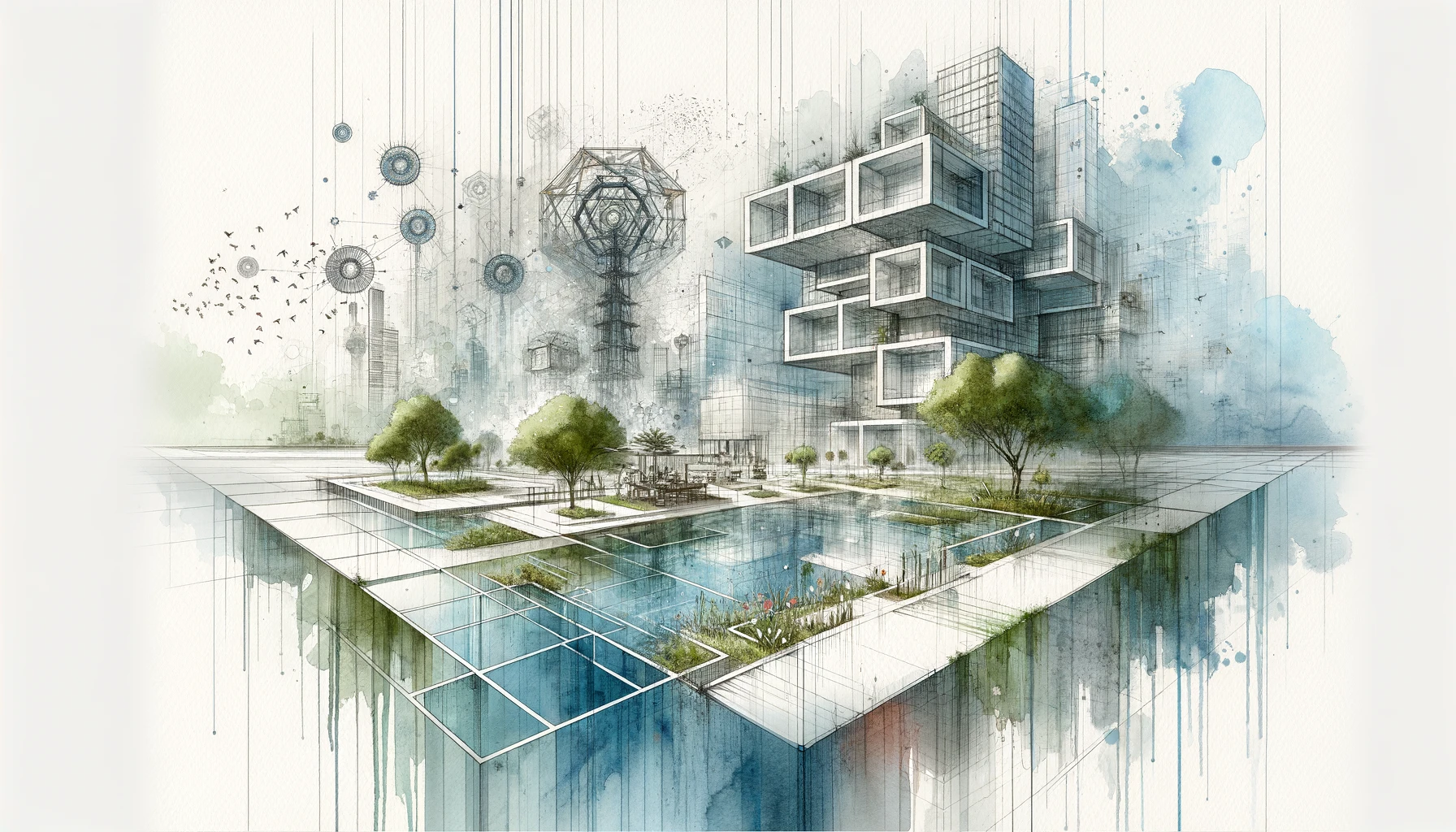
Exploring award-winning architectural projects shaping the future of design, sustainability, and community.


Explore Urban Design Competitions
Discover active competitions in this discipline




The Global Benchmark for Architecture Dissertation Awards


Challenge to design locus for the upliftment of human rights


Challenge to design a learning and healing center


Challenge to re-imagine a department store in present times
Comments (0)
Please login or sign up to add comments
No comments yet. Be the first to comment!