
Morinaga Shibaura Building by Takenaka Corporation: A Landmark in Biophilic Office Architecture
A forest-inspired office in Tokyo, the Morinaga Shibaura Building redefines biophilic architecture through wellness, woodcraft, and ecological design.

Introduction to Biophilic Office Architecture in Tokyo
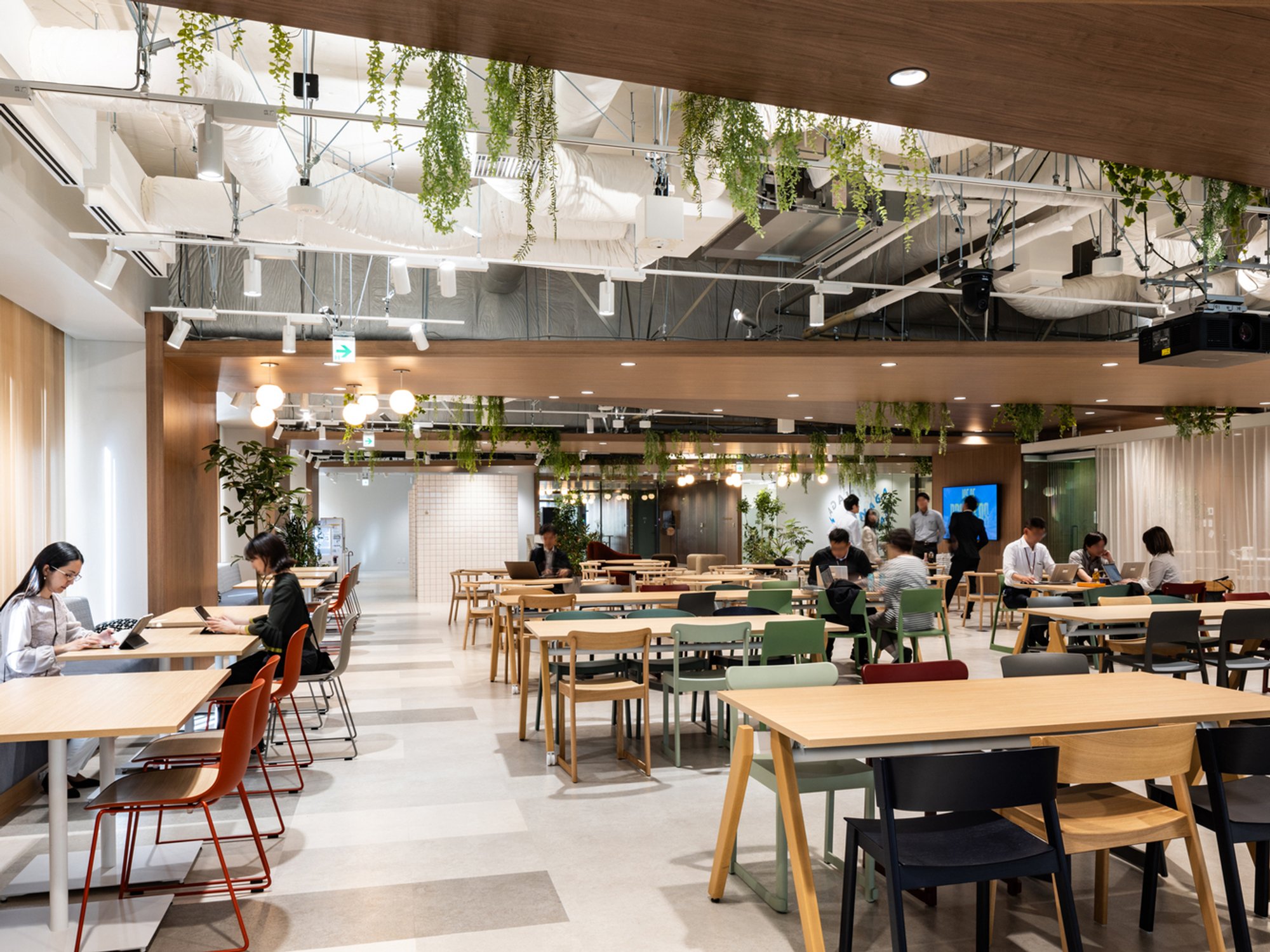
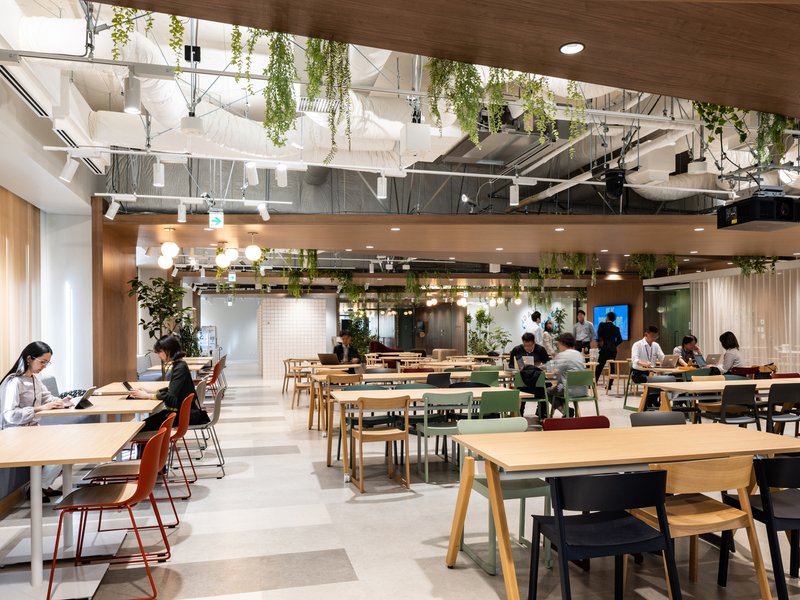
Completed in 2024 and designed by Takenaka Corporation, the Morinaga Shibaura Building embodies a groundbreaking approach to biophilic office architecture in urban Japan. This 2046 m² structure is more than a corporate office; it is a living forest within the city. Developed for a major confectionery and food manufacturer, the building aligns architecture with ecological mindfulness, sustainability, and wellness-driven spatial design. Through its concept “KAKUHAN-no-Mori” or “the forest of mixing,” the project redefines the boundaries between nature and workspace, creating a city-integrated forest that fosters harmony between people, nature, and industry.
A Forest Within the City: Design Philosophy and Urban Context
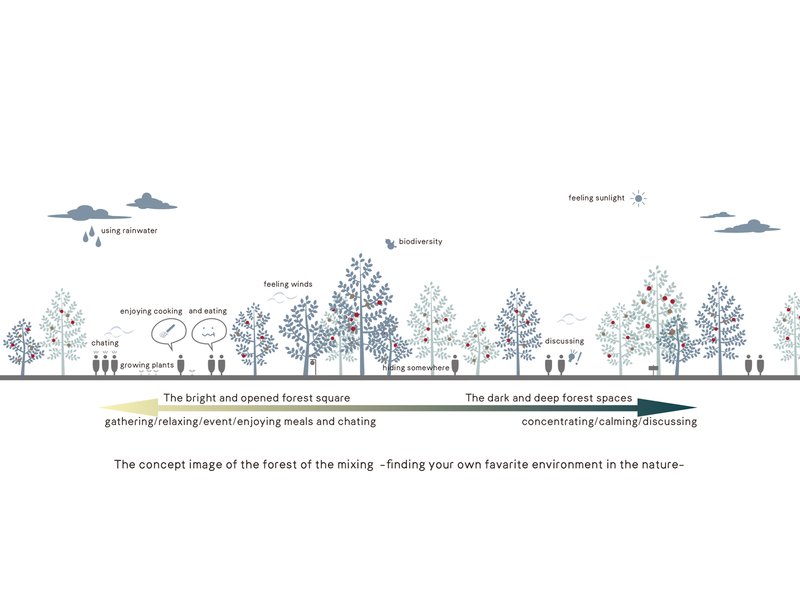
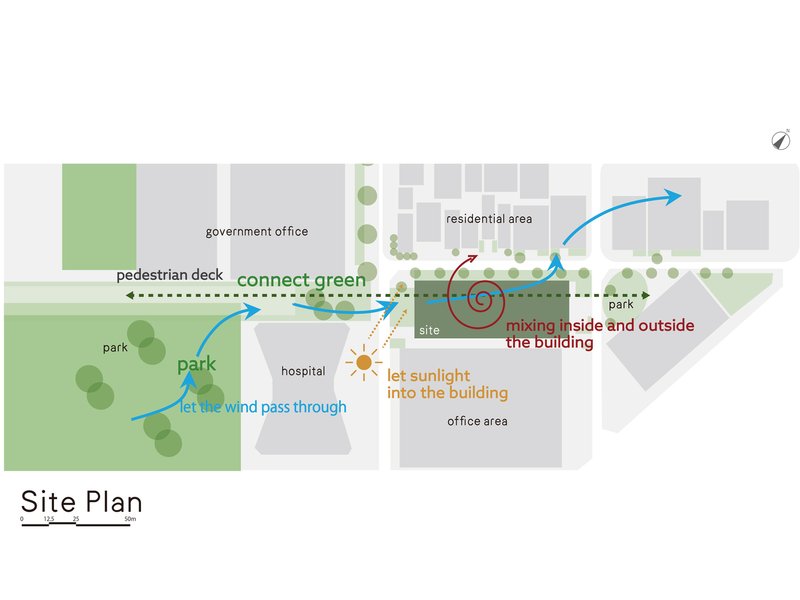
Located in Tokyo’s dense urban fabric, the Morinaga Shibaura Building addresses the lack of natural green environments by introducing a forest-inspired landscape. The architects envisioned a space where biodiversity and human creativity intersect—drawing parallels between mixing ingredients in confectionery and the organic coexistence of species in a forest. This metaphor extends into every corner of the building, where spatial programs, material selections, and environmental systems echo natural processes.
Environmental Co-Creation through Biophilic Strategies
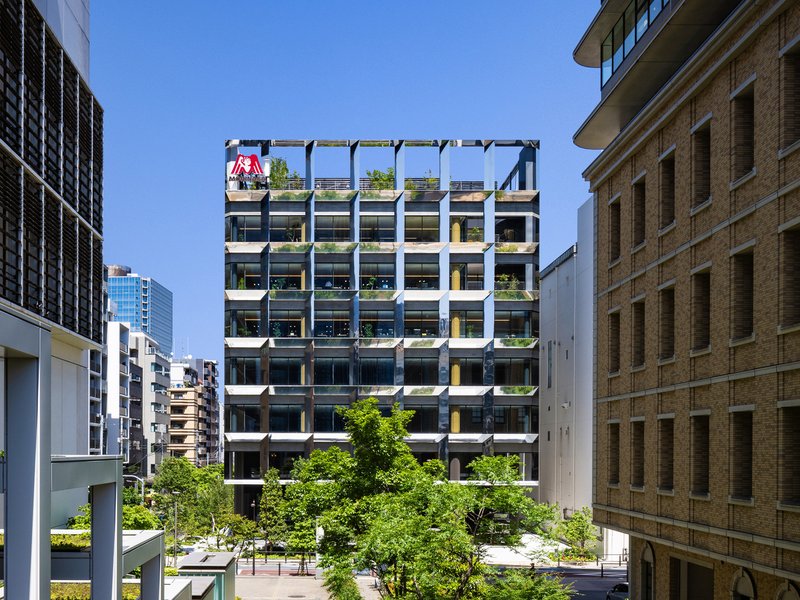
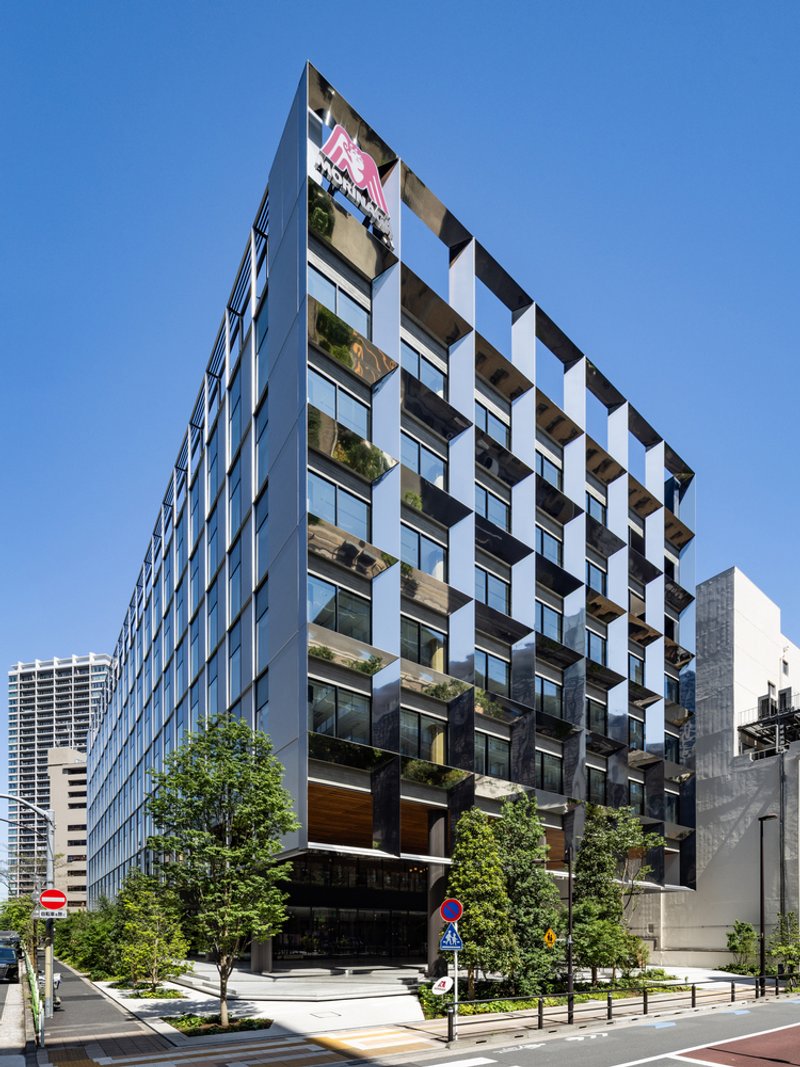
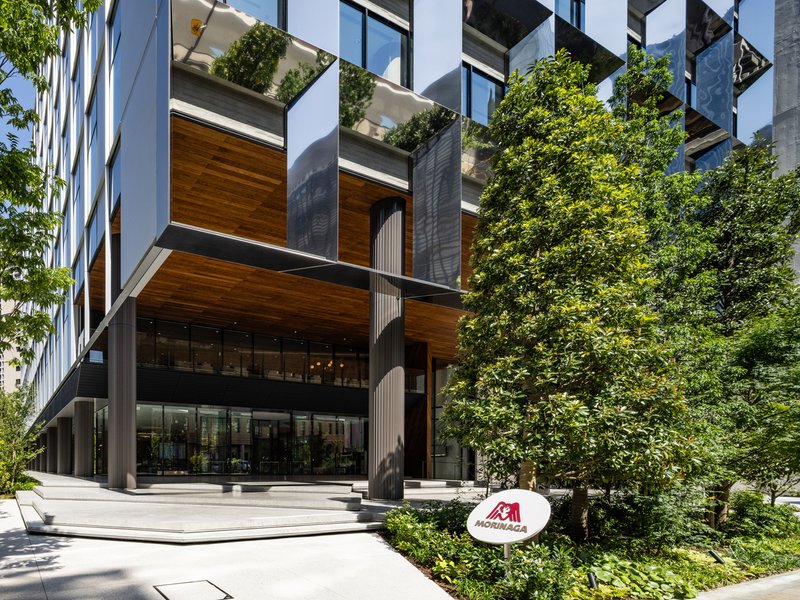
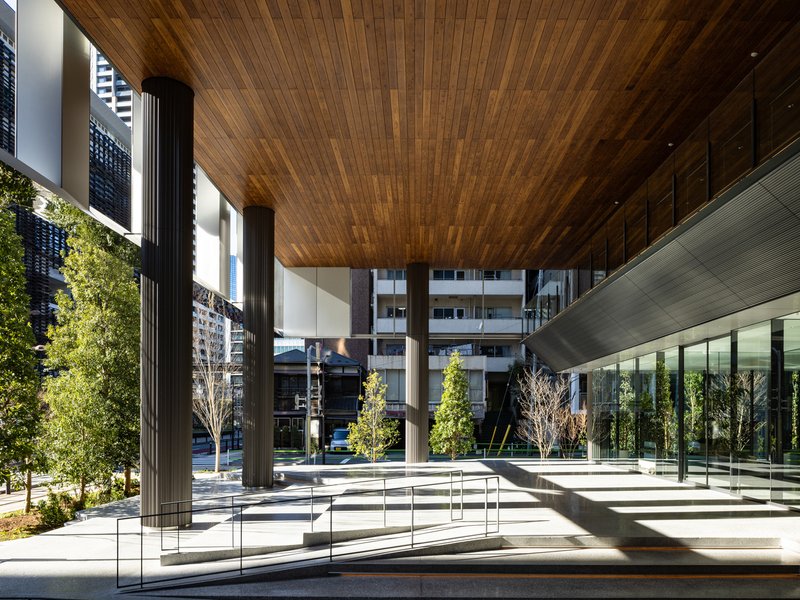
Taking cues from a forest ecosystem, the architectural team created an environmental co-creation office. The surrounding landscape was planted with vegetation favorable to migratory birds, enhancing biodiversity and supporting local ecological networks. Trees selected for the site were not only ecologically strategic but also emotionally symbolic—sourced from the founder’s birthplace, reinforcing corporate identity through living heritage.
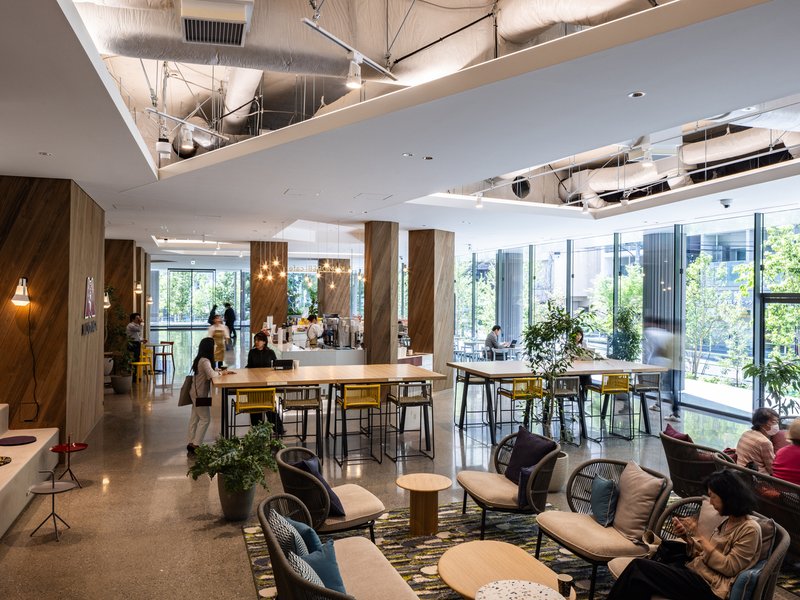
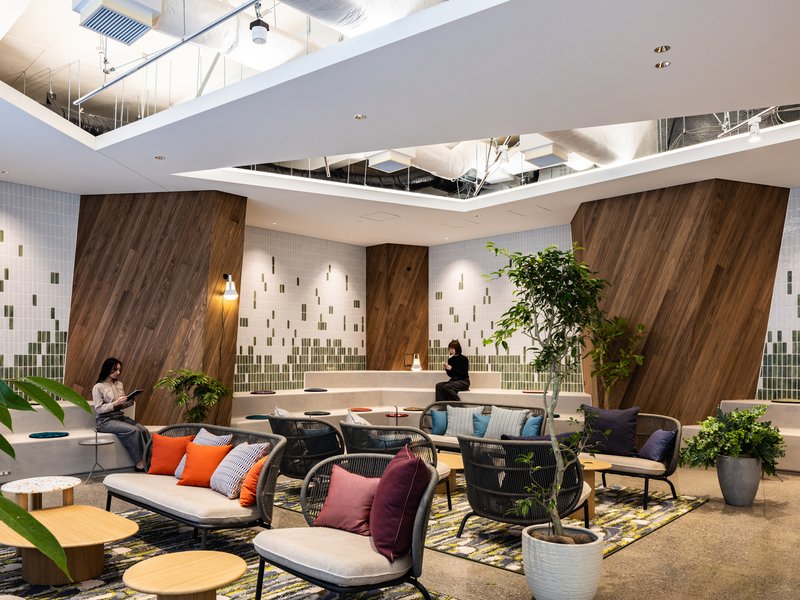
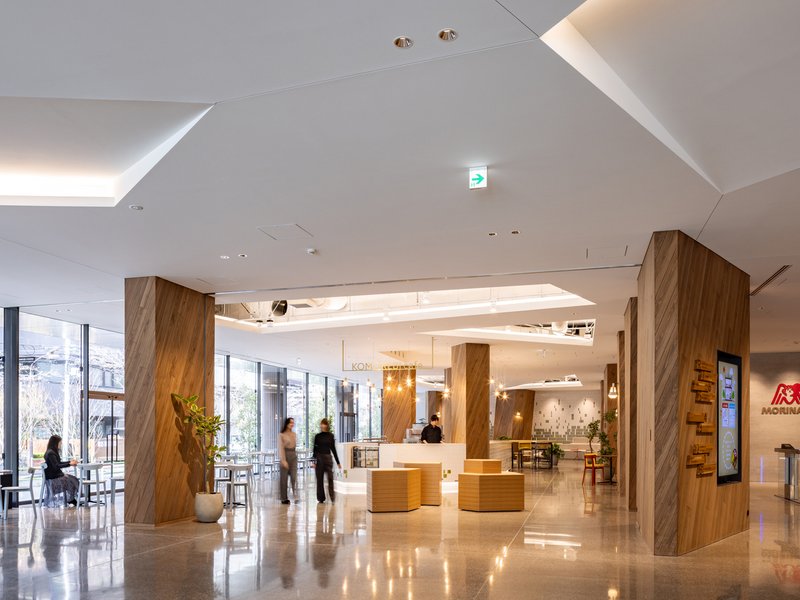
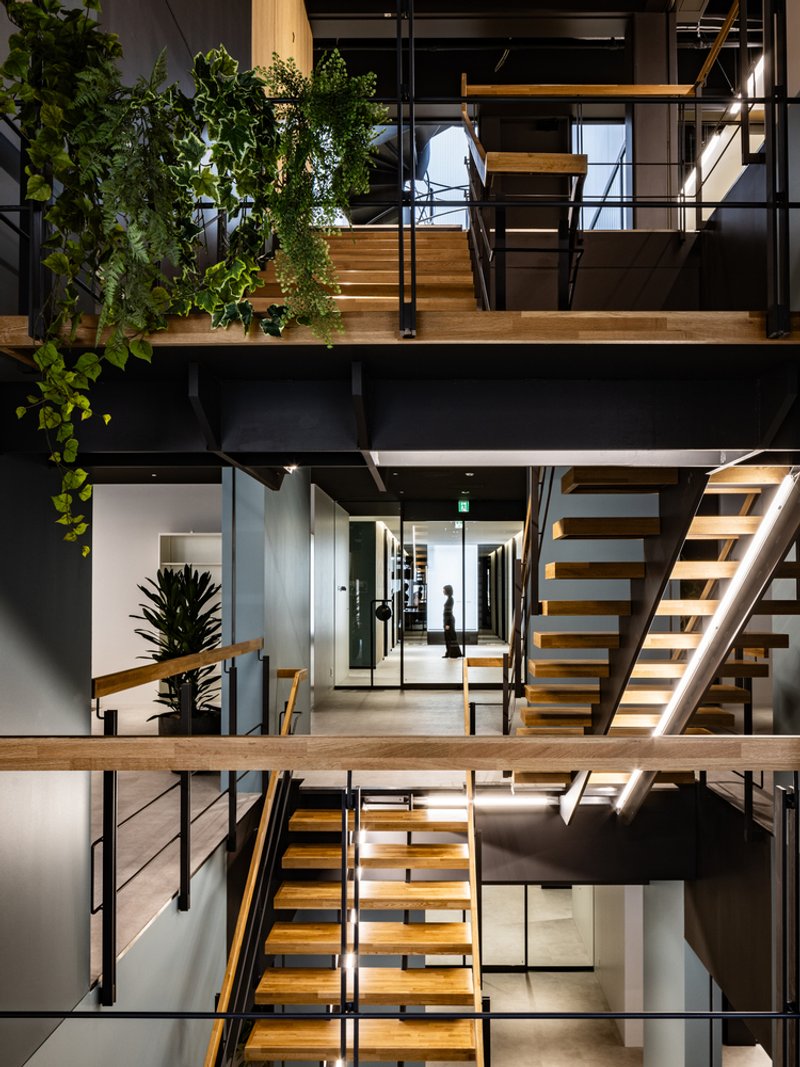
Wood plays a prominent role in the architectural expression. Used in both the interiors and exteriors, it reflects a material cycle from harvesting to replanting. This cyclical relationship between construction and forestry promotes sustainable practices while fostering a tactile, organic working environment.
A Multisensory Interior Inspired by Forest Layers
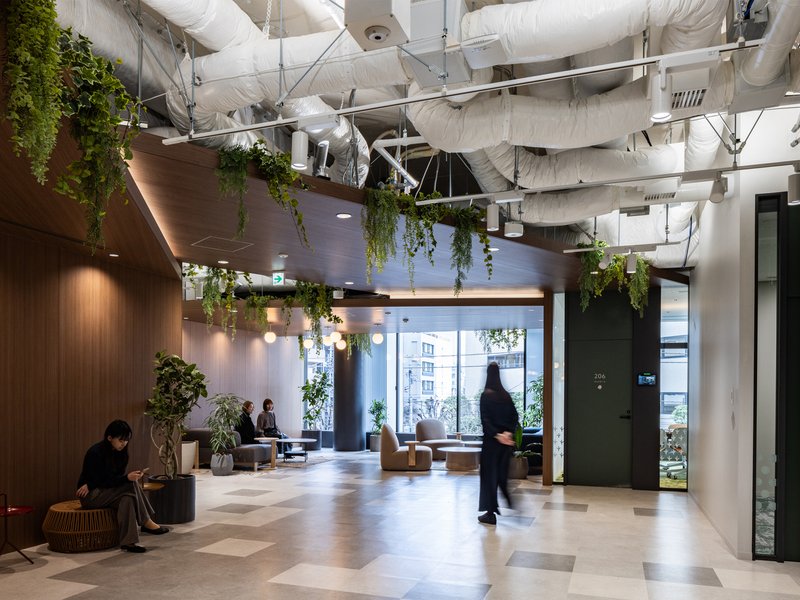
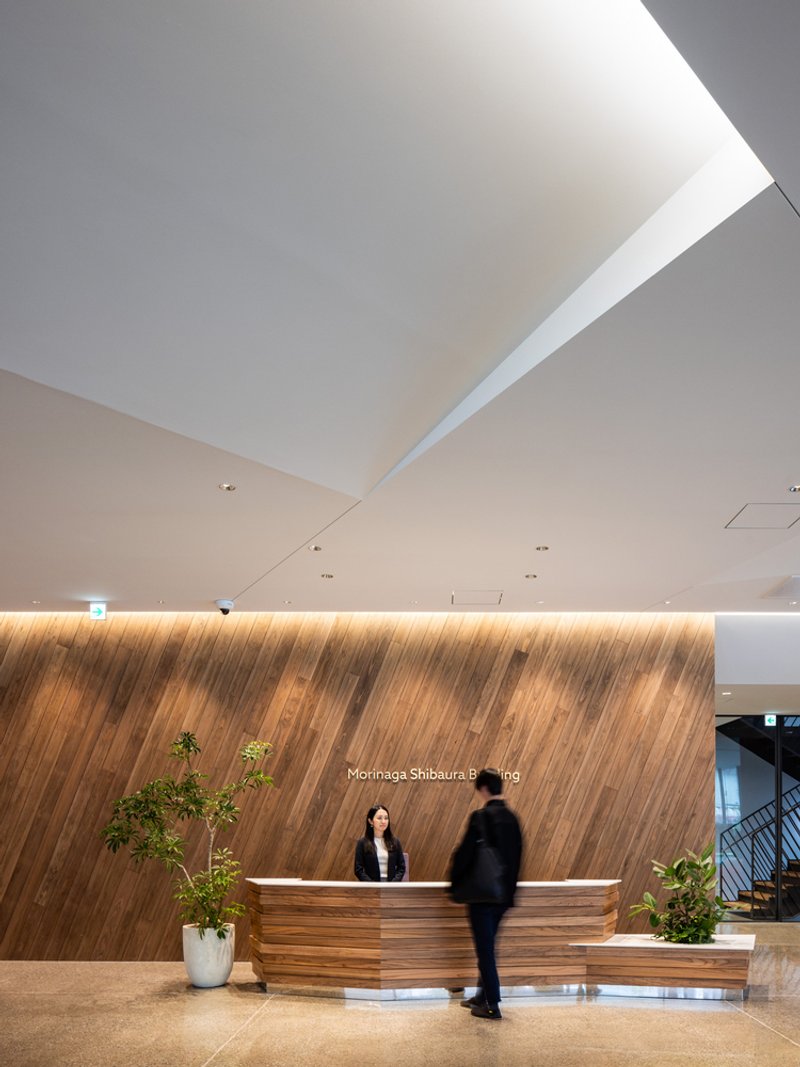
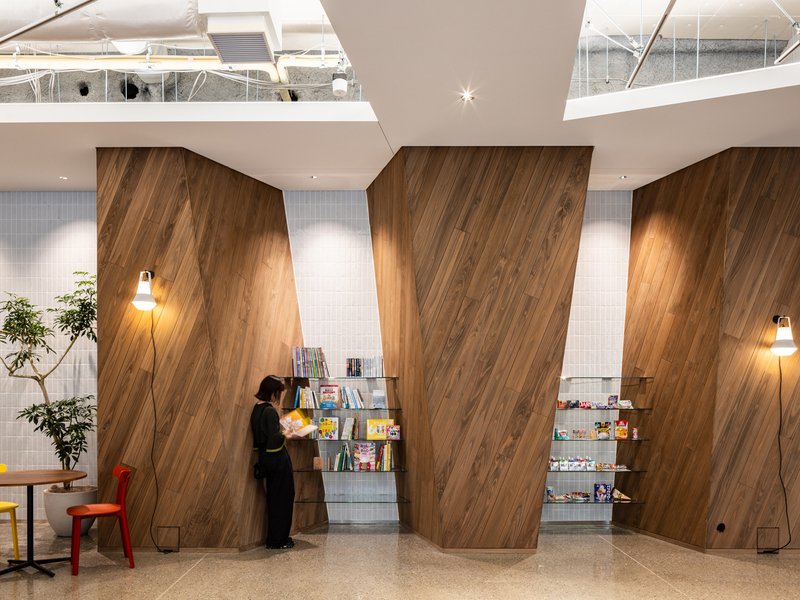
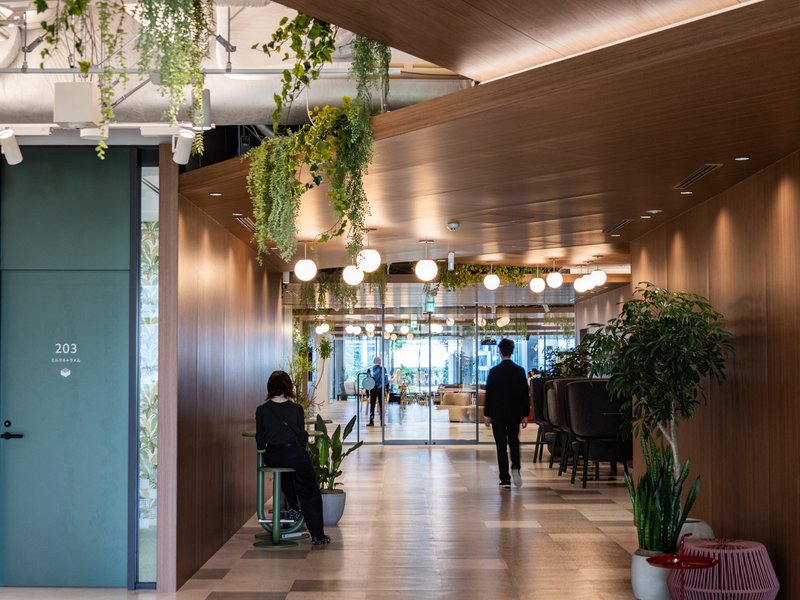
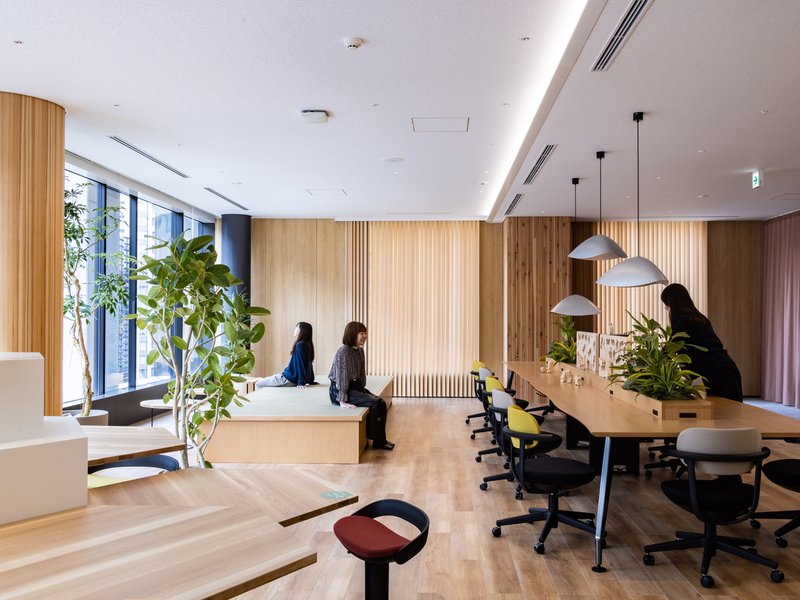
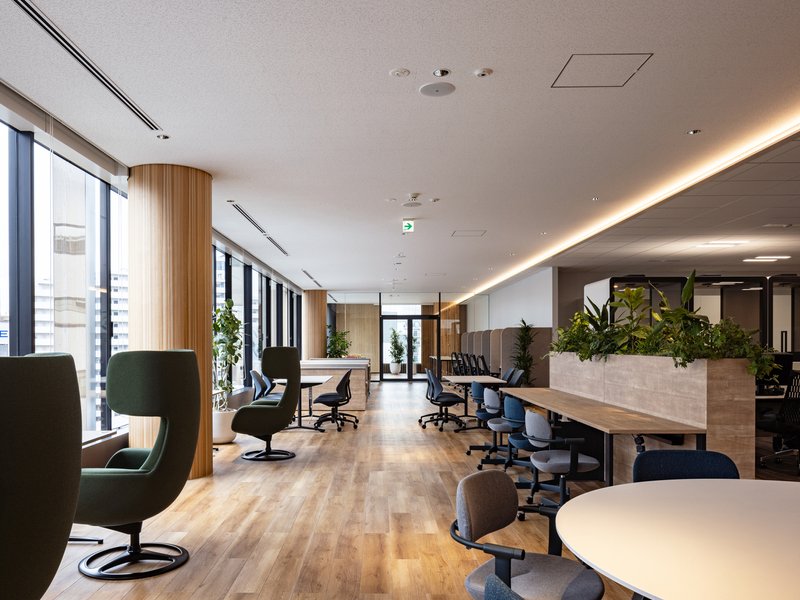
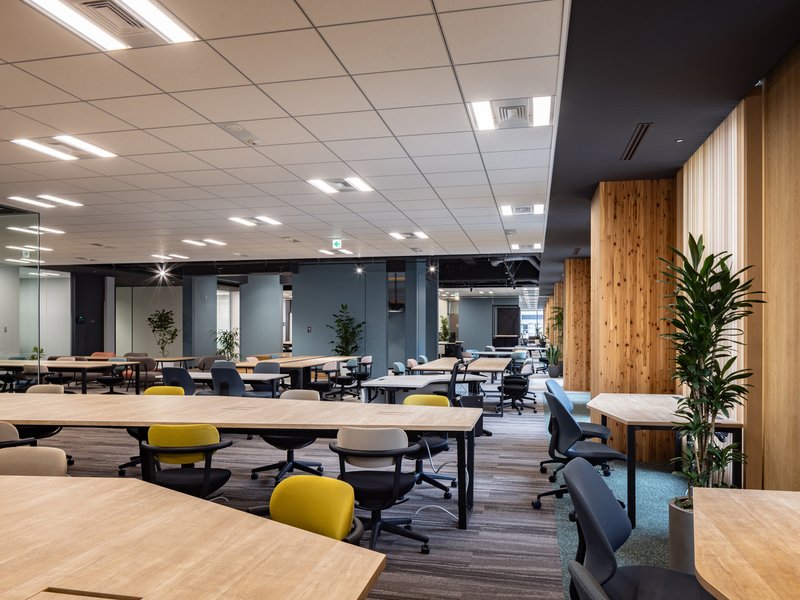
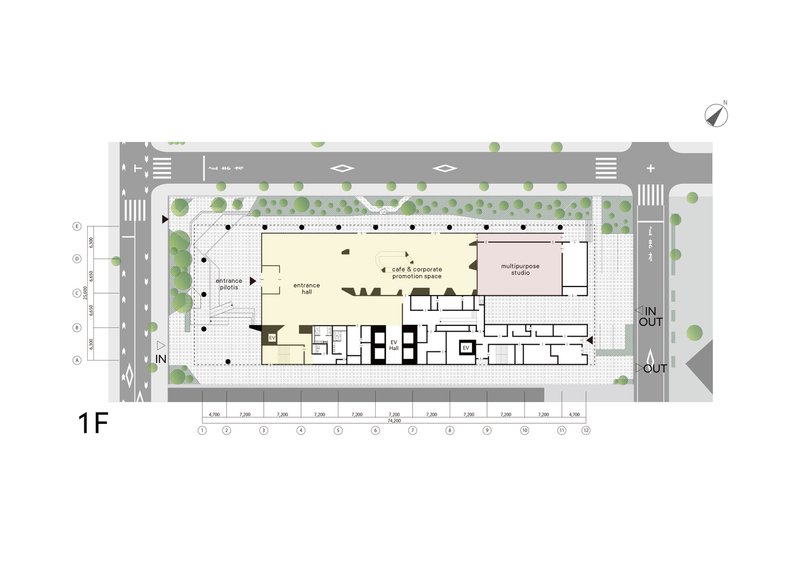
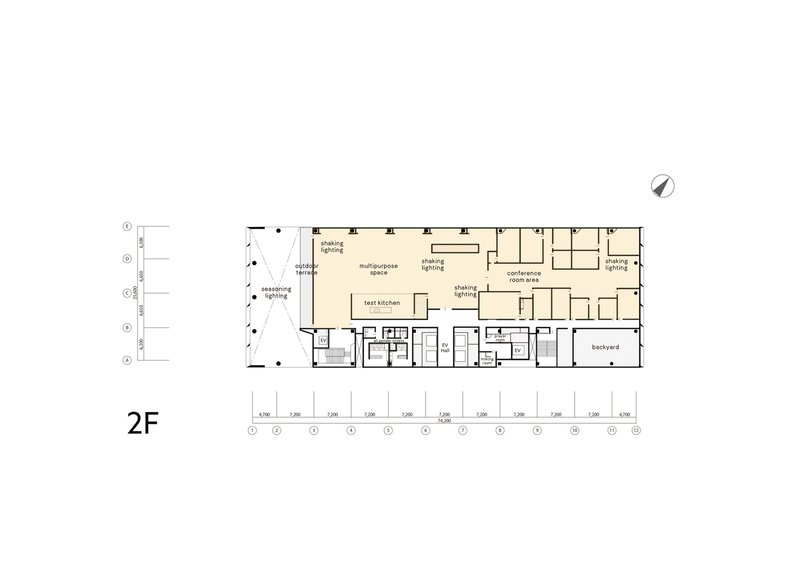
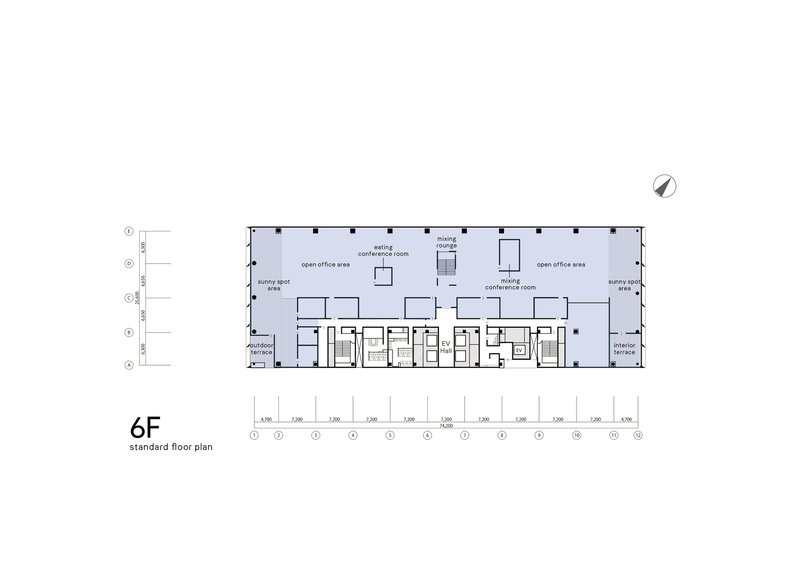
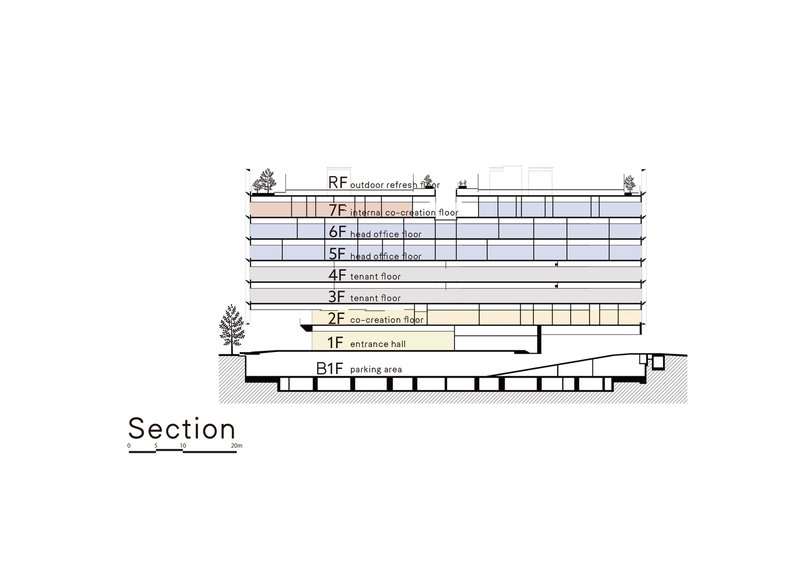
Inside, the building is organized vertically to reflect the layers of a forest. The first and second floors serve as the forest floor, creating public-oriented spaces that foster community engagement. These levels form a base that connects the company to the city. The central work areas represent the forest canopy, characterized by varied textures, heights, and shadows—mimicking the diversity found among tree crowns.
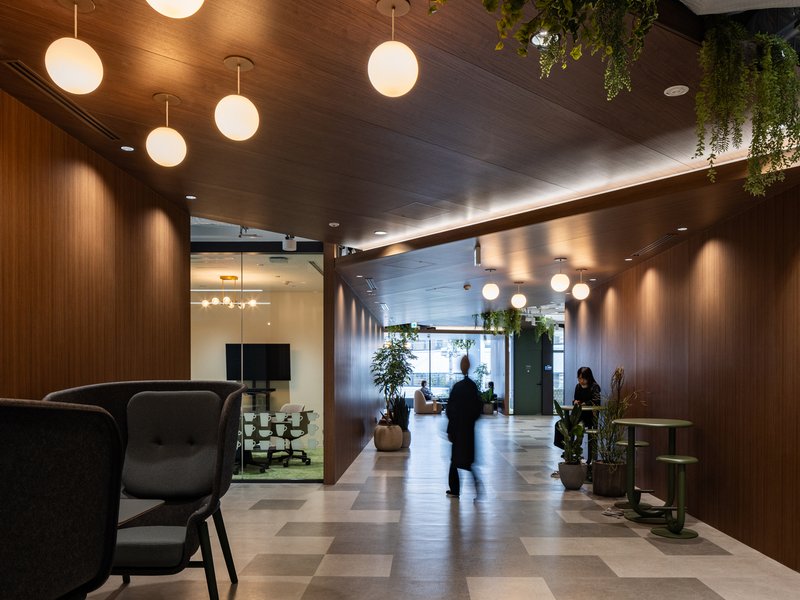
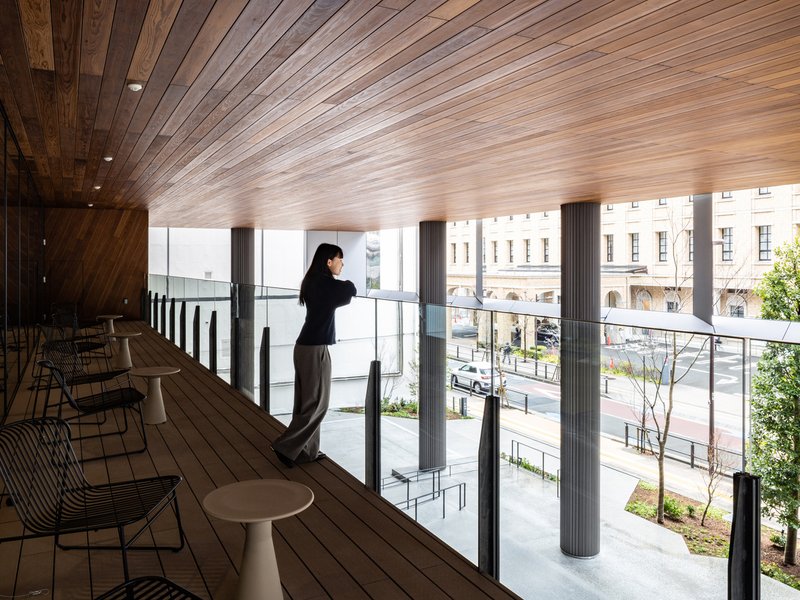
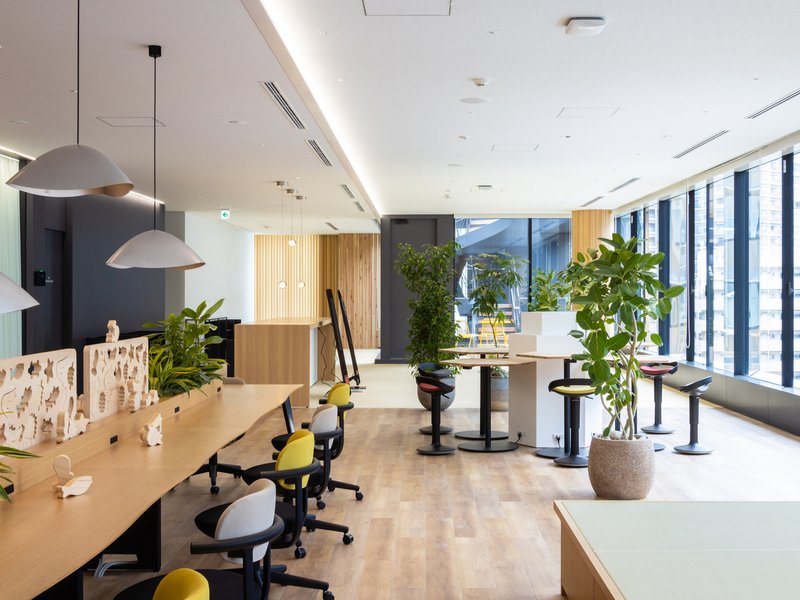
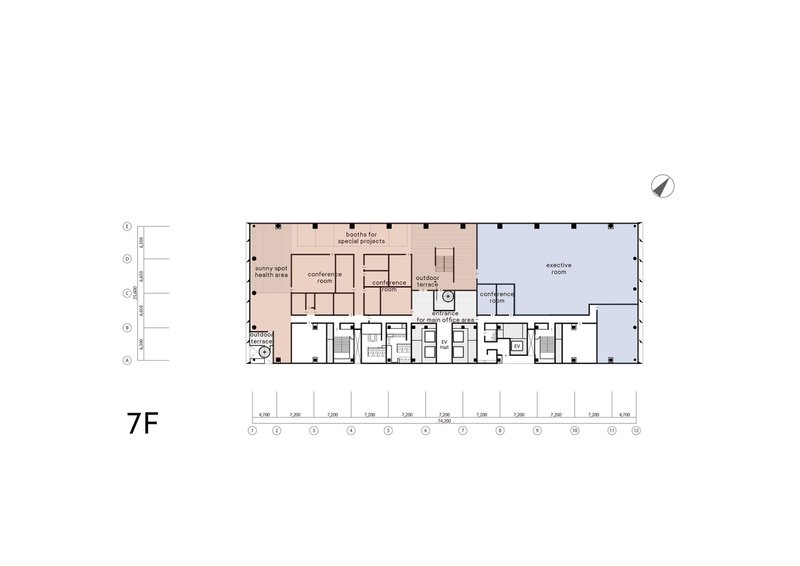
The top levels are bathed in light, inspired by the treetop's exposure to sky and sun. This zone hosts wellness programs and is deliberately designed to uplift the mind and body through natural interaction, offering light-filled environments, fresh air, and access to outdoor amenities.
Integrating Nature through Light, Air, and Technology
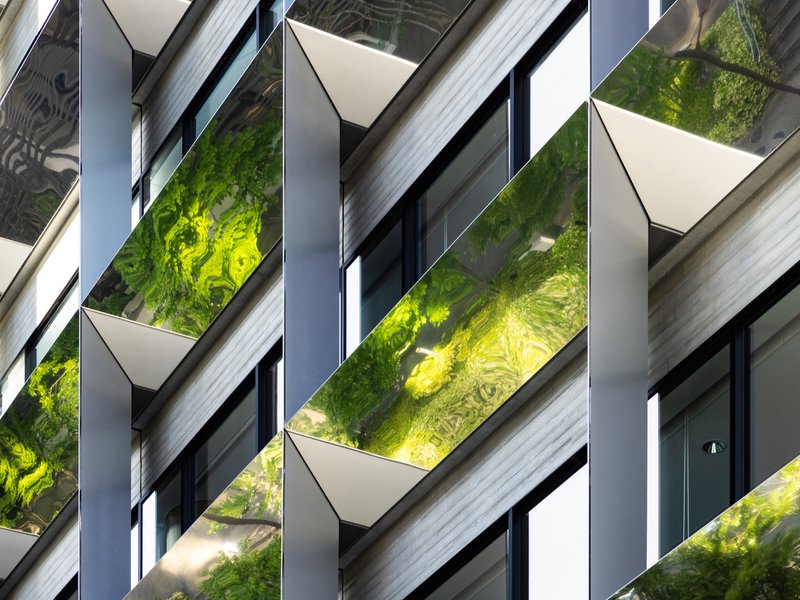
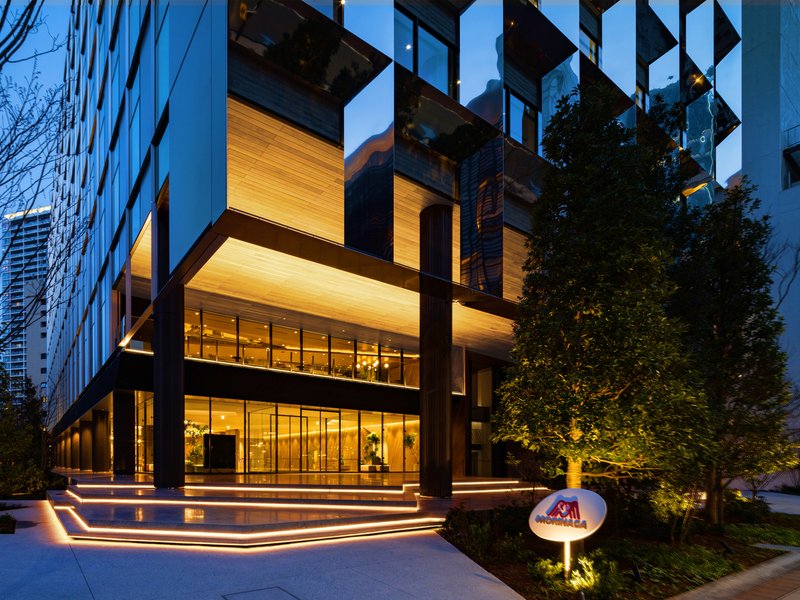
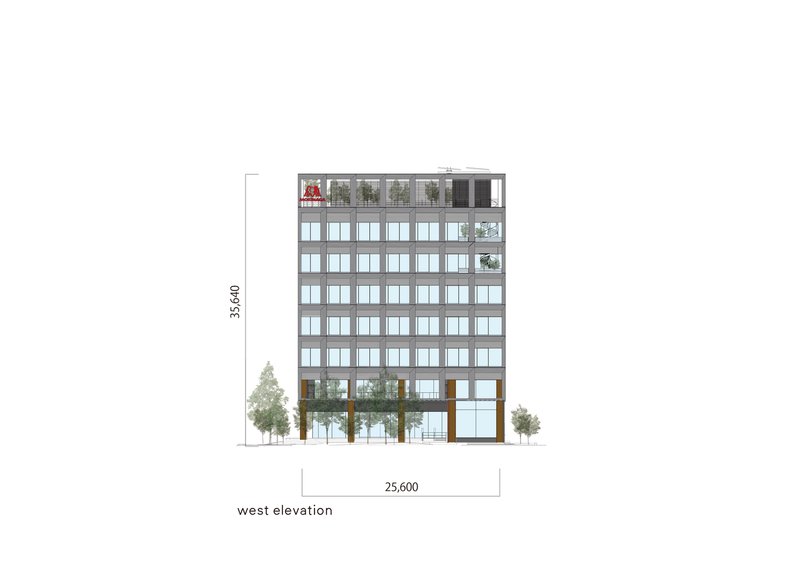
The building’s mirrored façade is not only aesthetically striking but also technically sophisticated. It reflects the sky and surrounding greenery while functioning as a passive environmental device. The façade acts as a wind catcher for ventilation and a sunlight modulator, regulating daylight and reducing heat loads.
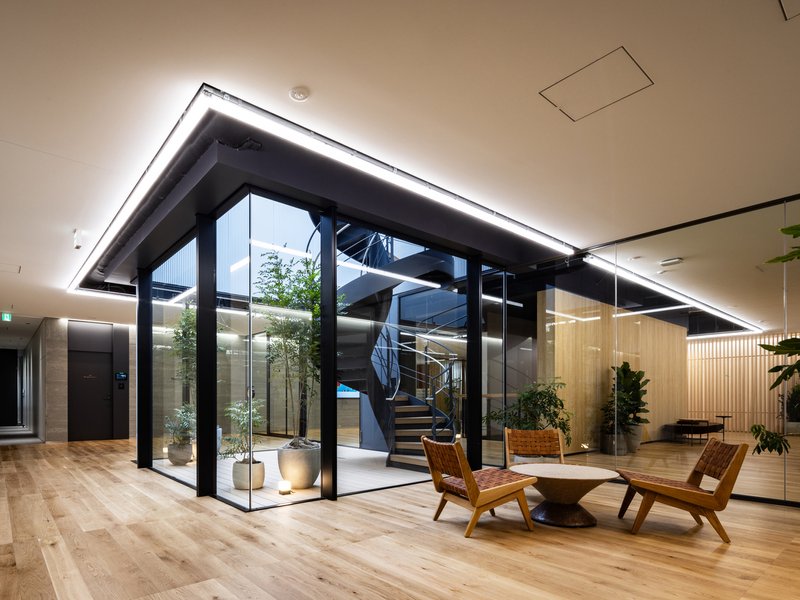
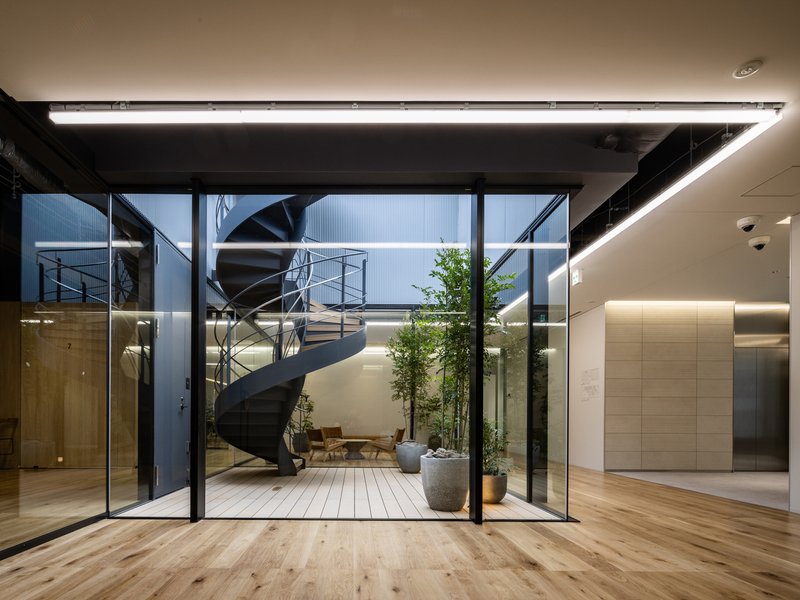
Environmental technologies extend to the lighting systems. Exterior lighting changes in color temperature based on real-time temperature readings, creating a dynamic interaction with the climate. Indoors, certain lights subtly flicker in response to wind speed detected by sensors, causing plant shadows to dance—an artificial mimicry of forest rhythms. These carefully choreographed fluctuations stimulate the senses and strengthen workers’ connection to natural cycles.
Wellness Through Architecture: The Rooftop Forest
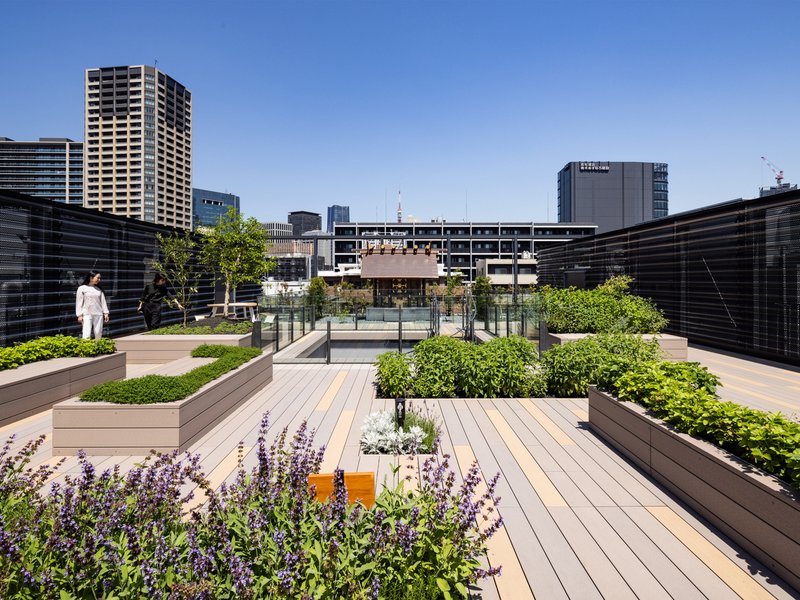
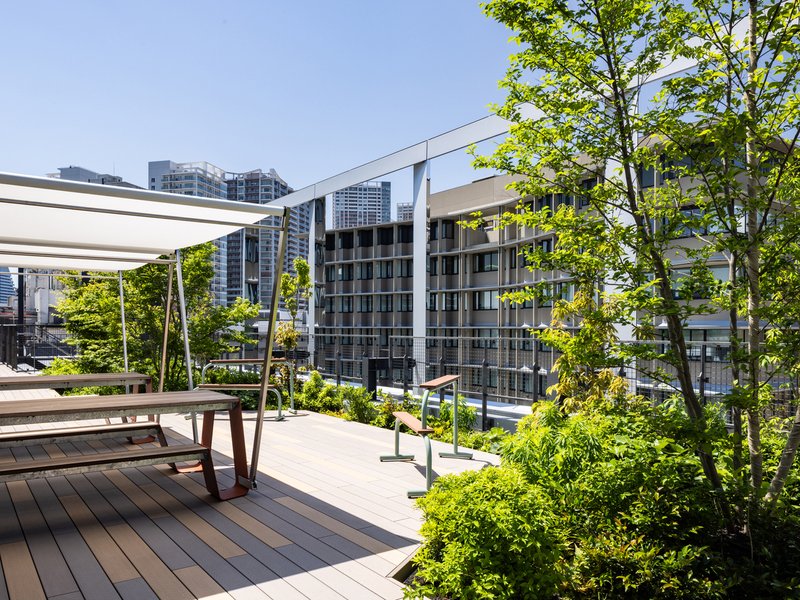
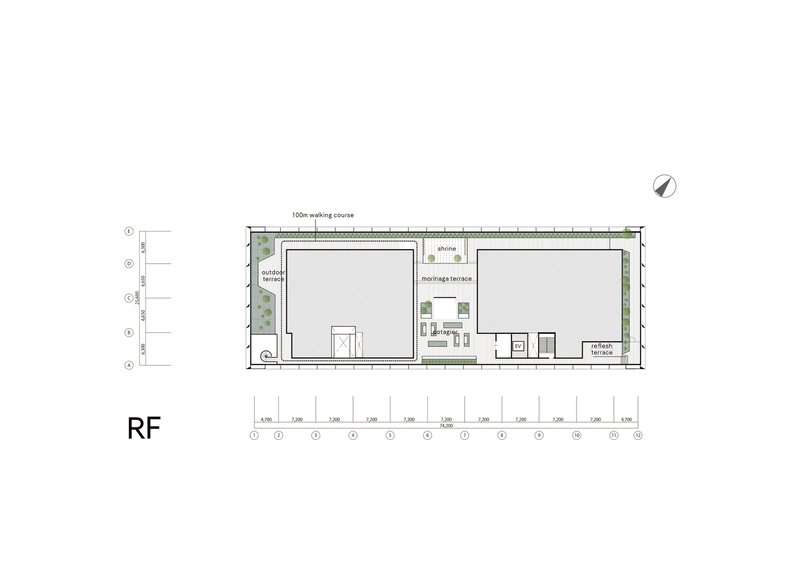
On the seventh floor and rooftop, biophilic office architecture culminates in a full-fledged wellness zone. Designed to support mental and physical health, this area includes a walking trail, herb and fruit gardens, a small shrine, and outdoor fitness areas. Sunlight and wind are celebrated here, turning the act of movement into a meditative experience. These amenities elevate the building beyond a place of work—it becomes a space of healing and reflection.
A Sustainable Vision Rooted in Legacy and Future
The Morinaga Shibaura Building represents a harmonious blend of corporate responsibility, ecological awareness, and architectural innovation. By rooting its vision in biophilic principles and sustainable forestry, the project not only supports the well-being of its users but also contributes meaningfully to the city’s green infrastructure.
Takenaka Corporation’s holistic approach affirms that architecture can lead environmental change—embedding natural rhythms into our daily routines and redefining office life for future generations.
All the photographs are works of SS Co., Ltd. Nozomu SHIMAO




Popular Articles
Popular articles from the community

Louis Malle Cinema: A Limestone Cultural Landmark Revitalizing Community Life in Prayssac
Limestone cinema extension with public forecourt, blending heritage and modern design to create flexible cultural spaces and strengthen community interaction.
Gads Hill Early Learning Center by JGMA: Adaptive Reuse Shaping Community-Focused Educational Architecture
Adaptive reuse transforms fragmented structure into vibrant early learning center with playful façade, natural light, and community-focused sustainable design.
Inverted Architecture Installation by Studio Link-Arc: Exploring the Intersection of Architecture and Living Organisms
Inverted Architecture Installation by Studio Link-Arc blends mycelium, sustainability, inverted design, ecological cycles, and urban adaptive architecture in Shenzhen.

Solar Steam: A Climate-Responsive Architecture That Redefines the Monument
A climate-responsive memorial architecture that transforms heat, decay, and time into a living system reflecting humanity’s ecological impact.

Similar Reads
You might also enjoy these articles

Bamboo Housing Challenge 2026: Design Affordable, Sustainable Homes Using Bamboo
An international design competition by Bamboo U and IBUKU inviting architects and designers to reimagine affordable housing using bamboo — with the winning design built full-scale in Bali.

Computational Design & Education: Beegraphy Design Awards Introduces 7th Category (Featuring Jiyun's Innovative Approach)
Dive into Beegraphy’s 7th Design Awards category, where computational design meets education to create immersive, interactive learning tools, inspired by Jiyun’s work.

From Parametric Lighting to Urban Furniture: Join the 2nd Workshop in Beegraphy’s Computational Design Series
Dive into Cutting-Edge Design Techniques and Practical Applications with Industry Experts

Introducing Sphere by UNI: Pioneering a New Era in AEC Industry
Unlocking Global Potential with BIM and Agile Management


Explore Architecture Competitions
Discover active competitions in this discipline




The International Standard for Design Portfolios


The Global Benchmark for Architecture Dissertation Awards


The Global Benchmark for Graduation Excellence


Challenge to reimagine the Iron Throne
Comments (0)
Please login or sign up to add comments
No comments yet. Be the first to comment!