
Nantong Grand Theatre: A Masterpiece of Modern Cultural Architecture
The article explores the design of Nantong Grand Theatre, highlighting its innovative architecture and its role in public and cultural life.

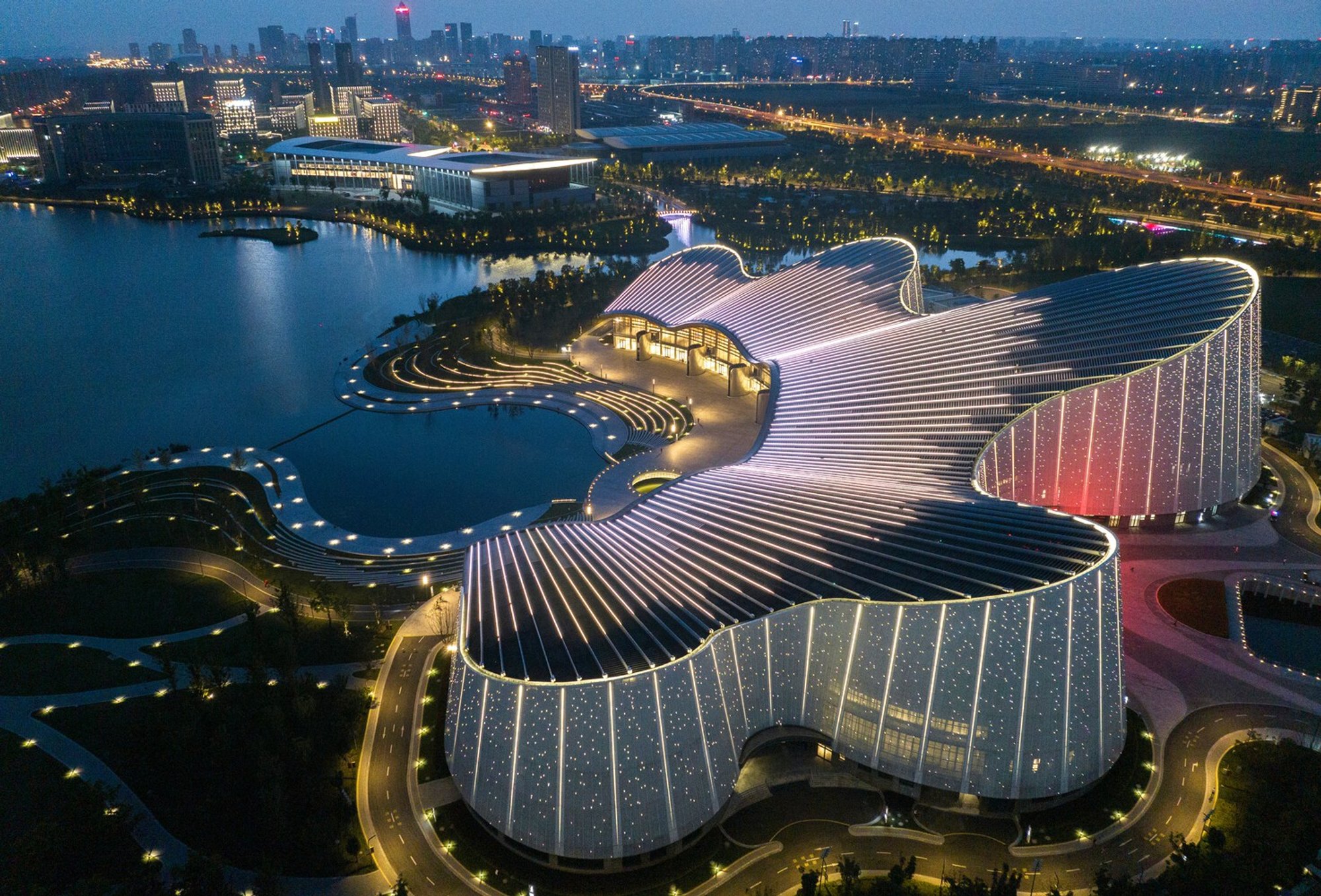
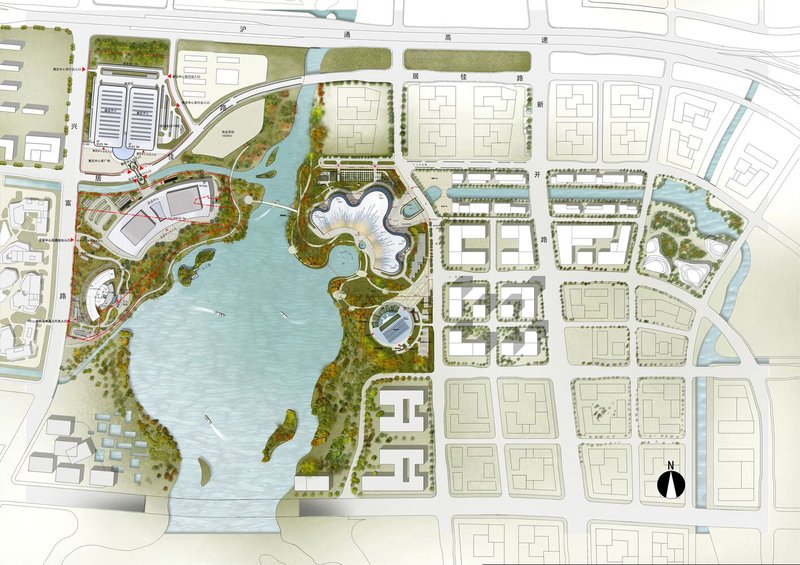
Nantong Grand Theatre, designed by BIAD, stands as a stunning example of modern cultural architecture in Nantong, China. The theatre, with a total building area of 110,916㎡, features a striking combination of architectural elegance and modern functionality. It serves as a cultural beacon for the city, blending local heritage with contemporary design. Located along the northeast bank of Zilang Lake, the theatre is part of Nantong’s Central Innovation Zone, a dynamic hub of culture and creativity.
The Architectural Concept
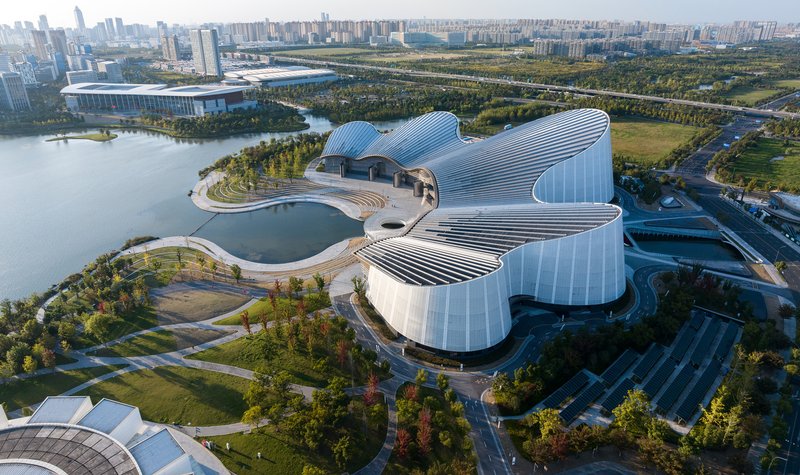
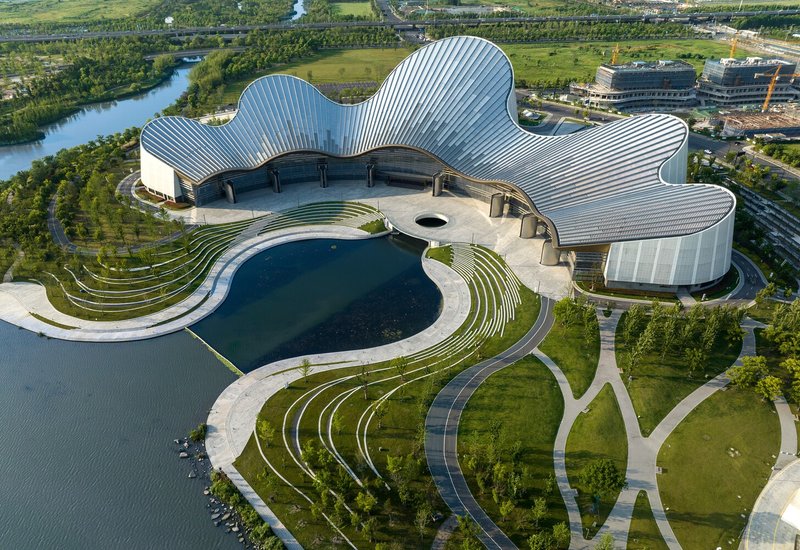
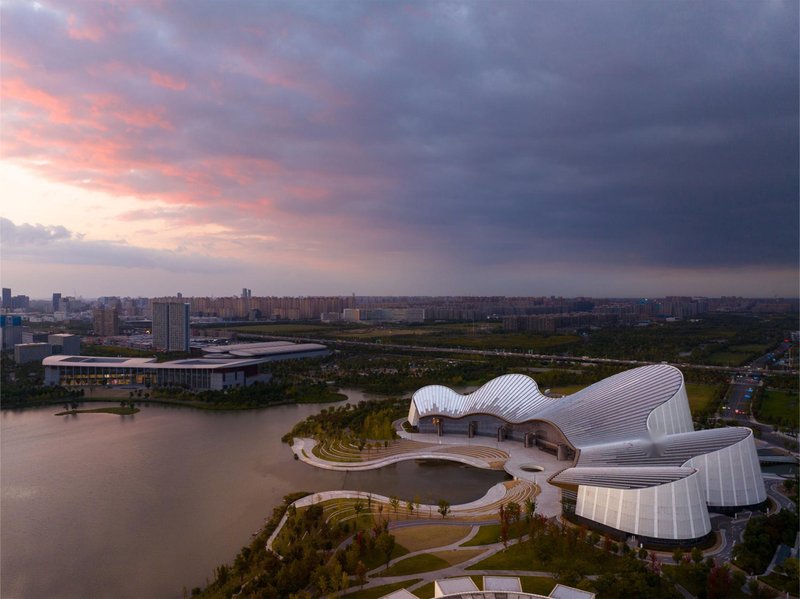
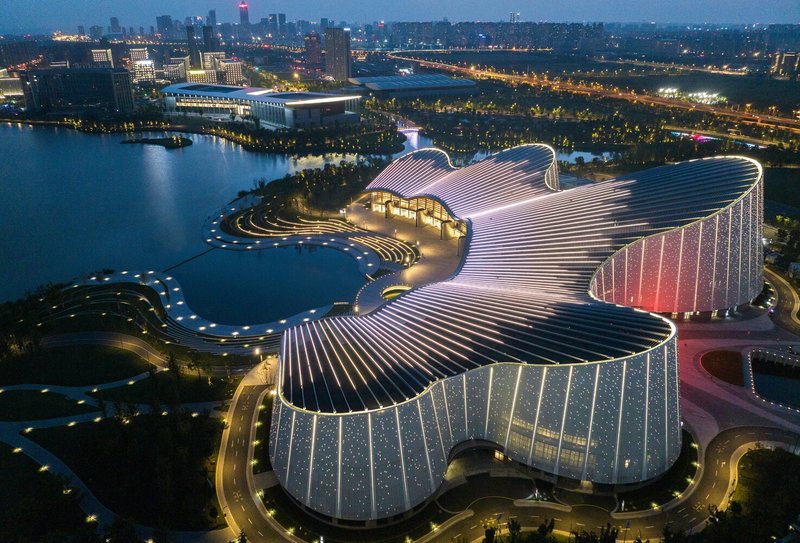
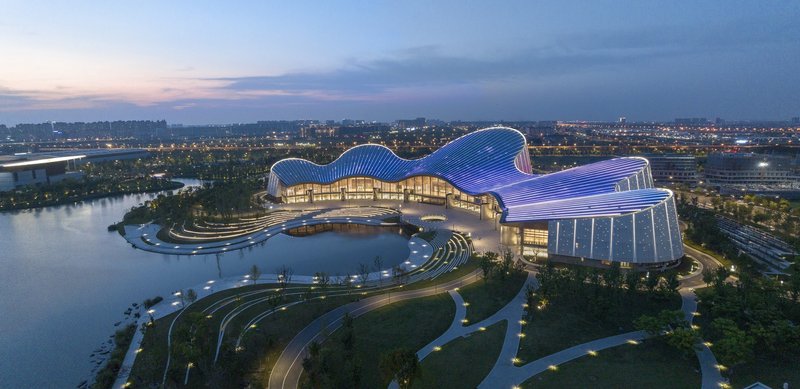
Nantong Grand Theatre redefines the interaction between urban and natural spaces through its innovative design. The site, at the intersection of water and city, serves as a symbol of Nantong’s historical and geographic significance. The undulating roof, inspired by auspicious clouds, floats gracefully over the lake, creating a harmonious connection between the city and the water. This form evokes a sense of lightness and fluidity, drawing people closer to the building and the surrounding landscape.
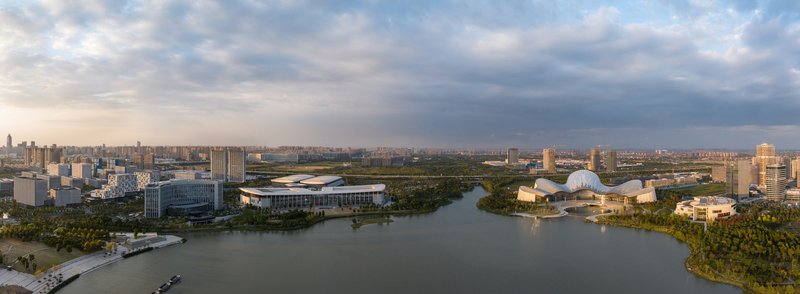
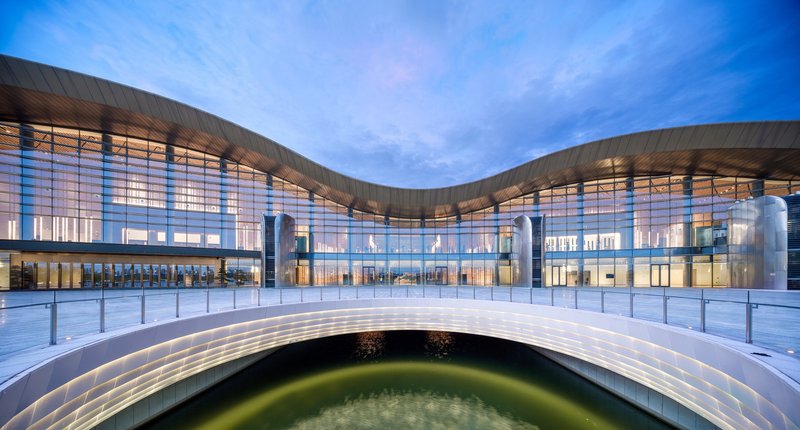
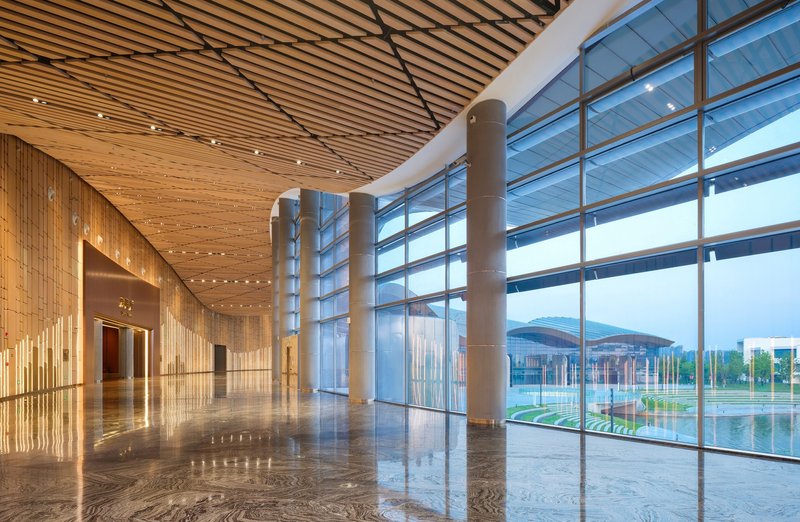
The theatre’s two distinct facades—one facing the lakeside and the other the city—reflect and extend the surrounding environment. The lakeside façade, with its glass curtain wall, offers dramatic views of Zilang Lake, while the city-facing side features perforated aluminum panels that integrate the building into the urban fabric. These contrasting facades symbolize the theatre’s role in bridging the natural and urban environments.
The Theatre’s Design and Spatial Layout
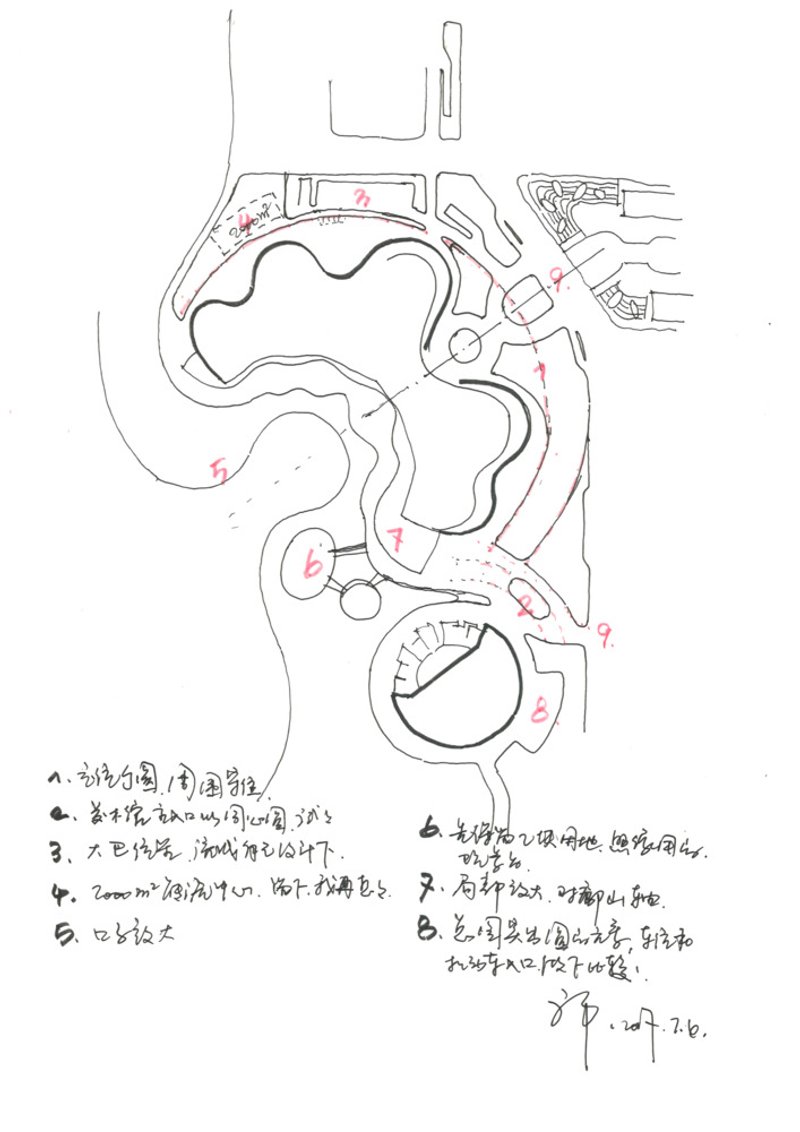
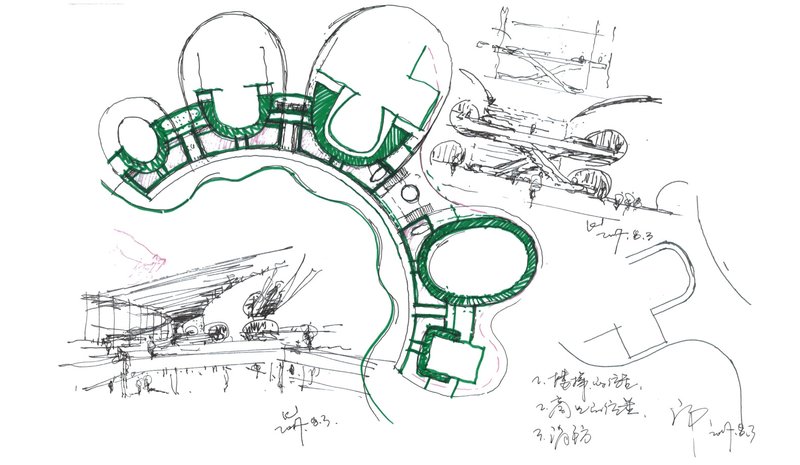
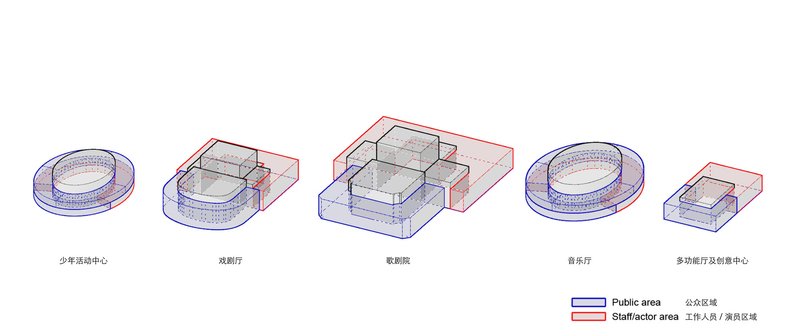
The Nantong Grand Theatre consists of five auditoriums: a Children's Theatre, Drama Theatre, Opera House, Concert Hall, and Studio Theatre. These auditoriums are arranged in an arc, creating a centralized, cohesive structure. The layout is designed to enhance the connection between the performance spaces and the surrounding environment. The auditoriums and foyers face the lake, while the backstage areas face the city, ensuring the building serves as a visual and cultural connector between the two realms.
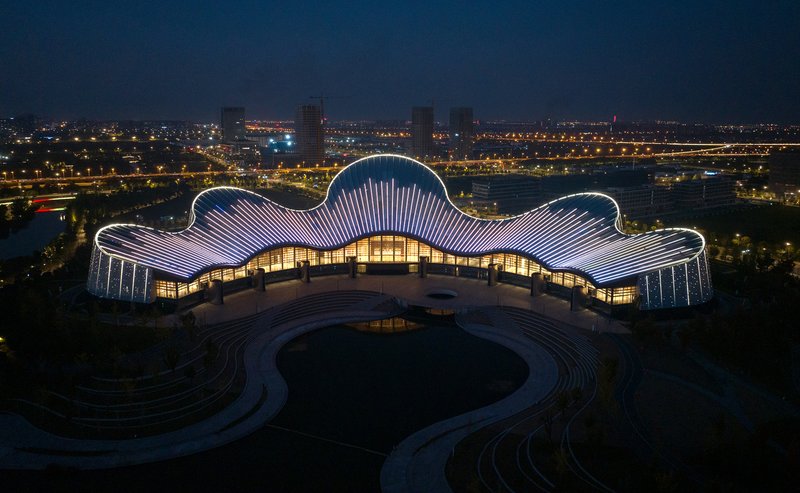
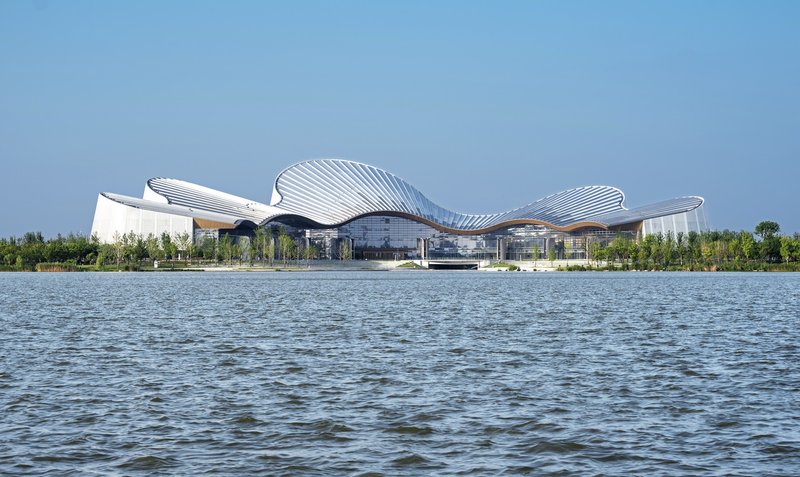
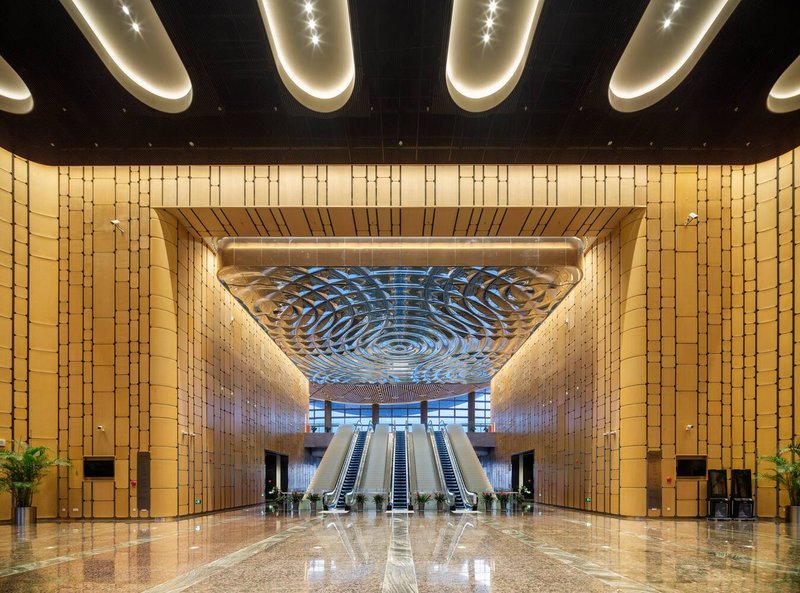
The circular lobby, which connects the five auditoriums, is a key feature of the design. This open space is accessible to the public at all times, offering visitors a glimpse into the theatre's vibrant cultural life. The lobby’s clear circulation ensures a seamless flow of people throughout the building. Visitors enter through the north-facing lobby and are guided into the central circular space, which leads to the various performance halls.
Public Engagement and Spatial Experience
Nantong Grand Theatre is designed with public engagement in mind, offering more than just a venue for performances. The circular lobby is a dynamic space that blends with the outdoors, inviting visitors to explore the surrounding landscape. The design ensures that the building is open to the community even when performances are not taking place. The first floor includes spaces such as a café, souvenir shop, and exhibition areas, which are open independently and allow for public engagement at any time.
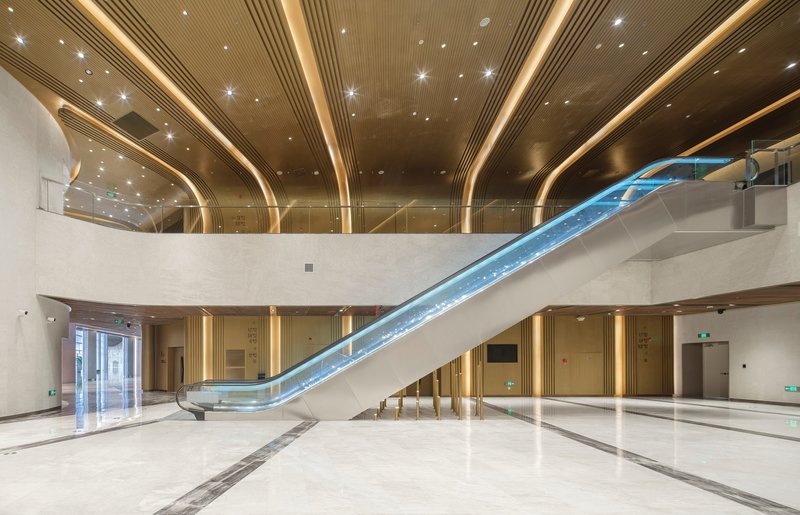
The theatre’s main lobby serves as an extension of both the water and urban environments. The soaring atrium, with its central canal, connects the interior to the exterior, reflecting the flow of water through the region. The design of the lobby draws inspiration from the waters of Zilang Lake, with ceiling panels resembling water ripples and a glass floor offering a view of the canal below. This design creates a rich, interactive experience for visitors and enhances the theatre’s connection to the surrounding environment.
The Cultural and Artistic Essence
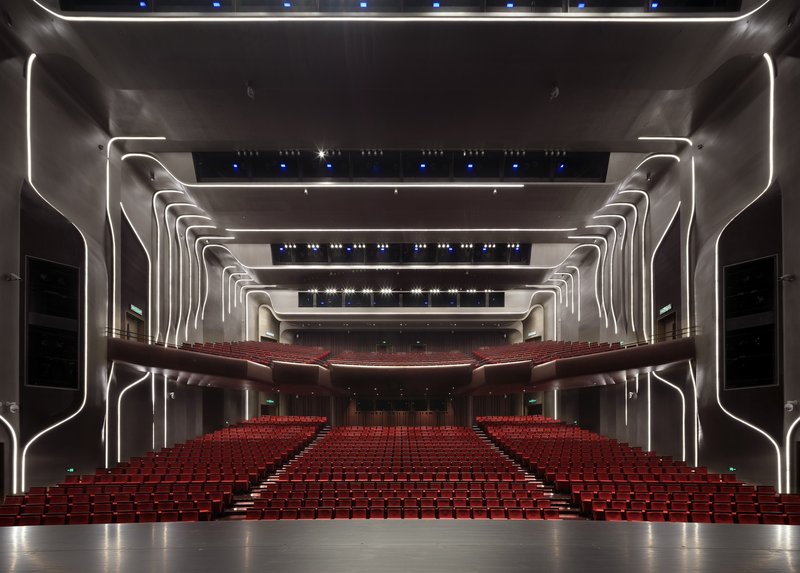
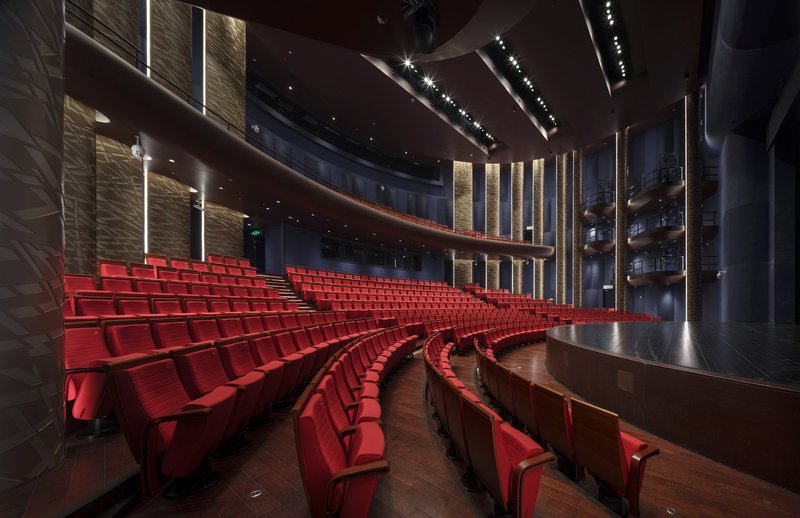
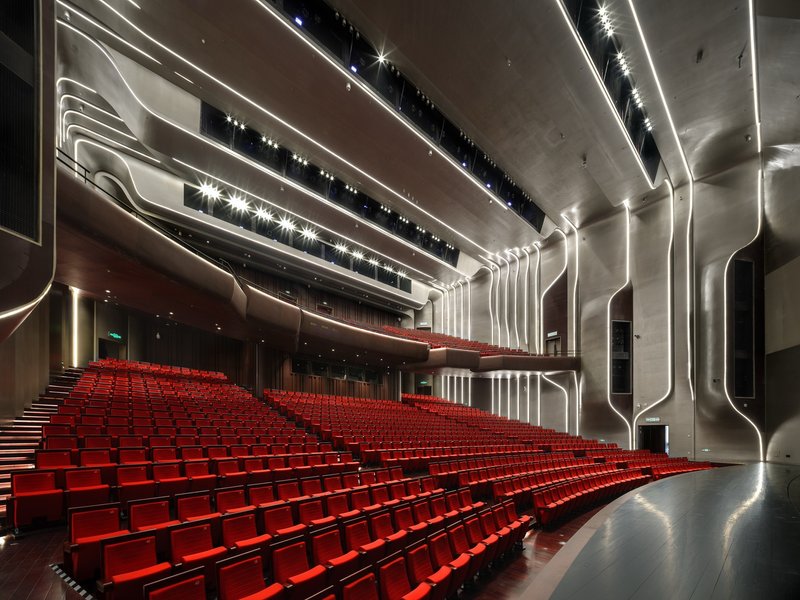
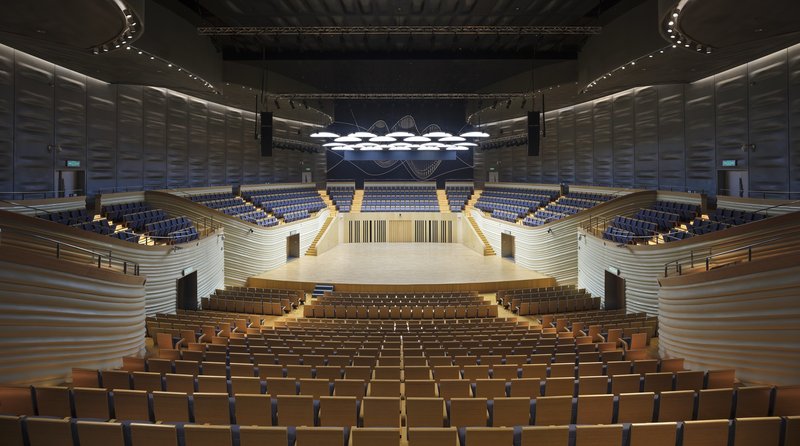
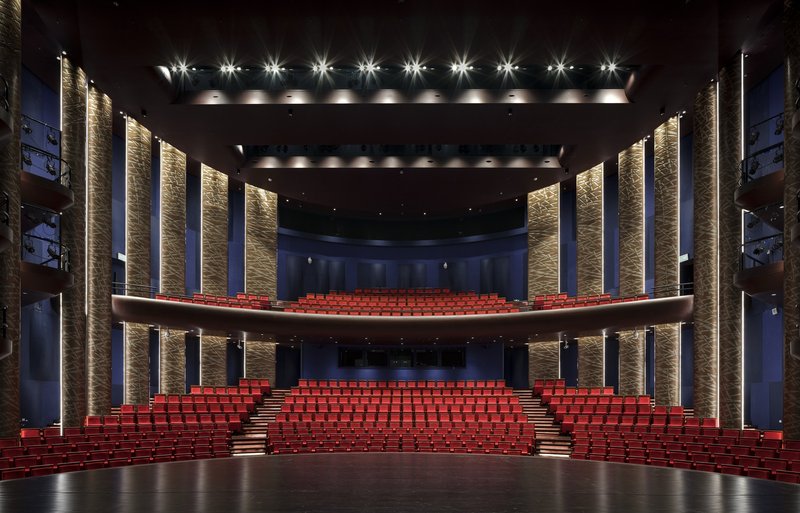
Each of the five auditoriums at Nantong Grand Theatre reflects a unique aspect of the city’s cultural heritage. The interior designs of the halls incorporate local traditions, modern techniques, and a commitment to artistic excellence. The Opera House, with its golden light strips and dynamic vertical design, evokes elegance and grandeur. The Drama Theatre, with its circular walls and velvet seating, creates an intimate, atmospheric setting for performances. The Concert Hall, with its metallic surfaces and elliptical stained glass acoustic panels, offers an immersive auditory experience that integrates architecture and performance.
The theatre’s commitment to modern performance excellence is evident in its advanced stage lighting, sound systems, and acoustics. The use of glass fiber reinforced gypsum (GRG) panels in the walls ensures optimal sound quality, enhancing the audience's experience. This technical sophistication, combined with the building's artistic design, makes Nantong Grand Theatre a cutting-edge venue for both performers and spectators.
Nantong Grand Theatre is a remarkable achievement in modern cultural architecture, blending local traditions with contemporary design to create a space that is both functional and inspiring. Through its innovative design, the theatre connects the city to its waterfront surroundings, redefining the boundaries between water and urban space. With its focus on public engagement and cultural expression, the theatre serves as a testament to the power of architecture to shape community and cultural identity.




Popular Articles
Popular articles from the community


Solar Steam: A Climate-Responsive Architecture That Redefines the Monument
A climate-responsive memorial architecture that transforms heat, decay, and time into a living system reflecting humanity’s ecological impact.
Alton Cliff House: A Harmonious Retreat by f2a Architecture in Lake Country, Canada
Alton Cliff House blends corten steel, prefabrication, and sustainable design, creating a luxurious, energy-efficient retreat perched on Canadian cliffs.
Inverted Architecture Installation by Studio Link-Arc: Exploring the Intersection of Architecture and Living Organisms
Inverted Architecture Installation by Studio Link-Arc blends mycelium, sustainability, inverted design, ecological cycles, and urban adaptive architecture in Shenzhen.
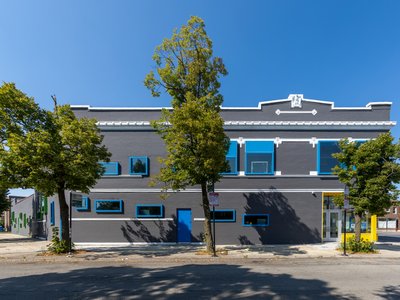
Gads Hill Early Learning Center by JGMA: Adaptive Reuse Shaping Community-Focused Educational Architecture
Adaptive reuse transforms fragmented structure into vibrant early learning center with playful façade, natural light, and community-focused sustainable design.

Similar Reads
You might also enjoy these articles


The Ken Roberts Memorial Delineation Competition (Krob)
As the most senior architectural drawing competition currently in operation anywhere in the world, it draws hundreds of entries each year, awarding the very best submissions in a series of medium-based categories.


Waterfront Redevelopment and Urban Revitalization in Mumbai: Forging a New Dawn for Darukhana
A transformative waterfront redevelopment project reimagining Darukhana’s shipbreaking heritage into an inclusive urban future.

OUT-OF-MAP: A Call for Postcards on Feminist Narratives of Public Space
Rhizoma Design and Research Lab invites artists, designers, architects, researchers, and students to reflect on how feminist perspectives can reshape public space. Selected works will be exhibited in Barcelona, October 2026. Submissions open until 15 April 2026.


Documentation Work on Buddhist Wooden Temple
Architectural syncretism and cultural hybridity: A comparative study of the Buddhist temples in Chattogram Hill tracks

Explore Architecture Competitions
Discover active competitions in this discipline




The International Standard for Design Portfolios


The Global Benchmark for Architecture Dissertation Awards


The Global Benchmark for Graduation Excellence


Challenge to reimagine the Iron Throne
Comments (0)
Please login or sign up to add comments
No comments yet. Be the first to comment!