
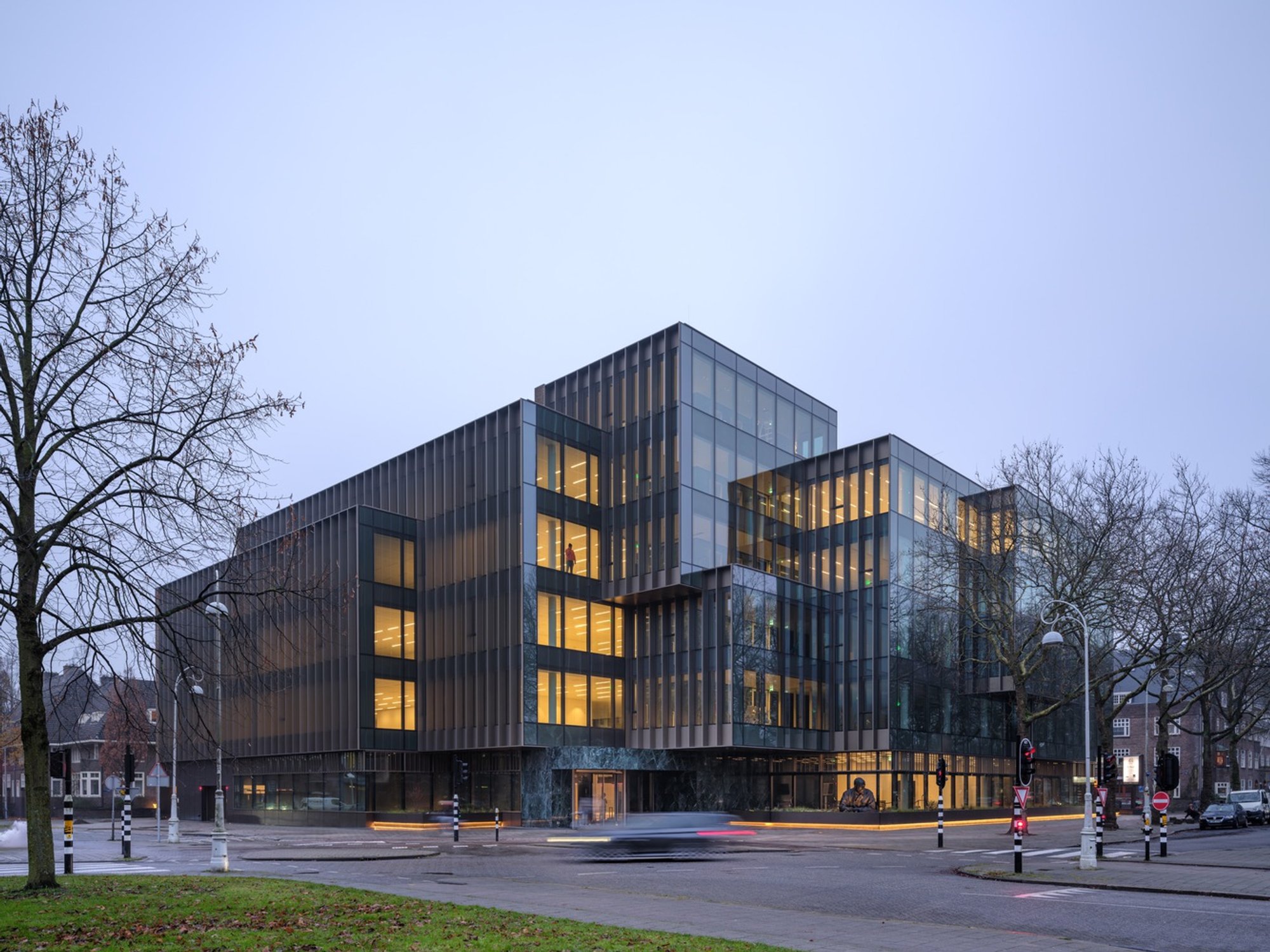
OMA Architecture in Amsterdam: A Deep Dive into Apollolaan 171
The article explores OMA's Apollolaan 171 in Amsterdam, showcasing its innovative design, sustainability, and integration with the city’s heritage.

OMA Architecture in Amsterdam
OMA, the renowned architecture firm founded by Rem Koolhaas, has made a significant mark on cities worldwide, and Amsterdam is no exception. Known for its innovative designs that blend modernity with contextual relevance, OMA's projects in Amsterdam continue to redefine the city's skyline and urban fabric. One of the most recent additions to the city’s architectural scene is Apollolaan 171, a standout example of OMA architecture in Amsterdam. This office building not only represents the cutting edge of modern office design but also reflects OMA's commitment to sustainability, community integration, and bold architectural forms.
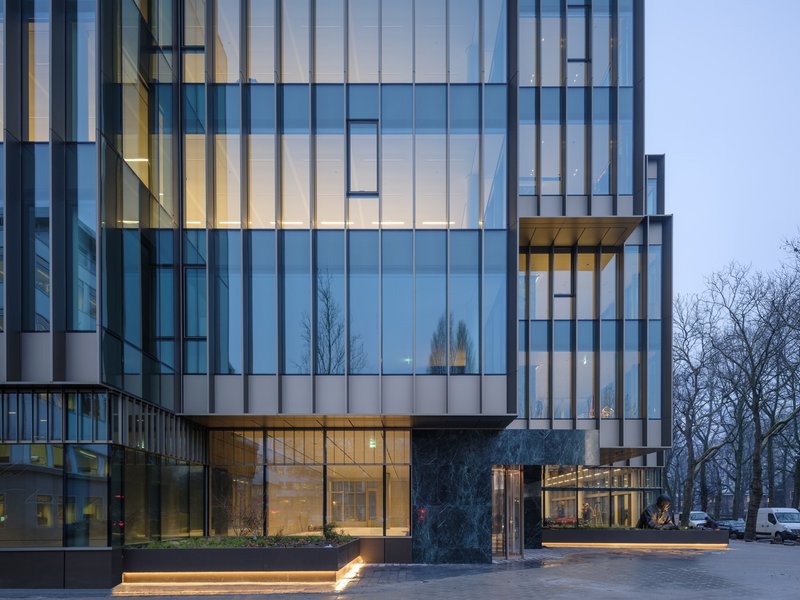
The Apollolaan 171 Project: Redefining the Office Space
A Contemporary Take on Amsterdam's Historic Architecture
Located on a prime corner along the Apollolaan, Apollolaan 171 replaces the original JP Morgan Bank building, a structure that had long stood as a monolithic fortress. The building’s transformation reflects a shift in how modern office spaces are conceived. OMA architecture in Amsterdam is marked by its unique ability to balance contemporary materials with a deep respect for the historical context. Apollolaan 171 incorporates both glass and brick facades, allowing the building to respond to its surrounding environment while offering a fresh, modern approach to office design.
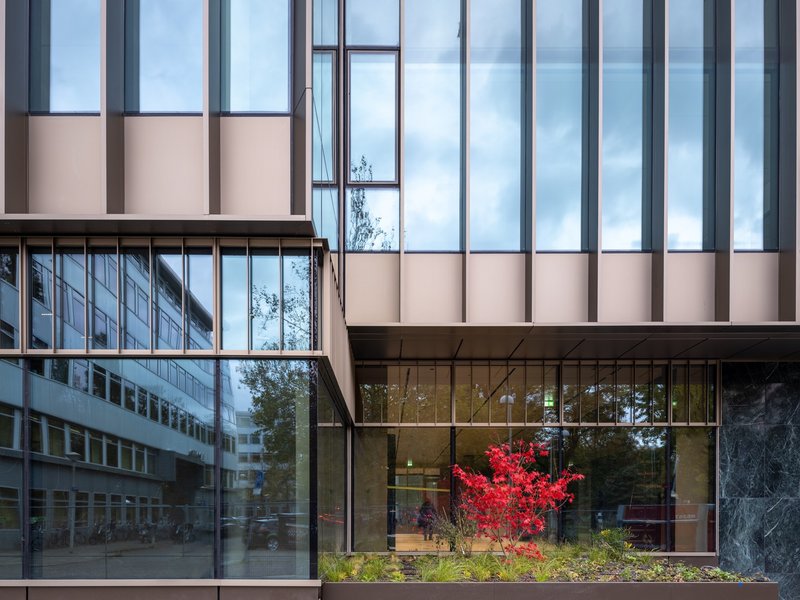
Transparent Glass Facades and Interlocking Brickwork
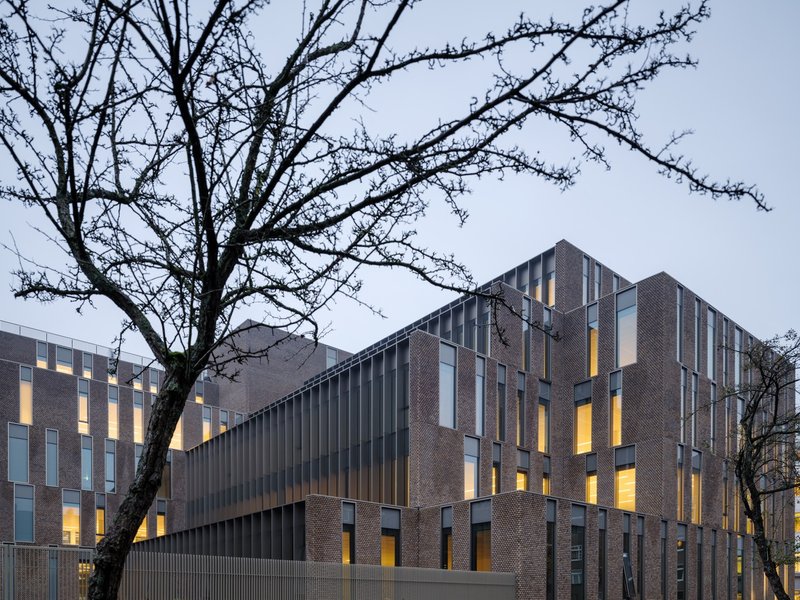
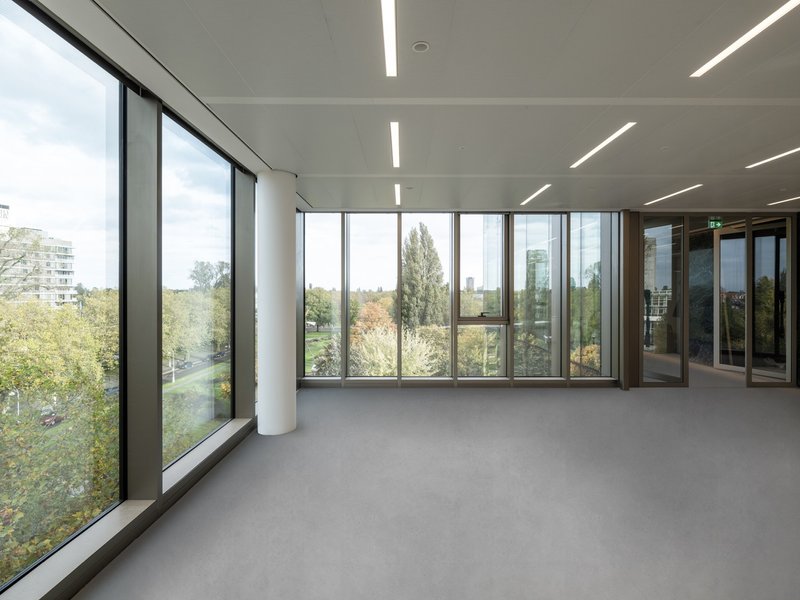
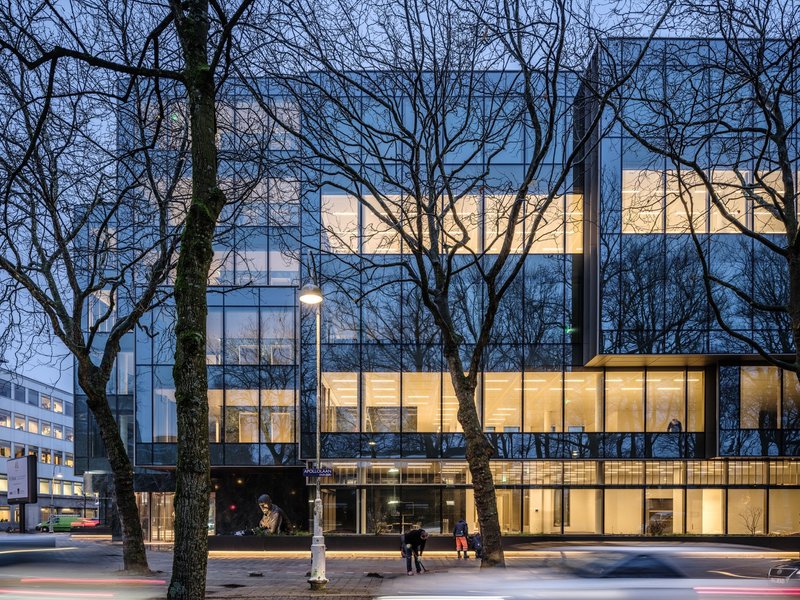
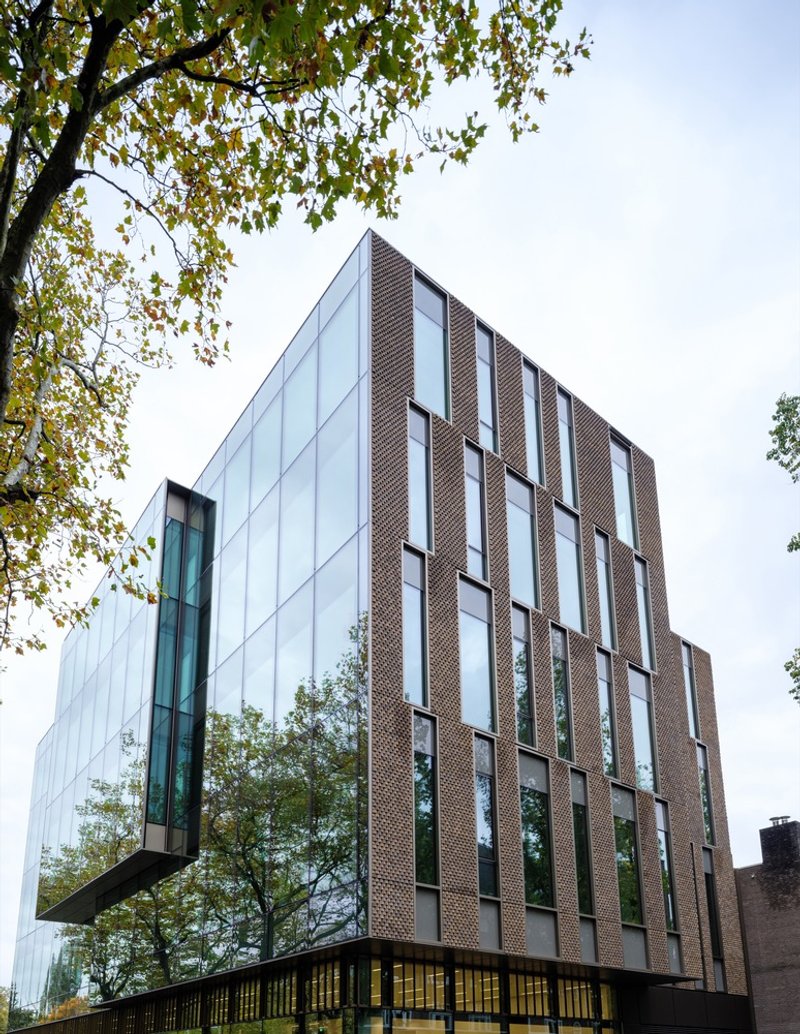
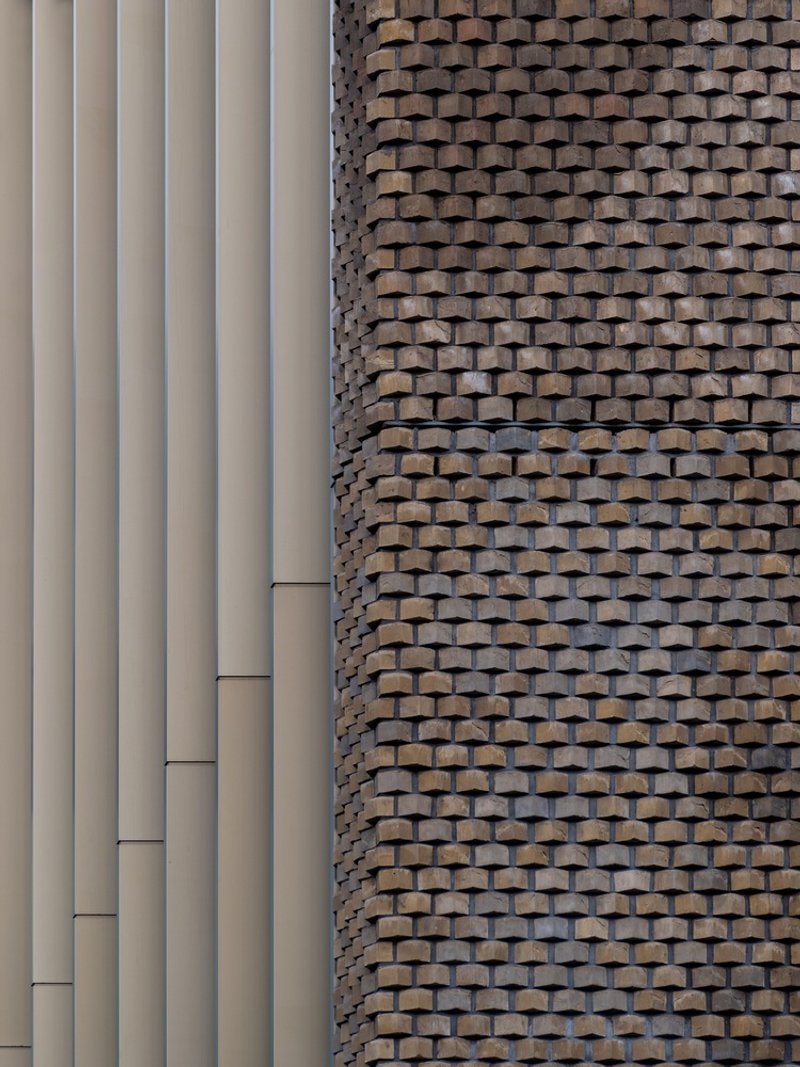
The most striking feature of Apollolaan 171 is its dual façade: a transparent glass façade facing the Apollolaan and a brick façade that cascades along the Titiaanstraat side. The glass façade is a symbol of transparency and openness, inviting both natural light and views of the greenery along the avenue into the building's interior. The interlocking brick façade on the Titiaanstraat side evokes the architectural language of Amsterdam’s early 20th-century housing, seamlessly integrating the building into the neighborhood’s established fabric.
This fusion of glass and brick is a prime example of OMA architecture in Amsterdam, where bold, modern forms are tempered by thoughtful engagement with local architectural traditions.
Sustainable Design Features of Apollolaan 171
Green Marble Interiors and Sustainable Materials
A defining element of OMA architecture in Amsterdam is the firm's commitment to sustainability. Apollolaan 171 exemplifies this through its use of green marble in the lobby and main circulation spaces, which not only creates a visually striking interior but also reinforces the connection to the lush greenery outside. The building’s sustainable design extends beyond materials to include cutting-edge technologies such as solar panels and rainwater collection systems, ensuring that the building is as environmentally conscious as it is architecturally innovative.
The Roof Garden and Sustainable Terraces
A key feature of Apollolaan 171 is its use of roof gardens and terraces. These outdoor spaces not only offer leisure areas for office workers but also contribute to the building’s sustainability efforts. By incorporating greenery and green roofs, Apollolaan 171 helps mitigate the urban heat island effect and contributes to biodiversity in the city.
The Role of OMA in Amsterdam’s Urban Landscape
OMA’s impact on Amsterdam’s architecture is undeniable. With each new project, OMA pushes the boundaries of design, creating buildings that are both functional and iconic. Apollolaan 171 is no exception. The project highlights OMA’s mastery in integrating modern office spaces with the rich architectural heritage of Amsterdam, while also responding to the needs of the city’s evolving urban landscape.
A Modern Office Space for the 21st Century
In a world where flexibility and openness are increasingly valued in office environments, Apollolaan 171 offers a fresh approach. The building’s transparent glass façade and open spaces encourage collaboration and connection, while the surrounding greenery promotes a healthy and inviting environment. OMA has redefined what modern office architecture can look like, making Apollolaan 171 a prime example of the firm’s design philosophy in Amsterdam.
Apollolaan 171 and the Future of OMA Architecture in Amsterdam
OMA architecture in Amsterdam is a testament to the firm’s vision of creating spaces that are both innovative and timeless. Apollolaan 171 is more than just an office building—it is a beacon of modern design, sustainability, and a harmonious blend of new and old. As OMA continues to shape the future of Amsterdam’s architectural landscape, projects like Apollolaan 171 will undoubtedly remain at the forefront of the city’s evolution.
With its transparent glass facades, sustainable features, and integration with the surrounding urban environment, Apollolaan 171 stands as a defining example of OMA’s contribution to architecture in Amsterdam.
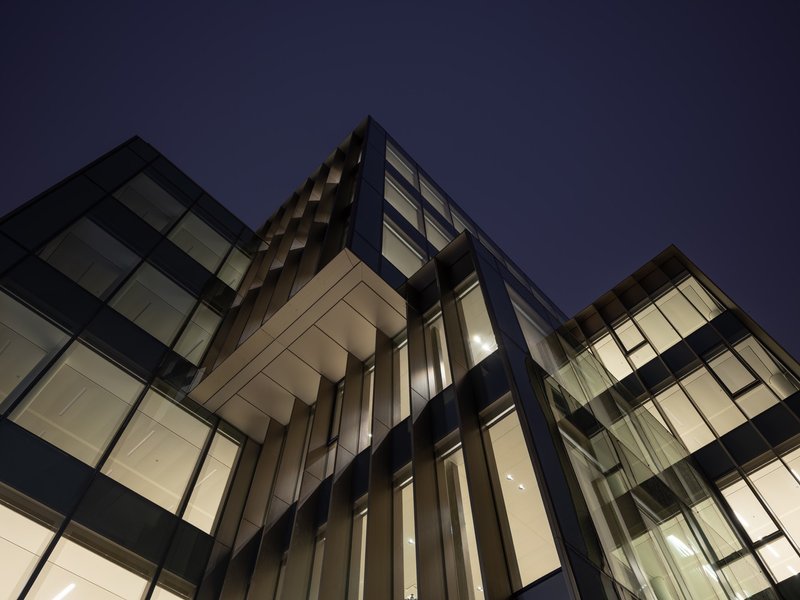
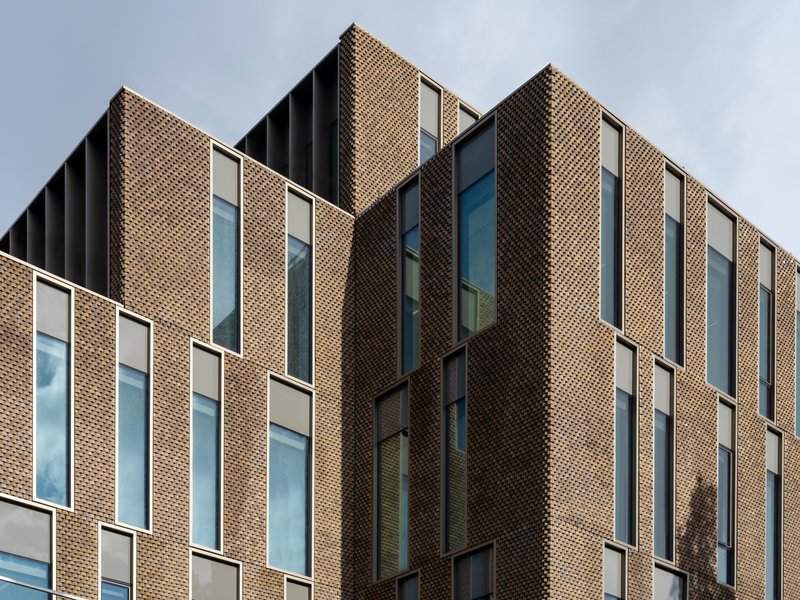
All Photographs are work of Ossip van Duivenbode




Popular Articles
Popular articles from the community

On the Brooks House by Monsoon Collective – A Contemporary Kerala Home Rooted in Tradition
Kerala home blending tradition and modernity with water-inspired design, brick architecture, courtyard planning, and sustainable rainwater harvesting strategies.


The Ken Roberts Memorial Delineation Competition (Krob)
As the most senior architectural drawing competition currently in operation anywhere in the world, it draws hundreds of entries each year, awarding the very best submissions in a series of medium-based categories.
An Miên Lumière Cafe by xưởng xép, Ho Chi Minh City, Vietnam
An industrial-inspired café where layered steel and warm light create a dynamic, immersive environment shaped by reflection, depth, and perception.

Inverted Architecture Installation by Studio Link-Arc: Exploring the Intersection of Architecture and Living Organisms
Inverted Architecture Installation by Studio Link-Arc blends mycelium, sustainability, inverted design, ecological cycles, and urban adaptive architecture in Shenzhen.


Similar Reads
You might also enjoy these articles
The Ken Roberts Memorial Delineation Competition (Krob)
As the most senior architectural drawing competition currently in operation anywhere in the world, it draws hundreds of entries each year, awarding the very best submissions in a series of medium-based categories.


Waterfront Redevelopment and Urban Revitalization in Mumbai: Forging a New Dawn for Darukhana
A transformative waterfront redevelopment project reimagining Darukhana’s shipbreaking heritage into an inclusive urban future.

OUT-OF-MAP: A Call for Postcards on Feminist Narratives of Public Space
Rhizoma Design and Research Lab invites artists, designers, architects, researchers, and students to reflect on how feminist perspectives can reshape public space. Selected works will be exhibited in Barcelona, October 2026. Submissions open until 15 April 2026.


Documentation Work on Buddhist Wooden Temple
Architectural syncretism and cultural hybridity: A comparative study of the Buddhist temples in Chattogram Hill tracks


Explore Office Building Competitions
Discover active competitions in this discipline




The International Standard for Design Portfolios


The Global Benchmark for Architecture Dissertation Awards


The Global Benchmark for Graduation Excellence


Challenge to reimagine the Iron Throne
Comments (0)
Please login or sign up to add comments
No comments yet. Be the first to comment!