
Passive House Lliçà de Vall: A Benchmark in Sustainable Passive House Design
Passive House Lliçà de Vall exemplifies sustainable passive house design, combining energy efficiency, nature integration, and minimalist architecture for optimal comfort.

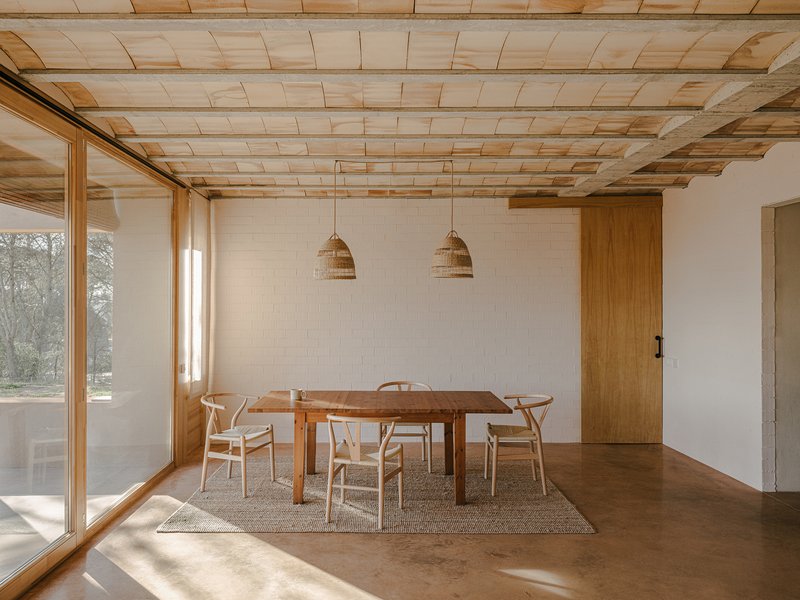
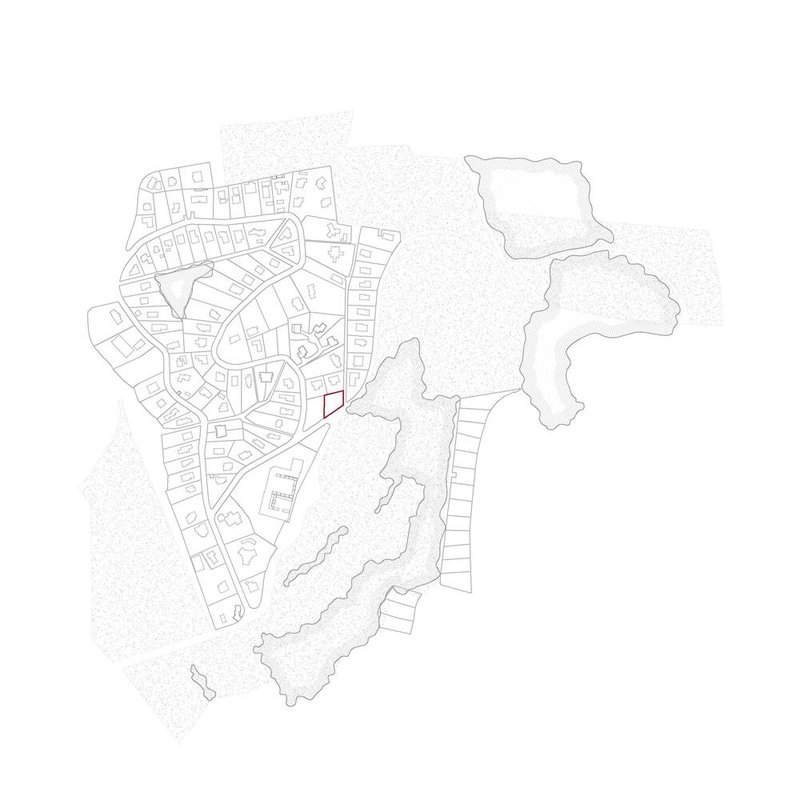
The Passive House Lliçà de Vall, designed by Arquitectura Local, represents a forward-thinking approach to sustainable architecture. Nestled within a preserved natural landscape in Spain, this residence harmonizes environmental considerations with a minimalist design philosophy, redefining energy-efficient living.
A Design Rooted in Nature
Situated on a slightly elevated plot surrounded by remnants of forest, the house was conceived with the idea of blending seamlessly with its surroundings. The architects prioritized the integration of the landscape into the design, ensuring that the built environment coexists with nature rather than overpowering it. This philosophy guided critical decisions, including the selective conservation of existing trees, which played a vital role in shaping the solar performance of the house.
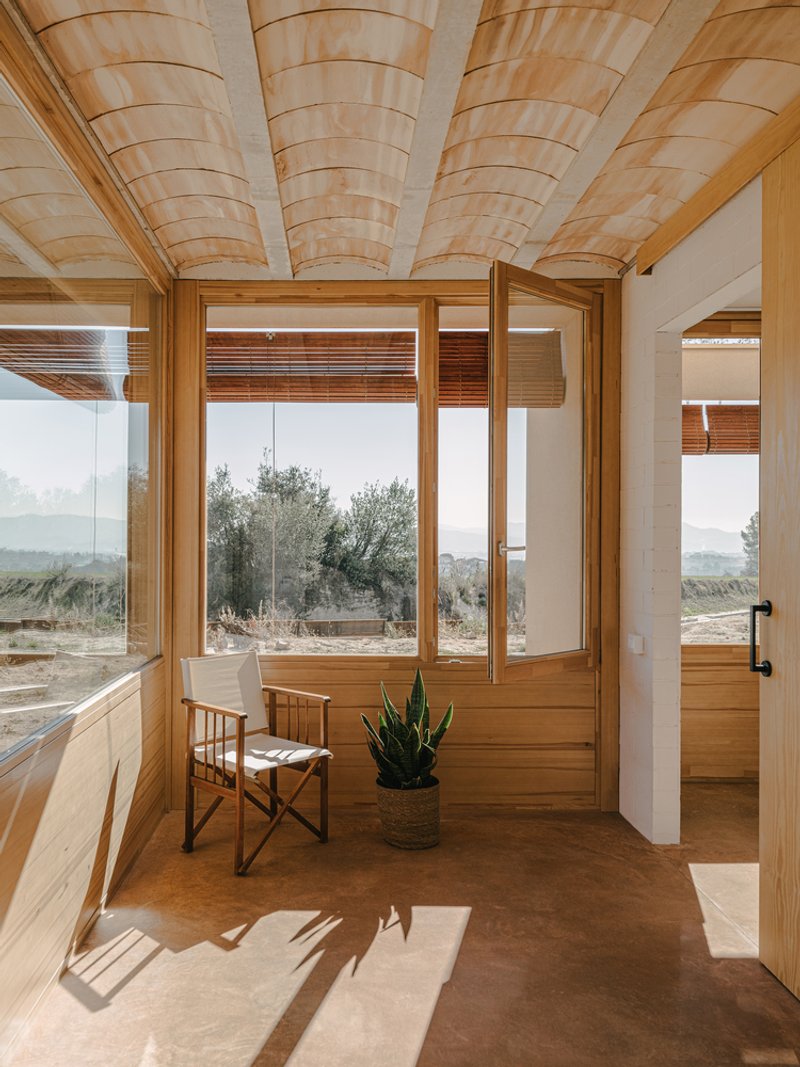
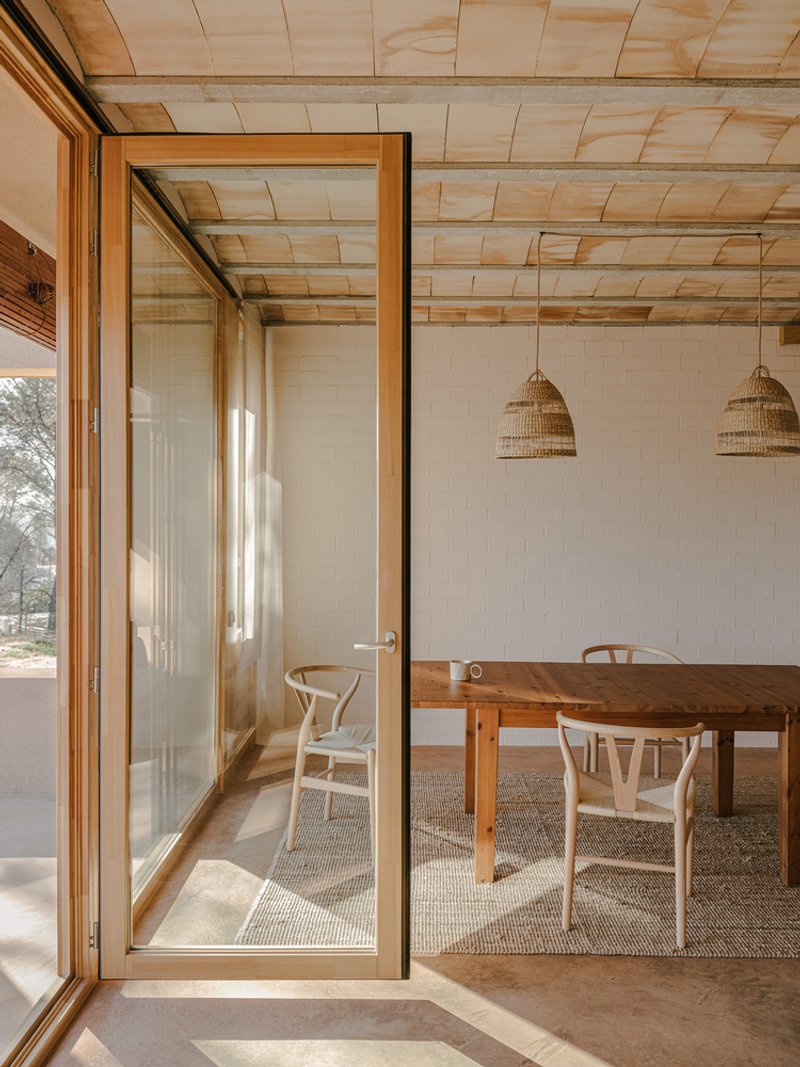
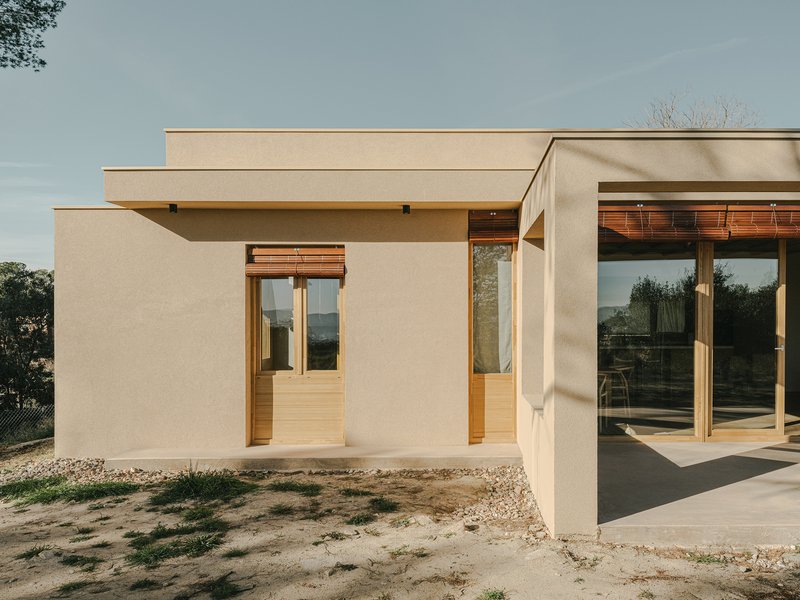
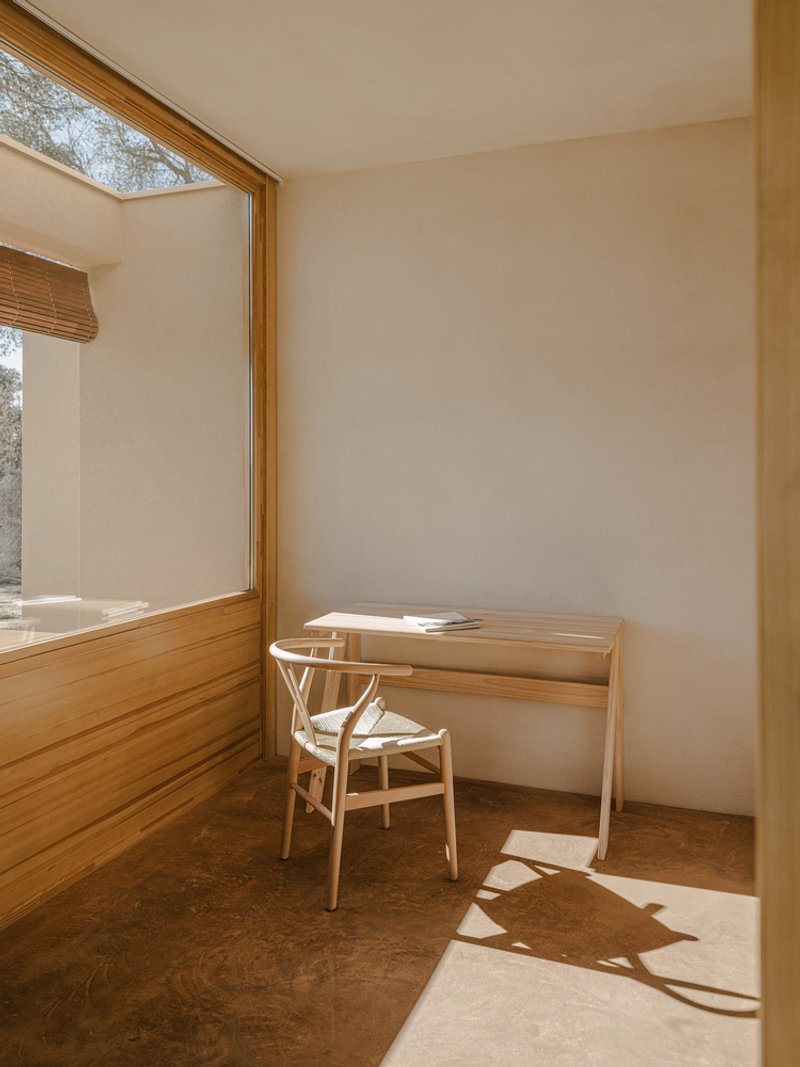
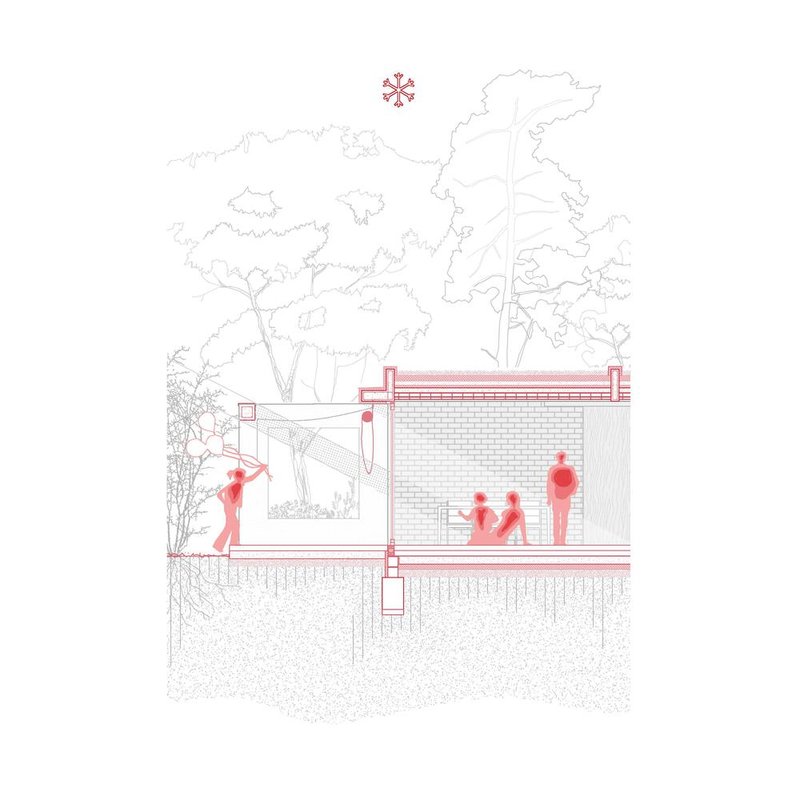
Balancing energy efficiency with environmental preservation, the design team made strategic choices to optimize natural light and thermal comfort. While retaining trees was considered, the necessity of maximizing solar gain for passive heating led to a thoughtful recalibration of the site’s vegetation. The result is a home that respects its natural setting while ensuring year-round comfort with minimal energy consumption.
The Architectural Strategy: Simplicity and Functionality
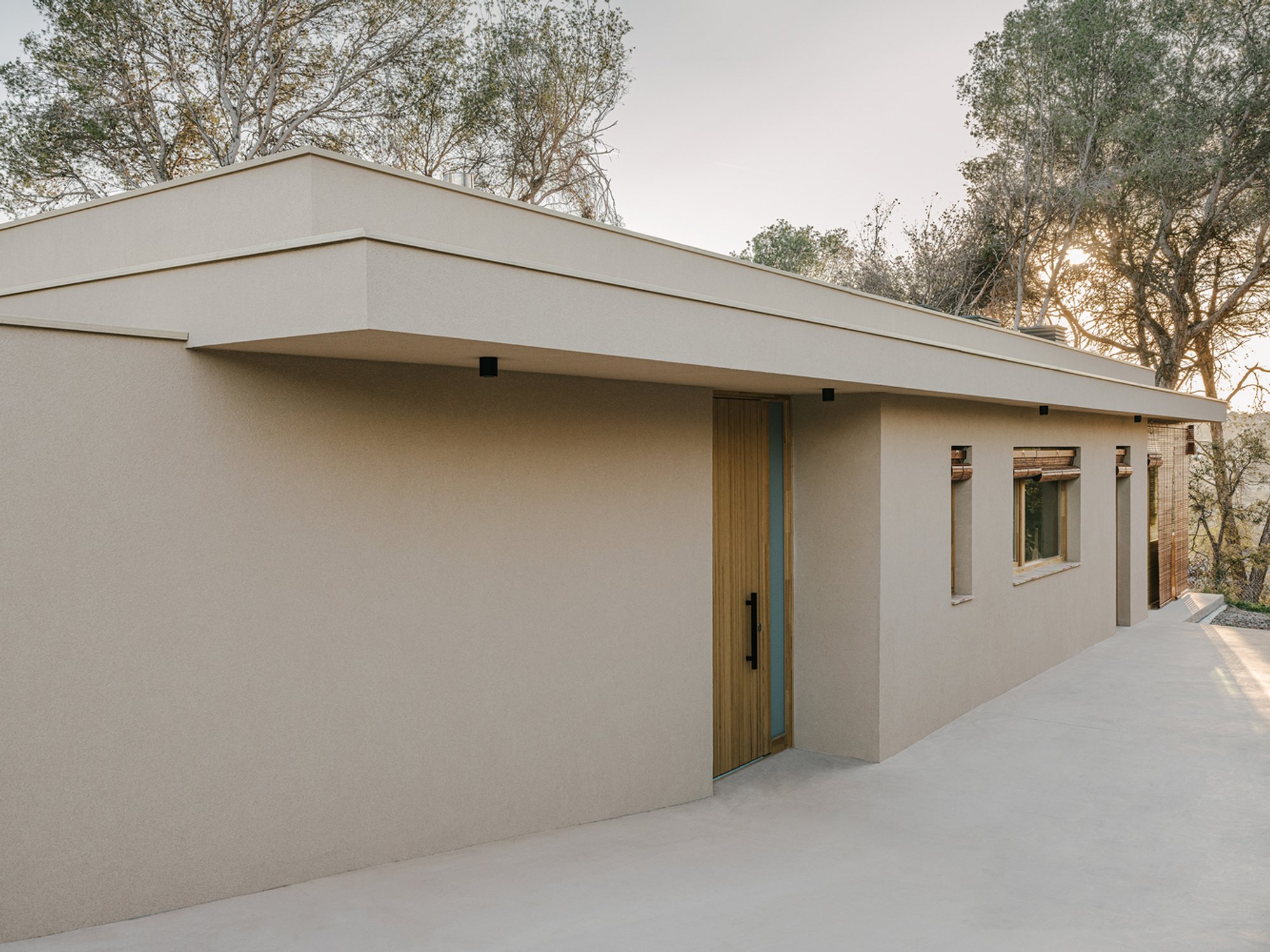
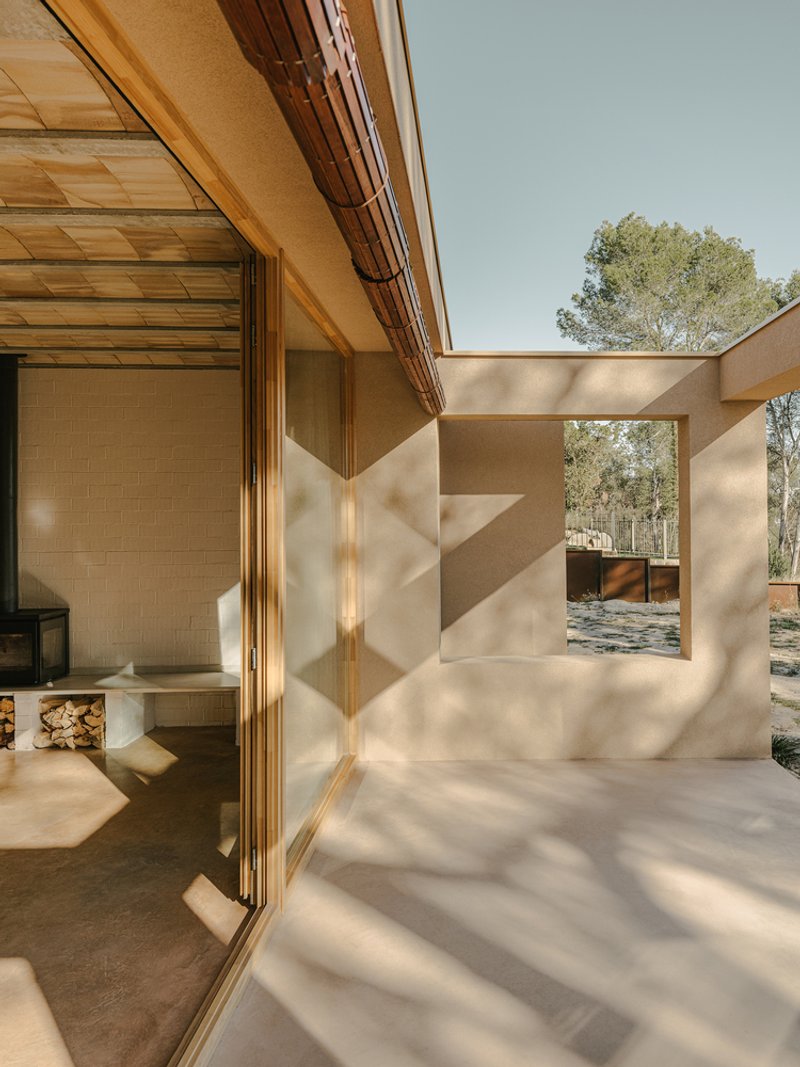
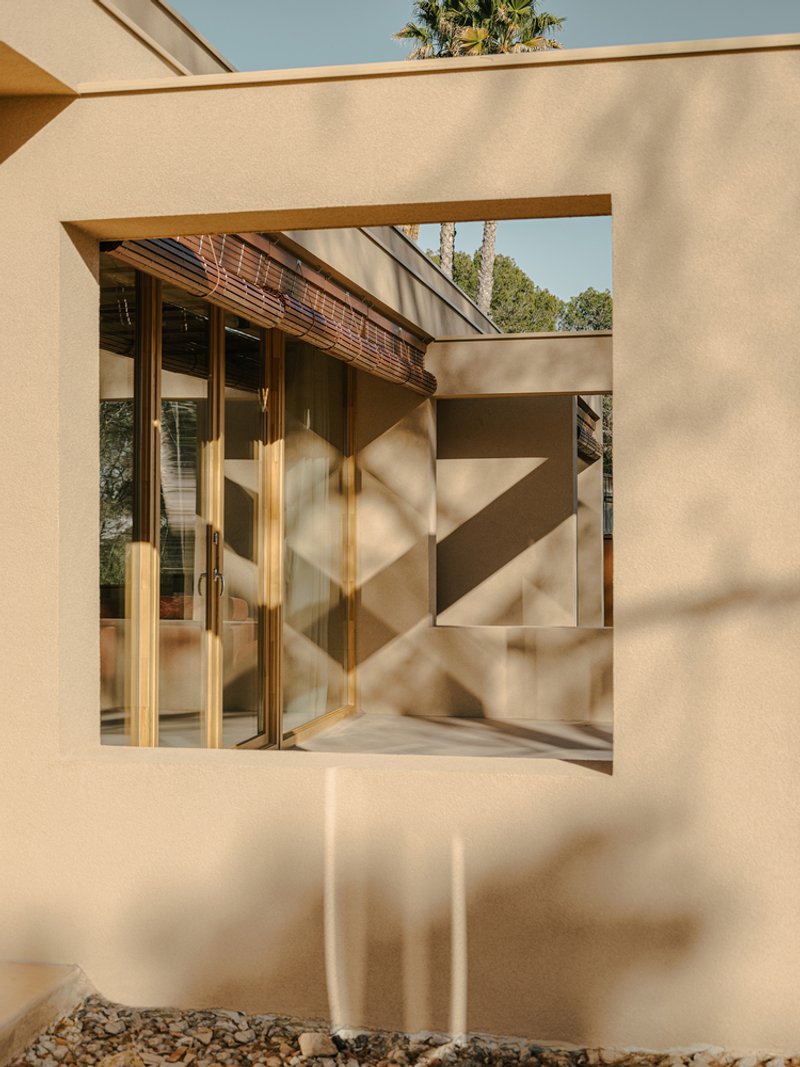
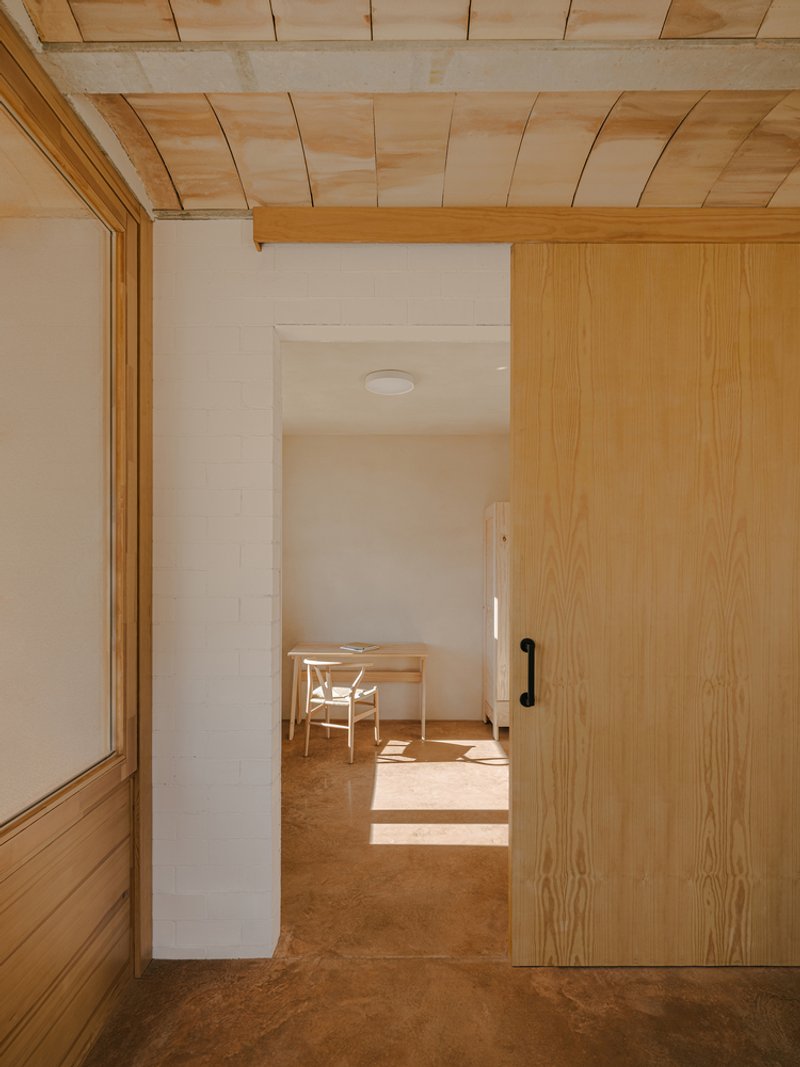
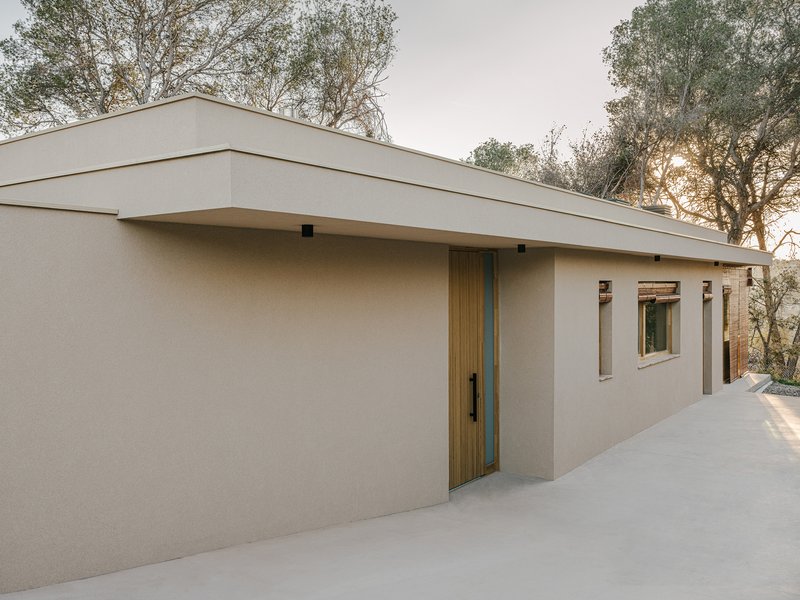
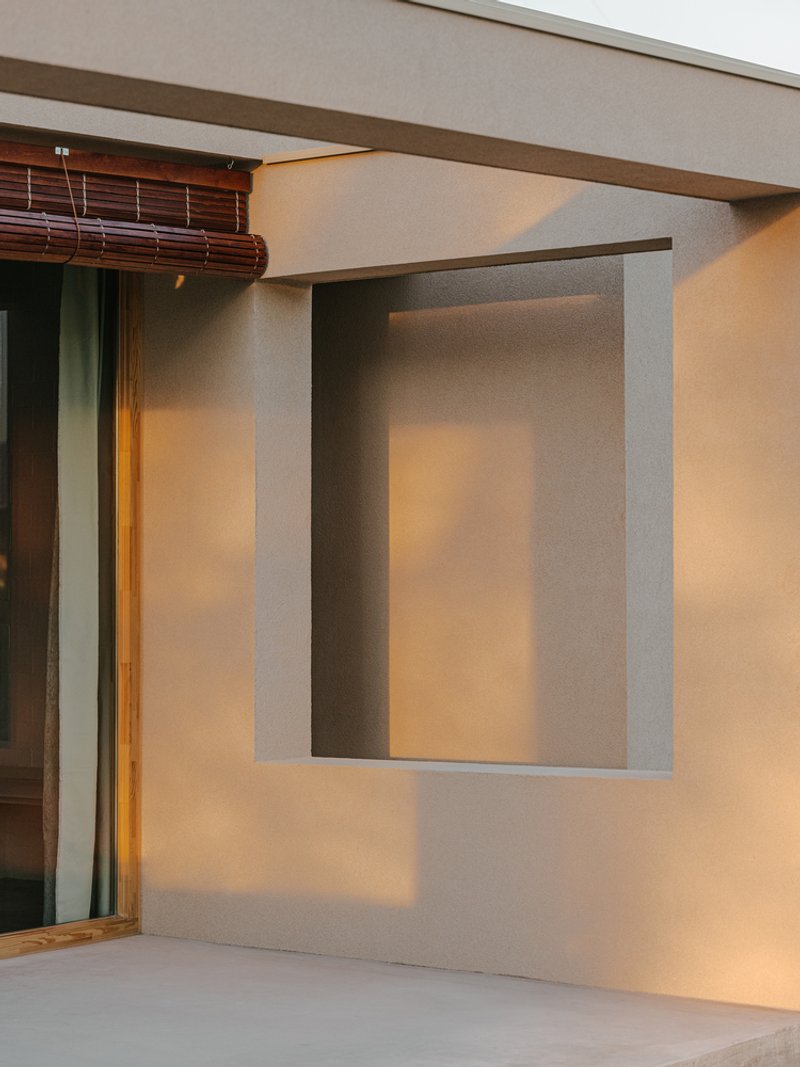
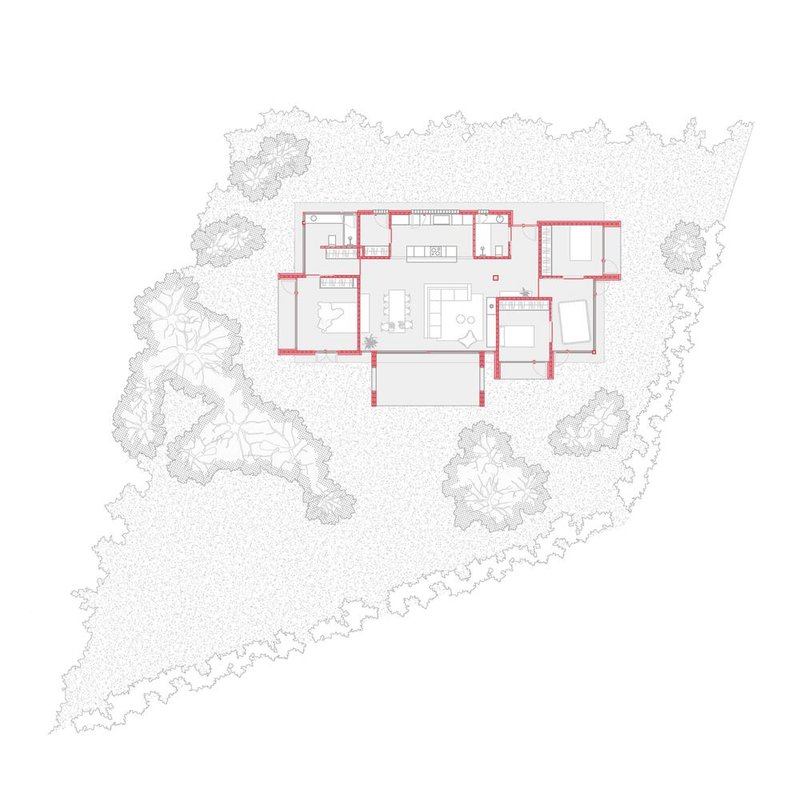
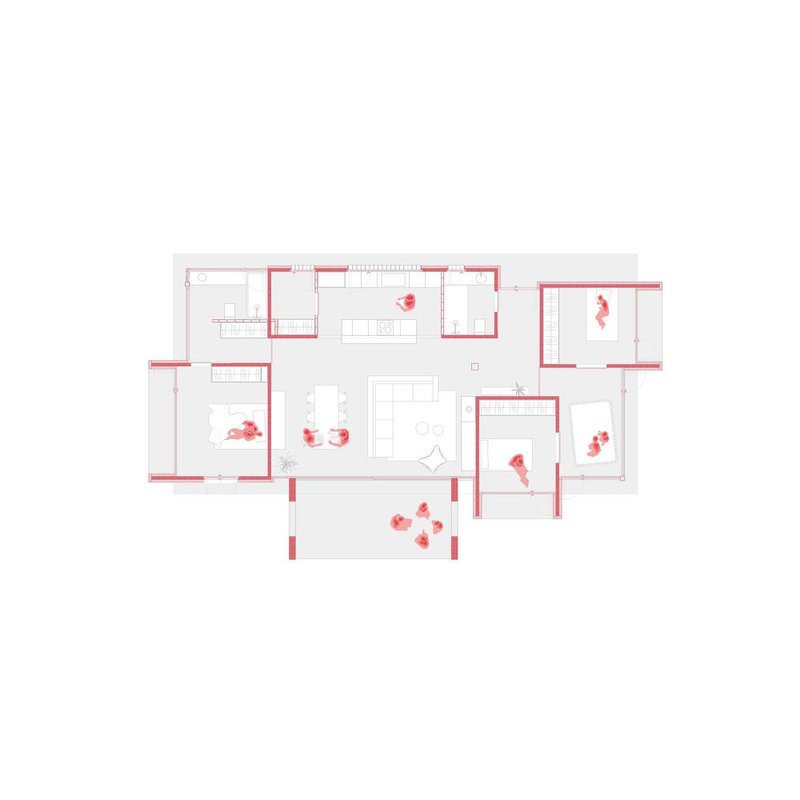
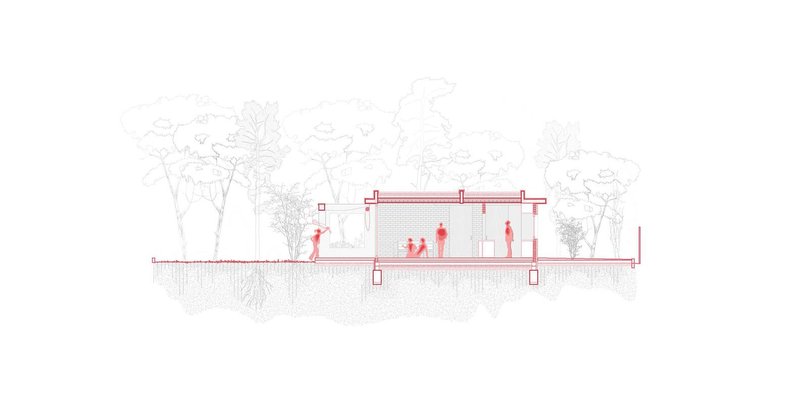
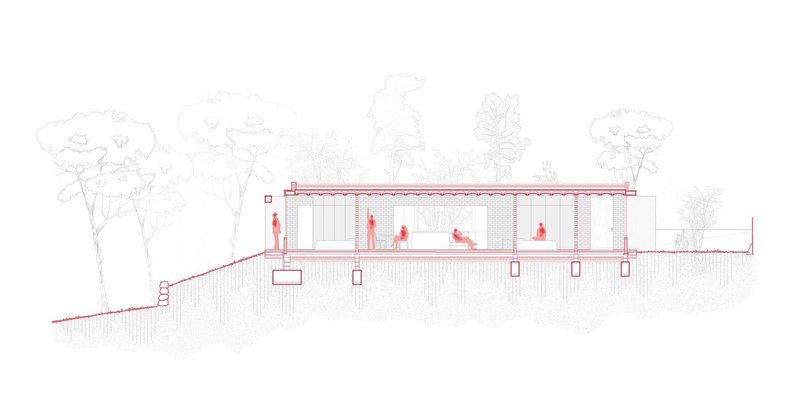
The architectural language of the Passive House Lliçà de Vall is defined by two expansive horizontal planes that create a sheltered and open living environment. The roof extends beyond the walls, dematerializing the façade and enhancing the house’s connection to its surroundings. Beneath this overarching structure, four ceramic-clad volumes house the private areas, forming an arrangement that promotes a fluid and adaptable living experience.
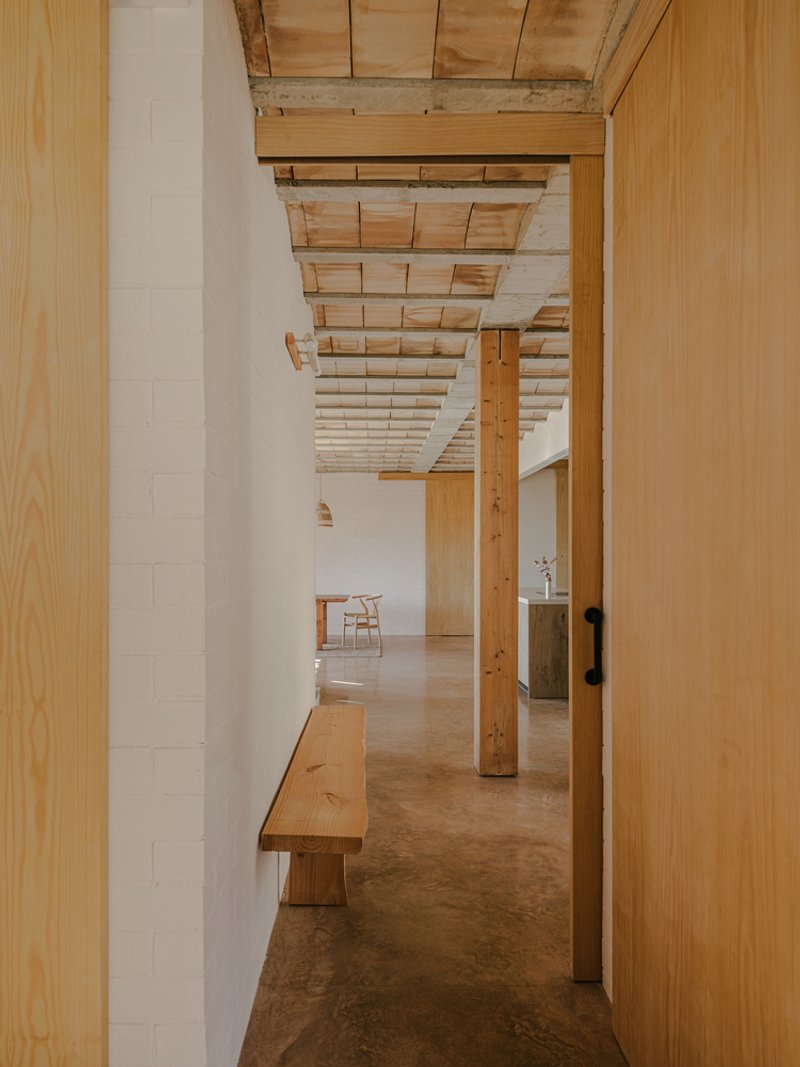
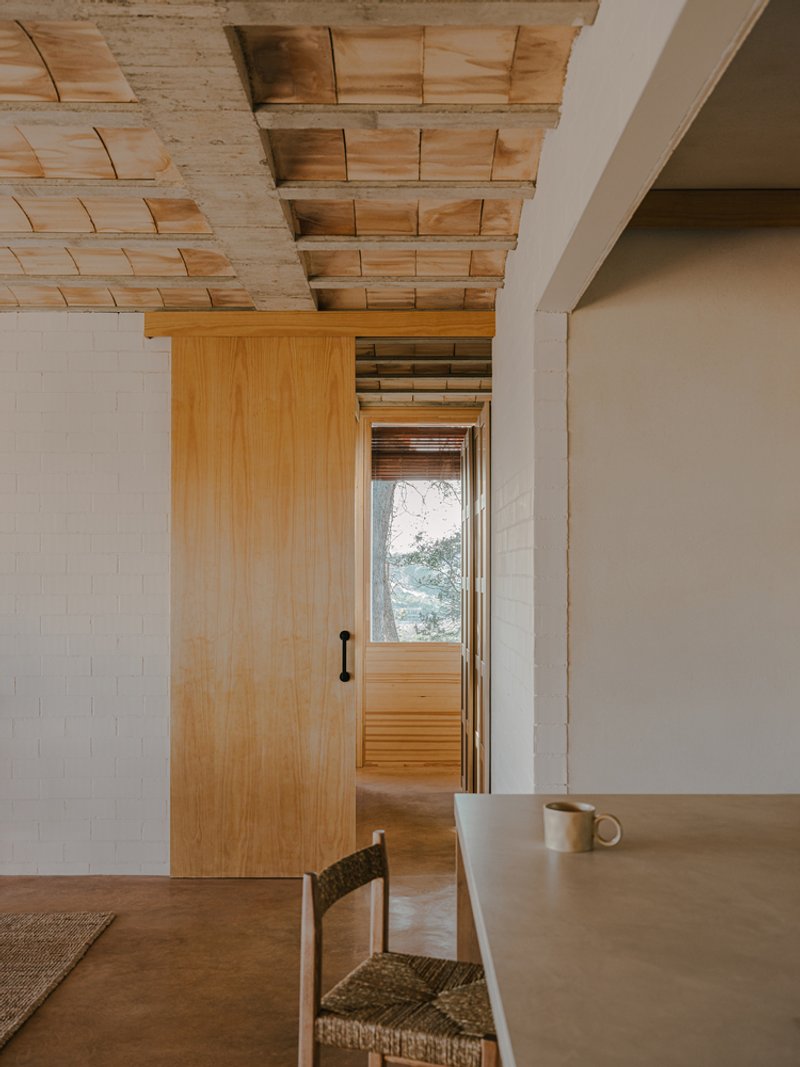
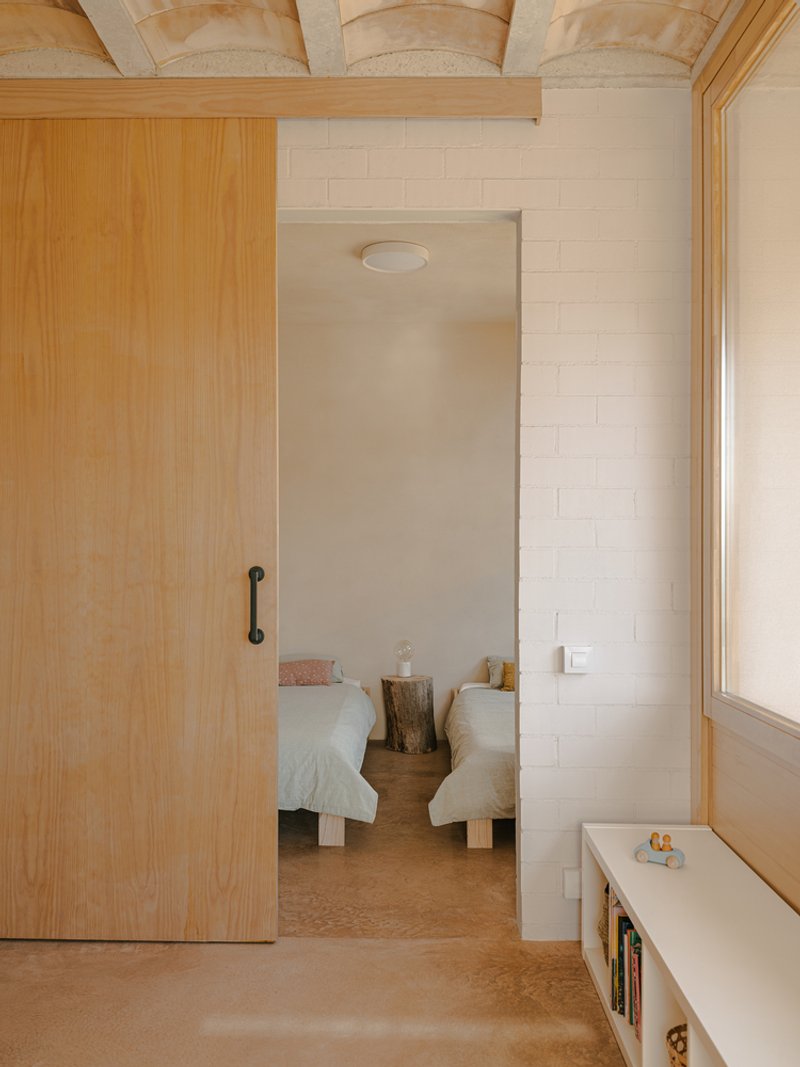
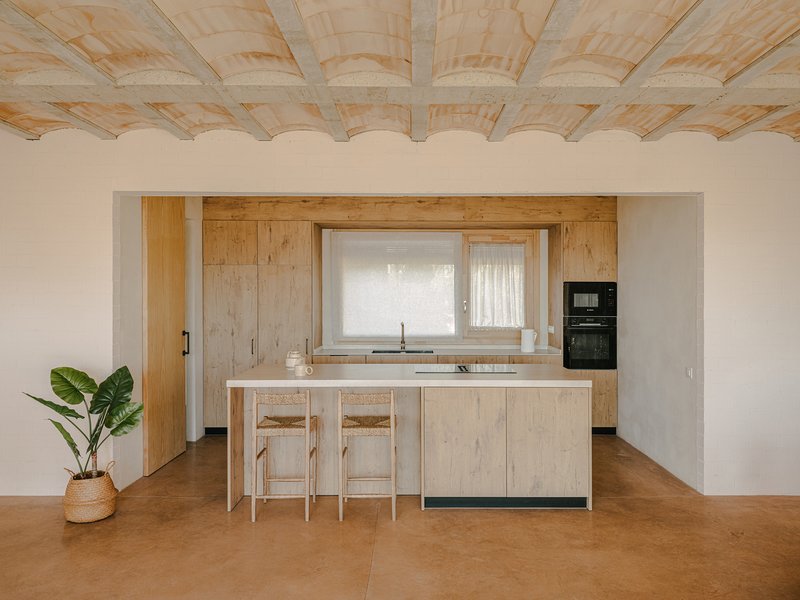
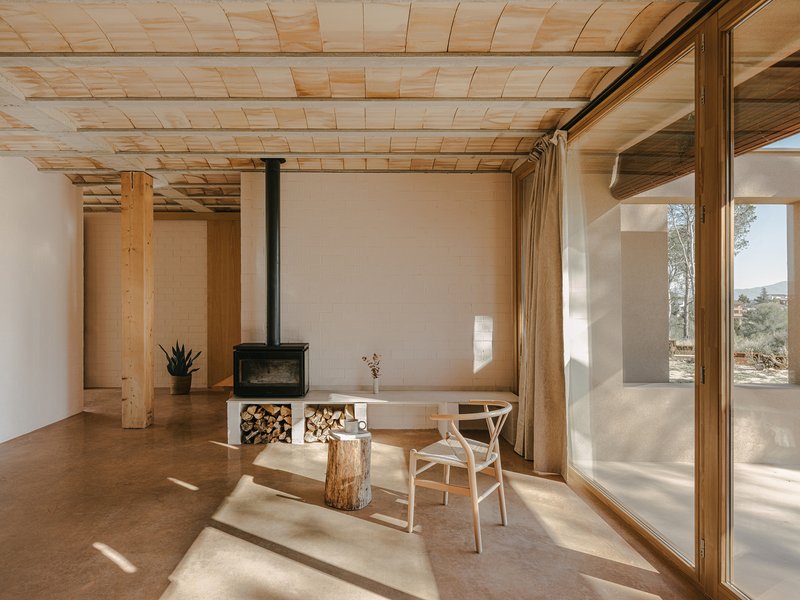
With a focus on reducing unnecessary complexity, the architects implemented a highly efficient yet simple spatial organization. The central communal area, framed by the private modules, ensures a cohesive layout that optimizes comfort and usability. This streamlined approach allowed for the realization of a sustainable home within a limited budget, demonstrating that high-performance design does not require excessive financial investment.
Energy Efficiency and Climate Adaptability
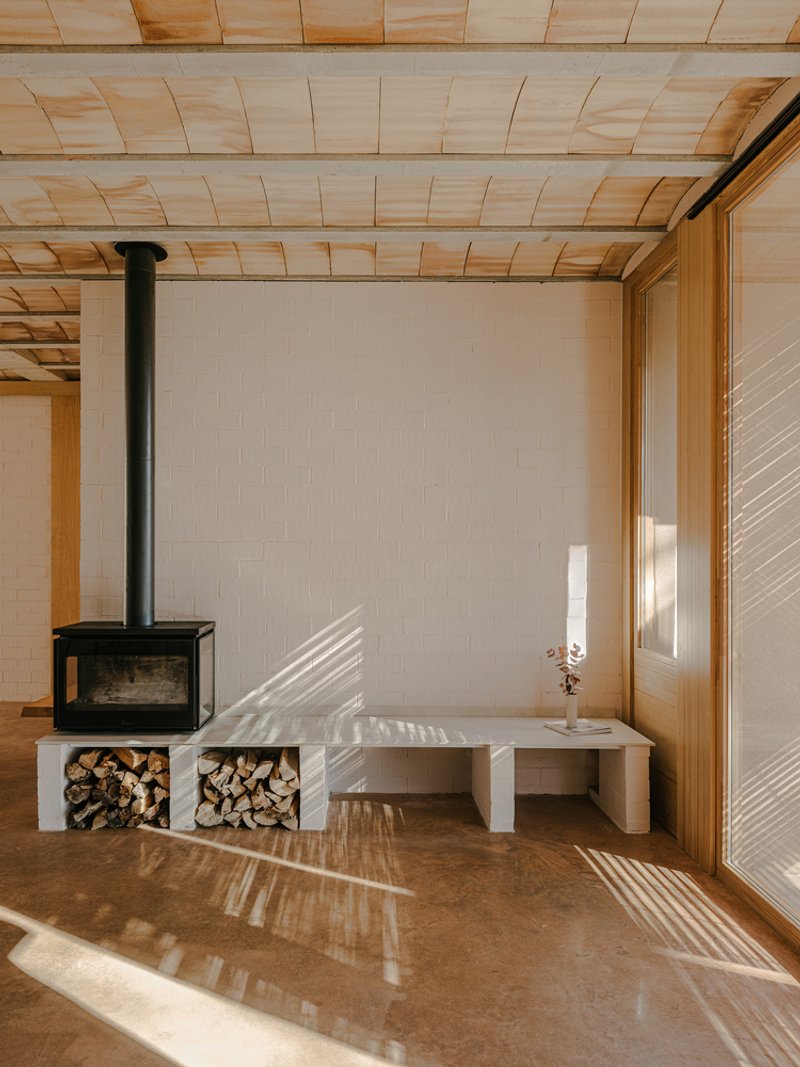
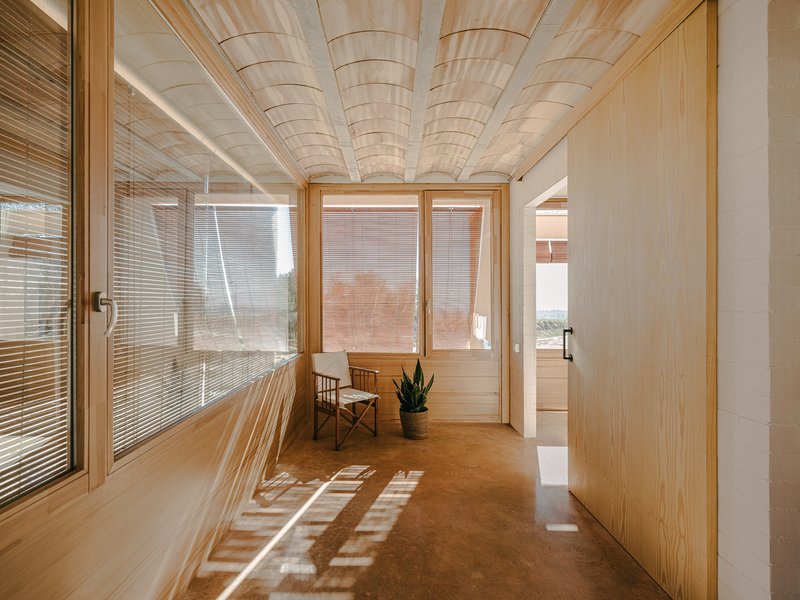
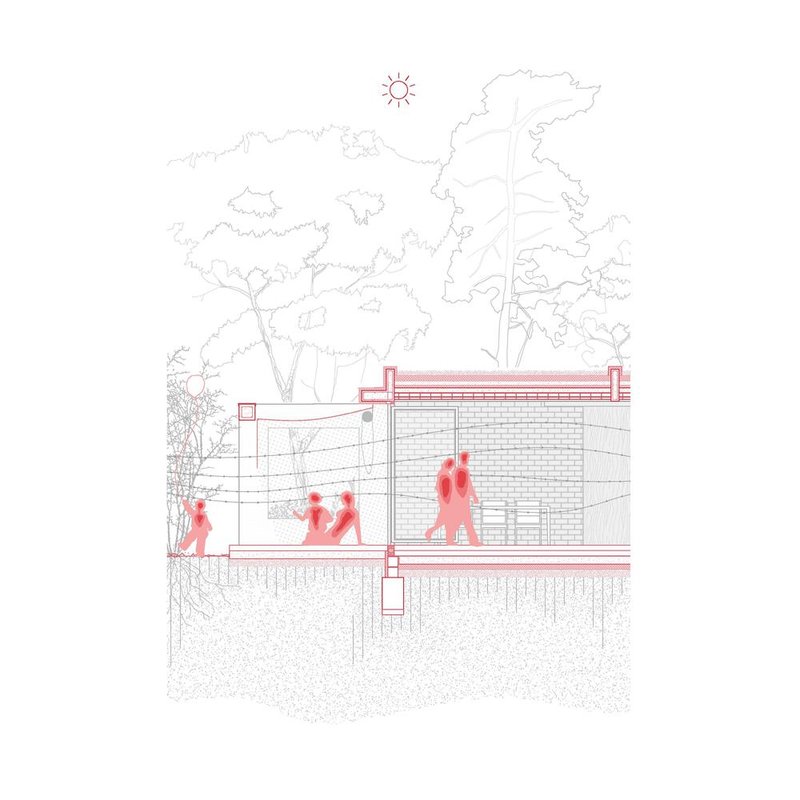
A key aspect of this project is its ability to function without conventional heating and cooling systems. The house's thermal inertia, combined with a high-performance envelope, eliminates the need for additional heating beyond a central fireplace. The strategic placement of porches mitigates summer heat by providing shade, while cross-ventilation facilitates passive cooling.
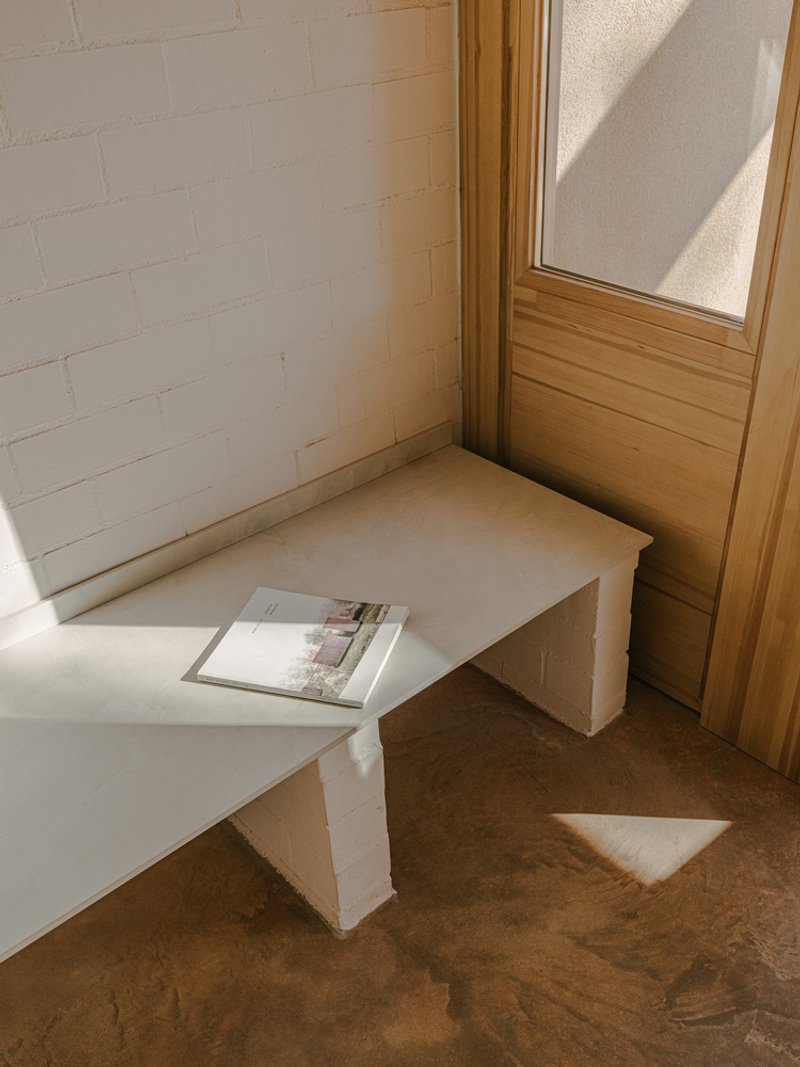
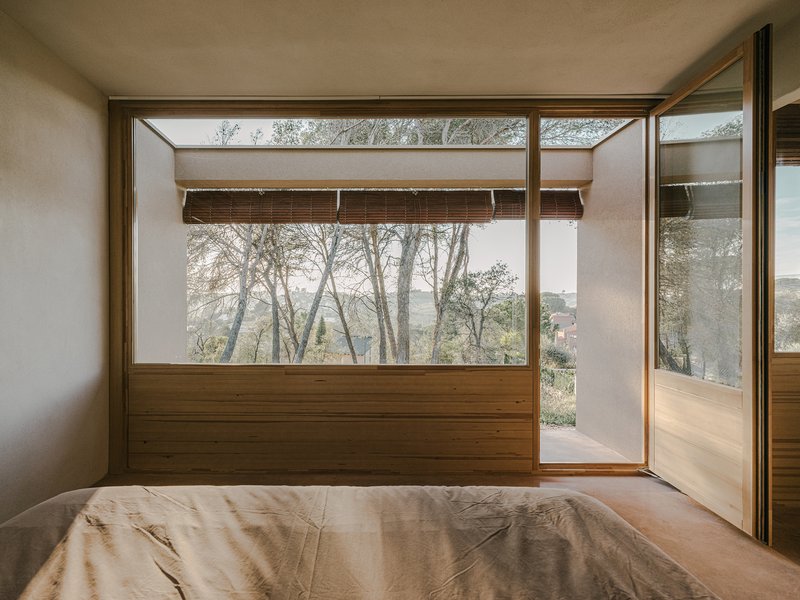
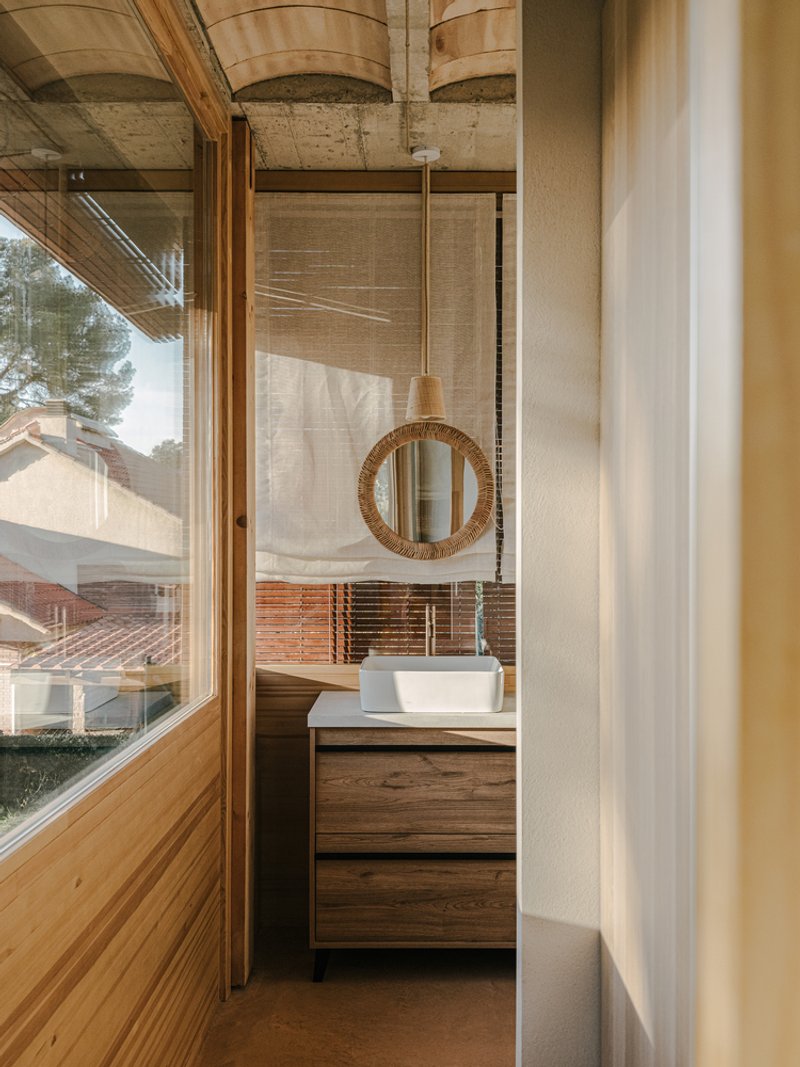
The residence exemplifies the core principles of sustainable passive house design—reducing energy demand through intelligent material selection and spatial planning. The incorporation of a compact layout further enhances the efficiency of the heating strategy, allowing the home to maintain a stable indoor climate with minimal energy input. The reliance on aerothermal energy is strictly limited to domestic hot water production, reinforcing the project's commitment to energy conservation.
A Model for Future Sustainable Homes
The Passive House Lliçà de Vall serves as a model for sustainable passive house design, demonstrating that comfort and energy efficiency can be achieved without dependence on high-cost mechanical systems. This project challenges the misconception that sustainability requires complexity, proving that thoughtful design can significantly reduce environmental impact while enhancing livability.
Through its seamless integration with nature, optimized material use, and passive energy strategies, this residence establishes a new standard for environmentally conscious housing. Arquitectura Local’s approach underscores the potential of architecture to address contemporary sustainability challenges, making the Passive House Lliçà de Vall an inspiring example for future residential developments.
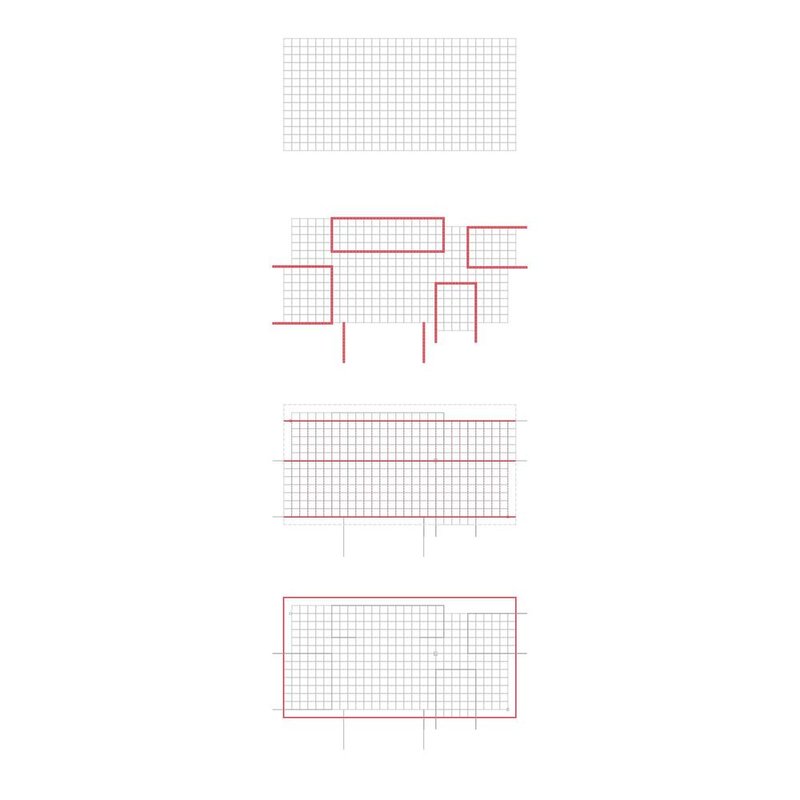
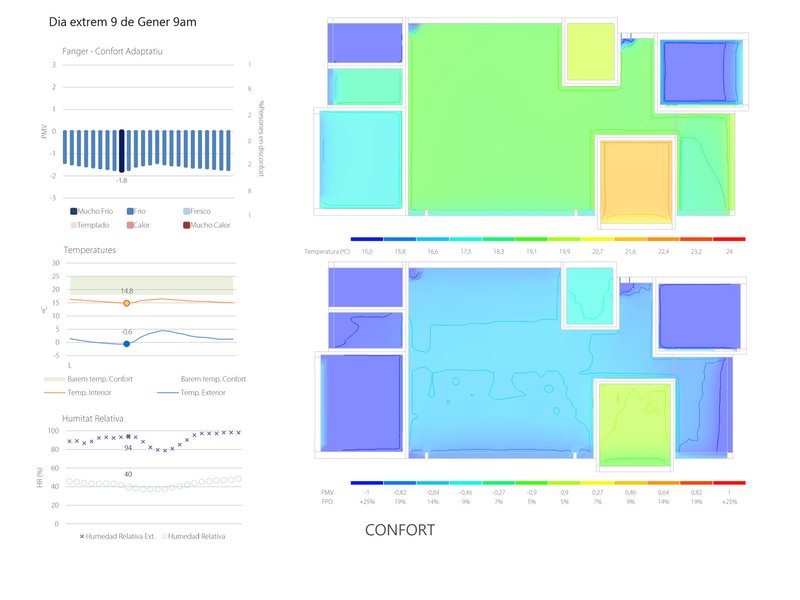
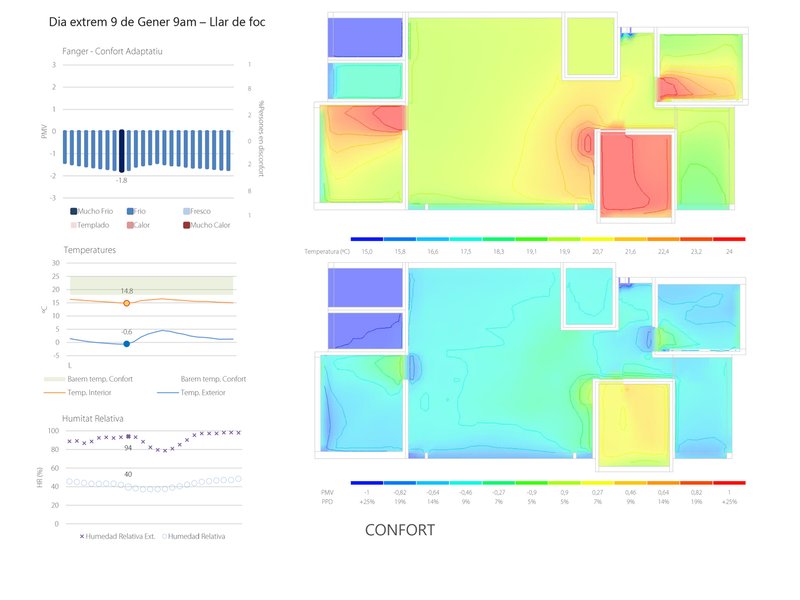
All Photographs are works of Marta Vidal




Popular Articles
Popular articles from the community


The Ken Roberts Memorial Delineation Competition (Krob)
As the most senior architectural drawing competition currently in operation anywhere in the world, it draws hundreds of entries each year, awarding the very best submissions in a series of medium-based categories.

Louis Malle Cinema: A Limestone Cultural Landmark Revitalizing Community Life in Prayssac
Limestone cinema extension with public forecourt, blending heritage and modern design to create flexible cultural spaces and strengthen community interaction.
On the Brooks House by Monsoon Collective – A Contemporary Kerala Home Rooted in Tradition
Kerala home blending tradition and modernity with water-inspired design, brick architecture, courtyard planning, and sustainable rainwater harvesting strategies.
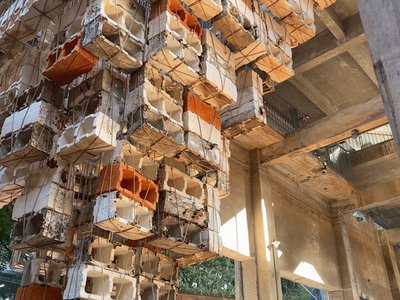
Inverted Architecture Installation by Studio Link-Arc: Exploring the Intersection of Architecture and Living Organisms
Inverted Architecture Installation by Studio Link-Arc blends mycelium, sustainability, inverted design, ecological cycles, and urban adaptive architecture in Shenzhen.


Similar Reads
You might also enjoy these articles
The Ken Roberts Memorial Delineation Competition (Krob)
As the most senior architectural drawing competition currently in operation anywhere in the world, it draws hundreds of entries each year, awarding the very best submissions in a series of medium-based categories.


Waterfront Redevelopment and Urban Revitalization in Mumbai: Forging a New Dawn for Darukhana
A transformative waterfront redevelopment project reimagining Darukhana’s shipbreaking heritage into an inclusive urban future.

OUT-OF-MAP: A Call for Postcards on Feminist Narratives of Public Space
Rhizoma Design and Research Lab invites artists, designers, architects, researchers, and students to reflect on how feminist perspectives can reshape public space. Selected works will be exhibited in Barcelona, October 2026. Submissions open until 15 April 2026.


Documentation Work on Buddhist Wooden Temple
Architectural syncretism and cultural hybridity: A comparative study of the Buddhist temples in Chattogram Hill tracks

Explore Architecture Competitions
Discover active competitions in this discipline




The International Standard for Design Portfolios


The Global Benchmark for Architecture Dissertation Awards


The Global Benchmark for Graduation Excellence


Challenge to reimagine the Iron Throne
Comments (0)
Please login or sign up to add comments
No comments yet. Be the first to comment!