
Pet Resource Center by RA-DA: A Revolutionary Model for Animal Care and Community Engagement
The Pet Resource Center revolutionizes animal care with community-focused design, fostering pets, and supporting local families and rescues.

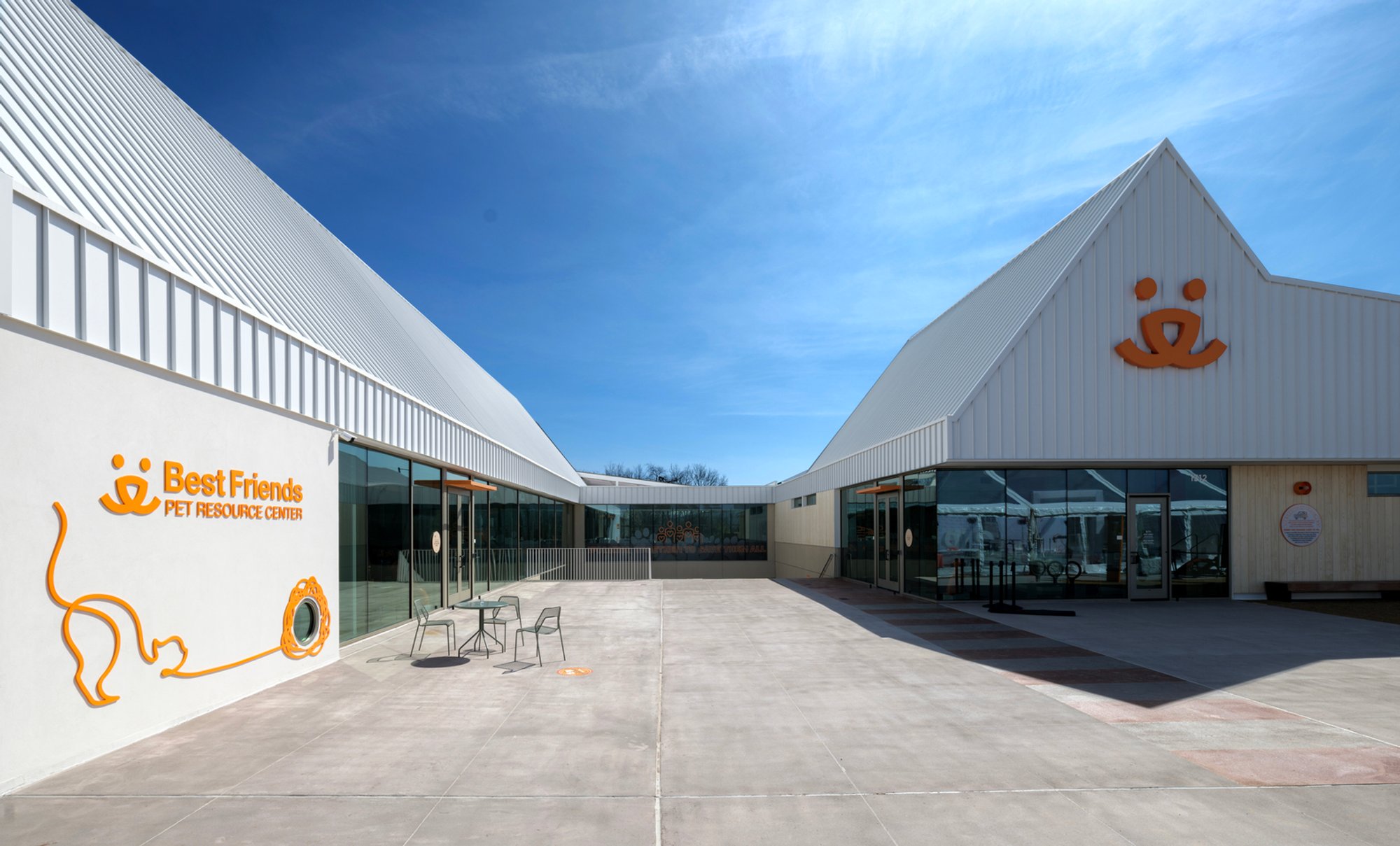
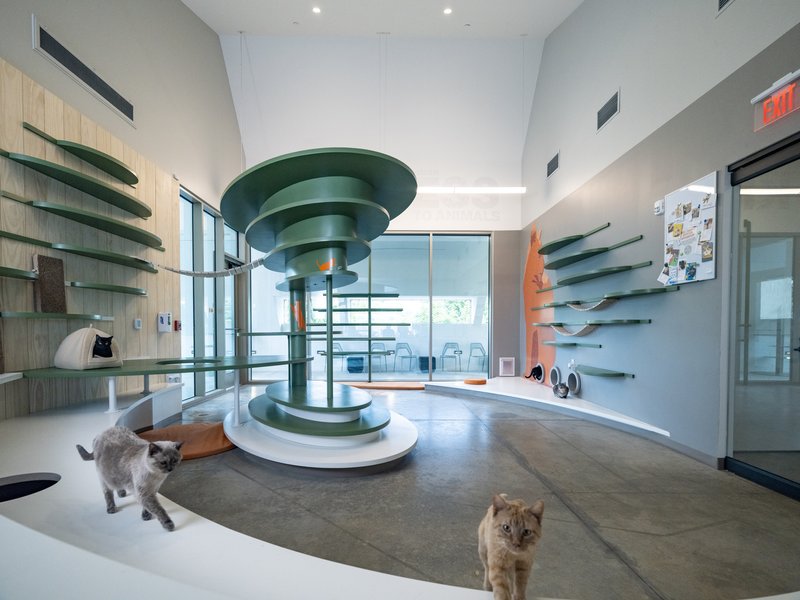
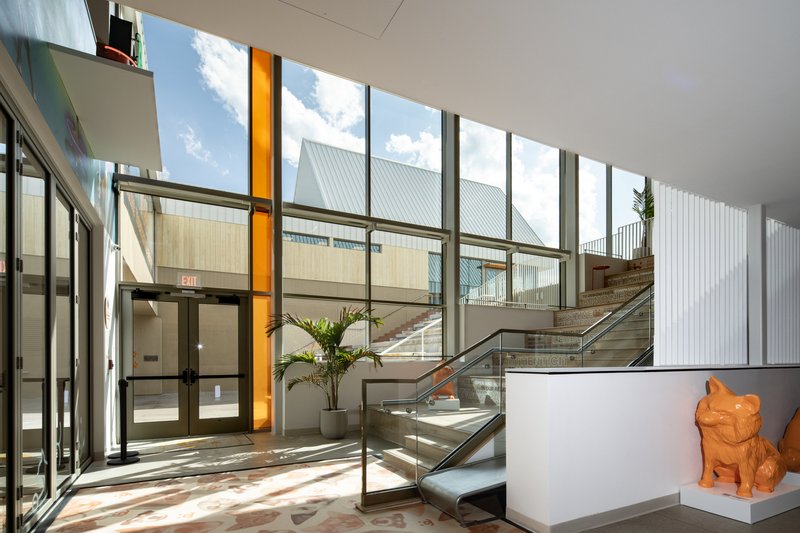
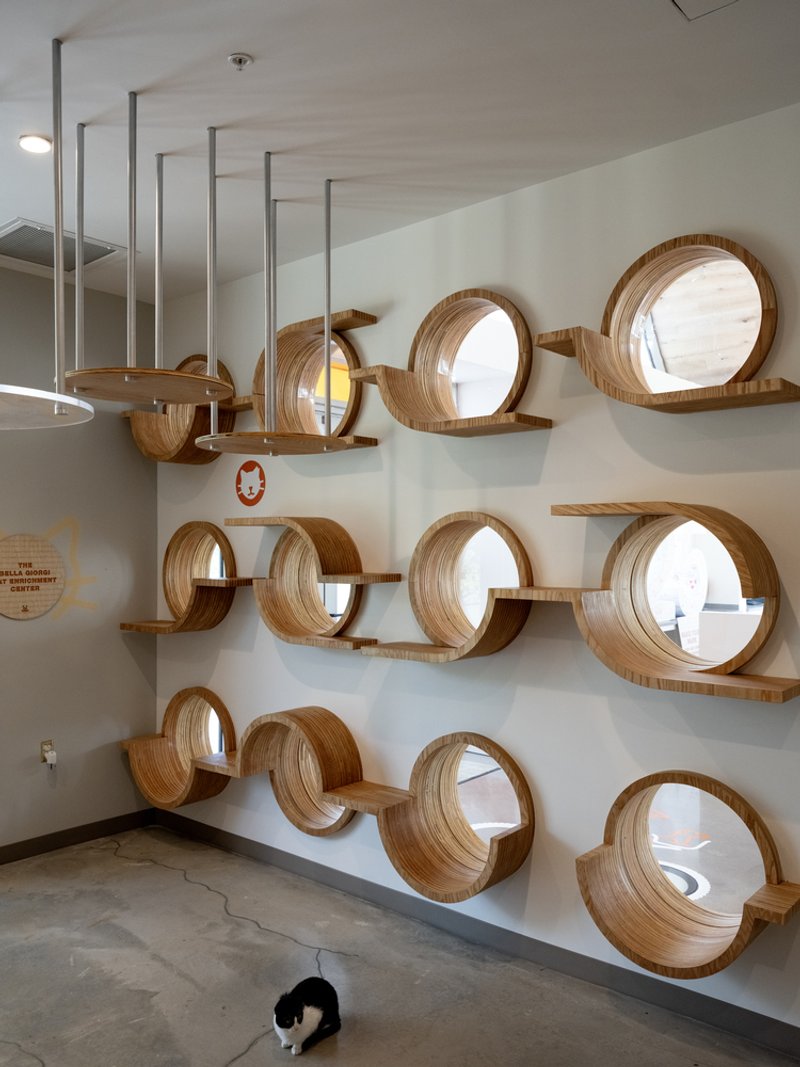
The Pet Resource Center in Bentonville, United States, designed by RA-DA Architects, represents a paradigm shift in the way animal shelters and community-focused veterinary services are conceived. Completed in 2023, this 20,000 ft² facility is not just an animal shelter; it is a reimagined space where the welfare of pets and the local community are seamlessly integrated. With a design that eschews traditional kennels and cages, this center marks a new chapter in animal care, aiming to revolutionize the animal shelter industry.
A Revolutionary Concept: No-Kill by 2025
The Pet Resource Center is a key initiative by Best Friends Animal Society, with a bold goal of achieving No-Kill by 2025. To achieve this, the organization has adopted a completely different approach, moving away from conventional shelter designs. Instead of housing animals in confined kennels, which can negatively impact their health and behavior, the center embraces a community-centered model that supports local foster families.
This innovative model not only addresses overpopulation but also fosters better animal behavior by integrating pets into family homes instead of keeping them confined in institutional environments. As part of this initiative, the center serves as a hub for relocating pets from areas of overpopulation to regions with fewer shelters, ensuring they receive the necessary care and attention.
Design Approach: Blending Tradition with Innovation
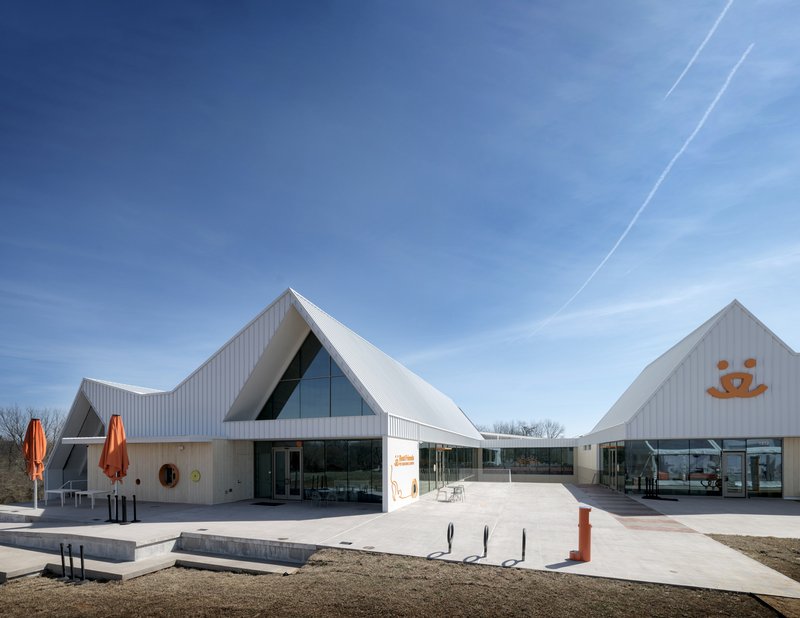
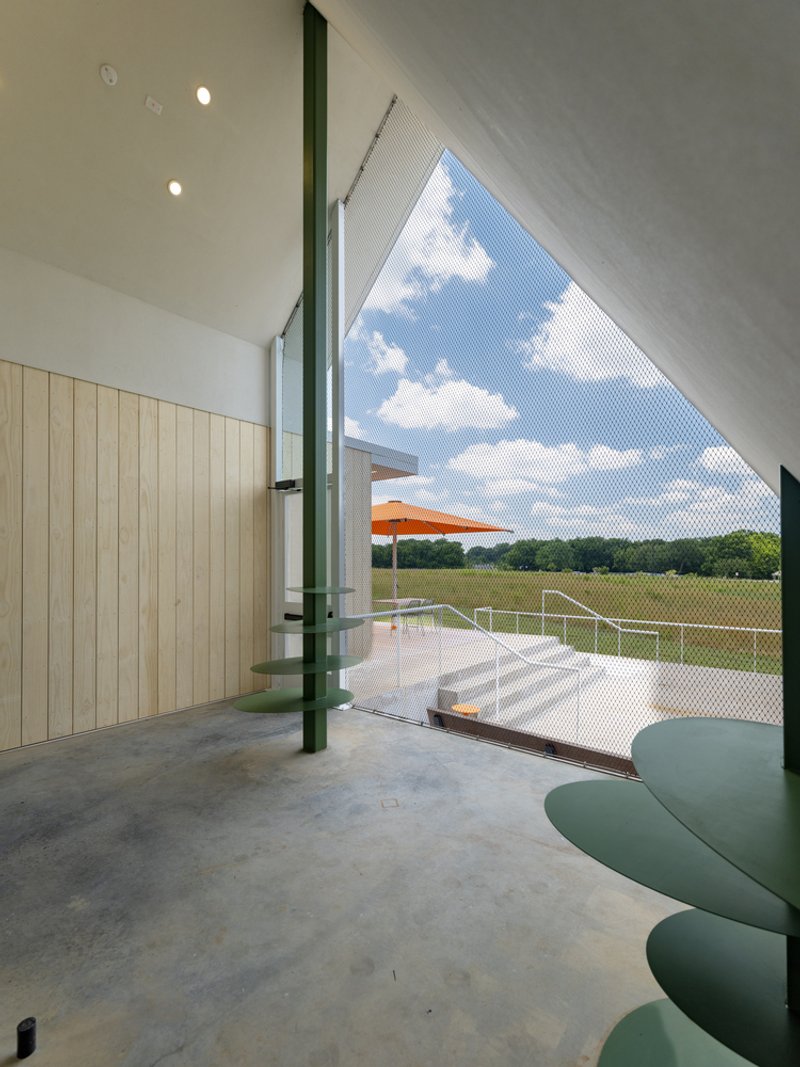
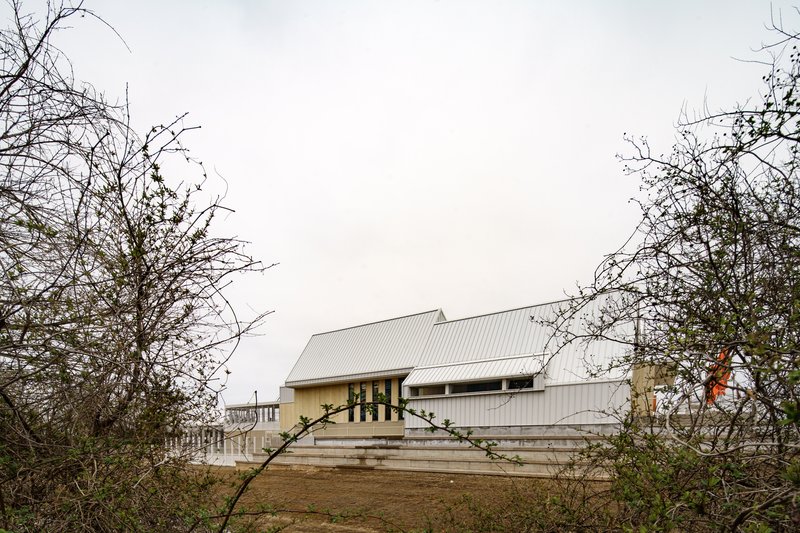
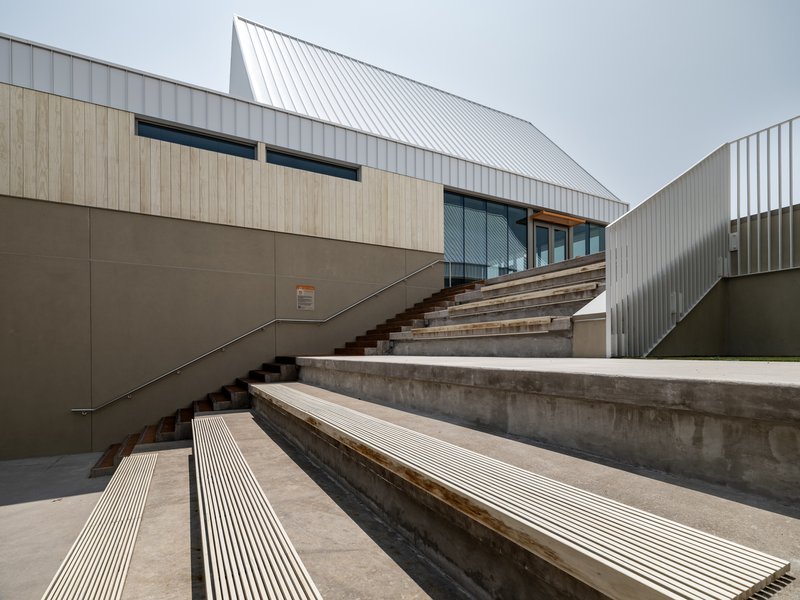
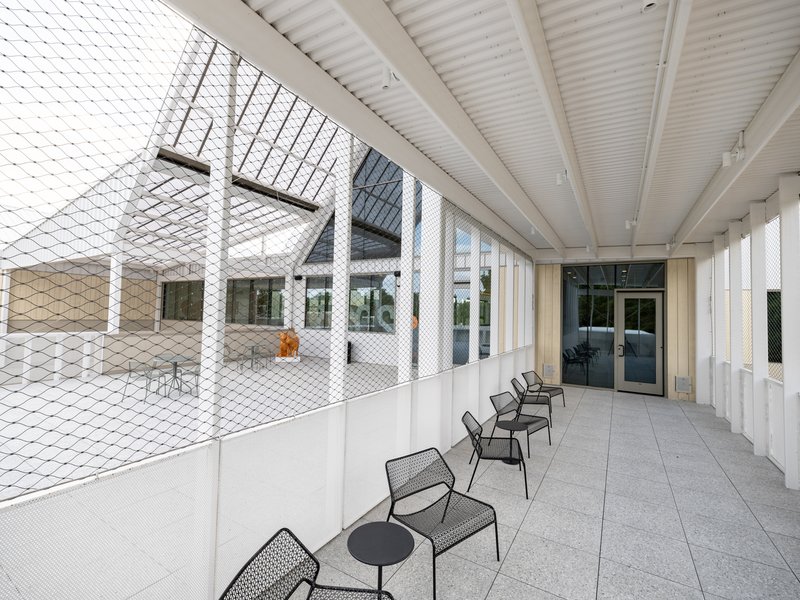
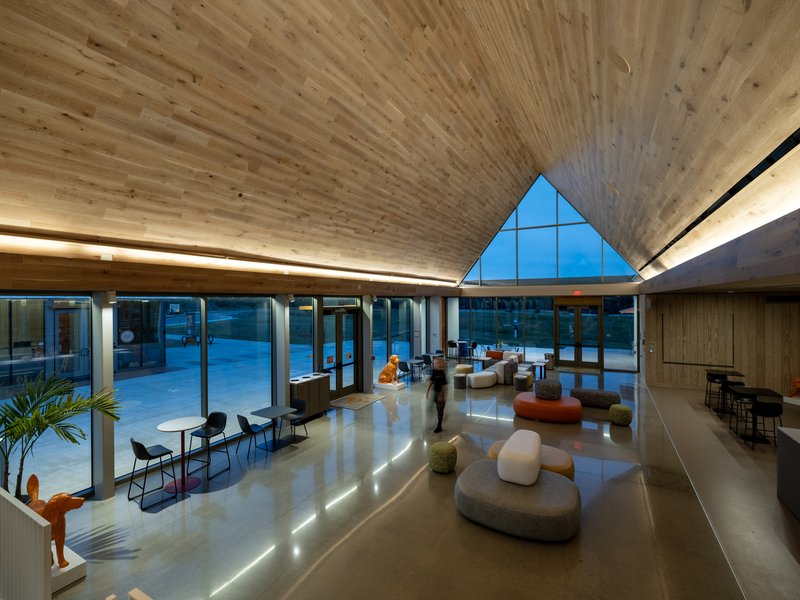
The design of the Pet Resource Center is deeply rooted in the local context. Drawing inspiration from the regional barn vernacular, RA-DA used these architectural strategies to inform the roof design and building form. The result is an intentional and efficient roofscape with peaks and slopes that mirror the landscape, giving the building a sense of belonging within its rural surroundings while addressing functional needs.
This design choice not only reflects the community-oriented nature of the center but also enhances its environmental responsiveness, ensuring the building feels both modern and connected to the local heritage.
Community Integration: Welcoming and Engaging Spaces
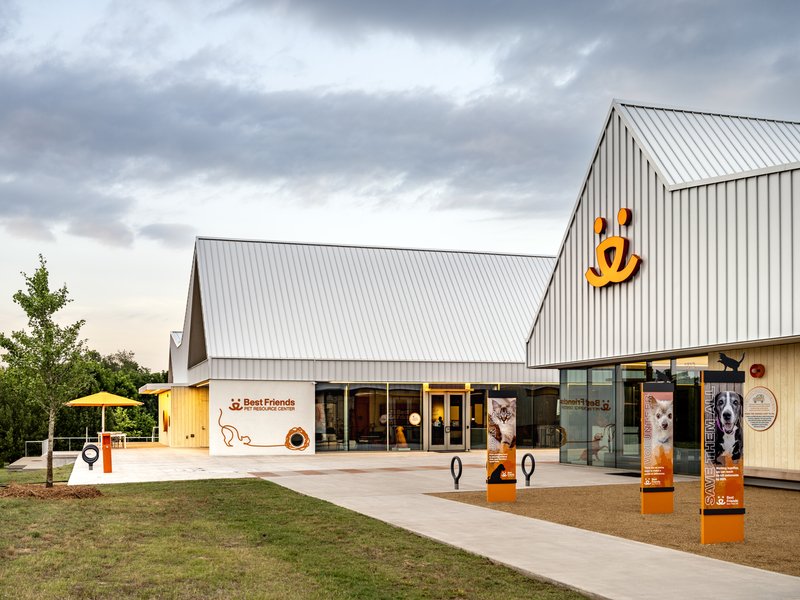
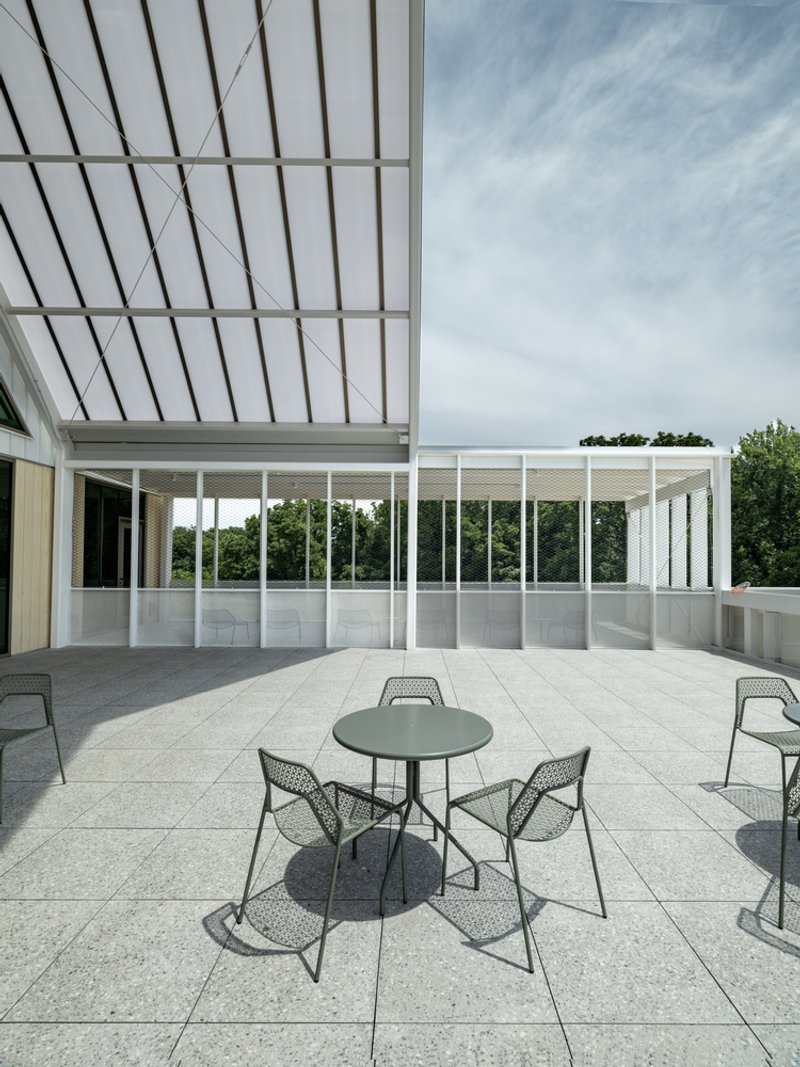
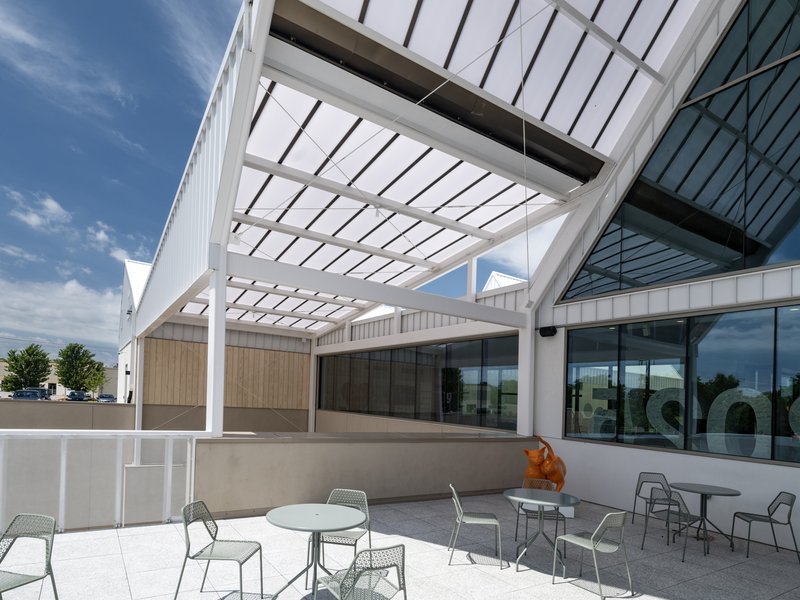
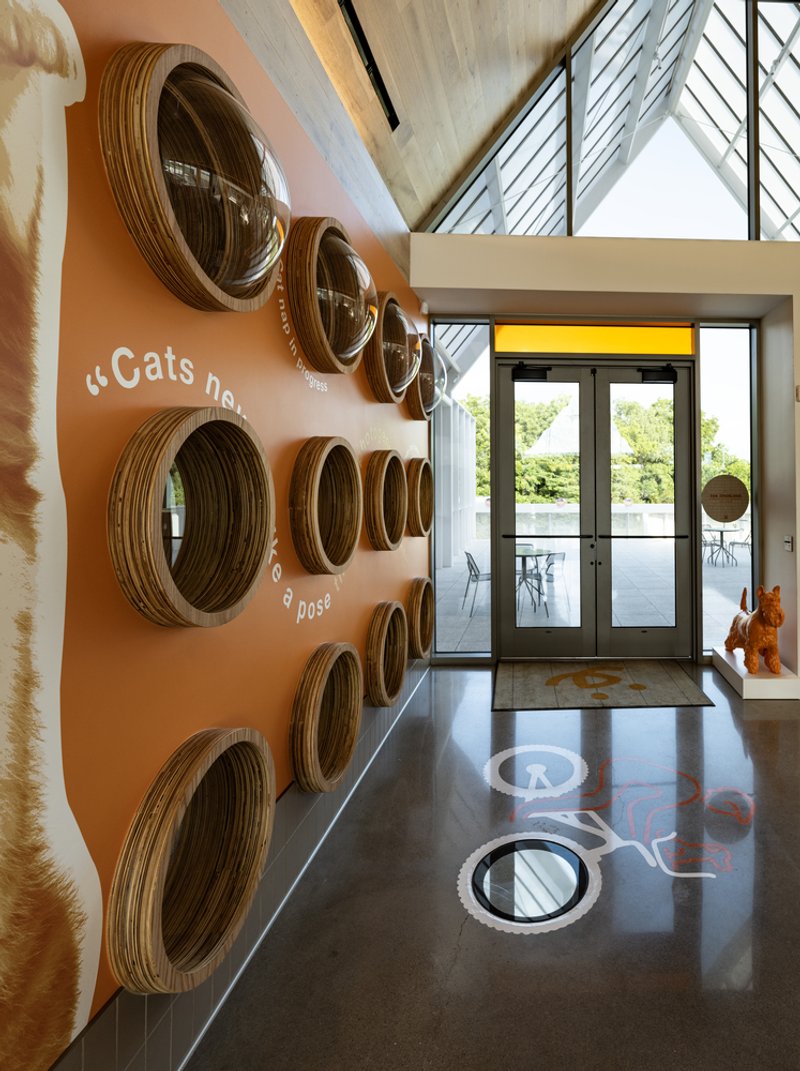
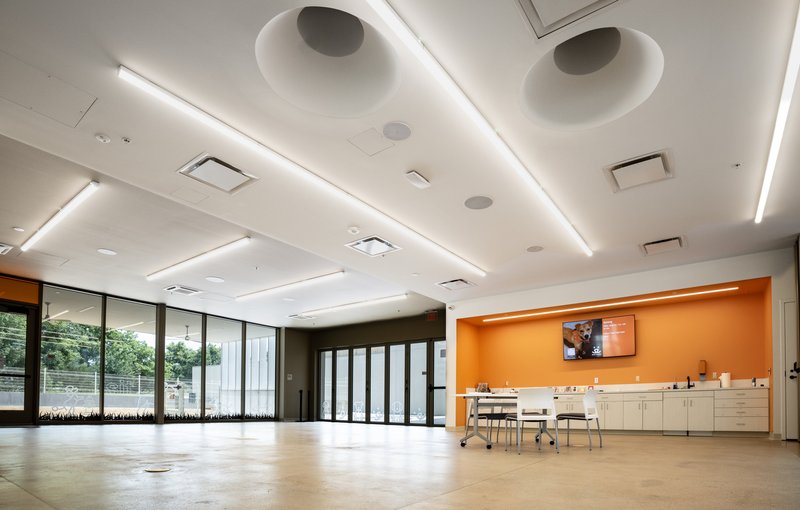
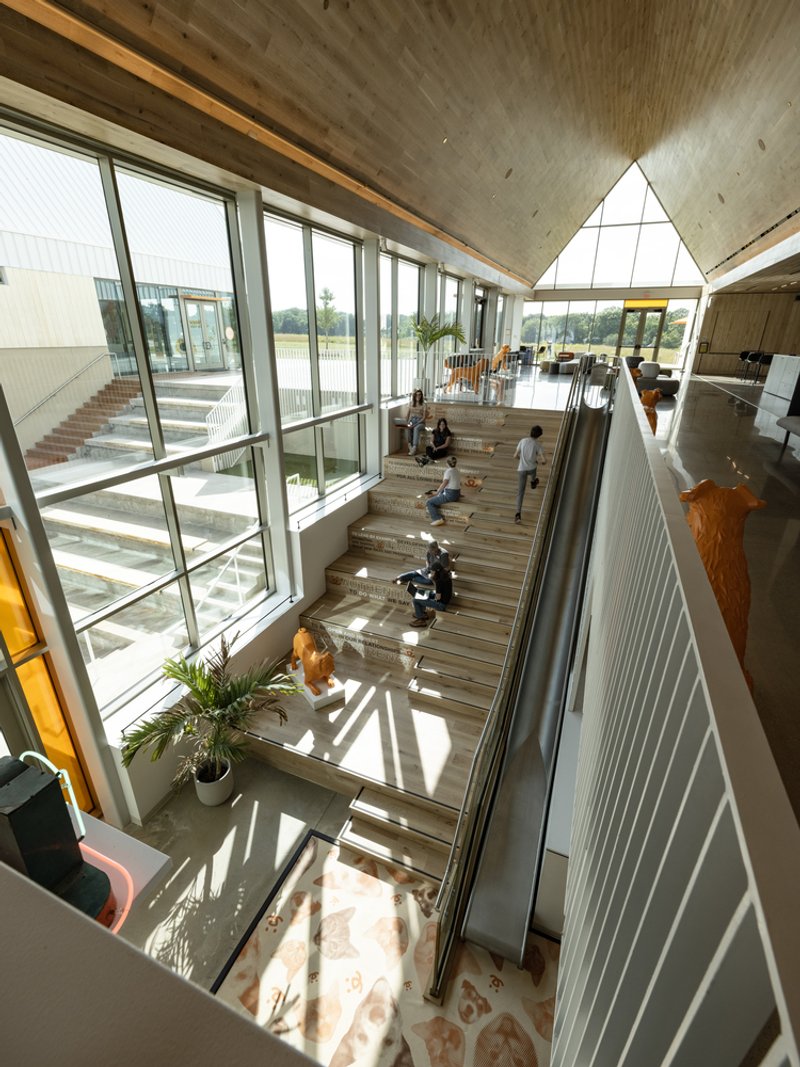
The Pet Resource Center is strategically located in a central area, making it accessible to the community and visible to all. Unlike traditional shelters that are often relegated to the outskirts, this facility is designed to engage the public at every level. It features a community center with activities like Knitting with Kittens, Foster Fridays, and Adoption Saturdays, helping bridge the gap between the public and the shelter. These events encourage local residents to interact with the animals and become involved in fostering, adopting, or donating.
In addition, the center houses a medical facility providing services for both local animals and those passing through, offering essential spay and neuter services and veterinary care. The center’s design is inclusive, ensuring it supports foster families and rescues, making it a vital part of the community fabric.
Supporting Foster Parents and Animal Welfare
One of the most significant shifts in the design was the decision to remove traditional kennels. During the pandemic, a network of foster families emerged, and this shift allowed the Pet Resource Center to rethink its purpose. The facility now functions as a support system for these foster parents, offering everything from education on animal care to a community pantry for families in need.
The center’s supporting services include educational programs on dog behavior, kitten feeding, and general animal health, empowering the community to better care for their pets and foster animals. It also serves as a transport hub, ensuring the safe relocation of animals to areas where they are needed most.
Collaboration and Sustainable Design
The success of the Pet Resource Center is due in part to the collaboration between various stakeholders. Structural engineering by Harrison French & Associates, lighting design by RA-DA in collaboration with PLPSocal, and contributions from multiple manufacturers, including Accoya, Kingspan Light + Air, and Daltile, have ensured the center's environmental and functional sustainability. From canopies to walkways, the design integrates high-quality materials that promote durability, accessibility, and comfort for both animals and humans.
A Model for the Future
The Pet Resource Center in Bentonville sets a new benchmark for animal shelter design, combining innovative architecture, community engagement, and sustainable practices. With its focus on fostering positive relationships between pets, their caregivers, and the broader community, this project exemplifies the future of animal care—one that prioritizes health, behavior, and the well-being of both animals and humans. As part of the movement towards a No-Kill future, the center is a model that other communities worldwide can look to for inspiration.
All Photographs are works of Ralf Strathmann



Popular Articles
Popular articles from the community

On the Brooks House by Monsoon Collective – A Contemporary Kerala Home Rooted in Tradition
Kerala home blending tradition and modernity with water-inspired design, brick architecture, courtyard planning, and sustainable rainwater harvesting strategies.
Atelier Macri Concept Store Interior Design by CASE-REAL
Atelier Macri store features a "ko" counter, walnut wood details, cork displays, blending retail, gallery, and seamless customer experiences.
Treehouse Apartment: A Warm Timber Interior Blending Craft, Play, and Contemporary Living
Warm timber apartment with integrated treehouse, combining natural materials, craftsmanship, and playful design to create a flexible, family-oriented living environment.
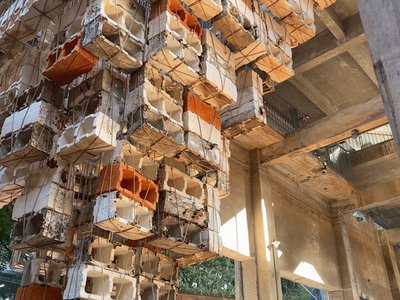
Inverted Architecture Installation by Studio Link-Arc: Exploring the Intersection of Architecture and Living Organisms
Inverted Architecture Installation by Studio Link-Arc blends mycelium, sustainability, inverted design, ecological cycles, and urban adaptive architecture in Shenzhen.


Similar Reads
You might also enjoy these articles


The Ken Roberts Memorial Delineation Competition (Krob)
As the most senior architectural drawing competition currently in operation anywhere in the world, it draws hundreds of entries each year, awarding the very best submissions in a series of medium-based categories.

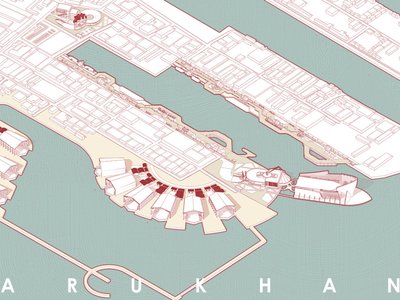
Waterfront Redevelopment and Urban Revitalization in Mumbai: Forging a New Dawn for Darukhana
A transformative waterfront redevelopment project reimagining Darukhana’s shipbreaking heritage into an inclusive urban future.
OUT-OF-MAP: A Call for Postcards on Feminist Narratives of Public Space
Rhizoma Design and Research Lab invites artists, designers, architects, researchers, and students to reflect on how feminist perspectives can reshape public space. Selected works will be exhibited in Barcelona, October 2026. Submissions open until 15 April 2026.


Documentation Work on Buddhist Wooden Temple
Architectural syncretism and cultural hybridity: A comparative study of the Buddhist temples in Chattogram Hill tracks

Explore Architecture Competitions
Discover active competitions in this discipline




The International Standard for Design Portfolios


The Global Benchmark for Architecture Dissertation Awards


The Global Benchmark for Graduation Excellence

Challenge to design an Ayurvedic Treatment Center
Comments (0)
Please login or sign up to add comments
No comments yet. Be the first to comment!