
Reflective Pavilion Architecture: The Secret Forest Tree Pavilion by NEXT Architects
The Secret Forest Tree Pavilion redefines reflective pavilion architecture, blending mirrored surfaces and natural elements for an immersive forest experience.

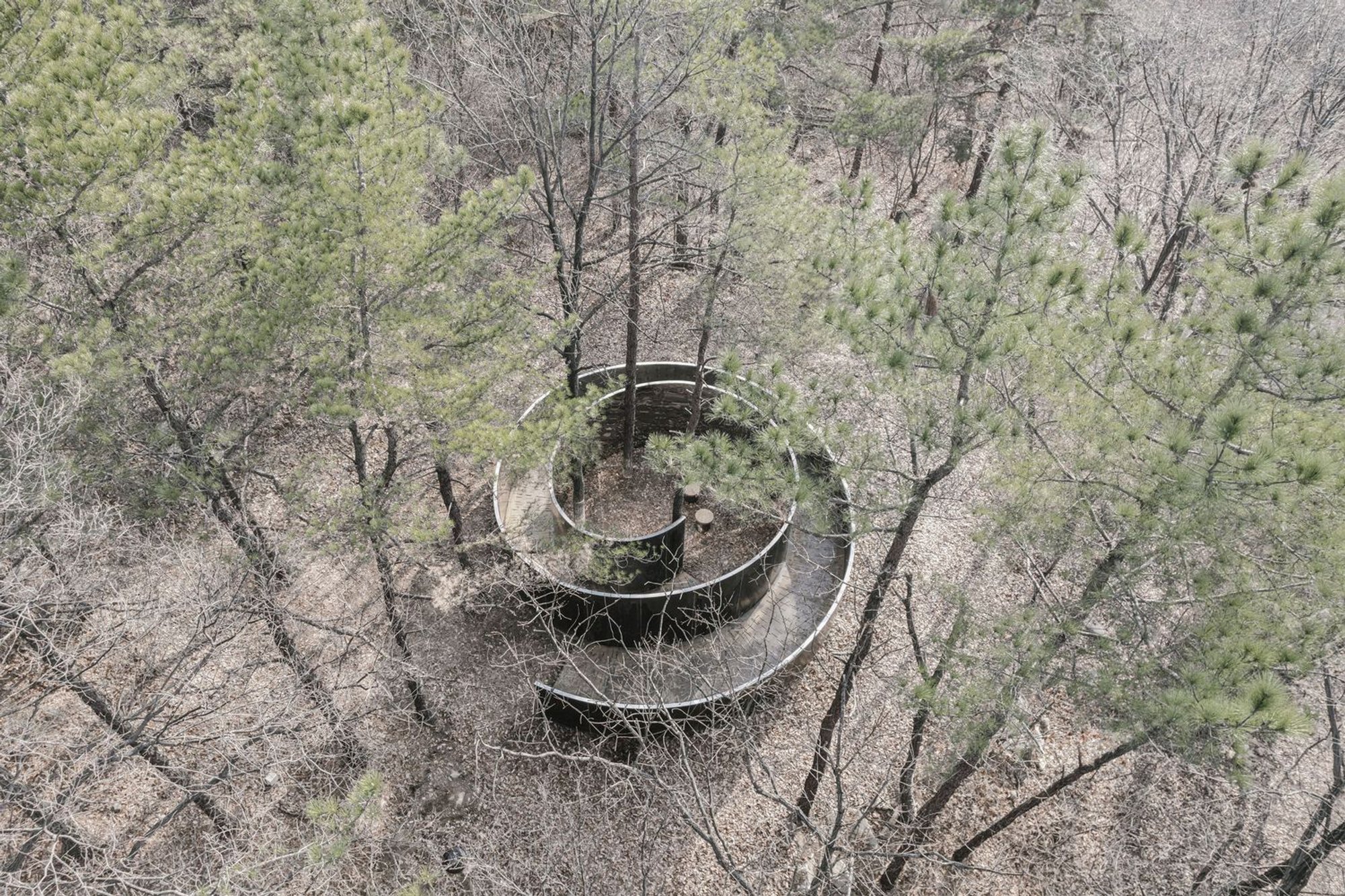
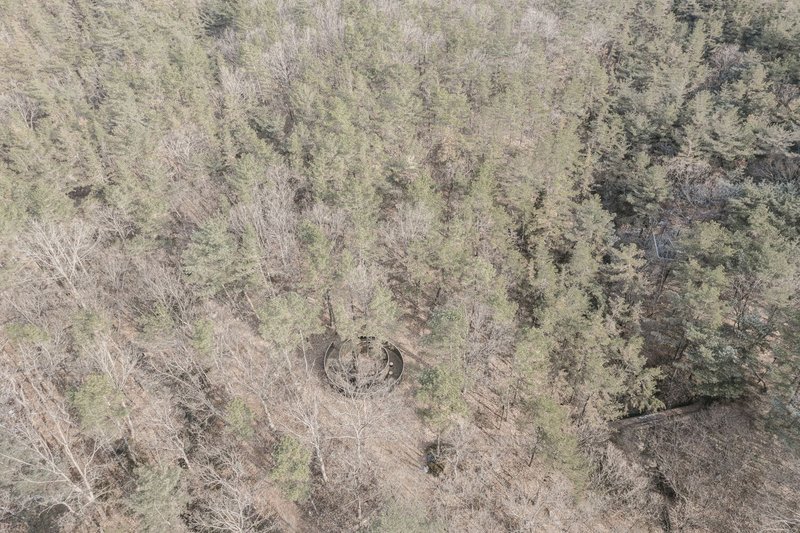
The Secret Forest Tree Pavilion, designed by NEXT Architects, is an innovative example of reflective pavilion architecture, blending seamlessly into the natural landscape of Samseon Mountain in South Korea. As part of the Anyang Public Art Project 7 (APAP7), this architectural installation redefines the concept of a vantage point by mirroring its surroundings, offering a unique interaction between nature and human perception.
A Pavilion That Reflects and Transforms Nature
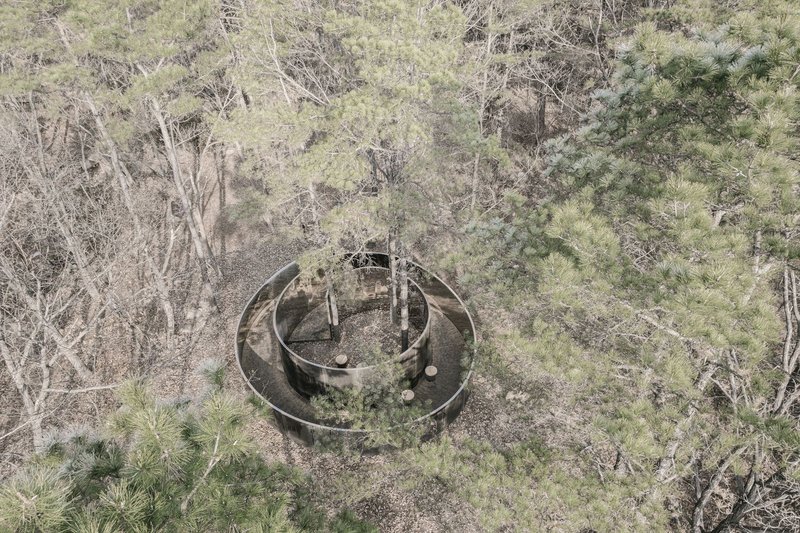
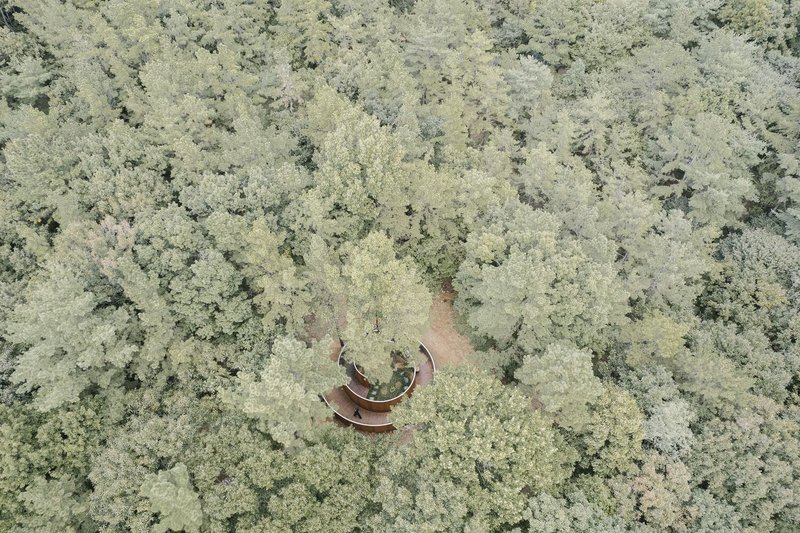
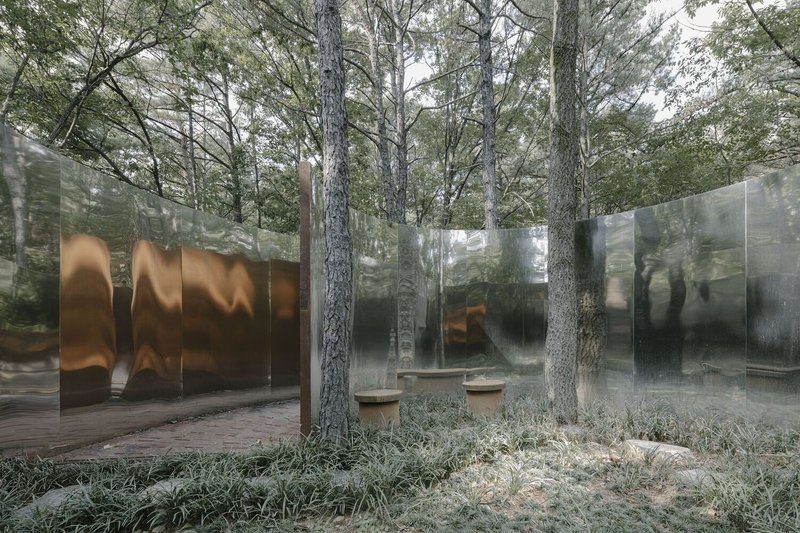
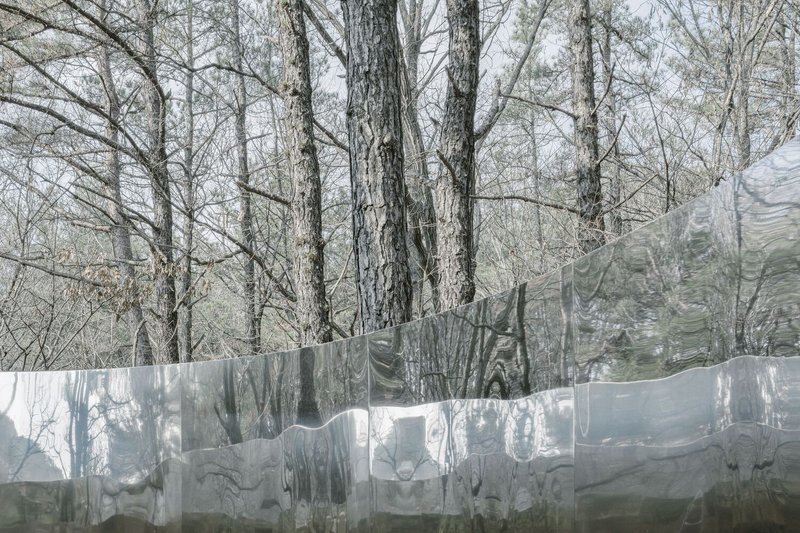
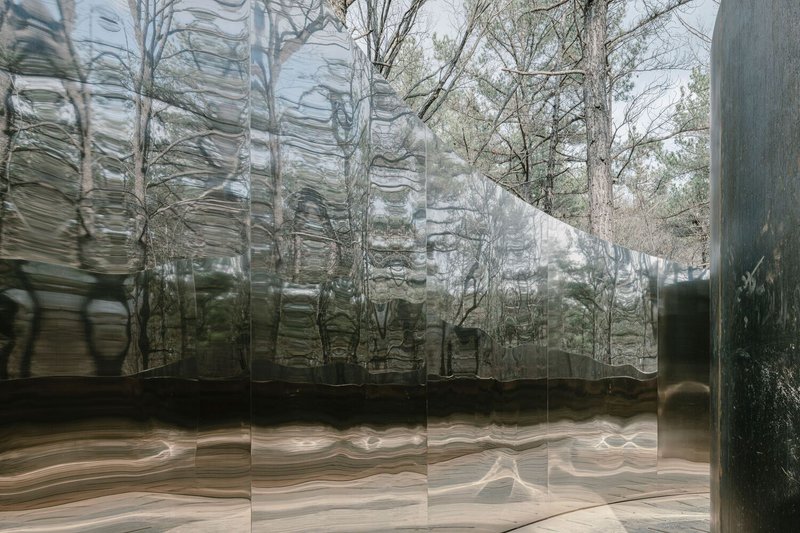
The pavilion encloses three trees within its circular structure, using reflective stainless steel to create an illusion of an extended forest. By mirroring the surrounding landscape, the structure alters the viewer’s perception, making the enclosed trees appear both isolated and deeply connected to the greater environment. This dynamic play between reflection and reality reinvents the way visitors engage with the natural setting.
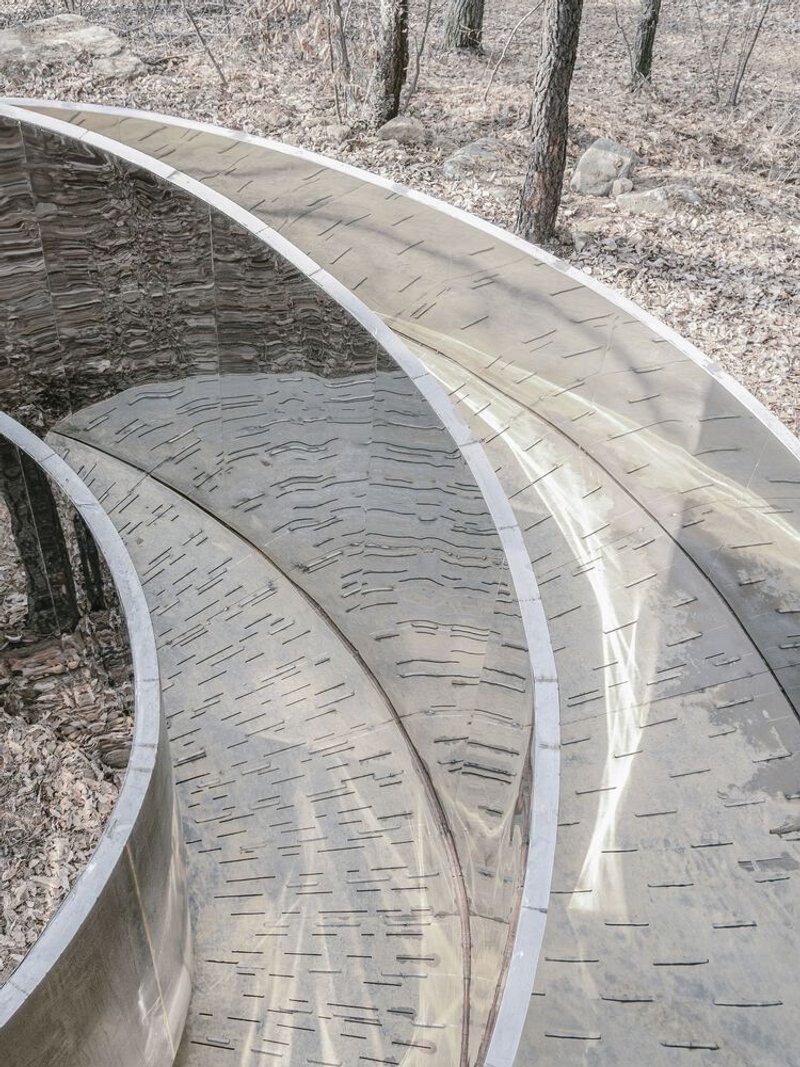
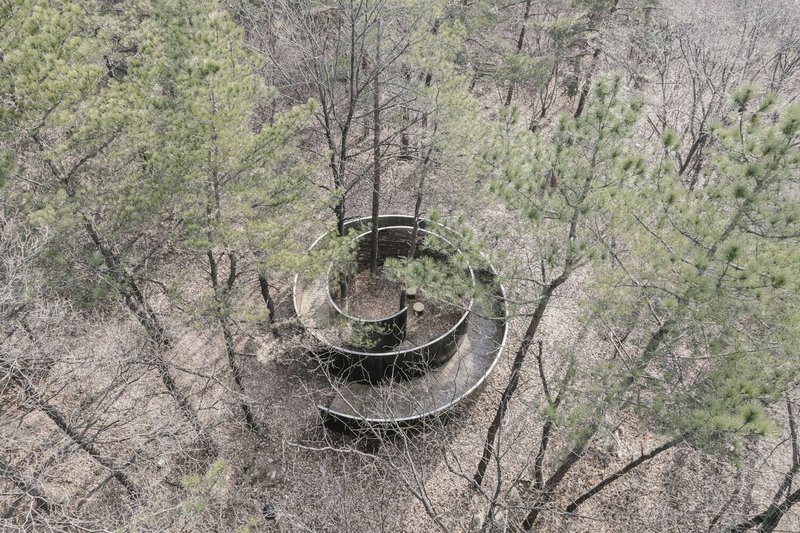
Upon entering the pavilion, visitors are directed to observe both the interior and exterior landscape through carefully framed openings. The journey through the pavilion is not static but experiential, as the shifting reflections constantly change perspectives. The circular pathway encourages movement, leading visitors through an evolving visual narrative where nature is both contained and expanded.
Materiality: Balancing Strength and Visual Lightness
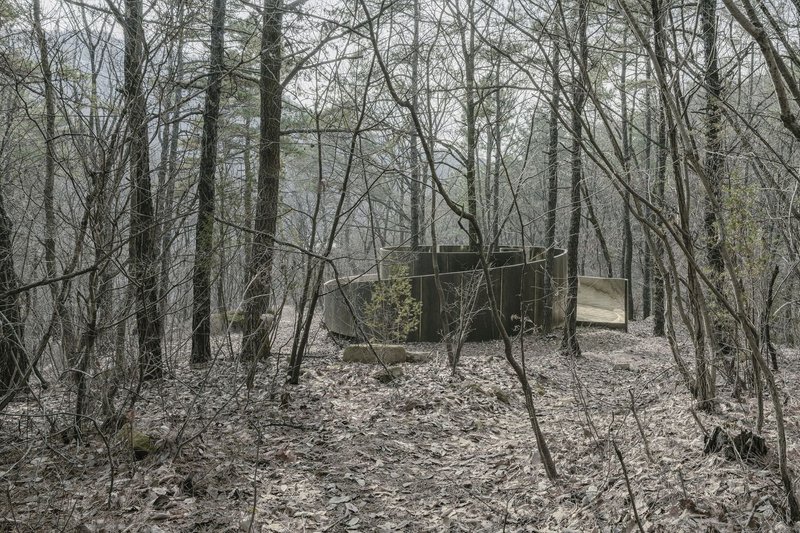
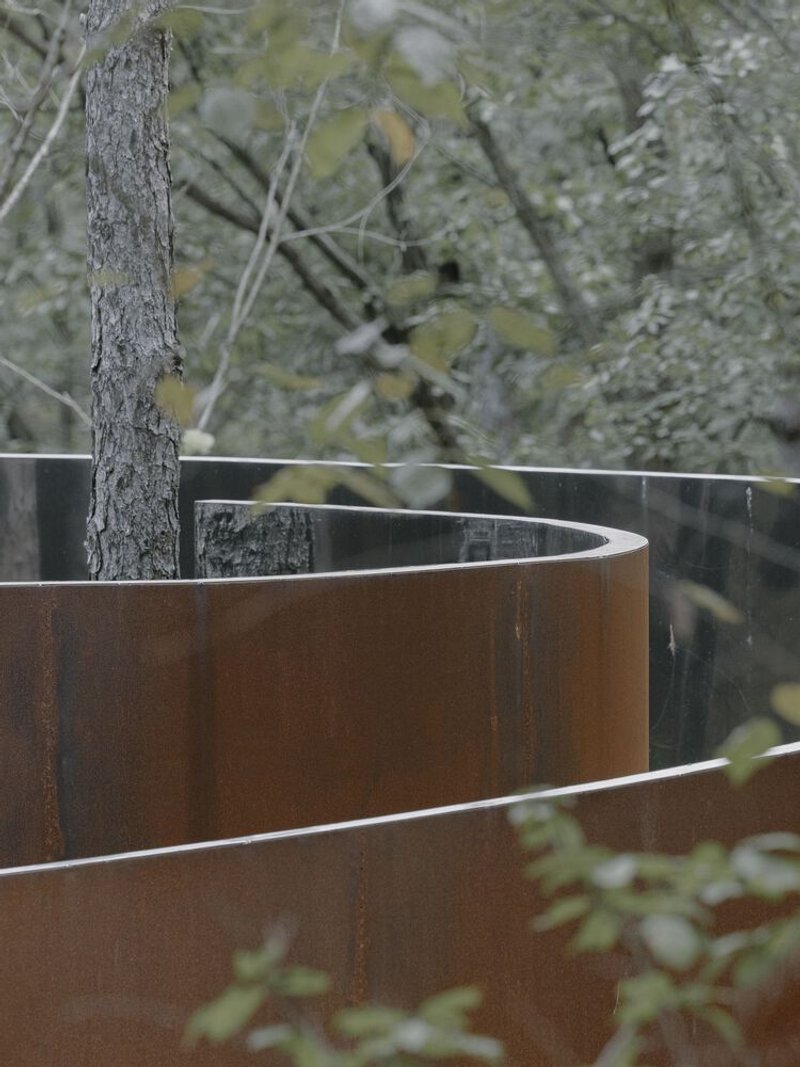
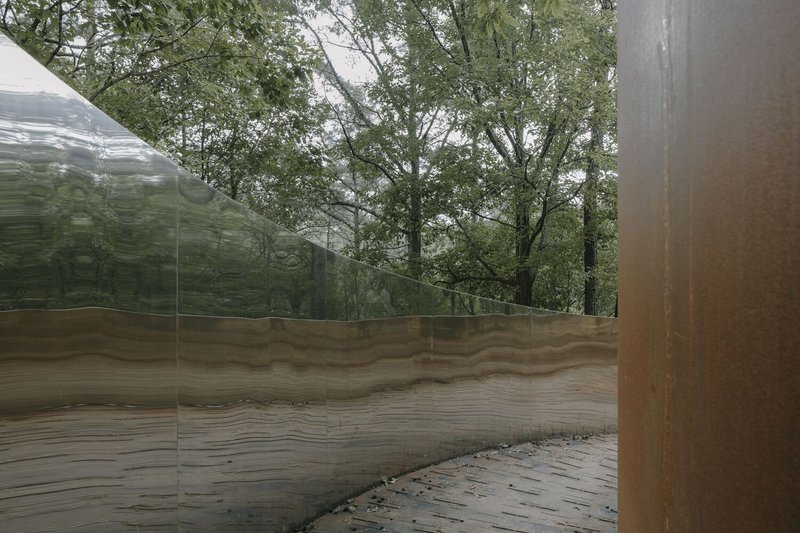
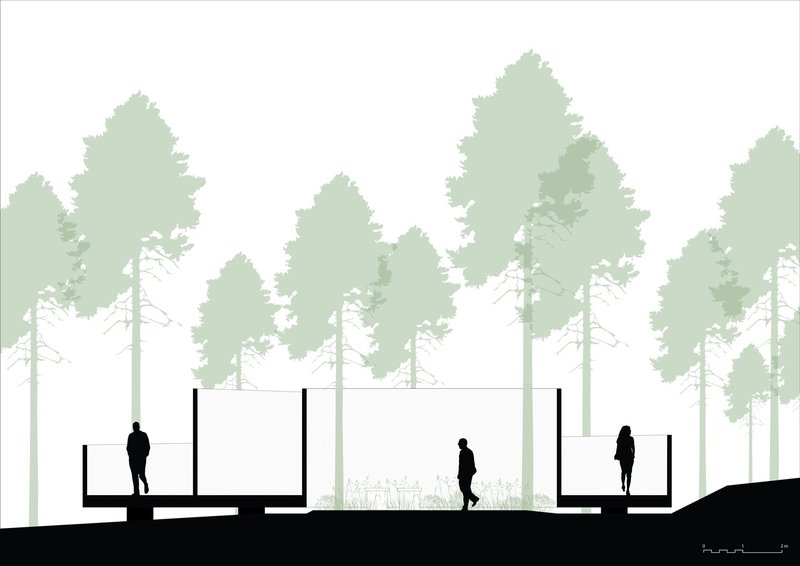
The Secret Forest Tree Pavilion is constructed using Corten steel, a material chosen for its durability, flexibility, and natural aesthetic. Over time, Corten steel develops a rust-like patina, allowing the pavilion to blend harmoniously with the forest. The contrast between the rough, weathered exterior and the highly polished reflective interior enhances the immersive experience of the space.
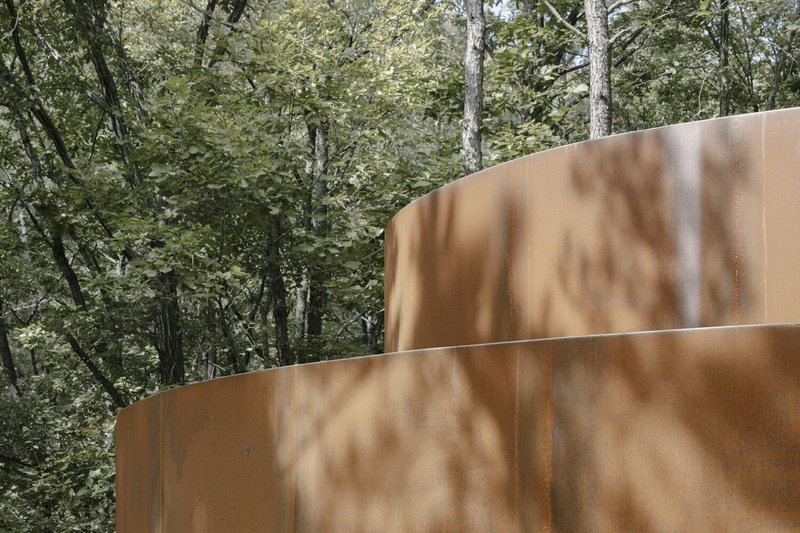
By using stainless steel panels within the inner walls, the pavilion creates a mirror effect that amplifies the surrounding environment. This reflective world transforms depending on the time of day, weather conditions, and the presence of visitors, making each experience unique. The choice of materials not only serves an aesthetic function but also reinforces the structural integrity of the pavilion, allowing for an open and fluid design.
A Journey Through Perception and Space
The pavilion guides visitors through an intentional sequence of spatial experiences. As they move closer to the center, they are drawn into a heightened awareness of the isolated trees within. The mirrored surfaces distort depth and dimension, challenging the traditional notion of physical boundaries in architecture.
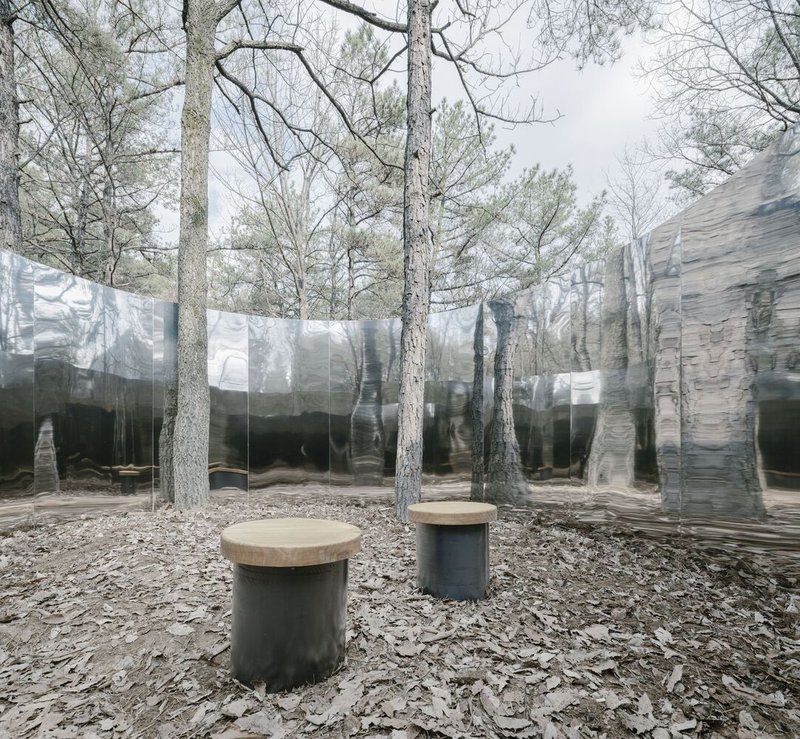
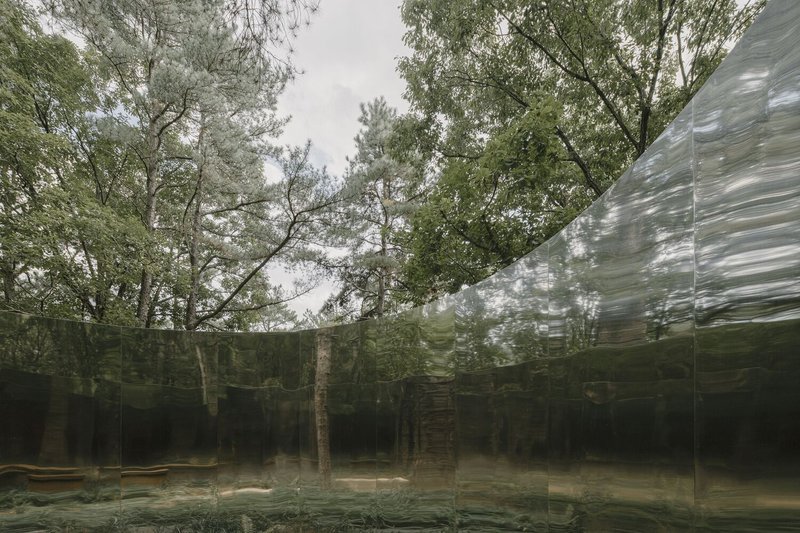
Following the circular path outward, visitors reconnect with the broader forest, creating a seamless transition from the enclosed reflective world back to nature. This movement symbolizes a cycle—first separating the trees from their environment, then reintegrating them through perspective and engagement. The pavilion does not merely serve as a viewpoint but actively redefines how the landscape is perceived and interacted with.
Reinventing the Vantage Point
Unlike traditional observation decks or towers, the Secret Forest Tree Pavilion transforms the function of a vantage point into an immersive and participatory experience. Instead of simply providing an elevated view, the pavilion reconfigures how visitors engage with their surroundings. By manipulating reflection, movement, and enclosure, it fosters a deeper connection between human perception and the natural world.
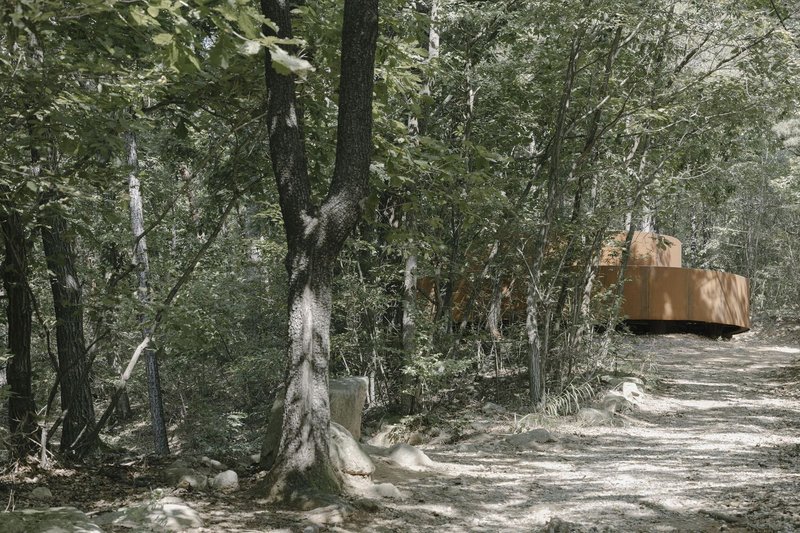
Through the innovative use of reflective pavilion architecture, NEXT Architects have crafted a space that exists in a delicate balance between visibility and invisibility, structure and illusion. The pavilion becomes an extension of the forest while simultaneously defining its own unique presence within it.
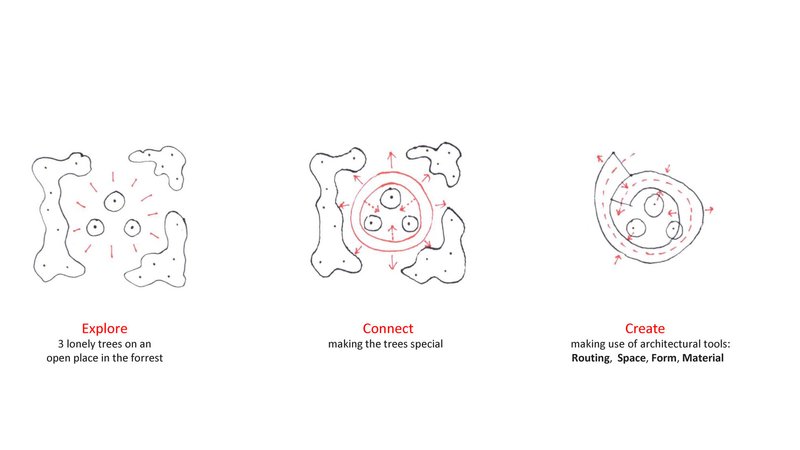
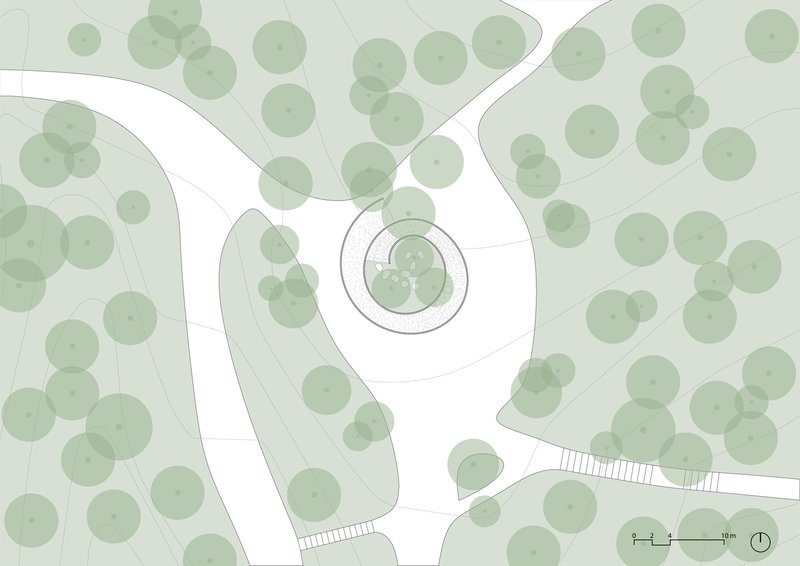
The Secret Forest Tree Pavilion exemplifies how reflective pavilion architecture can transform the way people experience nature. By integrating reflection, movement, and material contrast, the pavilion creates an evolving dialogue between architecture and landscape. This installation is more than a shelter or a viewpoint—it is an interactive exploration of perception, space, and the profound relationship between built environments and the natural world.
All photographs are works of Yongbaek Lee



Popular Articles
Popular articles from the community

Atelier Macri Concept Store Interior Design by CASE-REAL
Atelier Macri store features a "ko" counter, walnut wood details, cork displays, blending retail, gallery, and seamless customer experiences.
A Contemporary Take on Iranian Residential Architecture
A modern interior design in Mashhad that reinterprets brick, light, and spatial flow to create a warm, contemporary residential architecture.
On the Brooks House by Monsoon Collective – A Contemporary Kerala Home Rooted in Tradition
Kerala home blending tradition and modernity with water-inspired design, brick architecture, courtyard planning, and sustainable rainwater harvesting strategies.

Solar Steam: A Climate-Responsive Architecture That Redefines the Monument
A climate-responsive memorial architecture that transforms heat, decay, and time into a living system reflecting humanity’s ecological impact.


Similar Reads
You might also enjoy these articles


The Ken Roberts Memorial Delineation Competition (Krob)
As the most senior architectural drawing competition currently in operation anywhere in the world, it draws hundreds of entries each year, awarding the very best submissions in a series of medium-based categories.

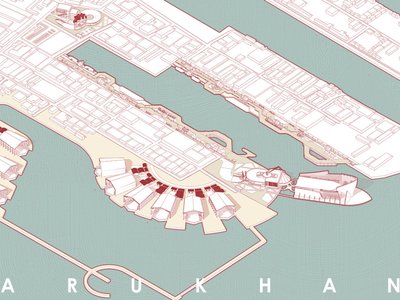
Waterfront Redevelopment and Urban Revitalization in Mumbai: Forging a New Dawn for Darukhana
A transformative waterfront redevelopment project reimagining Darukhana’s shipbreaking heritage into an inclusive urban future.
OUT-OF-MAP: A Call for Postcards on Feminist Narratives of Public Space
Rhizoma Design and Research Lab invites artists, designers, architects, researchers, and students to reflect on how feminist perspectives can reshape public space. Selected works will be exhibited in Barcelona, October 2026. Submissions open until 15 April 2026.

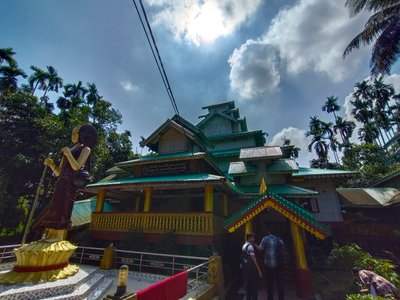
Documentation Work on Buddhist Wooden Temple
Architectural syncretism and cultural hybridity: A comparative study of the Buddhist temples in Chattogram Hill tracks


Explore Architecture Competitions
Discover active competitions in this discipline




The International Standard for Design Portfolios


The Global Benchmark for Architecture Dissertation Awards


The Global Benchmark for Graduation Excellence


Challenge to reimagine the Iron Throne
Comments (0)
Please login or sign up to add comments
No comments yet. Be the first to comment!