
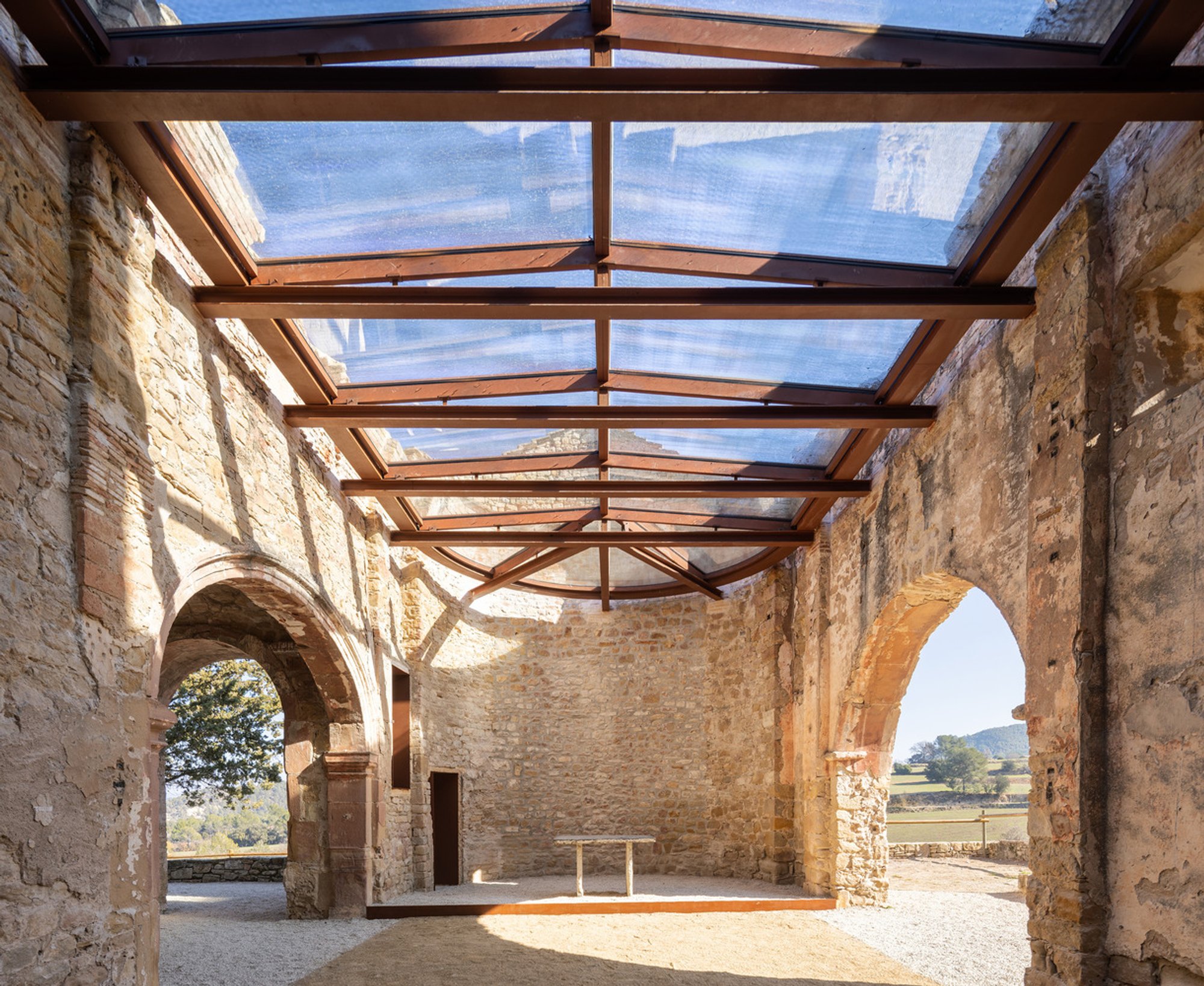
Restoration of Sant Esteve Church by Santamaría Arquitectes
Restored 11th-century Sant Esteve Church in Marganell blends Romanesque heritage with modern glass roof, bell tower access, and cultural functionality.

Located at the eastern edge of Marganell, Barcelona, on the northern slope of the Montserrat massif, the Sant Esteve Church is a historic 11th-century Romanesque landmark. Surrounded by expansive natural landscapes and situated 1.5 km from the town center, this church has been carefully restored by Santamaría Arquitectes, led by Pere Santamaria Garcia, blending historical preservation with contemporary functionality.
Historical Context
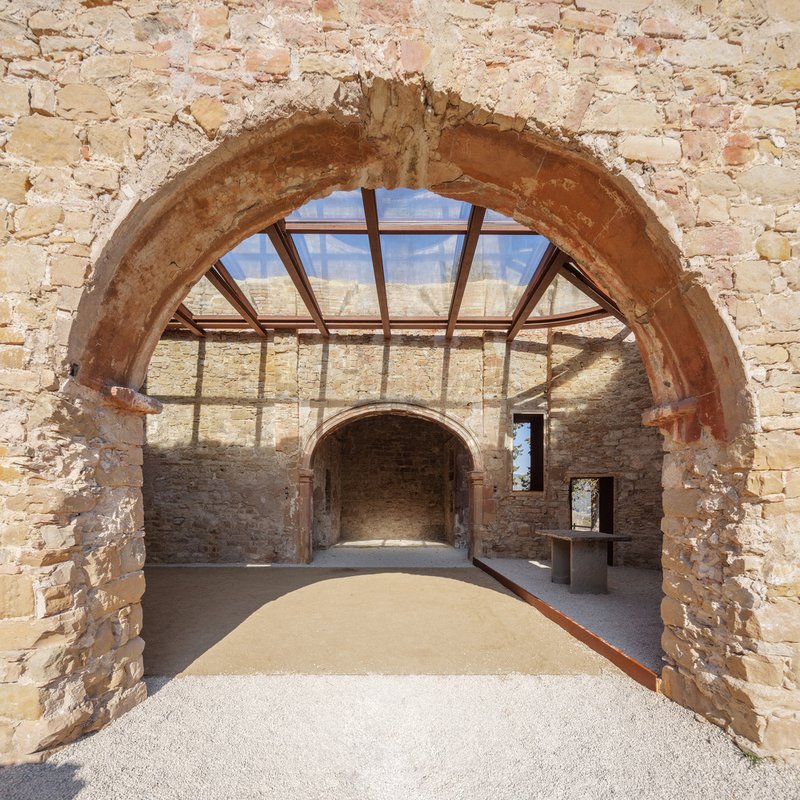
The Sant Esteve Church retains much of its original Romanesque structure despite modifications over the centuries. Originally, the church consisted of a central nave, a north-side chapel, and a square-based bell tower located in the southwest corner. The central nave measures 15 meters in length and 7.7 meters in width, with stone block walls arranged in regular rows. The semicircular apse remains undecorated, and the high altar is paved with ceramic pieces. The main entrance dates from 1824, crowned with a high circular window.
During the Spanish Civil War, the church roof was destroyed, leaving the interior exposed. This restoration project seeks to revive the building while adapting it for modern cultural and religious events, keeping it open as a public space for the local community.
Architectural Features
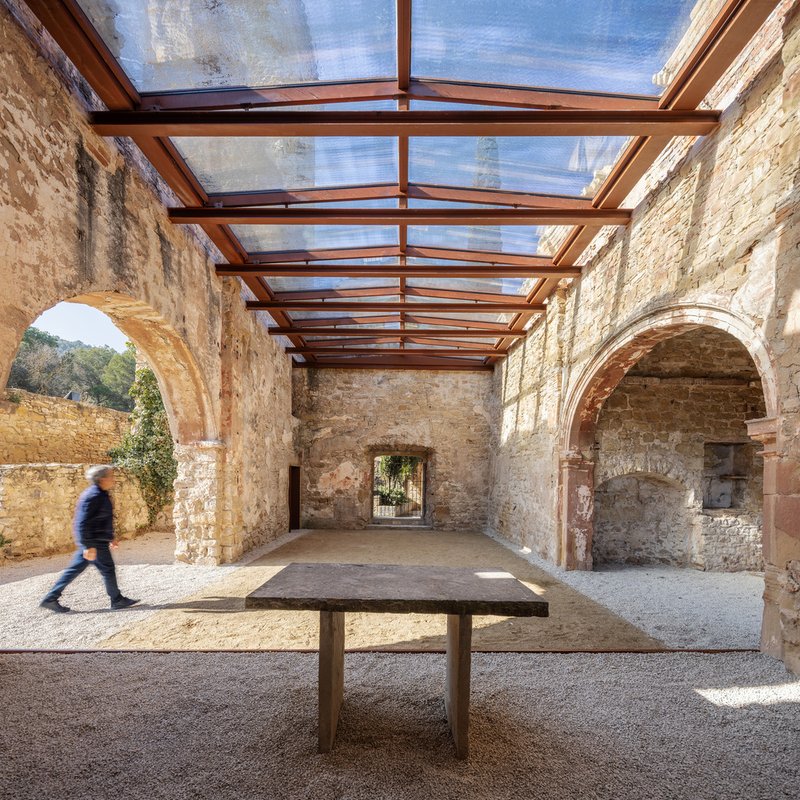
- Central Nave: Preserved stone walls and semicircular apse provide historical authenticity.
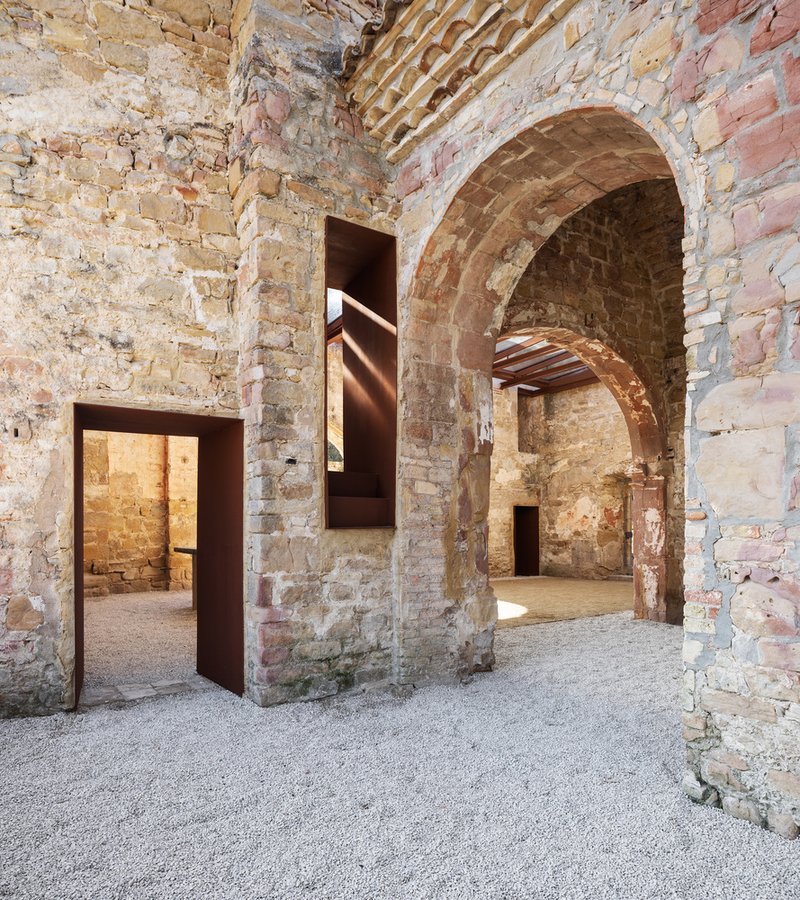
- Side Chapel: Covered with a barrel vault and connected to the nave via a wide arch.
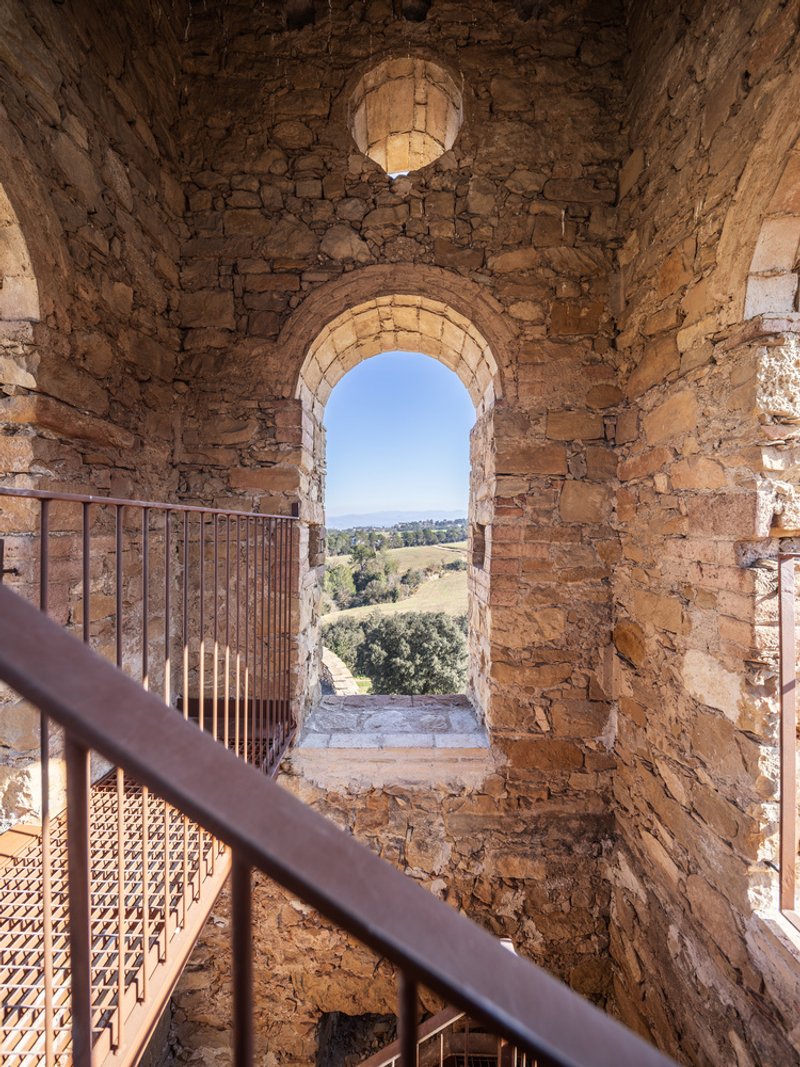
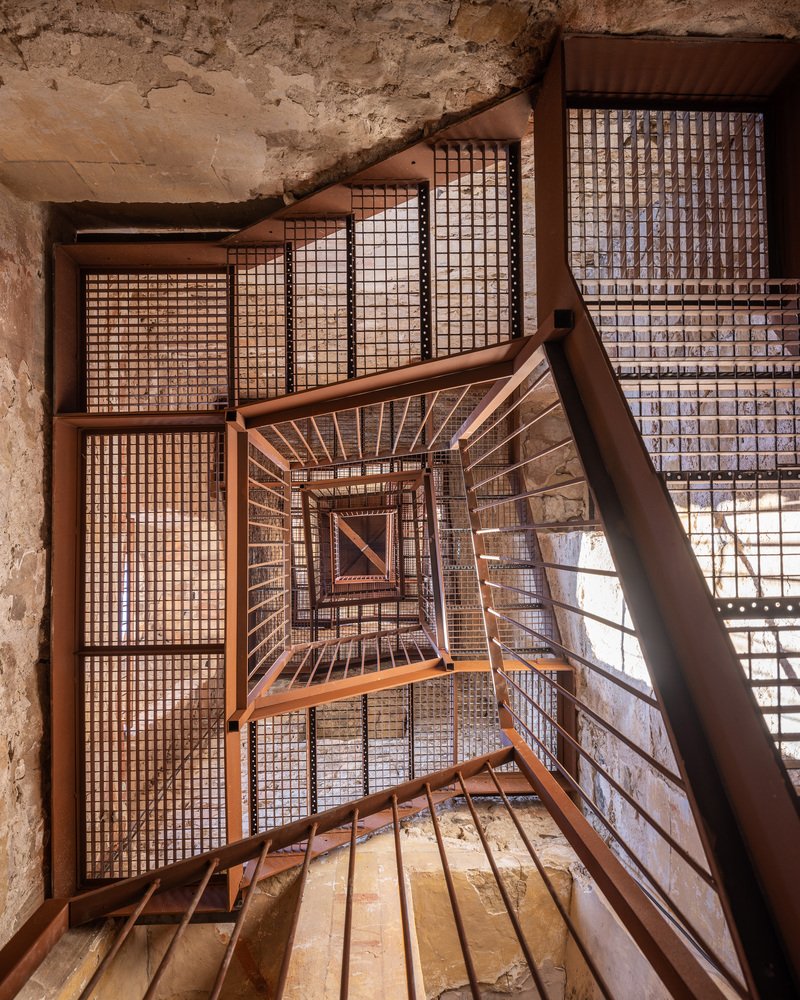
- Bell Tower: Square-based tower, 4 meters per side and 15.7 meters high, crowned with a hipped roof.
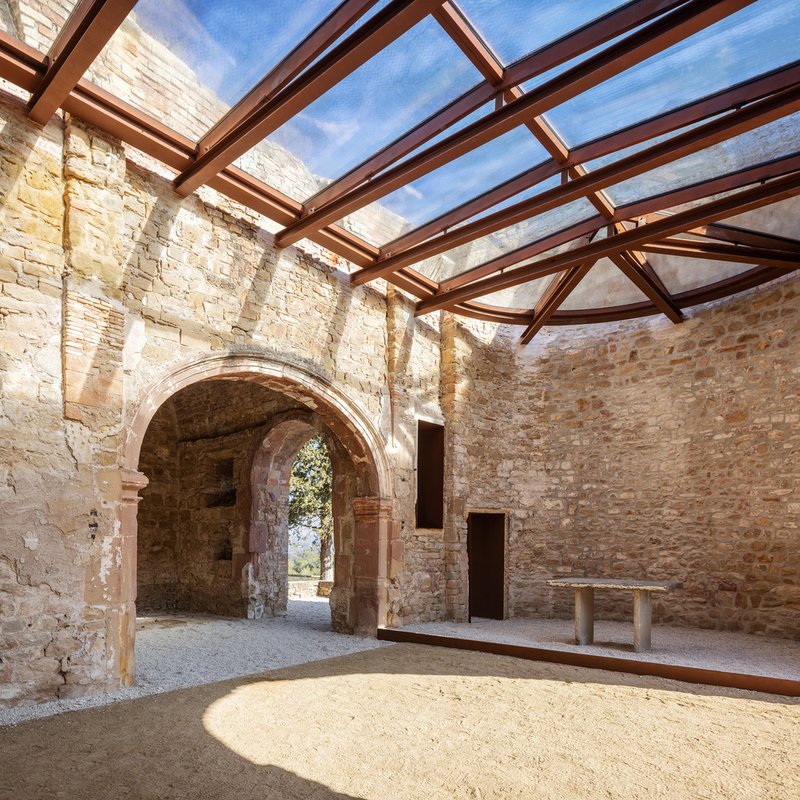
- Interior Flooring: Sand pavement under the glass roof projection, fine gravel elsewhere, blending contemporary design with heritage preservation.
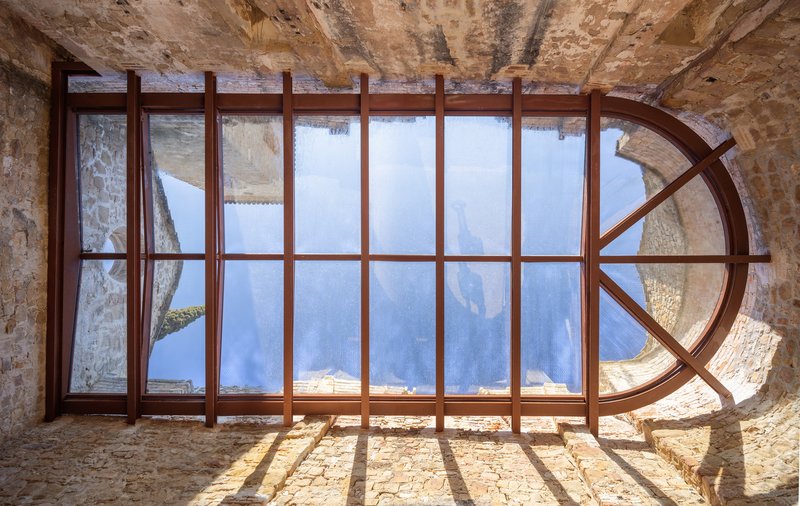
- Glass Roof: Modern intervention allows indoor use without altering the church’s historic exterior.
Cultural and Community Impact
The restoration of Sant Esteve Church successfully balances heritage preservation with adaptive reuse. The church now serves as a multifunctional space for religious ceremonies, cultural events, and community gatherings, breathing new life into a historic landmark while respecting its original Romanesque identity.
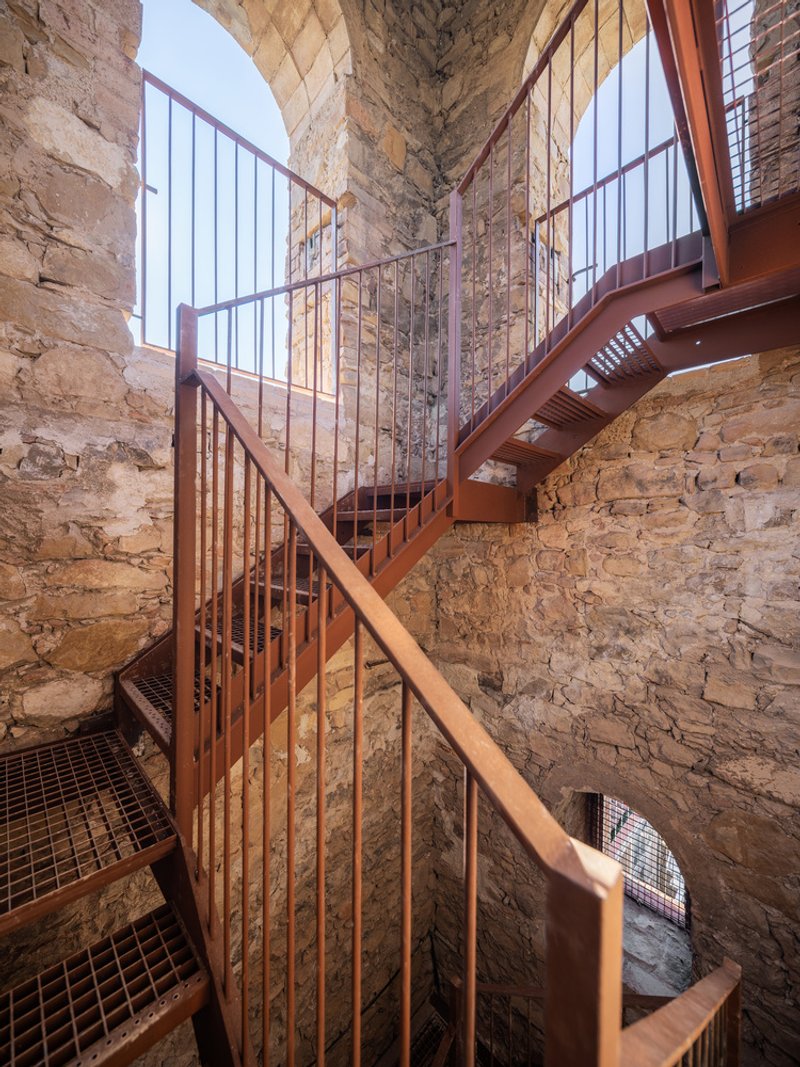
All Photographs are works of Judith Casas




Popular Articles
Popular articles from the community

An Miên Lumière Cafe by xưởng xép, Ho Chi Minh City, Vietnam
An industrial-inspired café where layered steel and warm light create a dynamic, immersive environment shaped by reflection, depth, and perception.
Treehouse Apartment: A Warm Timber Interior Blending Craft, Play, and Contemporary Living
Warm timber apartment with integrated treehouse, combining natural materials, craftsmanship, and playful design to create a flexible, family-oriented living environment.
Inverted Architecture Installation by Studio Link-Arc: Exploring the Intersection of Architecture and Living Organisms
Inverted Architecture Installation by Studio Link-Arc blends mycelium, sustainability, inverted design, ecological cycles, and urban adaptive architecture in Shenzhen.
Solar Steam: A Climate-Responsive Architecture That Redefines the Monument
A climate-responsive memorial architecture that transforms heat, decay, and time into a living system reflecting humanity’s ecological impact.

Similar Reads
You might also enjoy these articles


The Ken Roberts Memorial Delineation Competition (Krob)
As the most senior architectural drawing competition currently in operation anywhere in the world, it draws hundreds of entries each year, awarding the very best submissions in a series of medium-based categories.


Waterfront Redevelopment and Urban Revitalization in Mumbai: Forging a New Dawn for Darukhana
A transformative waterfront redevelopment project reimagining Darukhana’s shipbreaking heritage into an inclusive urban future.

OUT-OF-MAP: A Call for Postcards on Feminist Narratives of Public Space
Rhizoma Design and Research Lab invites artists, designers, architects, researchers, and students to reflect on how feminist perspectives can reshape public space. Selected works will be exhibited in Barcelona, October 2026. Submissions open until 15 April 2026.


Documentation Work on Buddhist Wooden Temple
Architectural syncretism and cultural hybridity: A comparative study of the Buddhist temples in Chattogram Hill tracks


Explore Architecture Competitions
Discover active competitions in this discipline




The International Standard for Design Portfolios


The Global Benchmark for Architecture Dissertation Awards


The Global Benchmark for Graduation Excellence


Challenge to design luxury tourism on rails
Comments (0)
Please login or sign up to add comments
No comments yet. Be the first to comment!