
Rethinking Incarceration: A Vision for Futuristic Prison Architecture
Reimagining prisons with a circular, cyber-integrated design that transforms incarceration into a pathway for rehabilitation.

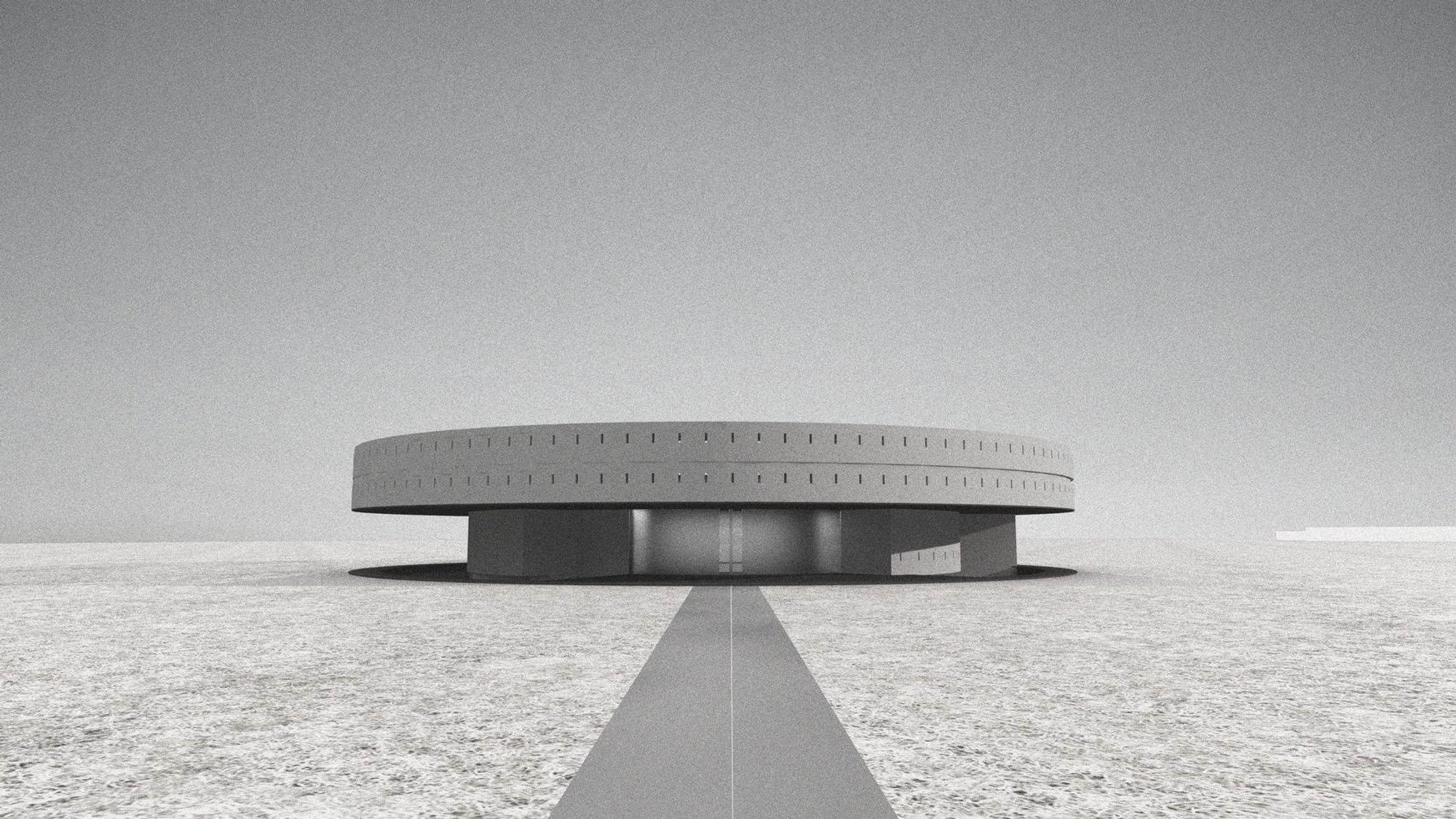
In an era where architecture is evolving beyond traditional typologies, "Future Prison" presents a radical departure from conventional correctional design. A shortlisted entry of the "Switching Prisons" competition, this concept by Haotong Xia and 策楷 翁 envisions a multi-layered, cyber-integrated facility that merges rehabilitation, education, and public engagement into the very core of carceral infrastructure.
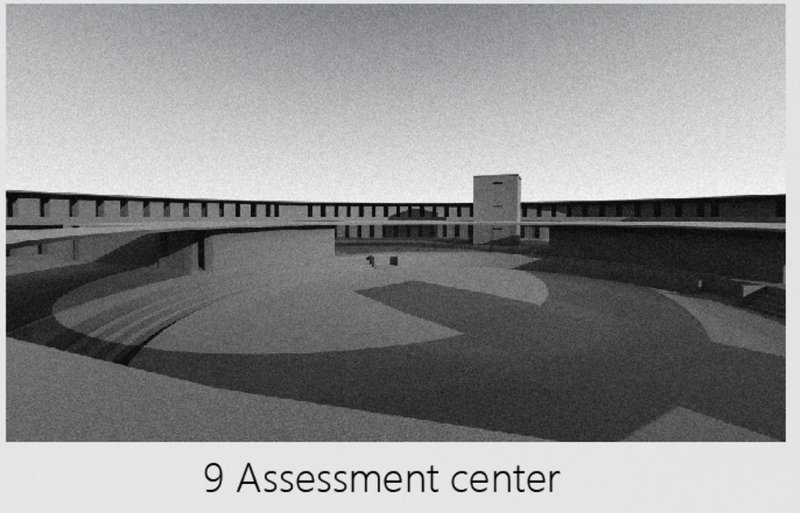
The project redefines the future of incarceration through an adaptive circular design that integrates three architectural zones: private, public, and semi-public. These layers, arranged vertically, facilitate distinct yet interconnected programs to enhance inmate rehabilitation and societal reintegration.
A Circular Typology for a Holistic Process
The circular plan is not just symbolic; it serves a systematic function. As Michael Spight, Director at TAG Architects, noted, it is "a competent scheme well explained. Taking an old model to a new level." The design mimics a loop program, drawing parallels to computer systems where every step contributes to processing data — or in this case, human rehabilitation.
While the form fosters clarity and security, juror Adrian Iredale of Iredale Pedersen Hook Architects cautioned, "Simple to understand and well presented but the tyranny of the circle is difficult to avoid." Despite this critique, the form supports the project’s primary goal: to transition prisoners through progressive environments that nurture transformation rather than mere containment.
Programmatic Stratification: From Isolation to Integration
The prison is stratified into three functional zones:
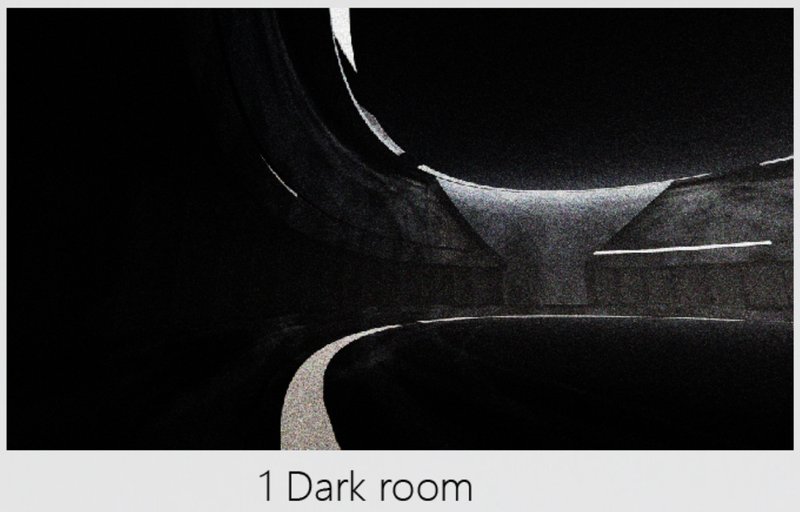
- Private Zone (Underground): A secluded space for meditation, dark rooms, and silence, allowing inmates to introspect and begin their transition.
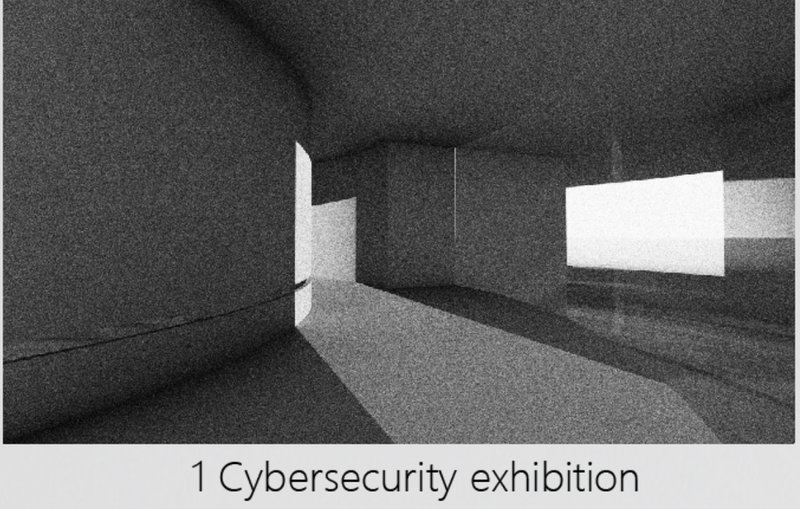
- Public Zone (Ground Level): This level features a cybersecurity center where inmates work and learn. It functions as both an educational facility and a source of income for the prison, addressing construction and operational costs.
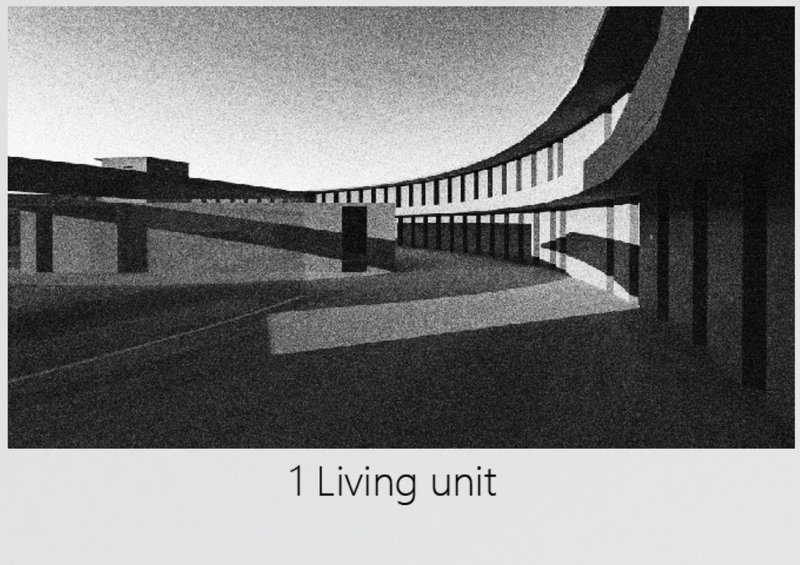
- Semi-Public Zone (Upper Floors): Housing residential units, a library, and canteen, this zone encourages socialization and normalcy. The public can engage with exhibitions, reducing the isolation typically associated with incarceration.
Routine Designed for Reintegration
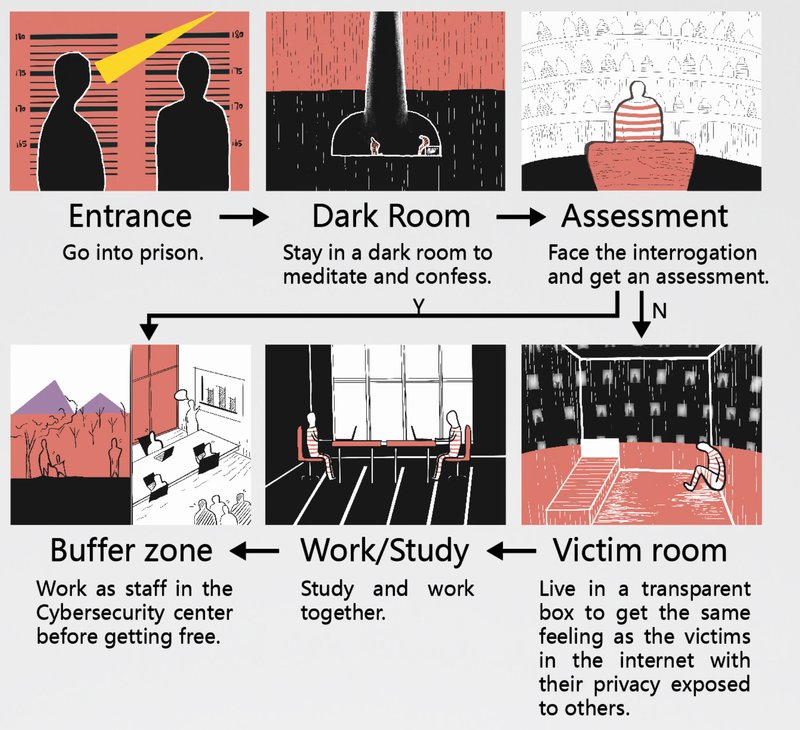
The prisoner’s journey is curated like a digital workflow: starting with interrogation and confession in the dark room, followed by assessment, work/study at the cybersecurity center, and finally reintegration through victim dialogue and community exposure. This path is carefully staged to build skills, encourage emotional healing, and support re-entry into society.
Cybersecurity as a Tool for Empowerment
One of the most innovative elements of this futuristic prison architecture is the cybersecurity training hub. Inmates can develop tech-based vocational skills, making them employable in one of the fastest-growing global industries. This practical integration shifts the prison from a punitive facility to a forward-thinking center of rehabilitation.
Optimizing Costs through Public Engagement
By integrating publicly accessible exhibitions and a working cybersecurity lab, the project generates its own funding streams. This self-sustaining model eases the financial burden on the state while simultaneously redefining public perception of correctional facilities.
A Model for the Future
In conclusion, the Future Prison is not only a structural proposition but a philosophical one. It challenges us to rethink what a prison can be in the 21st century. Through smart design, social programming, and technological empowerment, it offers a glimpse into a more humane and productive system of incarceration—a true embodiment of futuristic prison architecture.




Popular Articles
Popular articles from the community

Inverted Architecture Installation by Studio Link-Arc: Exploring the Intersection of Architecture and Living Organisms
Inverted Architecture Installation by Studio Link-Arc blends mycelium, sustainability, inverted design, ecological cycles, and urban adaptive architecture in Shenzhen.
Gads Hill Early Learning Center by JGMA: Adaptive Reuse Shaping Community-Focused Educational Architecture
Adaptive reuse transforms fragmented structure into vibrant early learning center with playful façade, natural light, and community-focused sustainable design.
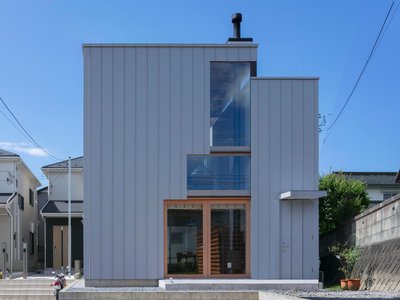
Split House: A Compact Urban Home Blending Privacy, Light, and Flexible Living in Japan
Compact Japanese home featuring DOMA space, flexible café potential, passive lighting, privacy zoning, and sustainable urban living design.

Free Architecture Competitions You Can Enter Right Now
No entry fees, real prizes. Here are the best free architecture competitions open for submissions in 2026.

Similar Reads
You might also enjoy these articles
Free Architecture Competitions You Can Enter Right Now
No entry fees, real prizes. Here are the best free architecture competitions open for submissions in 2026.

Top 15 Architecture Competitions to Enter in 2026
From student-friendly idea competitions to prestigious international awards, here are the best architecture competitions open for entries in 2026. Updated regularly.

DIY & Engineering in Computational Design : Enter the BeeGraphy Design Awards
Showcase Your Creativity with Computational Design and Open Source Projects
Innovative Design Solutions: Award-Winning Projects from Recent Architecture Competitions
Exploring award-winning architectural projects shaping the future of design, sustainability, and community.

Explore Political Architecture Competitions
Discover active competitions in this discipline




The Global Benchmark for Architecture Dissertation Awards


The Global Benchmark for Graduation Excellence
Comments (0)
Please login or sign up to add comments
No comments yet. Be the first to comment!