
Reviving Artisan Heritage: The Goyna Gram Project's Vision for Sustainable Cultural Tourism in Bhakurta
How a 300-Year-Old Metal Jewelry Tradition is Being Rescued Through Design, Community Planning, and Modernization Efforts

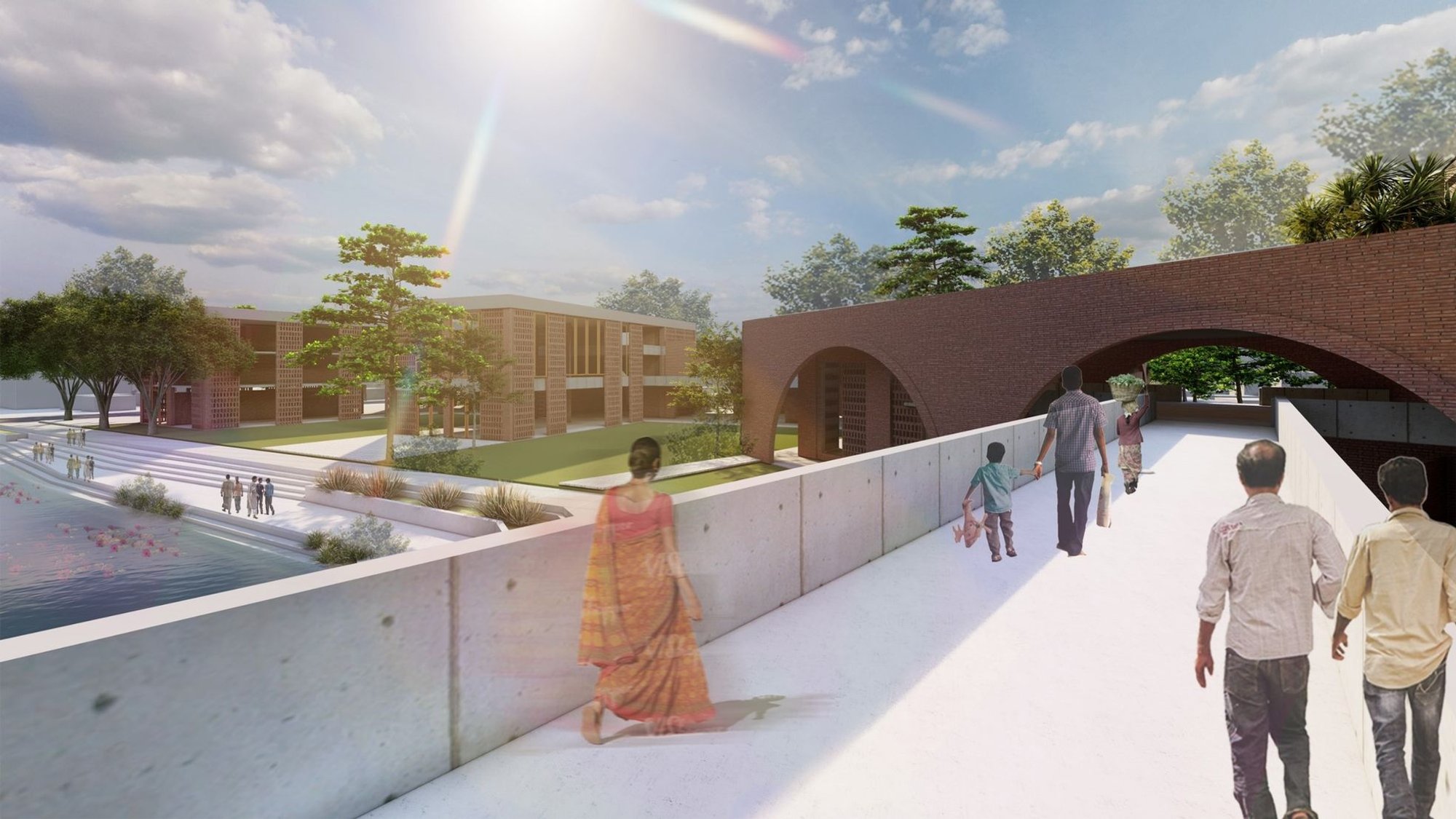
In a world where traditional craftsmanship is increasingly threatened by rapid urbanization and technological advancement, the Goyna Gram project offers a beacon of hope. Located in Bhakurta, Bangladesh, this innovative initiative aims to revive the village's 300-year-old metal jewelry-making tradition. Through a masterfully designed combination of artisan housing, a training and research center, and the revitalization of a historic canal, Goyna Gram is positioned to become a thriving cultural hub. The project, designed by architect Rubaiat Kamal, seamlessly blends the village's rich heritage with modernity, making it a unique case study for sustainable rural development.
The Crisis Facing Goyna Gram: A Tradition in Peril
The Goyna Gram community, renowned for its intricate metal jewelry craftsmanship, faces a crisis common to many traditional artisan communities across the globe—urbanization. As cities expand and new economic opportunities arise, younger generations are abandoning traditional crafts in favor of modern alternatives. Additionally, the market for handcrafted jewelry has been overshadowed by mass-produced items that are often cheaper and more accessible to the public.
Once a bustling community of skilled metalworkers, Bhakurta has seen its cultural wealth dwindle as artisans shift to other vocations or leave the village altogether. The Goyna Gram project addresses this decline by creating a sustainable, community-centric model designed to preserve the traditional craft while ensuring the economic and social well-being of its artisans.
The Vision Behind Goyna Gram: Blending Tradition and Modernity
At the heart of the Goyna Gram project is the goal of transforming Bhakurta into a cultural tourism destination. By revitalizing the community's metal jewelry tradition and offering visitors an immersive experience, the project seeks to generate a sustainable source of income for the artisans while simultaneously preserving the village's cultural identity.
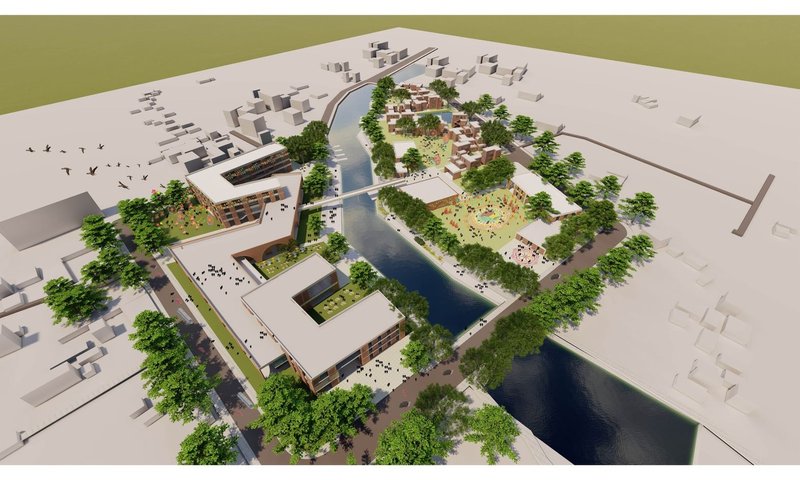
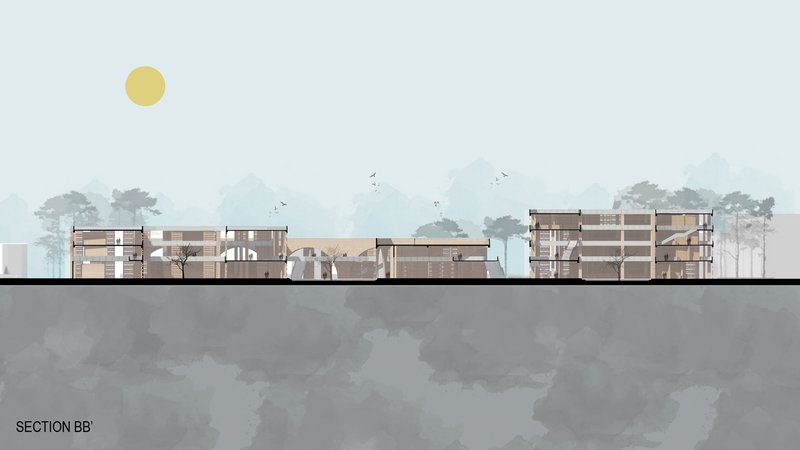
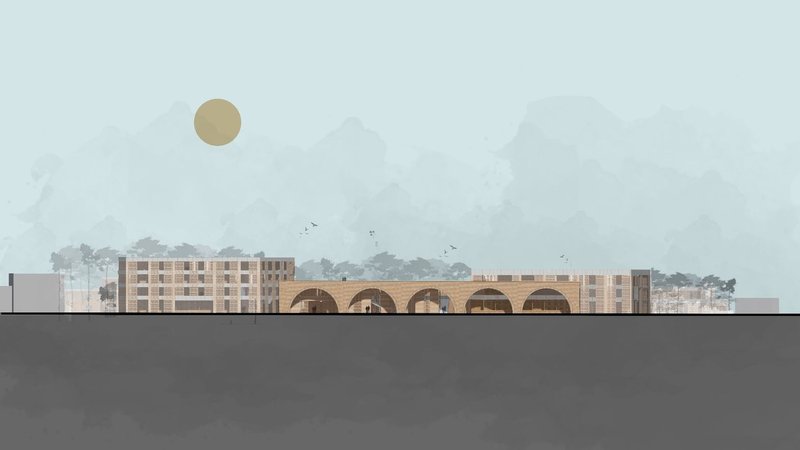
The project’s layout, as depicted in the architectural plans and 3D visualizations, features a well-balanced integration of various functional spaces that cater to both artisans and tourists. The design includes shops, open markets, housing areas, and community spaces, all centered around the village’s historic canal, which serves as both a physical and symbolic link to the village's past.
Key Architectural Components
The architectural design of the Goyna Gram project is a thoughtful blend of tradition and modernity, emphasizing functionality, cultural relevance, and sustainability. The plan encompasses various key components:
Entrance and Shops Area
Visitors enter through a designated space that features shops selling handmade jewelry and crafts. The shop area is designed to immediately immerse tourists in the artisan culture, allowing them to witness and purchase products directly from the craftspeople..
Haat and Haat Extension Area
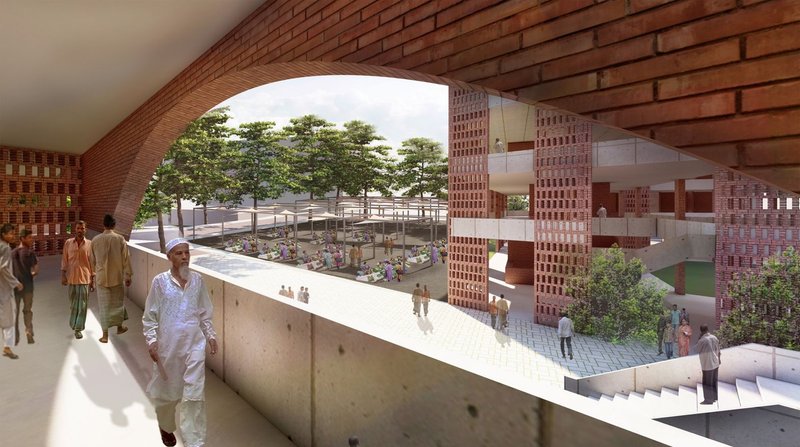
The open marketplace, or haat, is a traditional feature of rural Bengali life. The design incorporates open spaces for artisans to display and sell their goods, along with an extension area to accommodate larger markets and events..
Super Shop and Cafeteria
To enhance the tourist experience, a super shop and cafeteria are incorporated into the plan. These spaces offer modern conveniences while promoting local goods and cuisine, creating a unique fusion of the traditional and the contemporary..
Housing and Workshop Spaces for Artisans
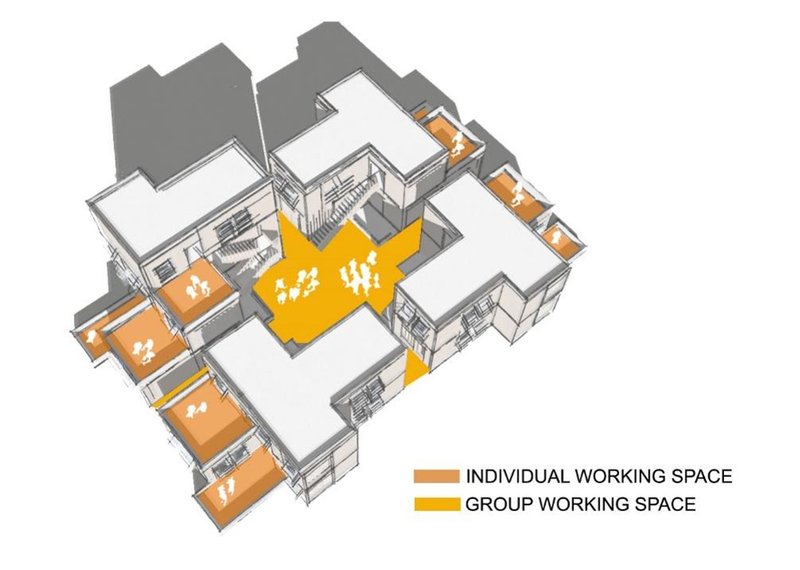
One of the most critical aspects of the Goyna Gram project is the provision of dedicated housing for artisans. Two distinct housing types—Color Artisan House and Jewelry Artisan House—have been designed to accommodate artisans and their families, while also providing individual and group working spaces.
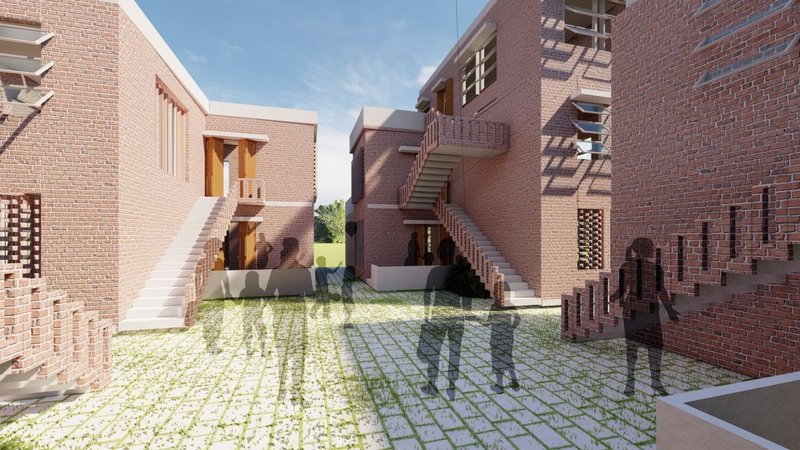
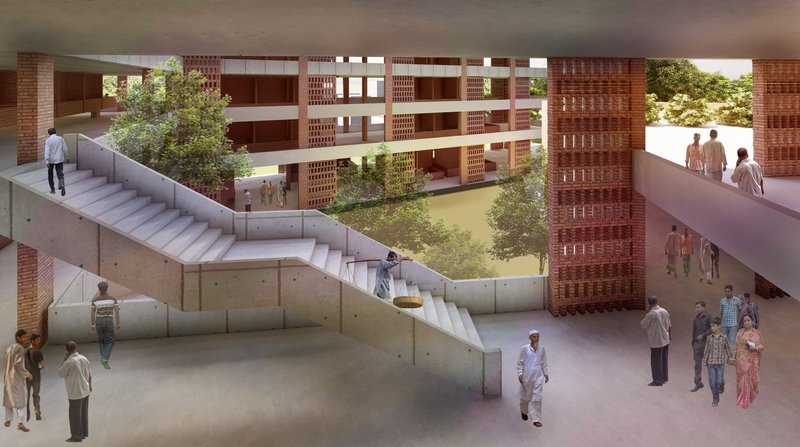
The housing plans feature modular layouts, allowing flexibility in space usage. Each house incorporates traditional Bengali architectural elements, such as jali brick details, which offer natural ventilation and shading, while maintaining a modern structural framework. The homes not only provide living spaces but also double as workshops where artisans can engage in their craft in close proximity to their families..
Community and Recreational Spaces
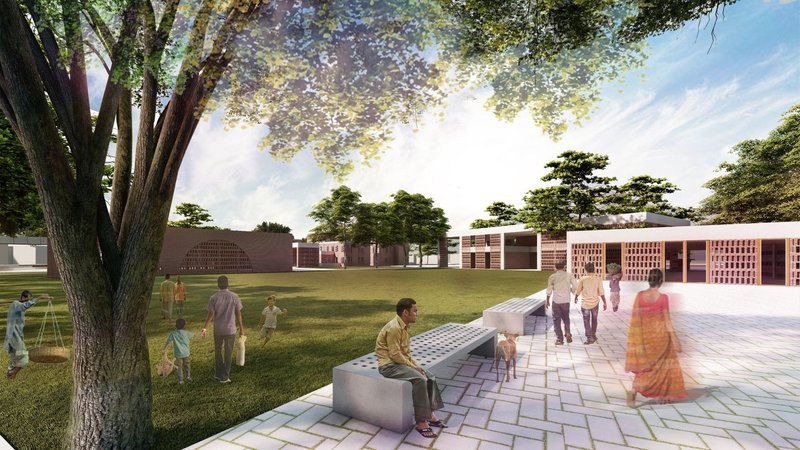
The plan includes a variety of community-centric spaces, such as a health care center, a mosque, a temple, and both adult and children's play areas. These spaces are vital for fostering a sense of community among residents and enhancing the overall quality of life in the village..
Research and Development Center
One of the most forward-thinking aspects of the Goyna Gram project is the establishment of a research and development center. Here, artisans can engage in skill development and innovation, learning new techniques and exploring ways to modernize their traditional craft. This center will serve as a bridge between the old and the new, ensuring that the metal jewelry tradition continues to evolve and remain relevant in a global market..
Tourism Integration and Canal Revitalization
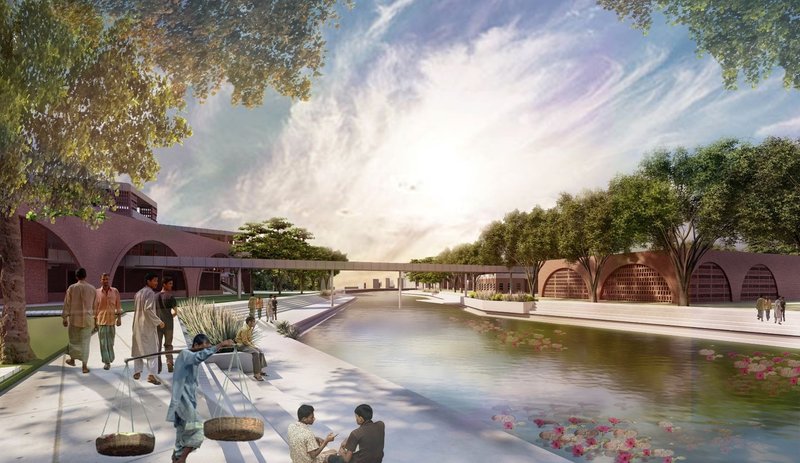
The historic canal that runs through Bhakurta plays a crucial role in the overall design. It not only offers a scenic backdrop but also serves as a reminder of the village’s rich history. The canal is set to be revitalized, with ghats (steps leading down to the water) designed for both functional and aesthetic purposes. This creates a serene environment where tourists can relax, interact with locals, and gain a deeper understanding of the village’s heritage.
The Role of Sustainable Tourism in Cultural Preservation
The Goyna Gram project seeks to position Bhakurta as a destination for sustainable cultural tourism. Unlike conventional tourism models that often exploit local communities, the Goyna Gram project prioritizes the needs and wellbeing of the artisans, ensuring that they are the primary beneficiaries of the influx of visitors.
By attracting tourists interested in learning about the traditional metal jewelry craft, the project aims to create an economy where artisans can thrive. The community is not just a backdrop for tourists but an active participant in the experience. Artisans are involved in every stage of the tourism process—from demonstrating their craft to teaching workshops and selling their products directly to visitors.
Educational Tourism and Skill Development
The Goyna Gram project emphasizes educational tourism, offering workshops and training sessions for both locals and tourists. Visitors can immerse themselves in the craft, learning from the master artisans and gaining a deeper appreciation for the skill involved in creating metal jewelry.
At the same time, local artisans benefit from the presence of the research and development center, where they can access training programs to enhance their skills. The center will facilitate exchanges between traditional artisans and modern designers, encouraging innovation while preserving the core elements of the craft.
Social and Economic Impact on the Artisan Community
The potential economic impact of the Goyna Gram project cannot be overstated. By positioning the village as a cultural tourism destination, the project aims to reverse the trend of urban migration and encourage younger generations to remain in the village and continue their families' artisanal traditions.
Empowering Women and Families
One of the critical aspects of the project is its focus on empowering women. In many traditional artisan communities, women play a significant role in the craft, but they are often marginalized when it comes to economic benefits. The Goyna Gram project aims to change this dynamic by ensuring that women artisans have access to the same resources, training, and opportunities as their male counterparts.
By providing housing that doubles as a workspace, the project allows women to work from home while balancing their domestic responsibilities. This not only improves their economic standing but also strengthens the family unit, as both men and women contribute equally to the household's income.
Strengthening Local Governance and Community Bonds
The Goyna Gram project also includes the establishment of a Union Parishad Office and a Goyna Gram Malik Samiti office, both of which play a critical role in local governance. These offices provide a platform for community members to voice their concerns and participate in the decision-making processes that affect their daily lives.
The focus on community cohesion is further enhanced by the inclusion of communal spaces like the mosque, temple, and play areas. These spaces encourage interaction among residents, fostering a strong sense of belonging and mutual support.
Architectural Design and Sustainability
The architectural approach to the Goyna Gram project incorporates sustainable design principles, ensuring that the village remains environmentally friendly while addressing the practical needs of the community. The use of local materials, such as brick and jali screens, helps to minimize the environmental impact of construction while also preserving the traditional aesthetic.
Energy Efficiency and Water Management
The architectural design emphasizes energy efficiency, incorporating natural ventilation and shading techniques that reduce the need for artificial cooling. The revitalized canal plays a crucial role in water management, helping to irrigate community gardens and maintain the local ecosystem.
In the long term, the project also aims to incorporate renewable energy solutions, such as solar panels, to further reduce the village's carbon footprint.




Popular Articles
Popular articles from the community

Louis Malle Cinema: A Limestone Cultural Landmark Revitalizing Community Life in Prayssac
Limestone cinema extension with public forecourt, blending heritage and modern design to create flexible cultural spaces and strengthen community interaction.


The Ken Roberts Memorial Delineation Competition (Krob)
As the most senior architectural drawing competition currently in operation anywhere in the world, it draws hundreds of entries each year, awarding the very best submissions in a series of medium-based categories.

Solar Steam: A Climate-Responsive Architecture That Redefines the Monument
A climate-responsive memorial architecture that transforms heat, decay, and time into a living system reflecting humanity’s ecological impact.
Flamboyant House by Juliana Camargo + Prumo Projetos
Modern Brazilian house integrating existing tree, pool, and volumes with glass, wood, and transitional spaces blending interior, exterior, and landscape seamlessly.


Similar Reads
You might also enjoy these articles
The Ken Roberts Memorial Delineation Competition (Krob)
As the most senior architectural drawing competition currently in operation anywhere in the world, it draws hundreds of entries each year, awarding the very best submissions in a series of medium-based categories.
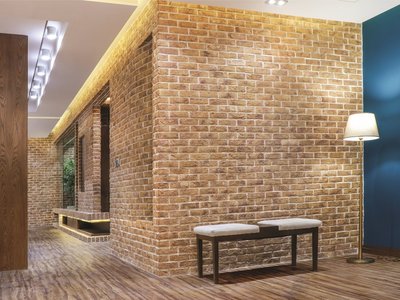
A Contemporary Take on Iranian Residential Architecture
A modern interior design in Mashhad that reinterprets brick, light, and spatial flow to create a warm, contemporary residential architecture.
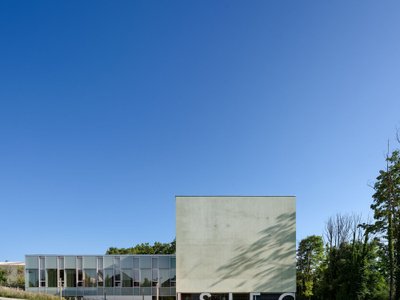
Franche-Comté Advanced School of Engineering by Dominique Coulon & associés, Besançon
A flexible engineering school immersed in woodland, combining concrete minimalism, adaptable spaces, and natural light to support evolving educational environments.


Documentation Work on Buddhist Wooden Temple
Architectural syncretism and cultural hybridity: A comparative study of the Buddhist temples in Chattogram Hill tracks


Explore Conceptual Architecture Competitions
Discover active competitions in this discipline




The Global Benchmark for Architecture Dissertation Awards


The Global Benchmark for Graduation Excellence


Challenge to design an urban locus of culture and heritage


Bring back Drive In's
Comments (0)
Please login or sign up to add comments
No comments yet. Be the first to comment!