
Reviving History: The PLATO Contemporary Art Gallery and the Magic of Adaptive Reuse
This article showcases the PLATO Contemporary Art Gallery by KWK PROMES, a masterful adaptive reuse of a historic slaughterhouse in Ostrava.

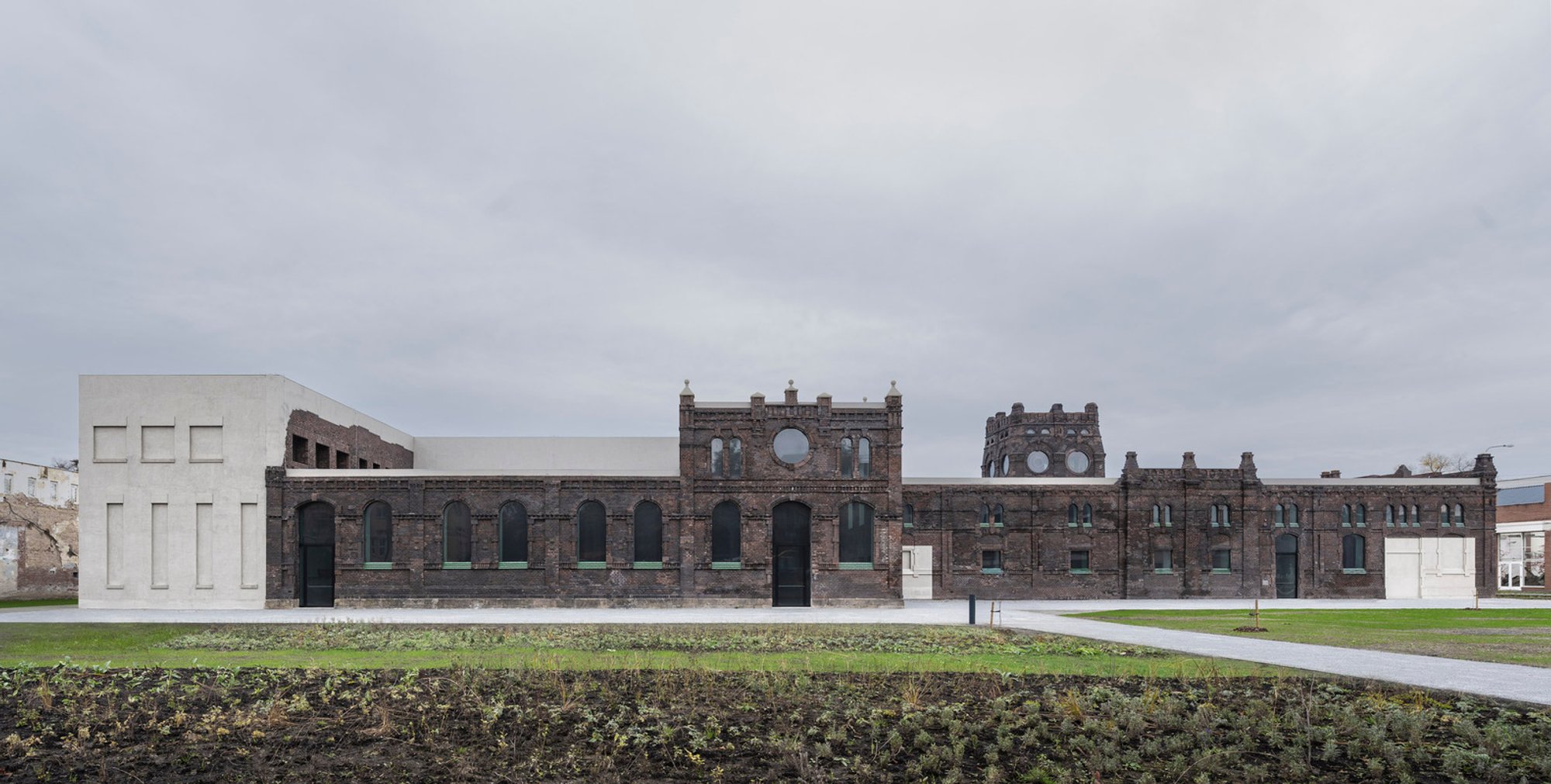
In the heart of Ostrava, Czech Republic, a historic building breathes new life as the PLATO Contemporary Art Gallery, a stunning example of adaptive reuse art gallery design. Crafted by the visionary team at KWK PROMES, this project not only preserves architectural heritage but also redefines it as a vibrant cultural hub.
A New Chapter for an Old Slaughterhouse
The Transformation Journey
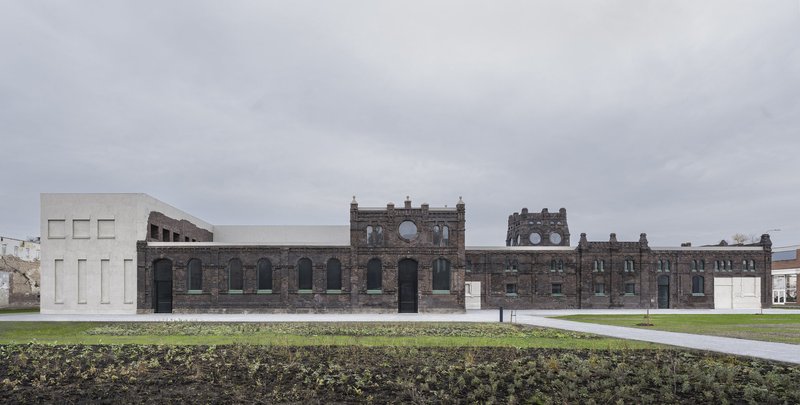
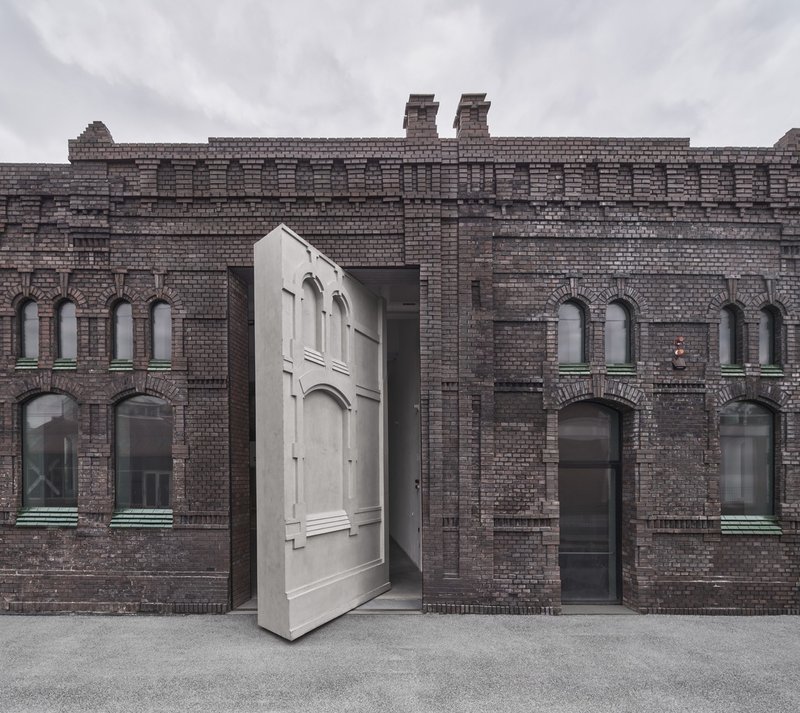
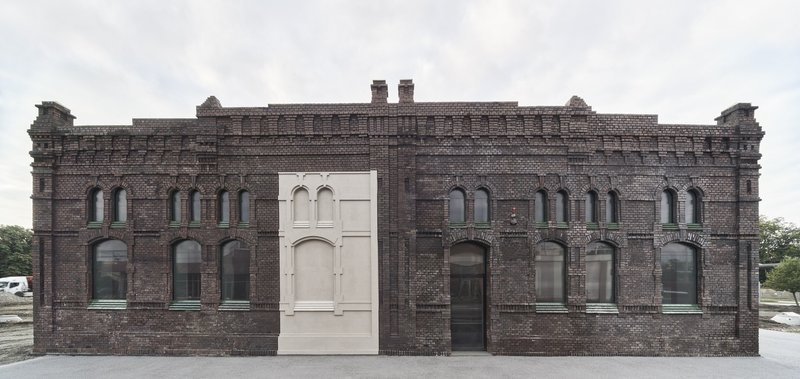
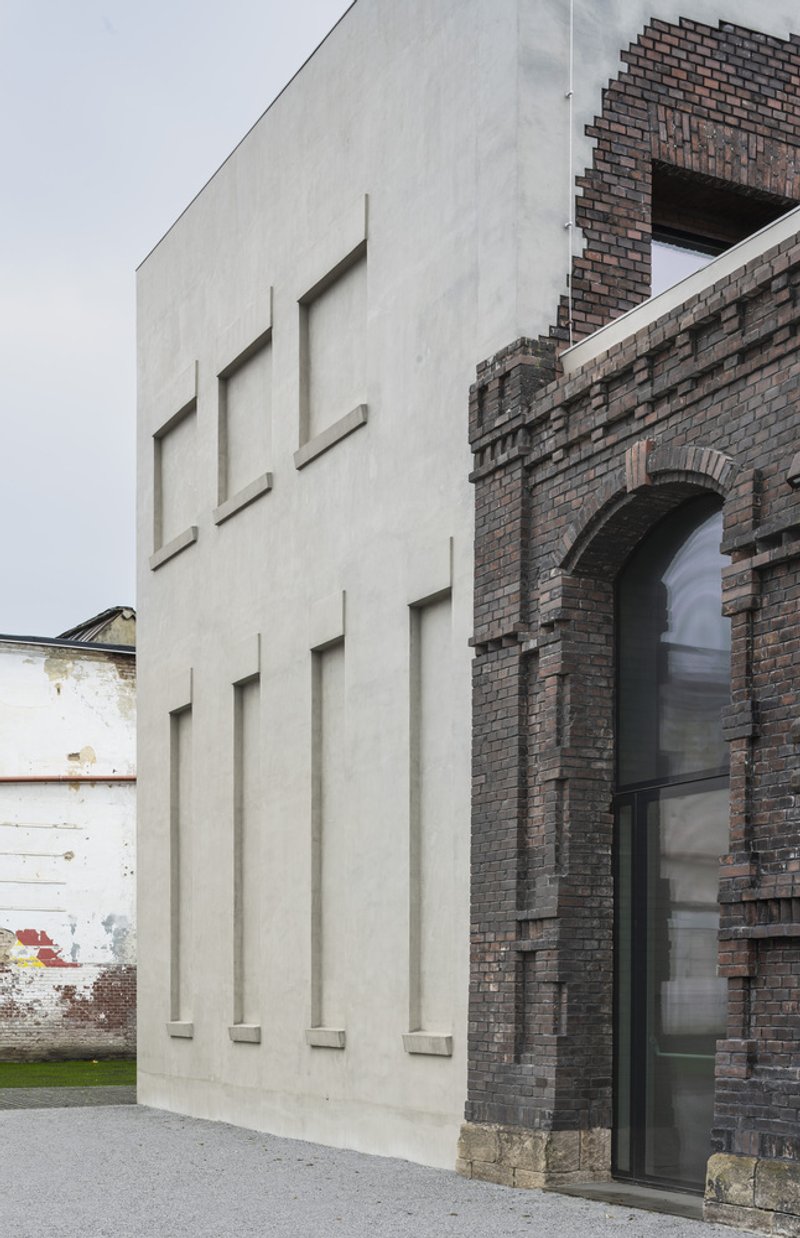
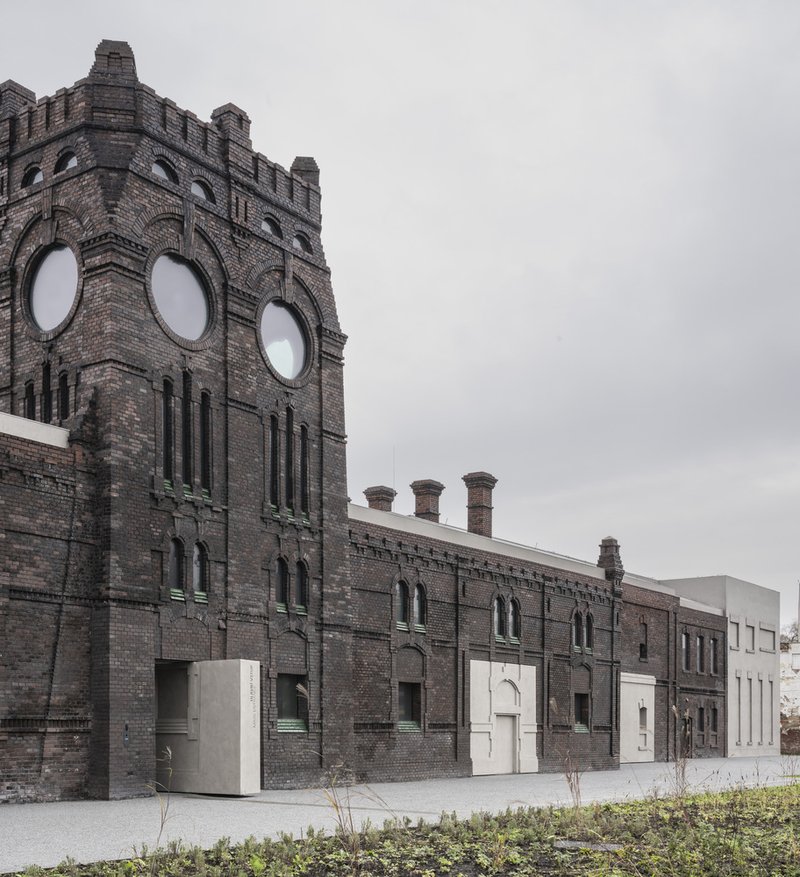
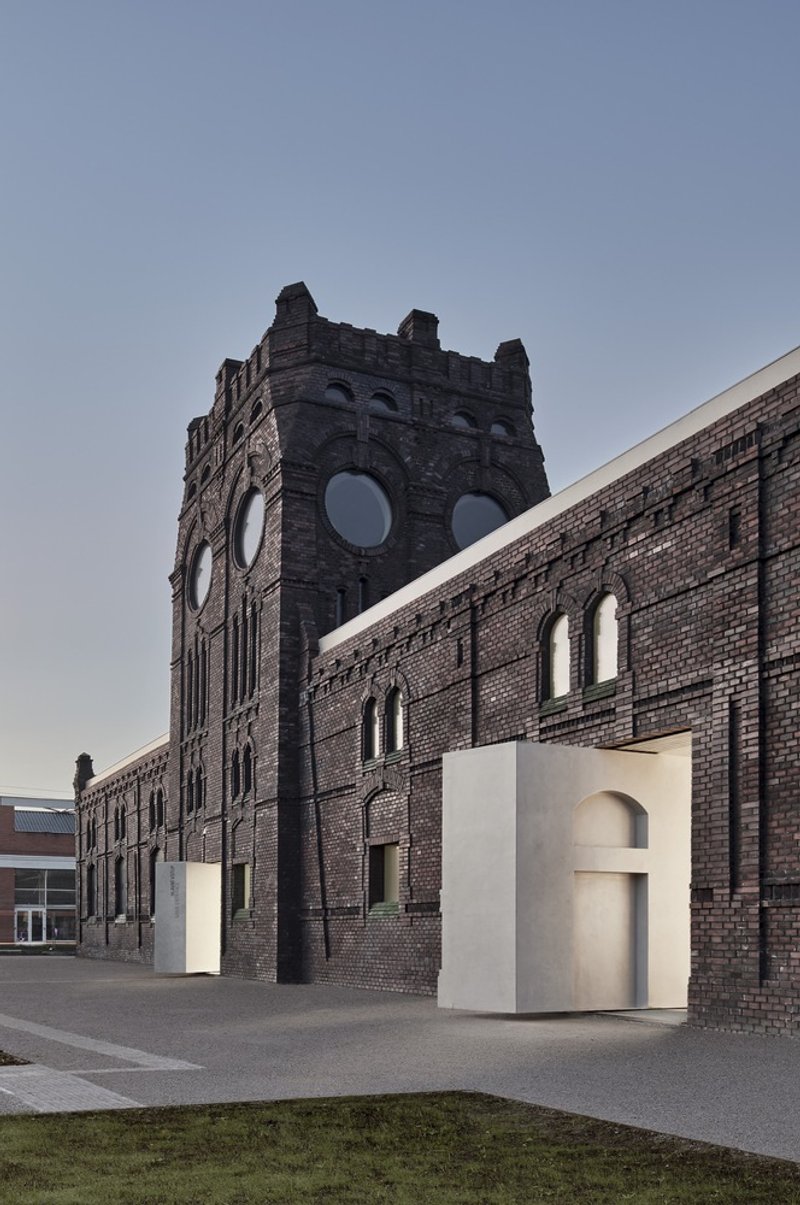
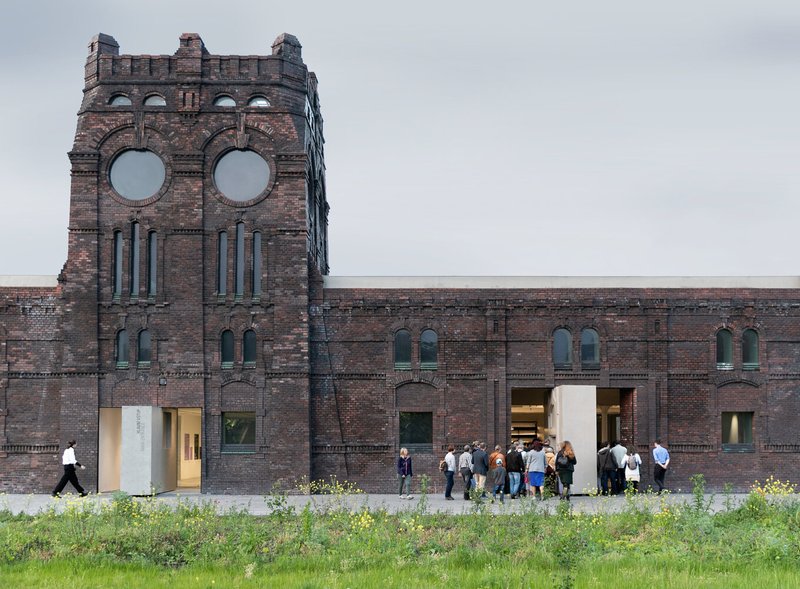
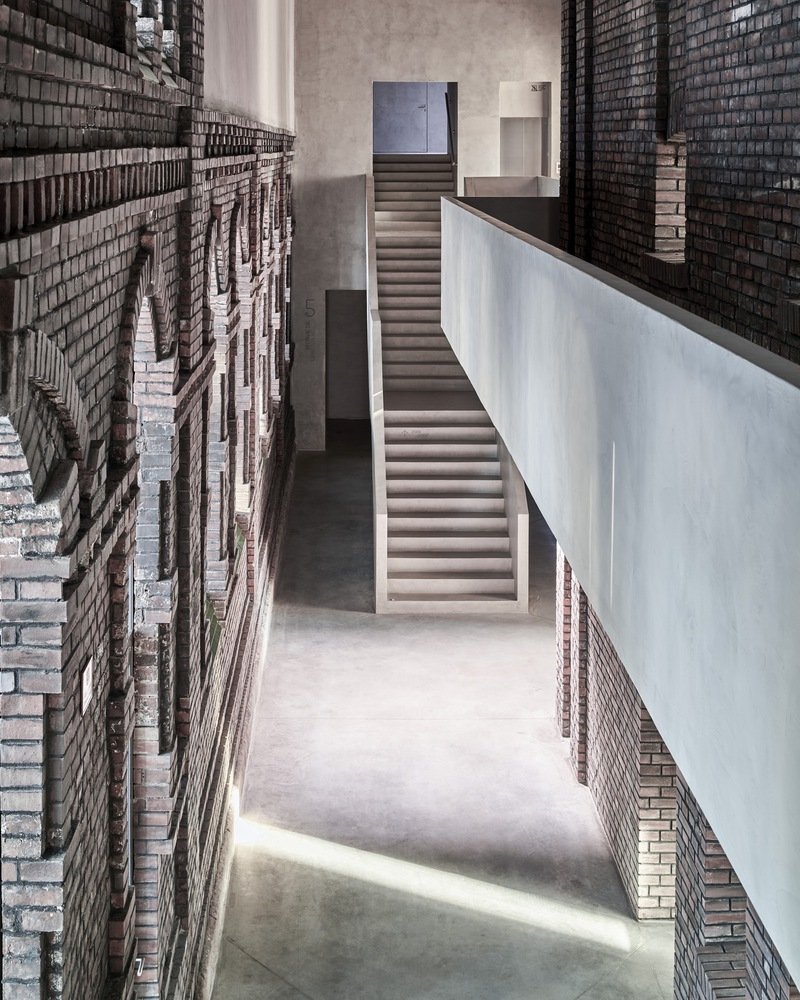
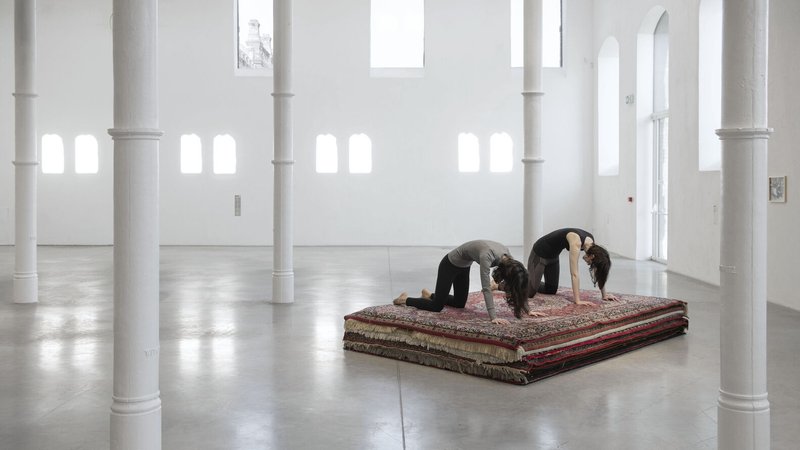
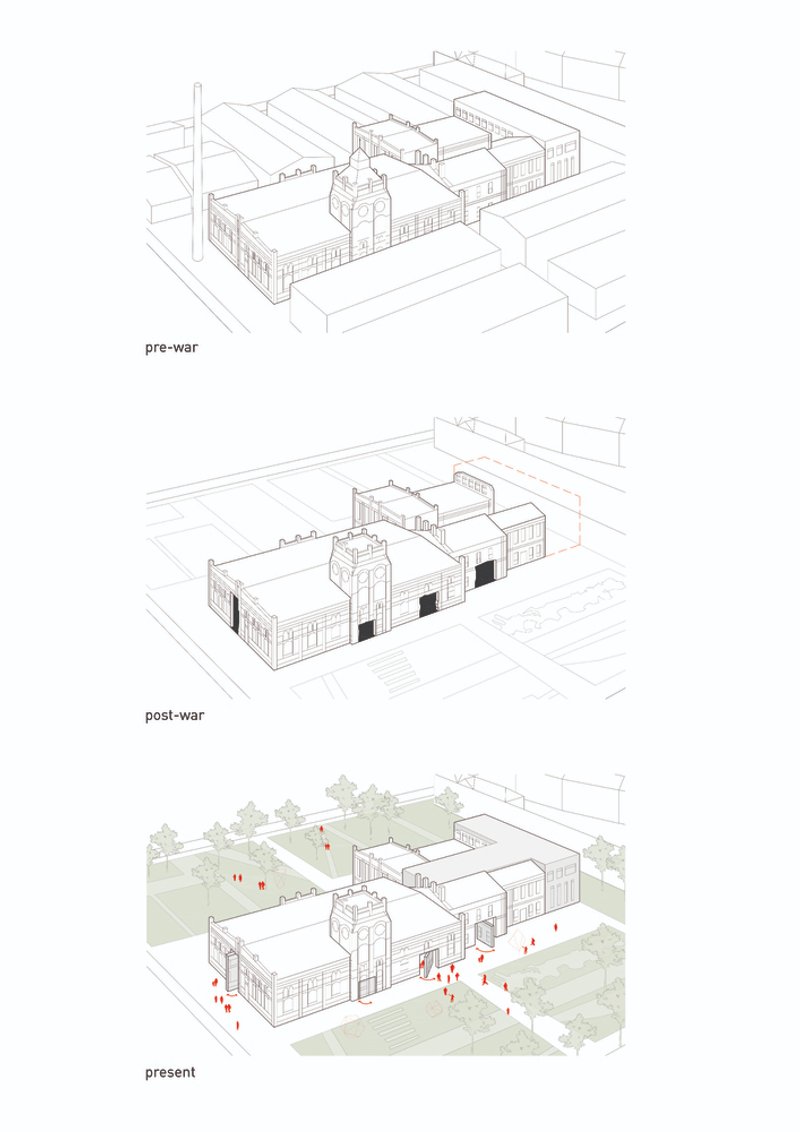
The PLATO Gallery's journey began with an international competition that sought to repurpose a dilapidated slaughterhouse into a contemporary art space. Lead architects Robert Konieczny, Michał Lisiński, and Dorota Skóra embraced the building's industrial past, marked by sooty brickwork and battered walls, and introduced a new layer to its narrative.
Preserving Industrial Charm
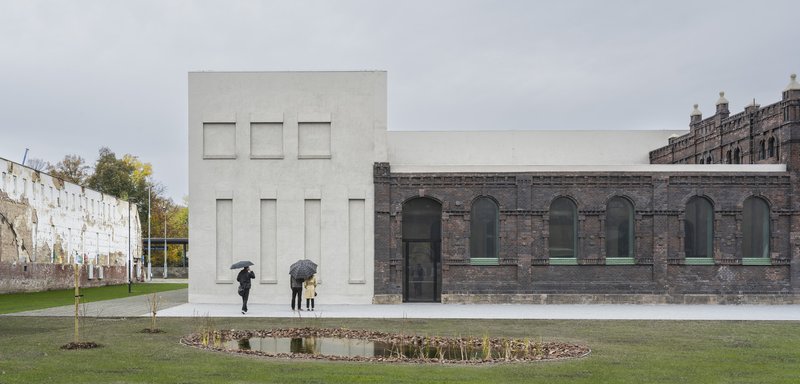
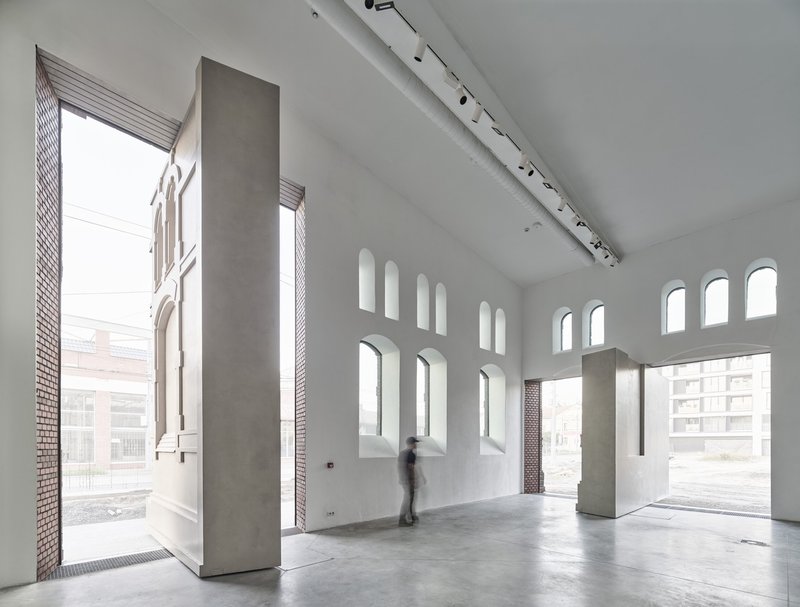
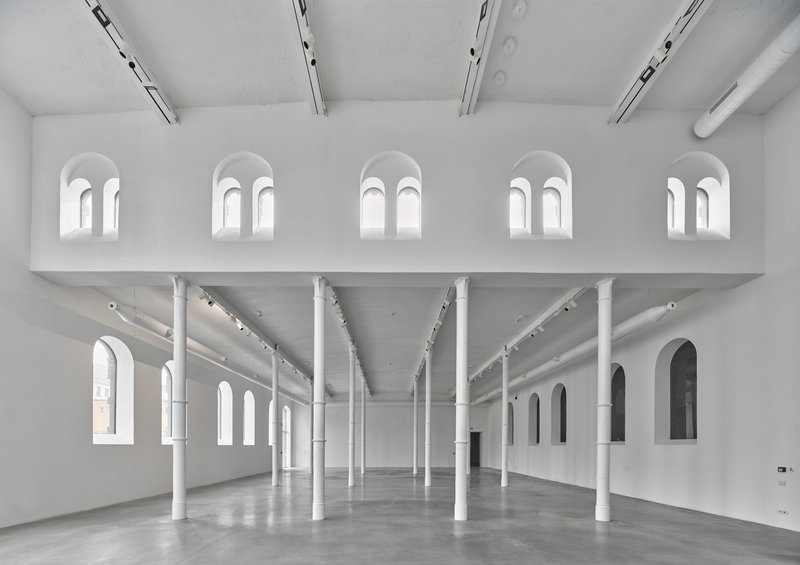
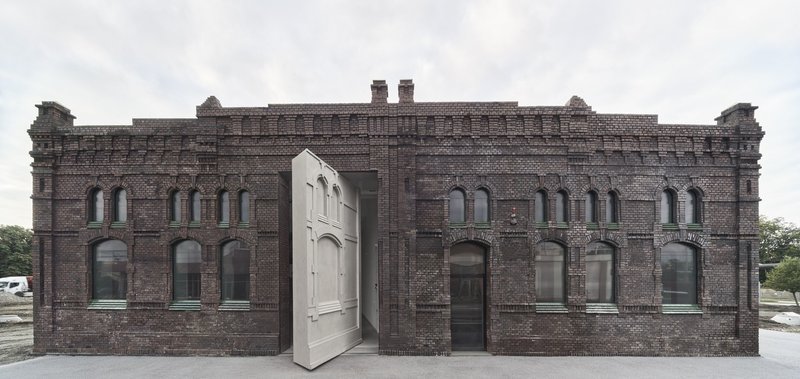
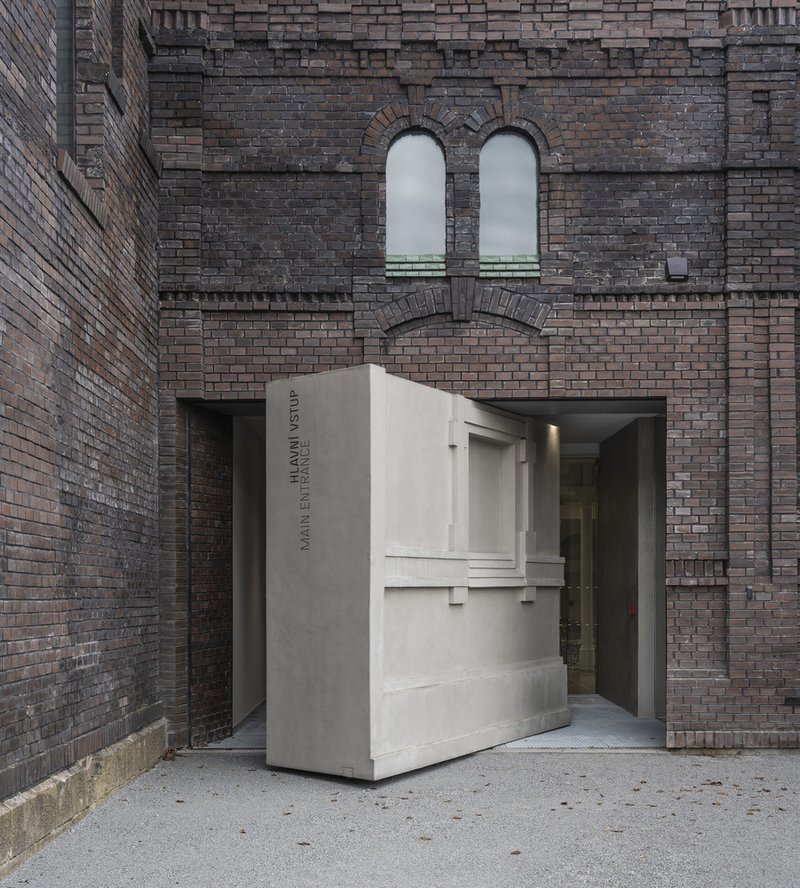
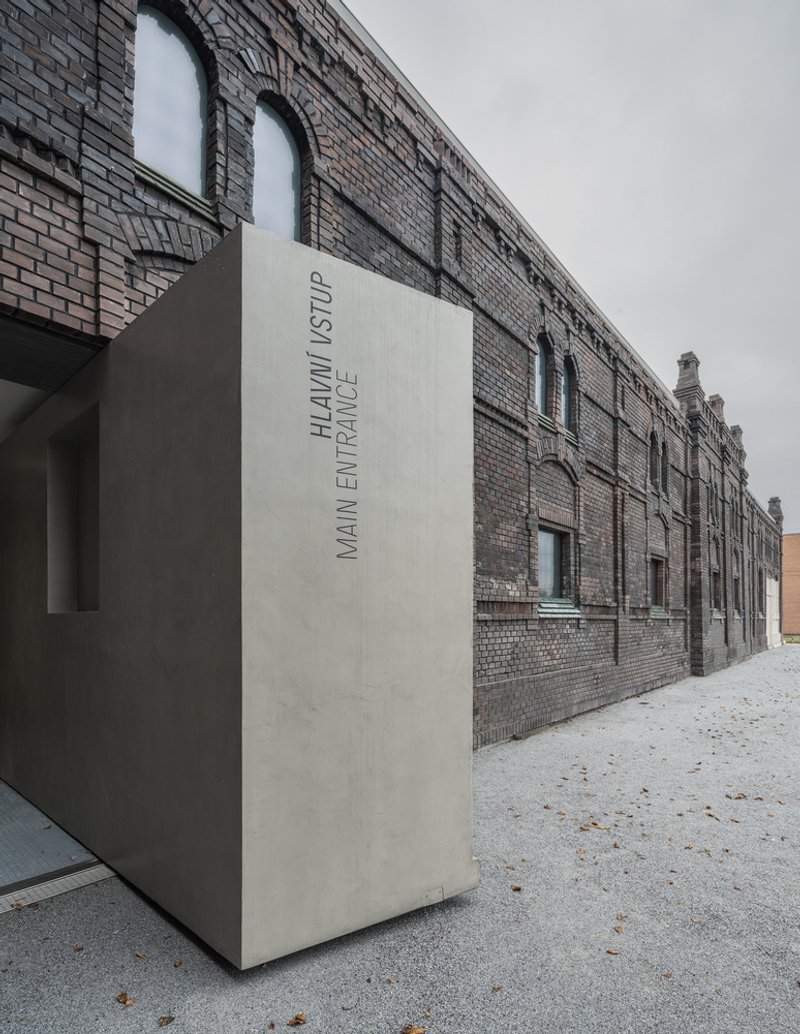
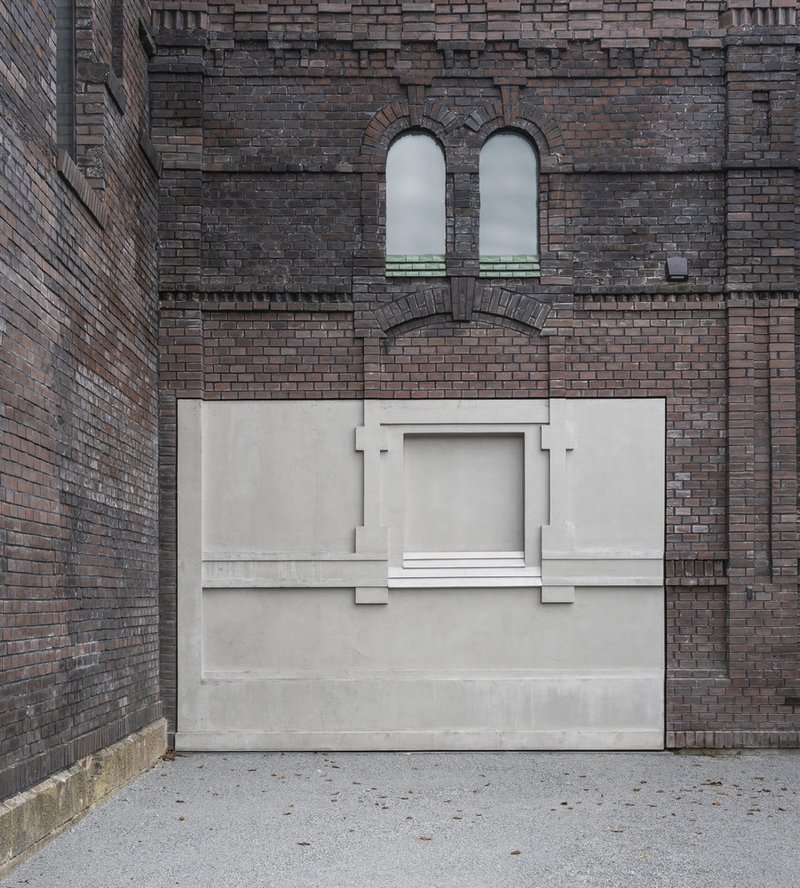
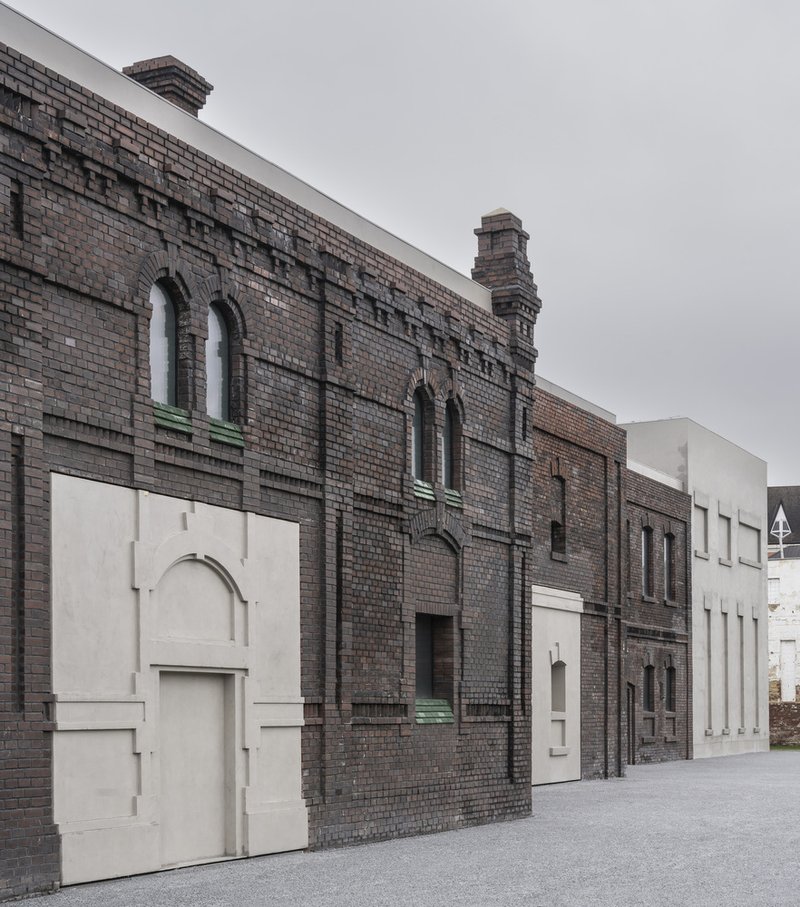
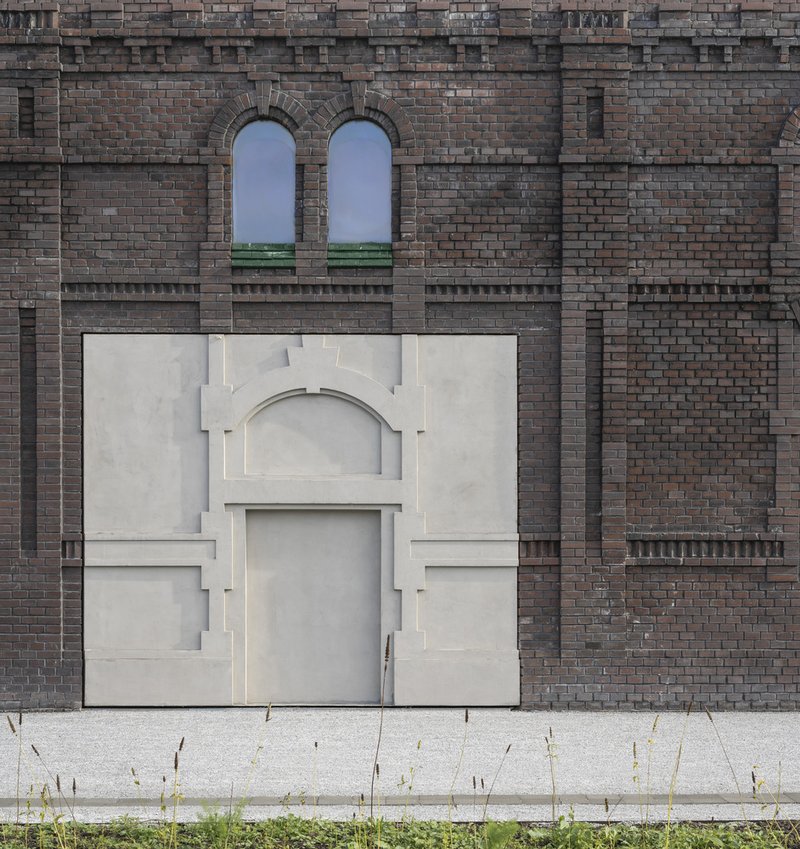
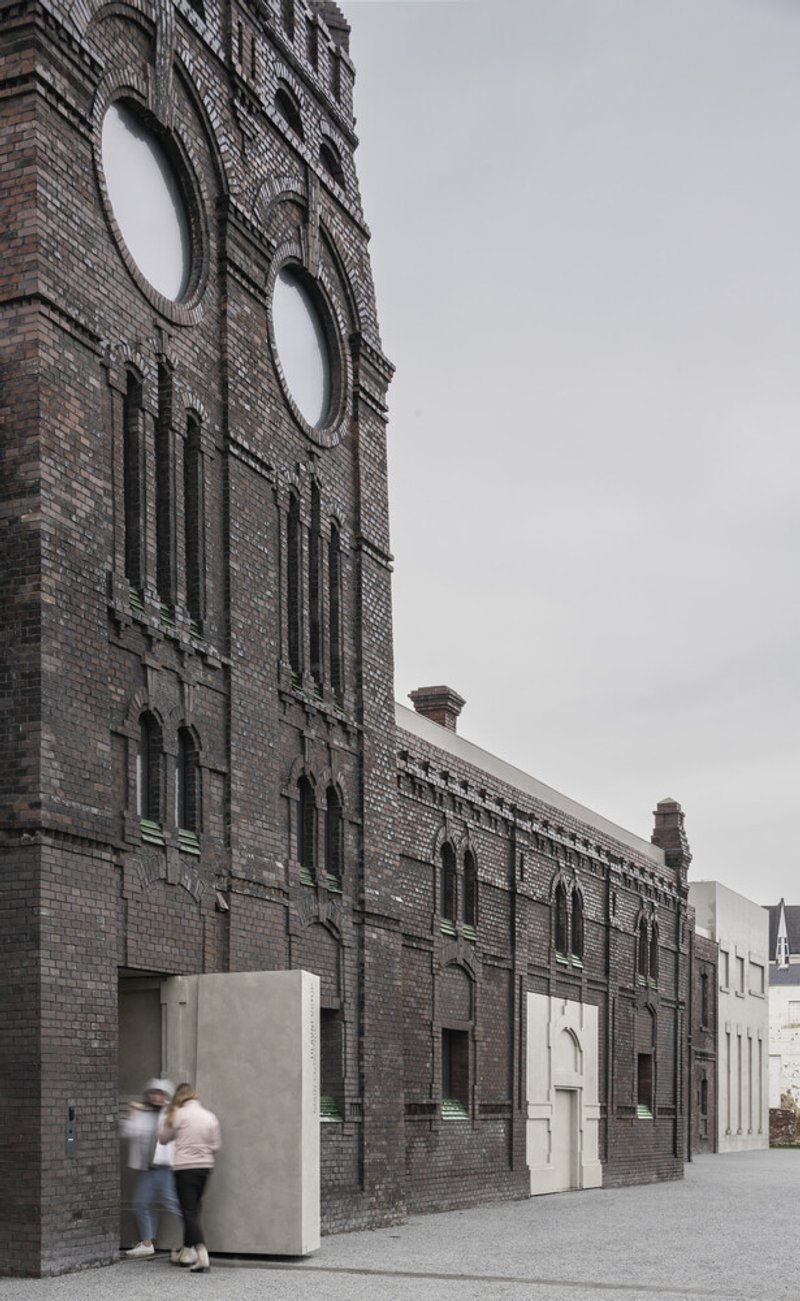
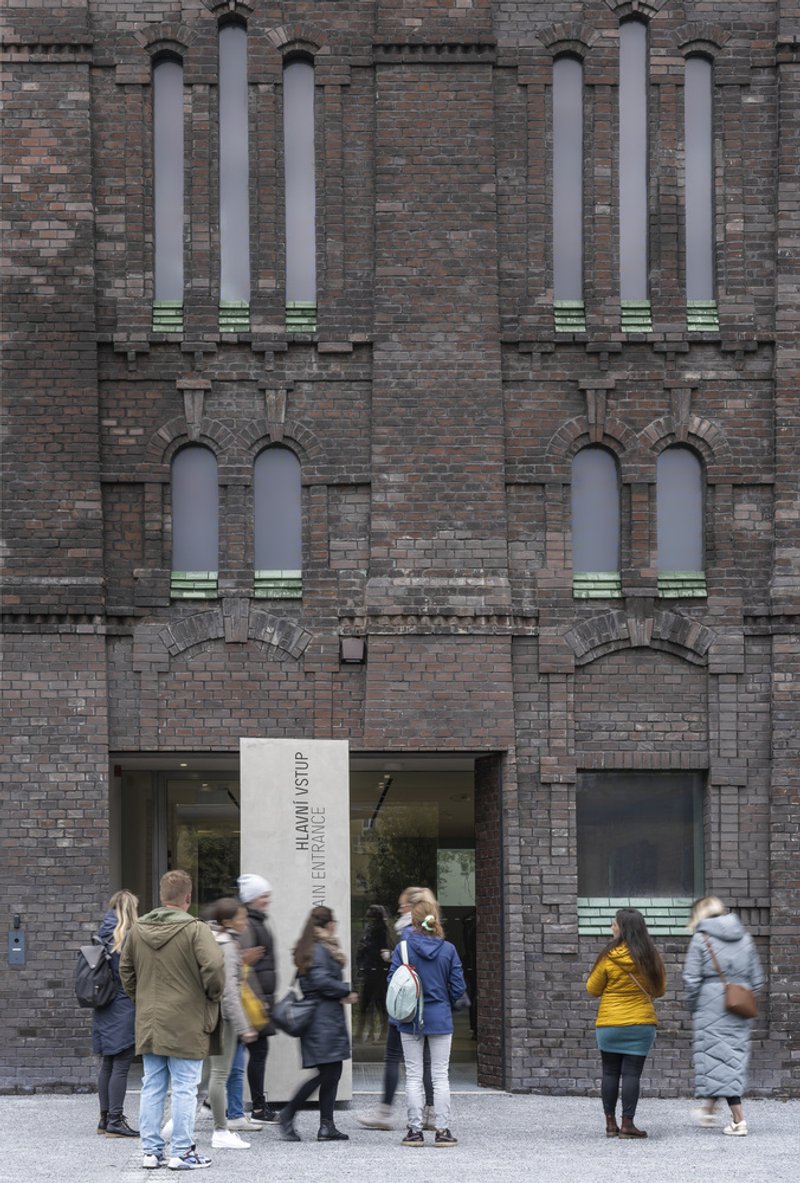
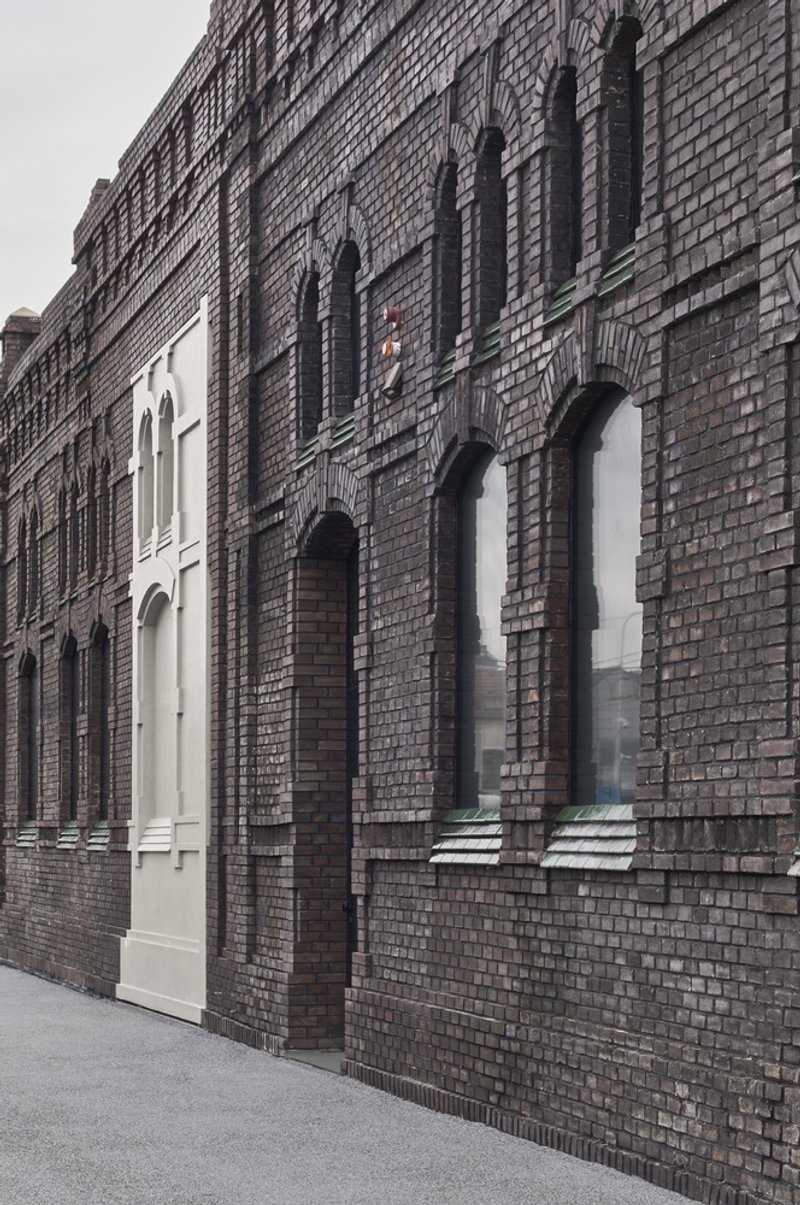
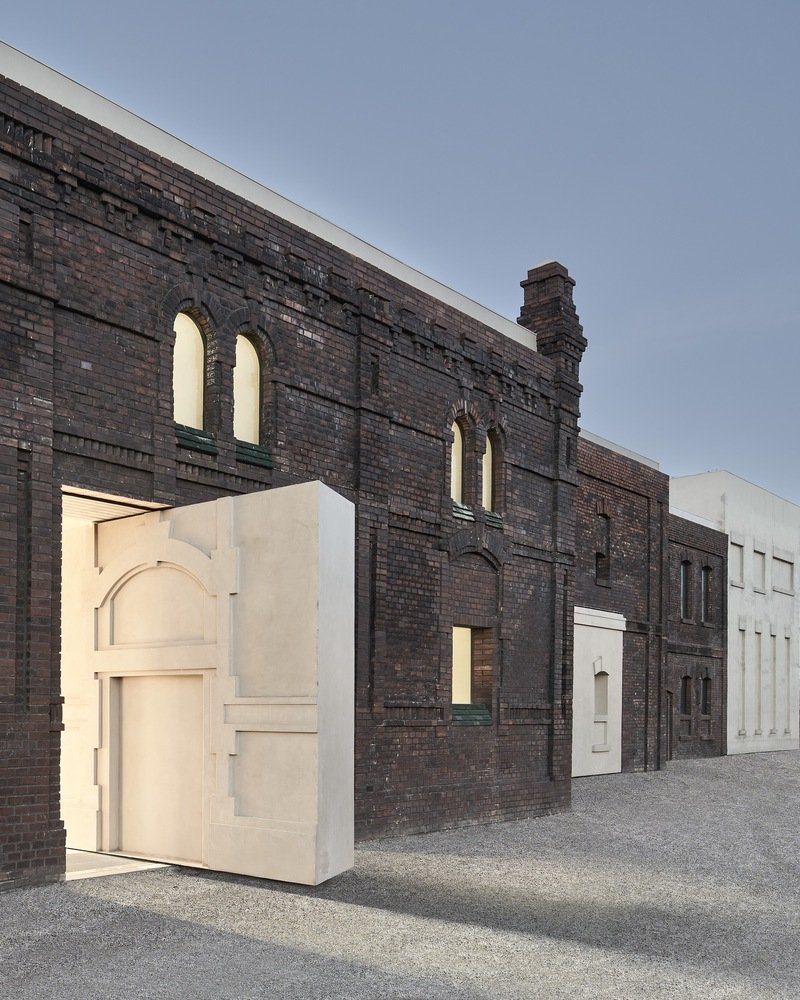
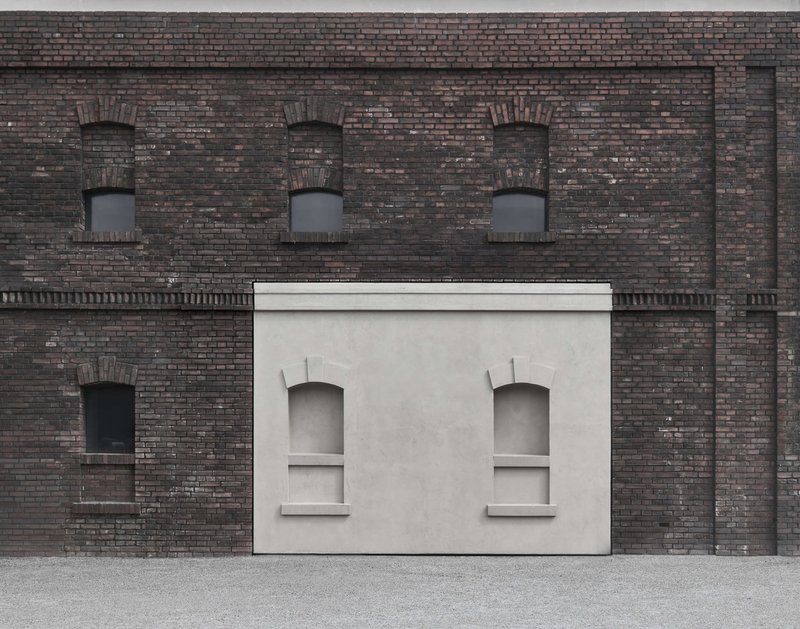
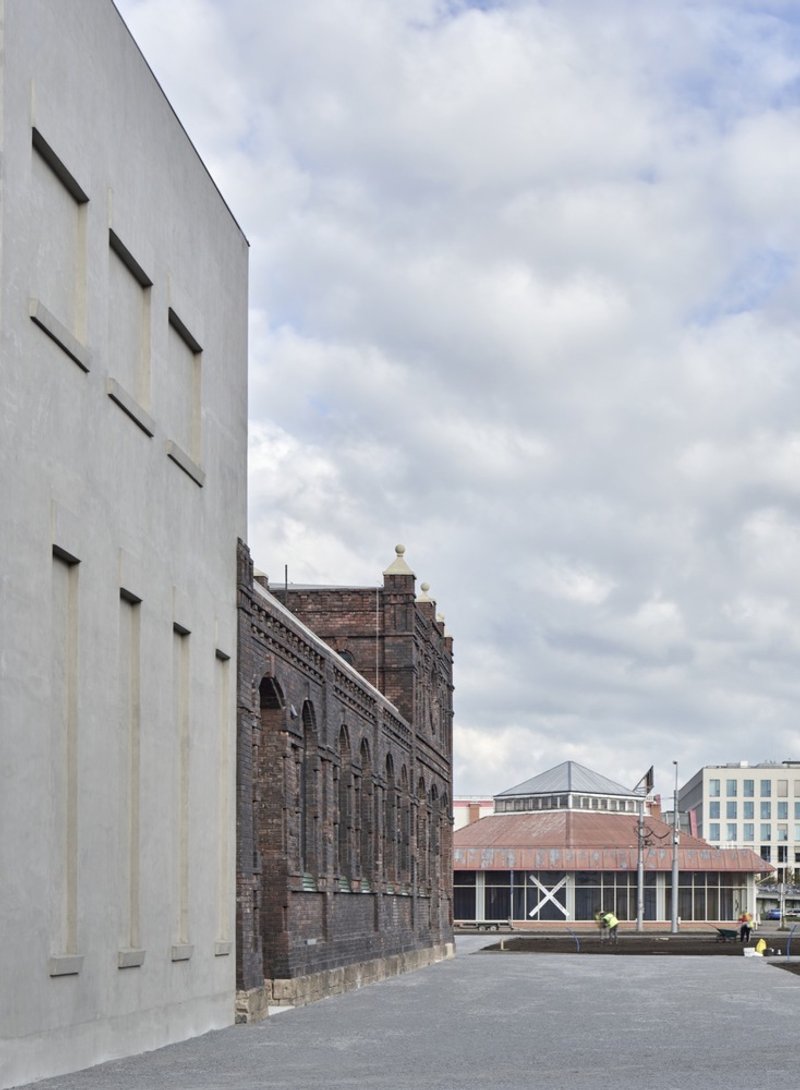
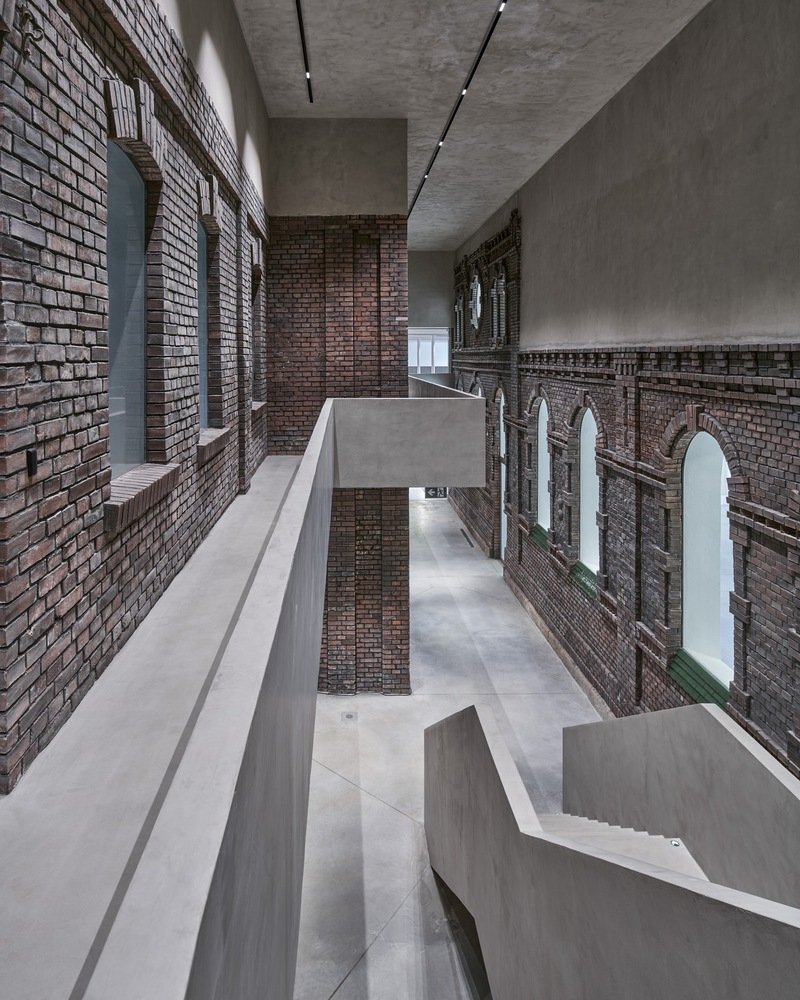
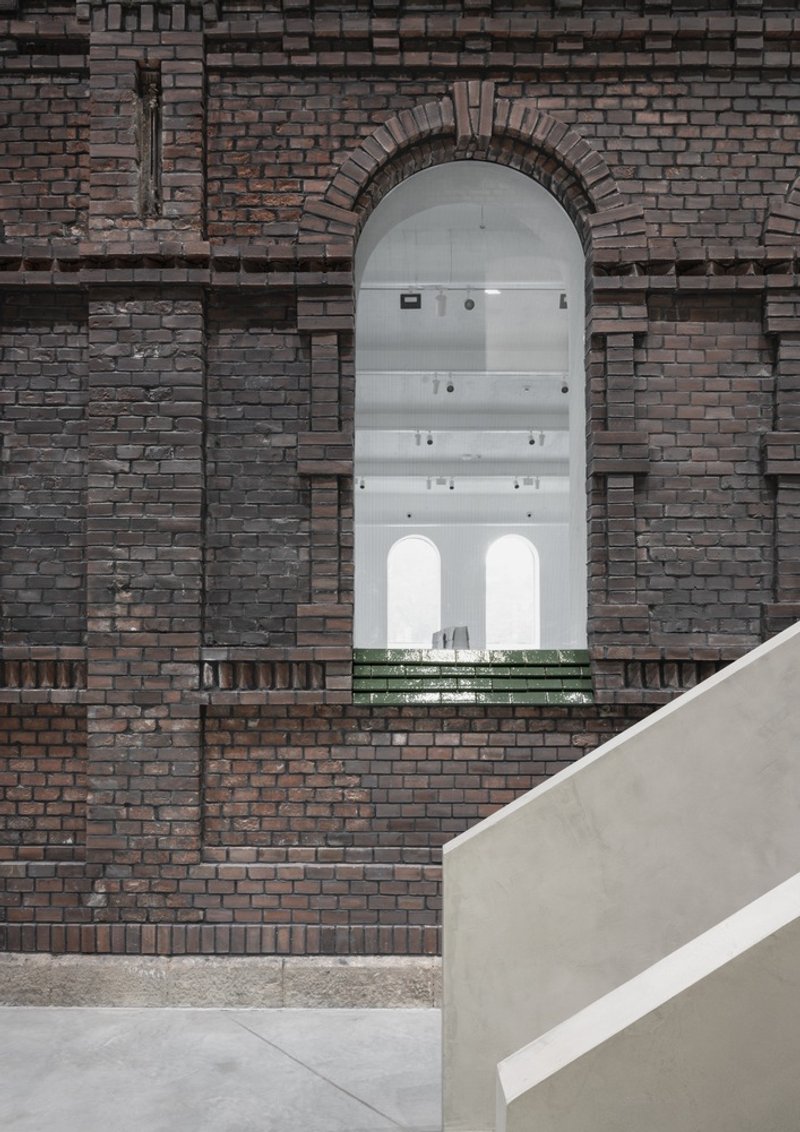
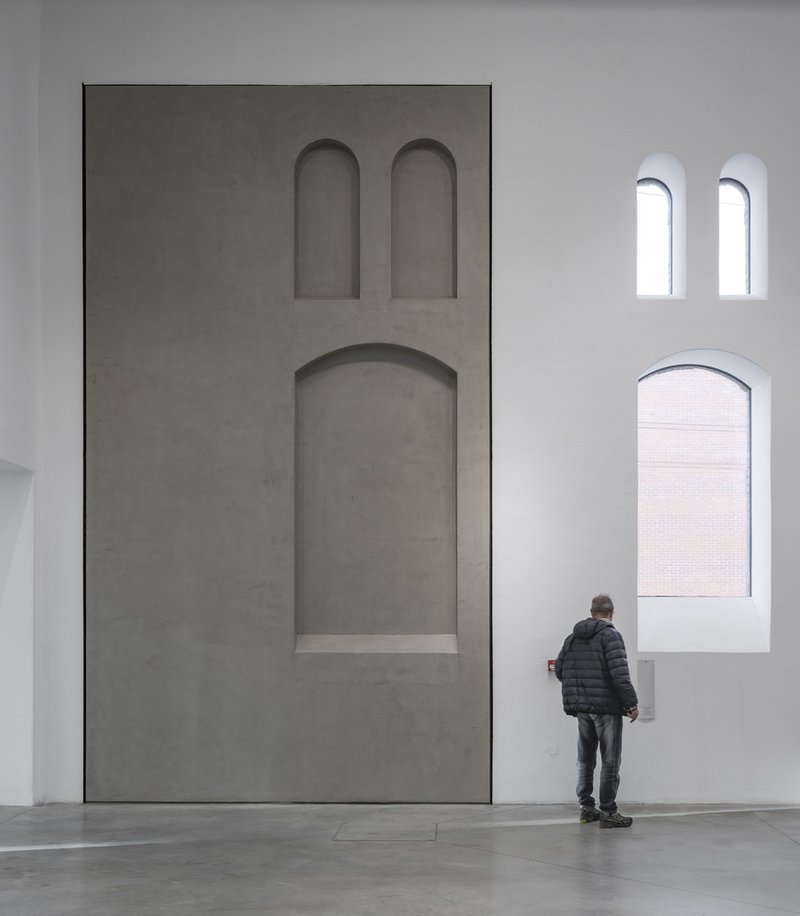
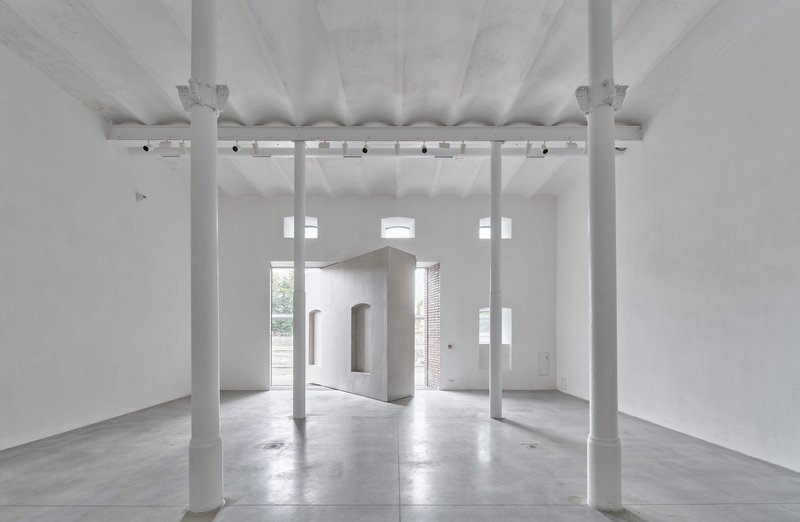
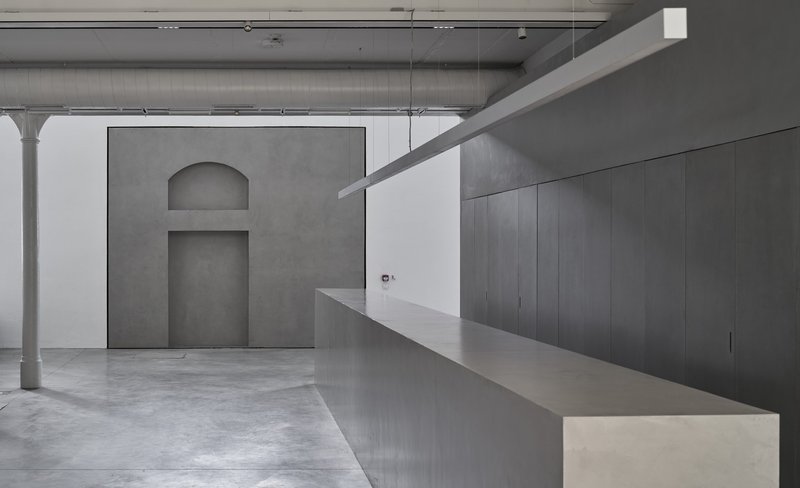
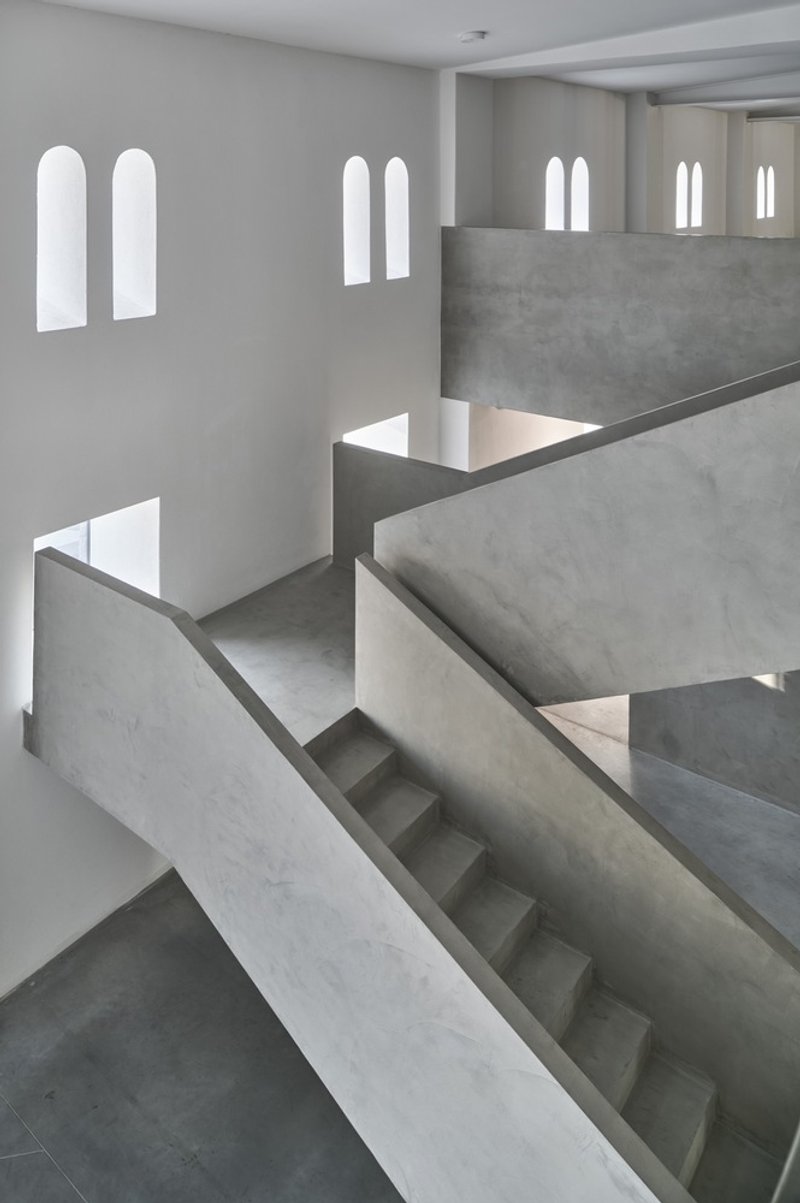
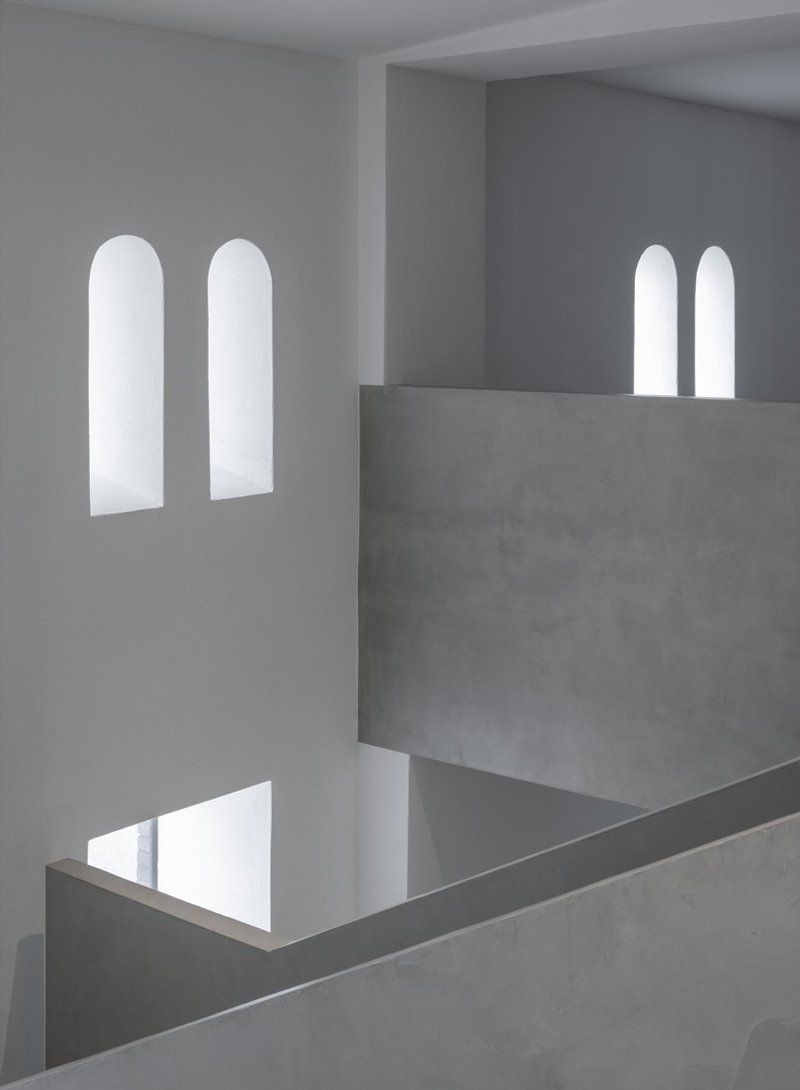
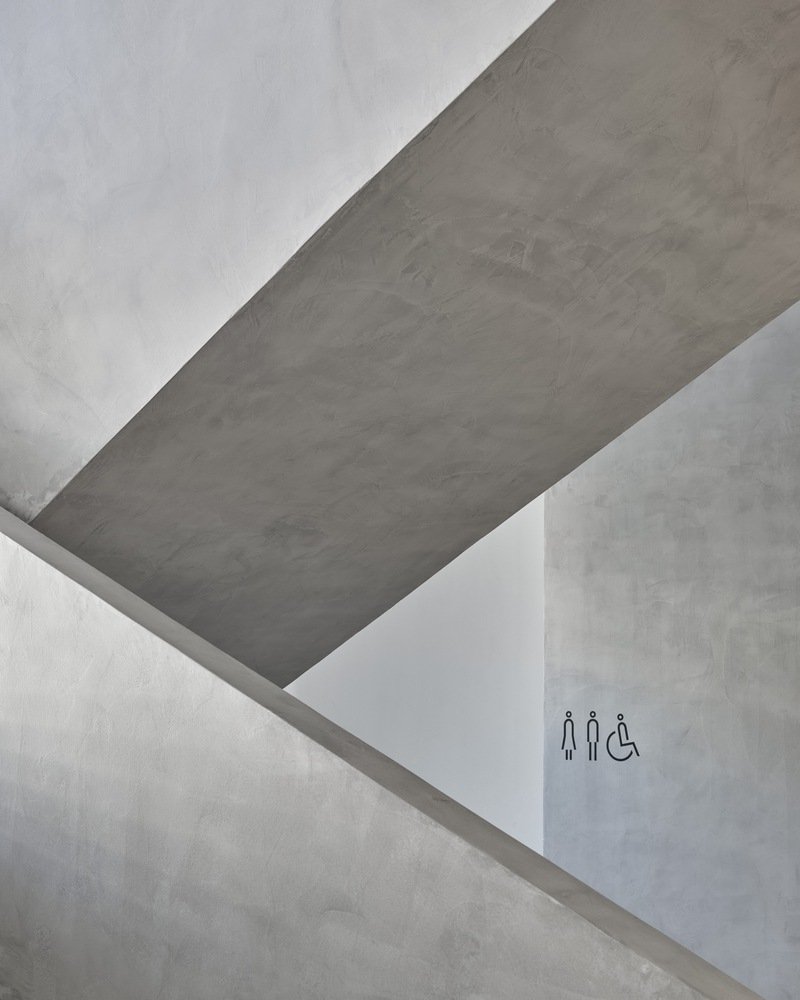
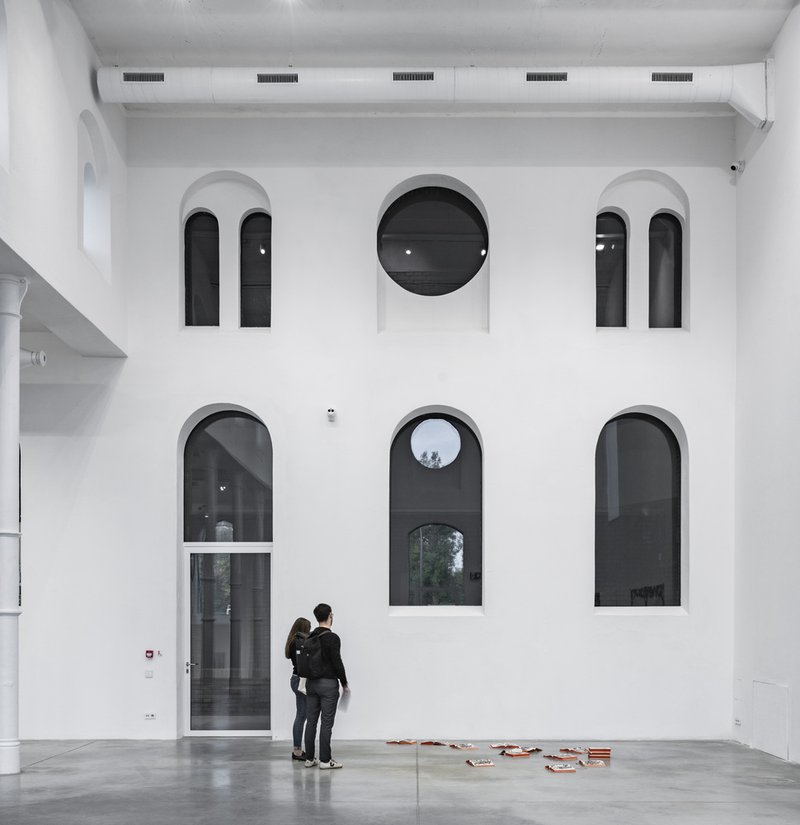
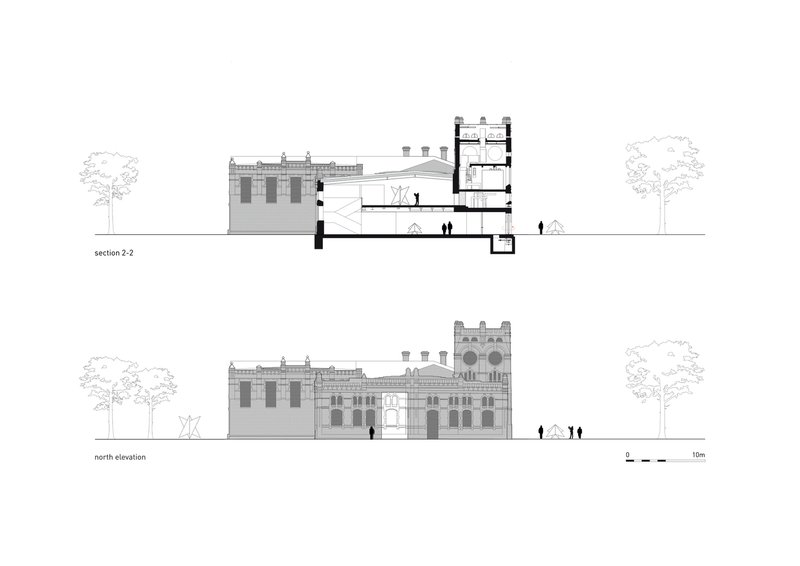
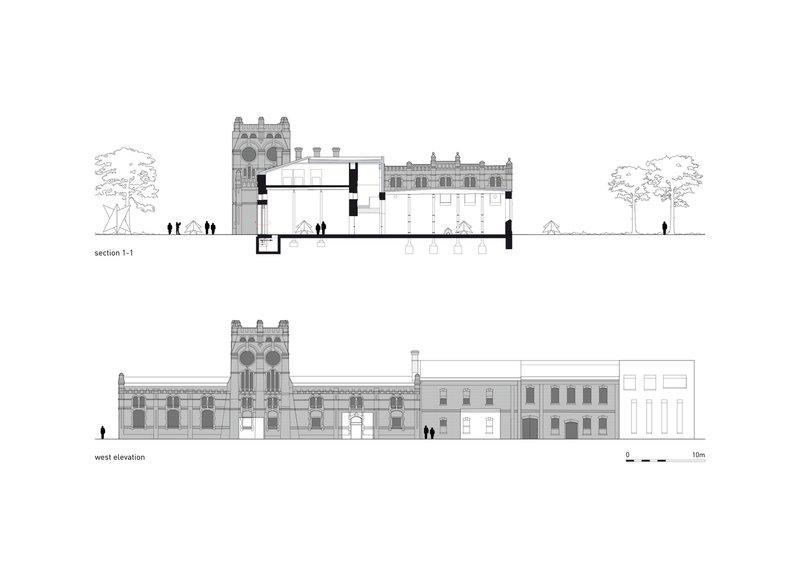
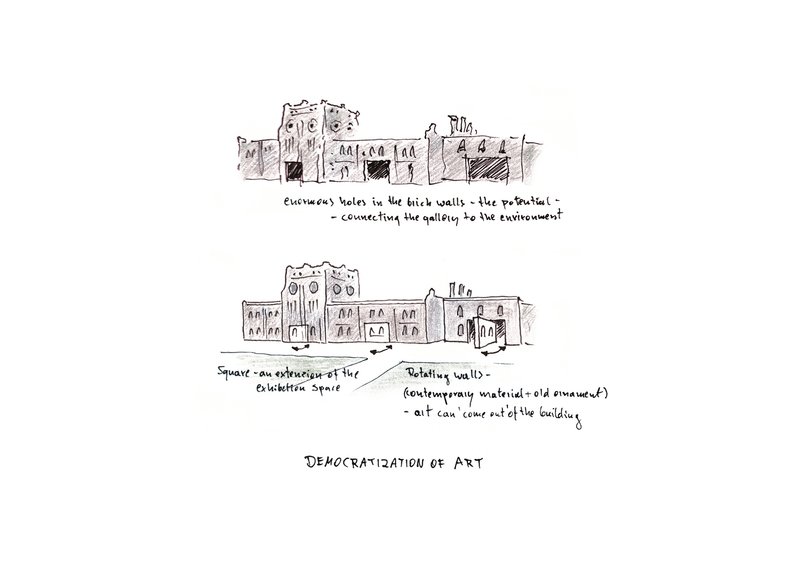
The team meticulously preserved the building's original character, from the soiled brickwork to the old windows, infusing new life while respecting its industrial roots. The innovative use of micro-concrete to reconstruct lost elements and the decision to maintain the building's historic openings as vibrant connectors between the city and the gallery underscored the project's dedication to adaptive reuse.
Bridging Art and Community
Rotating Walls: A Portal to Democracy
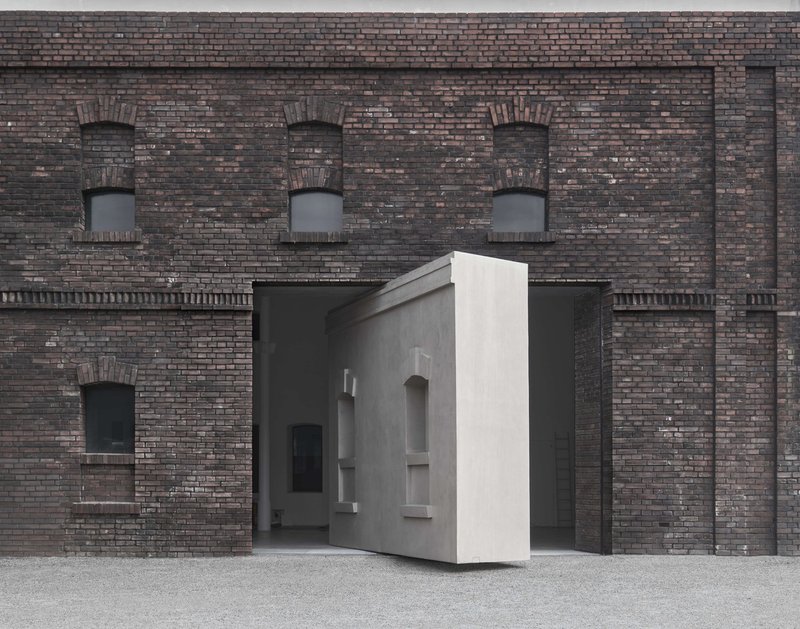
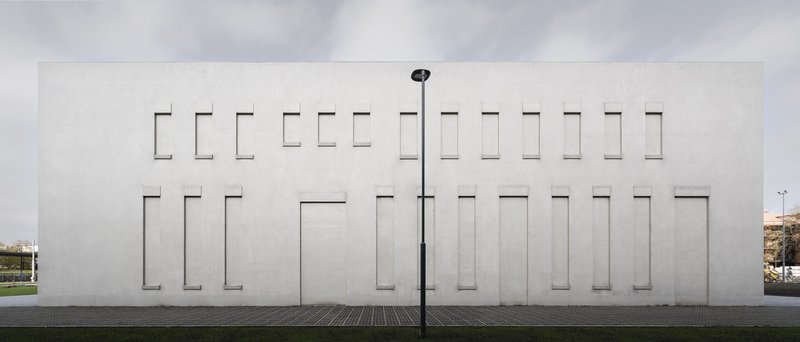
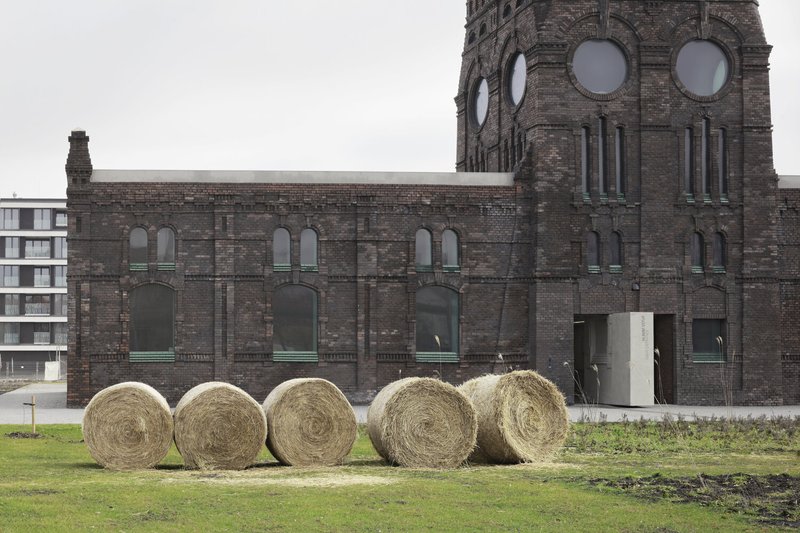
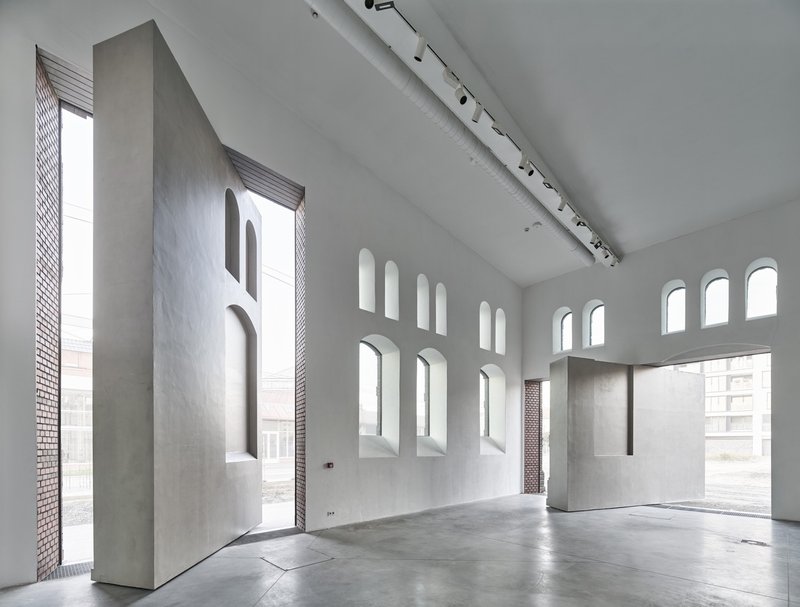
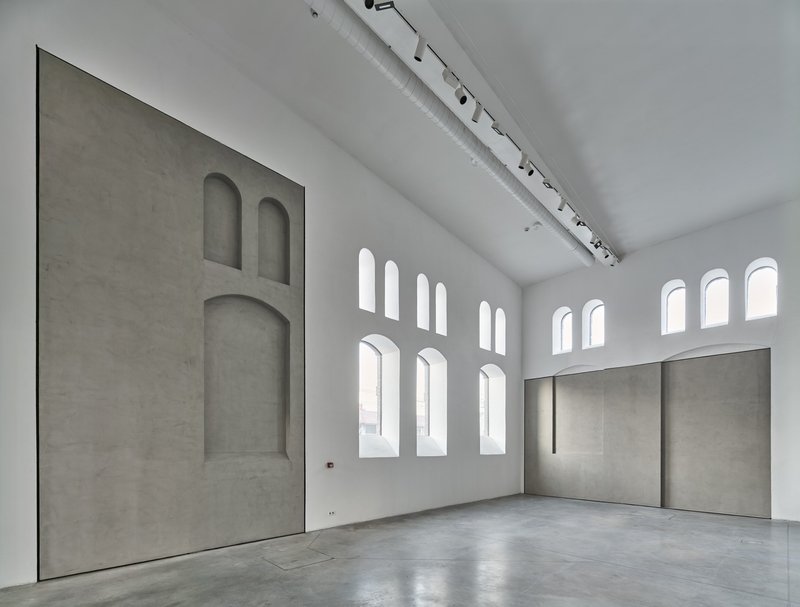
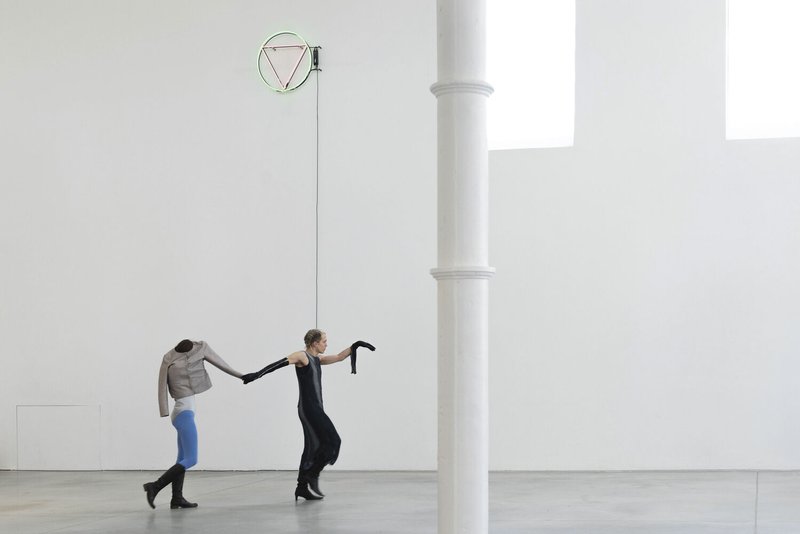
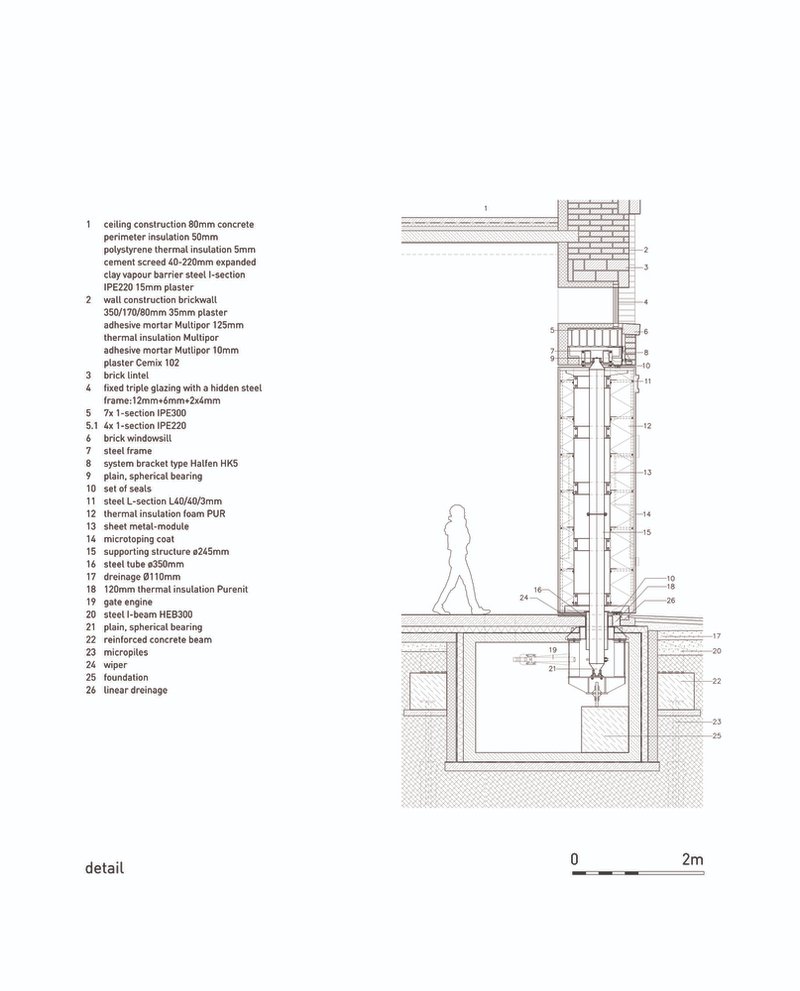
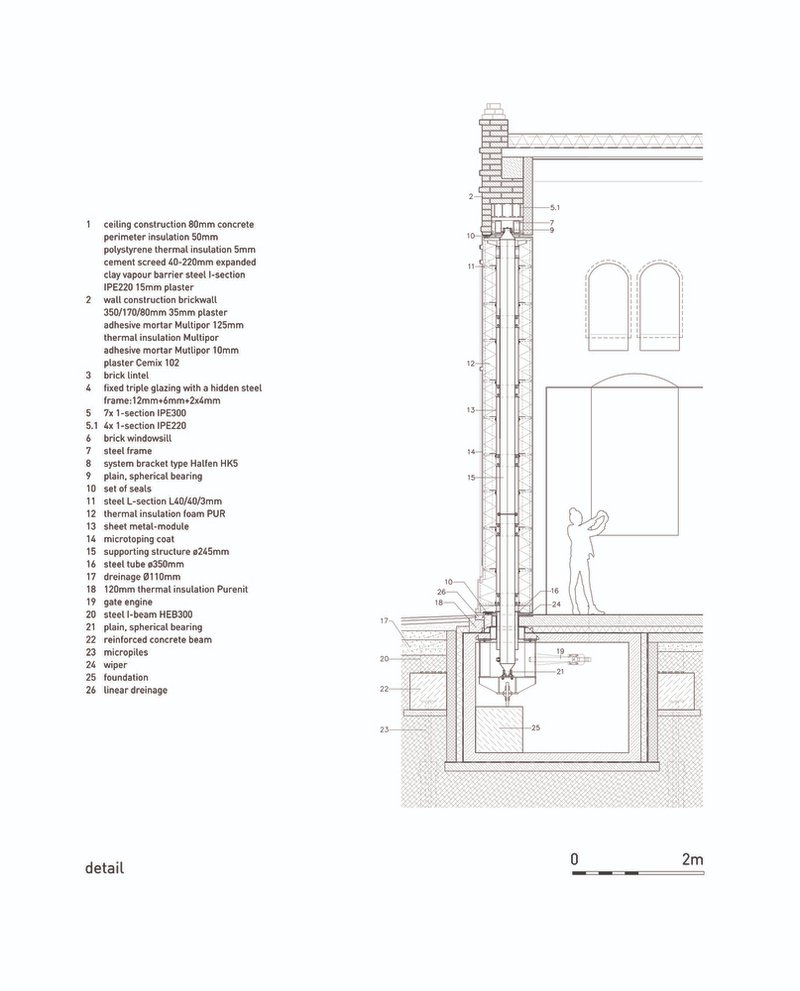
A standout feature of the gallery is its rotating walls, designed to open the exhibition halls directly to the outdoors. This architectural marvel not only offers new possibilities for artists and curators but also democratizes access to culture, making art more accessible and engaging for the broader community.
A Biodiverse Art Park
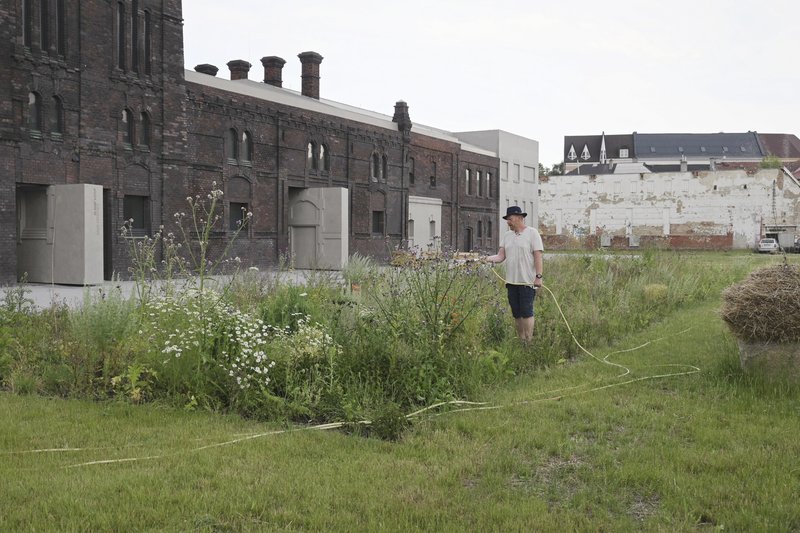
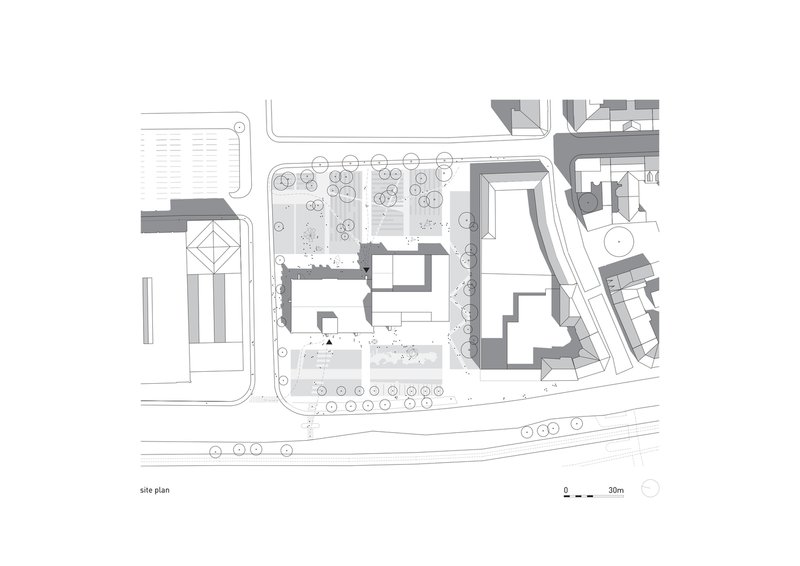
The transformation extended beyond the gallery's walls to its surroundings, previously contaminated and unused. The area has been converted into a biodiverse park, with water-permeable floors and flower meadows, serving as a green oasis for Ostrava's residents and a testament to the project's environmental sensitivity.
The Impact of Adaptive Reuse
Fostering Community and Environmental Awareness
The PLATO Gallery and its surrounding park have become a beacon of community and environmental awareness. By turning a neglected site into a thriving cultural and green space, KWK PROMES has demonstrated the profound impact of adaptive reuse art gallery projects on urban renewal and cultural enrichment.
Sustainability and Innovation
The project's approach to materials, from the recovery of deteriorated bricks to the use of white lime plaster and micro-concrete, exemplifies the innovative and sustainable practices that define successful adaptive reuse. The integration of rotating walls and the thoughtful design of the outdoor areas highlight the gallery's role as a dynamic interface between the past and the present.
A Model for Future Endeavors
The PLATO Contemporary Art Gallery stands as a model for adaptive reuse, illustrating how historic buildings can be transformed into vital community assets. This project not only preserves the architectural heritage of Ostrava but also reimagines it as a space for cultural dialogue, environmental sustainability, and artistic exploration. As cities worldwide look to their past to inspire their futures, the PLATO Gallery serves as a beacon of hope and innovation in the realm of adaptive reuse art gallery projects.
All photographs are work of Jan Antos, Dita Eibenova, Martin Polak, Dominika Goralska, Juliusz Sokołowski, Jakub Certowicz




Popular Articles
Popular articles from the community

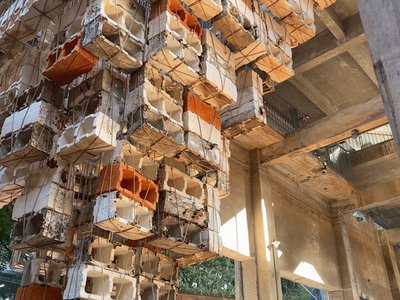
Inverted Architecture Installation by Studio Link-Arc: Exploring the Intersection of Architecture and Living Organisms
Inverted Architecture Installation by Studio Link-Arc blends mycelium, sustainability, inverted design, ecological cycles, and urban adaptive architecture in Shenzhen.
On the Brooks House by Monsoon Collective – A Contemporary Kerala Home Rooted in Tradition
Kerala home blending tradition and modernity with water-inspired design, brick architecture, courtyard planning, and sustainable rainwater harvesting strategies.
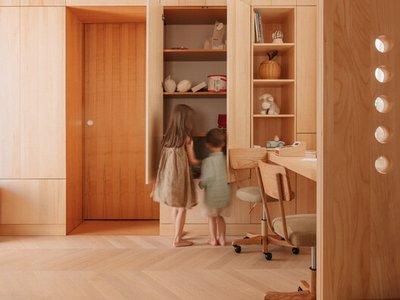
Treehouse Apartment: A Warm Timber Interior Blending Craft, Play, and Contemporary Living
Warm timber apartment with integrated treehouse, combining natural materials, craftsmanship, and playful design to create a flexible, family-oriented living environment.
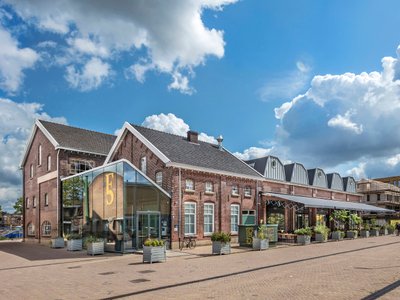
Fifth NRE Jazz Club – De Bever Architecten: Eindhoven’s Revitalized Cultural Hub
Historic gas factory transformed into Fifth NRE Jazz Club blending modern sustainability, jazz culture, dining, and heritage architecture seamlessly.

Similar Reads
You might also enjoy these articles


The Ken Roberts Memorial Delineation Competition (Krob)
As the most senior architectural drawing competition currently in operation anywhere in the world, it draws hundreds of entries each year, awarding the very best submissions in a series of medium-based categories.

Waterfront Redevelopment and Urban Revitalization in Mumbai: Forging a New Dawn for Darukhana
A transformative waterfront redevelopment project reimagining Darukhana’s shipbreaking heritage into an inclusive urban future.

OUT-OF-MAP: A Call for Postcards on Feminist Narratives of Public Space
Rhizoma Design and Research Lab invites artists, designers, architects, researchers, and students to reflect on how feminist perspectives can reshape public space. Selected works will be exhibited in Barcelona, October 2026. Submissions open until 15 April 2026.


Documentation Work on Buddhist Wooden Temple
Architectural syncretism and cultural hybridity: A comparative study of the Buddhist temples in Chattogram Hill tracks


Explore Architecture Competitions
Discover active competitions in this discipline




The International Standard for Design Portfolios


The Global Benchmark for Architecture Dissertation Awards


The Global Benchmark for Graduation Excellence


Challenge to reimagine the Iron Throne
Comments (0)
Please login or sign up to add comments
No comments yet. Be the first to comment!