

Revolutionary Plans Unveiled for Montréal's Biggest Island Park - Prepare to be Amazed!
Discover the Bold Ideas and Sustainable Solutions for Preserving Nature and Enhancing Recreation in Parc Jean-Drapeau


The Société du parc Jean-Drapeau has unveiled its ambitious 2020-2030 Conservation, Design and Development Management Plan, which aims to make Parc Jean-Drapeau an iconic and globally recognized destination for both locals and international visitors. The culmination of three years of intensive work, the Plan represents a superb collective effort aimed at rethinking the park's overall offering and enhancing the experience of its users.

The proposed plan is a bold projection into the future, designed to combine nature, landscapes, history, culture, and sports in a way that celebrates sociability, citizenship, democracy, durability, ecology, and culture. By leveraging the best practices in sustainable development, the park aims to become a laboratory for environmental innovation, ensuring that it stands out as one of the most widely known contemporary parks in Canada.
According to Isabelle Bonneau, director-general of Société du parc Jean-Drapeau, the proposed plan is the result of an undeniable desire to put sociability, citizenship, democracy, durability, ecology, and culture at the forefront of the park's offerings. The park is poised to become one of Montréal's emblematic parks and a calling card for the city, thanks to the innovative approaches and solutions that align with the city's spirit of creativity, design, and quality of life.
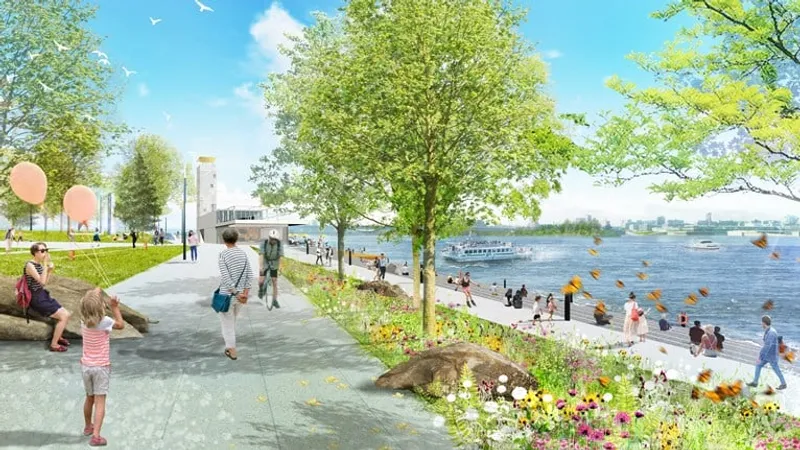
Michel Langevin, Landscape Architect Associate with NIPPAYSAGE, remarked that the plan is a visionary step towards the future, solidifying the park's specific identities and putting sustainable development at the core of its initiatives. Langevin's team is honored to be able to contribute to this vision, which will make Parc Jean-Drapeau an even more vibrant and sought-after destination.

Parc Jean-Drapeau is unique in its kind, with a wealth of natural and built aspects. The park is Montréal's largest area, located at the confluence of the Saint Lawrence and Outaouais Rivers and part of the Hochelaga archipelago. The park has been shaped by many building and development phases, resulting in a wide range of recreational, sports, and cultural activities on its two islands. The park has a rich history, having hosted high-profile events such as Expo 67, the 1976 Summer Olympics, the Man, and His World and Floralies international exhibitions, and the annual Formula Canadian 1 Grand Prix.
Established by the City of Montréal, the Société du parc Jean-Drapeau has a mission to preserve, plan, promote, and develop the urban park, oversee the healthy coexistence of activities that occur there, and ensure its longevity for current and future generations. The proposed plan is a testament to the Société's commitment to this mission, aimed at making Parc Jean-Drapeau an even more attractive and sustainable destination that showcases the best of Montréal's cultural, natural, and sporting assets.
In conclusion, the Société du parc Jean-Drapeau's proposed plan represents a visionary step towards the future, aimed at making Parc Jean-Drapeau a leading park in Canada and a calling card for the city of Montréal. The plan combines nature, landscapes, history, culture, and sports in a way that celebrates sociability, citizenship, democracy, durability, ecology, and culture. By leveraging the best practices in sustainable development, the park aims to become a laboratory for environmental innovation, ensuring that it stands out as one of the most widely known contemporary parks in Canada. The Société du parc Jean-Drapeau is committed to preserving, planning, promoting, and developing this urban park, and the proposed plan is a testament to that commitment.


Popular Articles
Popular articles from the community

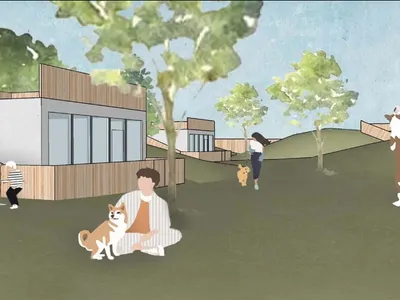
Temporary Home for Dogs: A Reversed Zoo Rethinks Animal Shelter Architecture
In Bucharest, a sinuous corridor and freed landscape flip the logic of containment, designing a shelter that works to make itself unnecessary.

Cloaked Colonization: A Mobile Underwater Habitat That Moves Like a Fish
Micah Abaya's shortlisted EHC Pacific entry reimagines ocean settlement as a dispersed network of self-sustaining architectural organisms.

Singing Woman: An Opera House That Performs Before the Curtain Rises
Ovidiu Cristian Pavel's conceptual opera house translates Estonia's choral identity into a sculpted waterfront landmark facing the Baltic Sea.

Opera by the Sea Estonia: Three Shells Dissolving Architecture into Tallinn's Coastline
A winning opera house proposal replaces monumental form with interconnected shells that blur the boundary between building, park and Baltic Sea.

Similar Reads
You might also enjoy these articles
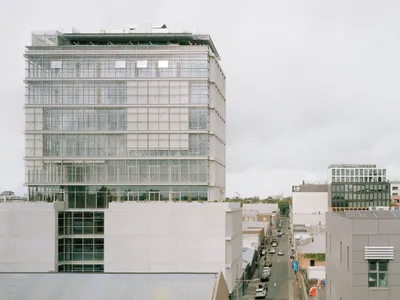
116 Rokeby Building, Collingwood
Sustainable Collingwood office building featuring double-skin façade, natural ventilation, rooftop amenities, and carbon-neutral design focused on wellbeing and longevity.
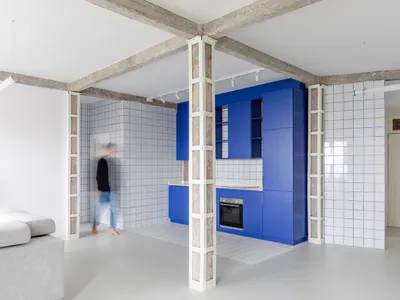
Contemporary Apartment Renovation in Spain: RV House by BIAN Opens Up to the Sea
A minimalist 1930s apartment in Santander is transformed into a flexible, sea-facing home through contemporary Spanish renovation.
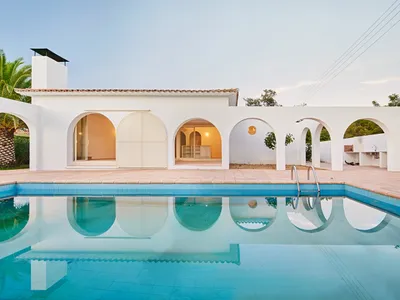
3 Marías House: A Contemporary Mediterranean Courtyard Retreat by Bajet Giramé + Burckhardt
Mediterranean courtyard home blending traditional architecture with modern design, terracotta flooring, flexible interiors, sustainable climate strategies, and garden integration.
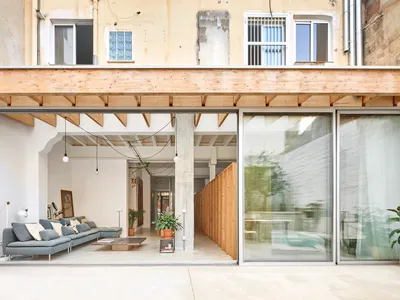
NZ10 Apartment by auba studio: Adaptive Reuse in Palma de Mallorca
Adaptive reuse apartment transforms bakery into light-filled home with patios, privacy layers, and wood interiors enhancing urban living experience.

Explore Public Park Competitions
Discover active competitions in this discipline


Challenge to design locus for the upliftment of human rights

Challenge to reimagine the Iron Throne

Photograph architecture without architects

Illustrate the lost glory of Angkor Wat - Render Challenge
Comments (0)
Please login or sign up to add comments
No comments yet. Be the first to comment!