

NZ10 Apartment by auba studio: Adaptive Reuse in Palma de Mallorca
Adaptive reuse apartment transforms bakery into light-filled home with patios, privacy layers, and wood interiors enhancing urban living experience.


The NZ10 Apartment by auba studio is a thoughtful example of adaptive reuse architecture, transforming a former 1980s bakery into a contemporary residential space in Palma de Mallorca. Designed by Santiago Martín-Borregón Navarro, the project responds to the growing demand for affordable housing solutions in dense urban environments.
Context and Design Approach
Located on the ground floor within a compact neighborhood, the project addresses urban constraints through smart spatial planning, natural lighting strategies, and interior-exterior integration. The renovation preserves the building’s original footprint while reimagining its function, creating a balance between privacy, openness, and environmental comfort.

Lighting and Spatial Continuity
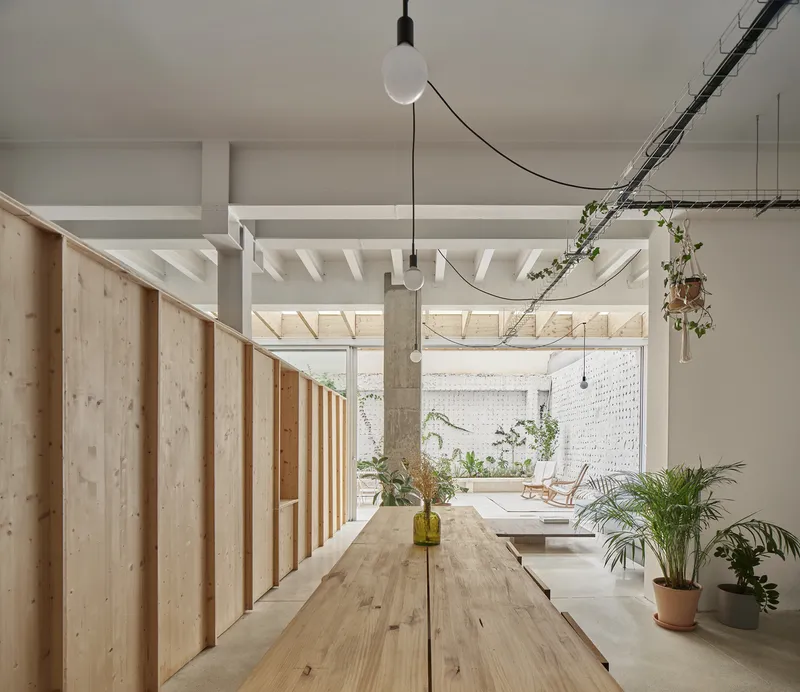
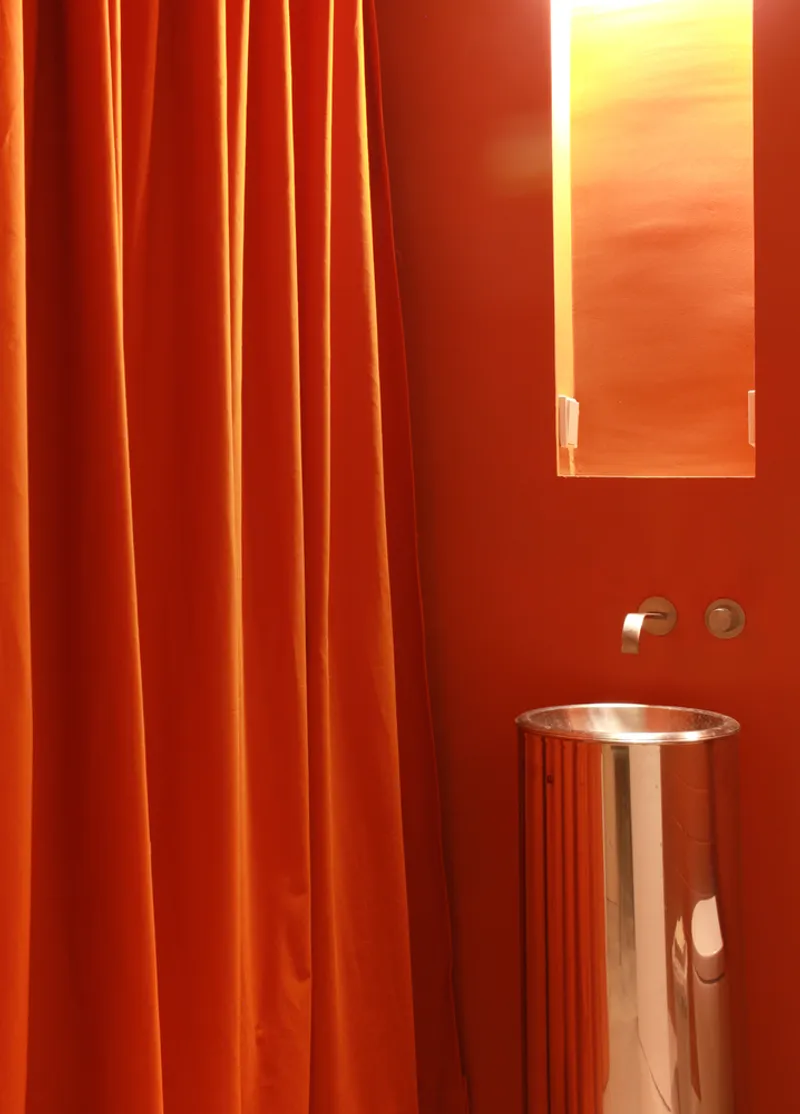
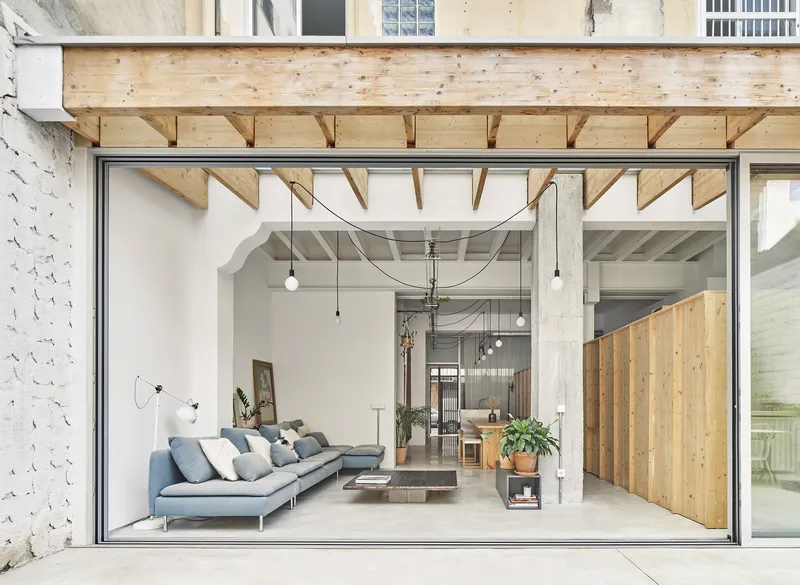
A key design strategy focuses on enhancing natural light penetration. By removing partitions and opening the former kitchen area, the architects established a continuous visual and luminous flow between the front façade and the rear patio. Two full-width stained-glass openings further amplify daylight, improving spatial perception.
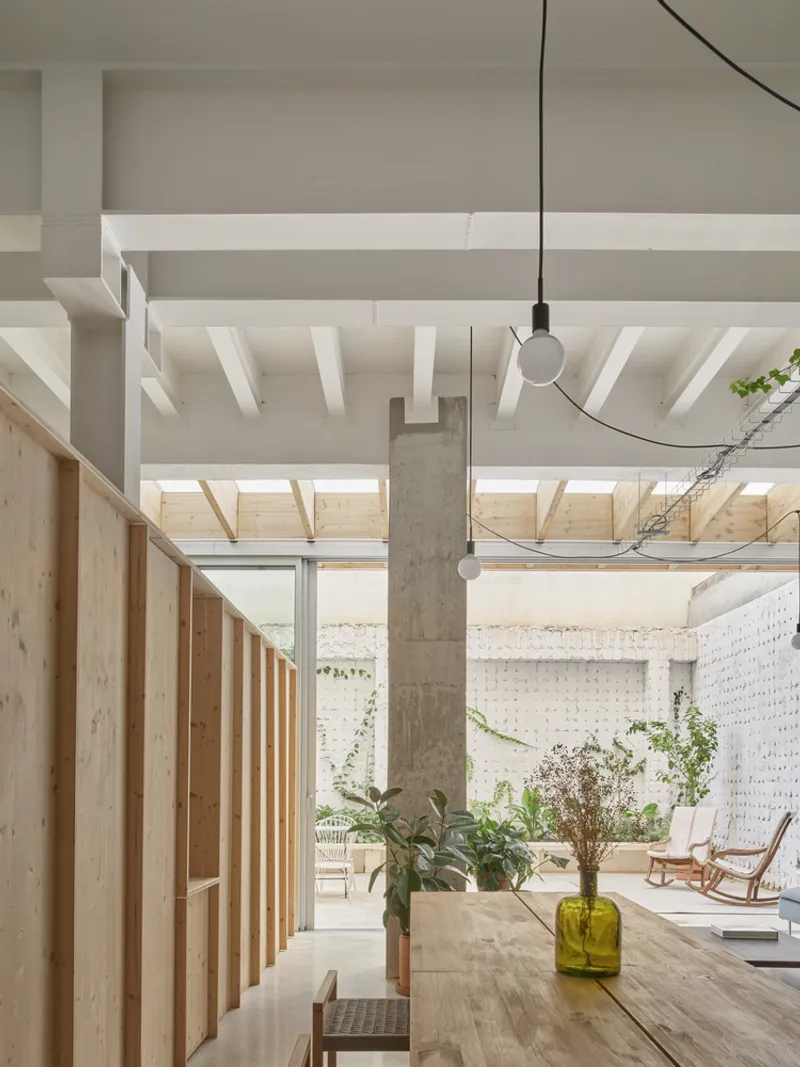
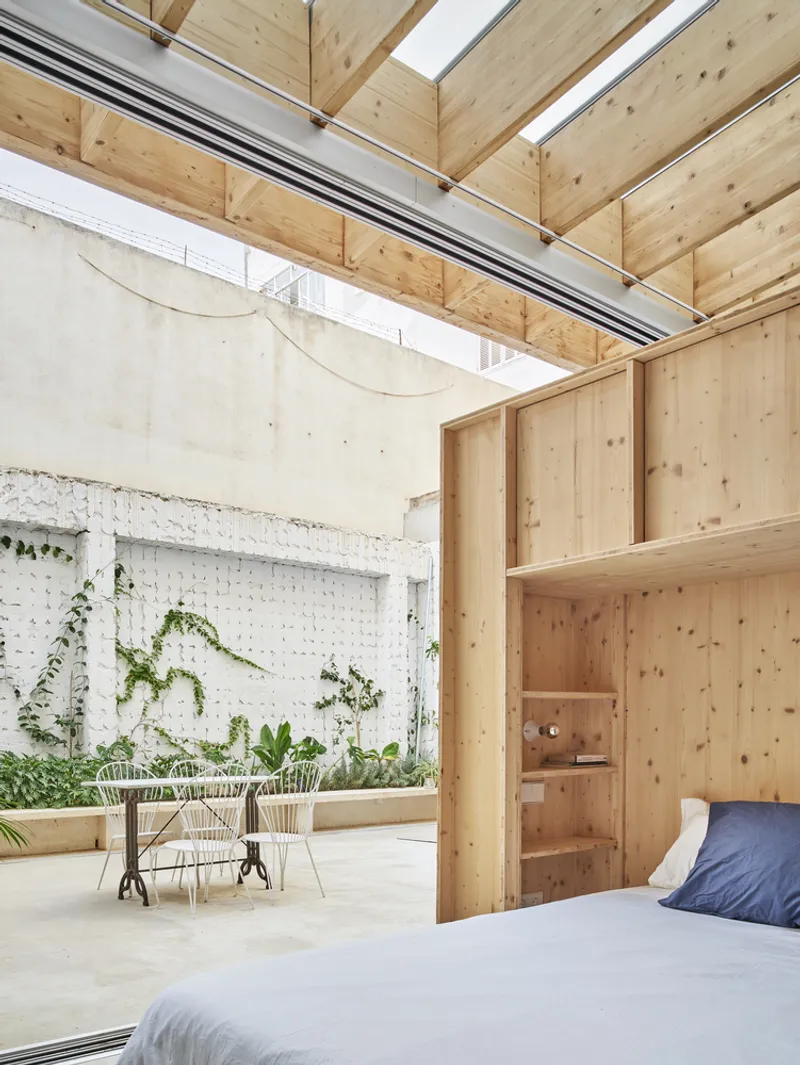
The backyard is reintroduced as a functional and aesthetic element, retaining the original tiling as a textured base for vegetation while contributing to acoustic comfort. A lightweight porch extension with a glazed roof enhances the transition between indoor and outdoor spaces without direct solar exposure.

Privacy and Urban Interface
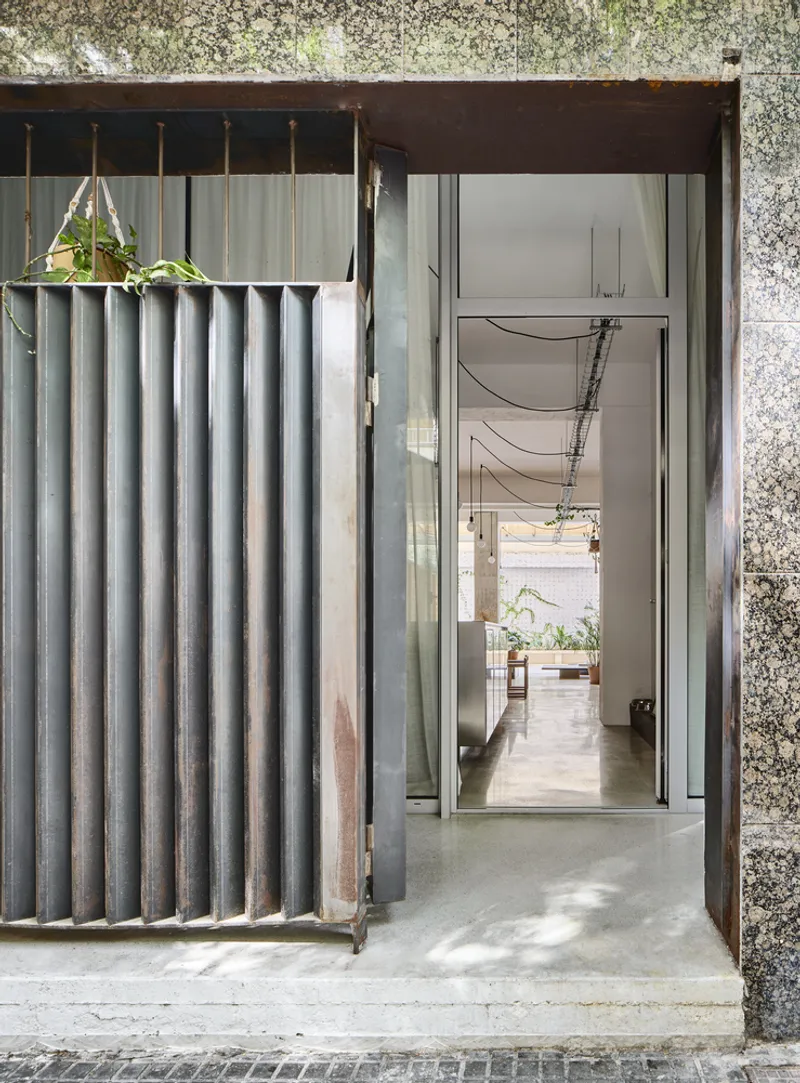
To mediate between the street and the home, an intermediate buffer zone is created. This semi-private “batiport” incorporates inclined steel slats that filter views while allowing airflow and light. This strategy draws inspiration from contemporary urban solutions seen in cities like Barcelona, ensuring privacy without sacrificing openness.

Interior Landscape Integration
Nature plays a central role in shaping the spatial experience. A linear planter and integrated seating define the patio, while a larger planted area introduces a tree, reinforcing the connection between architecture and landscape. This biophilic design approach visually extends the interior, making outdoor spaces feel like an integral part of the home.
Functional Layout and Materiality
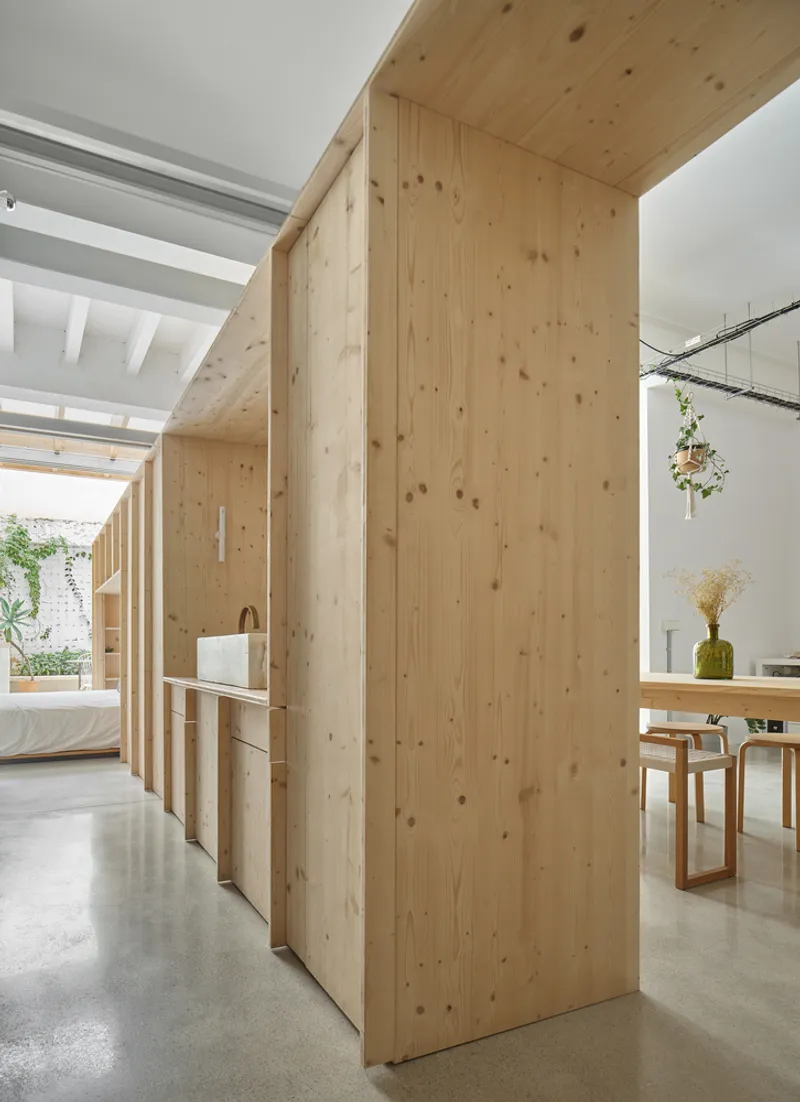
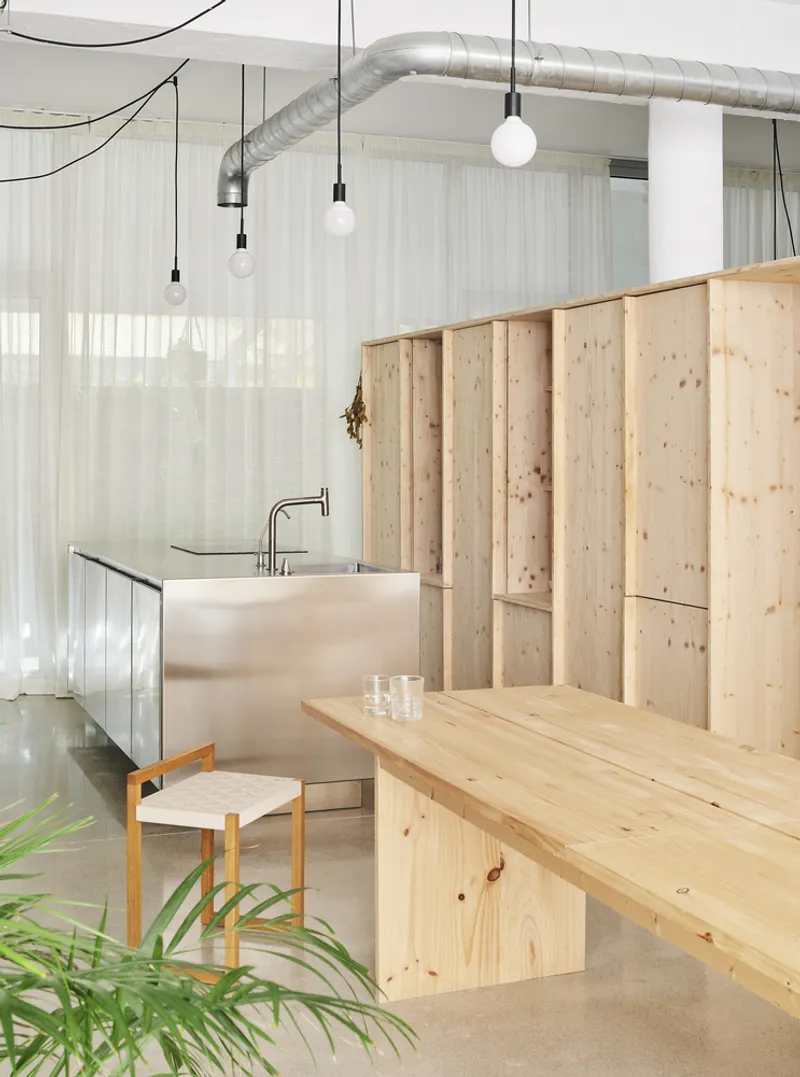
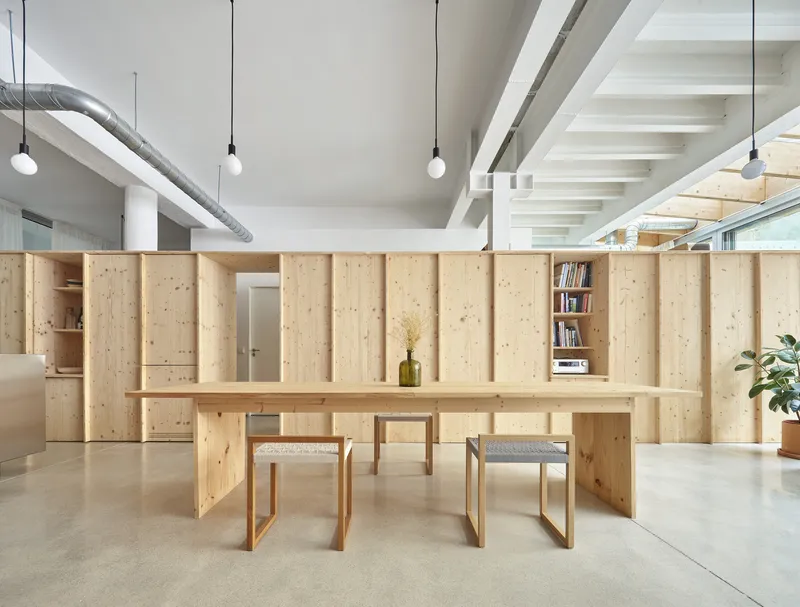
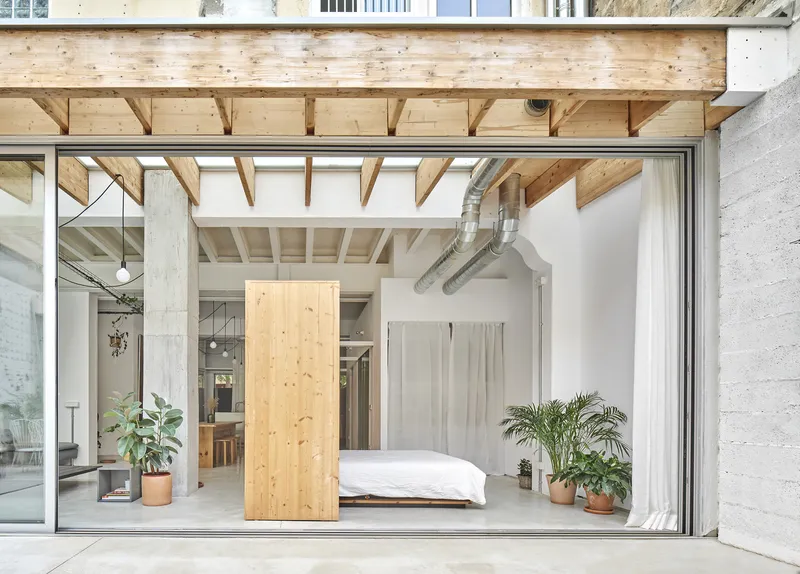
The apartment is organized through a linear fir wood furniture element, which divides the space into day and night zones while maintaining light continuity. The living area integrates the kitchen, dining, and lounge around a stainless-steel island, promoting openness and flexibility.
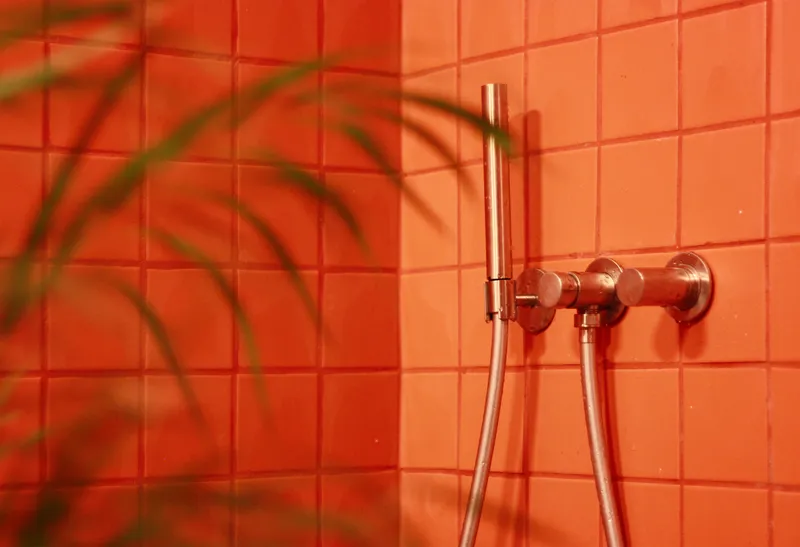
The private zone includes two bedrooms and bathrooms, efficiently arranged for functionality. The use of fir wood throughout the intervention highlights new additions while introducing warmth, texture, and material coherence to the interior.
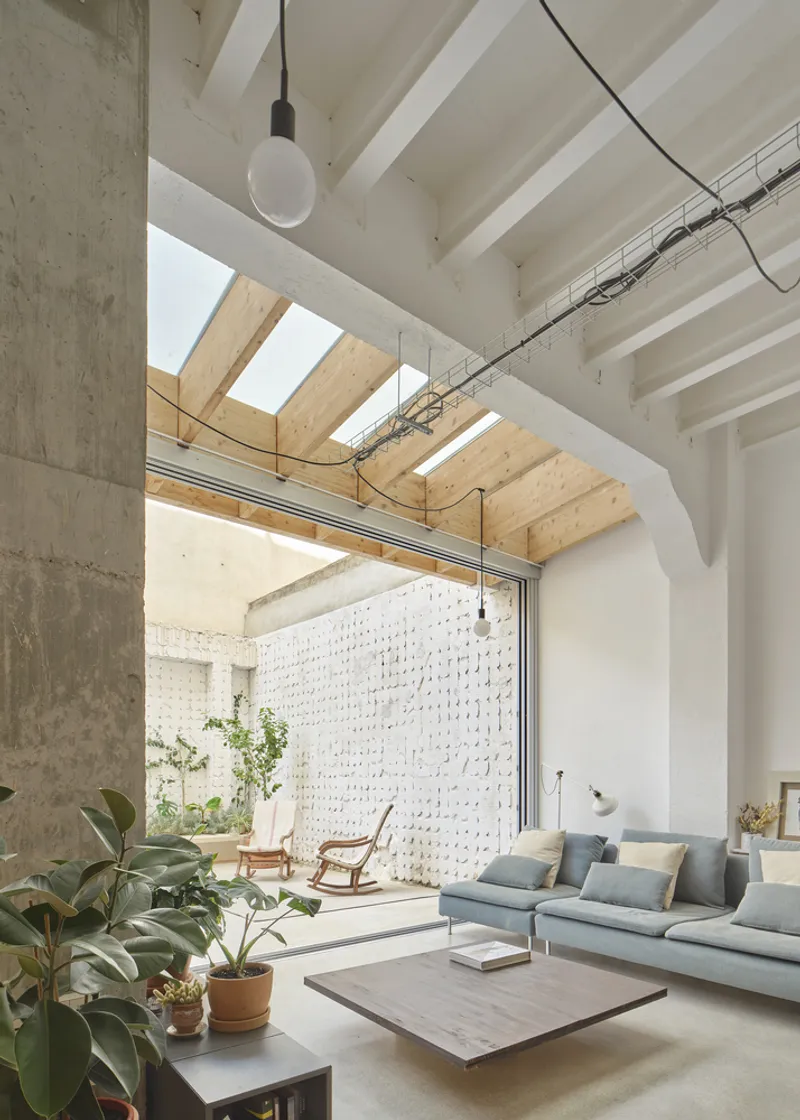
The NZ10 Apartment demonstrates how adaptive reuse, sustainable design strategies, and spatial optimization can transform underutilized urban spaces into high-quality living environments. It stands as a model for urban regeneration, compact living, and contemporary residential design.
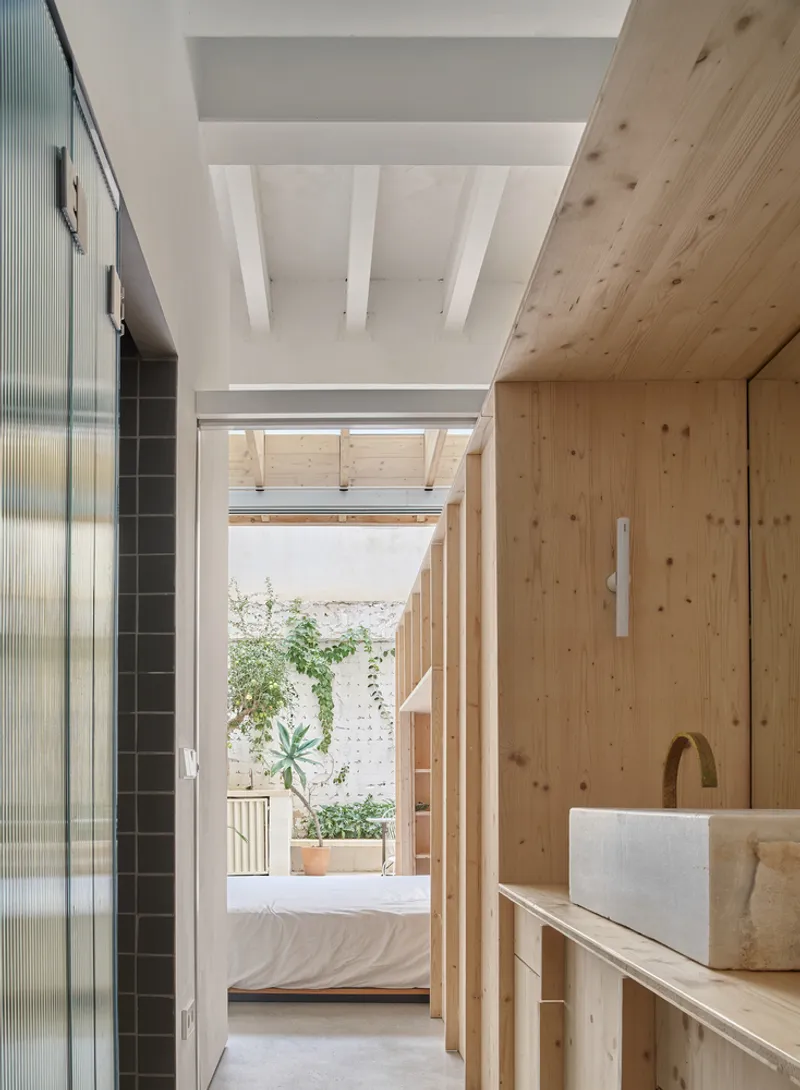
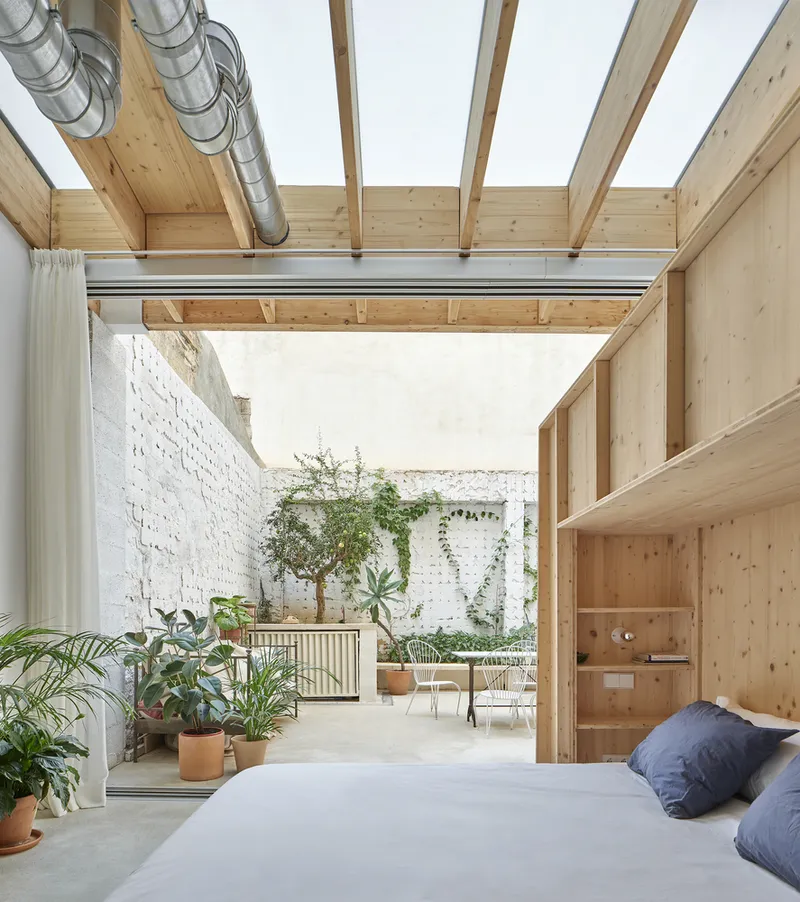
All photographs are works of
José Hevia, auba studio


Popular Articles
Popular articles from the community


Faces of the Soviet Avant-Garde: Turning Moscow's Street Names into an Open-Air Museum
A network of sculptural installations across a Moscow residential district transforms forgotten architect names into spatial encounters with cultural memor

Opera on the Sea: Driftwood Logic Shapes a Timber Opera House on Estonia's Coast
Trevor Orgill's opera house translates the entangled drift of floating timber into a civic building where wood, water, and music converge.

Cloaked Colonization: A Mobile Underwater Habitat That Moves Like a Fish
Micah Abaya's shortlisted EHC Pacific entry reimagines ocean settlement as a dispersed network of self-sustaining architectural organisms.

Extended Shell: Retrofitting Kolkata's Balconies as Living Urban Thresholds
A modular retrofit system recovers the social and environmental intelligence of Kolkata's historic verandas for contemporary Park Street residents.

Similar Reads
You might also enjoy these articles


Bamboo Housing Challenge 2026: Design Affordable, Sustainable Homes Using Bamboo
An international design competition by Bamboo U and IBUKU inviting architects and designers to reimagine affordable housing using bamboo — with the winning design built full-scale in Bali.

Computational Design & Education: Beegraphy Design Awards Introduces 7th Category (Featuring Jiyun's Innovative Approach)
Dive into Beegraphy’s 7th Design Awards category, where computational design meets education to create immersive, interactive learning tools, inspired by Jiyun’s work.
From Parametric Lighting to Urban Furniture: Join the 2nd Workshop in Beegraphy’s Computational Design Series
Dive into Cutting-Edge Design Techniques and Practical Applications with Industry Experts

Last Call: Unleash Your Architectural Genius in SHAK's Kindergarten Design Competition
Urgent call for architects to join SHAK's kindergarten design competition before the looming deadline

Explore Blocs Competitions
Discover active competitions in this discipline

Challenge to reimagine the Iron Throne

Photograph architecture without architects

Illustrate the lost glory of Angkor Wat - Render Challenge

Design challenge to reuse E-waste
Comments (0)
Please login or sign up to add comments
No comments yet. Be the first to comment!