
SAIL Center by Studio Naqshbandi: A Beacon of Spiritual Architecture in India
An exploration of the SAIL Center's integration of spiritual architecture and sustainable design in Surat, India.

Introduction to the SAIL Center
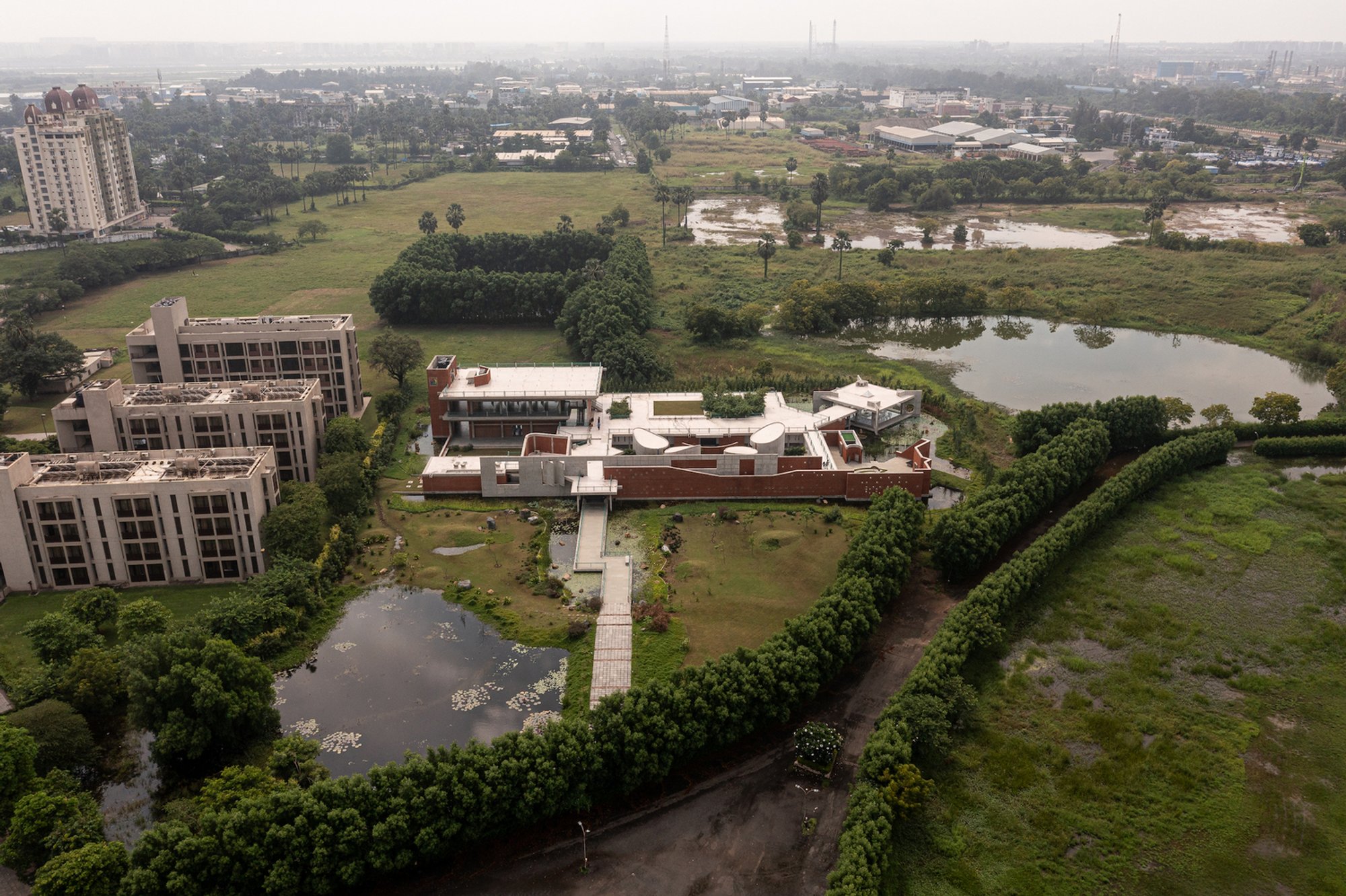
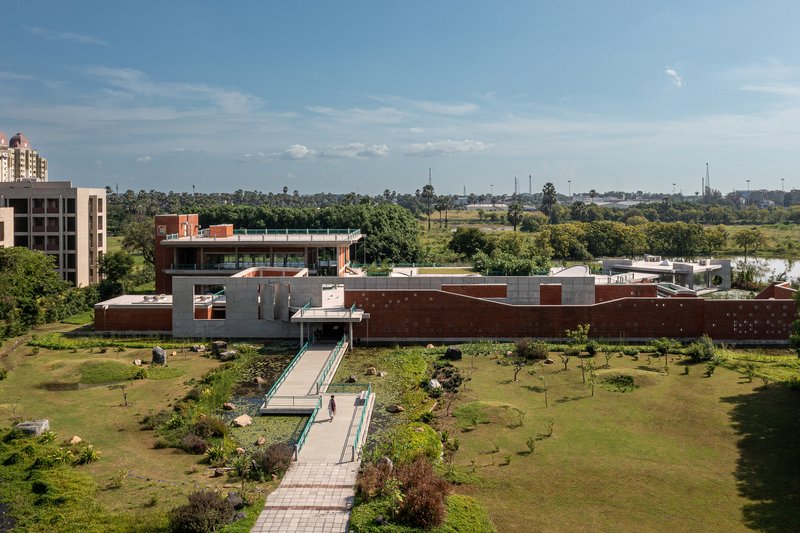
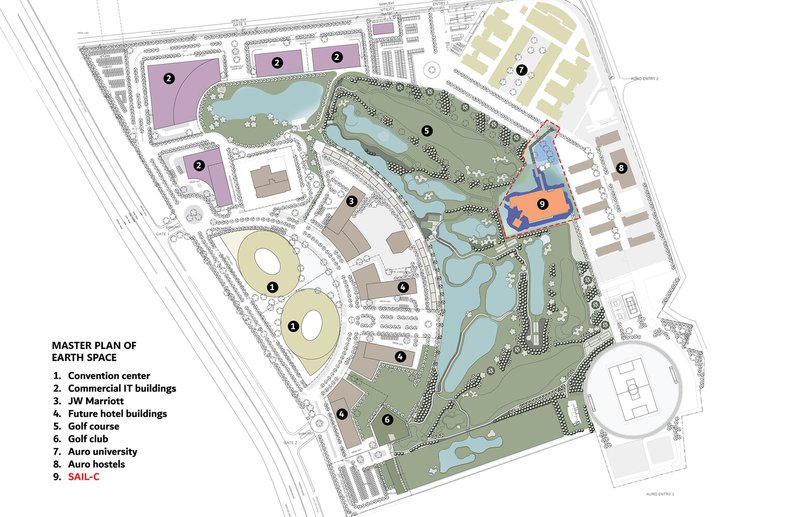
Nestled within the expansive 47-hectare Earthspace campus of AURO University in Surat, Gujarat, the Sri Aurobindo Integral Life Center (SAIL Center) stands as a testament to spiritual architecture in India. Designed by Studio Naqshbandi under the guidance of architect Mona Doctor-Pingel, the center embodies the teachings of Sri Aurobindo and The Mother, serving as a sanctuary for introspection, contemplation, and inner growth.
Design Philosophy and Concept
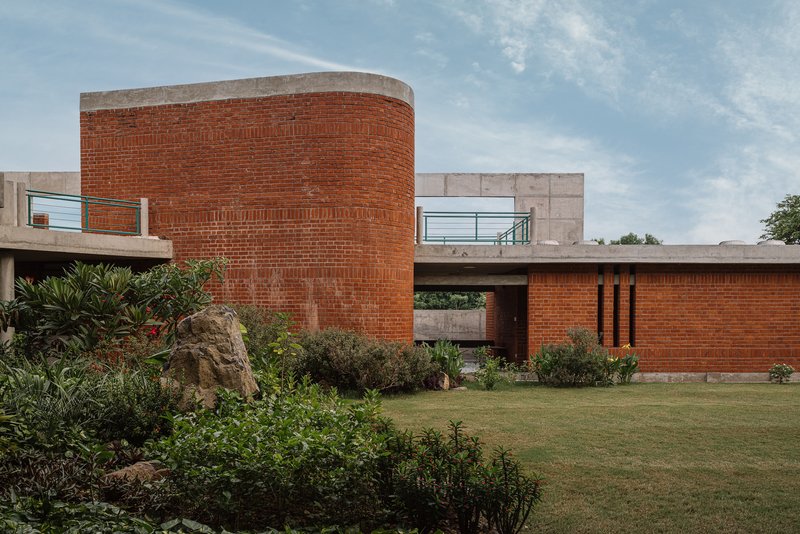
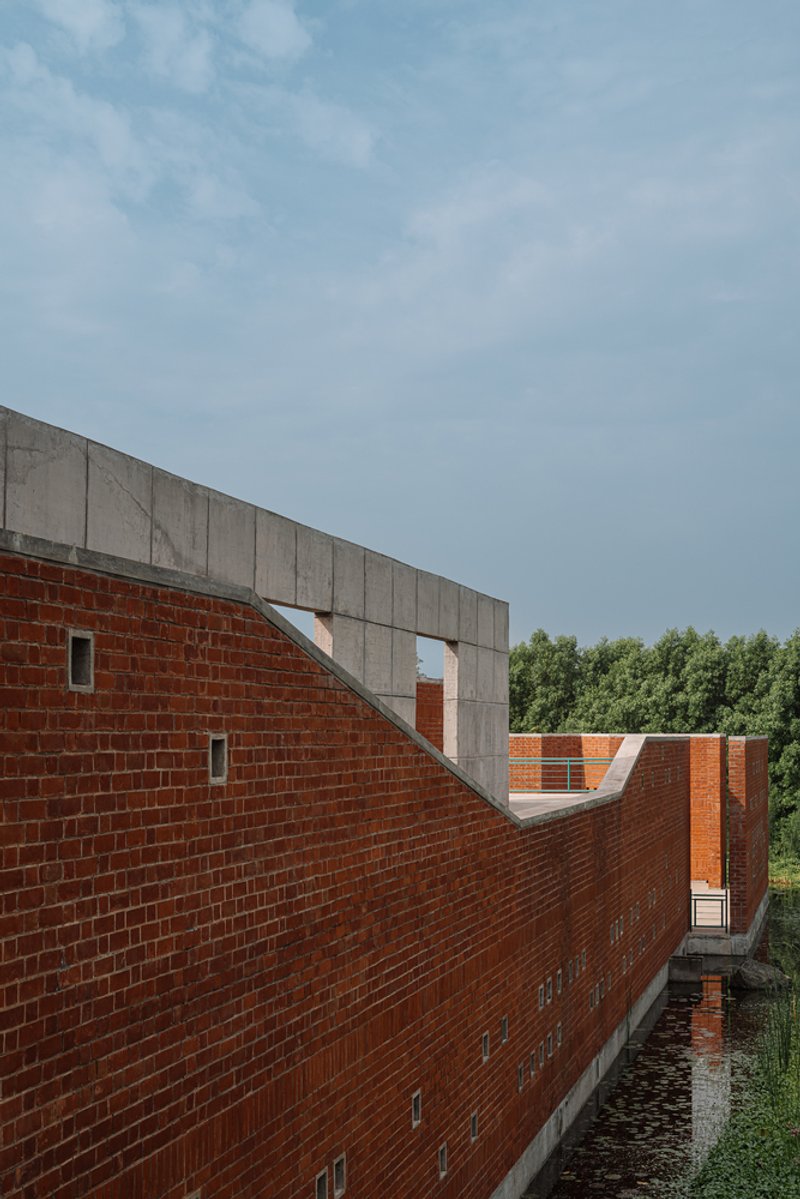
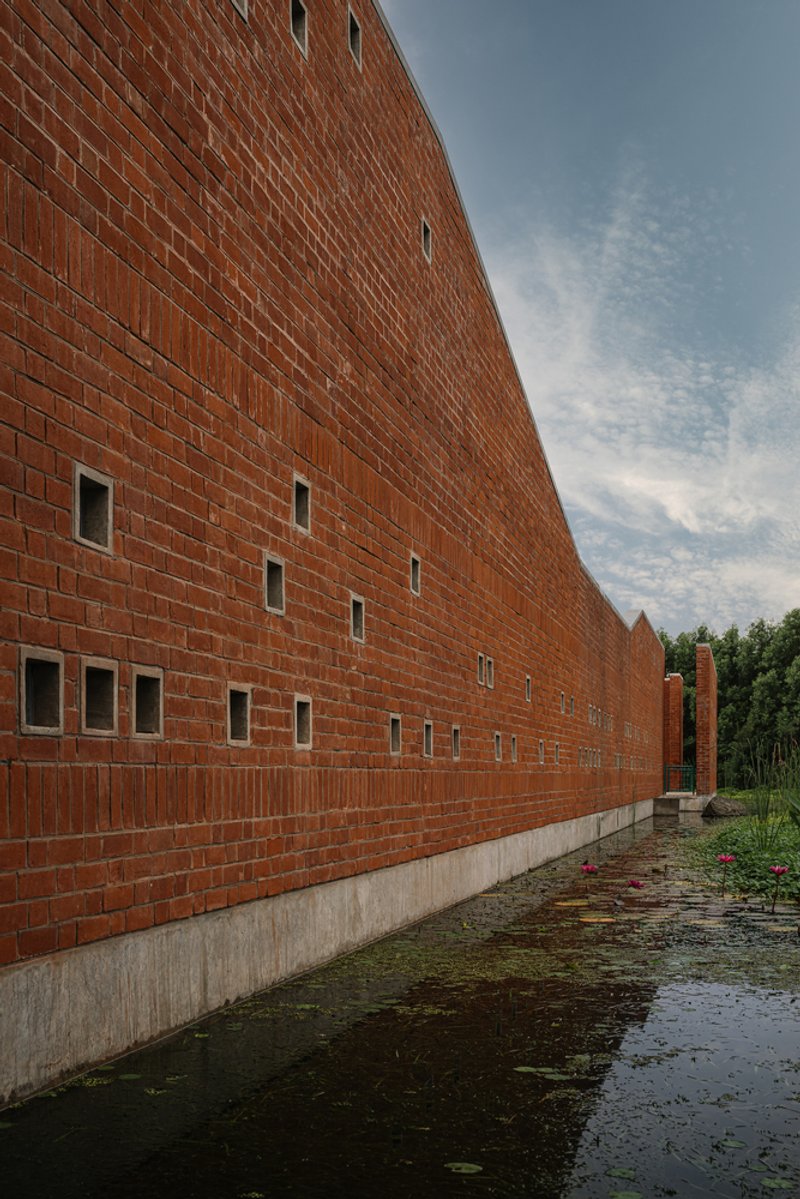
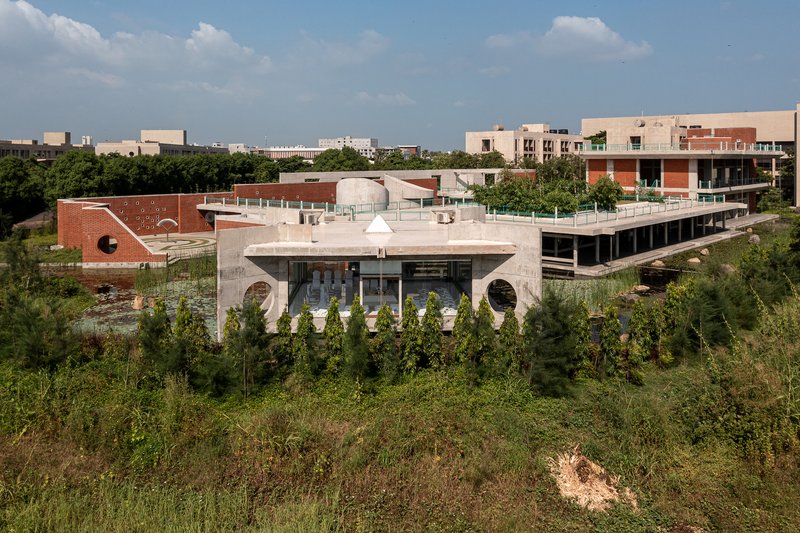
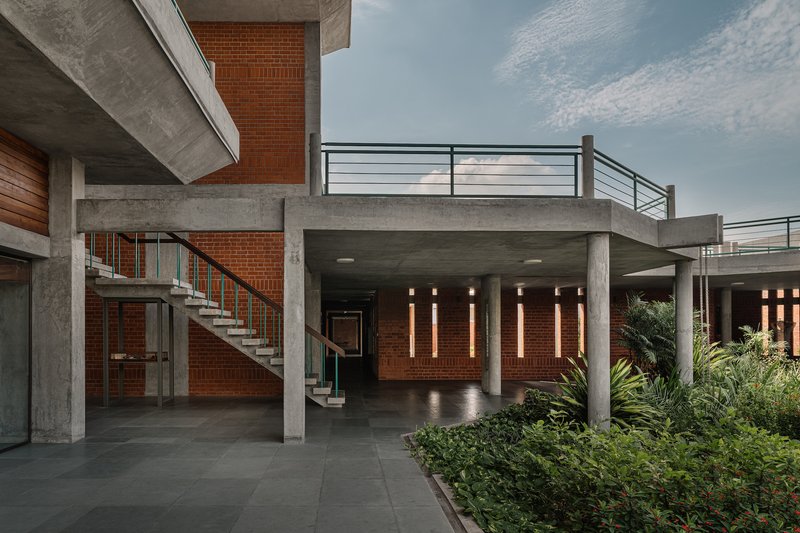
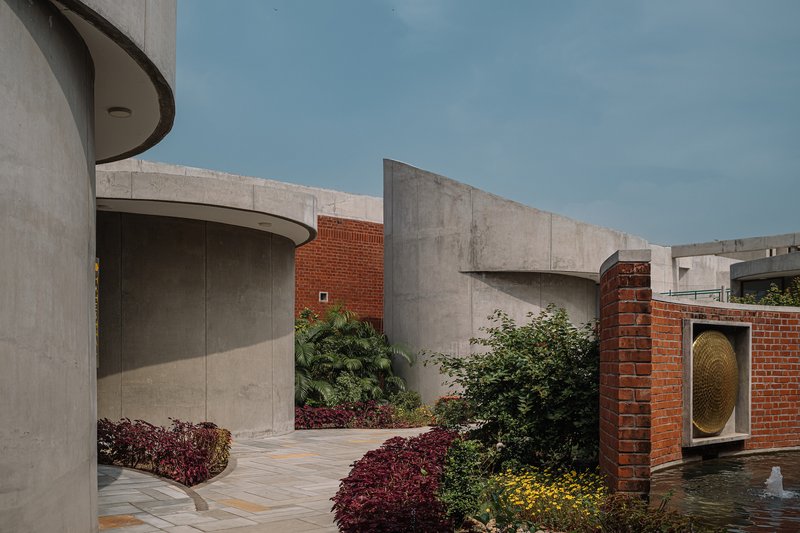
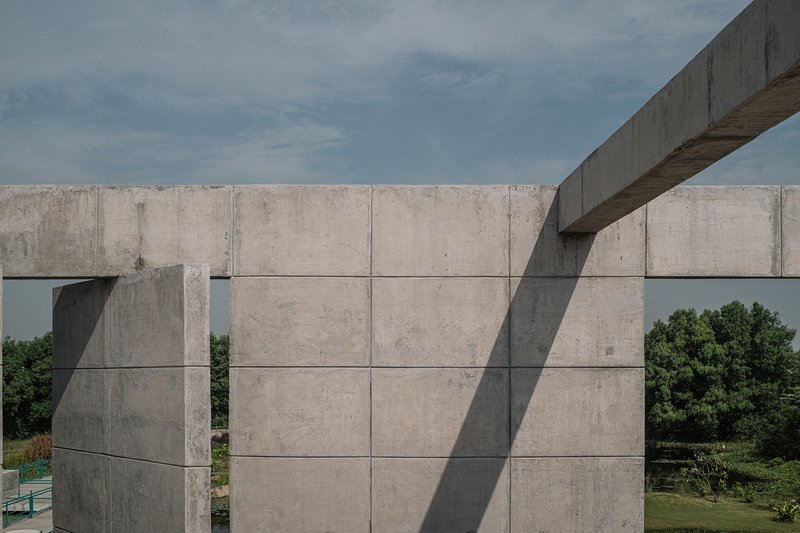
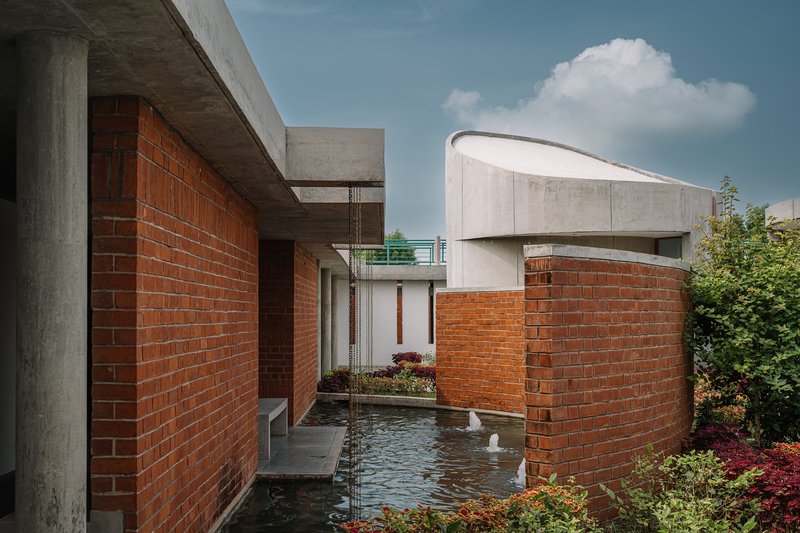
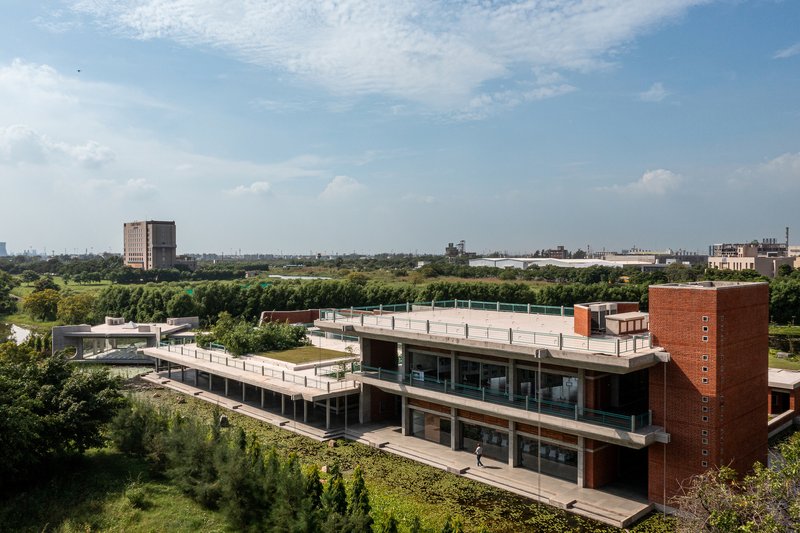
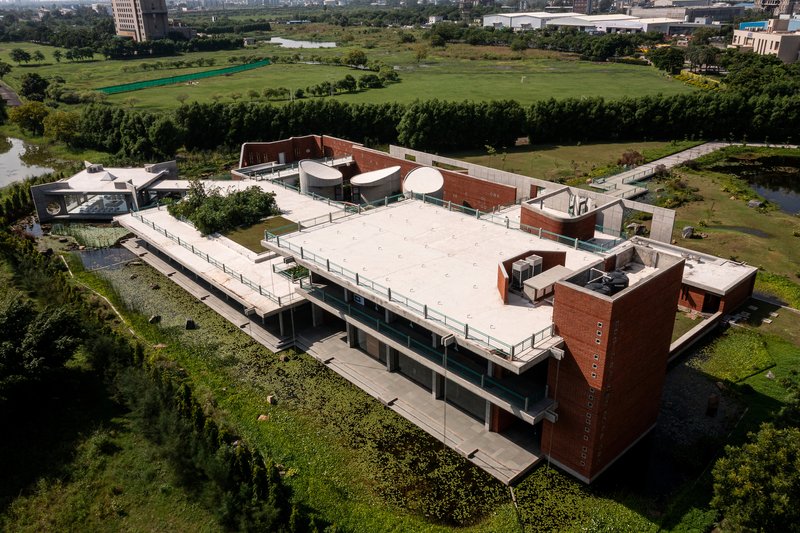
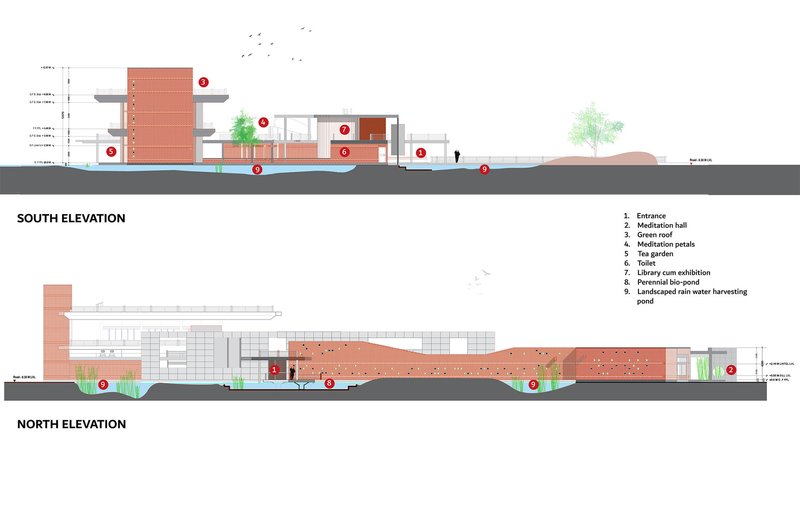
The SAIL Center's design philosophy is deeply rooted in the integration of nature's five elements, creating a sensory narrative that guides visitors through a journey of self-discovery. The architecture harmoniously blends with the natural landscape, utilizing courtyards, bio-ponds, and a combination of exposed brick, concrete, and glass to foster a serene environment conducive to meditation and learning.
Architectural Features and Spatial Experience
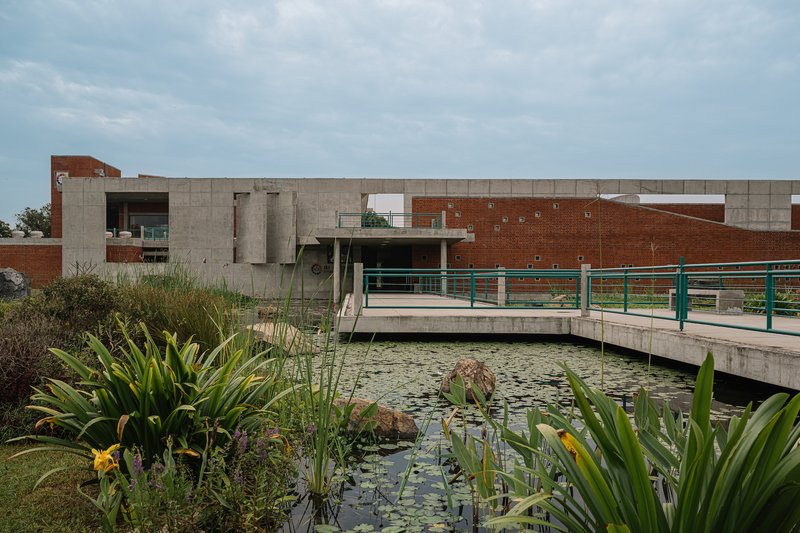
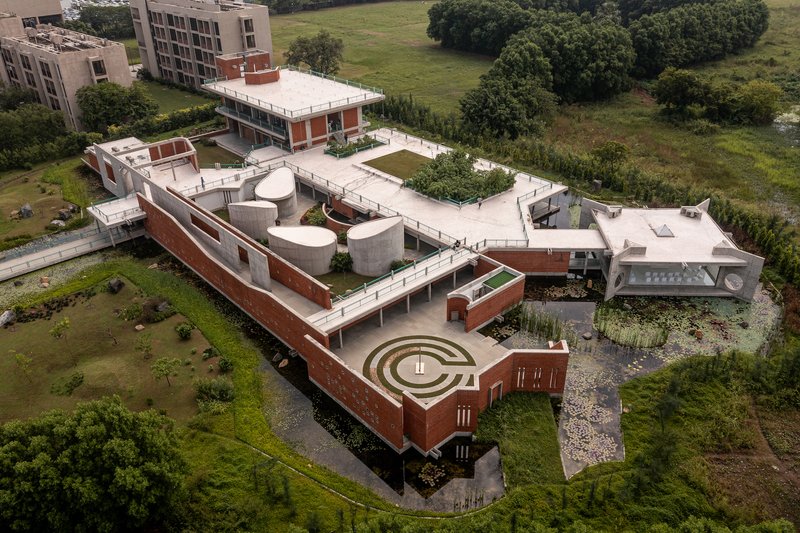
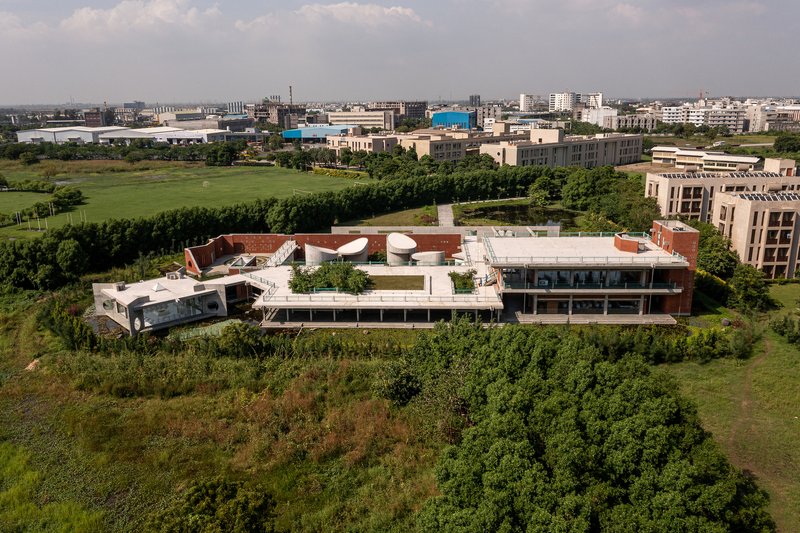
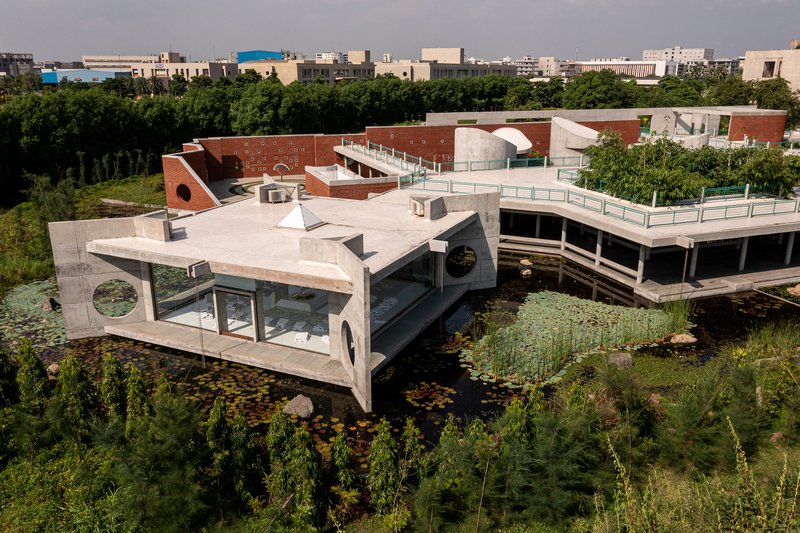
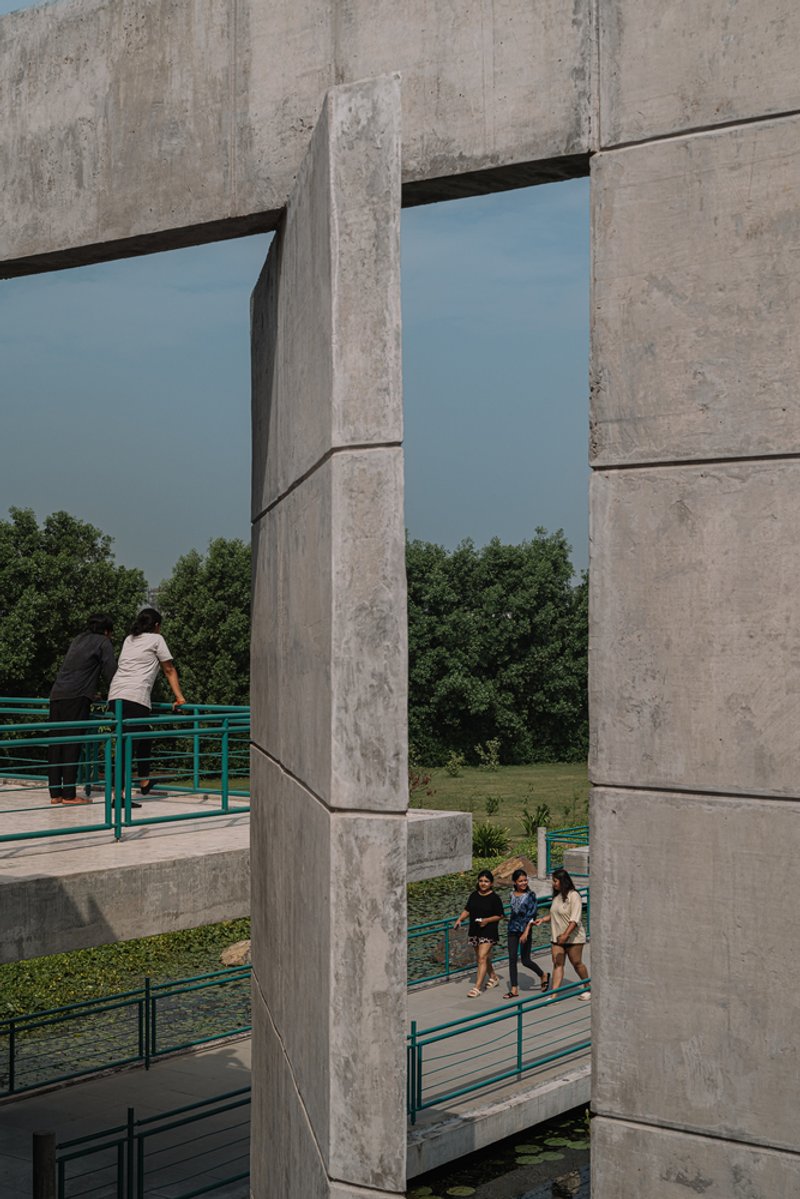
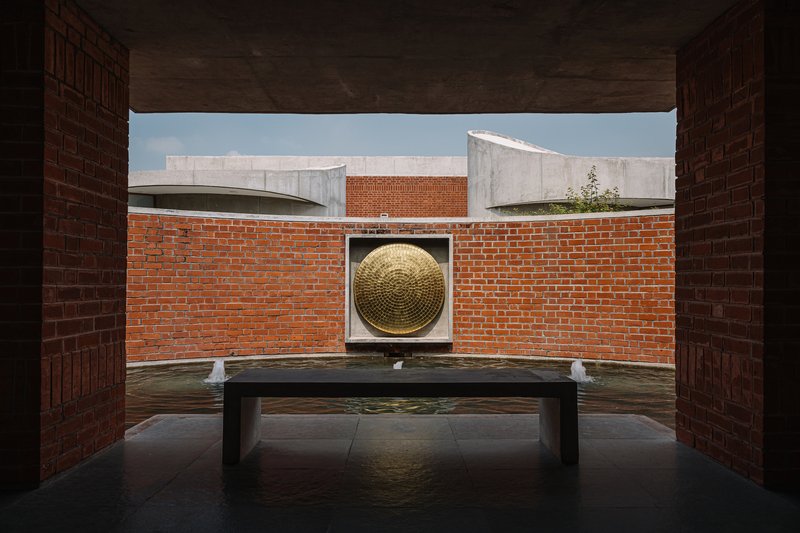
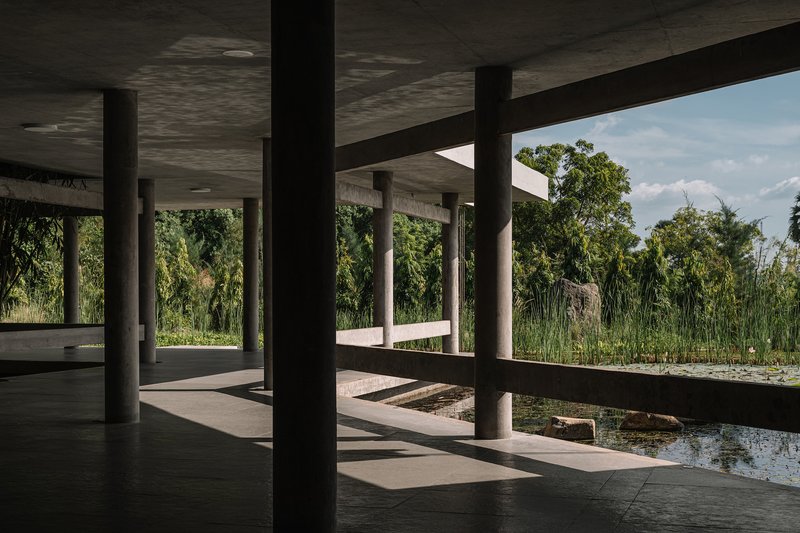
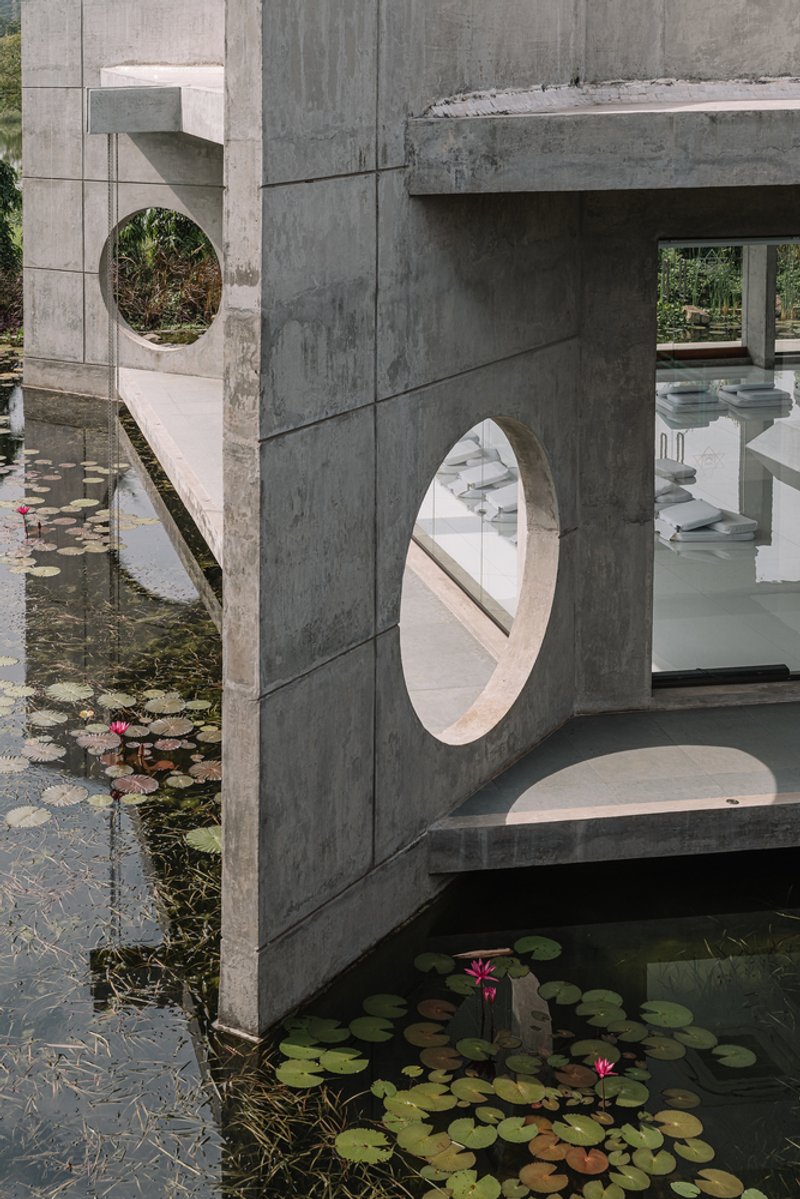
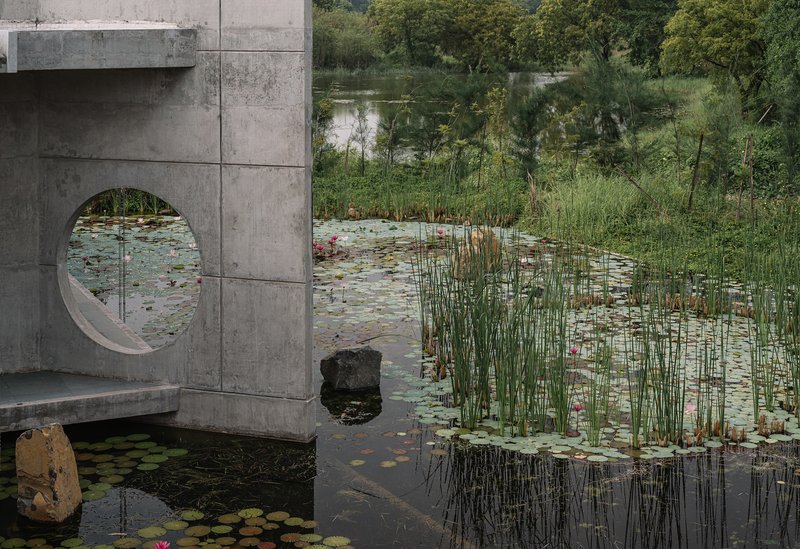
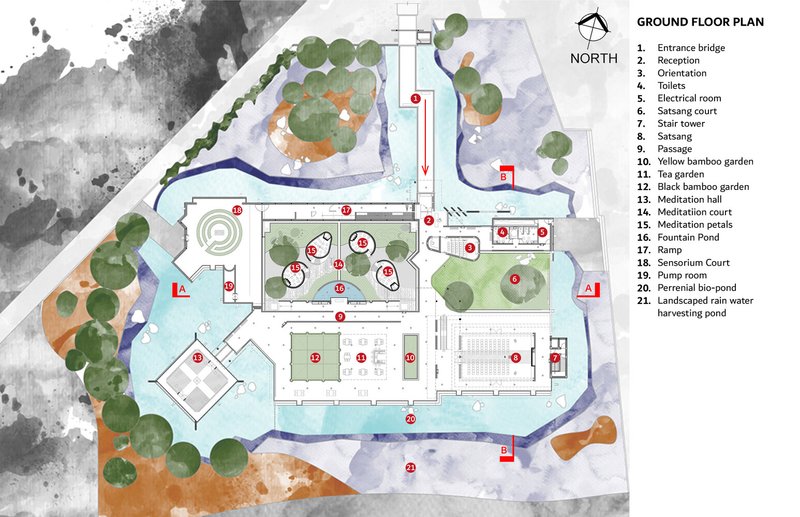
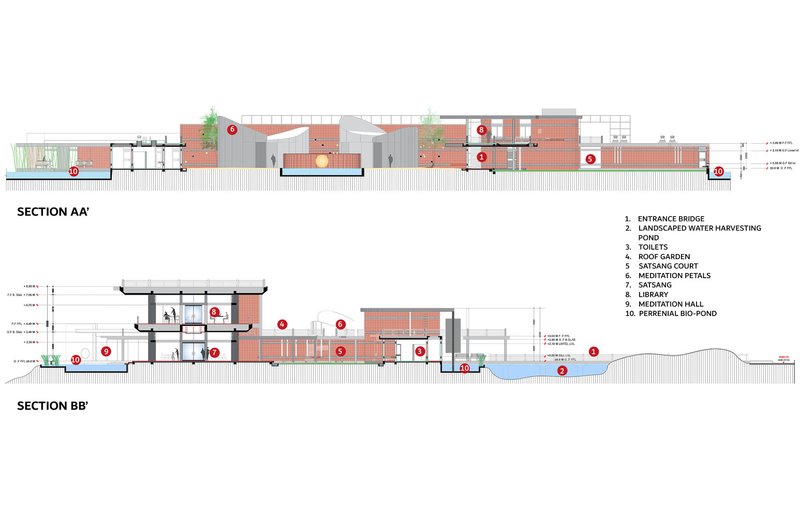
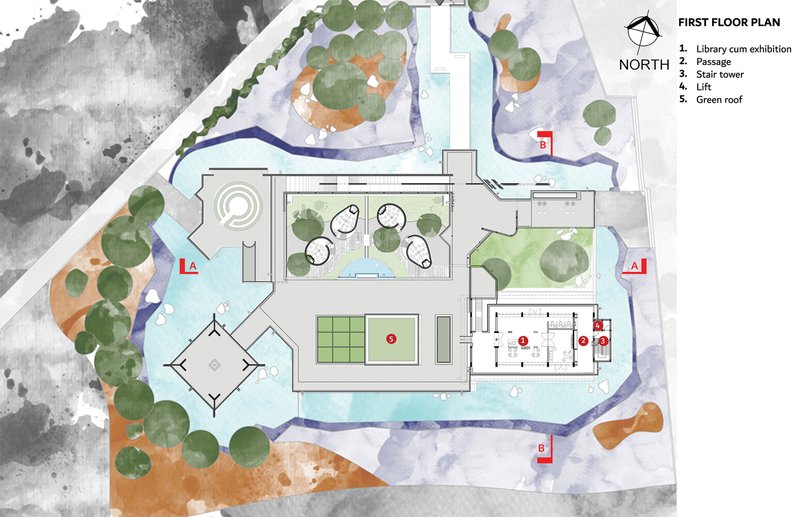
A defining feature of the SAIL Center is its 2,950-square-meter bio-pond, a self-sustaining water body that not only serves as a rainwater catchment but also symbolizes the transition from the outer world to an inner realm of peace. Visitors cross a thoughtfully designed bridge over this pond, leading them into the heart of the center. Within, three courtyards allow natural light and ventilation to permeate the spaces, enhancing the connection between the built environment and nature.
Meditative Spaces and Symbolism
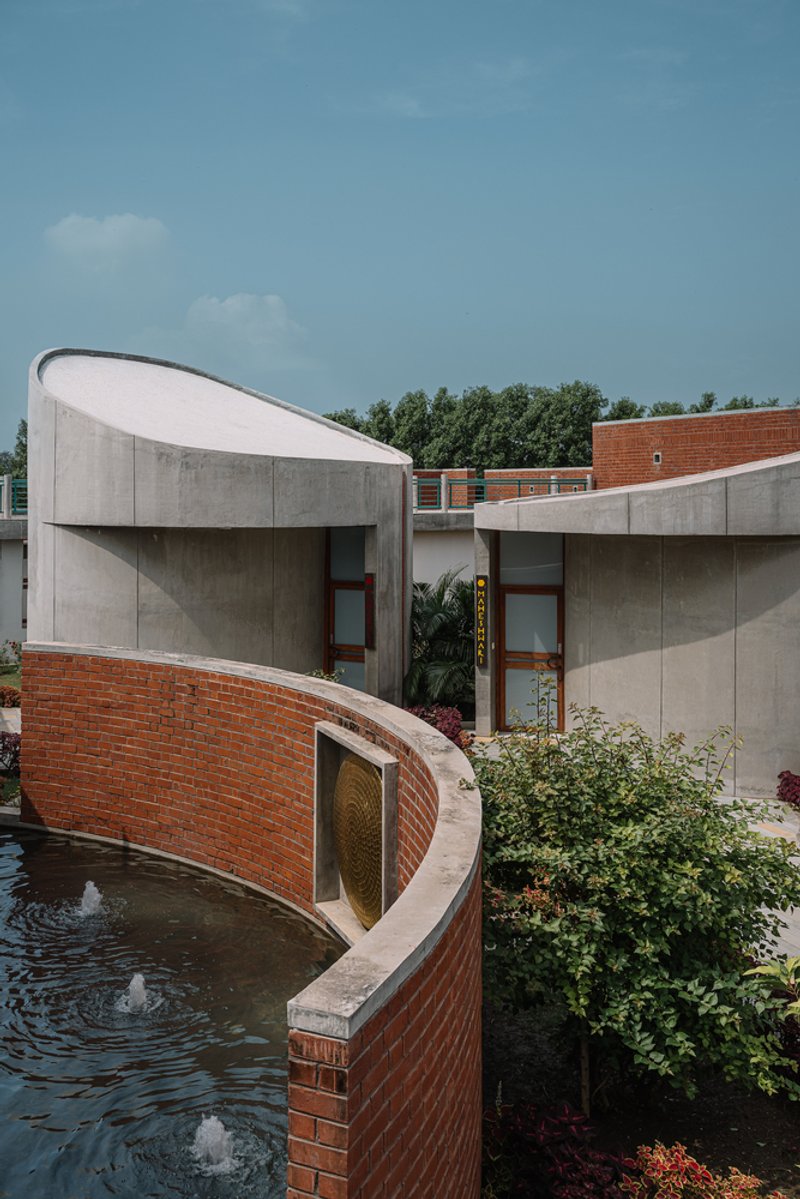
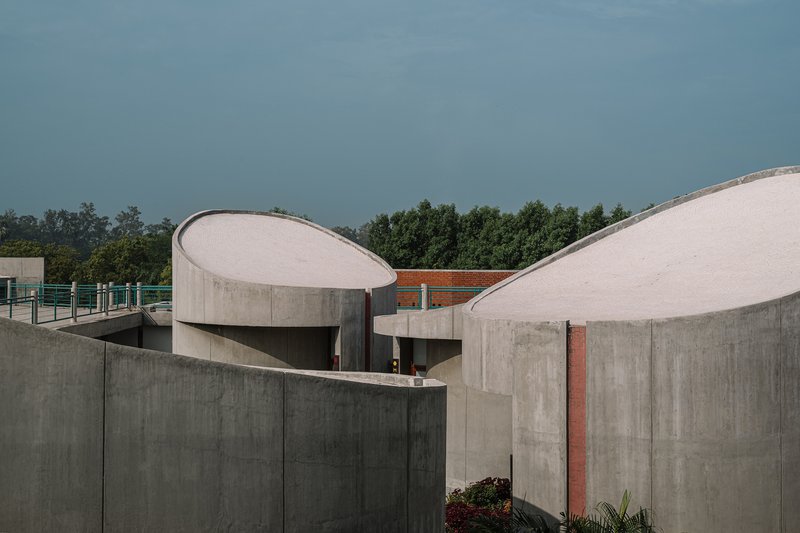
The center houses several key spaces designed for meditation and reflection. The Dhyanshala, a meditative hall floating above the bio-pond, offers a tranquil setting for inner exploration. Additionally, four petal-shaped meditation chambers, inspired by The Mother's attributes—wisdom, strength, harmony, and perfection—provide intimate spaces for contemplation. These design elements draw inspiration from Auroville's Matrimandir, reflecting a shared spiritual ethos.
Sustainability and Materiality
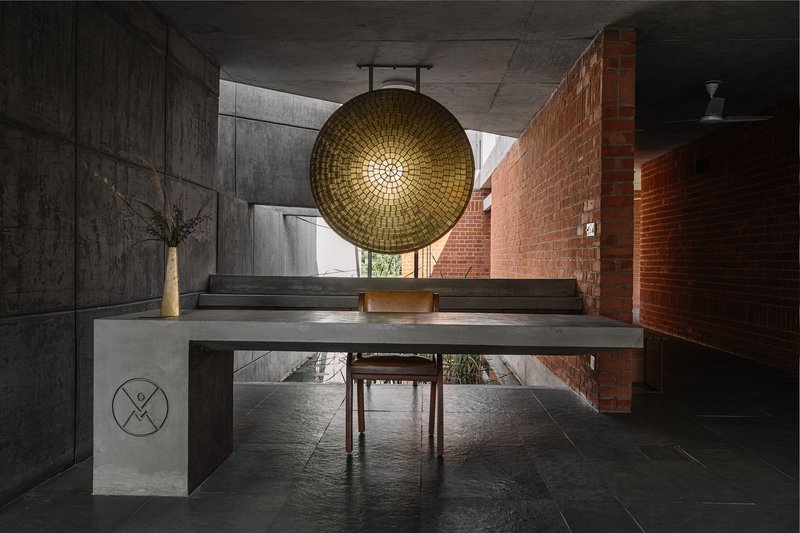
Sustainability is a cornerstone of the SAIL Center's design. The use of local materials such as exposed brick and kota stone, combined with passive solar techniques and bioclimatic design strategies, ensures energy efficiency and harmony with the environment. Landscaping with indigenous flora and the incorporation of rainwater harvesting systems further emphasize the center's commitment to ecological responsibility.
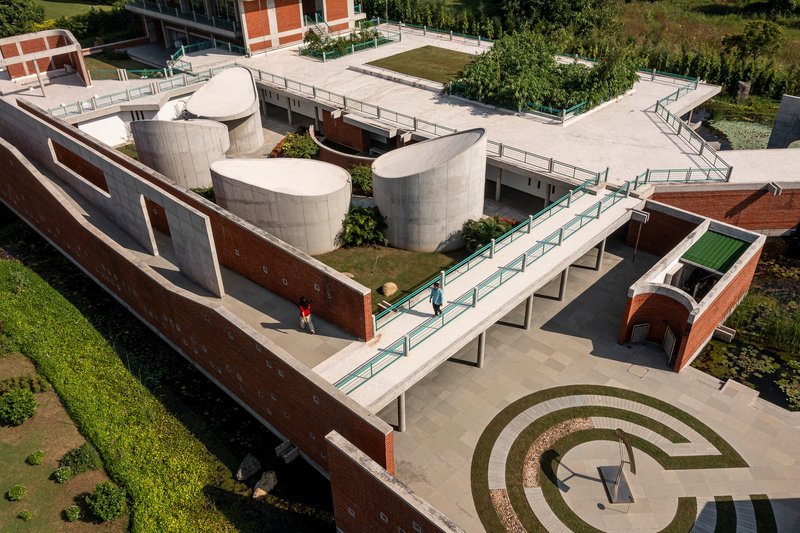
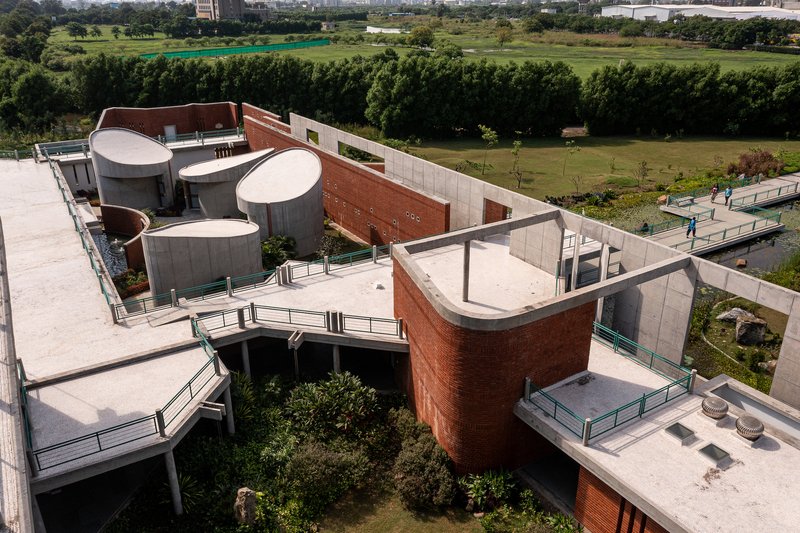
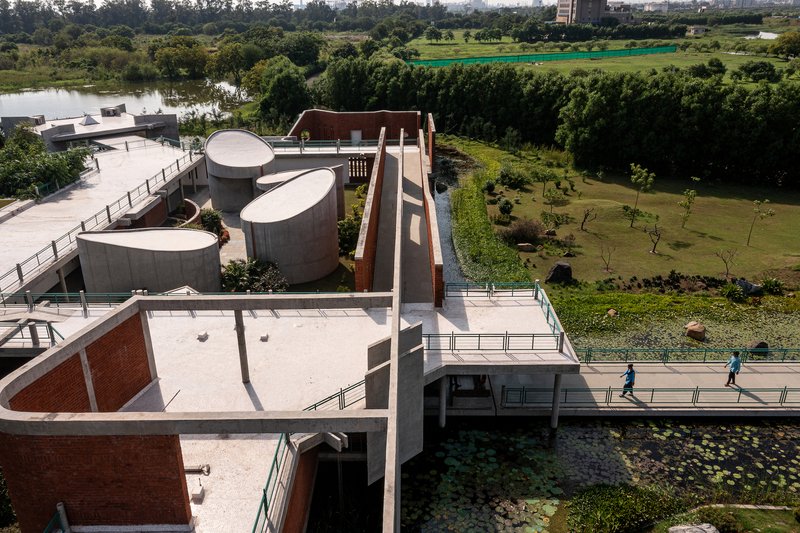
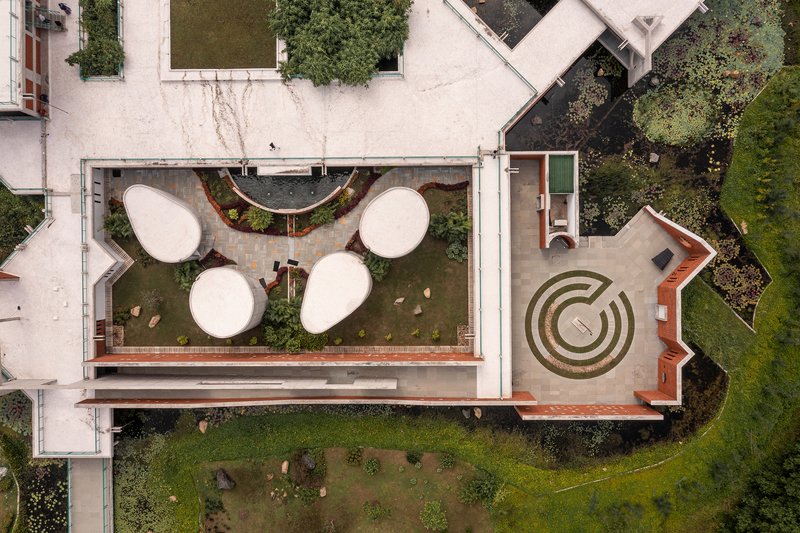
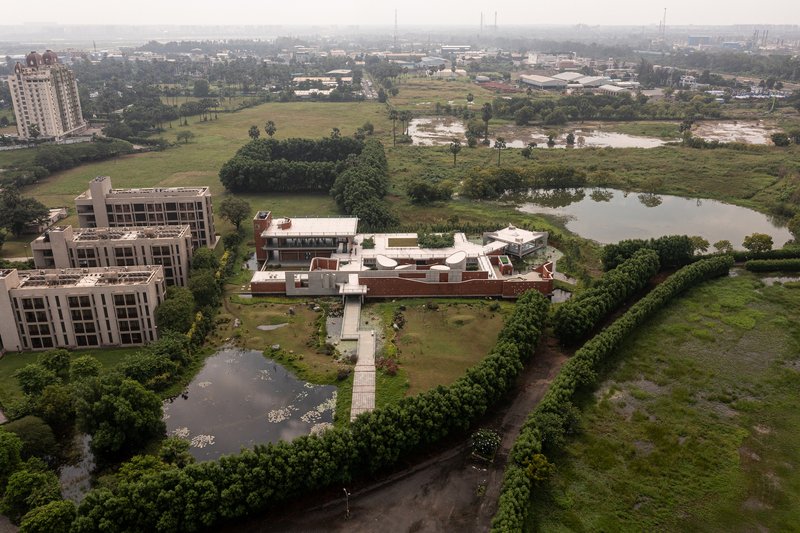
The SAIL Center exemplifies the essence of spiritual architecture in India, seamlessly blending design, nature, and philosophy to create a space that nurtures the soul. Through its thoughtful integration of natural elements, sustainable practices, and symbolic spaces, the center offers a unique environment for learning, introspection, and spiritual growth.
All Photographs are works of Ishita Sitwala




Popular Articles
Popular articles from the community

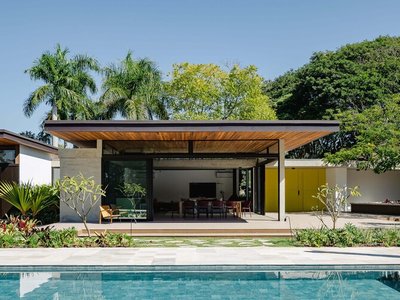
Flamboyant House by Juliana Camargo + Prumo Projetos
Modern Brazilian house integrating existing tree, pool, and volumes with glass, wood, and transitional spaces blending interior, exterior, and landscape seamlessly.
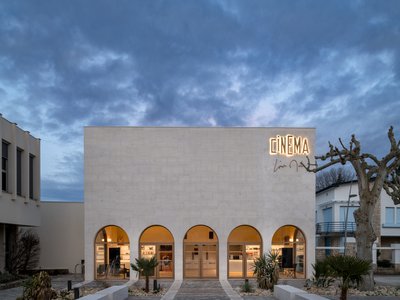
Louis Malle Cinema: A Limestone Cultural Landmark Revitalizing Community Life in Prayssac
Limestone cinema extension with public forecourt, blending heritage and modern design to create flexible cultural spaces and strengthen community interaction.
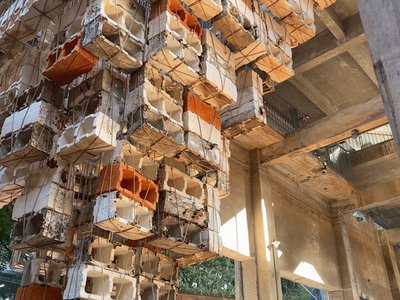
Inverted Architecture Installation by Studio Link-Arc: Exploring the Intersection of Architecture and Living Organisms
Inverted Architecture Installation by Studio Link-Arc blends mycelium, sustainability, inverted design, ecological cycles, and urban adaptive architecture in Shenzhen.

Solar Steam: A Climate-Responsive Architecture That Redefines the Monument
A climate-responsive memorial architecture that transforms heat, decay, and time into a living system reflecting humanity’s ecological impact.


Similar Reads
You might also enjoy these articles


The Ken Roberts Memorial Delineation Competition (Krob)
As the most senior architectural drawing competition currently in operation anywhere in the world, it draws hundreds of entries each year, awarding the very best submissions in a series of medium-based categories.


Waterfront Redevelopment and Urban Revitalization in Mumbai: Forging a New Dawn for Darukhana
A transformative waterfront redevelopment project reimagining Darukhana’s shipbreaking heritage into an inclusive urban future.

OUT-OF-MAP: A Call for Postcards on Feminist Narratives of Public Space
Rhizoma Design and Research Lab invites artists, designers, architects, researchers, and students to reflect on how feminist perspectives can reshape public space. Selected works will be exhibited in Barcelona, October 2026. Submissions open until 15 April 2026.


Documentation Work on Buddhist Wooden Temple
Architectural syncretism and cultural hybridity: A comparative study of the Buddhist temples in Chattogram Hill tracks

Explore Architecture Competitions
Discover active competitions in this discipline




The International Standard for Design Portfolios


The Global Benchmark for Architecture Dissertation Awards


The Global Benchmark for Graduation Excellence


Challenge to reimagine the Iron Throne
Comments (0)
Please login or sign up to add comments
No comments yet. Be the first to comment!