
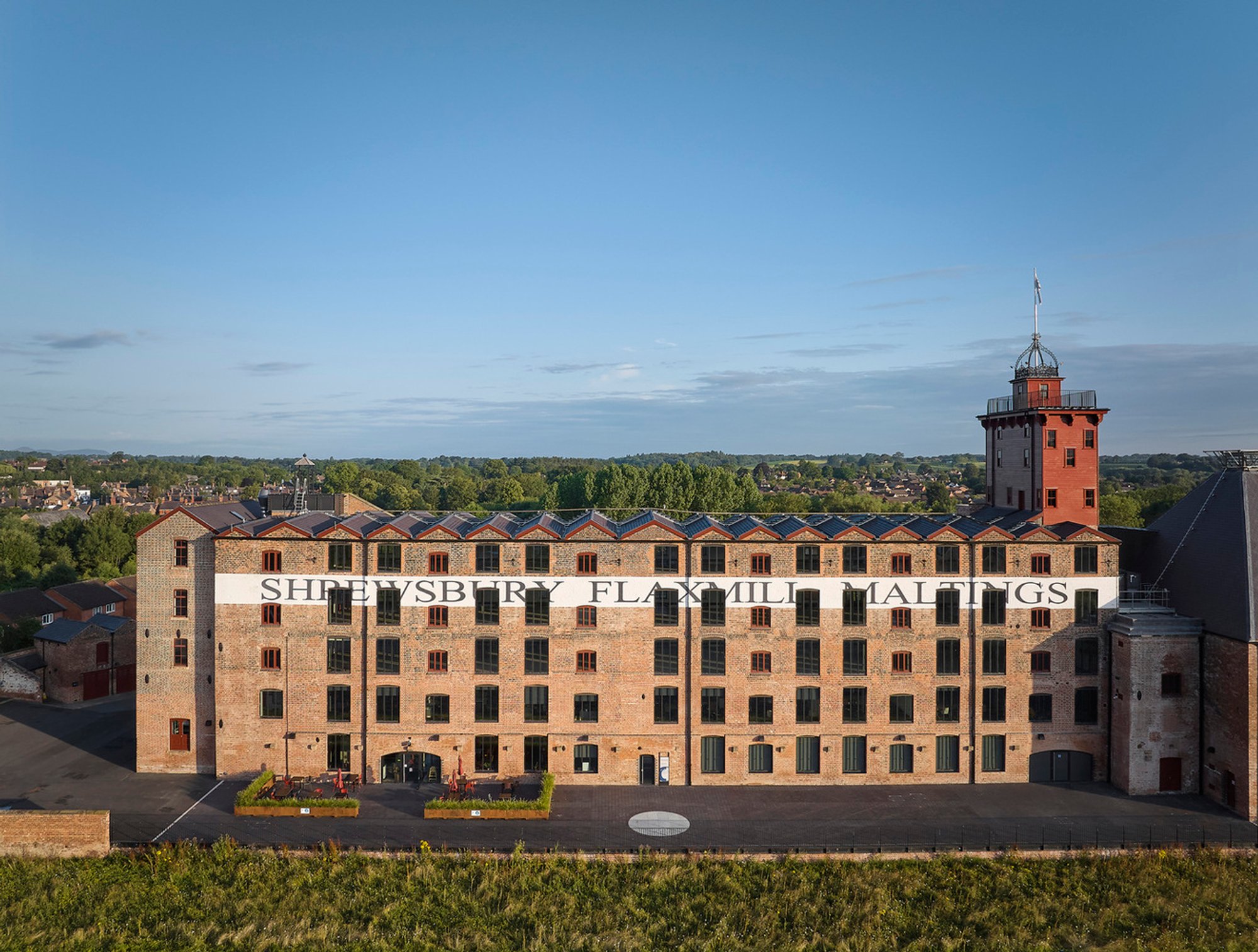
Shrewsbury Flaxmill Maltings: A Landmark of Adaptive Reuse by Feilden Clegg Bradley Studios
Shrewsbury Flaxmill Maltings, restored by Feilden Clegg Bradley Studios, blends historic preservation with adaptive reuse, sustainability, and innovation.

Reviving the World's First Iron-Framed Building
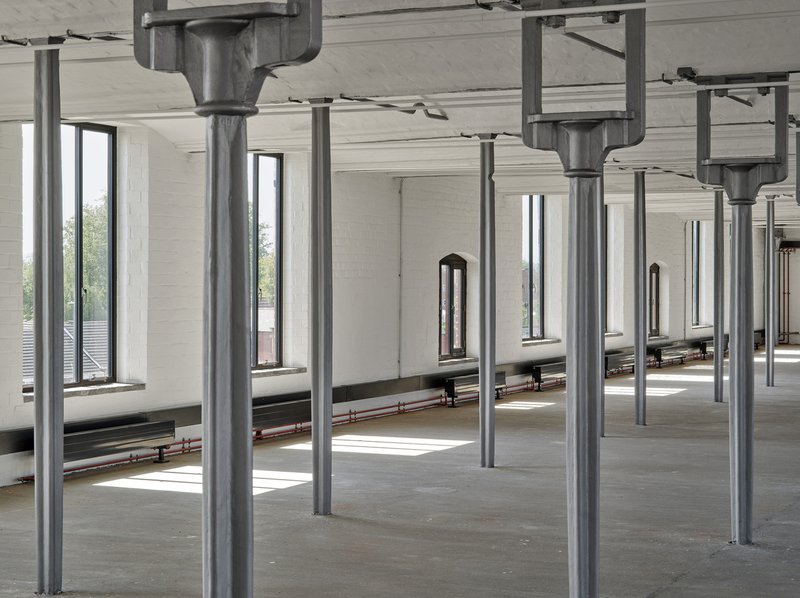
Often hailed as the "grandparent of skyscrapers," Shrewsbury Flaxmill Maltings holds a pioneering place in architectural history. Built in 1797, this iconic structure was the first to utilize an iron frame, a revolutionary advancement for fire protection that paved the way for modern architectural marvels such as The Shard in London, the Empire State Building in New York, and Burj Khalifa in Dubai.
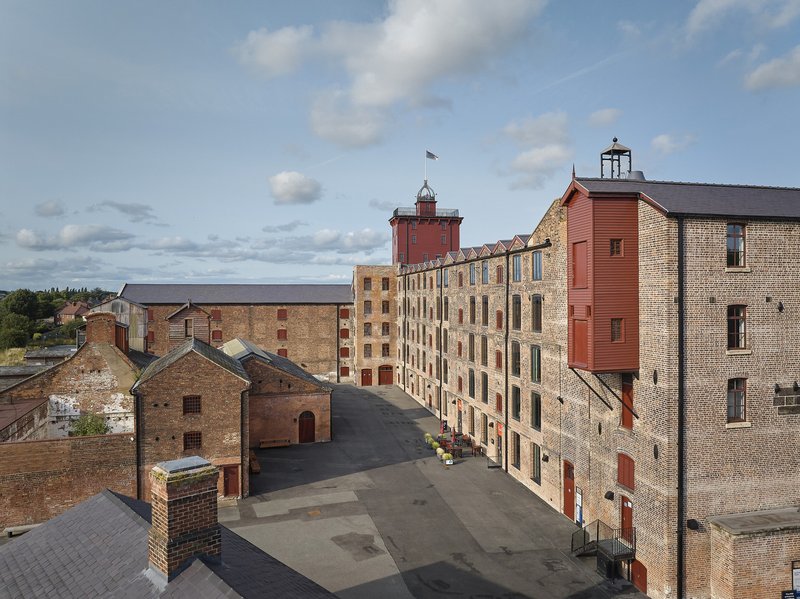
Initially designed as a cutting-edge steam-powered flax mill, the site later evolved into maltings and served as temporary military barracks during World War II. After its closure in 1987, the future of this historic complex remained uncertain until Historic England purchased the site in 2005, recognizing its irreplaceable architectural and industrial significance.
A Model of Heritage-Led Regeneration
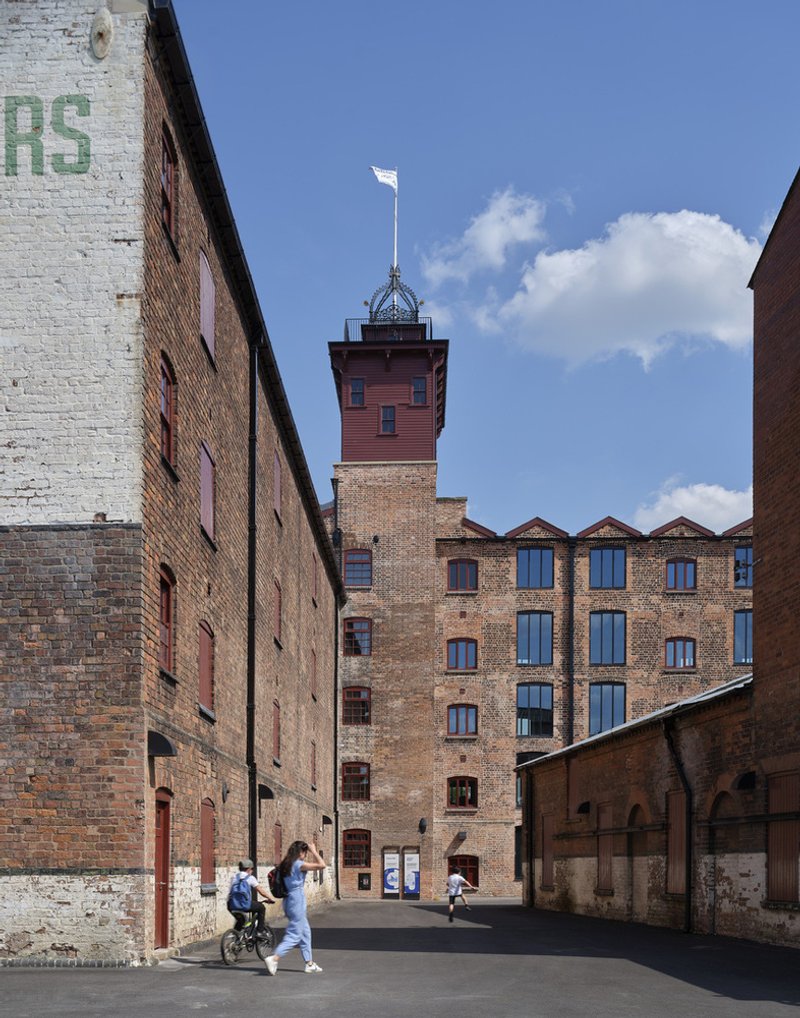
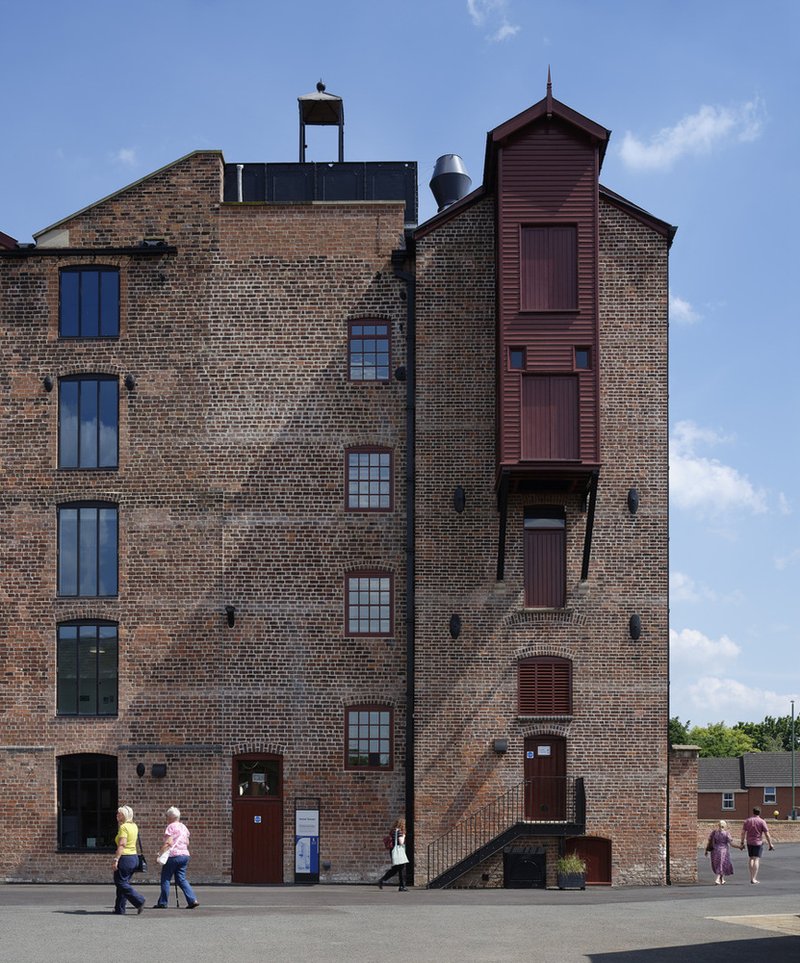
The transformation of Shrewsbury Flaxmill Maltings stands as a flagship example of adaptive reuse and heritage-led regeneration. Spearheaded by Feilden Clegg Bradley Studios, this £28 million project reimagines the historic complex as a vibrant, flexible hub of workspaces, learning spaces, and social enterprises.
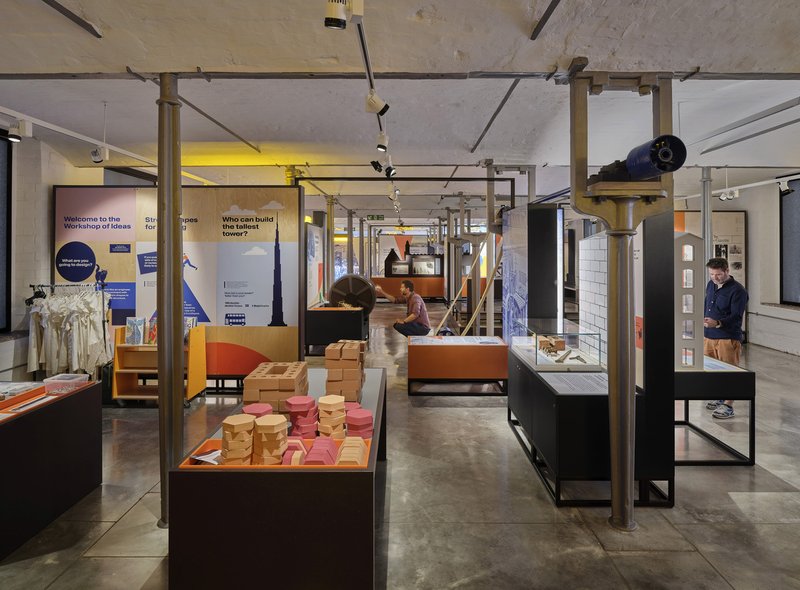
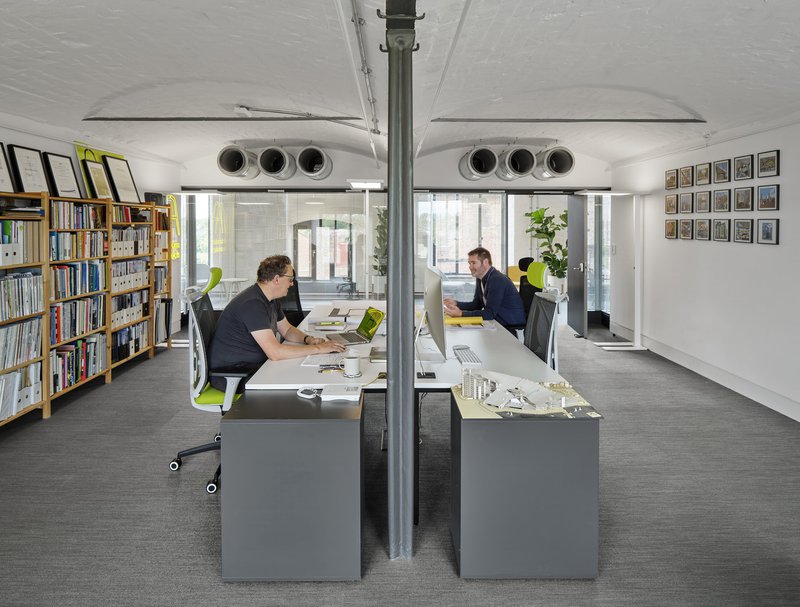
The ground floor now features an immersive exhibition space narrating the Mill’s contribution to the Industrial Revolution and global architectural evolution, alongside a public café that strengthens community ties. Above, four levels of flexible office spaces accommodate around 360 people, while visitor tours ascend the restored Jubilee Tower, celebrating the site's remarkable legacy.
Community Engagement and Cultural Reconnection
A vital part of the restoration was deep-rooted community engagement. Local residents and heritage enthusiasts were actively involved through art exhibitions, open days, and heritage events, reigniting a collective sense of pride. Notably, the community chose the name “Shrewsbury Flaxmill Maltings,” proudly painted in monumental 2-meter-high letters across the principal elevation.
A Heritage Skills Program, funded by the Andrew Lloyd Webber Foundation, turned the site into a living classroom between 2017 and 2020. Work placements, site tours, and skill-building events ensured that traditional craftsmanship was not only preserved but passed on to future generations.
Innovation in Preservation and Structural Design
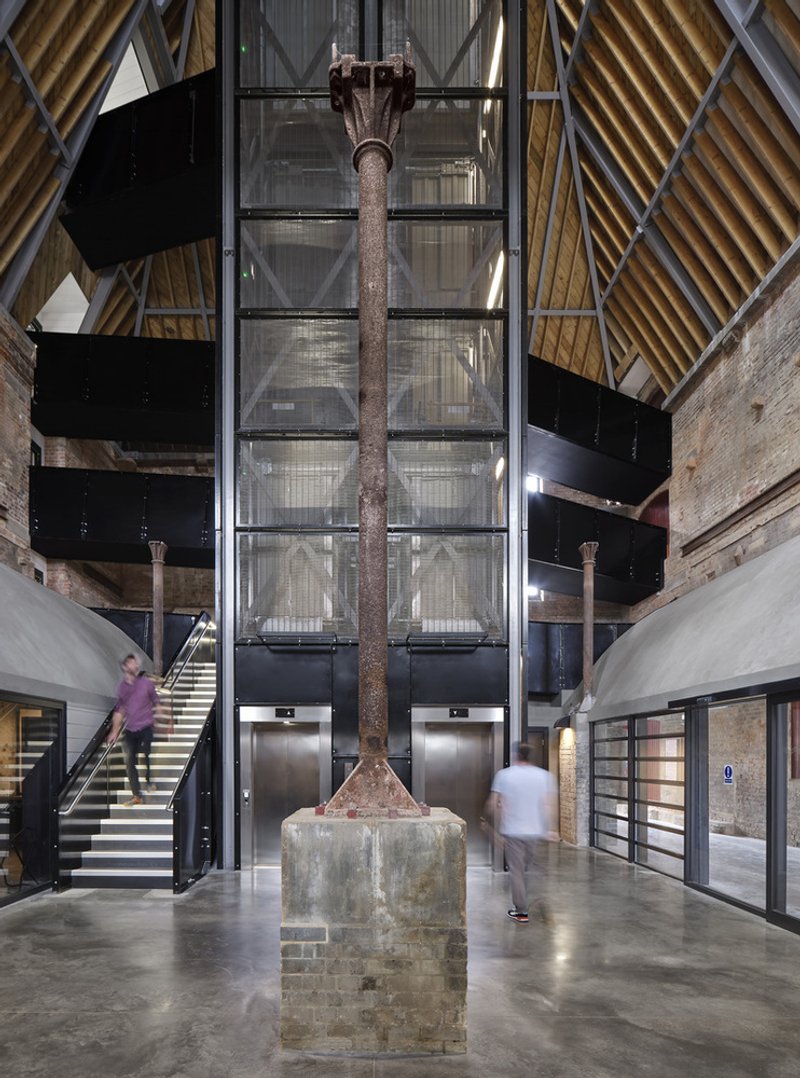
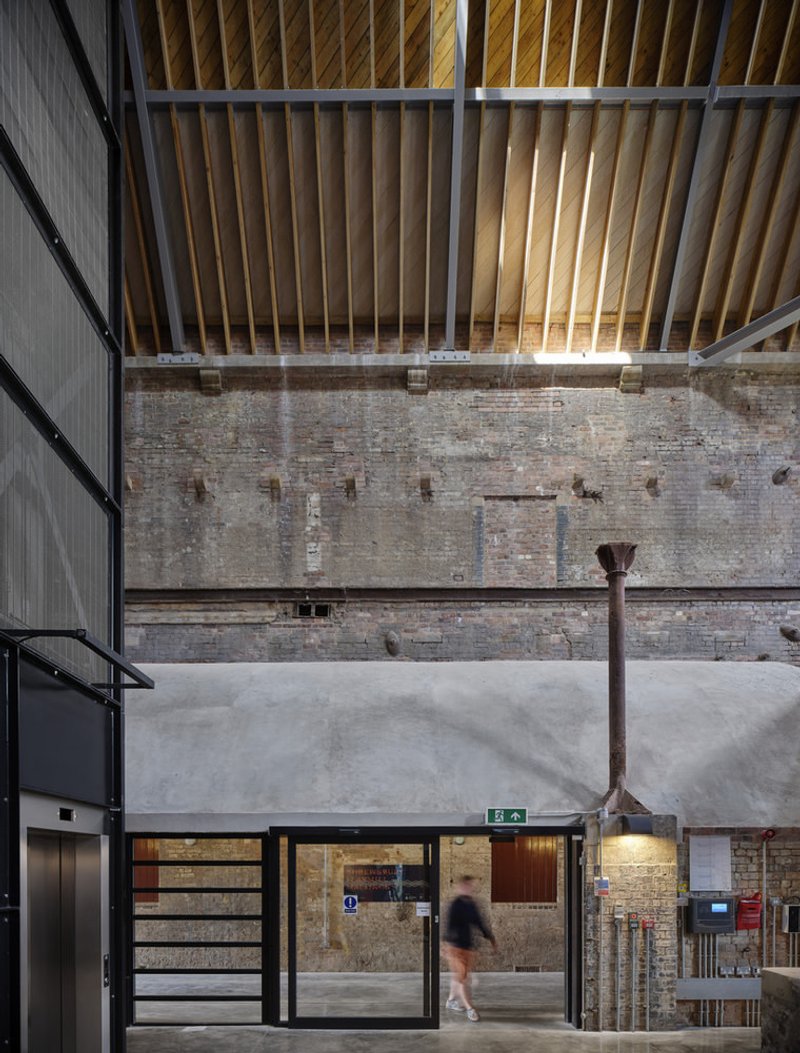
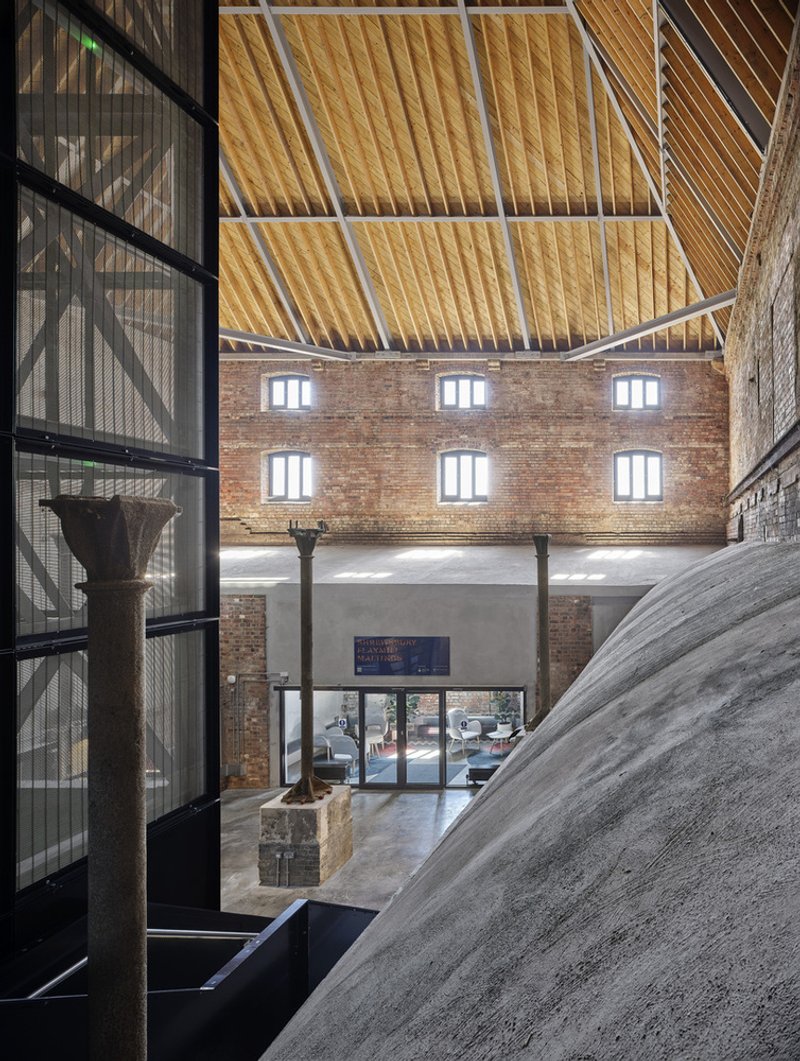
Innovative thinking was at the heart of this restoration. The historic cast iron frame, under-engineered by contemporary standards and suffering settlement cracks, was not replaced or removed. Instead, AKTII engineers developed a brilliant strategy: reinforcing the surrounding masonry to provide alternative load paths, supported by a discreet steel grillage and six new ground-floor columns. This breakthrough solution retained the entire original frame — an achievement now documented by the Institute of Civil Engineering Journal.
Driven by principles of circular economy and zero-waste philosophy, the team prioritized repair, reuse, and retrofit over replacement, redefining how historic structures can be sustainably adapted for modern use.
Sustainability at the Core
The environmental strategy championed by Historic England embodied a "whole building approach." The restoration emphasized energy efficiency while preserving the site's historic fabric:
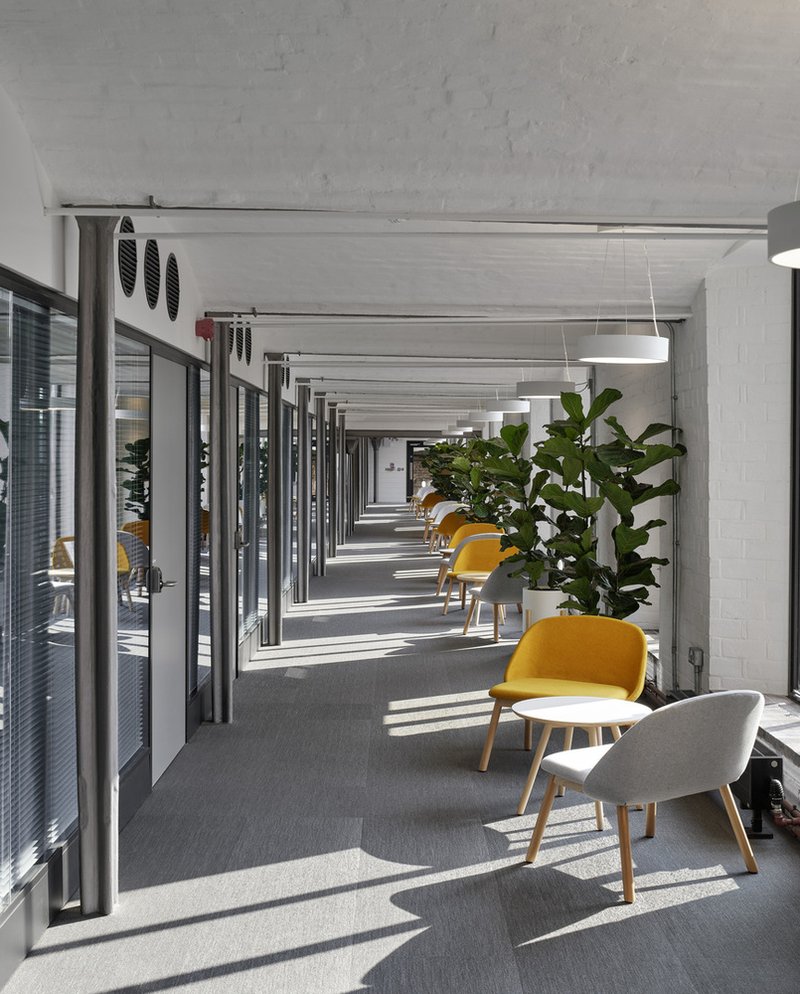
- Over 110 historic windows were re-opened to maximize natural light and natural ventilation.
- New metal windows featuring high-performance solar glazing balanced modern performance with historical authenticity.
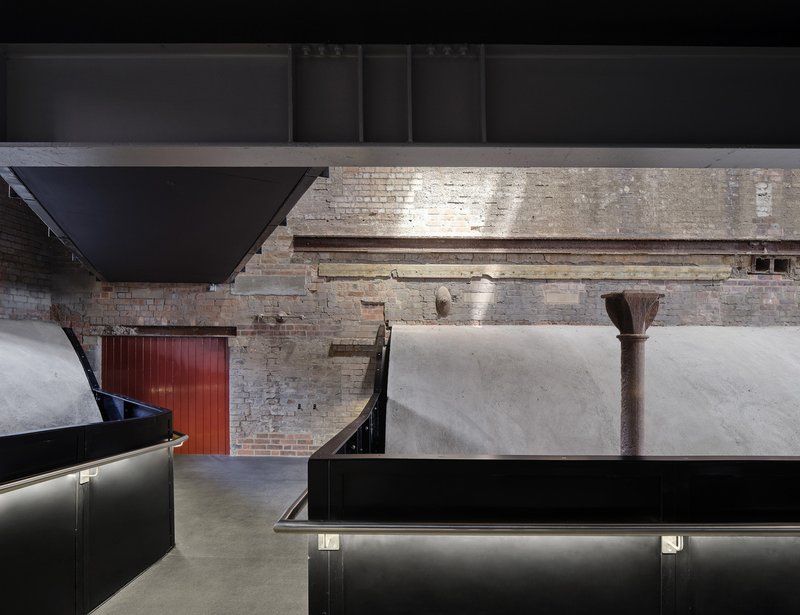
- The bold choice to leave the Malt Kiln entrance unheated minimized operational energy use while respecting the building’s original character.
- Thermal upgrades to solid masonry walls, using wood-fiber insulation, were informed by rigorous onsite trials and hygrothermal modeling.
- Open, light-filled circulation areas and glazed acoustic partitions further enhanced the user experience without sacrificing heritage value.
Using FCBS Carbon, the team calculated that the building’s embodied carbon footprint was only 53 kgCO₂e/m², less than one-tenth that of a typical new build, thanks to the retention of 80% of the original fabric.
Traditional Materials and Craftsmanship
Every new intervention was carefully considered to harmonize with the site's industrial character. Traditional materials and skilled craftsmanship defined the restoration, ensuring a sensitive balance between past and present. The result is a living monument to innovation, sustainability, and resilience — a powerful testament to the enduring potential of adaptive reuse architecture.
The restoration of Shrewsbury Flaxmill Maltings is much more than a conservation project; it is a dynamic model of adaptive reuse, community revitalization, and low-carbon innovation. Thanks to the collaborative efforts of Feilden Clegg Bradley Studios and an array of skilled partners, this historic landmark now stands ready for a sustainable future while honoring its groundbreaking past.
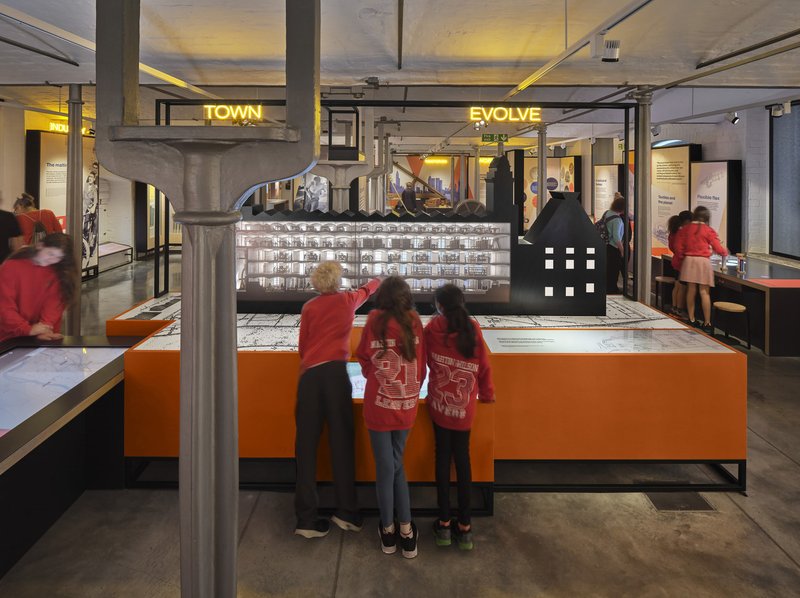
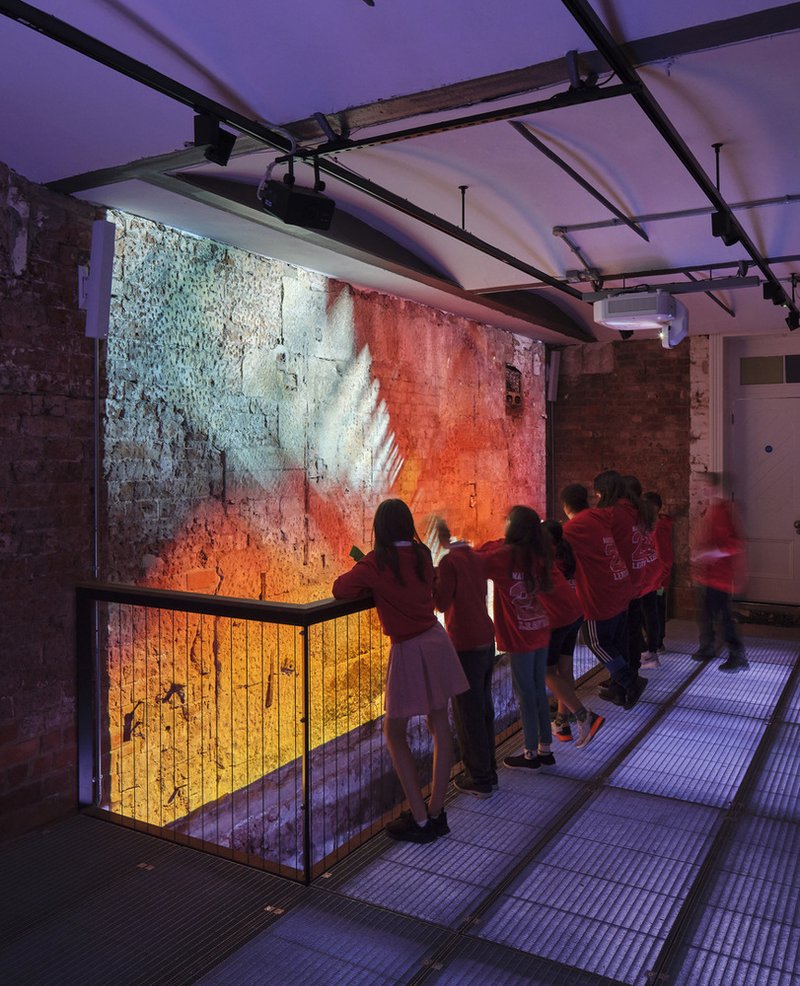
All Photographs are works of Daniel Hopkinson




Popular Articles
Popular articles from the community

A Contemporary Take on Iranian Residential Architecture
A modern interior design in Mashhad that reinterprets brick, light, and spatial flow to create a warm, contemporary residential architecture.
Inverted Architecture Installation by Studio Link-Arc: Exploring the Intersection of Architecture and Living Organisms
Inverted Architecture Installation by Studio Link-Arc blends mycelium, sustainability, inverted design, ecological cycles, and urban adaptive architecture in Shenzhen.
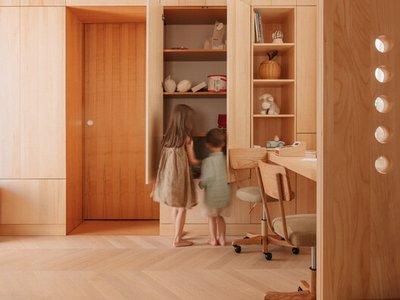
Treehouse Apartment: A Warm Timber Interior Blending Craft, Play, and Contemporary Living
Warm timber apartment with integrated treehouse, combining natural materials, craftsmanship, and playful design to create a flexible, family-oriented living environment.
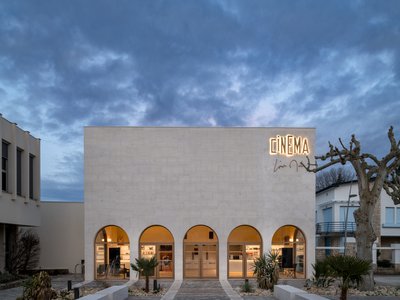
Louis Malle Cinema: A Limestone Cultural Landmark Revitalizing Community Life in Prayssac
Limestone cinema extension with public forecourt, blending heritage and modern design to create flexible cultural spaces and strengthen community interaction.


Similar Reads
You might also enjoy these articles


The Ken Roberts Memorial Delineation Competition (Krob)
As the most senior architectural drawing competition currently in operation anywhere in the world, it draws hundreds of entries each year, awarding the very best submissions in a series of medium-based categories.


Waterfront Redevelopment and Urban Revitalization in Mumbai: Forging a New Dawn for Darukhana
A transformative waterfront redevelopment project reimagining Darukhana’s shipbreaking heritage into an inclusive urban future.

OUT-OF-MAP: A Call for Postcards on Feminist Narratives of Public Space
Rhizoma Design and Research Lab invites artists, designers, architects, researchers, and students to reflect on how feminist perspectives can reshape public space. Selected works will be exhibited in Barcelona, October 2026. Submissions open until 15 April 2026.


Documentation Work on Buddhist Wooden Temple
Architectural syncretism and cultural hybridity: A comparative study of the Buddhist temples in Chattogram Hill tracks


Explore Office Building Competitions
Discover active competitions in this discipline




The International Standard for Design Portfolios


The Global Benchmark for Architecture Dissertation Awards


The Global Benchmark for Graduation Excellence


Challenge to reimagine the Iron Throne
Comments (0)
Please login or sign up to add comments
No comments yet. Be the first to comment!