
Shunde Yunlu Wetland Museum: An Innovative Wetland Museum Architecture Design
The Shunde Yunlu Wetland Museum showcases sustainable architecture that blends with nature, offering bird-watching and environmental education.

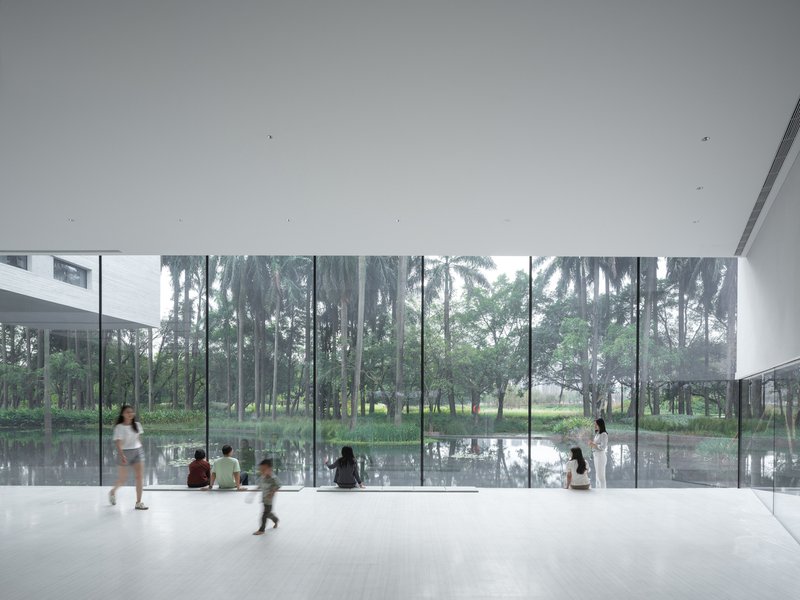
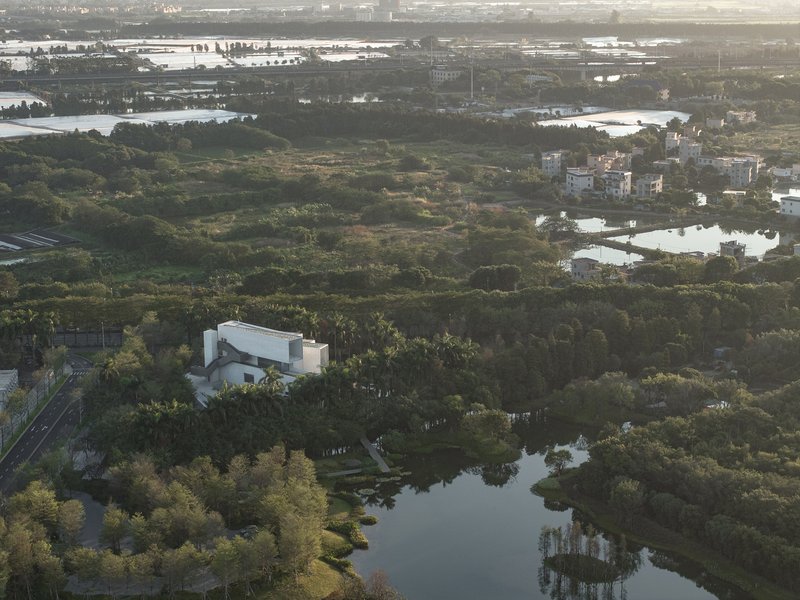
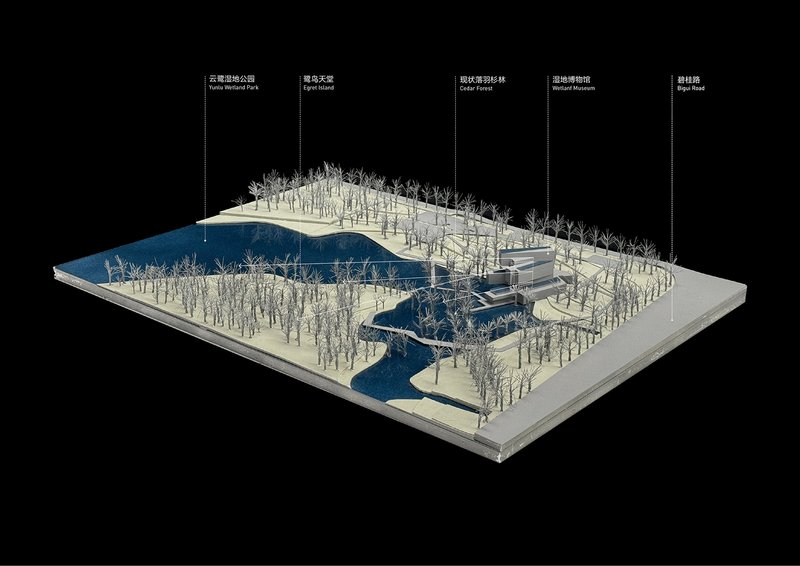
The Shunde Yunlu Wetland Museum, designed by Studio Link-Arc, represents a brilliant intersection of architecture, ecology, and environmental sustainability. Located in Shunde, China, within the Yunlu Wetland Park, this innovative building serves both as a wetland museum and a bird-watching tower. Its purpose is not only to educate visitors about the wetland’s delicate ecosystem but also to offer an immersive bird-watching experience. The design of the building was carefully crafted to blend harmoniously with the surrounding environment, respecting both the local wildlife and the natural beauty of the area.
Site and Inspiration: The Birth of the Wetland Museum
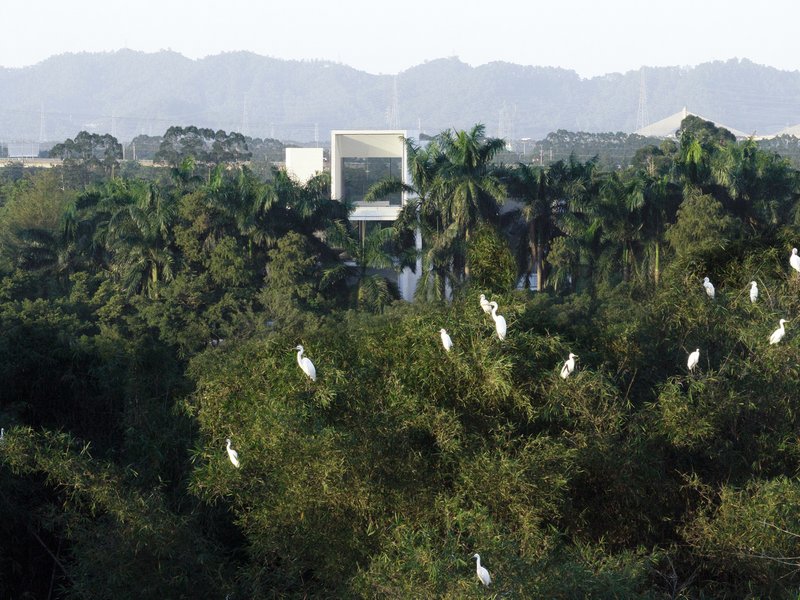
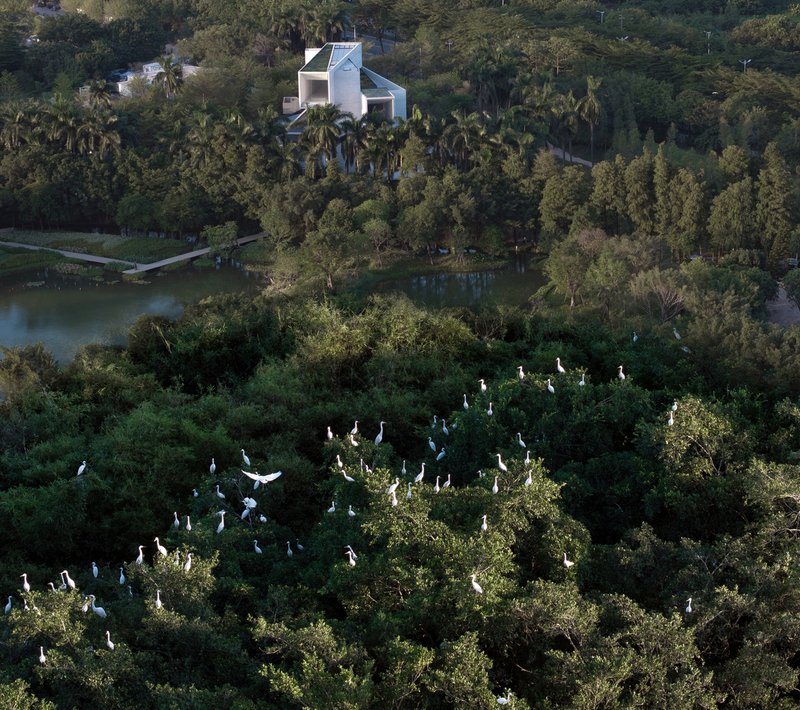
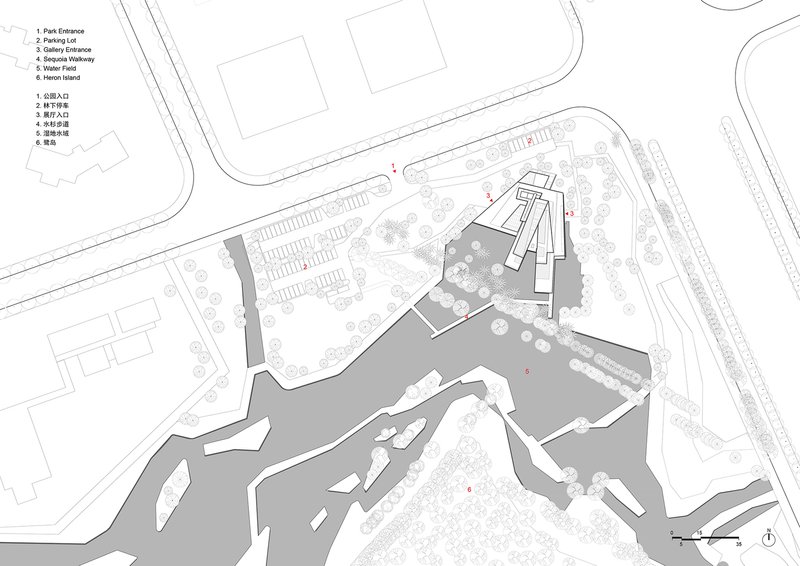
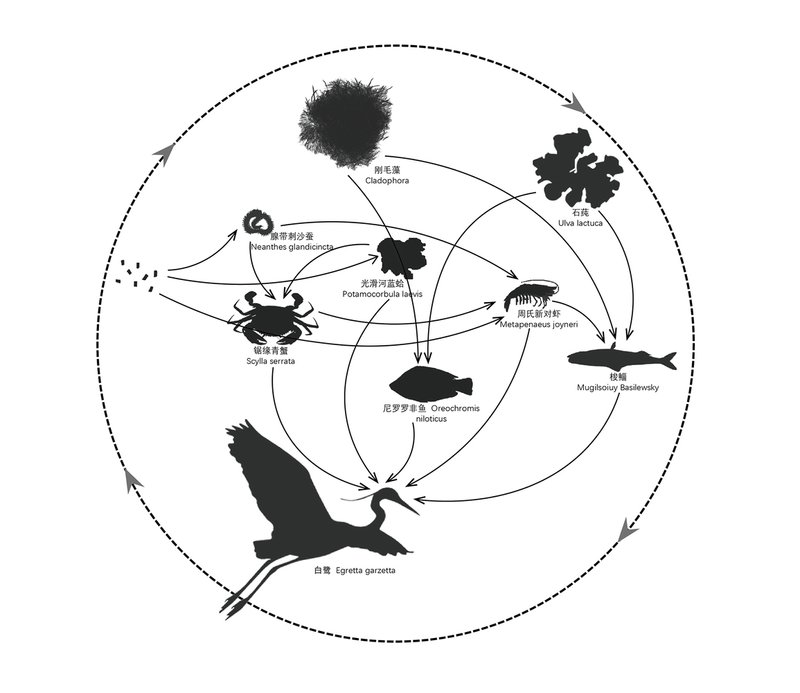
The Shunde Yunlu Wetland Museum is situated adjacent to an ecological island inhabited by over 25,000 egrets. This region, once cultivated by "Uncle Bird" Xian Quanh
hui, is now a thriving sanctuary for these birds, thanks to decades of effort and the expansion of the Egret Paradise by the Shunde government. The museum’s design pays homage to this transformation, providing a space that not only celebrates the wildlife but also preserves the natural habitat. The Yunlu Wetland Park serves as a testament to both the region’s biodiversity and the local community’s dedication to ecological conservation.
Conceptual Design: Integrating with Nature
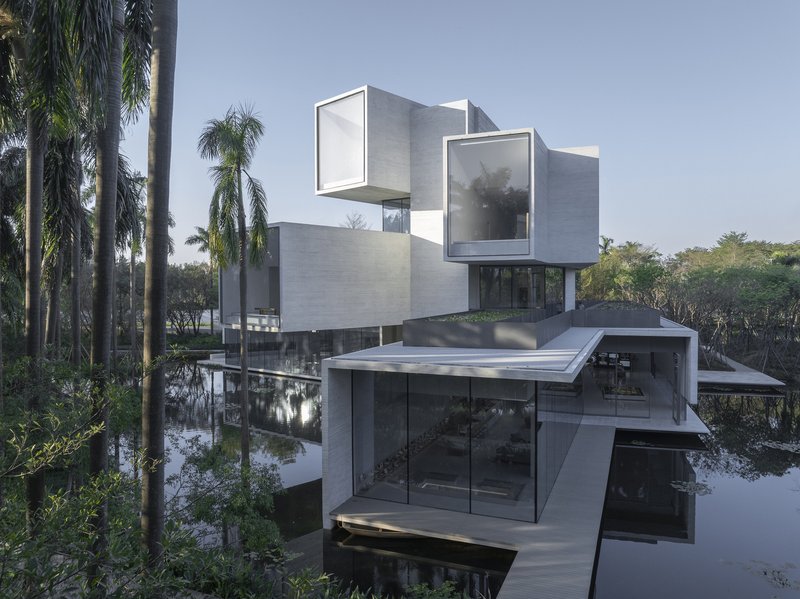
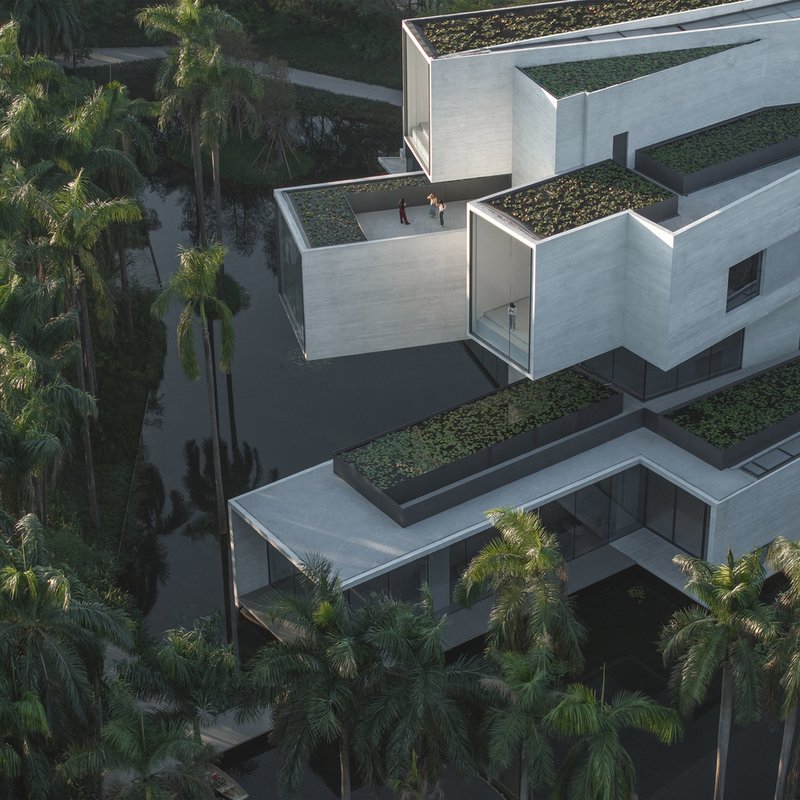
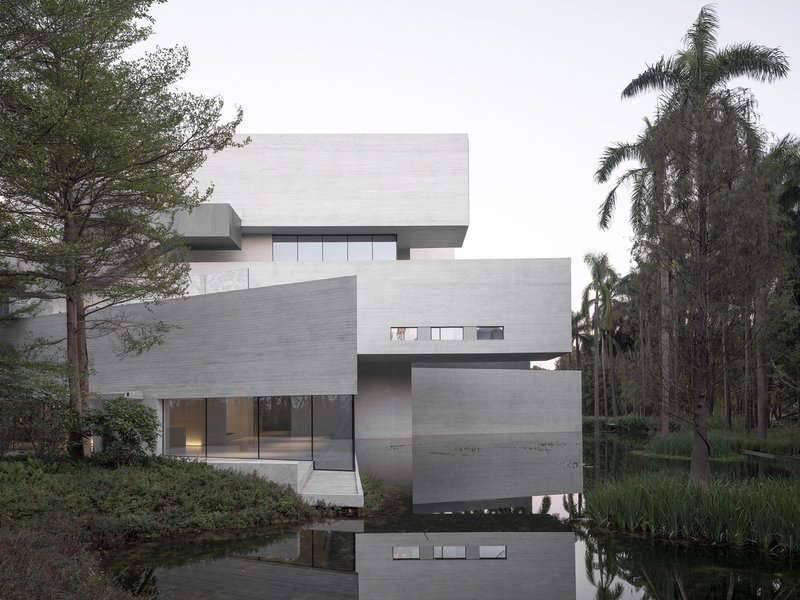
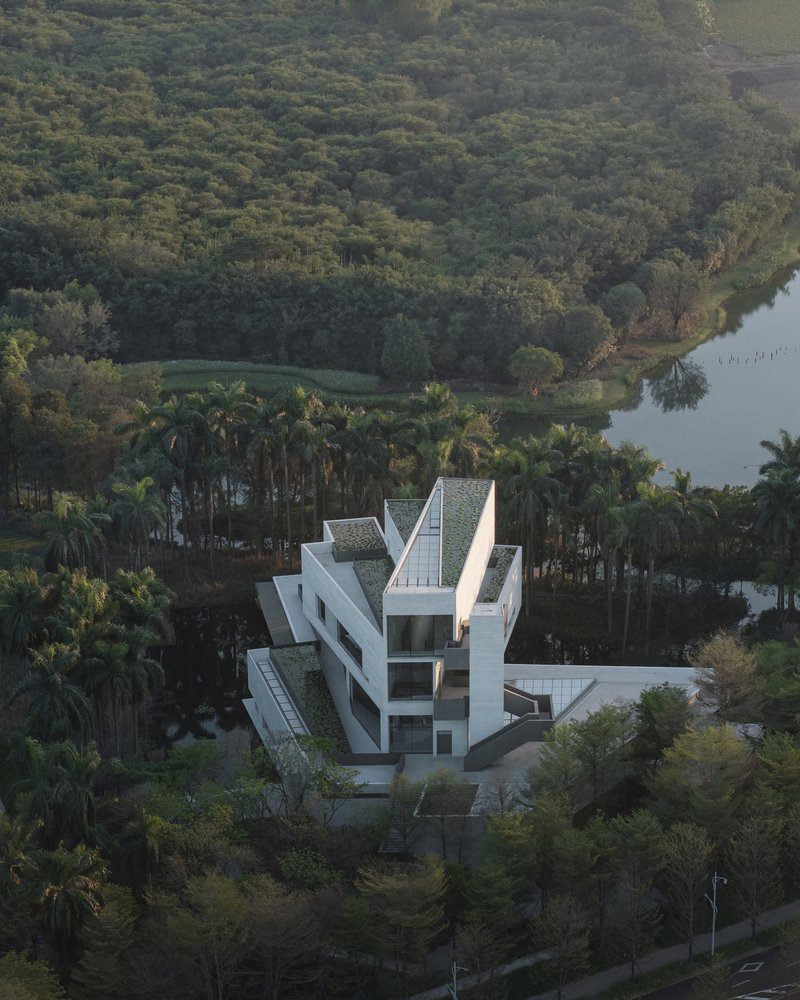
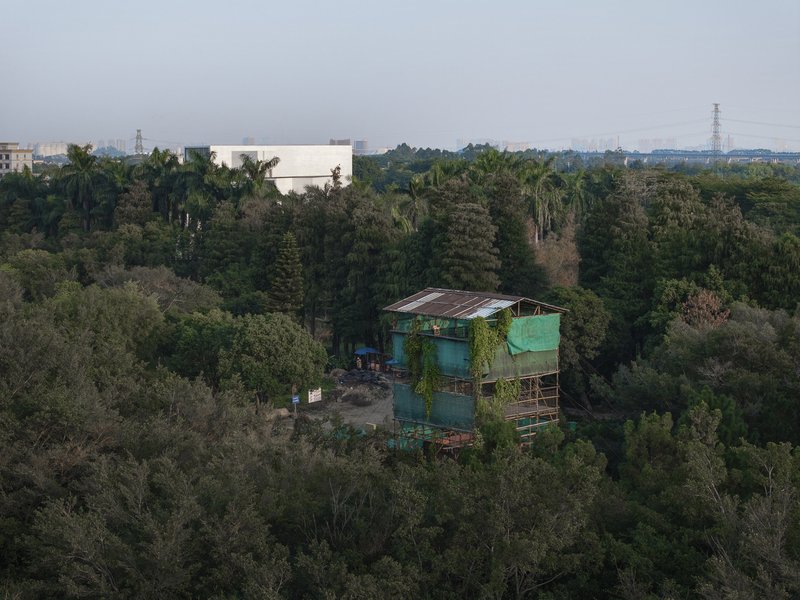
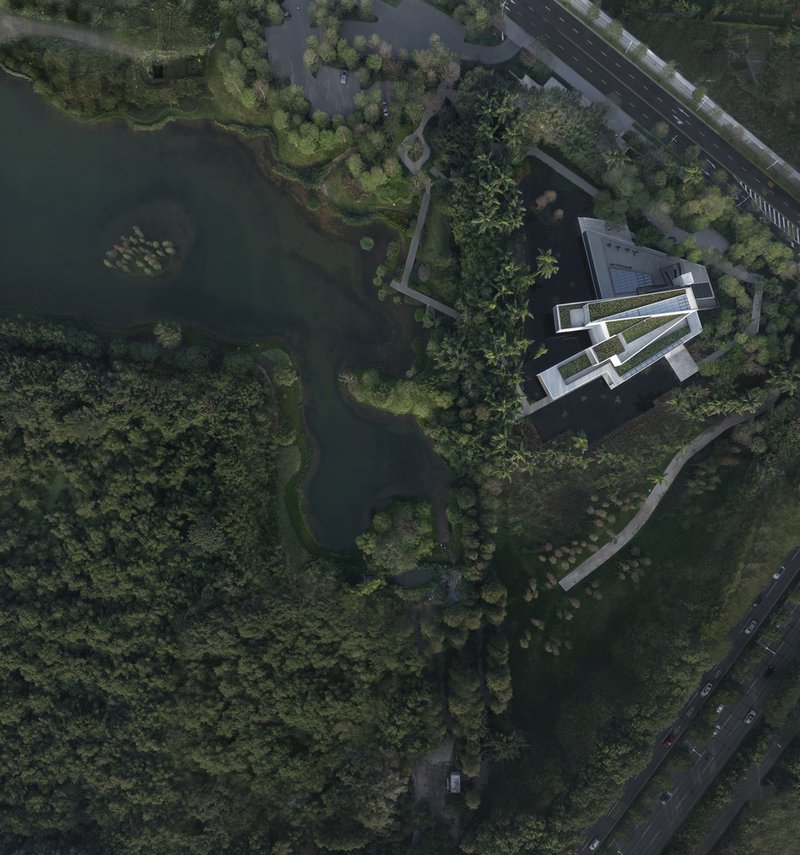
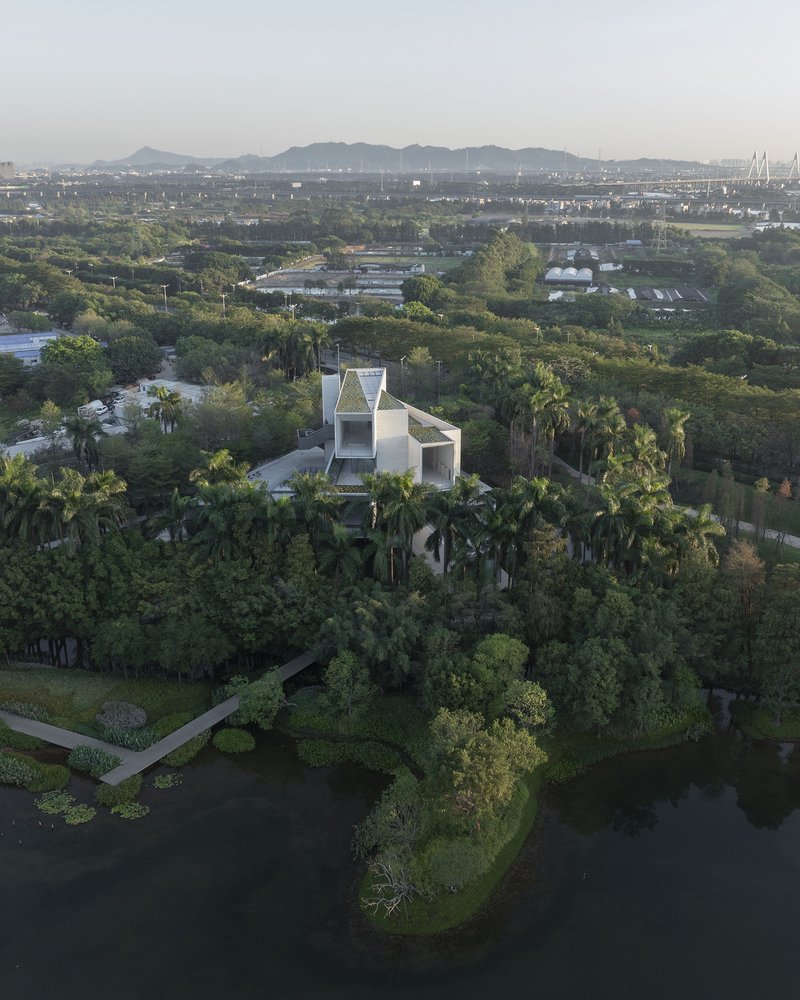
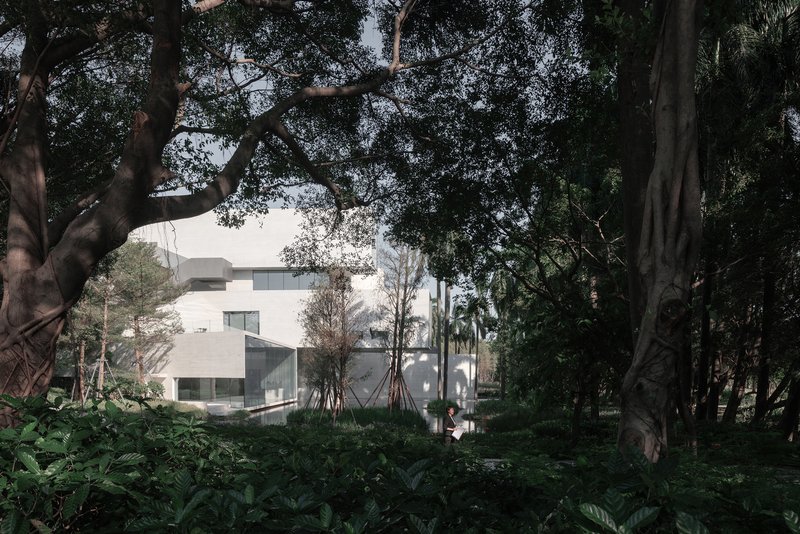
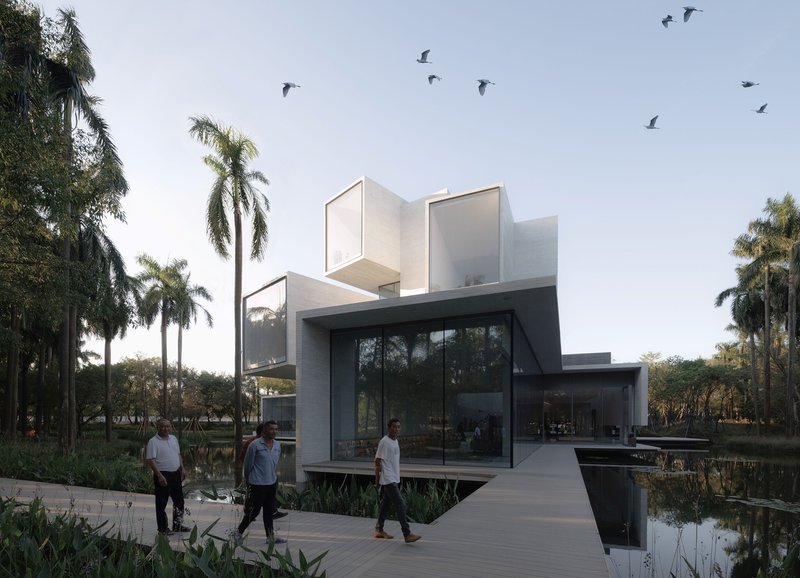
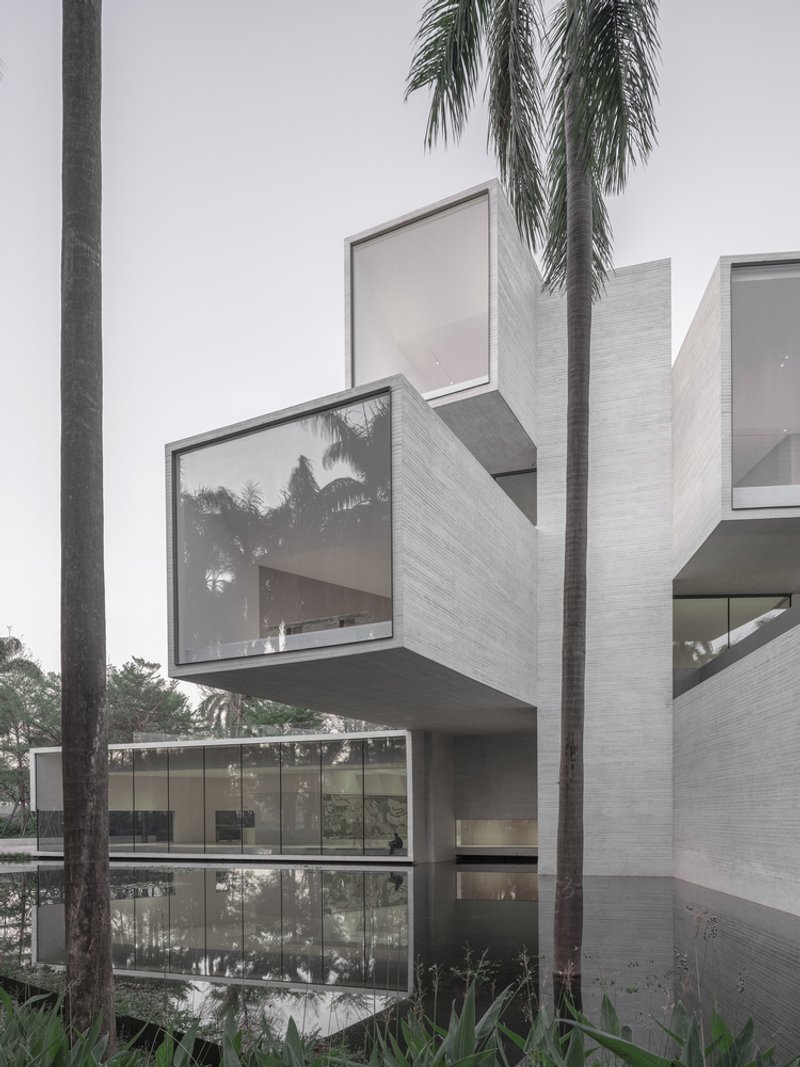
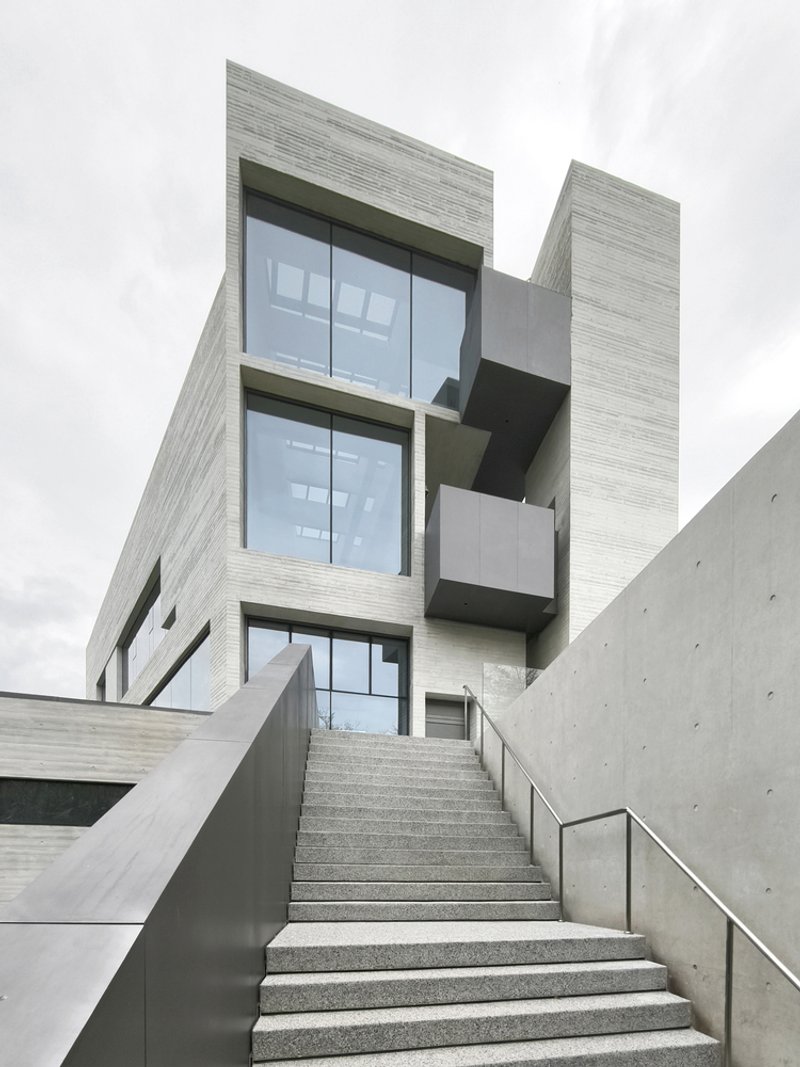
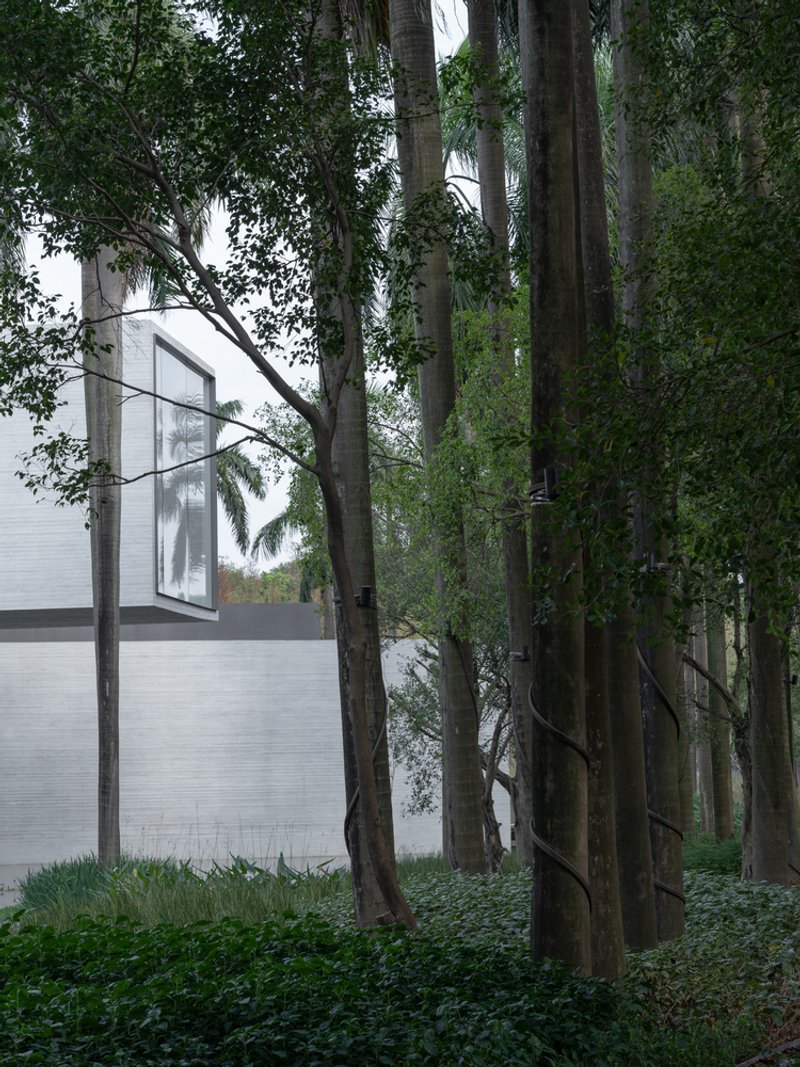
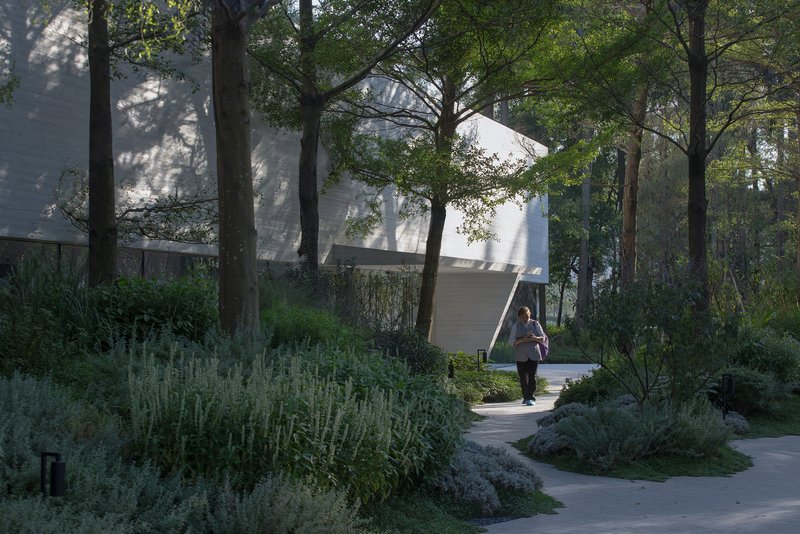
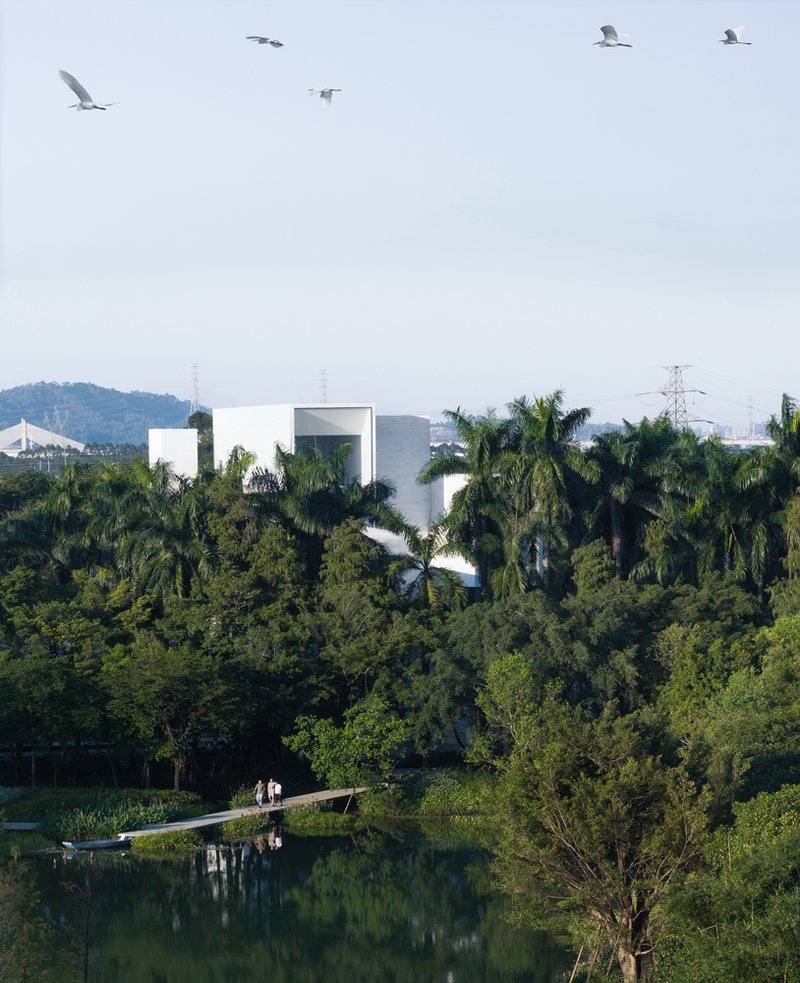
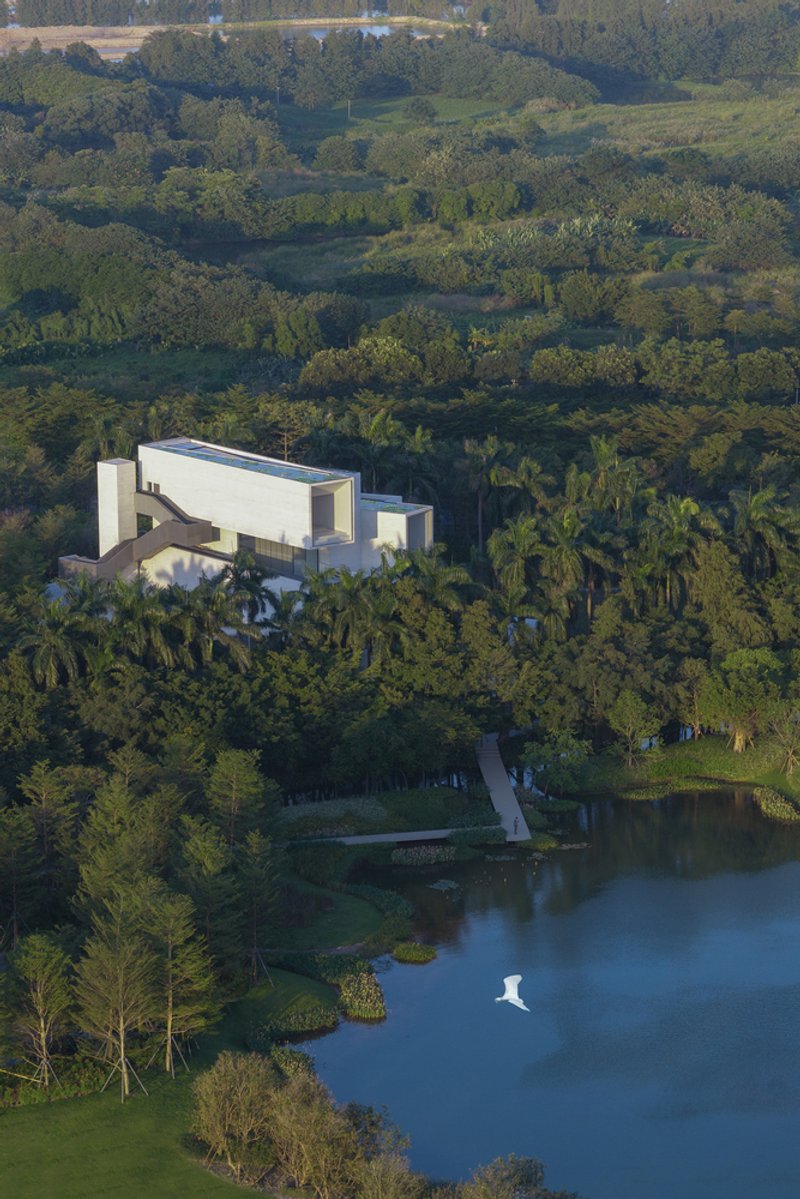
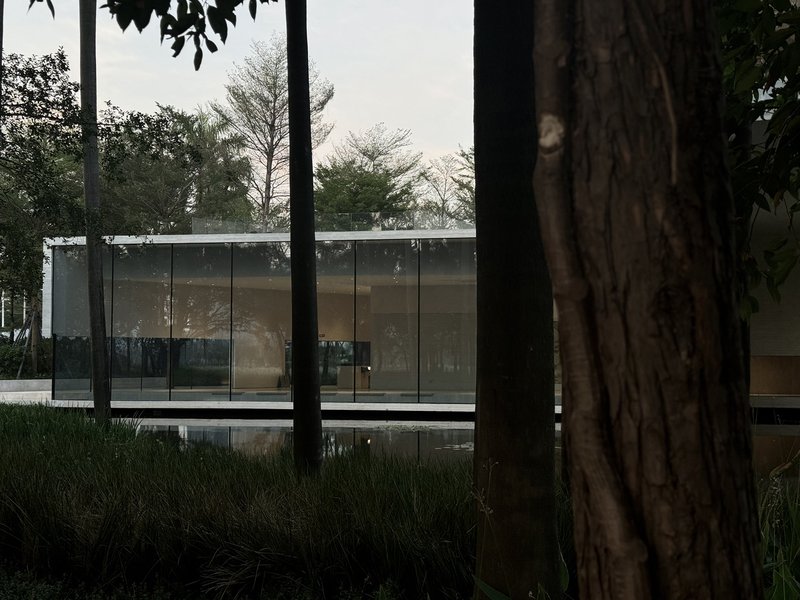
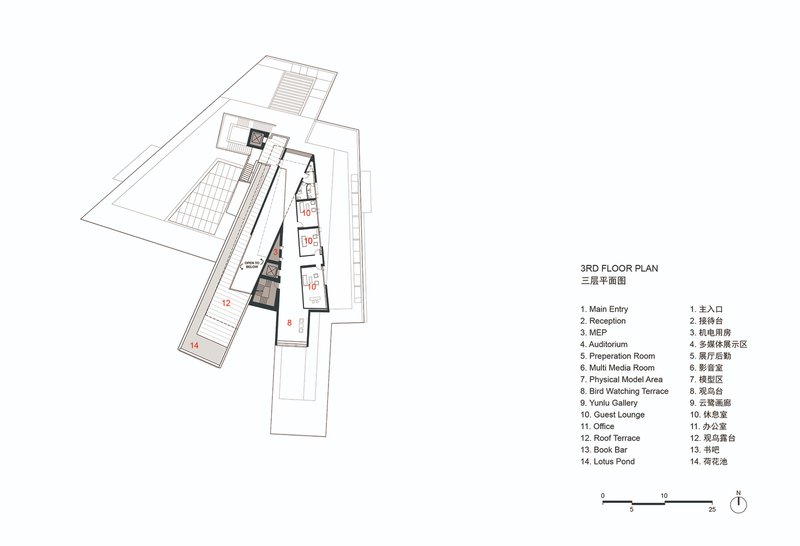
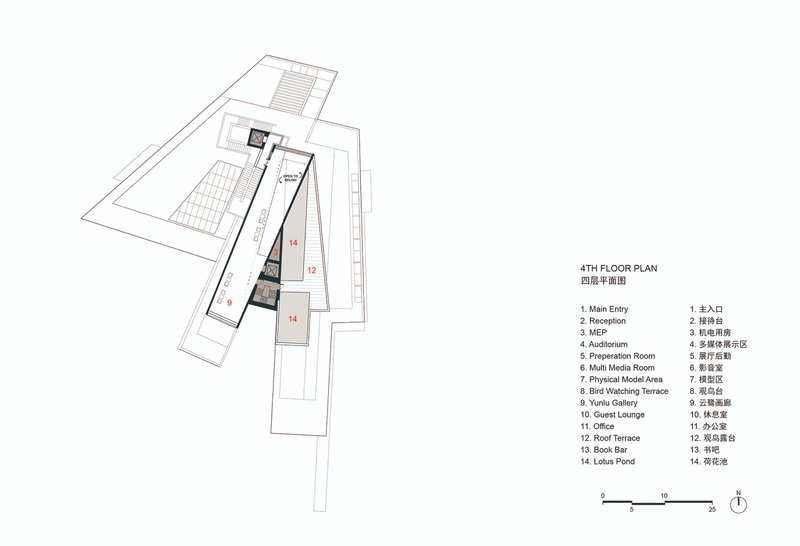
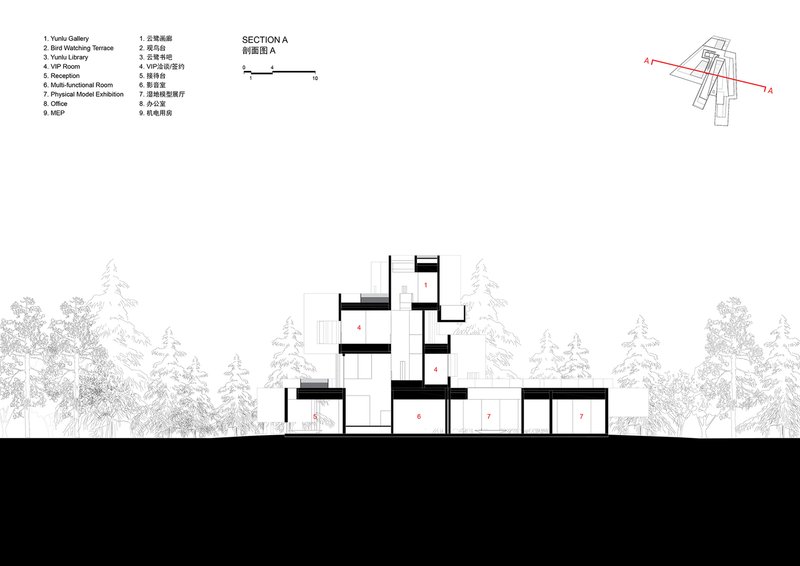
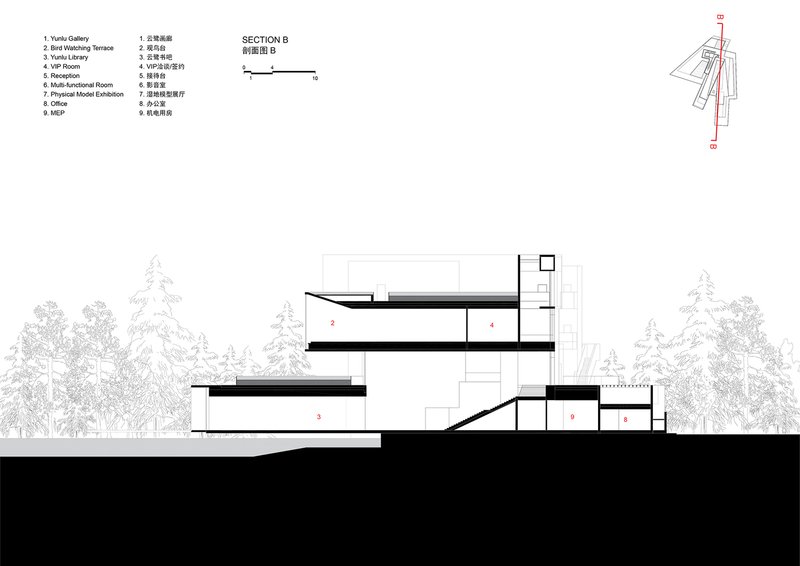
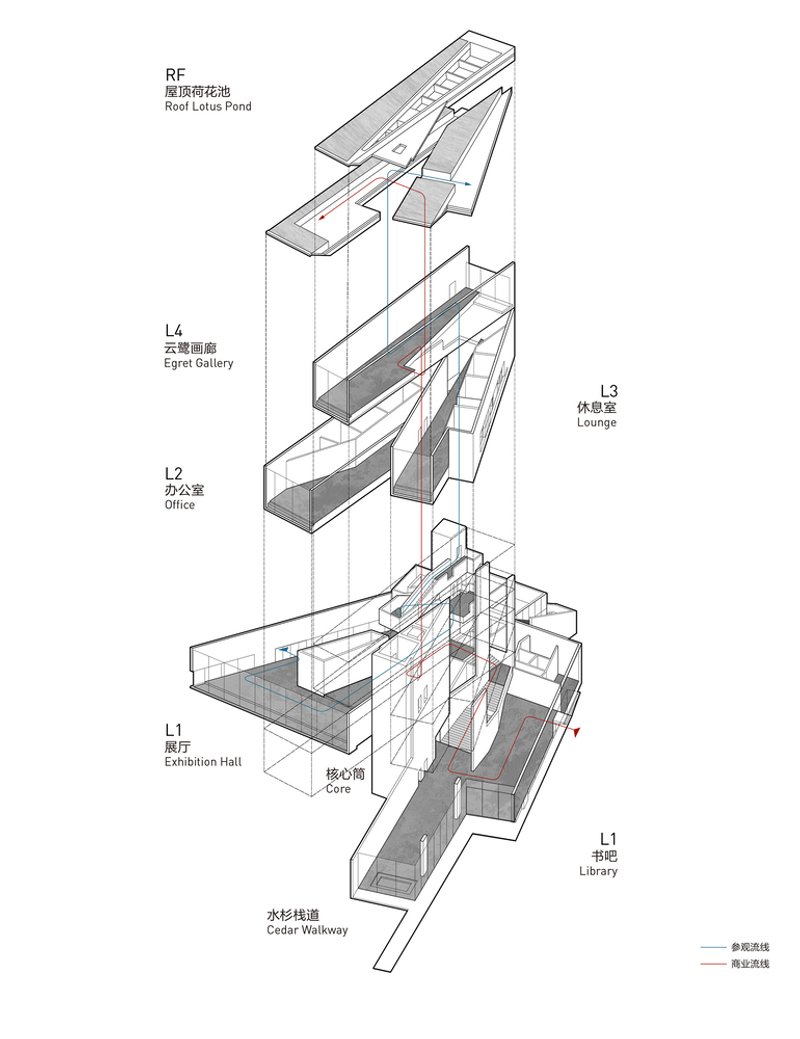
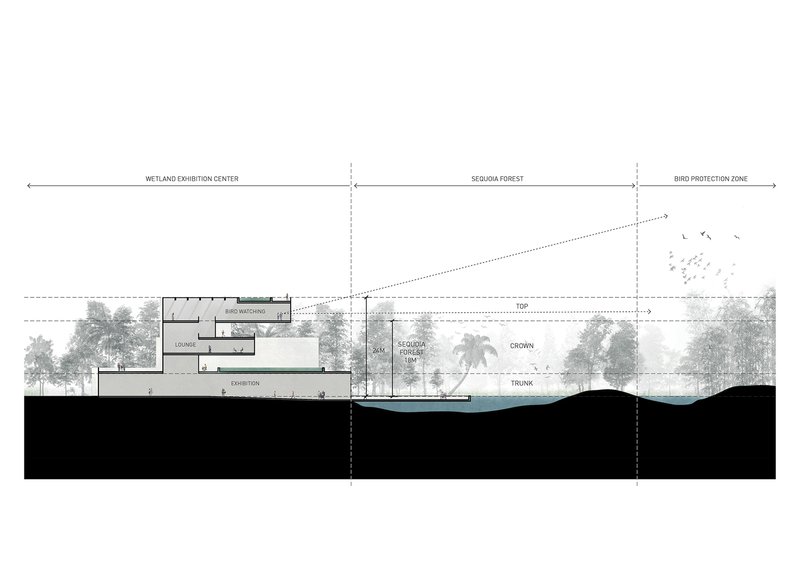
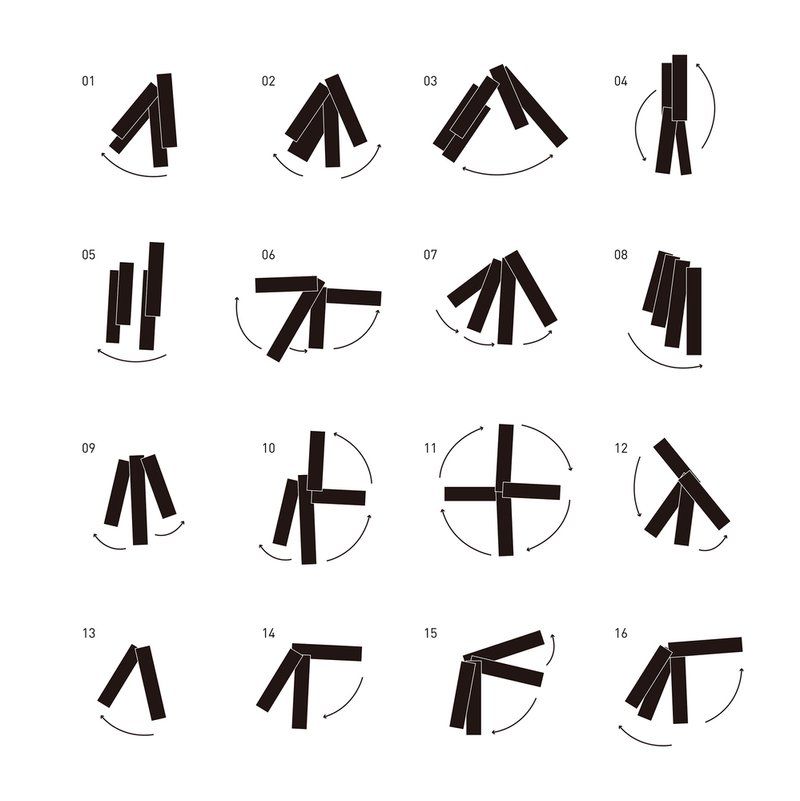
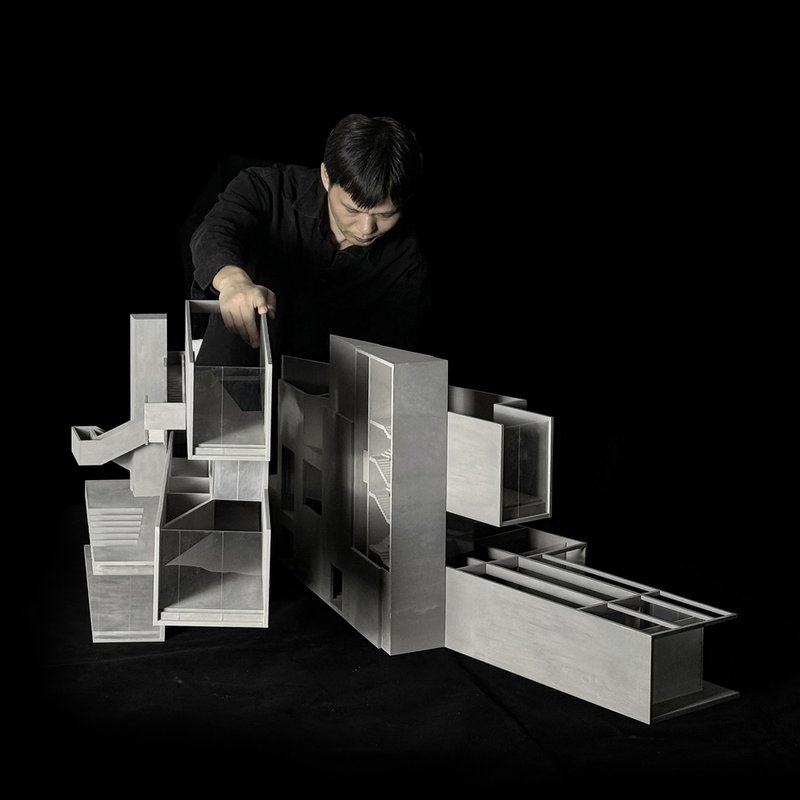
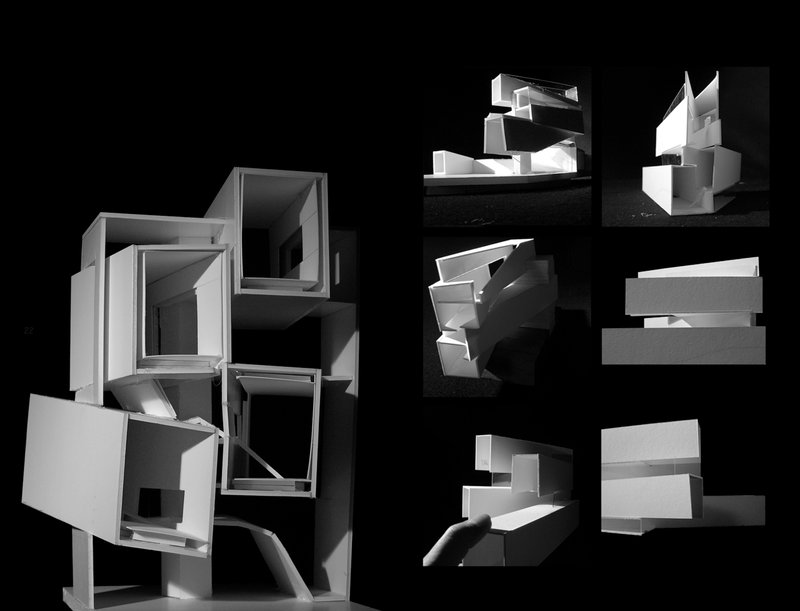
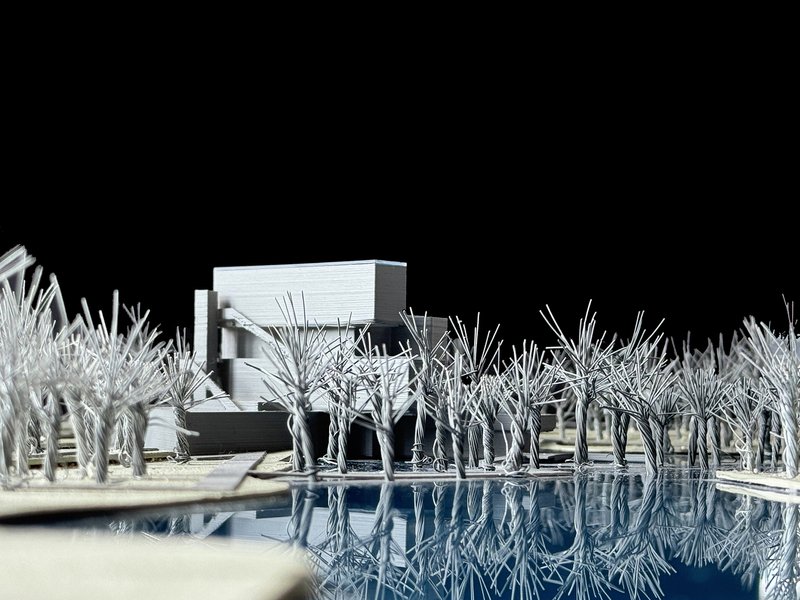
The building’s design aims to minimize its footprint and blend seamlessly into the landscape, thus ensuring minimal disruption to the existing environment. By placing the museum behind a row of mature cedar trees, the architects reduced the building’s visibility, allowing it to "disappear" within the lush subtropical forest when viewed from Egret Island. The museum consists of four vertically stacked concrete tubes, which are arranged in such a way that they resemble rotating "lenses," capturing the activities of the egrets and creating a dynamic relationship between the built environment and the surrounding nature.
Architectural Features: Framing Nature's Beauty
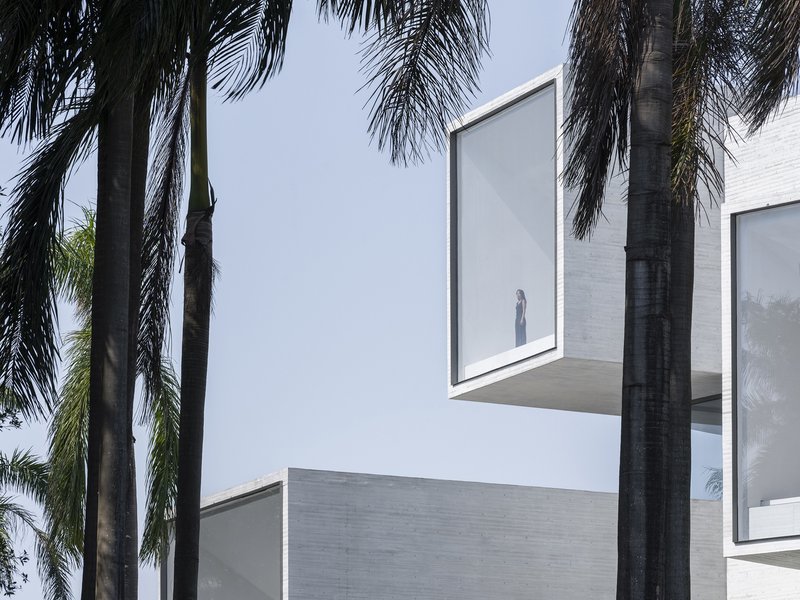
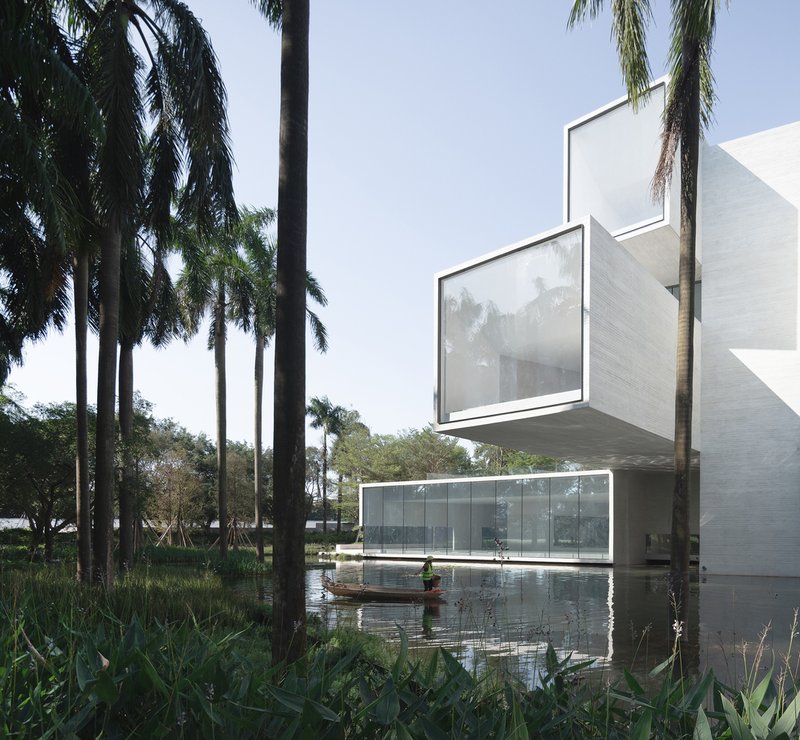
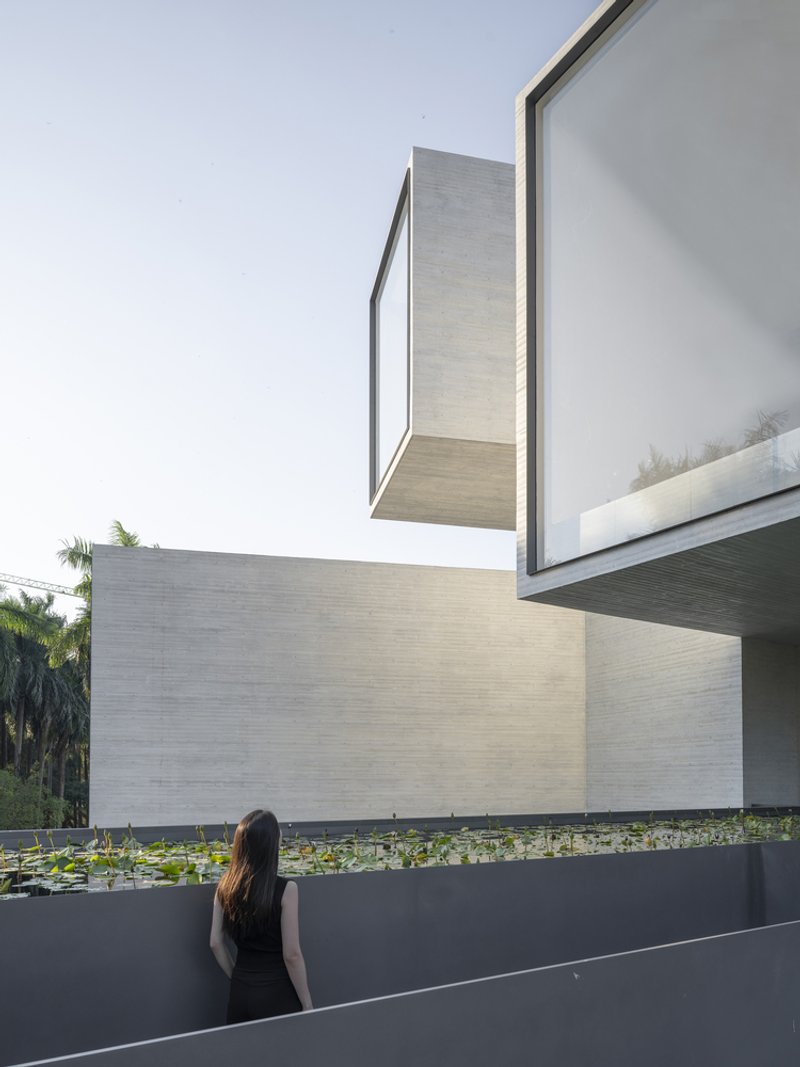
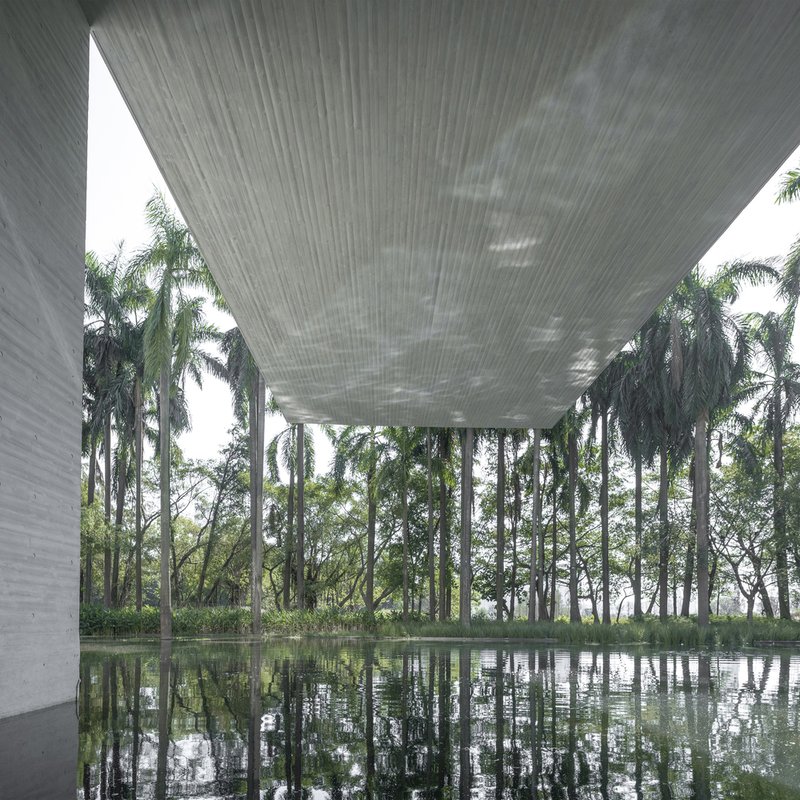
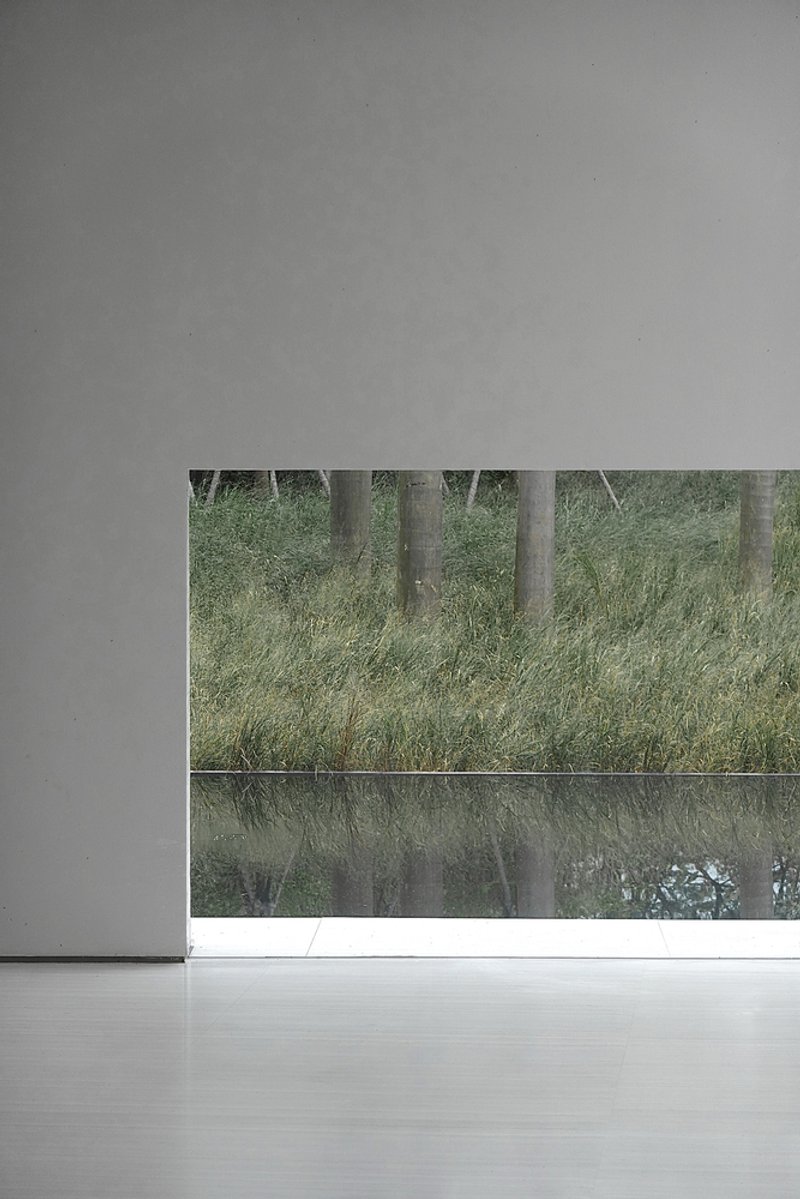
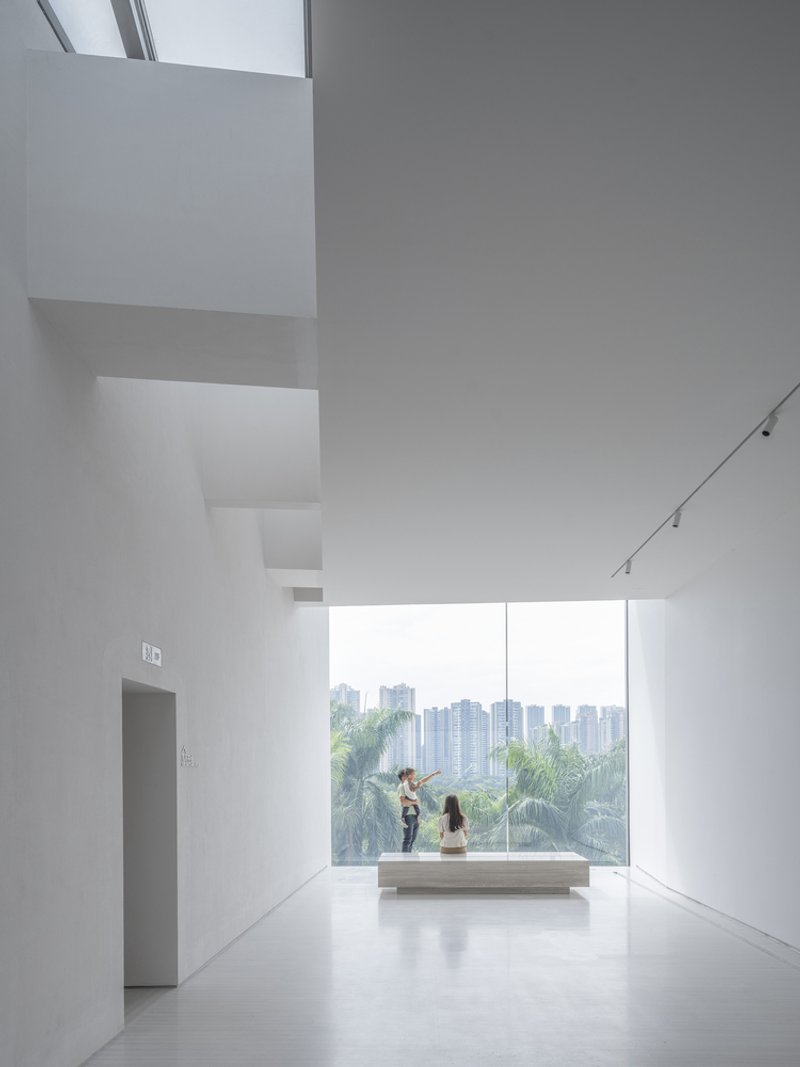
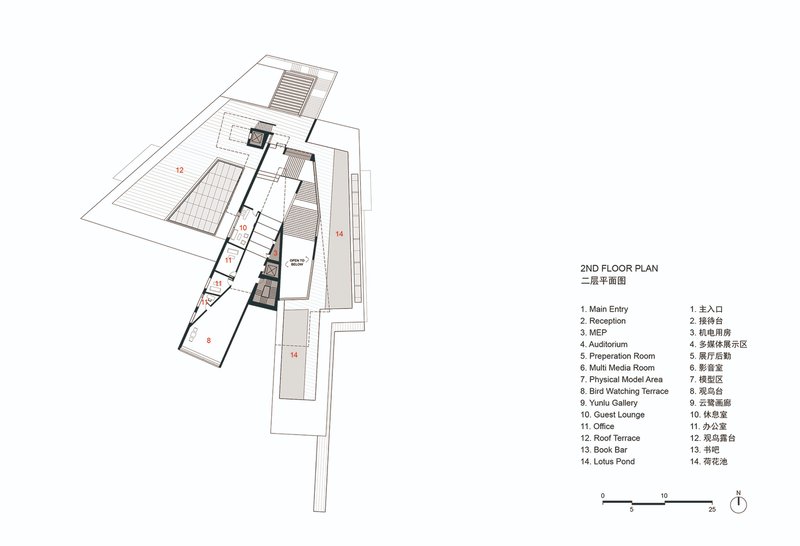
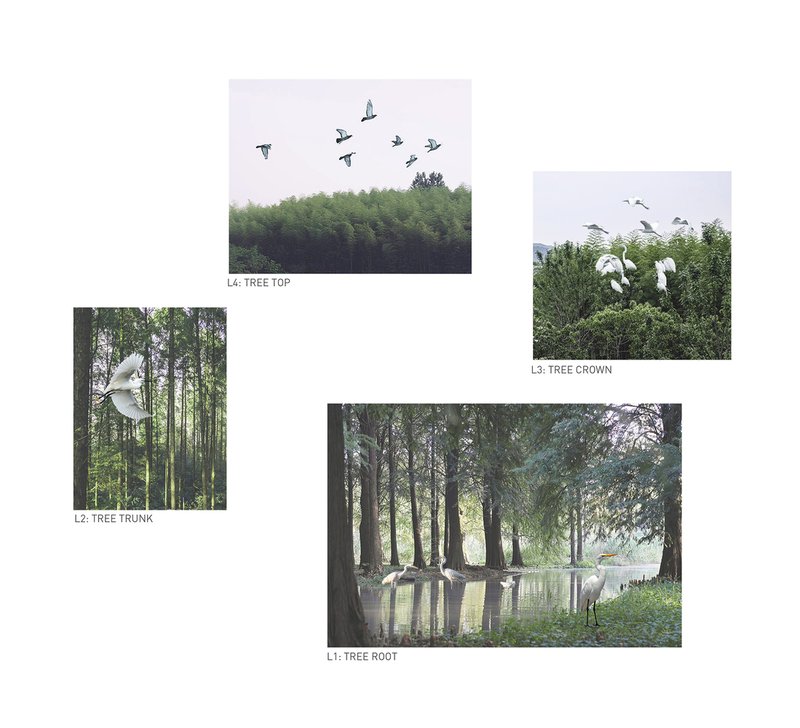
Each of the four concrete tubes is rotated to align with the optimal viewing direction based on the site’s conditions. This creates four staggered "framing frames" that direct attention to different natural elements. From within the building, visitors can observe the wetland from varying heights, providing distinct perspectives of the trees, the fluttering of birds, and the shifting patterns of light and shadow. The traditional architectural perspective is reimagined in this design, allowing visitors to experience nature in a more scattered, decentralized manner.
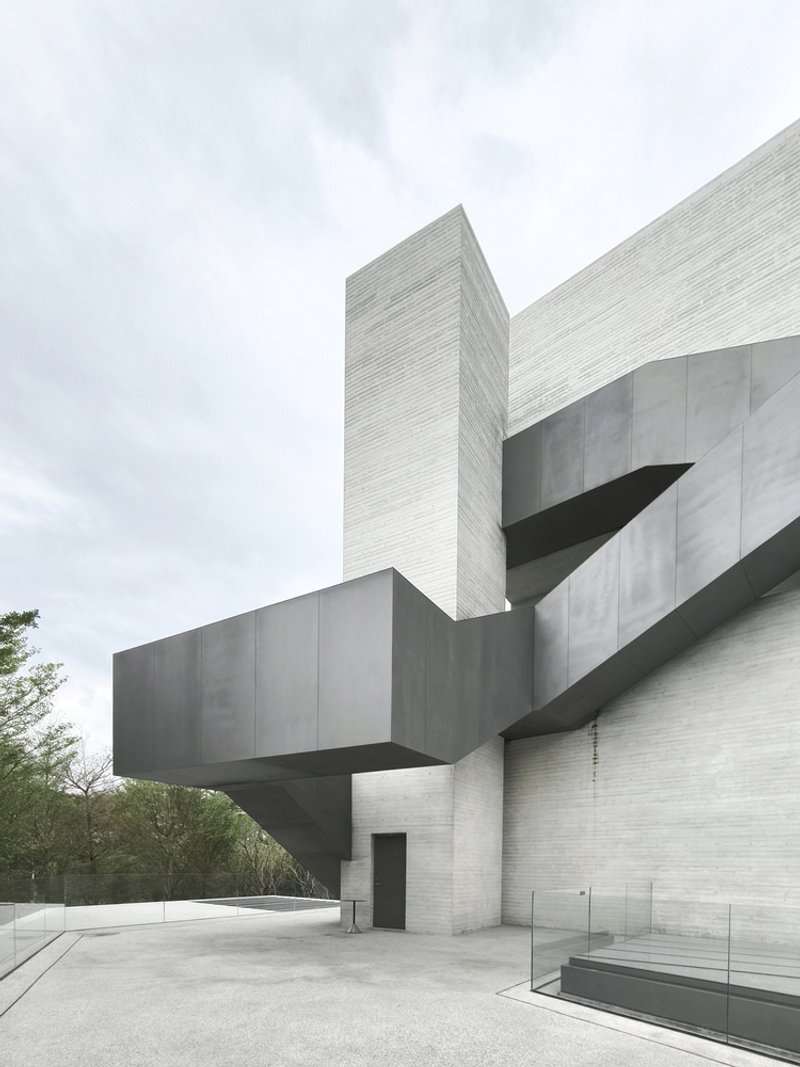
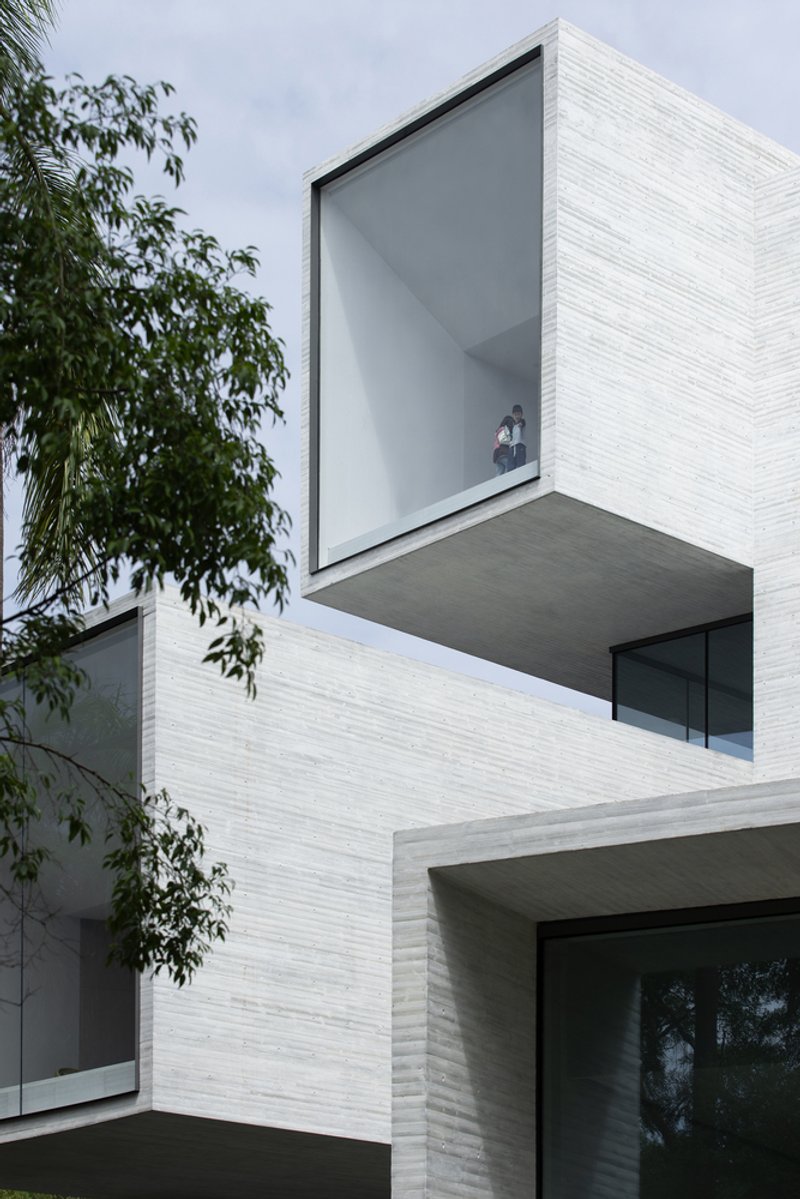
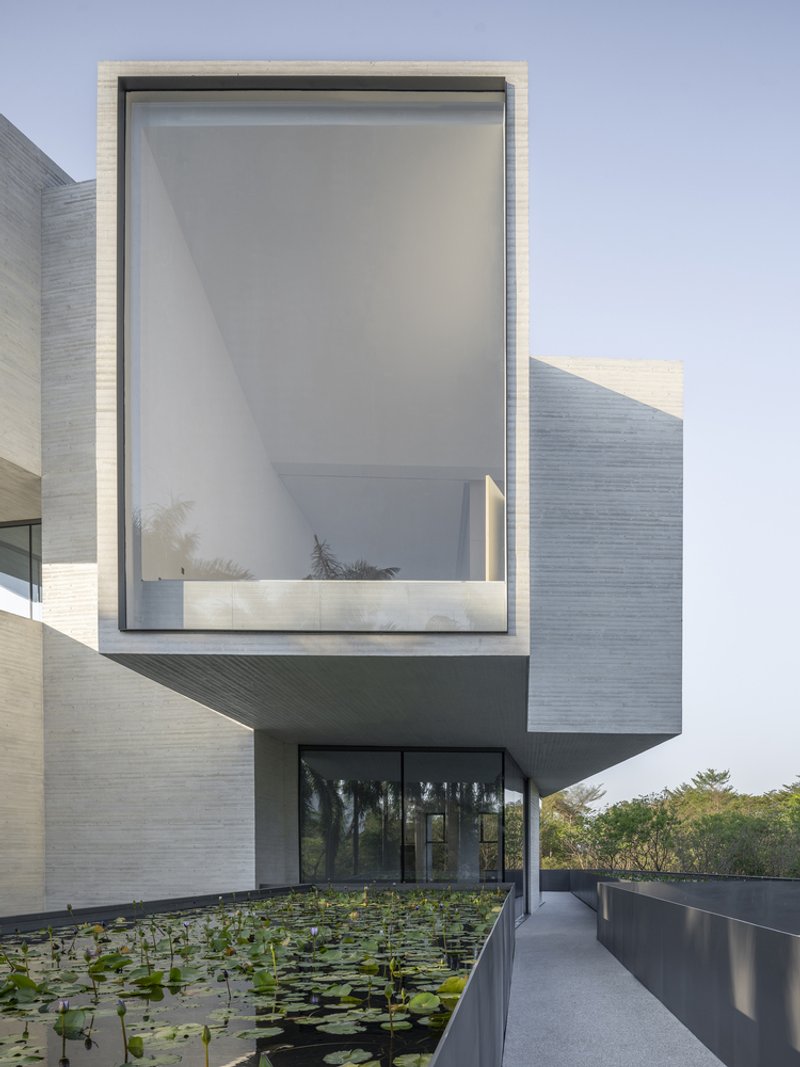
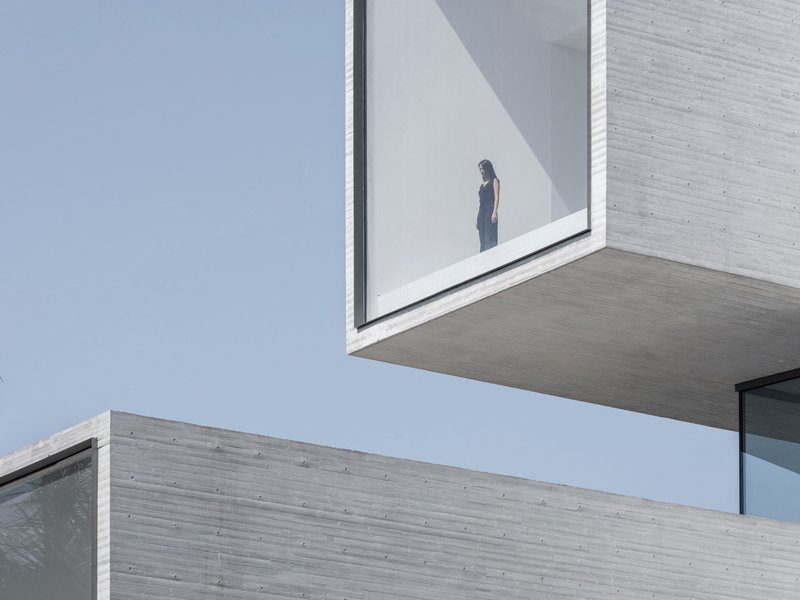
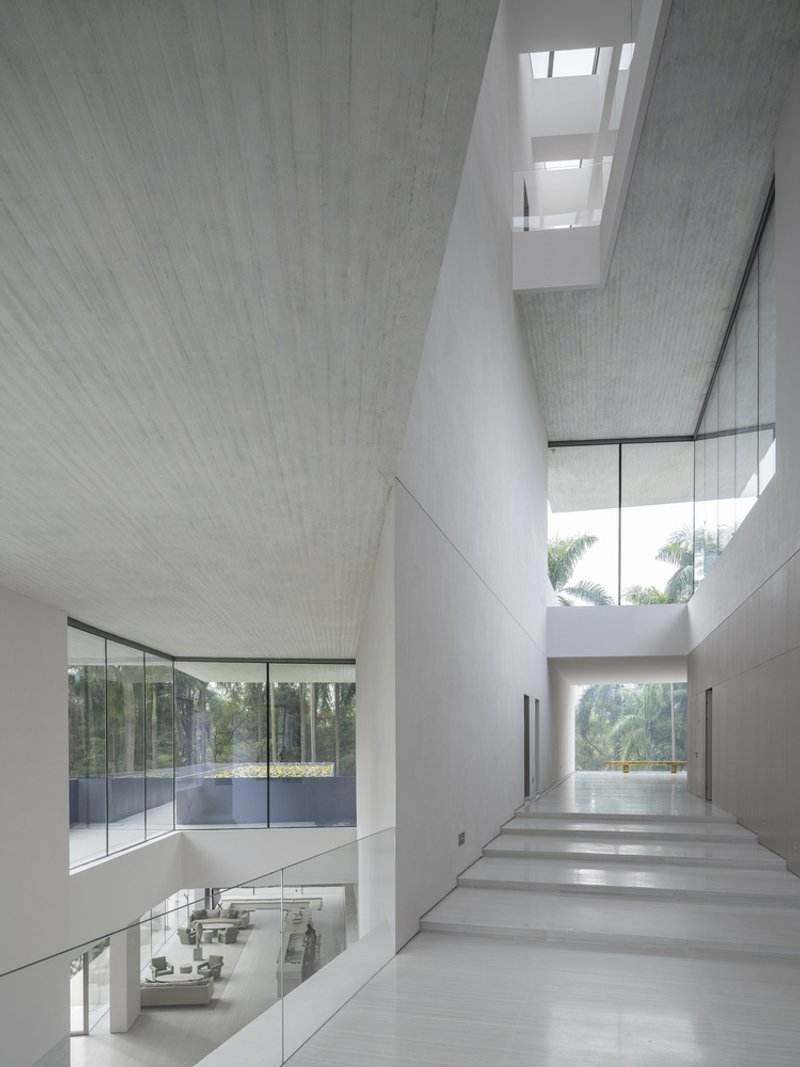
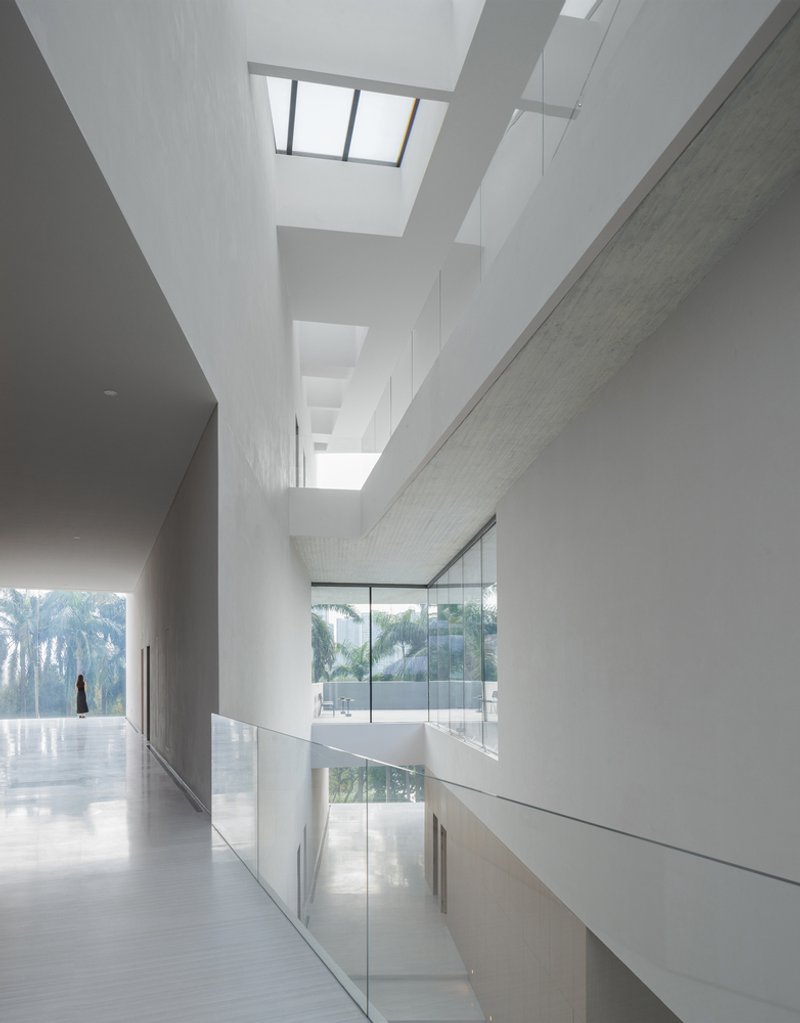
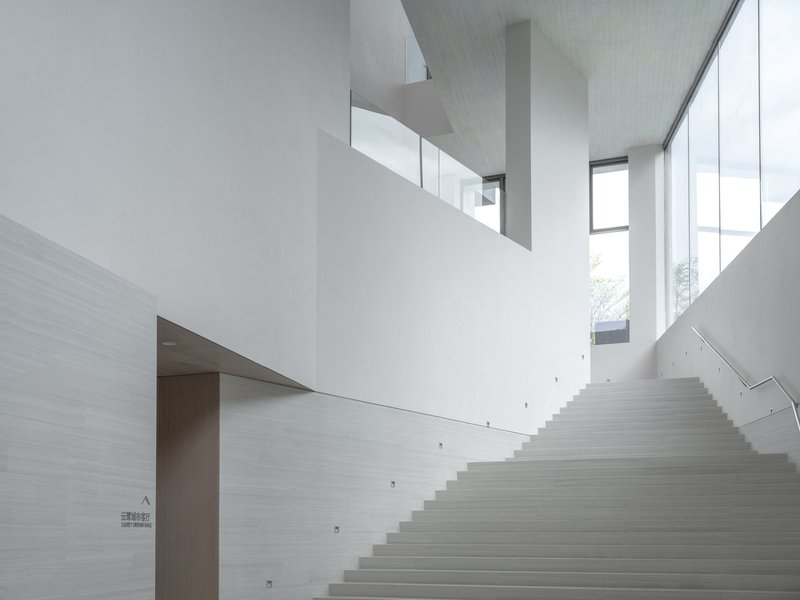
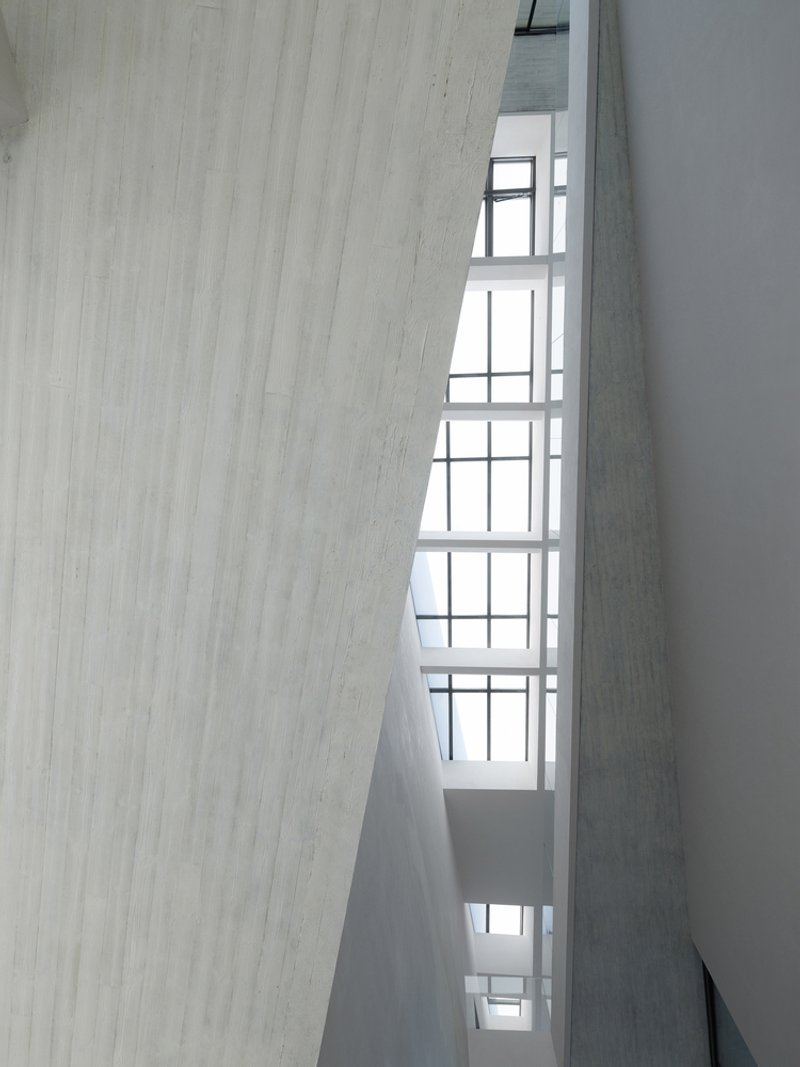
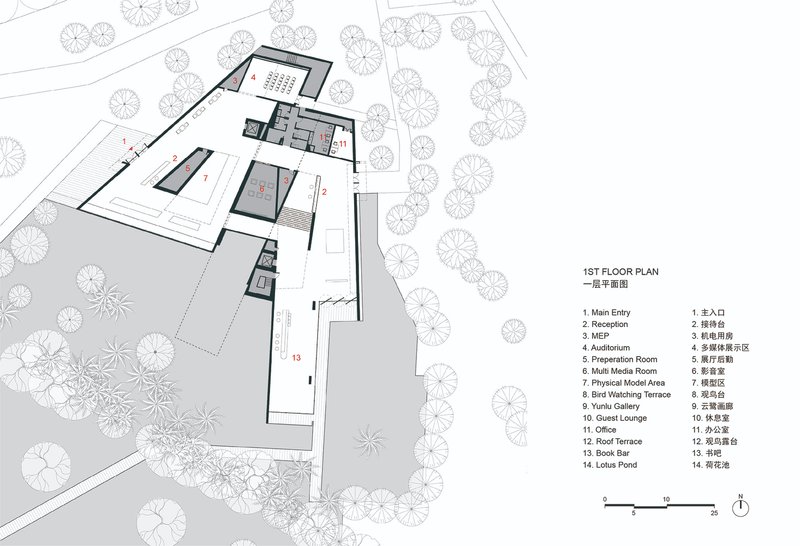
The internal space of the museum is organized around a vertical triangular atrium, created through a Boolean difference in the structure. This atrium acts as a communal viewpoint, enabling visitors to experience multiple views of the wetlands at once. The viewfinder windows at the end of each tube serve as carefully selected "landscape paintings," offering framed views of the surrounding environment.
Sustainable and Thoughtful Design Choices
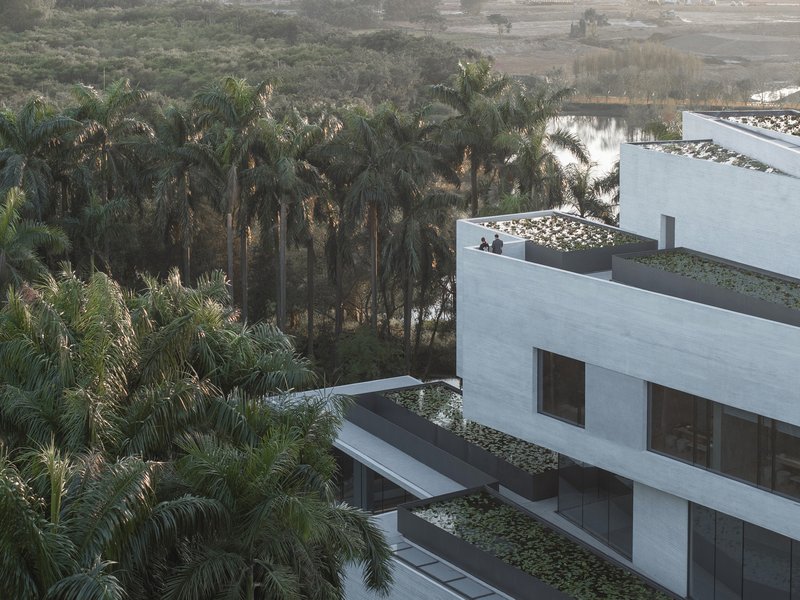
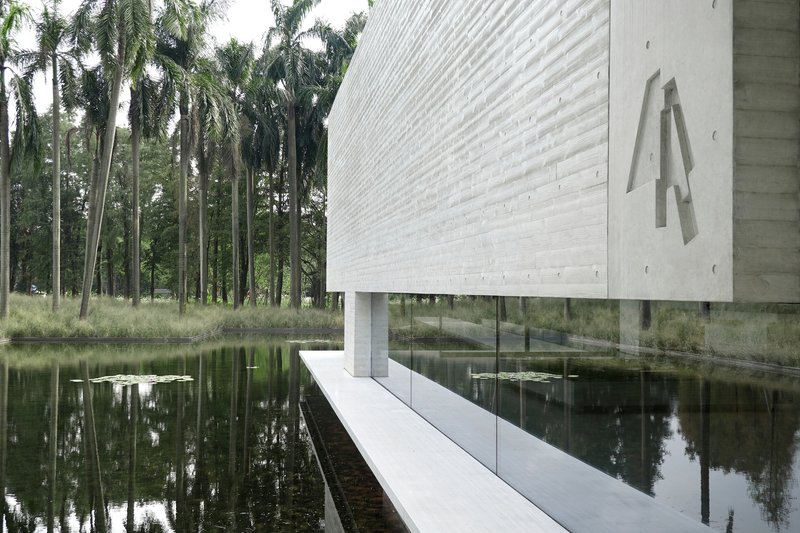
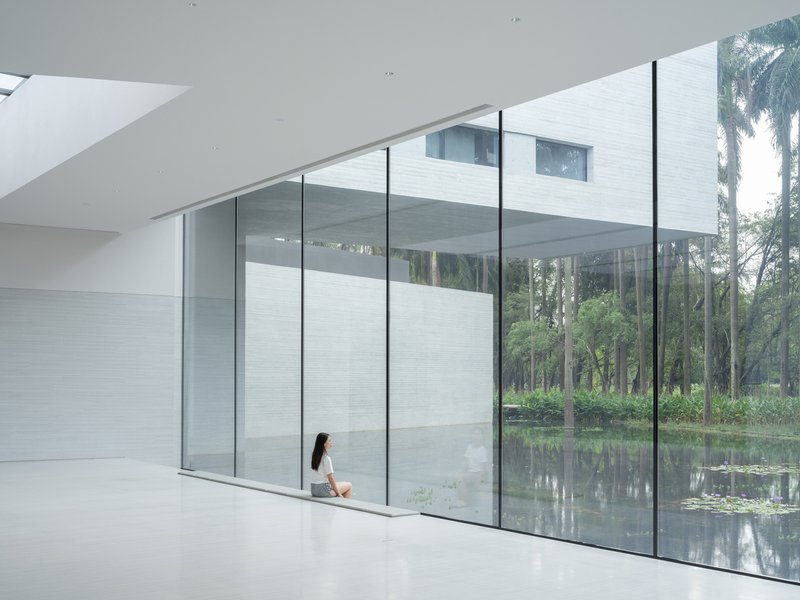
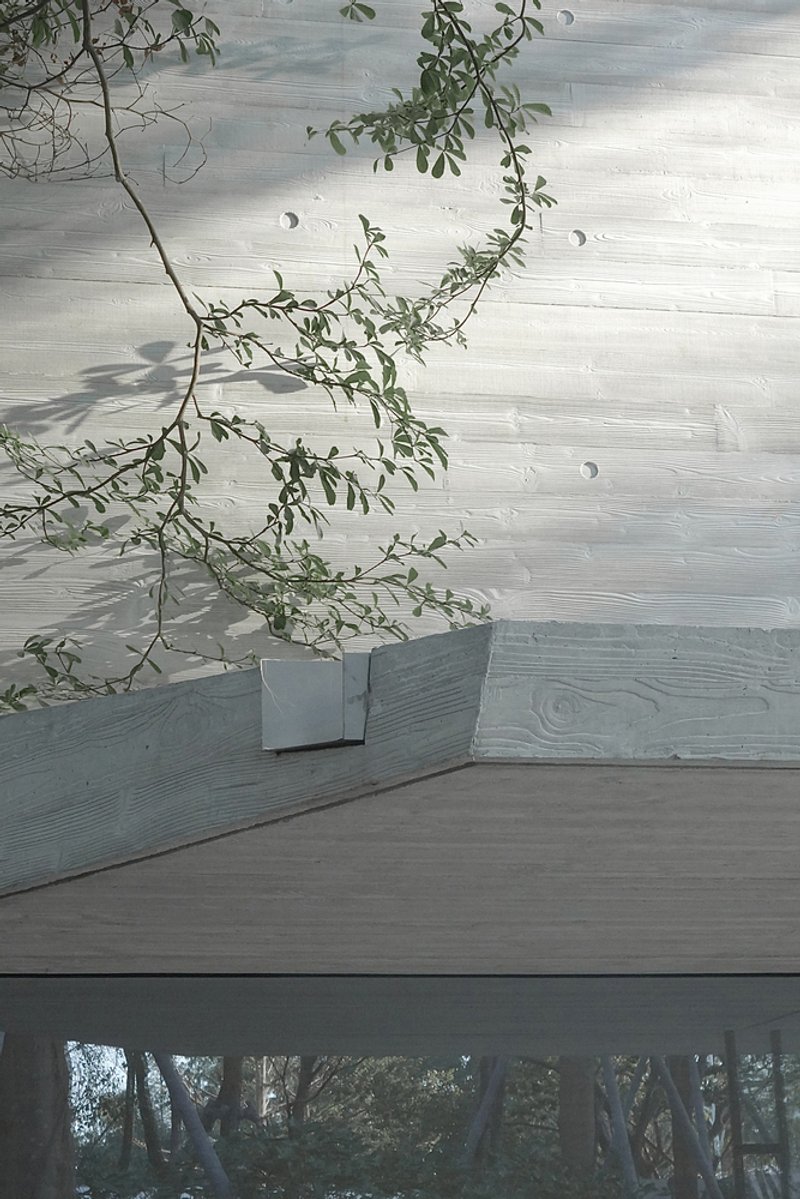
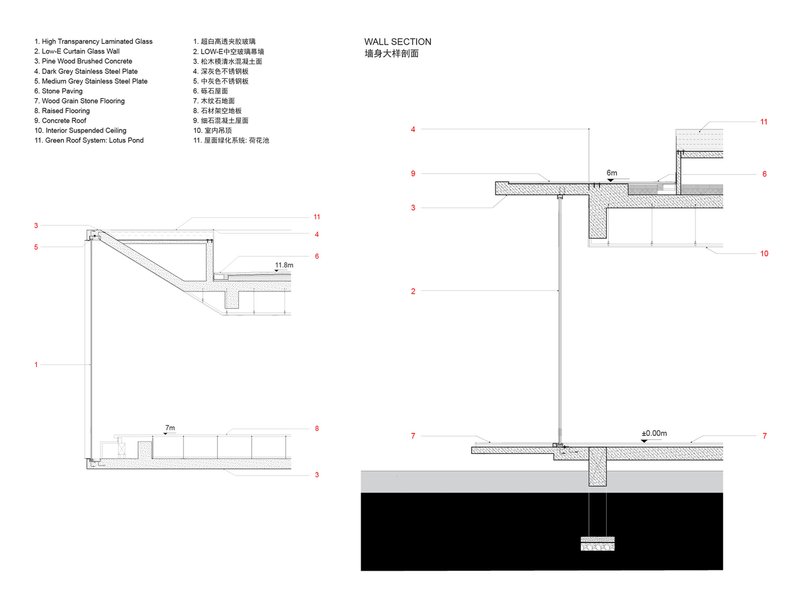
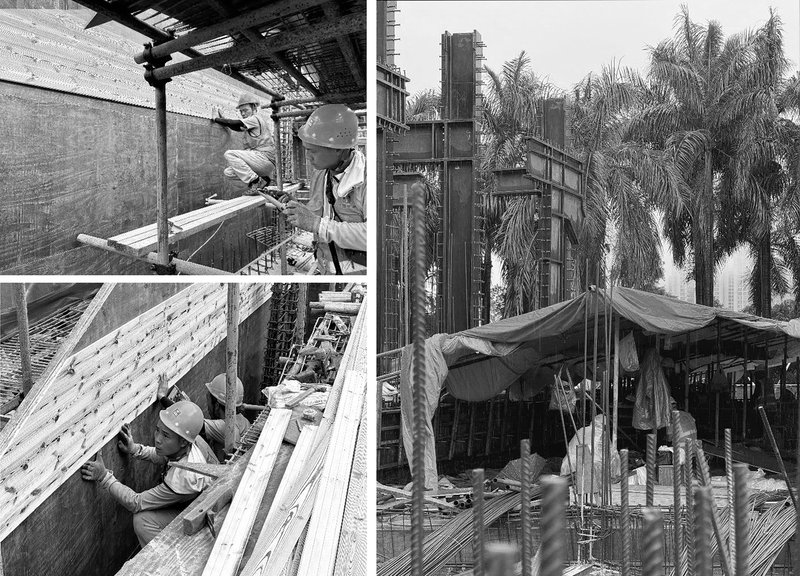
The museum’s design not only prioritizes visual harmony with nature but also considers the impact on the environment. The architects carefully surveyed the site and minimized the building’s footprint to avoid disturbing the existing 560 trees. The design also incorporates sustainable materials, such as cast-in-place pine-molded concrete for the exterior, which gives the building a natural texture that complements the surrounding forest.
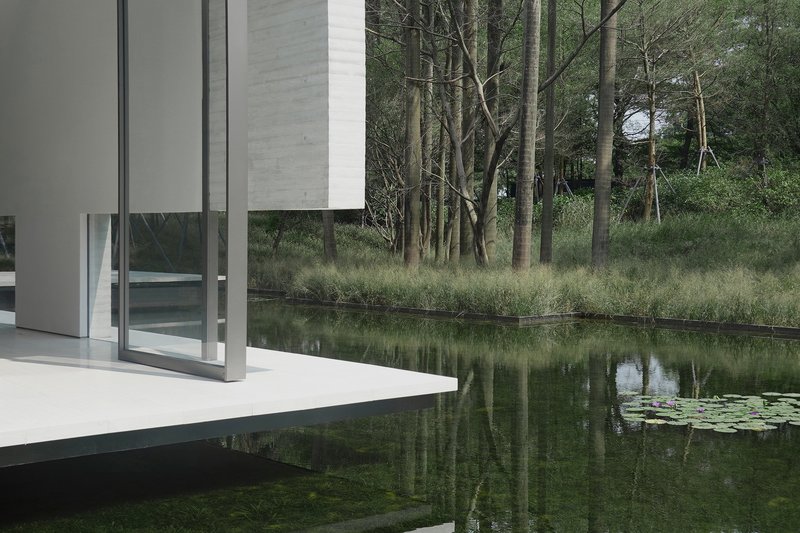
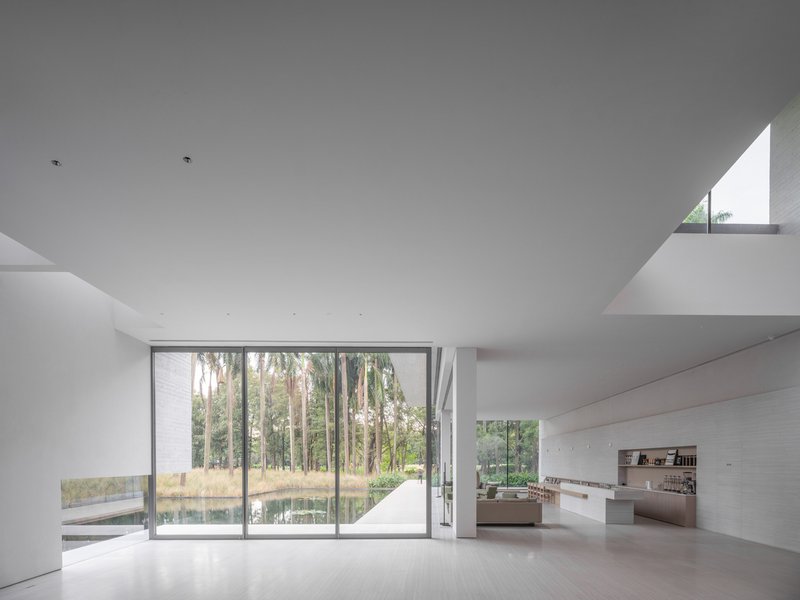
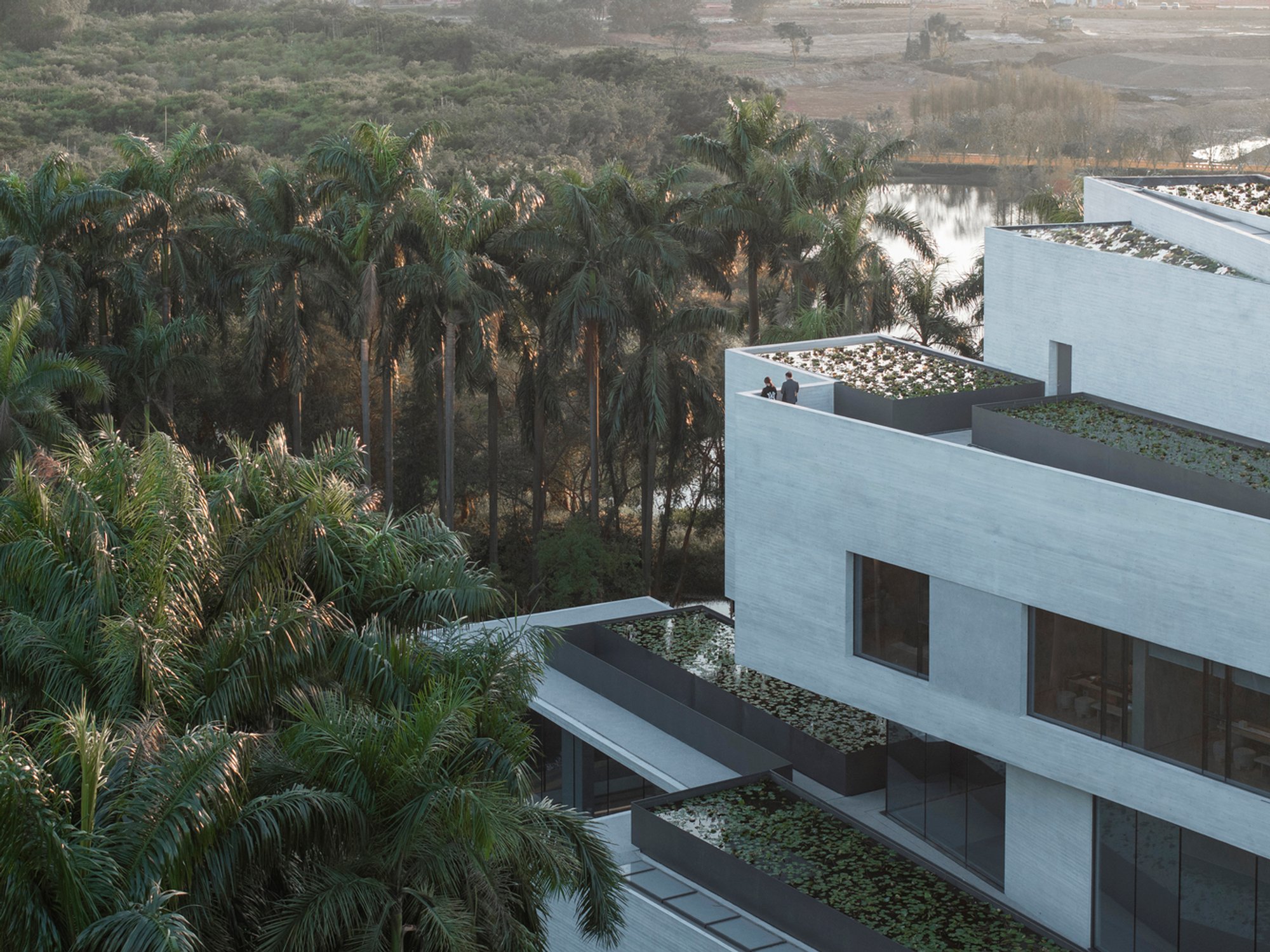
The roof of the building is covered by lotus ponds, which help further integrate the structure with its natural surroundings. These ecological water features not only enhance the visual appeal of the building but also reduce its physical presence from certain elevations, allowing the museum to remain unobtrusive in the landscape.
A Harmonious Blend of Architecture and Nature
The Shunde Yunlu Wetland Museum is a remarkable example of wetland museum architecture design that places a strong emphasis on ecological sustainability, minimalism, and integration with nature. Through thoughtful design choices and careful site planning, the architects have created a building that not only provides valuable education and bird-watching experiences but also respects and enhances the wetland ecosystem. This museum stands as a symbol of the harmonious coexistence between architecture and the natural world, offering visitors an unforgettable experience in the heart of one of China’s most important wildlife habitats.
All Photographs are works of Tian Fangfang, Arch-Exist, AlexanDENG, Sissi Guo



Popular Articles
Popular articles from the community


The Ken Roberts Memorial Delineation Competition (Krob)
As the most senior architectural drawing competition currently in operation anywhere in the world, it draws hundreds of entries each year, awarding the very best submissions in a series of medium-based categories.

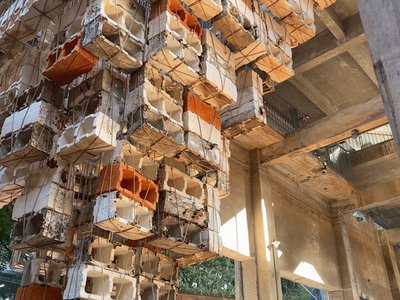
Inverted Architecture Installation by Studio Link-Arc: Exploring the Intersection of Architecture and Living Organisms
Inverted Architecture Installation by Studio Link-Arc blends mycelium, sustainability, inverted design, ecological cycles, and urban adaptive architecture in Shenzhen.
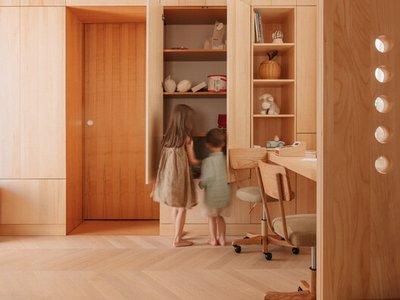
Treehouse Apartment: A Warm Timber Interior Blending Craft, Play, and Contemporary Living
Warm timber apartment with integrated treehouse, combining natural materials, craftsmanship, and playful design to create a flexible, family-oriented living environment.
Solar Steam: A Climate-Responsive Architecture That Redefines the Monument
A climate-responsive memorial architecture that transforms heat, decay, and time into a living system reflecting humanity’s ecological impact.

Similar Reads
You might also enjoy these articles
The Ken Roberts Memorial Delineation Competition (Krob)
As the most senior architectural drawing competition currently in operation anywhere in the world, it draws hundreds of entries each year, awarding the very best submissions in a series of medium-based categories.


Waterfront Redevelopment and Urban Revitalization in Mumbai: Forging a New Dawn for Darukhana
A transformative waterfront redevelopment project reimagining Darukhana’s shipbreaking heritage into an inclusive urban future.

OUT-OF-MAP: A Call for Postcards on Feminist Narratives of Public Space
Rhizoma Design and Research Lab invites artists, designers, architects, researchers, and students to reflect on how feminist perspectives can reshape public space. Selected works will be exhibited in Barcelona, October 2026. Submissions open until 15 April 2026.


Documentation Work on Buddhist Wooden Temple
Architectural syncretism and cultural hybridity: A comparative study of the Buddhist temples in Chattogram Hill tracks

Explore Architecture Competitions
Discover active competitions in this discipline




The International Standard for Design Portfolios


The Global Benchmark for Architecture Dissertation Awards


The Global Benchmark for Graduation Excellence


Challenge to reimagine the Iron Throne
Comments (0)
Please login or sign up to add comments
No comments yet. Be the first to comment!