
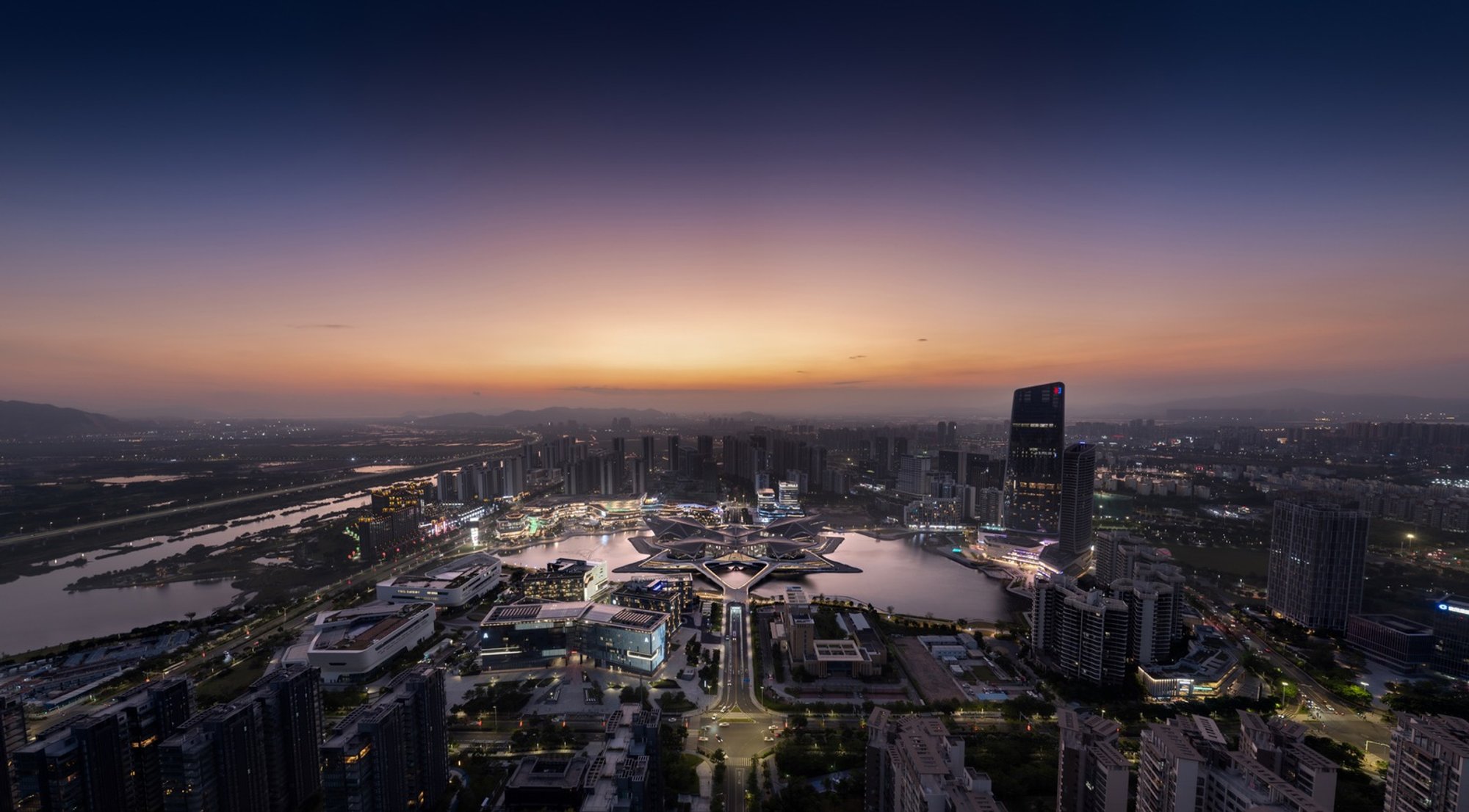
Sustainable Architecture Design: The Case of the Zhuhai Jinwan Civic Art Center
The article explores the sustainable design features of the Zhuhai Jinwan Civic Art Center, showcasing innovative architecture and eco-friendly solutions.

Sustainable Architecture Design
Sustainable architecture design is a crucial concept in modern urban development, focusing on minimizing environmental impact while enhancing the quality of life for inhabitants. A prime example of this is the Zhuhai Jinwan Civic Art Center, a groundbreaking cultural hub designed by Zaha Hadid Architects in Zhuhai, China. This innovative center seamlessly blends environmental responsibility with cutting-edge design, serving as a model for sustainable urban architecture in the 21st century.
The Vision Behind Zhuhai Jinwan Civic Art Center
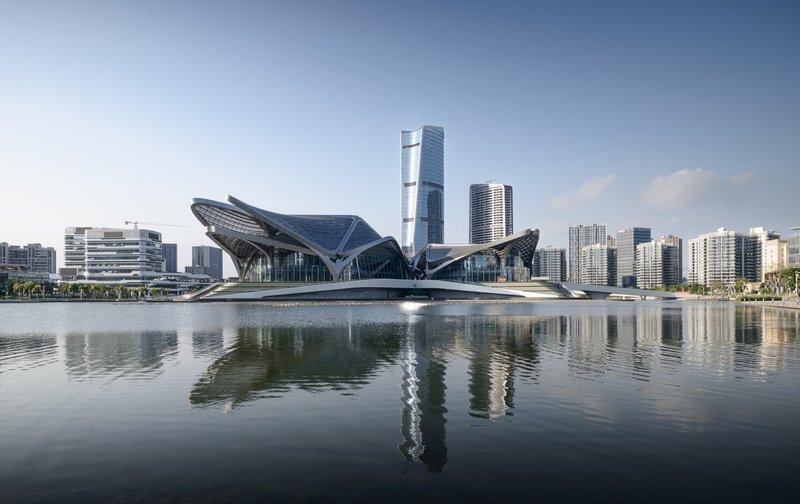
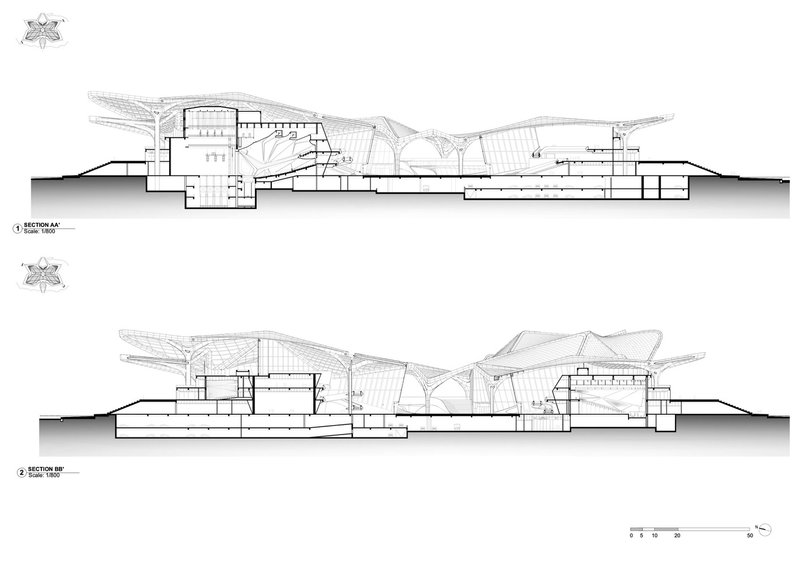
Located in the rapidly developing Aviation New City of Zhuhai, the Zhuhai Jinwan Civic Art Center spans over 100,000 square meters and houses three major cultural venues: a Performing Arts Centre, a Science Centre, and an Art Museum. Each space has been designed with sustainability in mind, using materials and systems that reduce energy consumption and water usage while maximizing the visitor experience.
The center is part of the broader urban vision for Zhuhai, a city that is pushing the boundaries of innovation with a focus on eco-friendly infrastructure. With its striking design, the Zhuhai Jinwan Civic Art Center is a symbol of how sustainable architecture design can shape the future of cities.
Key Features of the Zhuhai Jinwan Civic Art Center's Sustainable Design
1. Innovative Use of Modular Steel Canopies
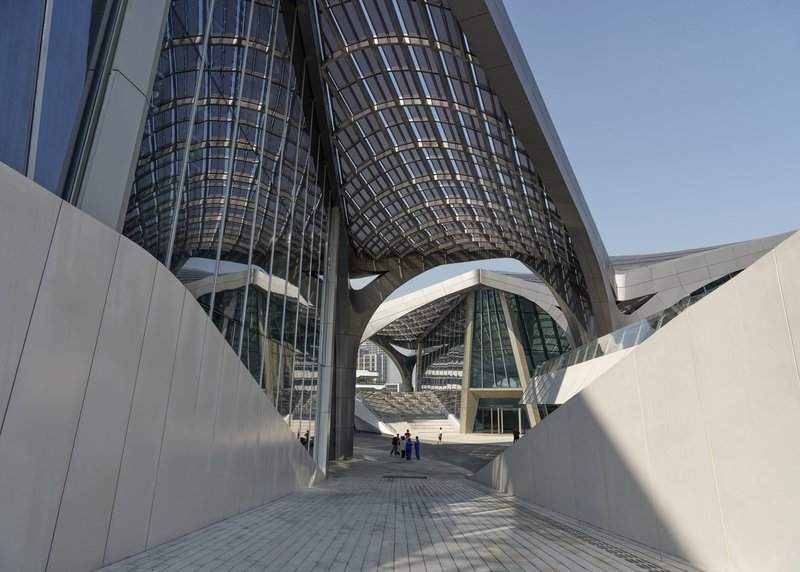
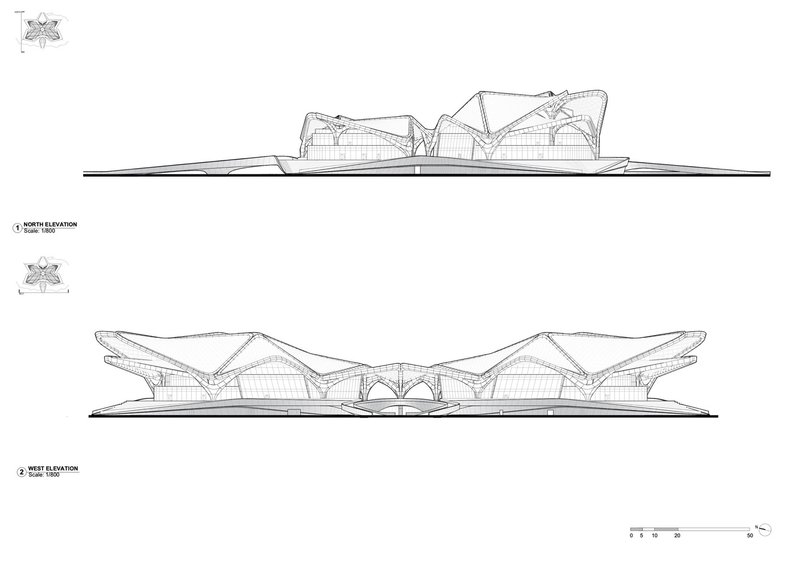
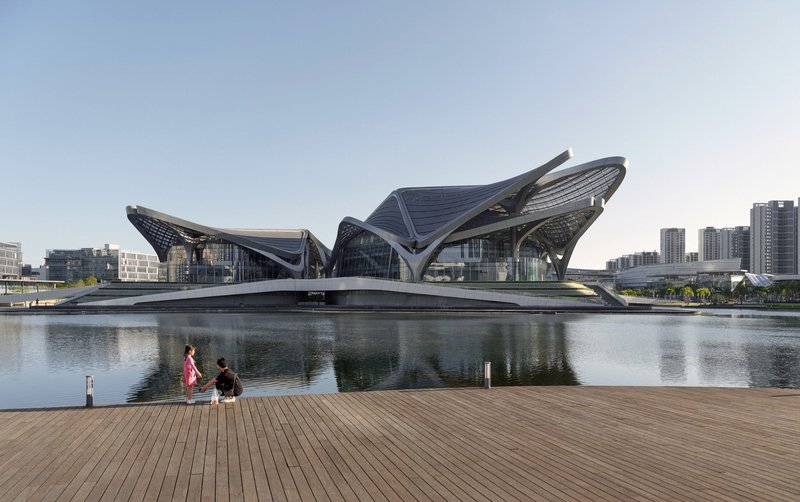
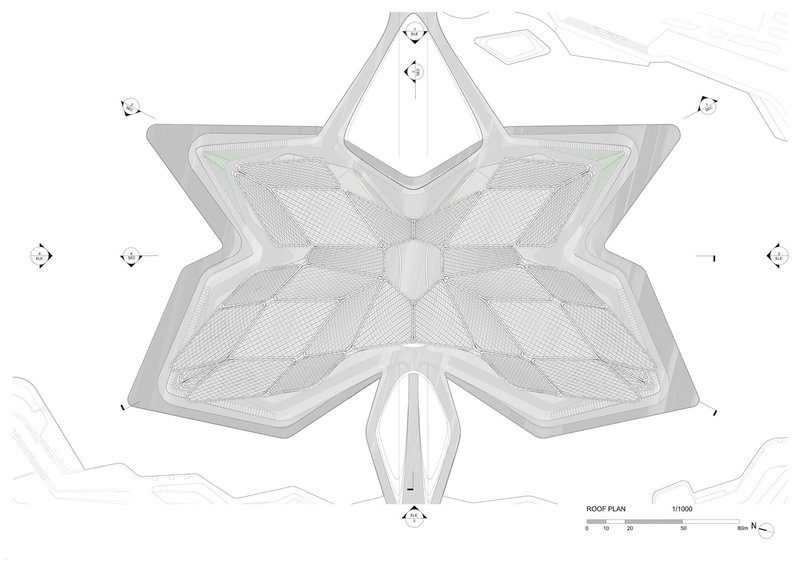
One of the most striking features of the Zhuhai Jinwan Civic Art Center is its unique modular steel canopies, which were inspired by the pattern of migratory birds flying over southern China. These canopies not only create an eye-catching visual effect but also provide functional benefits. The self-supporting, repetitive steel roof modules were prefabricated off-site, reducing construction time and waste, which aligns with sustainable architectural practices.
2. Energy-Efficient Design with Natural Light Optimization
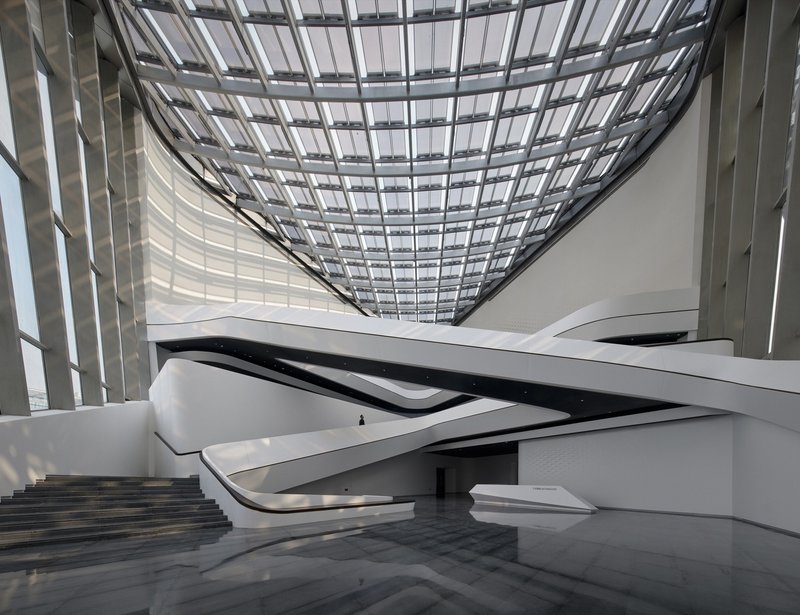
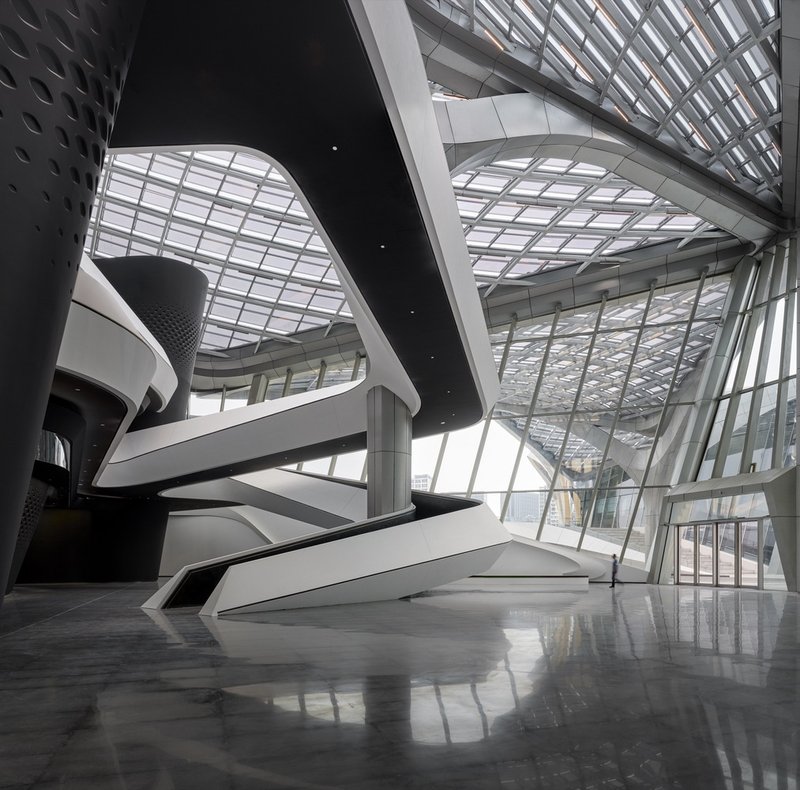
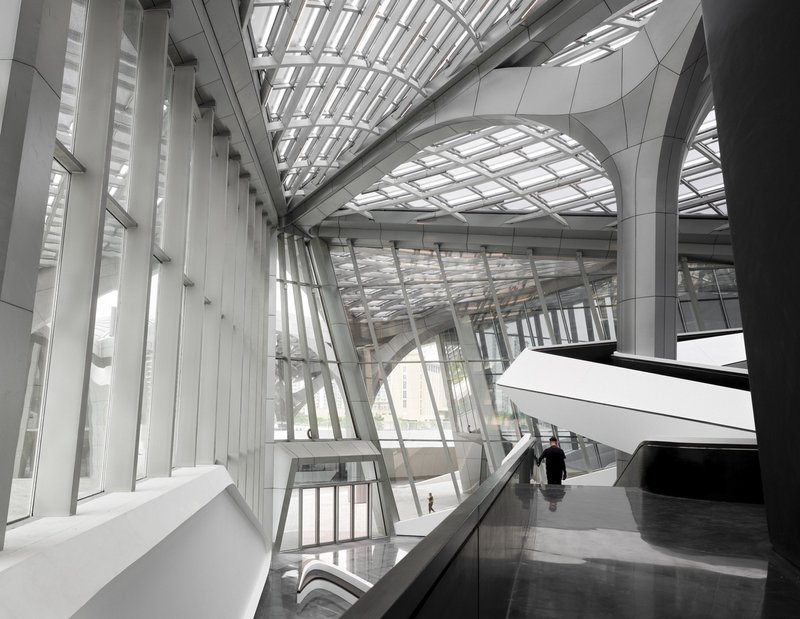
The design of the center prioritizes energy efficiency through natural lighting. The building’s envelope features double-insulated glazing, designed to optimize thermal performance while minimizing energy use. The perforated aluminum panels on the roof canopy provide solar shading, reducing the need for artificial lighting and lowering energy consumption. This integration of natural light and passive heating and cooling systems is a hallmark of sustainable architecture design.
3. Sponge City Initiative and Water Conservation
A crucial component of the center’s design is its integration into Zhuhai’s Sponge City initiative. This initiative focuses on sustainable water management, including the permeation, storage, and re-use of rainwater. The landscaping around the center is designed to filter and store rainwater naturally, helping to reduce stormwater runoff and promote water conservation.
4. Sustainable Materials and Construction Practices
The Zhuhai Jinwan Civic Art Center emphasizes the use of sustainable materials in its construction. Concrete structures are paired with recycled steel and aggregates, reducing the environmental footprint of the building’s foundation. This commitment to using recycled and locally sourced materials ensures that the building meets China’s Green Building Evaluation Standards, one of the most rigorous sustainability benchmarks in the industry.
The Role of Sustainable Architecture in Cultural Spaces
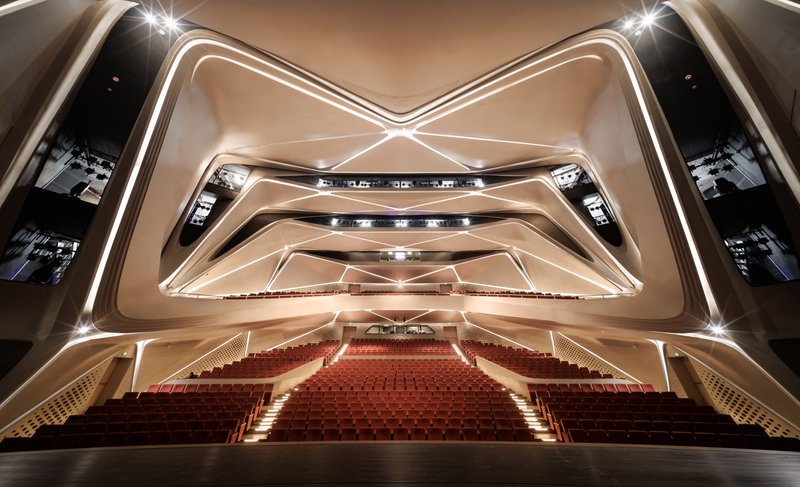
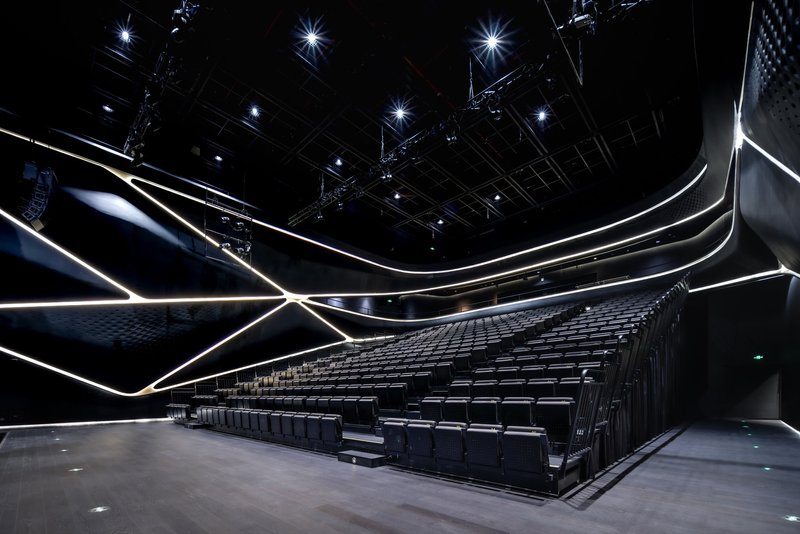
Cultural institutions like the Zhuhai Jinwan Civic Art Center offer an excellent opportunity to showcase how sustainable architecture design can enhance public life while minimizing environmental impacts. The center’s spaces—ranging from the acoustically optimized Grand Theatre to the interactive Science Centre—are not only functional but are also designed to inspire visitors about the potential of architecture to support a sustainable future.
Environmental Impact: A Vision for the Future
In addition to its architectural beauty, the Zhuhai Jinwan Civic Art Center offers a glimpse into the future of sustainable urban development. By using intelligent environmental systems such as waste heat recovery, energy monitoring, and water-saving appliances, the center sets a new standard for cultural buildings. The design also supports indoor air quality and comfort by automatically adjusting the center's interior environment for optimal energy reduction and user experience.
Sustainable Architecture in the Modern World
The Zhuhai Jinwan Civic Art Center stands as a testament to the power of sustainable architecture design. With its innovative use of materials, energy-efficient systems, and commitment to environmental sustainability, this cultural landmark is setting new standards for how architecture can positively impact both people and the planet. As cities around the world look to address pressing environmental challenges, the principles demonstrated in this project offer valuable lessons for creating sustainable, livable, and inspiring urban environments.
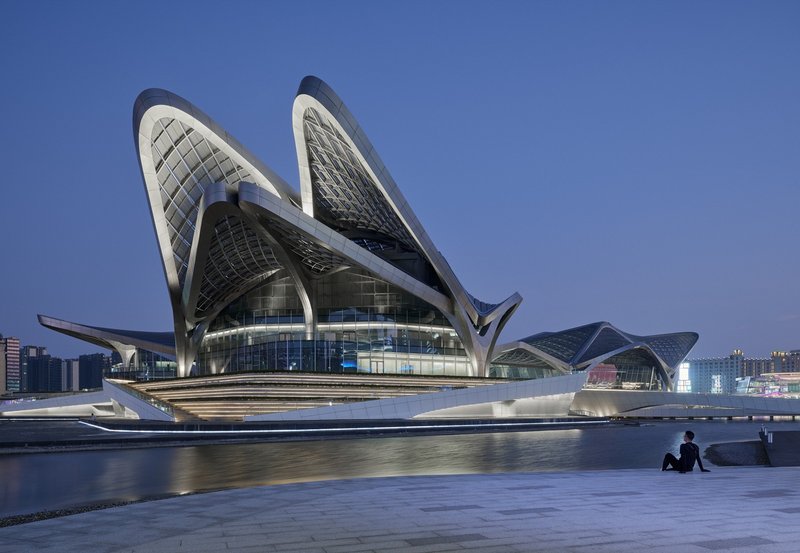
All Photographs are work of AT OPTOGRAM STUDIO, Virgile Simon Bertrand, Seilao Jiong, Yipeng Lyu



Popular Articles
Popular articles from the community

Atelier Macri Concept Store Interior Design by CASE-REAL
Atelier Macri store features a "ko" counter, walnut wood details, cork displays, blending retail, gallery, and seamless customer experiences.
An Miên Lumière Cafe by xưởng xép, Ho Chi Minh City, Vietnam
An industrial-inspired café where layered steel and warm light create a dynamic, immersive environment shaped by reflection, depth, and perception.
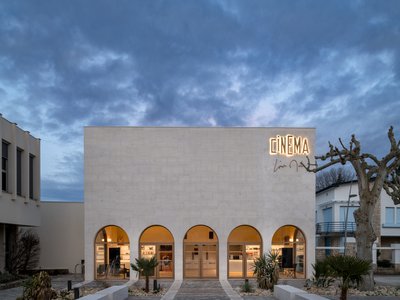
Louis Malle Cinema: A Limestone Cultural Landmark Revitalizing Community Life in Prayssac
Limestone cinema extension with public forecourt, blending heritage and modern design to create flexible cultural spaces and strengthen community interaction.
On the Brooks House by Monsoon Collective – A Contemporary Kerala Home Rooted in Tradition
Kerala home blending tradition and modernity with water-inspired design, brick architecture, courtyard planning, and sustainable rainwater harvesting strategies.


Similar Reads
You might also enjoy these articles


The Ken Roberts Memorial Delineation Competition (Krob)
As the most senior architectural drawing competition currently in operation anywhere in the world, it draws hundreds of entries each year, awarding the very best submissions in a series of medium-based categories.


Waterfront Redevelopment and Urban Revitalization in Mumbai: Forging a New Dawn for Darukhana
A transformative waterfront redevelopment project reimagining Darukhana’s shipbreaking heritage into an inclusive urban future.

OUT-OF-MAP: A Call for Postcards on Feminist Narratives of Public Space
Rhizoma Design and Research Lab invites artists, designers, architects, researchers, and students to reflect on how feminist perspectives can reshape public space. Selected works will be exhibited in Barcelona, October 2026. Submissions open until 15 April 2026.


Documentation Work on Buddhist Wooden Temple
Architectural syncretism and cultural hybridity: A comparative study of the Buddhist temples in Chattogram Hill tracks


Explore Architecture Competitions
Discover active competitions in this discipline




The International Standard for Design Portfolios


The Global Benchmark for Architecture Dissertation Awards


The Global Benchmark for Graduation Excellence


Challenge to reimagine the Iron Throne
Comments (0)
Please login or sign up to add comments
No comments yet. Be the first to comment!