
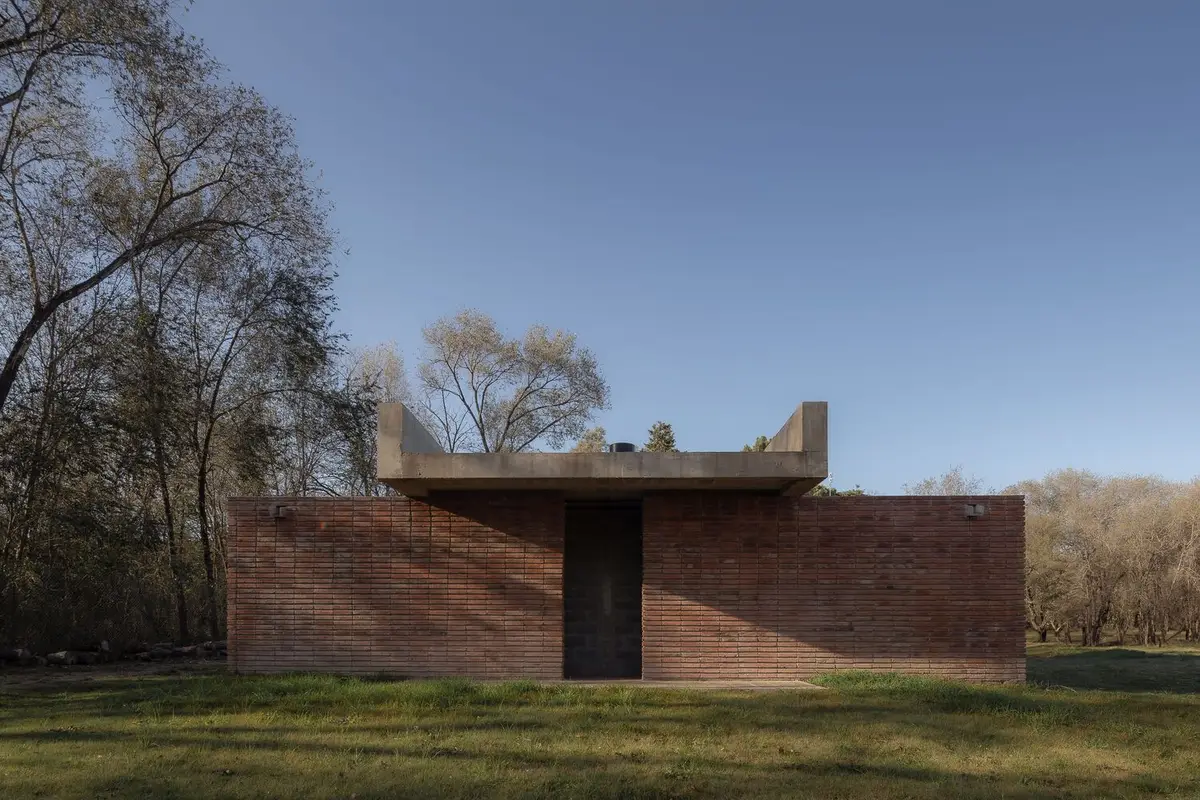
Sustainable Architecture in Argentina: The Bialet Pavilion by Balsa Crosetto Piazzi and Diego Avendaño
The Bialet Pavilion in Argentina exemplifies sustainable architecture, blending local materials and design with community-focused, environmentally conscious construction.


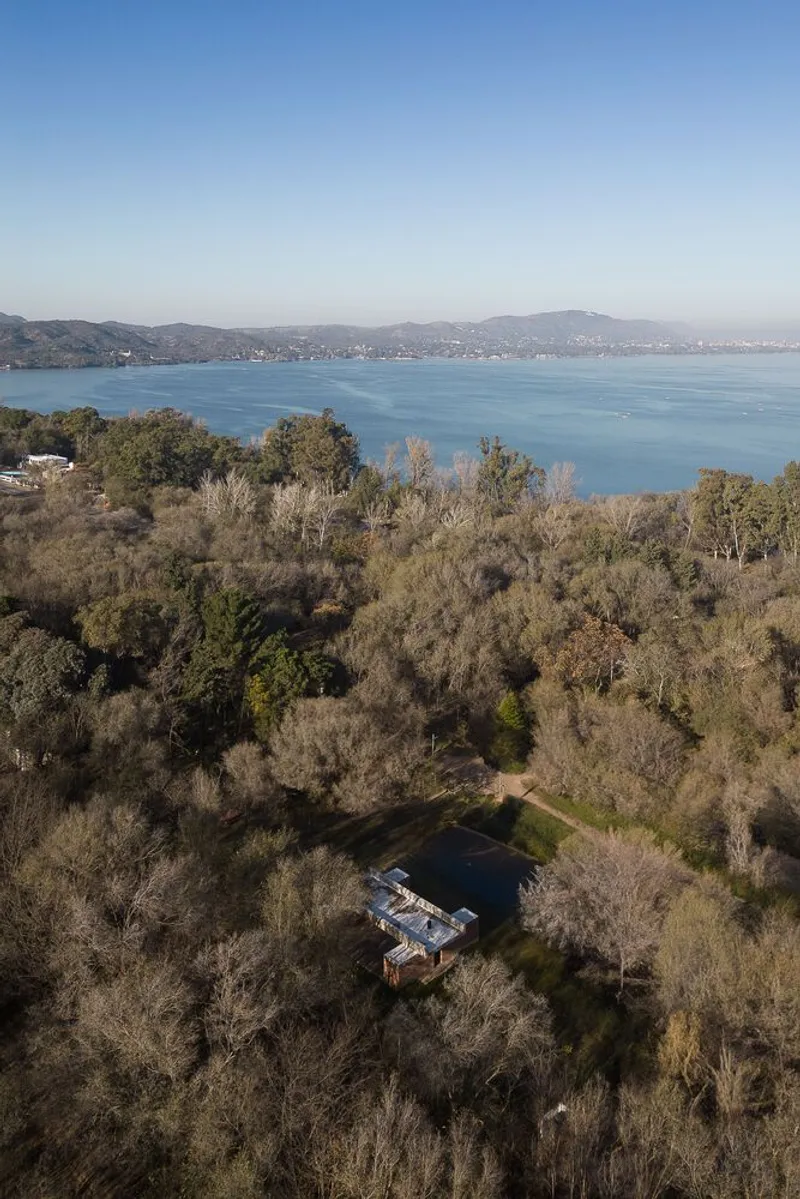
Located in the quaint town of Bialet Massé, nestled between Lake San Roque and the Sierras Chicas, the Bialet Pavilion designed by architects Balsa Crosetto Piazzi stands as a testament to sustainable architectural practices in Argentina. Completed in 2021, this project, photographed by Marcos Guiponi and Santiago Victorio Ruiz, offers a deep dive into the use of local materials and innovative design to create a space for community and connectivity.
Design Philosophy and Structure
Central Space: The Heart of the Pavilion
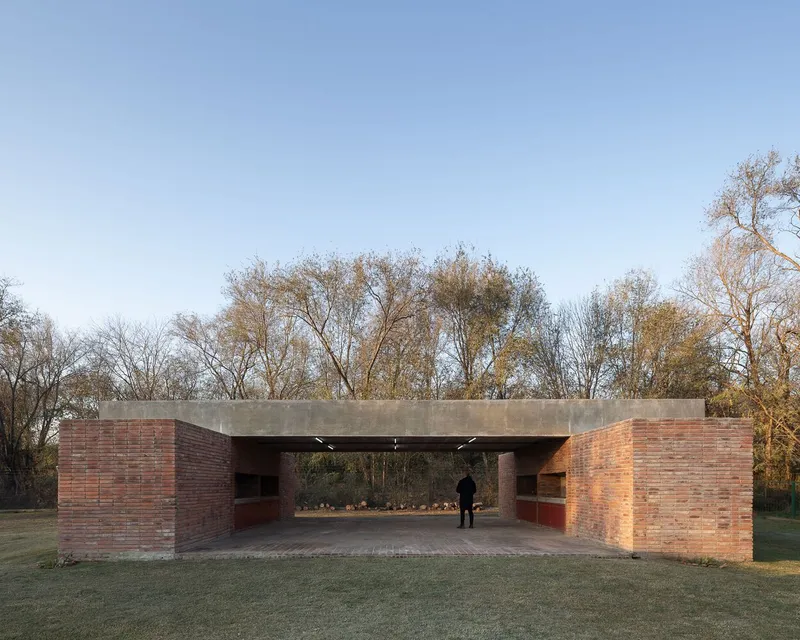
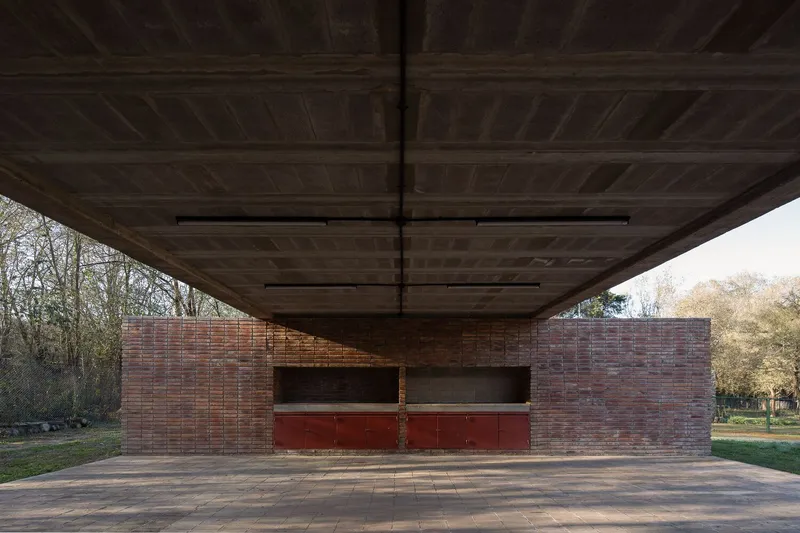
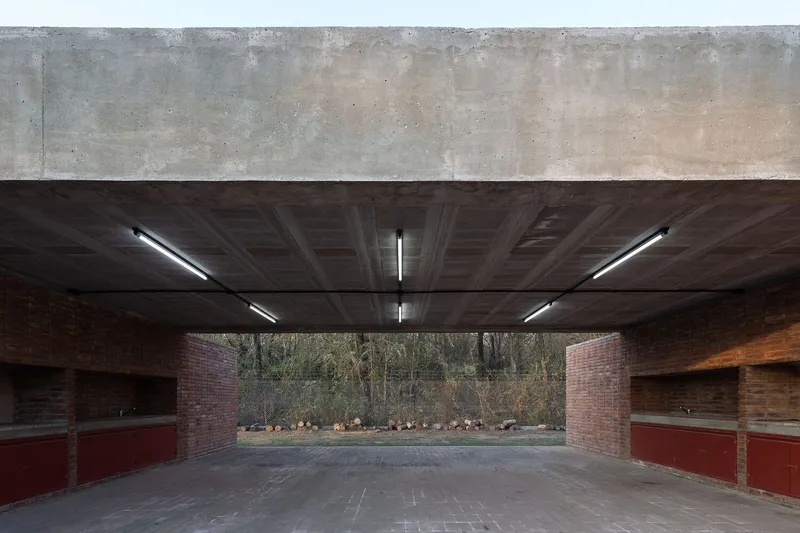
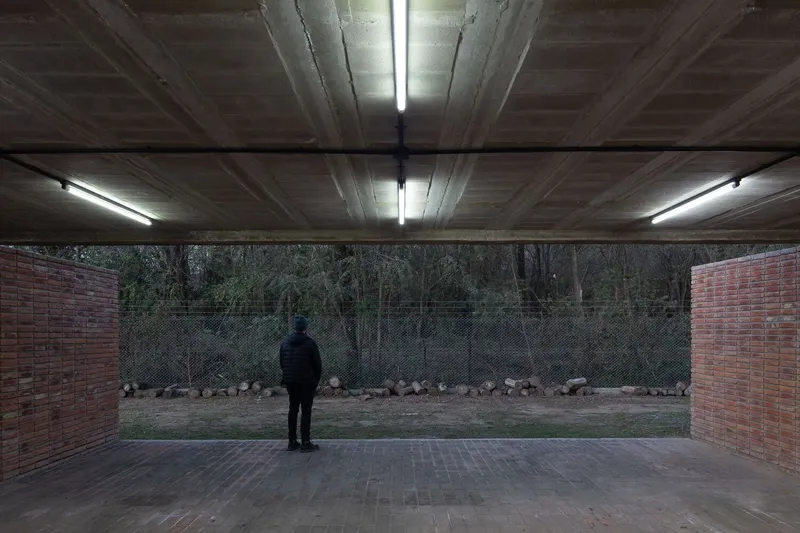
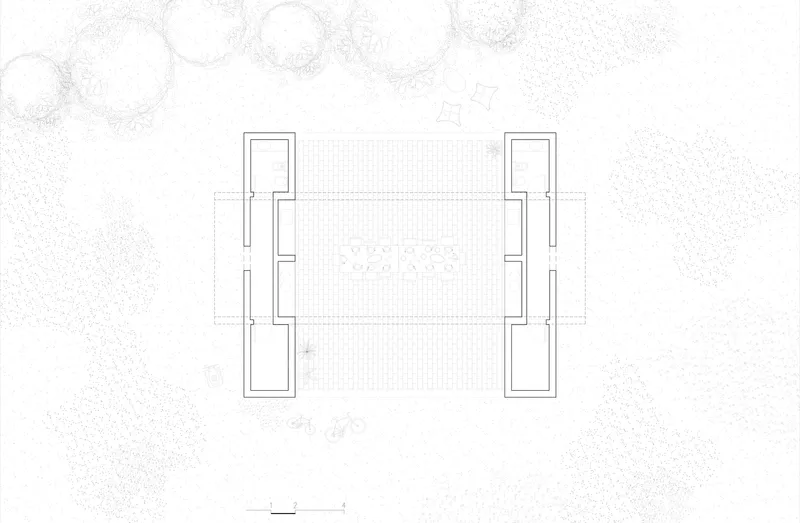
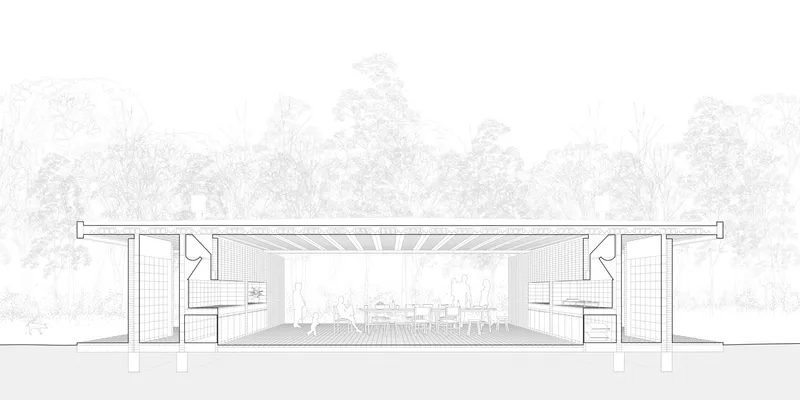
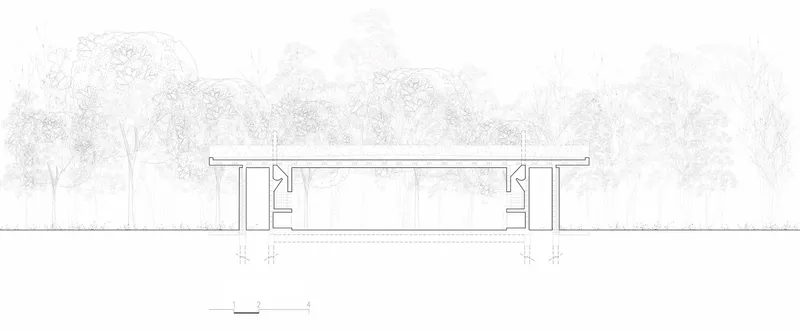
The core of the Bialet Pavilion is its central space, dedicated to the Argentine ritual of barbecue. This space is not only a functional area for cooking but also serves as a communal gathering spot, designed to foster social interaction and communal dining. The architects have emphasized a deprogrammed, liberated central space, turning it into a social and cultural hub.
Use of Local Materials
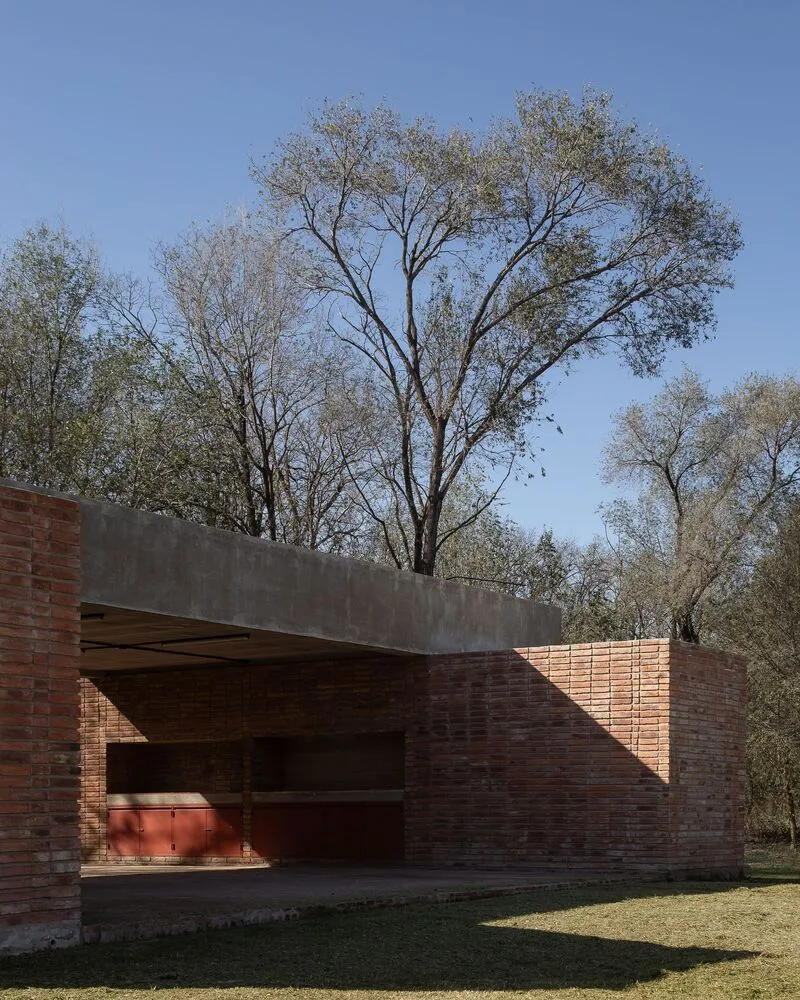
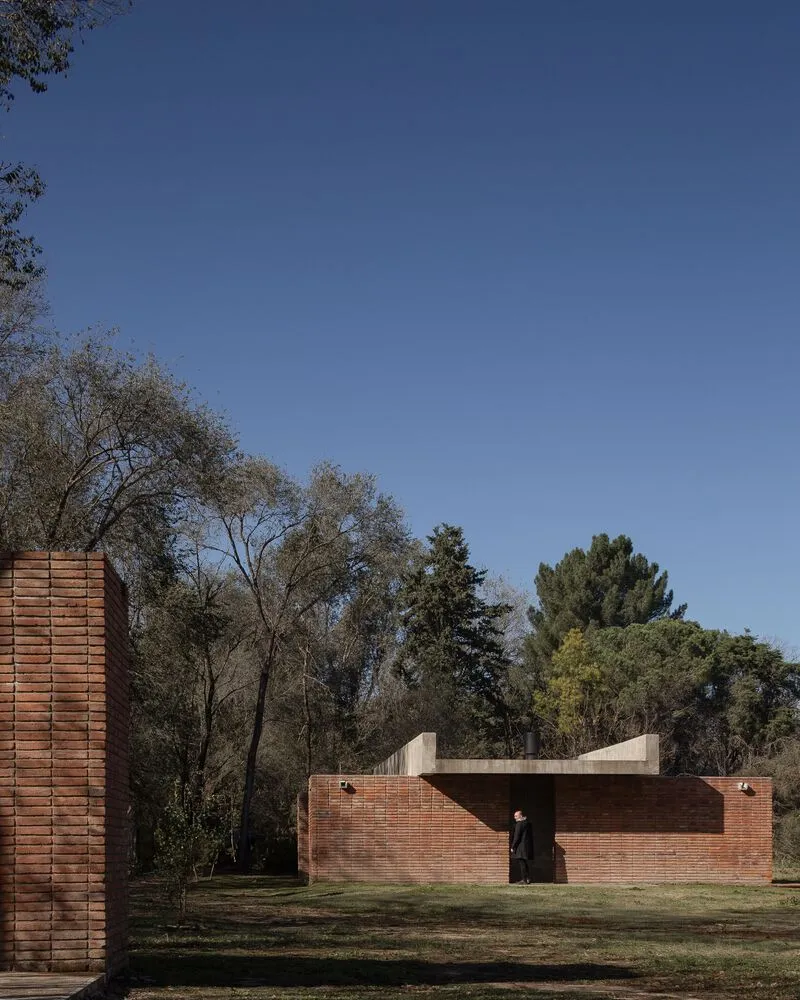
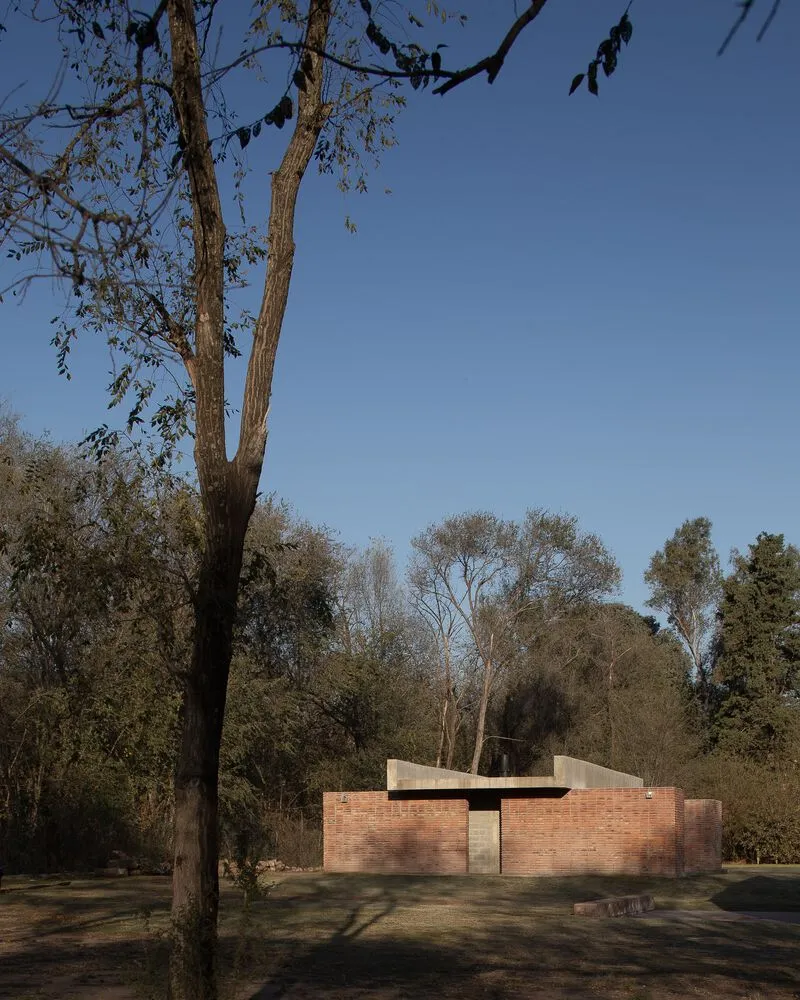
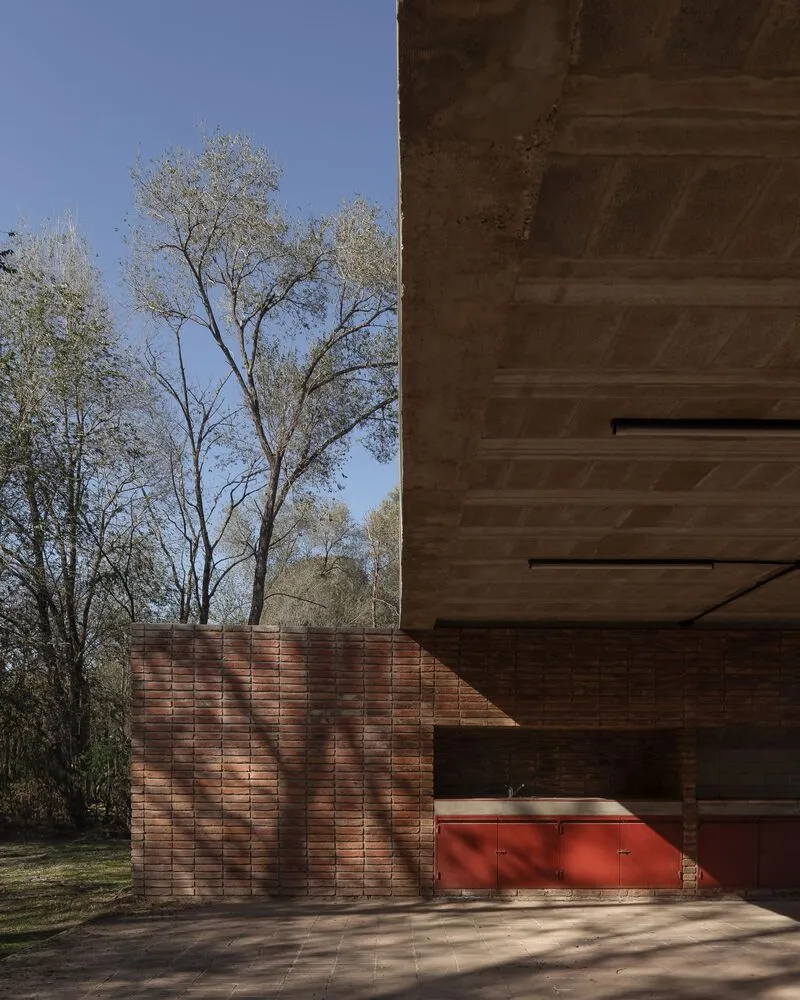
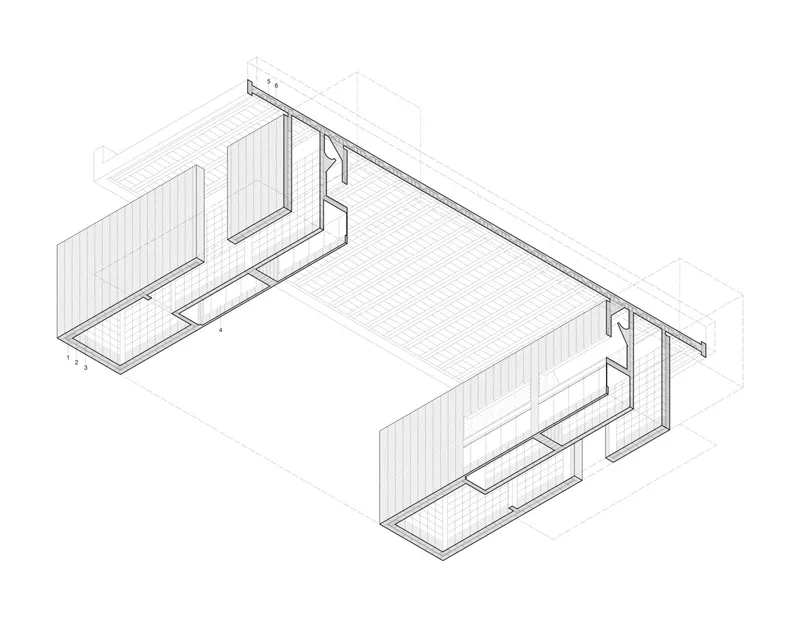
The construction of the Pavilion utilized locally sourced brick and prefabricated concrete beams, materials that are not only cost-effective but also low-maintenance. These choices reflect a commitment to sustainable building practices, employing materials that are readily available and commonly used in the area. This approach not only supports local industries but also reduces the carbon footprint associated with transporting materials.
Integration with Nature
Environmental Considerations
The Pavilion's design includes a large concrete slab that cleverly functions as a channel for rainwater, directing it back to the ground and minimizing water runoff. This feature highlights the architects' attention to environmental sustainability and their efforts to harmonize the structure with the local climate and landscape.
The Natural Setting
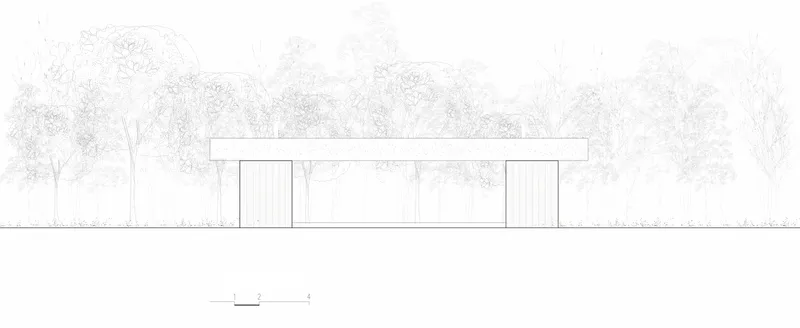
Set against the backdrop of the Monte de Córdoba, the Pavilion uses its surroundings to enhance the visitor experience. The natural scenery complements the rustic yet modern design of the structure, creating an immersive environment where architecture and nature coexist seamlessly.
Architectural Impact and Significance
Hyper-Contextual Design
Bialet Pavilion is a prime example of hyper-contextual architecture, where every element of the design is tailored to its specific context. This approach not only enhances the functionality and aesthetic of the building but also ensures that it resonates with the local community's culture and traditions.
A Model for Future Projects
The Bialet Pavilion serves as a model for future architectural projects in Argentina and beyond, demonstrating how thoughtful design can achieve sustainability, functionality, and beauty. It stands as a beacon of how architecture can connect people to each other and to their environment in meaningful ways.
The Bialet Pavilion is more than just a building; it is a space where architecture, community, and sustainability converge. Through its thoughtful use of local materials, integration with nature, and focus on communal space, it represents a forward-thinking approach to sustainable architecture in Argentina.
All the photographs are work of Marcos Guiponi, Santiago Victorio Ruiz


Popular Articles
Popular articles from the community

Extended Shell: Retrofitting Kolkata's Balconies as Living Urban Thresholds
A modular retrofit system recovers the social and environmental intelligence of Kolkata's historic verandas for contemporary Park Street residents.
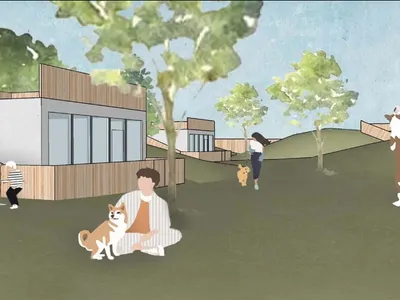
Temporary Home for Dogs: A Reversed Zoo Rethinks Animal Shelter Architecture
In Bucharest, a sinuous corridor and freed landscape flip the logic of containment, designing a shelter that works to make itself unnecessary.

The Amber Palace Opera: A Geological Fiction Surfaces on Tallinn's Baltic Waterfront
Pierre Brillard reimagines a Baltic legend as a public landscape, opera house, and waterfront promenade rooted in Tallinn's coastal identity.

Opera on the Sea: Driftwood Logic Shapes a Timber Opera House on Estonia's Coast
Trevor Orgill's opera house translates the entangled drift of floating timber into a civic building where wood, water, and music converge.

Similar Reads
You might also enjoy these articles


FAMM Arquitectura Organizes Ten Villas Around Courtyards and Jungle in Nosara, Costa Rica
El Molino pairs two elongated volumes with deep overhangs and timber louvers to build a compact coastal community five minutes from the beach.
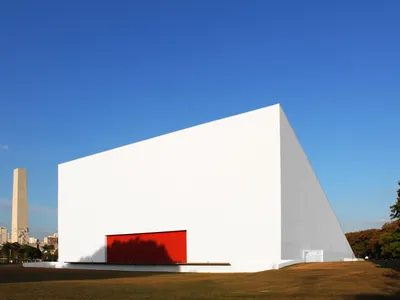
Oscar Niemeyer's Ibirapuera Park Pavilions Define São Paulo's Cultural Identity in Concrete and Curve
A constellation of modernist volumes set within São Paulo's most important urban park, conceived for the city's 400th anniversary in 1954.
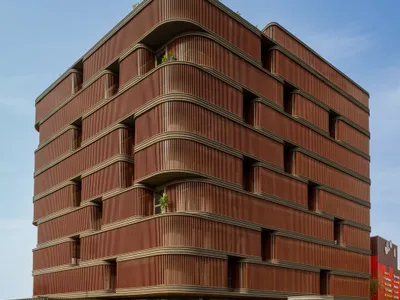
Sanjay Puri Architects Wraps a Jaipur Office Tower in Capsule-Shaped Green Buffers
A nine-level climate-responsive workplace near Jaipur Airport uses stacked planter terraces and aluminium screens to fight 40°C heat.
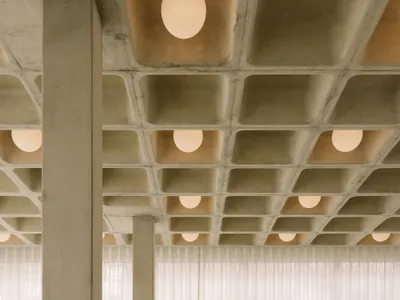
RHO Converts a Berlin Spree-Side Industrial Courtyard into Enkime's 1,000 m² Agency Headquarters
A social media agency's new home in Charlottenburg trades glossy branding for concrete waffle ceilings, glazed tile, and sheer curtains.

Explore Architecture Competitions
Discover active competitions in this discipline

Challenge to reimagine the Iron Throne

Photograph architecture without architects

Illustrate the lost glory of Angkor Wat - Render Challenge

Design challenge to reuse E-waste
Comments (0)
Please login or sign up to add comments
No comments yet. Be the first to comment!