
Sustainable Architecture in Mexico: A Case Study of Tonalli House by Moisés Sánchez
Explore Tonalli House by Moisés Sánchez, a prime example of sustainable architecture in Mexico, blending local materials and modern design.


Nestled in the serene town of Jocotepec, near Lake Chapala in Jalisco, Mexico, the Tonalli House stands as a prime example of sustainable architecture in Mexico. Designed by the renowned Moisés Sánchez Arquitecto, this compact rest villa exemplifies how modern design can harmoniously blend with local traditions and environmental considerations.
Design Philosophy and Local Integration
Utilizing Local Materials
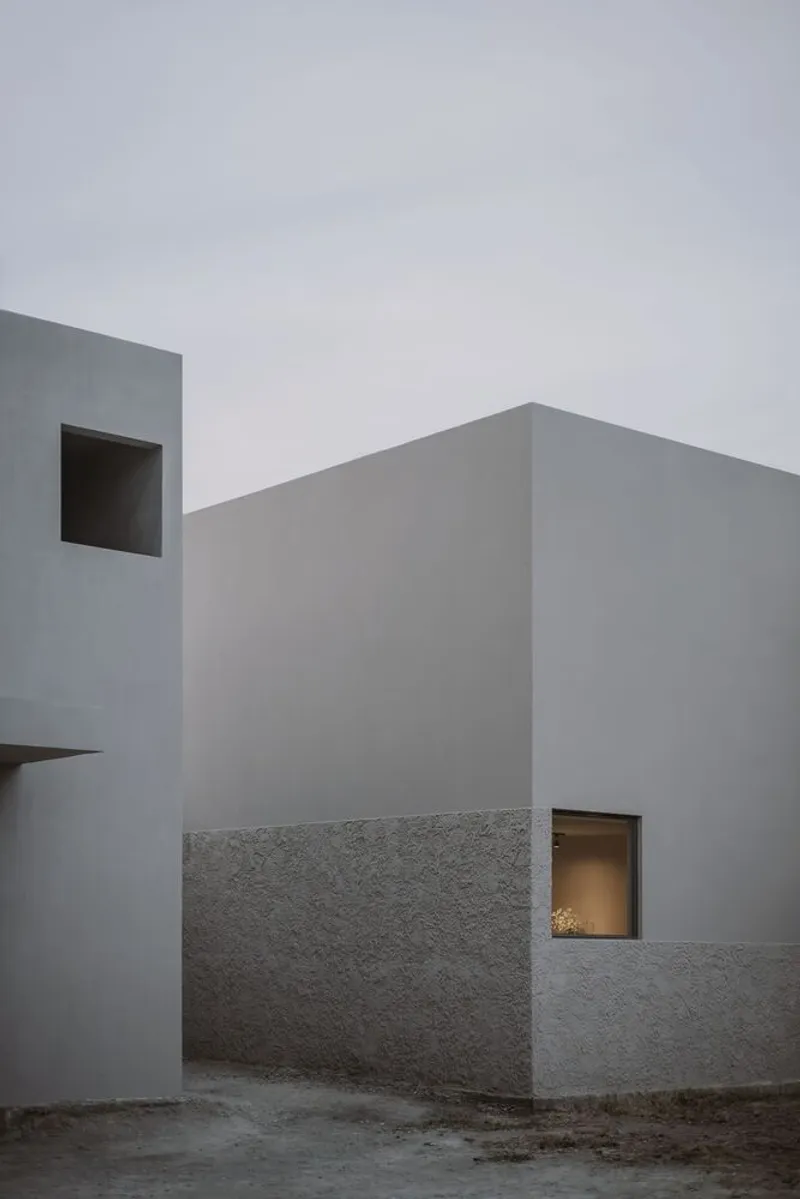
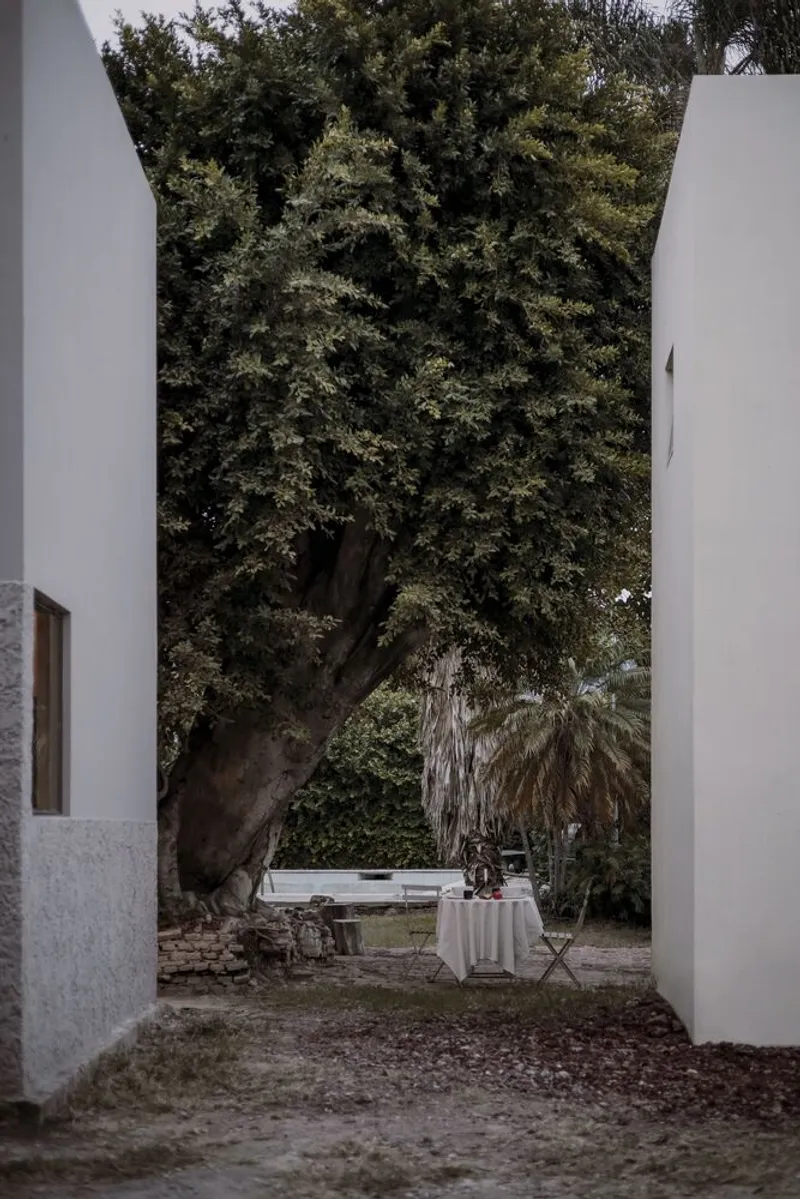
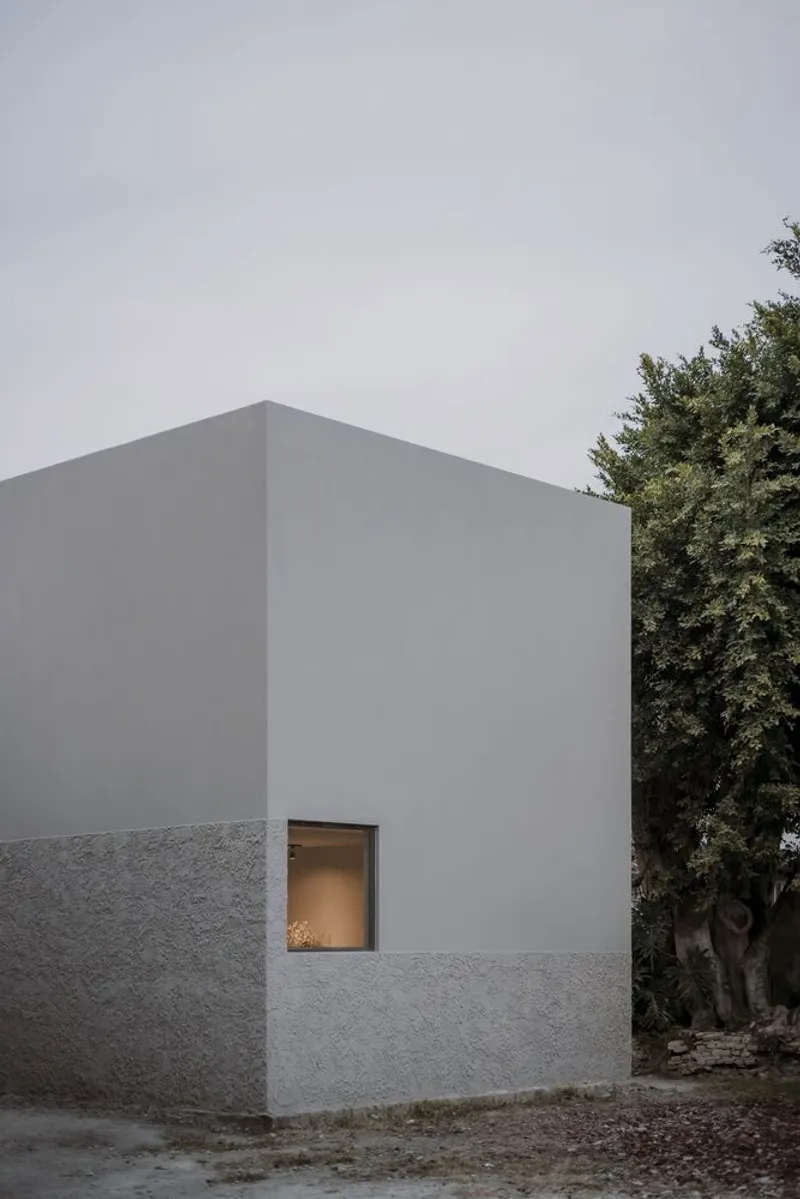
Tonalli House’s structure showcases the utilization of local resources and craftsmanship. The building's solid, cube-like exterior, crafted by local workers, features textures and patterns that reflect the rich architectural heritage of the area. This not only supports the local economy but also reduces the environmental impact associated with transporting materials.


Emphasis on Natural Elements
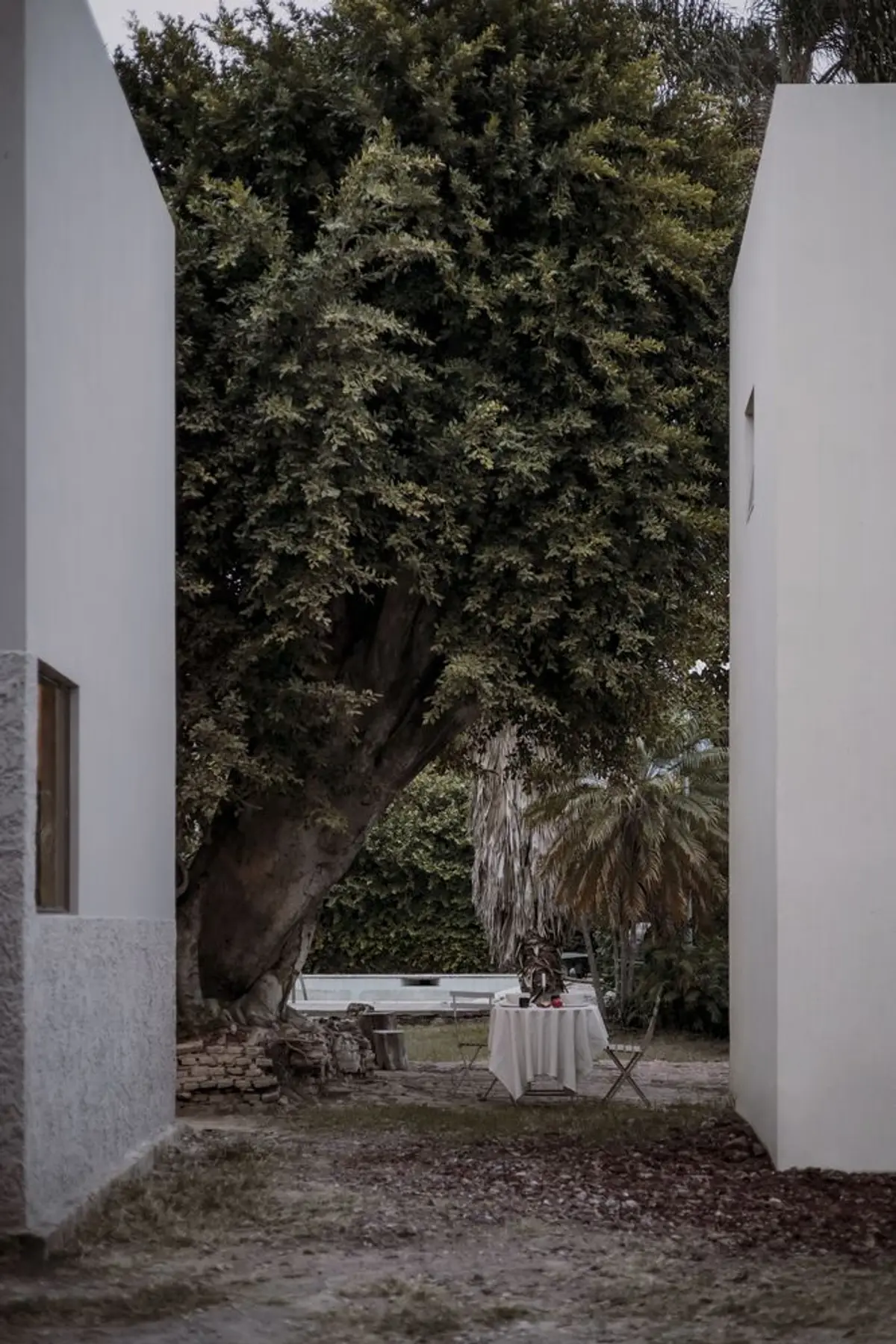
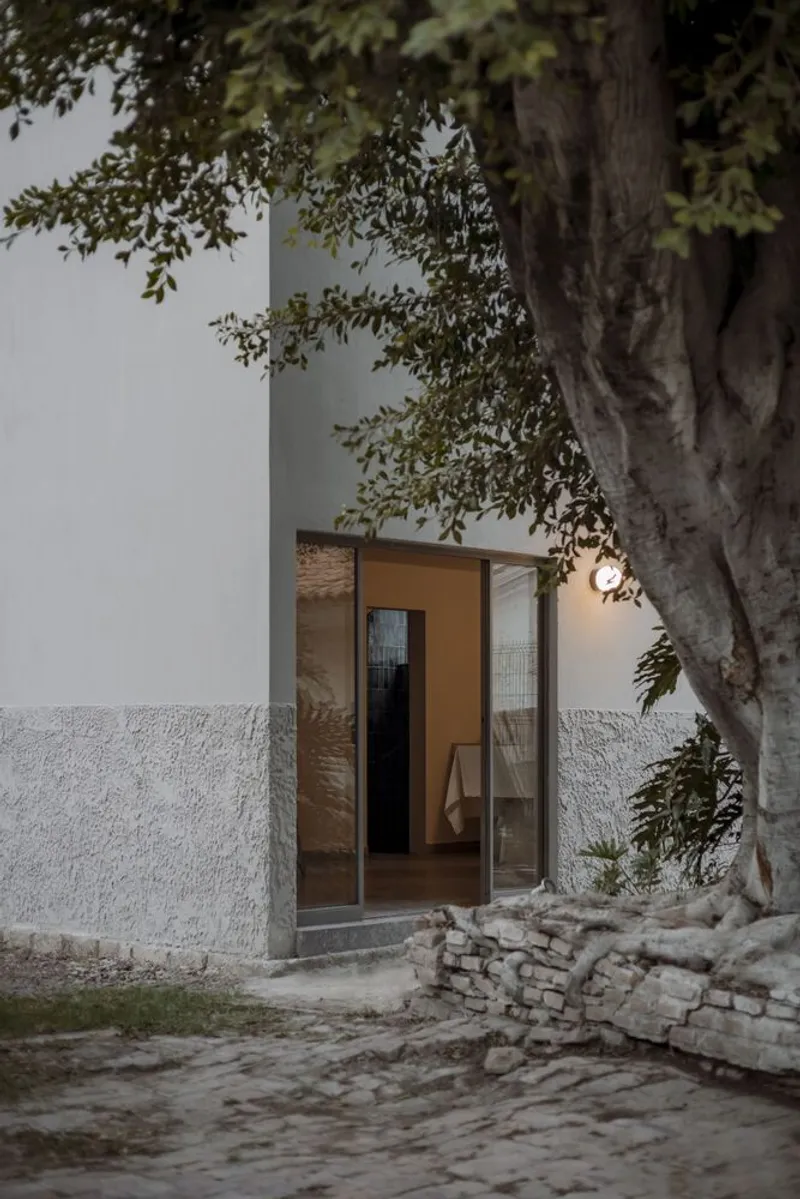
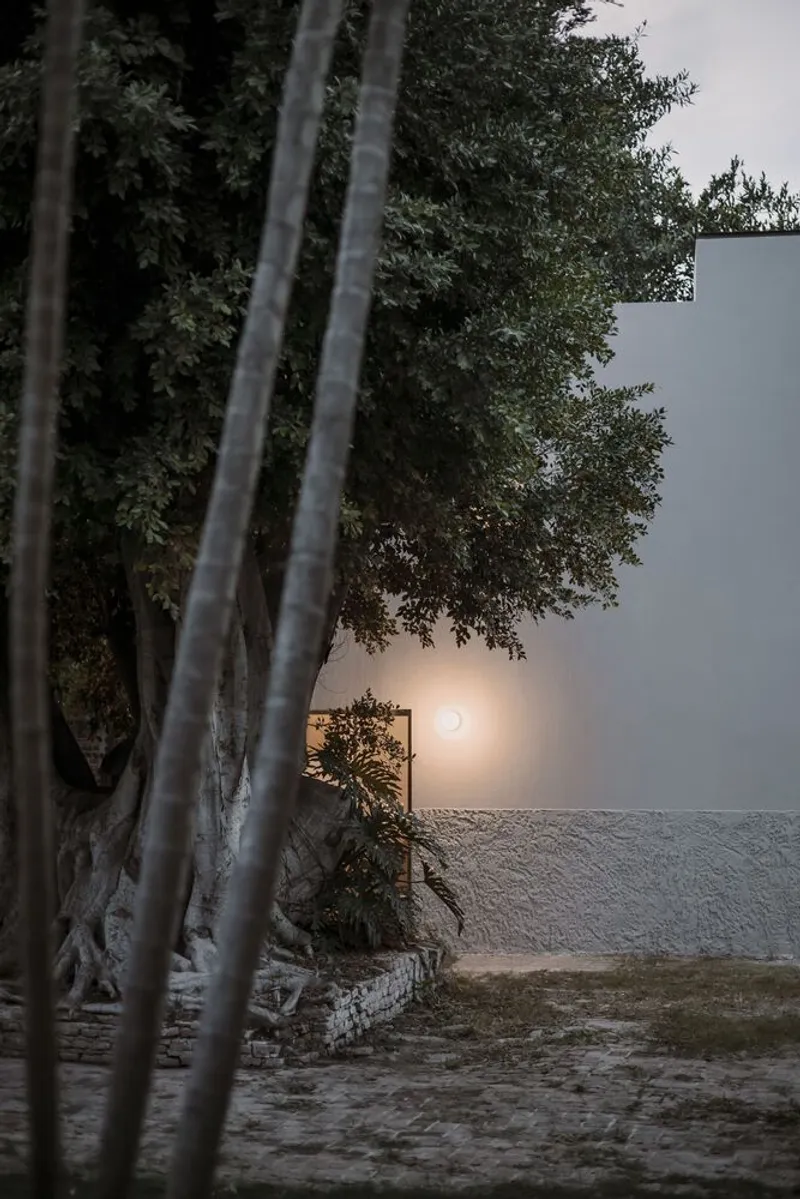
A significant aspect of the house is its relationship with the surrounding natural elements, particularly an ancient tree adjacent to the building. The design incorporates this natural landmark by allowing the tree's roots and trunk to form part of the entrance pathway, creating an intimate connection between the structure and its environment.
Interior Design and Functionality
Maximizing Space and Light
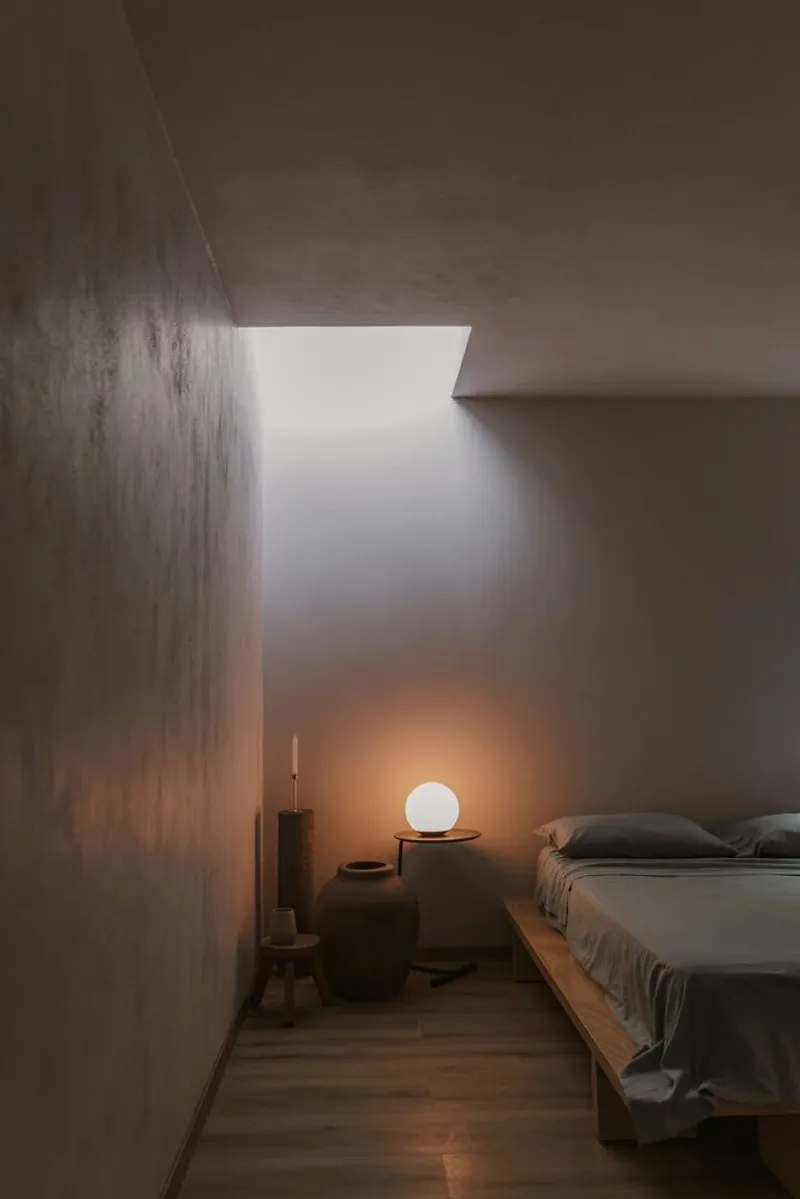
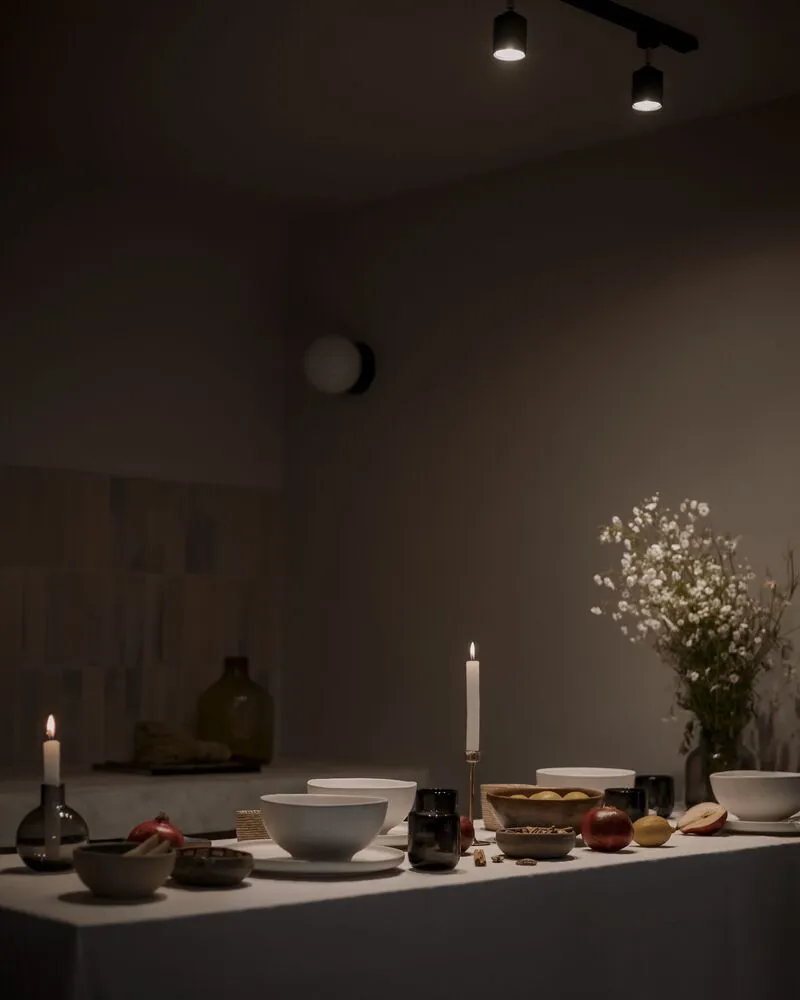
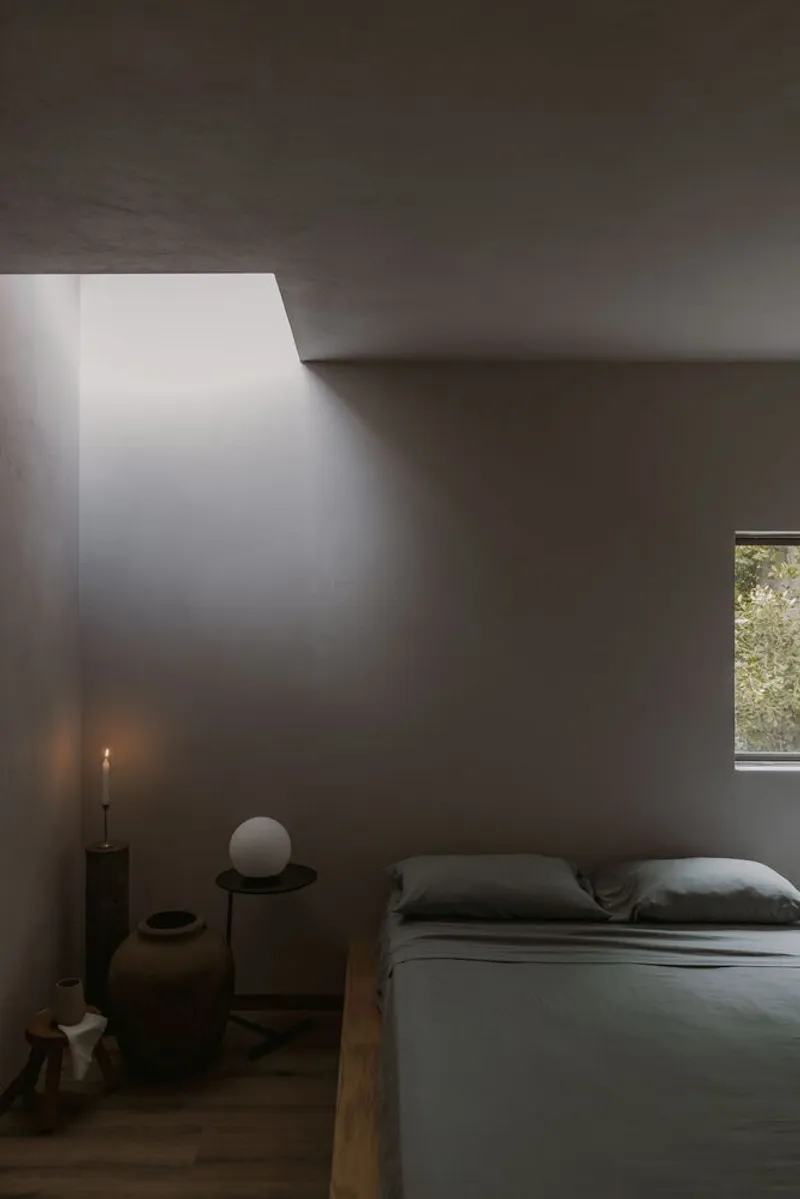
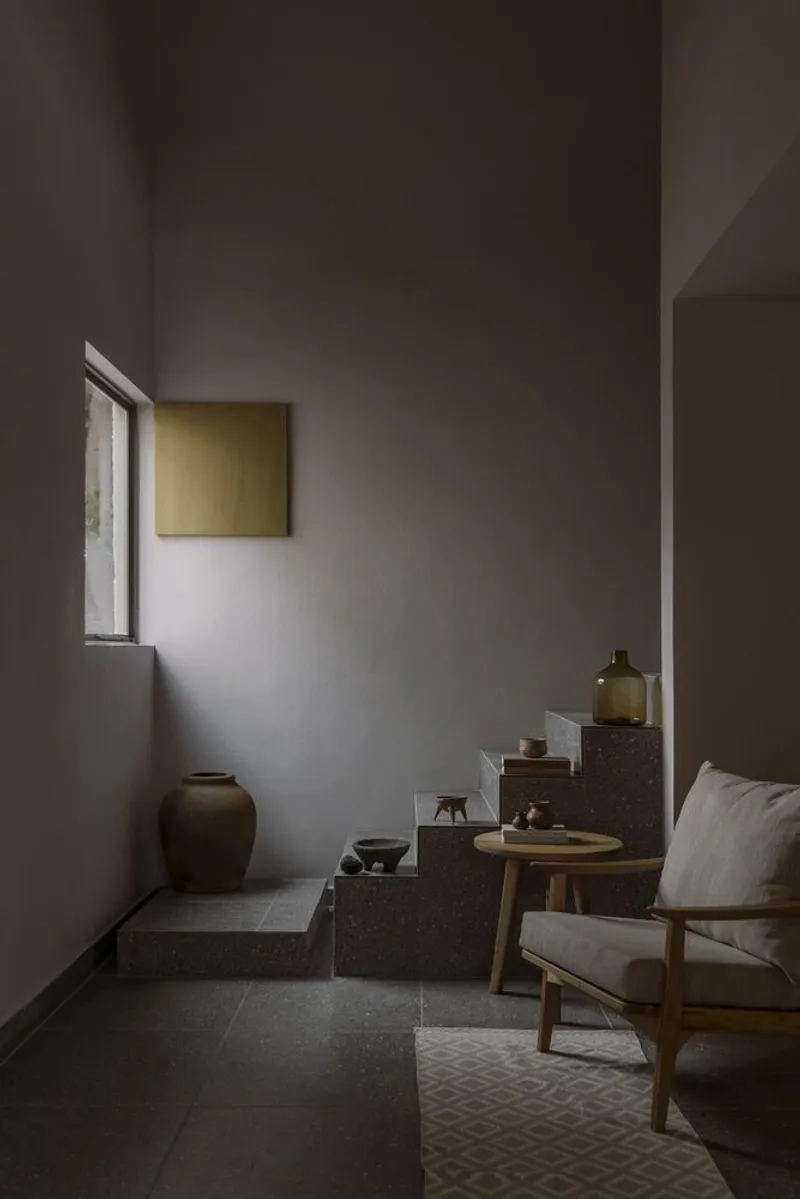
Inside, Tonalli House is a marvel of space efficiency and light management. The interior is characterized by simplicity and warmth, with a limited material palette that enhances the natural light. The double-height lounge at the entrance acts as a foyer, leading to a traditionally tiled masonry kitchen made by Guadalajara artisans, reminiscent of classic Mexican kitchens.
Seamless Indoor-Outdoor Connection
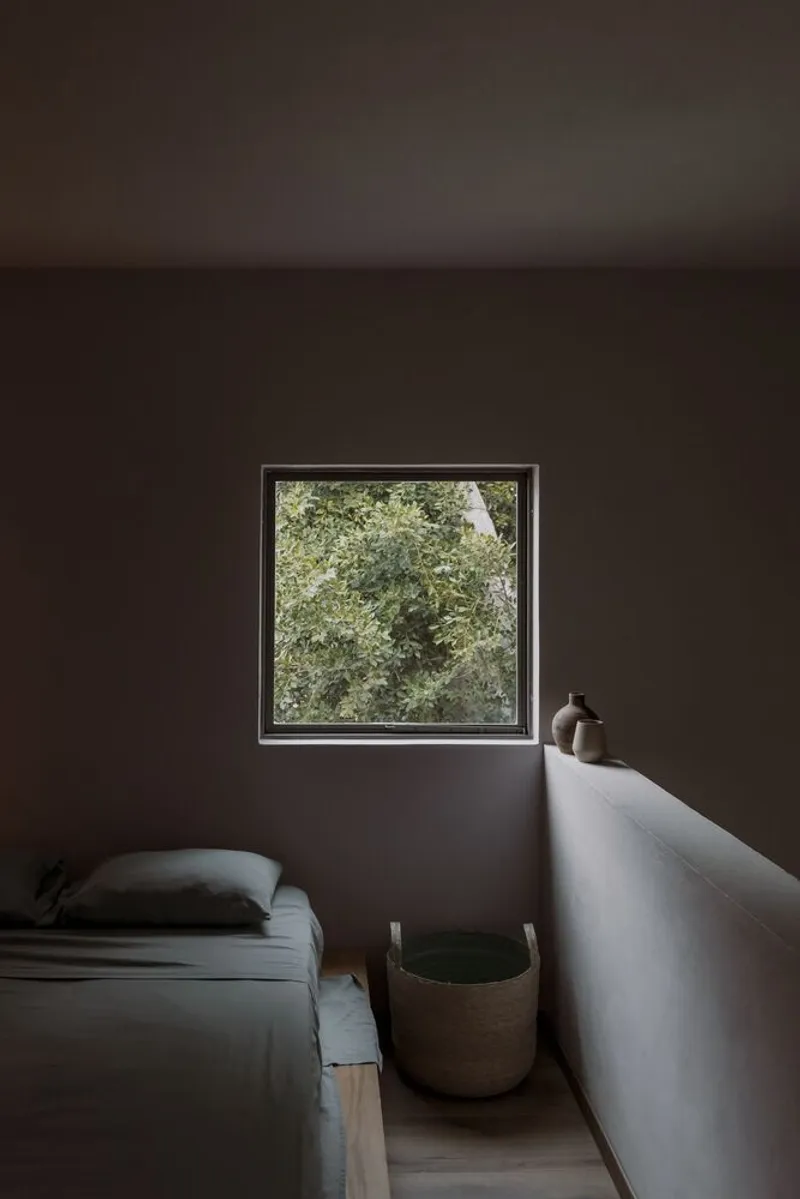
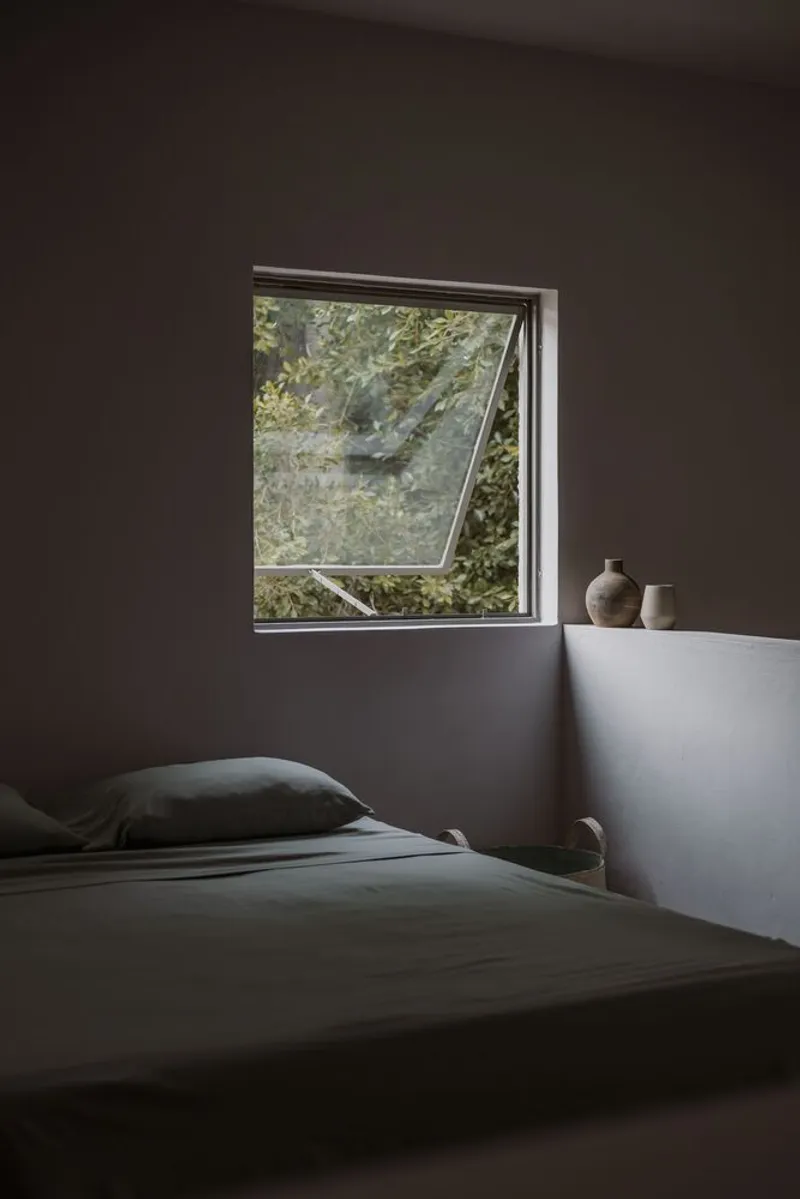
The upper floor of Tonalli House offers breathtaking views of the local vegetation and extensive garden, reinforcing the villa’s integration with its surroundings. Large windows ensure that natural light permeates the living spaces, reducing the need for artificial lighting and enhancing the building's sustainability.
Sustainability Features
Energy Efficiency
Tonalli House incorporates various features aimed at maximizing energy efficiency. The strategic placement of windows and openings facilitates natural ventilation, reducing the need for mechanical cooling. The use of sustainable, locally-sourced materials also contributes to the building’s overall energy efficiency.
Local Craftsmanship
The commitment to local craftsmanship not only supports the regional economy but also ensures that traditional construction techniques are preserved and adapted in modern contexts. This approach is central to the sustainable ethos of the project, making Tonalli House a standout example of sustainable architecture in Mexico.

A Model for Future Developments
Tonalli House by Moisés Sánchez Arquitecto serves as a profound example of how architectural practices can adapt to local environments and traditions while promoting sustainability. It stands as a testament to the potential of sustainable architecture in Mexico to blend functionality, aesthetic appeal, and environmental responsibility.
As Mexico continues to grow and urbanize, projects like Tonalli House offer valuable insights into how architects and developers can create sustainable, beautiful homes that respect and enhance their natural and cultural contexts.
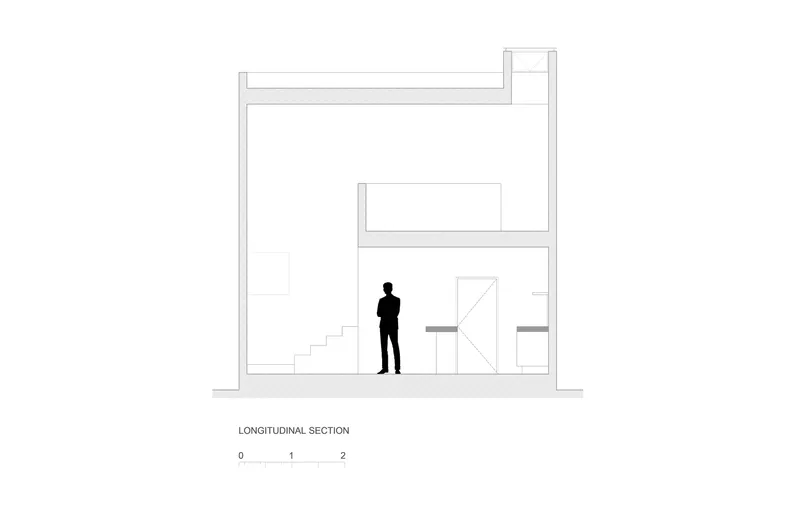
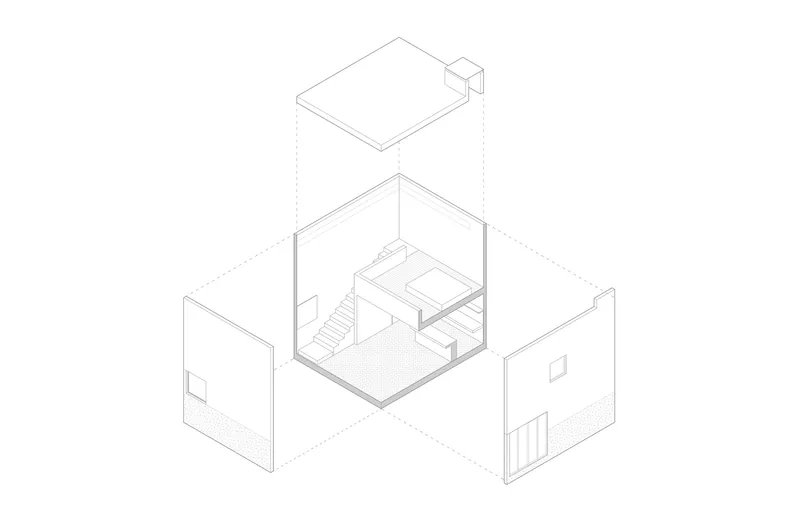
All photographs are work of Ansatz / Fernando Sánchez


Popular Articles
Popular articles from the community


Little Red Riding Hood: Architectural Design as a Journey Through Fear, Light, and Storytelling
Little Red Riding Hood reimagines the fairy tale through architectural design shaped by fear, light, scale, memory, uncertainty, and choice.

Conexión: Biophilic Design Reimagines High-Rise Living in Hong Kong
Conexión reimagines high-rise living in Hong Kong through biophilic design, green facades, shared spaces, daylight, water and nature within.

ALGAL REALM: A Bio-Integrated Lunar Habitat Design for Life Beyond Earth
ALGAL REALM reimagines lunar habitat design with algae-powered life support, 3D-printed regolith, and vertical living for a lunar future.

Hill & Cross Opera: Sculptural Opera House Architecture Shaped by Tallinn’s Landscape and Identity
Hill & Cross Opera reimagines opera house architecture in Tallinn through its sculptural hill, civic plaza, glass wave and a luminous cross.

Similar Reads
You might also enjoy these articles

Maya Harvest: A Cacao Resort Village Rooted in Mayan Tradition and Local Craft
Situated within a Tabasco cacao plantation, this shortlisted resort proposal merges vernacular materials with hands-on cultural immersion.
Harmonia: A River-Shaped Community That Grows Over Decades in Boa Vista
Curved pathways and modular grid structures along the Branco River create a phased settlement designed to evolve from 2030 to 2050.

The Architecture of Bathing: A Mughal Hammam Reimagined Across the Yamuna
Charlotte May's honorable mention entry for The Black Taj reinterprets Agra's bathing rituals through red sandstone, water, and framed views of the Taj Mah
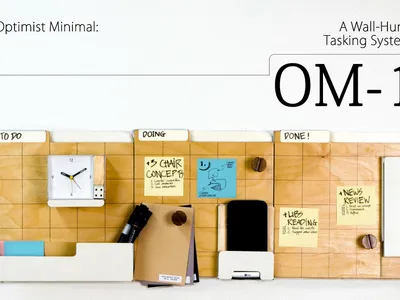
Om-1: A Wall-Hung System That Moves Your Workspace Off the Desk
Modular plywood boards, magnetic pegs, and utility elements migrate clutter from the horizontal surface to the vertical plane.

Explore Mexican Design Competitions
Discover active competitions in this discipline

Challenge to reimagine the Iron Throne

Photograph architecture without architects

Illustrate the lost glory of Angkor Wat - Render Challenge

Design challenge to reuse E-waste
Comments (0)
Please login or sign up to add comments
No comments yet. Be the first to comment!