

Sustainable Fire Station Design in Donzenac: A Model of Eco-Friendly Architecture by NIEZ LARRAUFIE ARCHITECTES ASSOCIES - NL.AA
Explore the Donzenac Fire and Rescue Center, a model of sustainable fire station design that integrates seamlessly with its environment.


The Donzenac Fire and Rescue Center represents a paradigm shift in emergency services architecture, integrating sustainable building practices with functional design to create a facility that is both environmentally friendly and highly operational.
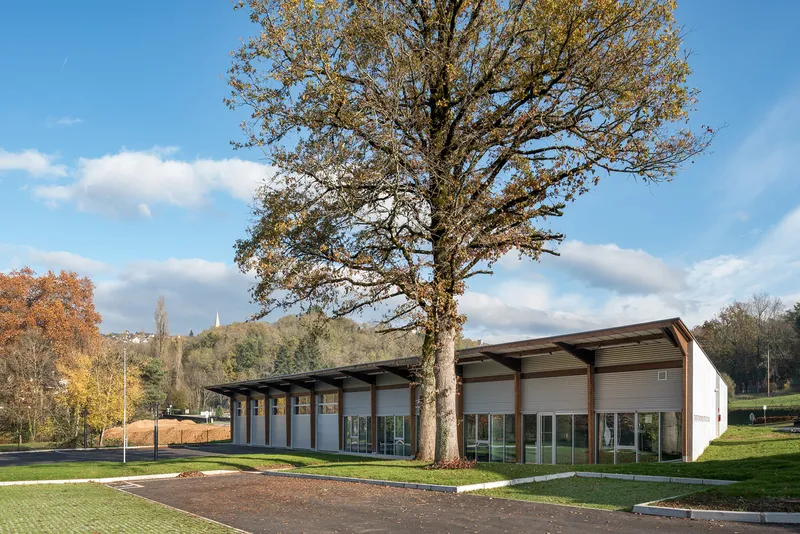
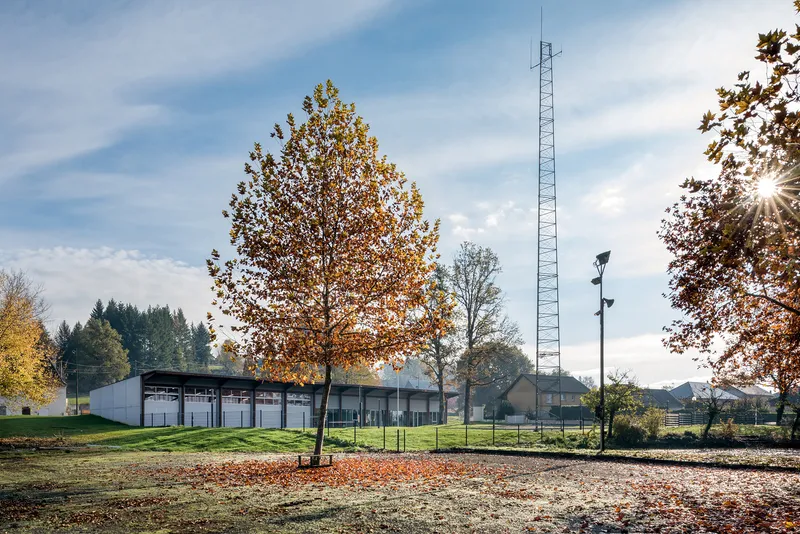
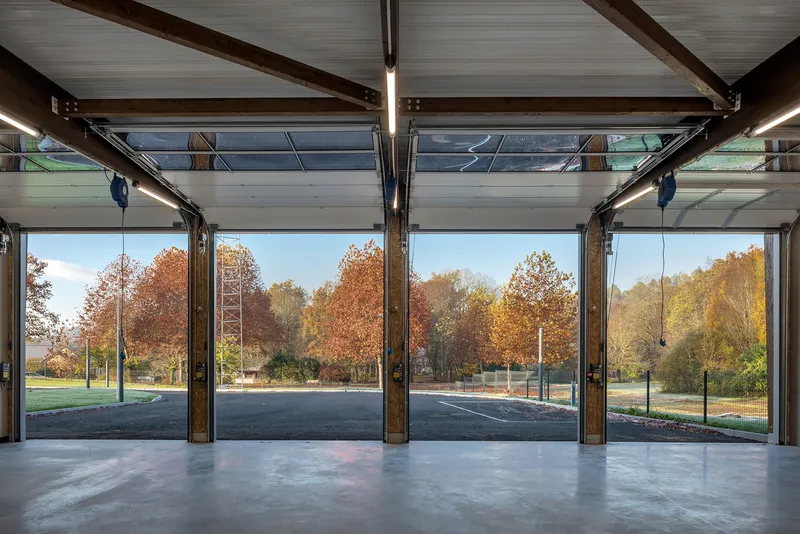
Overview of Donzenac Fire and Rescue Center
Project Context and Architectural Vision
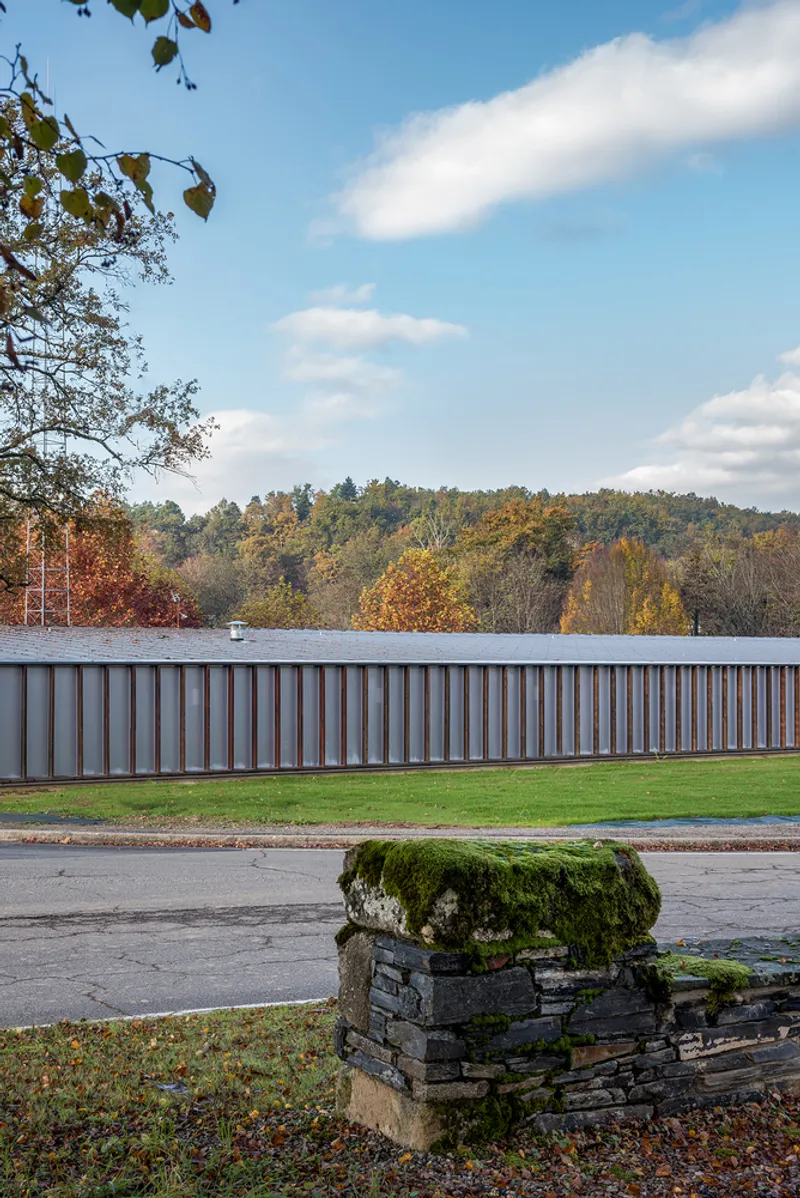
Located in Donzenac, France, this fire station occupies a strategic site near a medieval village, embodying a design that respects the local landscape while addressing the needs of modern fire and rescue services. The architects, NIEZ LARRAUFIE ARCHITECTES ASSOCIES - NL.AA, have crafted a building that not only serves its primary function but also enhances the area's aesthetic and environmental quality.
Design and Construction Strategies
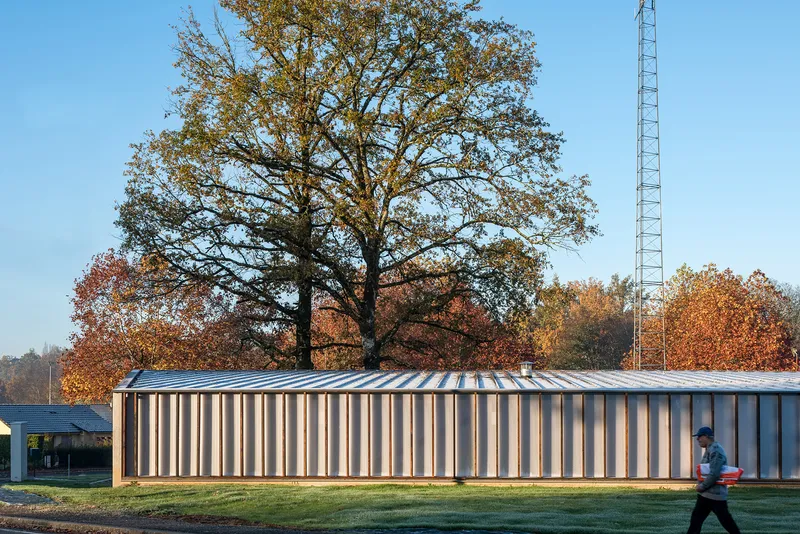
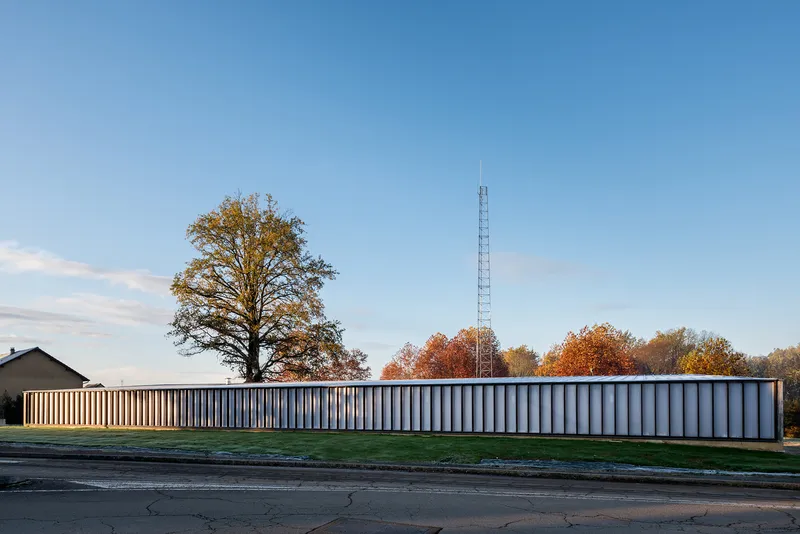
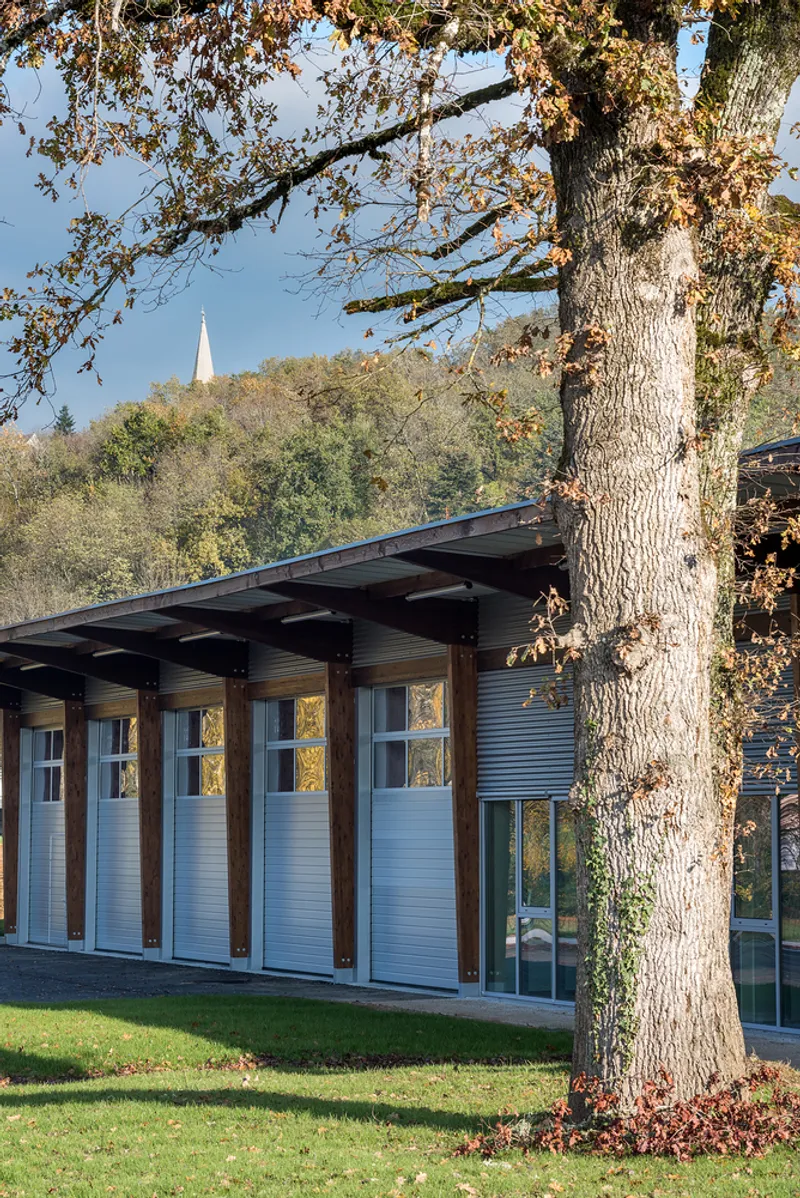
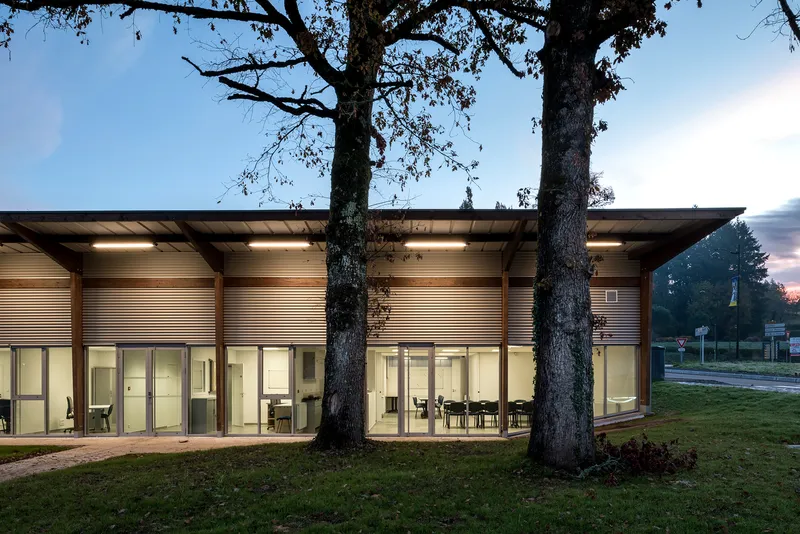
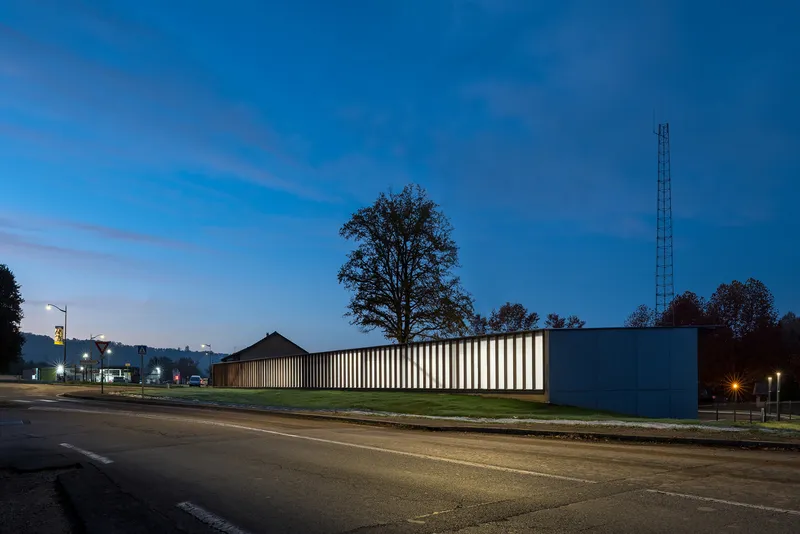
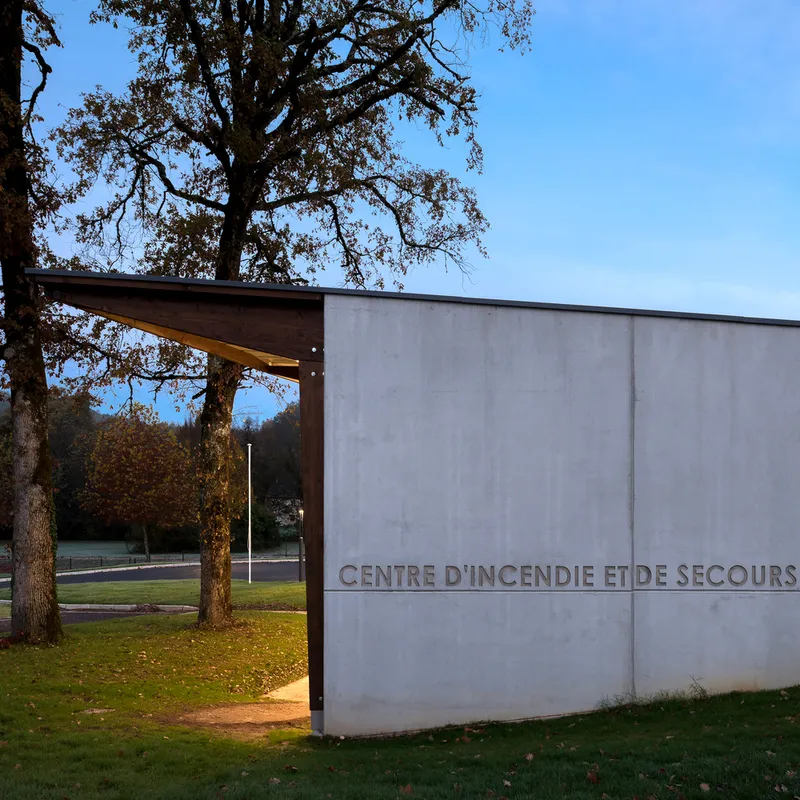
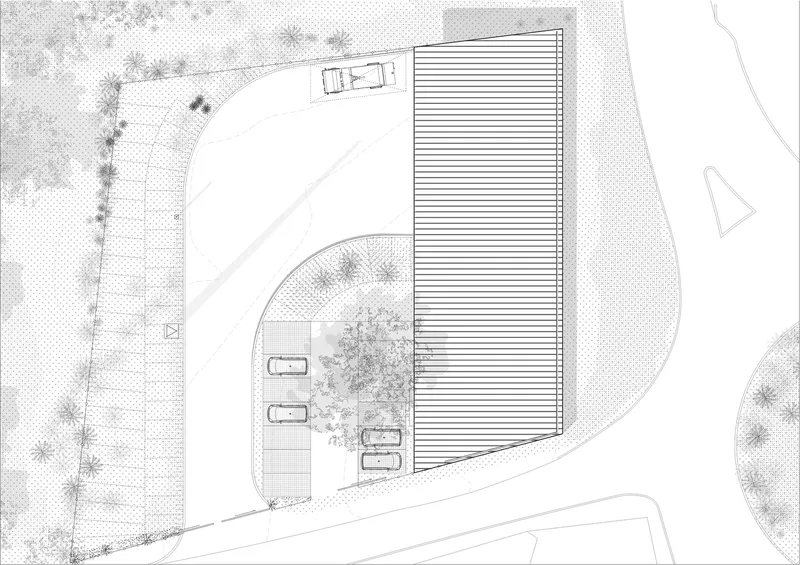
The station is designed to harmonize with its surroundings, preserving two magnificent oak trees and optimizing the building’s orientation to take advantage of natural shading. The approach roads and building entries are strategically placed to minimize disruption to the public domain, reflecting a thoughtful integration into the local community.
Key Architectural Features
Innovative Use of Materials and Space
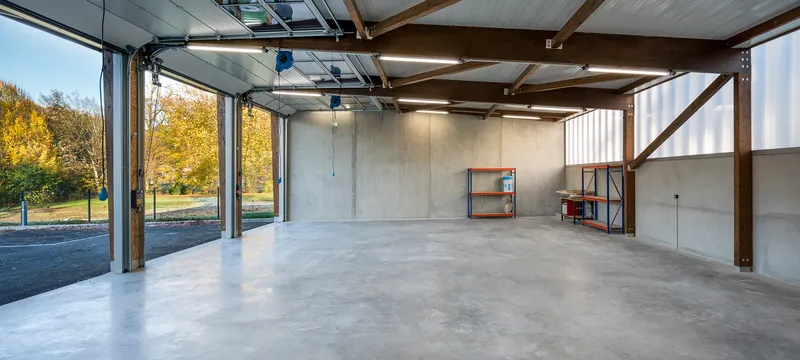
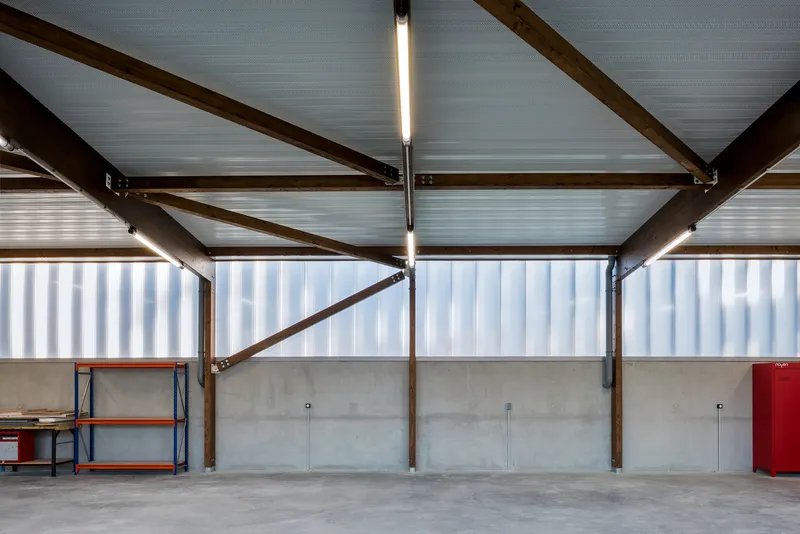
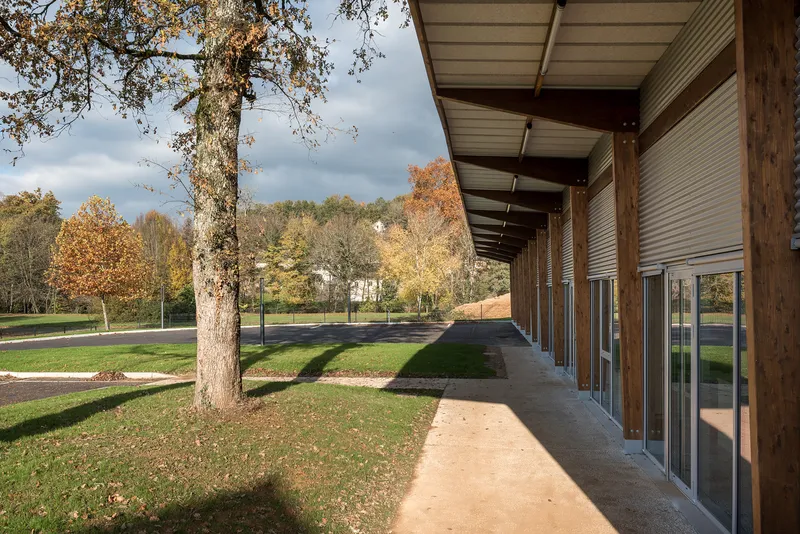
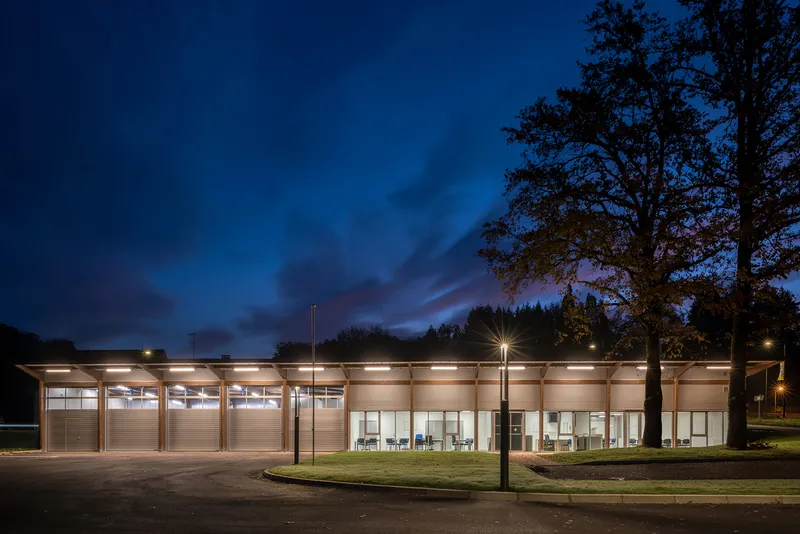
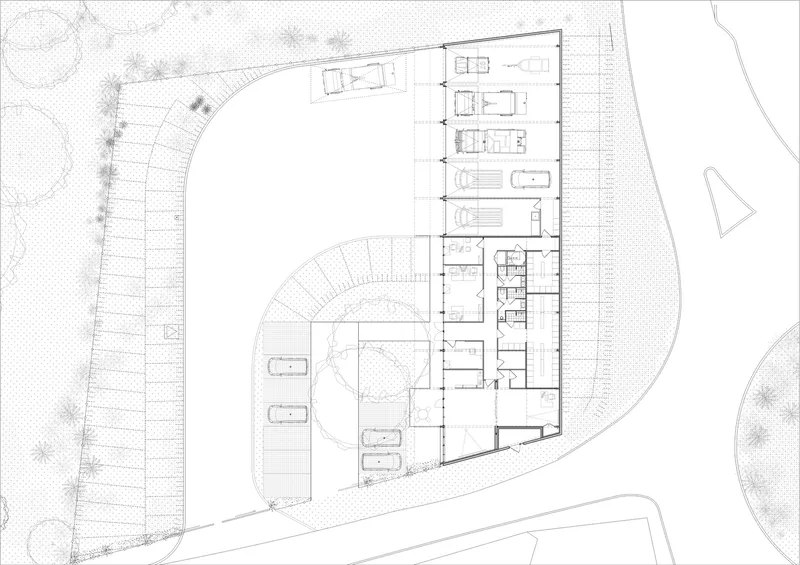
The construction utilizes a single concrete slab for both the garage and office areas, with prefabricated concrete gables and a Douglas wood trussed frame. This setup allows for a robust yet visually appealing structure that supports large, open spaces needed for emergency services operations.
Sustainable Architectural Elements
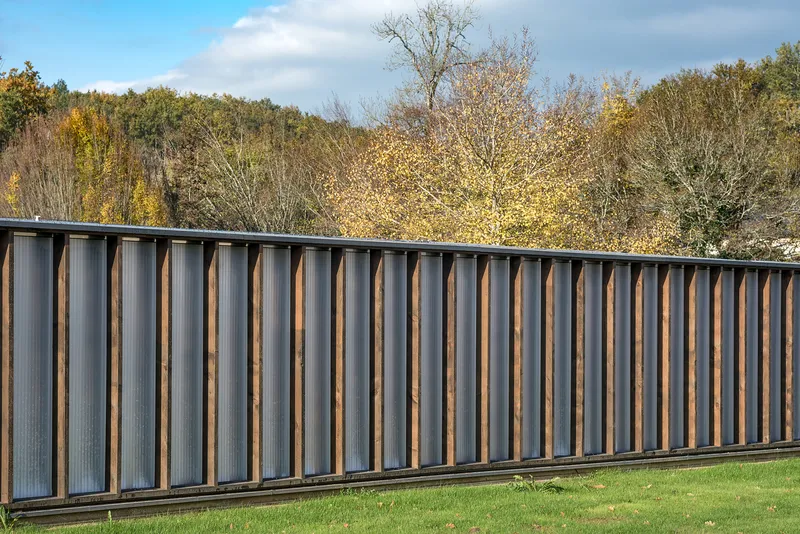
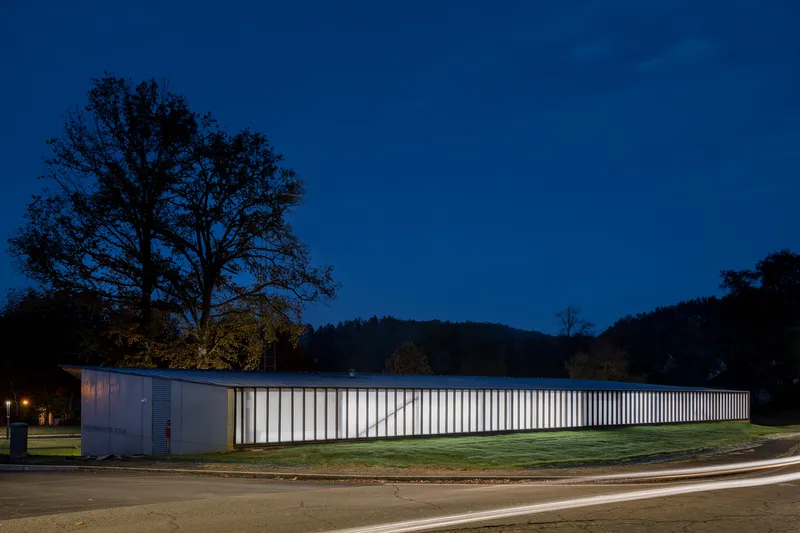
A key feature of the sustainable fire station design in Donzenac is the building’s semi-buried east facade, which uses the earth’s natural insulating properties to reduce heating and cooling loads. The facade also features a sunshade system made of vertical wooden slats and thick polycarbonate to protect against solar heat gain while enhancing the building's aesthetic.
Environmental Impact and Energy Efficiency
Reduction of Ecological Footprint
The design minimizes the building's footprint by compressing the program into a compact volume, reducing impermeable surfaces, and lowering construction costs. This approach not only conserves resources but also limits the environmental impact of the building.
Maximizing Natural Light and Ventilation
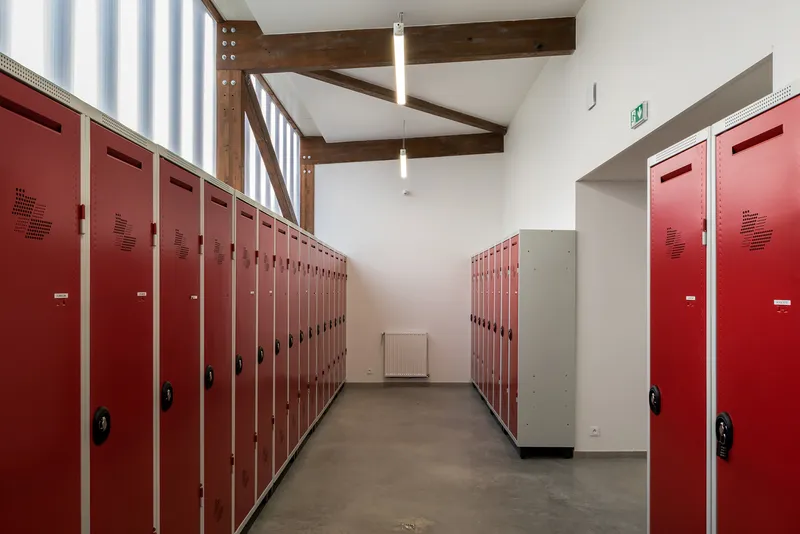
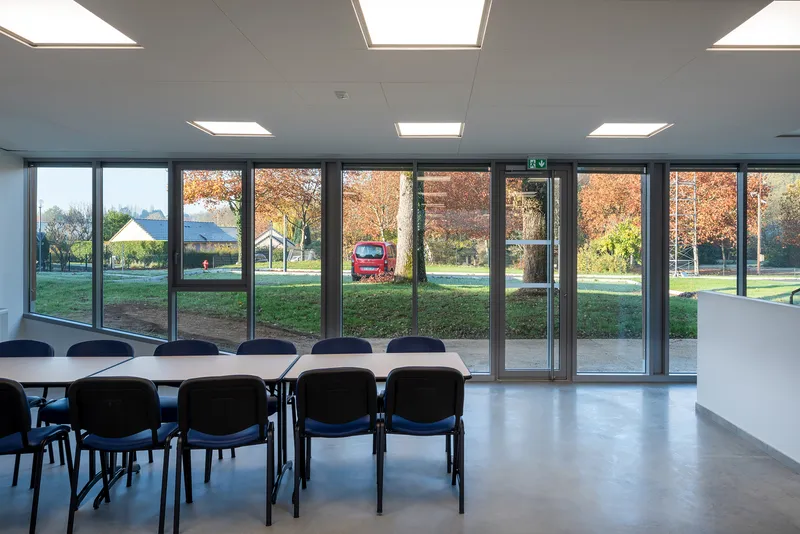
The orientation and design of windows and openings ensure that all areas of the station receive ample natural light, reducing the need for artificial lighting. The strategic placement of these features also enhances cross-ventilation, which can significantly reduce the need for mechanical cooling.
Setting a Benchmark for Fire Station Design
The Donzenac Fire and Rescue Center is a leading example of sustainable fire station design in Donzenac, setting a benchmark for future developments in emergency services architecture. By prioritizing sustainability and integration with the local environment, the project not only serves the immediate needs of the fire and rescue team but also contributes to the broader goals of environmental stewardship and community enhancement.
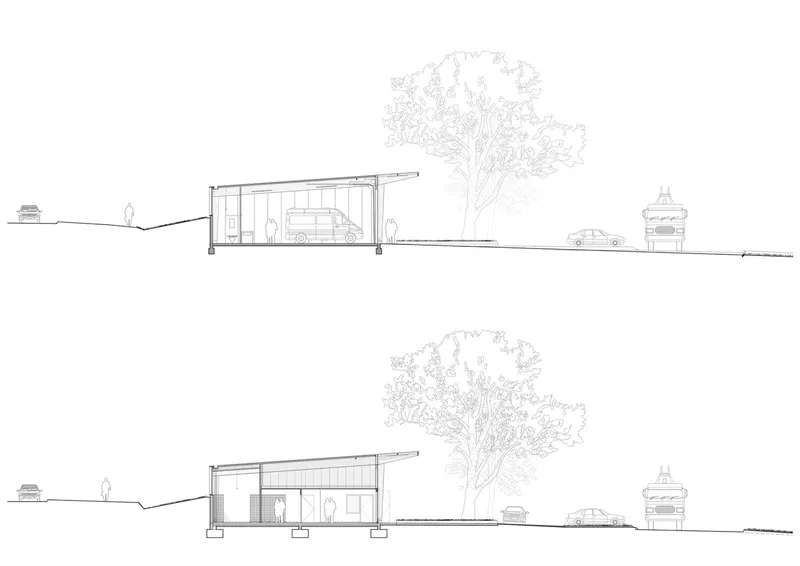
All photographs are work of Jean-François TREMEGE


Popular Articles
Popular articles from the community

Temporary Home for Dogs: A Reversed Zoo Rethinks Animal Shelter Architecture
In Bucharest, a sinuous corridor and freed landscape flip the logic of containment, designing a shelter that works to make itself unnecessary.
Opera on the Sea: Driftwood Logic Shapes a Timber Opera House on Estonia's Coast
Trevor Orgill's opera house translates the entangled drift of floating timber into a civic building where wood, water, and music converge.

Manzana Morphosis: Stretching Barcelona's Grid into a Living Landscape for 2050
A radical reworking of the Eixample manzana turns density into a tool for generous public space, vertical ecology, and environmental performance.

Tsunami Convergenics: Turning Catastrophic Ocean Forces into Underwater Housing Infrastructure
A speculative underwater settlement off the coast of Onagawa, Japan, treats tsunamis and typhoons as energy sources rather than threats.

Similar Reads
You might also enjoy these articles

Bamboo Housing Challenge 2026: Design Affordable, Sustainable Homes Using Bamboo
An international design competition by Bamboo U and IBUKU inviting architects and designers to reimagine affordable housing using bamboo — with the winning design built full-scale in Bali.

Computational Design & Education: Beegraphy Design Awards Introduces 7th Category (Featuring Jiyun's Innovative Approach)
Dive into Beegraphy’s 7th Design Awards category, where computational design meets education to create immersive, interactive learning tools, inspired by Jiyun’s work.

From Parametric Lighting to Urban Furniture: Join the 2nd Workshop in Beegraphy’s Computational Design Series
Dive into Cutting-Edge Design Techniques and Practical Applications with Industry Experts

Last Call: Unleash Your Architectural Genius in SHAK's Kindergarten Design Competition
Urgent call for architects to join SHAK's kindergarten design competition before the looming deadline

Explore Architecture Competitions
Discover active competitions in this discipline

Challenge to reimagine the Iron Throne

Photograph architecture without architects

Illustrate the lost glory of Angkor Wat - Render Challenge

Design challenge to reuse E-waste
Comments (0)
Please login or sign up to add comments
No comments yet. Be the first to comment!