
Sustainable Gymnasium Design: Jean Lamour Gymnasium by Studiolada
The article explores the sustainable design and innovative wooden architecture of the Jean Lamour Gymnasium by Studiolada in Nancy, France.

The Jean Lamour Gymnasium, designed by Studiolada, is a striking example of sustainable gymnasium design. Located in Nancy, France, this innovative structure combines traditional agricultural vernacular architecture with modern sustainable practices, resulting in a facility that is as functional as it is environmentally friendly.
Architectural Overview
A Wooden Prism on a Concrete Bed
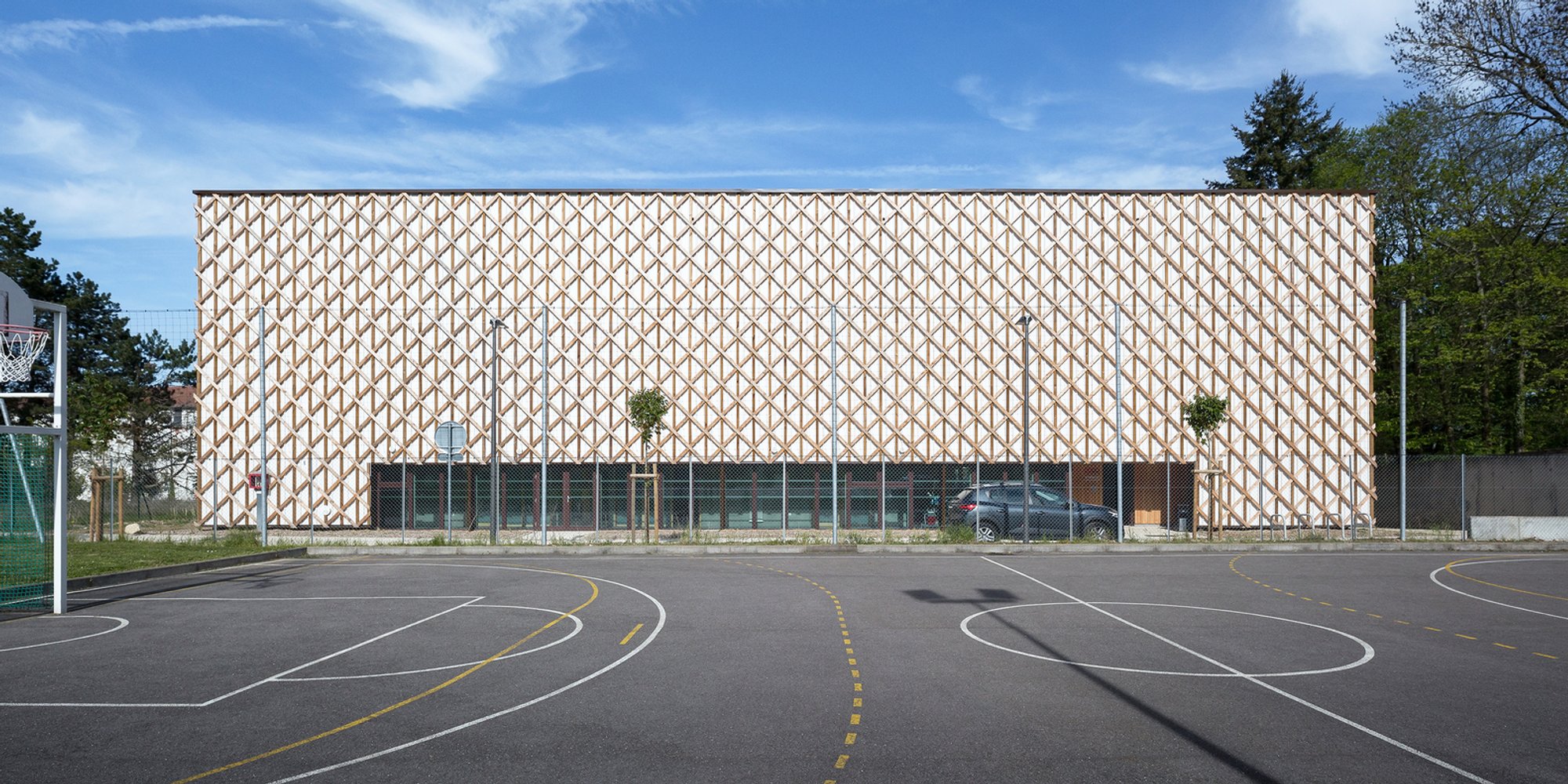
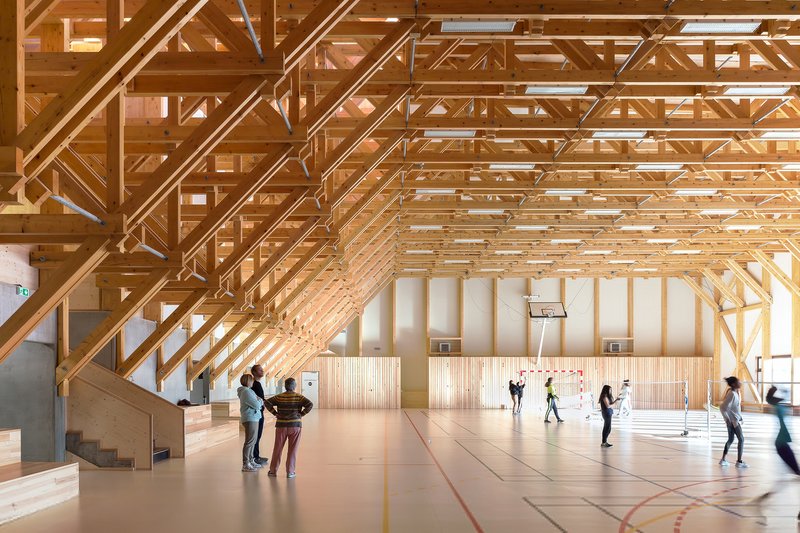
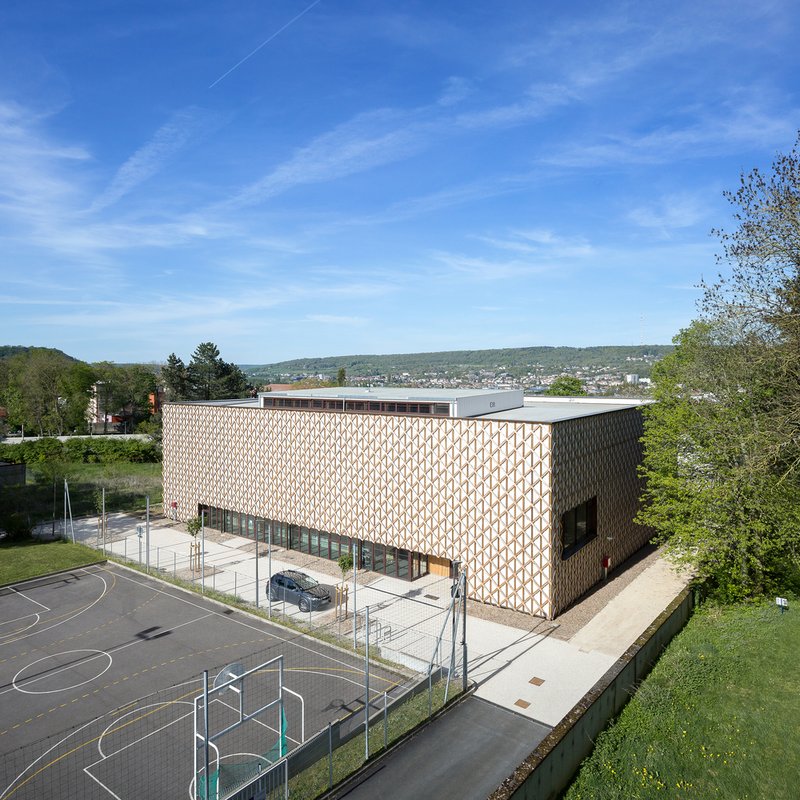
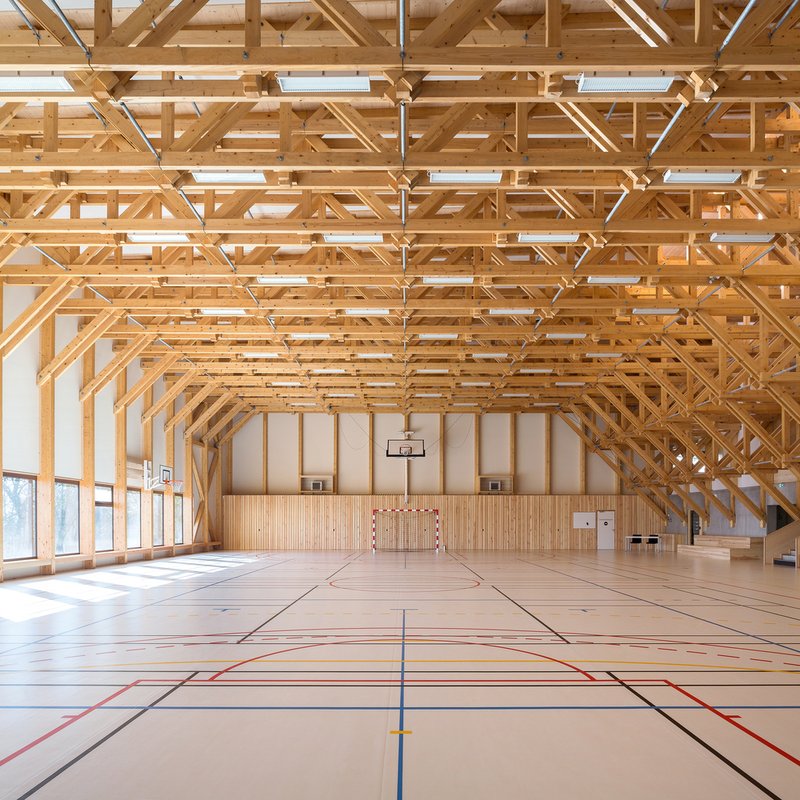
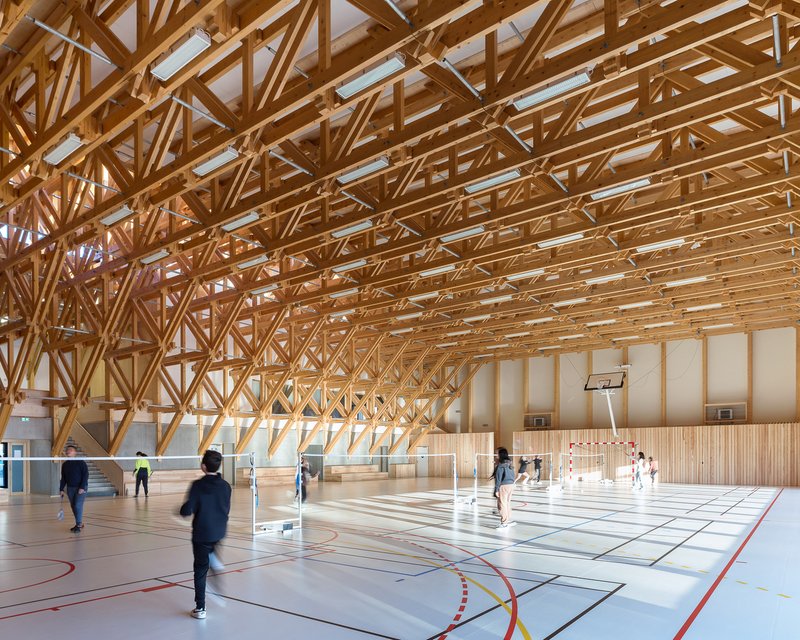
The Jean Lamour Gymnasium is a large wooden prism set on a concrete base, measuring 1410 m². Its design is inspired by agricultural structures, utilizing a wooden framework capable of spanning long distances and creating vast interior spaces. This approach not only provides structural integrity but also enhances acoustic, thermal, and visual comfort, setting it apart from typical sports facilities.
Site and Context
Integration with the Surroundings
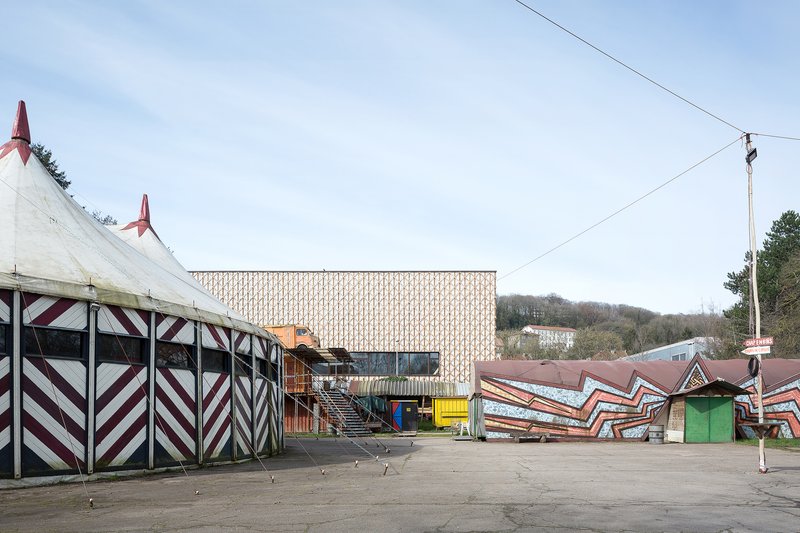
Situated on a sloped plot below Scarpone Boulevard, the gymnasium is strategically placed between a middle school, an office building, and a future residential development. The structure’s 32mx36mx12m volume is organized by a 2mx2mx2m grid, efficiently structuring the space and enhancing the building’s overall aesthetic.
Structural Design
Innovative Wooden Framework
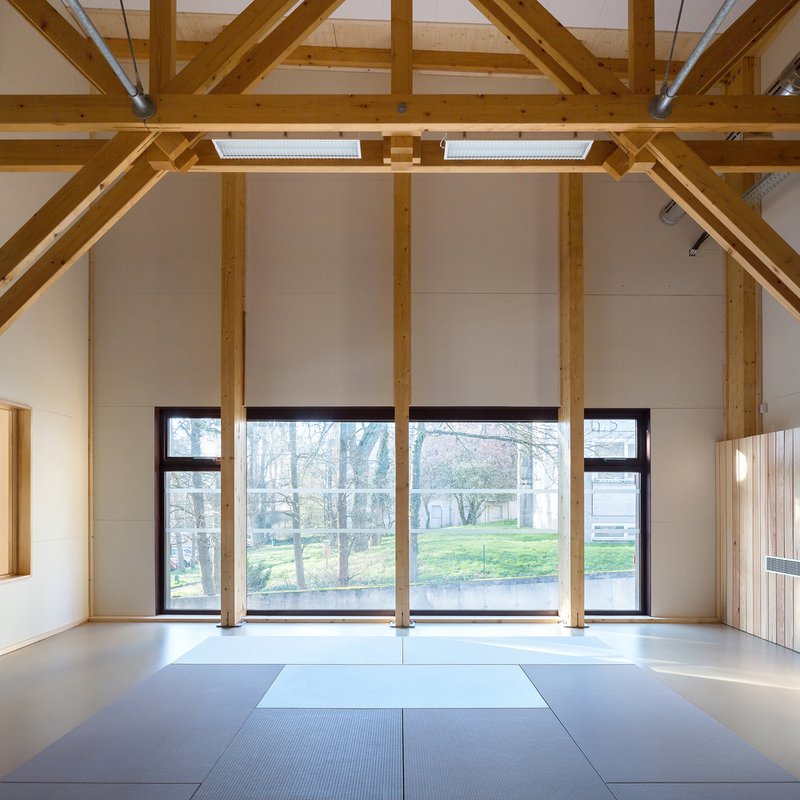
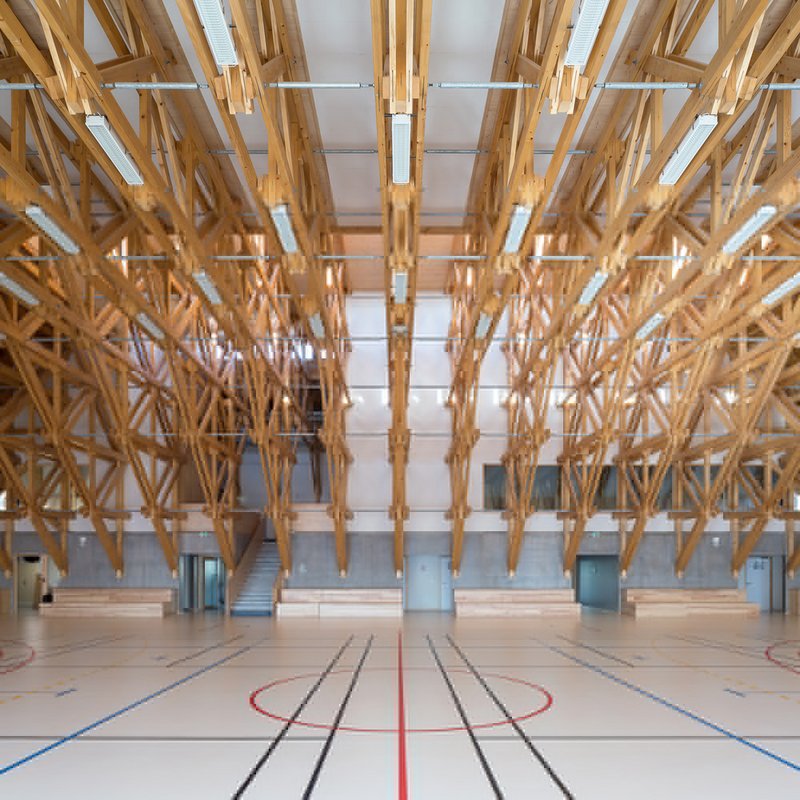
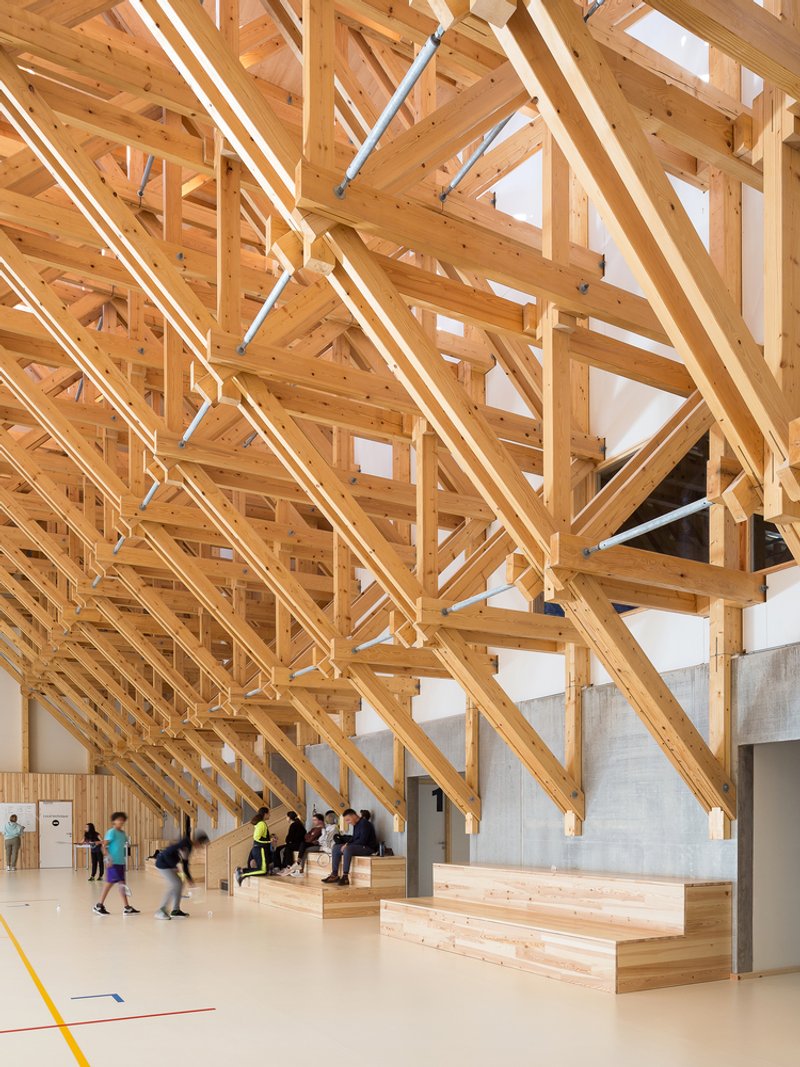
The gymnasium's interior is defined by an elaborate wooden framework. Composed of 17 gantries forming lattice beams, the structure spans 24 meters using only massive wood. Metal connectors at each node ensure stability and durability, allowing the wooden framework to cross long distances without compromising strength.
Sustainable Features
Bioclimatic Architecture
The Jean Lamour Gymnasium exemplifies bioclimatic architecture, designed to harmonize with its environment while maximizing natural resources. The use of local materials and a qualified workforce ensures sustainability and minimizes the need for complex maintenance. This approach reduces the building’s overall energy consumption and enhances its longevity.
Efficient and Eco-Friendly Construction
Apart from its concrete base, the gymnasium is constructed using simple wooden beams bolted together in a dry construction process. This method is fast, economical, and significantly reduces the building’s grey energy footprint—the energy required for construction. When the gymnasium eventually reaches the end of its lifecycle, its components can be easily disassembled and repurposed, adhering to the principles of sustainable architecture.
Interior Design
Functional and Aesthetic Spaces
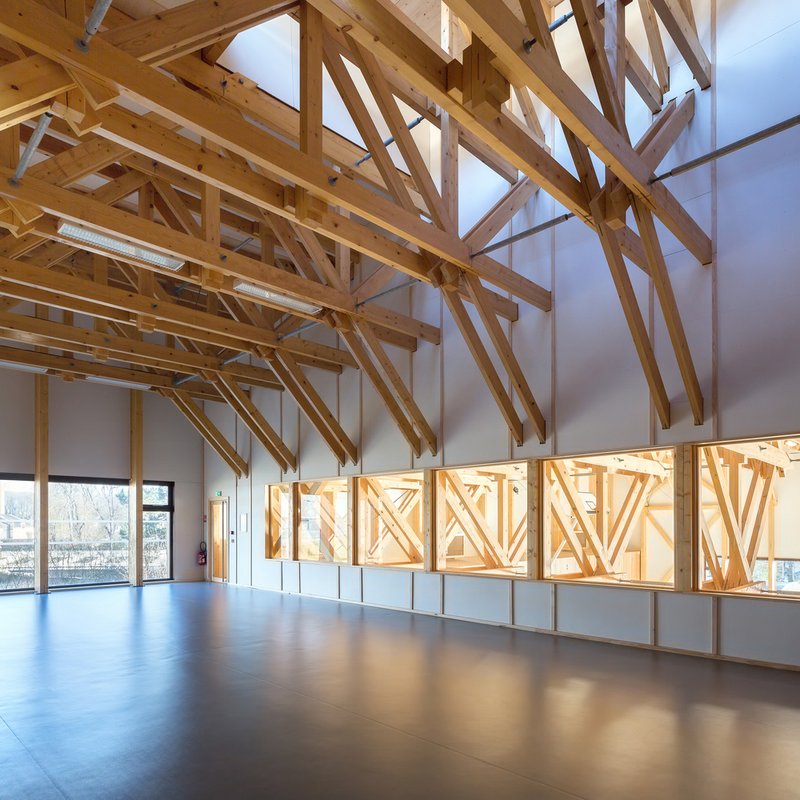
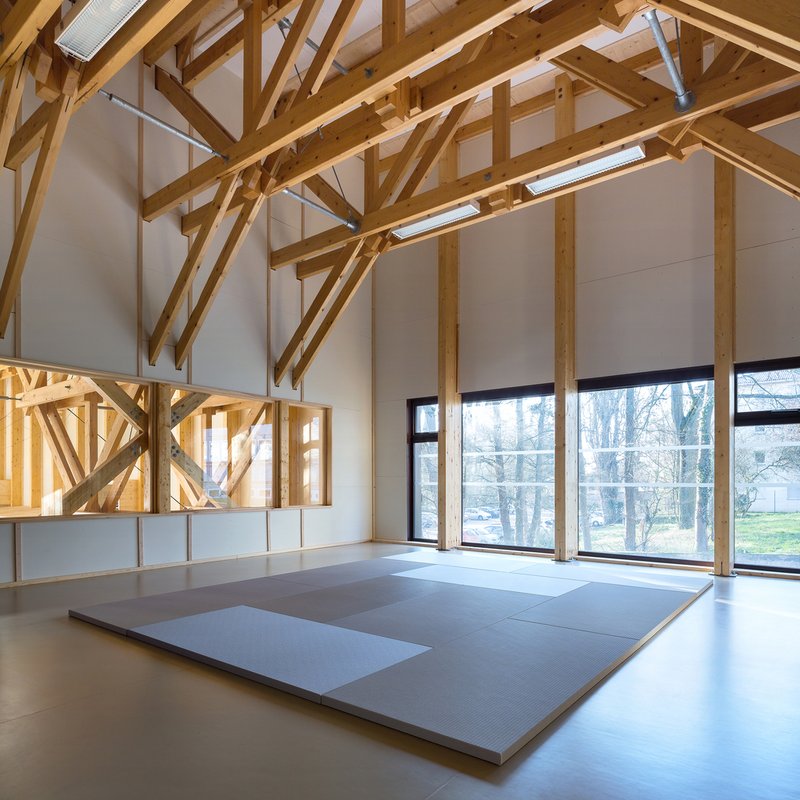
Inside, the gymnasium features technical rooms such as locker rooms, restrooms, and offices, all situated on one side of the building. Above these spaces are two smaller sports rooms that overlook the main sports area, offering a unique perspective and enhancing the user experience. The large interior volume of the main sports court is designed to accommodate various sports activities, providing a versatile and functional space.
Exterior Design
Aesthetic and Practical Facades
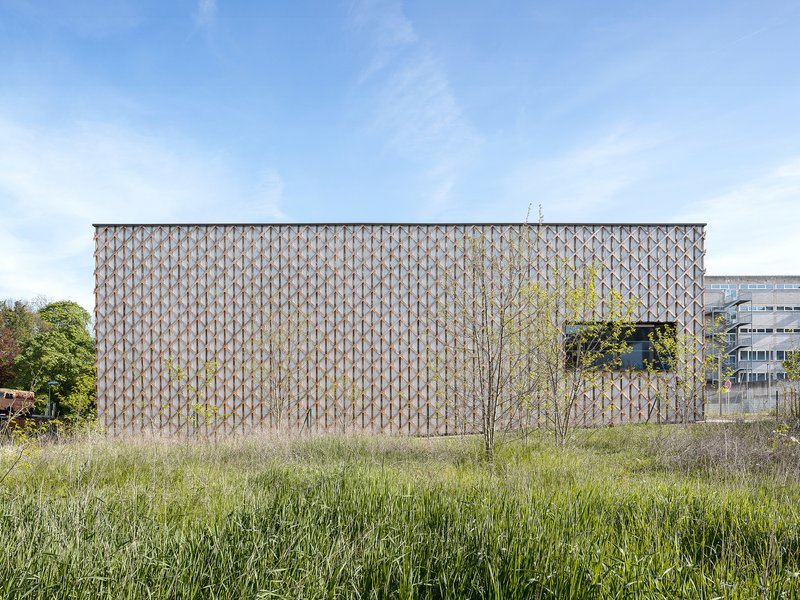
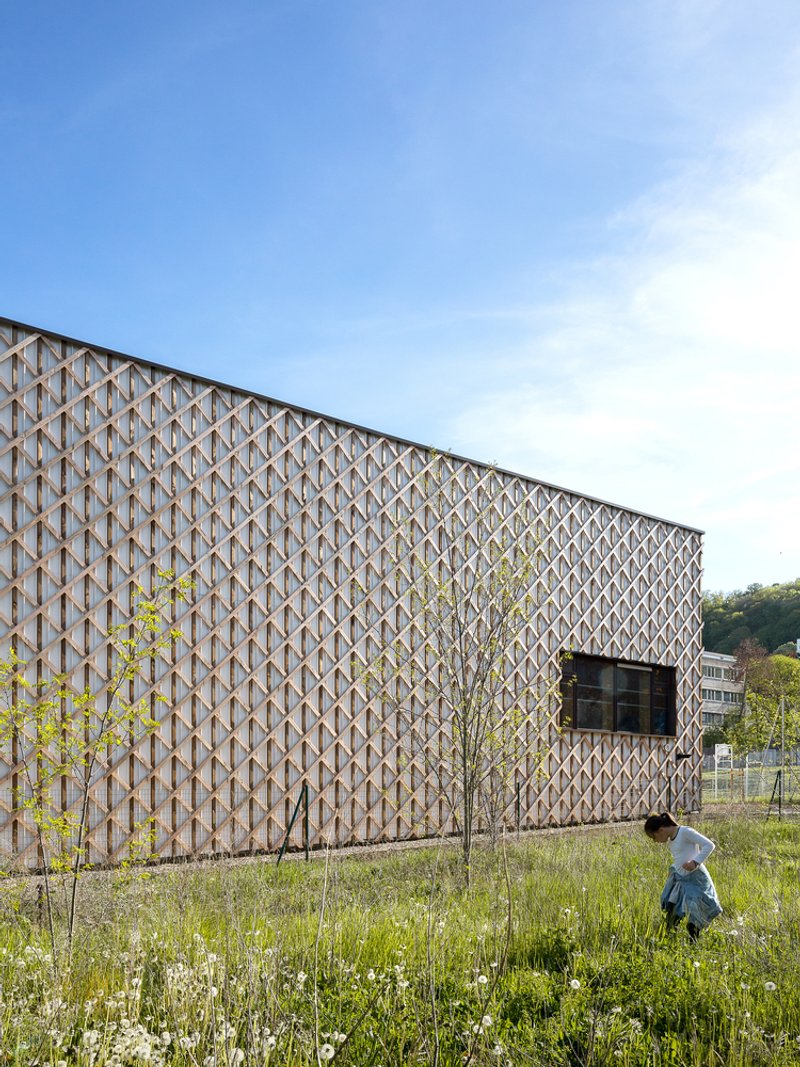
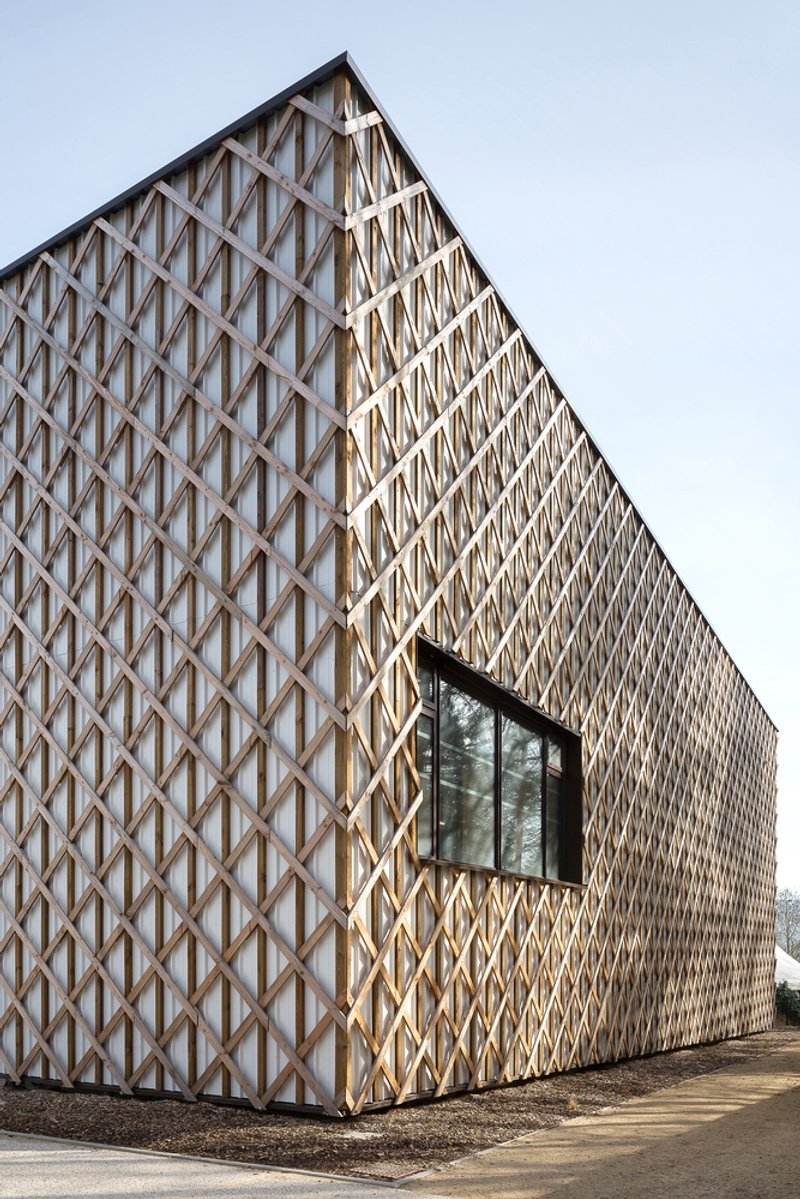
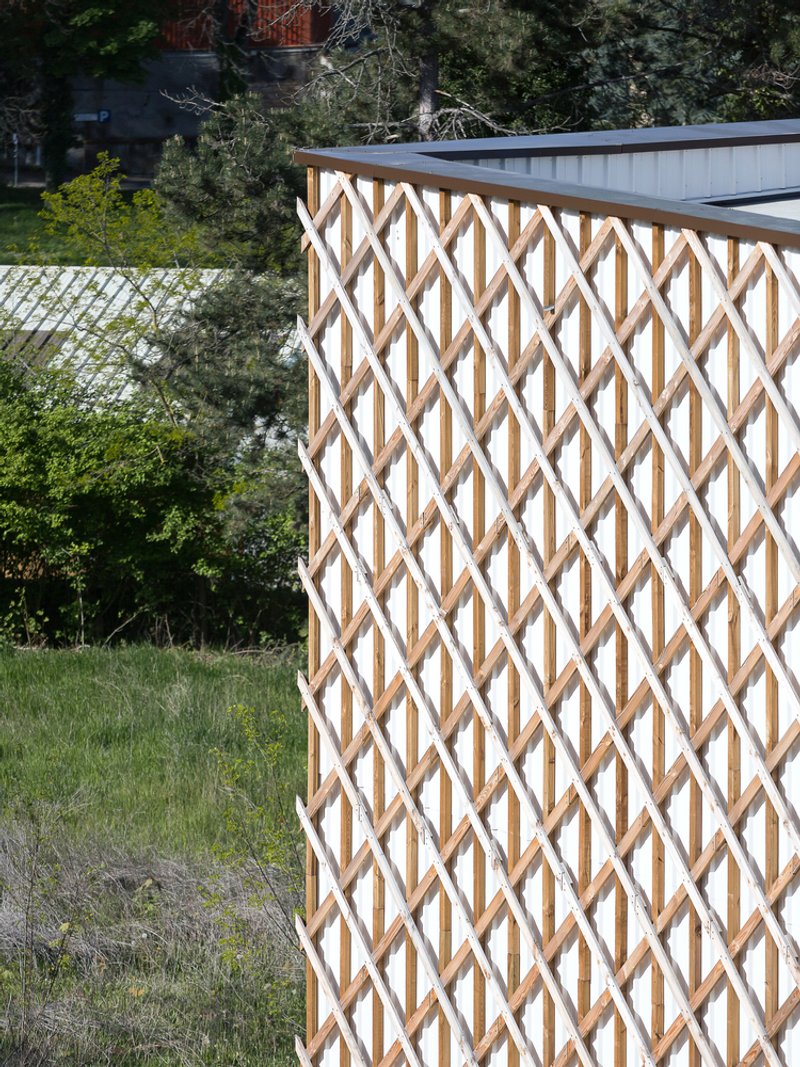
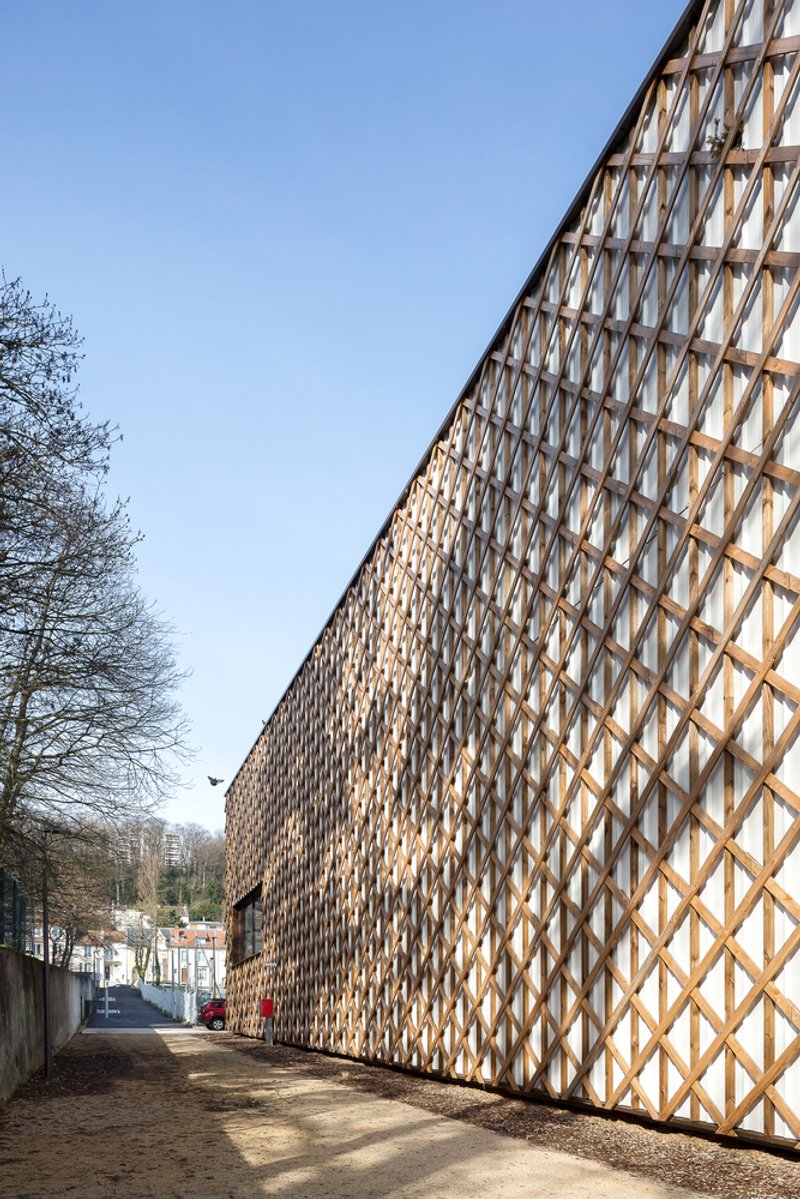
The exterior of the gymnasium is wrapped in large Douglas boards installed in a fishnet pattern, inspired by the interior wooden structure. Each facade features a single large opening, allowing natural light to flood the interior while maintaining a cohesive and aesthetically pleasing exterior appearance.
A Model of Sustainable Gymnasium Design
The Jean Lamour Gymnasium by Studiolada is a testament to the potential of sustainable gymnasium design. By integrating bioclimatic principles, innovative wooden construction, and efficient use of materials, Studiolada has created a facility that not only serves its functional purpose but also stands as a model for future sustainable architectural projects. This gymnasium demonstrates how thoughtful design and sustainable practices can come together to create a space that is both beautiful and environmentally responsible.
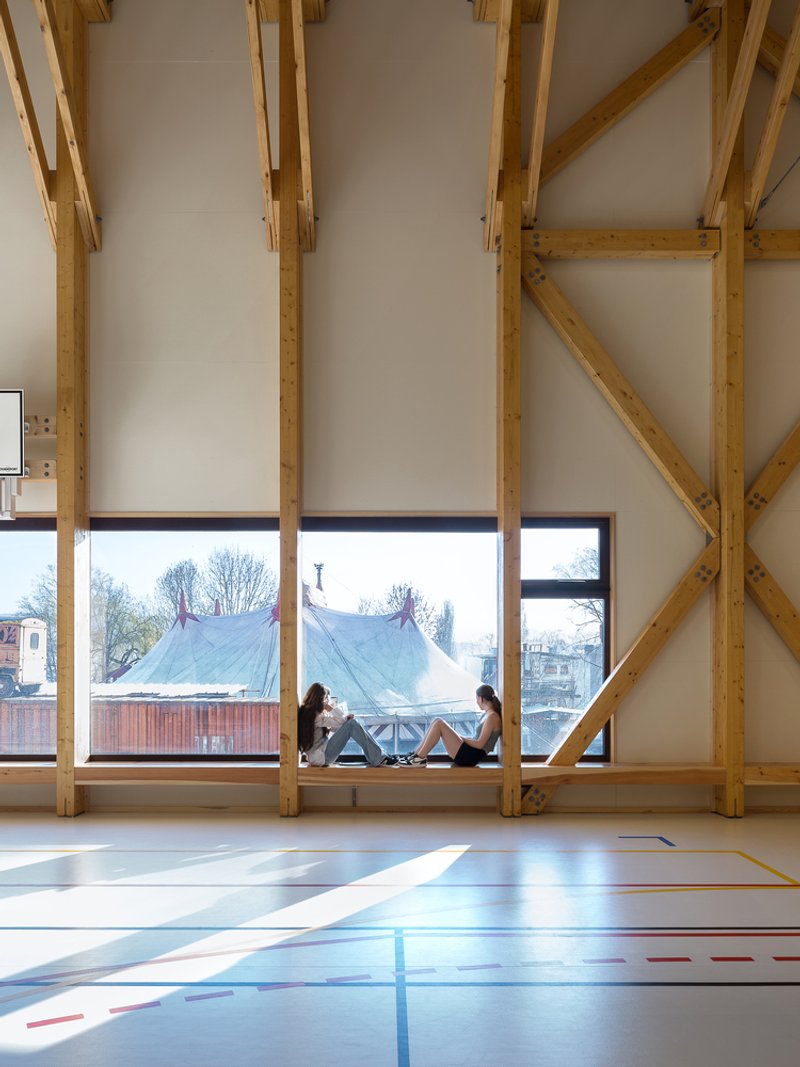
All photographs are work of Olivier Mathiotte




Popular Articles
Popular articles from the community

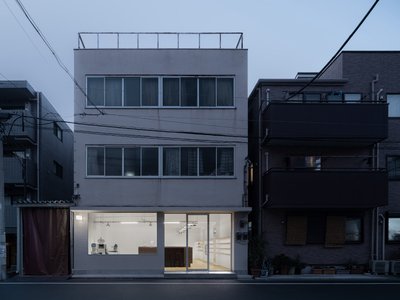
Atelier Macri Concept Store Interior Design by CASE-REAL
Atelier Macri store features a "ko" counter, walnut wood details, cork displays, blending retail, gallery, and seamless customer experiences.

Solar Steam: A Climate-Responsive Architecture That Redefines the Monument
A climate-responsive memorial architecture that transforms heat, decay, and time into a living system reflecting humanity’s ecological impact.
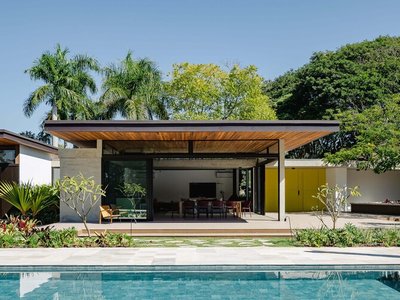
Flamboyant House by Juliana Camargo + Prumo Projetos
Modern Brazilian house integrating existing tree, pool, and volumes with glass, wood, and transitional spaces blending interior, exterior, and landscape seamlessly.
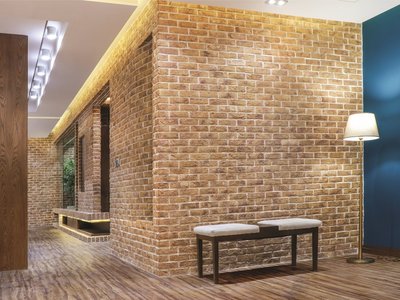
A Contemporary Take on Iranian Residential Architecture
A modern interior design in Mashhad that reinterprets brick, light, and spatial flow to create a warm, contemporary residential architecture.


Similar Reads
You might also enjoy these articles

Architectural Competition: Create a Luxury Waterfront Community in the UAE!
Mira Developments announces an open competition for the pre-concept design of Mira Coral Bay in Ras Al Khaimah, UAE


Parametric Design: What Can You Learn from the 1st Workshop of Beegraphy?
Discover the Fundamentals and Advanced Techniques of Parametric Design


Feast of flight factory
A new ecological order with sustainable food resources-insects
Beyond Blueprints : How Architecture Presentation Boards Define The Design Narratives?
Unveiling the Art and Strategy Behind Architectural Storytelling


Explore Architecture Competitions
Discover active competitions in this discipline




The International Standard for Design Portfolios


The Global Benchmark for Architecture Dissertation Awards


The Global Benchmark for Graduation Excellence


Challenge to design an Ayurvedic Treatment Center
Comments (0)
Please login or sign up to add comments
No comments yet. Be the first to comment!