
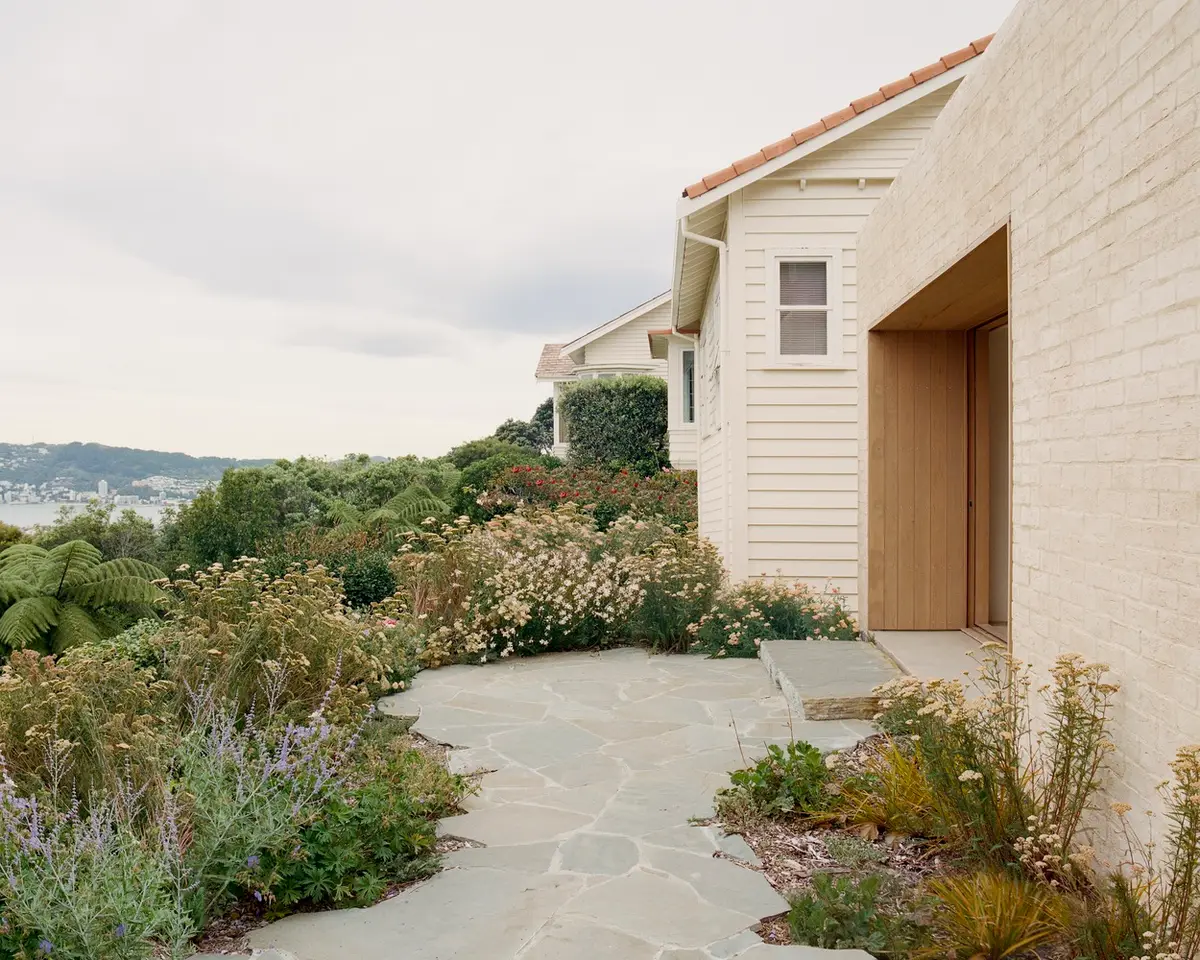
Sustainable Home Extensions in Wellington: A Case Study of Upper Watt Residence by Seear-Budd Ross
Explore Upper Watt Residence, a stunning example of sustainable home extensions in Wellington, blending modern design with environmental sensitivity.


In the world of modern architecture, sustainability is no longer just an option; it's a necessity. In Wellington, a city known for its vibrant culture and challenging weather conditions, the Upper Watt Residence stands out as an exemplary model of sustainable home extensions.
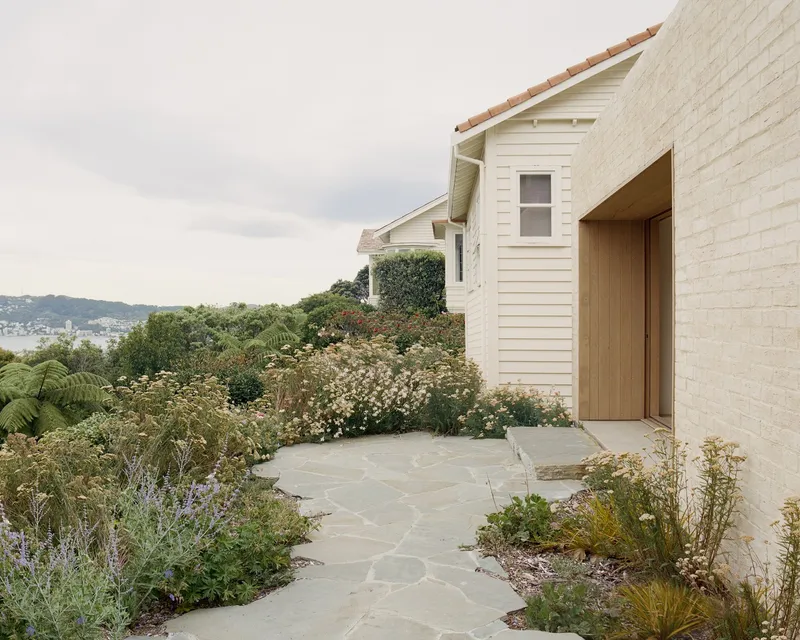

Project Overview of Upper Watt Residence
Design Objectives and Client Vision
The Upper Watt Residence, located on a scenic ridgeline in Wadestown, Wellington, encompasses a significant transformation from a modest storage space into a multifunctional extension. The client’s primary goals included creating a child-friendly environment and integrating a work-from-home studio that harmonizes with the existing 1900s double-brick structure.

Architectural Strategy and Site Context
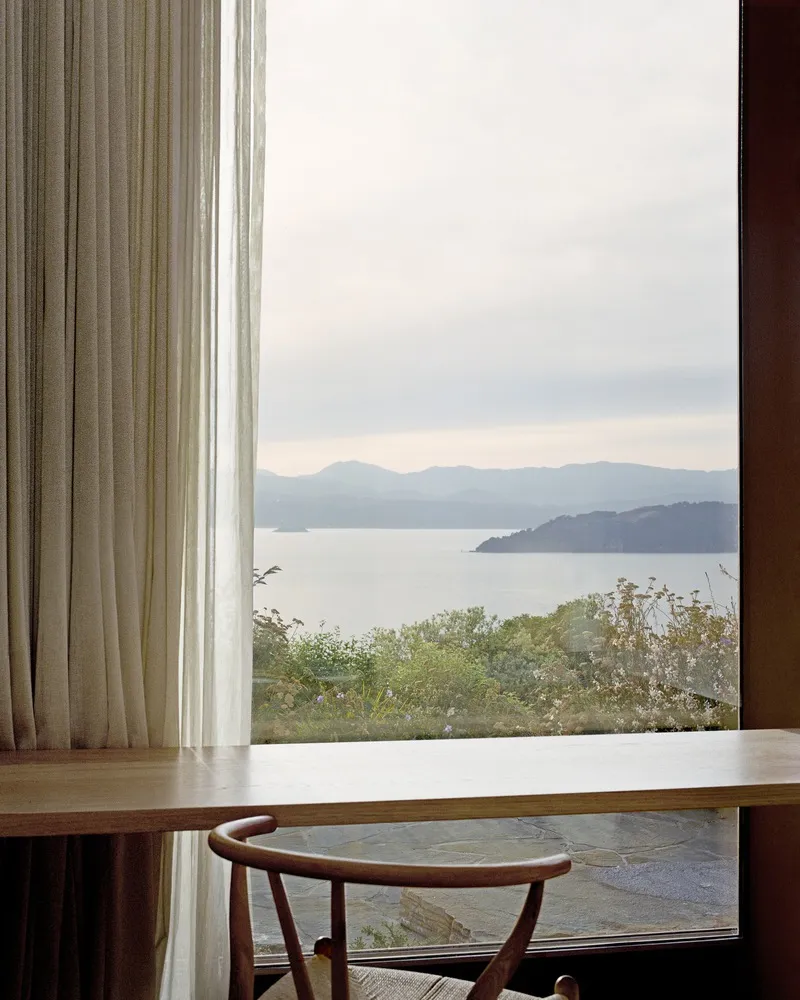
Seear-Budd Ross, the architects behind this innovative project, designed an extension that feels both permanent and protective, particularly against Wellington’s notorious northerly winds. The site’s location offers panoramic views of Wellington Harbour, which were maximized in the new design through strategic window placement and the inclusion of a green roof.


Key Features of the Upper Watt Residence
Materiality and Construction Techniques
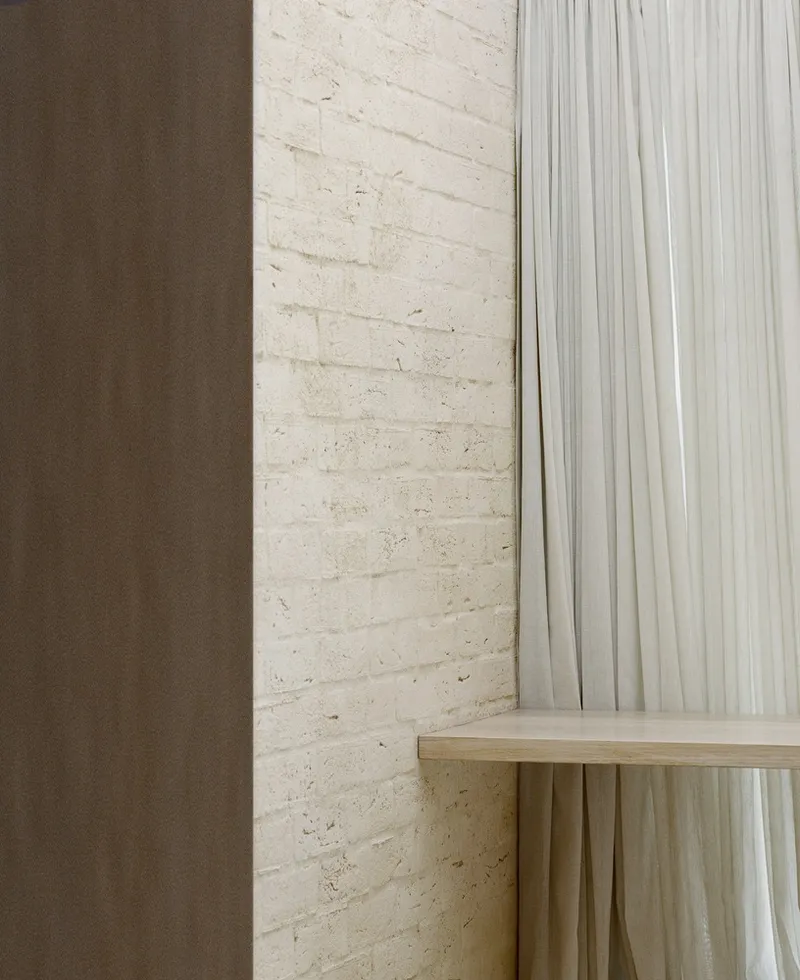
Reflecting the heritage of the original home, the extension uses lime-covered bricks, providing a low-maintenance solution that blends with the historic aesthetic. Custom mortar finishes developed in collaboration with skilled bricklayers elevate the craftsmanship, emphasizing a seamless integration between old and new structures.


Interior Design and Sustainable Features
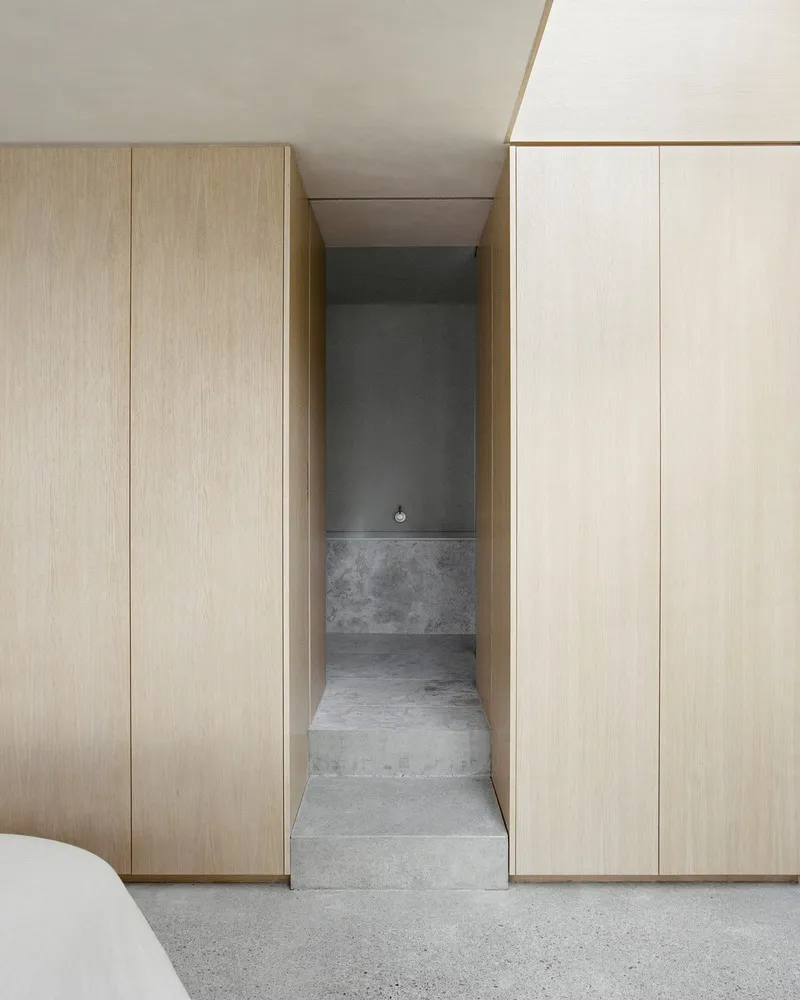
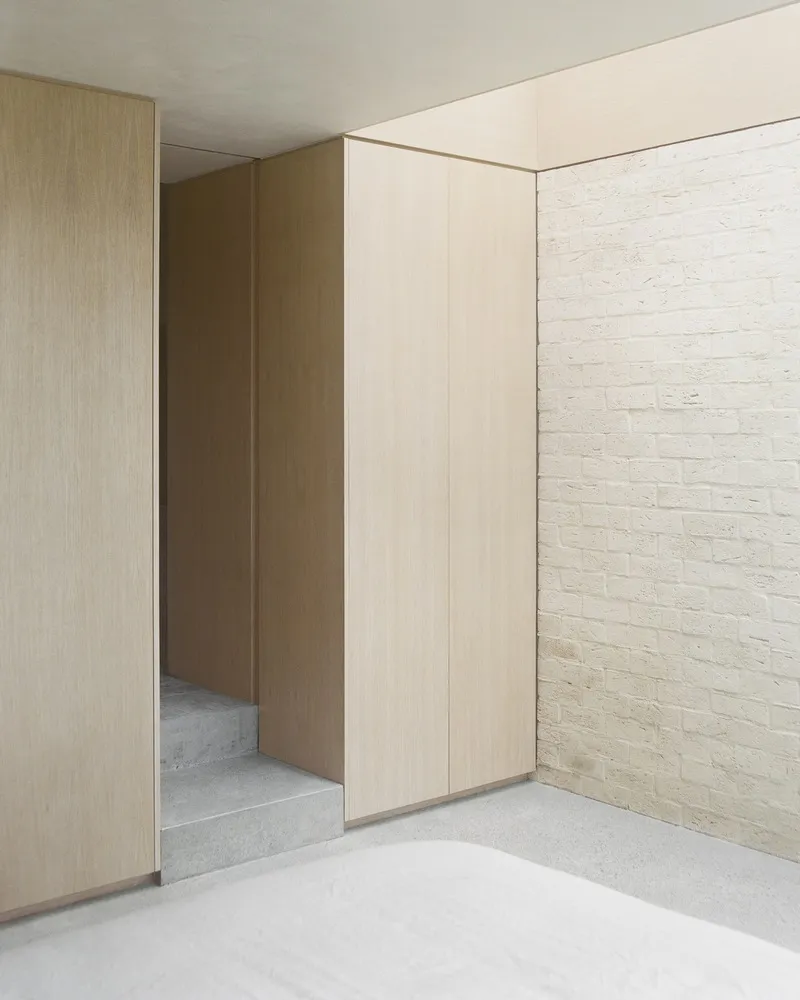
Inside, the residence boasts a serene ambiance with materials like plaster, timber, and brick. Sustainability is woven through every element, from honed limestone tiles in the ensuite to the extensive use of natural insulation materials in the walls, roof, and under the slab. The interior is designed to enhance thermal efficiency, reducing the need for artificial heating and cooling.

Sustainability and Eco-Friendly Practices
Green Roof and Natural Insulation
One of the standout sustainable features of the Upper Watt Residence is its green roof. This element not only provides additional insulation but also contributes to biodiversity and helps manage rainwater runoff. The extensive use of high-grade insulation materials further ensures that the home remains energy-efficient throughout the year.

Integration with the Natural Environment
The architectural design fosters a strong connection with the outdoor environment. Large, east-facing windows offer dynamic views and bring natural light deep into the home, reducing the reliance on artificial lighting. The strategic orientation and window sizing also mitigate wind exposure while maximizing passive solar heating.
The Future of Home Extensions in Wellington
The Upper Watt Residence by Seear-Budd Ross is a paradigm of how sustainable home extensions in Wellington can be achieved with careful planning and a deep respect for both the built and natural environments. This project not only enhances the lives of its residents but also sets a benchmark for future home renovations in the region.

All photographs are work of Thomas Seear-Budd


Popular Articles
Popular articles from the community


Hill & Cross Opera: Sculptural Opera House Architecture Shaped by Tallinn’s Landscape and Identity
Hill & Cross Opera reimagines opera house architecture in Tallinn through its sculptural hill, civic plaza, glass wave and a luminous cross.

Co-Life: Senior Housing Design That Reconnects Older Adults With the City
Co-Life reimagines senior housing design through healing gardens, shared streets, workshops, and a sustainable community across generations.

Co-life: Sustainable Architecture for Age-Friendly Community Living
Co-life reimagines sustainable architecture for seniors through courtyards, rammed earth, shared gardens, and spaces designed for belonging.

Little Red Riding Hood: Architectural Design as a Journey Through Fear, Light, and Storytelling
Little Red Riding Hood reimagines the fairy tale through architectural design shaped by fear, light, scale, memory, uncertainty, and choice.

Similar Reads
You might also enjoy these articles


Hodi-Mandai Geram
Project Function: Preservation and revitalization of the Intangible heritage and socio-spatial identity of the Hodi by Housing, Cultural Memory Center, Sacred Grove, landscape, local tourism economy


Olio Towers: A Mid-Rise for Performers That Fuses Housing, Rehearsal, and Stage
Located blocks from Houston's Theater District, this modular tower stacks living units around a central performance atrium.

Oasis: Modular Green Housing Carved into Dhaka's Urban Fabric
A shortlisted Plugin Housing entry reclaims unauthorized settlements in Dhaka with stepped concrete volumes, green roofs, and ventilation-driven design.

Black Hole: A Floating Megastructure for the Post-Physical Era
Emiliano Mazzarotto envisions a spherical, self-scaling arena where e-sports, digital hotels, and holographic stadiums replace traditional public space.

Explore Architecture Competitions
Discover active competitions in this discipline

Challenge to reimagine the Iron Throne

Photograph architecture without architects

Illustrate the lost glory of Angkor Wat - Render Challenge

Design challenge to reuse E-waste
Comments (0)
Please login or sign up to add comments
No comments yet. Be the first to comment!