
Sustainable Landscape Architecture in Portugal: Parque Botânico e Fluvial do Rio Paiva
This article explores how Parque Botânico e Fluvial do Rio Paiva exemplifies sustainable landscape architecture by restoring ecological balance through design.

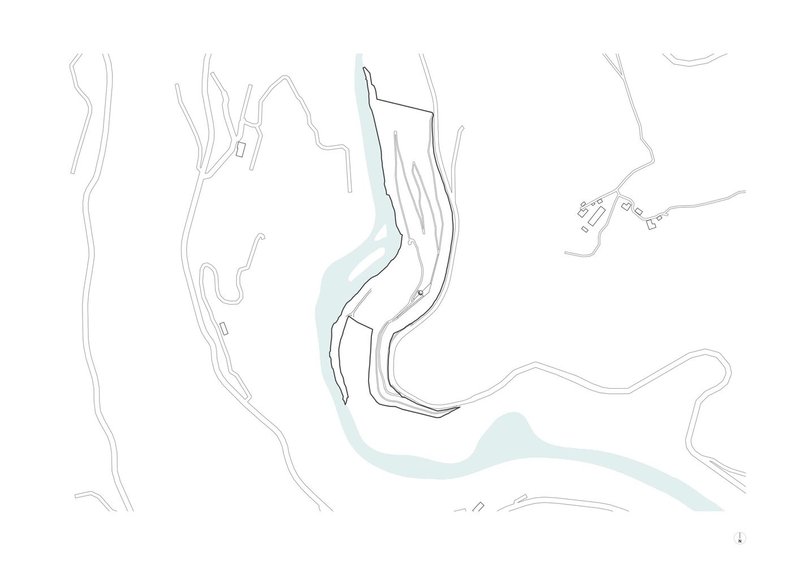
Sustainable landscape architecture plays a crucial role in preserving natural ecosystems while creating spaces that foster human connection with the environment. The Parque Botânico e Fluvial do Rio Paiva, designed by Paradoxo Arquitectura, is an exemplary project that seamlessly integrates ecological restoration with architectural intervention. Located in Cinfães, Portugal, the park transforms a previously neglected riverside area into a biodiverse and culturally significant space, embodying the harmonious relationship between built and natural environments.
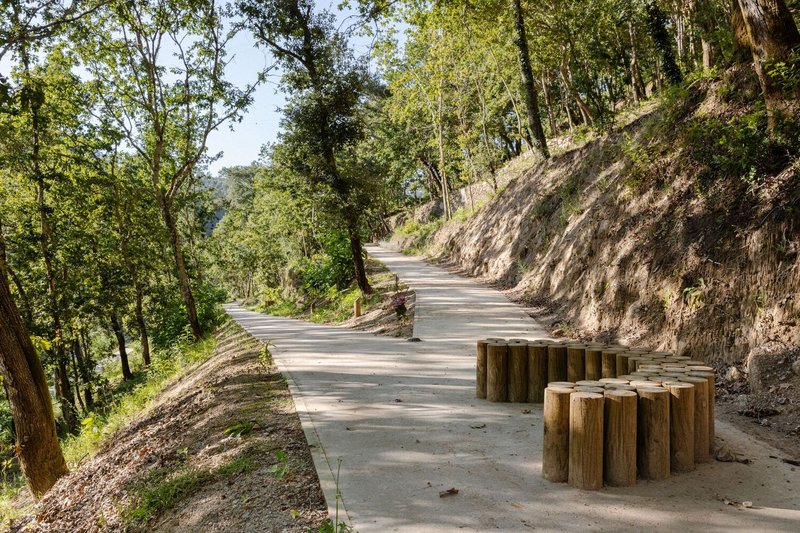
A Vision for Ecological Restoration
The project’s primary objective was not just to design a park but to restore the site's natural beauty and dignity. Before any structural elements were introduced, the architects conducted an extensive clean-up process, removing invasive plant species and accumulated debris. This process revealed historic agricultural terraces, stone ruins, and remnants of old pathways, showcasing the site’s previous use and laying the foundation for an intervention that respects and enhances its history.
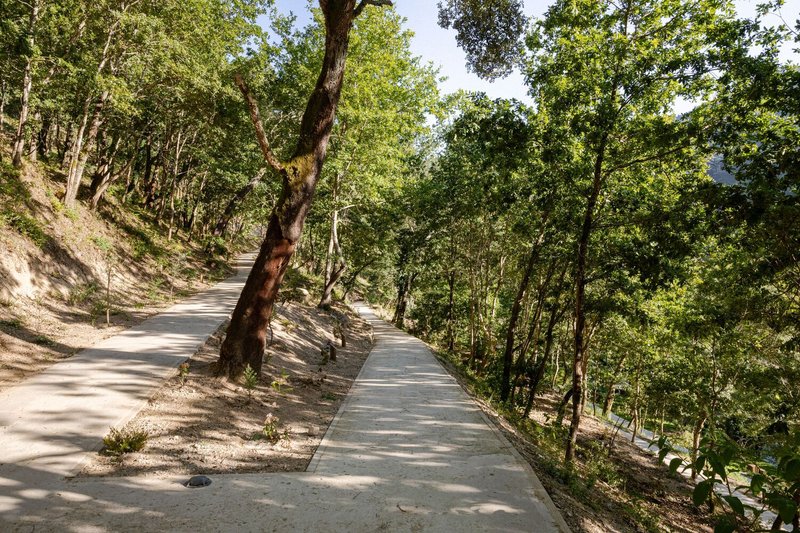
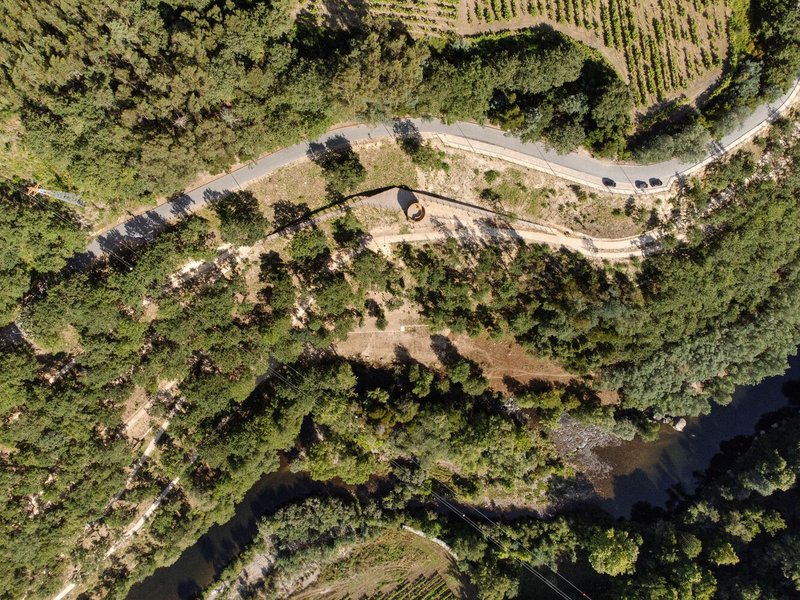
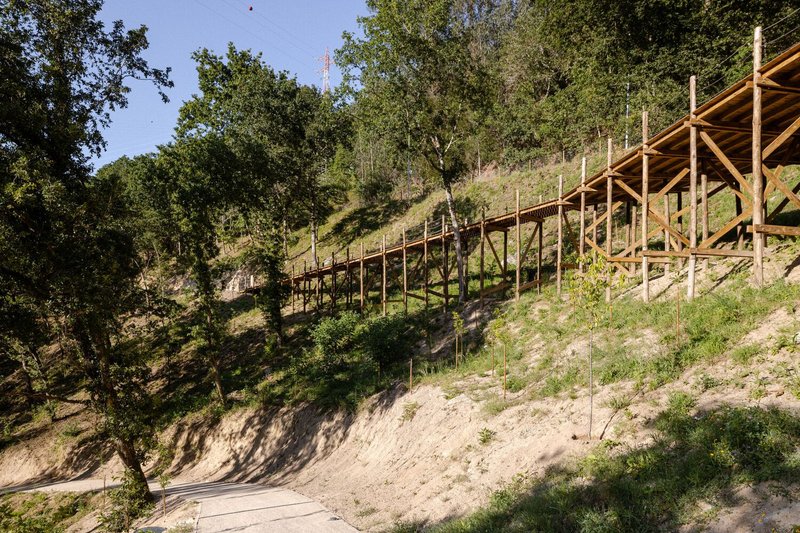
The concept for the park was shaped by these discoveries, leading to a design that embraces the existing landscape while introducing minimal yet impactful architectural elements. The project prioritizes the use of natural materials that evolve over time, reinforcing the connection between the built environment and nature.
Architecture and Materiality
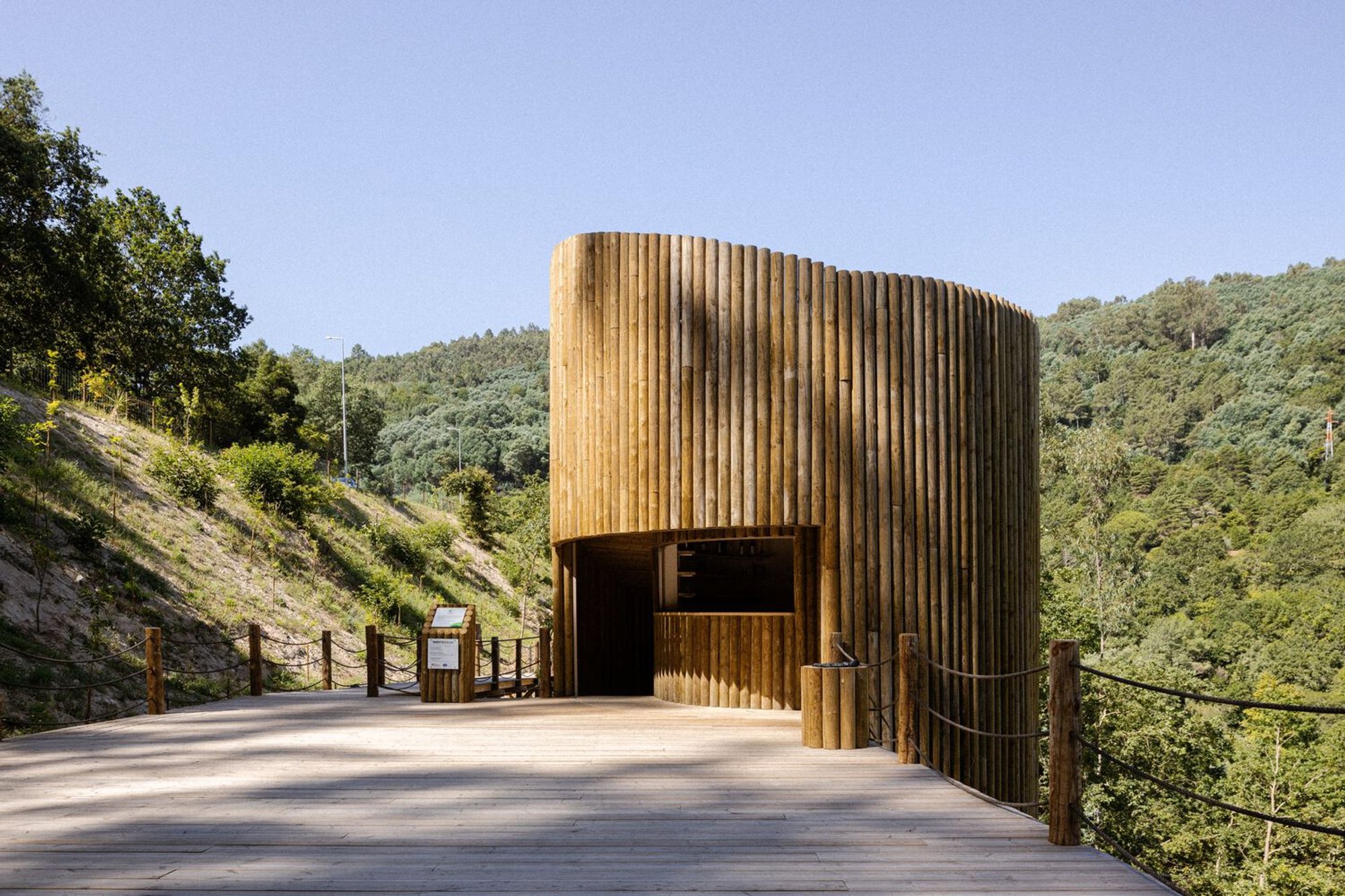
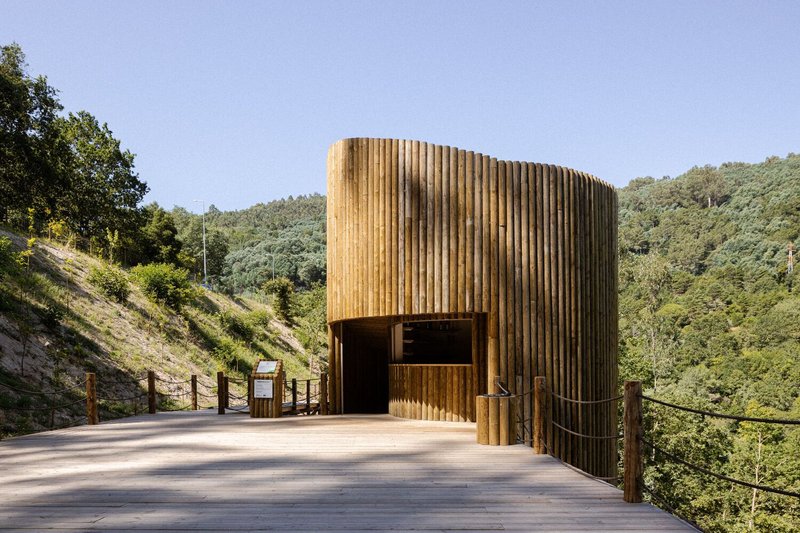
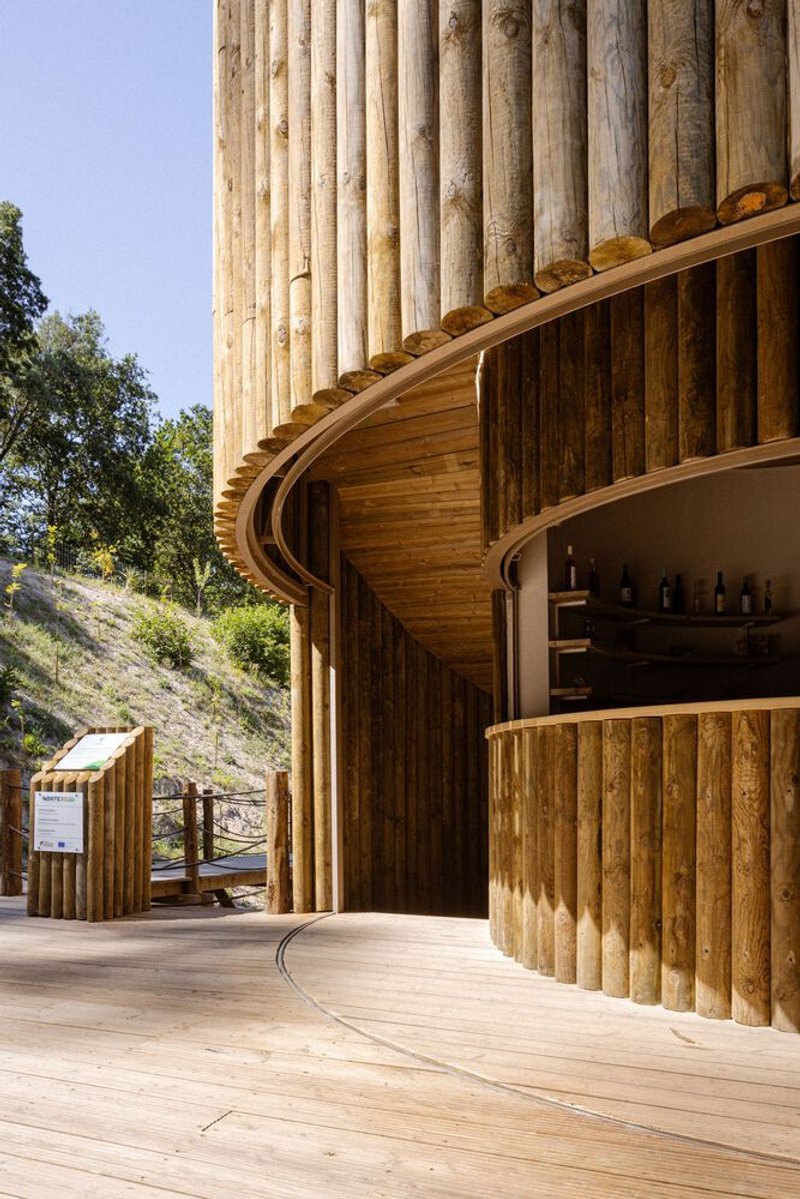
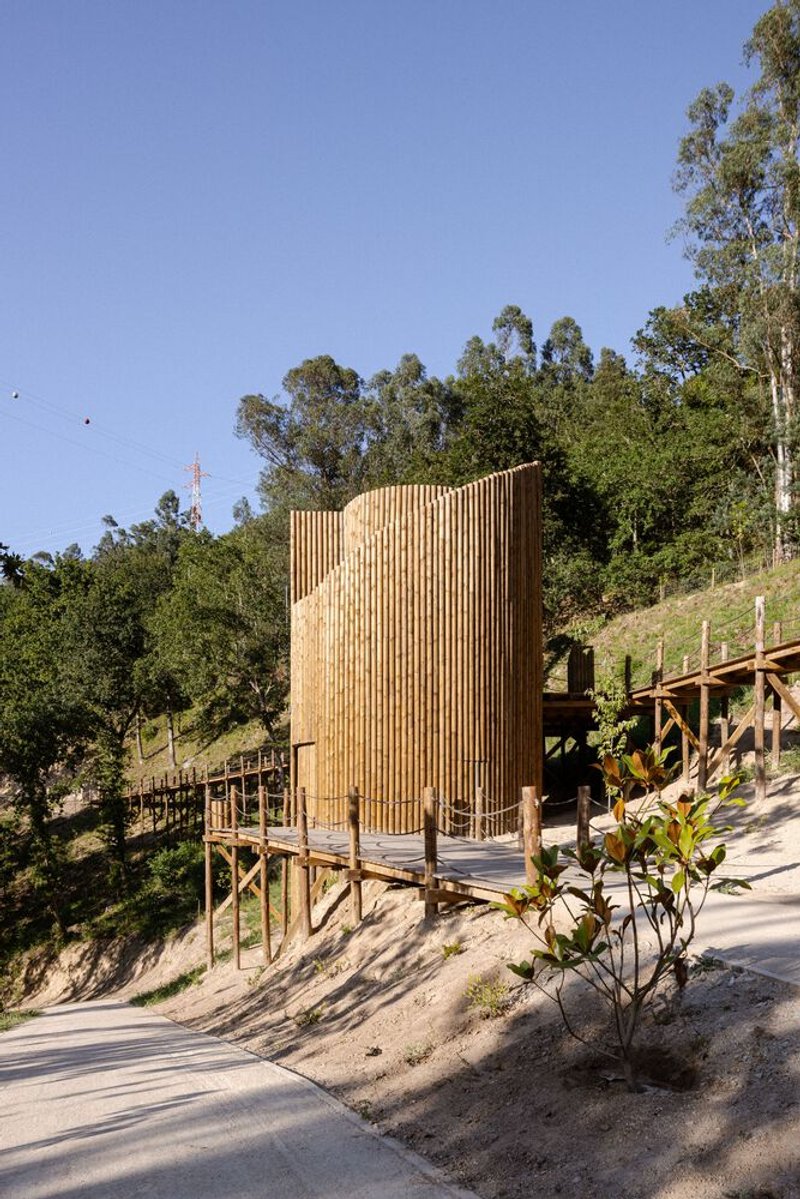
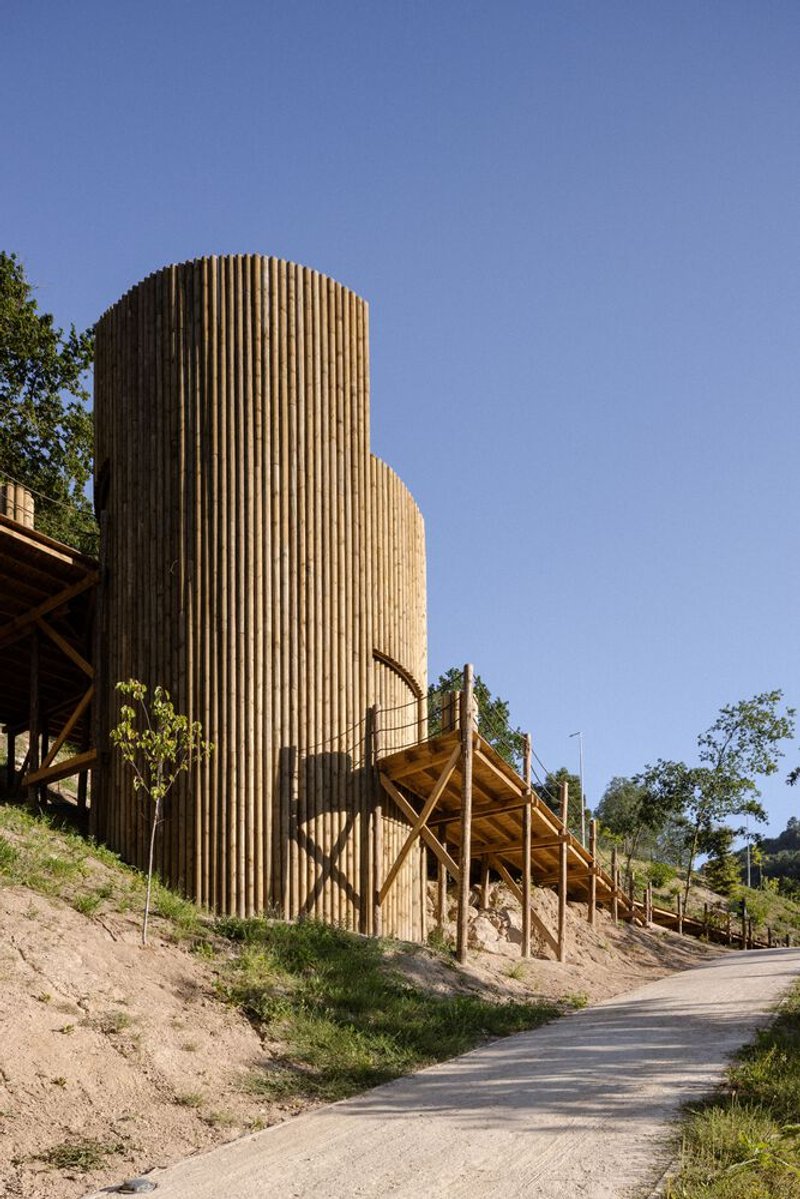
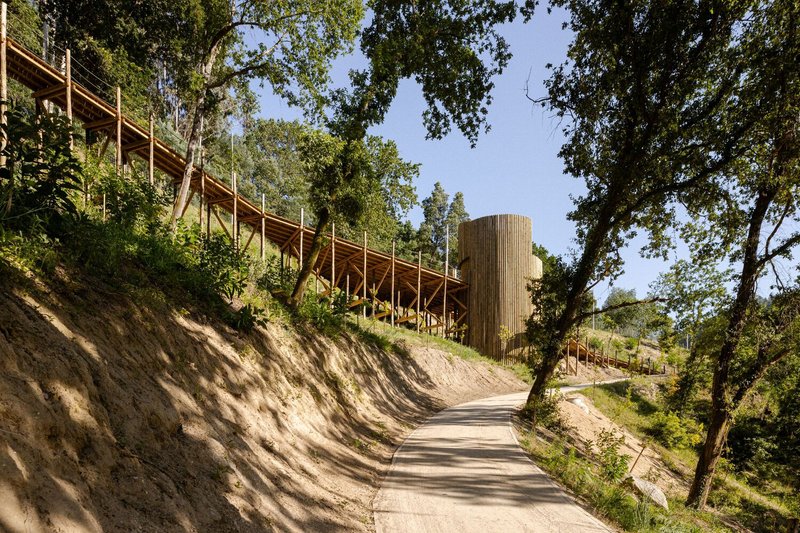
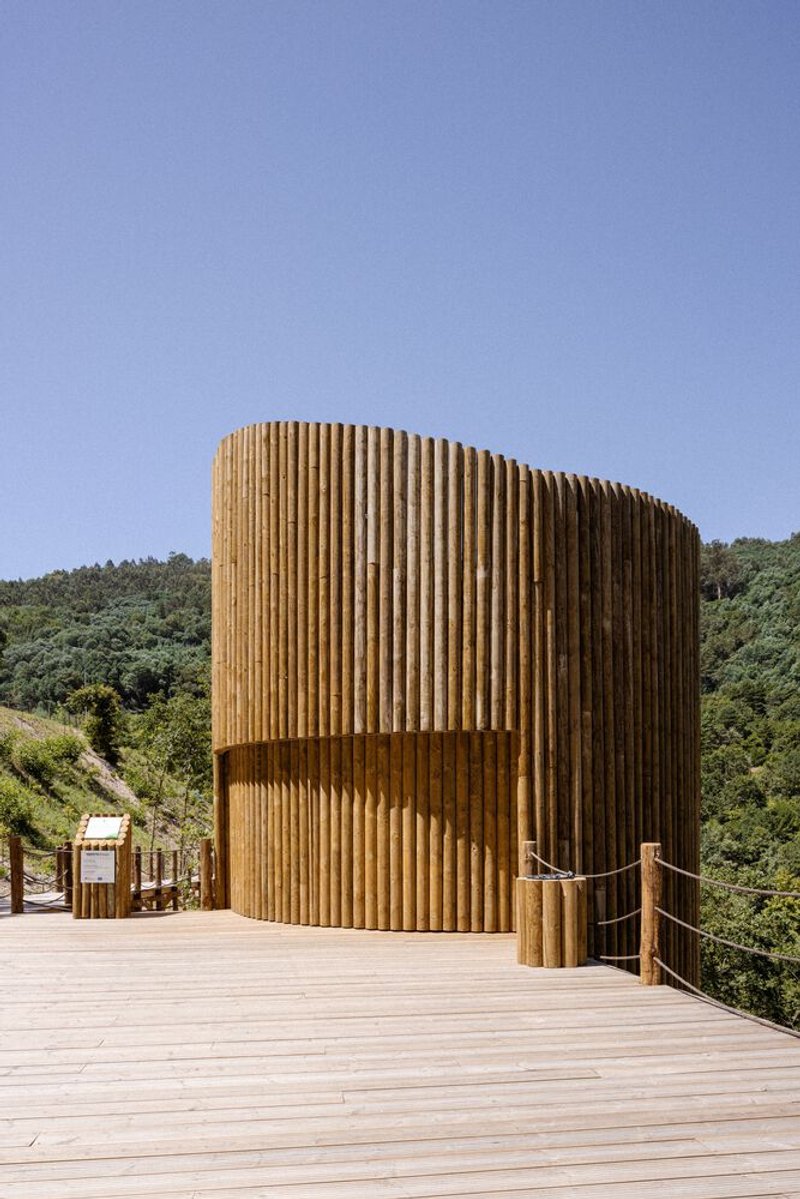
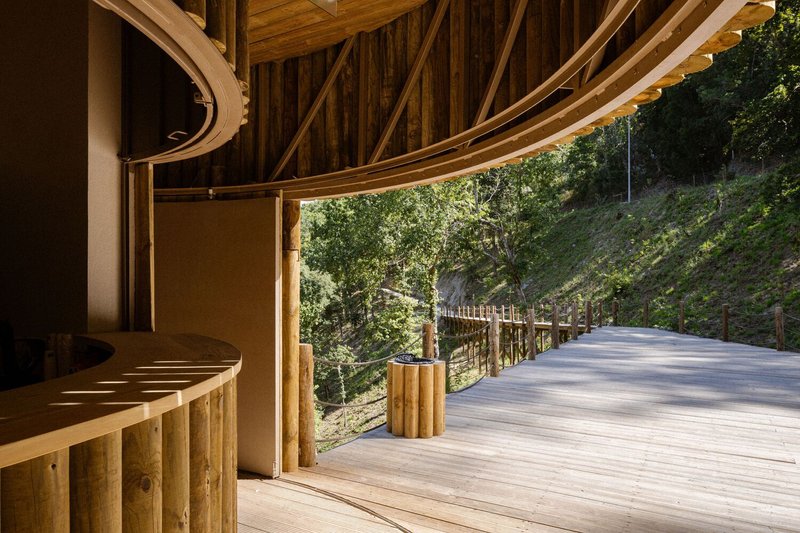
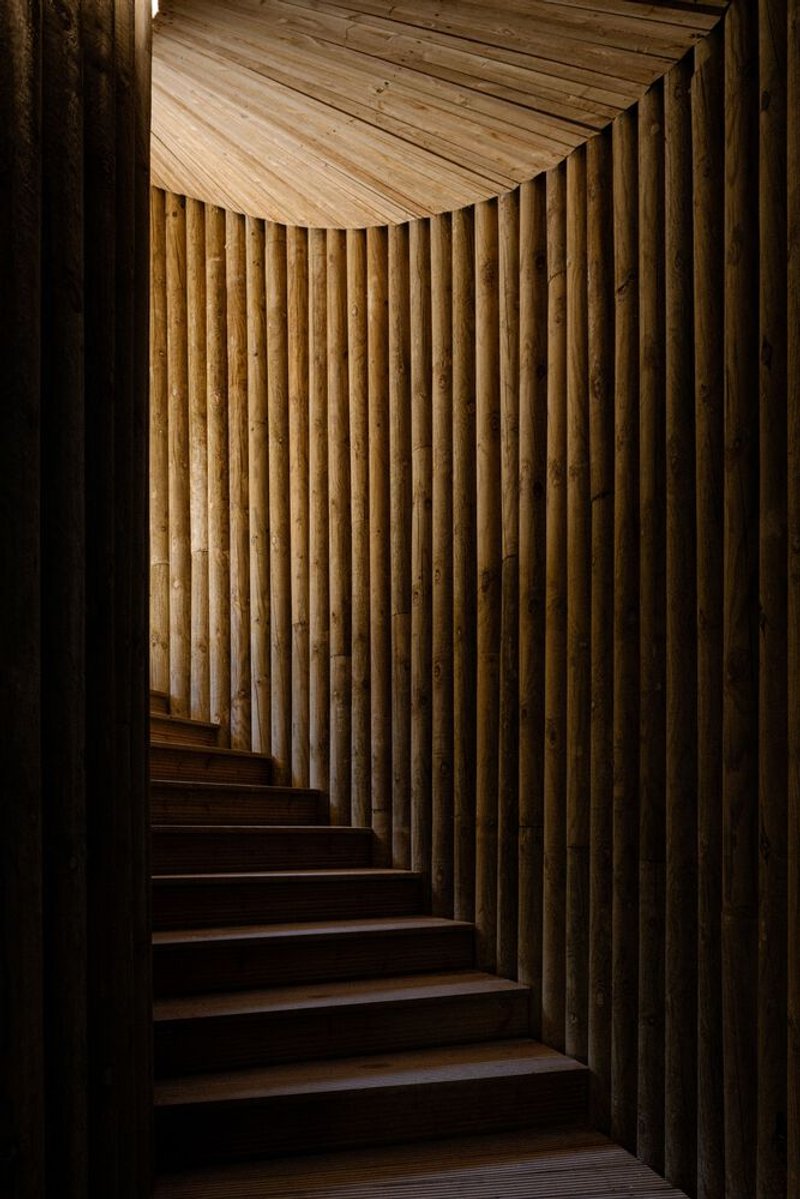
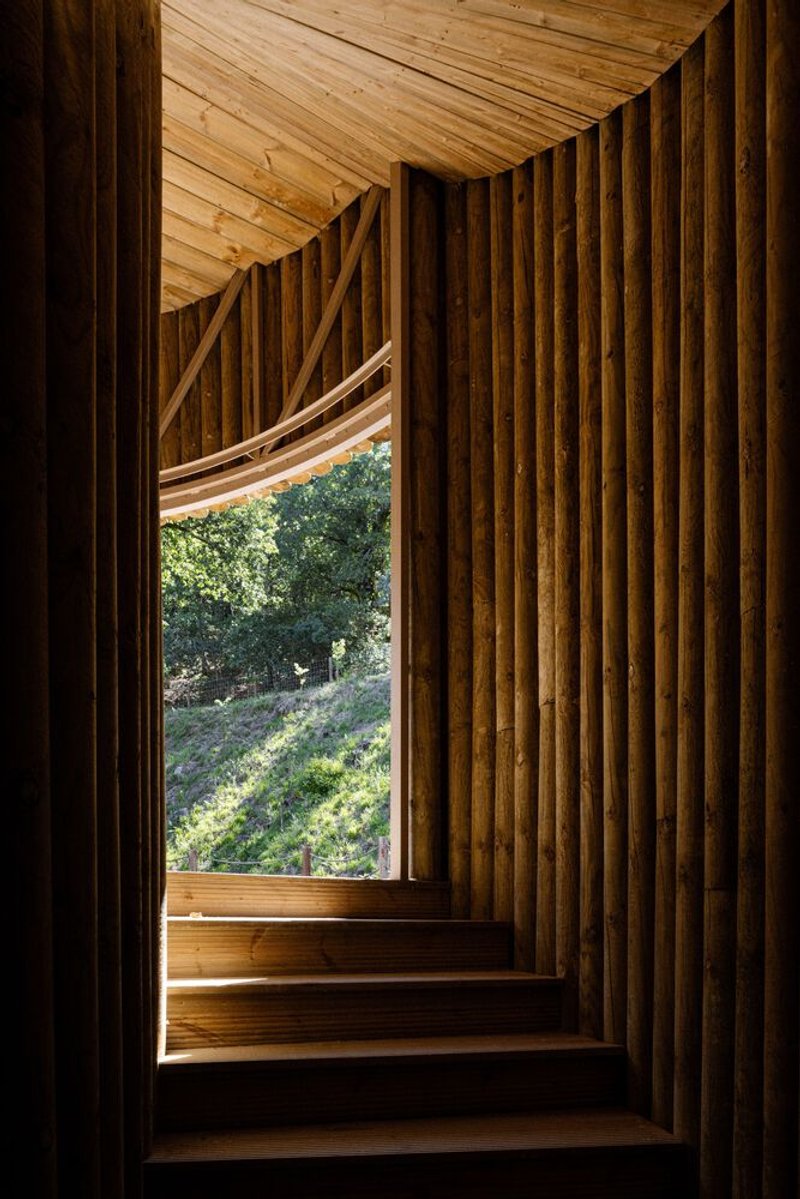
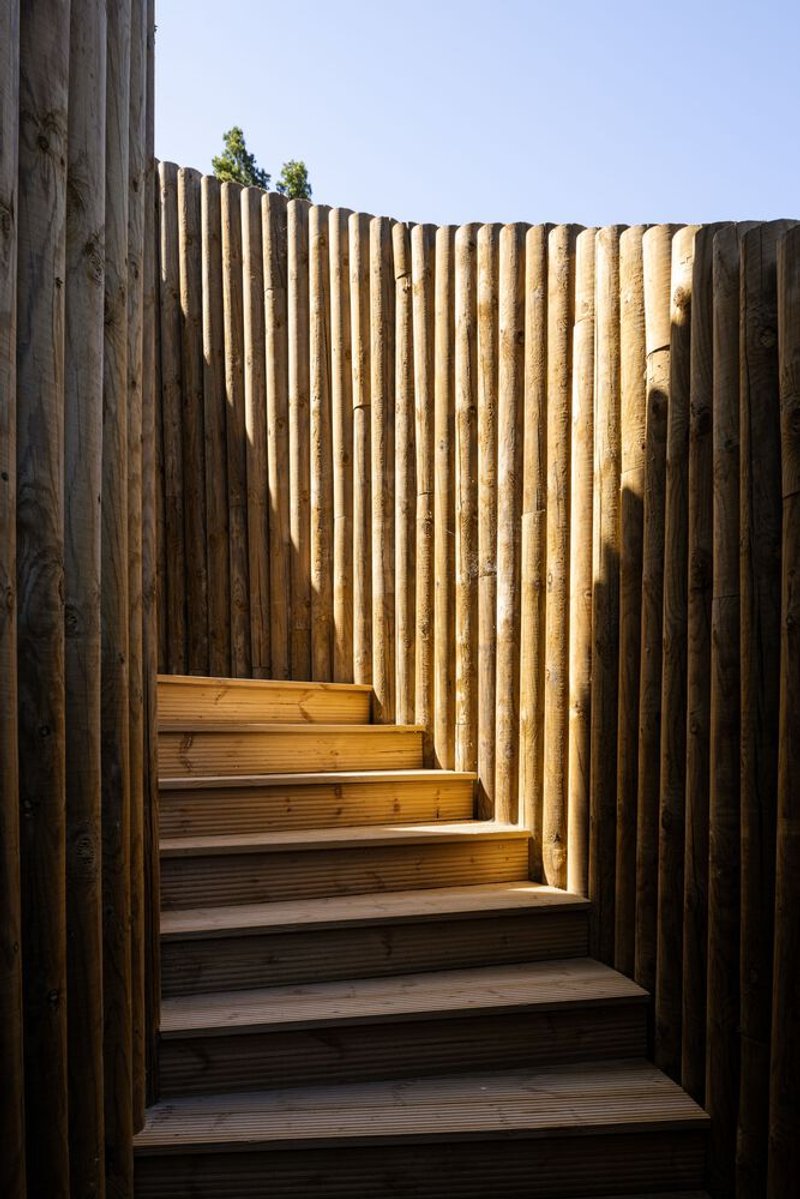
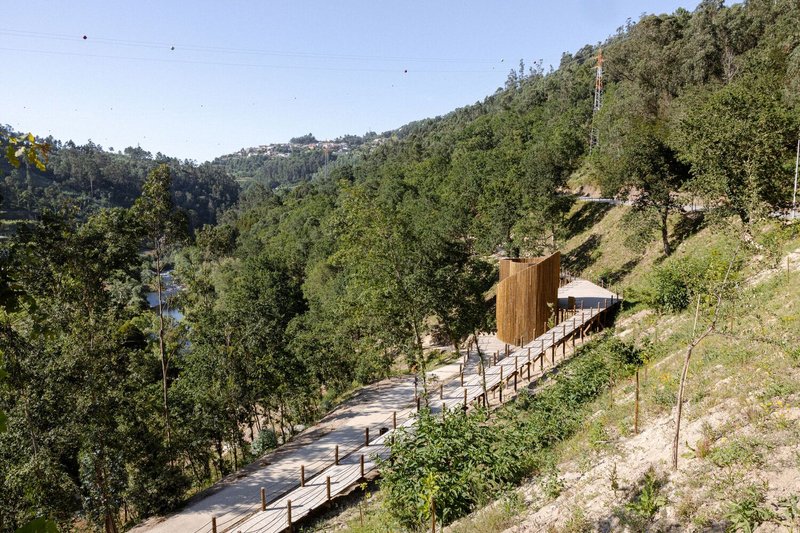
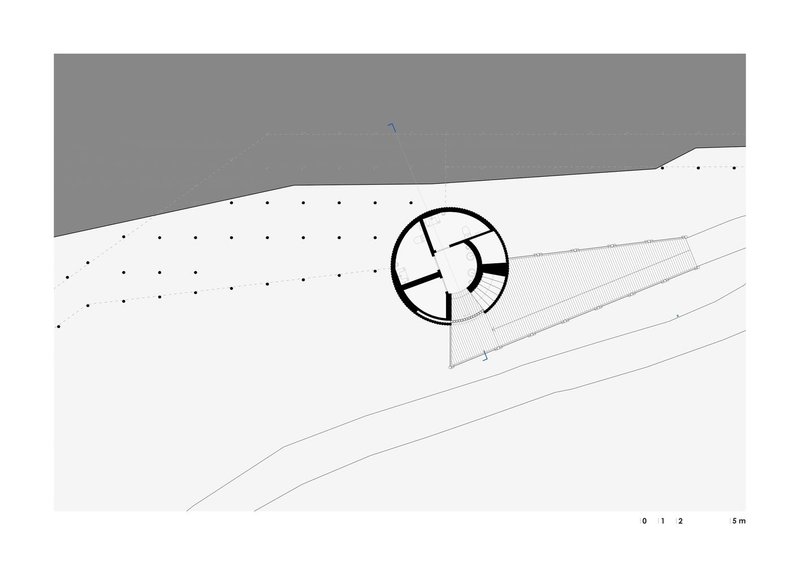
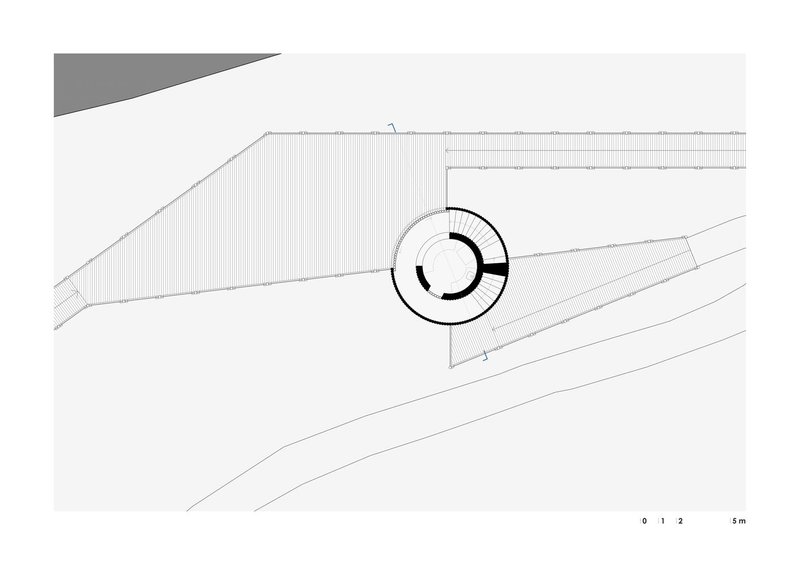
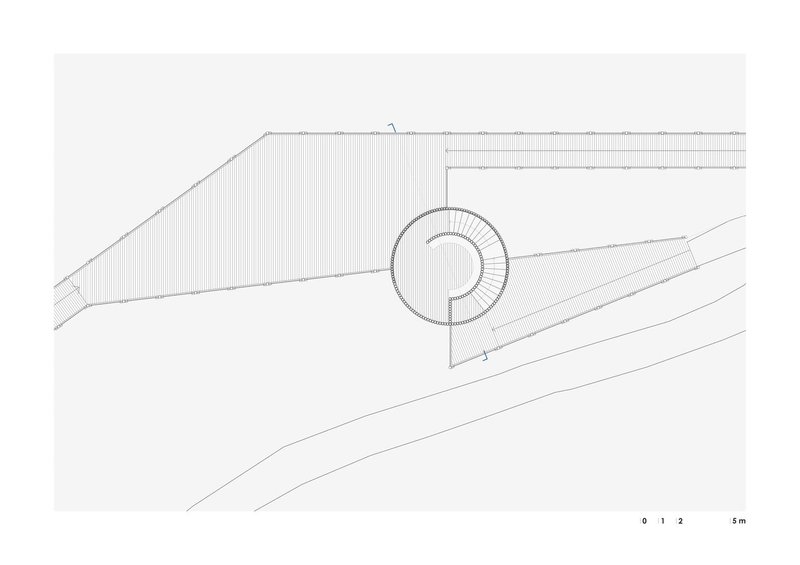
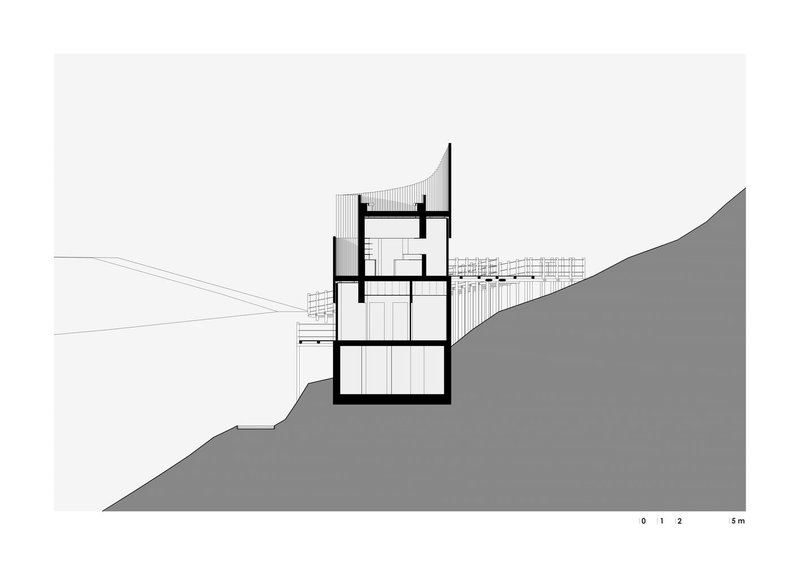
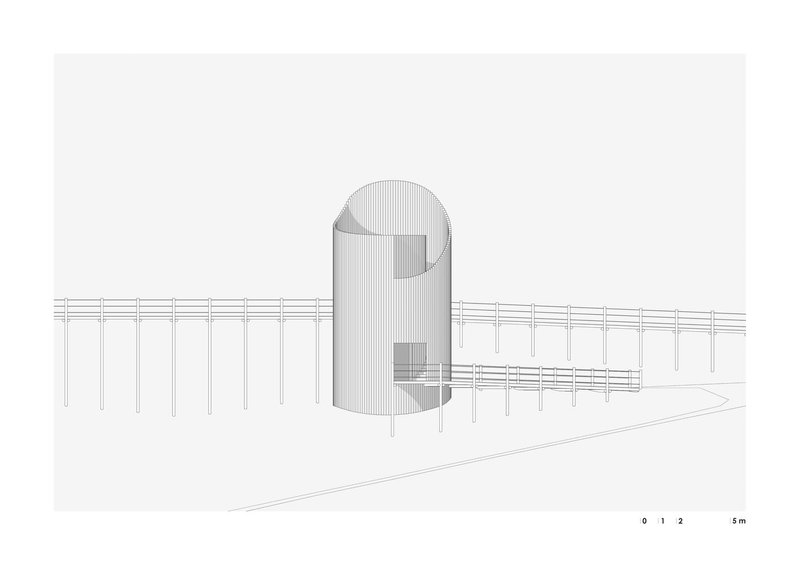
At the convergence of the park’s various pathways and thematic areas stands the central support building, a structure designed to resemble a tree trunk transformed into a habitable space. This sculptural building features a circular plan and three levels, each dedicated to different functions. The lower level houses technical and sanitary facilities, the middle level contains a bar that opens onto an outdoor terrace, and the upper level offers an open-air space for nature contemplation.
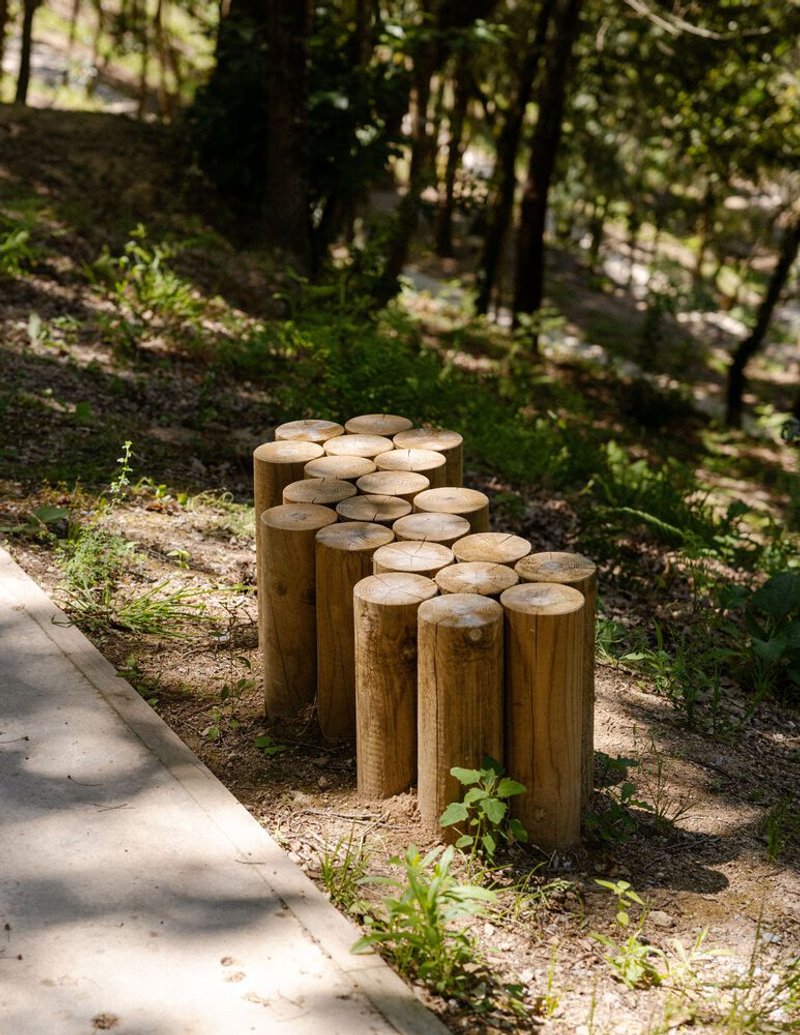
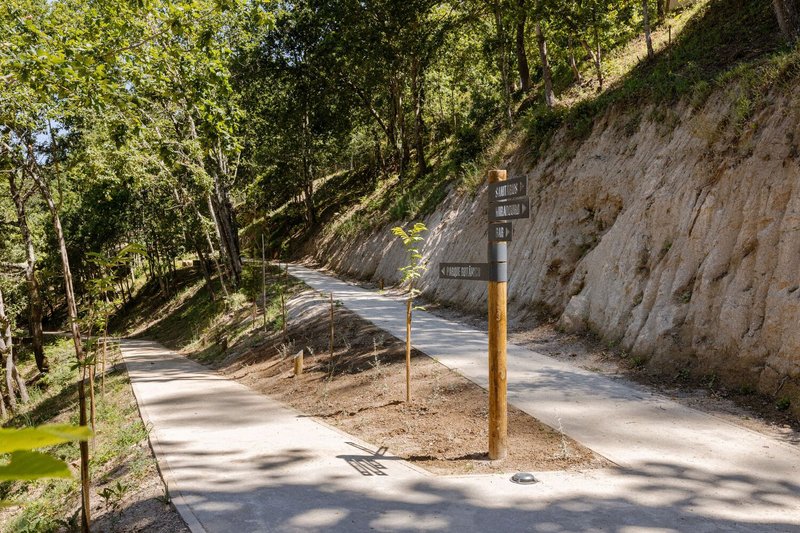
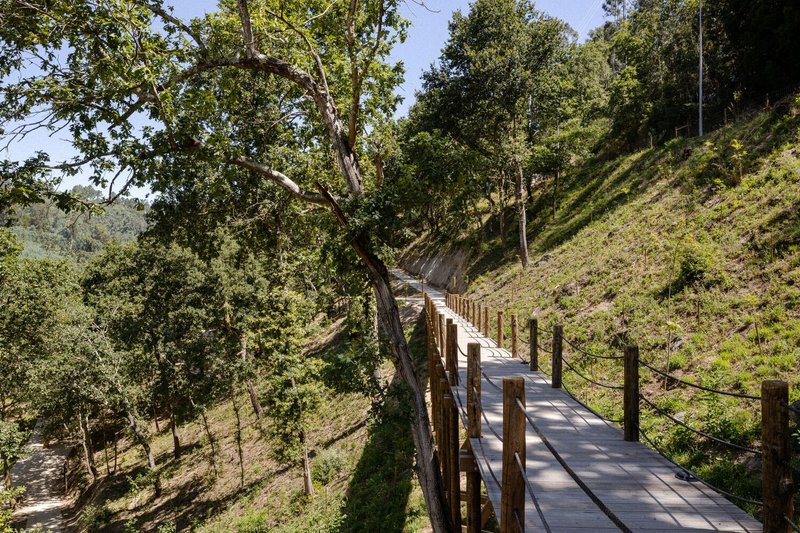
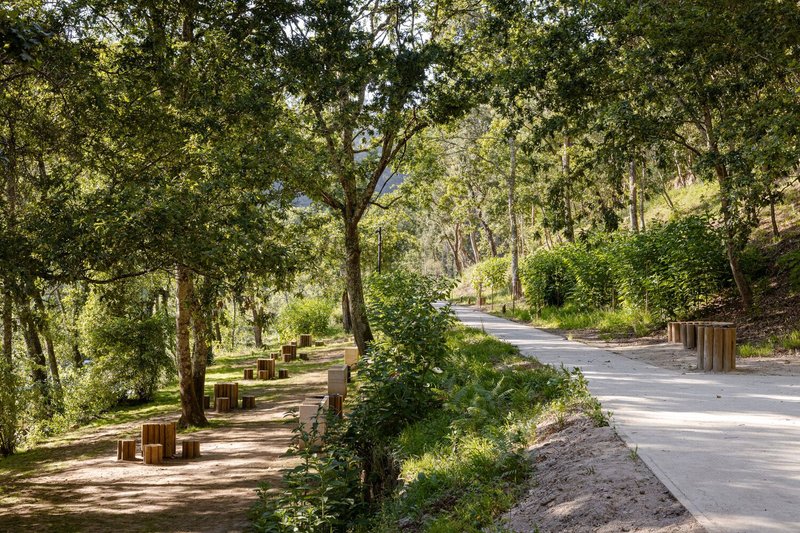
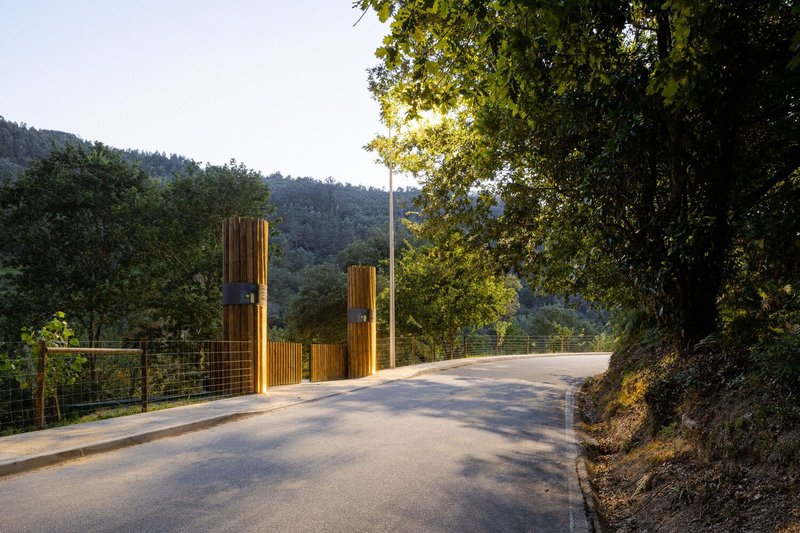
The material palette consists primarily of wood and gravel, ensuring that the built elements integrate seamlessly into the landscape. Wooden poles, reminiscent of tree trunks, form the structural basis for the building and outdoor furniture, allowing the architecture to naturally blend into its surroundings. Over time, these materials will weather and transform, further reinforcing the project's commitment to sustainability and organic integration.
Landscape and Thematic Areas
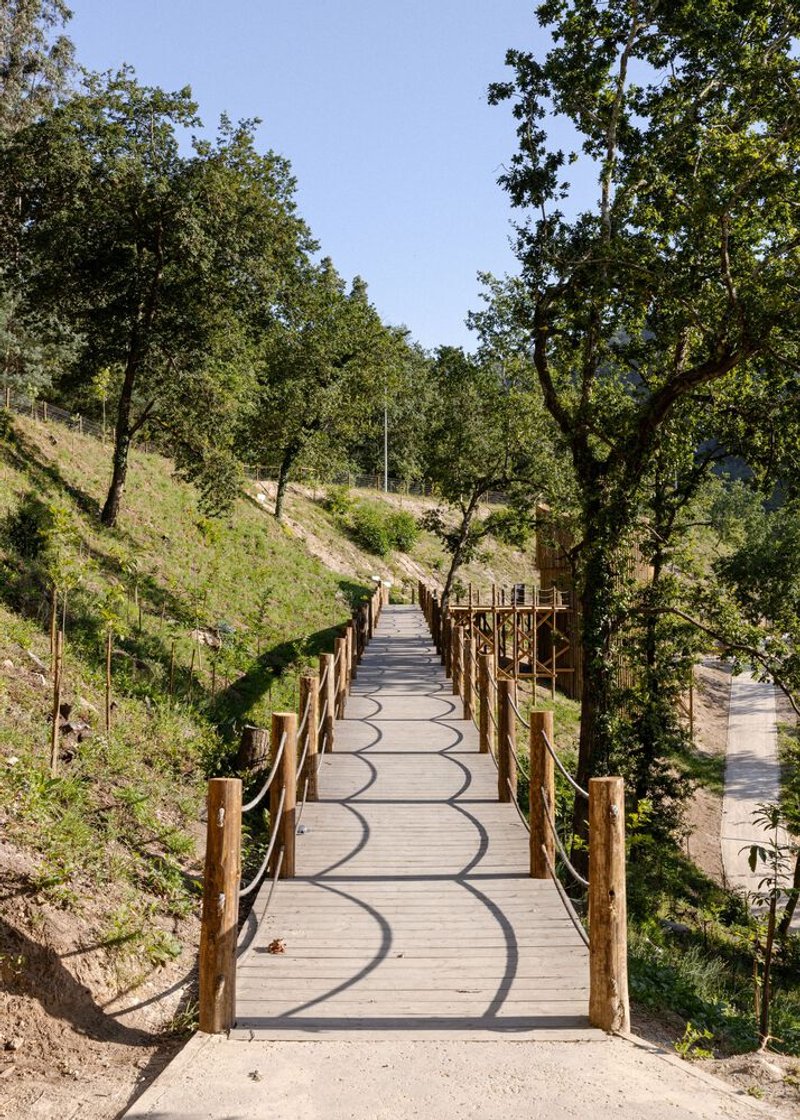
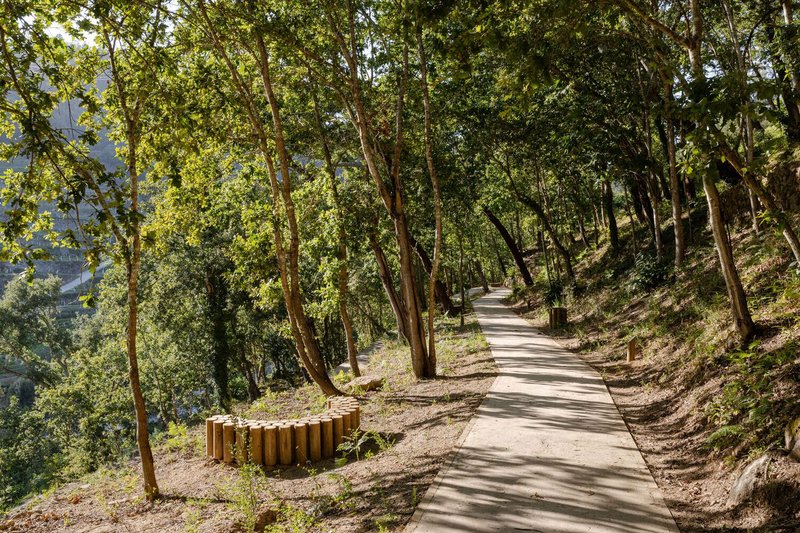
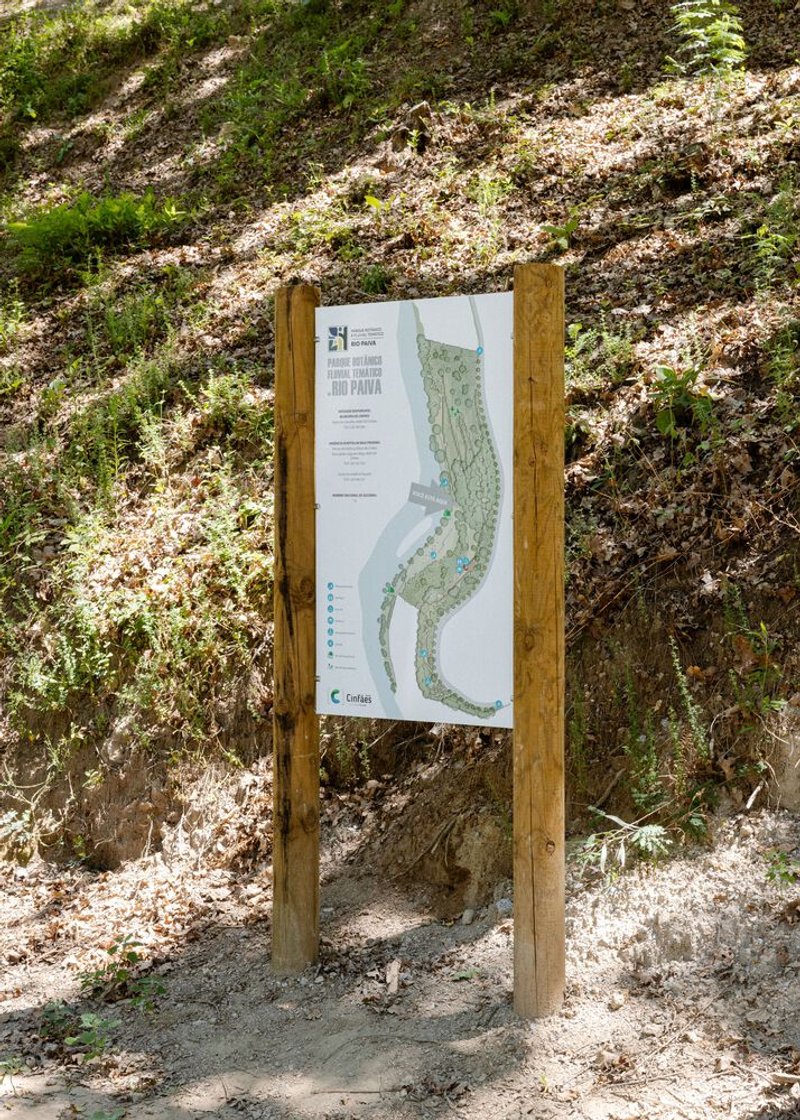
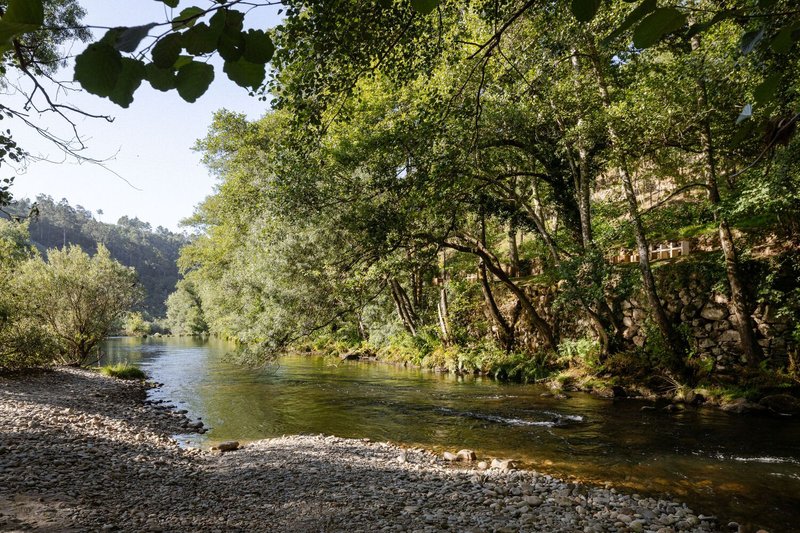
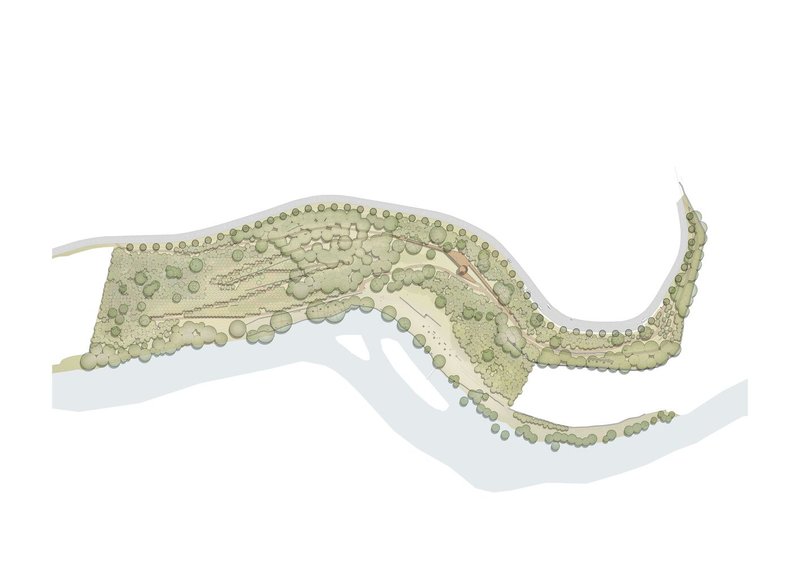
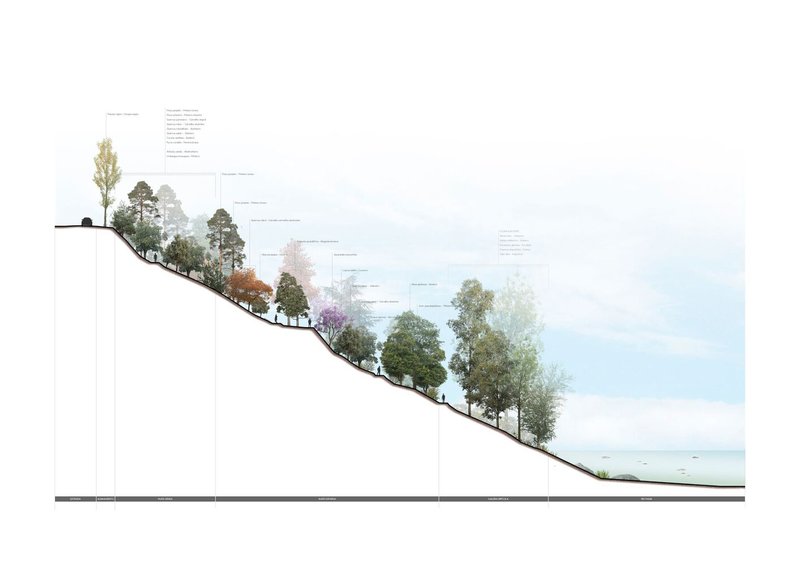
The park is structured around several distinct zones, each designed to highlight different aspects of the local environment. The ecotrail zone follows the municipal road, providing an alternative route for pedestrians and cyclists while linking terraced areas and camping sites. The river zone enhances access to the water, incorporating picnic spaces, fishing areas, and a restored stone platform that serves as a stage for cultural events. The botanical zone, rich in biodiversity, creates an immersive experience for visitors to explore native plant species through designated contemplation and discovery spaces.
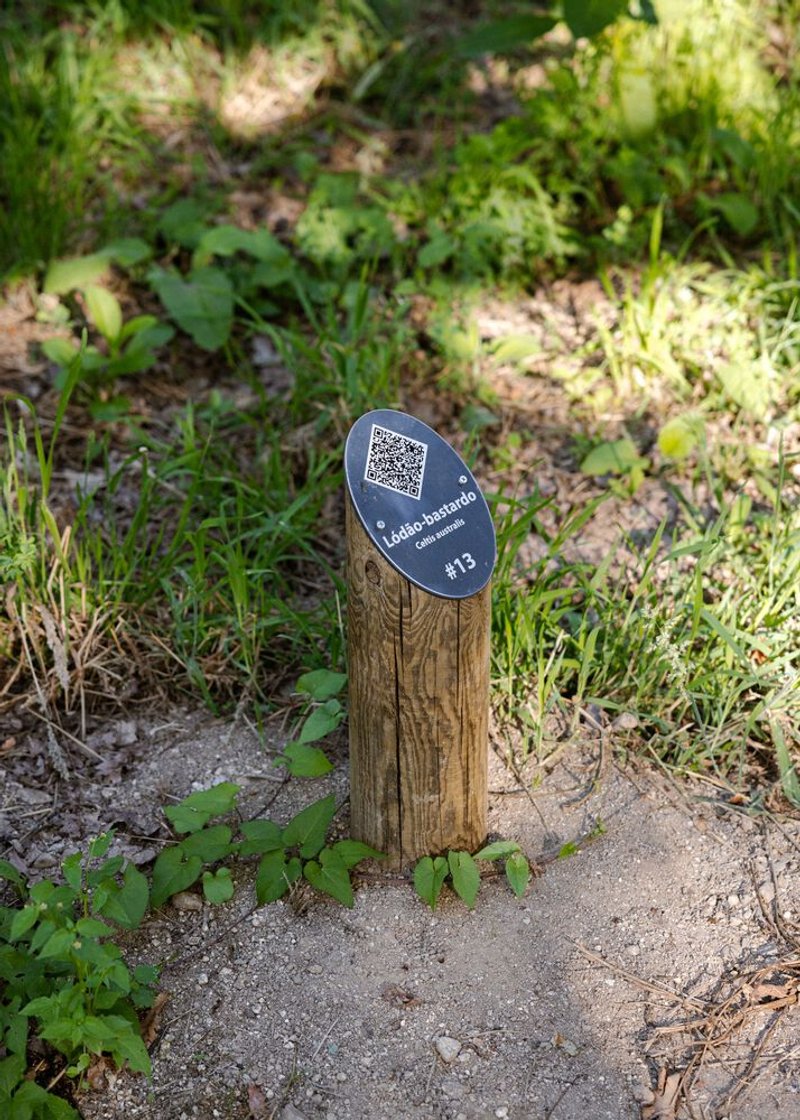
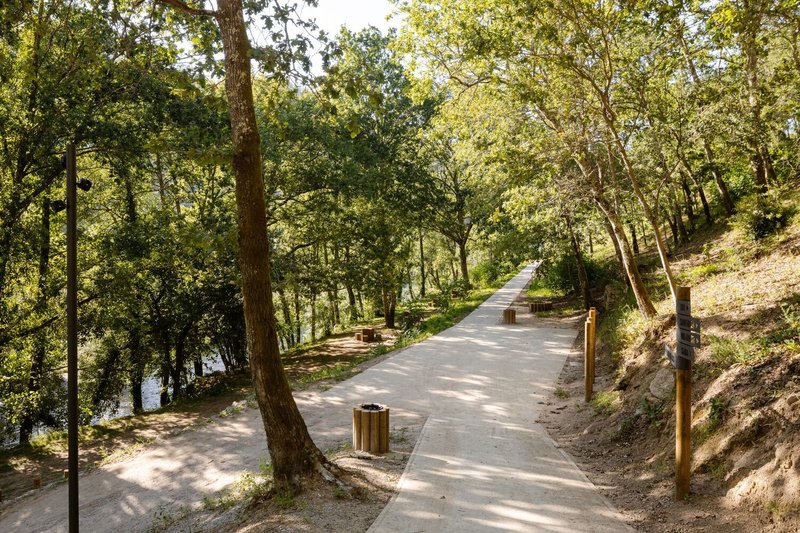
The interplay of light and shadow among the tree canopies, the vibrant seasonal colors, the scent of flora carried by the wind, and the gentle sound of the flowing river collectively shape the park's sensory experience. The design encourages visitors to engage with nature in a way that is both educational and meditative, reinforcing the role of landscape architecture in ecological and cultural preservation.
Sustainability as a Core Principle
Sustainability is at the heart of the Parque Botânico e Fluvial do Rio Paiva, evident in both its construction methods and environmental impact. The architects emphasized the preservation of the site’s natural topography, minimizing disruption to the existing landforms. Pre-existing stone walls and terraces were repurposed, reducing the need for new materials while maintaining historical continuity.
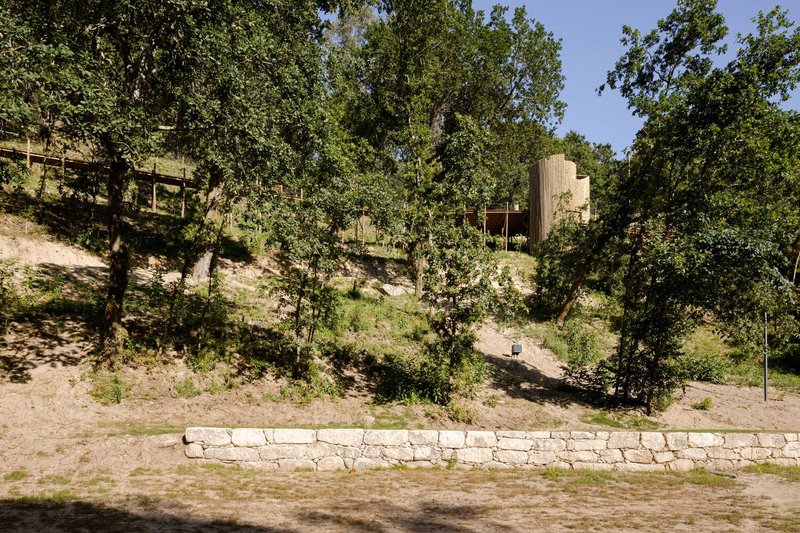
The choice of locally sourced natural materials ensures a low-carbon footprint, while passive design strategies such as natural shading and ventilation minimize energy consumption. By integrating nature-based solutions, the park not only provides a sustainable recreational space but also contributes to the region’s ecological resilience.
A New Paradigm for Landscape Architecture
The Parque Botânico e Fluvial do Rio Paiva represents a paradigm shift in landscape architecture, where the built environment is not imposed upon nature but rather emerges from it. This project exemplifies how architecture can serve as a mediator between human activity and ecological preservation, fostering spaces that are both functional and deeply connected to their surroundings.
By prioritizing sustainability, cultural heritage, and ecological restoration, the park sets a benchmark for future landscape interventions in Portugal and beyond. It stands as a testament to the idea that architecture should not merely be an act of construction, but a means to harmonize the artificial and the natural, cultivating a renewed sense of place.
The Parque Botânico e Fluvial do Rio Paiva by Paradoxo Arquitectura demonstrates the transformative power of sustainable landscape architecture. Through careful site restoration, thoughtful material selection, and a commitment to ecological integration, the project revitalizes a once-neglected riverside into a thriving natural and cultural destination. As cities and communities worldwide seek sustainable solutions for urban and rural landscapes, this project serves as an inspiring model for designing with nature, rather than against it.
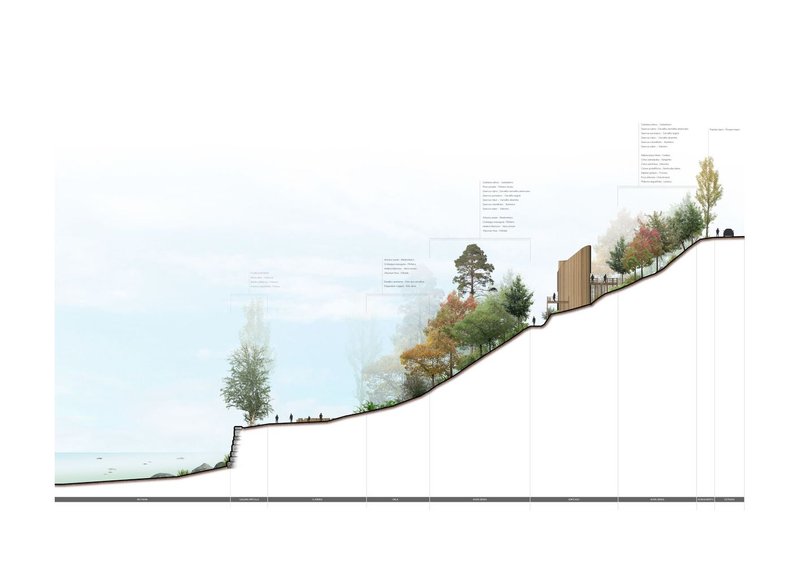
All photographs are works of Alexander Bogorodskiy



Popular Articles
Popular articles from the community


The Ken Roberts Memorial Delineation Competition (Krob)
As the most senior architectural drawing competition currently in operation anywhere in the world, it draws hundreds of entries each year, awarding the very best submissions in a series of medium-based categories.

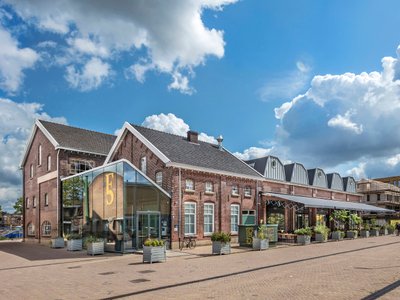
Fifth NRE Jazz Club – De Bever Architecten: Eindhoven’s Revitalized Cultural Hub
Historic gas factory transformed into Fifth NRE Jazz Club blending modern sustainability, jazz culture, dining, and heritage architecture seamlessly.

Free Architecture Competitions You Can Enter Right Now
No entry fees, real prizes. Here are the best free architecture competitions open for submissions in 2026.
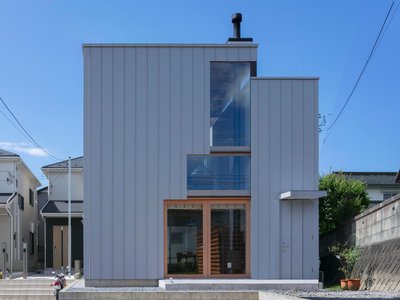
Split House: A Compact Urban Home Blending Privacy, Light, and Flexible Living in Japan
Compact Japanese home featuring DOMA space, flexible café potential, passive lighting, privacy zoning, and sustainable urban living design.


Similar Reads
You might also enjoy these articles

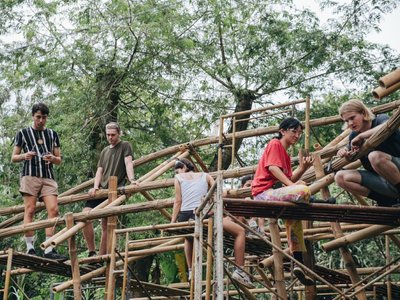
Bamboo Housing Challenge 2026: Design Affordable, Sustainable Homes Using Bamboo
An international design competition by Bamboo U and IBUKU inviting architects and designers to reimagine affordable housing using bamboo — with the winning design built full-scale in Bali.

Computational Design & Education: Beegraphy Design Awards Introduces 7th Category (Featuring Jiyun's Innovative Approach)
Dive into Beegraphy’s 7th Design Awards category, where computational design meets education to create immersive, interactive learning tools, inspired by Jiyun’s work.
From Parametric Lighting to Urban Furniture: Join the 2nd Workshop in Beegraphy’s Computational Design Series
Dive into Cutting-Edge Design Techniques and Practical Applications with Industry Experts


Explore Architecture Competitions
Discover active competitions in this discipline




The International Standard for Design Portfolios


The Global Benchmark for Architecture Dissertation Awards


The Global Benchmark for Graduation Excellence


Challenge to reimagine the Iron Throne
Comments (0)
Please login or sign up to add comments
No comments yet. Be the first to comment!