
Sustainable Renovation in Arrábida Natural Park: House by Branco del Río, Arquitectos
A minimalist, sustainable renovation by Branco del Río, integrating natural materials and a seamless connection with Arrábida Natural Park’s landscape.

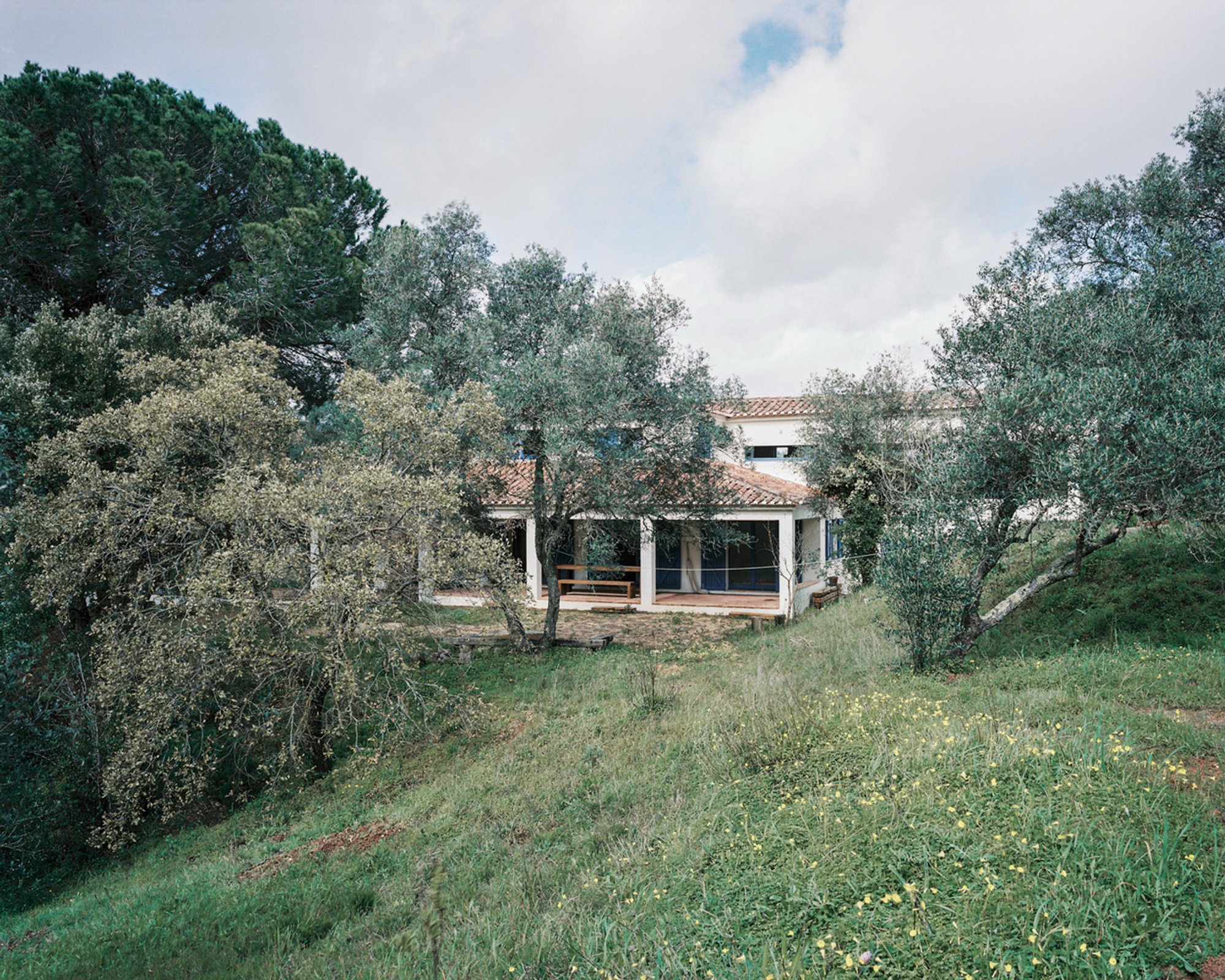
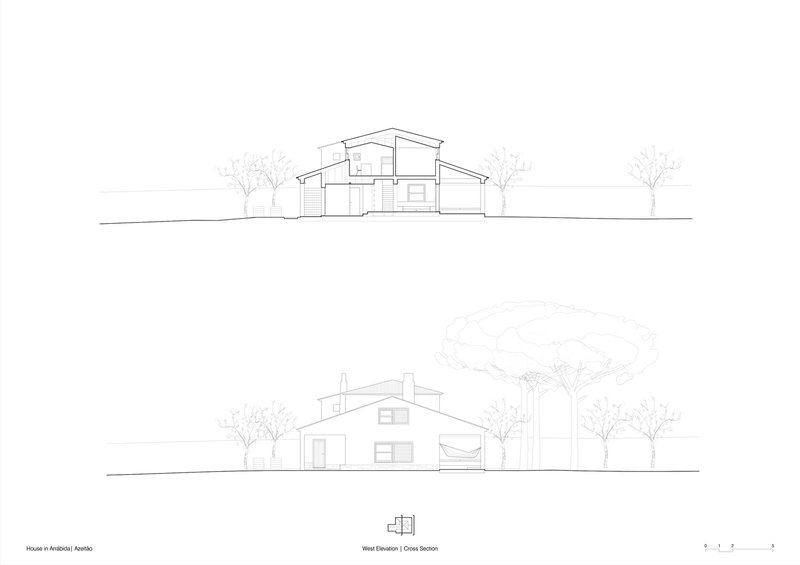
In the heart of Portugal’s Arrábida Natural Park, the House in Arrábida by Branco del Río Arquitectos stands as a model of sustainable renovation and minimalist design. This thoughtful intervention revitalizes a 1990s house while respecting its natural surroundings and the unique Mediterranean climate. The architects approached the project with precision, ensuring minimal demolition and an enhanced connection between architecture and landscape.
The Natural Context of Arrábida
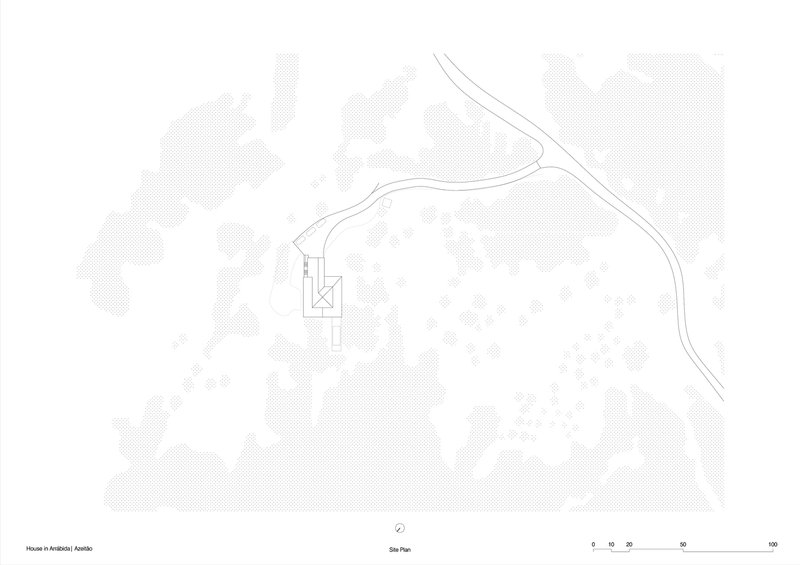
Arrábida Natural Park, located just 30 minutes from Lisbon and 10 minutes from the tranquil Portinho da Arrábida coast, offers a serene environment characterized by native flora, stone pine trees, and breathtaking natural beauty. The 4-hectare property is surrounded by robust vegetation, creating a calming atmosphere where time seems to slow down.
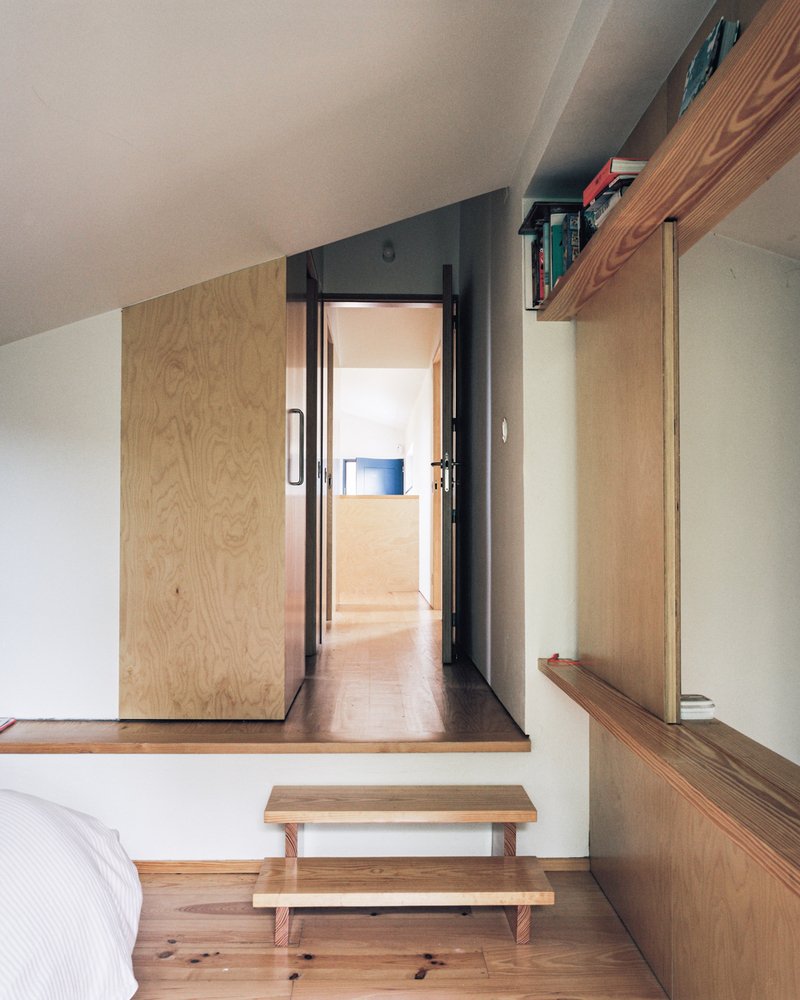
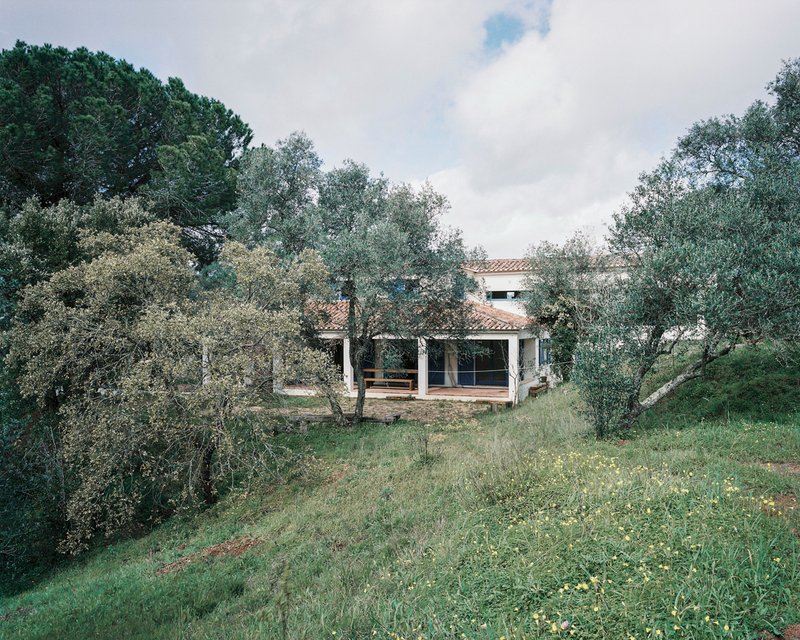
The original house, although located in such a privileged setting, lacked structural strength and spatial clarity. It suffered from successive additions and an inefficient design that failed to engage with the stunning context of Arrábida. This posed a unique challenge to the architects, who had to navigate a problematic pre-existing structure while preserving the site’s character.
Architectural Approach: A Focus on Minimal Intervention
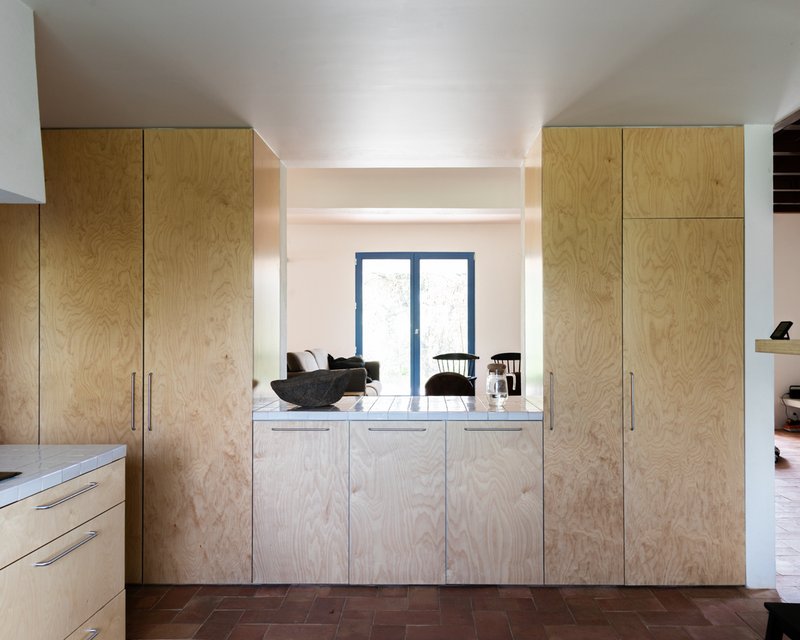
The strategy embraced by Branco del Río, Arquitectos, centered around sustainability, precision, and restraint. Instead of demolishing the flawed concrete structure, the architects opted for minimal, calculated changes that would transform the home into a harmonious, comfortable space.
The project was guided by three key principles:
- Maximize the Existing: Demolish only what was necessary to clarify the spatial organization of the house.
- Reconnect with Nature: Introduce visual connections to bring the surrounding landscape indoors, enhancing the home’s relationship with the park.
- Use of Natural Materials: Incorporate materials with excellent tactile qualities, mediating the connection between humans and the natural environment.
The architects recognized that the true value of the project was the place itself. By focusing on light interventions, they ensured that the landscape remained the focal point.
Spatial Reorganization and Connection with Nature
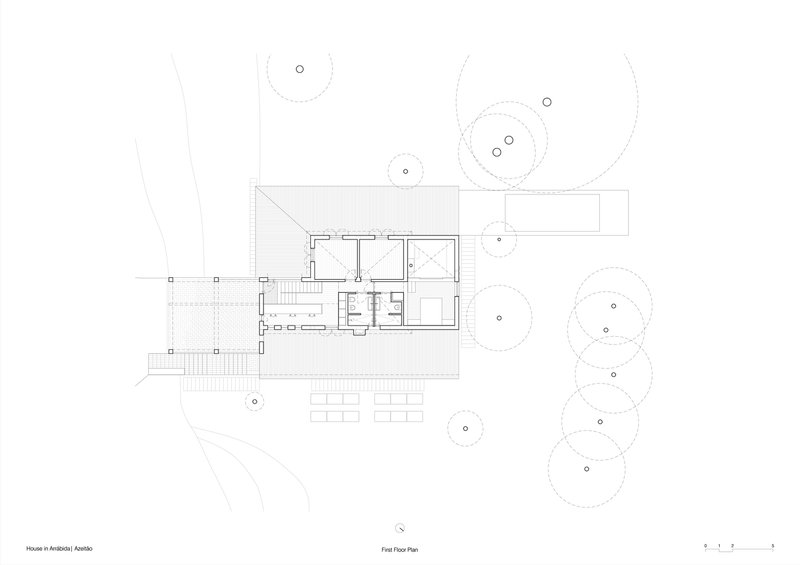
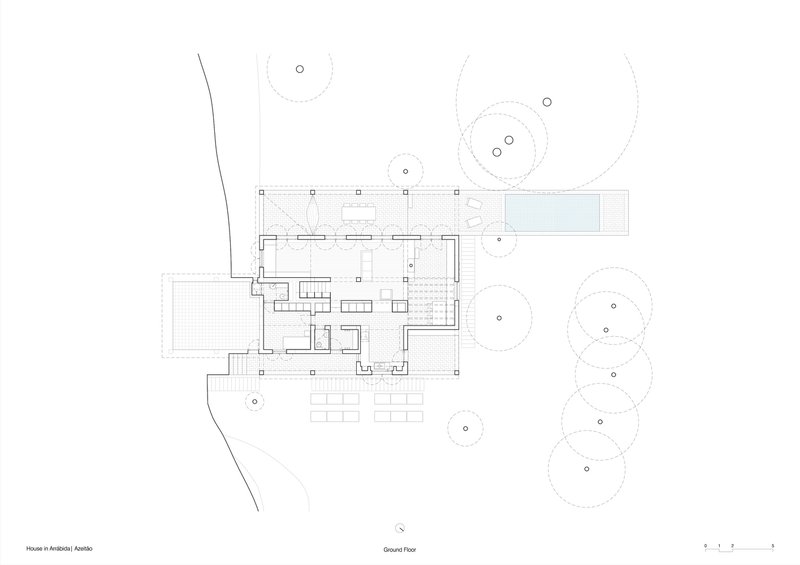
The original east-west organization of the house was preserved, with the layout thoughtfully adjusted to enhance comfort and functionality:
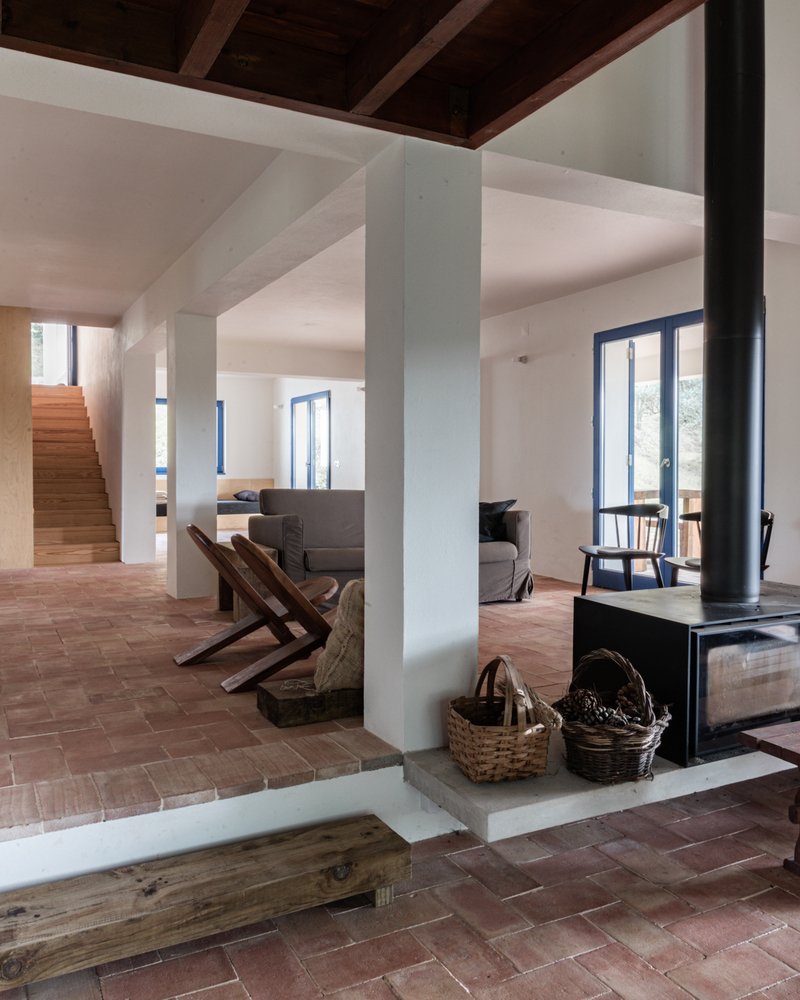
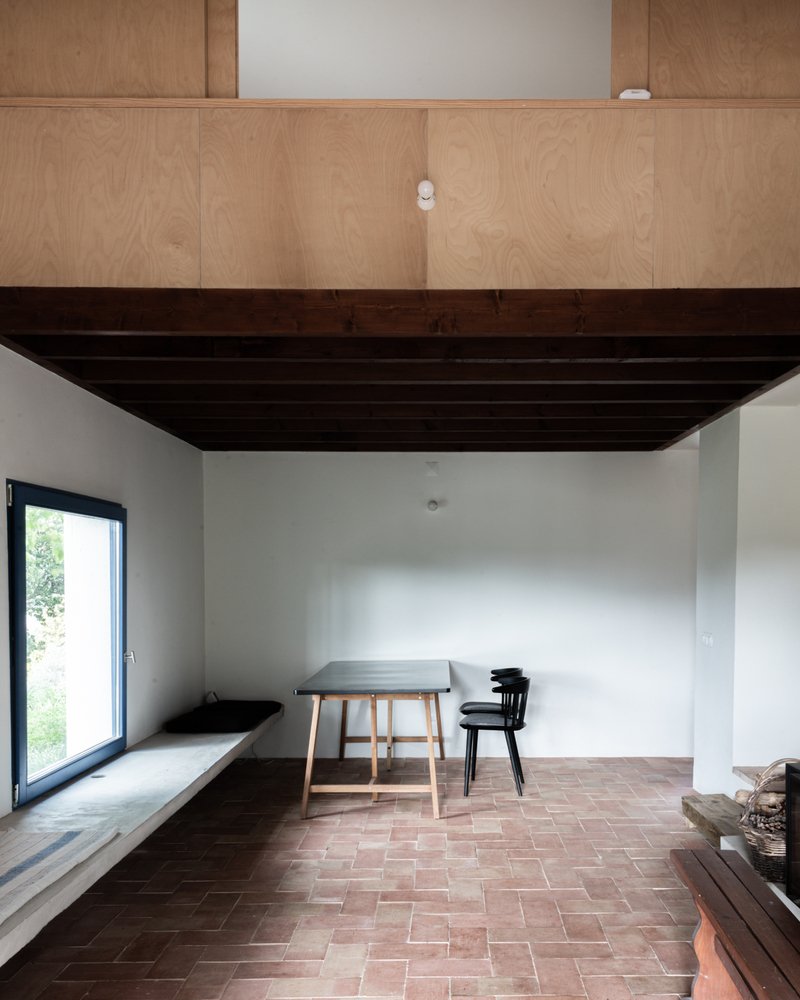
- Living spaces were oriented south to maximize natural light and views of the park.
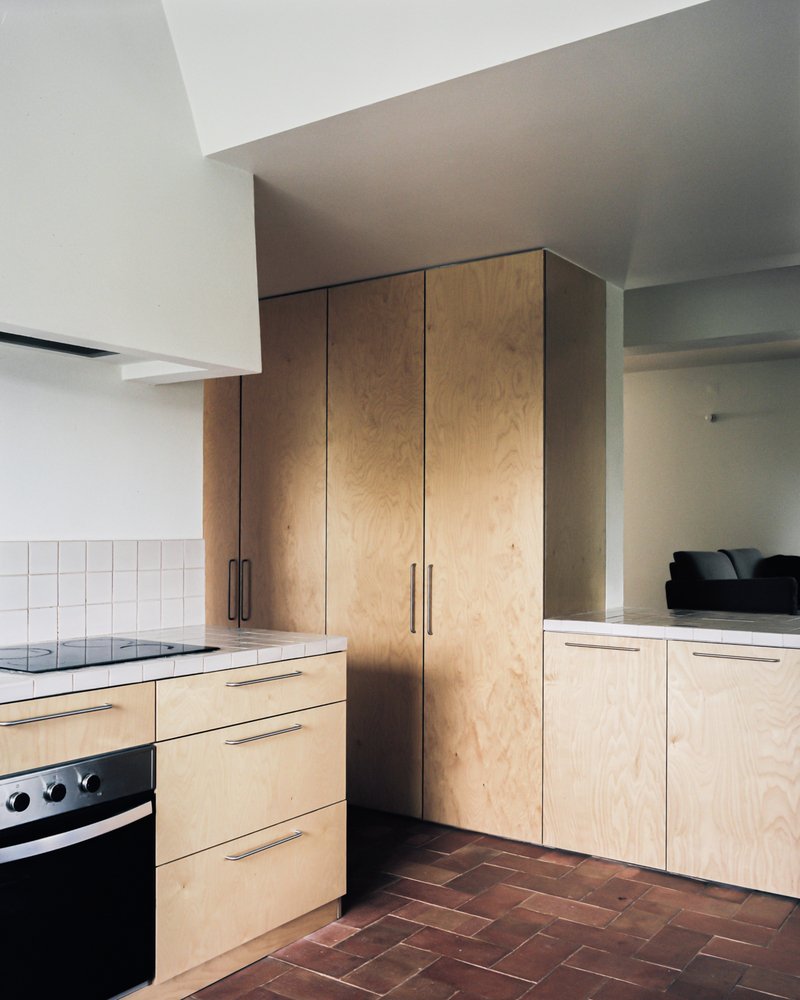
- Service areas were strategically placed to the north for improved efficiency and flow.
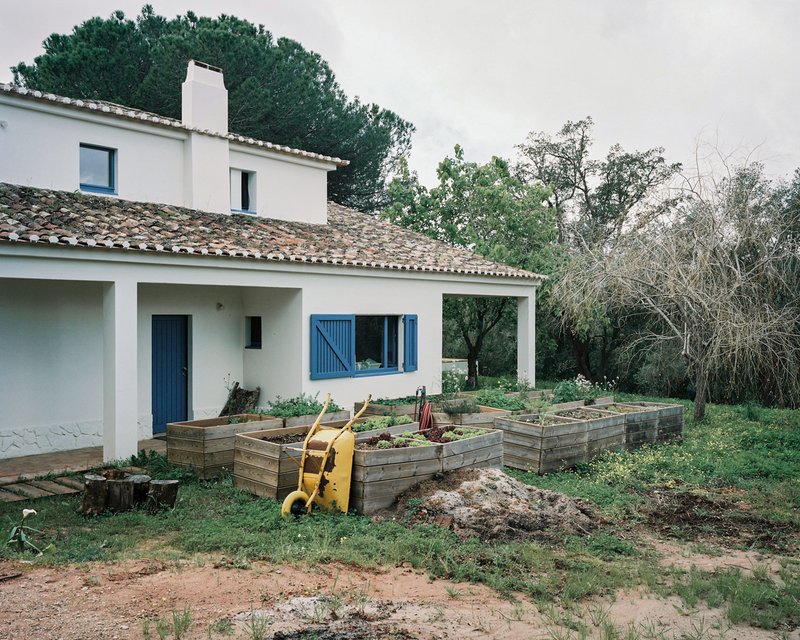
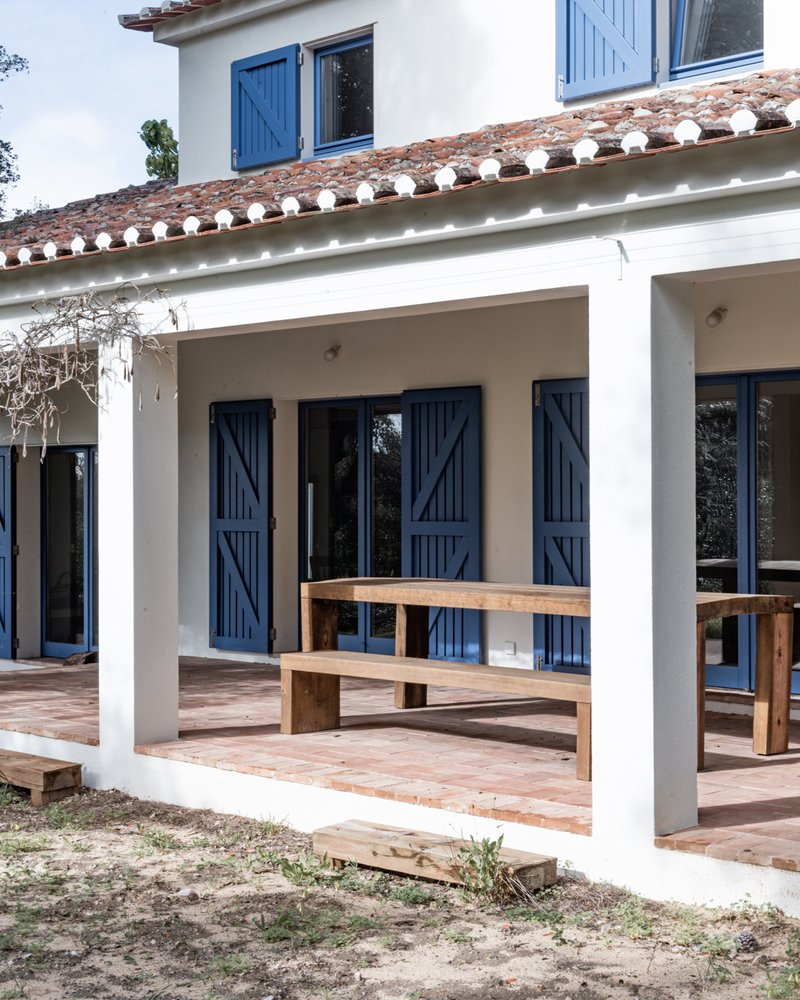
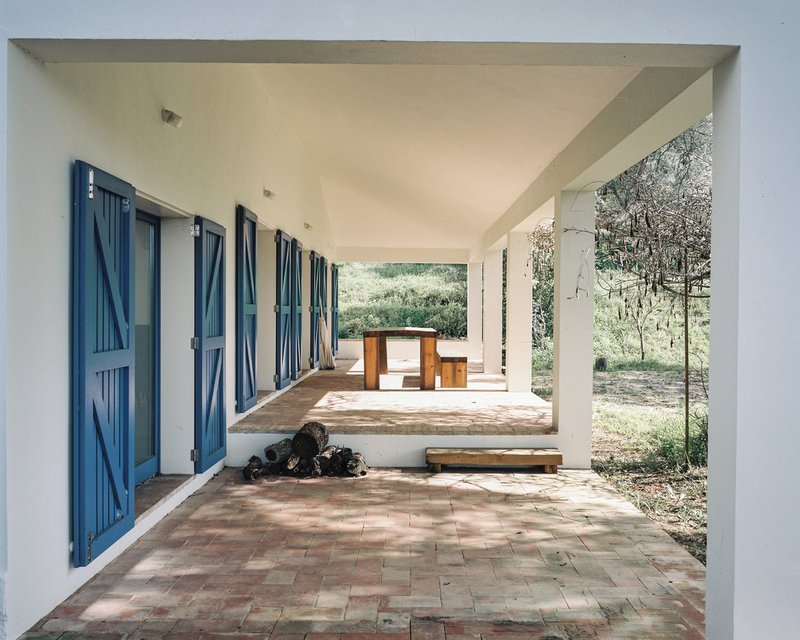
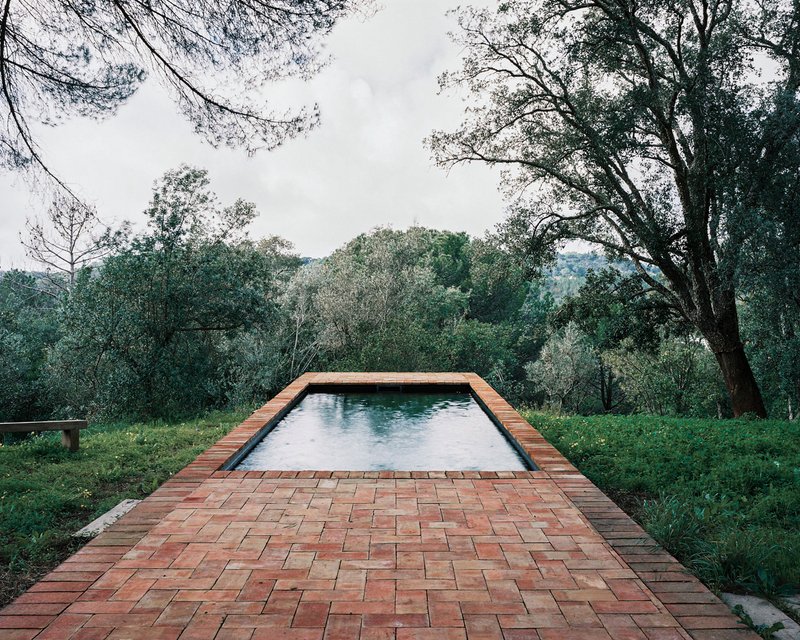
The south-facing porch, an integral element of the original house, was restored and expanded to include a water tank nestled among the trees. This outdoor feature functions as an “outdoor room,” where the cooled breeze naturally regulates the microclimate, providing a tranquil space for relaxation.
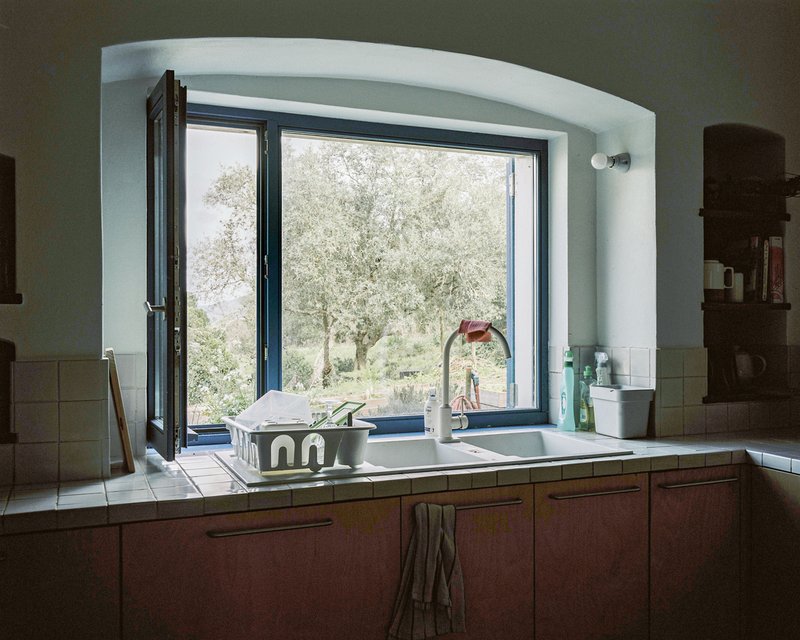
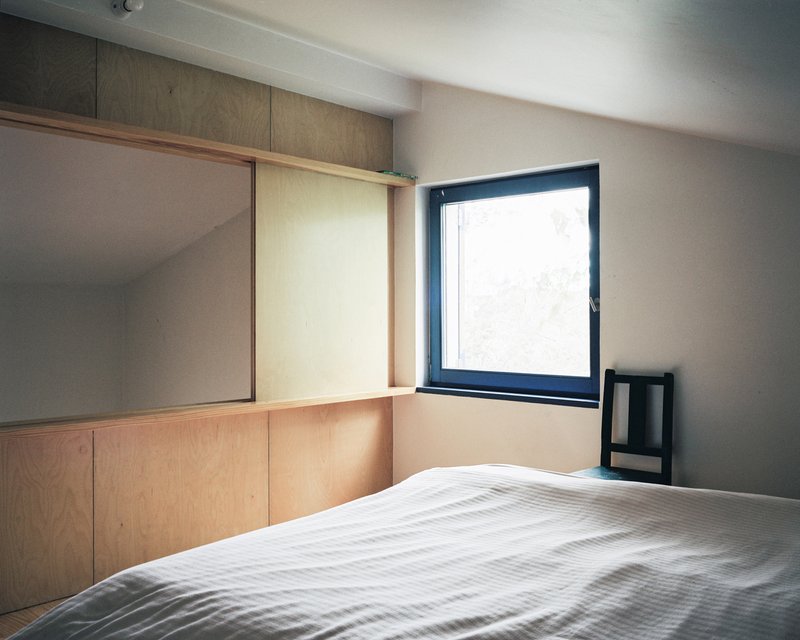
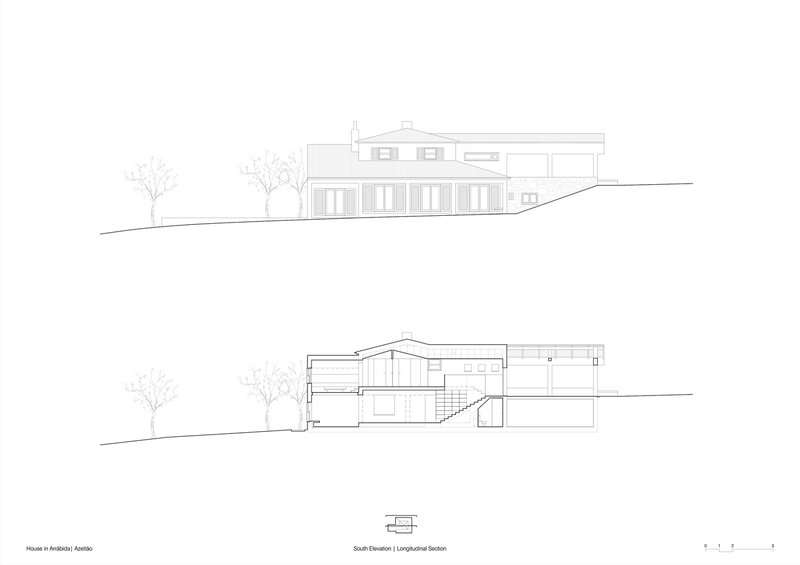
Throughout the renovation, the focus was on creating visual and physical connections to the outdoors. Carefully placed wooden windows capture strategic views of the surrounding landscape, while external wooden shutters allow for ventilation, shading, and thermal regulation. This thoughtful design ensures comfort in every season—shade and coolness in summer, and warmth in winter by exposing glass surfaces to sunlight.
Natural Materials for a Sustainable Design
The architects prioritized the use of natural, sustainable materials that offer comfort, beauty, and practical benefits.
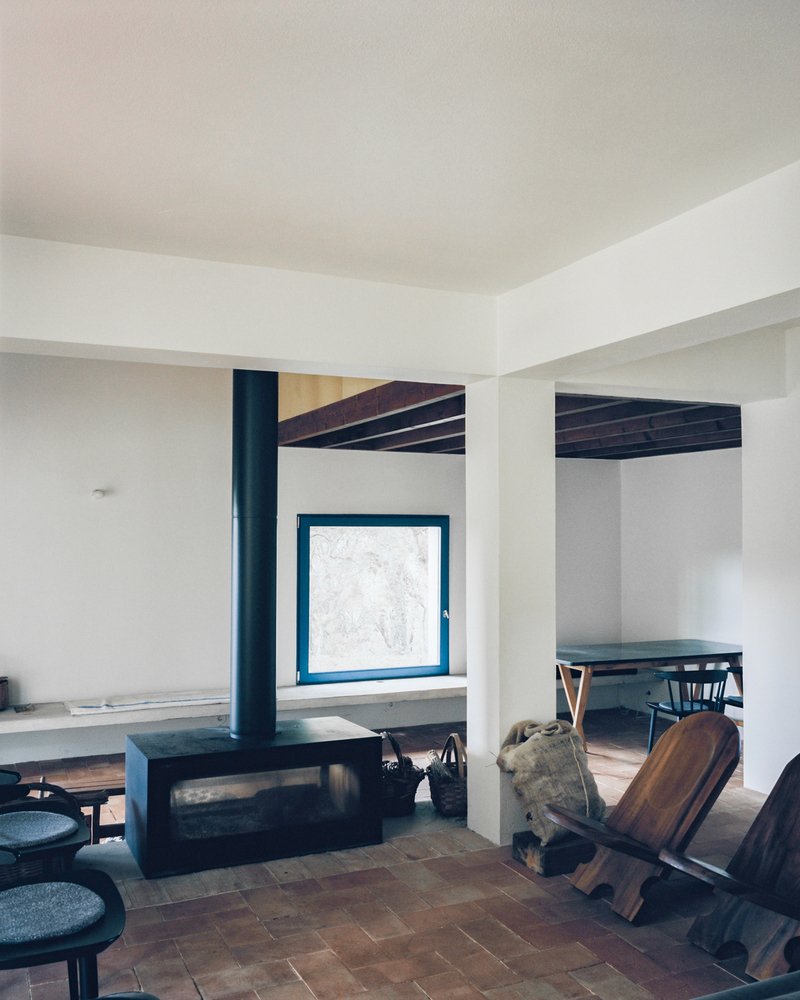
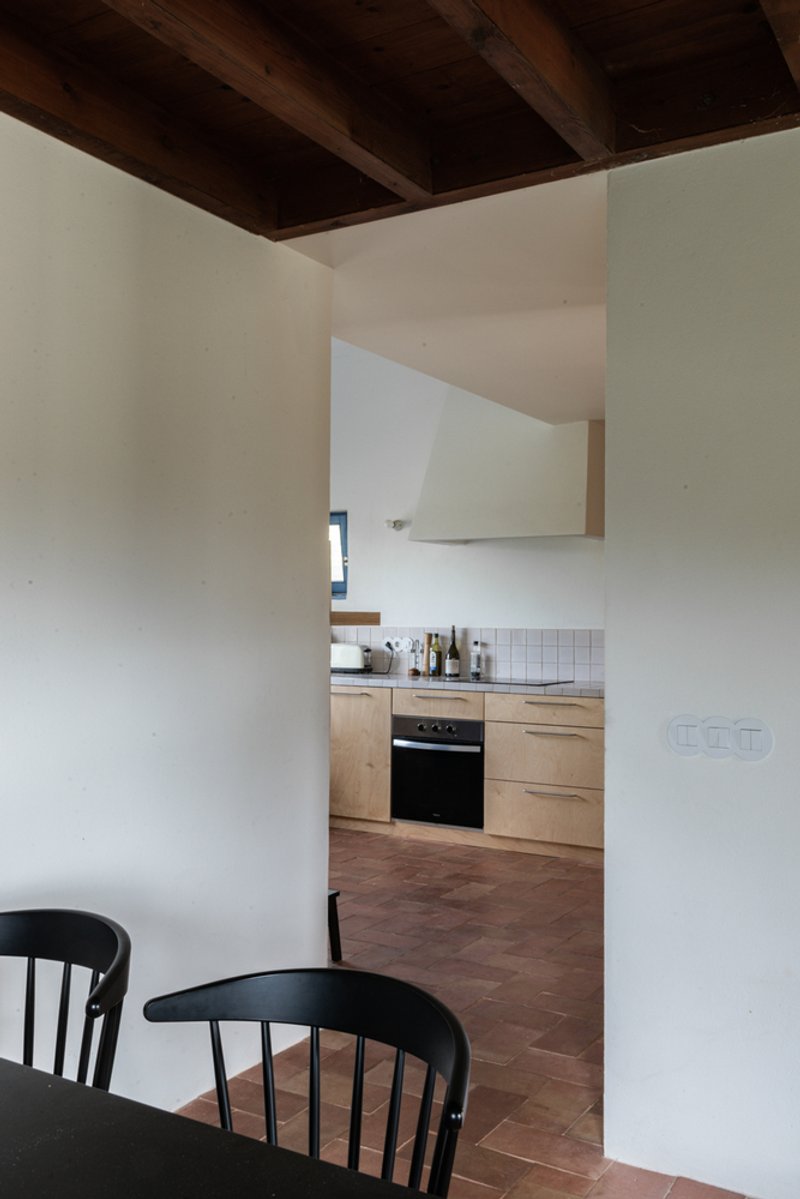
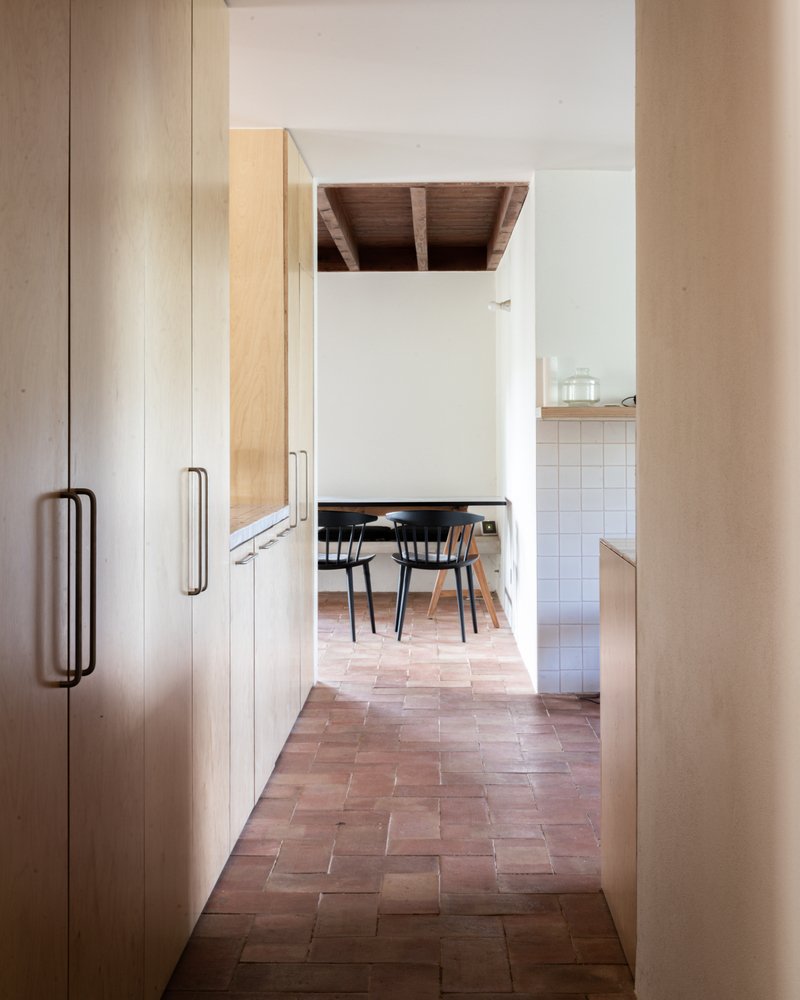
- The entire floor is covered with terracotta tiles, a natural material sourced nearby. These tiles are not only visually appealing but also provide excellent humidity regulation, acoustic absorption, and a tactile surface that connects occupants to the earth.
- Wooden windows and shutters further enhance the tactile experience while ensuring energy efficiency and visual harmony with the landscape.
The choice of materials reflects a commitment to sustainability, combining local craftsmanship with practical performance. The result is a home that feels both grounded and timeless.
Sustainable Living Through Minimalism
The House in Arrábida highlights how minimalist interventions can create a profound transformation. By choosing to work with the existing structure rather than replacing it entirely, Branco del Río, Arquitectos, minimized construction waste and environmental impact.
This approach aligns with modern sustainable development principles, demonstrating that preserving and enhancing existing architecture can lead to more interesting and environmentally responsible outcomes than new builds. The home now serves as a comfortable, serene retreat that blends seamlessly into its natural surroundings.
The House in Arrábida by Branco del Río, Arquitectos, is a testament to the power of sustainable renovation. Through minimal interventions, the architects transformed a structurally deficient house into a harmonious space that celebrates its natural setting. By prioritizing natural materials, spatial clarity, and a strong connection to the outdoors, the project sets a benchmark for sensitive architectural design in protected landscapes.
This renovation proves that respecting the existing environment, working with pre-existing structures, and embracing sustainability can result in timeless, elegant architecture that honors both place and purpose.




Popular Articles
Popular articles from the community

Free Architecture Competitions You Can Enter Right Now
No entry fees, real prizes. Here are the best free architecture competitions open for submissions in 2026.

Gads Hill Early Learning Center by JGMA: Adaptive Reuse Shaping Community-Focused Educational Architecture
Adaptive reuse transforms fragmented structure into vibrant early learning center with playful façade, natural light, and community-focused sustainable design.
Inverted Architecture Installation by Studio Link-Arc: Exploring the Intersection of Architecture and Living Organisms
Inverted Architecture Installation by Studio Link-Arc blends mycelium, sustainability, inverted design, ecological cycles, and urban adaptive architecture in Shenzhen.
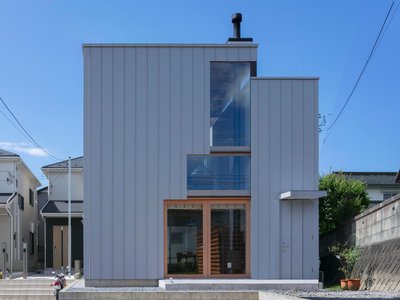
Split House: A Compact Urban Home Blending Privacy, Light, and Flexible Living in Japan
Compact Japanese home featuring DOMA space, flexible café potential, passive lighting, privacy zoning, and sustainable urban living design.


Similar Reads
You might also enjoy these articles

The Ken Roberts Memorial Delineation Competition (Krob)
As the most senior architectural drawing competition currently in operation anywhere in the world, it draws hundreds of entries each year, awarding the very best submissions in a series of medium-based categories.
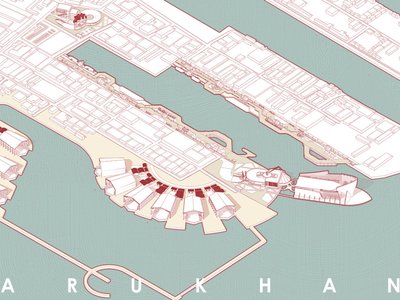
Waterfront Redevelopment and Urban Revitalization in Mumbai: Forging a New Dawn for Darukhana
A transformative waterfront redevelopment project reimagining Darukhana’s shipbreaking heritage into an inclusive urban future.

OUT-OF-MAP: A Call for Postcards on Feminist Narratives of Public Space
Rhizoma Design and Research Lab invites artists, designers, architects, researchers, and students to reflect on how feminist perspectives can reshape public space. Selected works will be exhibited in Barcelona, October 2026. Submissions open until 15 April 2026.


Documentation Work on Buddhist Wooden Temple
Architectural syncretism and cultural hybridity: A comparative study of the Buddhist temples in Chattogram Hill tracks

Explore Architecture Competitions
Discover active competitions in this discipline




The International Standard for Design Portfolios


The Global Benchmark for Architecture Dissertation Awards


The Global Benchmark for Graduation Excellence


Challenge to reimagine the Iron Throne
Comments (0)
Please login or sign up to add comments
No comments yet. Be the first to comment!