
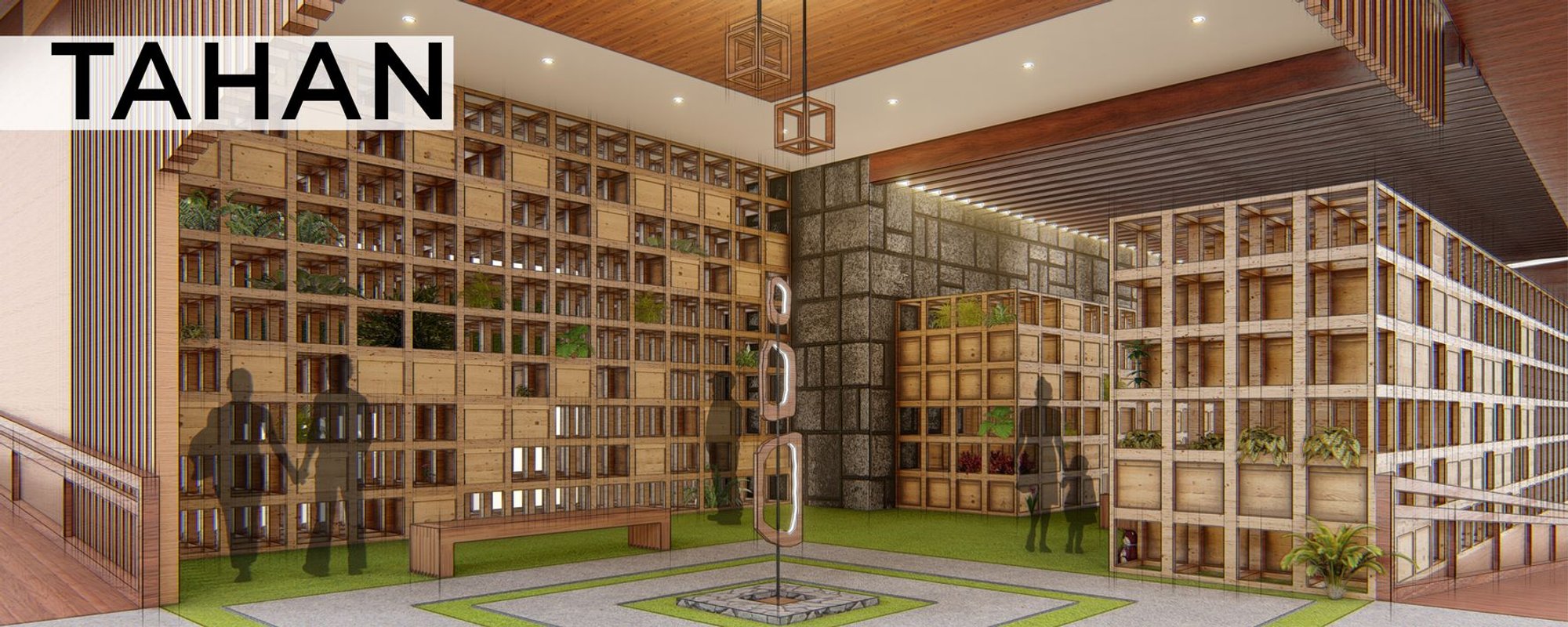
TAHAN: A Vertical Cemetery and Civic Center for the Future of Urban Burial
Rethinking death and civic life through vertical cemetery architecture and sustainable urban integration.

Project by Kyle Babst
As urban populations grow and available land diminishes, cities across the world are facing a unique challenge: how to respectfully and sustainably manage burial spaces. TAHAN, a groundbreaking concept in vertical cemetery architecture, offers a bold reimagining of what memorial spaces can be. By integrating civic, cultural, and ecological functions within a high-rise structure, the project not only redefines death care but also breathes life into urban architecture.
A New Typology for Burial Spaces
The project name, "Tahan," is derived from the Filipino word "tahanan," meaning home or dwelling place. This symbolism sets the tone for the structure's mission: to offer the departed a dignified home in the sky, while giving the living a vibrant space to connect, reflect, and build community.
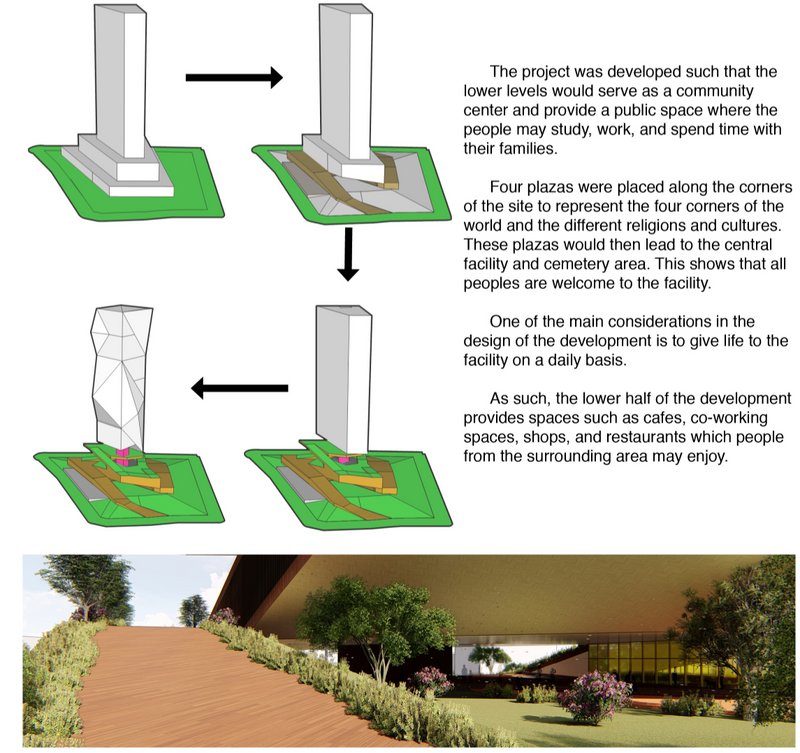
With a pressing need to rethink traditional cemeteries, TAHAN explores sustainable burial practices and spatial efficiency through vertical design. The tower splits into two functional zones:
- Lower Levels: A civic and public space including cafes, co-working areas, plazas, and recreational areas
- Upper Levels: Garden-like cemetery zones featuring freestanding memorial walls, biodegradable casket burials, and eco-cremation options
Integrating Life and Death in One Structure
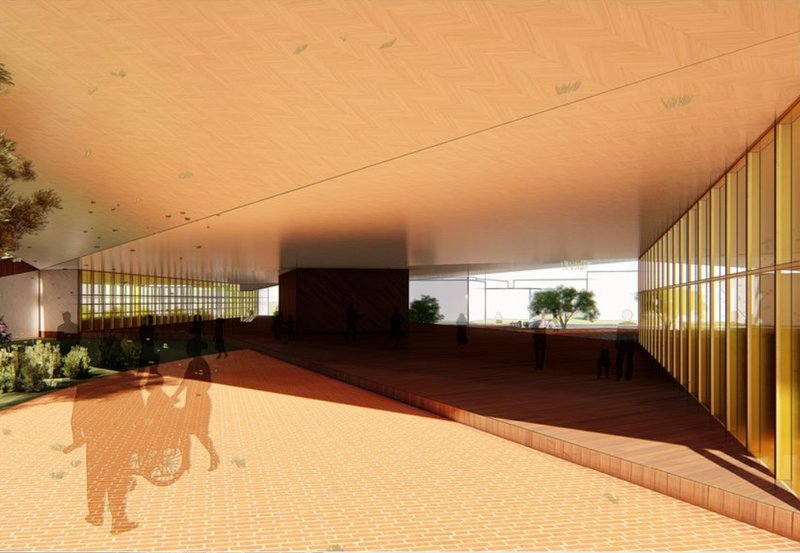
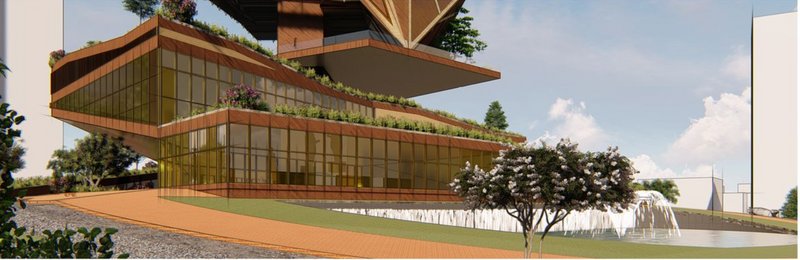
Rather than isolate the dead from the living, the architecture encourages interaction. The ground level of the building serves as an open civic plaza, surrounded by lush greenery and layered terraces. This blurring of boundaries between mourning and celebration enables the project to become a public sanctuary rather than a place of avoidance.
Four entry plazas anchor each corner of the site, representing diverse global cultures and faiths. These lead into the building’s central core, reinforcing inclusivity and accessibility in its spatial layout. The design fosters daily interaction with the site, encouraging people to engage with the architecture not only during times of loss but as a daily part of city life.
Architecture that Responds and Reflects
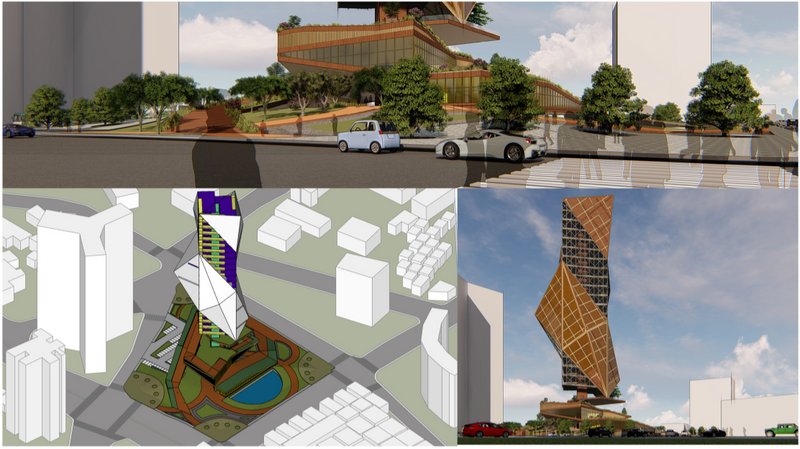
TAHAN uses a distinct geometric language, with its twisting, timber-clad massing reflecting movement and transformation. While the structure uses a uniform core for functional efficiency and scalability, the skin treatment varies with orientation. From different angles, the building appears to shift—a symbolic nod to the multifaceted nature of life and death.
Accessibility is a core design principle, achieved through a system of ramps and tiered walkways. This makes the space usable by people of all ages and abilities. The ramped circulation also adds a sense of ceremonial procession, especially when ascending toward the memorial areas above.
Sustainable Death Care in Urban Centers
Sustainability is central to the project’s mission. The cemetery levels introduce green burial techniques, including:
- Biodegradable/green caskets placed in open garden lots
- Cremation with ashes scattered around memorial trees
- Modular niches for urns in ventilated timber-clad interiors
By going vertical, the design conserves horizontal land while offering scalable memorialization. In a world where eco-conscious architecture is a necessity, TAHAN positions itself as a future-forward solution that respects cultural tradition while embracing innovation.
A Civic Catalyst for Community
TAHAN is not merely a cemetery. It is a hybrid urban vertical complex that blends spatial storytelling with pragmatic urban needs. In its lower sections, the development houses cafes, learning centers, shops, and workspaces—giving it vitality beyond mourning. In doing so, the architecture becomes a daily part of city life, blurring the line between utility and spirituality.
In short, TAHAN challenges the typology of a cemetery by turning it into an architectural celebration of life and memory. Through vertical cemetery architecture, it opens the possibility of embedding rituals, memories, and communities into the vertical fabric of our cities.
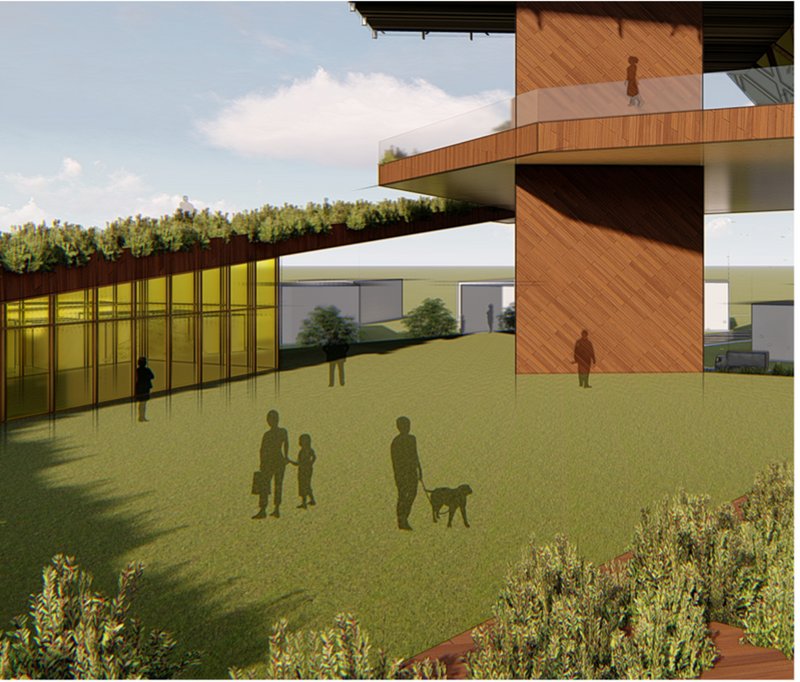
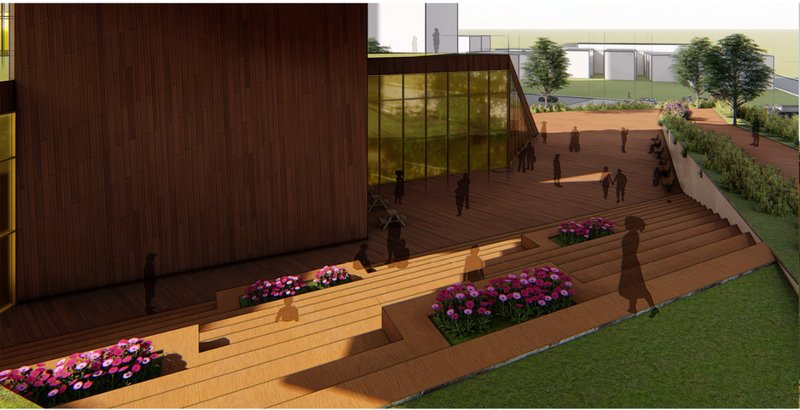
A green open space promotes intergenerational interaction beneath the memorial levels.



Popular Articles
Popular articles from the community

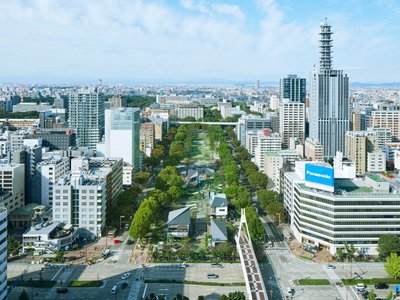
On the Brooks House by Monsoon Collective – A Contemporary Kerala Home Rooted in Tradition
Kerala home blending tradition and modernity with water-inspired design, brick architecture, courtyard planning, and sustainable rainwater harvesting strategies.
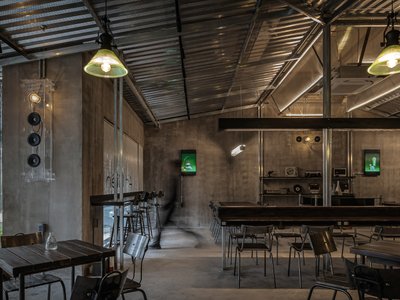
An Miên Lumière Cafe by xưởng xép, Ho Chi Minh City, Vietnam
An industrial-inspired café where layered steel and warm light create a dynamic, immersive environment shaped by reflection, depth, and perception.
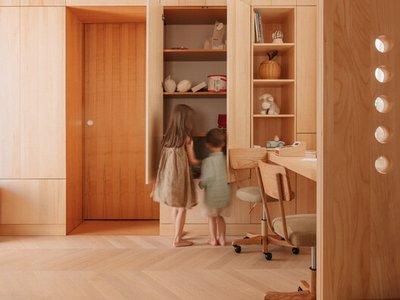
Treehouse Apartment: A Warm Timber Interior Blending Craft, Play, and Contemporary Living
Warm timber apartment with integrated treehouse, combining natural materials, craftsmanship, and playful design to create a flexible, family-oriented living environment.
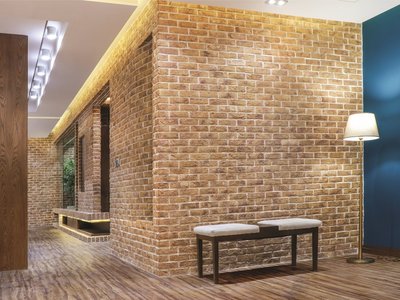
A Contemporary Take on Iranian Residential Architecture
A modern interior design in Mashhad that reinterprets brick, light, and spatial flow to create a warm, contemporary residential architecture.

Similar Reads
You might also enjoy these articles

Top 15 Architecture Competitions to Enter in 2026
From student-friendly idea competitions to prestigious international awards, here are the best architecture competitions open for entries in 2026. Updated regularly.

DIY & Engineering in Computational Design : Enter the BeeGraphy Design Awards
Showcase Your Creativity with Computational Design and Open Source Projects
Innovative Design Solutions: Award-Winning Projects from Recent Architecture Competitions
Exploring award-winning architectural projects shaping the future of design, sustainability, and community.





Comments (0)
Please login or sign up to add comments
No comments yet. Be the first to comment!