
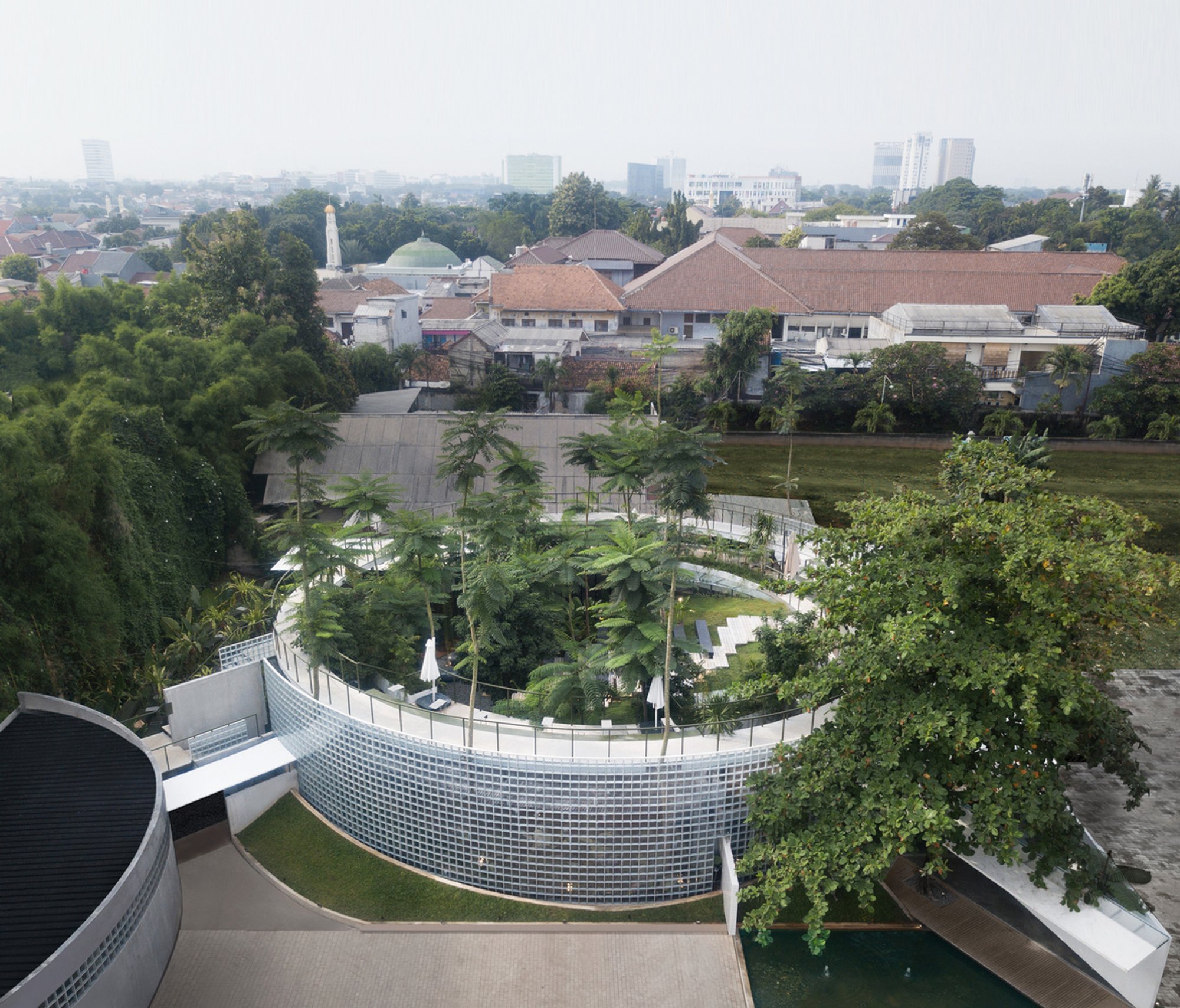
Tanatap Ring Garden Coffee Shop by RAD+ar
Tanatap Ring Garden Coffee Shop by RAD+ar features multi-leveled tropical gardens, playful indoor-outdoor spaces, sustainable design, and immersive visitor experiences in Jakarta.

A Green Oasis in Jakarta: Ring Garden Café
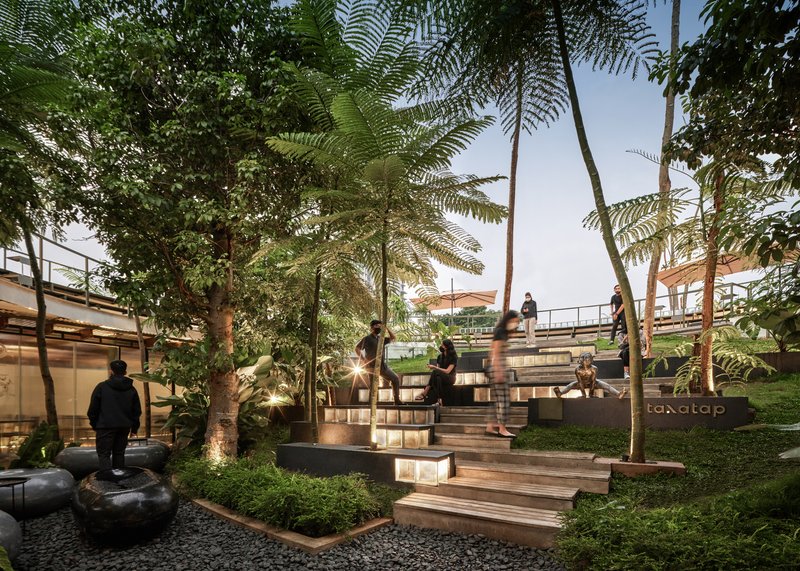
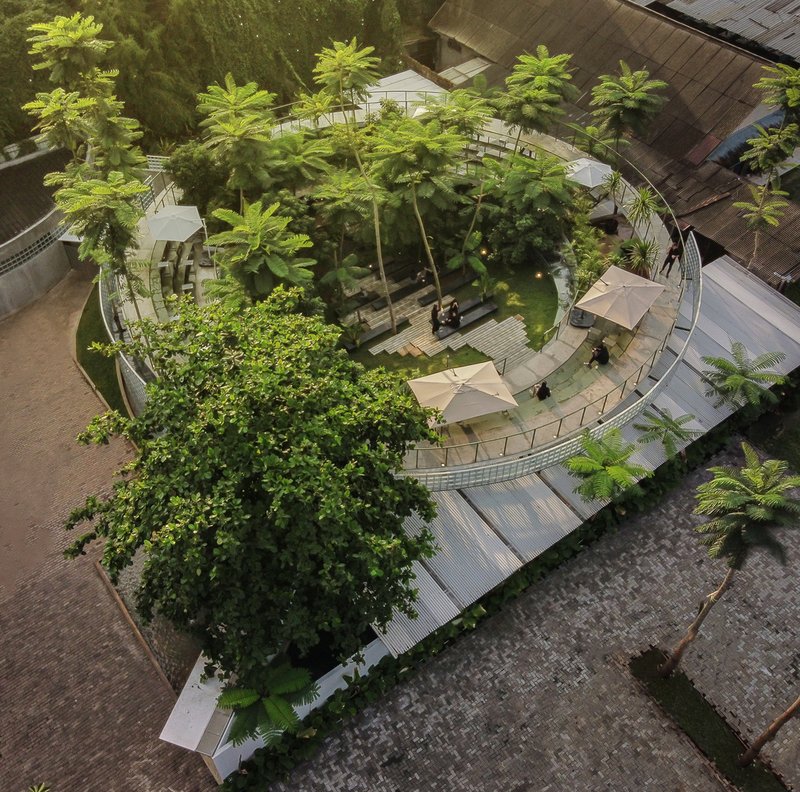
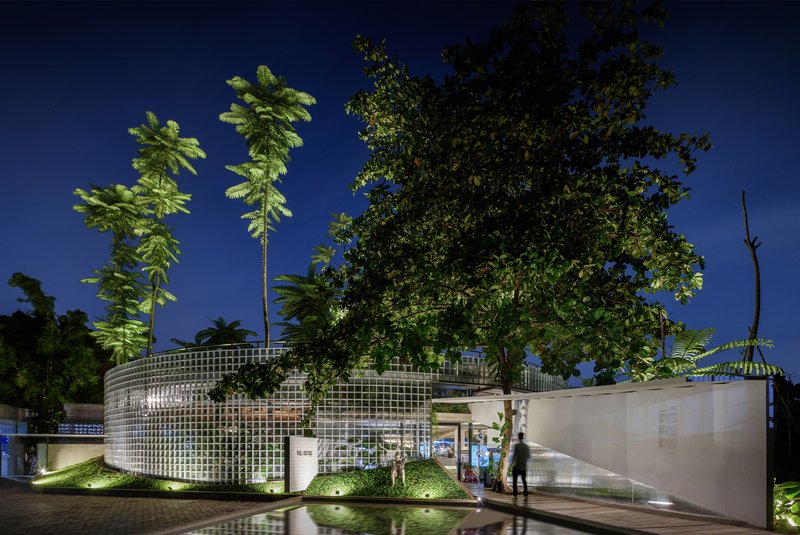
Tanatap Ring Garden Coffee Shop, designed by RAD+ar, is a pioneering example of sustainable tropical architecture in Indonesia. This unique café redefines the relationship between built form and landscape by integrating multi-leveled green spaces with functional commercial areas. Its innovative design creates a walkable roofscape with dynamic platforms that rise and fall, forming a series of floating amphitheaters surrounded by lush tropical gardens.
Concept: Disappearing Indoor Space
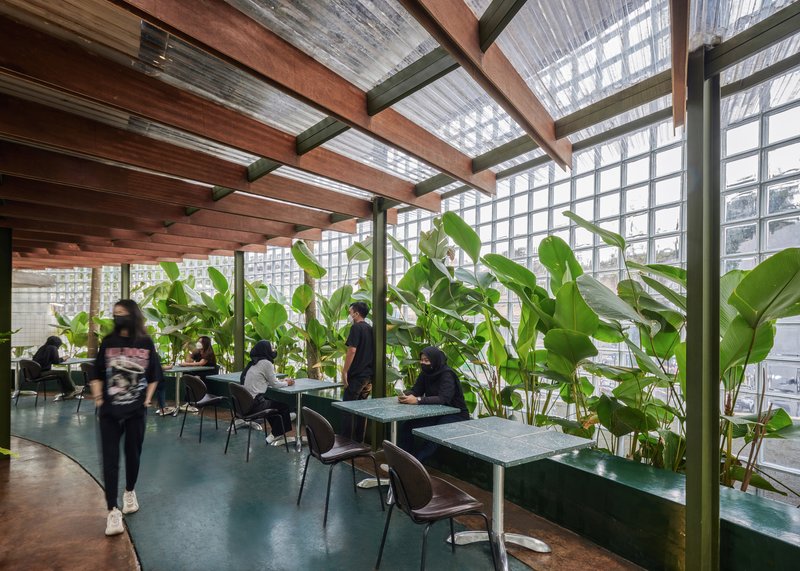
The concept behind Tanatap Ring Garden began with a simple yet powerful question: What if a building acted solely as an envelope for an open garden? The design demonstrates indoor spaces that fade into the garden, creating sequential experiences rather than predetermined rooms. Central to the project is the idea of playful togetherness, offering a dynamic civic space that is both social and sustainable, especially in developing urban environments like Jakarta.
Architectural Strategies
RAD+ar employed three key strategies to merge café functionality with natural surroundings:
- Tree-Connected Circulation: Visitors move along pathways integrated with existing trees, creating a seamless connection with nature.
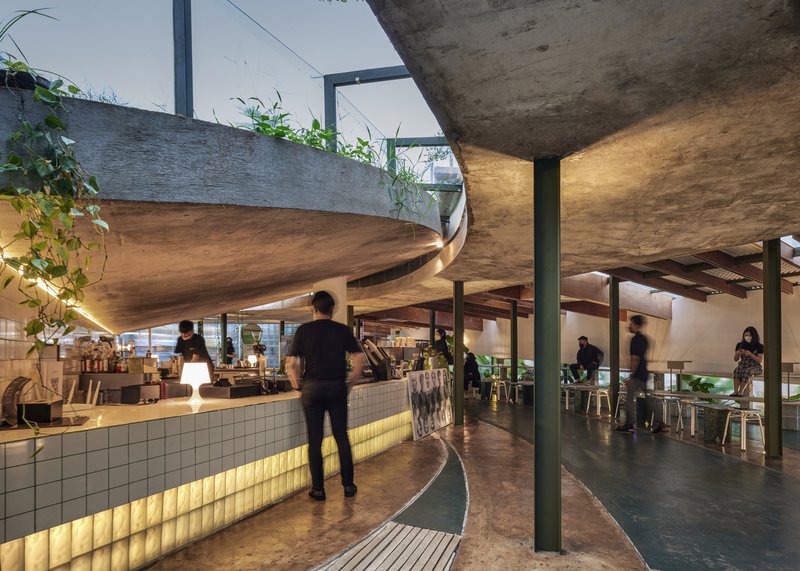
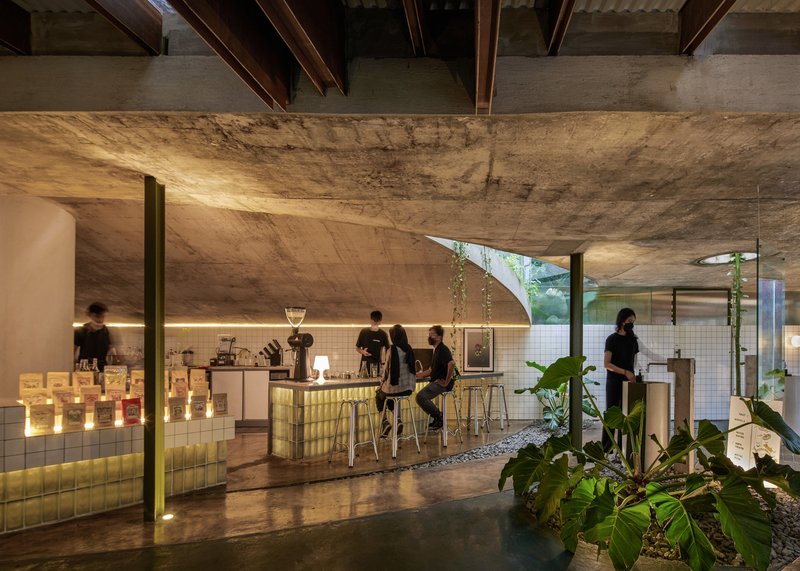
- Intimate Underground Spaces: The main entrance features smaller, enclosed areas for private and reflective experiences.
- Dynamic Spatial Contrast: Variations in scale, color, density of vegetation, and natural light introduce a sense of discovery, guiding visitors through concealed doors toward open garden areas.
These strategies ensure the café blends harmoniously with the tropical landscape while offering a versatile social experience.
Experimental User-Centered Design
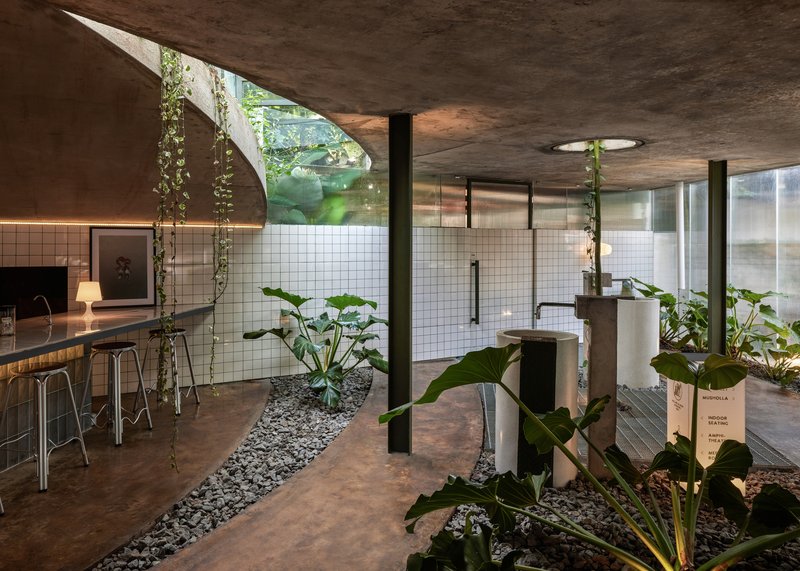
Tanatap Ring Garden also functions as a social experiment, observing how users define comfort in spaces that challenge conventional hierarchies. Furniture is subtly integrated into the landscape, encouraging visitors to interact, adapt, and redefine the café’s spaces over time. This approach reflects the architects’ interest in understanding behavioral patterns in open, public environments.
Visitor Experience
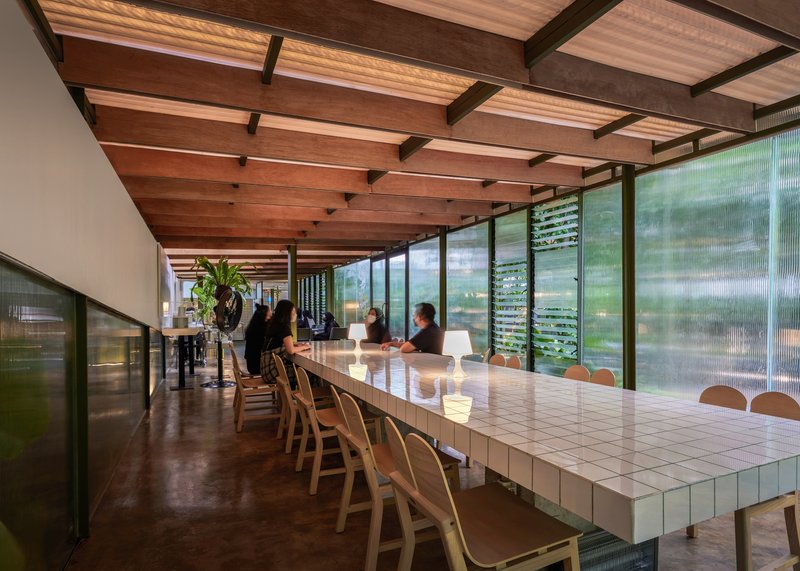
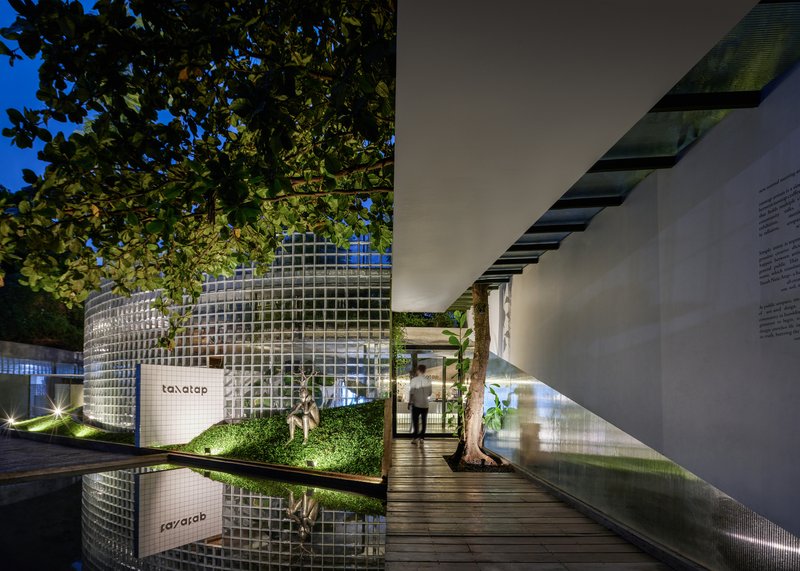
Guests enter via a pathway bridge connecting two mature trees, blurring the boundary between indoor and outdoor spaces. Concealed skylights offer glimpses of garden activity above, while concentric spaces with a central coffee bar branch into two additional areas with increasing natural light. The journey culminates in a multi-leveled tropical garden, inviting visitors to explore and engage with nature fully.
On the upper level, the ring garden serves as a transitional space between city and landscape. Sculptural forms punctuate the horizon like a skyline, while the interplay of color and light draws visitors into the sensual beauty of the tropical environment.
Materials & Sustainability
The café’s envelope is crafted from glass blocks, blurring the line between building and garden. The structure offers privacy while maximizing natural light, giving the impression of floating heavy materials that scatter throughout the garden.
Inspired by the COVID-19 pandemic, RAD+ar embraced this moment to demonstrate sustainable outdoor commercial spaces. Tanatap Ring Garden exemplifies how tropical architecture can harmonize sustainability with commercial viability, offering a model for future urban developments in Indonesia and beyond.



Popular Articles
Popular articles from the community

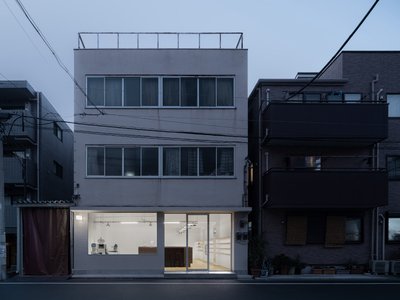
Atelier Macri Concept Store Interior Design by CASE-REAL
Atelier Macri store features a "ko" counter, walnut wood details, cork displays, blending retail, gallery, and seamless customer experiences.

Solar Steam: A Climate-Responsive Architecture That Redefines the Monument
A climate-responsive memorial architecture that transforms heat, decay, and time into a living system reflecting humanity’s ecological impact.
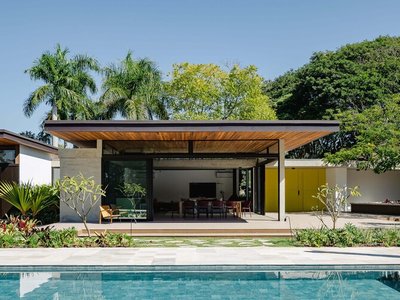
Flamboyant House by Juliana Camargo + Prumo Projetos
Modern Brazilian house integrating existing tree, pool, and volumes with glass, wood, and transitional spaces blending interior, exterior, and landscape seamlessly.
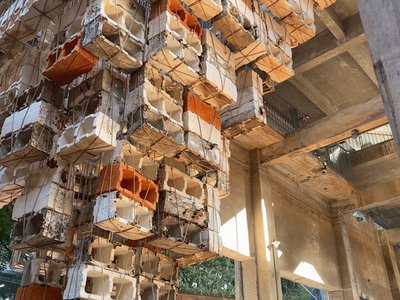
Inverted Architecture Installation by Studio Link-Arc: Exploring the Intersection of Architecture and Living Organisms
Inverted Architecture Installation by Studio Link-Arc blends mycelium, sustainability, inverted design, ecological cycles, and urban adaptive architecture in Shenzhen.

Similar Reads
You might also enjoy these articles


The Ken Roberts Memorial Delineation Competition (Krob)
As the most senior architectural drawing competition currently in operation anywhere in the world, it draws hundreds of entries each year, awarding the very best submissions in a series of medium-based categories.


Waterfront Redevelopment and Urban Revitalization in Mumbai: Forging a New Dawn for Darukhana
A transformative waterfront redevelopment project reimagining Darukhana’s shipbreaking heritage into an inclusive urban future.

OUT-OF-MAP: A Call for Postcards on Feminist Narratives of Public Space
Rhizoma Design and Research Lab invites artists, designers, architects, researchers, and students to reflect on how feminist perspectives can reshape public space. Selected works will be exhibited in Barcelona, October 2026. Submissions open until 15 April 2026.


Documentation Work on Buddhist Wooden Temple
Architectural syncretism and cultural hybridity: A comparative study of the Buddhist temples in Chattogram Hill tracks


Explore Architecture Competitions
Discover active competitions in this discipline




The International Standard for Design Portfolios


The Global Benchmark for Architecture Dissertation Awards


The Global Benchmark for Graduation Excellence


Challenge to design luxury tourism on rails
Comments (0)
Please login or sign up to add comments
No comments yet. Be the first to comment!