
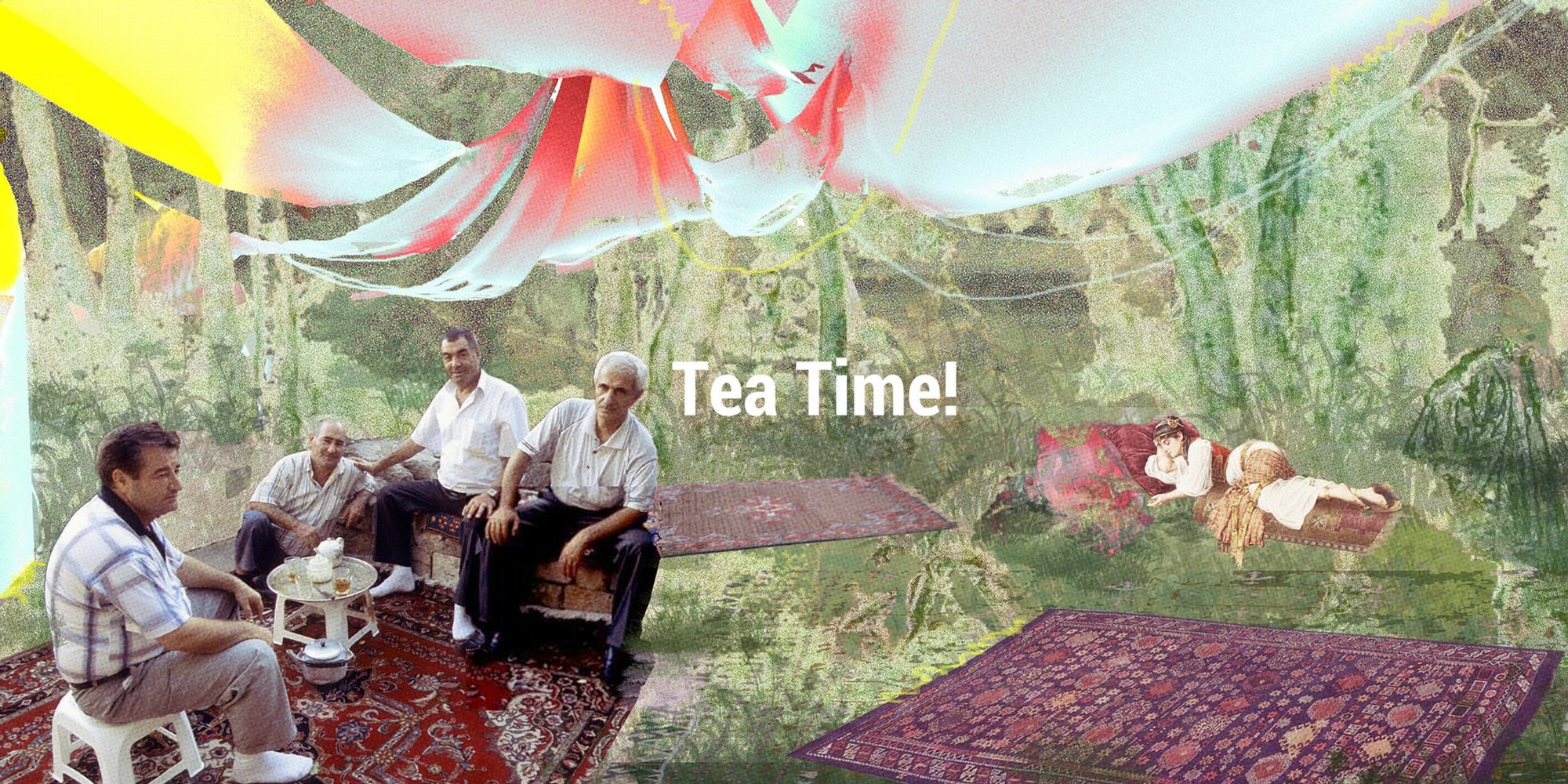
Tea Time: A Cross-Cultural Celebration of Connection and Conversation
Brewing Dialogue Between the Public and Government Through the Shared Ritual of Tea

Tranquil oasis nestled within the bustling heart of London, a place where the soothing aroma of brewing tea mingles with the vibrant hum of conversation. This isn't a whimsical daydream, but the captivating vision behind "Tea Time," created by Lana Trajkovic, Ivan Raskovic, an innovative architectural project designed to foster connection and dialogue between the public and government through the shared ritual of tea. Shortlisted entry for the Urban Living Room competition, this unique pavilion complex celebrates the rich cultural heritage of tea while providing a platform for meaningful interaction and understanding.
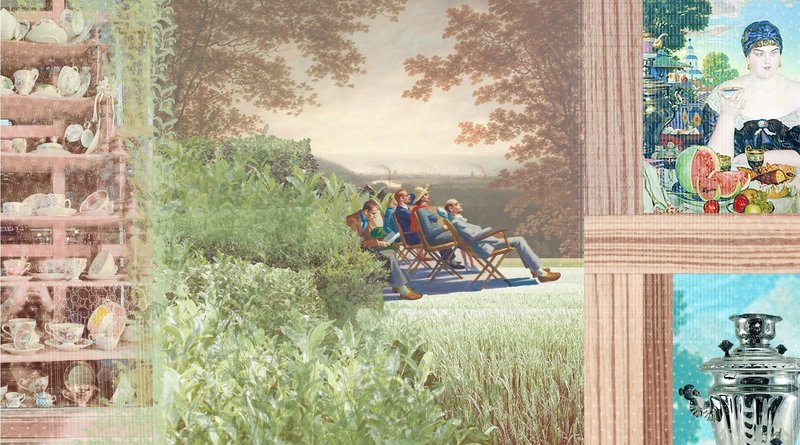
More Than Just a Beverage: Tea as a Catalyst for Connection
Tea, a beverage enjoyed across cultures and continents, possesses an inherent ability to bring people together. Its preparation and consumption often serve as a social lubricant, fostering a sense of community and shared experience. "Tea Time" capitalizes on this unifying power, transforming the simple act of drinking tea into a catalyst for meaningful conversations and a deeper understanding of diverse perspectives.
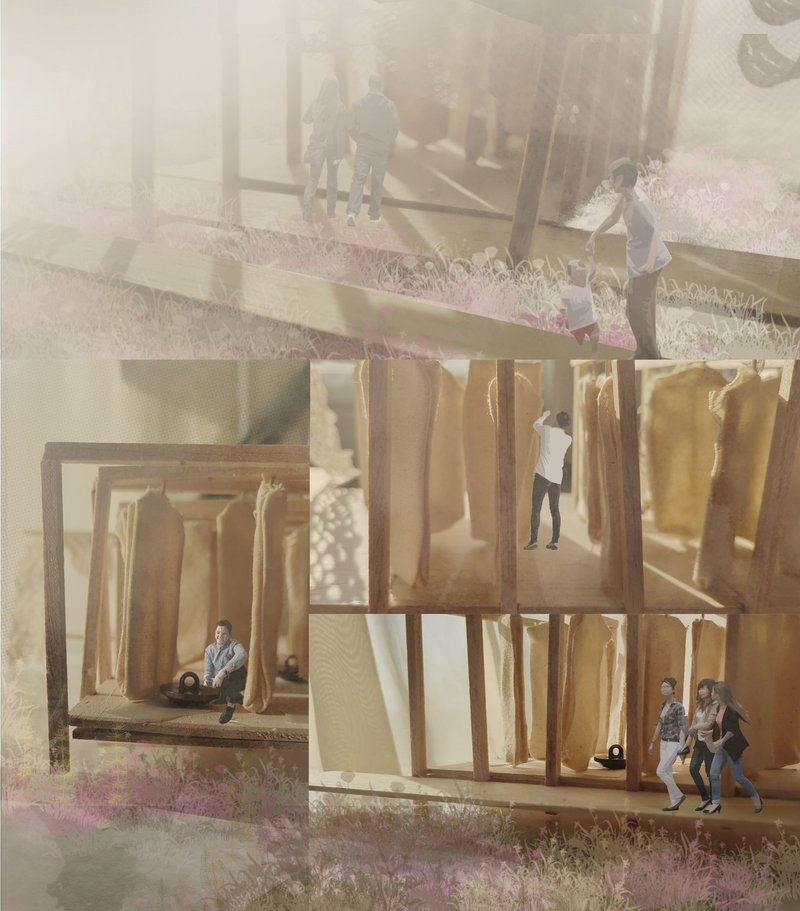
A Tapestry of Cultures: Celebrating the Global Heritage of Tea
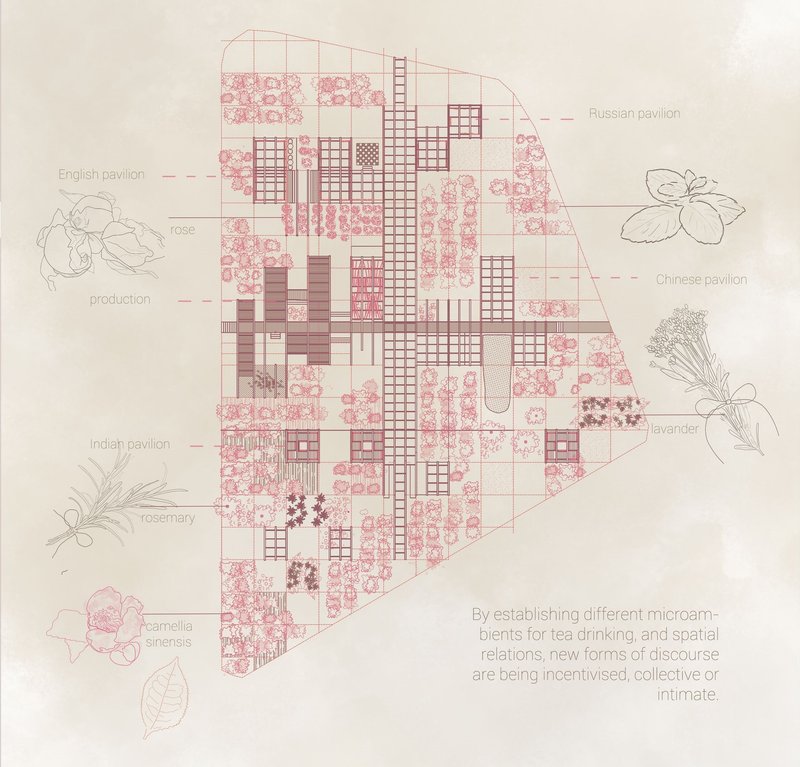
The "Tea Time" pavilion complex is a vibrant tapestry of cultures, each represented by a unique micro-environment inspired by the distinct tea traditions of India, China, Turkey, Russia, and England. These carefully crafted spaces, adorned with traditional fabrics, furnishings, and artifacts, invite visitors to immerse themselves in the rich history and cultural significance of tea across the globe.
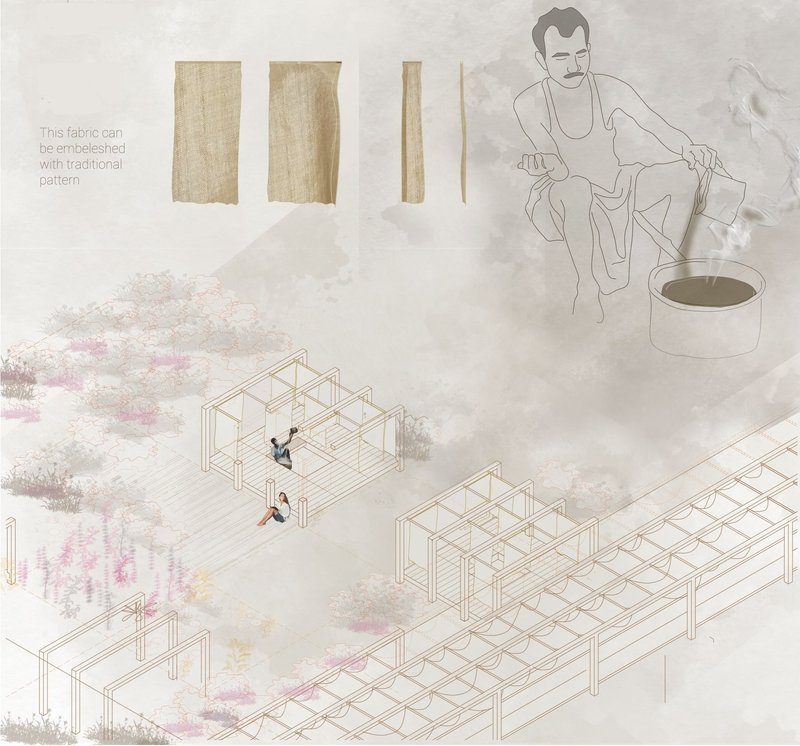
Indian Pavilion: Inspired by the vibrant street culture of chaiwallahs, this pavilion offers a taste of India's bustling tea scene.
Chinese Pavilion: Rotating silk panels create an elegant and adaptable space, reflecting the grace and versatility of Chinese tea ceremonies.
Turkish Pavilion: A communal space adorned with traditional carpets invites visitors to relax and connect over shared cups of Turkish tea.
Russian Pavilion: Heavy curtains create a sense of intimacy and warmth, reminiscent of traditional Russian tea gatherings.
English Pavilion: A grand space inspired by the elegance of afternoon tea, fostering a sense of sophistication and social connection.
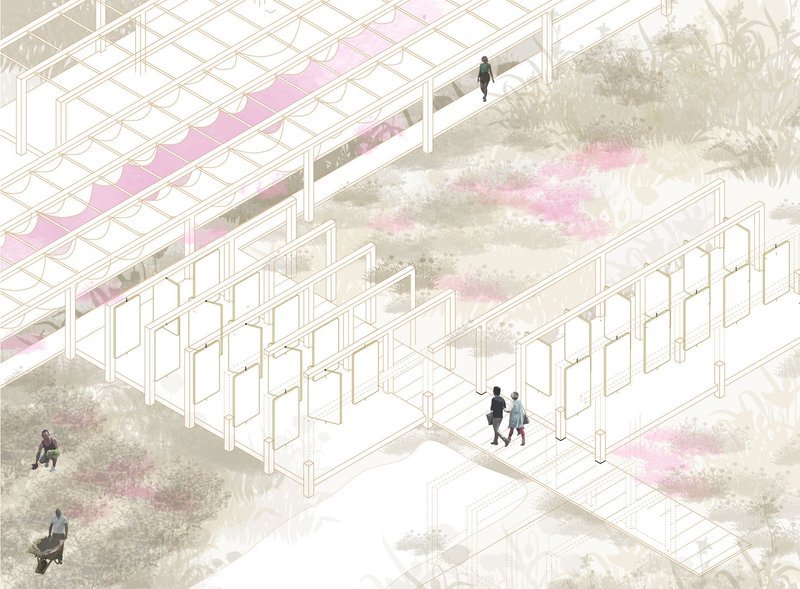
A Sensory Journey: Immersing Visitors in the World of Tea
"Tea Time" is more than just a visual experience; it's a multi-sensory journey that engages all the senses. Visitors can stroll through gardens filled with fragrant tea plants and aromatic herbs, adding a tactile and olfactory dimension to their experience. The gentle rustling of leaves, the fragrant steam rising from teacups, and the vibrant colors of traditional textiles create a truly immersive and unforgettable experience.
Beyond the Pavilions: Fostering Dialogue and Understanding
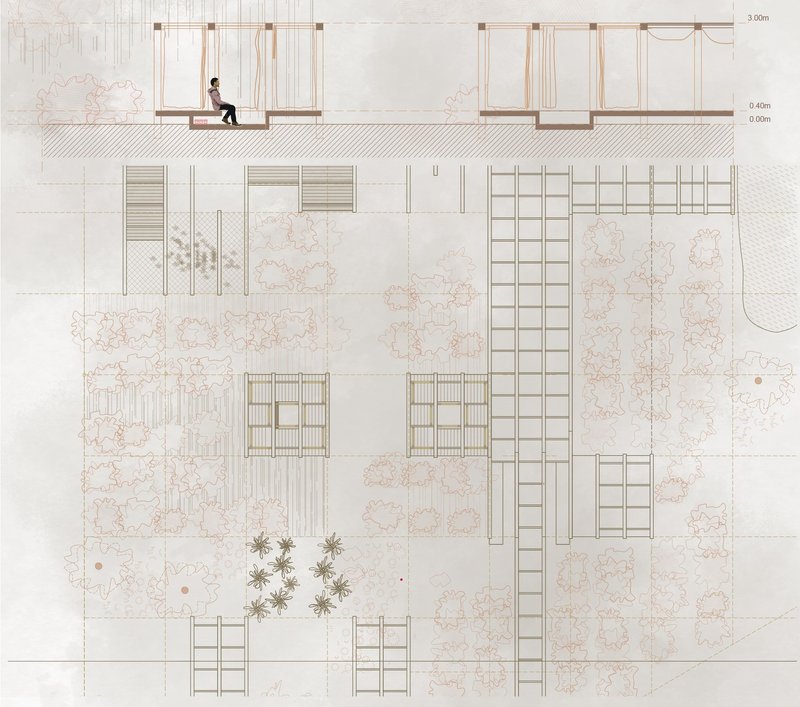
The heart of "Tea Time" lies in its ability to facilitate meaningful dialogue and understanding between the public and government. The central corridor, adorned with informative plaquettes and vintage tea sets, provides a historical and cultural context for the tea ritual. A dedicated production zone offers workshops and interactive events, allowing visitors to learn about the art of tea making and engage in discussions about its social and political significance.
A Vision for a More Connected Society
"Tea Time" is a testament to the power of architecture to create spaces that foster connection, understanding, and meaningful dialogue. By transforming the simple act of drinking tea into a catalyst for cross-cultural exchange and civic engagement, this innovative project offers a hopeful vision for a more connected and engaged society.




Popular Articles
Popular articles from the community


The Ken Roberts Memorial Delineation Competition (Krob)
As the most senior architectural drawing competition currently in operation anywhere in the world, it draws hundreds of entries each year, awarding the very best submissions in a series of medium-based categories.

Louis Malle Cinema: A Limestone Cultural Landmark Revitalizing Community Life in Prayssac
Limestone cinema extension with public forecourt, blending heritage and modern design to create flexible cultural spaces and strengthen community interaction.
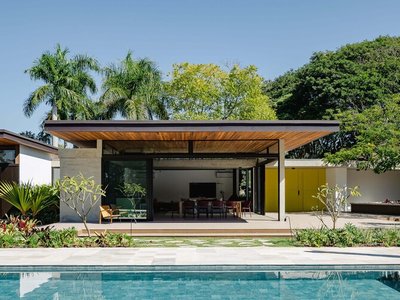
Flamboyant House by Juliana Camargo + Prumo Projetos
Modern Brazilian house integrating existing tree, pool, and volumes with glass, wood, and transitional spaces blending interior, exterior, and landscape seamlessly.
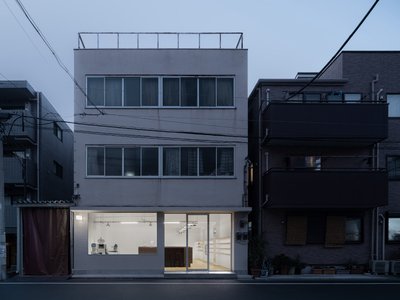
Atelier Macri Concept Store Interior Design by CASE-REAL
Atelier Macri store features a "ko" counter, walnut wood details, cork displays, blending retail, gallery, and seamless customer experiences.


Similar Reads
You might also enjoy these articles
The Ken Roberts Memorial Delineation Competition (Krob)
As the most senior architectural drawing competition currently in operation anywhere in the world, it draws hundreds of entries each year, awarding the very best submissions in a series of medium-based categories.
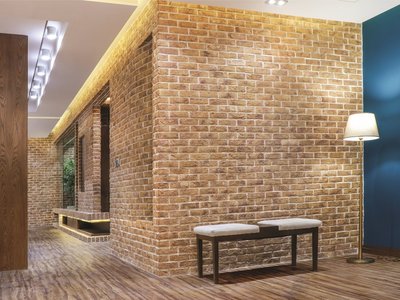
A Contemporary Take on Iranian Residential Architecture
A modern interior design in Mashhad that reinterprets brick, light, and spatial flow to create a warm, contemporary residential architecture.
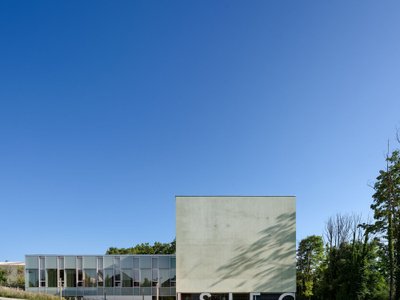
Franche-Comté Advanced School of Engineering by Dominique Coulon & associés, Besançon
A flexible engineering school immersed in woodland, combining concrete minimalism, adaptable spaces, and natural light to support evolving educational environments.


Documentation Work on Buddhist Wooden Temple
Architectural syncretism and cultural hybridity: A comparative study of the Buddhist temples in Chattogram Hill tracks
Explore Conceptual Architecture Competitions
Discover active competitions in this discipline




The Global Benchmark for Architecture Dissertation Awards


Challenge to design public laboratory
Comments (0)
Please login or sign up to add comments
No comments yet. Be the first to comment!